
Porsche 911 outsells Taycan by nearly five to one as electric sports car's decline continues
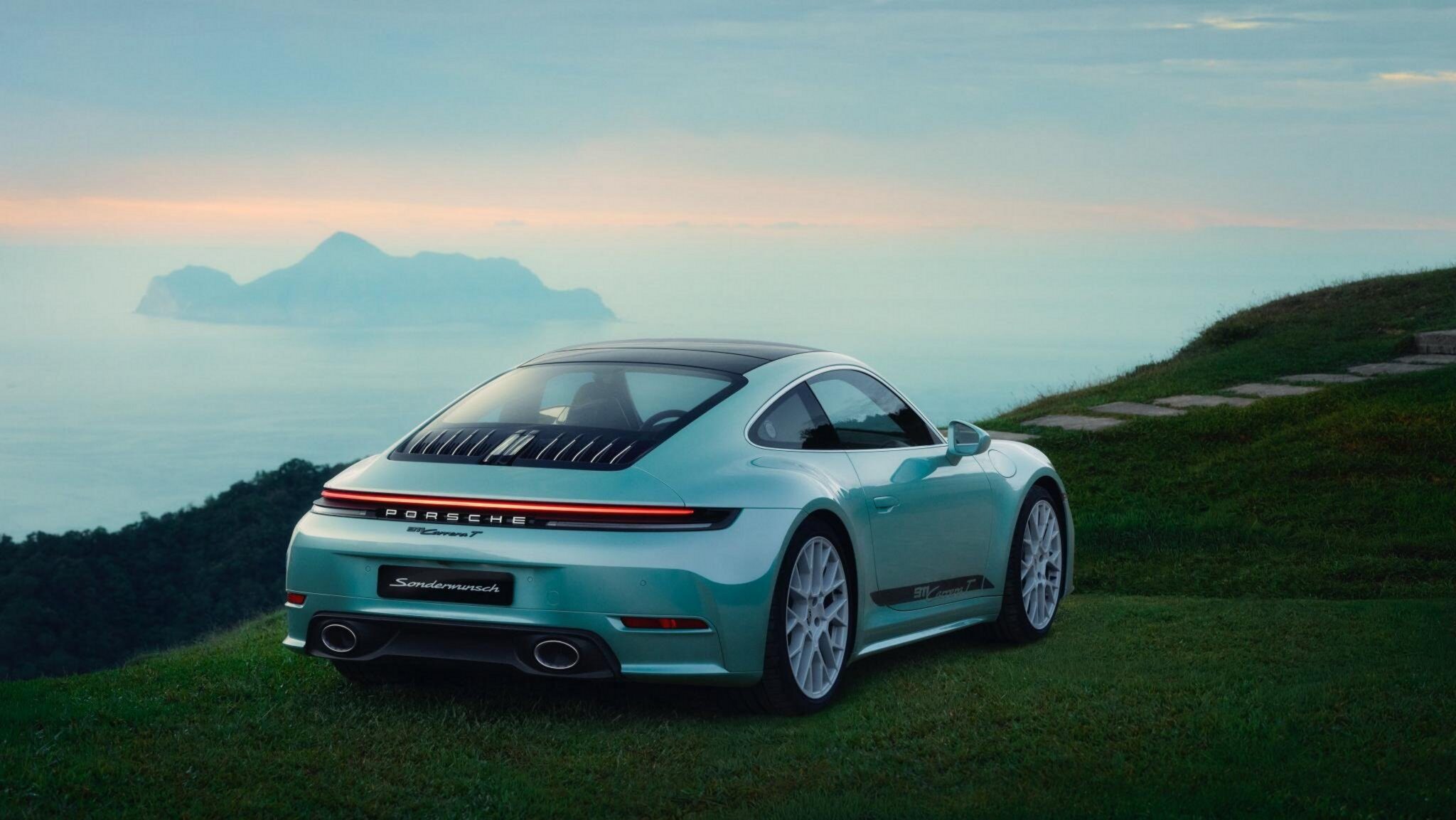
Sales of Porsche's electric Taycan fell 31 per cent this year, while the combustion-engined 911 increased its sales by 12 per cent. Over nine months, customers took delivery of 42,217 Porsche 911 sports cars but just 8,699 Taycans. Overall sales for the brand fell 16 per cent, with China suffering the steepest decline.
Porsche 911 defies overall sales decline
According to Porsche's sales report published on 9 October, the company delivered 178,532 cars worldwide in the first nine months of 2026. A year earlier, deliveries for the same period totalled 212,509 vehicles.
The Porsche 911 proved the most resilient to difficult market conditions, with sales rising from 37,806 cars to 42,217. It was also the brand's only model family to increase its sales volume this year.
The electric Taycan fared considerably worse. While 12,641 cars found owners in the first nine months of last year, this year's total was limited to 8,699 vehicles. Porsche therefore sold approximately 4.9 examples of the 911 for every Taycan.
The gap is telling, as the Taycan remains at the technological forefront of electric sports cars. Its 800-volt electrical system, powerful drivetrain and excellent driving dynamics have nevertheless failed to halt the decline in demand.
Cayenne leads as Macan and Panamera lose ground
The Cayenne remained at the top of Porsche's sales ranking with 59,586 cars. Sales of this model family fell just two per cent compared with last year. Deliveries of the electric Cayenne, which began in the summer, already contributed 7,002 cars to the total.
Macan sales fell 21 per cent to 51,025 cars. Of these, 23,029 were all-electric and 27,996 were combustion-engined versions. Porsche ended production of the latter this summer.
Panamera sales fell 35 per cent to 13,714 cars. The 718 Boxster and Cayman suffered an even steeper decline of 79 per cent, with deliveries totalling 3,291. The end of production in October 2025 played a decisive role in this decline.
Porsche's overall sales decline therefore cannot be treated simply as an electric car problem. Model changes, the ending of production and regional differences in demand also affect the results.
China poses the biggest challenge
The most difficult situation is in China, where Porsche sales fell 33 per cent to 21,493 cars. In North America, deliveries declined 13 per cent to 56,088 vehicles.
In Europe excluding Germany, Porsche sold 44,949 cars, 11 per cent fewer than a year earlier. In its home market of Germany, the decline was limited to seven per cent, with deliveries totalling 20,954.
In China, Porsche faces mounting pressure from local manufacturers offering high-performance, generously equipped electric cars at significantly lower prices. The situation in Europe is different, but here too the Taycan has to compete with models such as the Audi e-tron GT and contend with rapidly changing values for luxury electric cars on the used market.
Porsche focuses on more expensive sports cars
Porsche's new development strategy, “Sportwagenschmiede '35”, prioritises profitability, exclusive model variants and lower production costs. The company no longer intends to increase sales volume at any cost.
This direction is supported by demand for more expensive GTS, Turbo and GT versions, whose share remains high, according to the manufacturer.
The Taycan's decline does not, however, mean that Porsche customers have abandoned electric cars altogether. Deliveries of the electric Macan and Cayenne show that battery-powered drivetrains still have an important place in the brand's model range.
Rather, the figures confirm that Porsche buyers value different body styles and powertrains differently. Electric power is finding an increasing number of buyers among SUVs, but in the world of traditional sports cars, the Taycan has been unable to challenge the 911's position.


