
Honda plans a new pickup, but the engineering will come from Mitsubishi
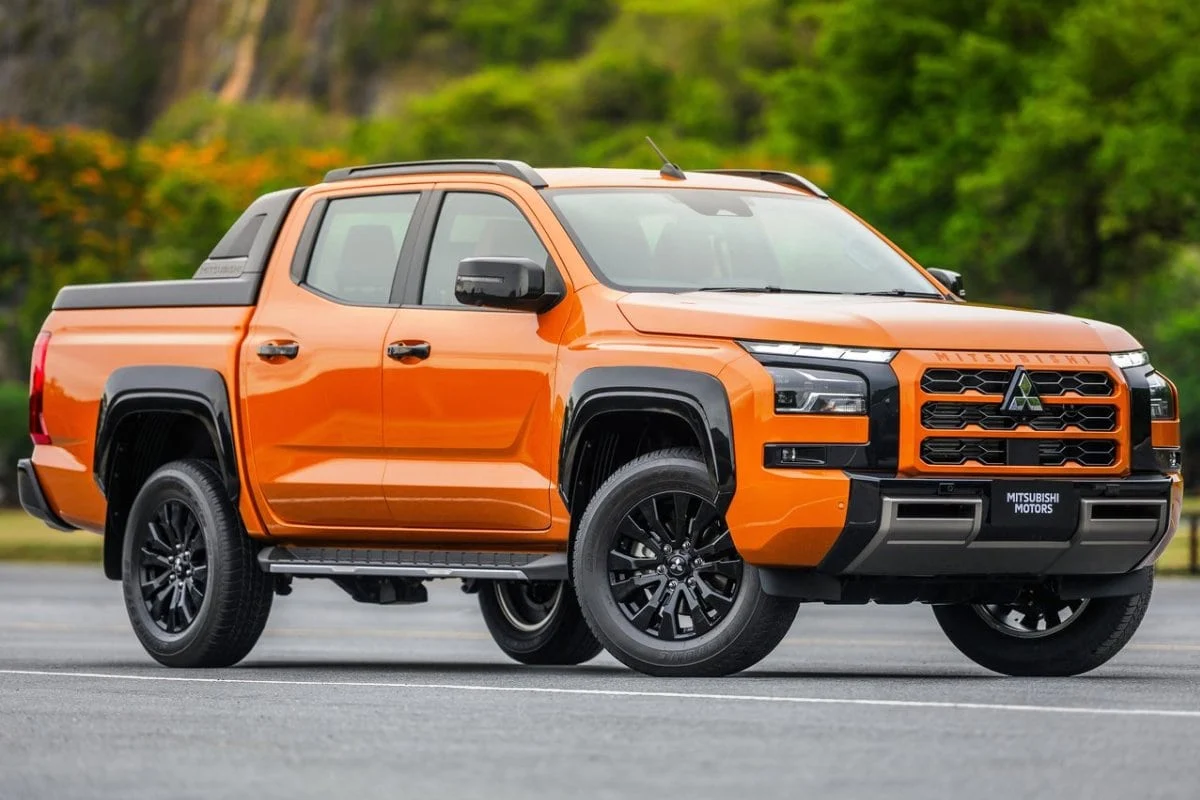
Honda is preparing to enter the body-on-frame pickup market, but rather than develop its own model, it plans to use the Mitsubishi Triton, the workhorse known in Europe as the L200. The new Honda could go on sale in 2028, with Southeast Asia as its main target market.
Honda leaves Mitsubishi to shoulder the development costs
According to Japanese newspaper Yomiuri Shimbun, Honda is in talks with Mitsubishi to secure the right to sell the Triton under its own brand. Mitsubishi would build the vehicles at its Thai plant, while Honda would sell them through its dealerships. Neither company has officially confirmed an agreement yet.
The arrangement would allow Honda to enter a highly competitive segment without costly platform development. Mitsubishi, in turn, could increase production volumes at its Thai plant and spread development costs across a larger number of vehicles.
The new generation of the Nissan Navara already uses the same underpinnings. Mitsubishi's body-on-frame architecture could therefore become a shared basis for three Japanese car brands.
A 150 kW diesel could feature under the bonnet
The current Mitsubishi Triton's engine range includes a 2.4-litre turbodiesel producing approximately 110 to 150 kW, depending on the version. Torque in the most powerful twin-turbo variant reaches 470 Nm.
Mitsubishi offers six-speed manual and automatic transmissions, along with rear-wheel drive or four-wheel drive. On more expensive versions, the manufacturer uses its Super Select 4WD-II system, which offers a choice of drive modes and includes low-range gearing.
The Triton is built on a ladder frame whose torsional rigidity increased by 60 per cent compared with the previous generation. It has independent double-wishbone suspension at the front and a rigid axle with leaf springs at the rear.
These attributes give Honda an opportunity to compete with the Toyota Hilux, Ford Ranger and Isuzu D-Max. Which engines and drivetrain configurations Honda will ultimately choose is not yet known. A hybrid powertrain is also considered a possibility.
Honda has sold body-on-frame pickups before
In North America, Honda currently sells the Ridgeline, whose unibody construction and independent suspension distinguish it from traditional pickups. The Ridgeline focuses primarily on ride comfort and everyday usability, while the Triton's body-on-frame construction is better suited to heavier work and demanding off-road driving.
Selling another manufacturer's pickup under its own name is nothing new for Honda either. In the 1990s, the company offered the Isuzu-based Tourmaster in Thailand.
For the new model, it remains unclear whether Honda will change only the badges and front-end styling or also redesign the interior more extensively.
A European launch is uncertain
Honda's initial target is Southeast Asia, where body-on-frame pickups account for a significant share of the vehicle market. Possible exports to other regions are still under consideration.
In Europe, emissions requirements, homologation costs and relatively low demand would make launching the model difficult. The Mitsubishi L200's engineering would give Honda a strong starting point, but creating a version priced appropriately for the European market would require additional investment.
Honda's decision also reflects the changing approach to collaboration among Japanese carmakers. If Mitsubishi can offer ready-made, competitive technology, Honda has little reason to spend billions developing its own body-on-frame pickup.


