
Renault revives the 8 Gordini as a 199 kW electric rear-wheel-drive coupe
 1/58
1/58
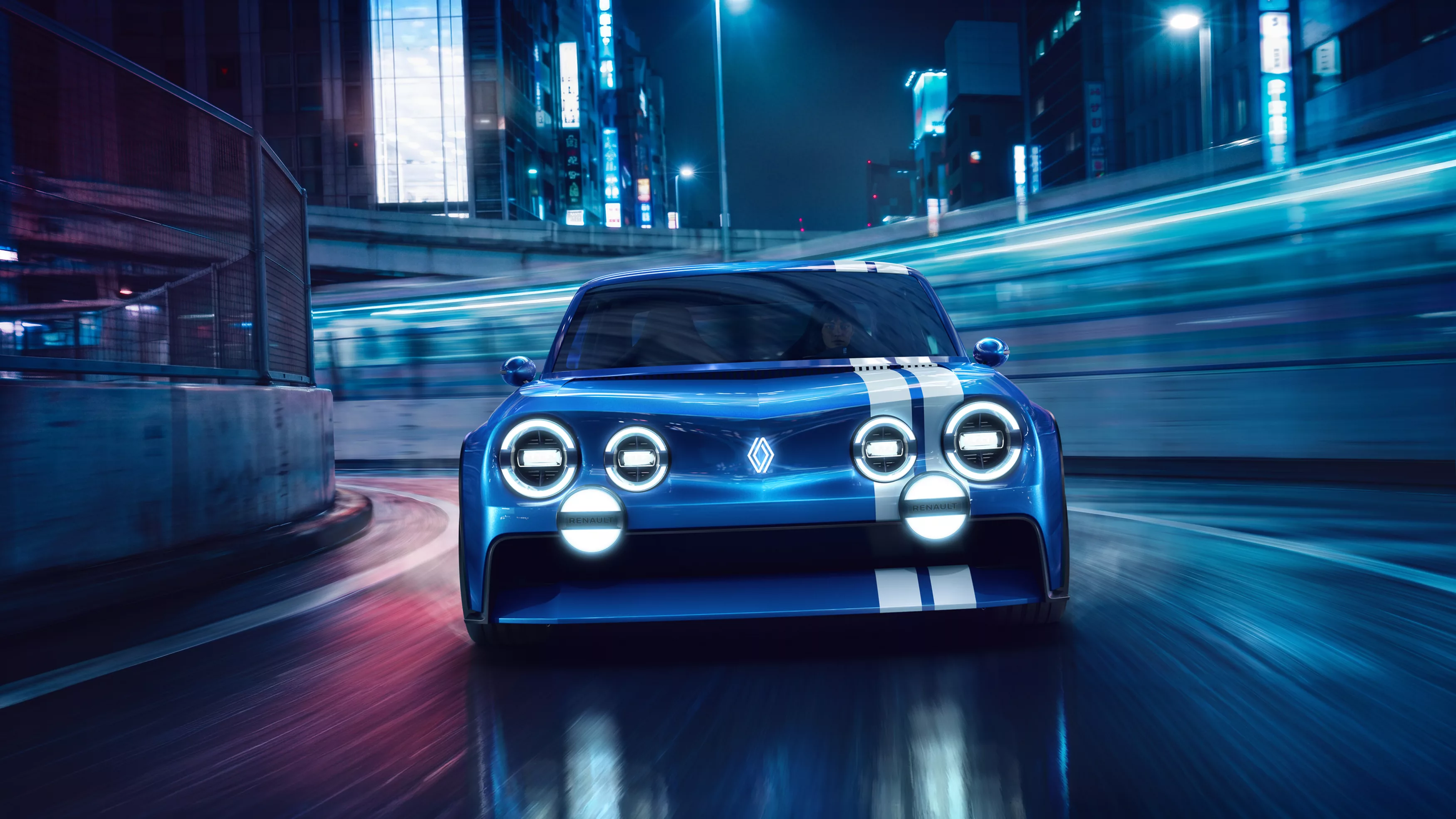
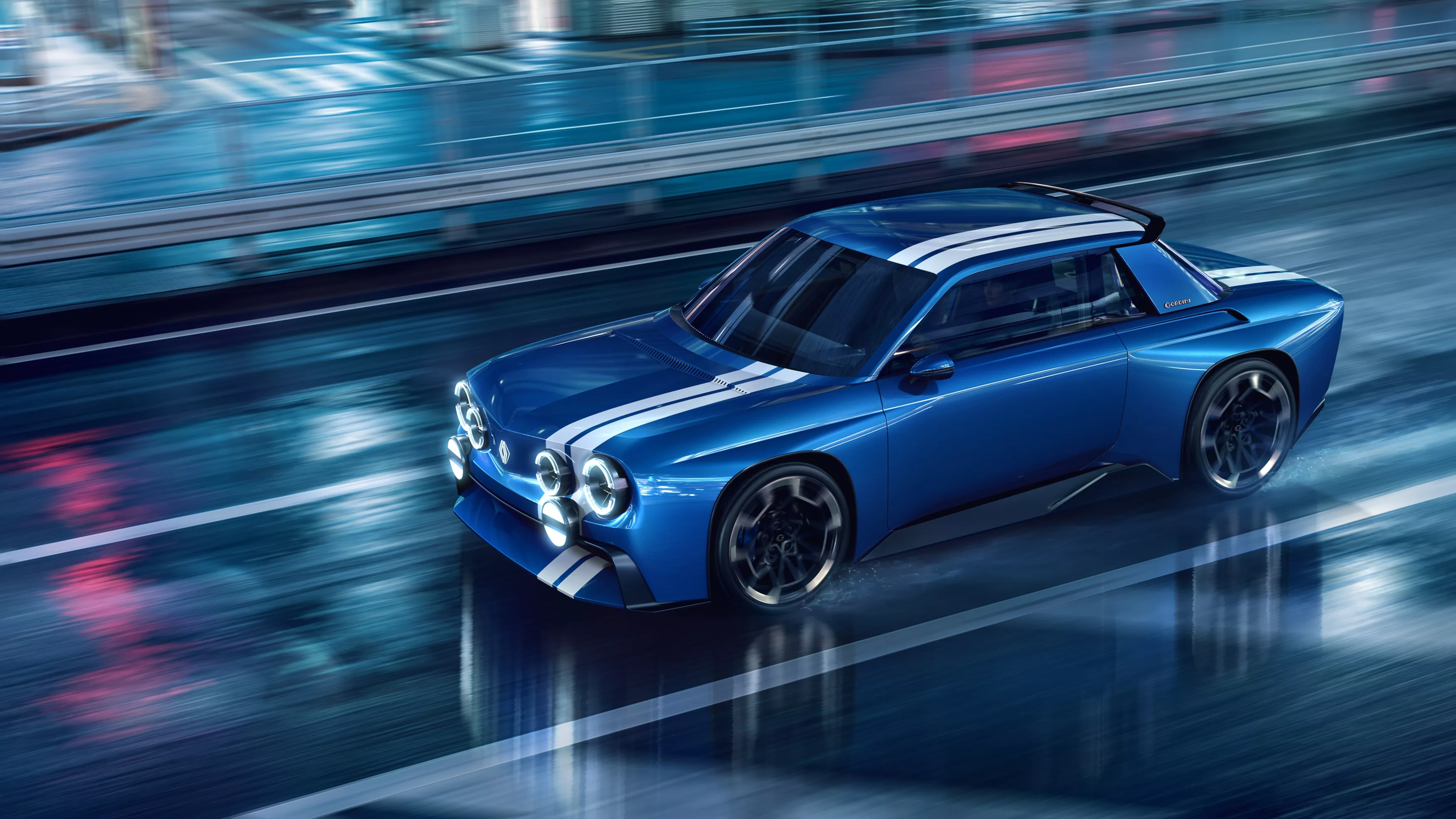
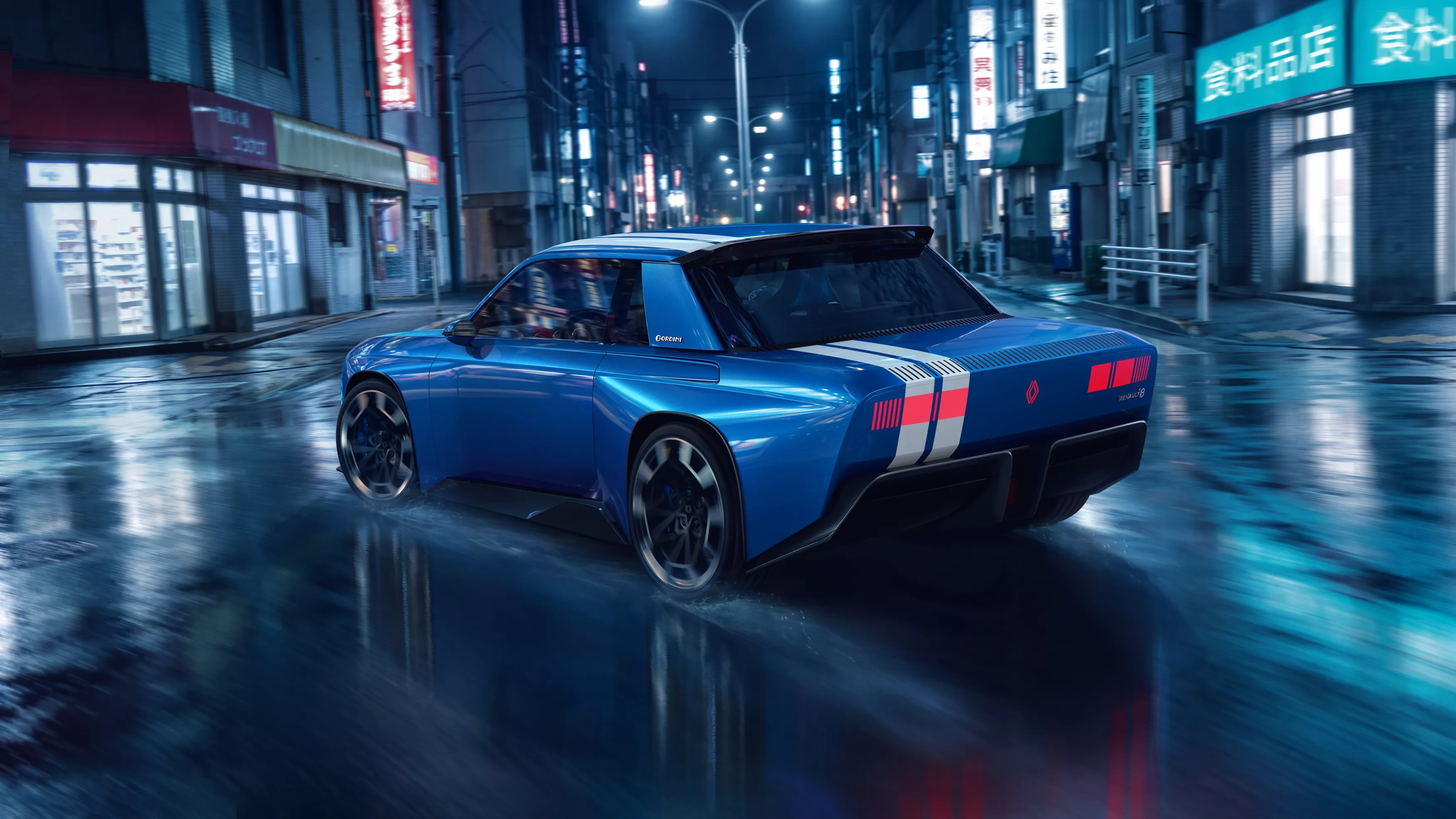
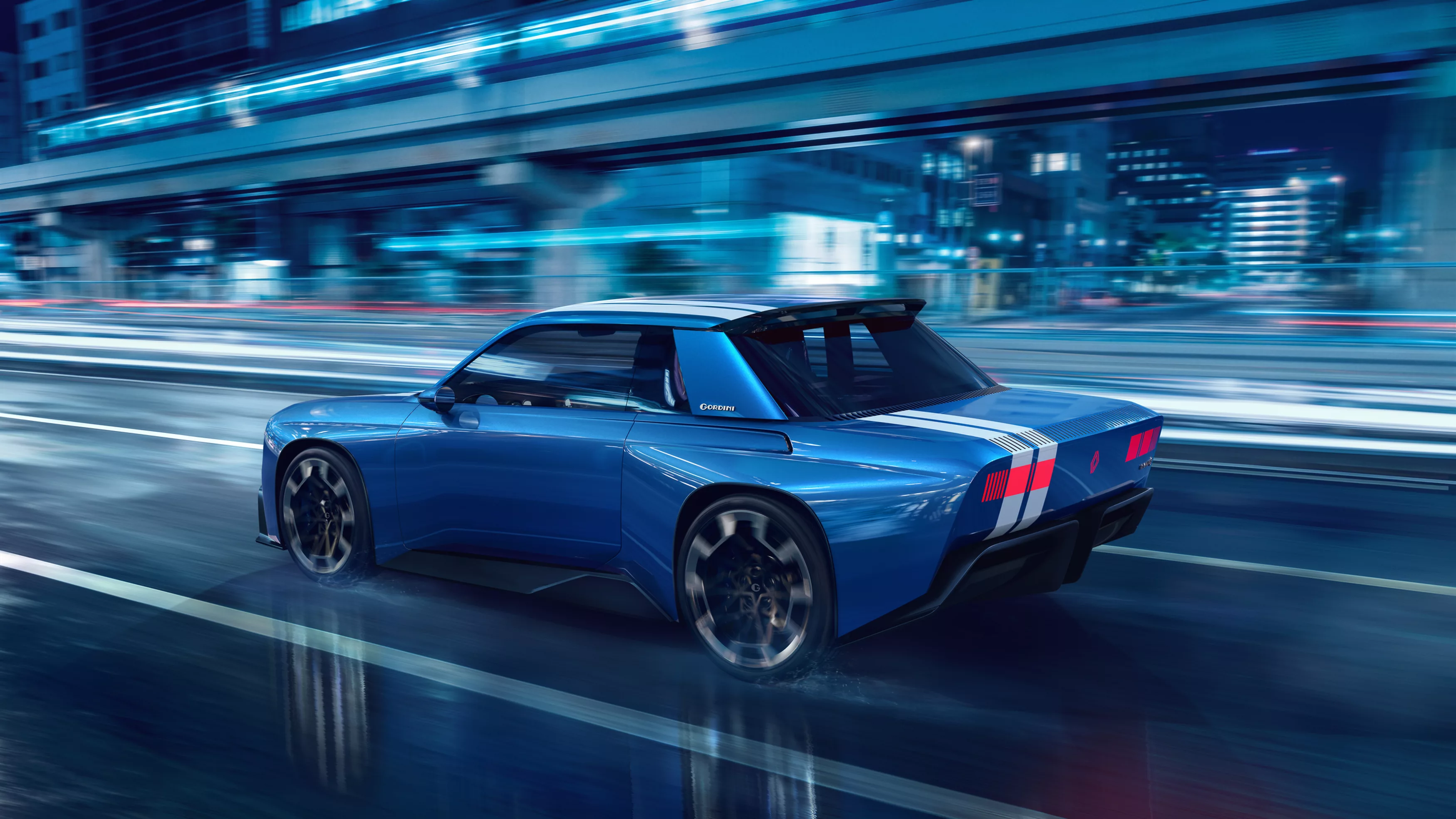
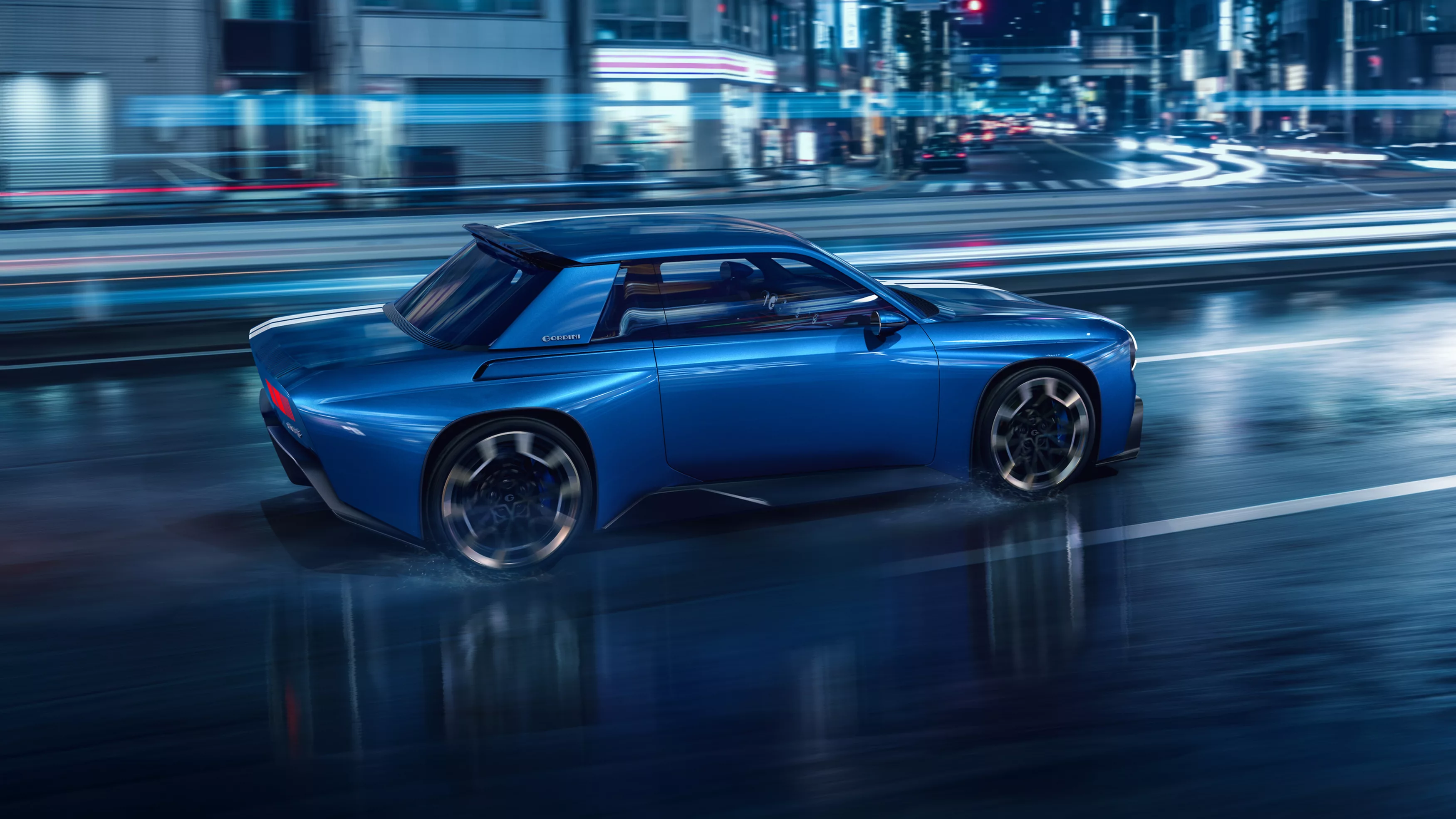
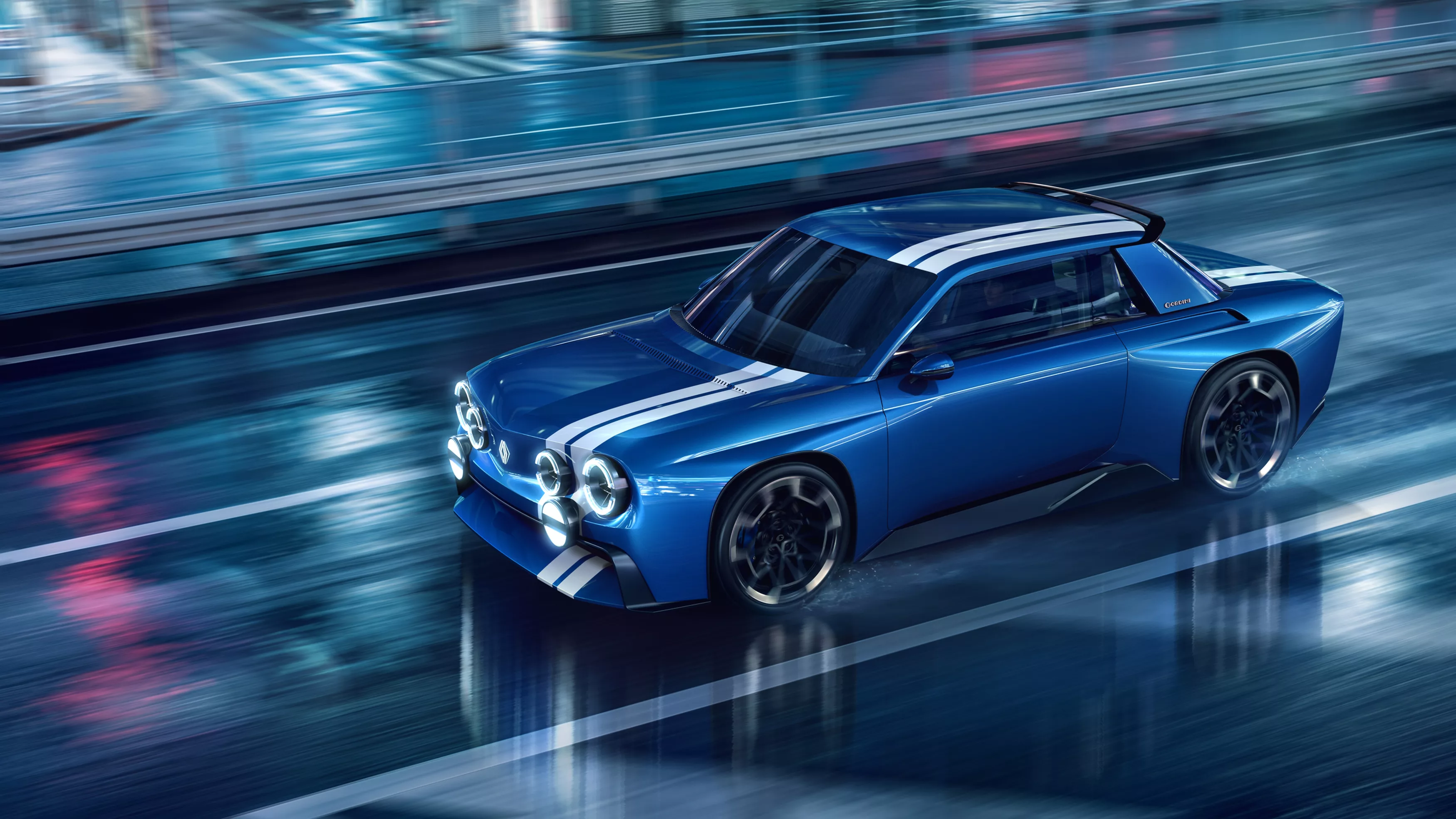
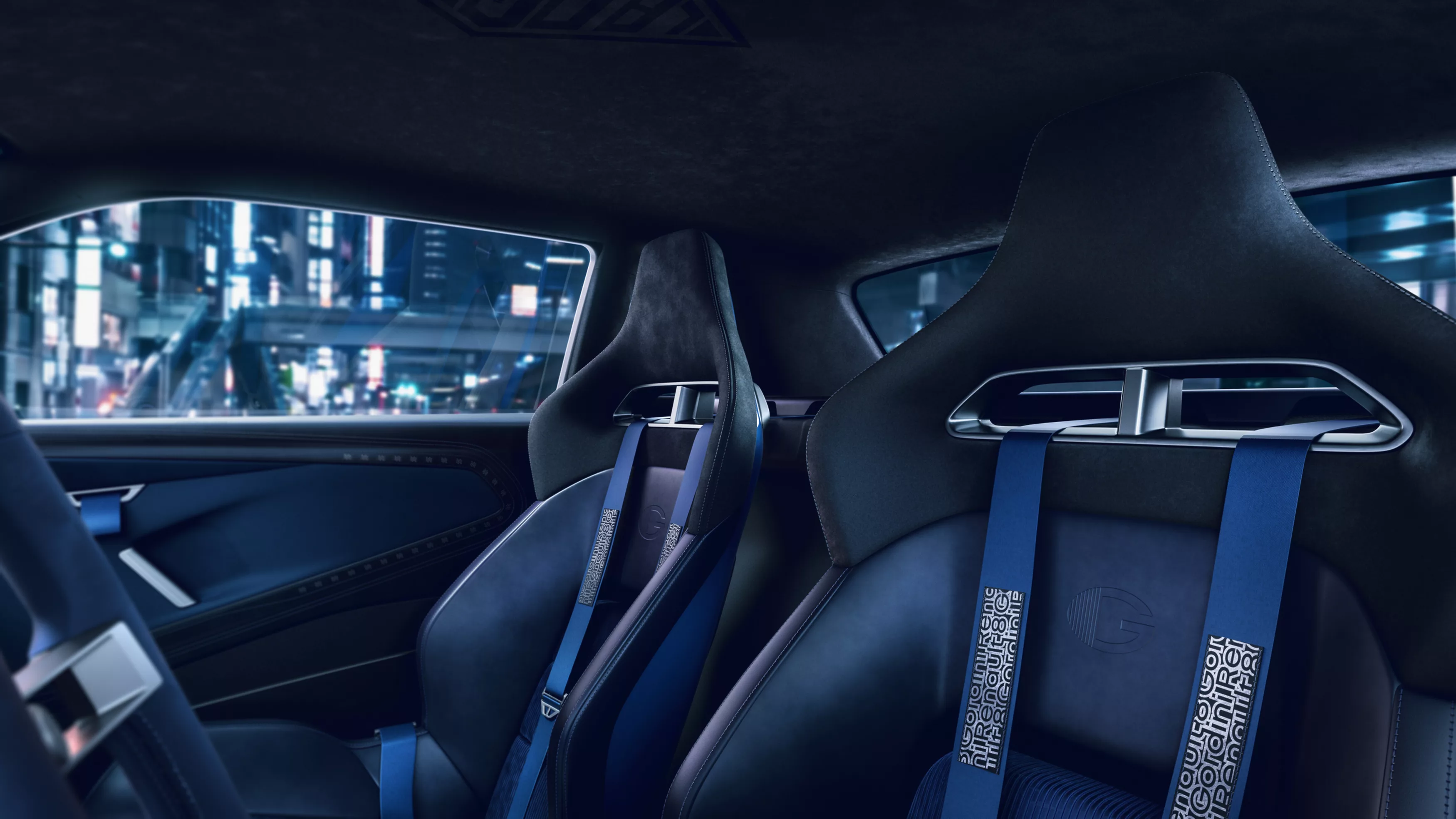
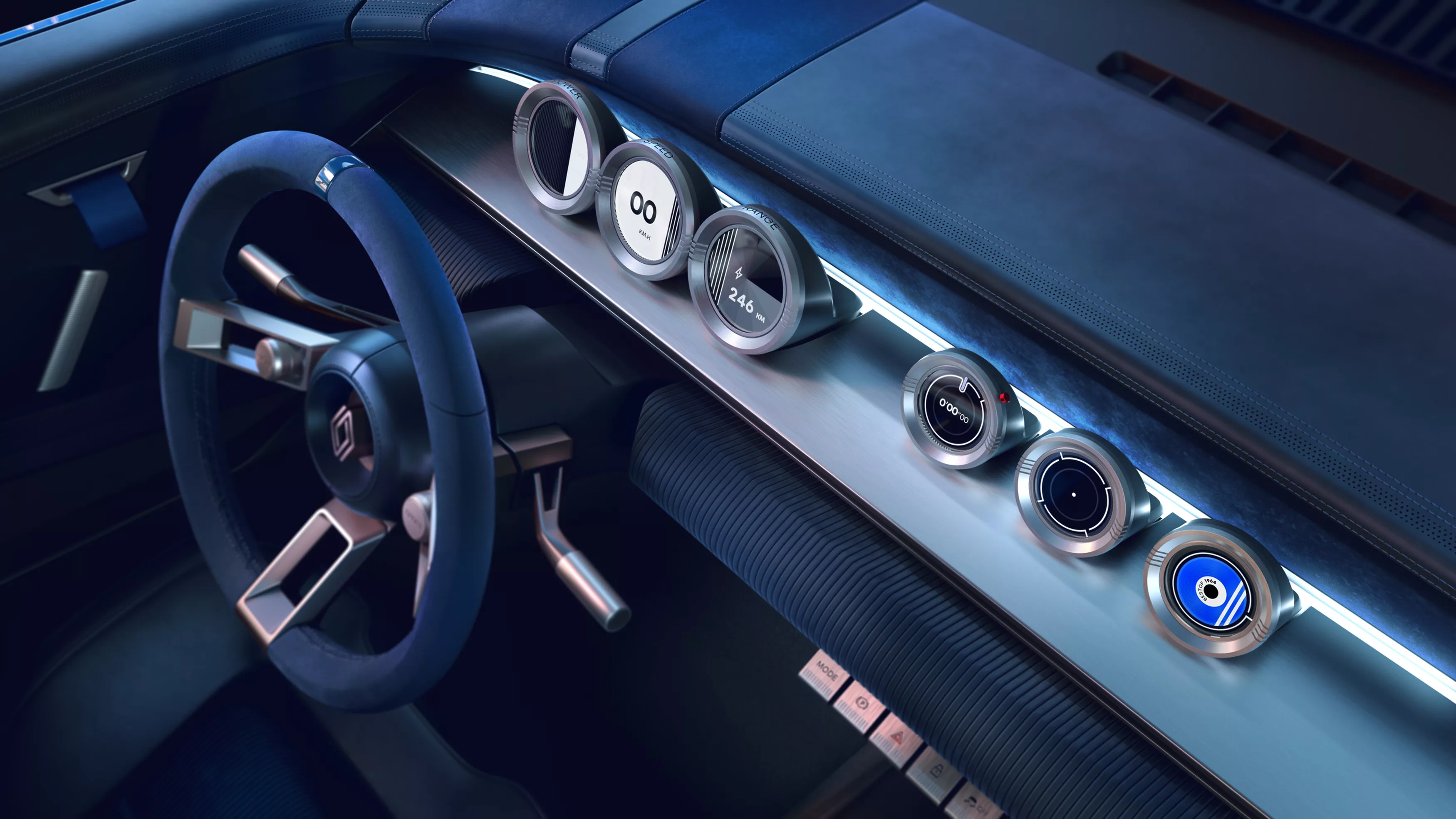
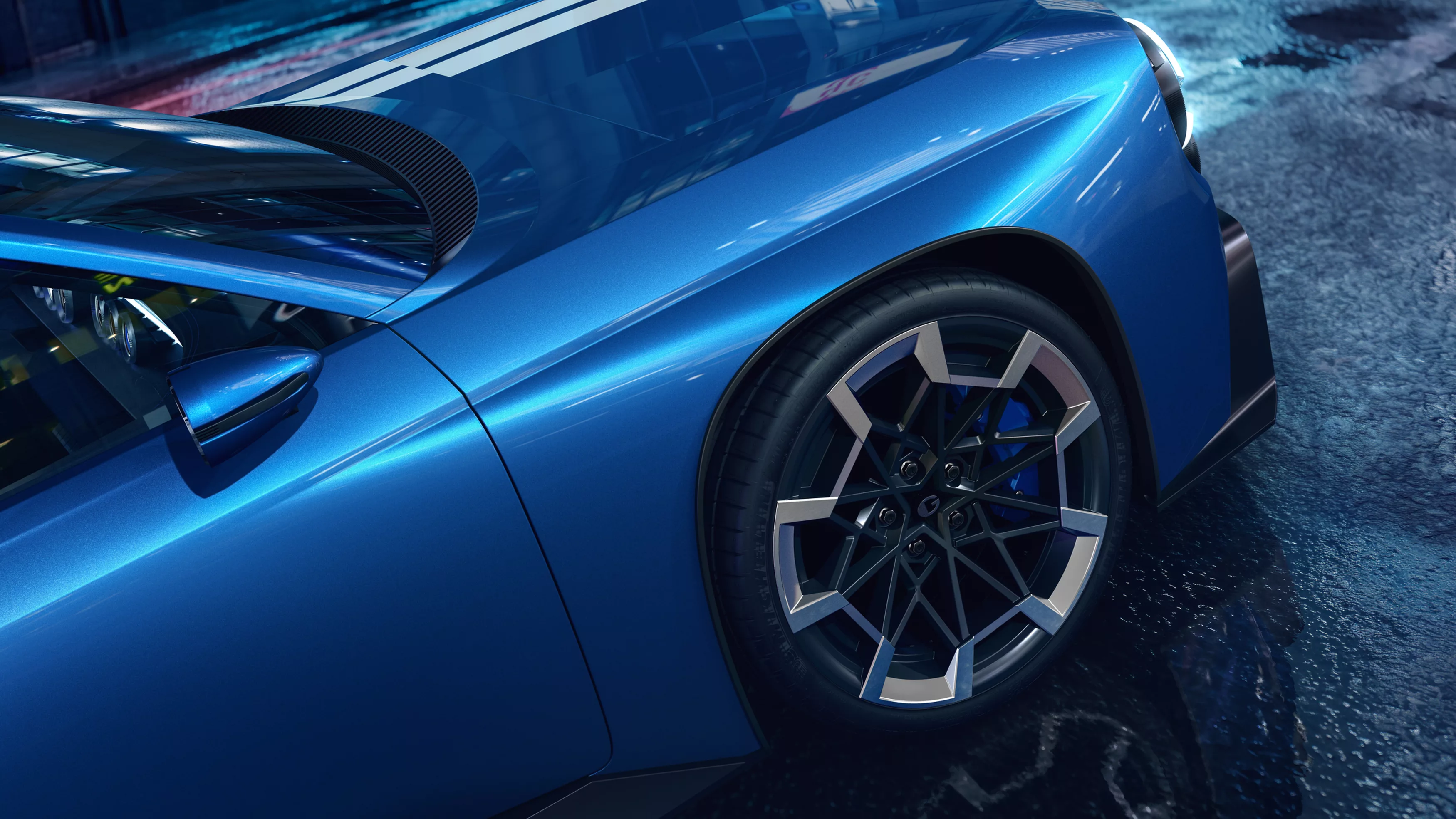
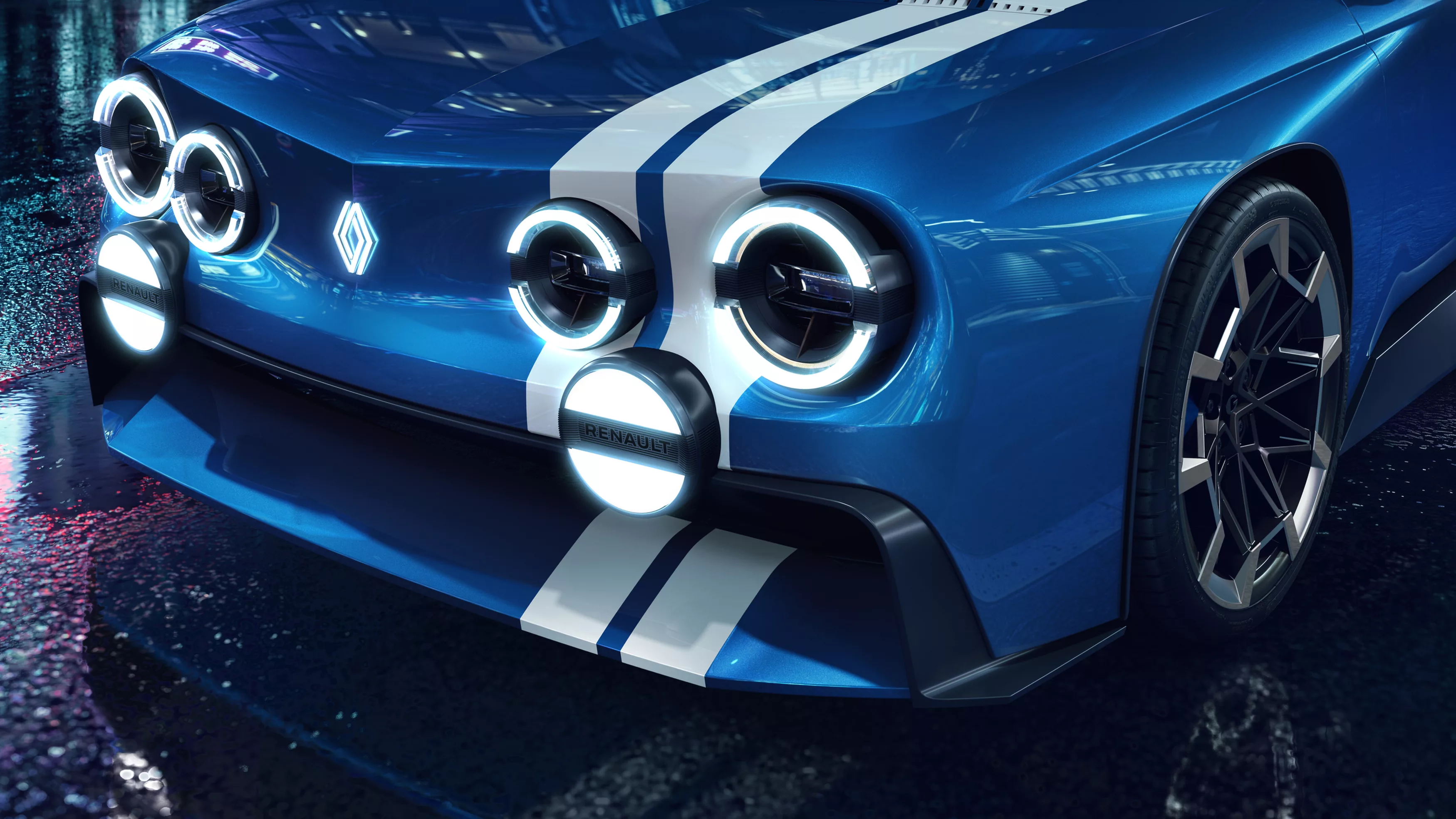
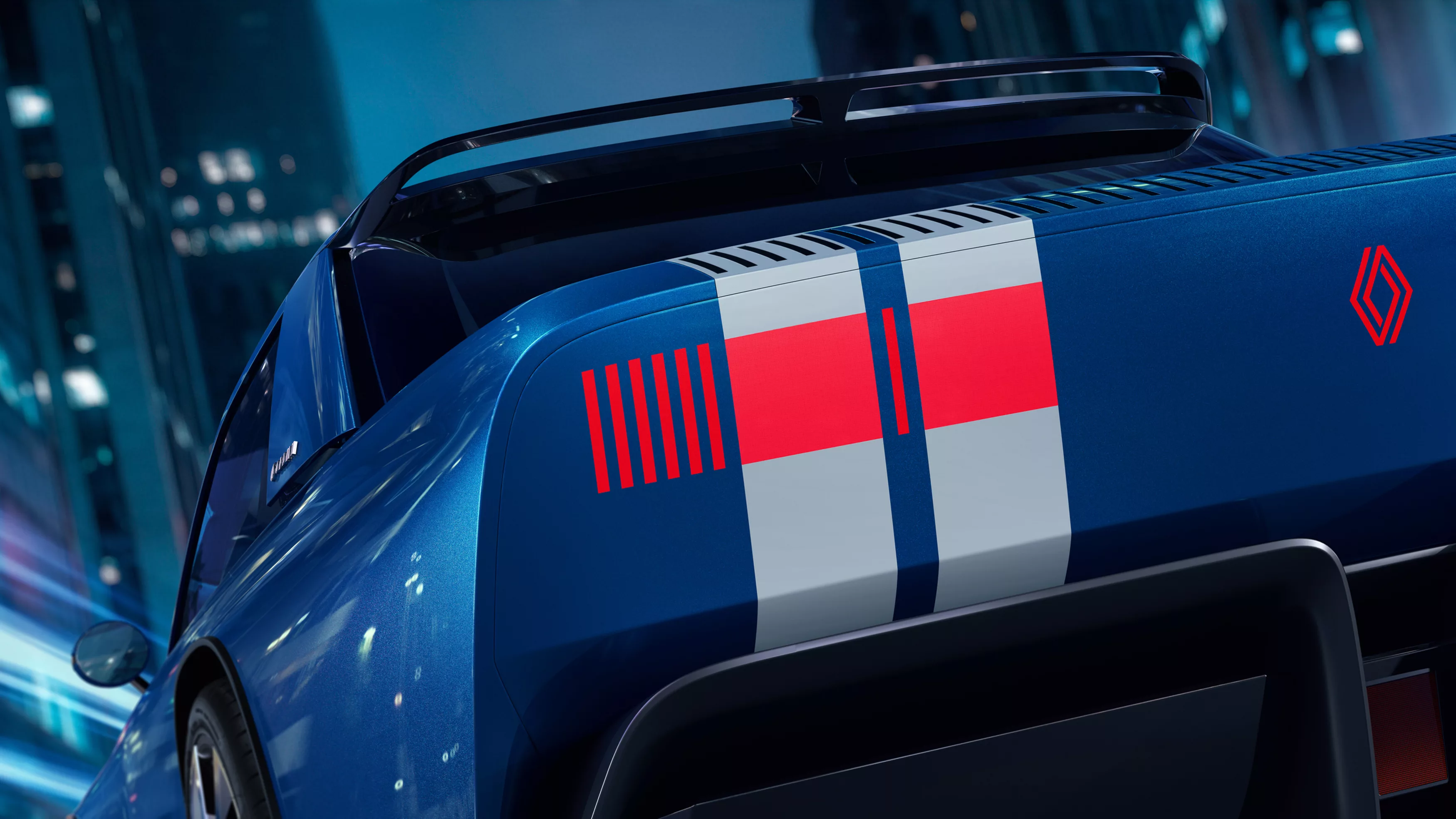
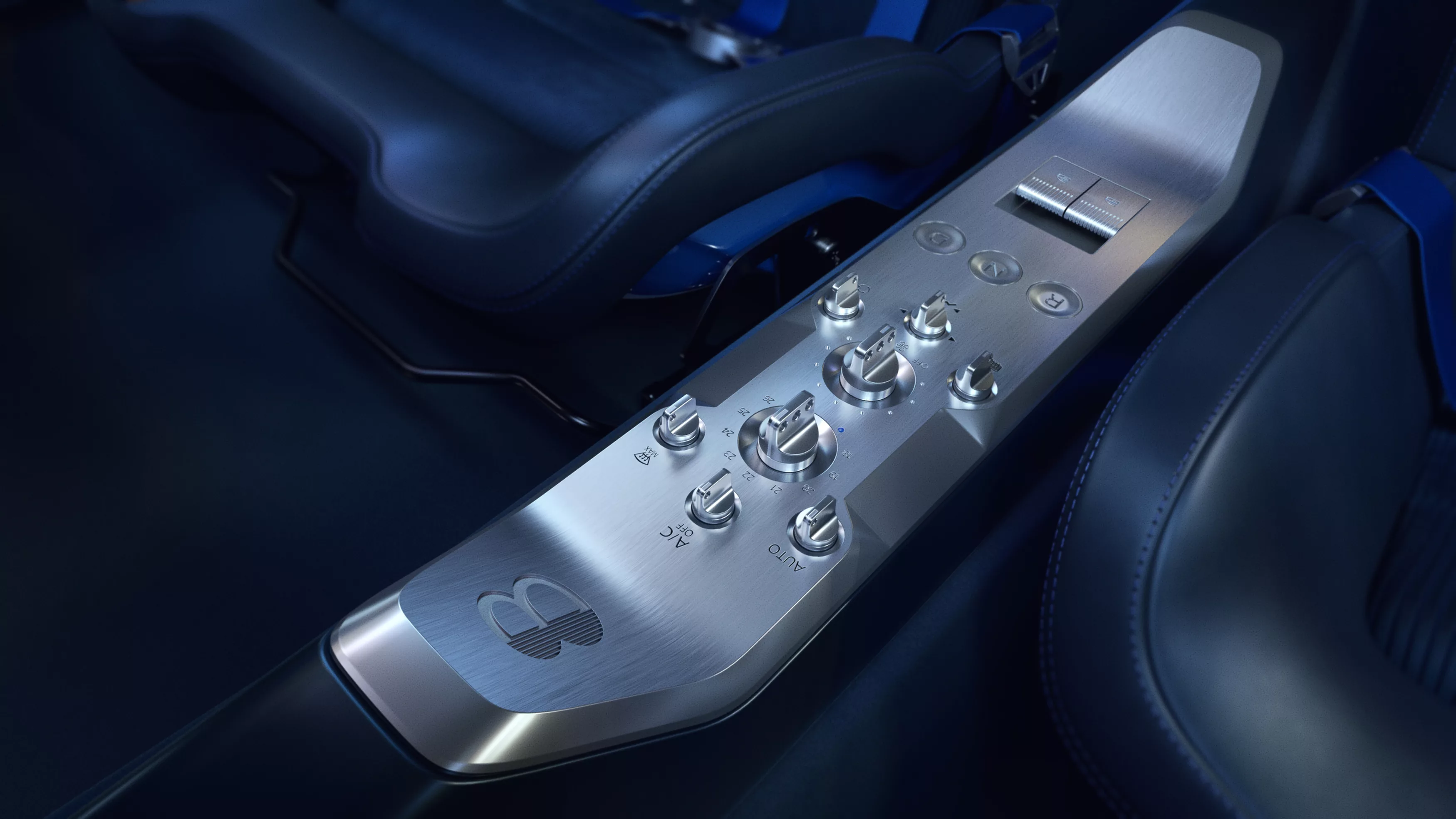
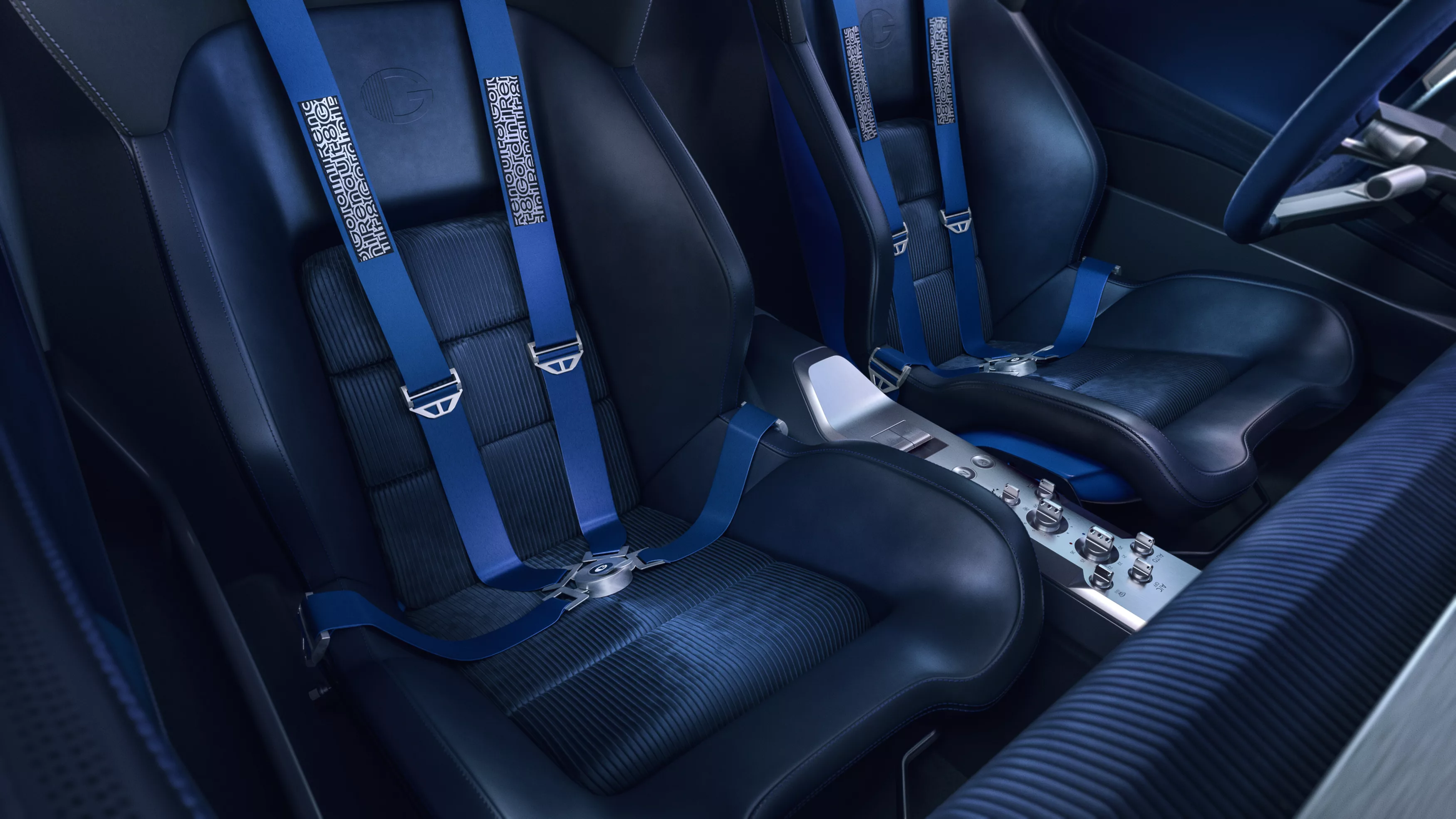
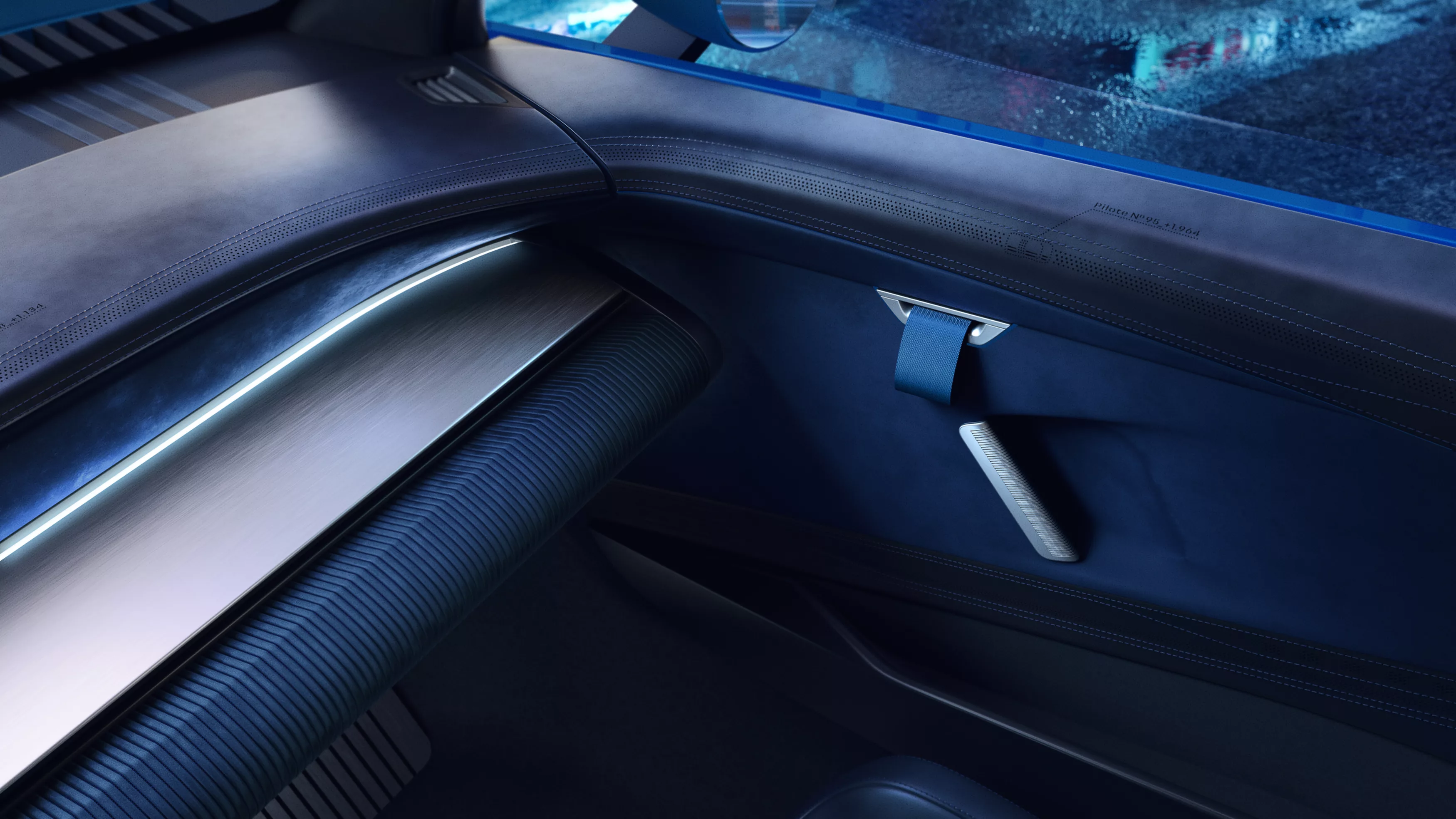
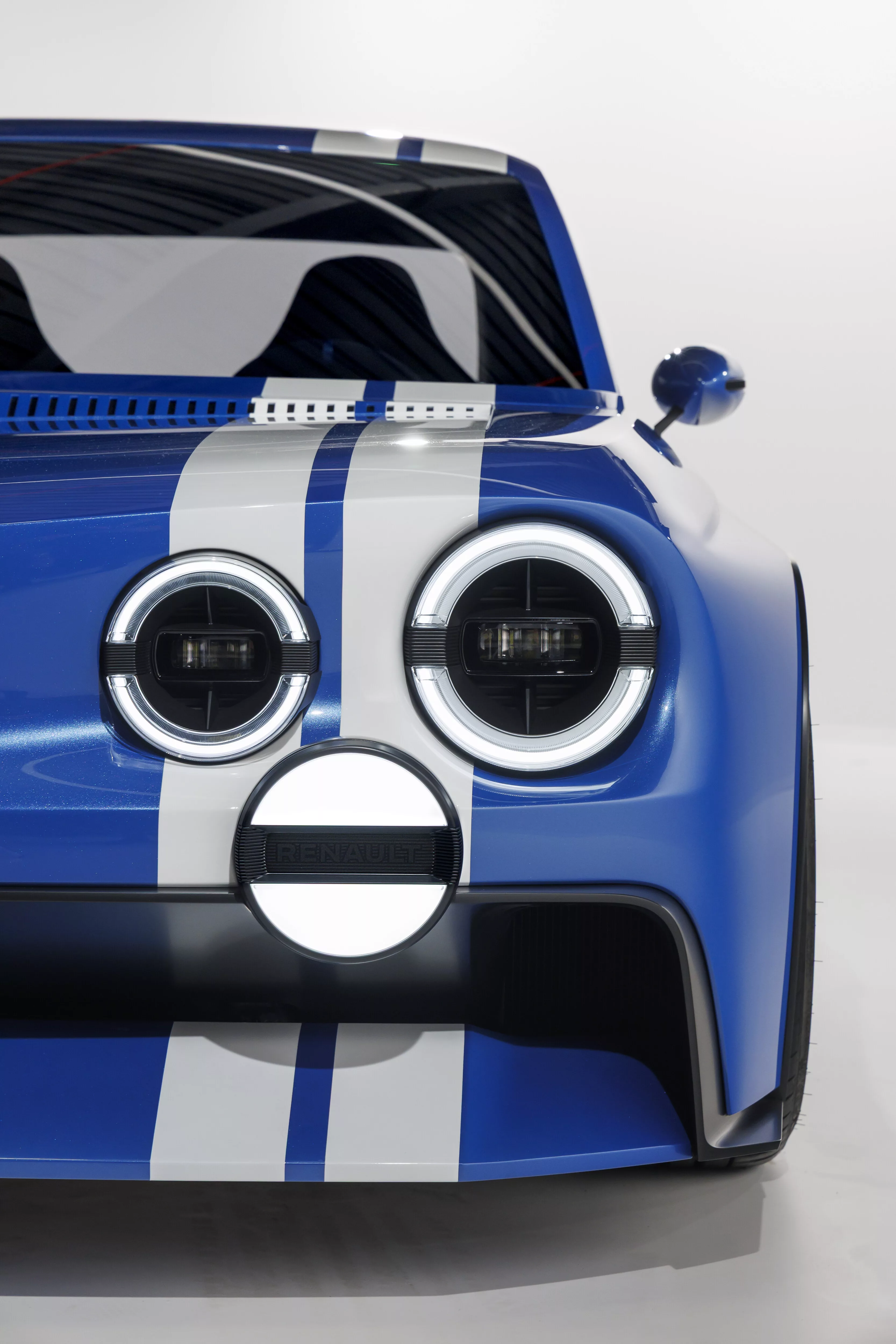
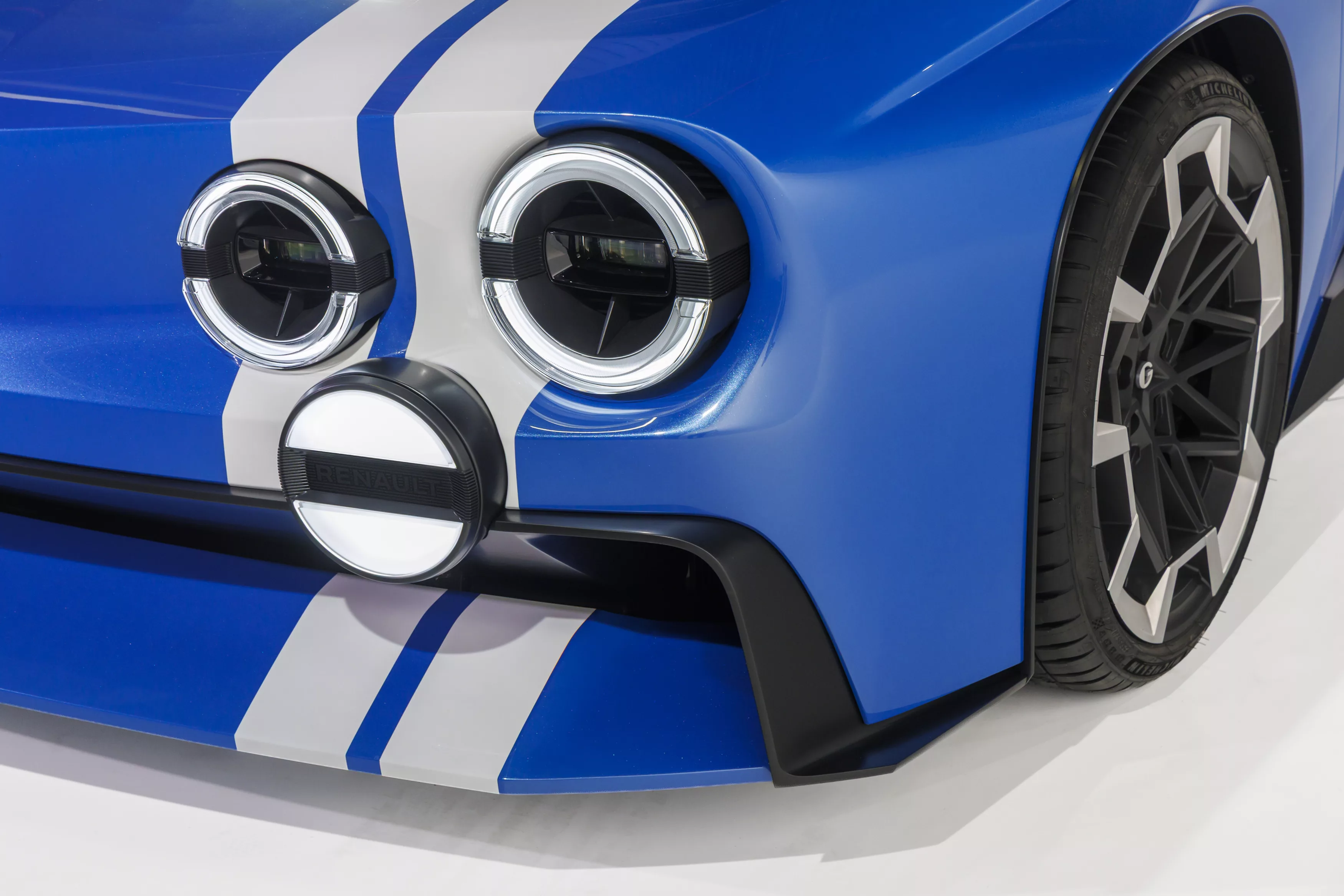
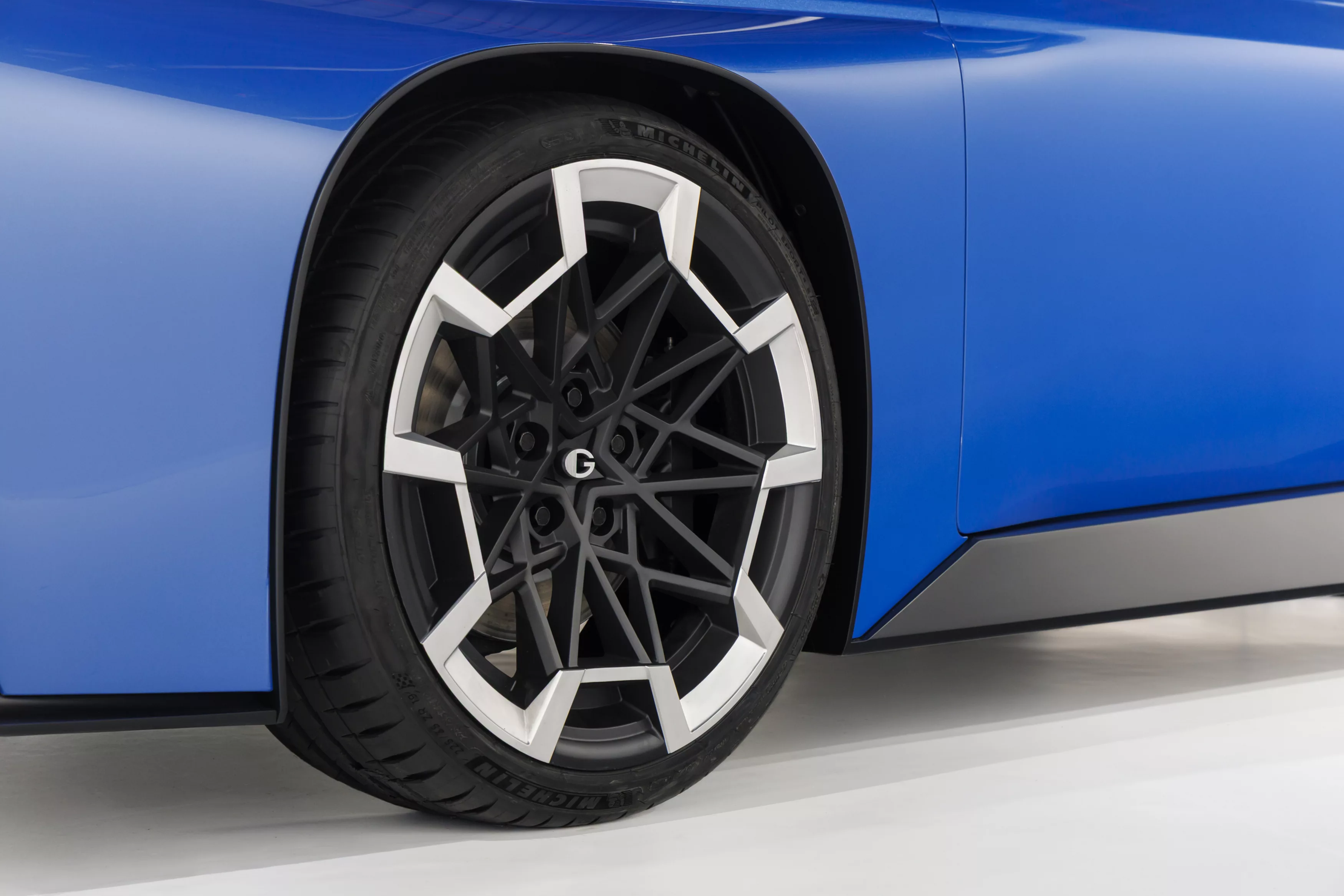
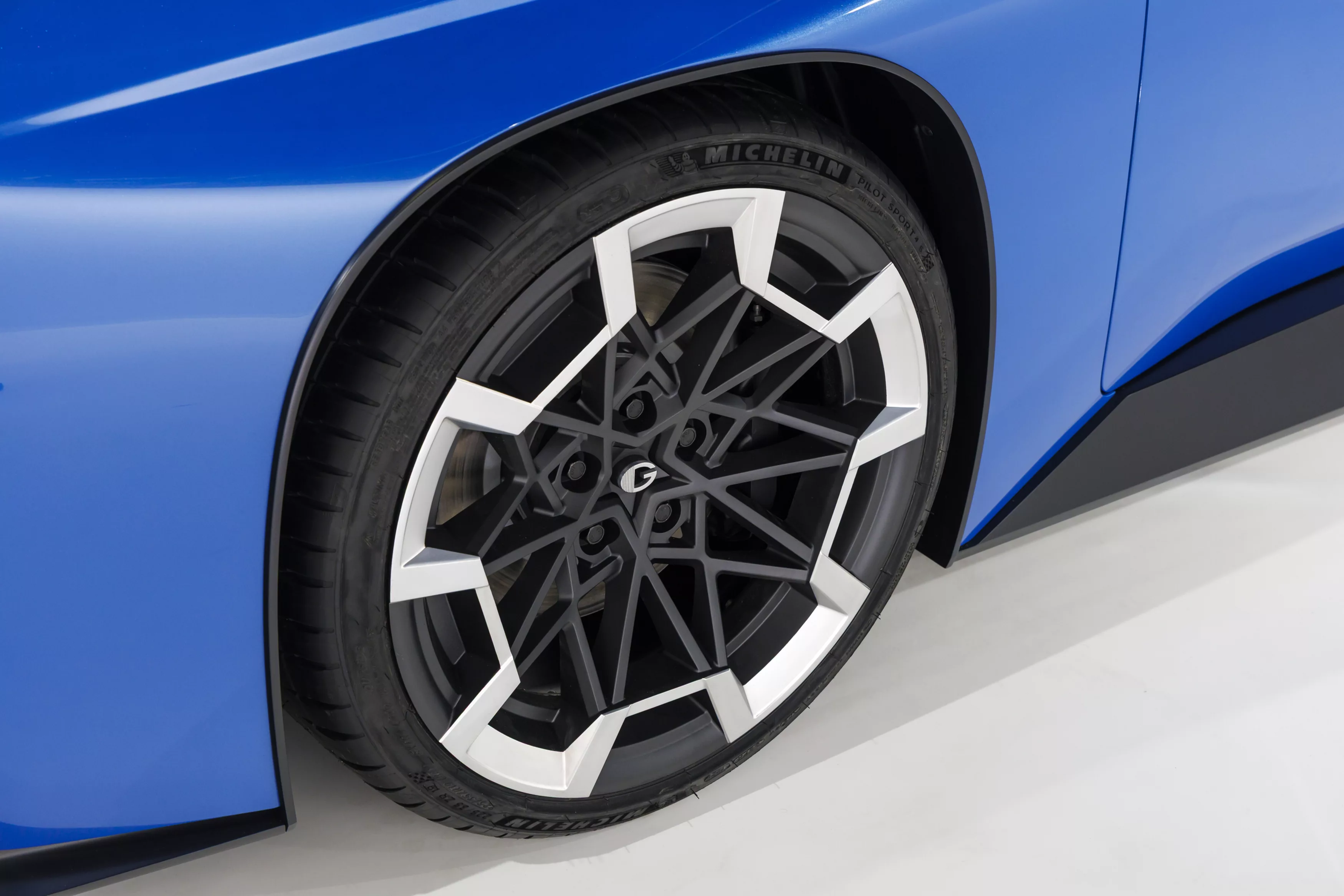
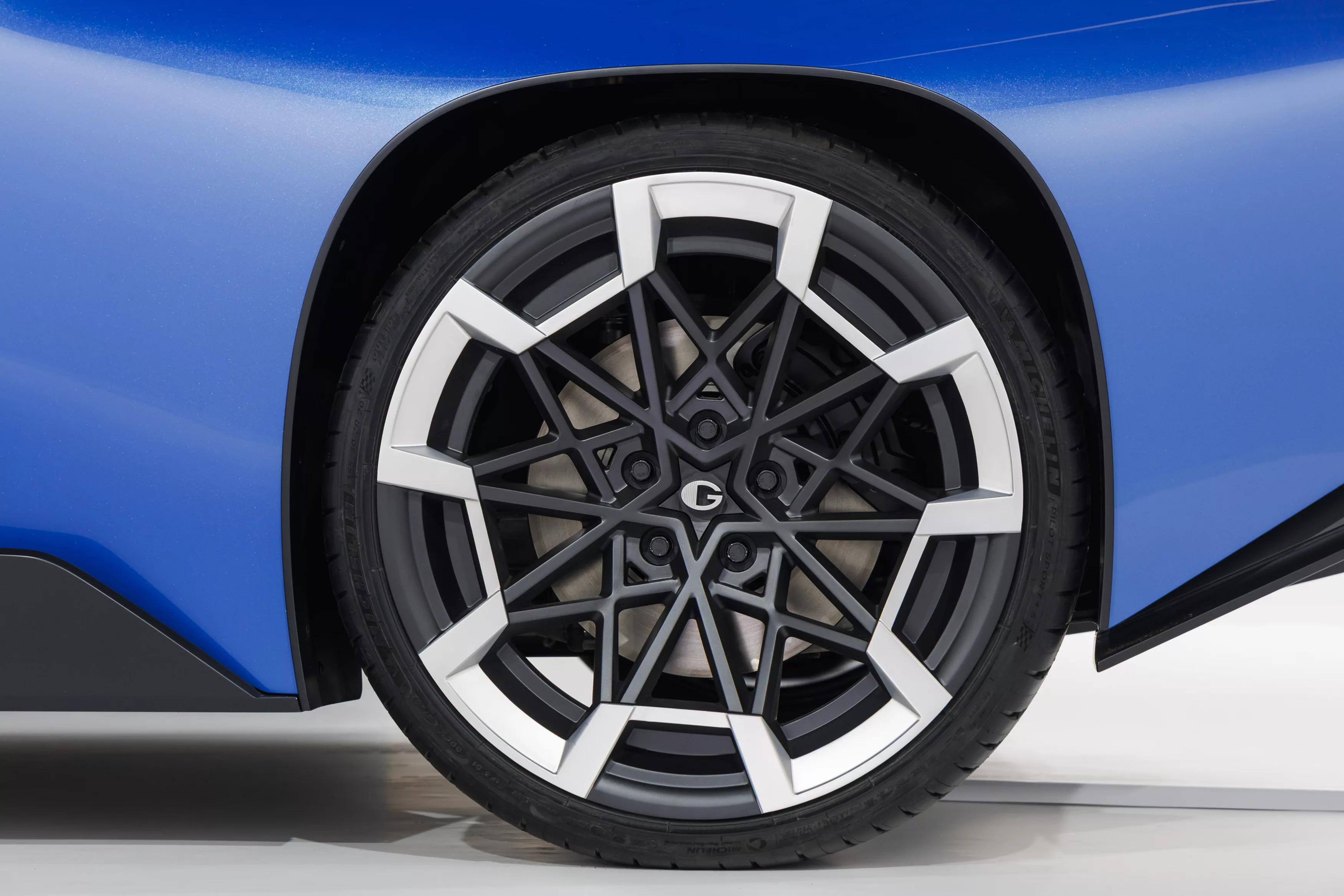
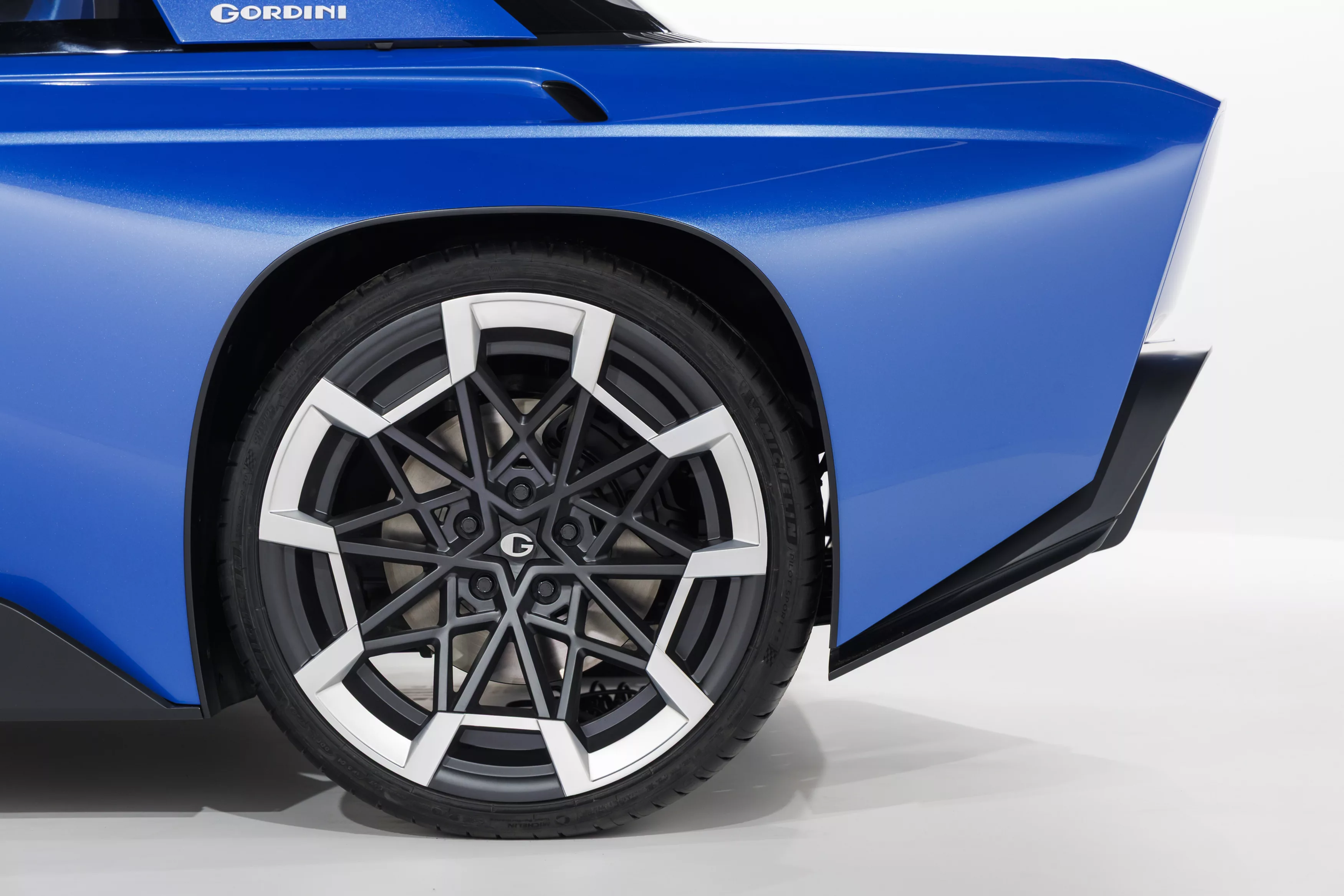
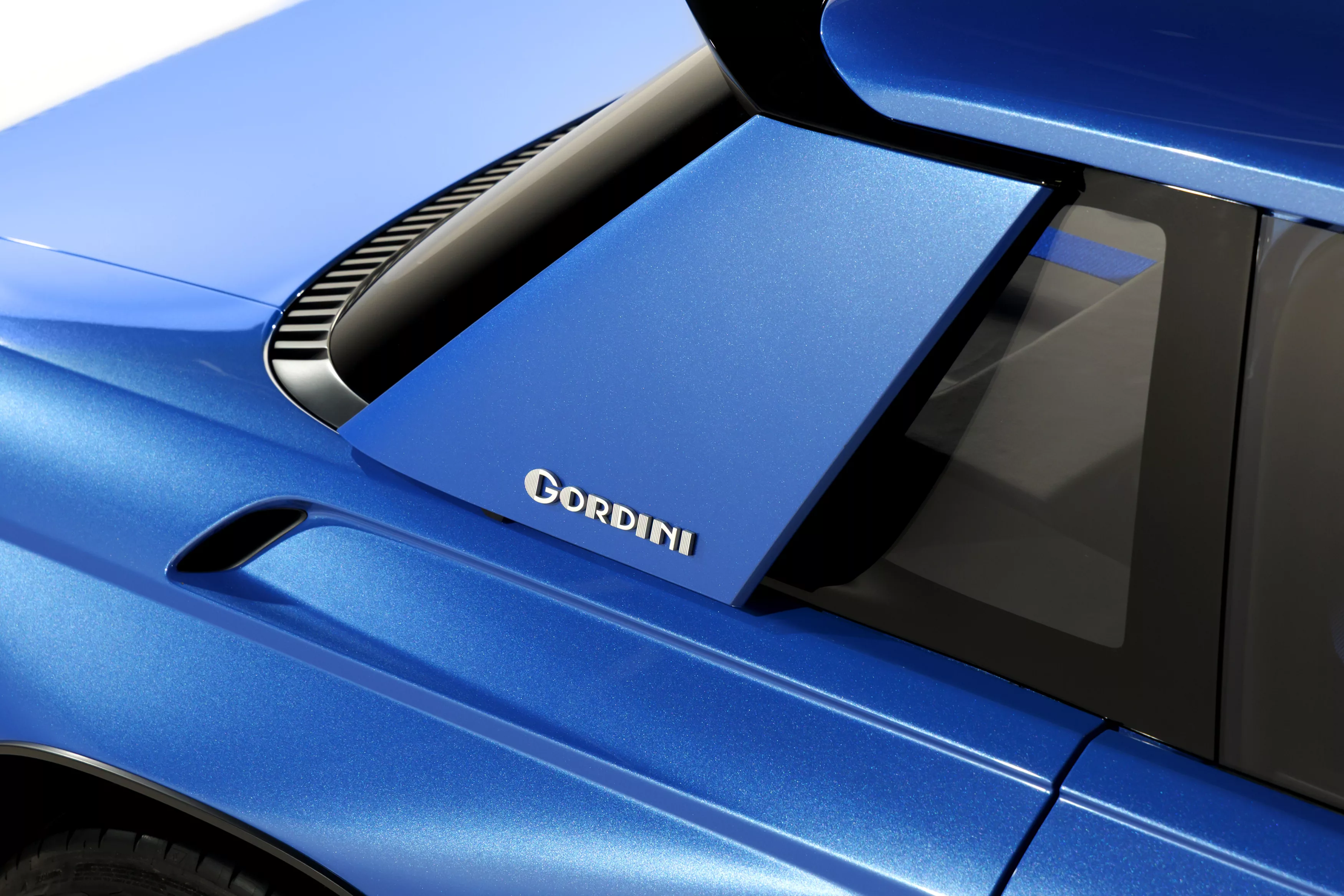
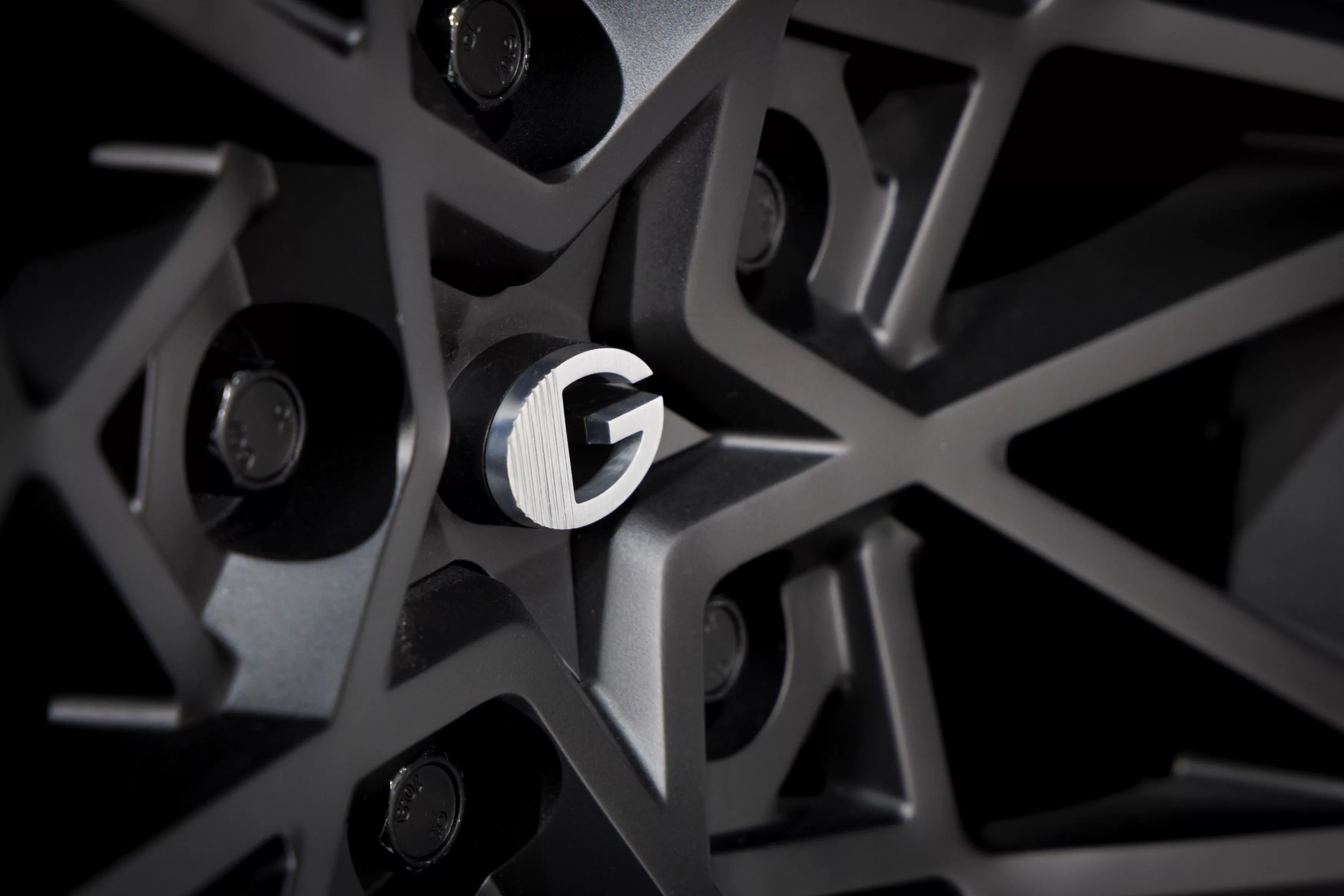
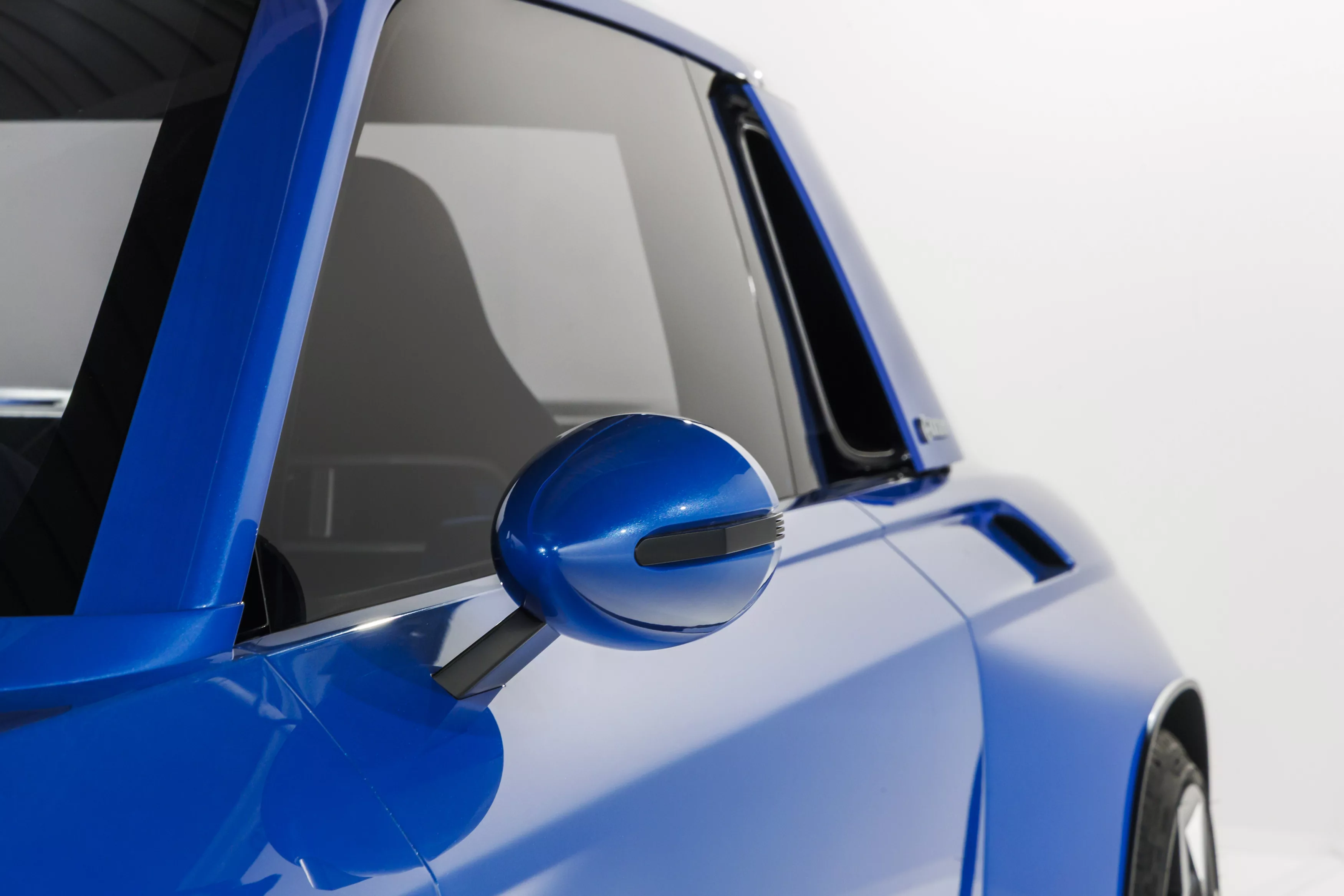
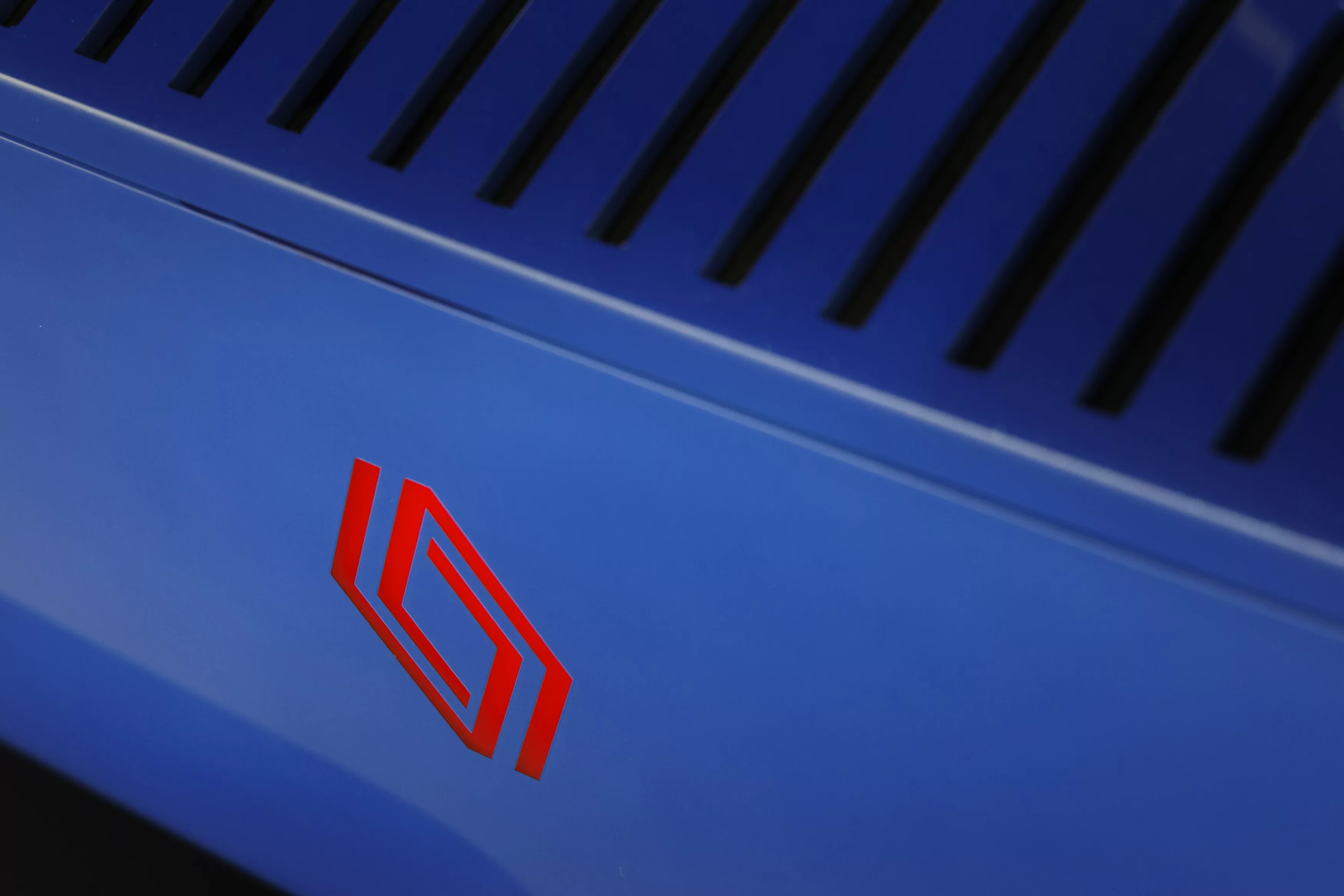
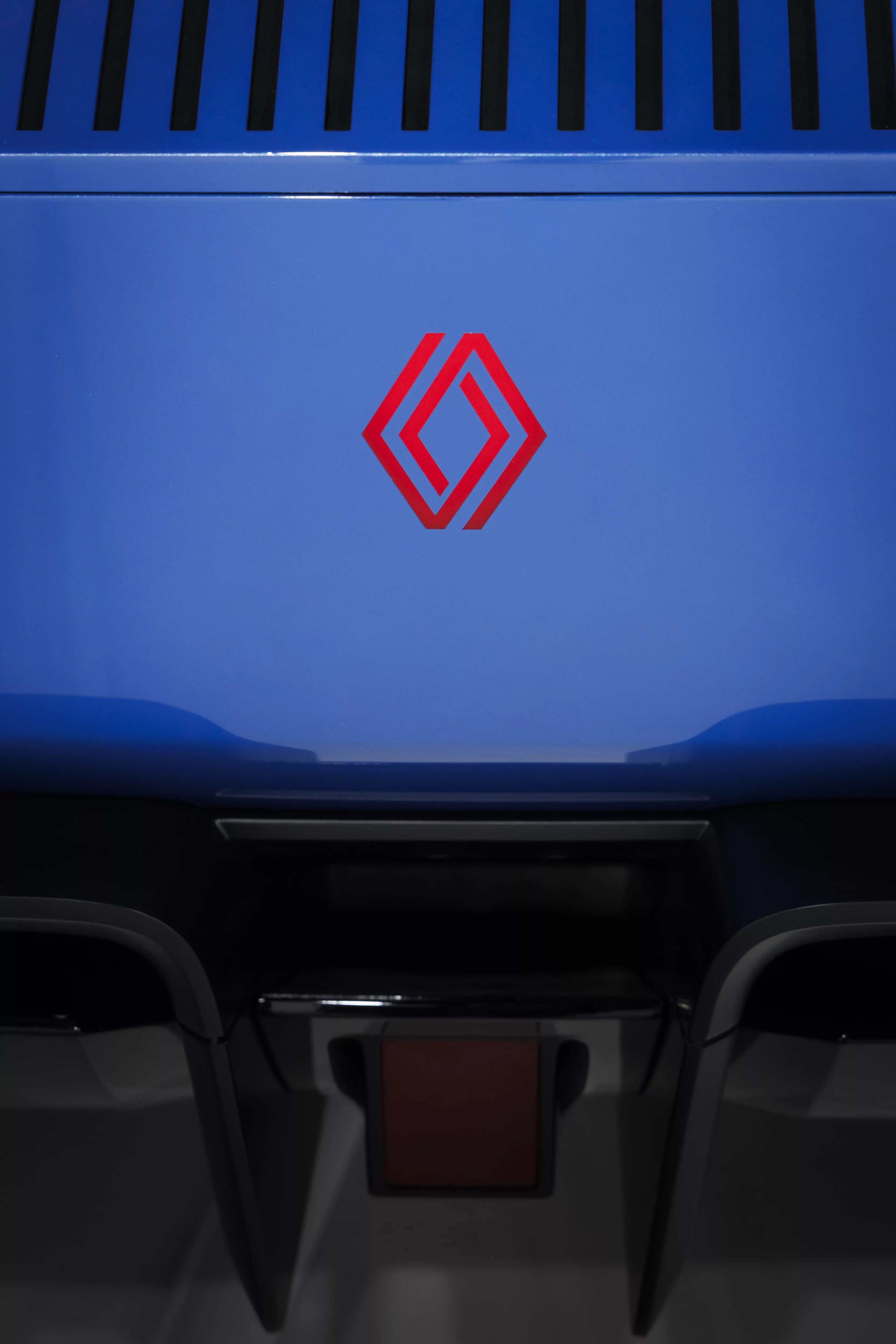
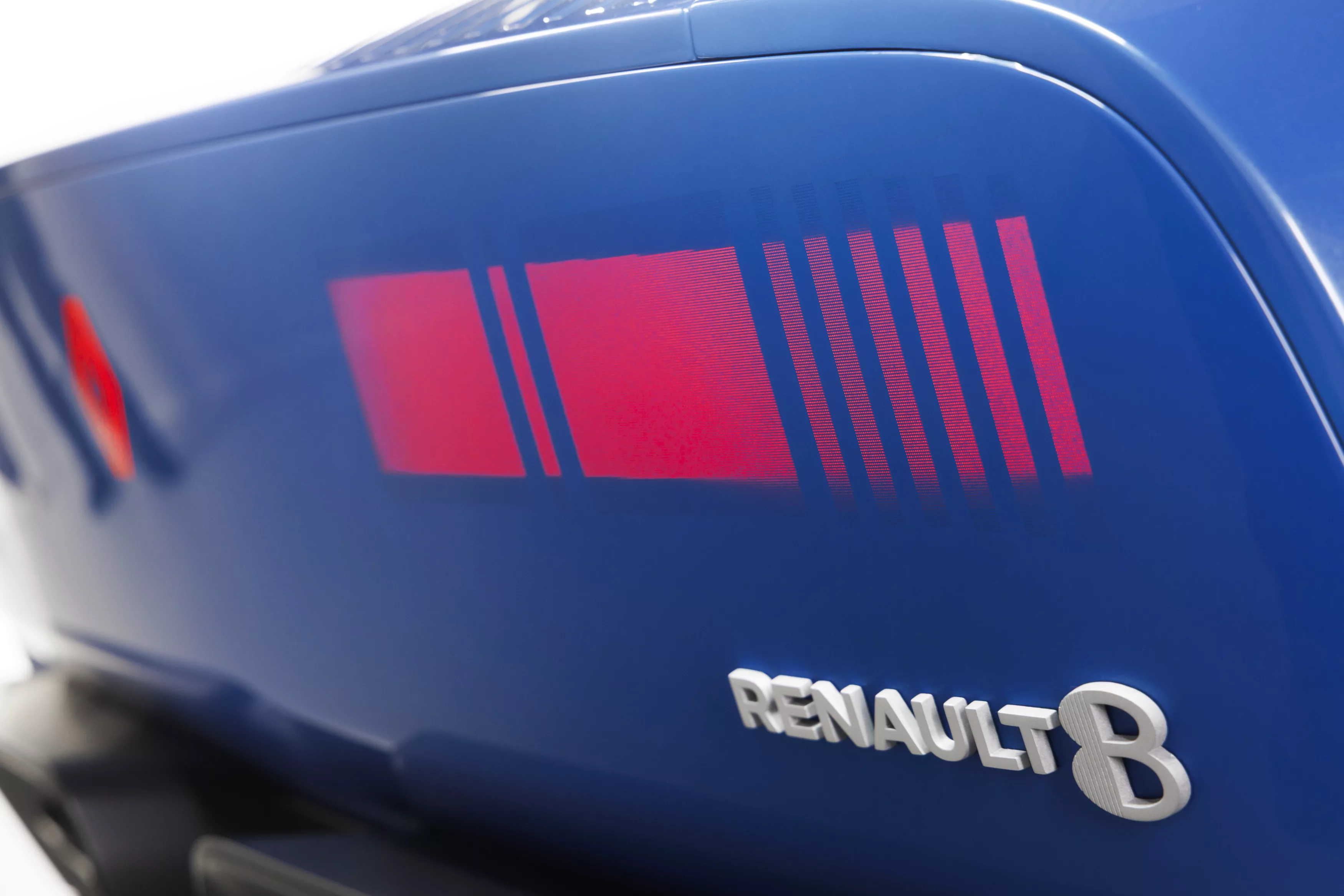
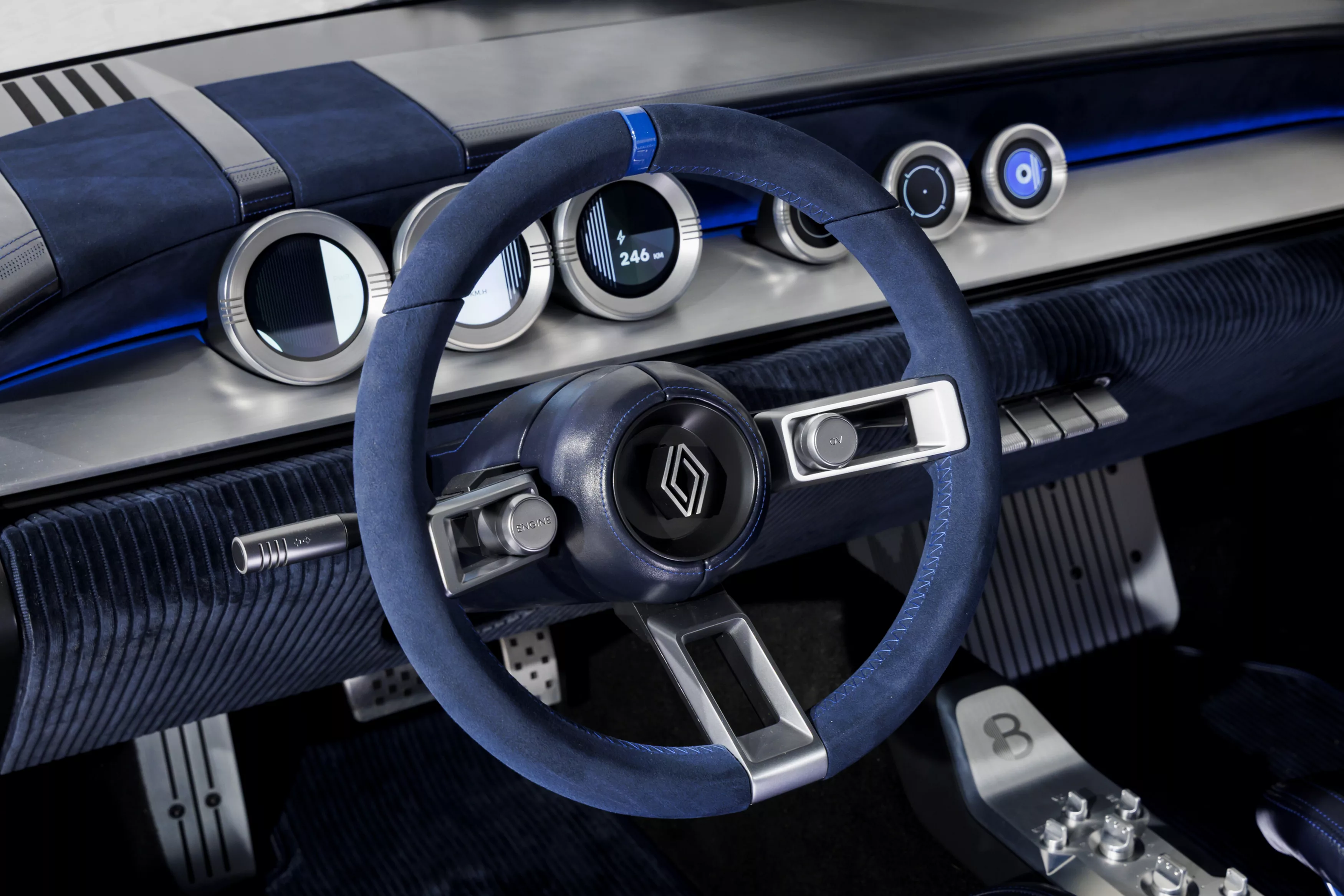
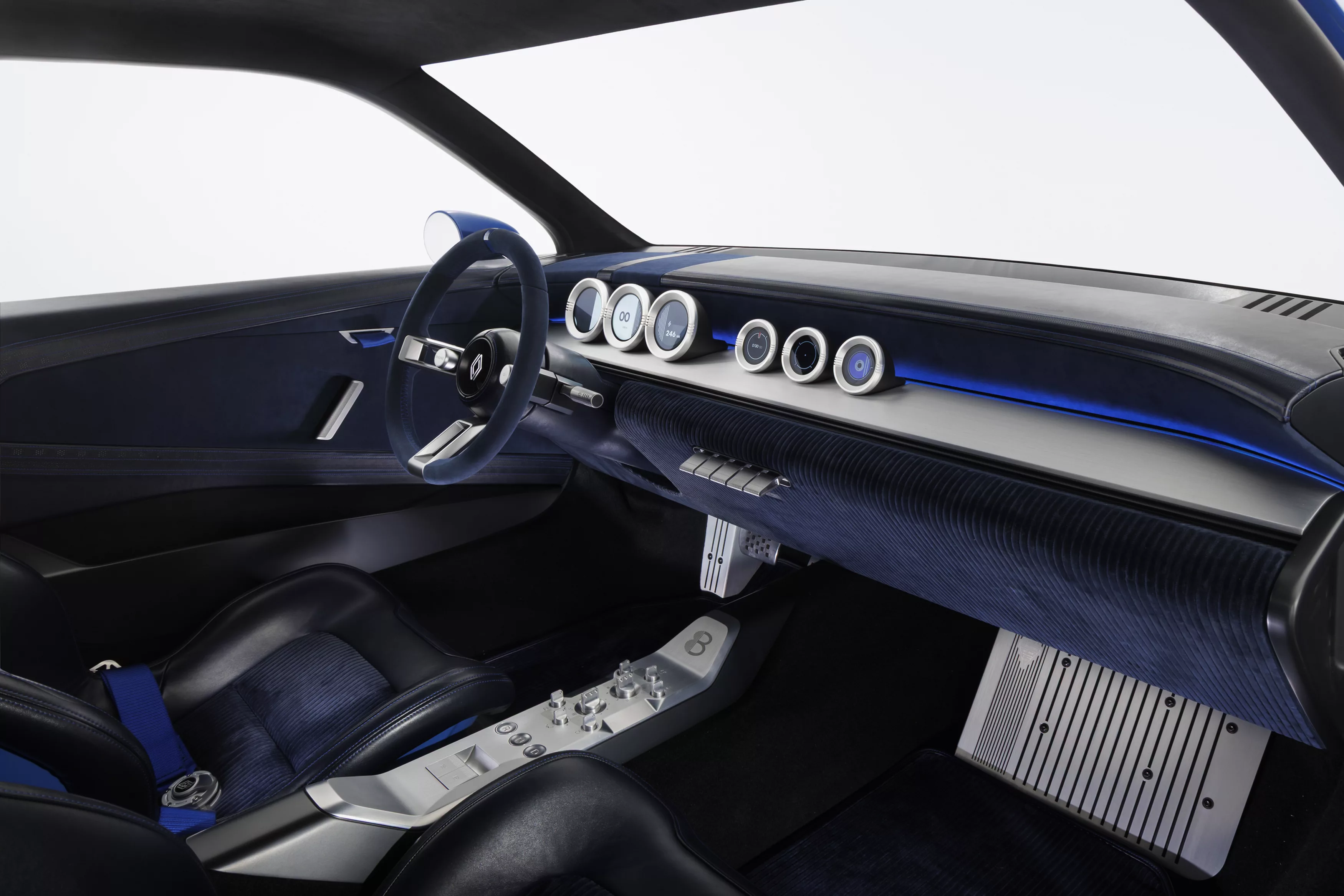
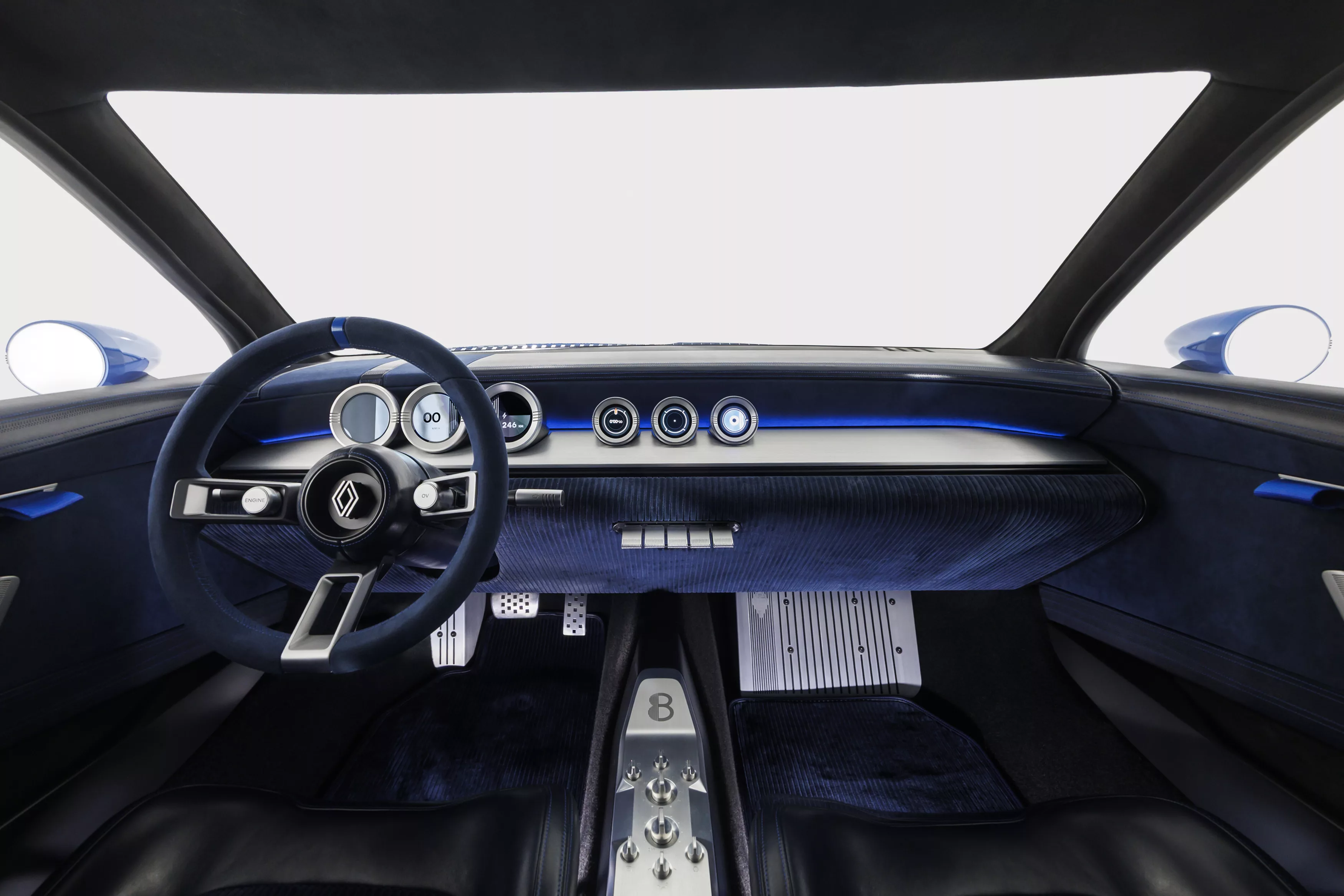
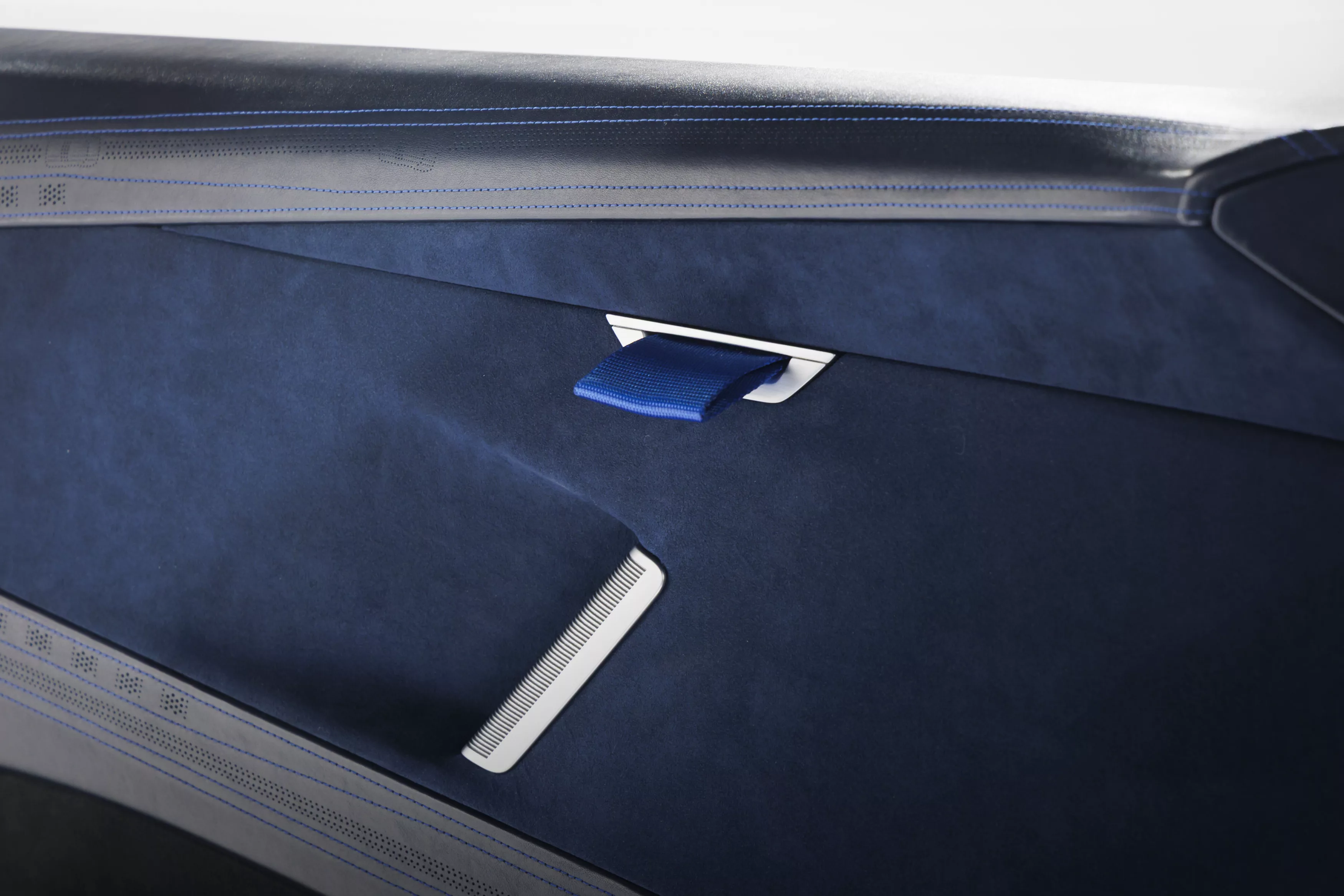
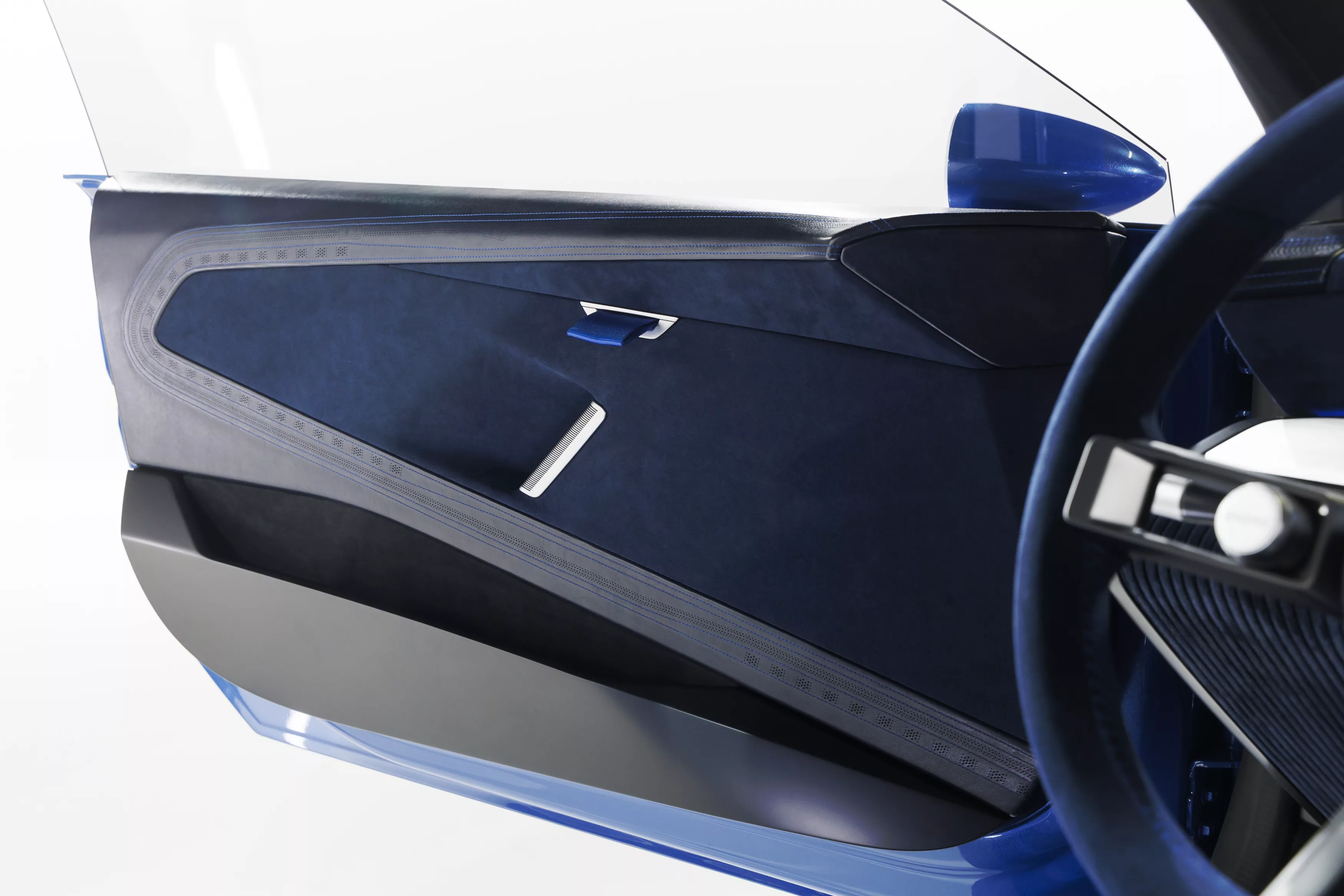
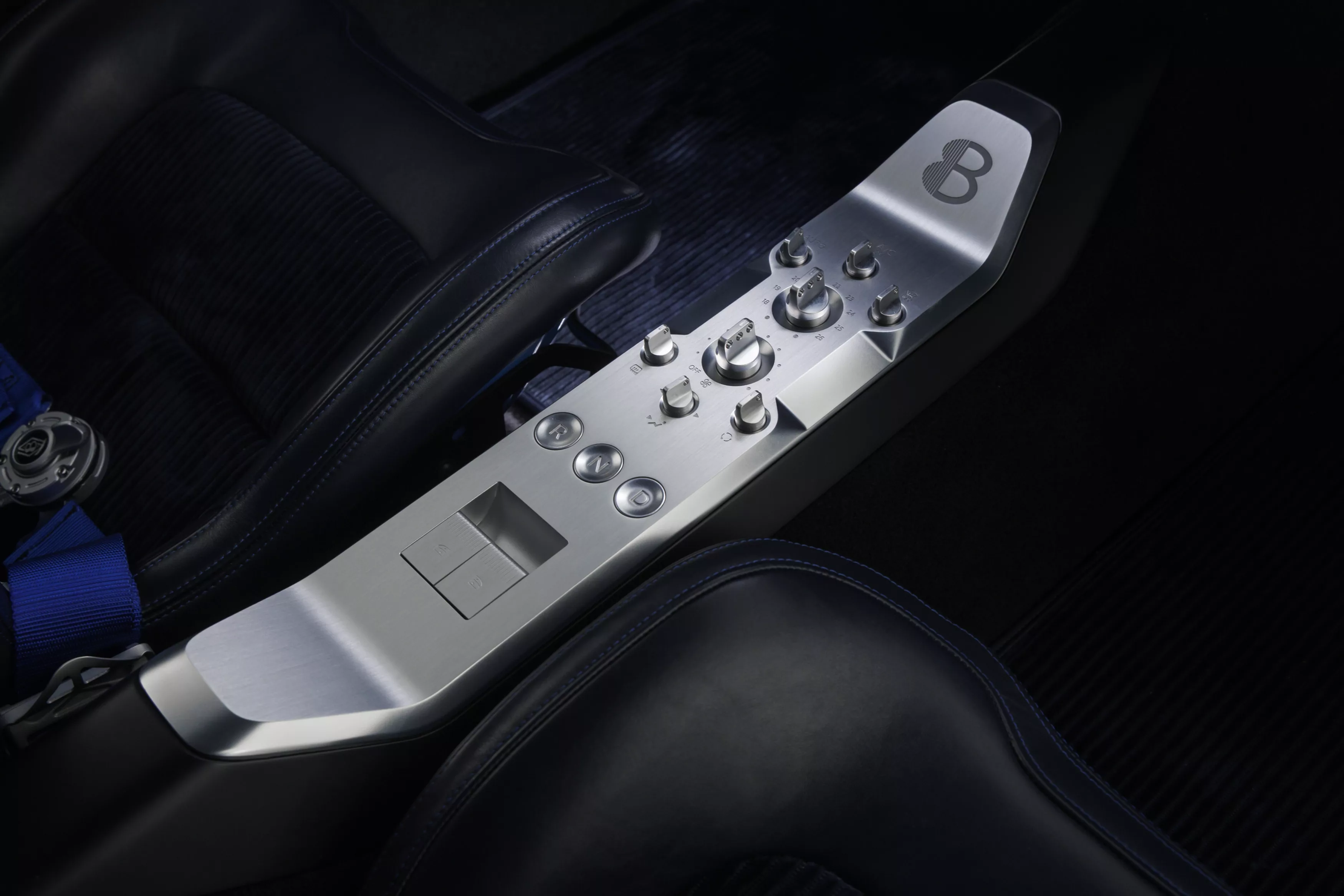
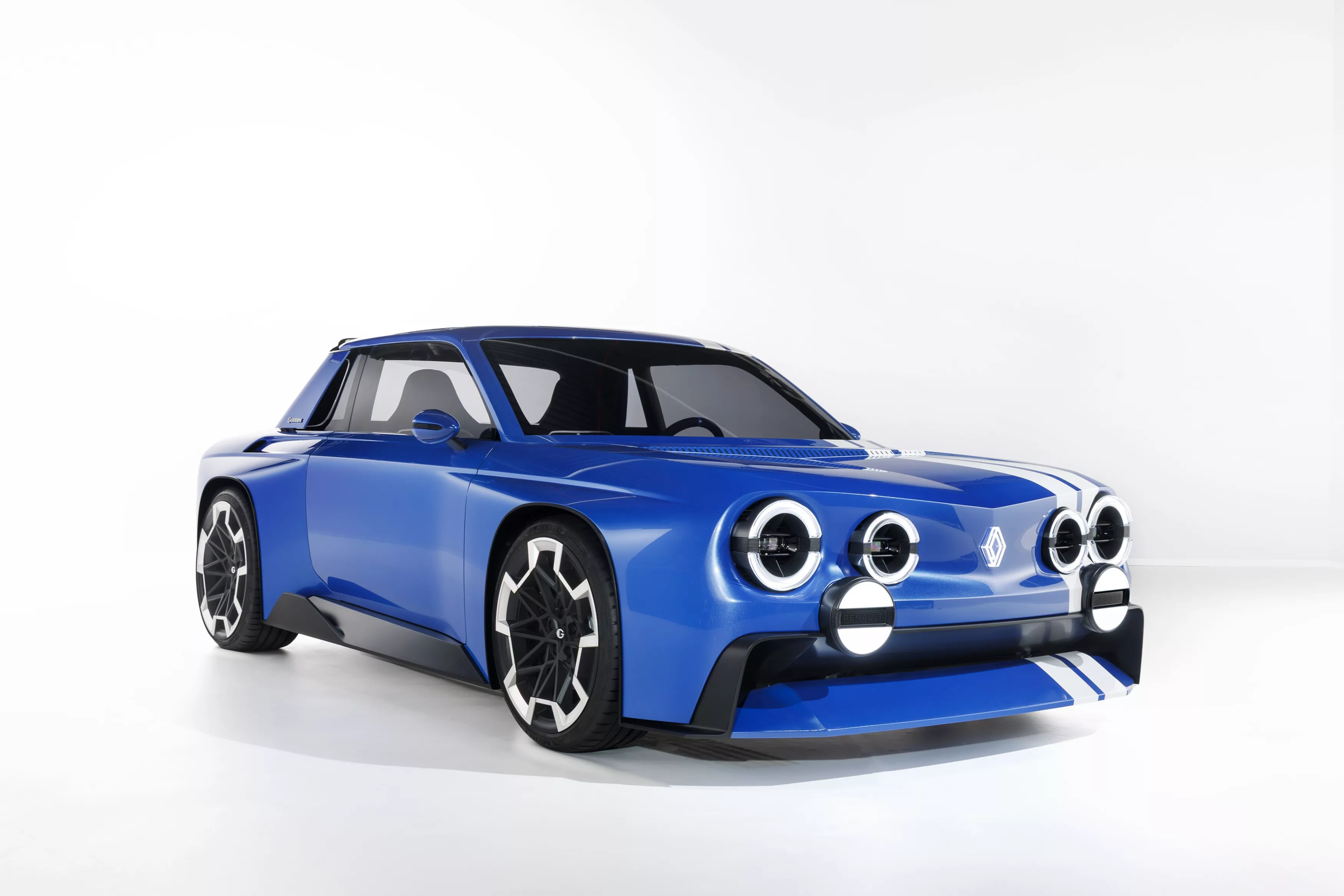
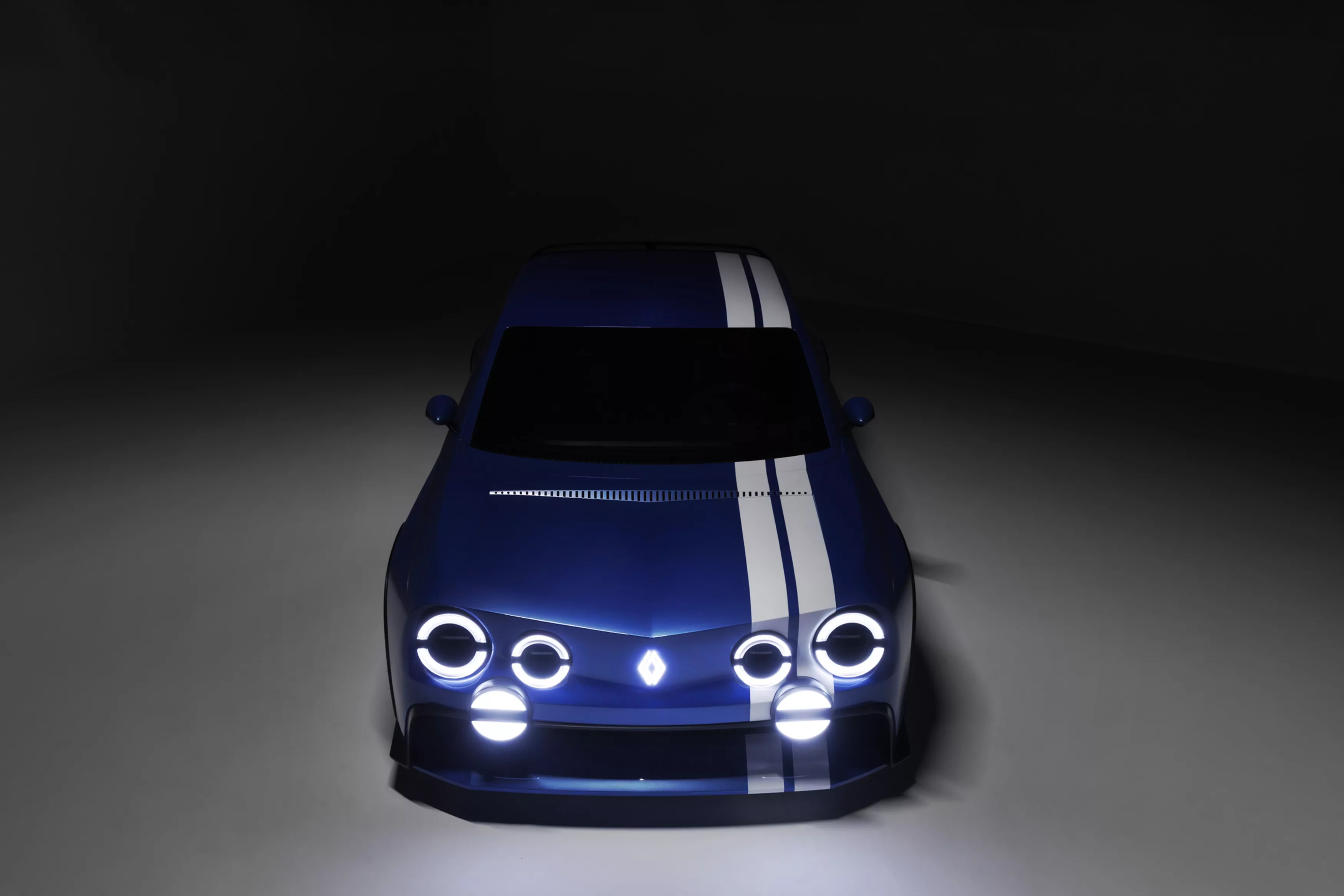
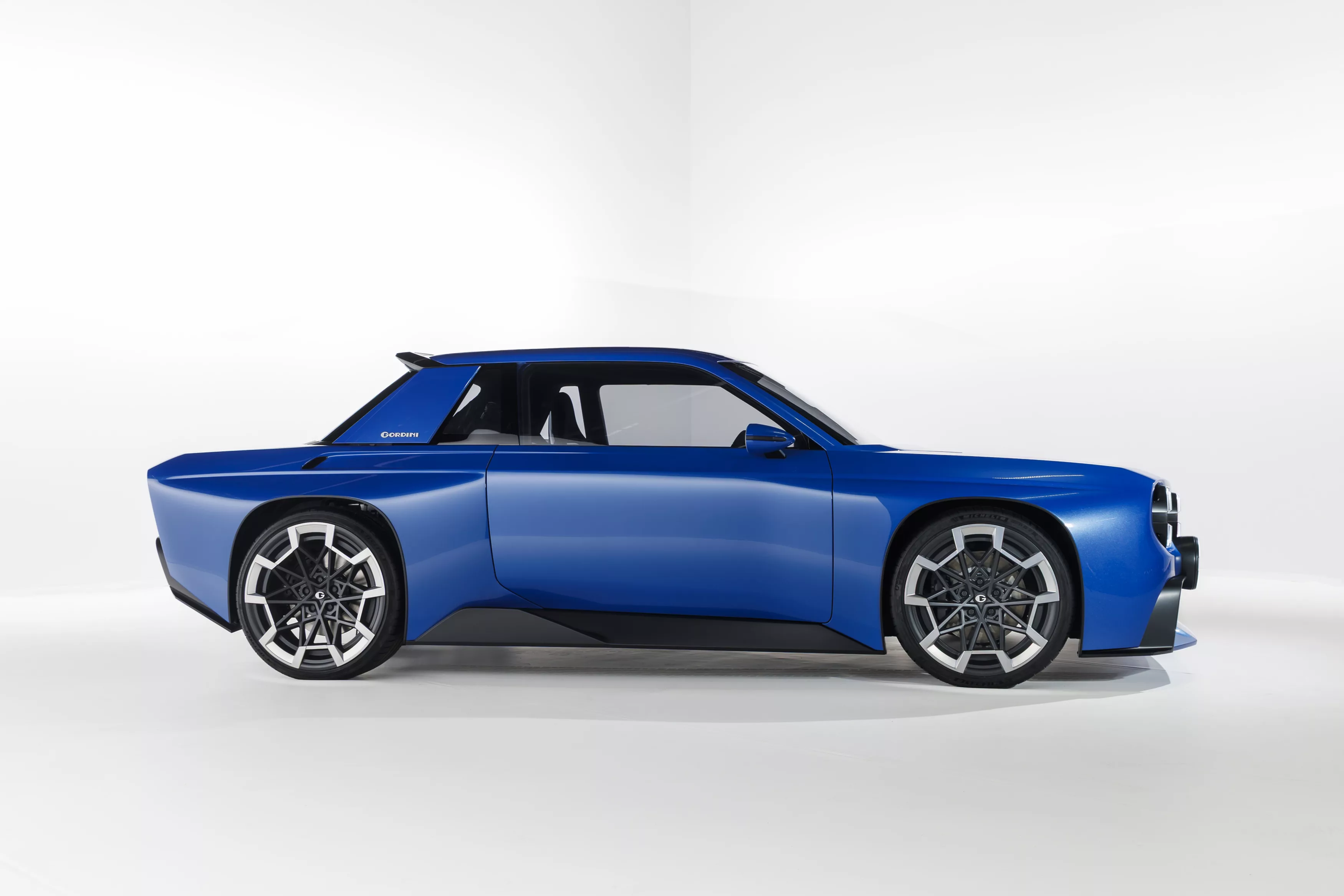
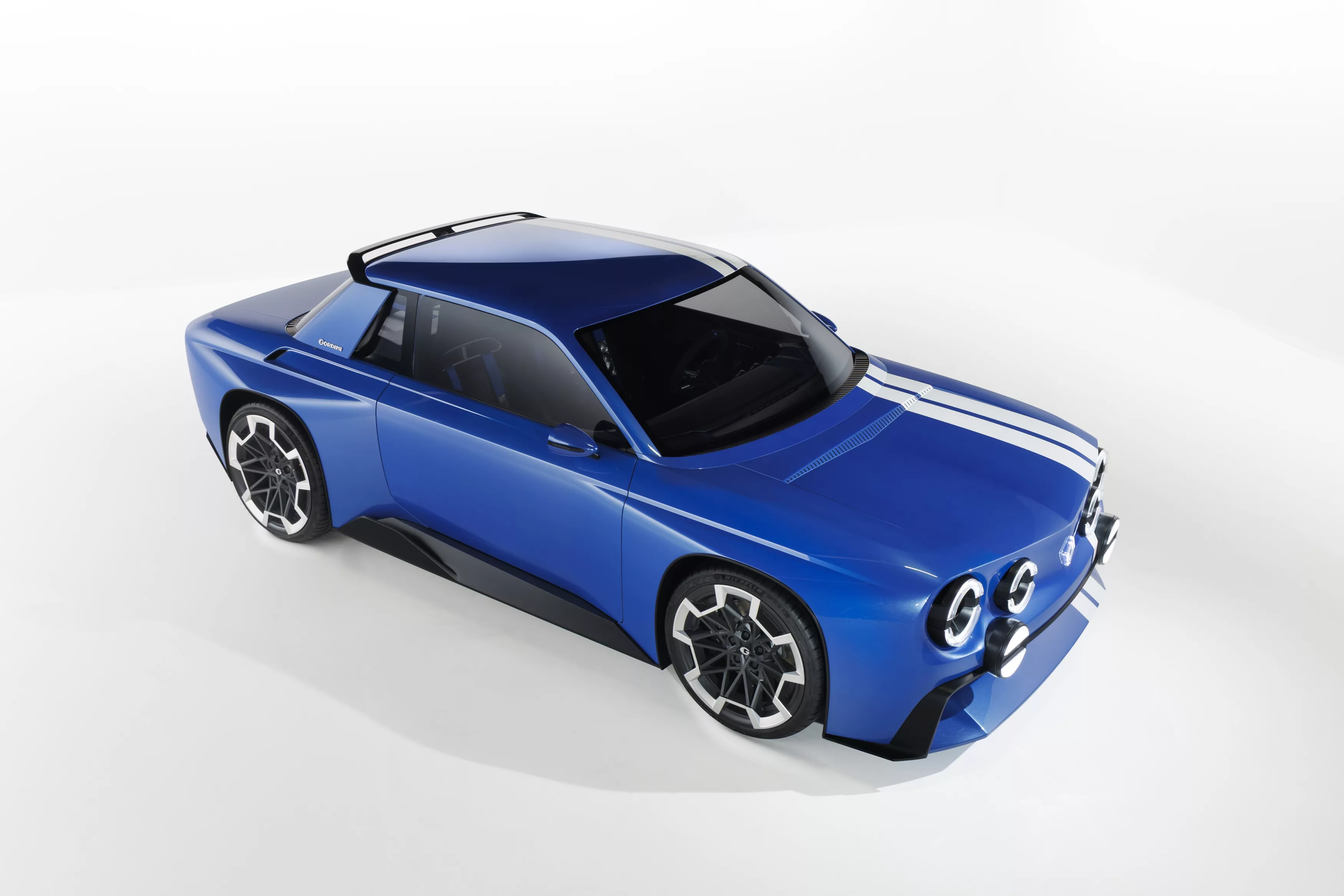
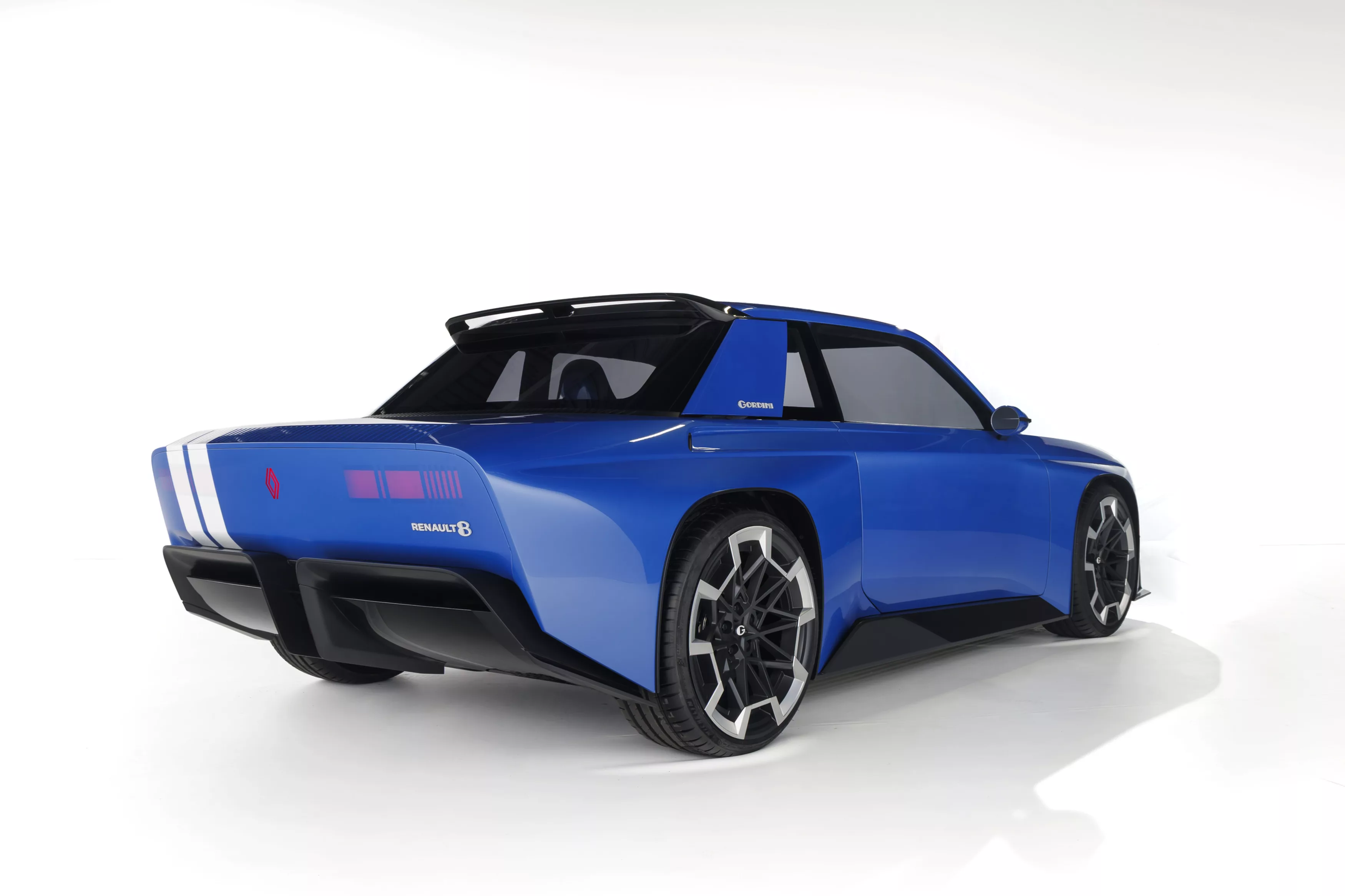
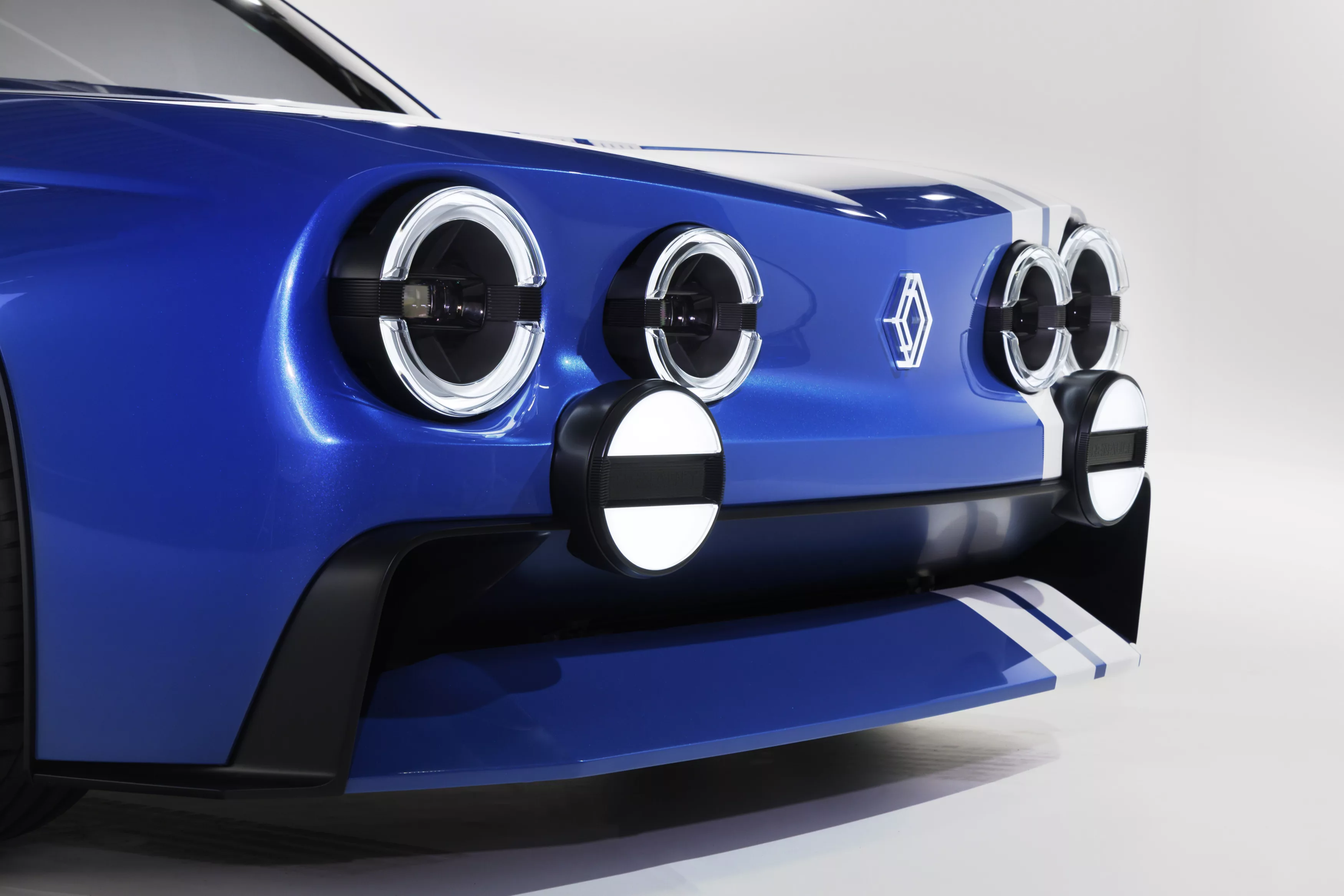
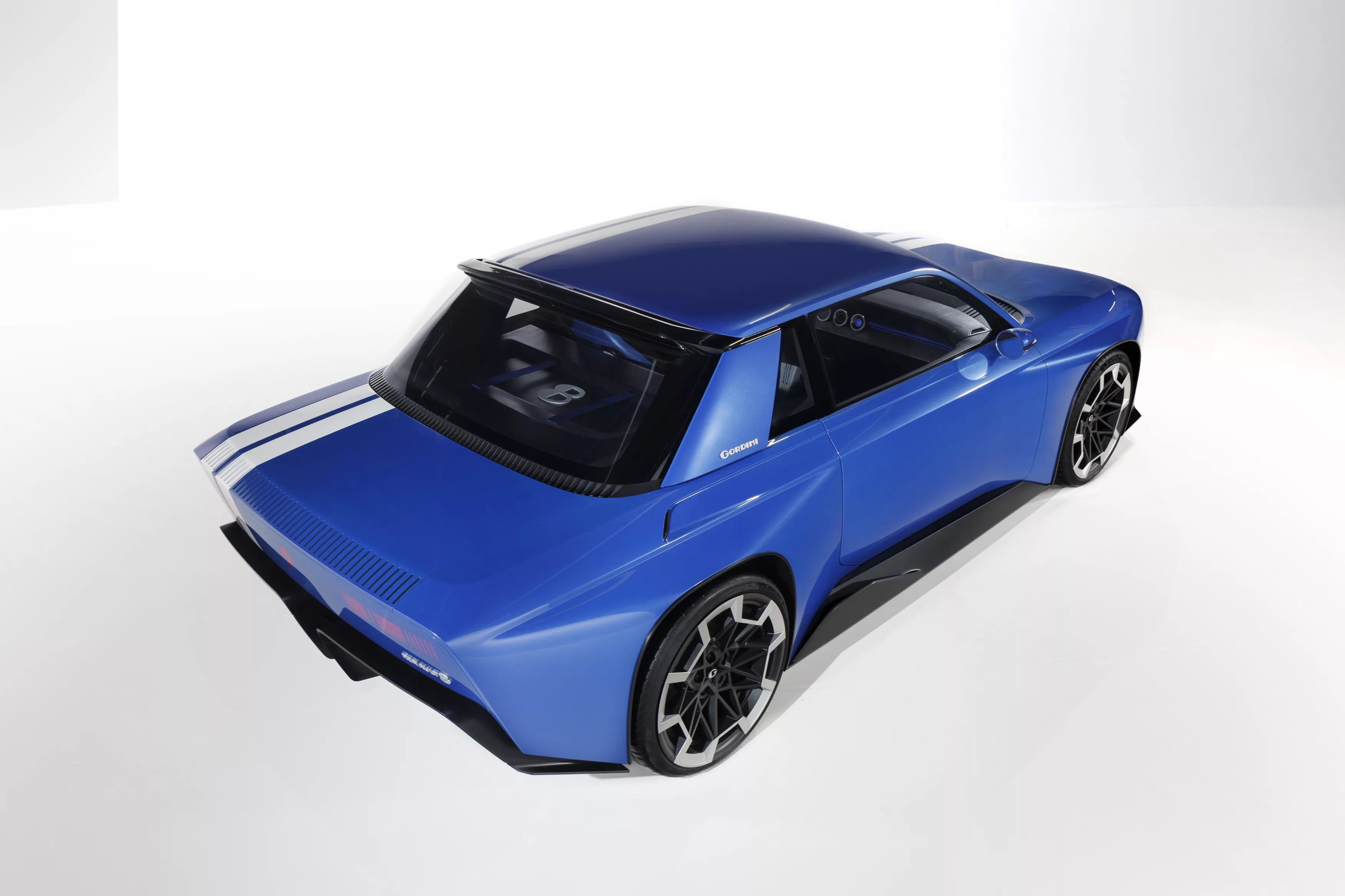
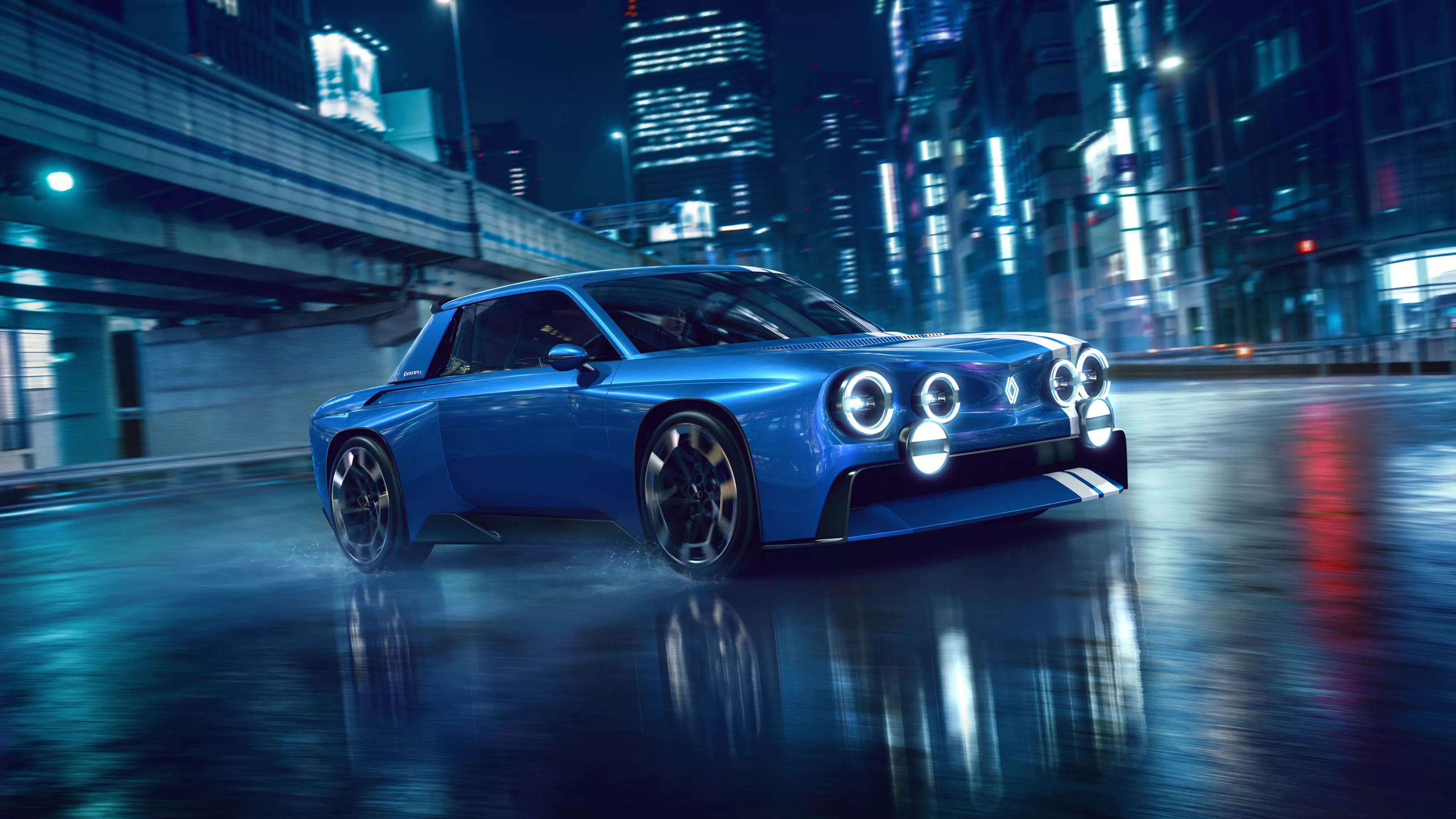
Renault has pulled the Renault 8 Gordini from one of the most exciting chapters of its history and done something far more interesting with it than create another retro-styled concept car. The new Renault 8 Gordini Concept is a 199 kW electric two-seat coupe whose low body, staggered wheels and strongly emphasised rear end reinterpret the rear-engined sports model of the 1960s in the spirit of a modern rally car.
Renault is not promising a production car at this stage. The concept was created as a design project and continues the reinterpretation of historic models begun by the Renault 5 Diamant and the electric R17 restomod. Renault will unveil the car at Renault Carwalk on 24 September and display it at the Paris Motor Show from 12 to 18 October.
199 kW instead of 70 kW
The original Renault 8 Gordini arrived on the market in 1964. Its rear-mounted engine produced 95 hp, or around 70 kW, and sent its power to the rear wheels. The car earned a reputation as a fast machine that demanded skill from its driver, and helped train an entire generation of French racing drivers.
The Gordini's significance extended beyond being simply a more powerful Renault 8. Renault attached Amédée Gordini's name to a sporting version of an ordinary production car at a time when the GTI boom was still around a decade away. Its blue bodywork and two white stripes quickly made the car recognisable.
The new concept retains rear-wheel drive and raises output to 199 kW. Renault has not disclosed battery capacity, torque, weight, acceleration or driving range. This is an important limitation: the 8 Gordini Concept looks like a finished electric sports car, but technically it remains primarily a design study for now.
Even so, 199 kW is an interesting choice. The Renault 5 Turbo 3E goes to the other extreme with its 397 kW electric powertrain. The Gordini Concept does not attempt to outdo it, instead positioning itself, at least in concept, as a lighter and simpler sports car.
Renault turns a four-door saloon into a two-seat coupe
The Renault 8 of the 1960s was a boxy four-door saloon. The new Gordini stretches the same basic idea into a low, wide two-door coupe.
The concept is 4.12 metres long, 1.88 metres wide and just 1.27 metres tall. Renault uses 19-inch wheels at the front and 20-inch wheels at the rear. The larger rear wheel shifts the car's visual centre of gravity rearwards and emphasises its rear-wheel-drive architecture.
Renault did not simply try to draw the old car on a larger scale. The original's almost symmetrical front and rear end have been replaced by a more pronounced wedge-shaped stance, wide wheel arches and a low cabin. At the rear, the body slopes down slightly, something the historic Renault 8 did not have.
The clearest connection to the old car lies in the details. Renault has retained the square wheel arches and the distinctive line running through the middle of the body, but now also uses the latter to direct air into an intake.
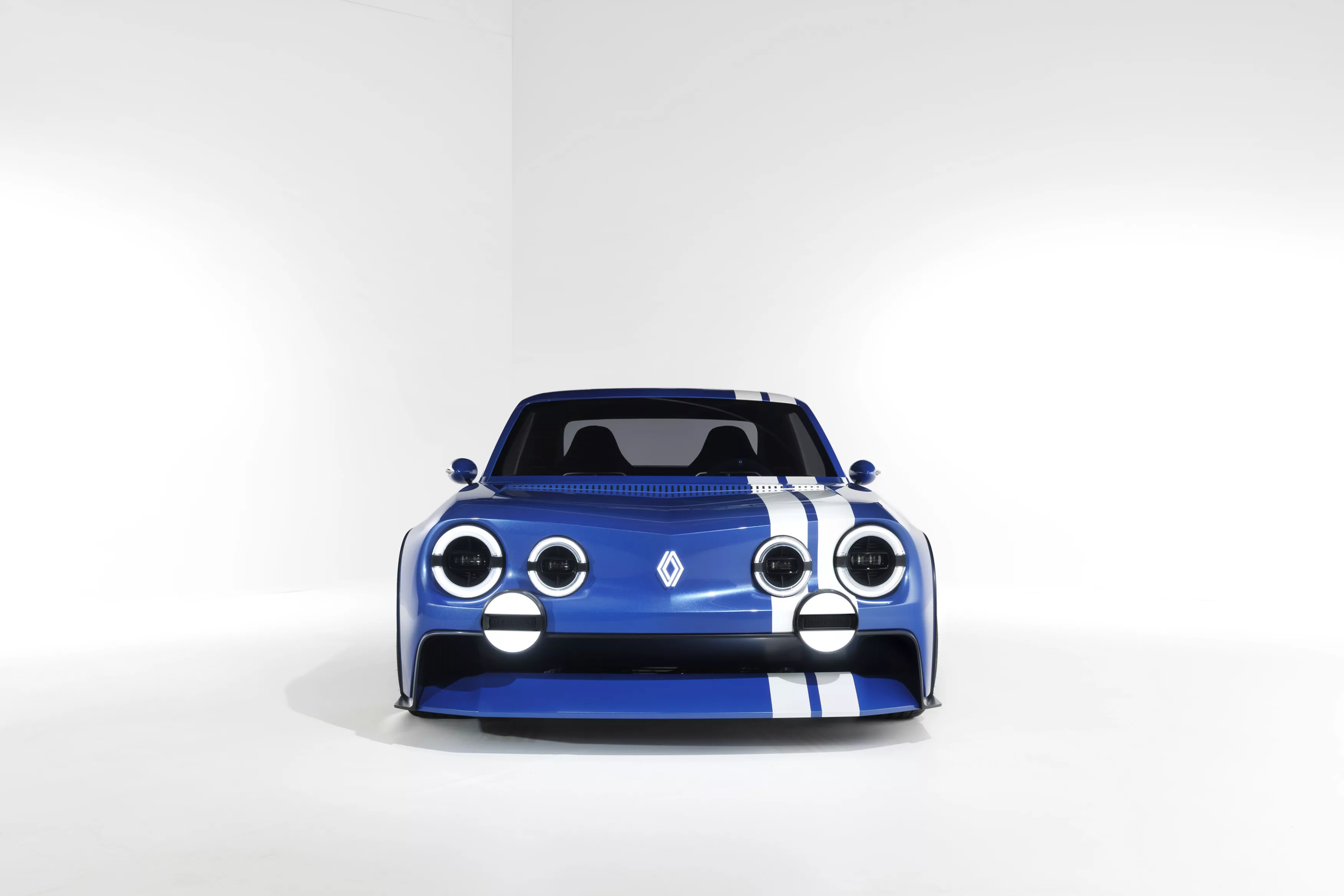
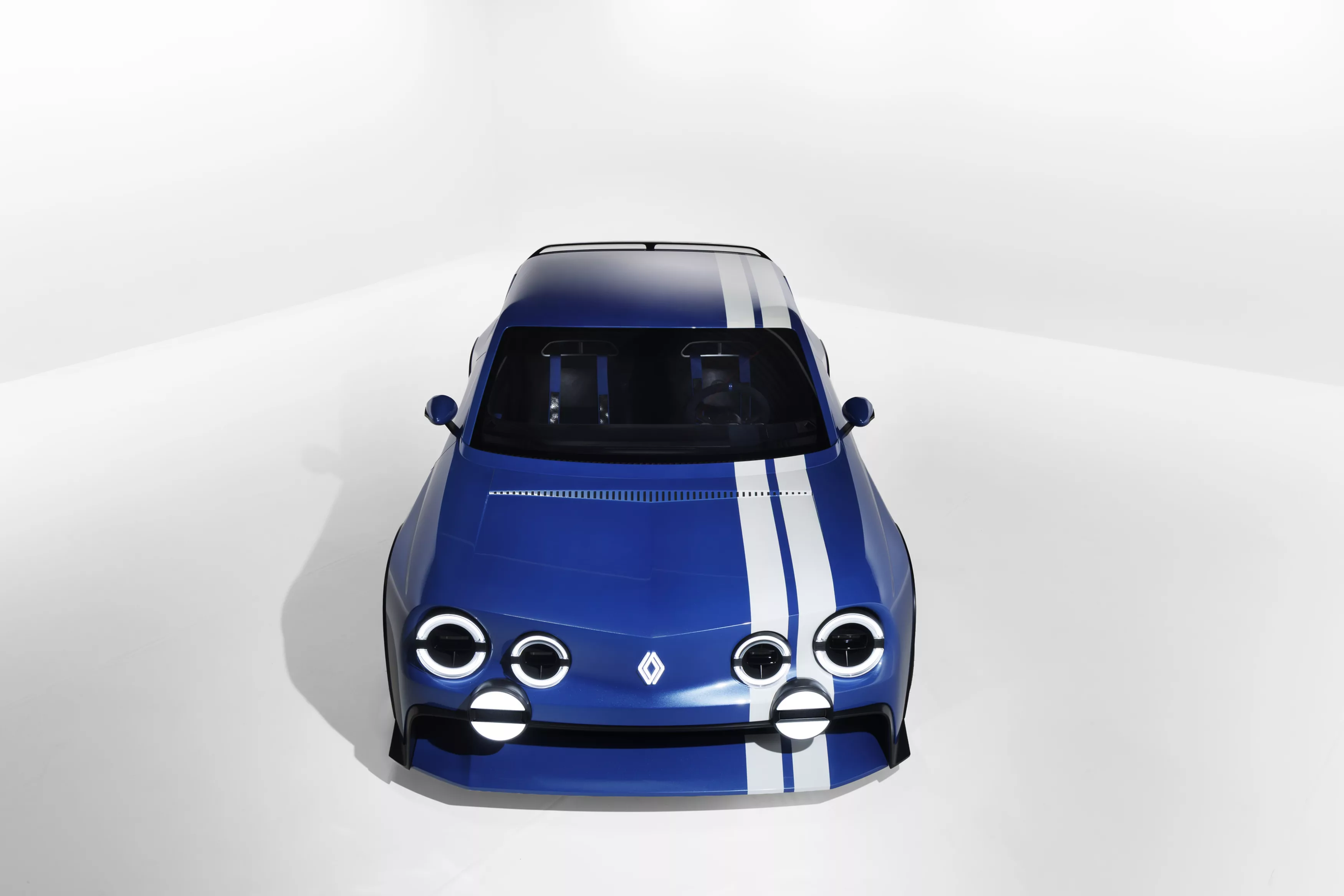
There is no front grille. Instead, the nose features six round lighting elements reminiscent of auxiliary rally lights. When switched off, the rear lights sit almost invisibly within the bodywork.
The Gordini's white stripes are no longer stickers
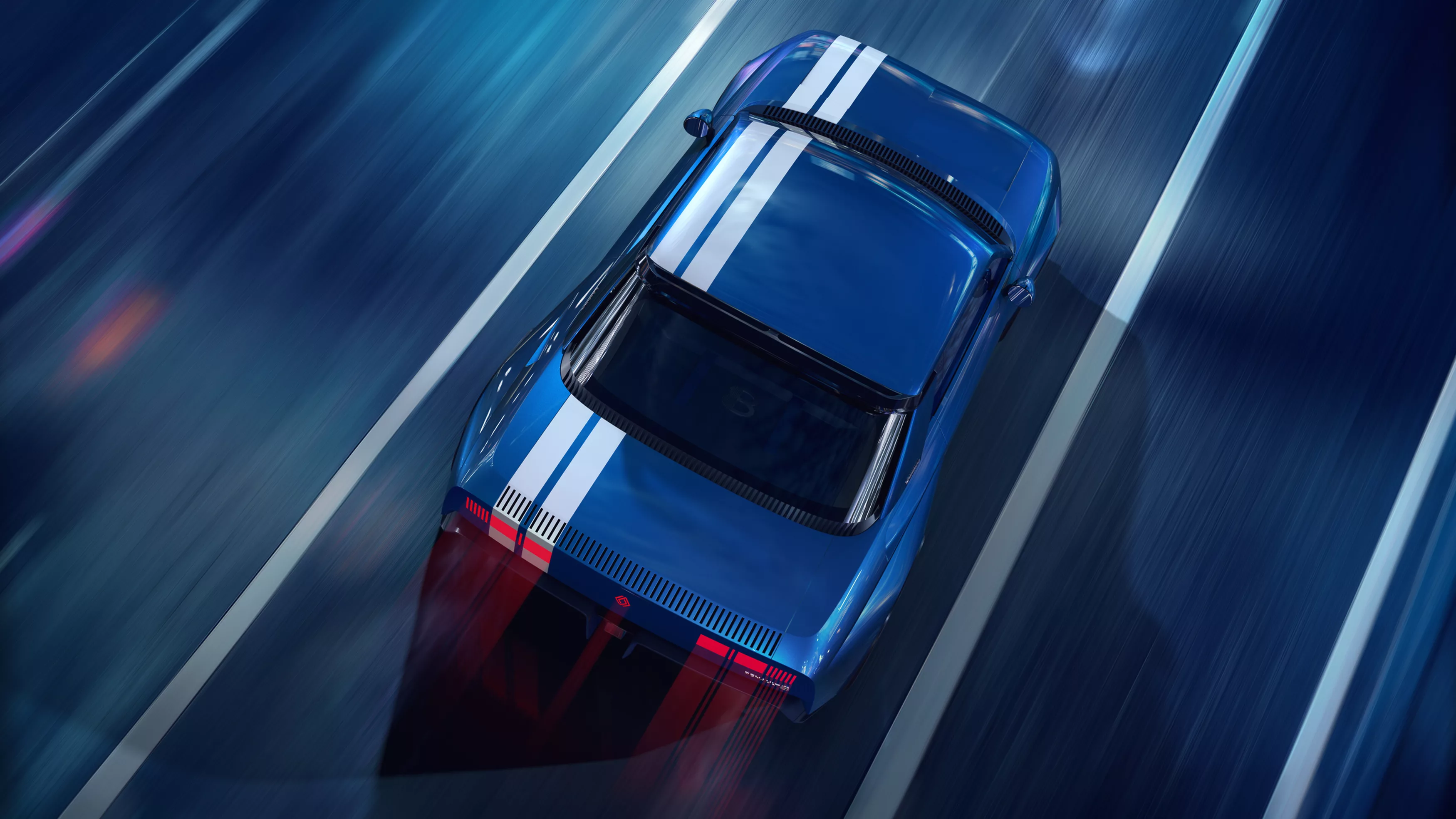
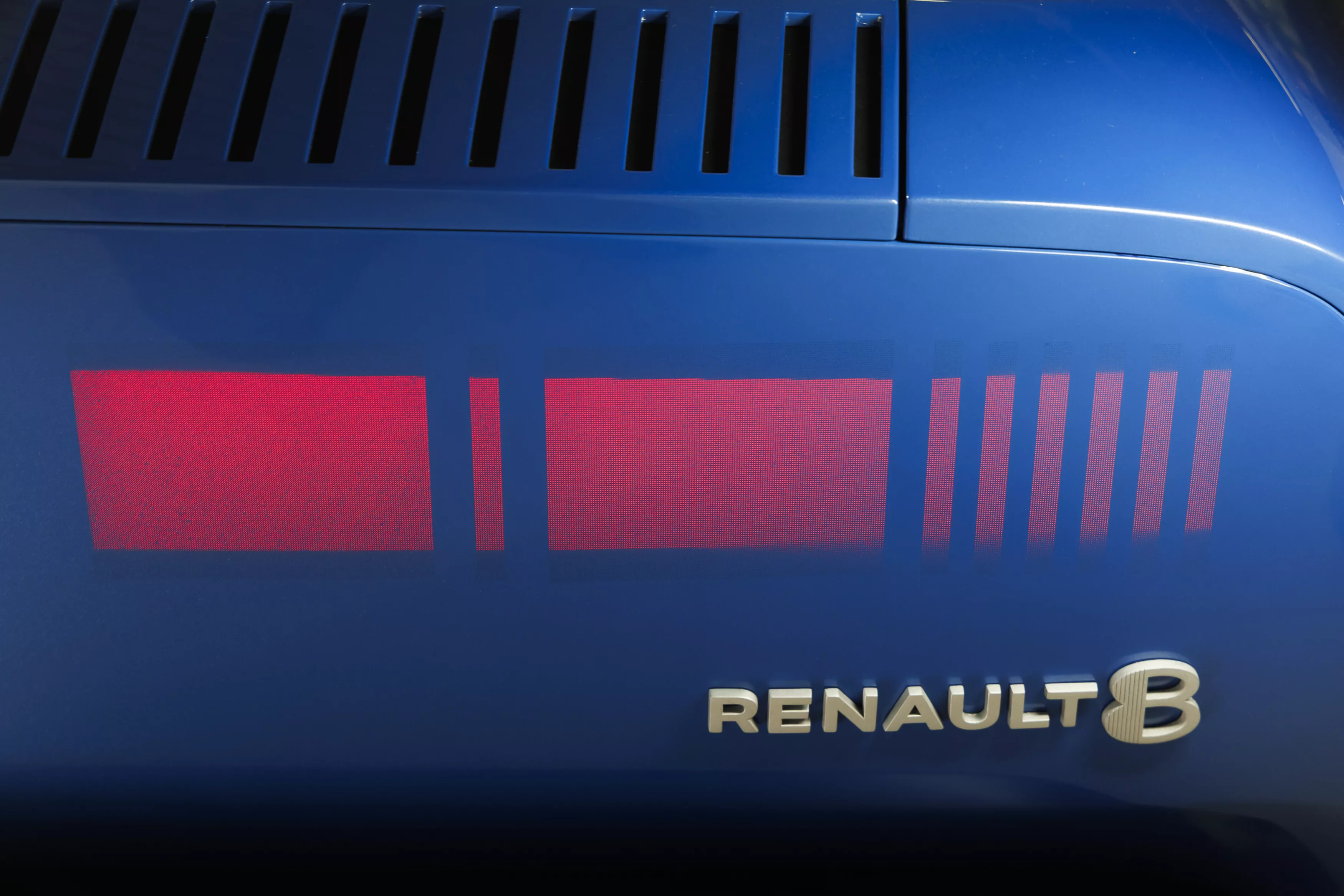
The original Renault 8 Gordini's two white stripes became the model's calling card. The concept uses the same motif far more ambitiously.
The stripes are not simply graphics applied to the blue body. Renault has used them to shape several elements of the car, including the grille at the base of the windscreen and the rear-light graphics. The line continues into the cabin, gradually shifting from white to blue across the top of the dashboard.
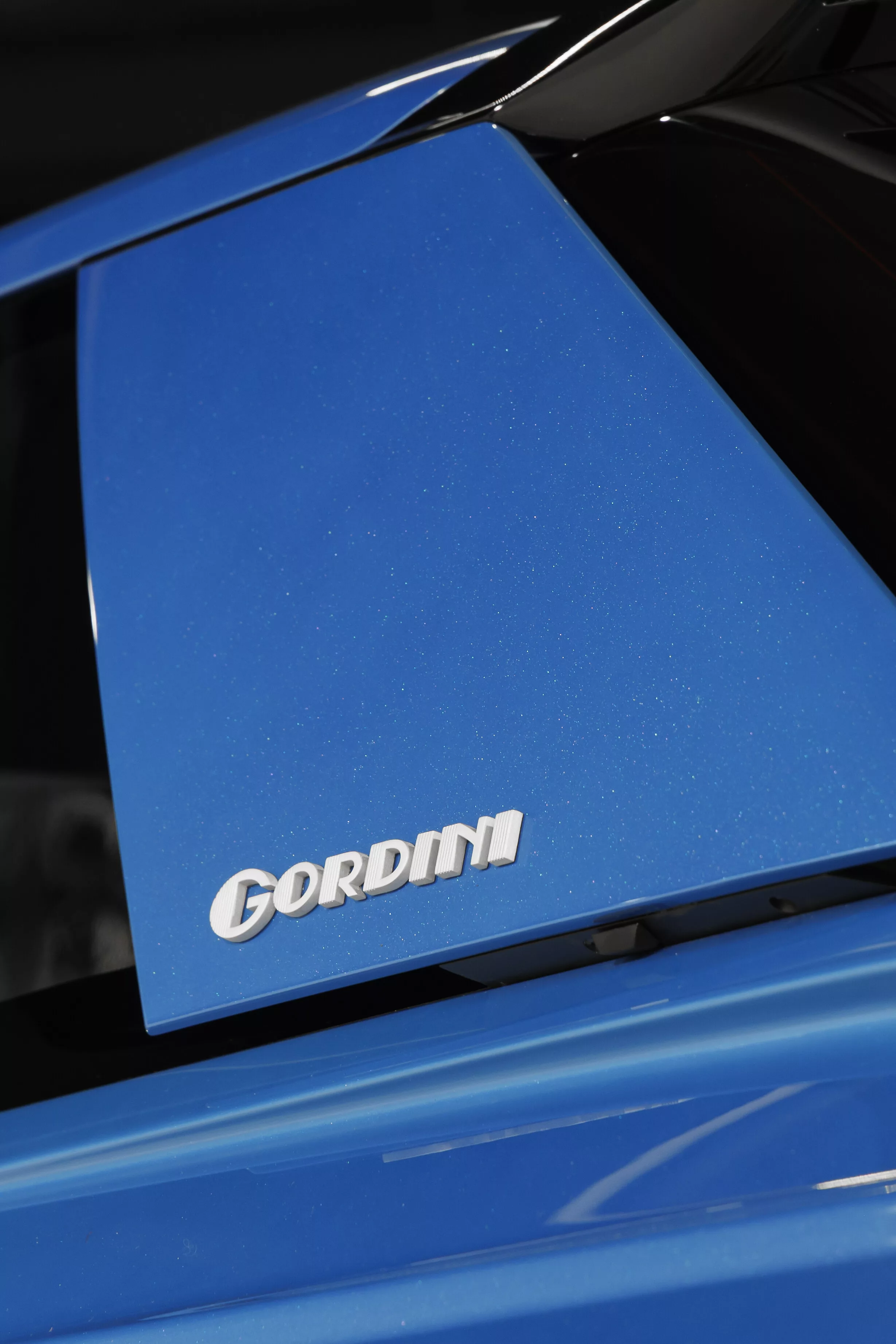
The blue paint also refers to the historic Bleu de France. Renault uses a three-layer paint finish with pearlescent pigment and a blue-tinted binder to give the body greater depth in the light and bring out its sculptural surfaces more clearly.
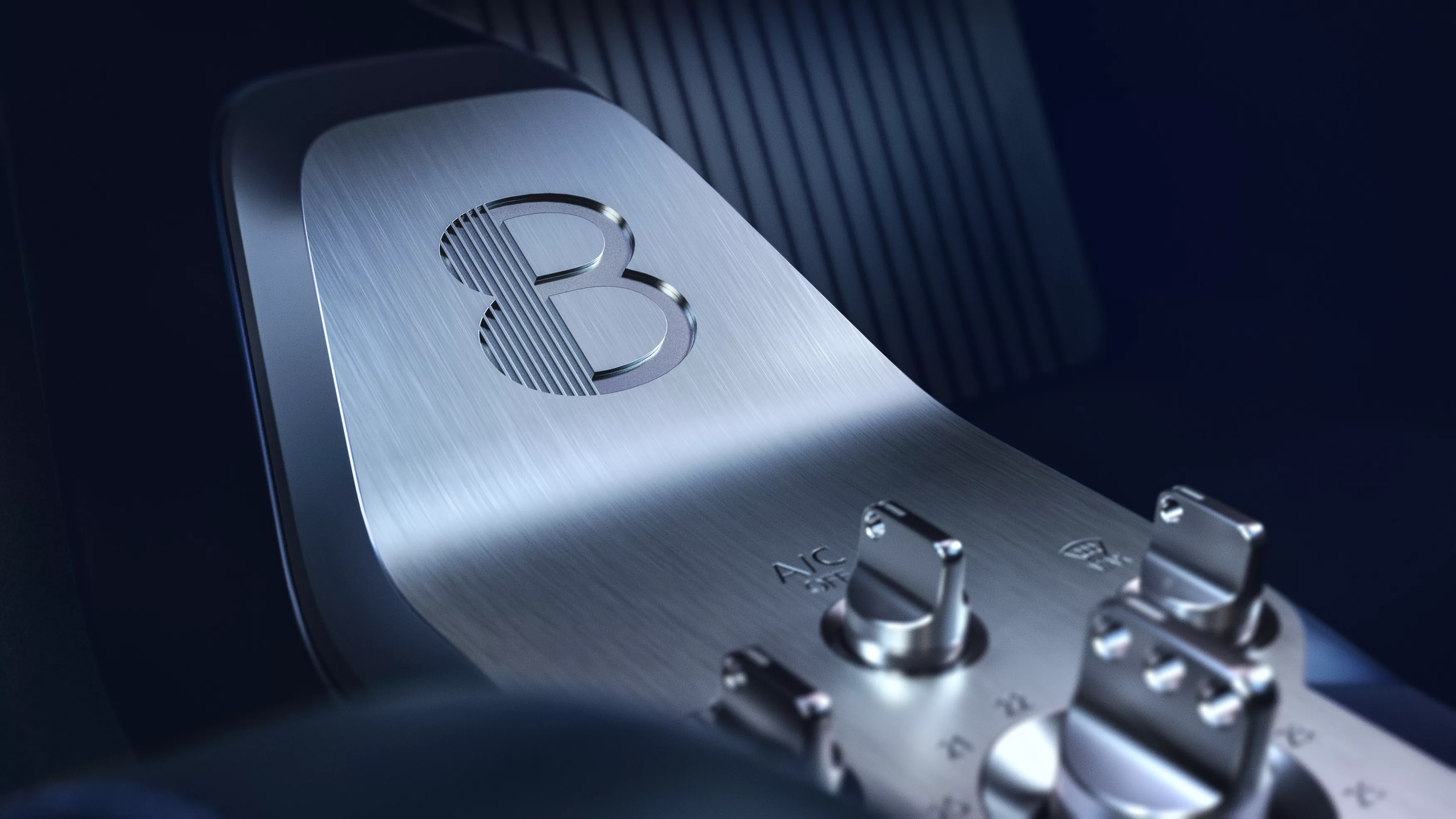
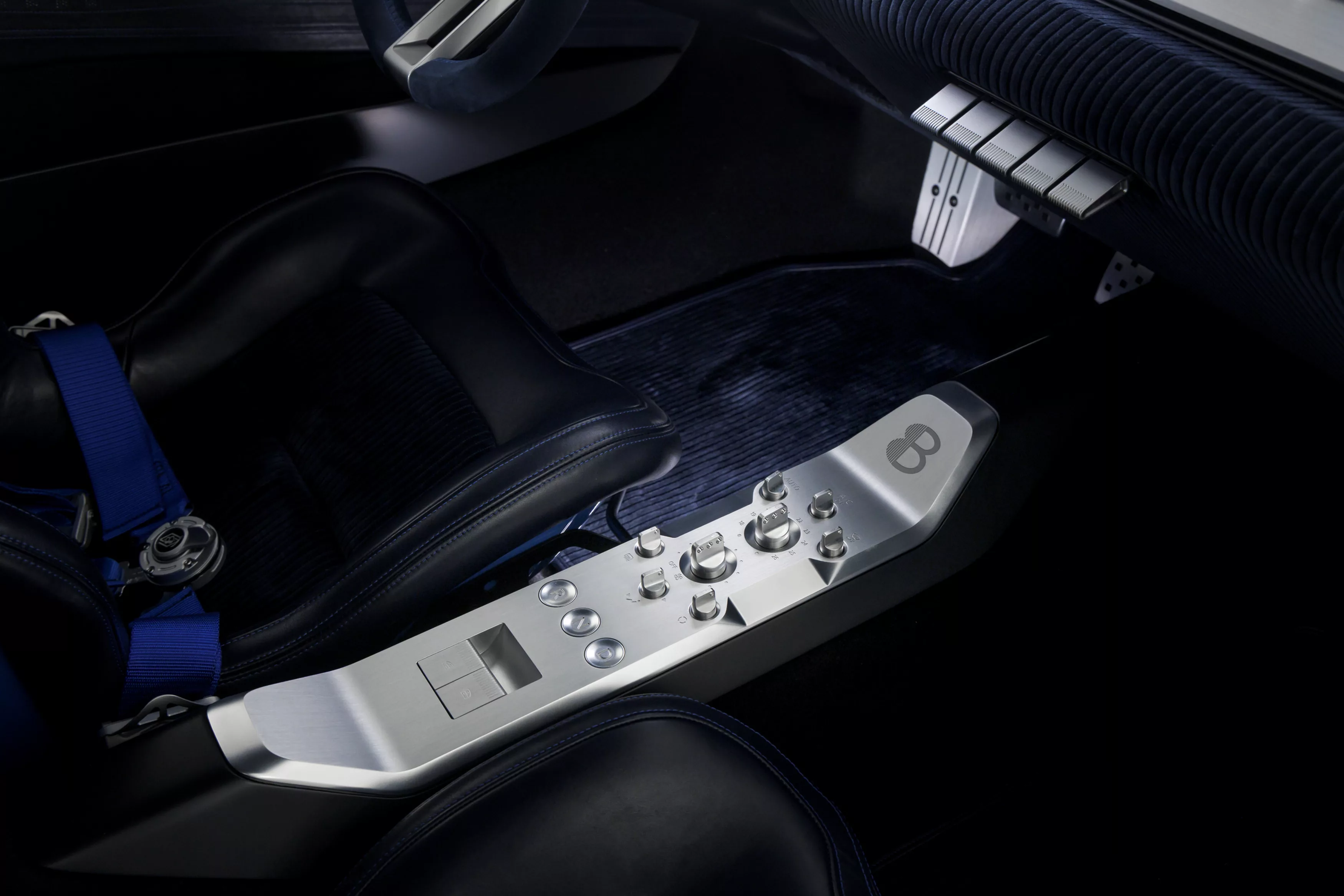
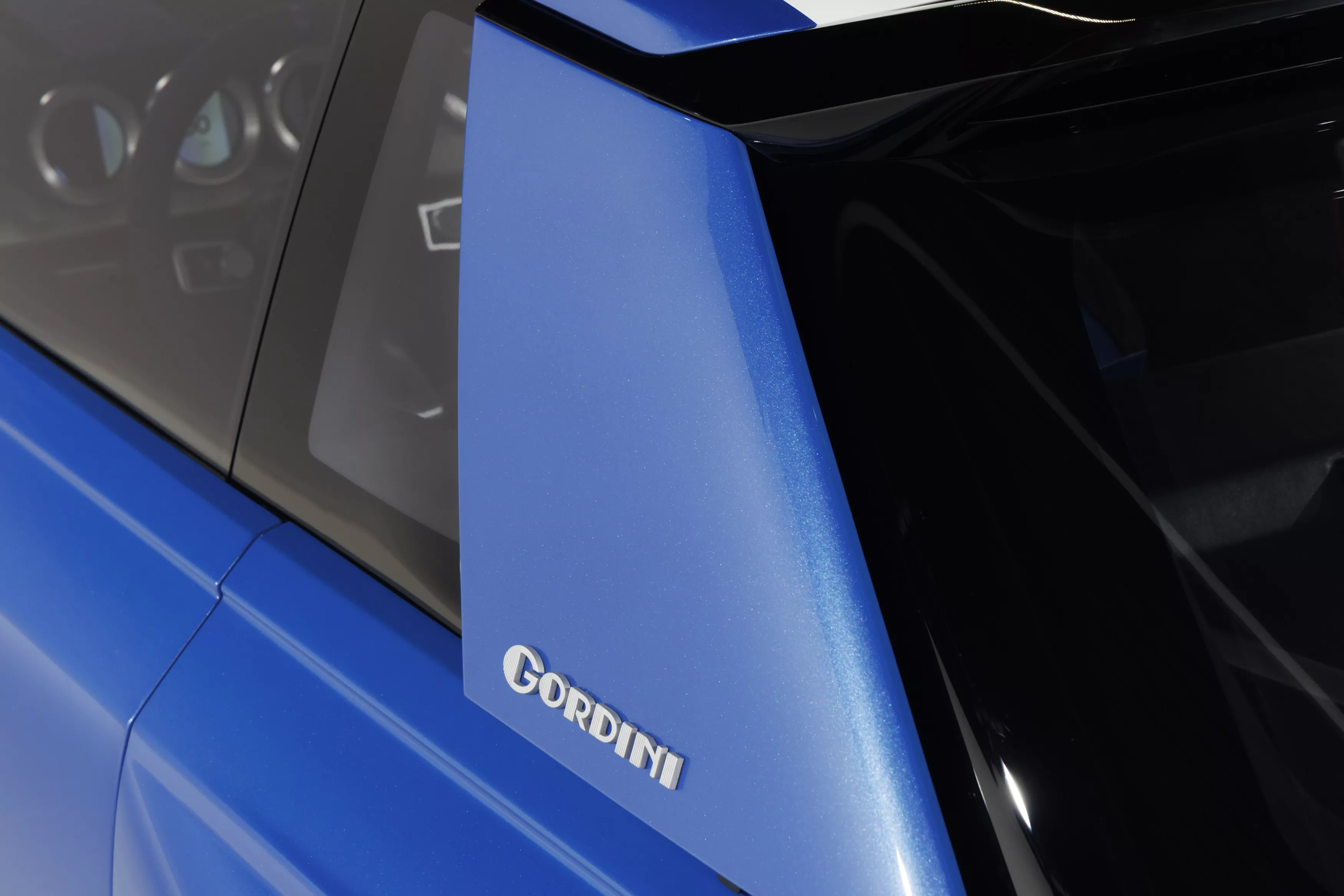
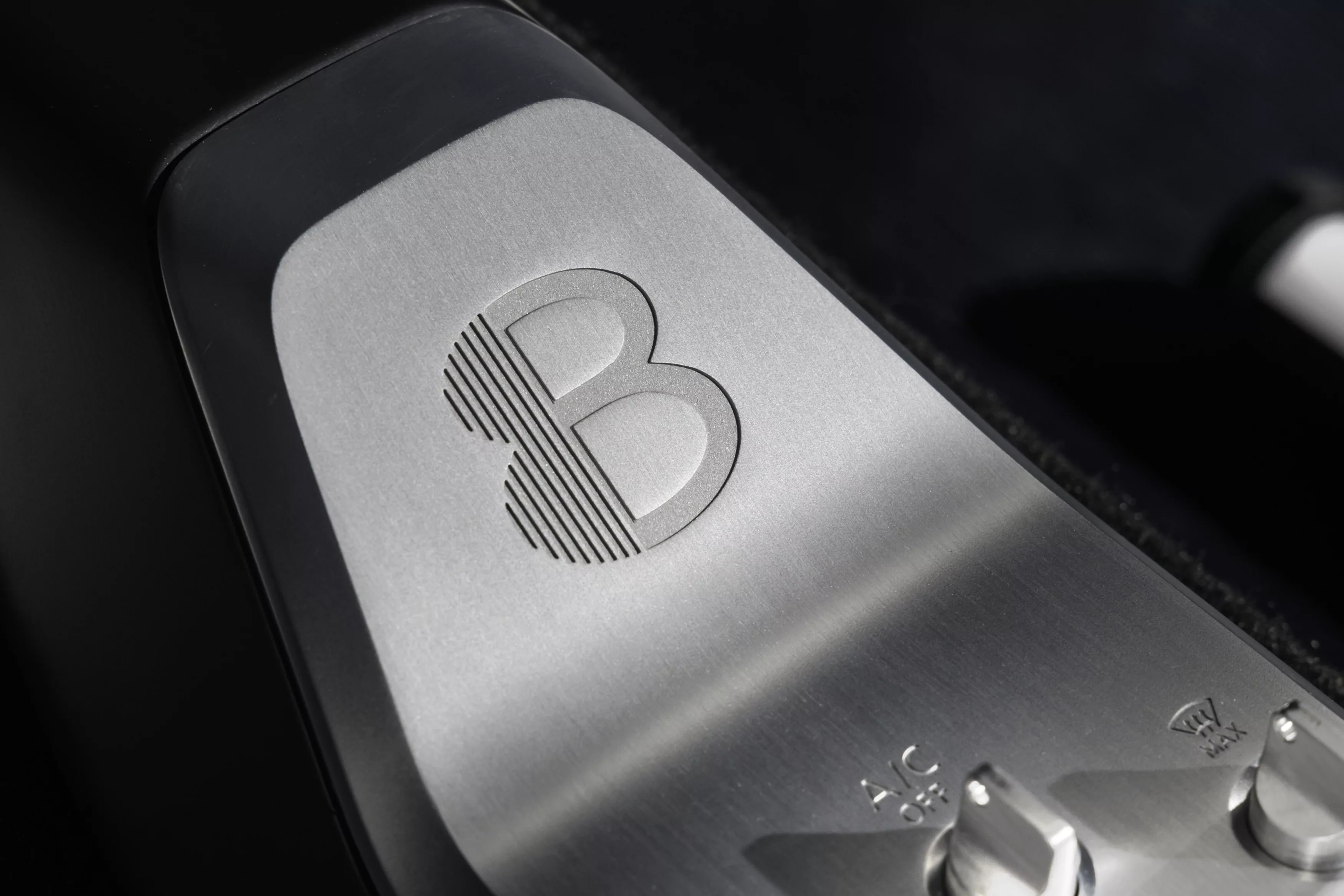
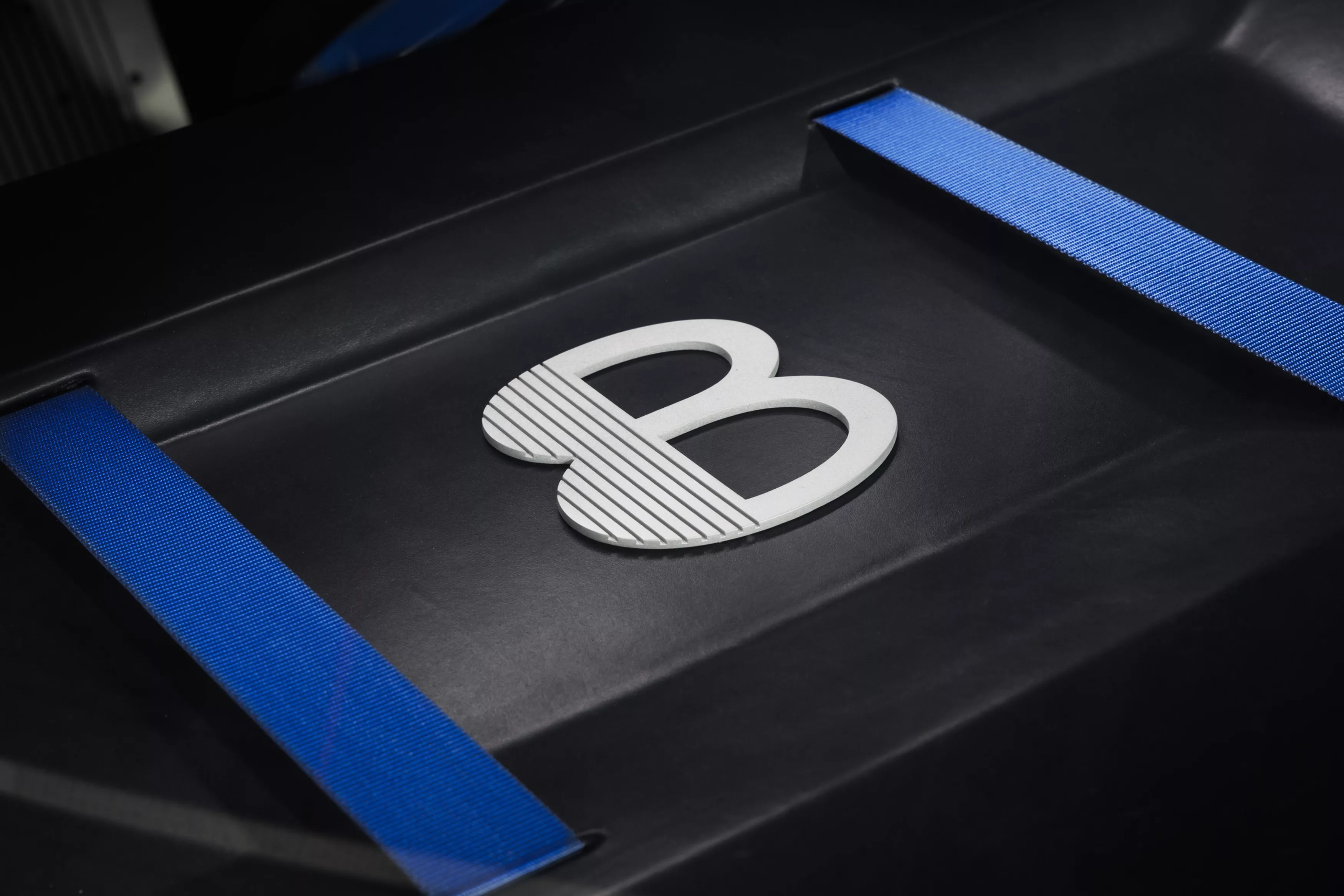
The Gordini typeface takes its cue from the 1964 car. Renault has added a new “8” emblem made up of eight segments.
“Café racer” means less, not more, here
Renault cites the “café racer” philosophy familiar from the motorcycle world as one of the design's starting points. The idea is not to overload a classic car with decorations, but to remove the unnecessary and leave form, material and function exposed.
As a result, Renault has concealed some conventional body-panel joints. The usual bonnet seam, for example, is not visible, because the entire panel can be removed as one piece, as on a racing car.
The old car's chrome side strip does not return as a separate decorative element either. Instead, the designers have formed it into a taut line in the bodywork.
It is a refreshing approach for a retro car. Too often, reviving a historic model means enlarging old features and attaching them to a new body. The Gordini Concept instead uses the original's recognisable elements as a starting point.
The cabin does without a giant tablet
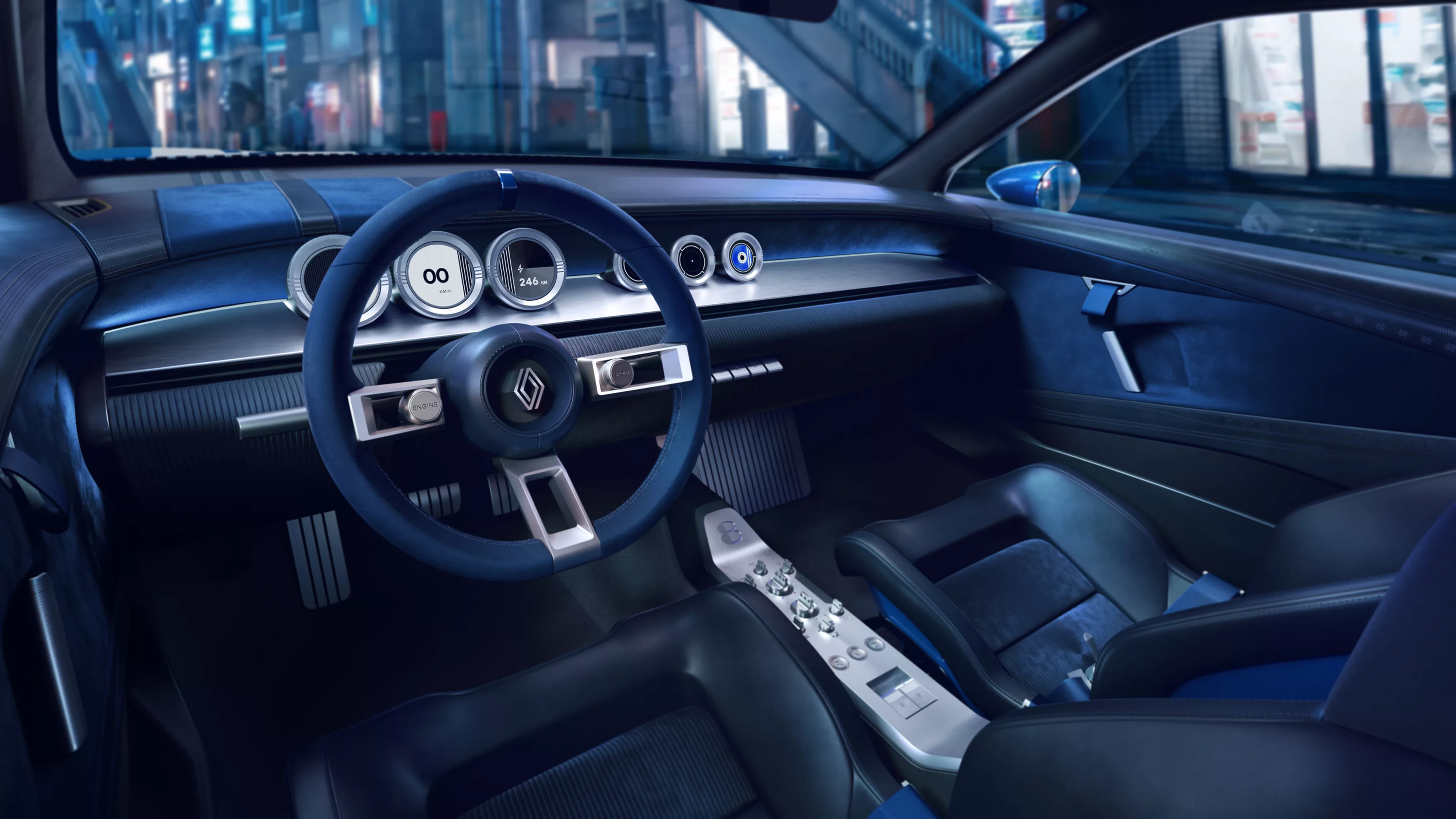
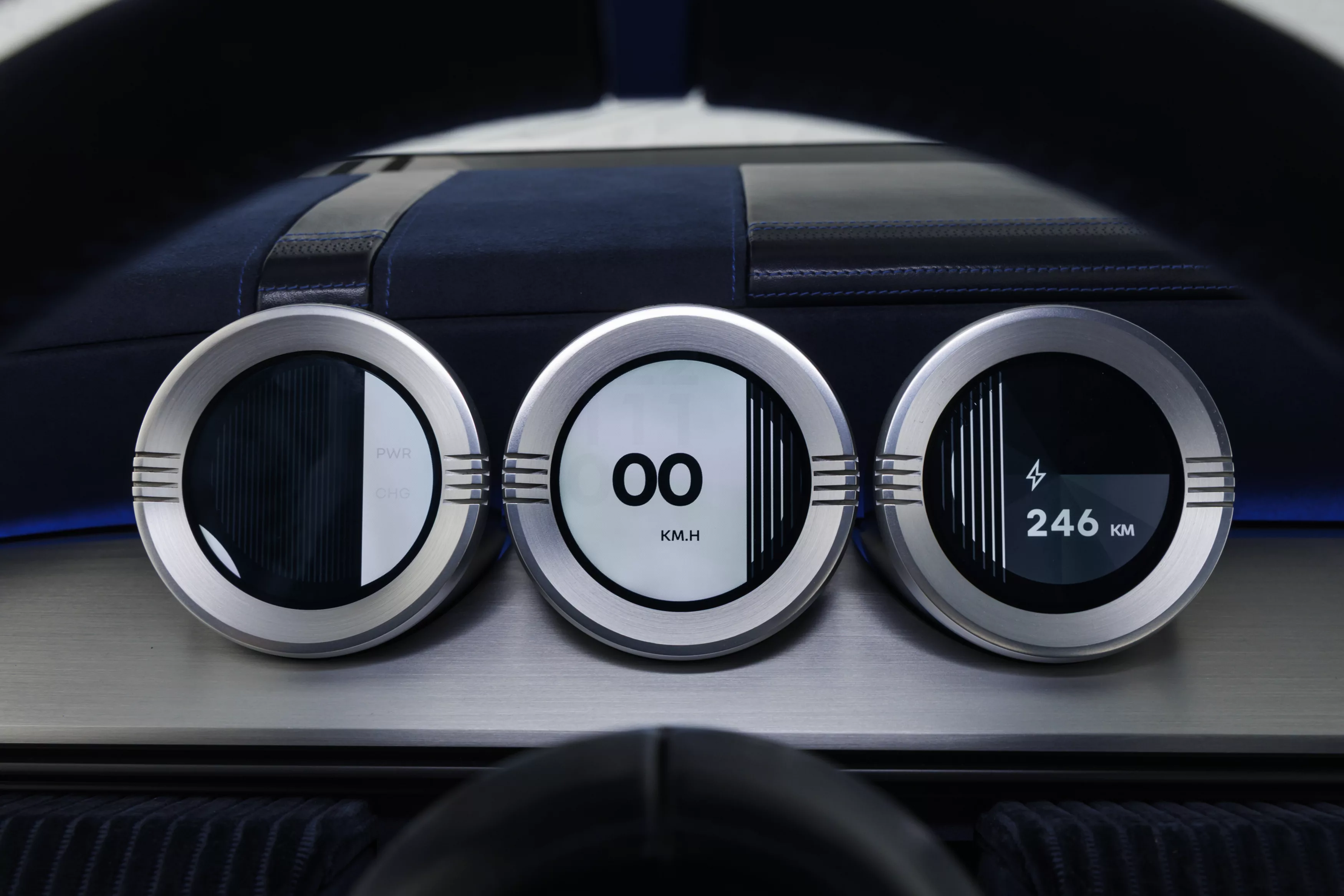
The most interesting solution may instead be found in the cabin. Renault has not filled the dashboard with one enormous rectangular screen.
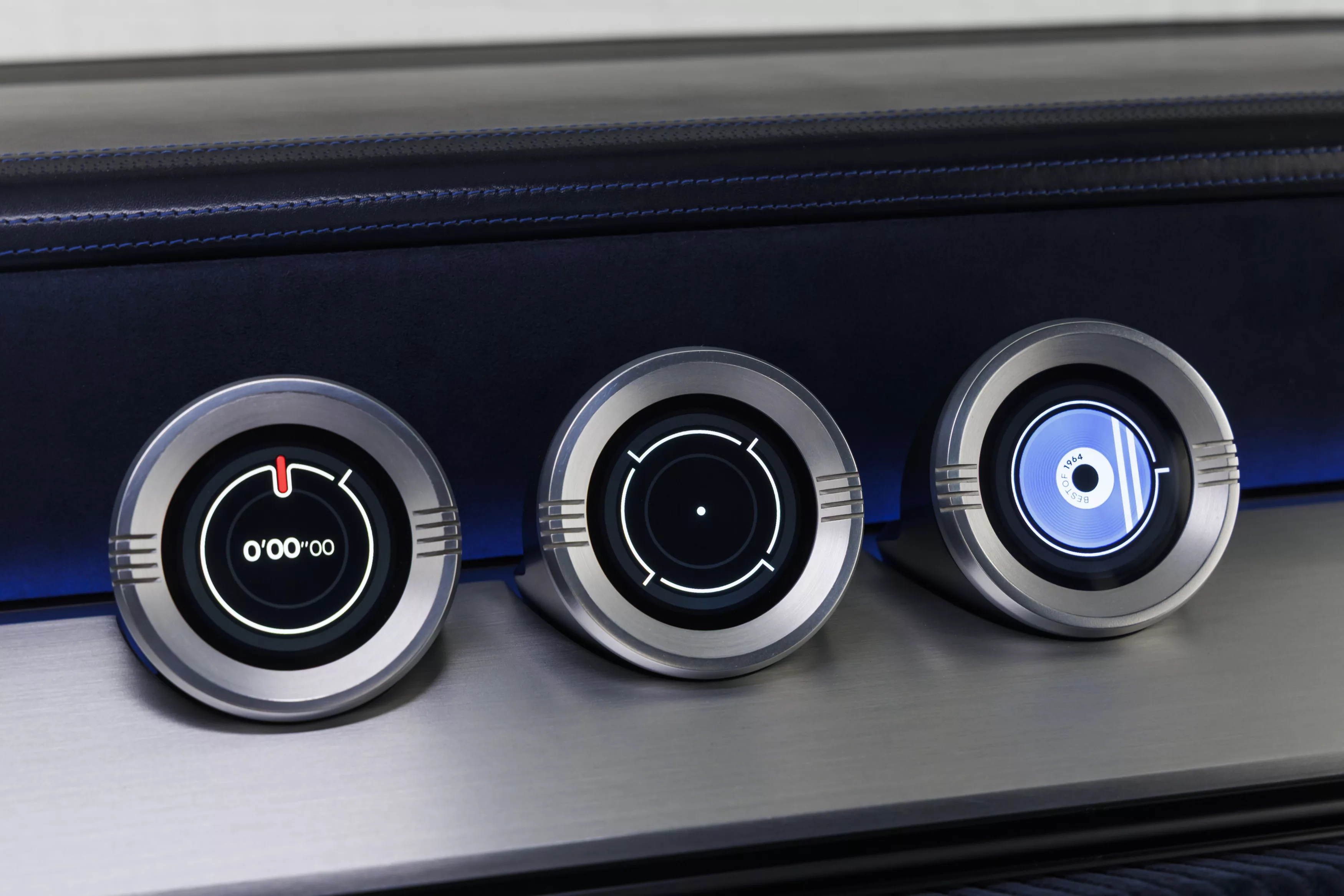
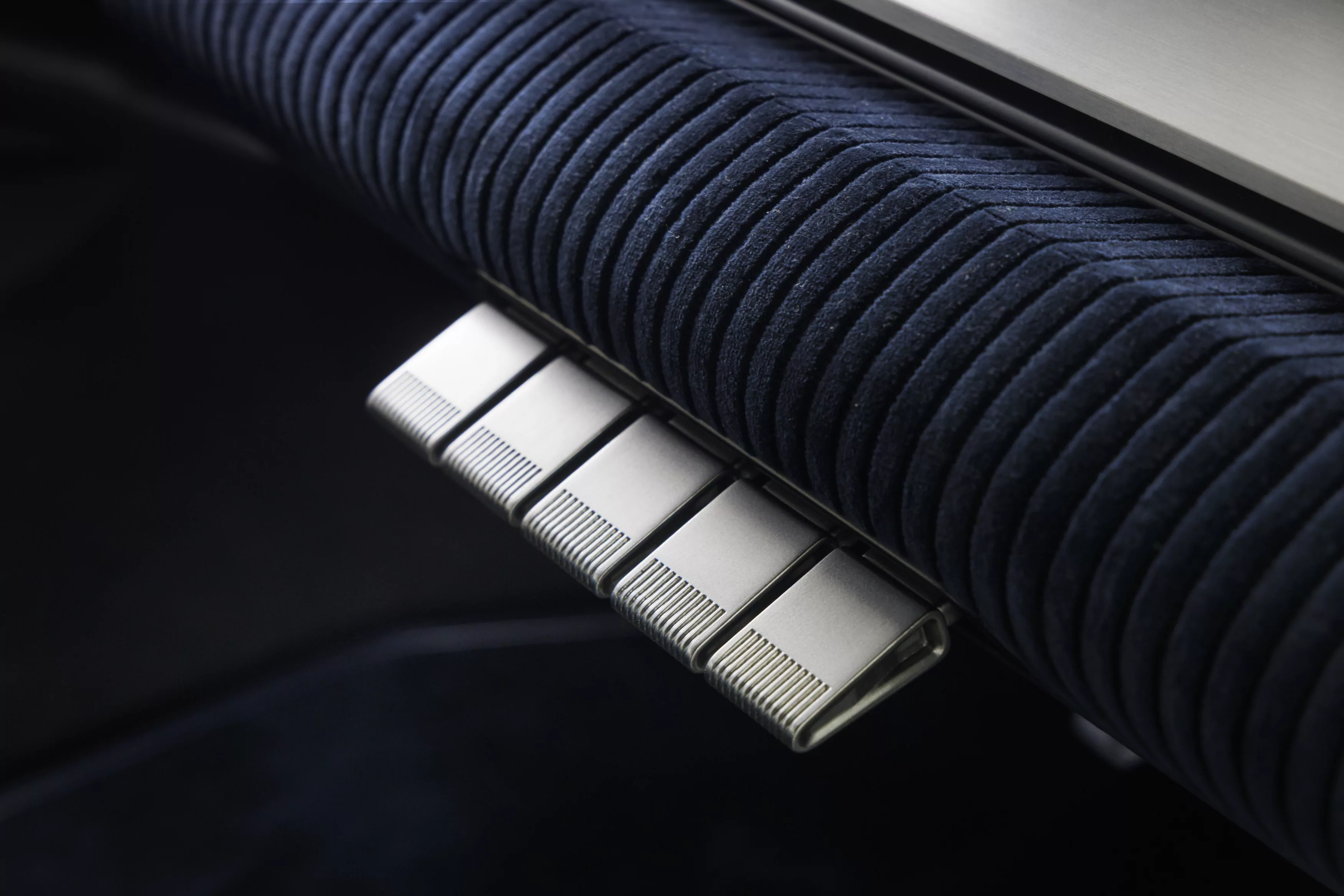
Instead, the horizontal brushed-aluminium dashboard carries round digital instruments. Their thick bezels echo the three-dimensional treatment of the round front lights.
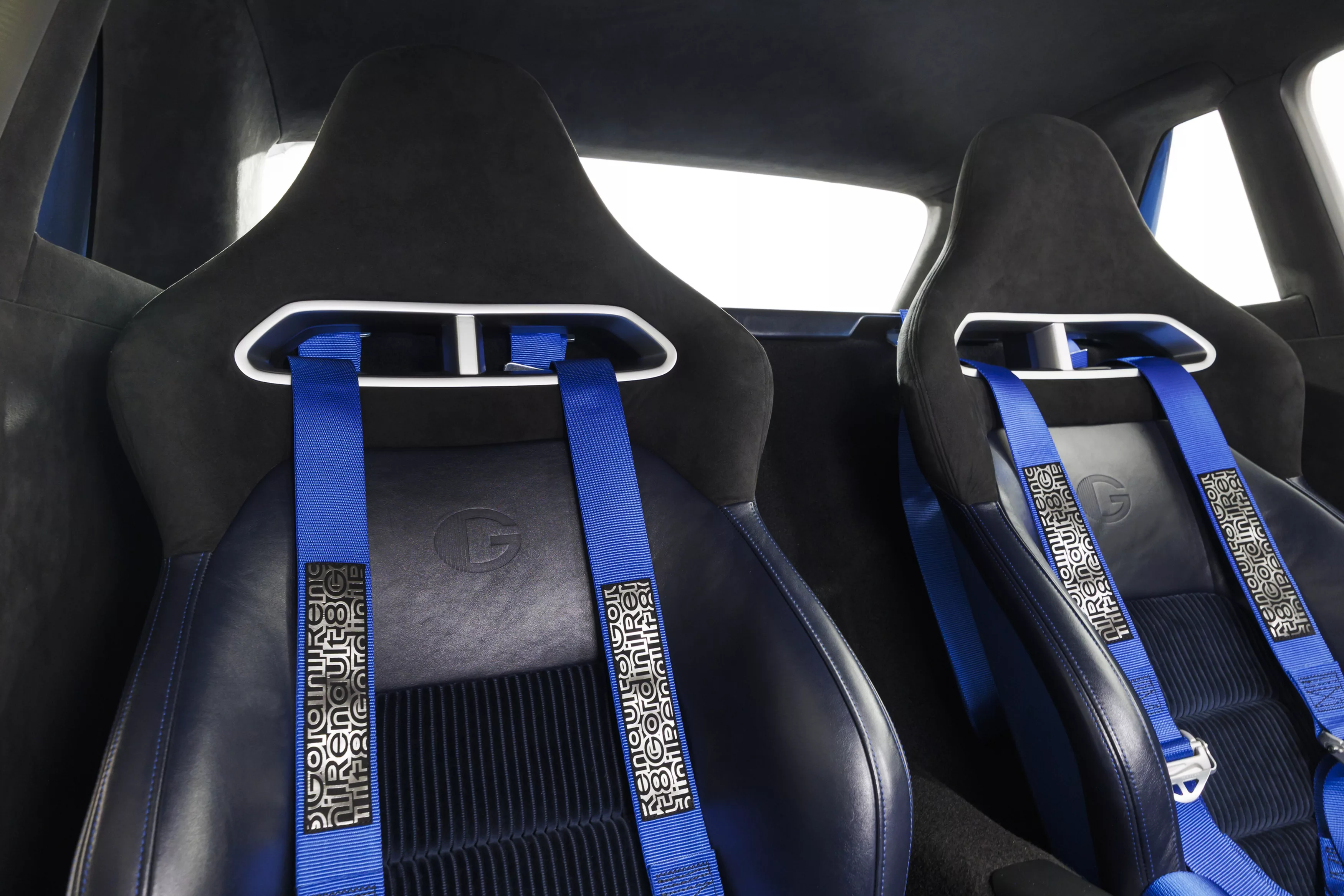
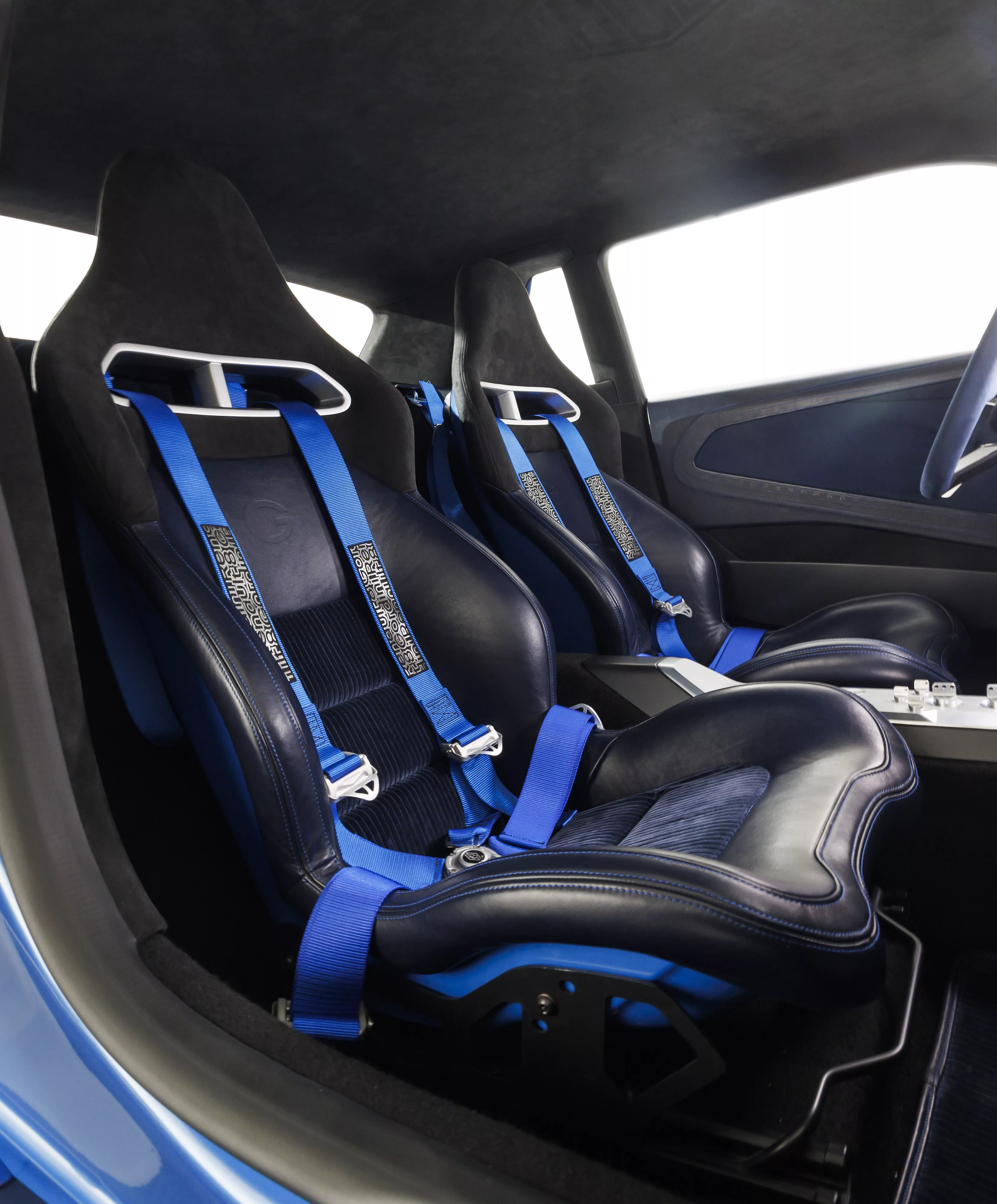
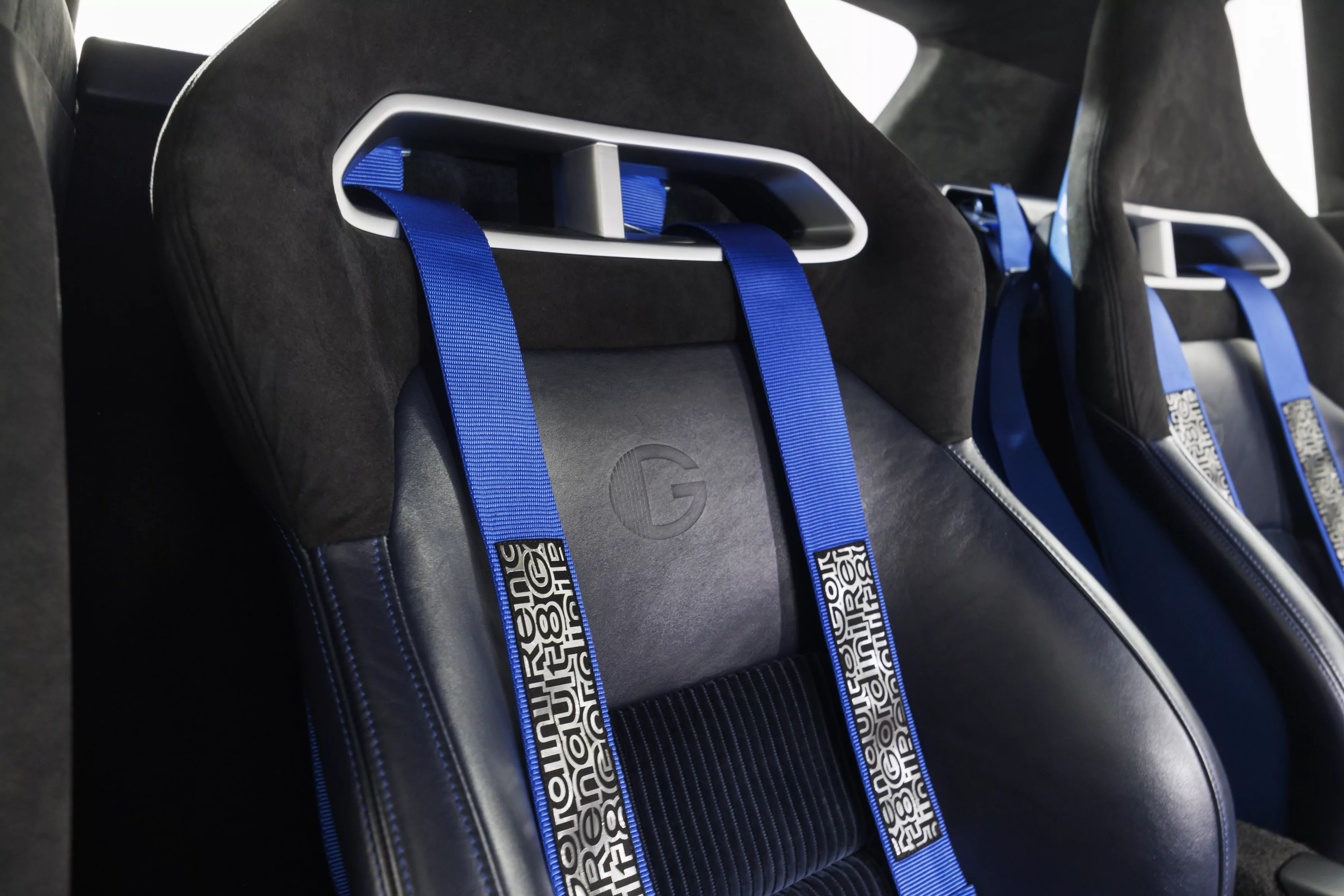
Renault uses exposed aluminium and Alcantara instead of plastic. The centre sections of the two bucket seats are covered in blue velvet, referring to the old Gordini's simple seats without headrests. Renault does not use carbon fibre in the cabin, although it is present in the exterior bodywork.
A stopwatch with a red button sits in the middle of the dashboard. It is an almost demonstratively old-fashioned feature in an electric car, but it works better for a Gordini than yet another touch-sensitive submenu.
Renault is bringing back exactly the right names from its history
The 8 Gordini Concept is part of Renault's deliberate heritage programme of recent years. The Renault 5 and Renault 4 have already returned as electric production cars, the Renault 5 Turbo 3E takes a historic name into the world of extreme electric sports cars, while the R17 electric restomod x Ora Ïto and Renault 5 Diamant explored the same theme as concept cars.
With the Gordini Concept, it is therefore worth avoiding the automatic conclusion that a 199 kW electric coupe will soon go on sale. Renault describes the car as a design project and plans to place it later in the Renault Collections museum in Flins. The manufacturer plans to open the museum in around 15 months.
But the idea itself would deserve series production. Europe's electric-car market is rapidly filling up with SUVs, crossovers and heavy models with large batteries. A low, compact, rear-wheel-drive electric sports coupe would offer an entirely different proposition.
The Gordini name is particularly well suited to this. Amédée Gordini built his reputation not on luxury, but on sharpening modest engineering. If Renault ever wanted to make an electric car whose value lay in its weight, chassis and handling rather than maximum screen size, it already has a suitable name.


