
Opel STX to show in Paris what a next-generation electric estate could look like
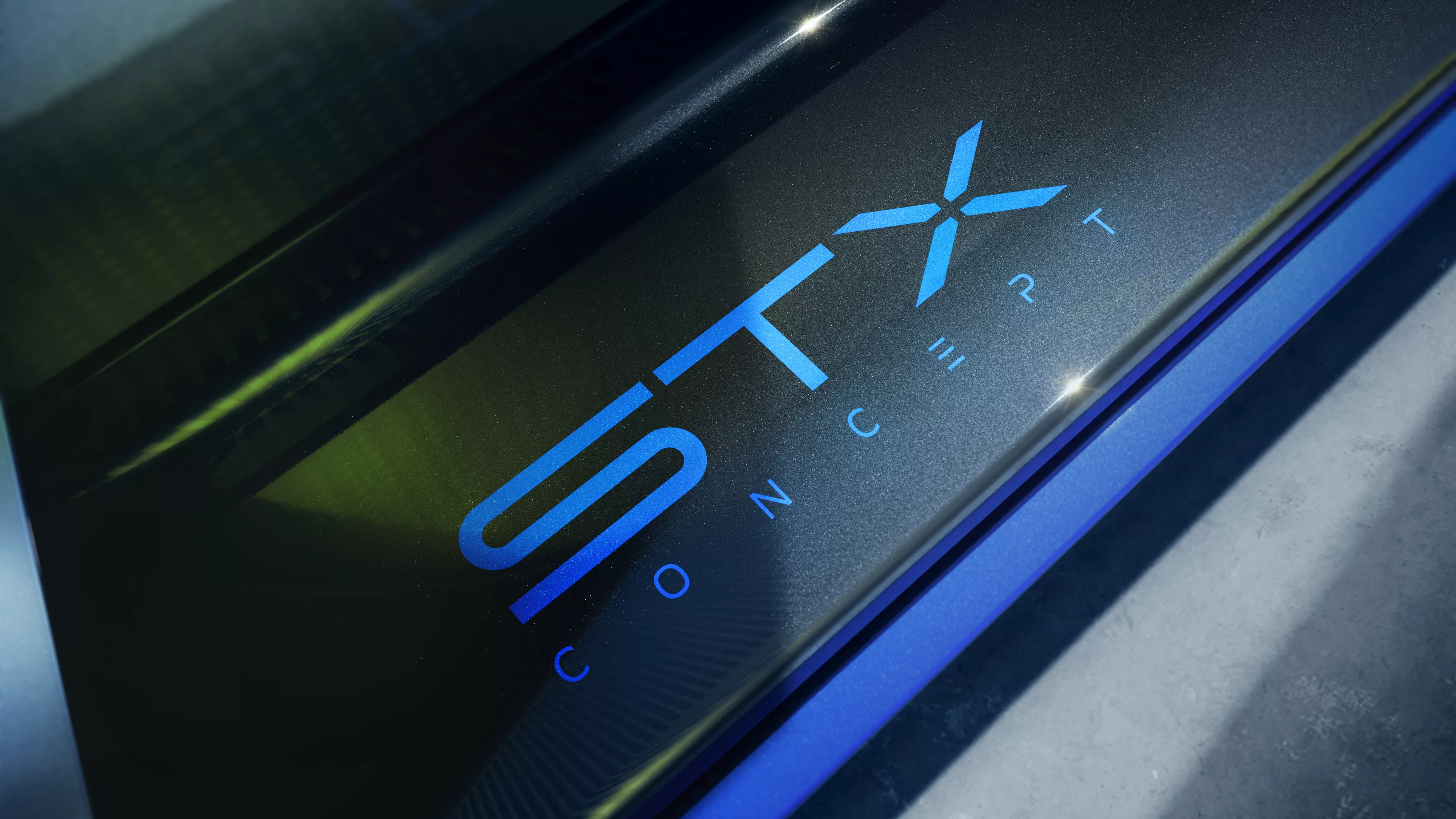
Opel will bring the STX Concept to the Paris Motor Show in October: a low-slung, aerodynamic estate which the German brand is using to signal the design direction of its future Sports Tourers. The STX—Sports Tourer eXperimental—continues Opel’s long-standing estate-car tradition at a time when Europe’s car market is crowded with SUVs and crossovers.
Opel has revealed the STX name and the first details ahead of the Paris Motor Show, which opens on 12 October. According to the manufacturer, the concept shows how the Sports Tourer idea could evolve, combining the practical estate body style with bolder design and improved aerodynamics.
Opel is not putting all its cards on the table just yet. The STX’s dimensions, powertrain, battery, output and drag coefficient will be announced later.
STX stands for Sports Tourer eXperimental
The name is no coincidence. Opel has used the Sports Tourer designation for its estates for years, while the X stands for “Experimental” on this occasion.
The first images released show an estate with a very low silhouette. Its roofline slopes smoothly towards the rear, the body surfaces are clean, and the front end follows Opel’s latest design language.
One of the STX’s aims is to improve aerodynamic efficiency. This is becoming increasingly important for electric cars, as at motorway speeds aerodynamic drag directly affects energy consumption and driving range.
Opel has not yet disclosed the STX’s drag coefficient, so there is no basis for claiming record-breaking figures for the concept.
An estate is surprisingly well suited to electric power
The STX’s low body is not merely a design feature. An estate has one fundamental physical advantage over an electric SUV: a smaller frontal area. A tall body has to push more air out of the way at high speeds. To compensate, an electric SUV needs a better drag coefficient, a larger battery, or must accept higher energy consumption. An estate can offer a large boot and a long cabin without making the car unnecessarily tall. A lower centre of gravity also benefits handling.
This potential is already being used in Europe by the Volkswagen ID.7 Tourer, BMW i5 Touring and Audi A6 Avant e-tron. However, these models belong to a larger and more expensive class than the Astra.
If Opel brings the STX idea to the C-segment in the future, the brand would have an opportunity to offer something far rarer than yet another electric crossover.
STX continues the Astra Sports Tourer line
Opel directly links the STX to its Sports Tourer tradition, but has not yet confirmed that the concept will become the next Astra Sports Tourer.
The connection is nevertheless clear. The current Astra Sports Tourer is 4,642 mm long and is one of the few European estates already available as a fully electric model.
The Astra Electric Sports Tourer uses a 54 kWh battery and a 115 kW electric motor. Depending on the version, its WLTP range exceeds 400 km. These figures provide context for the STX, but not a technical starting point: Opel has not yet revealed which architecture underpins the new concept. It would therefore be premature to call the STX a technical preview of the next Astra. For now, Opel is primarily confirming the future direction of the design and body style.
Opel does not want to bury the estate
The STX’s significance lies in its timing. In recent years, European manufacturers have reduced their ranges of hatchbacks, saloons and estates, replacing them with SUVs and crossovers. At least with this concept, Opel is moving in the opposite direction.
The Sports Tourer idea is a good fit for the brand’s European heritage. With the STX, Opel does not need to invent a new market niche, but rather update a body style that European buyers already know.
Electric power could even give the estate a new rationale. If manufacturers want to increase range without fitting ever larger and heavier batteries, aerodynamic efficiency of the body will once again become an important competitive advantage.
In that sense, the low-slung STX may be a more technically rational solution than yet another tall electric vehicle.
Opel will reveal more in Paris
Opel will fully unveil the STX Concept at the Paris Motor Show on 12 October 2026. It should then become clear how close the show car is to a possible production model in terms of proportions and technical solutions. However, the STX is not Opel’s only news for Paris. The brand will also show the electric Corsa GSE and its new Formula E race car at the motor show.
Even so, the STX could prove the most significant of the three for the average European driver. There are already plenty of electric sports cars and SUVs on the market. Electric estates of sensible size, with good aerodynamics and a large boot, are far less common.
If Opel can carry the STX’s core character over into a production car, its greatest achievement will not be its futuristic looks. More interesting would be proving that, in the electric era, not every practical family car necessarily has to become an SUV.


