
SEAT denies closure reports, but its future beyond 2030 remains uncertain
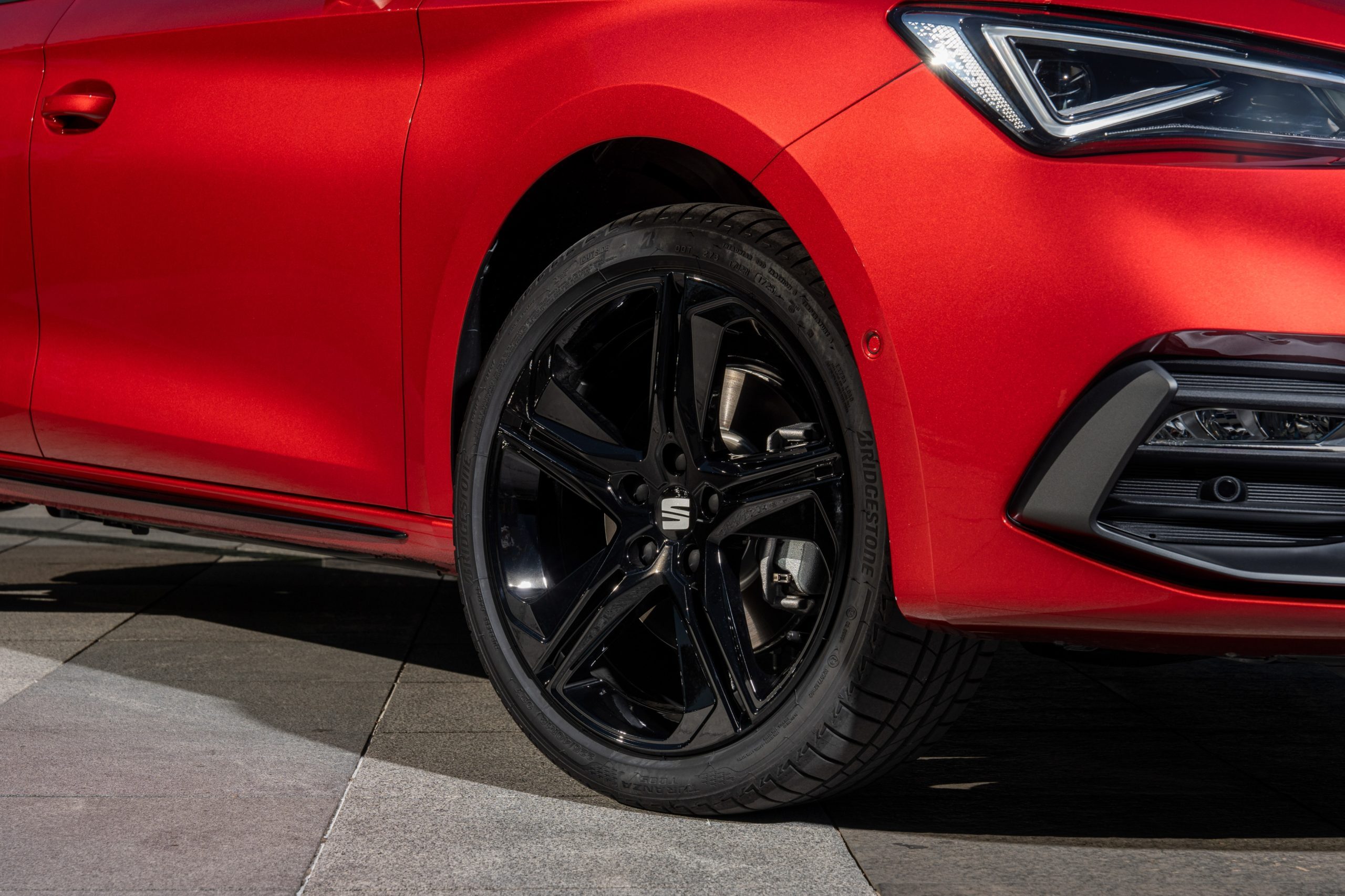
SEAT is not going anywhere for now. Markus Haupt, head of the Spanish carmaker, confirmed that the Volkswagen Group has not decided to close the brand. However, the company does not rule out phasing out SEAT after 2030. European emissions rules, the cost of electrification and demand for affordable combustion-engined cars will be decisive.
No decision to close, but no certainty either
SEAT’s future came into question in September, when German media reported that Volkswagen planned to end the Spanish car brand’s operations by 2029 at the latest. SEAT’s management now says no final decision has been made. According to the company’s official position, development and production of its current models will continue at least until the end of their planned life cycles.
It is important to distinguish between the SEAT car brand and the company SEAT S.A., which also includes Cupra. Even the possible disappearance of the SEAT brand would not mean the Spanish carmaker would cease operating. Cupra remains an important part of the Volkswagen Group’s long-term strategy.
Ibiza and Arona to get hybrid powertrains
SEAT does not intend to retire its existing model range immediately. The Ibiza and Arona will receive 48-volt mild-hybrid powertrains in 2027, helping to reduce fuel consumption and CO₂ emissions.
A mild hybrid uses an electric starter-generator alongside the combustion engine to assist acceleration and recover energy during braking. Unlike a full hybrid, such a system cannot usually propel the car over longer distances on electric power alone. SEAT has not yet specified the power output or fuel consumption of the new powertrains.
Cupra’s success complicates SEAT’s position
For Volkswagen, the central issue is the difference in profitability between the two Spanish brands. With a sportier, more expensive model range, Cupra has grown into a strong European car brand, while SEAT competes in a more price-sensitive segment with Škoda, Dacia and other lower-priced manufacturers. Developing a new generation of electric cars requires substantial investment. Volkswagen must decide whether maintaining two partially overlapping model ranges makes financial sense.
However, continuing demand for affordable petrol cars works in SEAT’s favour. If European emissions rules allow their sales to continue for longer, SEAT could still have a place within the group in the next decade.
The brand’s fate depends on Europe’s car market
SEAT’s possible disappearance would reduce choice for European buyers, particularly in the more affordable passenger car segment. The Spanish manufacturer’s models have traditionally offered Volkswagen Group technology at a more competitive price. For now, however, it is premature to talk about the end of SEAT. The company continues to update its models and promises to fulfil all commitments made to existing customers.
No decision has been made to close SEAT, but the brand’s long-term survival is not assured either. Volkswagen is keeping its options open to choose the most economically viable solution after 2030.


