
Tesla promises to put the steering-wheel- and pedal-free Cybercab on sale this year
 1/5


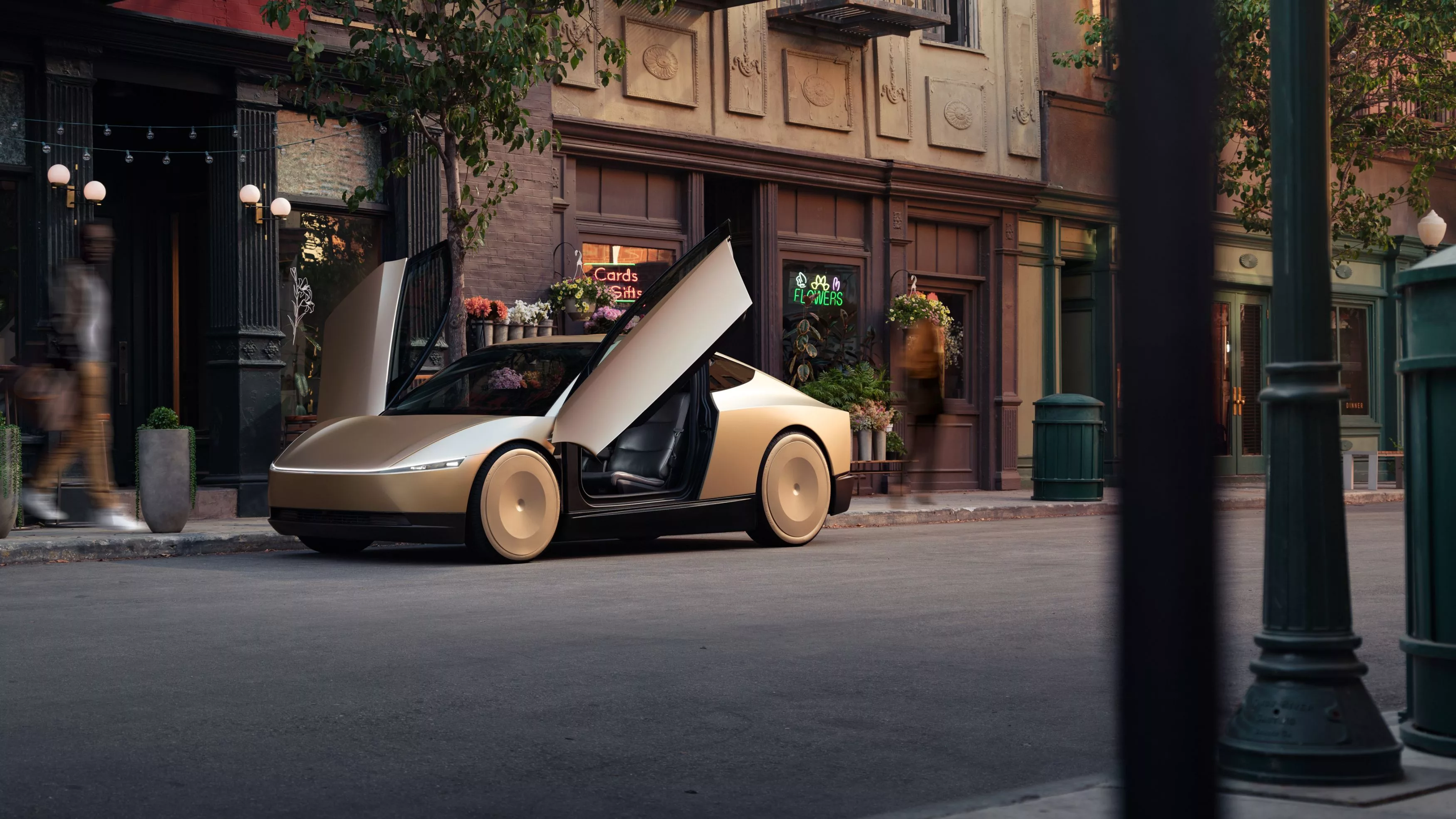
Tesla plans to begin selling its self-driving Cybercab to private customers before the end of 2026. The two-seat electric car, which has no steering wheel, pedals or side mirrors, will initially reach buyers in small numbers, as most production will go to Tesla’s own robotaxi service. There is, however, one significant obstacle to the sales plan: the US road safety regulator is still investigating whether the vehicle meets current safety requirements.
First Cybercabs to reach customers at the end of the year
Tesla’s vice president of vehicle engineering, Lars Moravy, confirmed during the company’s third-quarter earnings presentation on 21 October that the first Cybercabs should reach external customers before the end of the year.
Production is already under way at Gigafactory Texas, but all vehicles built are initially going into Tesla’s own robotaxi fleet. Moravy said the company would begin with small batches of deliveries to gain experience in the sale, ownership and fleet management of autonomous vehicles.
Elon Musk stressed, however, that the Cybercab would remain primarily a vehicle intended to provide transport services. The vast majority of production will be owned by Tesla, and the company does not intend to offer the Cybercab as an alternative to a conventional personal car.
Tesla is accepting expressions of interest on its website for both individual Cybercabs and larger fleets, but specifies that they are intended for commercial use. It is therefore not yet clear on what terms private individuals will be able to buy the car.
No option to take over driving
The Cybercab differs from conventional electric cars in having a design tailored entirely to autonomous driving. The two-seat vehicle has no steering wheel or pedals, with camera-based electronics handling all driving functions.
Passengers have a large central screen, upward-opening doors and approximately 572 litres of luggage space.
Unlike Tesla’s current Full Self-Driving (Supervised) driver assistance system, the Cybercab does not require driver intervention. This also means that passengers cannot drive the car in the conventional way in a difficult traffic situation.
The Cybercab has been providing a paid robotaxi service in a limited area of Austin since September. Expansion of the service and sales of the cars, however, depend on the reliability of autonomous driving and regulatory requirements.
US authorities examine the car’s legal compliance
The US National Highway Traffic Safety Administration (NHTSA) opened an investigation on 4 September to establish how Tesla demonstrated the Cybercab’s compliance with federal safety standards.
The main issue is that current requirements assume the presence of a human driver and cover, among other things, brake pedals and rear-view mirrors.
Tesla must demonstrate that the Cybercab meets all applicable requirements even without conventional driving controls. The outcome of the NHTSA investigation could affect the vehicle’s continued use and sale.
Tesla has not yet announced the Cybercab for the European market. An autonomous vehicle must undergo a separate type-approval process there and comply with local traffic regulations.
The Cybercab’s price, battery capacity and official range are also unknown.
For Tesla, the sale of the first Cybercabs would mark an important step towards the commercial use of autonomous vehicles. For now, however, it is worth bearing in mind that removing the steering wheel and pedals is considerably easier than proving that a car can cope without a driver in every traffic situation in which it is permitted to operate.


