
Toyota GR Kart makes getting into motorsport cheaper than some used cars
 1/27
1/27
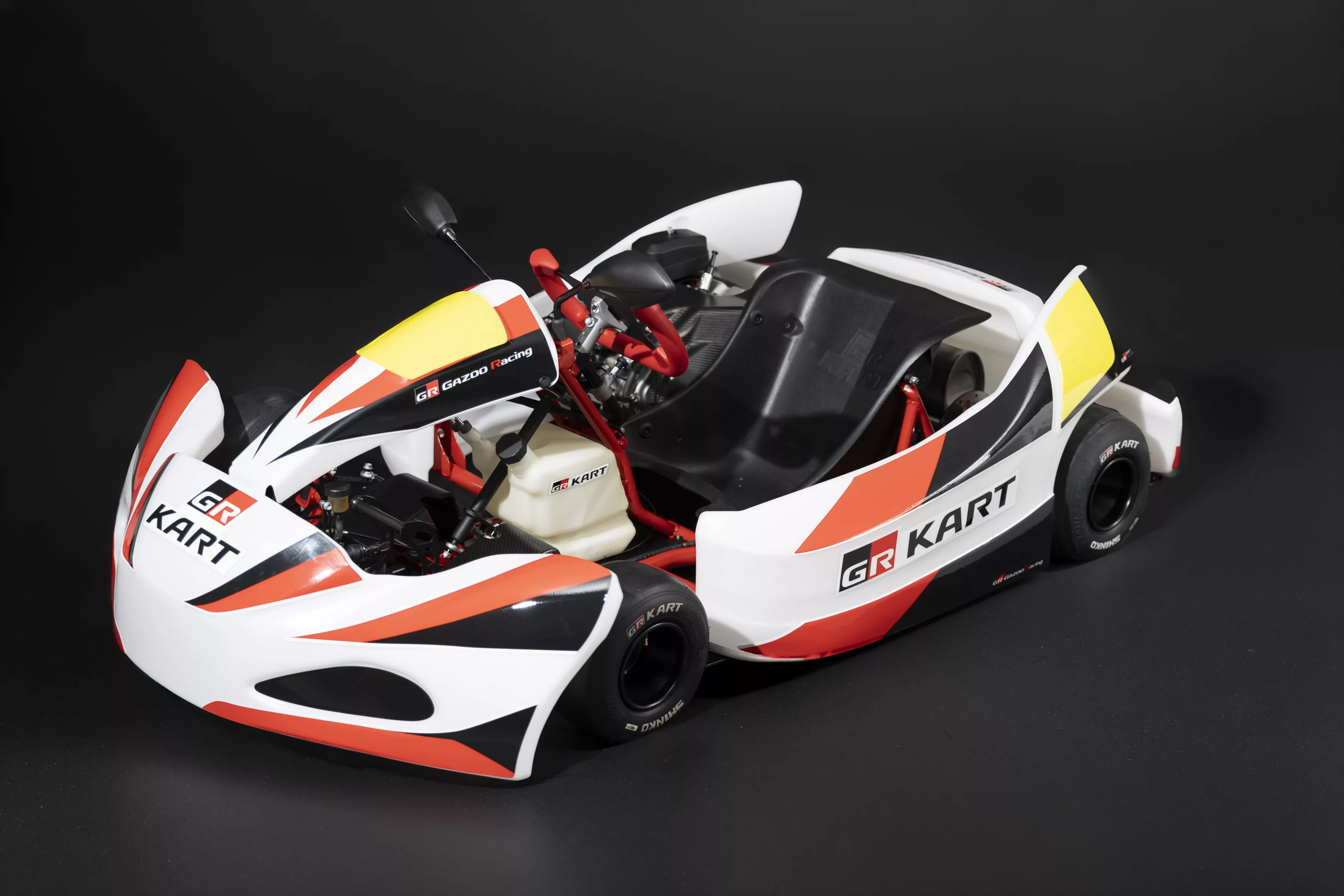
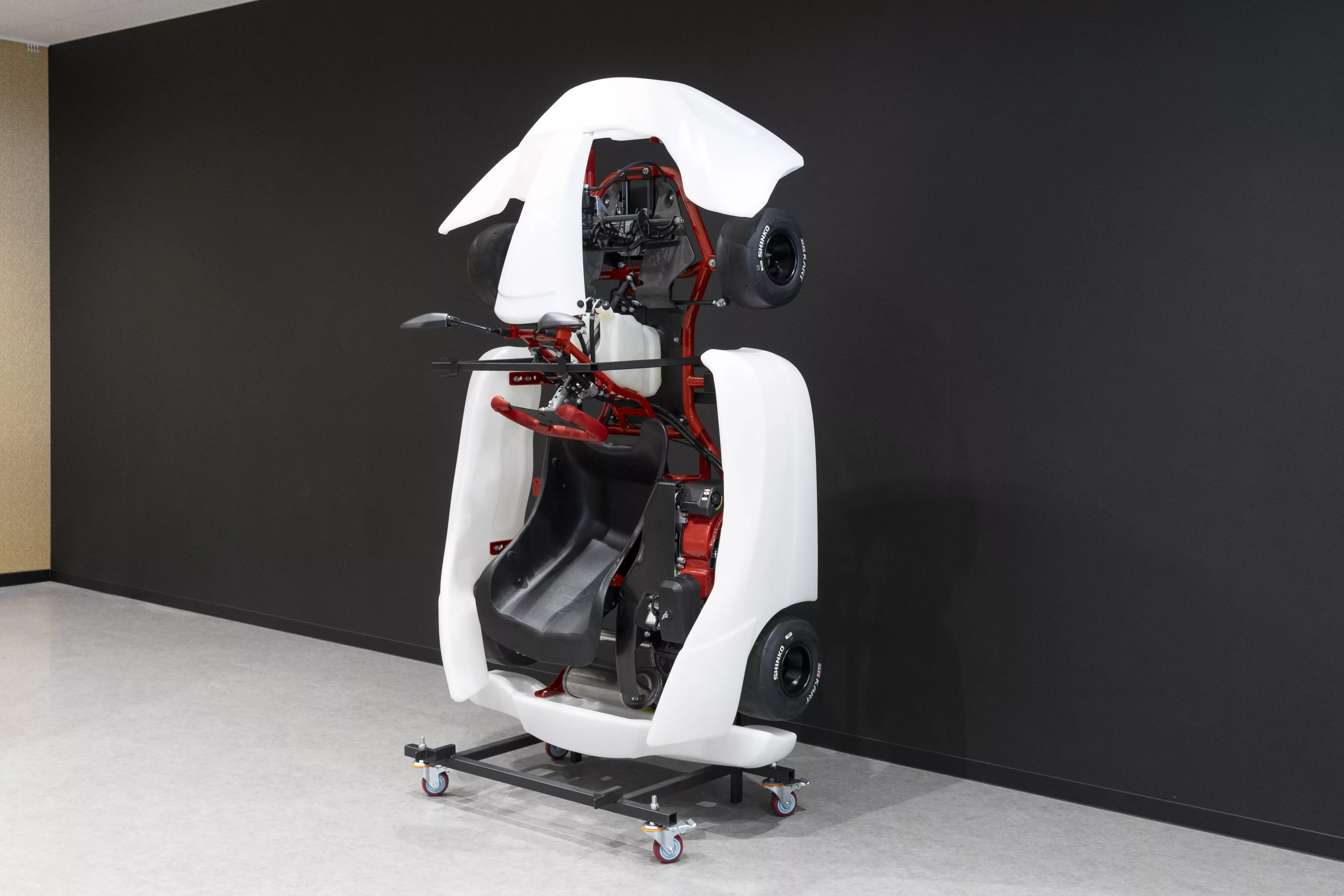
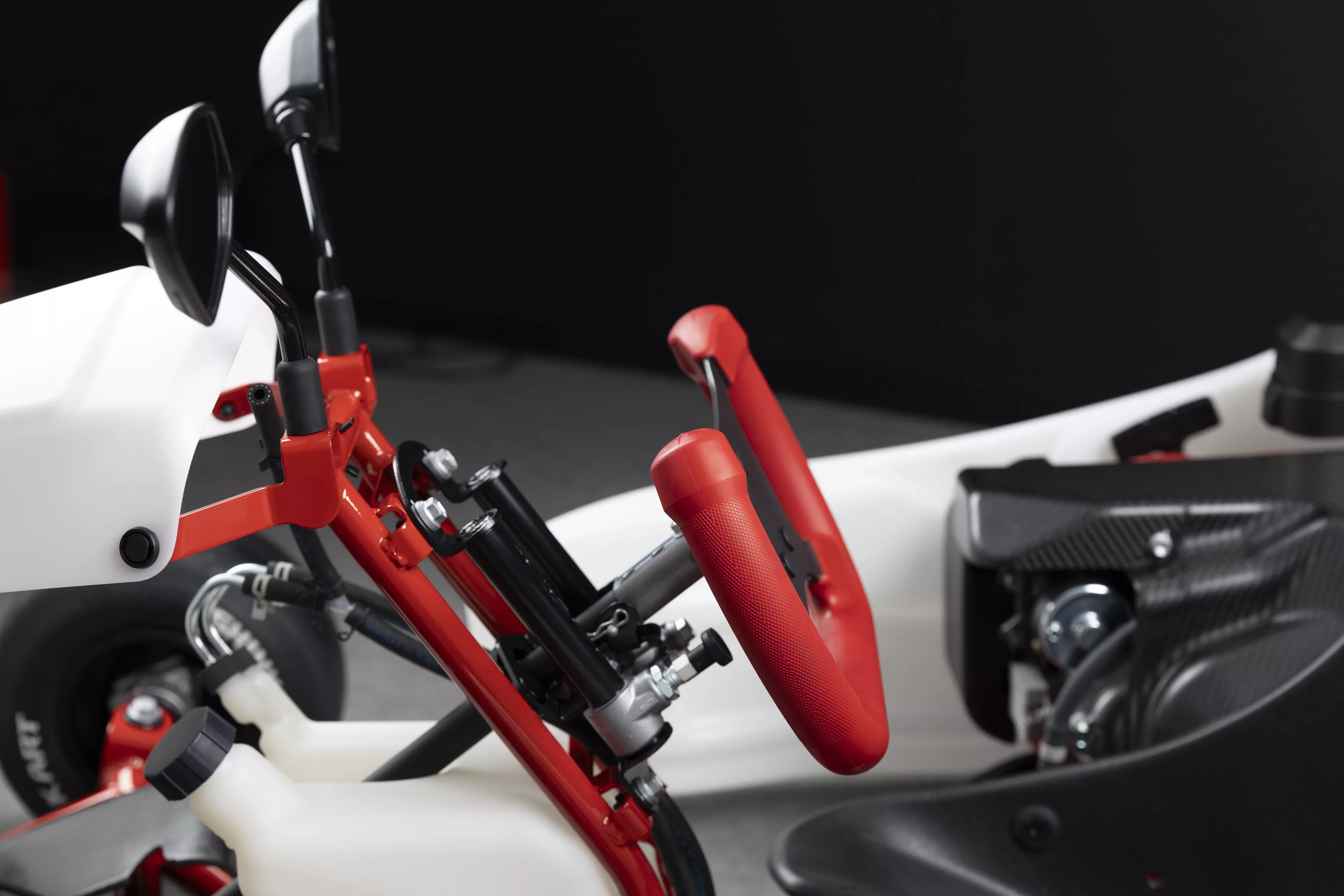
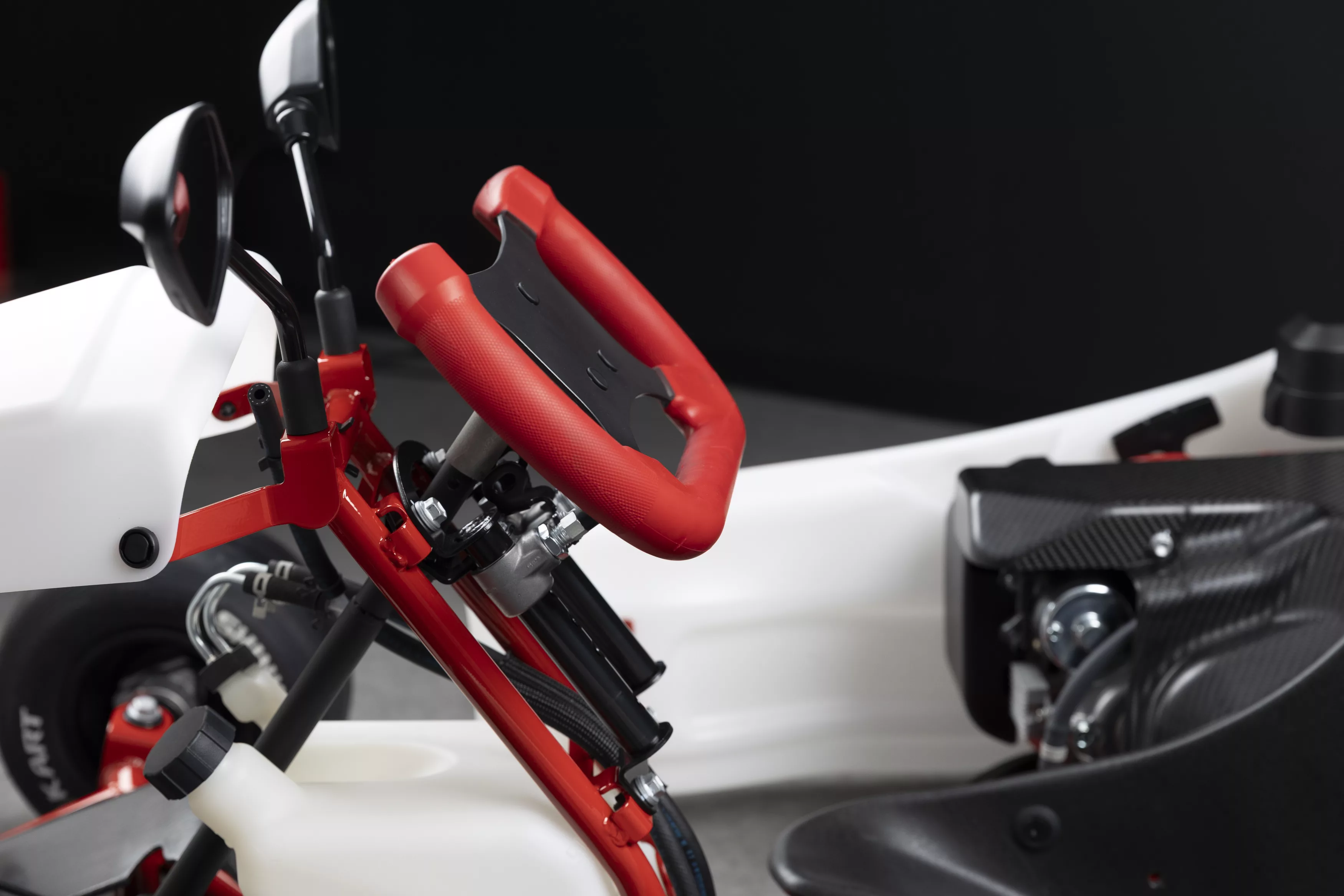
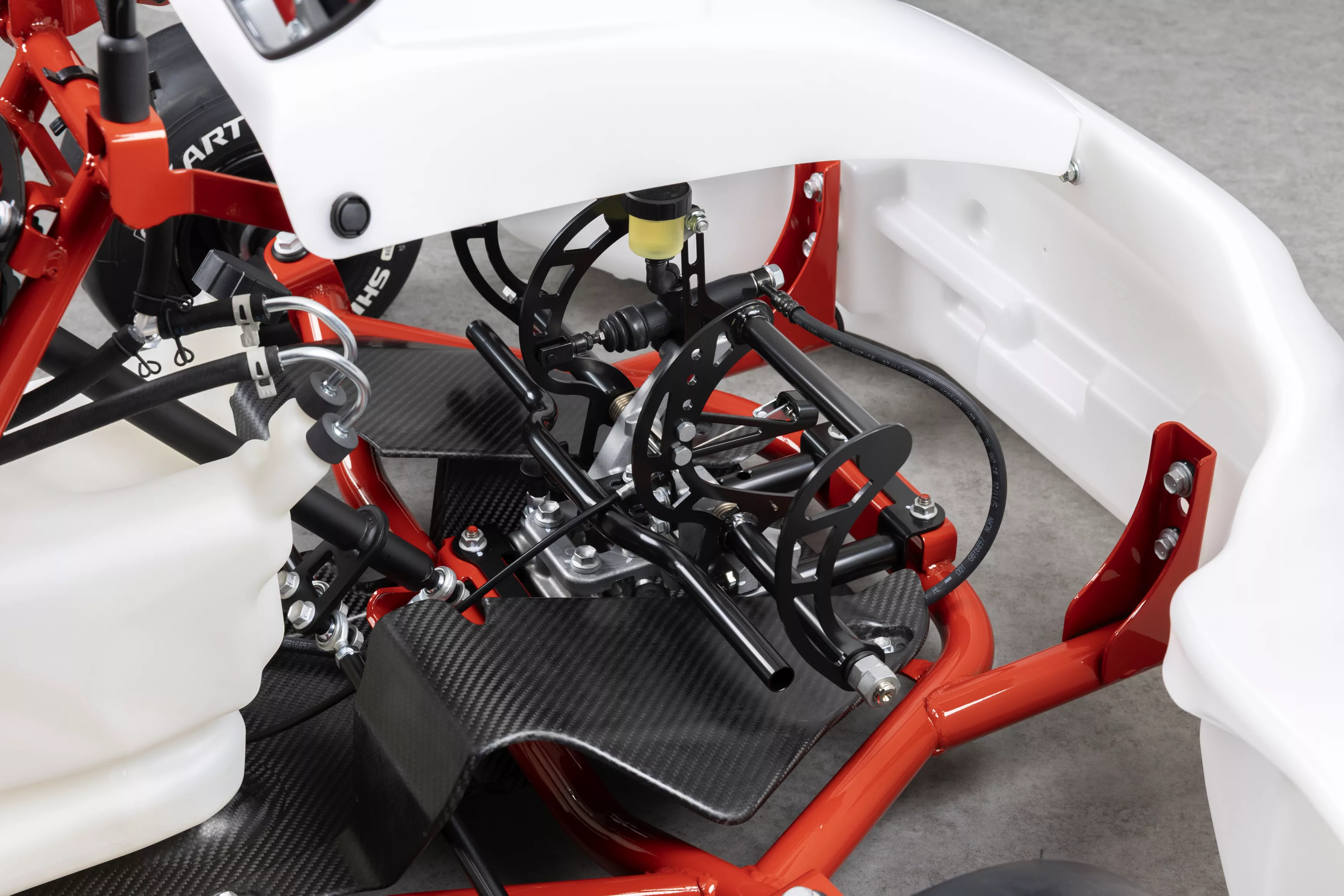
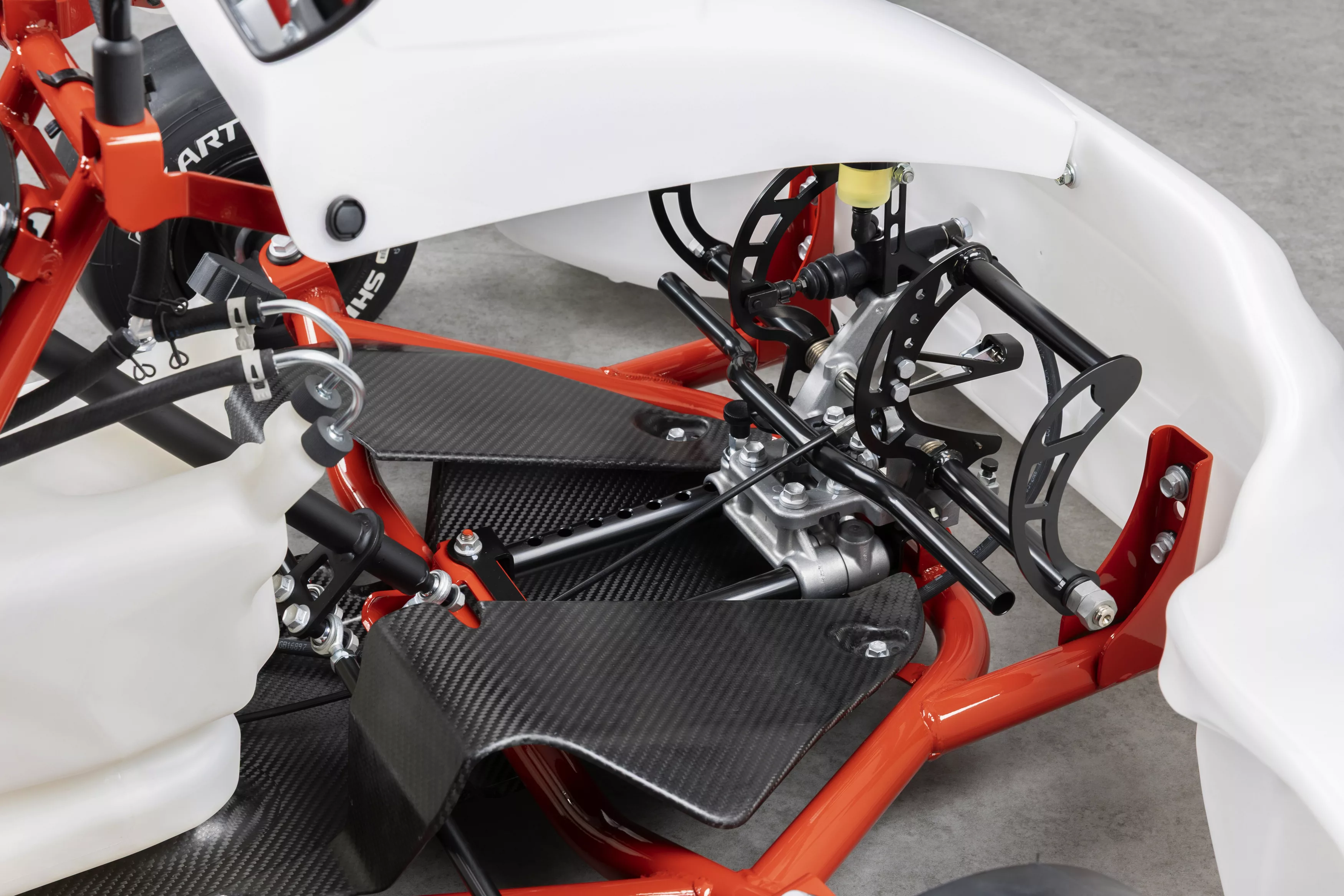
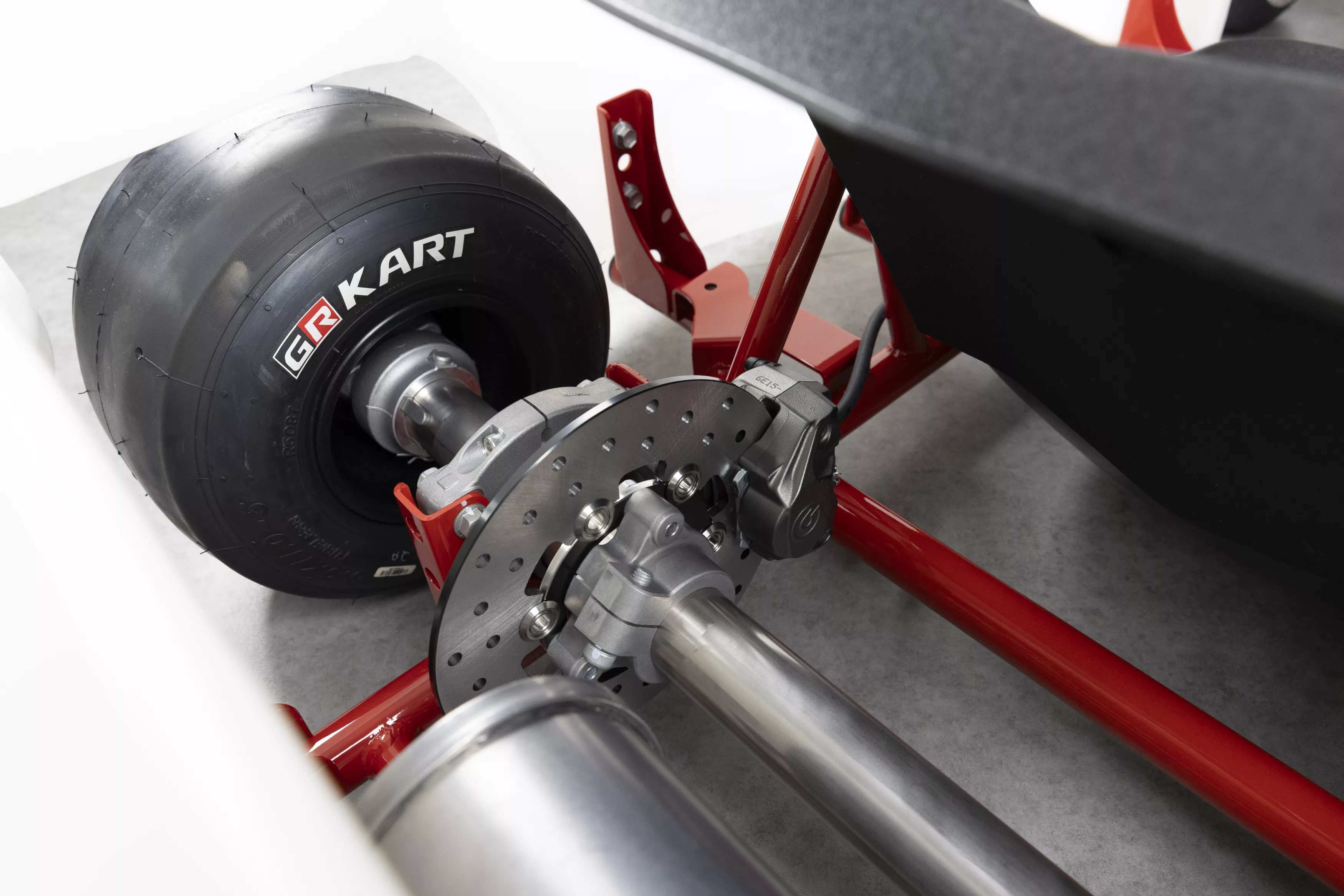
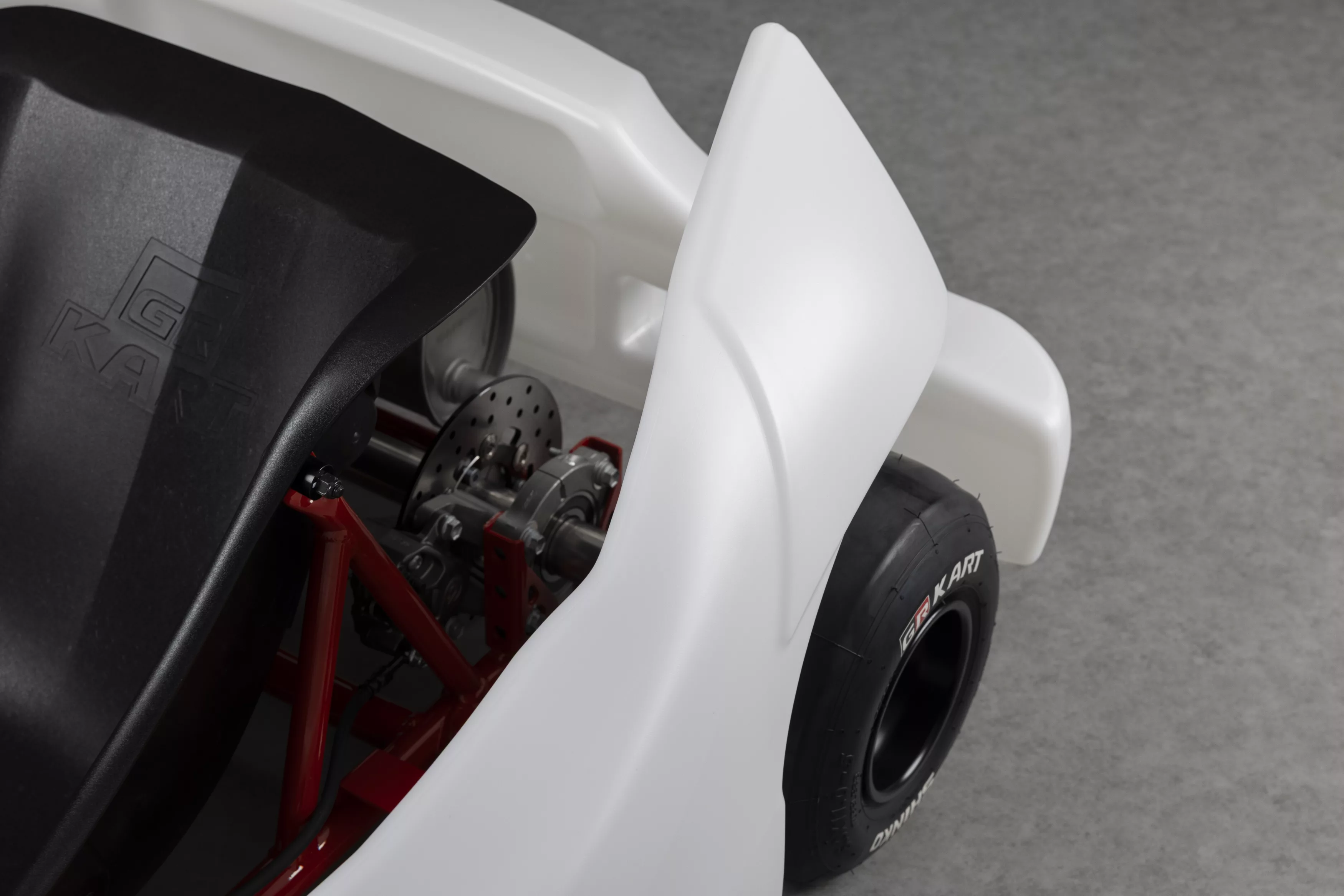
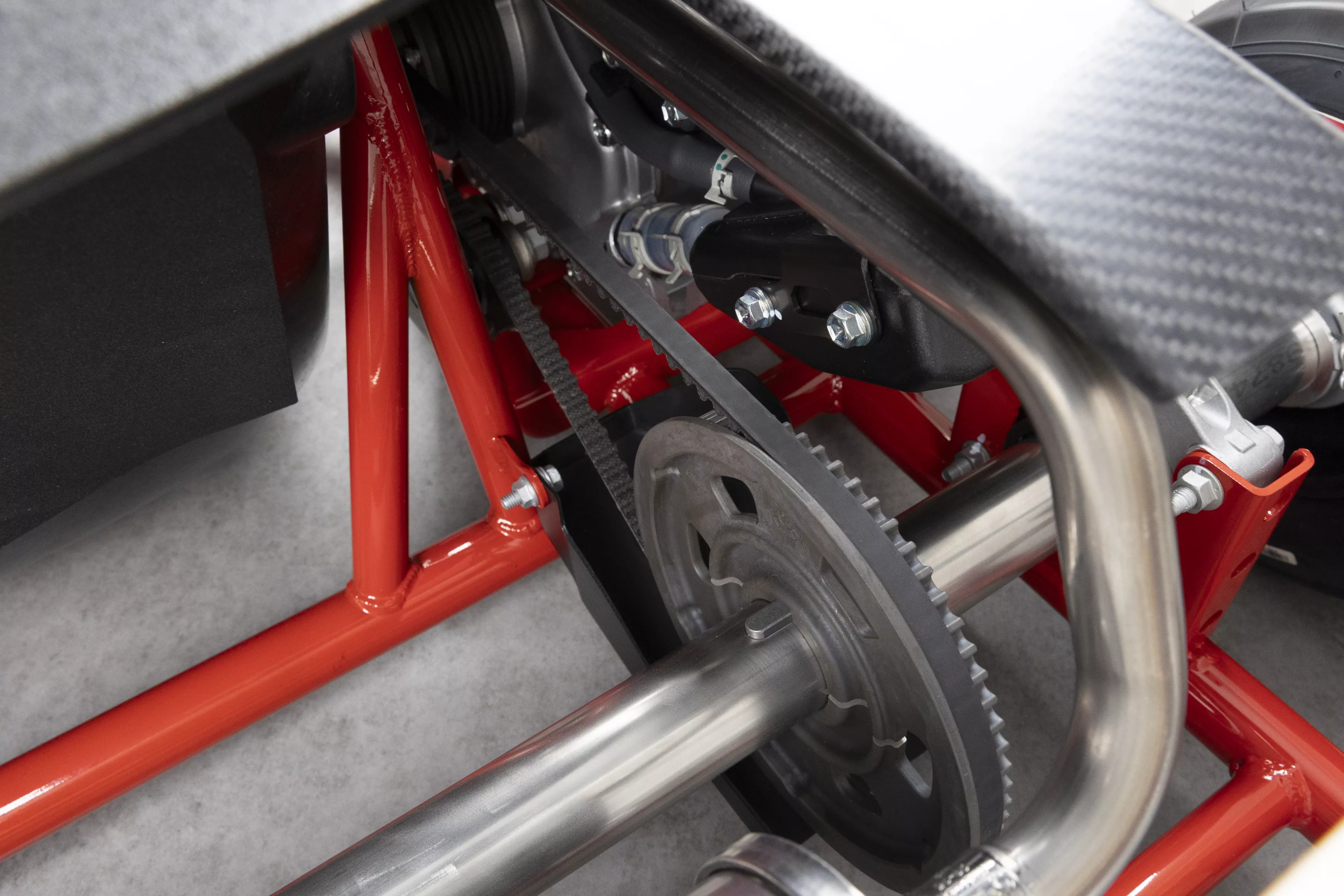
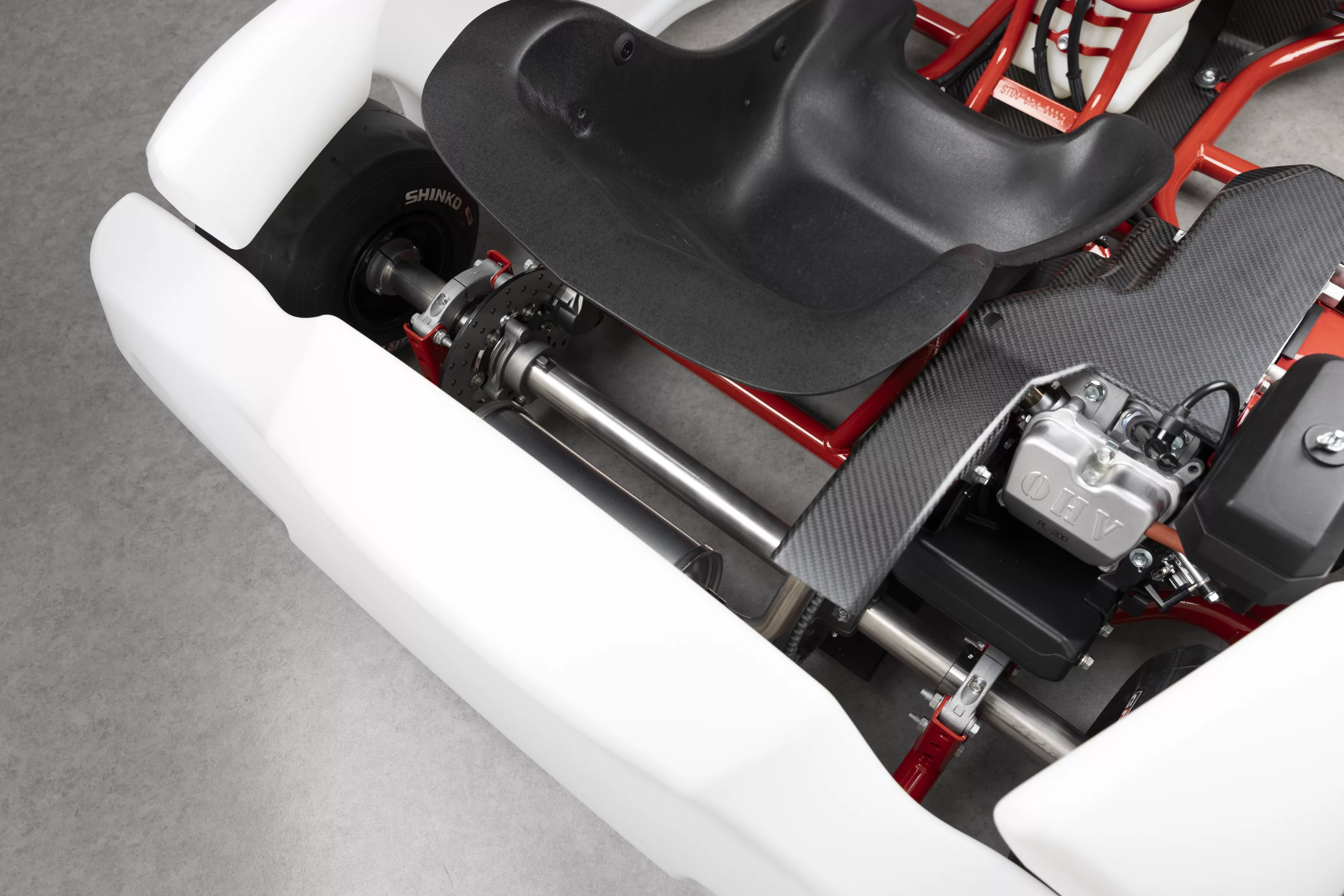
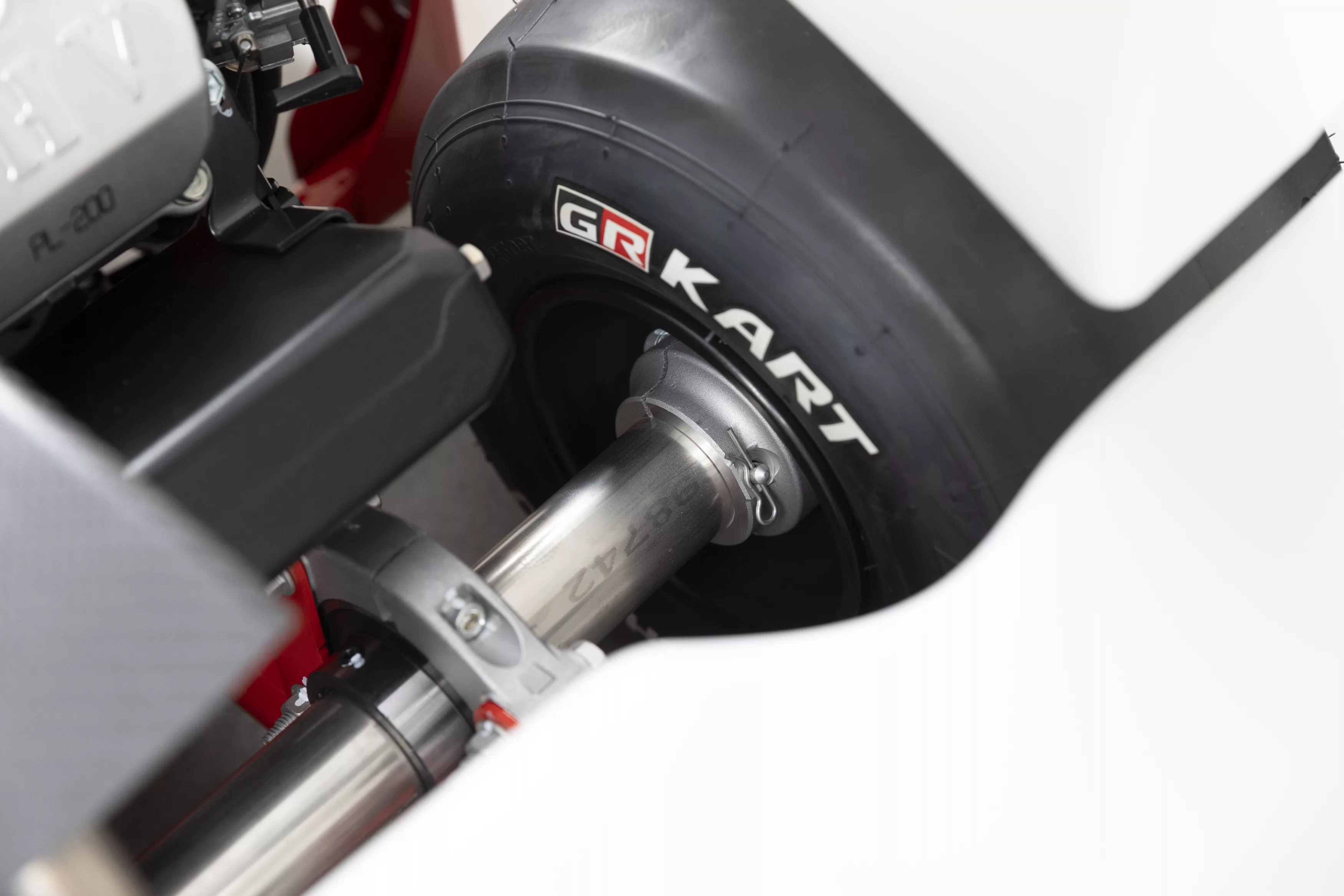
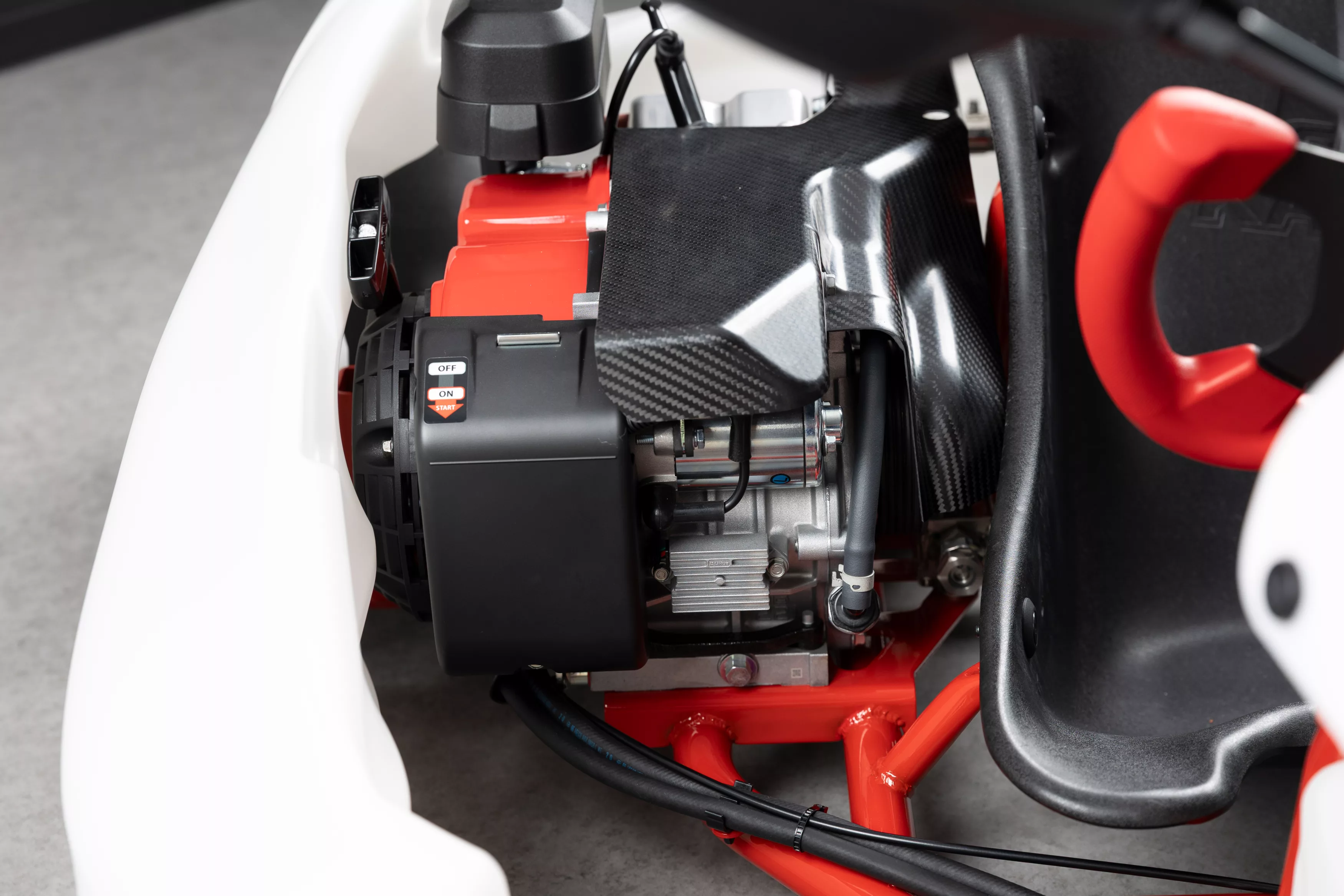
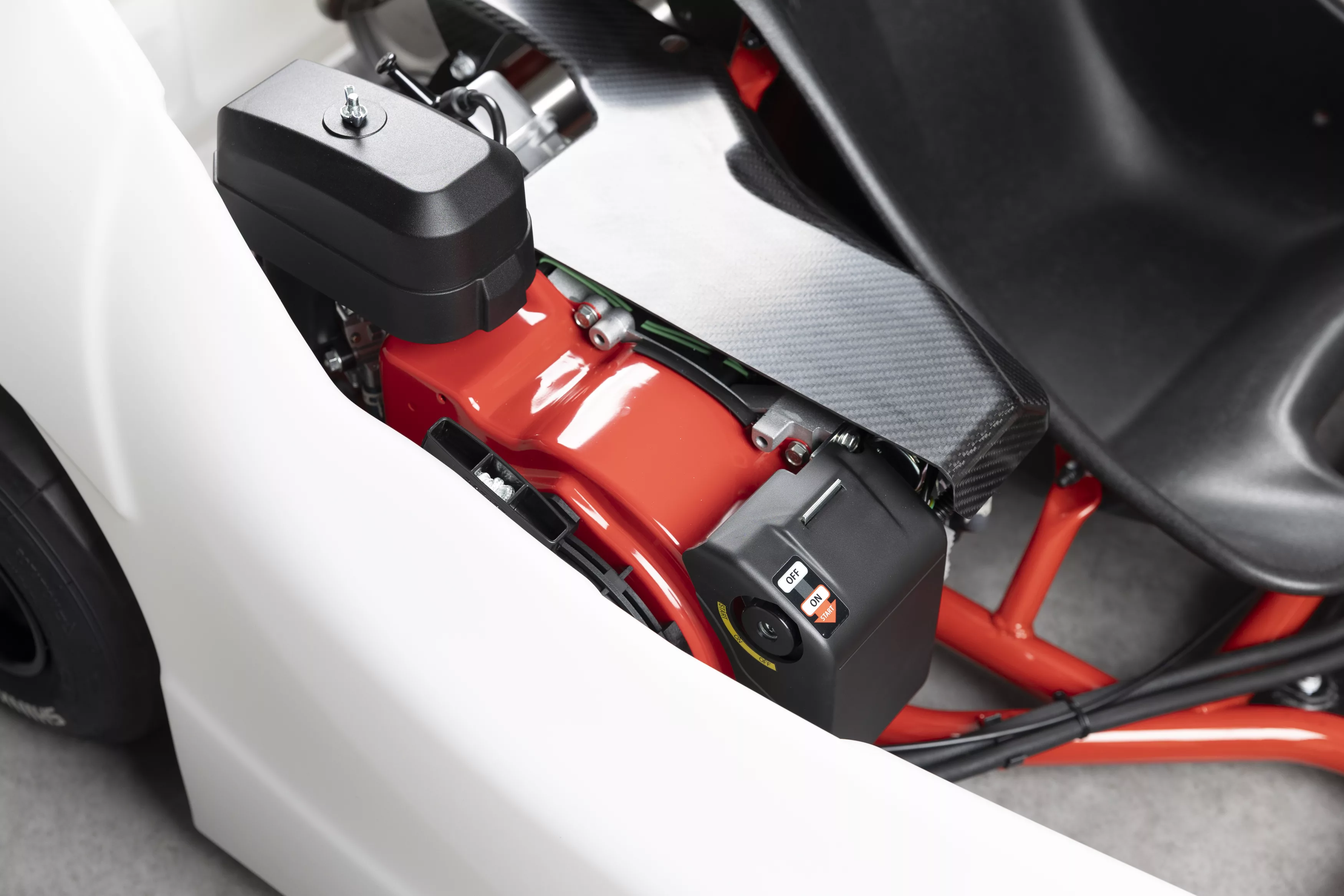
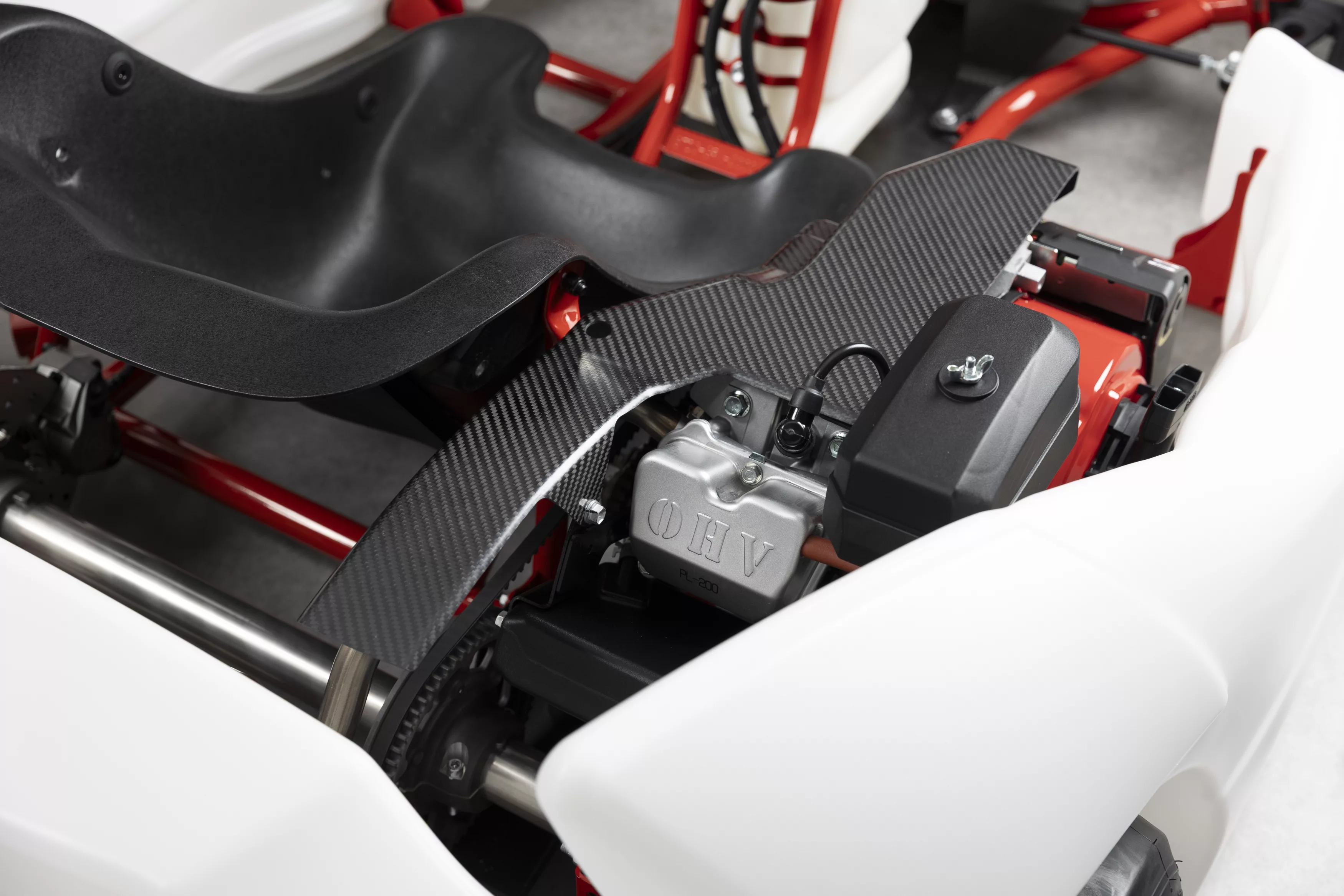
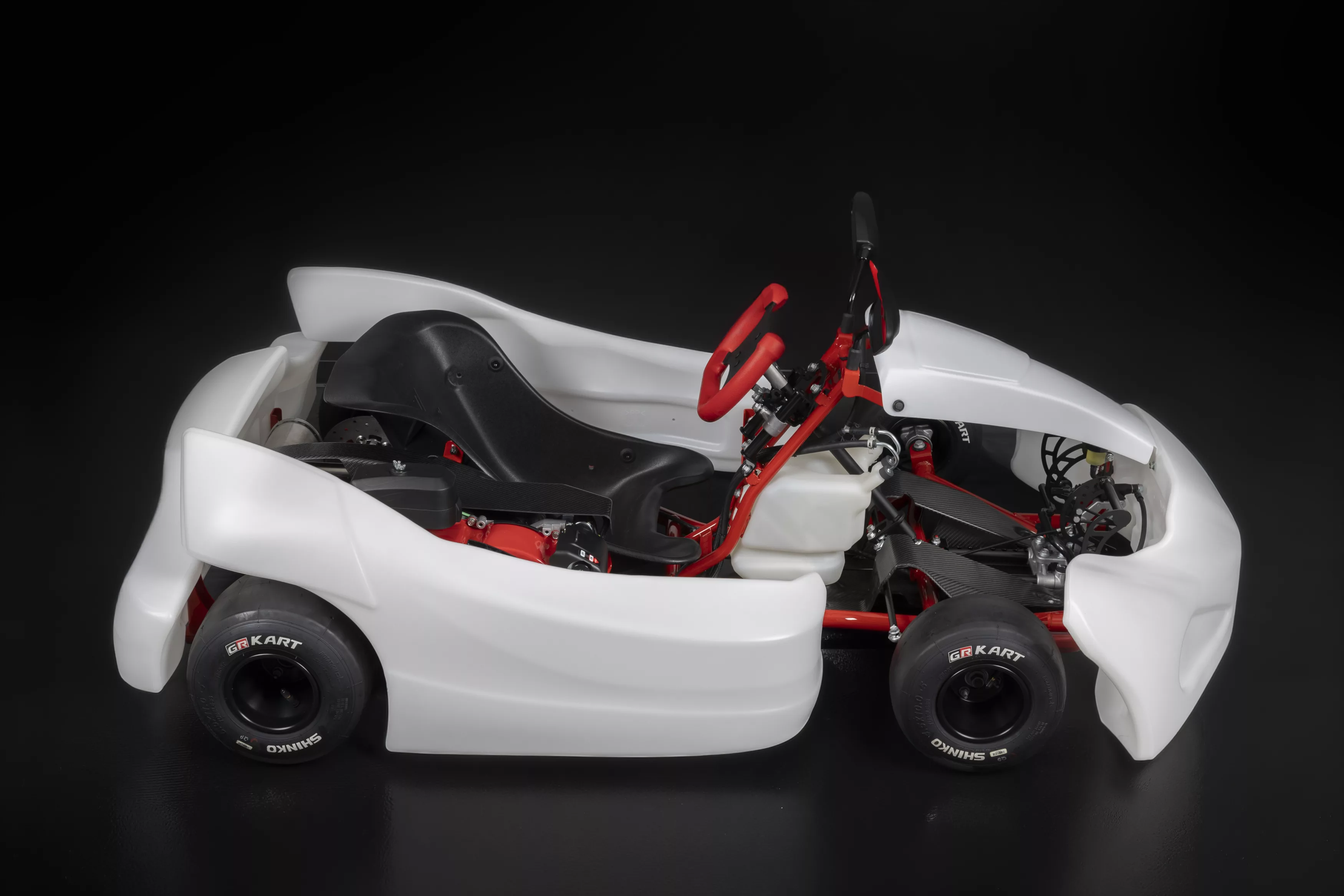
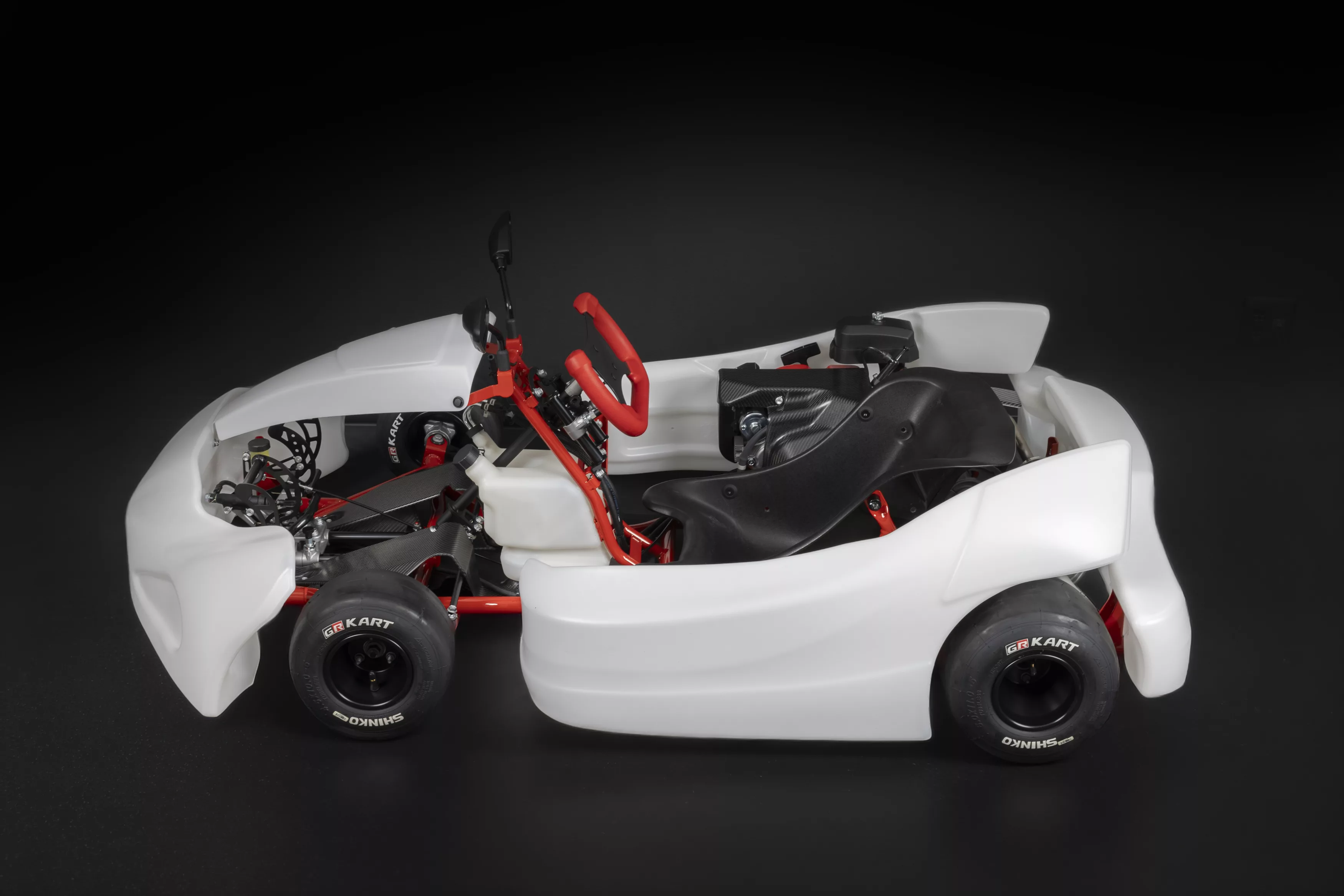
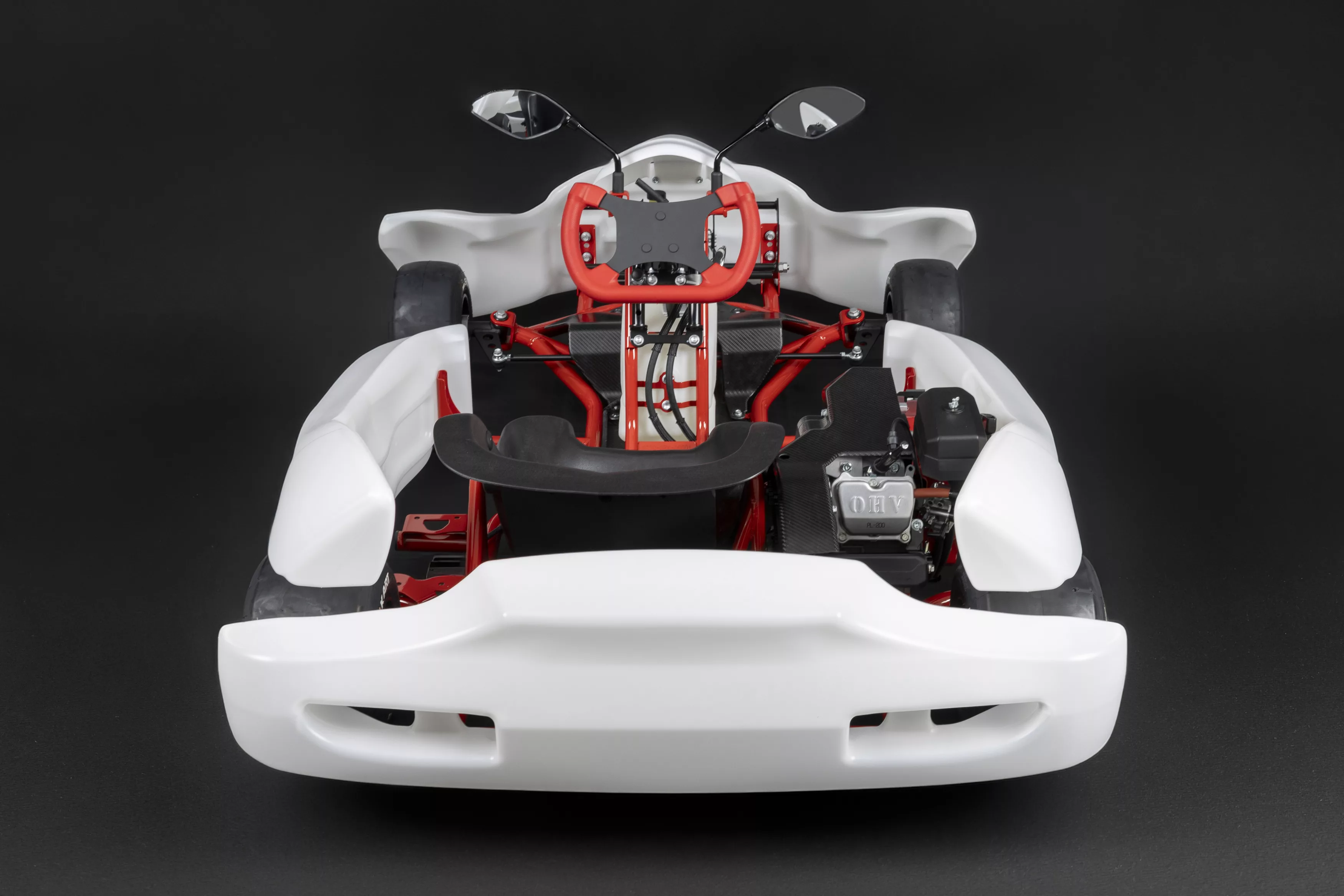
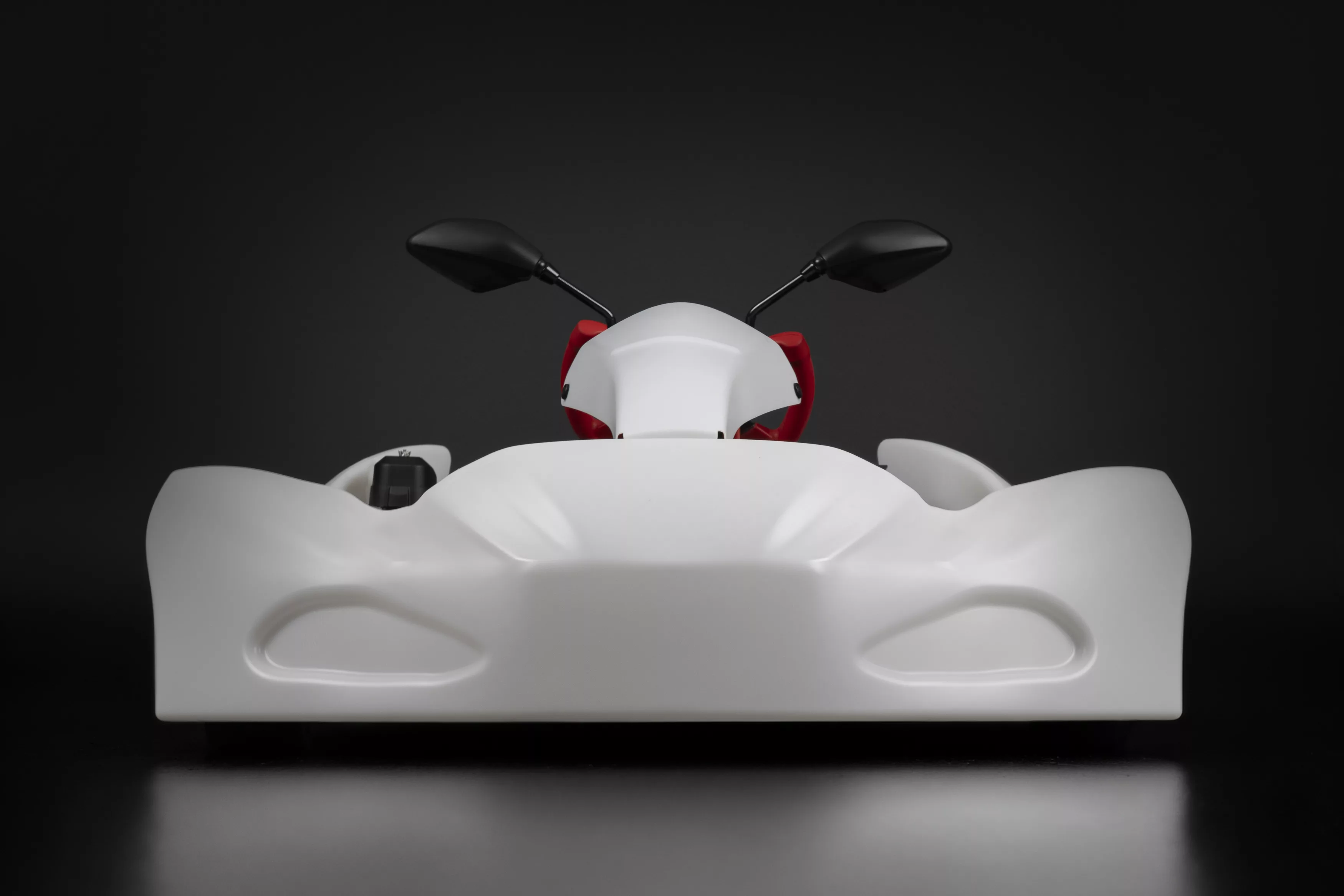
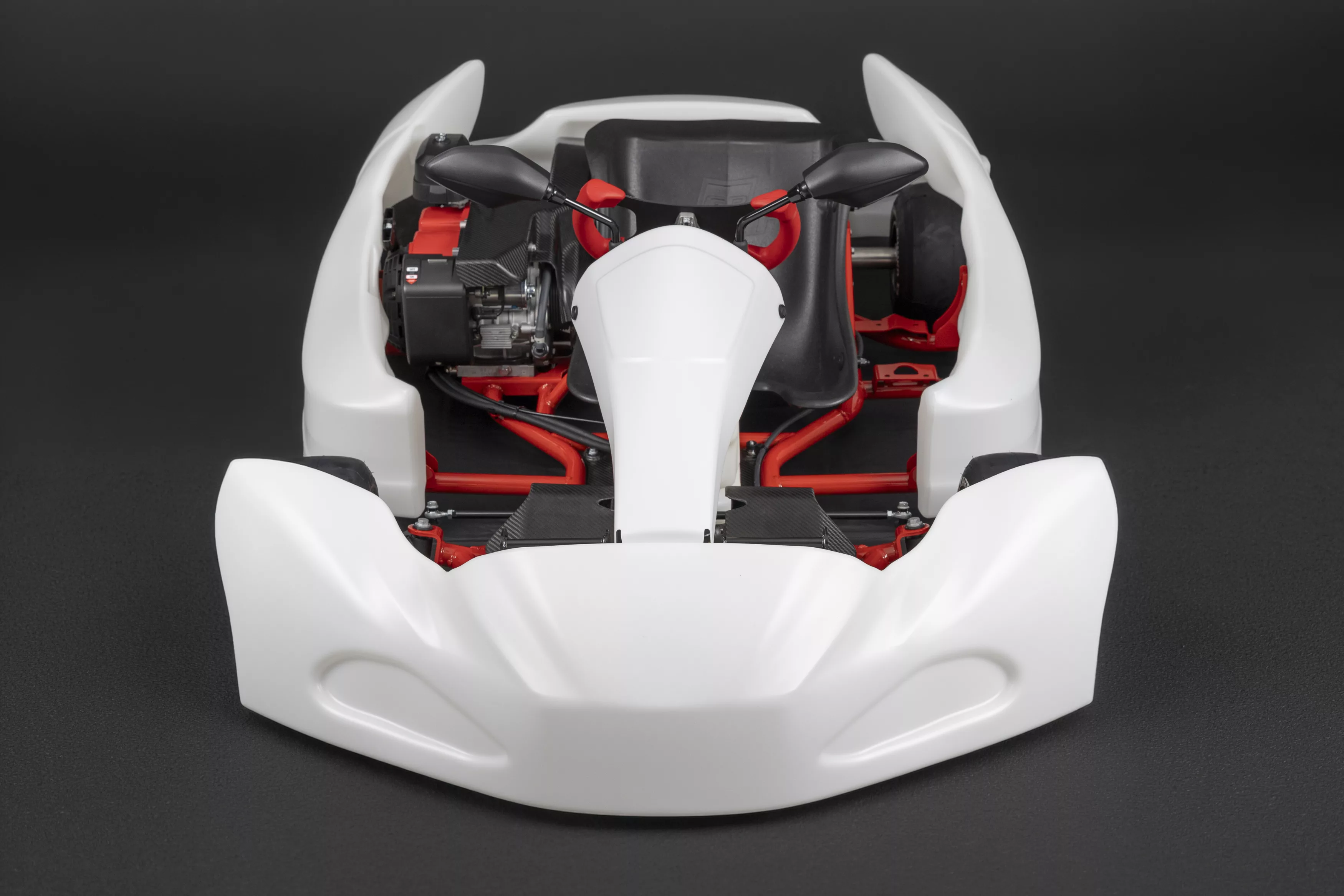
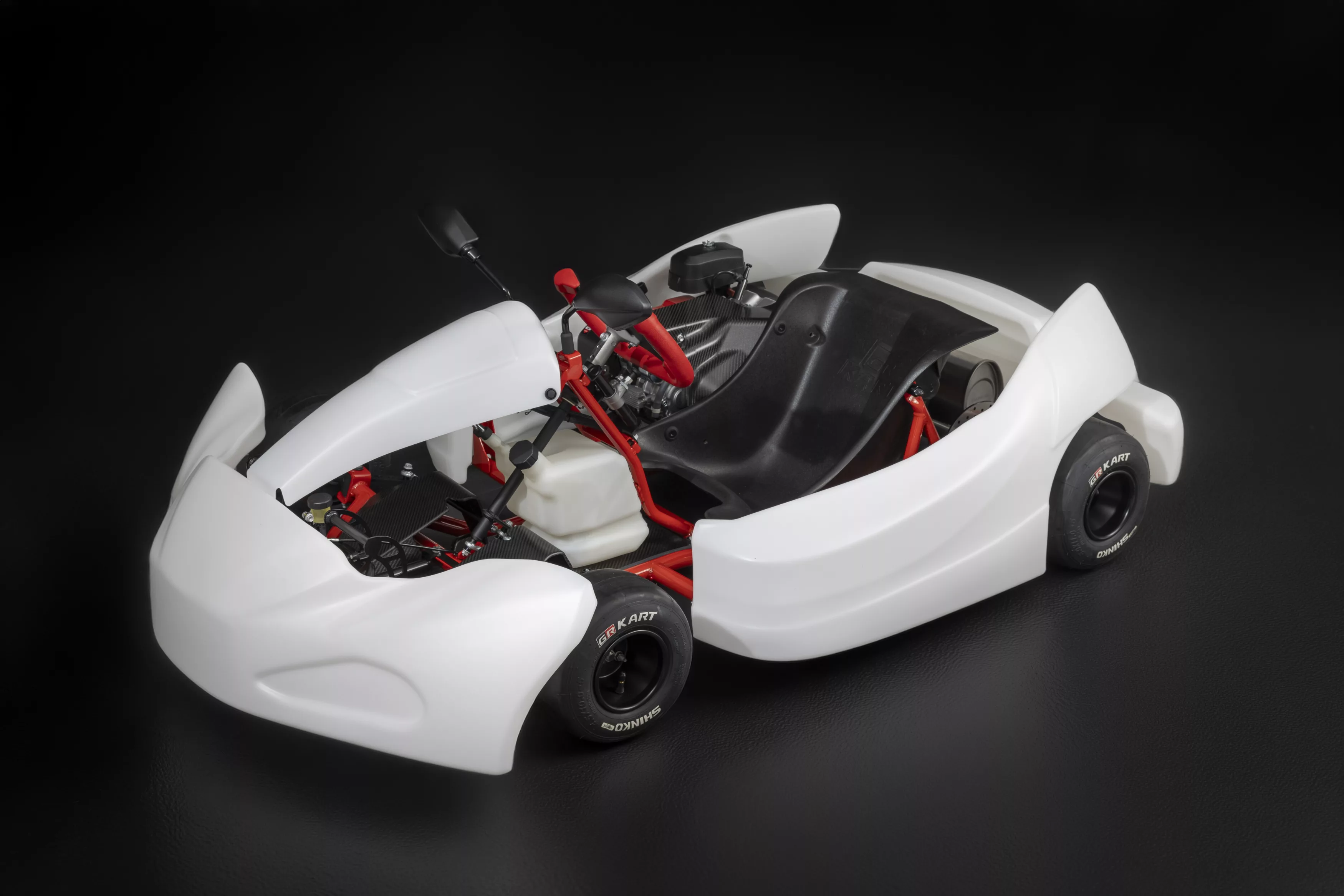
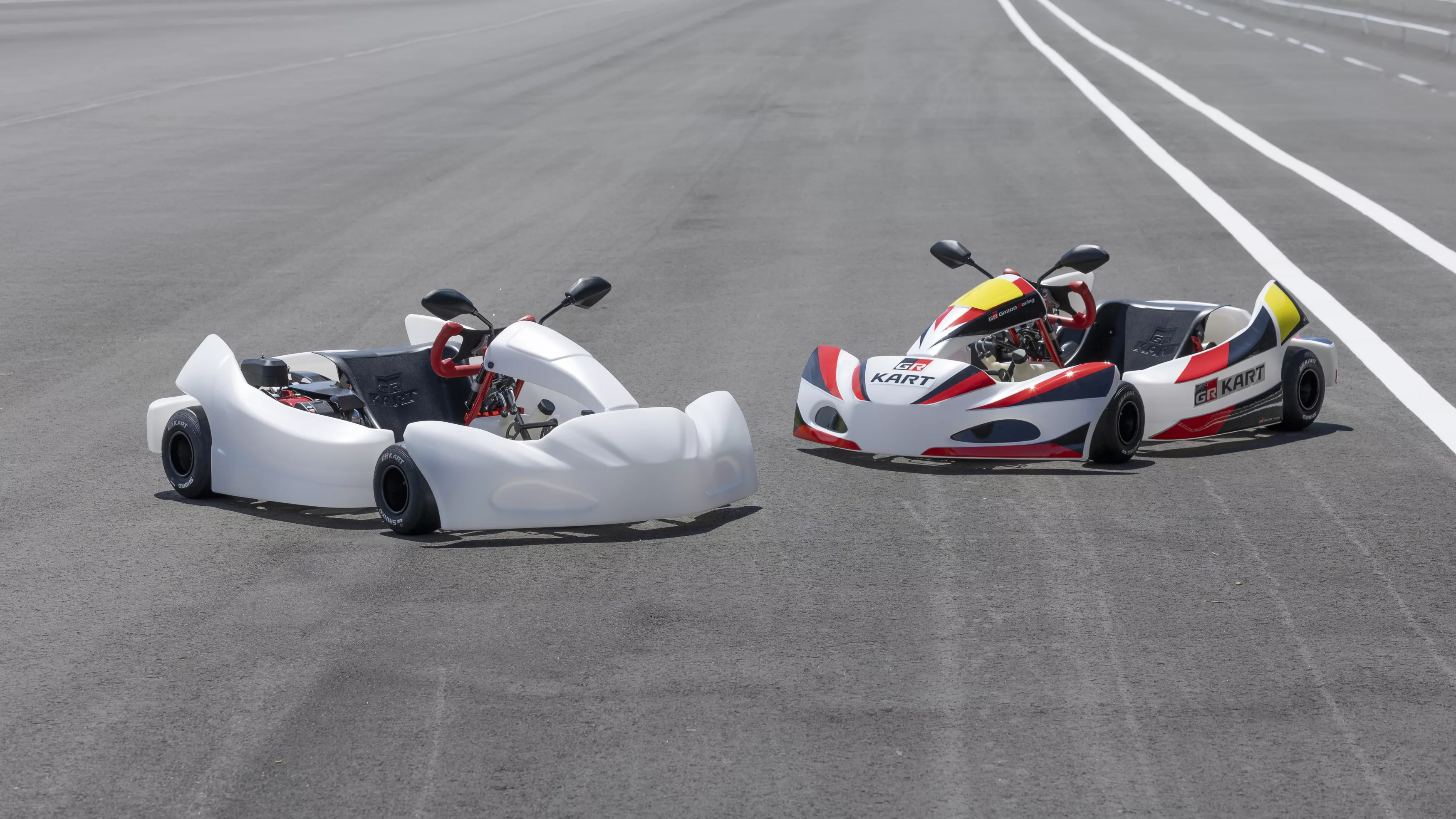
Toyota Gazoo Racing has launched the GR Kart in Japan, an entry-level racing kart with a 215 cc engine priced at 385,000 yen, or around €2,160. Toyota’s aim is not to build the fastest kart, but to reduce the cost, maintenance demands and logistical hassle of getting started in motorsport.
Akio Toyoda wanted a more affordable entry point into motorsport
Toyota developed the GR Kart for children and families for whom the price, transport, storage and maintenance of a conventional racing kart can be enough reason to abandon the hobby.
The GR Kart costs 385,000 yen in Japan, including local VAT, which equates to approximately €2,160. Toyota sells it through selected kart circuits and GR Garage dealerships.
That is the entire point of the project. Toyota is not trying to compete with top-level racing karts, but to offer a machine that lets drivers learn braking, racing lines, throttle control and vehicle balance without the budget of a professional team.
83 kilograms and 215 cc
The GR Kart is 1,820 mm long, 1,160 mm wide and 670 mm high. Its wheelbase is 1,045 mm and it weighs 83 kg. The engine has a displacement of 215 cc.
Toyota has not published an output figure in the official technical specifications. That is quite telling, as the GR Kart’s value does not lie in delivering the biggest possible number on paper.
Simplicity is more important. The four-stroke engine uses a specially developed diaphragm carburettor without a float chamber. This helps reduce the effect of fuel-level fluctuations during high lateral acceleration. Instead of a conventional chain drive, Toyota uses a belt drive with an automatic tensioner to reduce maintenance requirements.
The same kart suits children and adults
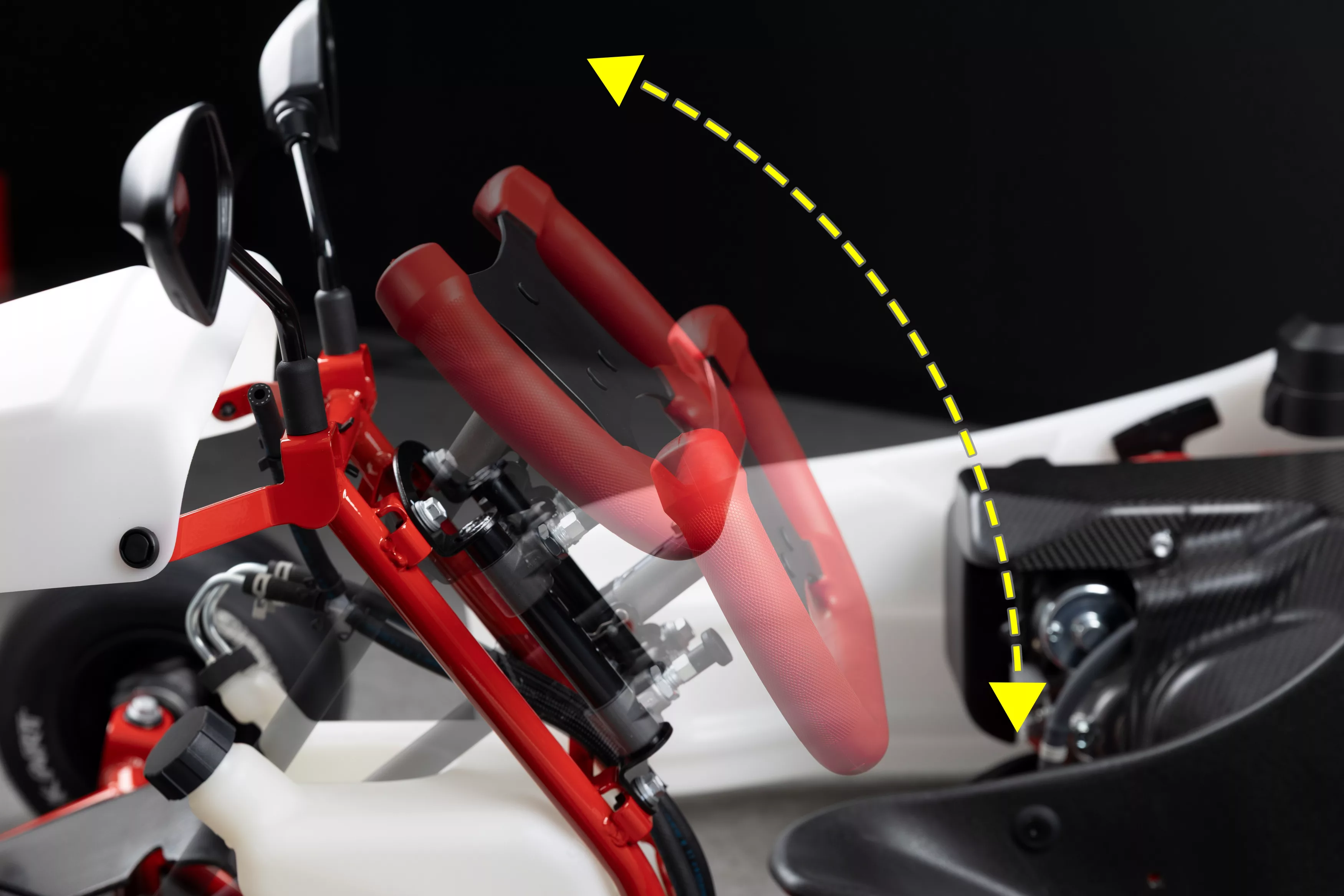
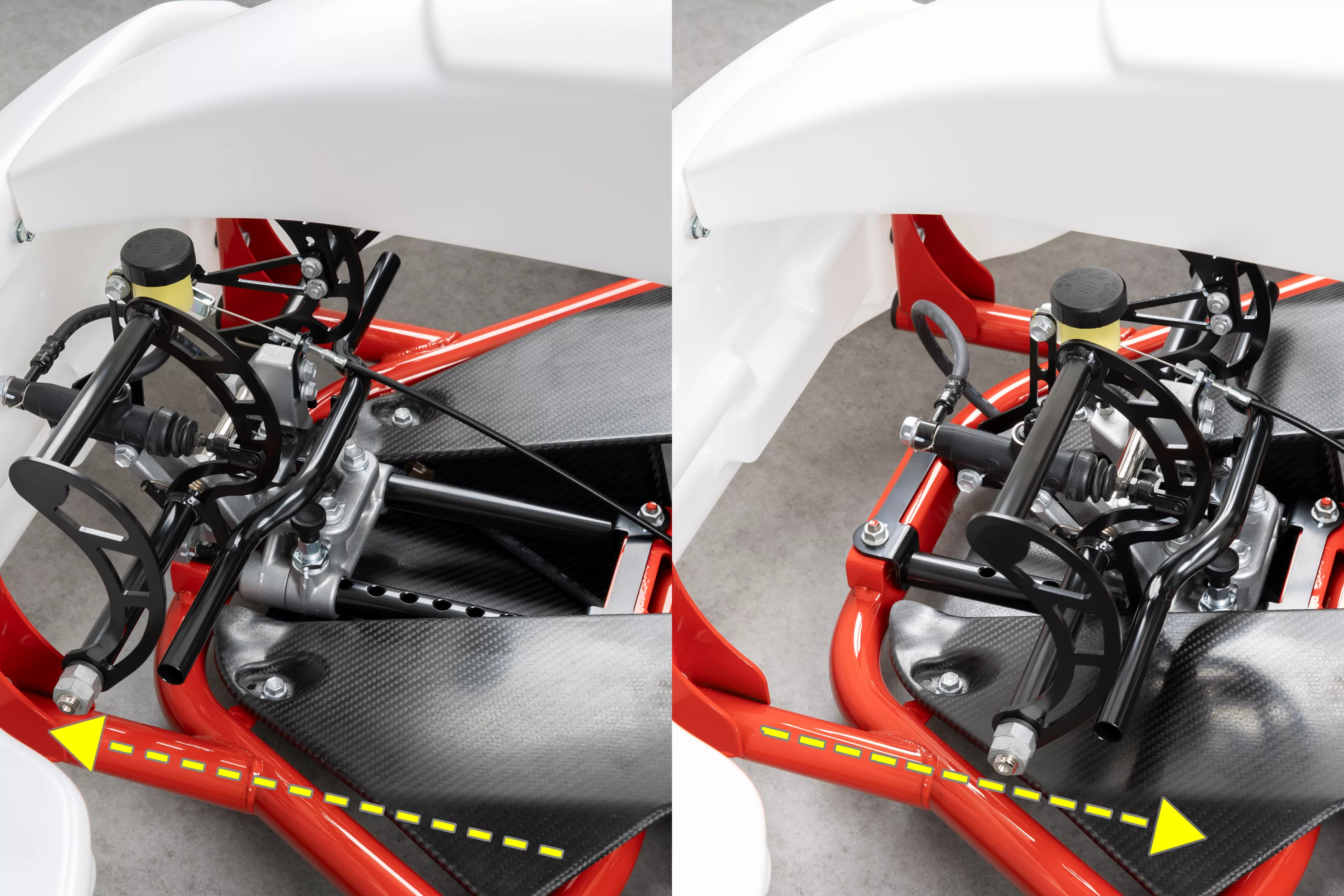
Toyota has made the pedals and steering wheel adjustable so that the same kart can be used by drivers of different heights.
According to the manufacturer, the GR Kart is suitable for drivers approximately 135–185 cm tall. This means a family does not need to buy a new frame as soon as a child grows.
A ballast box weighing up to 15 kg can also be fitted, helping to equalise drivers of different body weights in competition.
That is far more important in entry-level machinery than a few extra kilowatts, as the kart’s value lies above all in teaching the driver how to drive.
Toyota has also solved the logistical headache
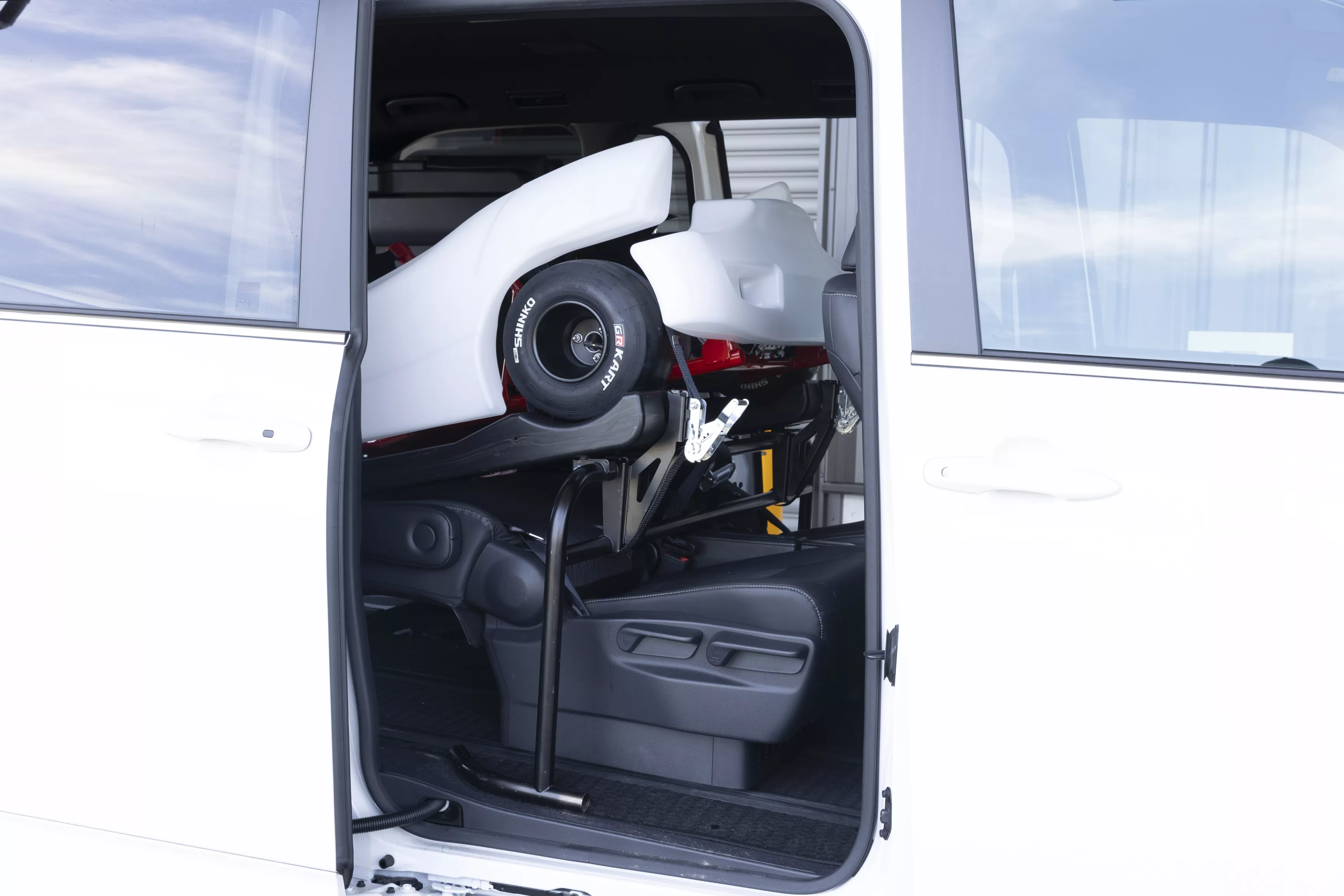
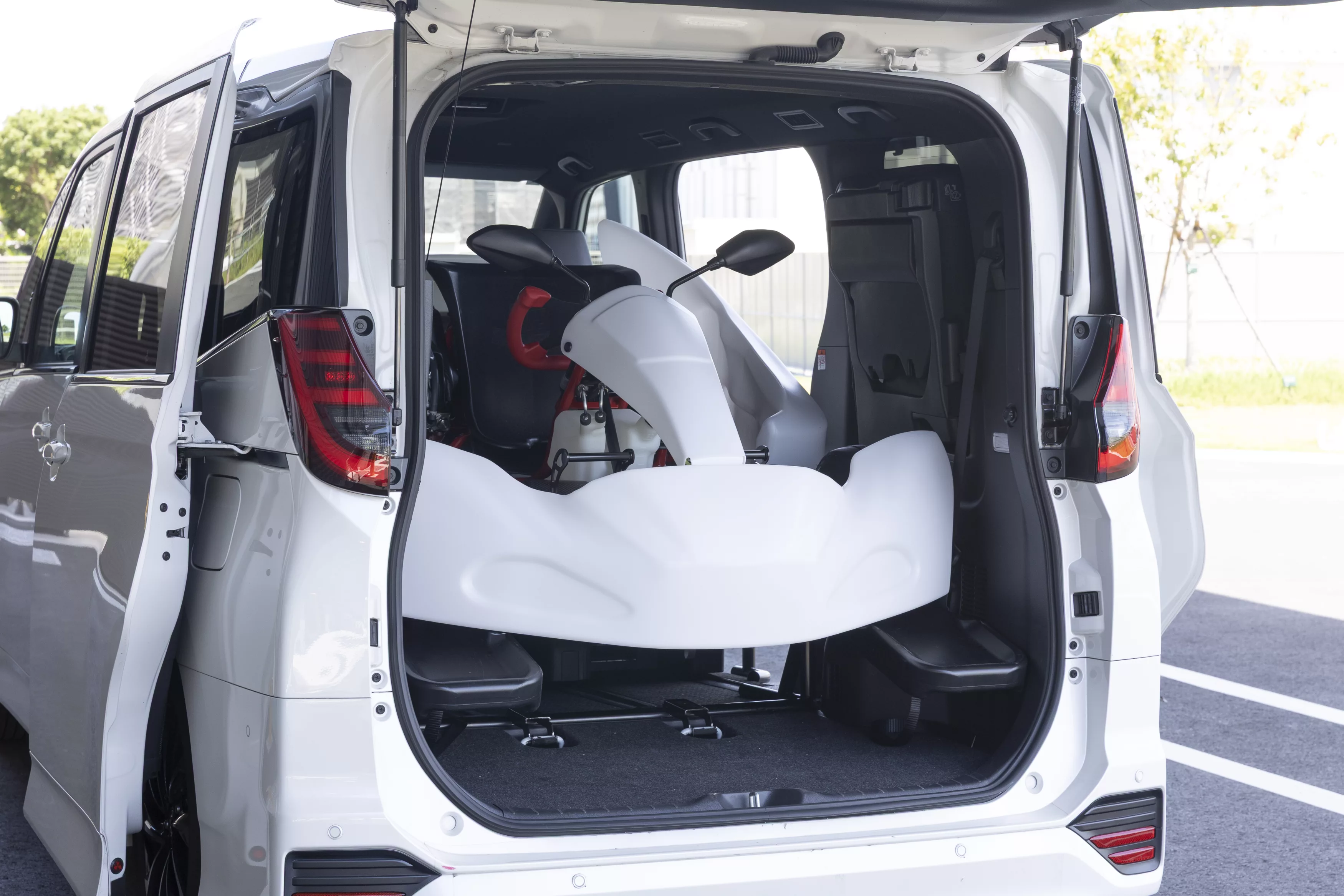
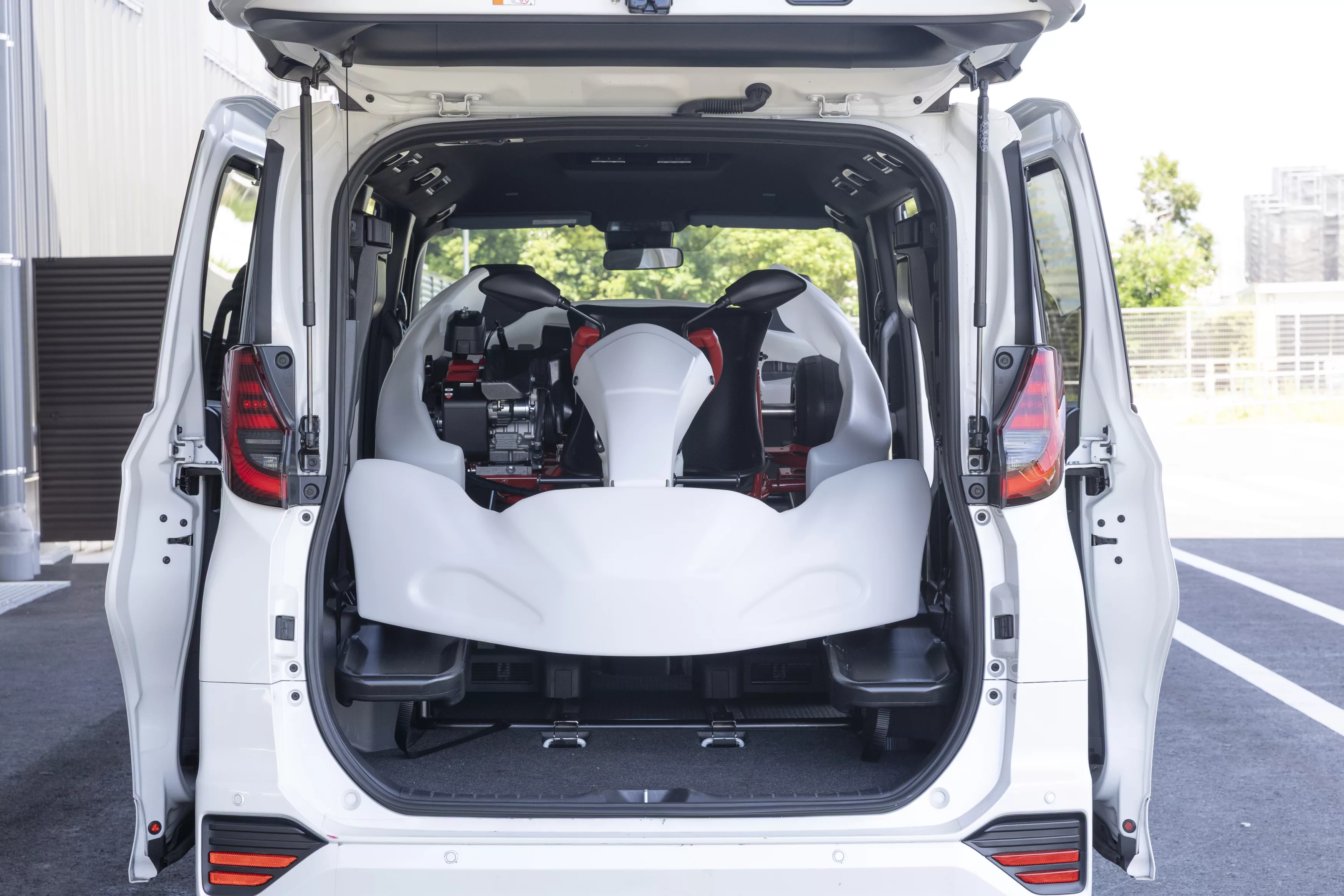
Buying a racing kart is one thing; transporting it is another. The GR Kart fits into a Toyota Noah or Voxy minivan without being dismantled. The owner does not necessarily need a separate trailer or van. Storage is even smarter. Toyota designed the oil catch tank, carburettor and filler neck so the kart can be stored upright even with fuel and engine oil inside. In a garage, that means significantly less space is required. It may seem a small detail, until you have tried to find somewhere to store a full-size kart in winter.
Simplicity should reduce maintenance costs
Toyota uses stainless steel in several areas, as well as metal fuel lines. The rear axle design, fuel system and belt drive were selected with the aim of reducing the need for regular maintenance.
Toyota also paid more attention to safety than is usual for an entry-level kart. The rear bumper reduces the risk of another kart riding up over the rear wheel in a collision. The rear hubs feature additional retainers, while the shape of the seat helps keep hands away from the hot exhaust.
These are not the sexiest details in racing machinery, but for a beginner they are far more valuable than carbon fibre or telemetry.
The GR Kart has not yet been promised for Europe
For now, Toyota sells the GR Kart only in Japan. The manufacturer has not announced European sales.
That is a shame, because a factory-built product costing around €2,160 would be a very interesting alternative here to a used racing kart. Especially if Toyota could offer spare parts, training and a unified racing series alongside the karts. The GR Kart is not technically revolutionary. On the contrary, its purpose is to avoid over-engineering.


