
Škoda keeps the Karoq alive and prepares a hybrid with more than 100 km of electric range
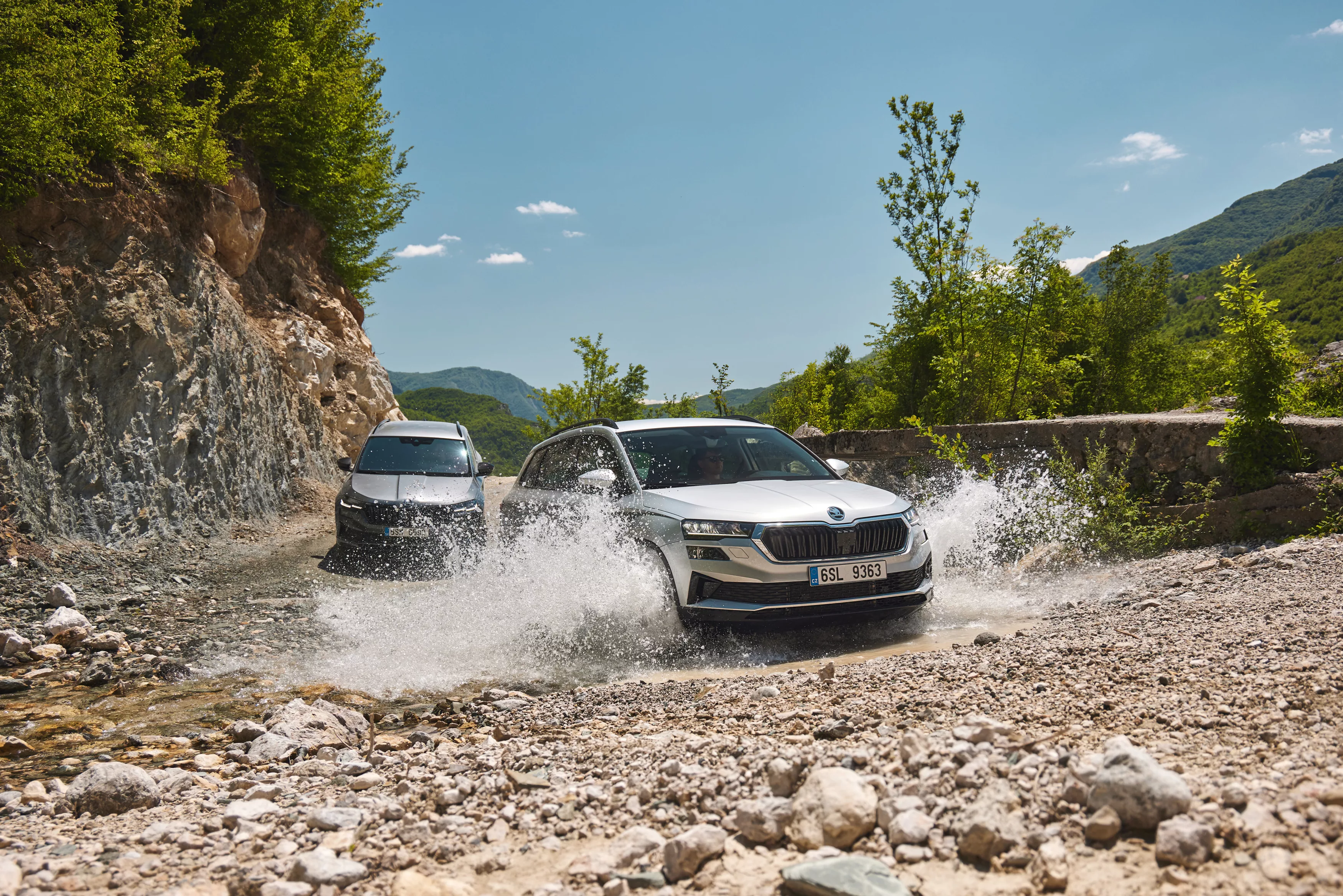
The Škoda Karoq will not be retired following the arrival of the electric Elroq. The Czech manufacturer is preparing a second-generation SUV, due to be unveiled around 2027 or 2028. Even more interesting is the powertrain: Škoda chief Klaus Zellmer has hinted at a plug-in hybrid based on Kodiaq technology that could cover more than 100 km on electric power.
The Elroq could not replace the Karoq entirely
Škoda's original plan was for the Karoq to disappear and for the similarly sized electric Elroq to take over its market position. Actual demand forced a change in strategy.
Zellmer told Autocar that Škoda had hoped to cover the segment entirely with the Elroq, but the electric car does not reach all existing Karoq customers. The company therefore gave the second generation the green light.
The decision is no surprise. Škoda built the millionth Karoq in July, and the model is sold in around 60 markets. Its biggest markets are Germany, the Czech Republic and the United Kingdom.
The plug-in hybrid is set to become the most interesting option
The new Karoq will remain on the Volkswagen Group MQB architecture. According to Zellmer, its powertrains will be very similar to those offered in the larger Kodiaq.
The most likely newcomer is a plug-in hybrid. Zellmer specifically highlighted strong demand for Škoda PHEV models and noted that more than 100 km of electric range would suit the Karoq successor.
This points to a development of the Kodiaq iV solution. The current Kodiaq iV combines a 1.5-litre TSI petrol engine with an electric motor, develops 150 kW as a system and its battery provides more than 100 km of electric driving range under WLTP.
For the Karoq, however, Škoda has not yet announced final power, battery or range figures. It would therefore be premature to call the plug-in hybrid a confirmed production version.
The Karoq and Elroq will coexist
Strategically, the decision says quite a lot about the European car market. Škoda is not abandoning electric cars; according to Zellmer, the Elroq has become one of Europe's more popular electric vehicles. At the same time, a sufficiently large share of customers still does not want an exclusively electric powertrain.
The new Karoq gives them an intermediate option. With more than 100 km of electric range, everyday journeys can effectively be completed as in an electric car, while on longer trips the petrol engine removes the need for charging stops.
In the European market, this could prove to be the Karoq's greatest strength. The fully electric Elroq and plug-in hybrid Karoq do not need to cannibalise each other; instead, they can offer two different solutions to customers in the same price bracket.
Škoda originally wanted to simply replace the old world with an electric car. Now the manufacturer appears to have reached a more pragmatic conclusion: if one million customers have already bought the Karoq, there is no point burying a successful model for ideological reasons.


