
Bovensiepen Spider revives the BMW Z4, but costs €115,500
 1/7
1/7
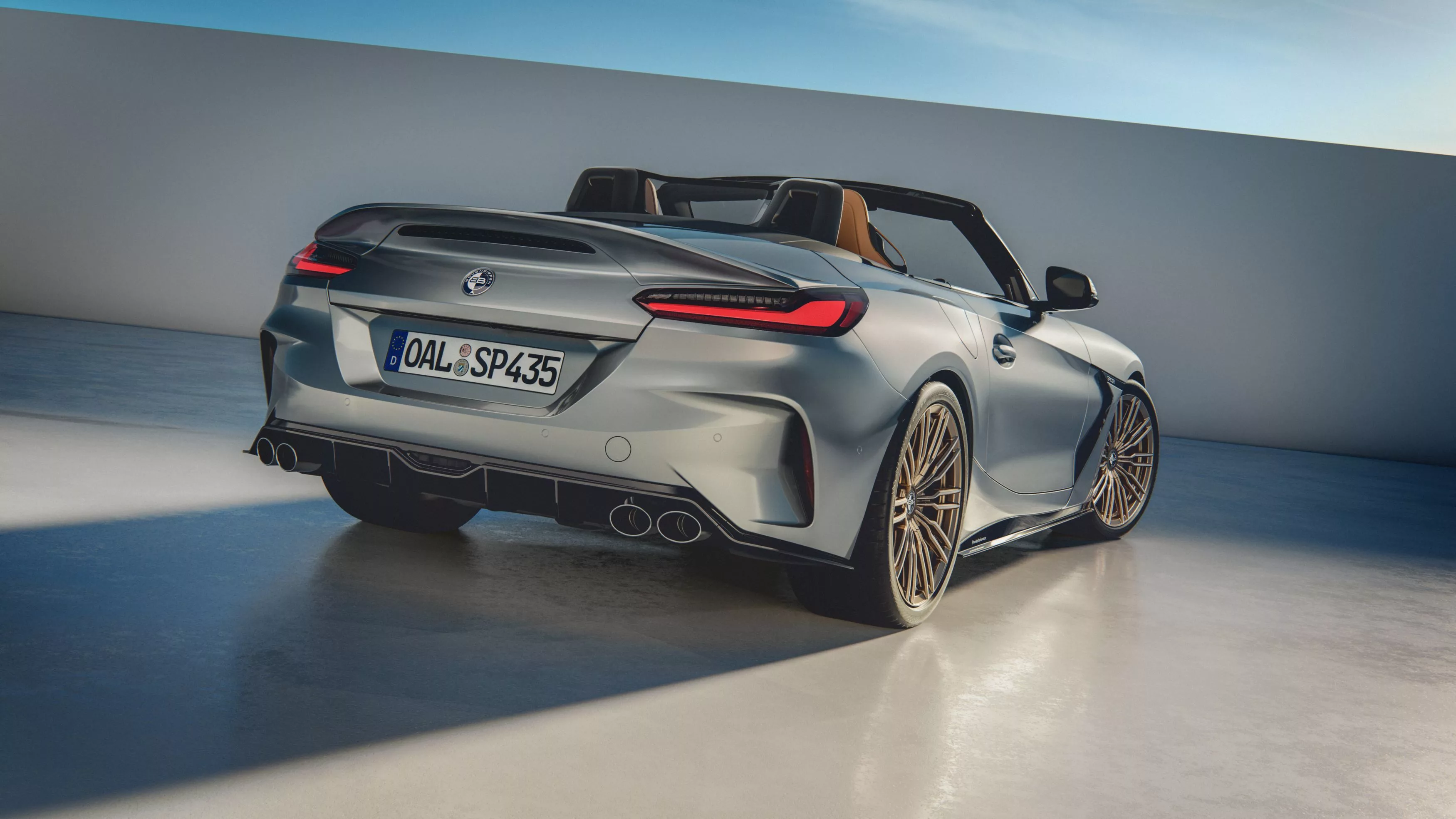
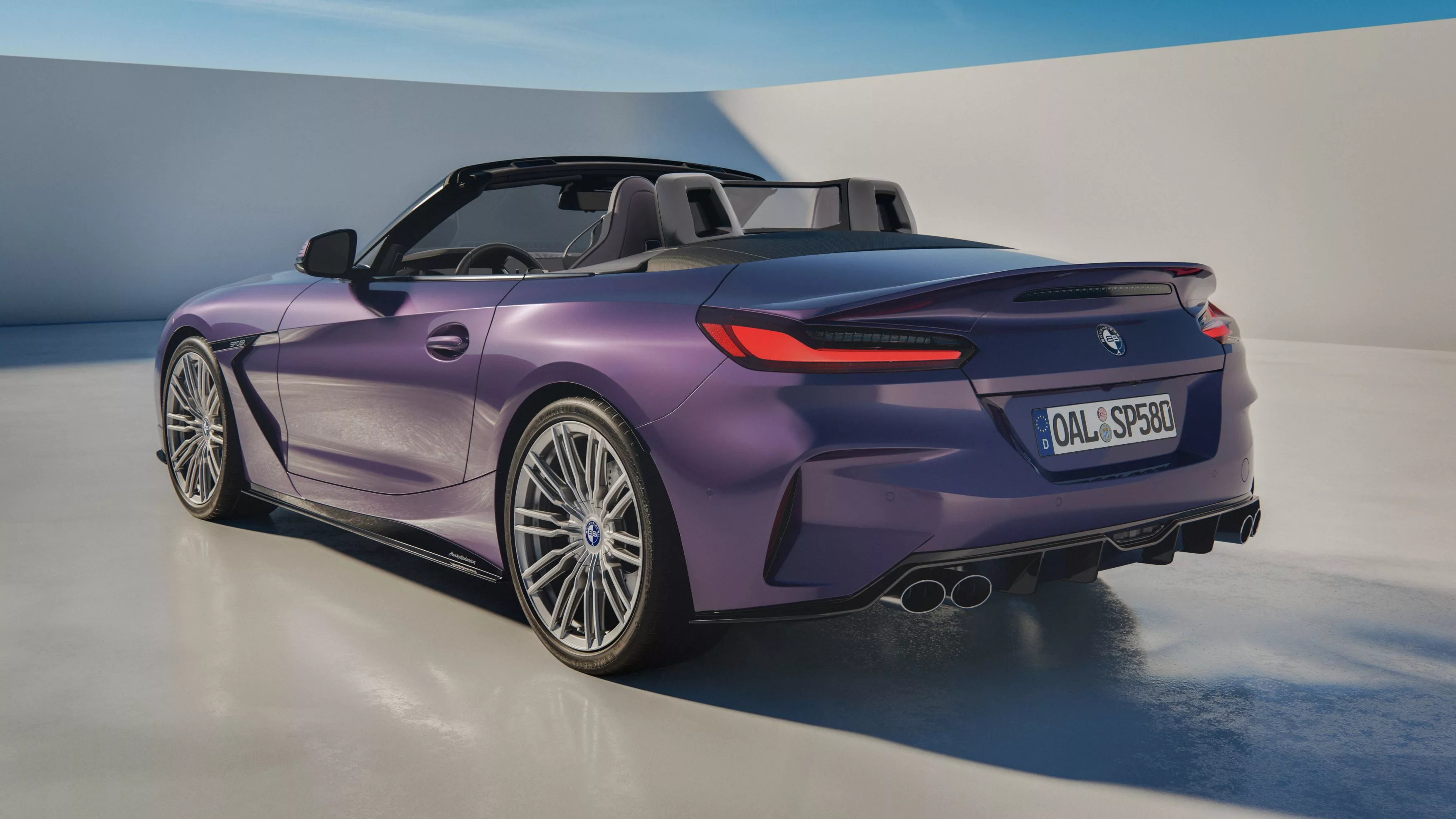
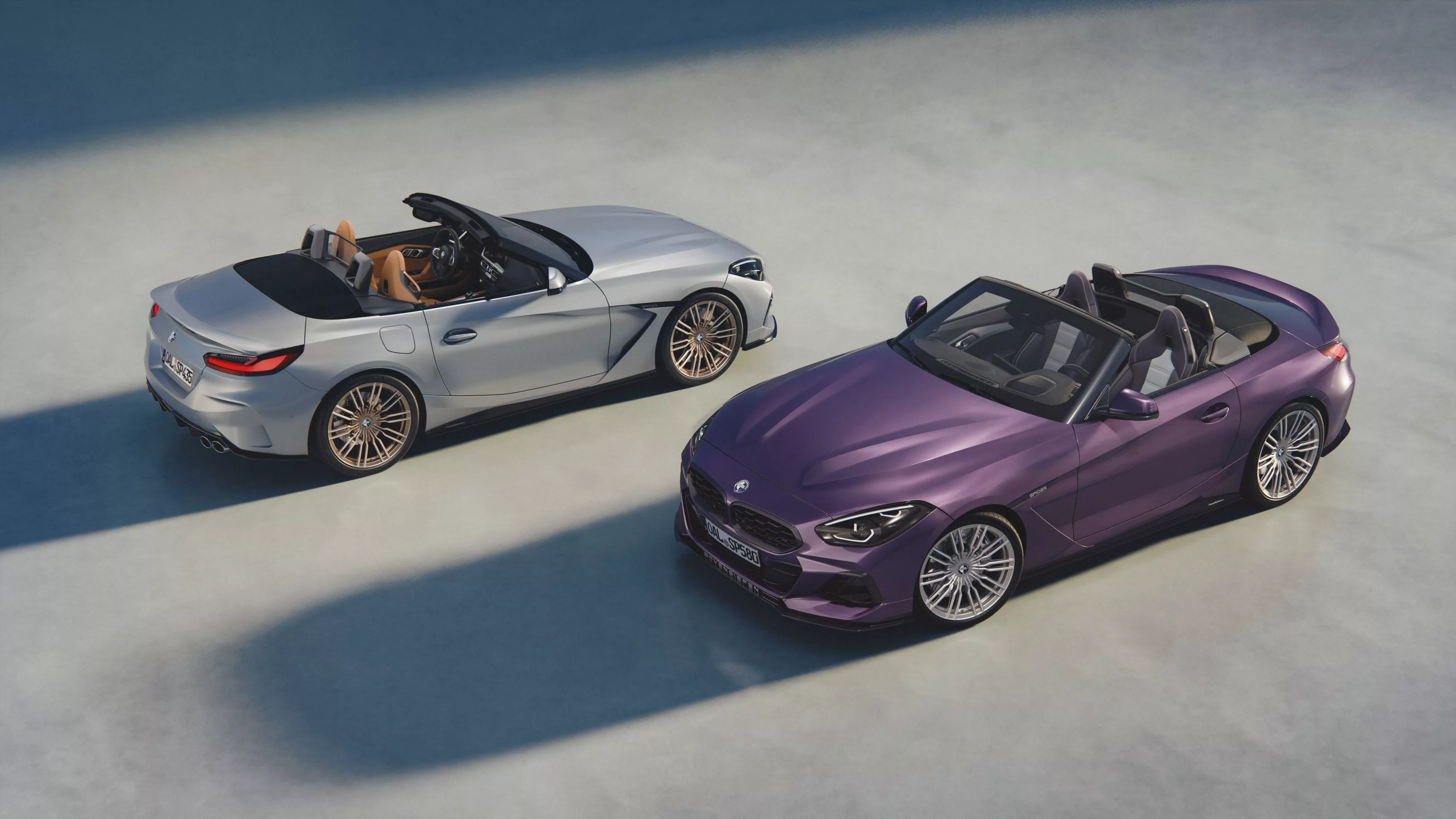
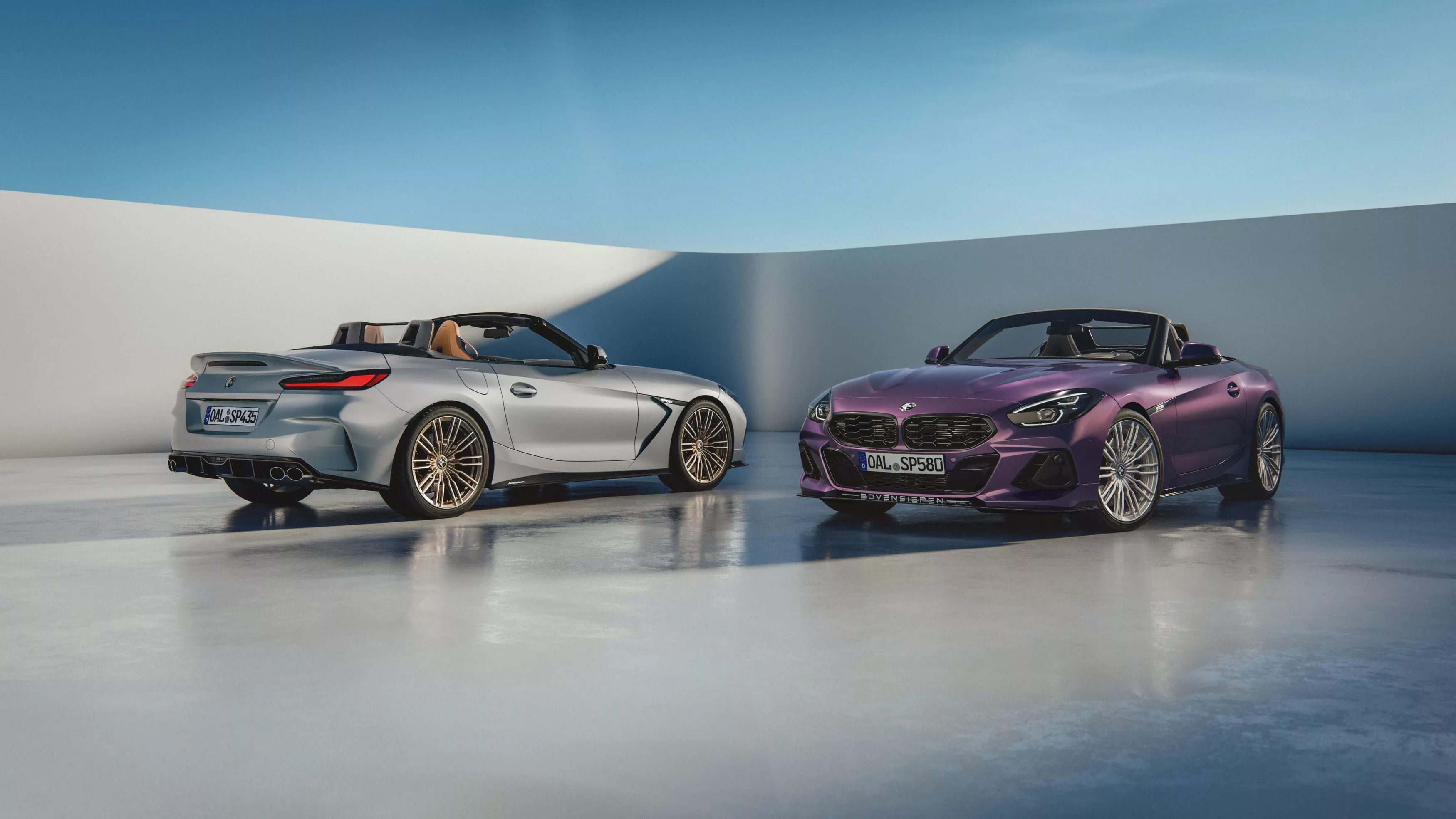
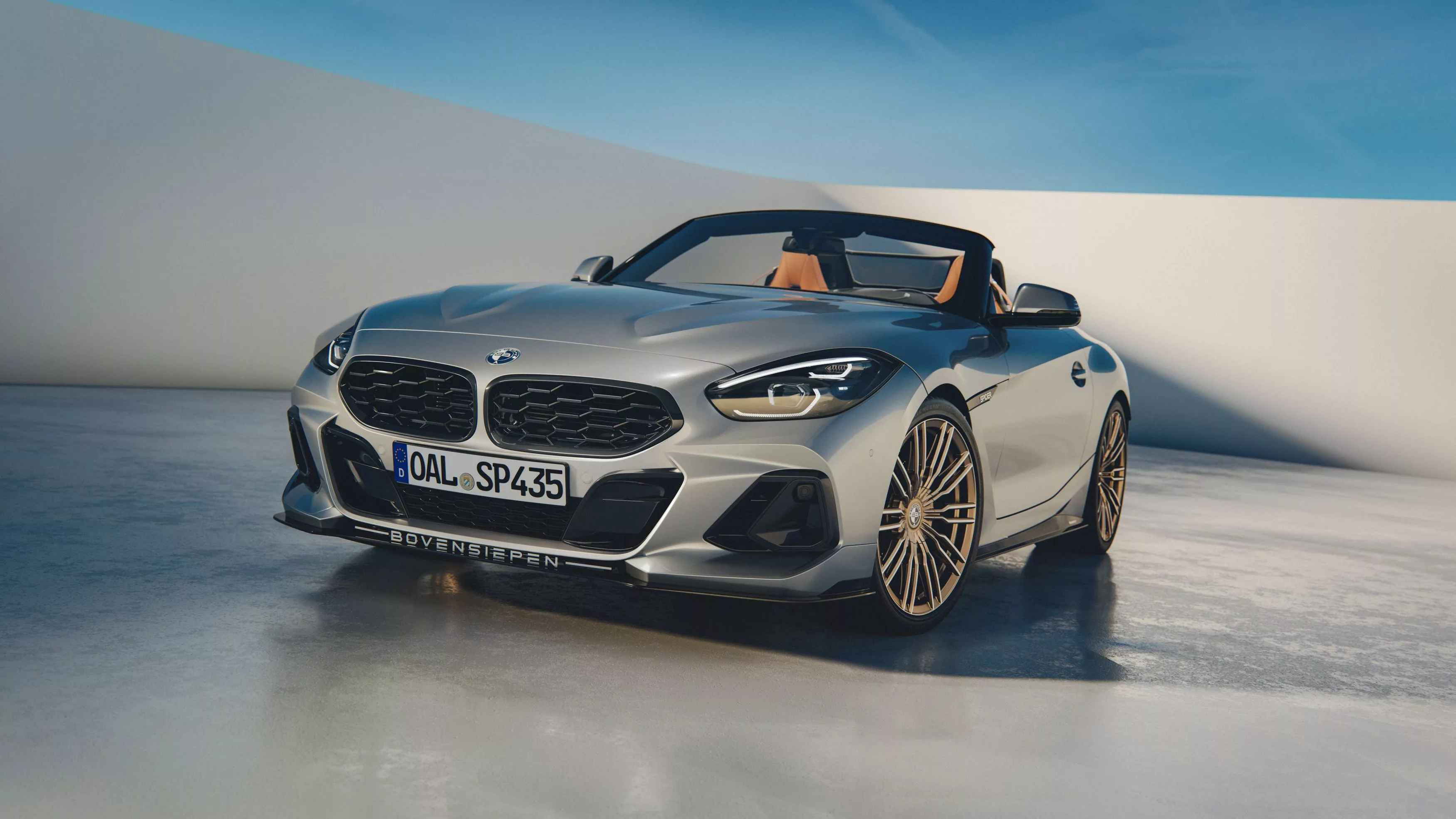
BMW Z4 production has ended, but Buchloe has not yet accepted the death of the classic six-cylinder roadster. Bovensiepen, the new car brand founded by the family behind Alpina, has taken the Z4 M40i’s mechanical package, raised output to 320 kW, sharpened the chassis and created the Spider, limited to 99 examples. Prices in Germany start at €115,500.
The Bovensiepen Spider is particularly interesting because it arrives just as its donor car has become history. BMW ended Z4 production in spring 2026, and no direct successor has been announced. For Europe’s sports car market, this means the disappearance of another relatively compact, front-engined, rear-wheel-drive roadster.
Bovensiepen is deliberately swimming against the tide. According to the company, only 99 Spiders will be built in Buchloe, with the first cars reaching customers in 2027.
The Alpina name went to BMW, but the expertise did not
One important distinction is needed to understand the Spider’s background. BMW acquired the Alpina brand, but the Bovensiepen family’s activities did not disappear with the old business model. Andreas and Florian Bovensiepen are continuing the enterprise founded by Burkard Bovensiepen in 1965 under their family name, and the group has operated under a new structure since 2026.
Bovensiepen’s approach to car production is nevertheless familiar: take BMW engineering and make the overall package faster, more refined and more exclusive, without turning the car into a merely noisy tuning project. The Spider is the new marque’s third model. It follows the 450 kW Bovensiepen Zagato, based on M4 mechanicals, and the 05 GT, developed from the M5 Touring.
In principle, the Spider is the simplest of them, and perhaps therefore the most interesting. A two-seat, soft-top, rear-wheel-drive sports car with an inline-six engine does not need electric motors, all-wheel drive or SUV dimensions to justify its existence.
The B58 gains 70 kW and 80 Nm
Under the Spider’s bonnet is BMW’s familiar 3.0-litre turbocharged inline-six. In the European Z4 M40i, it produced 250 kW and 500 Nm; Bovensiepen raises those figures to 320 kW and 580 Nm. That represents an increase of 70 kW, or 28 per cent, and 80 Nm of torque.
The engineers did not stop at software changes. The engine intake was opened up, with an additional ram-air channel and a larger, lower-restriction intake silencer. The sports exhaust was also optimised to reduce back pressure. The objective is not peak output alone: Bovensiepen highlights a power-to-weight ratio of 3.6 kg/hp and the most linear power delivery possible.
Power goes to the rear wheels through an eight-speed automatic gearbox. Here lies one of the Spider’s more painful compromises: Bovensiepen does not offer the six-speed manual gearbox reintroduced at the end of the Z4 M40i’s life. When discussing a purist roadster, a two-pedal solution is a little like non-alcoholic champagne: technically entirely functional, but something is missing.
The Spider accelerates to 100 km/h in 4.2 seconds. According to BMW’s official figures, the standard automatic Z4 M40i took 4.5 seconds. So despite the additional 70 kW, this is not a record machine for the drag strip; the extra reserves have instead been used to increase higher-speed and mid-range performance.
In standard form, Bovensiepen limits top speed to 260 km/h. With the Performance package, the limit rises to 295 km/h. The package includes a machined aluminium differential cover with larger cooling fins, helping to control rear differential temperatures under high loads. The underbody also gains a V-shaped brace to increase body rigidity and improve the precision of chassis responses.
The chassis has been approached in the old-school Alpina manner
The dampers receive a new setup, with increased compression damping at low piston speeds. Longer helper springs are used at the rear axle. The purpose of these changes is to bring body movements under control more quickly without compromising the suspension’s ability to absorb uneven surfaces. The philosophy sounds very Alpina: the car must be able to travel quickly on real roads, not only on a smooth race circuit.
Bovensiepen offers high-performance brakes as an option. At the front axle, four-piston fixed calipers grip 395 mm perforated discs. That is not decoration on a 320 kW car, particularly when the Performance package permits a top speed of nearly 300 km/h.
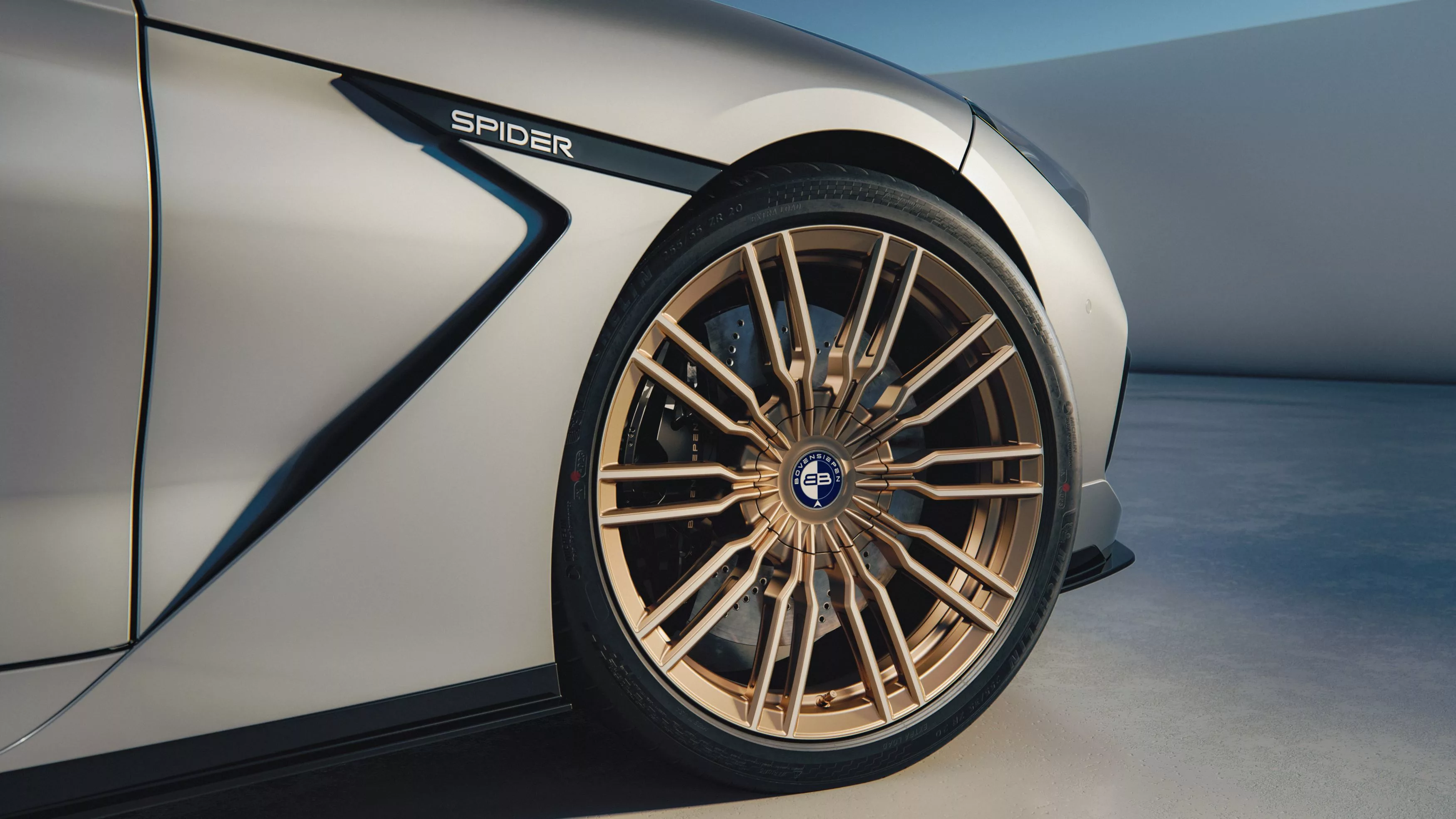
Special 20-inch wheels are fitted with Michelin Pilot Sport 4S tyres. Here, too, there is no attempt to invent a new tyre simply to put its own name on the sidewall; instead, one of the best-known tyres for fast road cars is used.
The Z4 remains, but Frank Stephenson made it sharper
The Spider does not hide its BMW origins, but Bovensiepen has altered enough body details to ensure the car does not look like a Z4 fitted with an aftermarket spoiler package.
Bovensiepen worked with Frank Stephenson on the exterior design. The car receives a new front spoiler, side extensions and rear diffuser, while the front-wing air vents have become noticeably more aggressive. A larger spoiler stands out at the rear. The overall proportions nevertheless remain classic: a long bonnet, a rearward-set passenger compartment and short overhangs.
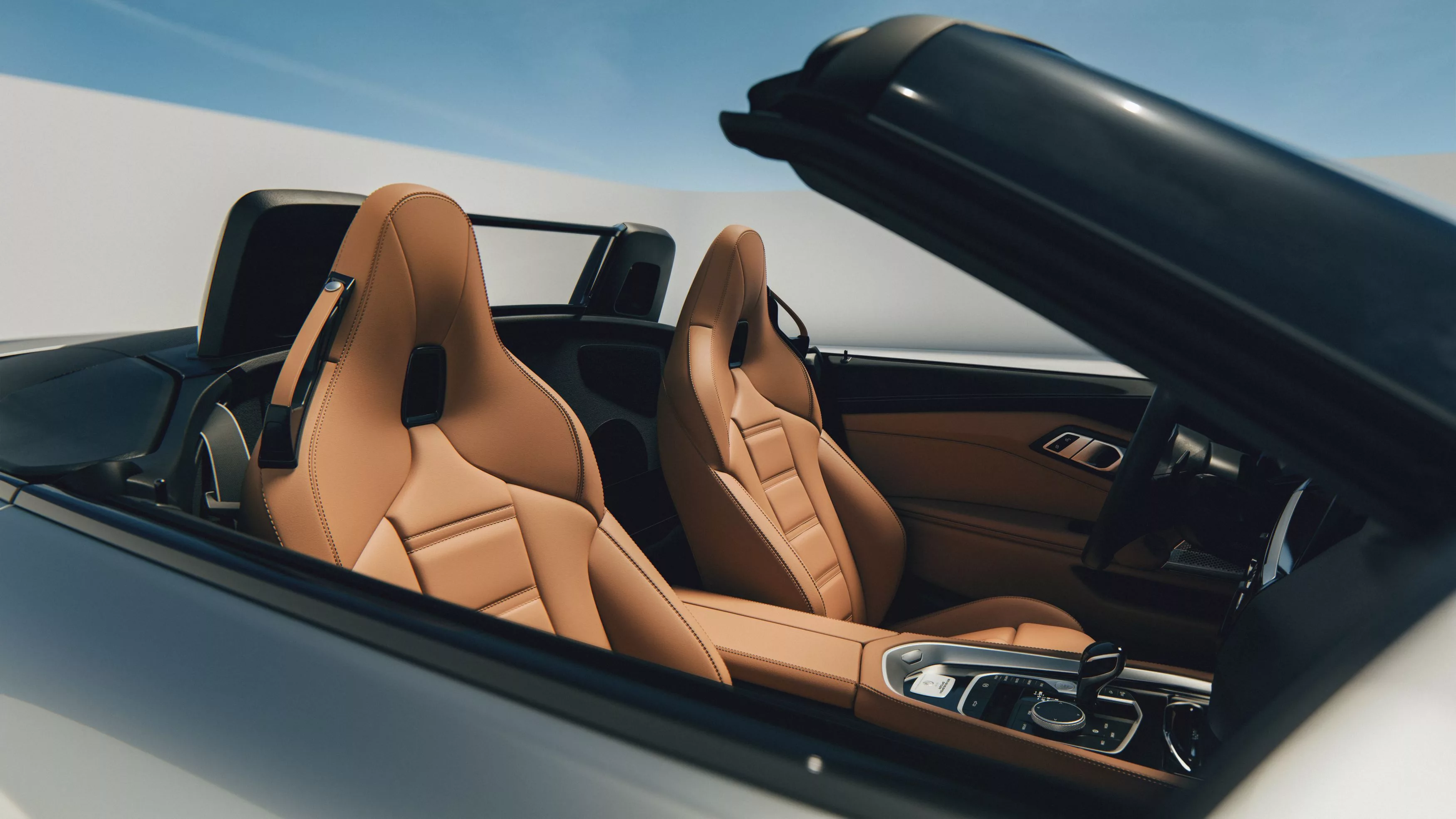
Inside, Bovensiepen continues the old Buchloe recipe. Vernasca leather is combined with Alcantara, the heated steering wheel is trimmed in Lavalina leather, and customers can order even more extensive leather upholstery. The dashboard can be covered in leather, while Alcantara can be added to the A-pillars, wind deflector and roll hoops.
This is an important distinction from a conventional power-upgrade project. Bovensiepen is not selling only a faster Z4; it is trying to transform the entire car’s material feel and character.
€115,500 changes the equation
In Germany, the Bovensiepen Spider starts at €115,500. That is a great deal of money for a car whose architecture and much of its mechanical package come from a series-production BMW. On the other hand, Bovensiepen will hand-build only 99 cars, and at this production volume, comparing it directly with the Z4 price list is no longer entirely fair.
The Spider finds itself in a strange but favourable position in Europe. The Audi TT Roadster and Mercedes-Benz SLC disappeared long ago, and now the BMW Z4 has also departed. The current internal-combustion generation of the Porsche 718 Boxster has likewise reached the end of its life cycle. The choice of classic compact European roadsters has not merely shrunk; an entire market segment has contracted.
That is why the Spider is more important in global competition than 99 cars might initially suggest. Bovensiepen is not trying to win mass-market sales figures. It is picking up customers for whom electrification, increasing mass and all-wheel drive are not automatically progress in a sports car.
Only a few years ago, a 320 kW rear-wheel-drive BMW-based roadster would have seemed like simply another Alpina niche model. In 2026, it feels almost like a defiant statement.
And at €115,500, the car needs to stand for something beyond speed.


