
GM is not giving up on EVs, even as American buyers hit the brakes
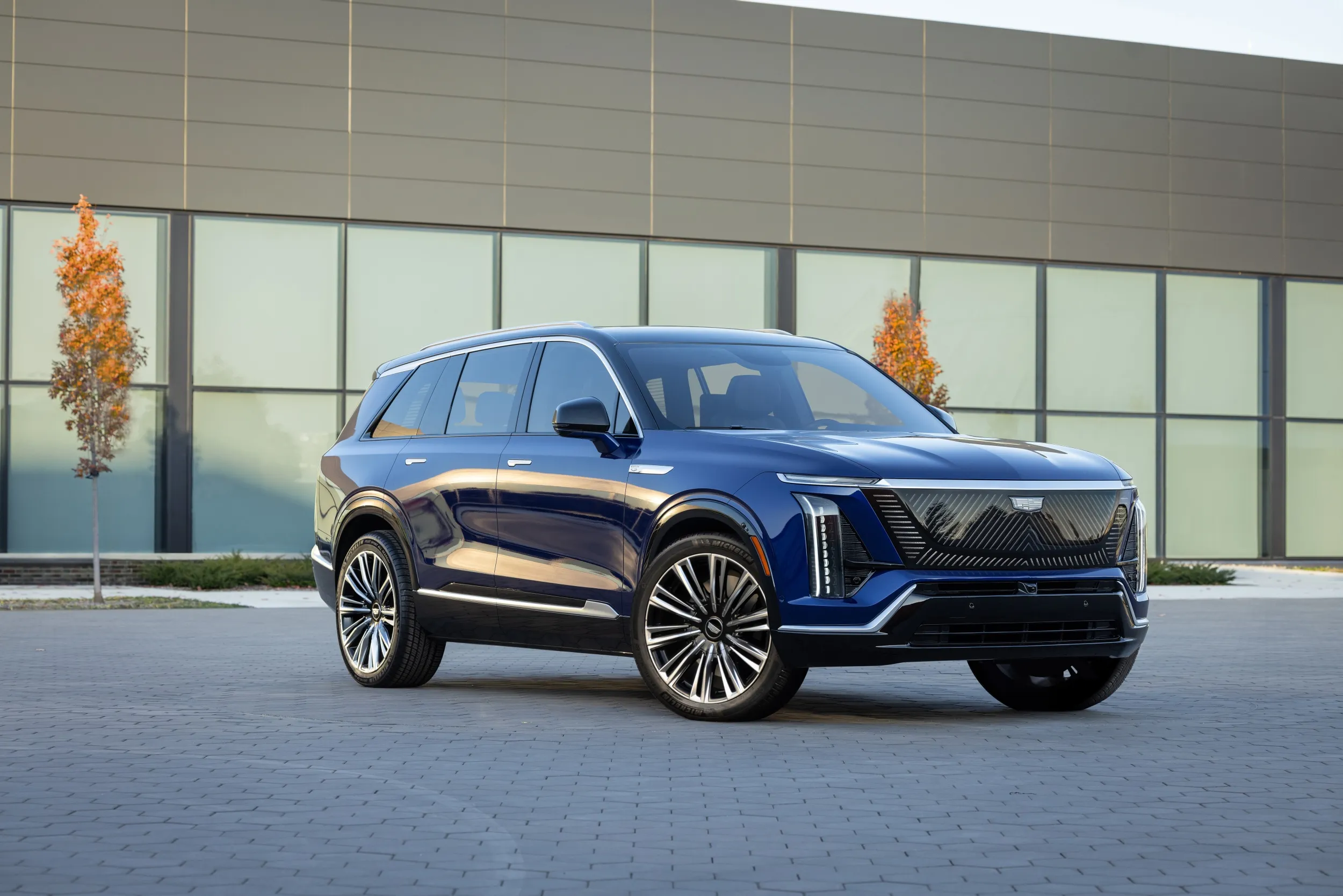
General Motors’ EV sales in the US have cooled sharply, but the group has no intention of burying its electric strategy. GM CEO Mary Barra still calls the EV the automotive industry’s end game. In the meantime, however, the company is doing something far more pragmatic: continuing to sell combustion-engined vehicles and bringing hybrids into key segments.
This marks a notable change in tone from the EV enthusiasm of a few years ago. GM is no longer disputing whether the transition will take longer than expected. It will. The question is whether the group can continue developing electric technology while US buyers are once again showing an increasingly clear preference for petrol.
Barra still sees the EV as the end game
In an interview with Fortune, Mary Barra said EVs remain the “end game” for GM—the technology the automotive industry is moving towards over the longer term. In her view, the company’s core objective has not changed; the pace of the transition has.
The reasons are not difficult to identify. US regulations no longer push carmakers towards EVs as strongly as they did a few years ago, the $7,500 federal EV purchase incentive ended in September 2025, and the charging network has not developed at the expected pace. Barra specifically highlighted permitting processes, which have slowed the installation of new chargers.
GM’s earlier plans were based on a market in which EVs were expected to account for roughly 40 to 50 percent of sales by around 2030. Actual demand in the US is currently moving on a very different timeline.
The issue is therefore not simply EV pricing or range. Buyers need to believe they can travel beyond home without difficulty. Until the charging network provides that confidence, the combustion engine will remain the simpler solution for many Americans.
Sales figures show just how abrupt the change has been
GM’s own second-quarter US sales chart is fairly unforgiving. Chevrolet Equinox EV sales fell 61.8 percent year-on-year in the second quarter of 2026, to 6,660 vehicles. The Blazer EV was down 68.1 percent, to 2,089 units. Cadillac Lyriq sales declined by 16.1 percent.
Not every electric model faltered, however. Cadillac Optiq sales rose 31.4 percent and Vistiq sales increased 14.7 percent, while GMC Sierra EV sales grew by 15.2 percent. The percentage increase for the relaunched Chevrolet Bolt is huge, but the comparison base was virtually non-existent.
GM sold a total of 714,896 vehicles in the US in the second quarter, 4.2 percent fewer than a year earlier. Nevertheless, the group remained the US automotive market’s sales leader and ranked second in EV sales. GM itself cited the shrinking EV market as one reason for the decline in total sales.
The contrast with 2025 is stark. At that time, GM’s overall US EV sales grew by 48 percent, making the company the country’s second-largest EV seller. The demand problem has therefore not emerged because GM does not know how to sell EVs. Market conditions simply changed very quickly.
Combustion engines are currently paying the bills for EV development
The group’s profits currently come largely from traditional pickup trucks and SUVs. The Chevrolet Silverado, GMC Sierra and large SUVs are not merely remnants of ageing technology, but cash machines that give GM the ability to continue investing in batteries, software and EVs.
In the second quarter of 2026, GM’s adjusted core profit rose by around 30 percent year-on-year, and the company raised its full-year profit forecast. According to Reuters, high-margin pickup trucks and SUVs helped drive the result. At the same time, GM hopes to reduce EV-related losses by up to $1.5 billion this year.
In other words, GM is not making a U-turn on EVs. It is simply stopping the pretence that the combustion engine can be retired immediately.
This is a far more logical industrial approach. If EV demand does not justify planned production volumes, there is no point filling factories with vehicles that later have to be pushed into the market with heavy discounts. It is better to cut costs, use the existing combustion-engine business and develop electric technology at a pace the market can actually support.
Hybrids return as an interim solution
GM also plans to broaden its powertrain range with hybrids. According to Barra, they will arrive in segments where the company considers hybrid technology necessary.
This is a significant correction for GM. Only a few years ago, the company tried largely to skip the hybrid stage and move directly from combustion engines to fully electric vehicles. Toyota’s approach looked conservative by comparison. Now, the Japanese company’s gradual strategy appears far less old-fashioned.
Hybrids give GM two advantages. Buyers get lower fuel consumption without the obligation to charge, while the manufacturer can reduce fleet fuel consumption without tying all sales success to EV demand.
EVs are not going anywhere as a result. GM’s range will retain Chevrolet electric models, while Cadillac and GMC will continue with more expensive electric SUVs and pickup trucks. Rather, the EV will shift from being the one mandatory future to one of several powertrain options, until the market decides when the balance truly tips.
Europe is currently moving in the opposite direction
In August, Europe drove growth in global EV sales, while North America and China weakened. European demand continues to be supported by government measures and regulations. Barra herself cited Europe alongside China as an example of a market where policy and charging infrastructure have accelerated EV adoption faster than in the US.
This unexpectedly gives GM an opportunity. The group sold Opel and Vauxhall to PSA in 2017 and withdrew from the European mass market. It now mainly exports EVs here. According to Barra, stabilisation in the European market could give the company an opportunity to grow here again.
It will not be easy, of course. GM faces the Volkswagen Group, BMW, Mercedes-Benz, Renault, Stellantis, Hyundai and Kia in Europe’s EV market, as well as increasingly aggressive Chinese manufacturers. BYD and other Chinese brands have pushed price pressure to a level at which an American EV must offer more than a large battery and Cadillac-style design.
GM’s real rival is not Tesla, but China
An even more important battle is being fought over the cost of technology. China is the world’s largest EV market, and its manufacturers are developing batteries, power electronics, software and manufacturing processes simultaneously. Barra told Fortune that GM must move just as quickly and invest in technology to remain competitive.
That makes continuing EV development essentially unavoidable for GM. Even if US EV sales languish in the coming years, one of the world’s largest carmakers cannot simply freeze battery technology development. Within a few years, that would mean handing Chinese competitors a technological advantage.
GM is therefore playing two games at once. In the short term, it makes money from the Silverado, Sierra and other combustion-engined models, while adding hybrids to the range. Over the longer term, it continues developing EVs, batteries, software and the charging ecosystem.
This is no longer a gleaming promise of a rapid electric revolution. It is a far more sober industrial strategy.
And probably a smarter one. EVs do not have to win because of a political deadline. Ultimately, they must become so good and affordable that buyers choose them themselves.


