
Trump puts pressure on Ford’s cost base and F 150 production
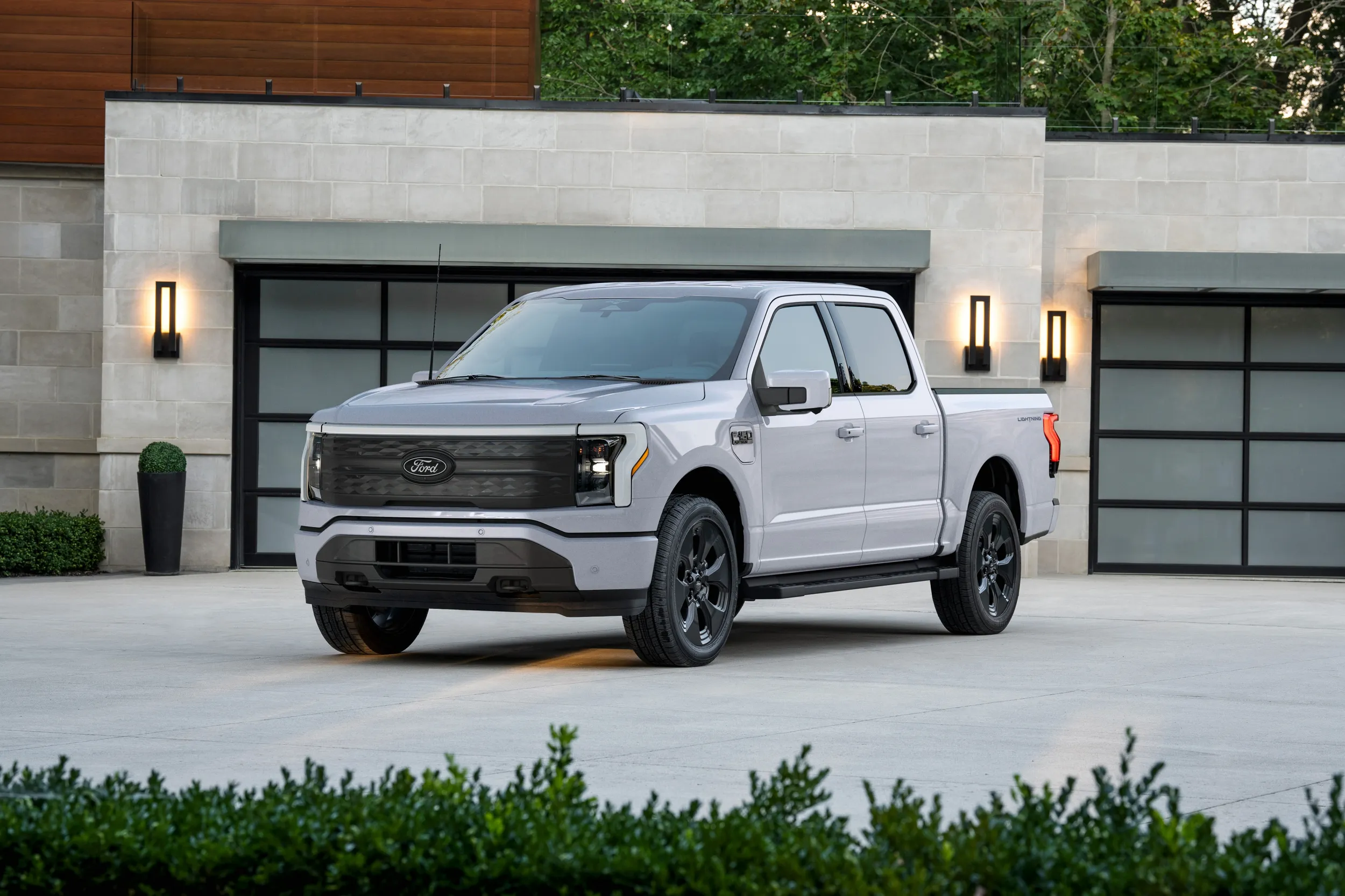
Donald Trump’s administration has no plans to grant US carmakers an exemption from the 50 per cent aluminium tariff, even though the supply chain took a serious hit after a key Novelis plant went offline. For Ford, that turns a temporary supply disruption into a lasting cost burden, one that lands especially hard on the F 150 programme and shows that the White House now prefers rigid industrial policy to selective relief.
According to Reuters, an administration official said Ford and other carmakers had raised concerns about aluminium supply, but had not pushed especially hard for tariff relief on this issue. In practice, the outcome is the same. The car industry must keep buying imported aluminium at full price, with the 50 per cent duty piled on top.
That fits neatly into Trump’s broader tariff strategy. On 2 April, the White House announced that under the Section 232 regime, products made almost entirely of aluminium, steel or copper would face a 50 per cent duty on their full value, while derivative goods with significant metal content would generally be hit with a 25 per cent rate. The administration argues that the policy serves national security, domestic manufacturing and the long term strength of the US metals sector.
Reuters reports that two fires knocked Novelis’ Oswego plant out of action, and that facility supplied, among others, the aluminium Ford needs for the F 150. Replacement material is now coming from South Korea and Europe, but that is exactly the imported metal caught by the new 50 per cent tariff. The result is awkward enough. Protectionist duties are now hitting companies that, according to the same political logic, are supposed to emerge stronger.
Ford has estimated that the supply disruption and more expensive imported aluminium could cut F Series pickup production by as many as 100,000 vehicles by the end of 2025 and create a blow of up to $2 billion (€1.71 billion).
The pain does not stop with Ford
The pressure is not limited to one manufacturer. Reuters notes that Novelis also supplies Stellantis and General Motors, which means the issue reaches much further into the cost base of the US car industry. That is where the story becomes strategically more interesting.
Washington is protecting upstream metals production while, in the same move, squeezing the downstream industries that turn those metals into higher value finished goods. That suggests the administration currently sees strengthening domestic metals production as more important than offering short term cost relief to carmakers.
A temporary disruption is turning into a policy problem
From the car industry’s point of view, the biggest risk is that a temporary factory incident turns into a long tail problem because of political rigidity. If Novelis recovers slowly and the tariff regime remains in place, Ford and other manufacturers are left with three rather unattractive options. They can accept lower margins, pass some of the extra cost on to buyers or adjust production volumes.
None of those choices looks especially healthy in a market where demand is already sensitive to price. And that is the broader message emerging from Reuters’ reporting and the White House’s latest decisions. Trump no longer seems interested in handing out exceptions. He wants the entire car industry to adapt to more expensive metal, whether that suits Detroit or not.
That fits neatly into Trump’s broader tariff strategy. On 2 April, the White House announced that under the Section 232 regime, products made almost entirely of aluminium, steel or copper would face a 50 per cent duty on their full value, while derivative goods with significant metal content would generally be hit with a 25 per cent rate. The administration argues that the policy serves national security, domestic manufacturing and the long term strength of the US metals sector.
Reuters reports that two fires knocked Novelis’ Oswego plant out of action, and that facility supplied, among others, the aluminium Ford needs for the F 150. Replacement material is now coming from South Korea and Europe, but that is exactly the imported metal caught by the new 50 per cent tariff. The result is awkward enough. Protectionist duties are now hitting companies that, according to the same political logic, are supposed to emerge stronger.
Ford has estimated that the supply disruption and more expensive imported aluminium could cut F Series pickup production by as many as 100,000 vehicles by the end of 2025 and create a blow of up to $2 billion (€1.71 billion).
The pain does not stop with Ford
The pressure is not limited to one manufacturer. Reuters notes that Novelis also supplies Stellantis and General Motors, which means the issue reaches much further into the cost base of the US car industry. That is where the story becomes strategically more interesting.
Washington is protecting upstream metals production while, in the same move, squeezing the downstream industries that turn those metals into higher value finished goods. That suggests the administration currently sees strengthening domestic metals production as more important than offering short term cost relief to carmakers.
A temporary disruption is turning into a policy problem
From the car industry’s point of view, the biggest risk is that a temporary factory incident turns into a long tail problem because of political rigidity. If Novelis recovers slowly and the tariff regime remains in place, Ford and other manufacturers are left with three rather unattractive options. They can accept lower margins, pass some of the extra cost on to buyers or adjust production volumes.
None of those choices looks especially healthy in a market where demand is already sensitive to price. And that is the broader message emerging from Reuters’ reporting and the White House’s latest decisions. Trump no longer seems interested in handing out exceptions. He wants the entire car industry to adapt to more expensive metal, whether that suits Detroit or not.


