
Volkswagen is considering bringing back the Touareg, to preserve a flagship role between premium and the mass market
 1/8
1/8
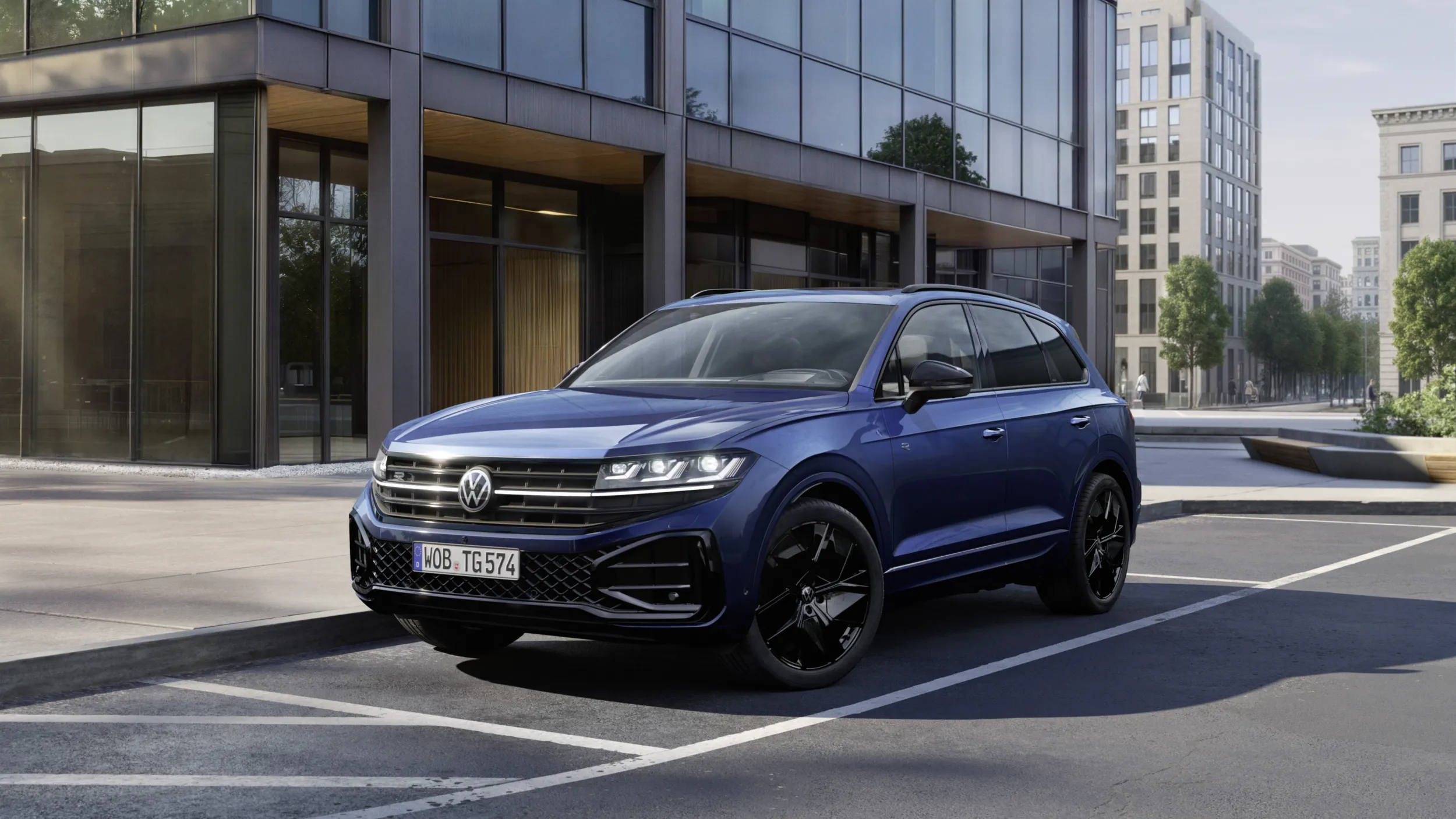
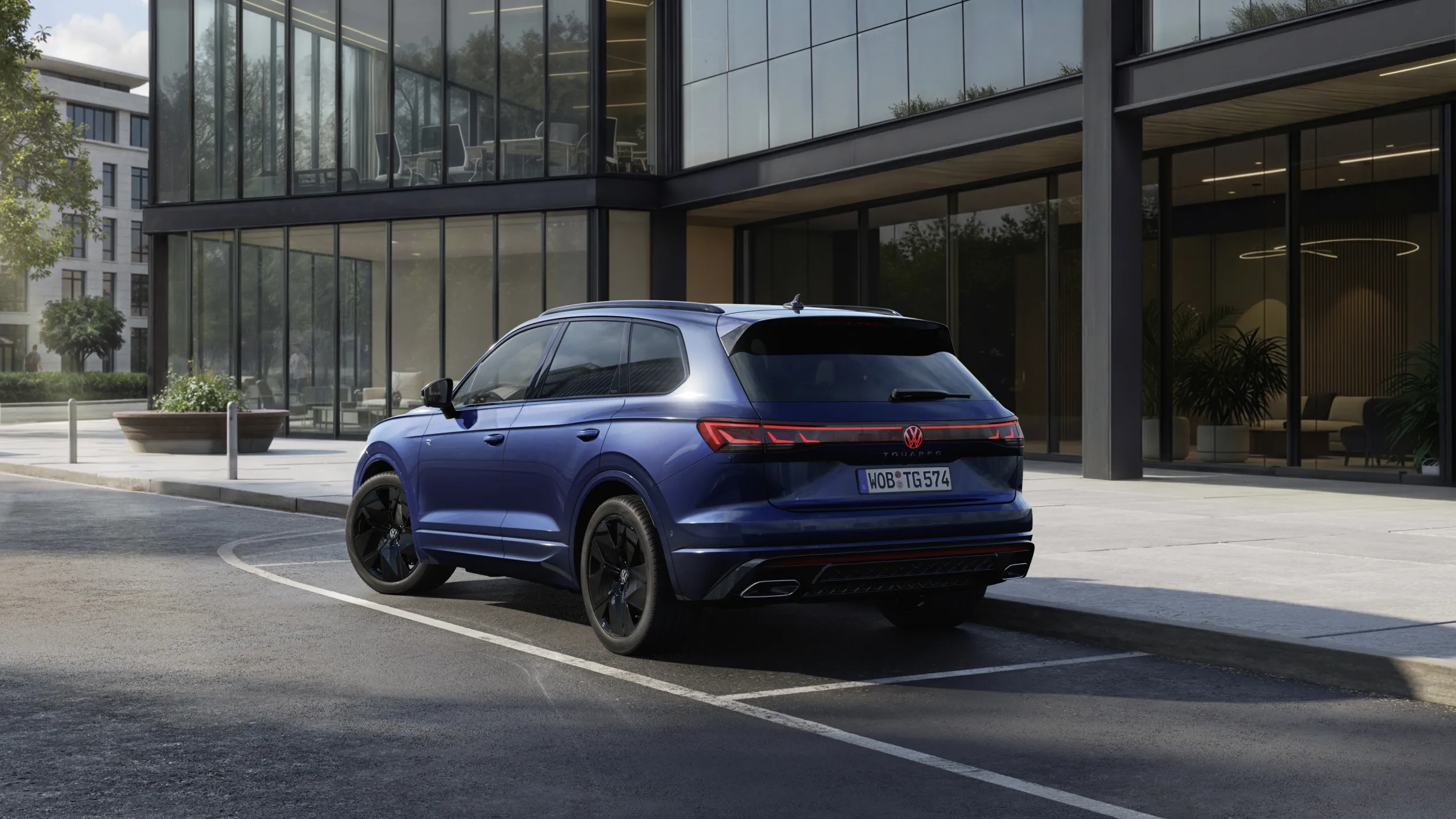
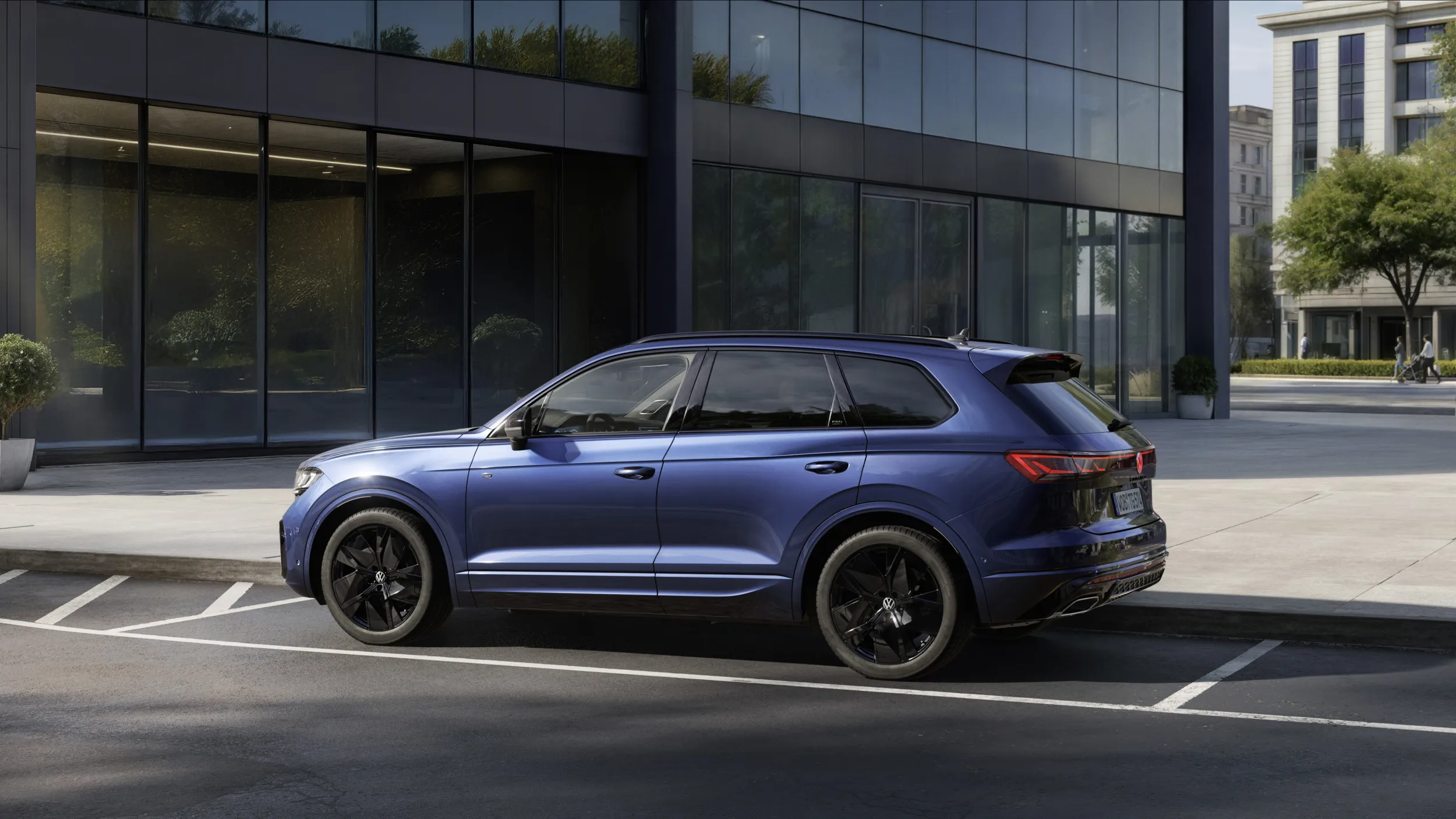
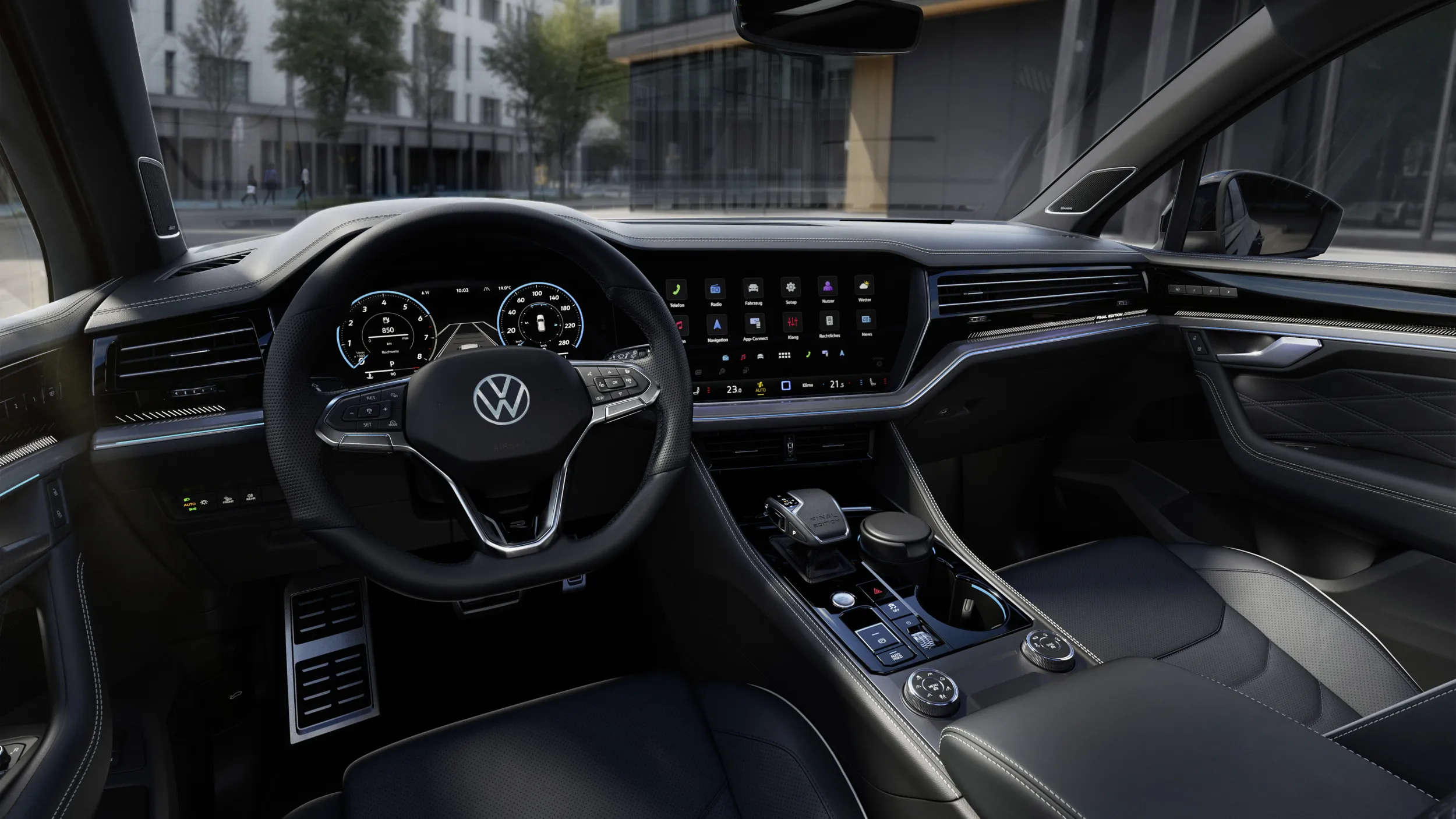
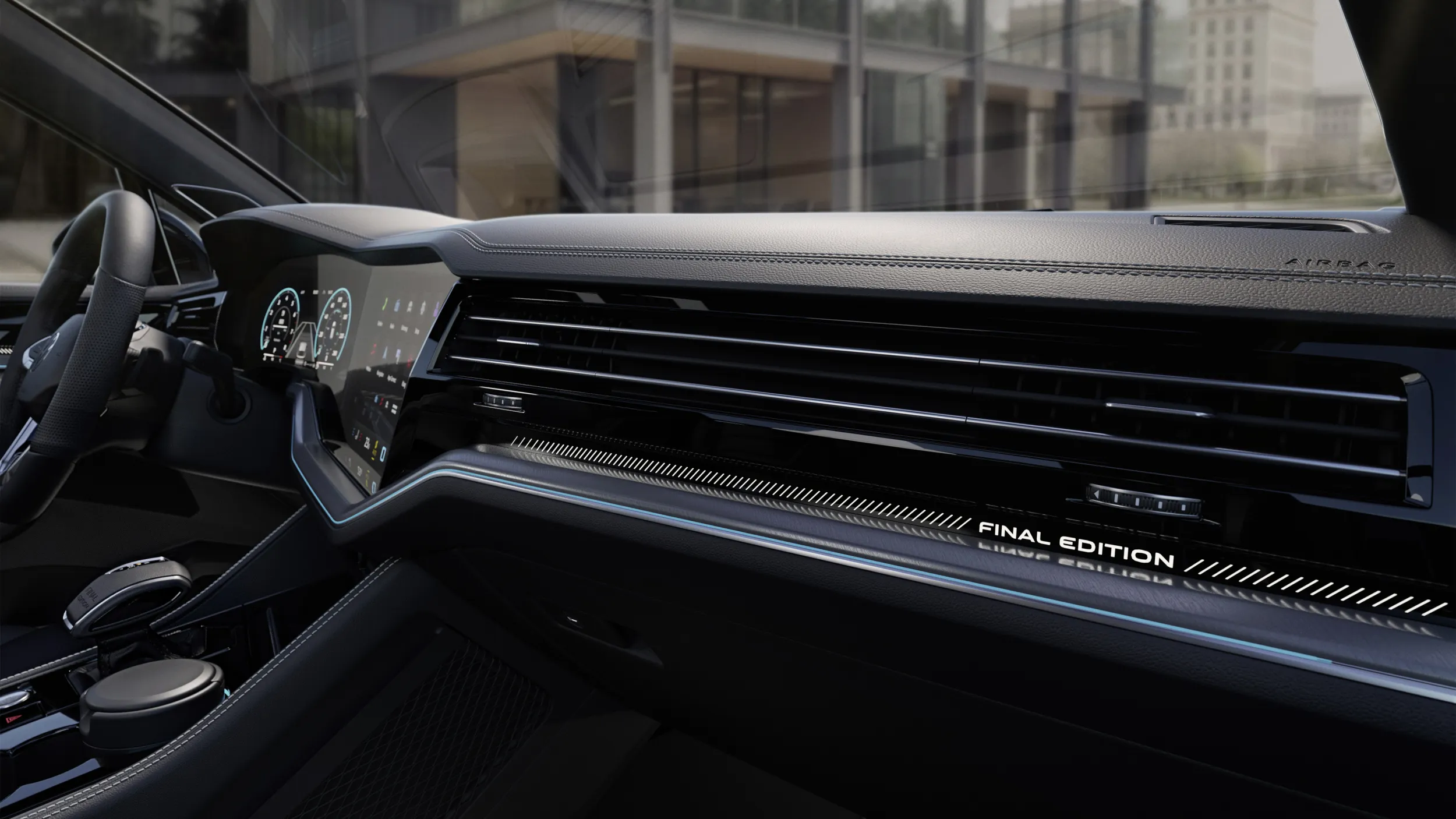
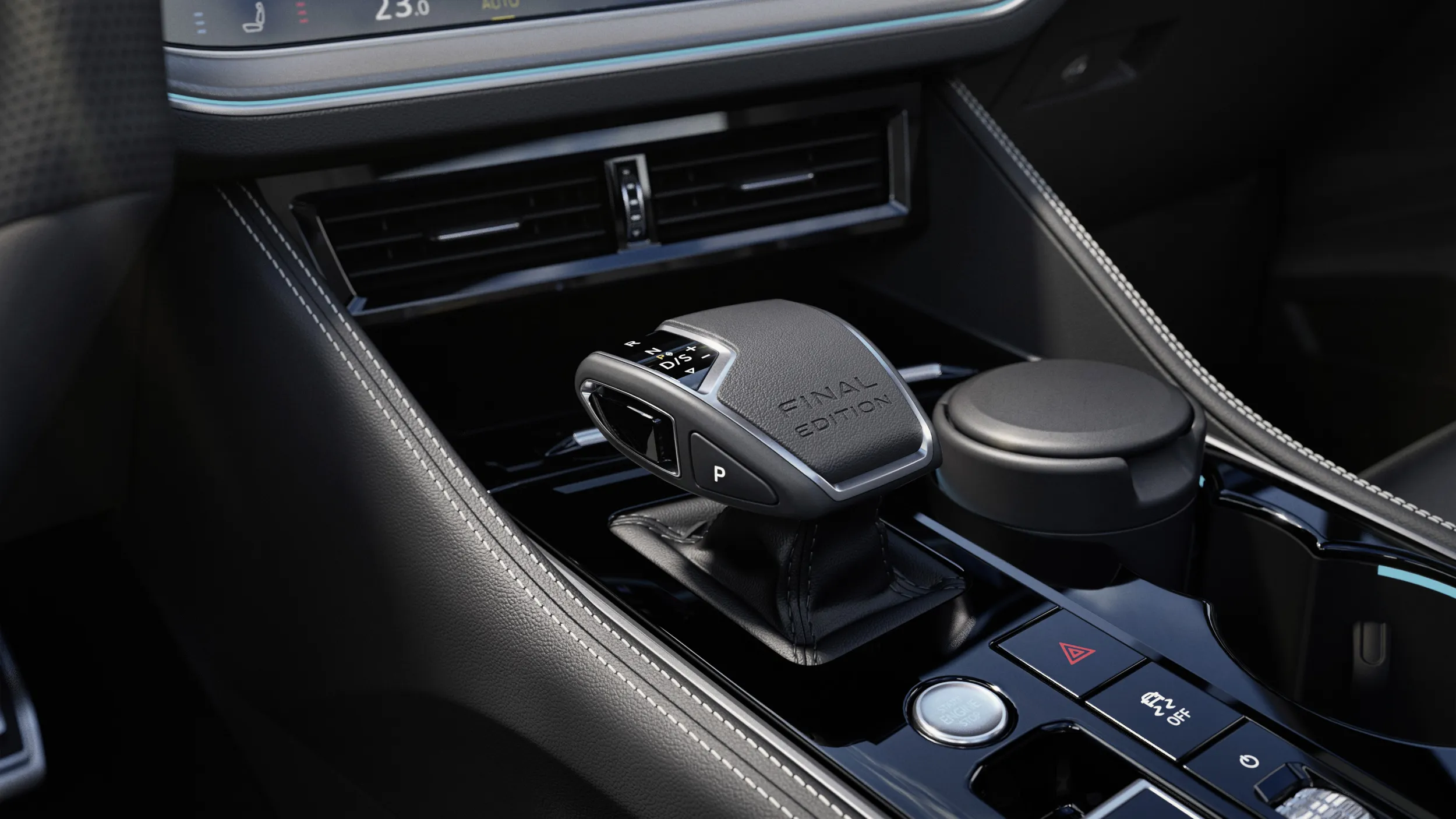
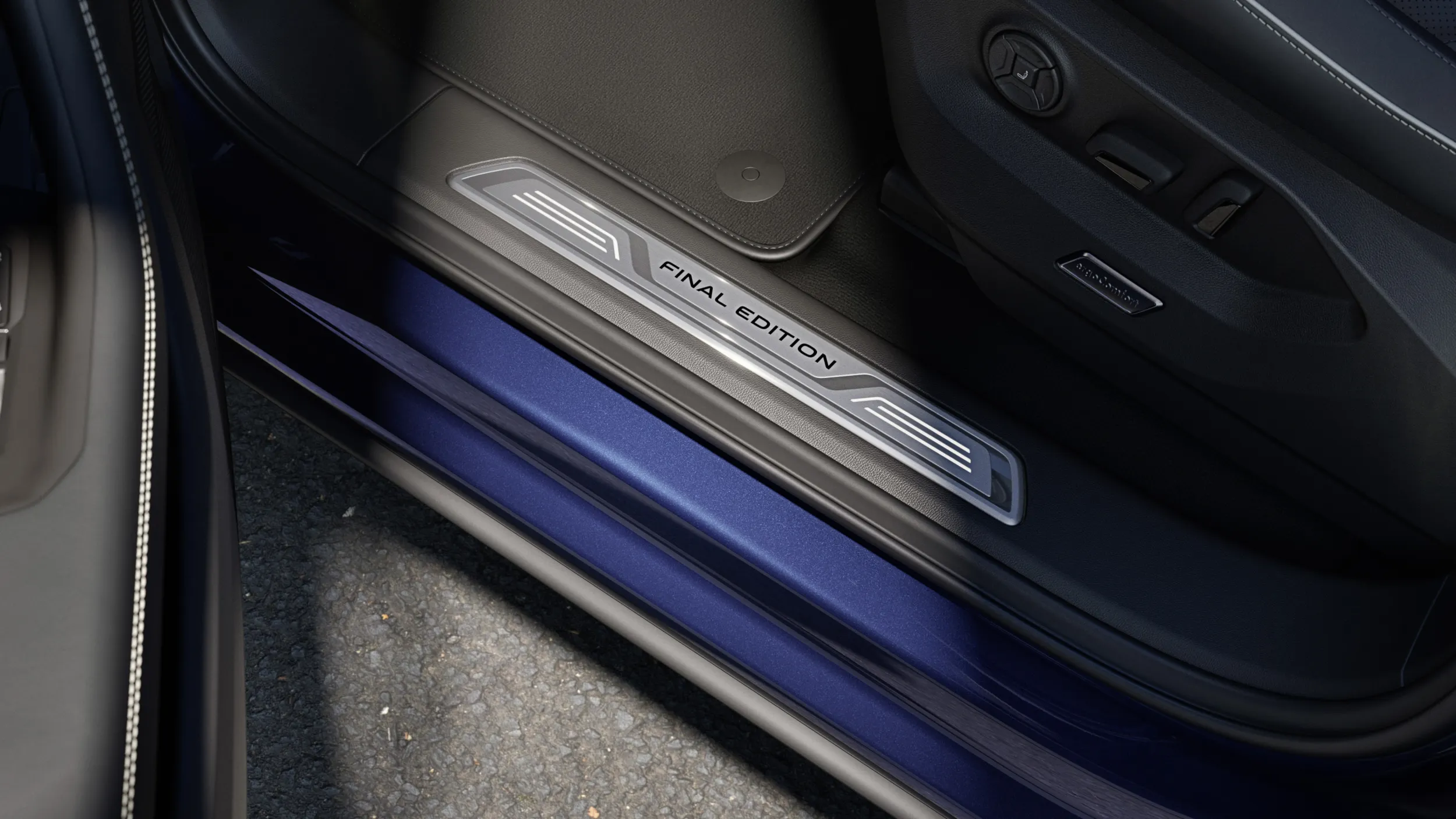
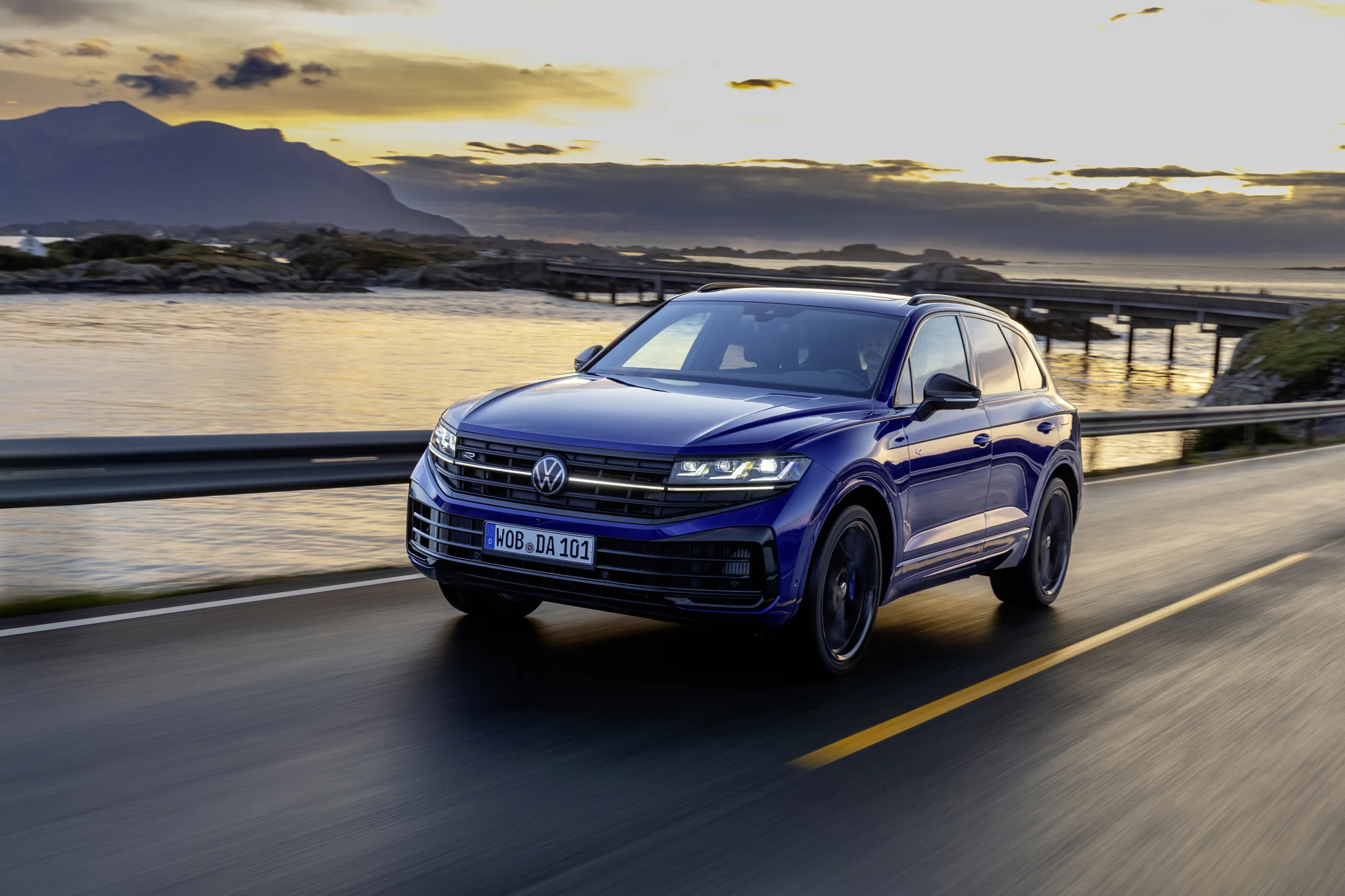
Volkswagen may not be ready to say goodbye to the Touareg after all. Even after confirming the end of the combustion engined model, the brand is exploring the idea of bringing the next Touareg back as a large fully electric SUV, one that could preserve its flagship role in the range and appeal to wealthier buyers who want high quality and refinement without necessarily needing a premium badge on the bonnet.
A small business, but an important one
Volkswagen sales chief Martin Sander told Autocar quite plainly that the Touareg “is not a big business”, but that it still has a place in the line up and that the company is therefore studying next generation options. In Sander’s view, Volkswagen sees a niche for customers who want a spacious, high quality and polished car, but have no desire to tie themselves to a traditional premium brand. That was, for years, the Touareg’s real strength.
When Volkswagen ends production of the current combustion engined Touareg in 2026, the brand will lose the car that carried both its technological flagship role and its more discreet status model appeal. Back in October 2025, Volkswagen already confirmed that the current Touareg would bow out with a Final Edition, available to order until the end of March 2026. The company also reminded everyone that, since 2002, more than 1.2 million Touaregs have been sold across three generations.
More than just another electric SUV
That is why a possible electric Touareg does not look like just another EV in the pipeline. It looks more like an attempt to preserve an important niche in Volkswagen’s own hierarchy. Sander confirmed that any future model would remain a large SUV, because SUVs account for roughly 80 per cent of that part of the market, and that it would be a fully electric offering. So Volkswagen is not thinking in half measures here. If the Touareg name survives, it is being lined up for a clearly electric successor.
On the technical side, the picture is still open, but the clues are telling. According to Autocar, a possible ID Touareg would not arrive until after the ID Golf and could use the forthcoming SSP architecture, drawing, much like today’s Touareg, on technology shared with more expensive Audi and Porsche relatives. One possible scenario is that the new electric Touareg could become a close cousin of the Porsche Cayenne Electric, though Volkswagen would tune both the powertrain and the positioning to feel more restrained. Volkswagen has not officially confirmed that part, but the business logic is not hard to see.
The name matters too
The naming question matters as well. The model could wear the name ID Touareg, which would fit Volkswagen’s broader shift back towards more familiar model names for its electric cars. In autumn 2025, Volkswagen Group officially said that the production version of the ID.2all would be called the ID. Polo, and that more recognisable names would gradually return across the electric range. By that logic, carrying the Touareg name into the electric era would be a perfectly coherent brand move.
In essence, Volkswagen is trying to solve a question it has wrestled with since the days of the Phaeton and the Touareg. How do you sell a more expensive, more sophisticated car to a customer who can afford premium money, but has no interest in advertising it? Sander described that buyer as affluent but understated, the sort of person who does not think it appropriate to arrive at a client meeting or a building site in something too demonstrative. It is a surprisingly precise description of the space where the Touareg used to thrive.
A targeted product decision, not a nostalgic gesture
For now, Volkswagen has not officially announced a new Touareg. What it has made clear are three things. The current Touareg, in petrol, diesel and plug in hybrid form, will end production in 2026. Its departure will leave a real gap in the range. And the brand is considering filling that gap with a large fully electric SUV.
If the project gets the green light, it will not be born as a nostalgic tribute. It will be a carefully targeted product decision, one aimed at keeping a car in the Volkswagen range that combines flagship status, technological prestige and a form of luxury subtle enough not to make a scene. In today’s market, that may be a smaller niche than before, but it is still a very real one.
Volkswagen sales chief Martin Sander told Autocar quite plainly that the Touareg “is not a big business”, but that it still has a place in the line up and that the company is therefore studying next generation options. In Sander’s view, Volkswagen sees a niche for customers who want a spacious, high quality and polished car, but have no desire to tie themselves to a traditional premium brand. That was, for years, the Touareg’s real strength.
When Volkswagen ends production of the current combustion engined Touareg in 2026, the brand will lose the car that carried both its technological flagship role and its more discreet status model appeal. Back in October 2025, Volkswagen already confirmed that the current Touareg would bow out with a Final Edition, available to order until the end of March 2026. The company also reminded everyone that, since 2002, more than 1.2 million Touaregs have been sold across three generations.
More than just another electric SUV
That is why a possible electric Touareg does not look like just another EV in the pipeline. It looks more like an attempt to preserve an important niche in Volkswagen’s own hierarchy. Sander confirmed that any future model would remain a large SUV, because SUVs account for roughly 80 per cent of that part of the market, and that it would be a fully electric offering. So Volkswagen is not thinking in half measures here. If the Touareg name survives, it is being lined up for a clearly electric successor.
On the technical side, the picture is still open, but the clues are telling. According to Autocar, a possible ID Touareg would not arrive until after the ID Golf and could use the forthcoming SSP architecture, drawing, much like today’s Touareg, on technology shared with more expensive Audi and Porsche relatives. One possible scenario is that the new electric Touareg could become a close cousin of the Porsche Cayenne Electric, though Volkswagen would tune both the powertrain and the positioning to feel more restrained. Volkswagen has not officially confirmed that part, but the business logic is not hard to see.
The name matters too
The naming question matters as well. The model could wear the name ID Touareg, which would fit Volkswagen’s broader shift back towards more familiar model names for its electric cars. In autumn 2025, Volkswagen Group officially said that the production version of the ID.2all would be called the ID. Polo, and that more recognisable names would gradually return across the electric range. By that logic, carrying the Touareg name into the electric era would be a perfectly coherent brand move.
In essence, Volkswagen is trying to solve a question it has wrestled with since the days of the Phaeton and the Touareg. How do you sell a more expensive, more sophisticated car to a customer who can afford premium money, but has no interest in advertising it? Sander described that buyer as affluent but understated, the sort of person who does not think it appropriate to arrive at a client meeting or a building site in something too demonstrative. It is a surprisingly precise description of the space where the Touareg used to thrive.
A targeted product decision, not a nostalgic gesture
For now, Volkswagen has not officially announced a new Touareg. What it has made clear are three things. The current Touareg, in petrol, diesel and plug in hybrid form, will end production in 2026. Its departure will leave a real gap in the range. And the brand is considering filling that gap with a large fully electric SUV.
If the project gets the green light, it will not be born as a nostalgic tribute. It will be a carefully targeted product decision, one aimed at keeping a car in the Volkswagen range that combines flagship status, technological prestige and a form of luxury subtle enough not to make a scene. In today’s market, that may be a smaller niche than before, but it is still a very real one.


