
Volkswagen ID. Tiguan to replace both ID.4 and ID.5
 1/63
1/63
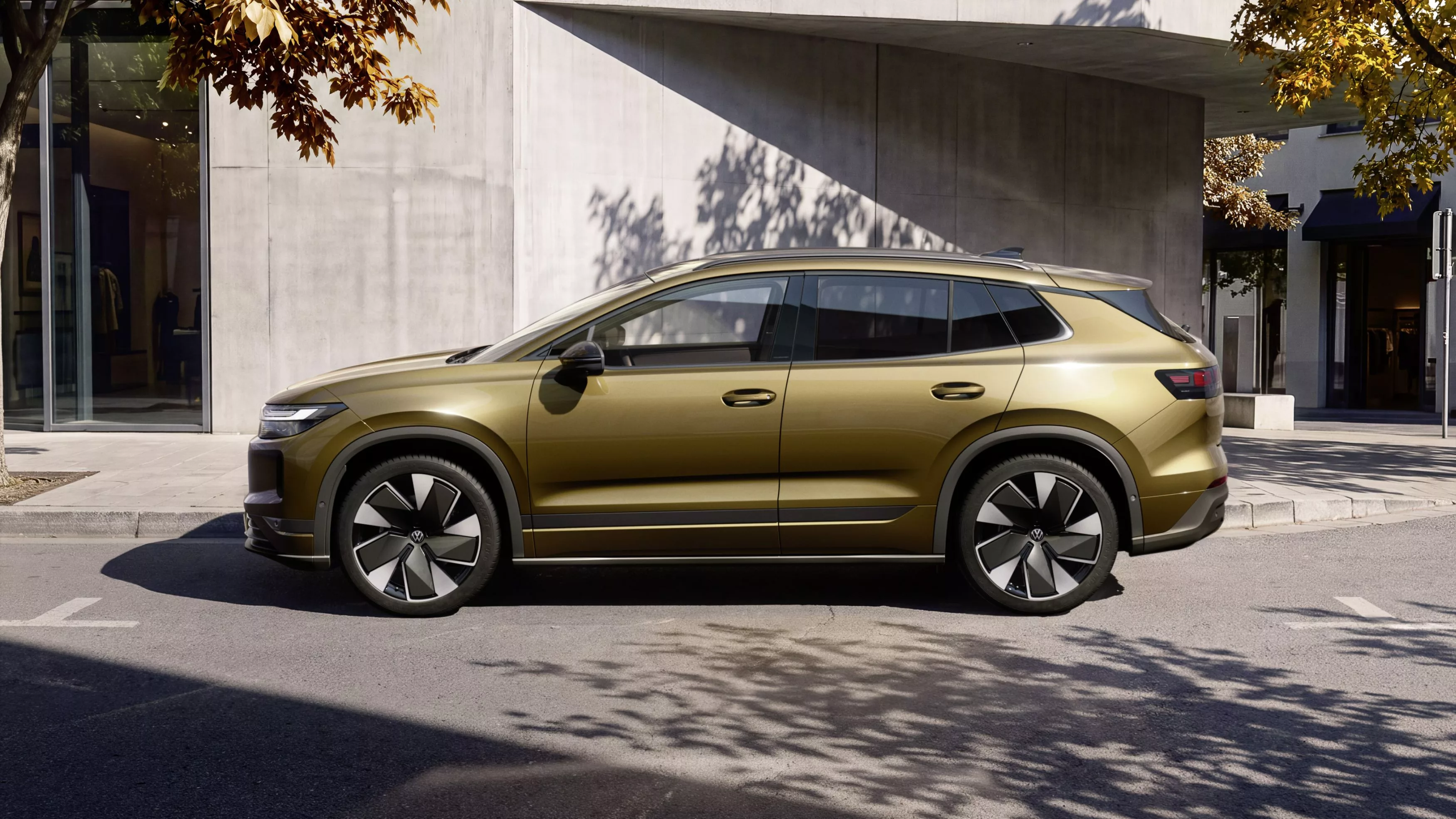
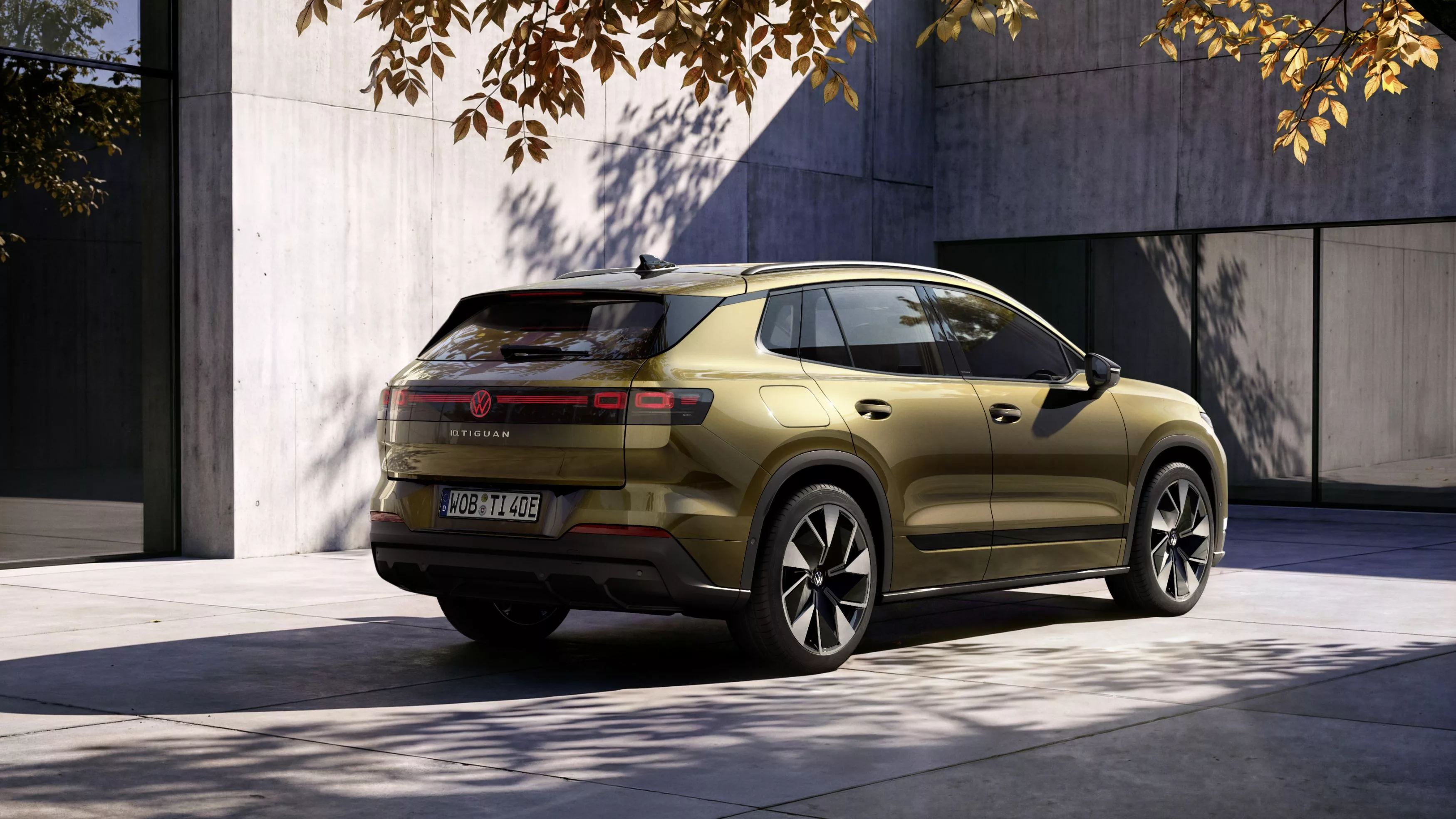
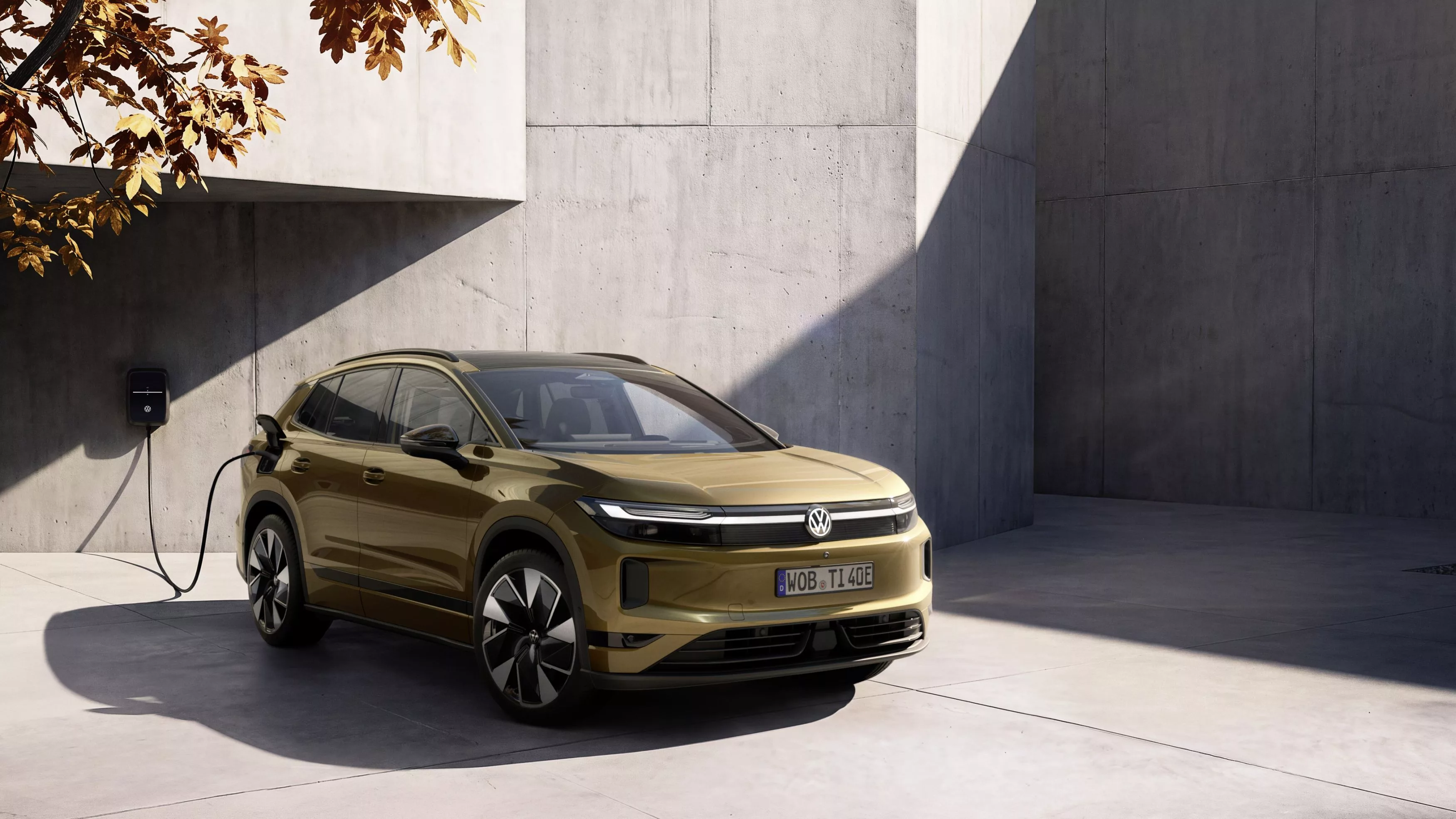
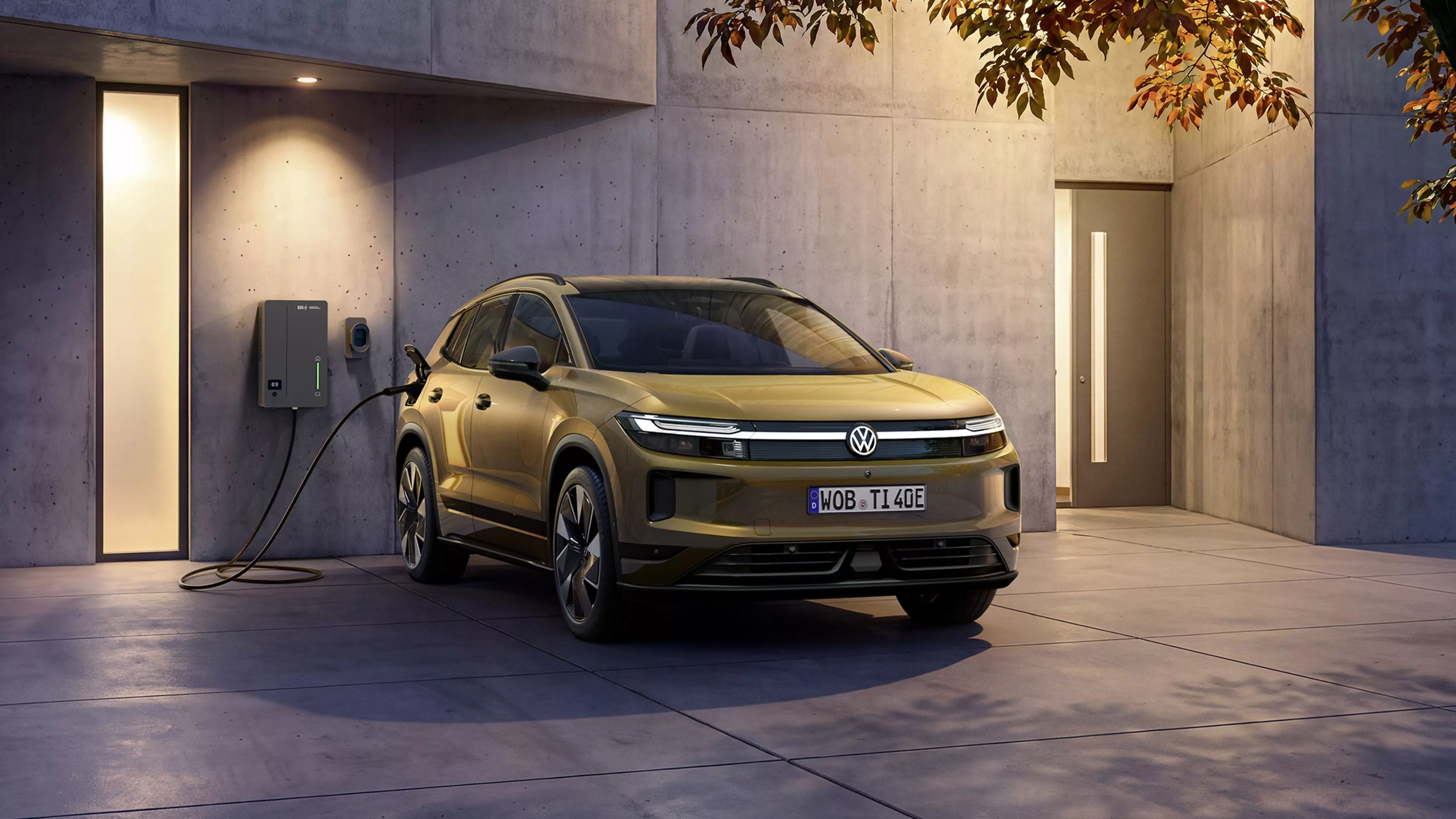
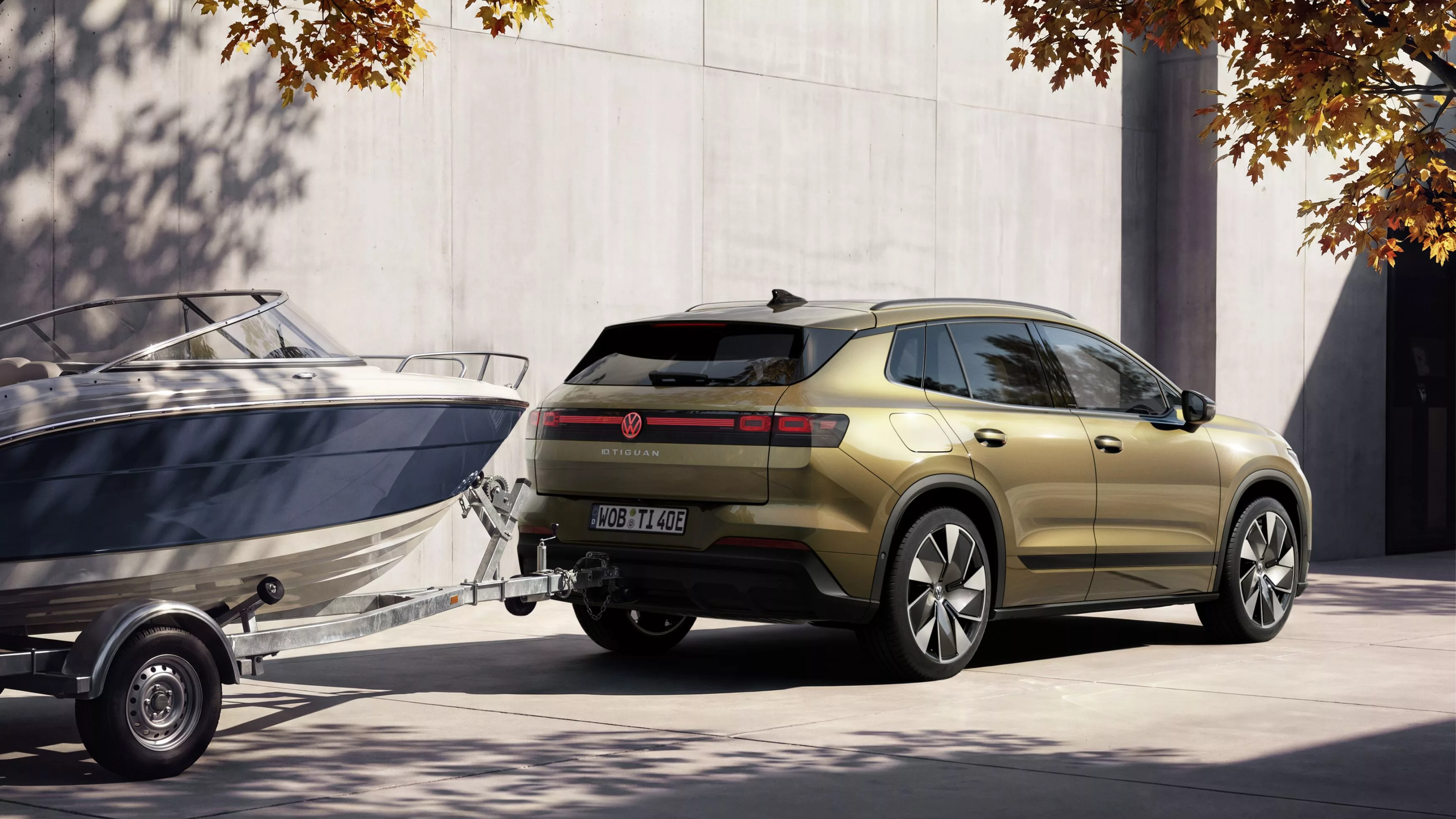
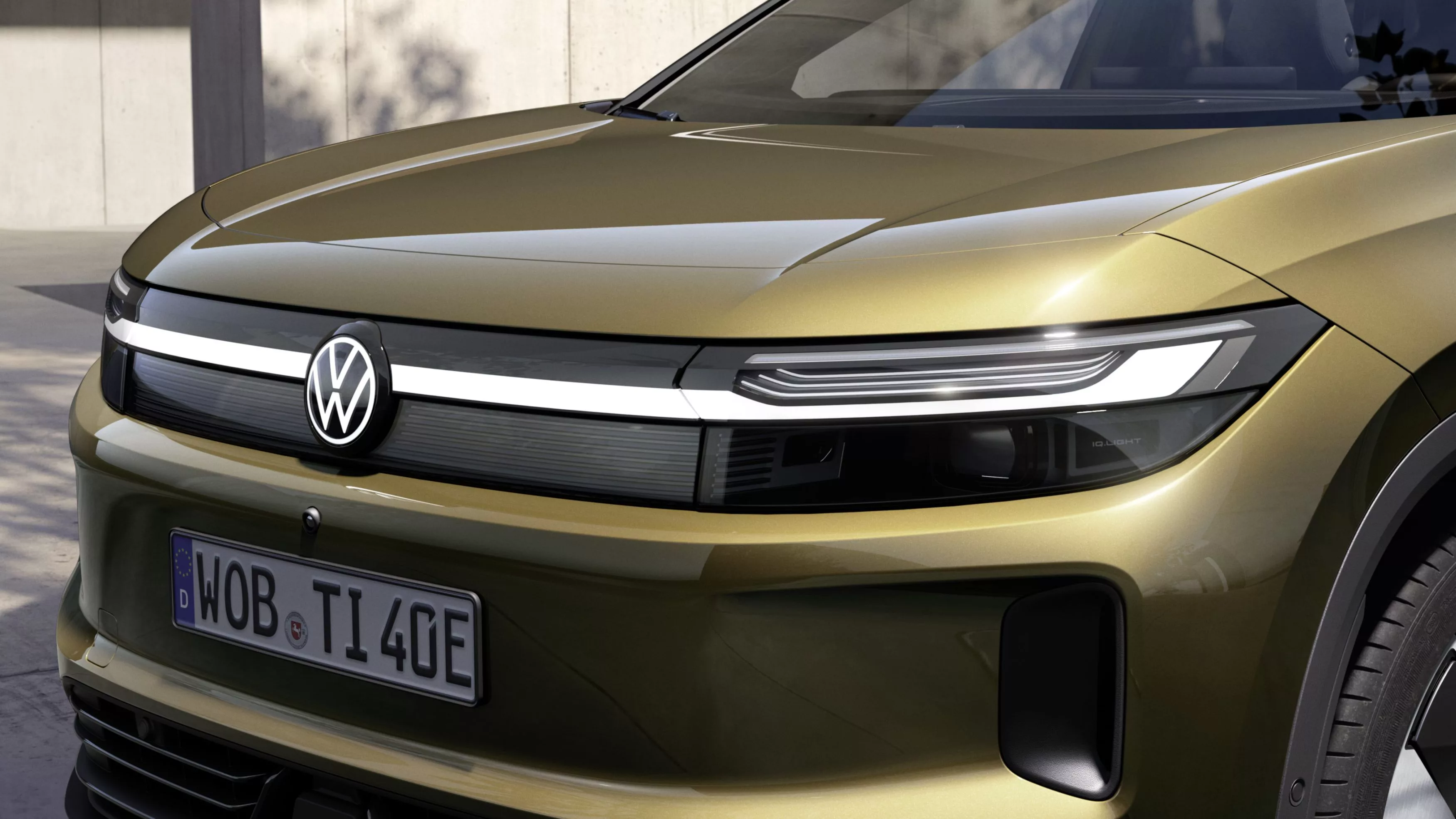
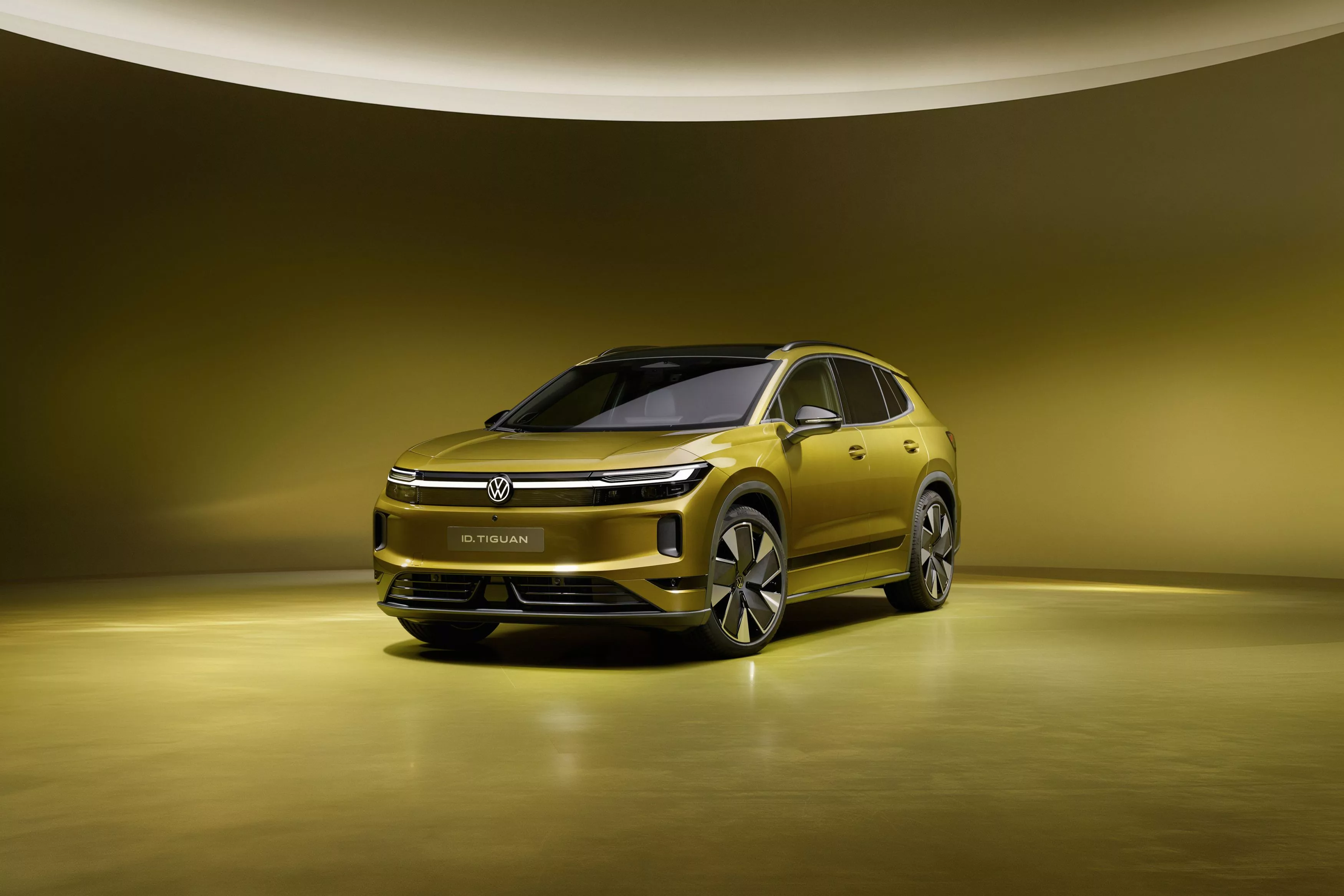
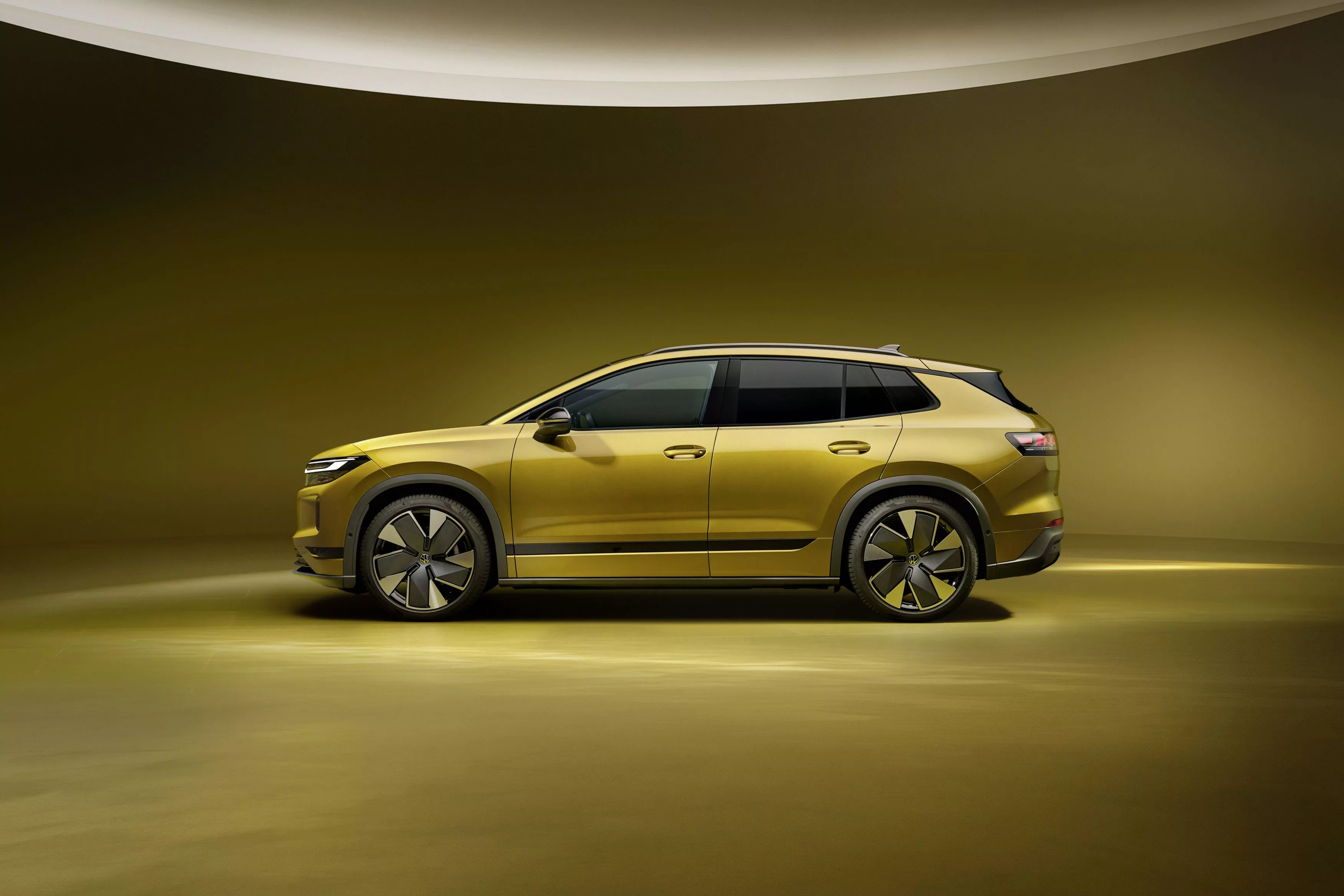
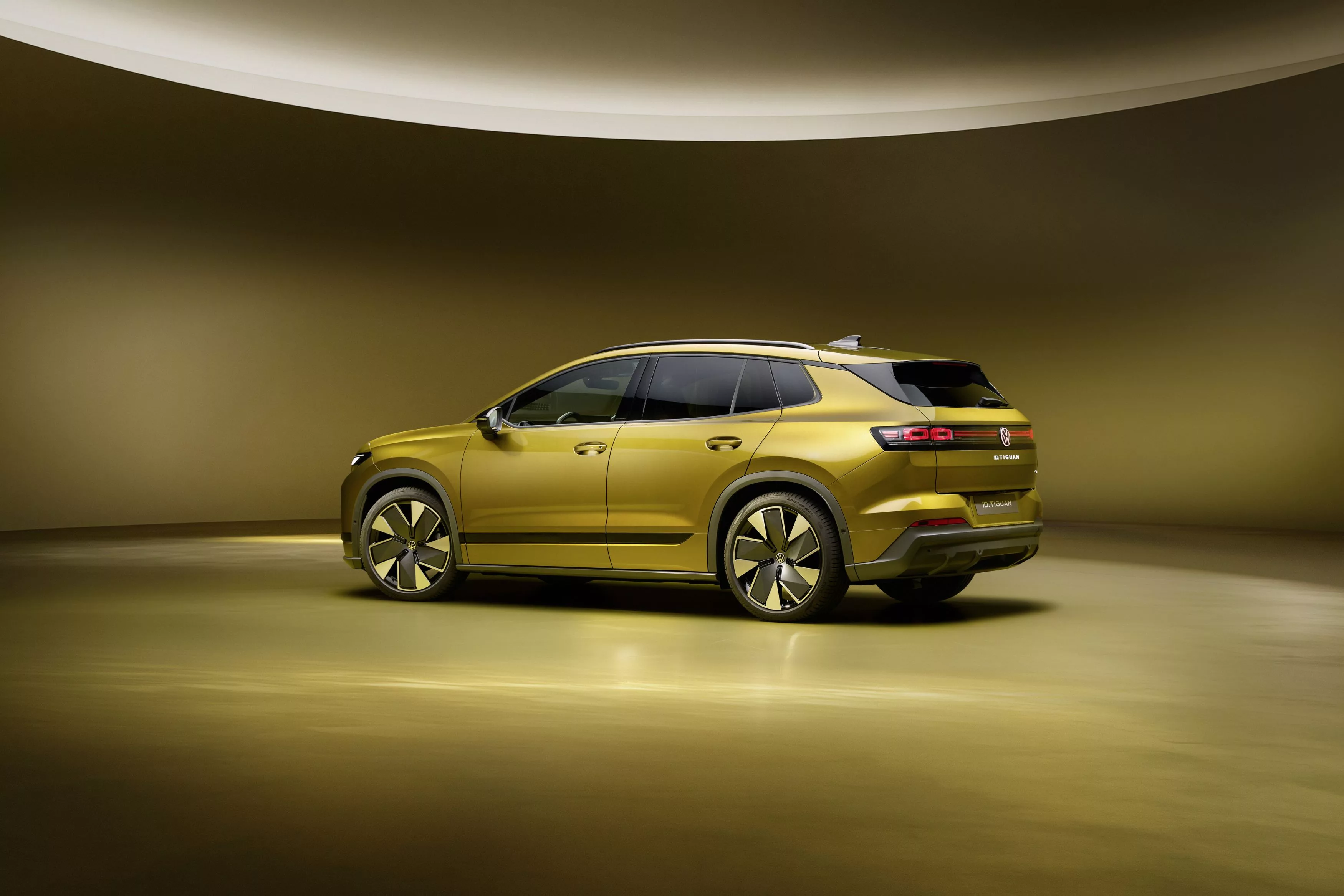
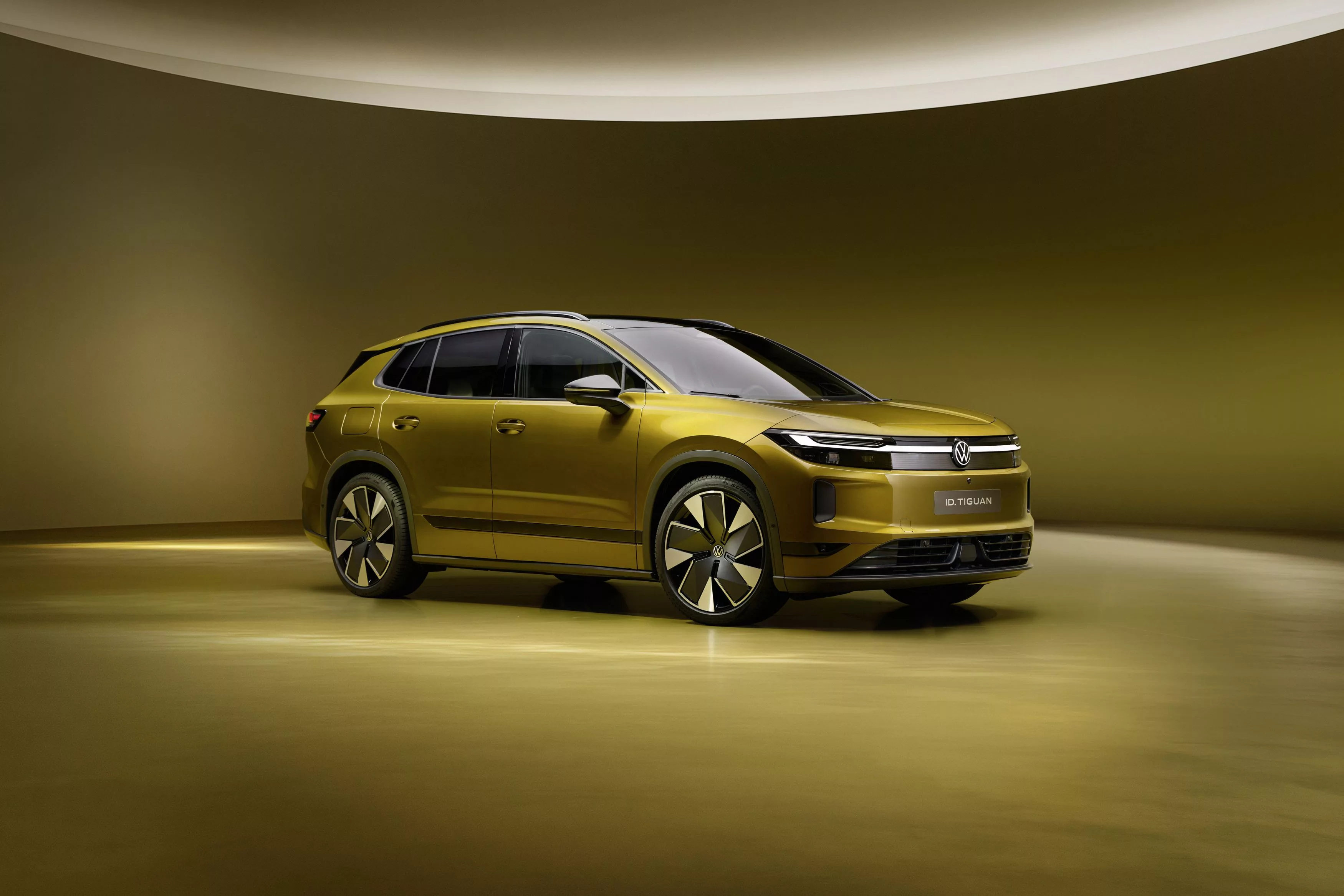
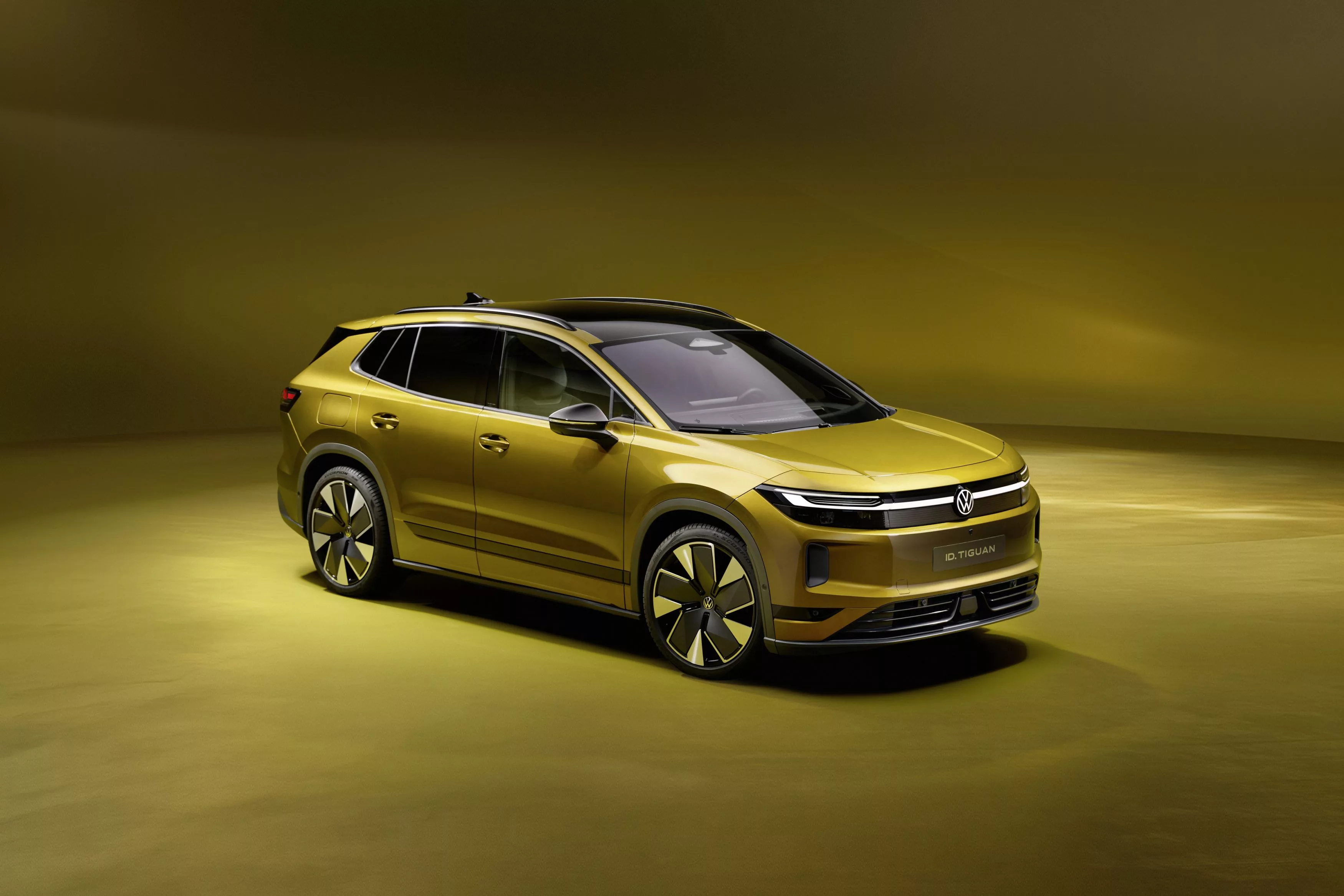
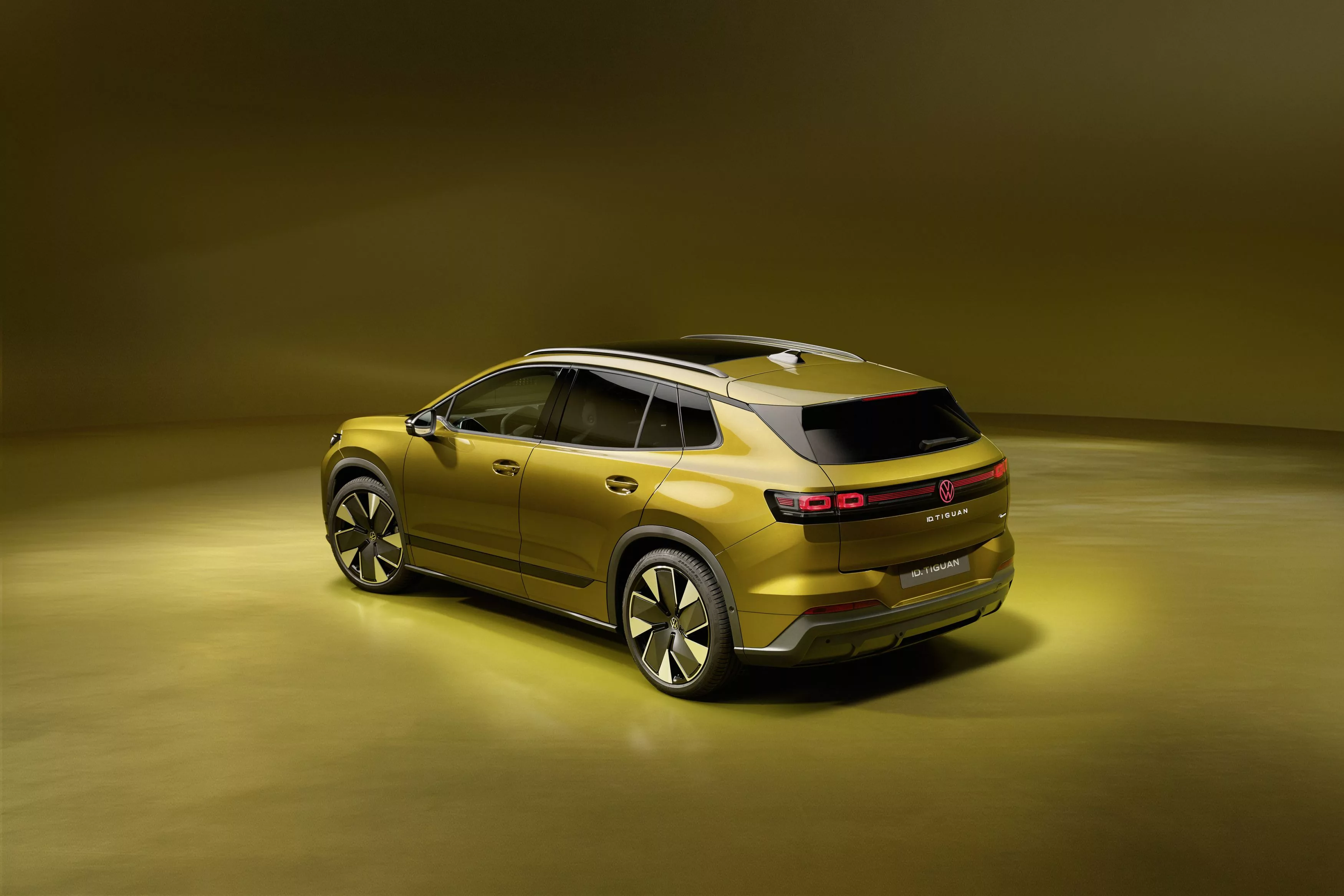
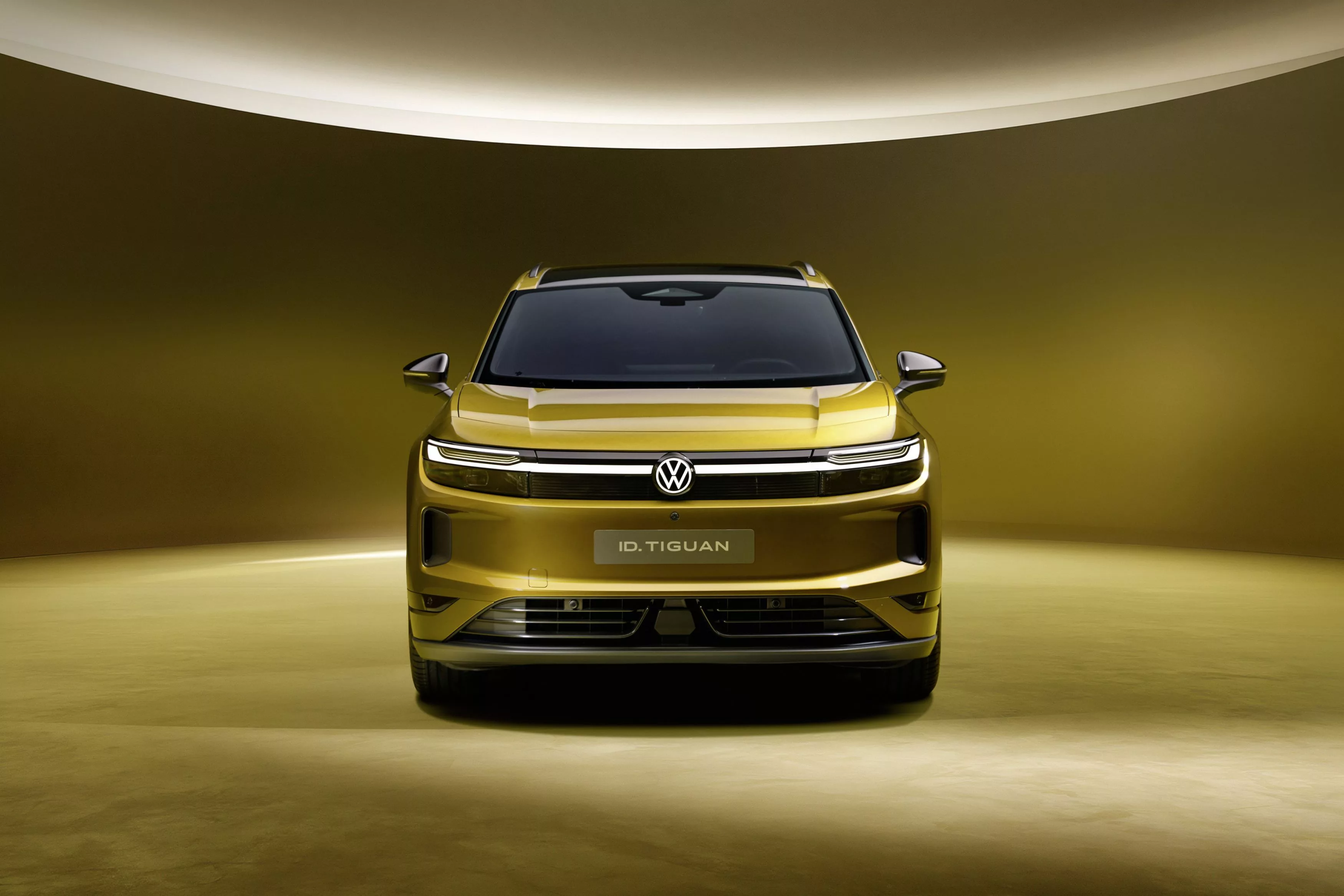
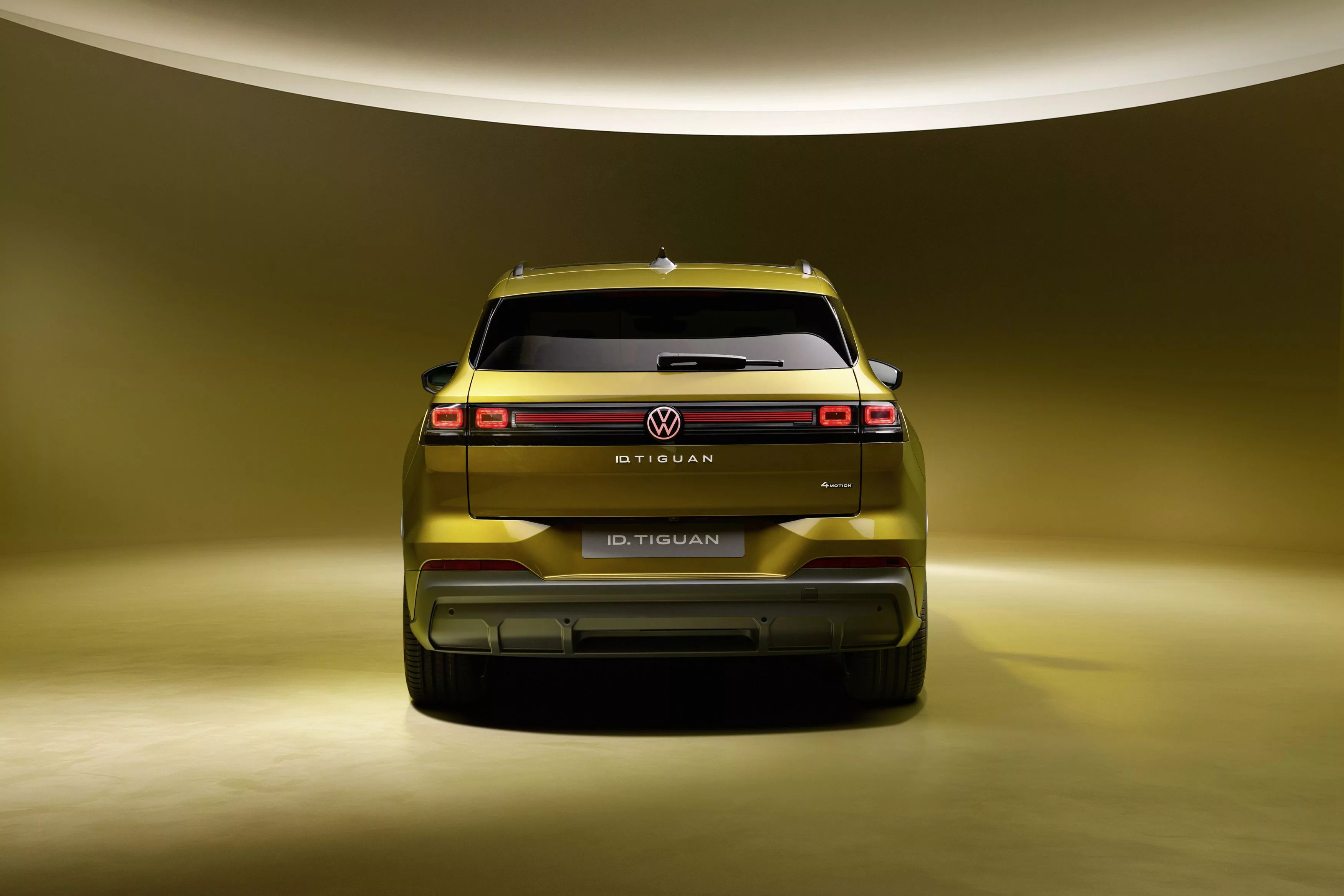
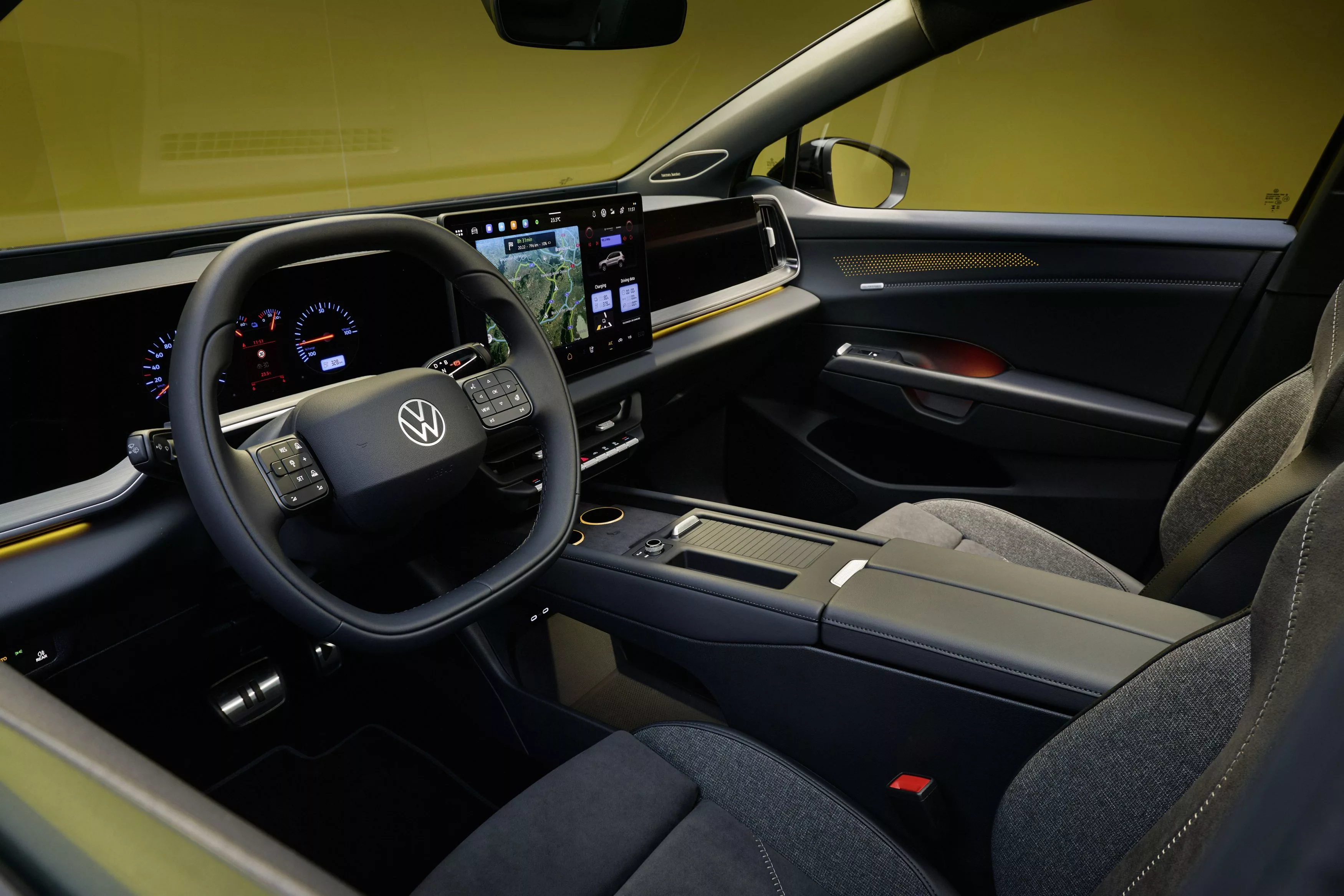
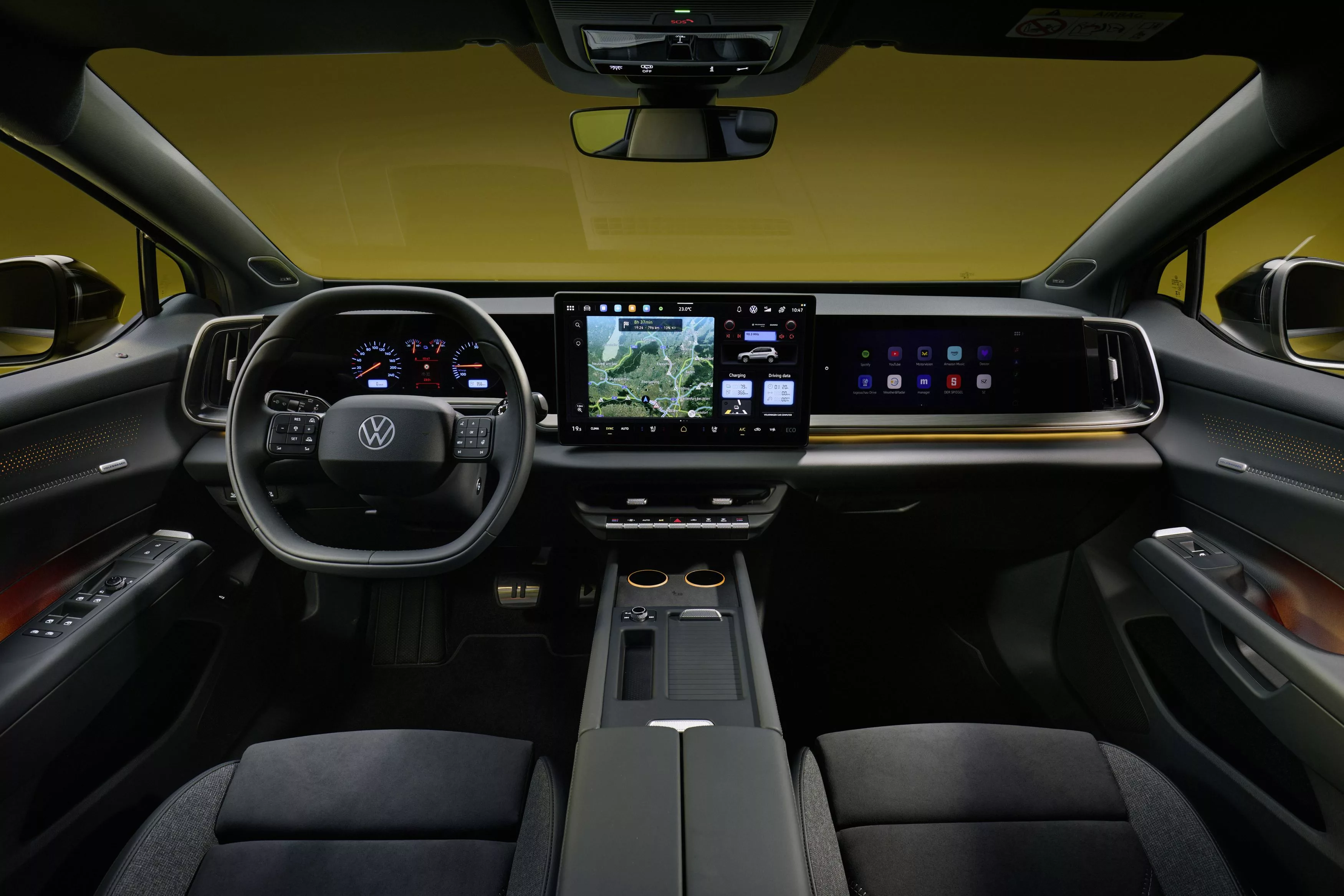
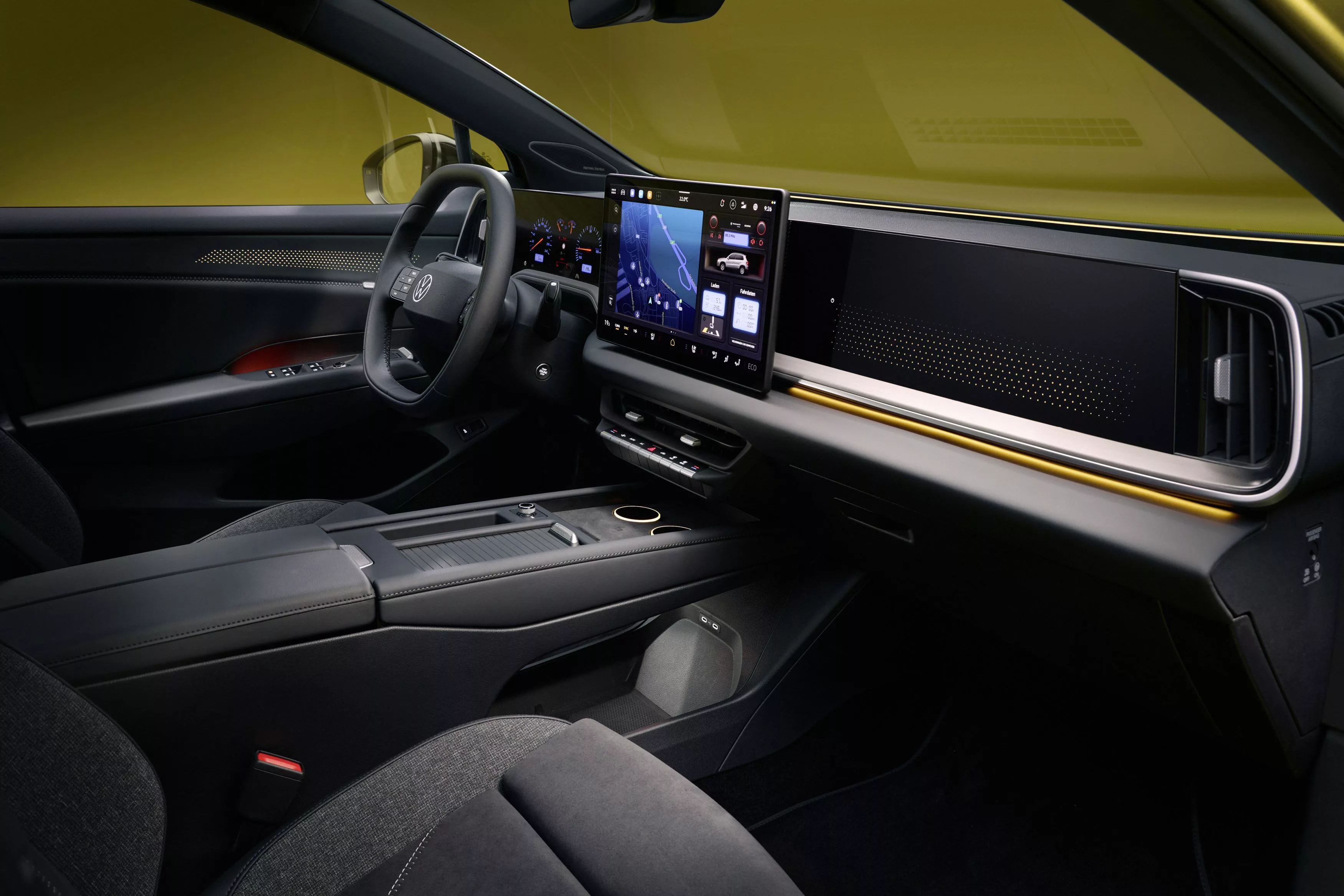
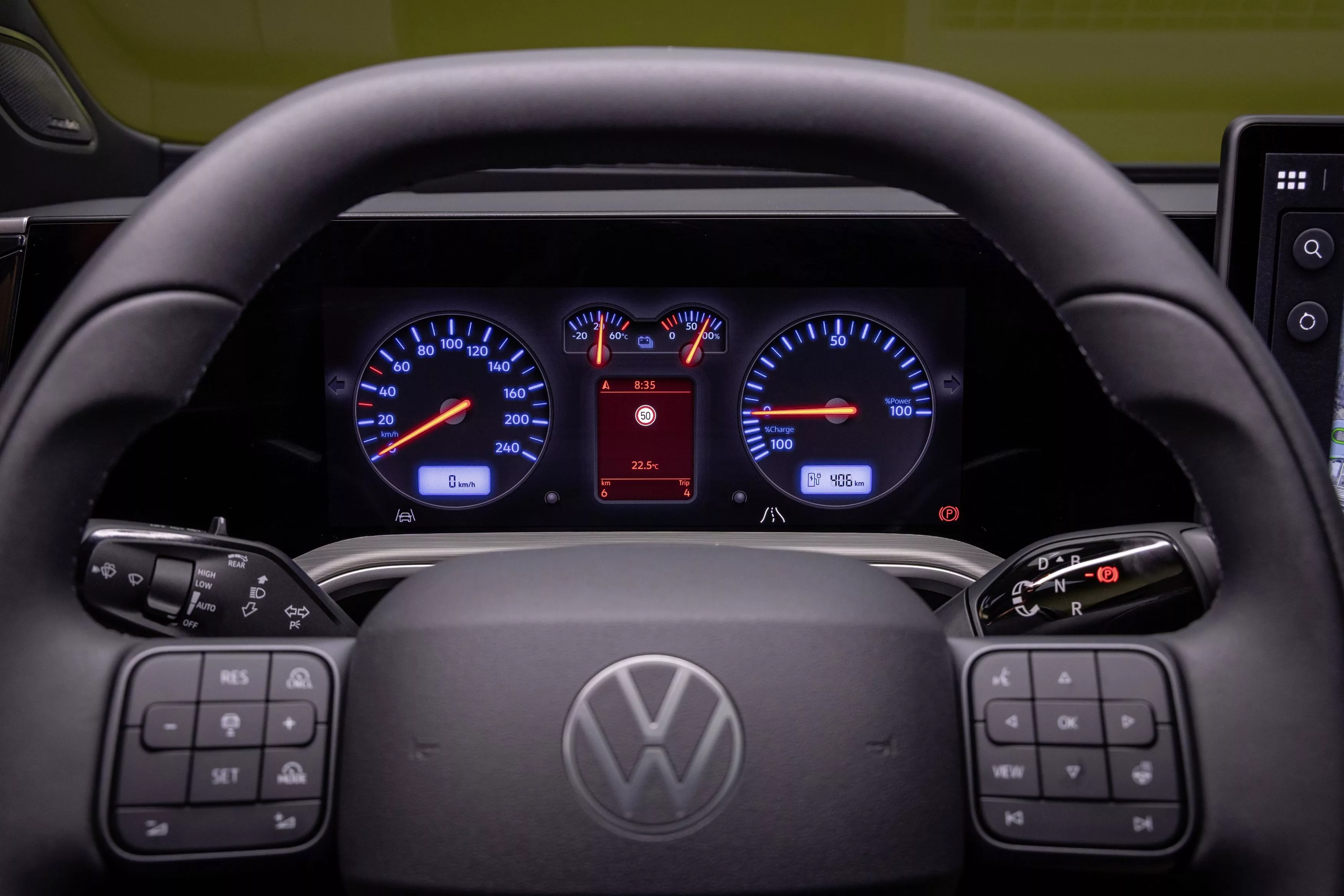
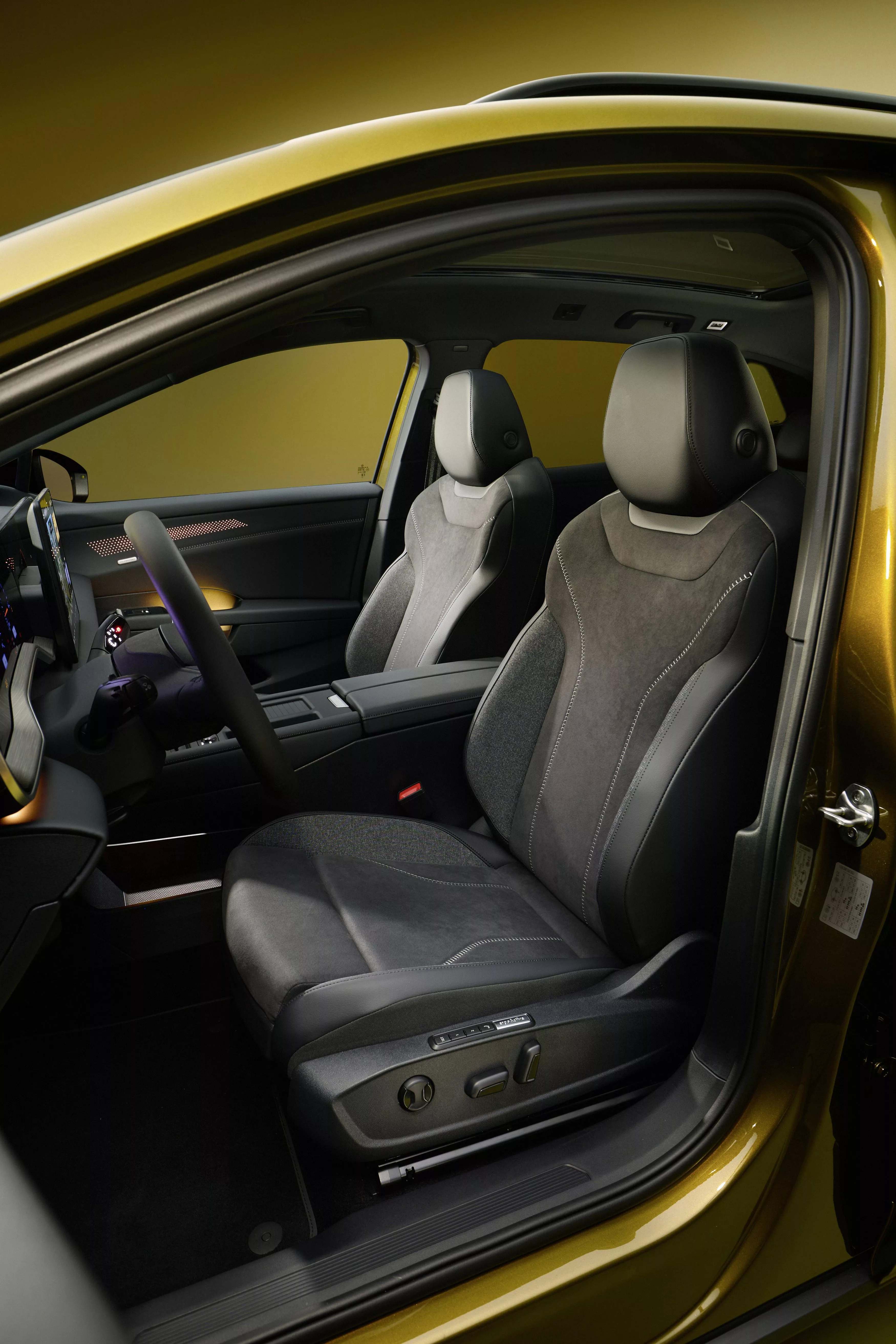
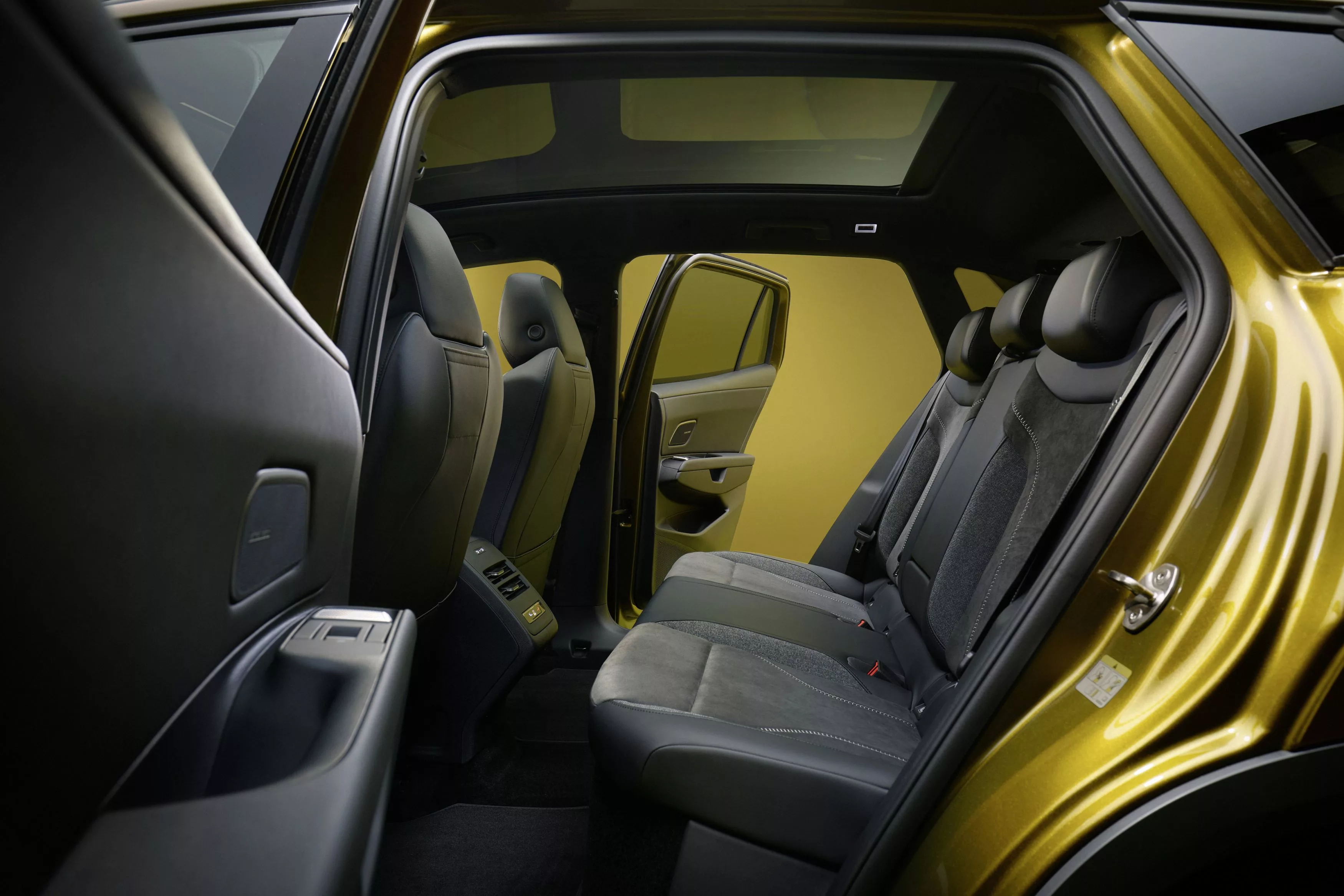
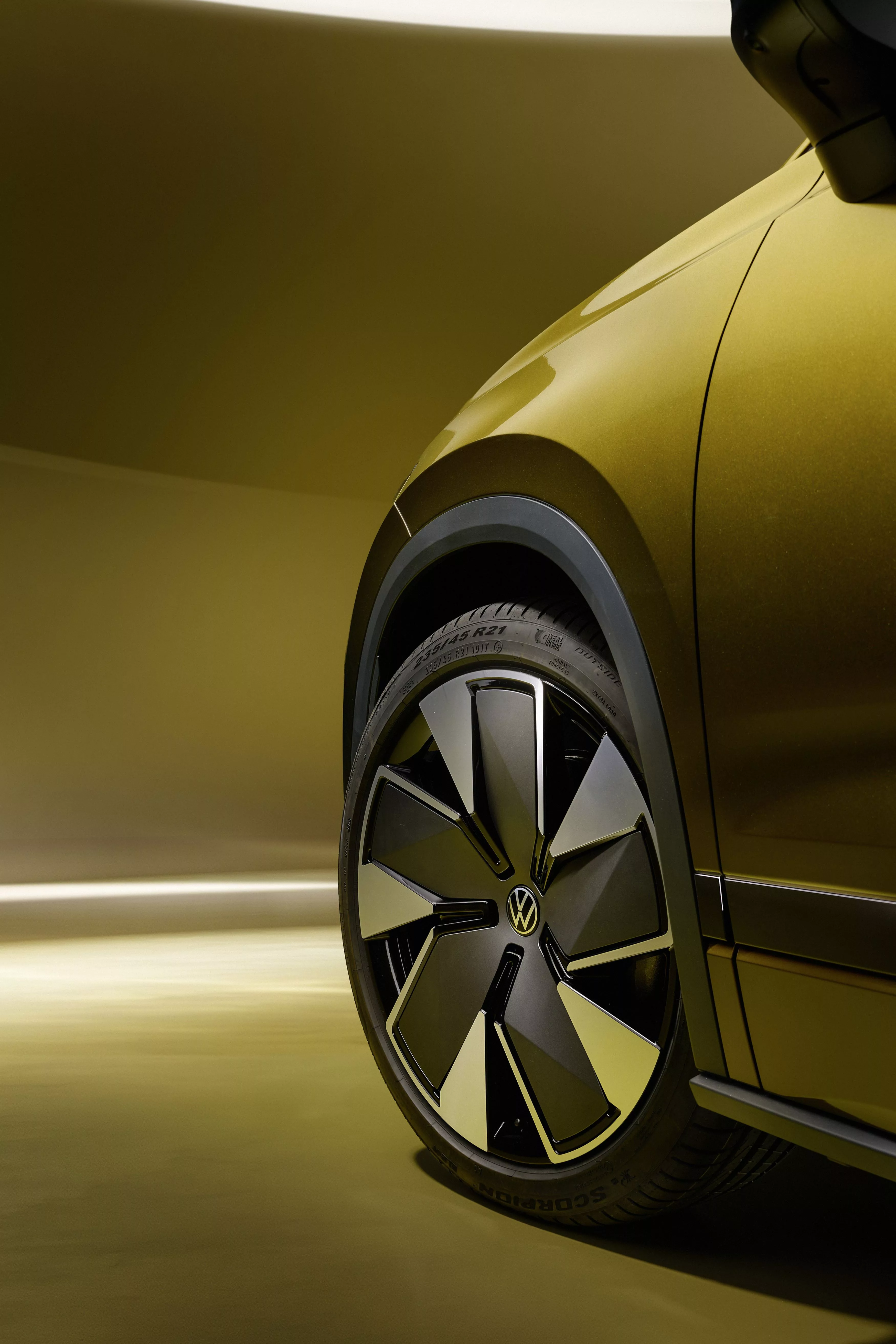
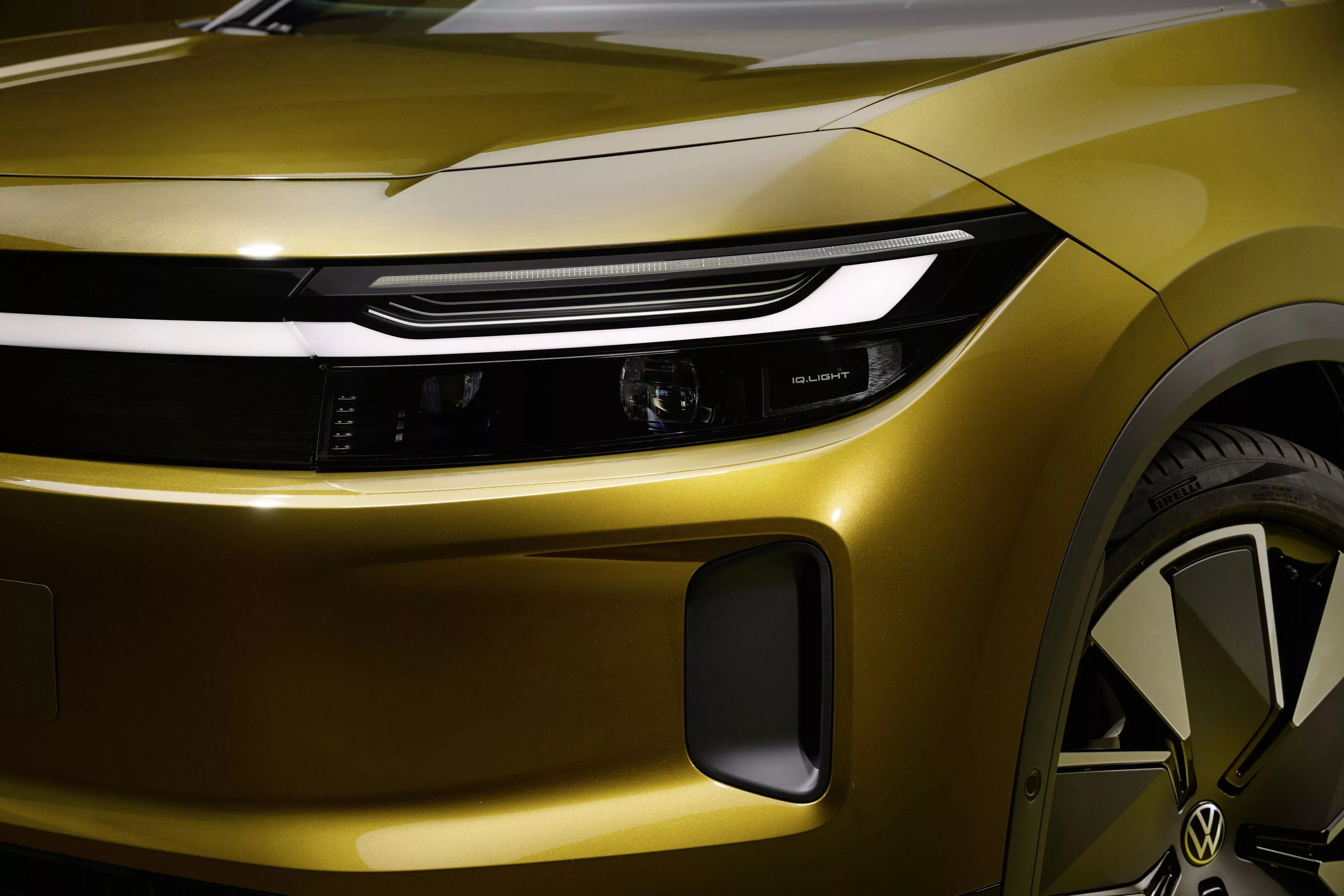
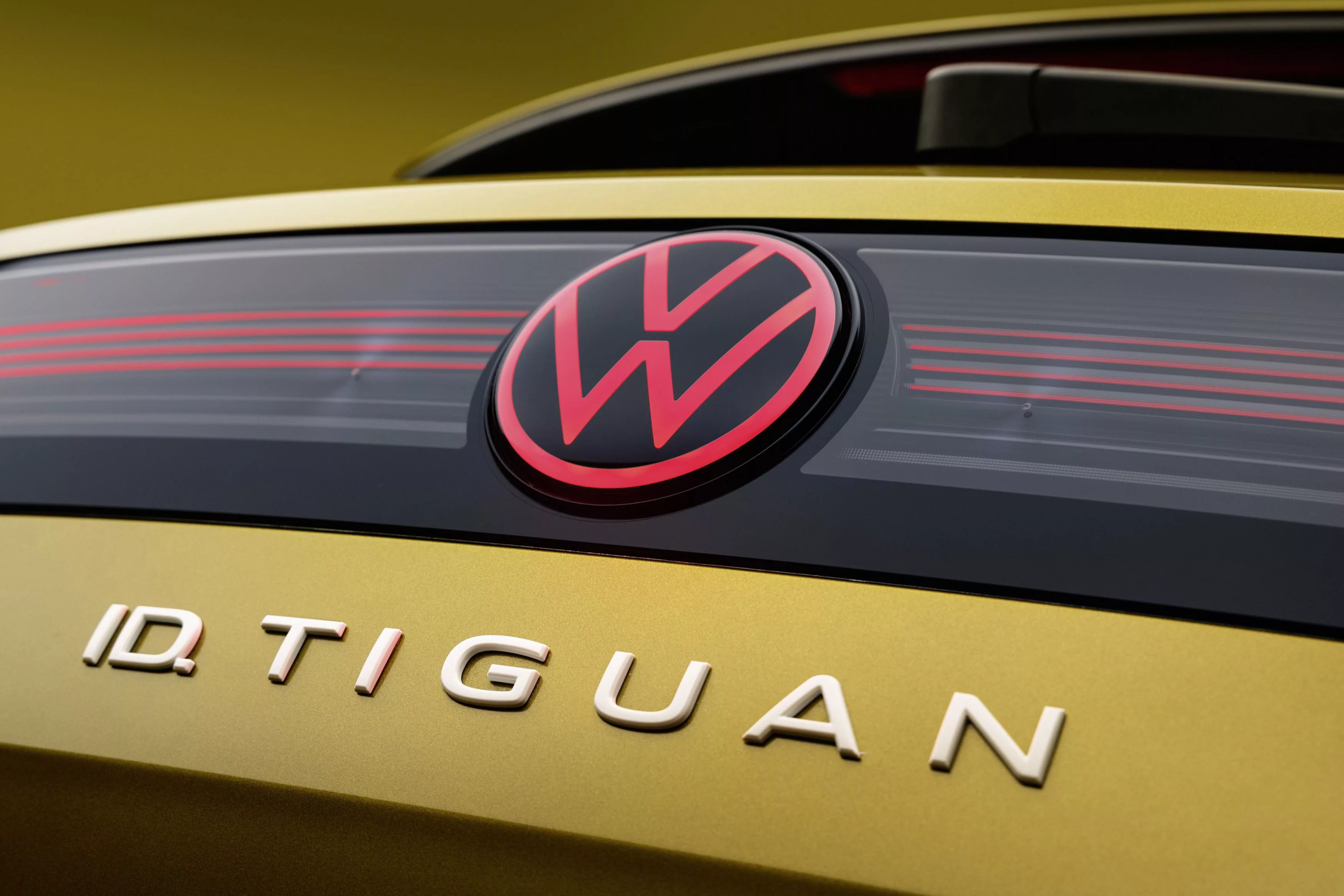
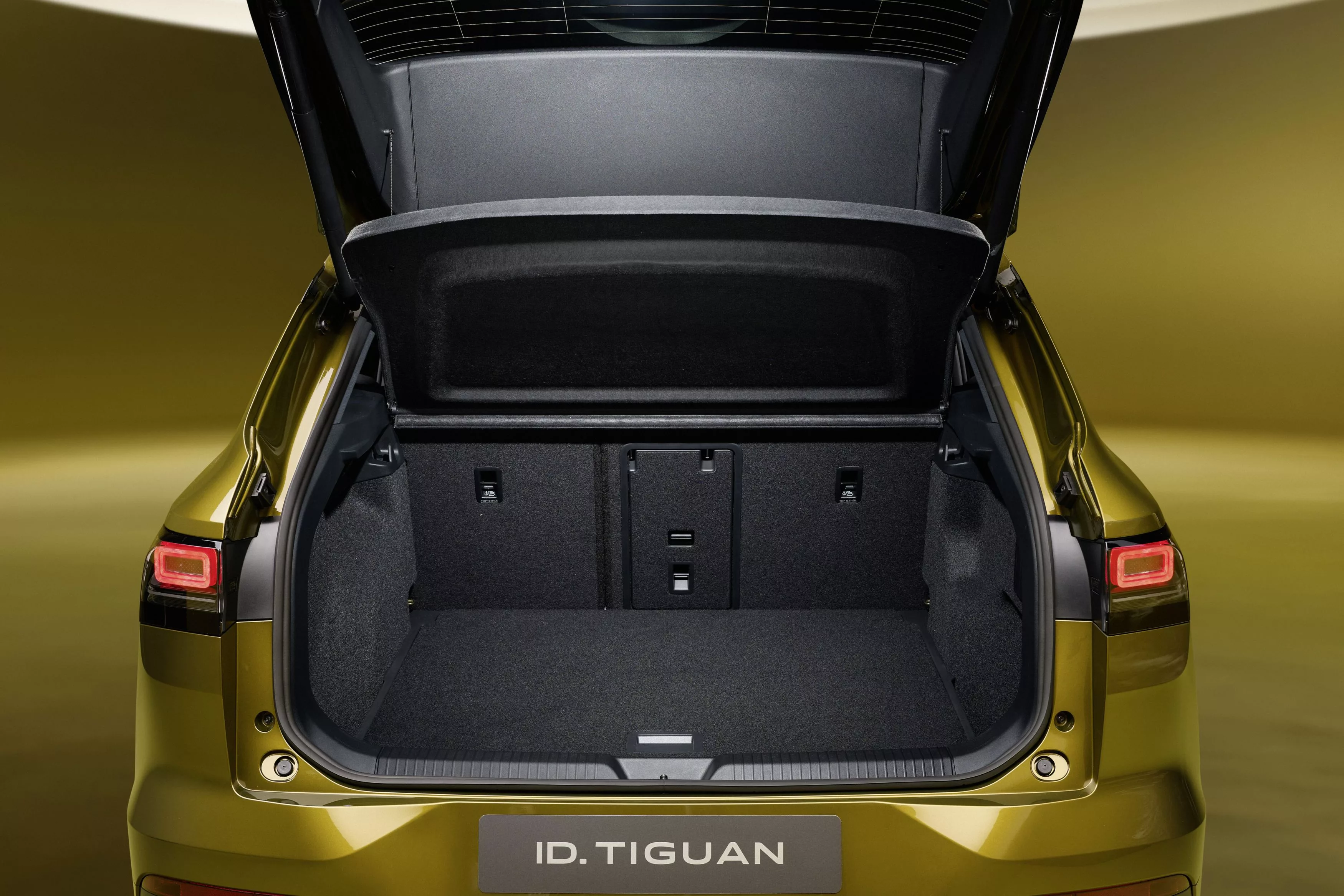
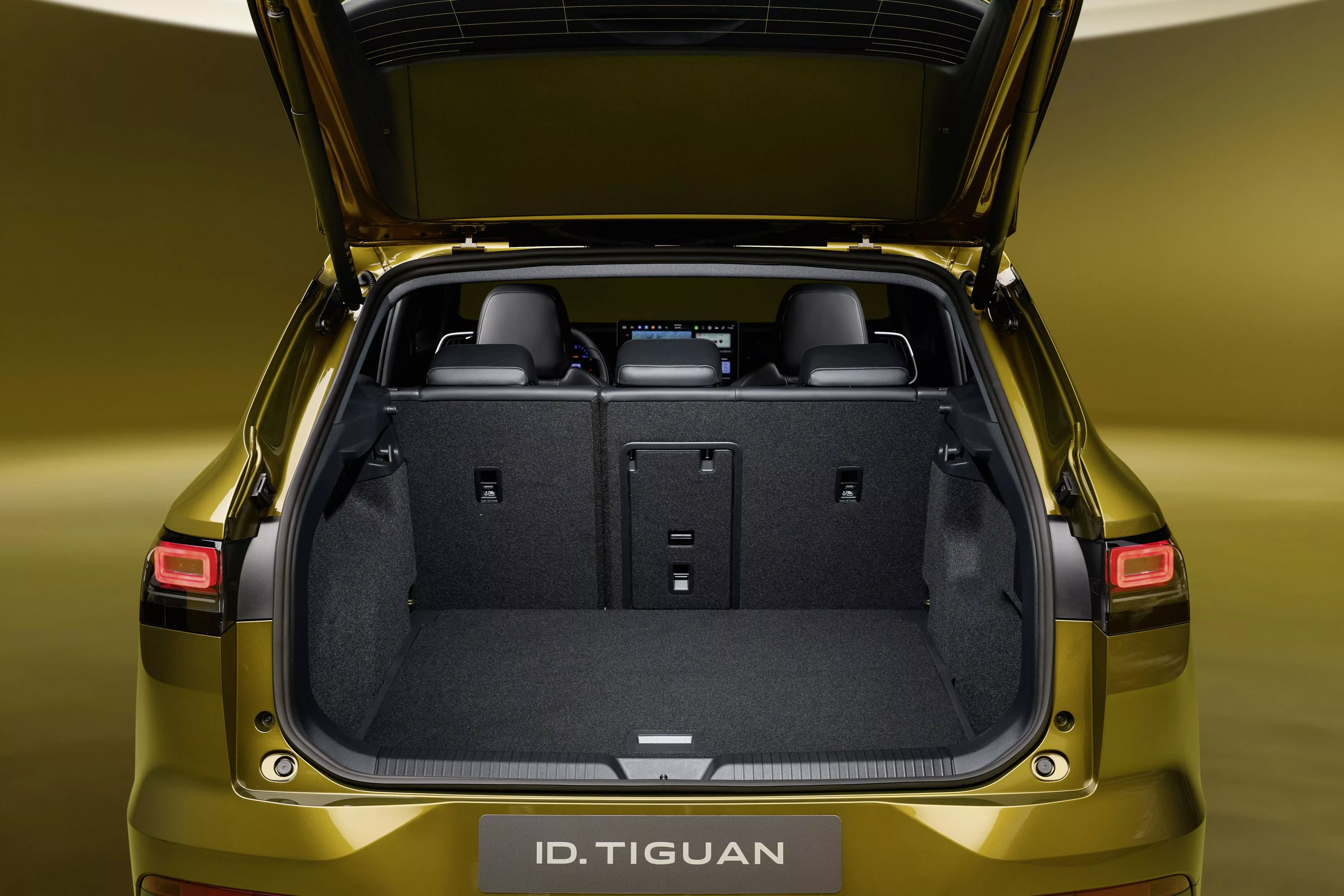
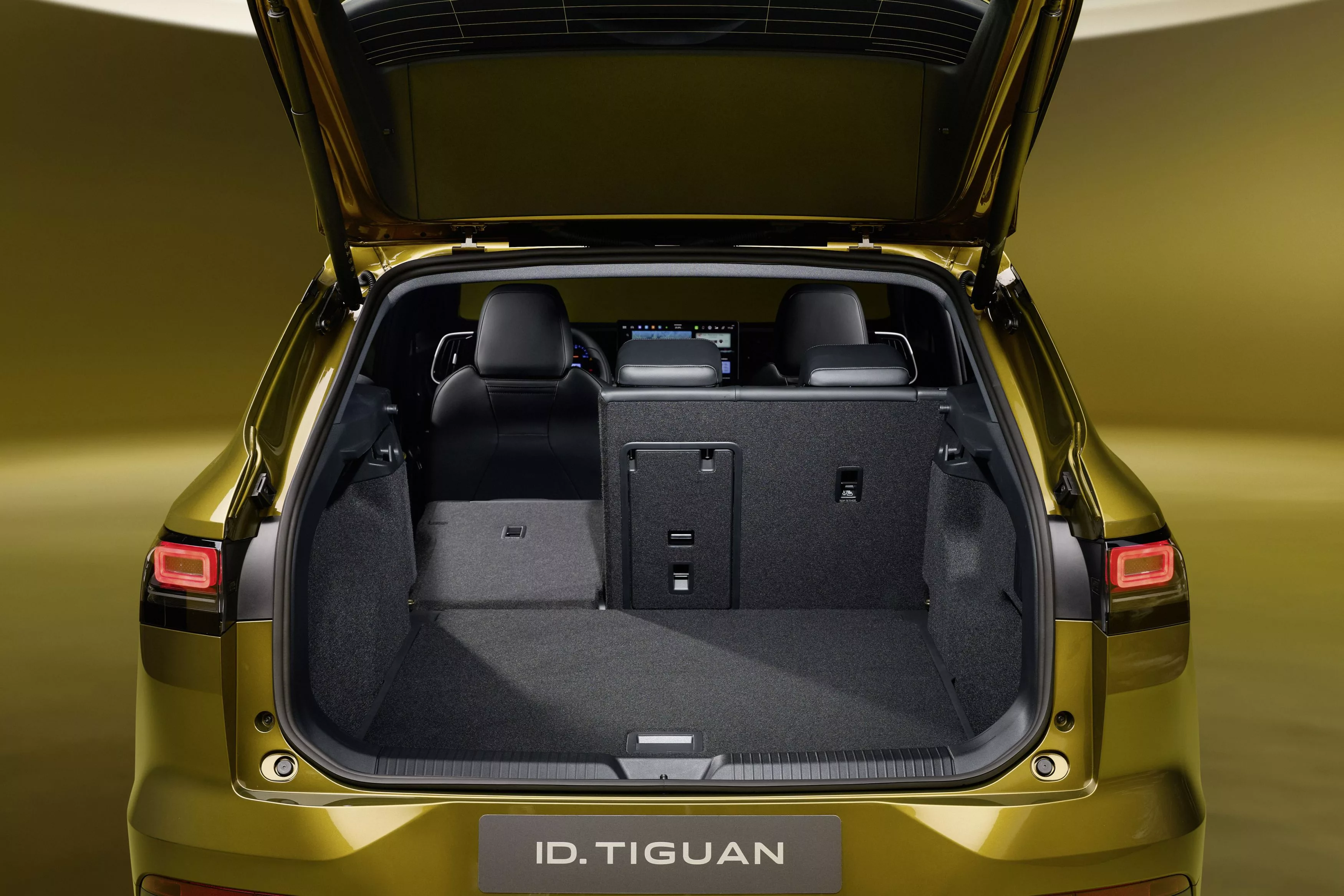
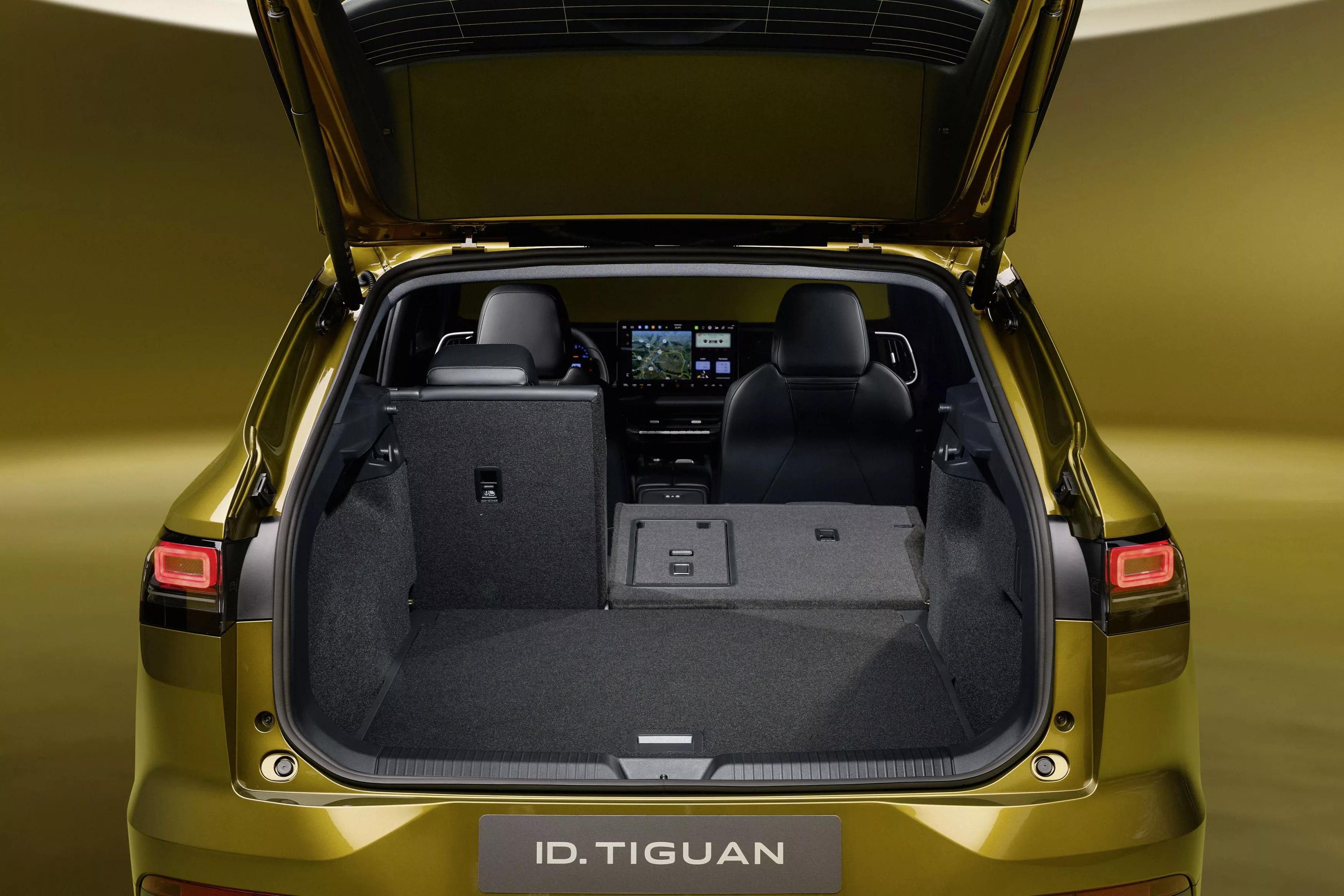
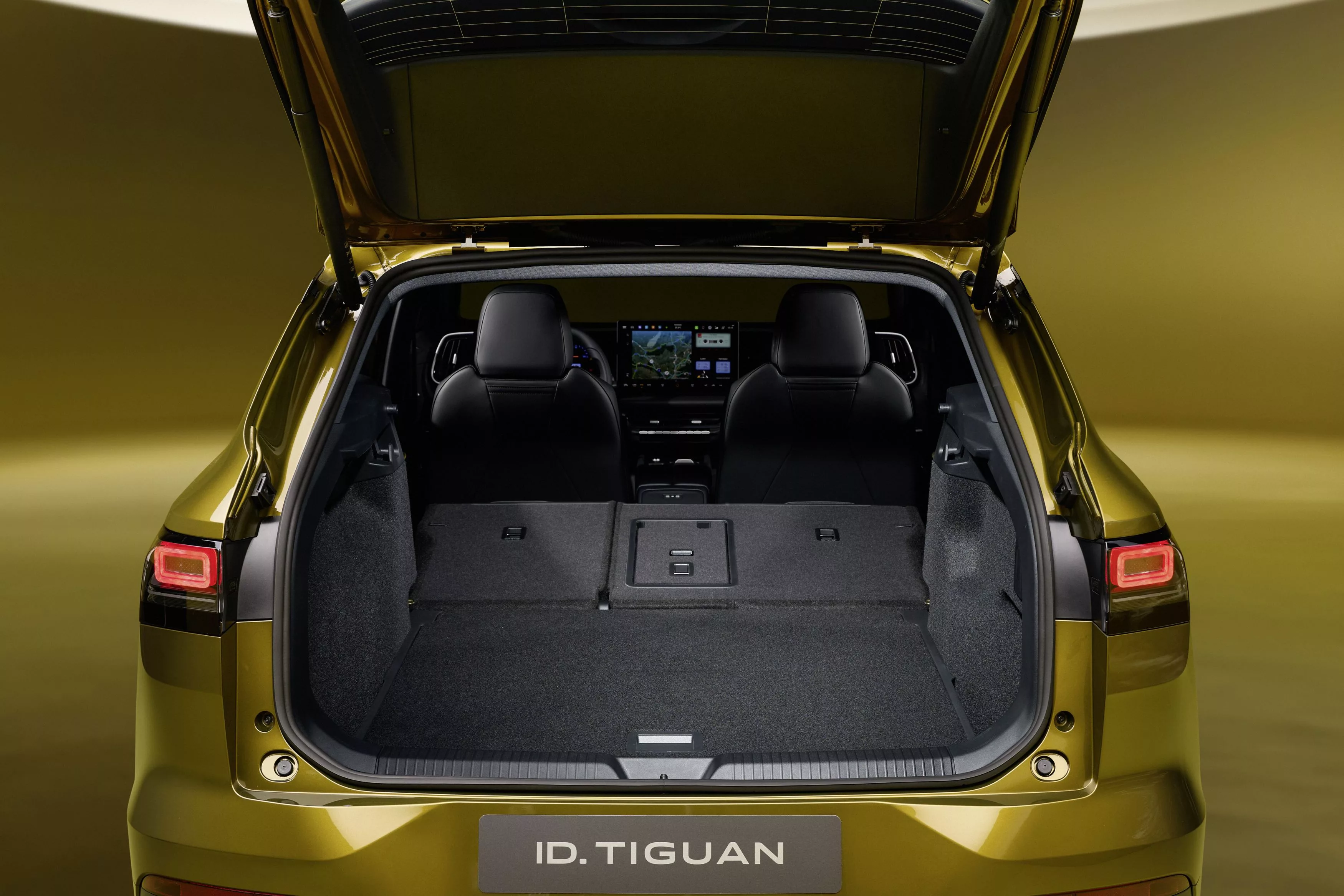
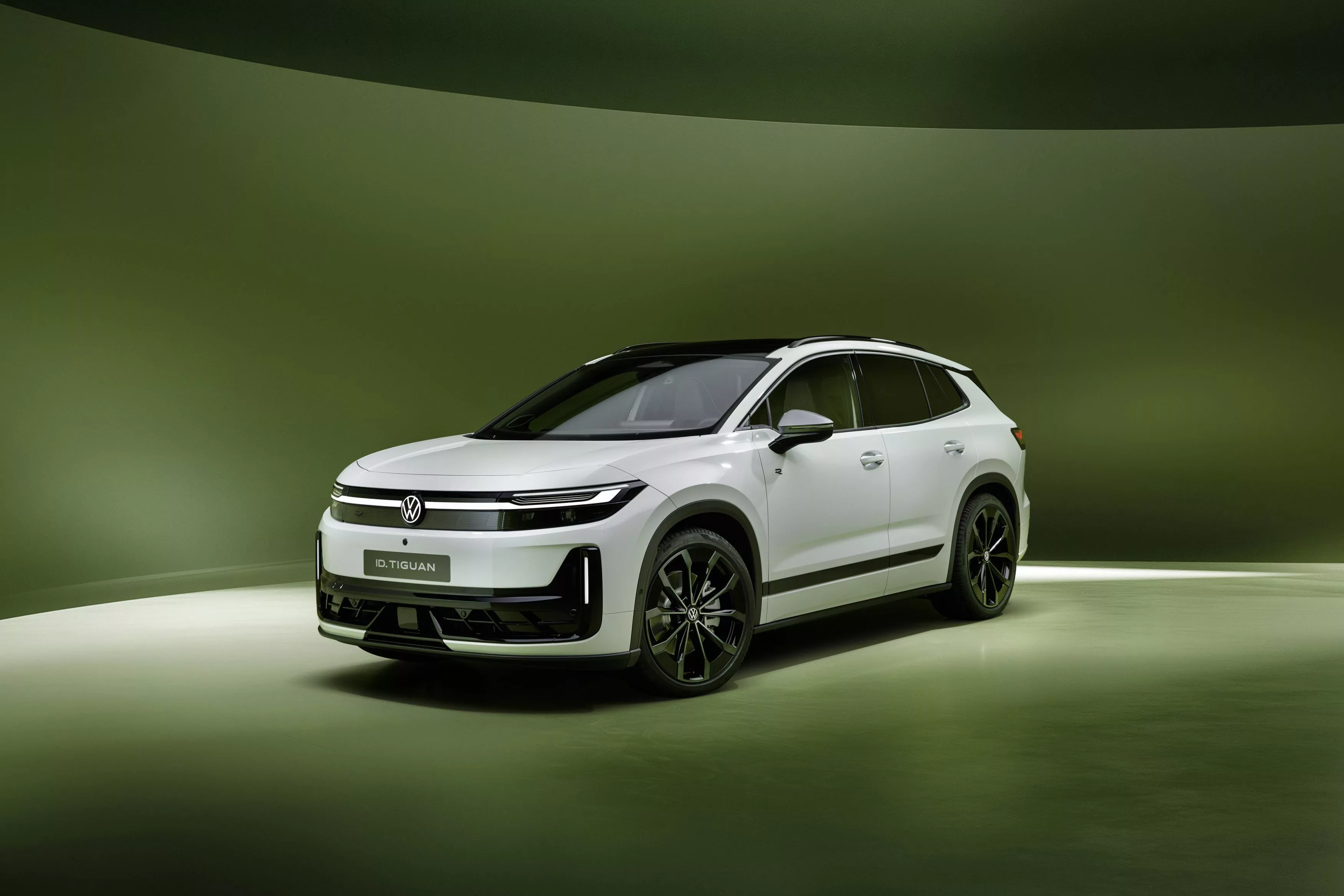
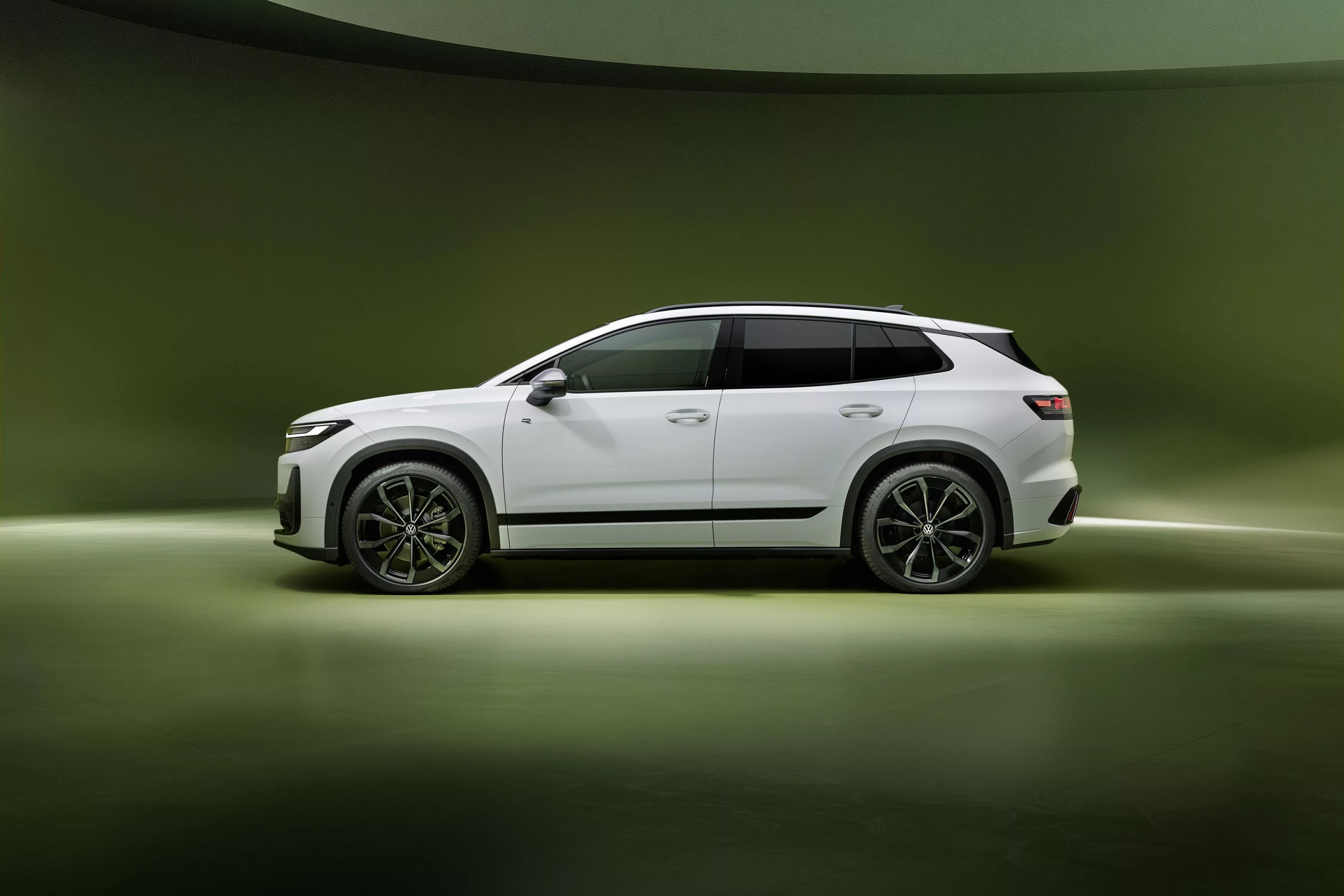
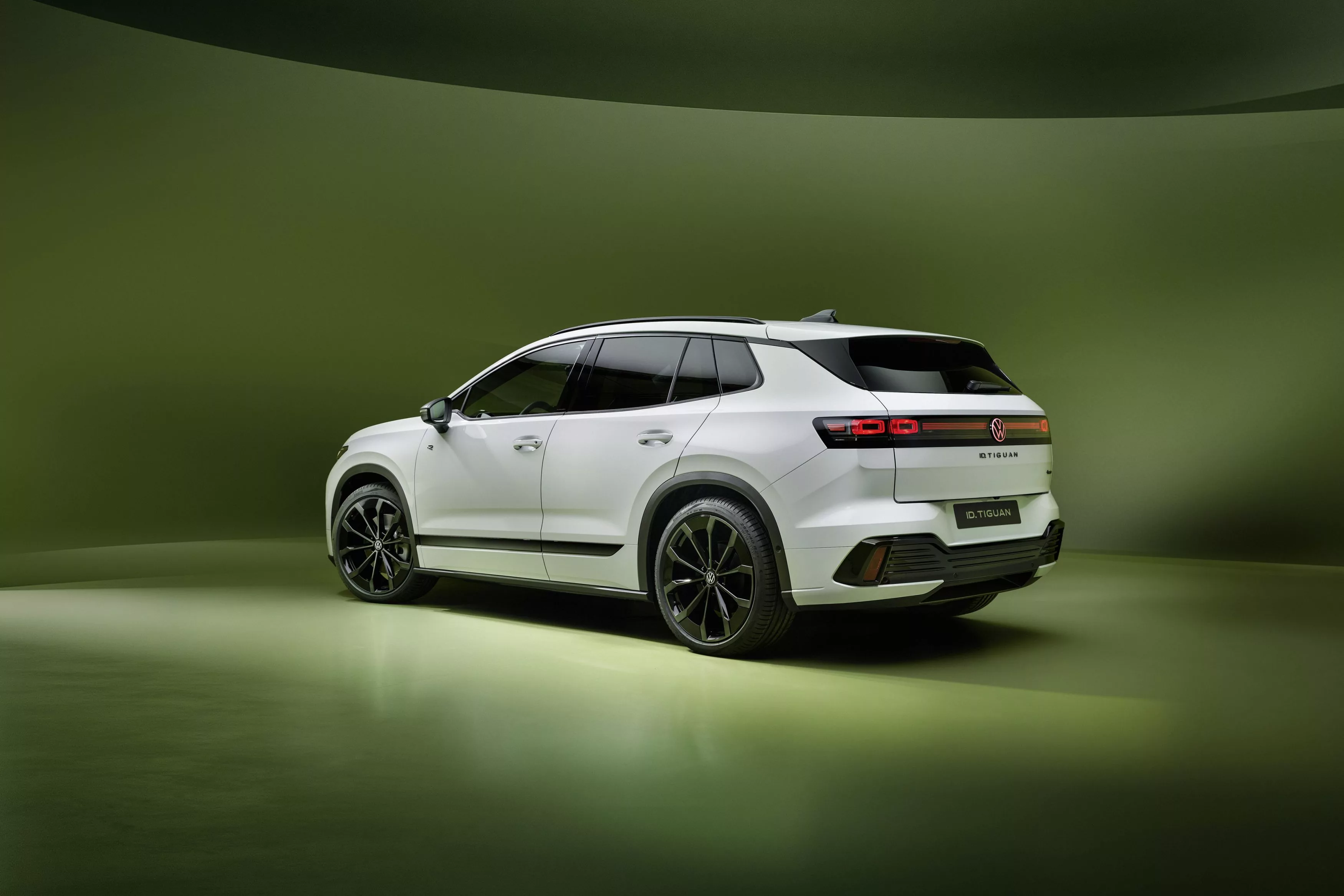
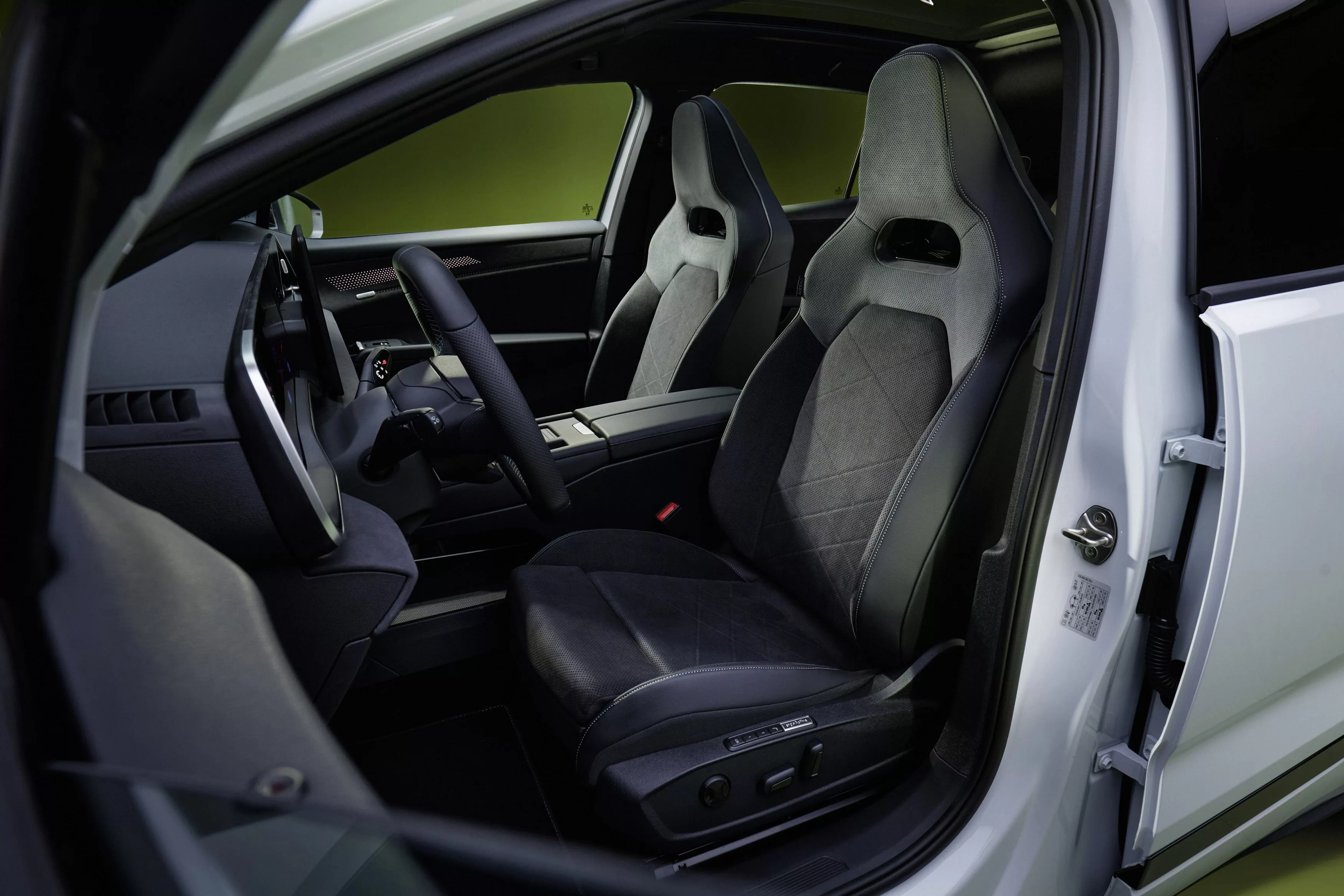
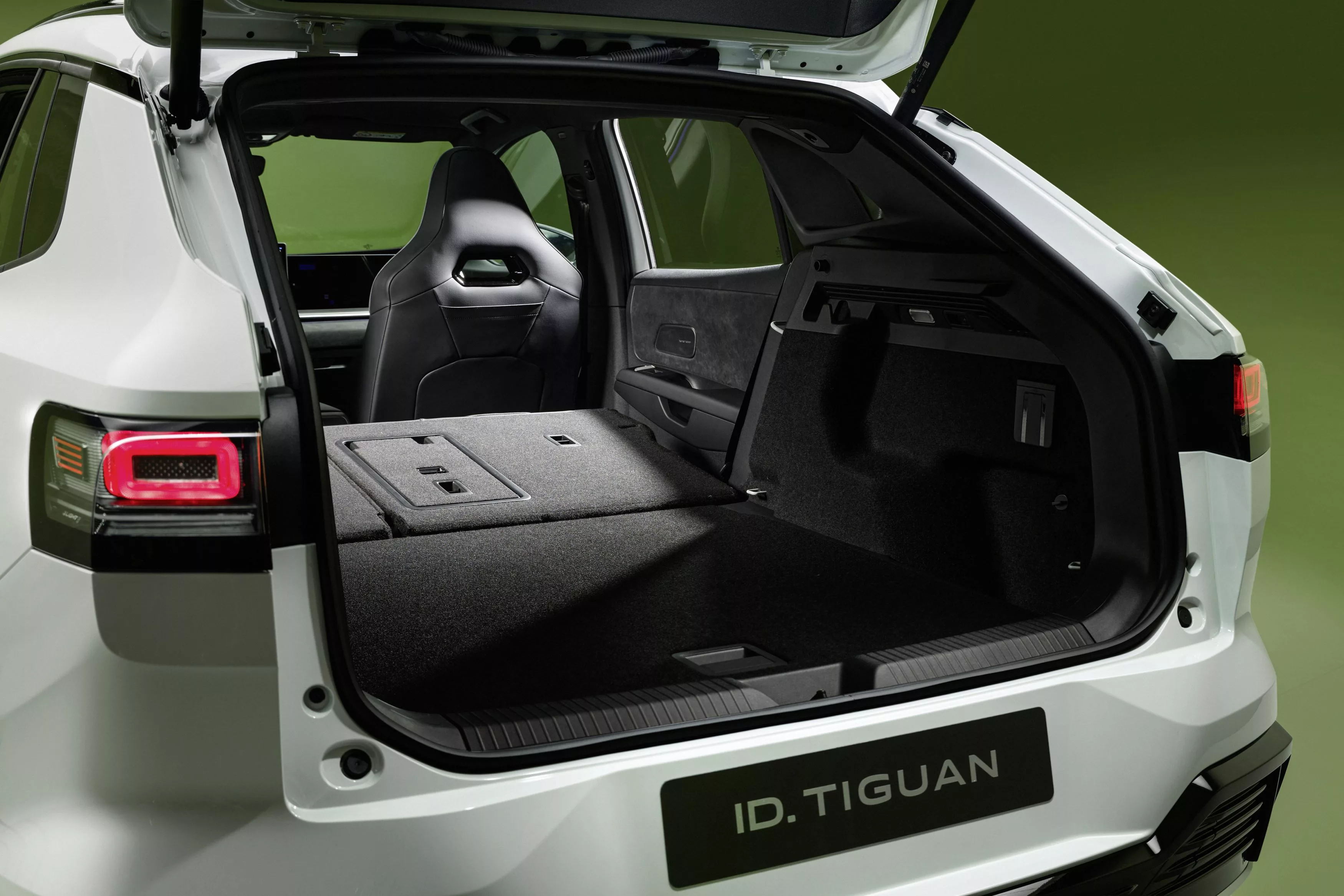
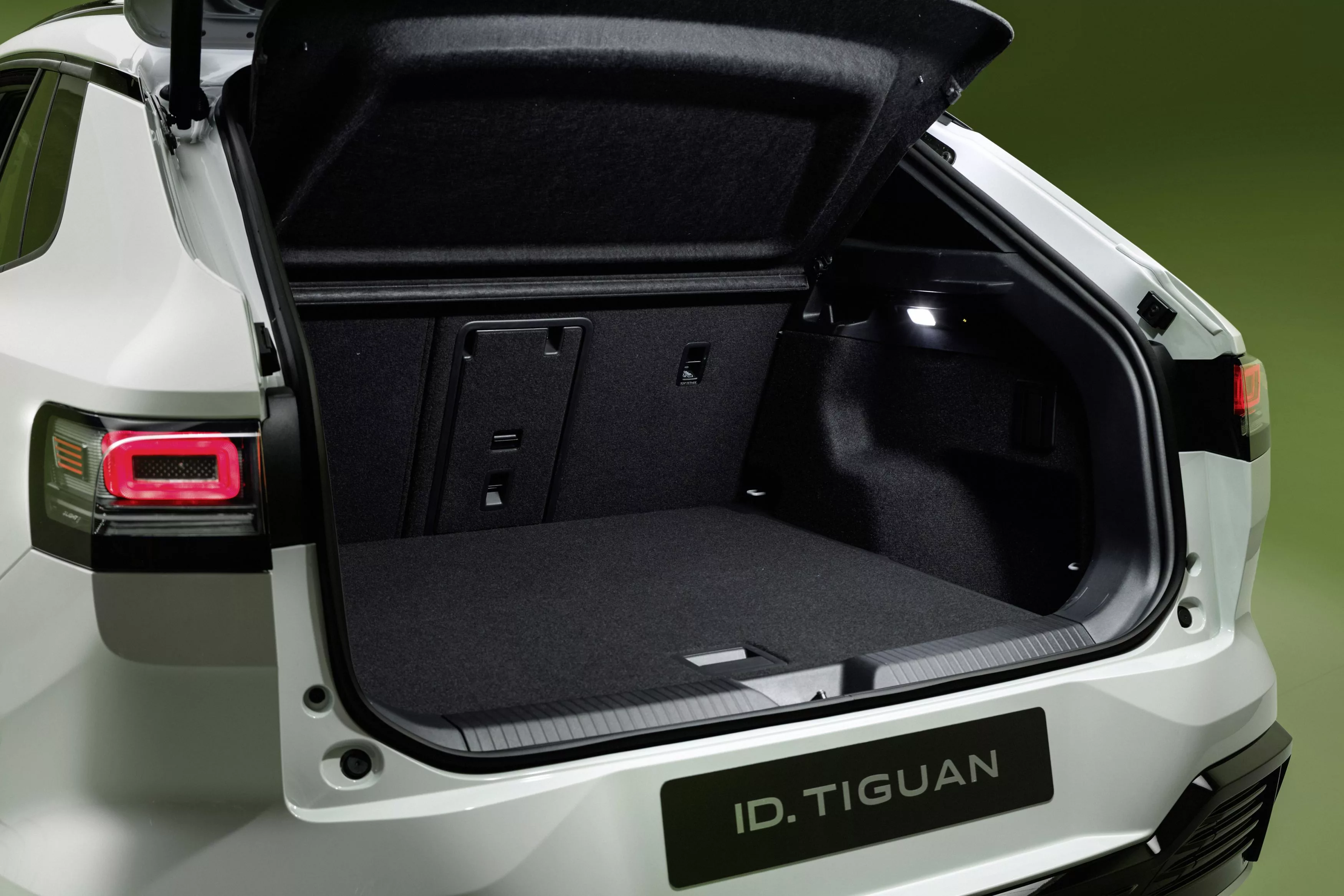
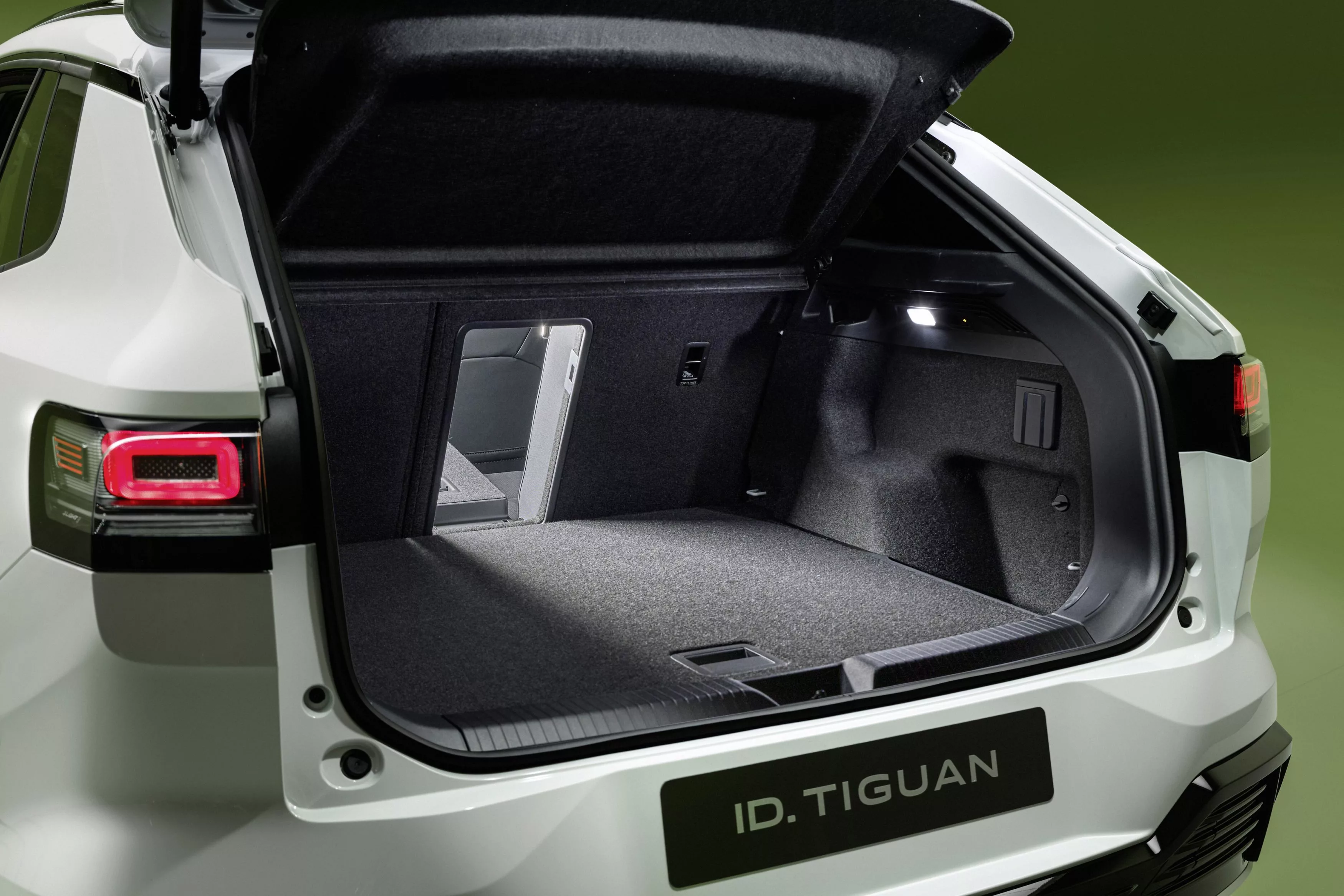
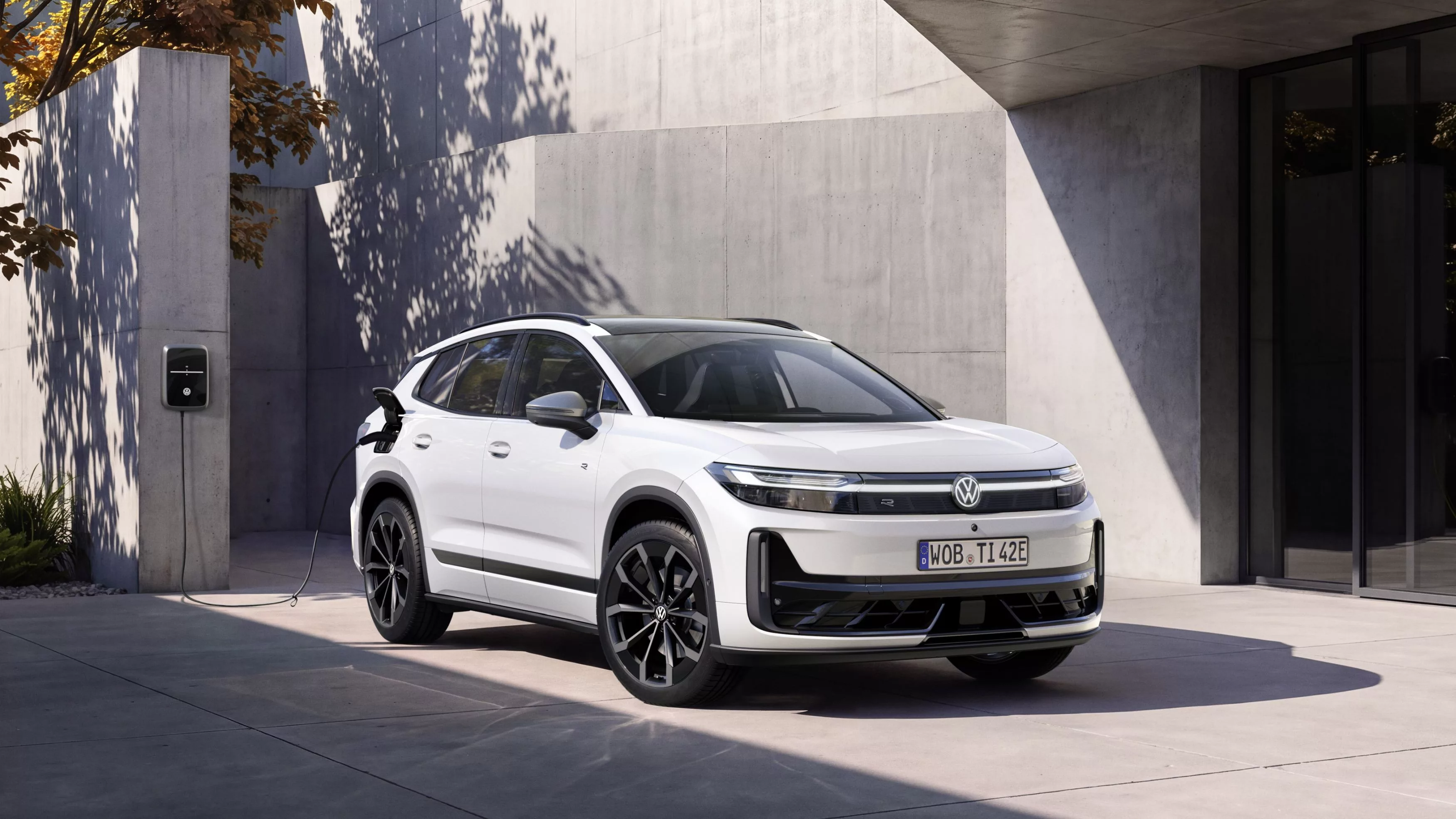
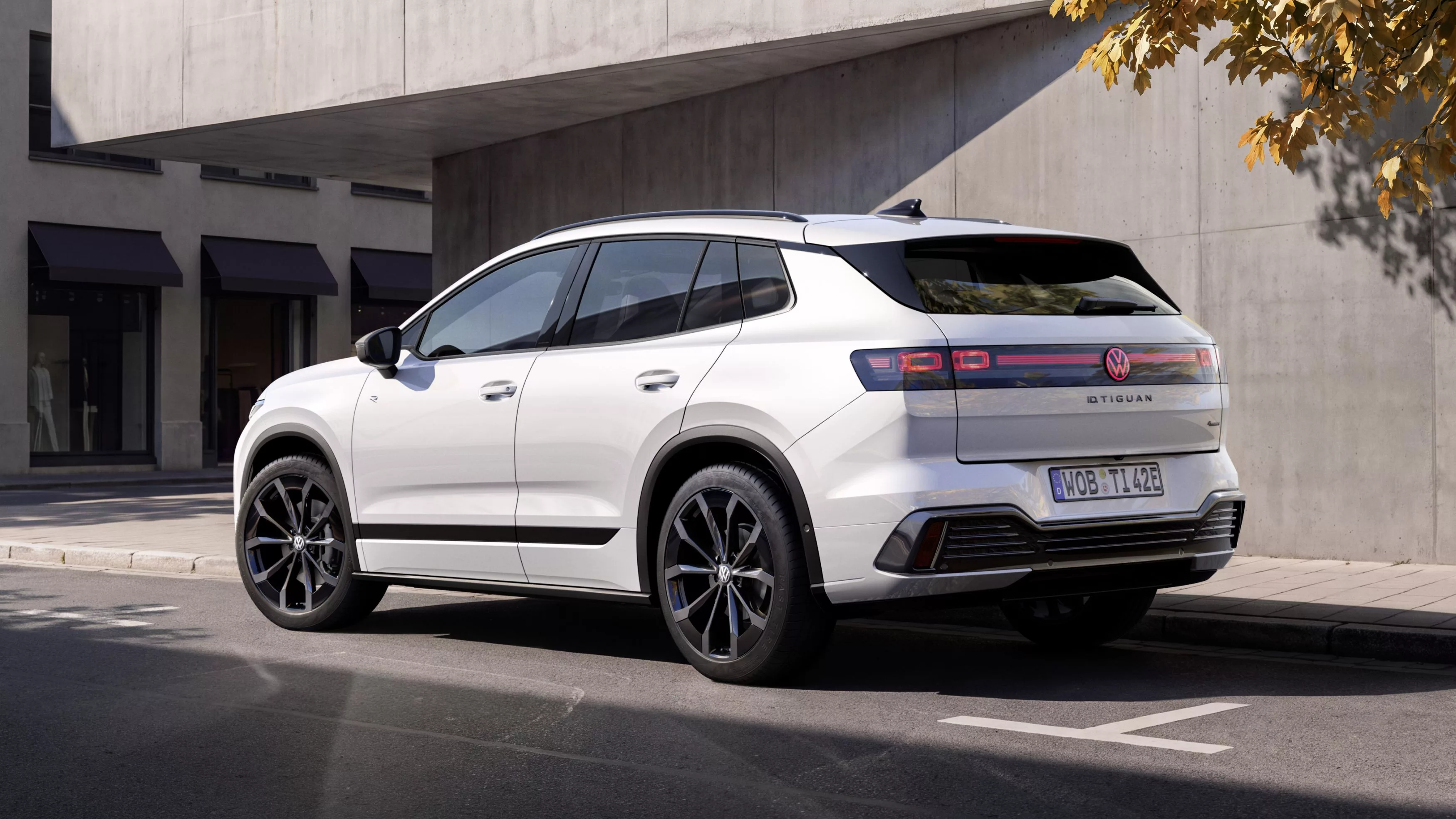
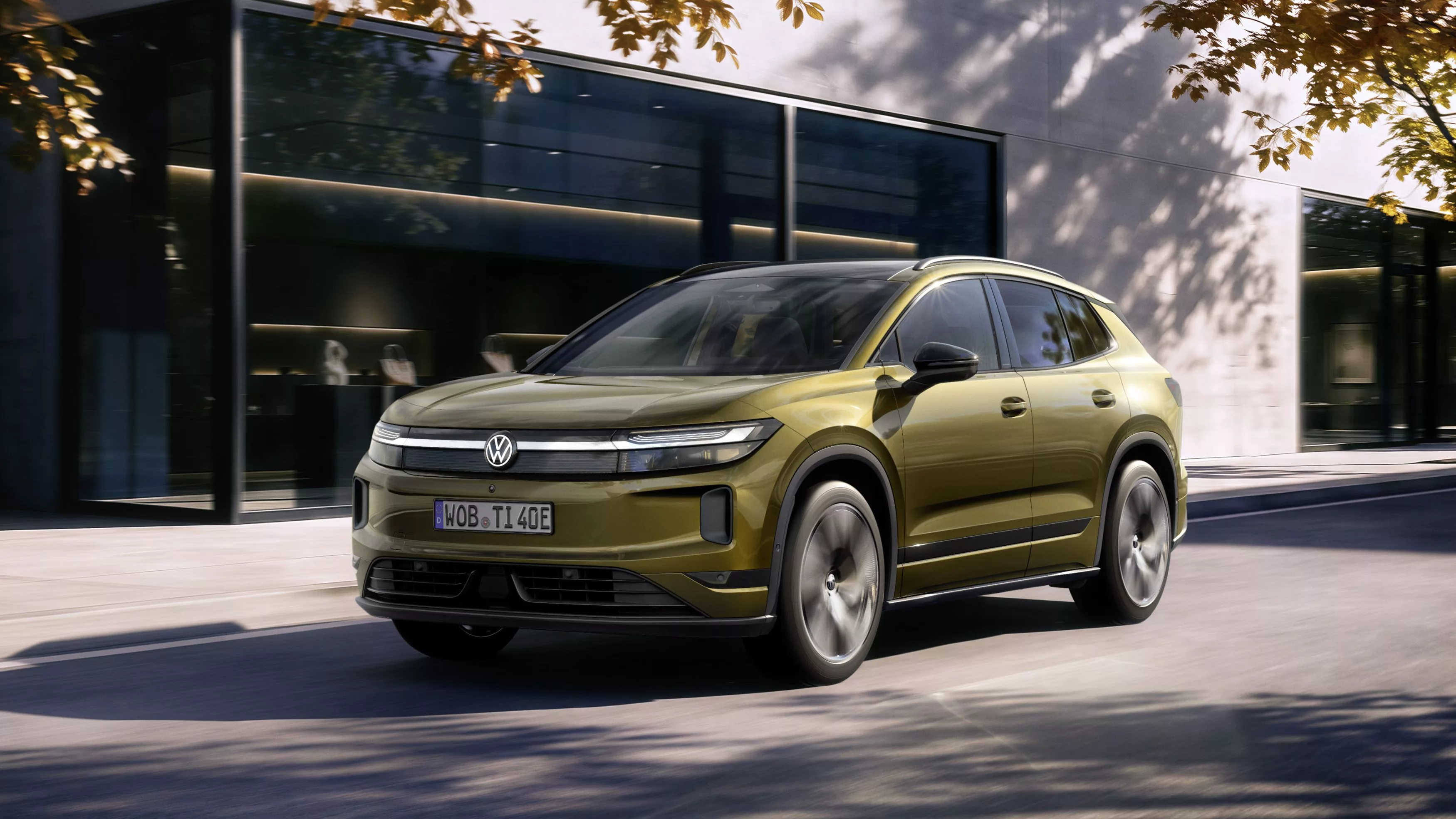
Volkswagen has unveiled the new ID. Tiguan, which will replace both the ID.4 and ID.5 in early 2027. The new electric SUV adopts the familiar Tiguan name, offers up to 220 kW of power and up to 600 km of range, and can tow a trailer weighing up to two tonnes.
ID.4 and ID.5 to be discontinued
Volkswagen is moving away from its number-based naming system and increasingly linking its electric models to established model names. Following the ID. Polo, the same approach now extends to the Tiguan.
The ID. Tiguan takes over the roles of both the ID.4 and the more coupé-like ID.5. Volkswagen will not produce a separate successor to the latter.
This is a significant change, as combined ID.4 and ID.5 volumes have exceeded 950,000 vehicles since 2021. The Tiguan name carries even greater weight, however: Volkswagen has produced more than 8.3 million Tiguans.
Up to 220 kW and 600 km
The most powerful version of the ID. Tiguan develops 220 kW. Volkswagen promises a maximum WLTP range of up to 600 km.
The manufacturer has yet to disclose full details of the battery options, but the ID. Tiguan uses further-developed technology from the MEB family.
Official energy consumption for the most powerful version is between 15.7 and 17.2 kWh/100 km.
Trailers can weigh up to two tonnes
One of the ID. Tiguan's most practical improvements is its ability to tow a braked trailer weighing up to 2000 kg.
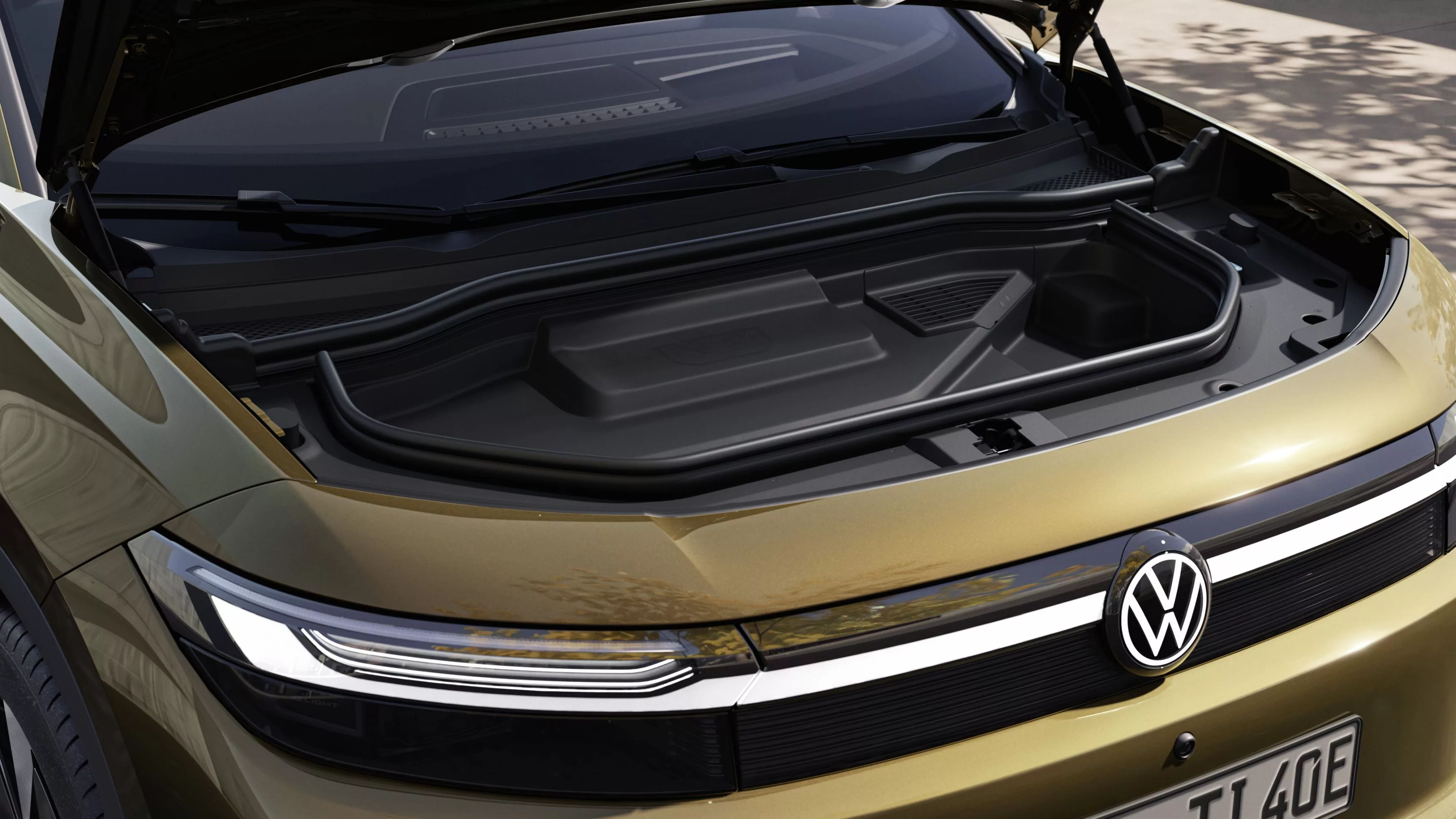
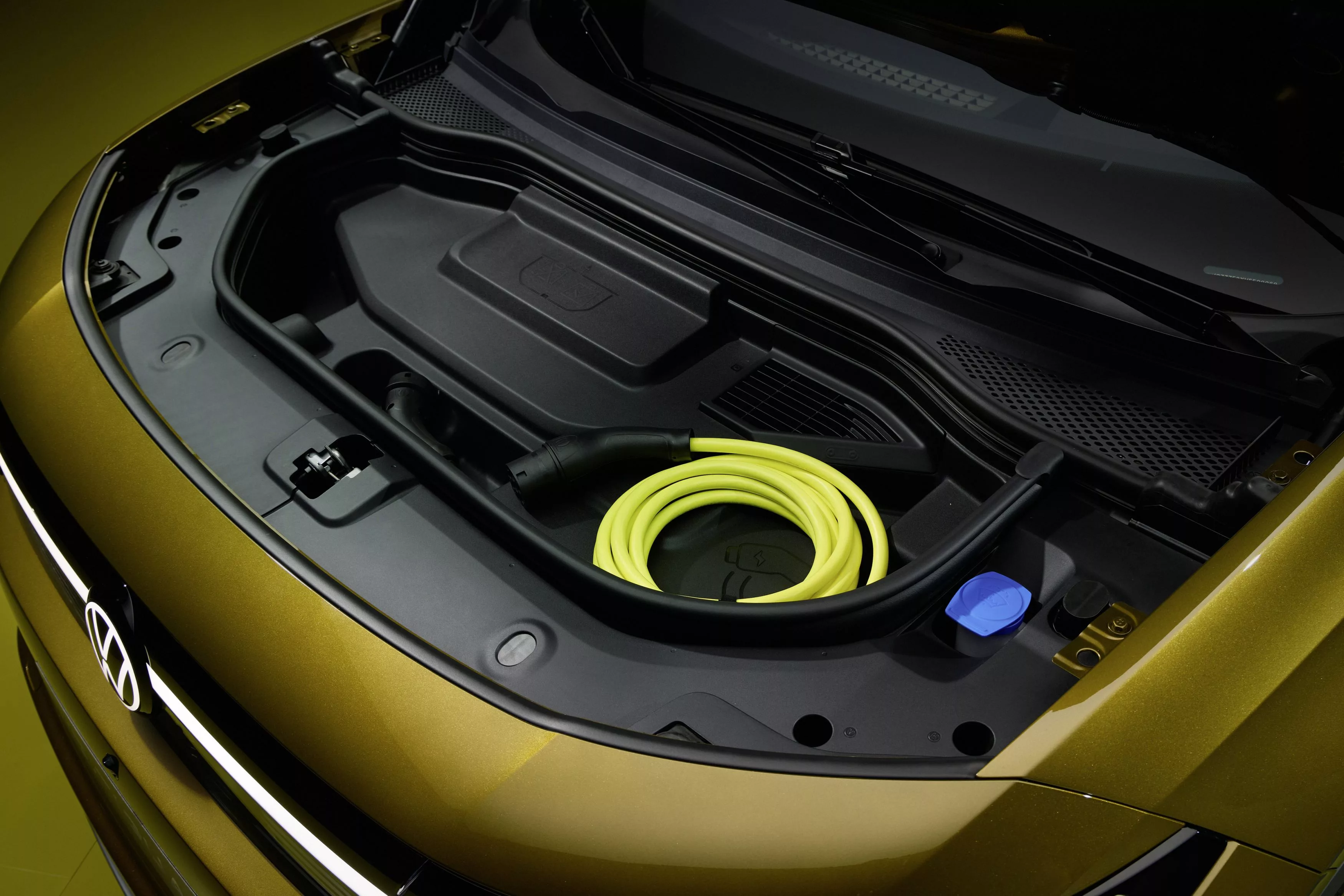
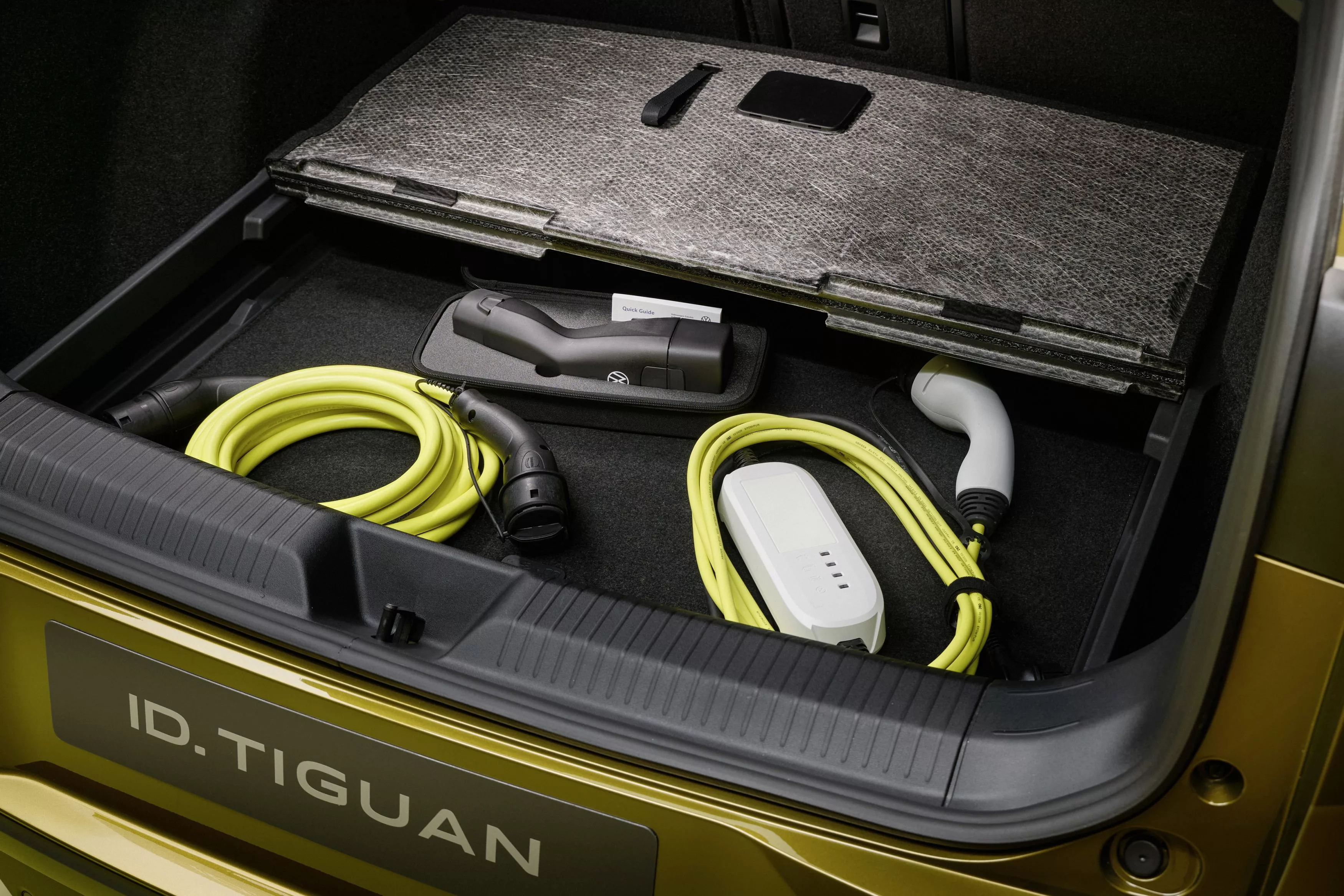
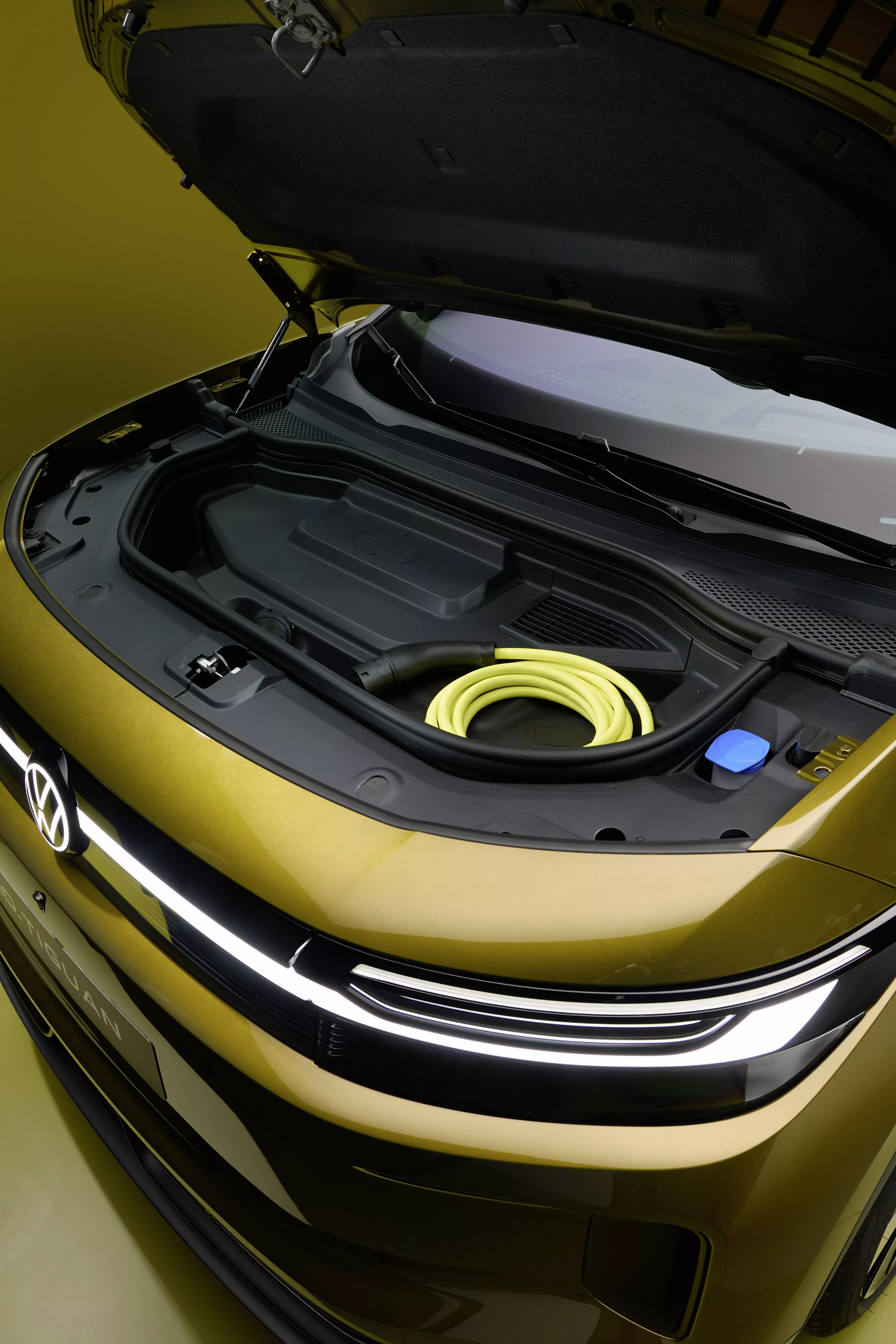
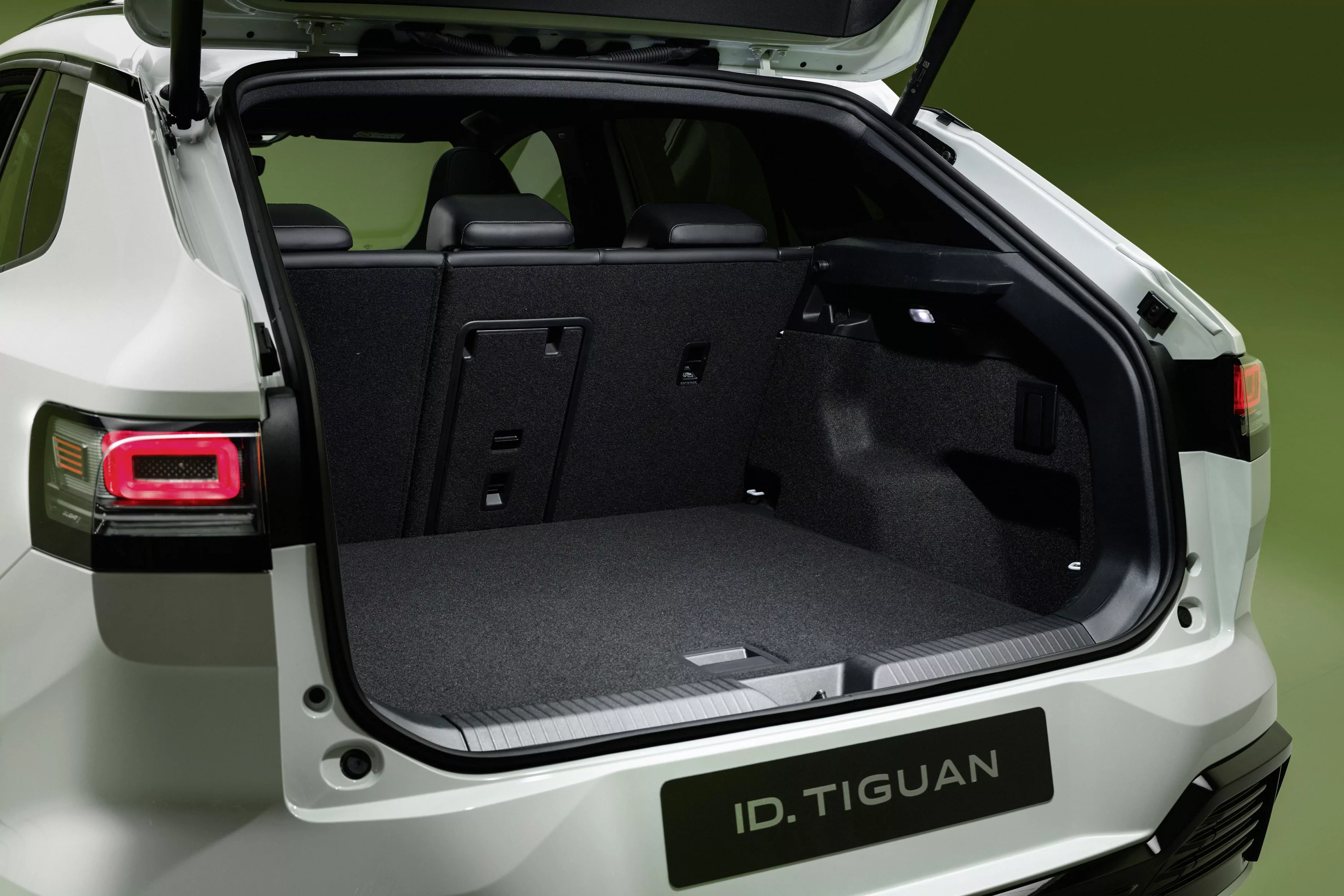
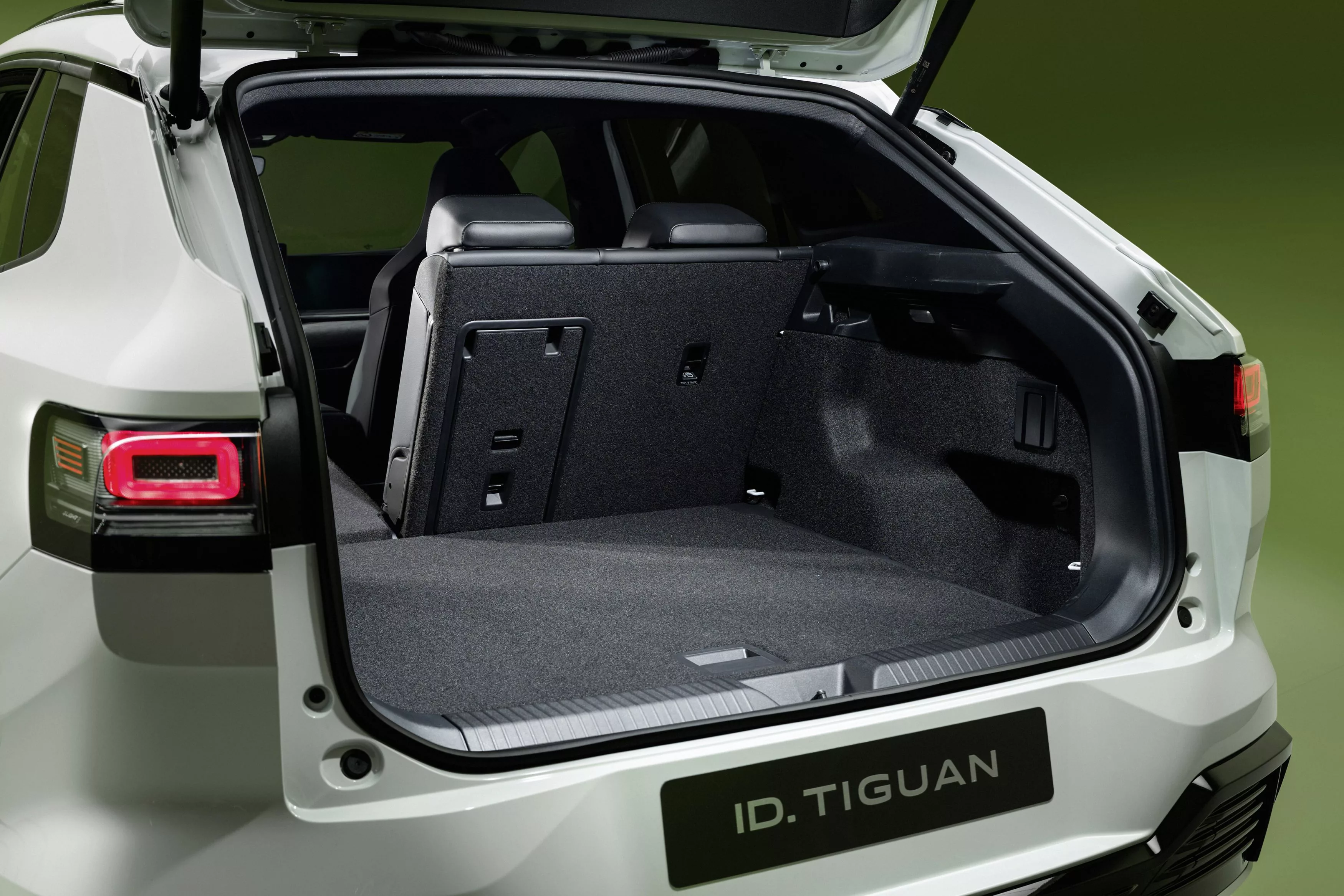
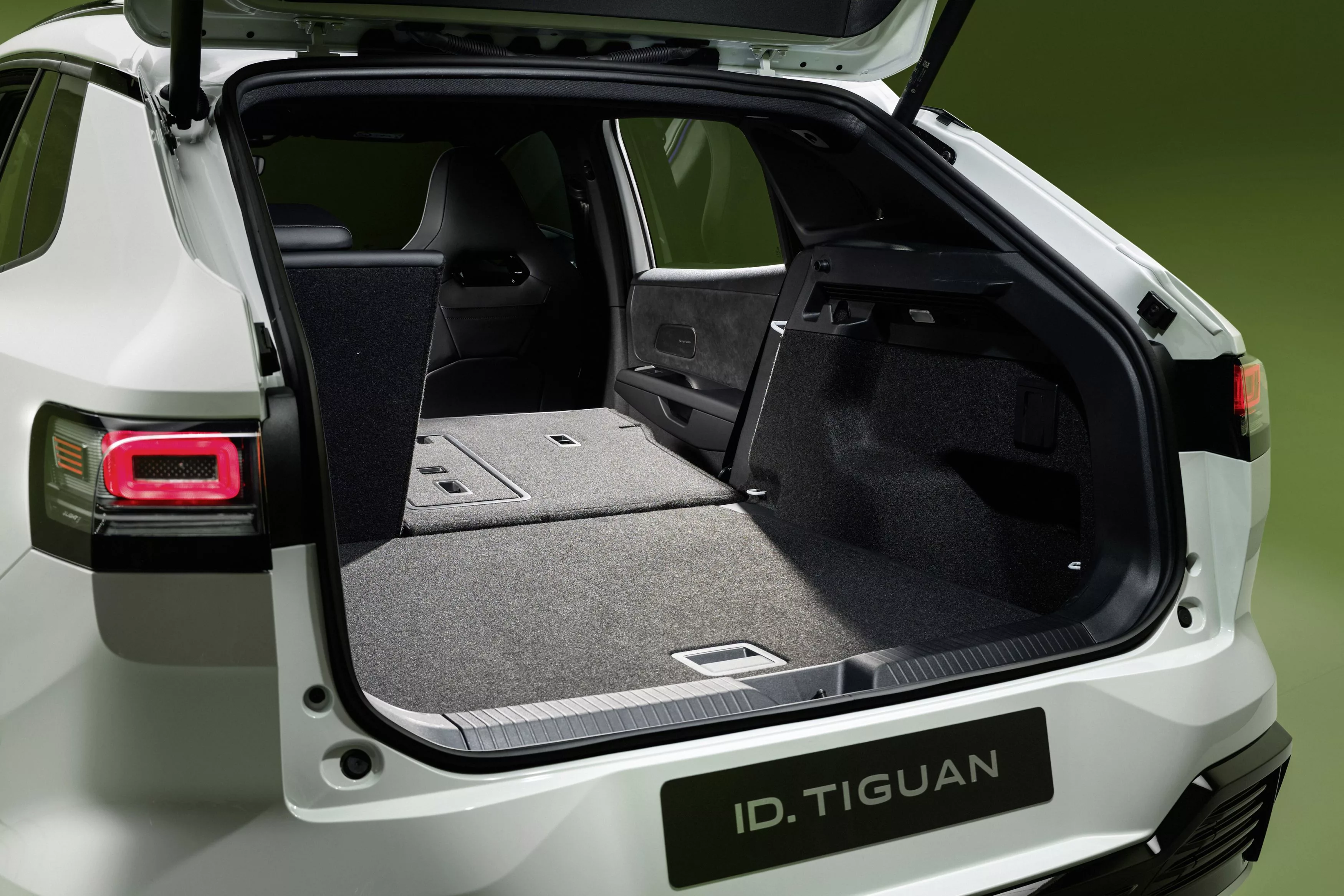
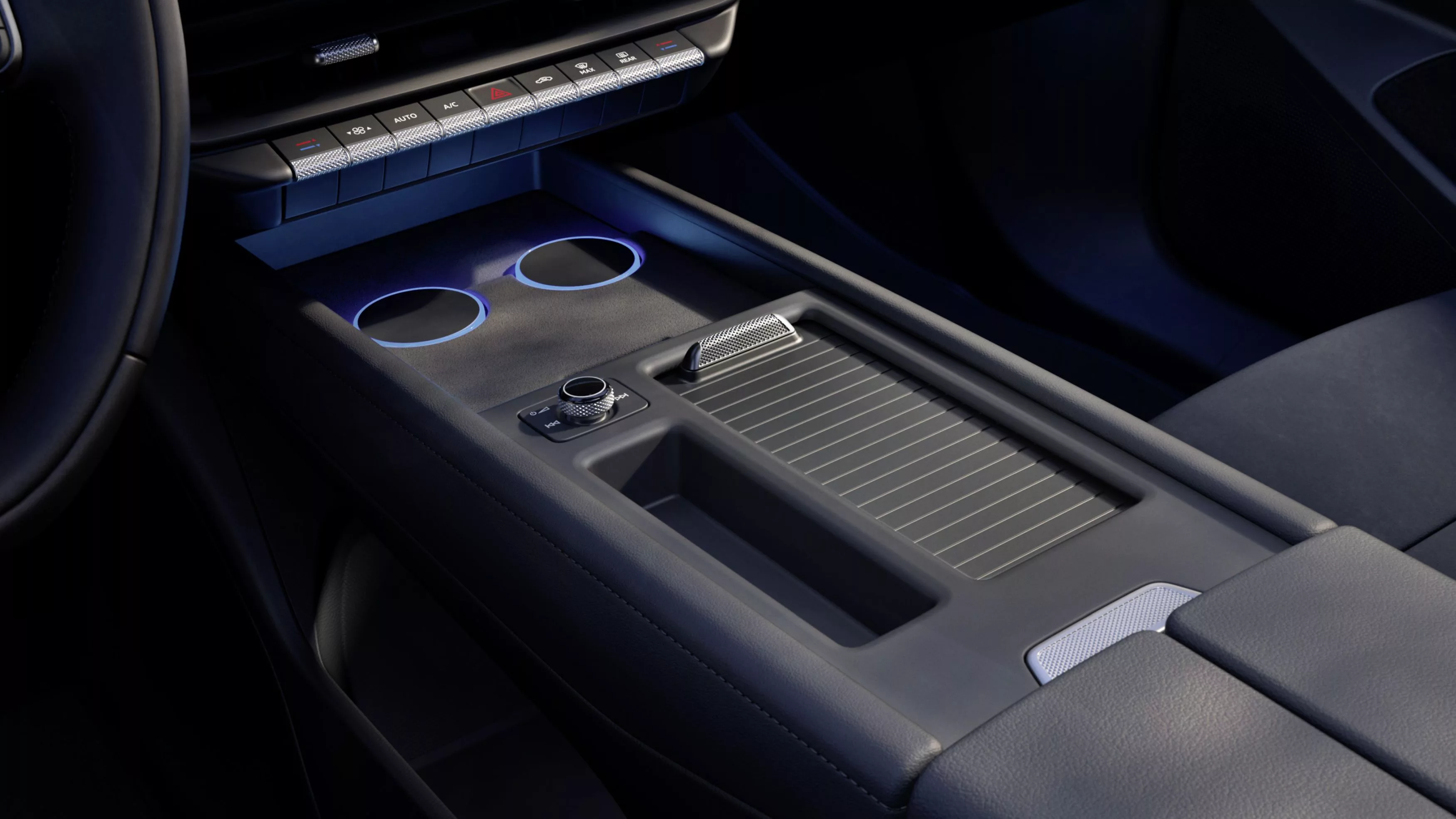
That is a substantial figure for an electric family SUV and brings its usability closer to that of the combustion-engined Tiguan. The ID. Tiguan also gains a separate front storage compartment, or frunk.
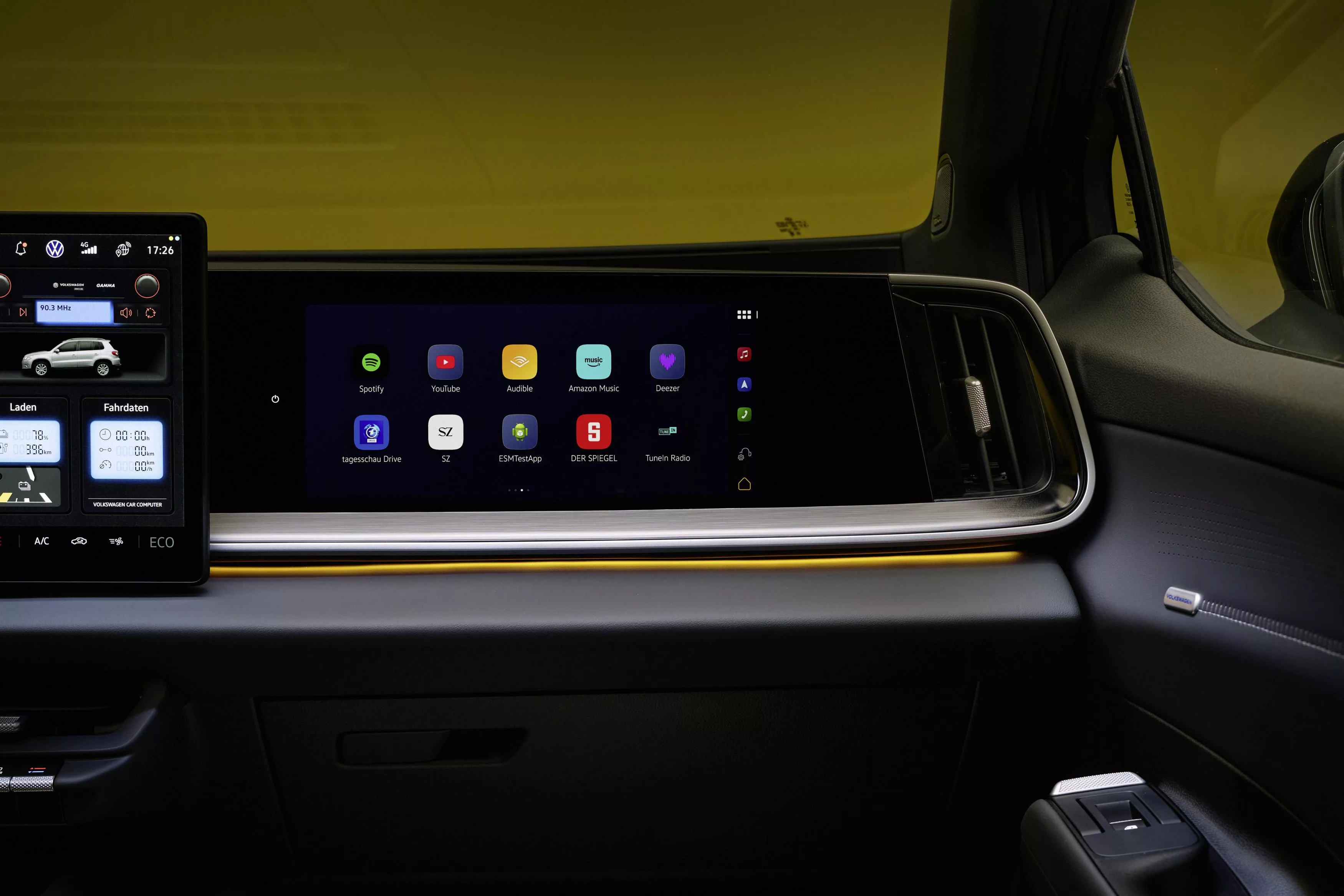
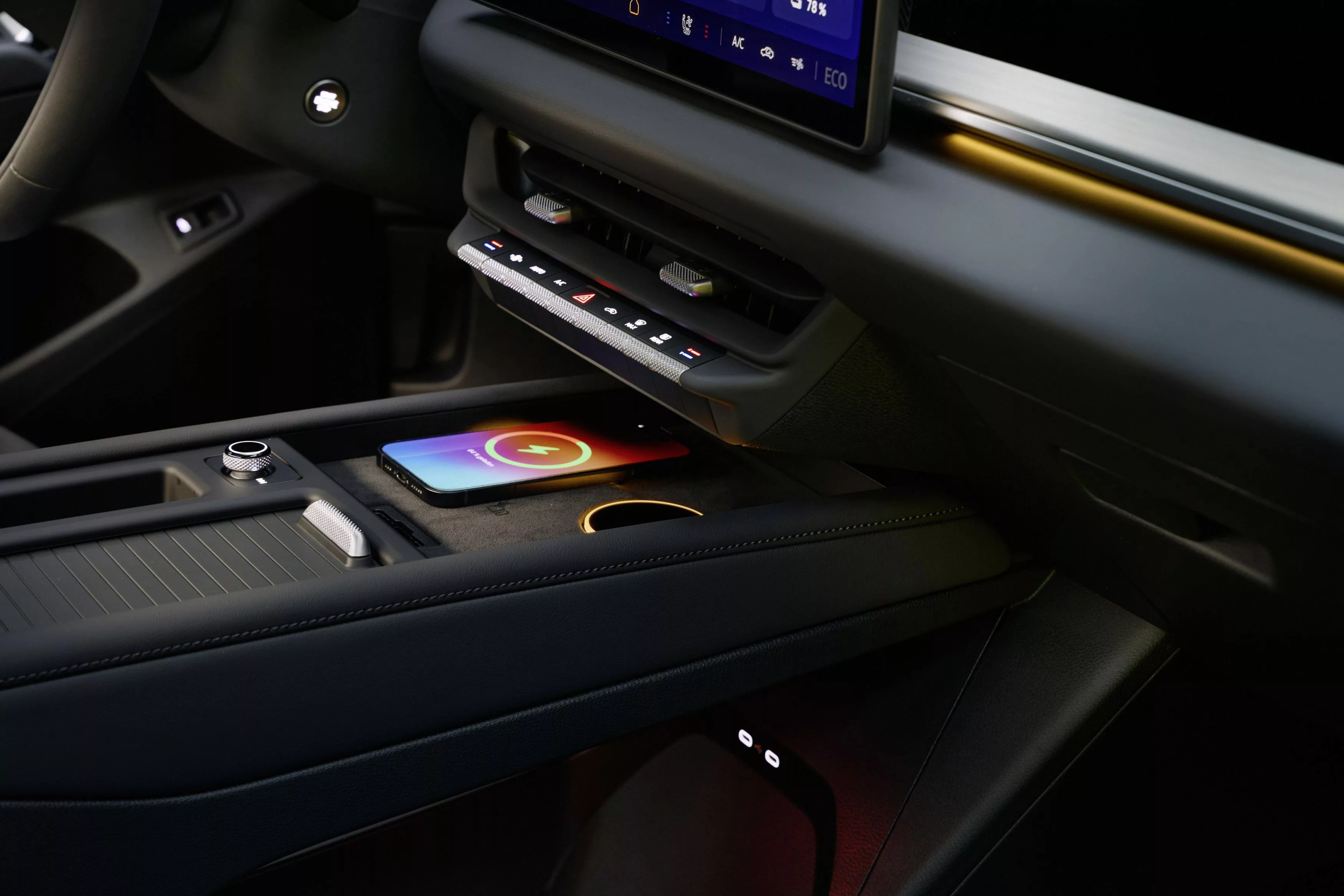
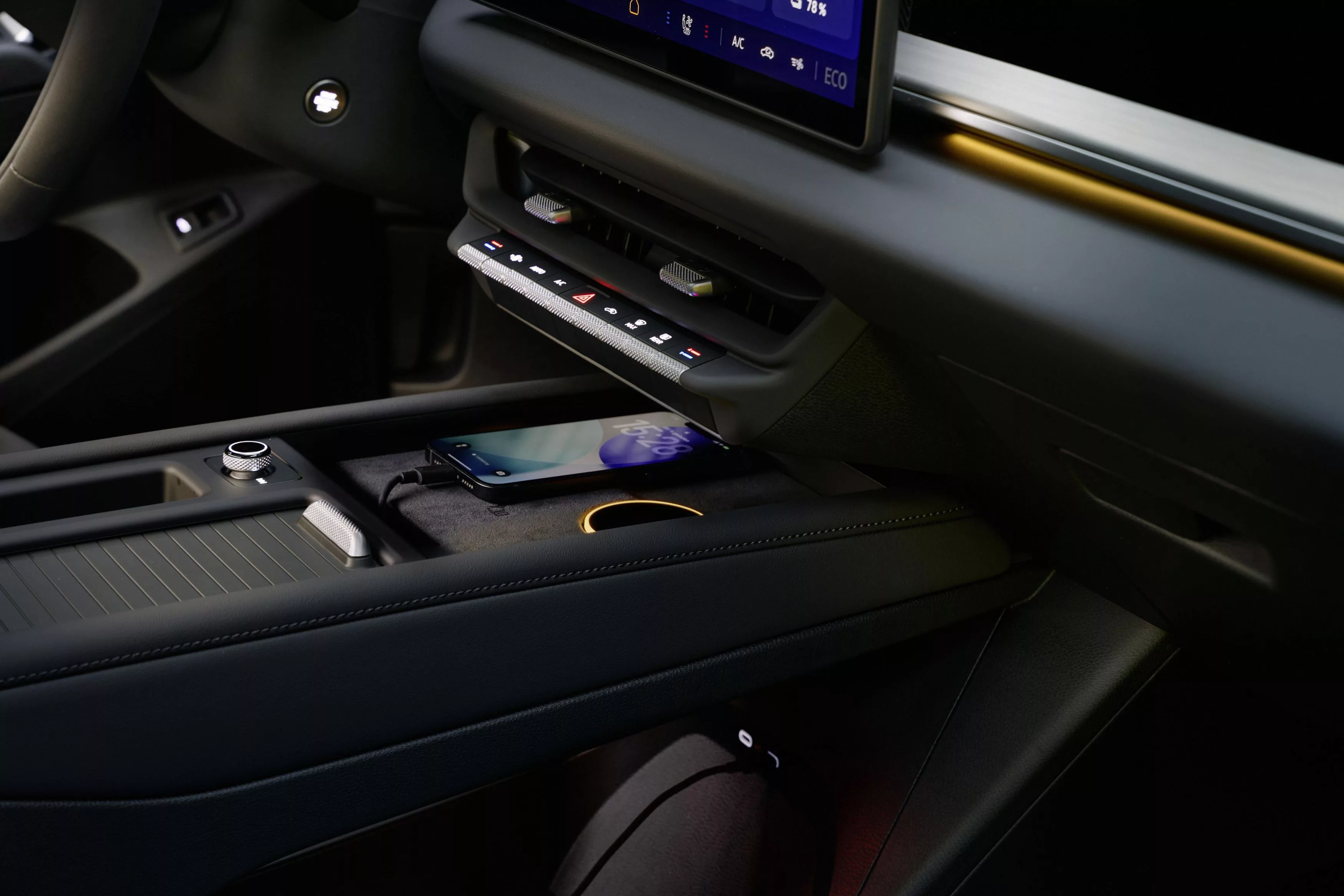
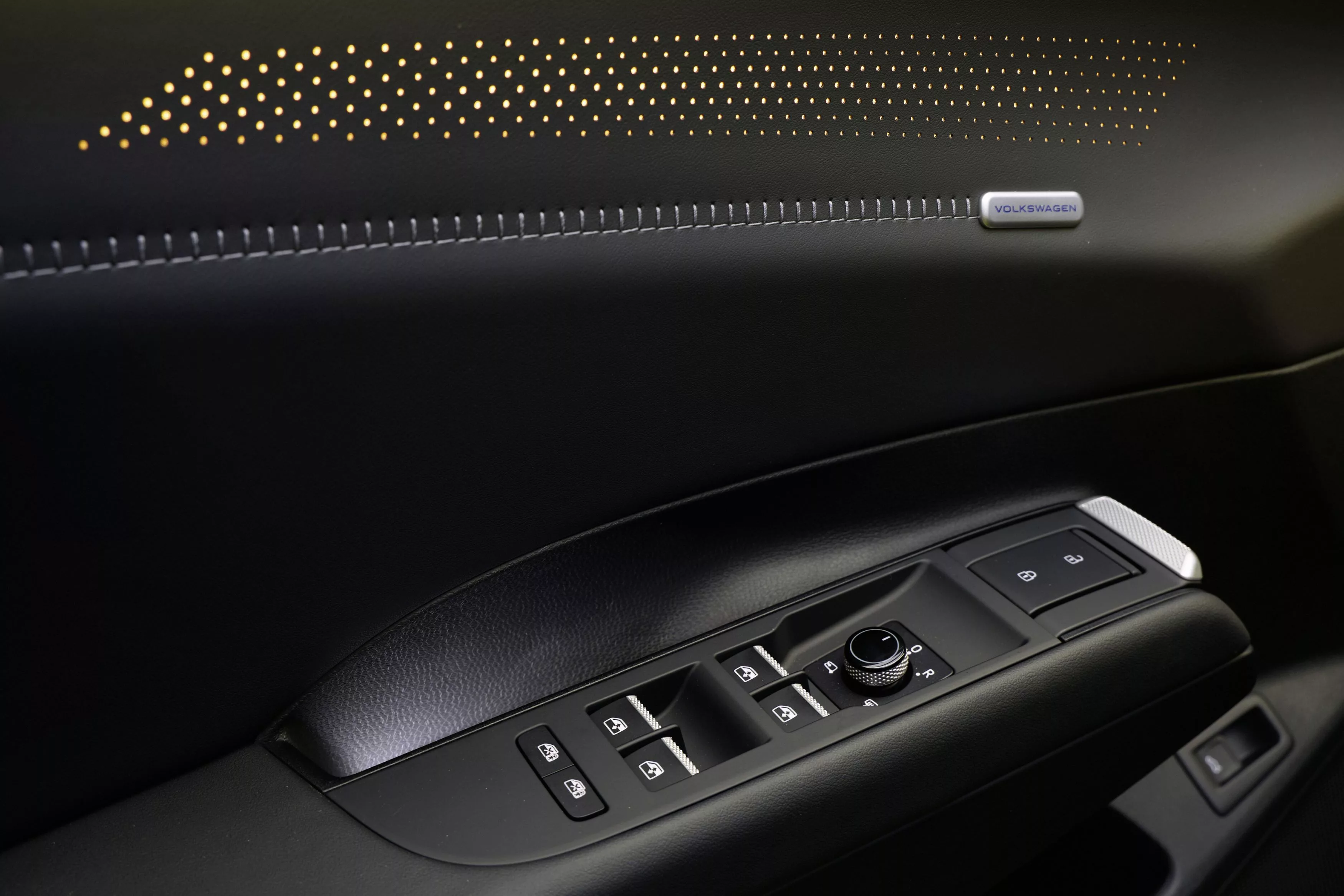
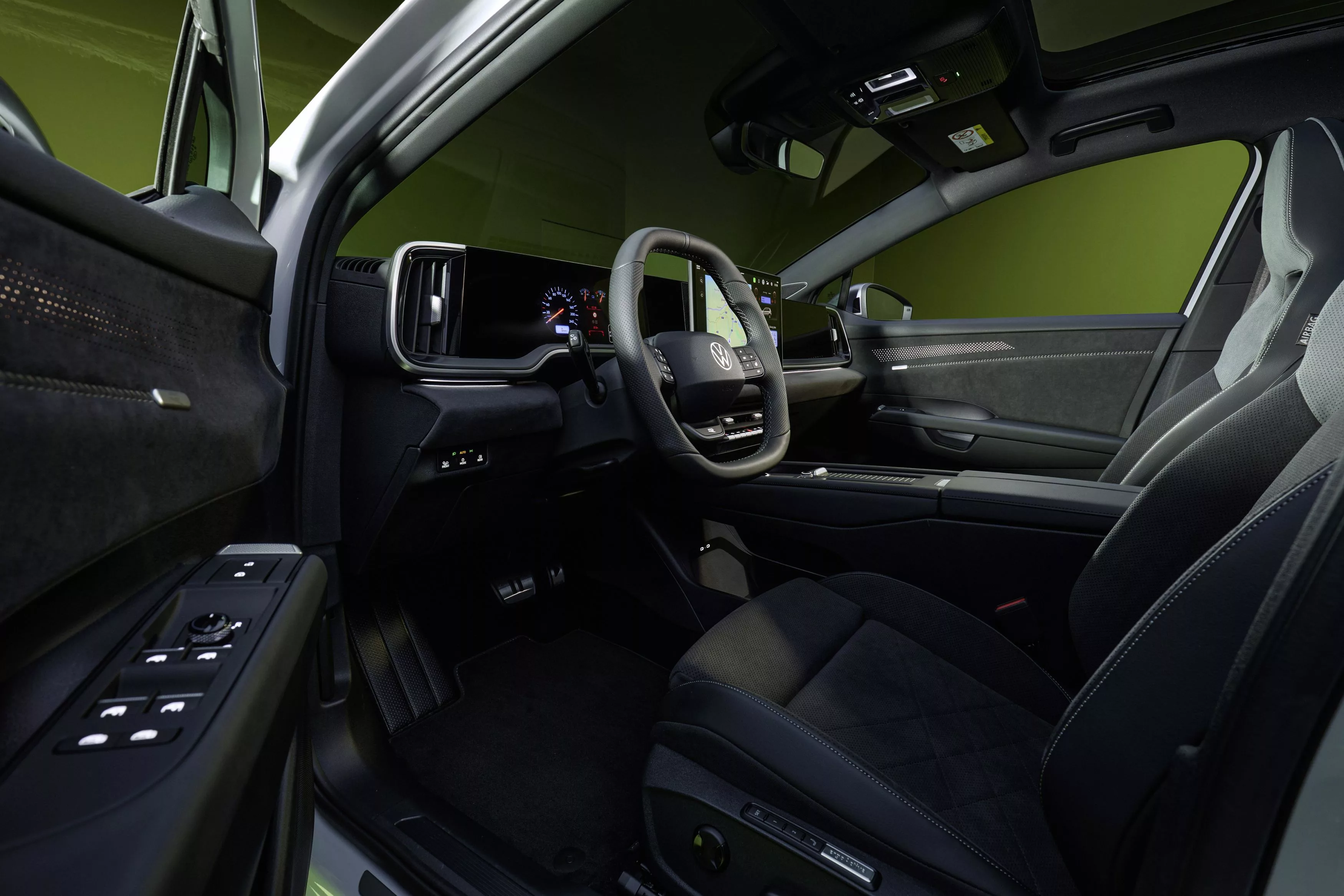
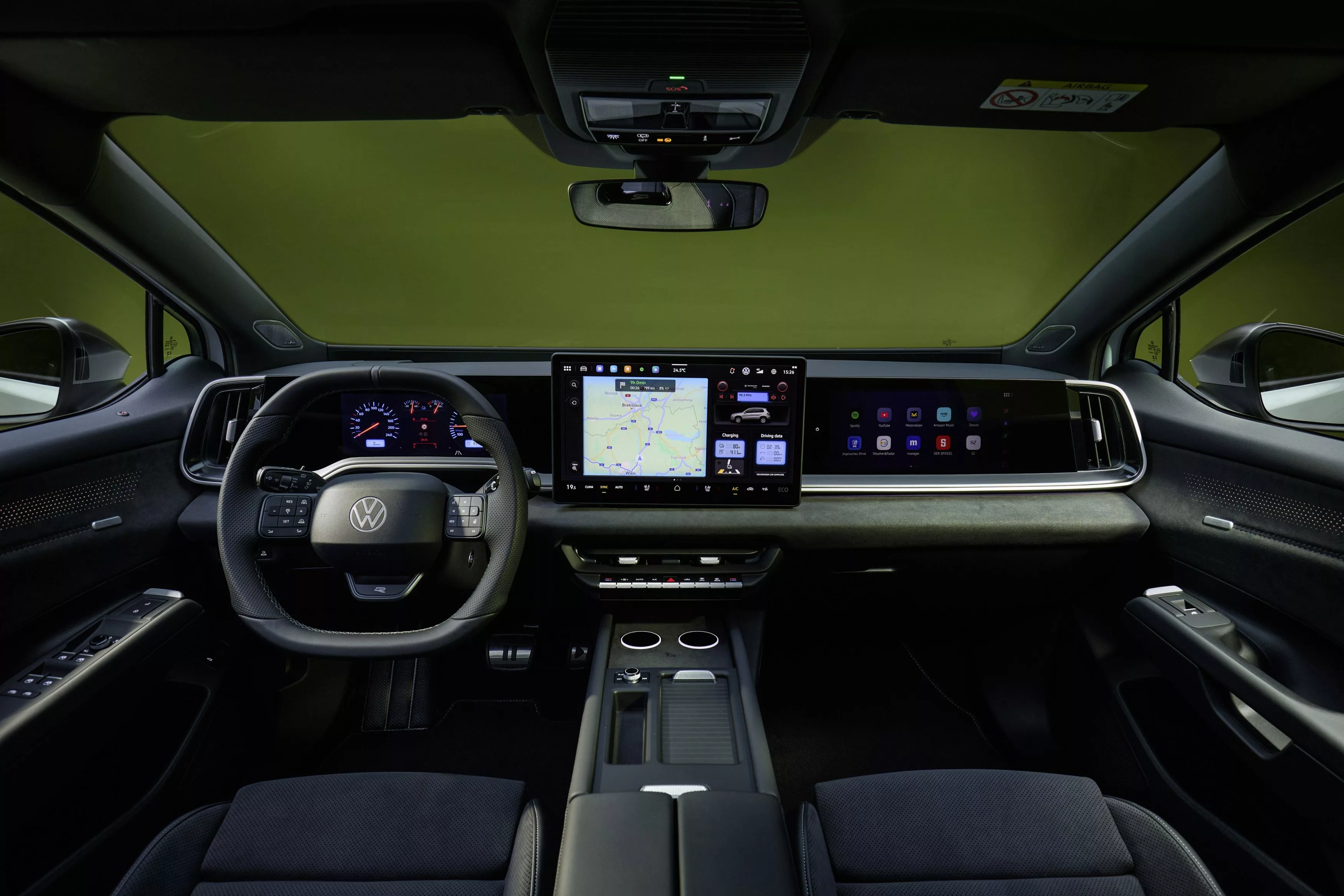
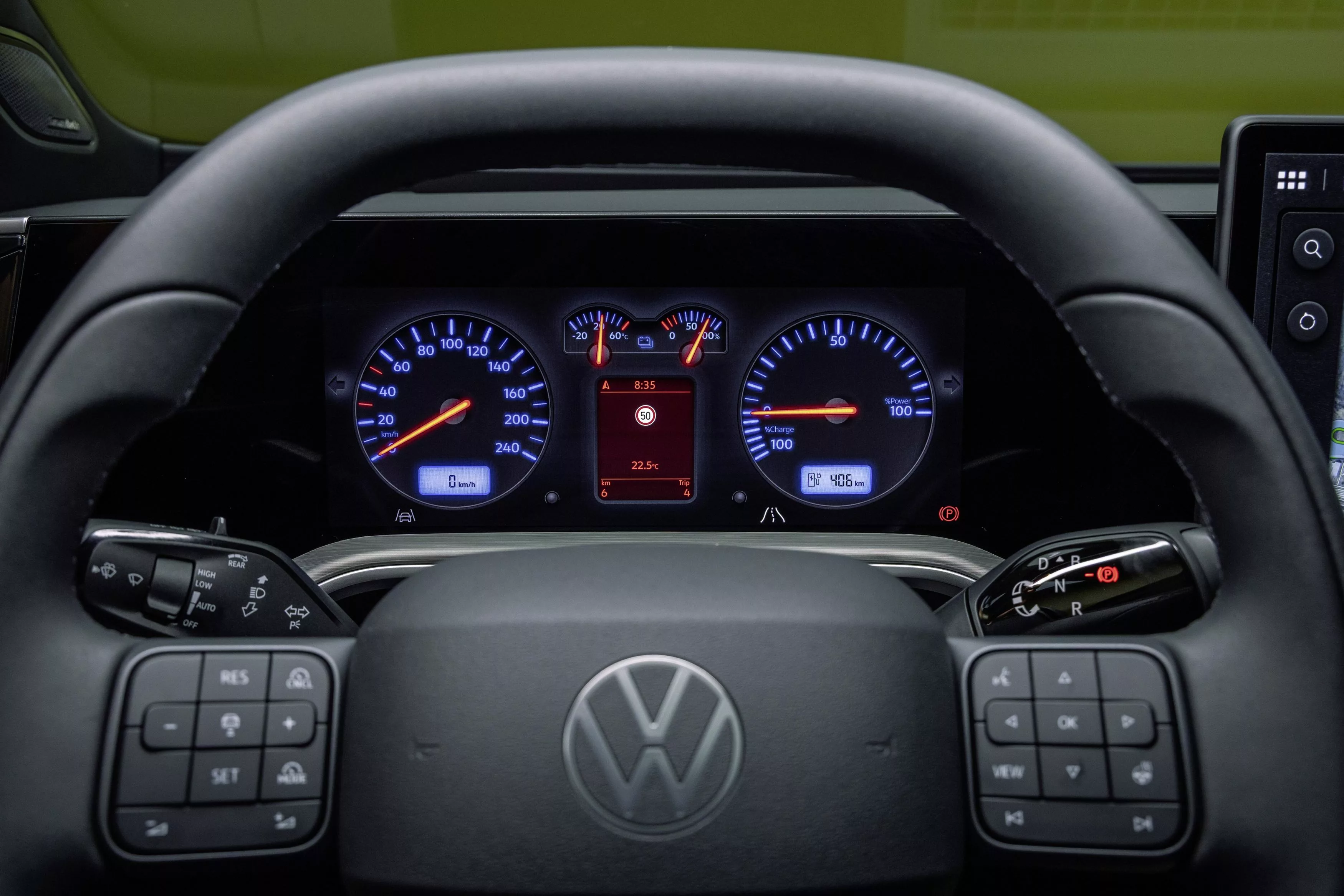
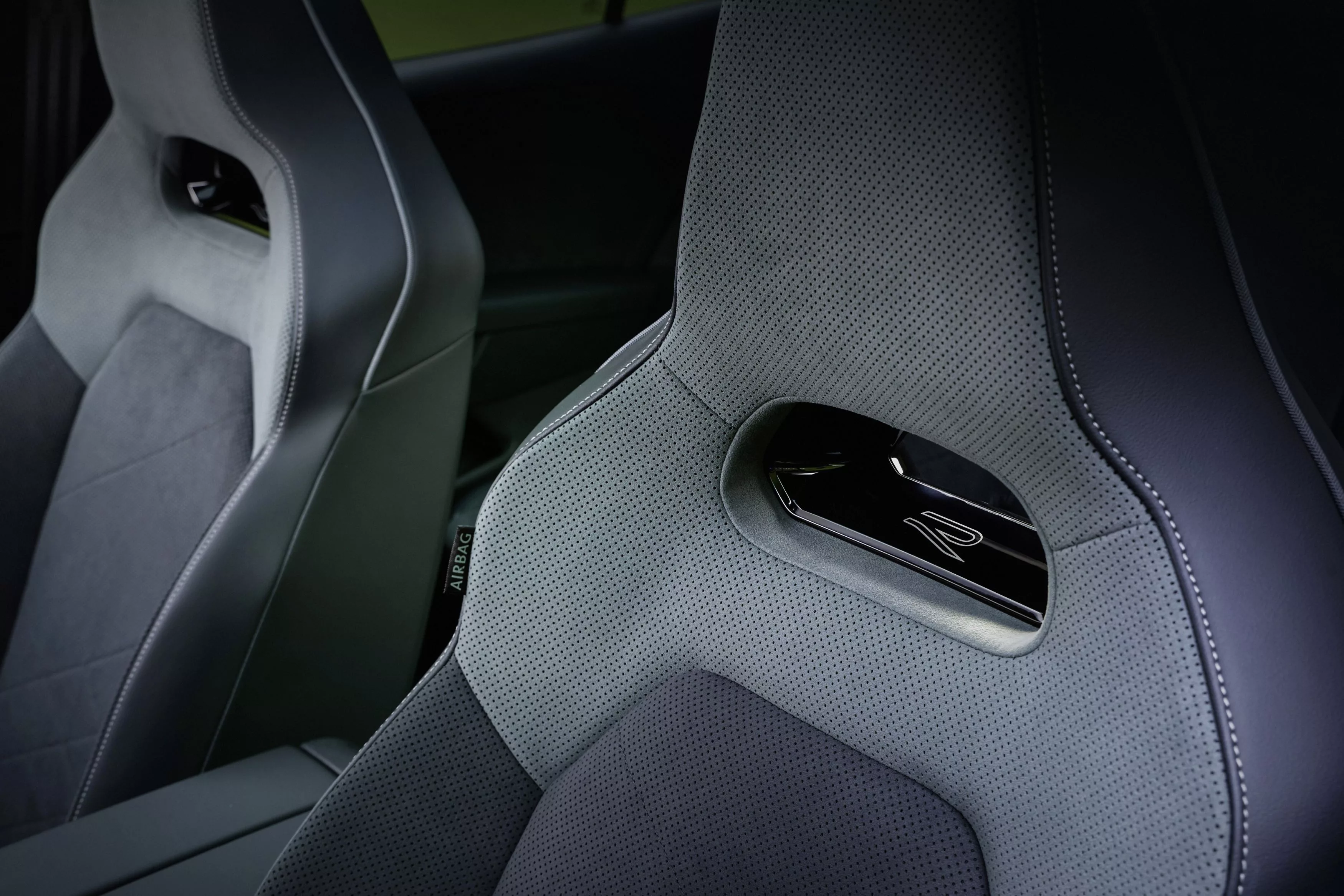
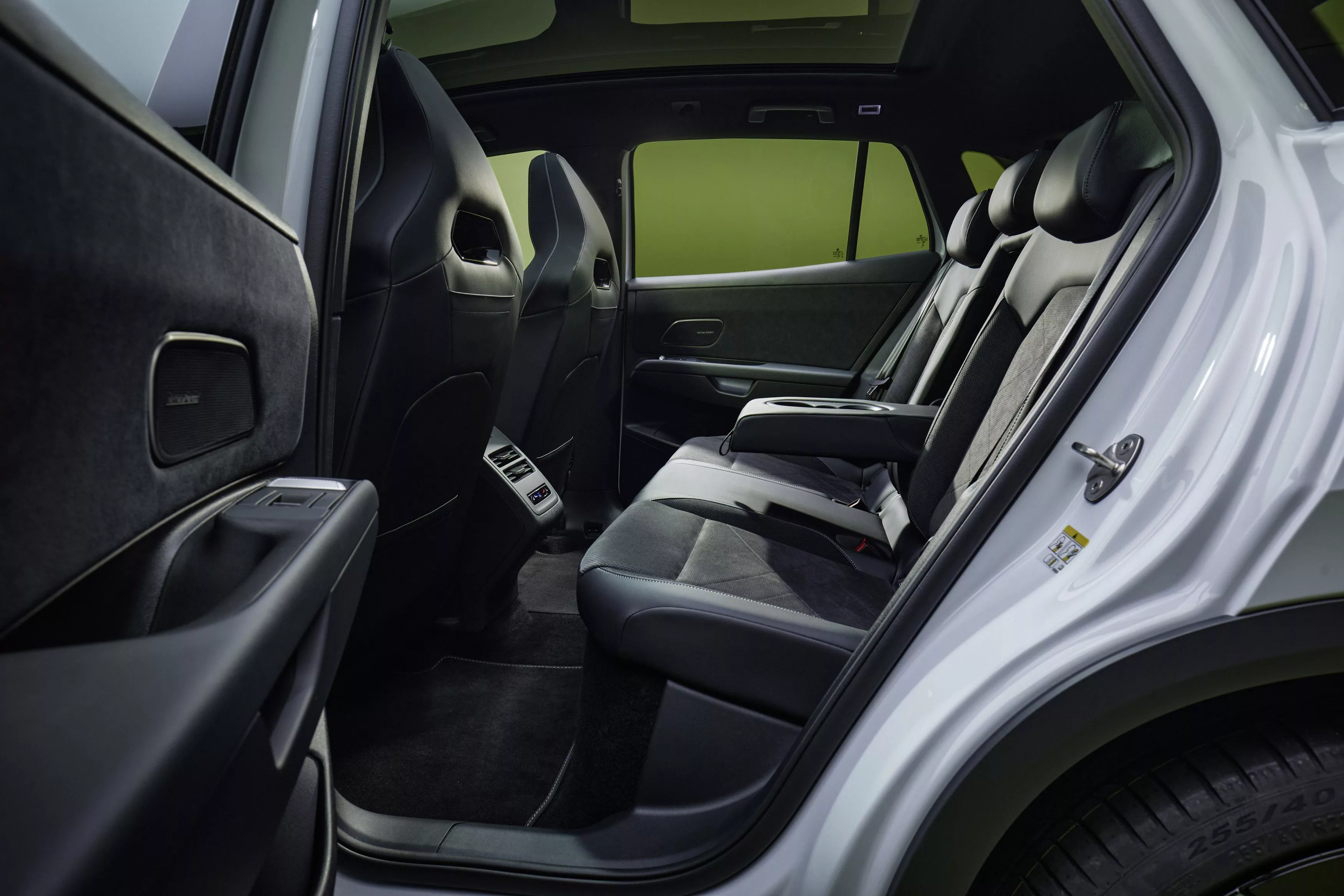
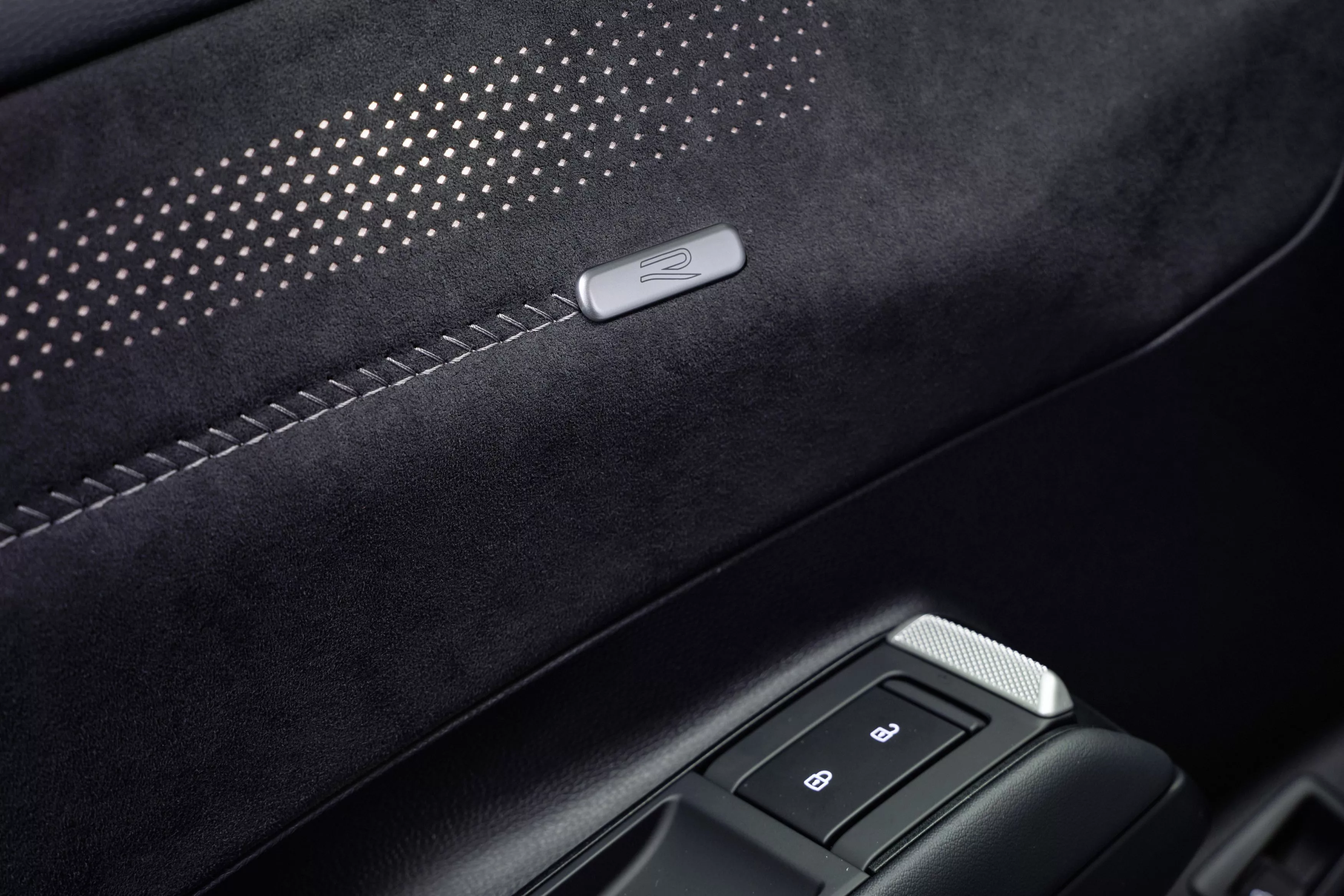
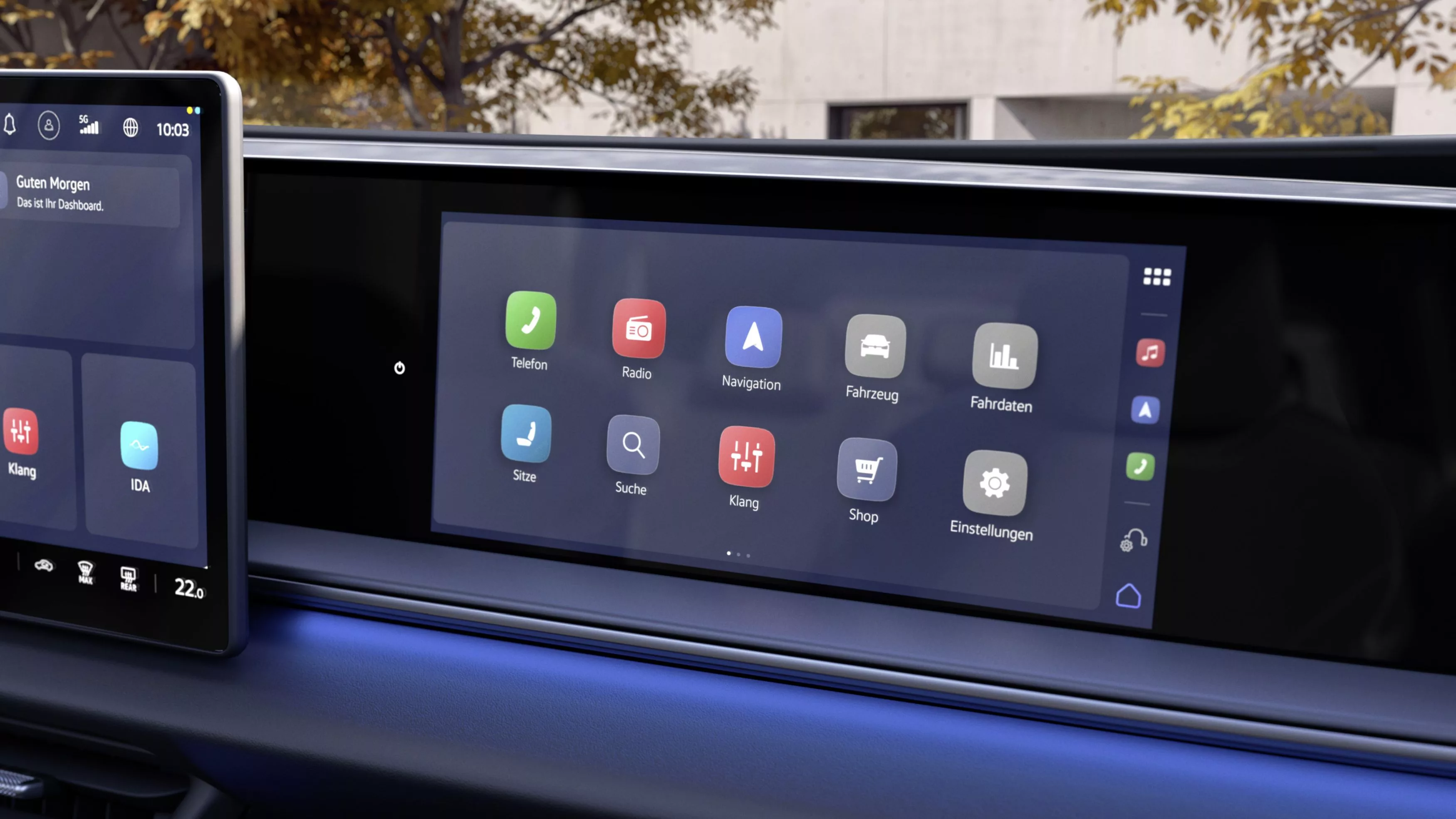
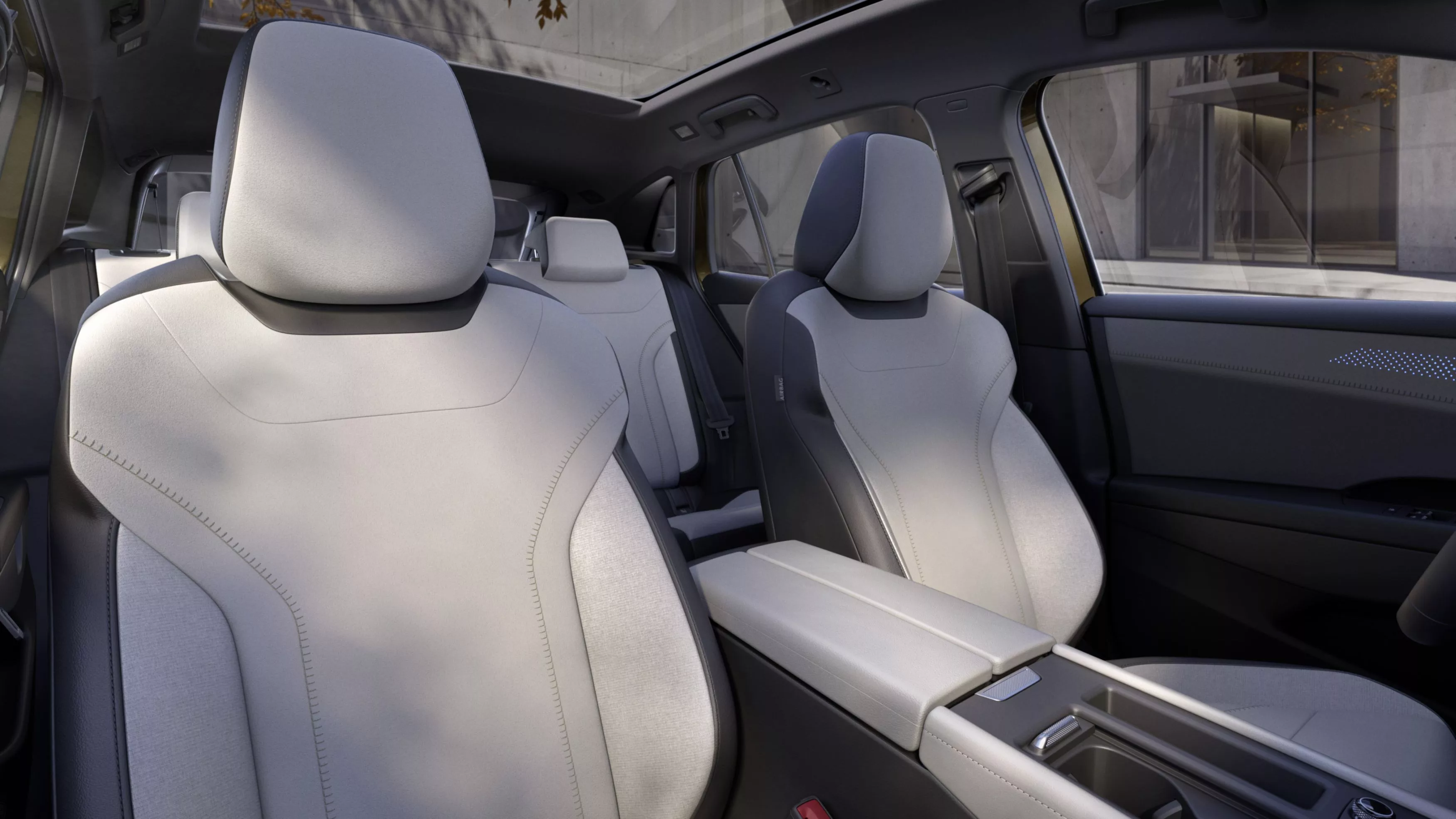
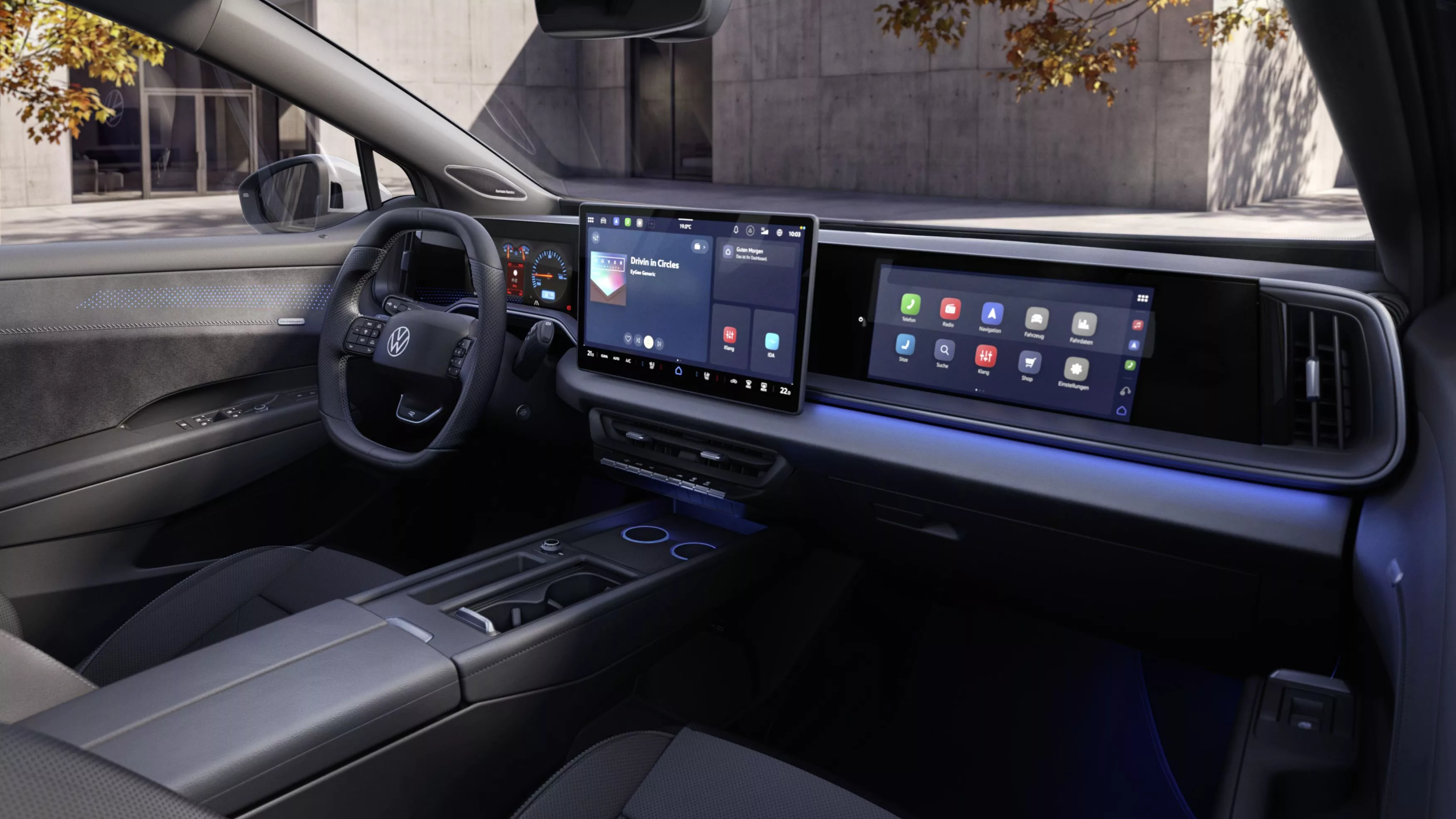
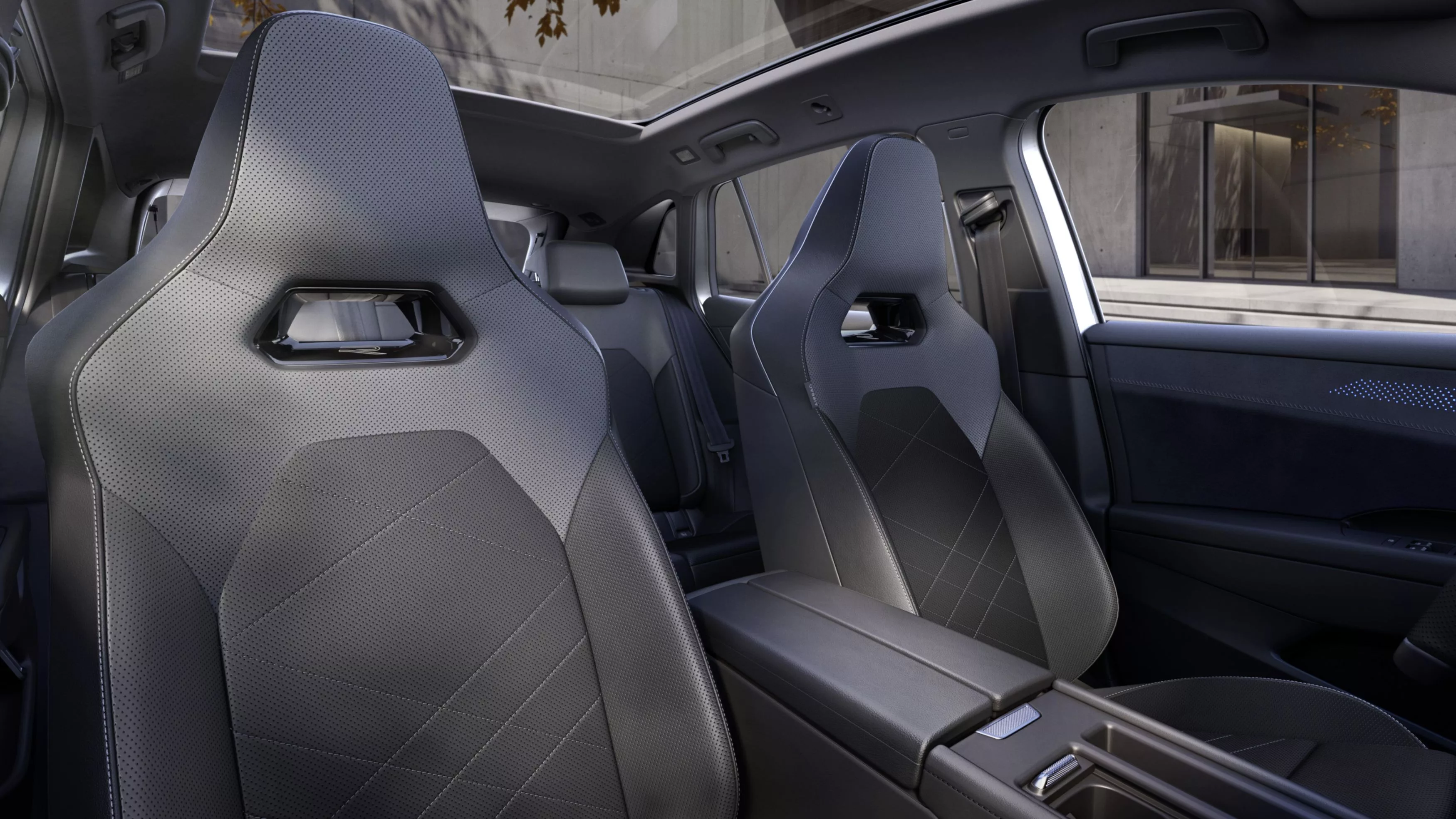
The cabin seats five, and Volkswagen promises higher-quality materials than before, a new screen system and, for the first time, a separate front passenger display.
Electric and conventional Tiguans to remain on sale side by side
The ID. Tiguan does not replace the current Tiguan with combustion and hybrid powertrains.
Both will remain on sale in Europe alongside each other. The conventional Tiguan will continue with petrol, diesel and plug-in hybrid versions, while the ID. Tiguan will serve as the electric alternative in the same size class.
This is perhaps the clearest example of Volkswagen's new strategy. Rather than maintaining a separate ID family, electric cars are being linked to established model names to reduce the artificial divide between combustion-engined and electric models for customers.


