
Volkswagen Mission Efficiency uses just 6.89 kWh/100 km and shows the energy cost of drag in an EV
 1/8
1/8
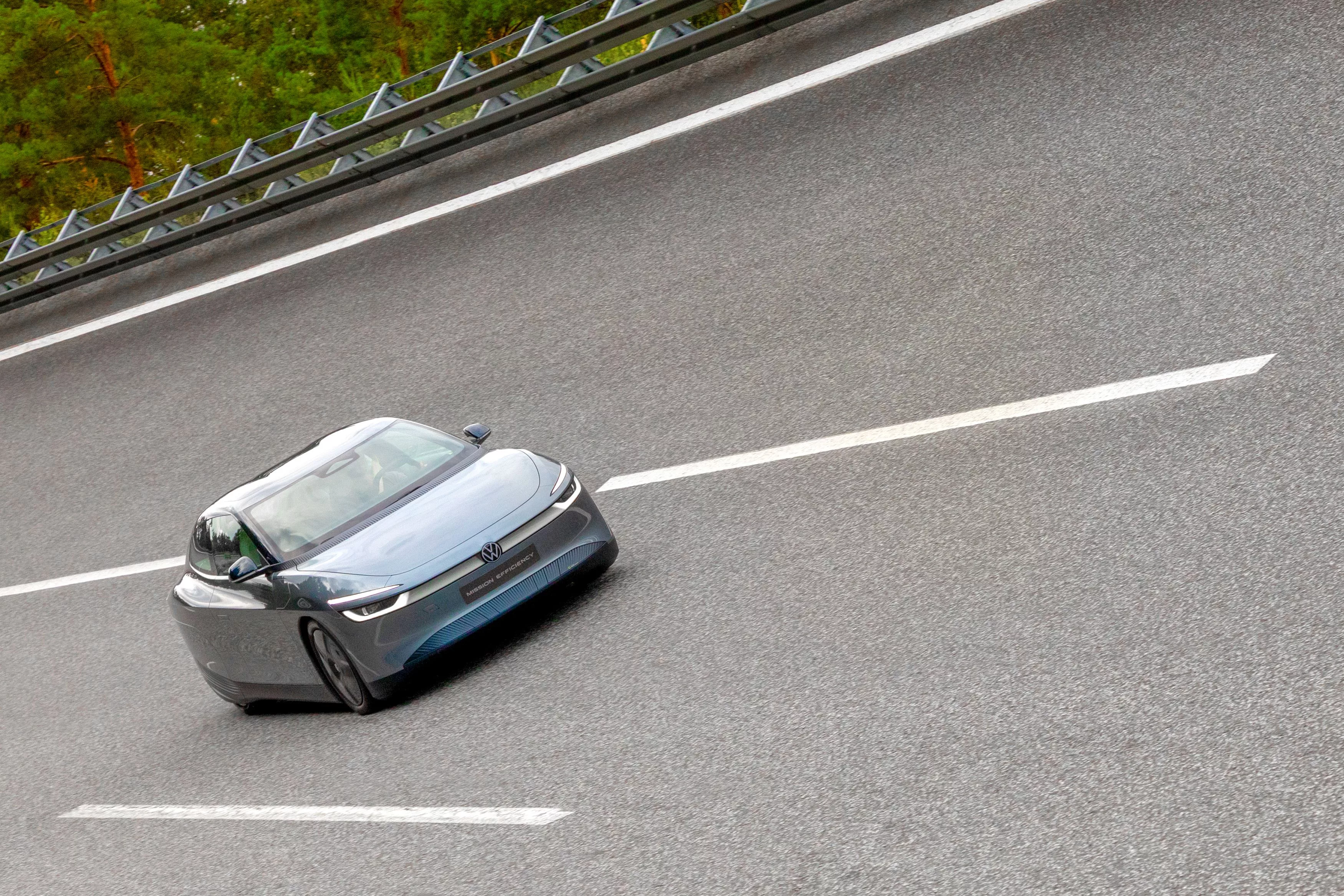
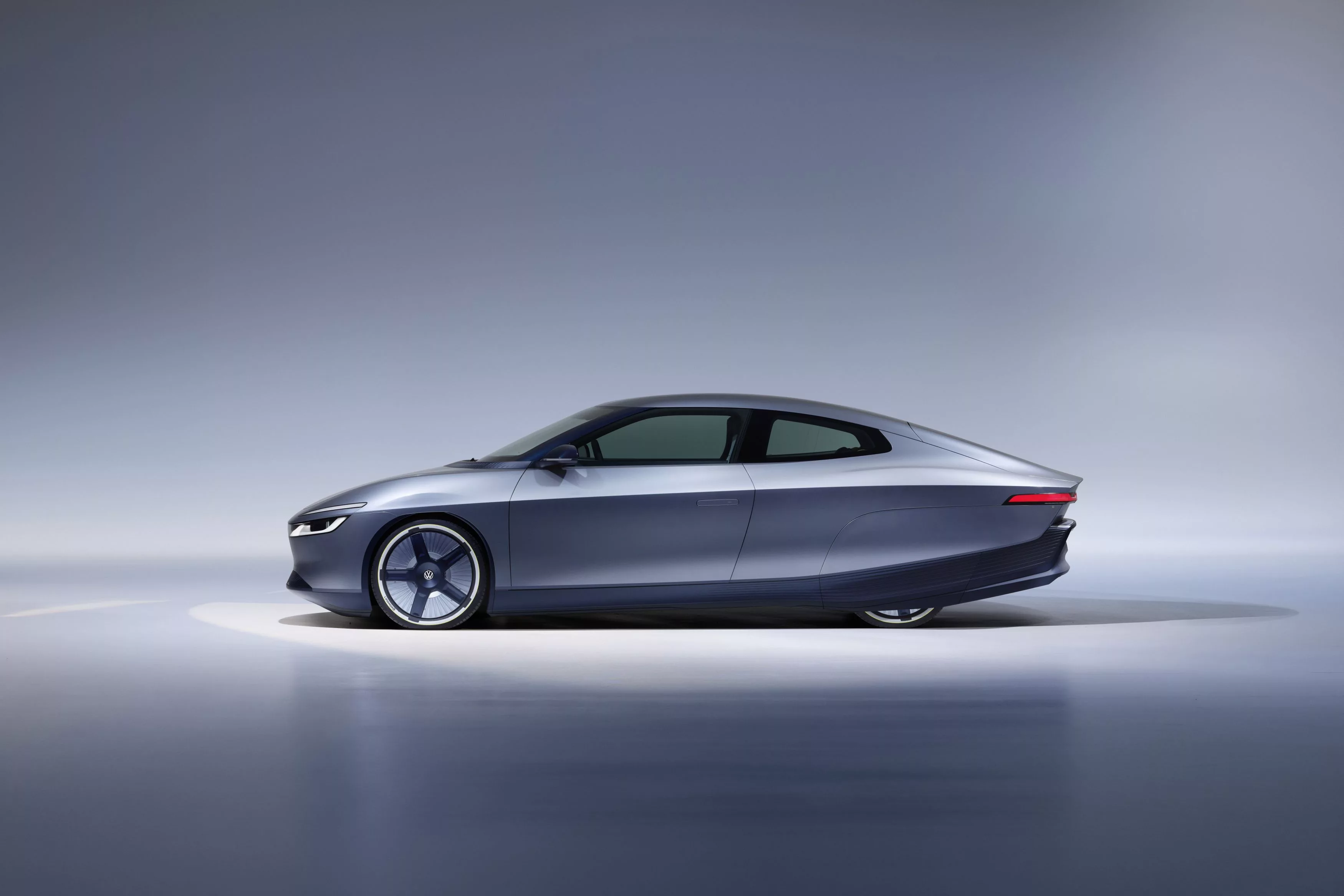
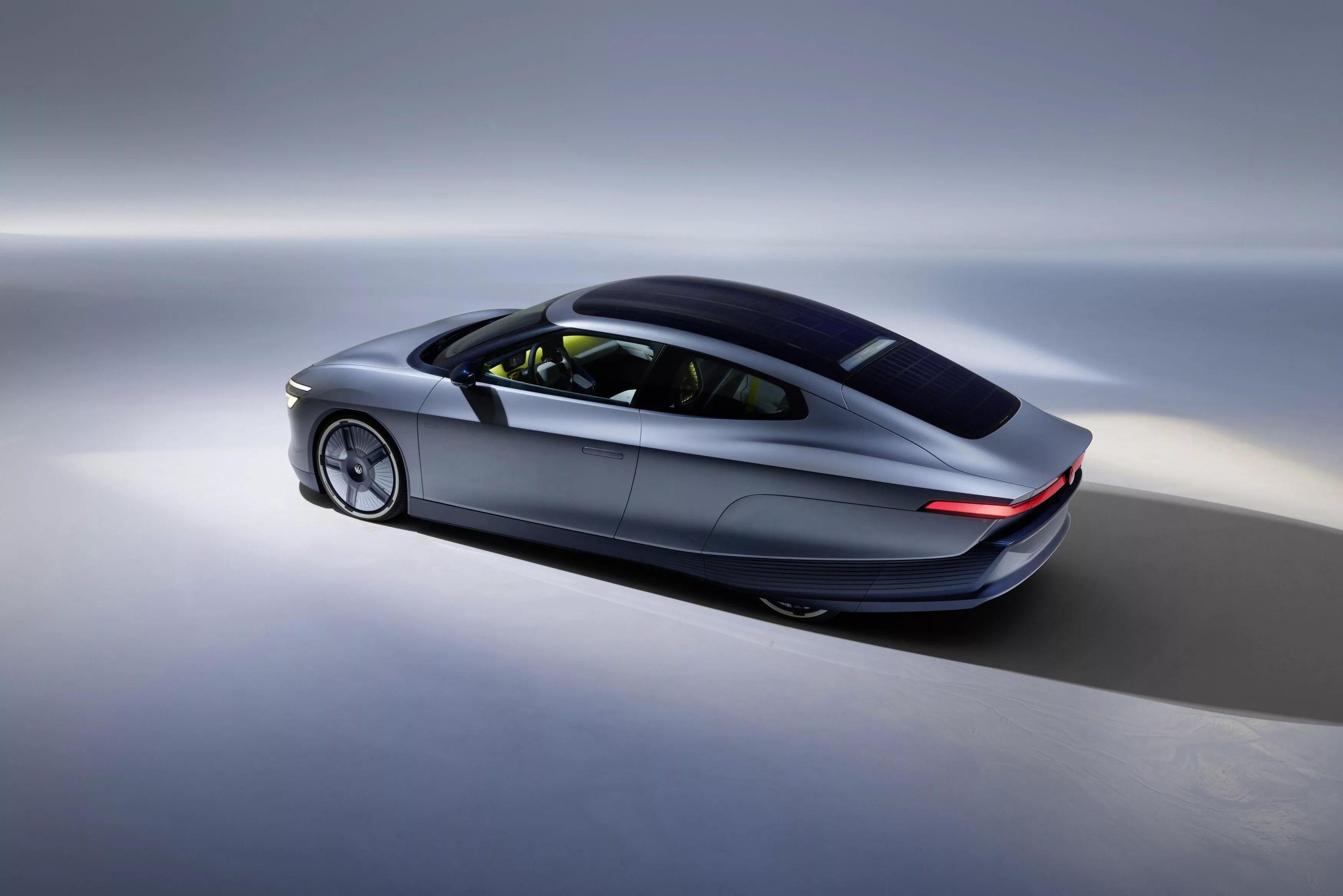
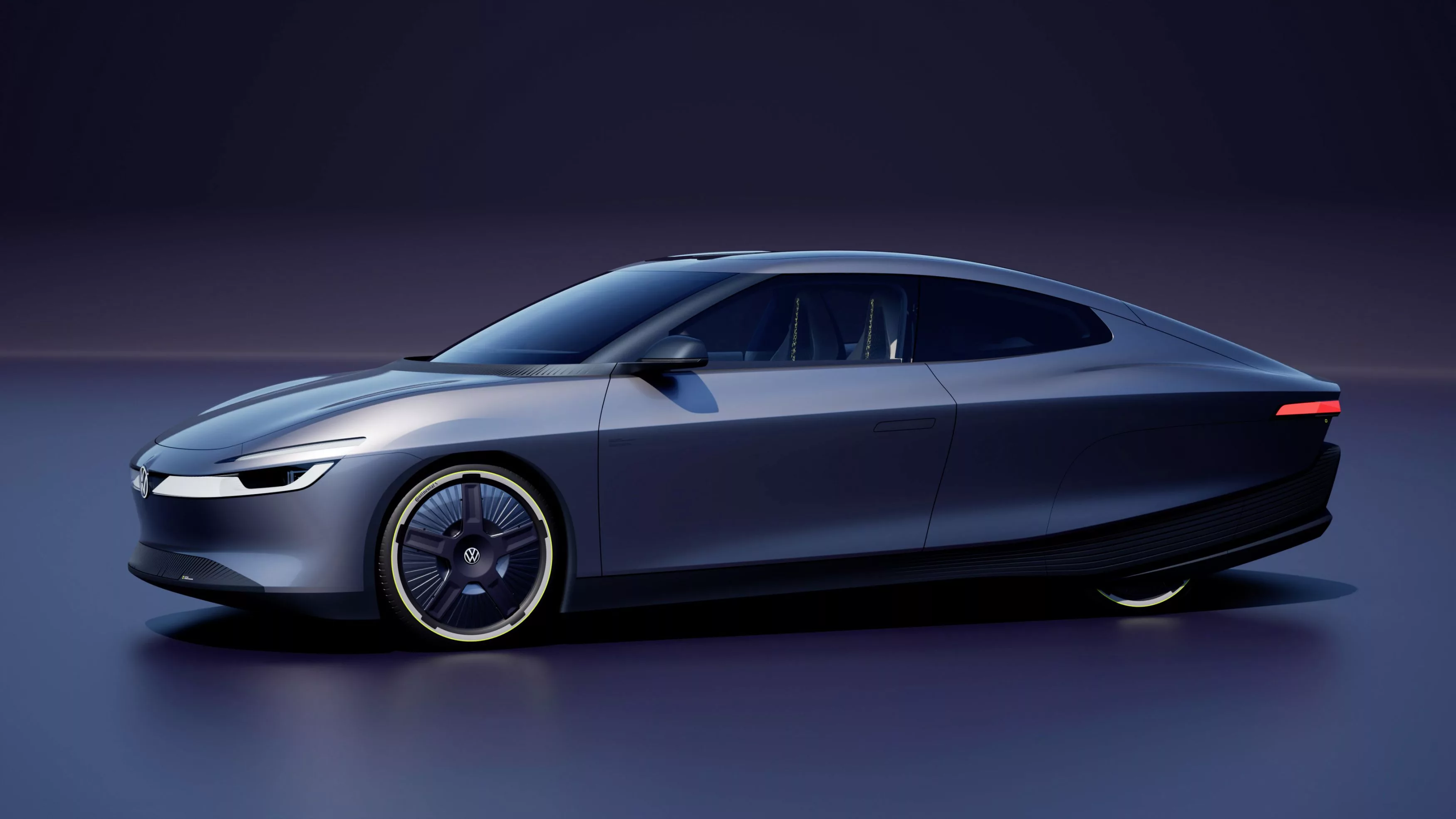
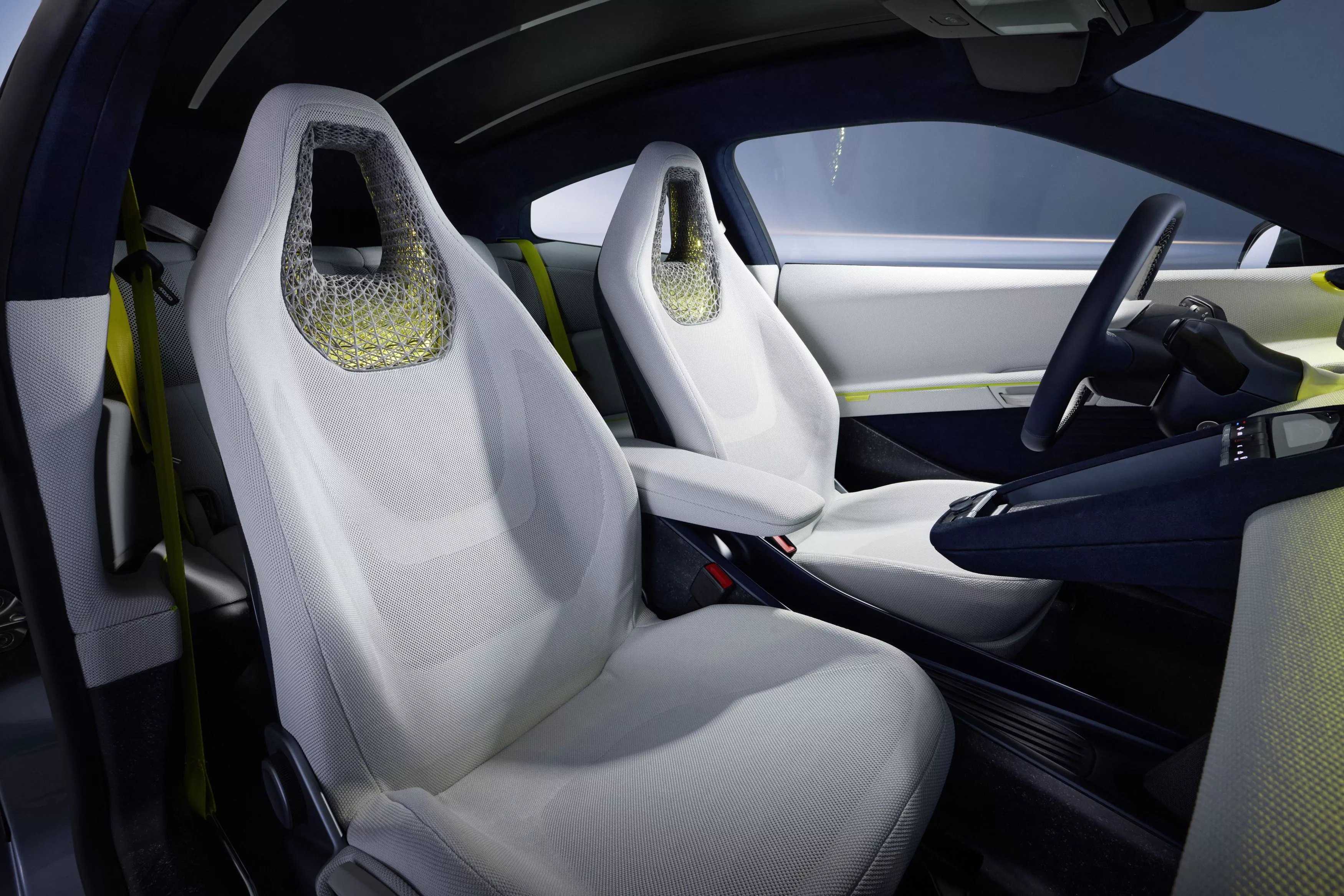
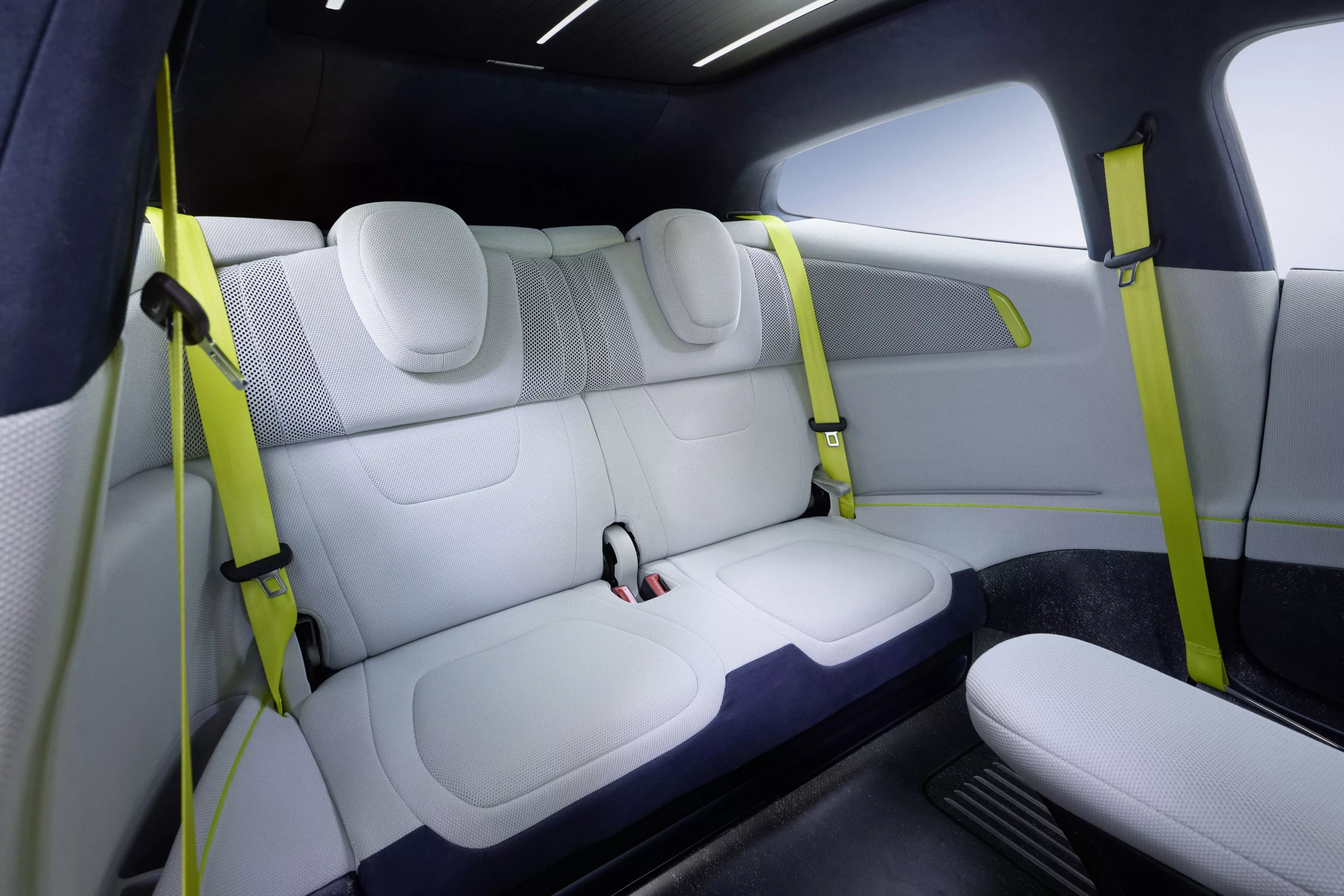
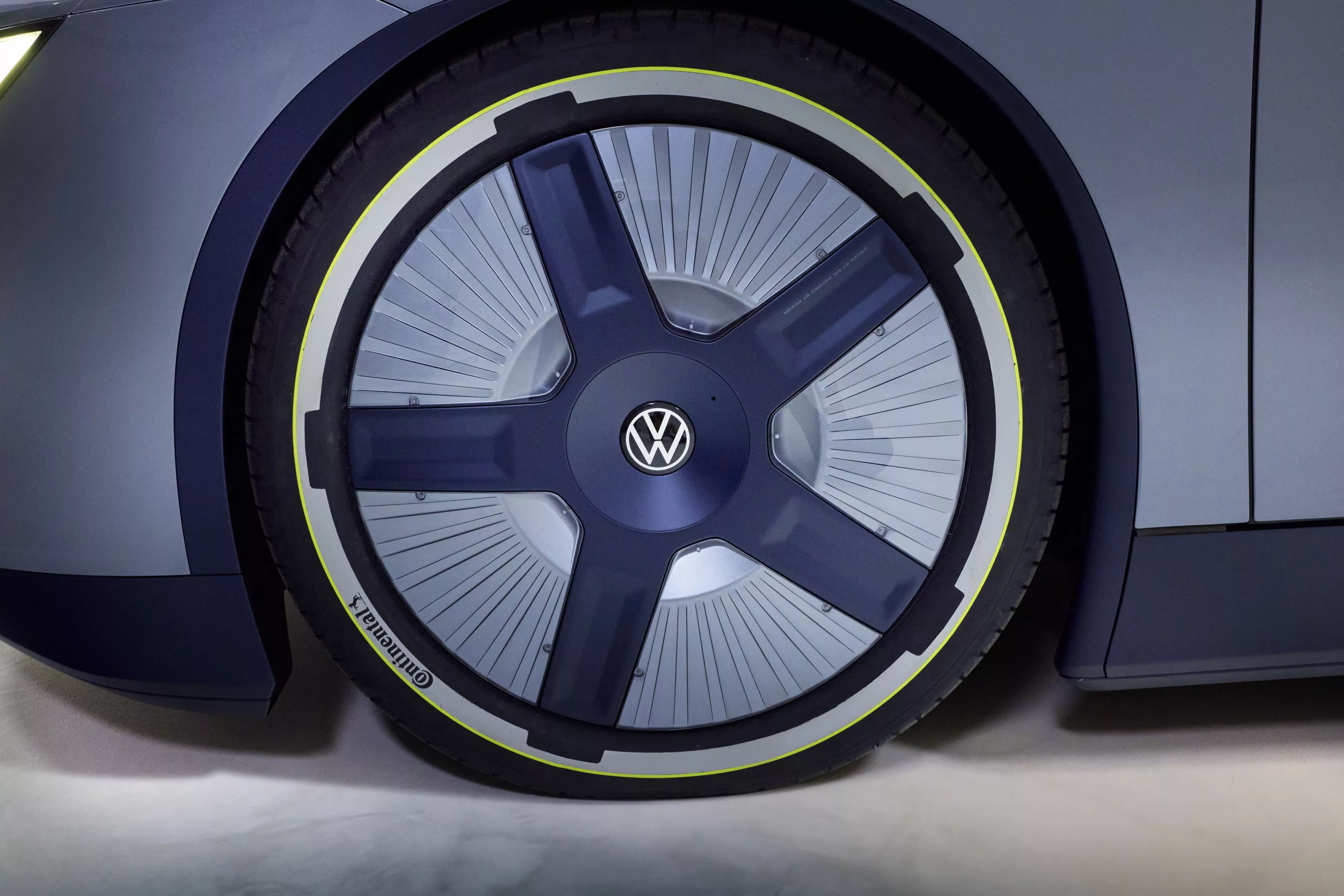
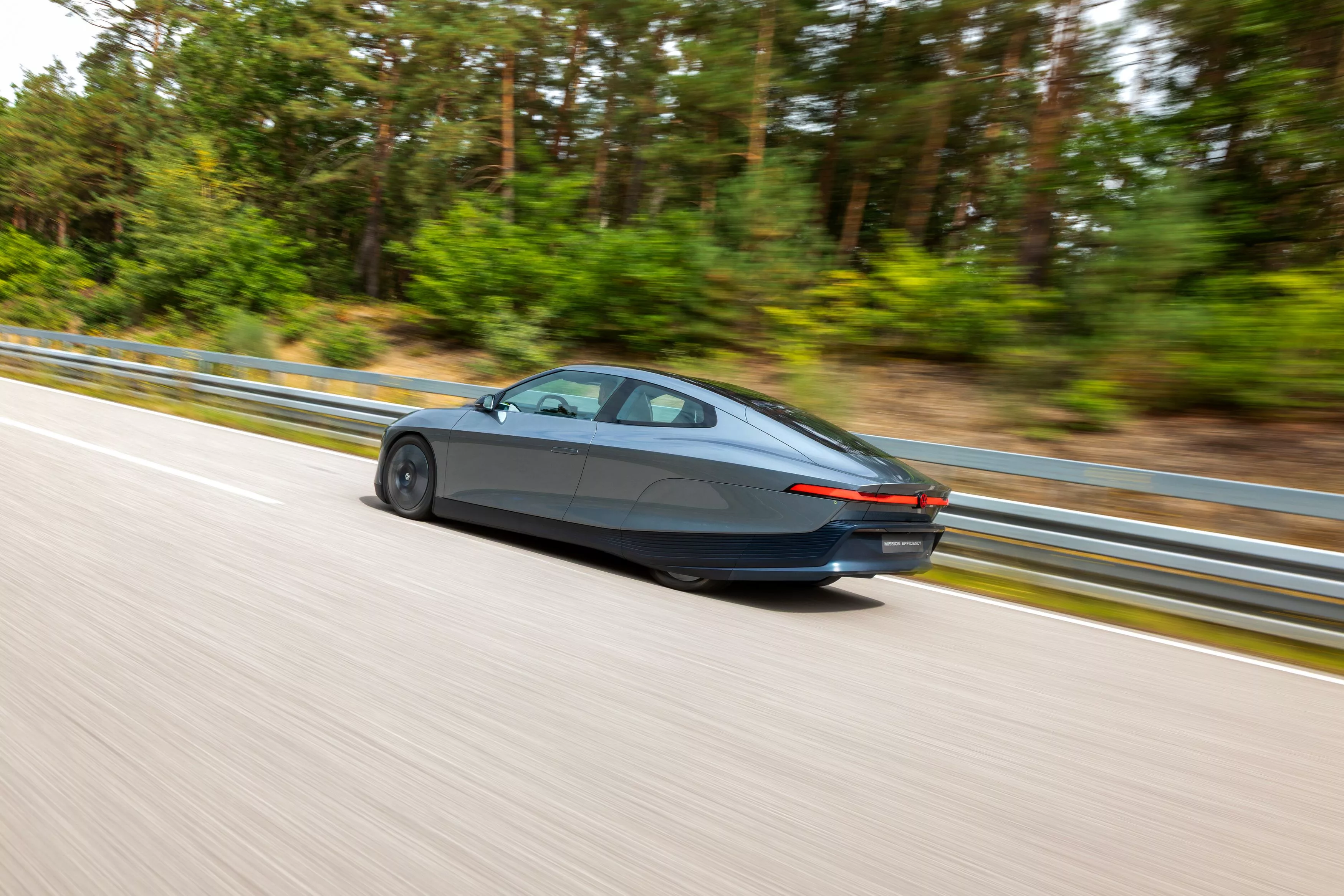
Volkswagen built the Mission Efficiency prototype to demonstrate how low an electric car’s energy consumption can go without using an exotic powertrain. The result is 6.89 kWh/100 km in an actual 1,278 km road test and a drag coefficient of Cd 0.158. Both figures are exceptional even among experimental electric cars.
The most important detail, however, lies beneath the car’s skin. Mission Efficiency uses the MEB+ platform, a 54.9 kWh battery and a 99 kW electric motor from the ID. Polo. Volkswagen did not pursue the record with a huge battery, but by reducing the amount of energy the car needs to move in the first place.
1,278 km and only one charge
Volkswagen drove the prototype from Wolfsburg to Vienna via Poznań and Olomouc. Over the 1,278.36 km route, the car averaged 6.89 kWh/100 km, excluding charging losses. Including charging losses, the result was 7.51 kWh/100 km.
Average speed reached 67.72 km/h, while the top speed was 138 km/h. The battery, with a net capacity of 54.9 kWh, needed to be charged only once during the journey, and the car still indicated 164 km of range on arrival in Vienna.
Volkswagen also recorded 6.48 kWh/100 km, but that required ideal conditions: a constant speed of 68 km/h, a level road and auxiliary electrical loads switched off. The 6.89 kWh figure therefore gives a better picture of real-world use.
For comparison, the new production ID. Polo consumes around 13.3–14.8 kWh/100 km under WLTP, depending on the version. Mission Efficiency therefore needs almost half as much energy.
Cd 0.158 is this car’s most important number
Mission Efficiency has a drag coefficient of just 0.158 and a frontal area of 2.08 m². Volkswagen says its Cd figure is a record among vehicles homologated for highway use.
To achieve this, the car received a teardrop-shaped body, covered rear wheels, a smooth underbody, active cooling vents and door handles recessed into the bodywork. Around the wheels, Volkswagen uses patented air deflectors.
The result becomes especially noticeable at higher speeds. Above 80 km/h, Mission Efficiency uses at least 30 percent less energy than a conventional ID. Polo. According to Volkswagen’s measurements, at 140 km/h the prototype requires roughly the same amount of energy as an ID. Polo at 100 km/h.
This matters for an electric car because, at higher speeds, aerodynamic drag is what quickly eats into range. Adding a larger battery does improve range, but it also increases weight, price and the energy required for charging. Mission Efficiency approaches the problem from the opposite direction.
A four-seat record car
Mission Efficiency is not exactly a tiny, single-seat record machine. The car has a 2+2 seating layout and a 481-litre luggage compartment. The rear seats are suitable for occupants up to 160 cm tall.
To save weight, Volkswagen uses carbon-fibre-reinforced plastic and aramid composites. According to the manufacturer, the specially developed tyres have rolling resistance around a quarter lower than that of the most efficient conventional tyres.
Solar panels installed on the roof and rear window generate electricity for the car’s low-voltage system. Volkswagen estimates that, under ideal conditions, solar energy could provide up to 30 km of additional range per day.
More important than the record itself
Volkswagen does not intend to put Mission Efficiency on sale in this form. The car’s value lies in testing technologies.
The MEB+ platform and 99 kW powertrain are essentially derived from mass production, allowing Volkswagen to transfer some of the aerodynamic, drivetrain and energy-use solutions to future ID models. Mission Efficiency makes a fairly strong case that achieving longer range does not necessarily mean cramming more battery into a car. Sometimes, it simply means building a car that wastes less energy.


