
Volvo prepares 13 new models and abandons the idea of a single global line-up
Volvo is launching the largest product offensive in its 99-year history. The Swedish manufacturer will introduce 13 entirely new cars by the end of 2030: seven for Western markets and six for China. The line-up will include both electric vehicles and third-generation hybrids.
Seven new Volvos for Western markets
Volvo’s previous ambition of maintaining as unified a global model line-up as possible is giving way to a regional strategy. The company is developing seven new models for Europe, the US and other Western markets, while China will receive six cars tailored to the local market.
Volvo has not yet revealed the names of all 13 models. However, the company confirms that both fully electric cars and new-generation hybrids will play an important role in the line-up.
This marks a significant change of direction. Only a few years ago, Volvo intended to move rapidly towards an entirely electric model range, but demand has not developed at the same pace everywhere. The company now wants to offer hybrids with long electric range alongside EVs for customers who are not ready to give up the internal-combustion engine completely.
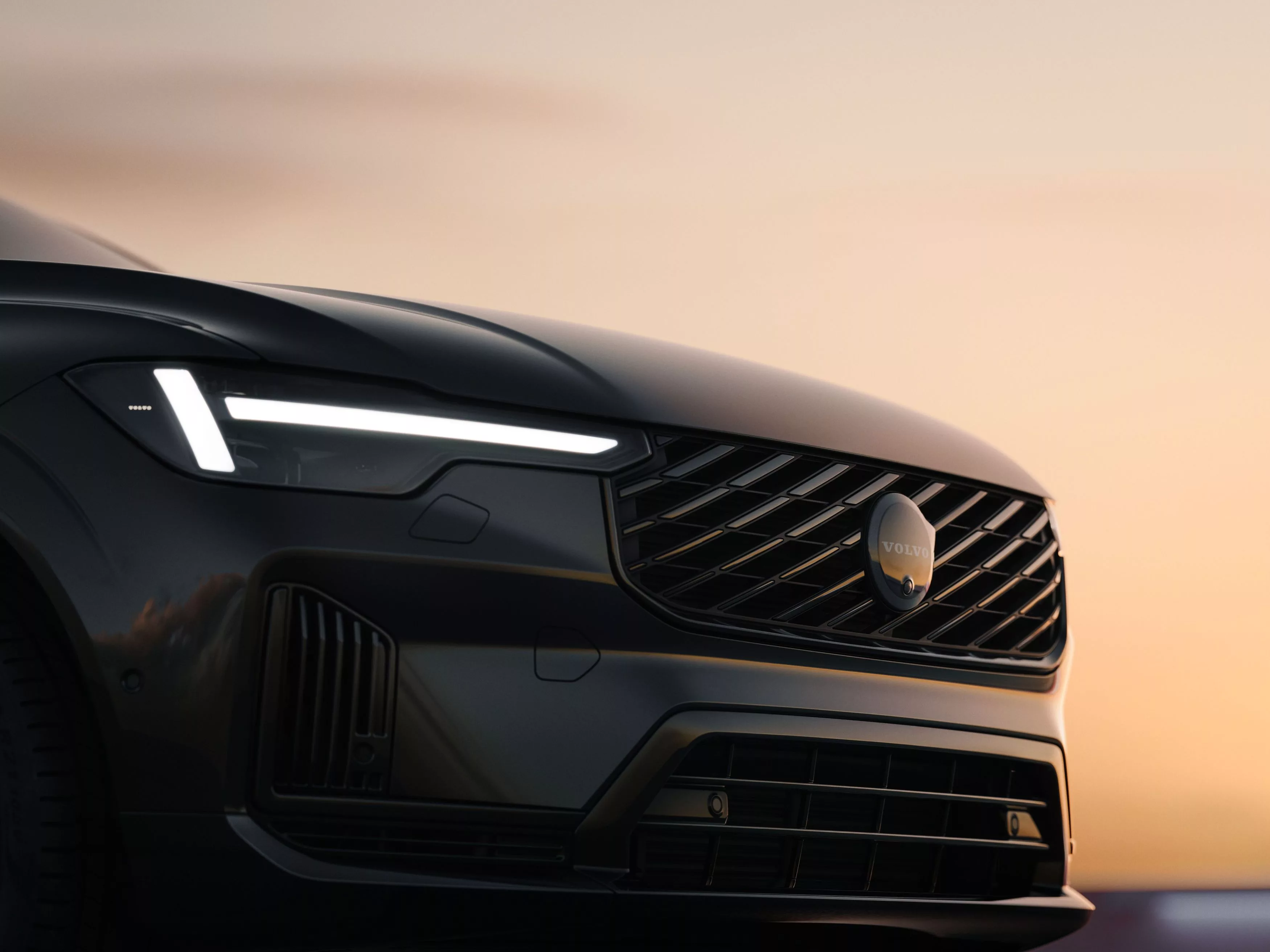
A good example of the new strategy is the XC60 plug-in hybrid recently unveiled for Europe, which can travel up to 200 km on electric power in the WLTP cycle. The corresponding figure for the XC90 is 160 kilometres.
SPA3 to become the backbone of electric vehicles
The new models will be underpinned by the SPA2 and newer SPA3 architectures. SPA3 is Volvo’s next-generation electric vehicle platform, first used by the EX60.
Volvo hopes to cut costs through standardisation. According to Reuters, the company aims to increase the share of shared components with Geely from around 10% at present to 30%. Cooperation with Geely will become even closer for the Chinese models.
This is an unavoidable step in the European competitive landscape. BMW, Mercedes-Benz and Audi are investing in new electric architectures, while Chinese manufacturers are pushing prices down. Volvo cannot afford to develop 13 cars that are too technically different in this company.
The goal is to double market share
The flood of models is not just a technological project. Volvo also wants to double its market share with the new cars and achieve an operating profit margin of more than 8% in the longer term. The corresponding figure was 3.5% in 2025.
The pressure to grow is real. Volvo sold 710,042 cars worldwide in 2025, 7% fewer than a year earlier. The summer of 2026 was also weak: from June to August, the company sold 148,239 cars, down 7.4% year on year.
For European customers, the new strategy primarily means greater choice. Volvo is not forcing its entire model range behind a single powertrain, but is investing simultaneously in electric cars and hybrids with significantly longer electric range. In the current European market situation, this appears much more pragmatic than a calendar that sets a date by which the internal-combustion engine must necessarily disappear.


