
Volvo EX60: A Swedish Promise to Cure Range Anxiety with 810 Kilometers of Optimism
 1/3
1/3

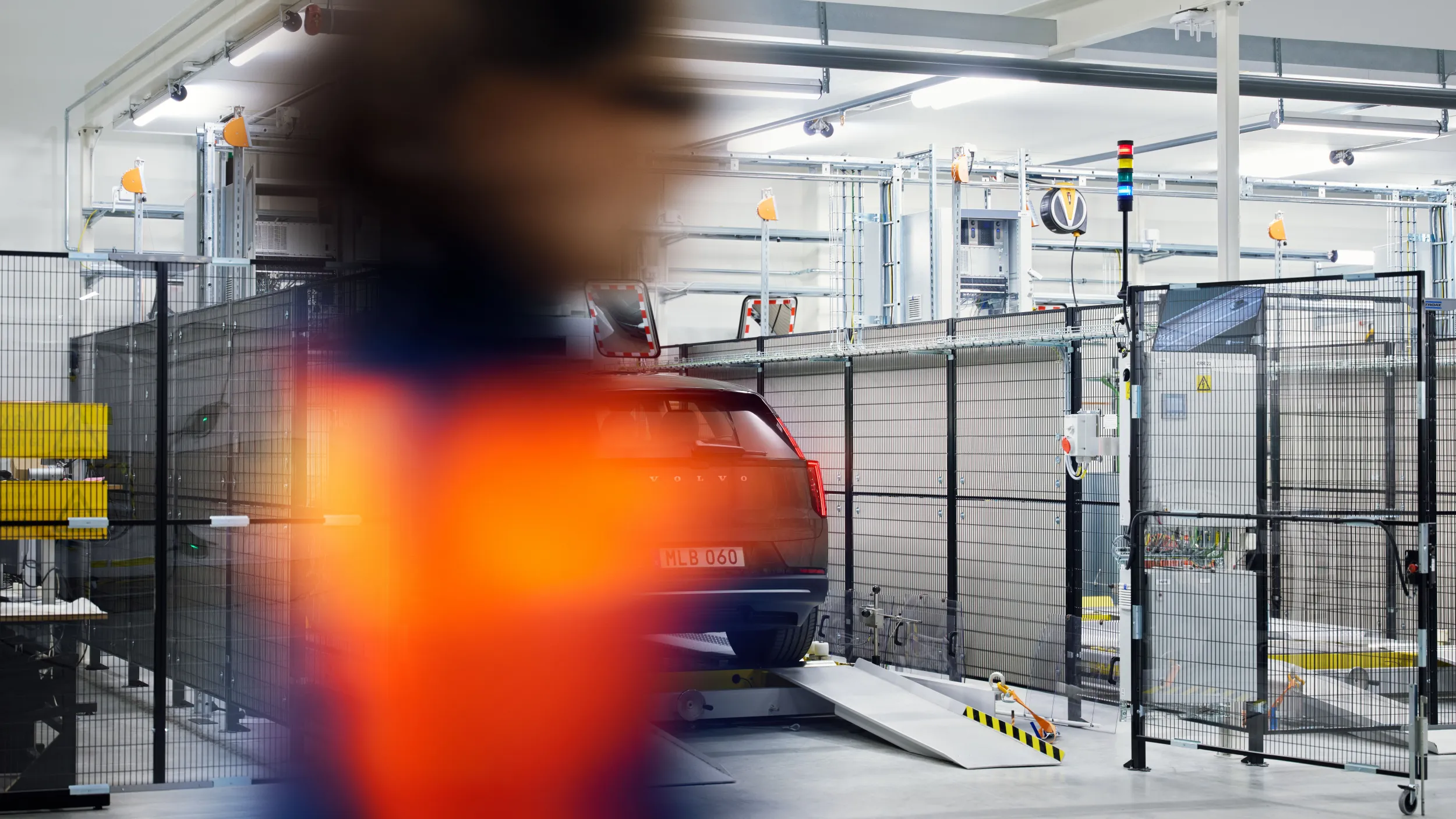
Volvo has decided that the era of tethering electric vehicle ownership to long charging sessions and constant range calculations must come to an end, unveiling its latest strategic gambit, the EX60. The Swedish automaker, typically known for stolid safety rather than radical technological leaps, is now confidently asserting that its new SUV can cover up to 810 kilometers on a single charge. It is a figure clearly designed to silence the critics who still view electric mobility as a compromise reserved strictly for urban environments.
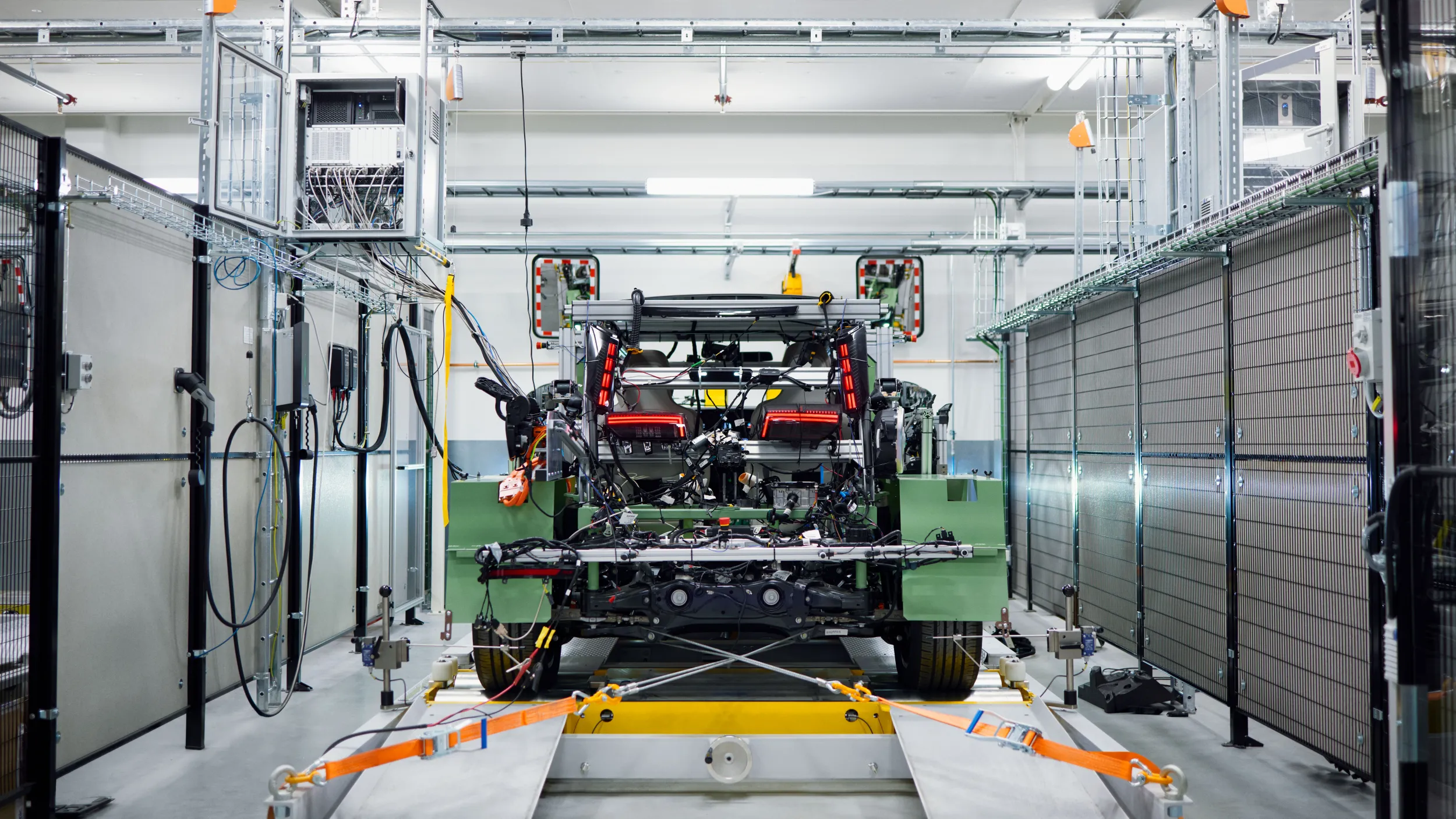
Technologically, the new model rests on Volvo’s most advanced SPA3 platform to date, where the battery is integrated directly into the vehicle’s structural frame. This approach, combined with a "megacasting" production method that replaces hundreds of small components with a single high-precision cast part, has allowed for significant weight savings and efficiency gains. While Chief Technology Officer Anders Bell speaks of this architecture as a "game changer" that equates electric travel with the convenience of gasoline engines, the true appeal lies in the purported charging speeds.
Volvo promises that replenishing the EX60 will no longer necessitate a full lunch break, but rather a brief pause for coffee. Thanks to an 800-volt electrical system and proprietary software, the vehicle can reportedly regain 340 kilometers of range in just ten minutes when connected to a 400 kW fast charger. Furthermore, the manufacturer insists that these charging rates remain stable regardless of weather conditions—a necessary prerequisite for a brand rooted in the Nordics, rather than a mere luxury feature.
While the official full-scale debut of the EX60 is scheduled for late January, Volvo has already established a narrative where compromises are a thing of the past. Beyond the technical specs, the company is backing its claims with a ten-year battery warranty, emphasizing the idea that transitioning to a fully electric future should not be a source of anxiety for the owner. Whether these ambitious promises hold up under the scrutiny of real-world highway speeds remains to be seen once the first units finally depart the factory gates.
Volvo promises that replenishing the EX60 will no longer necessitate a full lunch break, but rather a brief pause for coffee. Thanks to an 800-volt electrical system and proprietary software, the vehicle can reportedly regain 340 kilometers of range in just ten minutes when connected to a 400 kW fast charger. Furthermore, the manufacturer insists that these charging rates remain stable regardless of weather conditions—a necessary prerequisite for a brand rooted in the Nordics, rather than a mere luxury feature.
While the official full-scale debut of the EX60 is scheduled for late January, Volvo has already established a narrative where compromises are a thing of the past. Beyond the technical specs, the company is backing its claims with a ten-year battery warranty, emphasizing the idea that transitioning to a fully electric future should not be a source of anxiety for the owner. Whether these ambitious promises hold up under the scrutiny of real-world highway speeds remains to be seen once the first units finally depart the factory gates.


