
Volvo EX60 receives 50,000 orders, but factory has built just 5,000 cars
 1/18


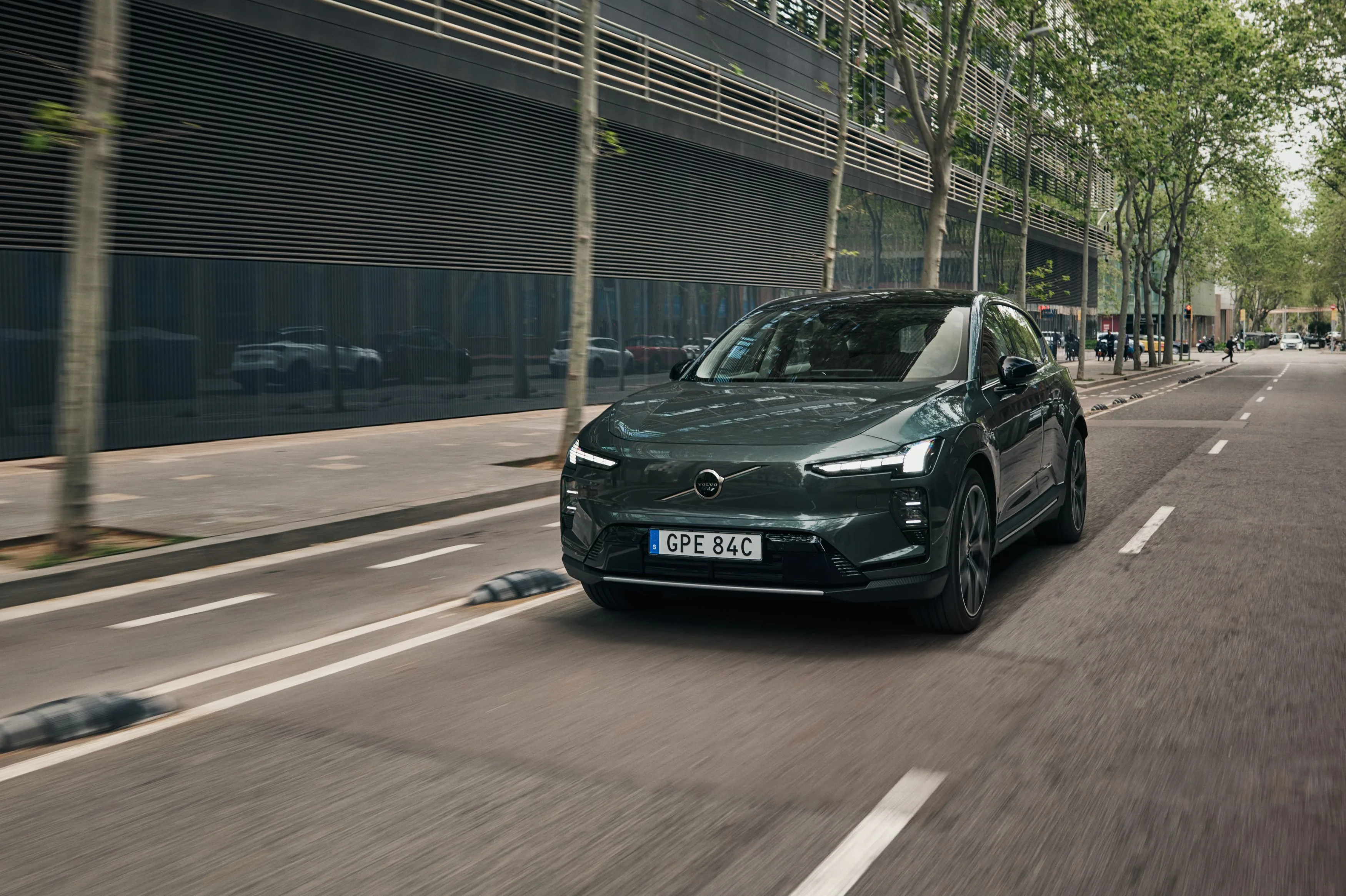
Volvo’s new EX60 electric SUV has proved more popular than expected in Europe, but the manufacturer cannot keep pace with orders. More than 50,000 orders stand against just 5,000 completed cars. The problem is not weak demand, but new production technology that is proving far harder to introduce than the Swedish carmaker had hoped.
New battery technology slows production
Presenting its financial results, the company’s management acknowledged that ramping up EX60 production is taking longer than planned. Production began in April at the Torslanda plant near Gothenburg but has yet to reach the desired pace.
The main problem lies in the new manufacturing methods used for the SPA3 platform. The EX60 uses a battery integrated into its load-bearing body, with the cells forming part of the car’s structure. This approach reduces the number of components, allows more efficient use of space and should cut production costs in the longer term. In practice, however, the new technology requires a thorough overhaul of production processes. Large, single-piece die-cast components, which Volvo is using to replace conventional body structures made up of multiple parts, add further complexity.
According to Volvo sales chief Erik Severinson, battery production volumes are increasing week by week, but the plant will not reach its planned production rate until sometime in 2027.
It is important to distinguish between production and deliveries: Volvo has built approximately 5,000 EX60s, but not all of these cars have reached customers yet.
A successful sales launch turns into a financial problem
The EX60 is an exceptionally important model for Volvo. It is intended to complement the popular XC60 with an electric alternative and become one of the company’s main sources of profit.
Chief executive Håkan Samuelsson acknowledged that the slow production ramp-up is delaying the EX60’s expected contribution to the company’s financial results.
The timing is particularly unfavourable. Volvo ended the third quarter with an adjusted operating loss of approximately €330 million and announced a further 2,500 job cuts. Meanwhile, the company urgently needs sales revenue from new models.
The production difficulties are also affecting customers. Delivery times for Swedish buyers have lengthened by several months, and Volvo is offering some waiting customers compensation in the form of extra equipment or discounts. Deliveries in the US market will remain limited for now.
The EX60 has plenty to offer its rivals technically
One of the EX60’s strengths is its new 800-volt electrical system, which enables fast charging and a long driving range.
The range-topping P12 AWD develops 500 kW and 790 Nm, accelerates to 100 km/h in 3.9 seconds and can cover up to 810 km on the WLTP cycle.
The more affordable rear-wheel-drive P6 offers 275 kW and a range of up to 611 km, while the all-wheel-drive P10 AWD delivers 375 kW and up to 660 km.
In Estonia, EX60 prices start at €65,250. The most powerful version, the P12 AWD, costs at least €74,550.
In Europe, the EX60 competes primarily with the BMW iX3 and the electric version of the Mercedes-Benz GLC. Volvo’s long range and competitive pricing give it a strong starting position, but no technical advantage will help if buyers have to wait too long for their cars.
The EX60’s situation illustrates a paradox in today’s automotive industry. Innovative production technology is supposed to reduce costs and improve profitability, but introducing it can initially have precisely the opposite effect.
Volvo has already demonstrated demand. Now it must prove that it can fulfil those orders within a reasonable time.


