
Mercedes-AMG C 63 to return, with petrol and electric power both under consideration
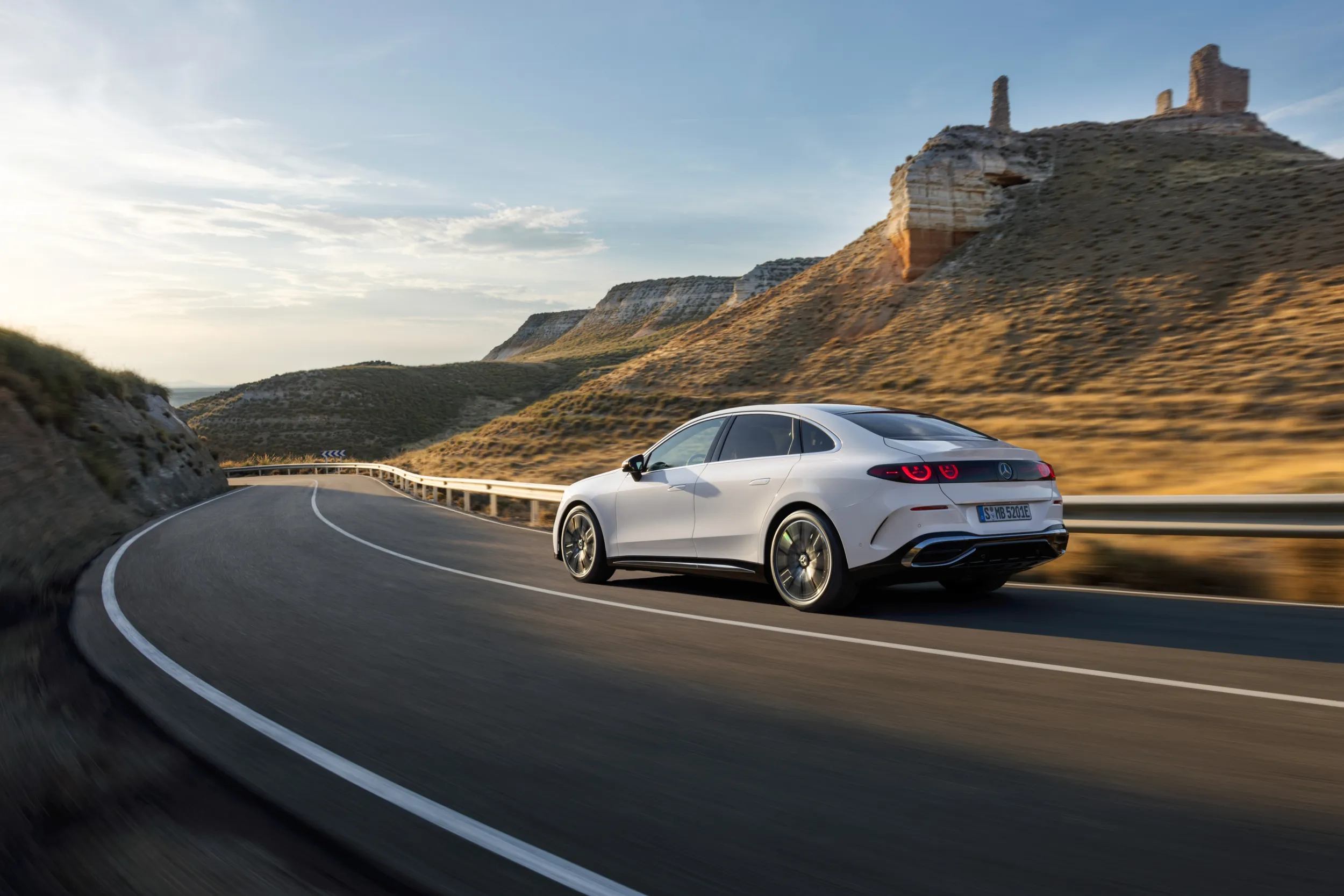
Mercedes-AMG has no intention of dropping the C 63 name, despite its experiment with a four-cylinder plug-in hybrid disappointing the brand’s fans. The German carmaker is developing a new performance C-Class and considering both combustion and electric power. A return for the legendary V8 engine, however, is far from certain.
Mercedes acknowledges the need to change course
Mercedes-Benz chief technology officer Jörg Burzer confirmed to Australian publication Drive that AMG is developing both combustion and electric powertrains for the next-generation C 63. This does not yet mean that both versions will enter series production, but it shows that Mercedes wants to retain its higher-performance mid-size model after the current generation bows out. The current Mercedes-AMG C 63 S E Performance combines a 2.0-litre turbocharged four-cylinder engine with an electric drive. The system develops 500 kW and 1020 Nm, accelerating the saloon to 100 km/h in 3.4 seconds.
The figures are impressive, but they did not do enough to convince buyers. Compared with earlier V8 models, the C 63 lost a significant part of its character, while the complex hybrid system pushed the car’s weight above two tonnes. AMG’s management has acknowledged that the technically capable four-cylinder powertrain failed to meet customers’ expectations.
Six-cylinder C 53 fills the gap
Before the new C 63 arrives, Mercedes-AMG will launch the C 53, powered by the 3.0-litre straight-six engine familiar from the CLE 53.
In the current CLE 53, this engine develops 330 kW and 560 Nm. The new C 53 will dispense with the current C 63’s complex plug-in hybrid system, which should reduce weight and deliver a more direct driving experience. Although the six-cylinder engine produces less power than the current C 63, lower weight and more natural power delivery could make the car more enjoyable on winding roads.
V8 return depends on the next generation
Mercedes-AMG continues to develop eight-cylinder engines and plans to produce them until at least 2035. However, the V8 will not return to the current C-Class.
The main reason is economic. Adapting the large engine for the existing model generation would require significant investment that the remaining production run would be unlikely to justify.
Mercedes has not yet disclosed the final engine line-up for the next-generation C-Class. A possible V8 version therefore remains speculative for now.
The manufacturer is also not disclosing the new C 63’s launch date, power output or price.
BMW M3 remains the main rival
Mercedes-AMG’s biggest challenge is to restore the C 63’s competitiveness against the BMW M3. BMW’s six-cylinder performance model has maintained a strong position thanks to its traditional powertrain and driver-focused character.
In Europe, increasingly stringent emissions standards are adding to the competitive pressure. AMG must find a solution that combines an engine that meets the regulations, reasonable weight and a driving experience befitting a sports car.
An electric C 63 could offer more power than the current model, but the success of a combustion-engined version depends more on emotional appeal than acceleration figures.
Mercedes has already proved with the four-cylinder C 63 that enormous power alone does not guarantee a performance model’s success. The next generation must win back what was lost with the hybrid powertrain: character.


