
Mazda prepares six-cylinder hybrids and new Skyactiv-Z engine family
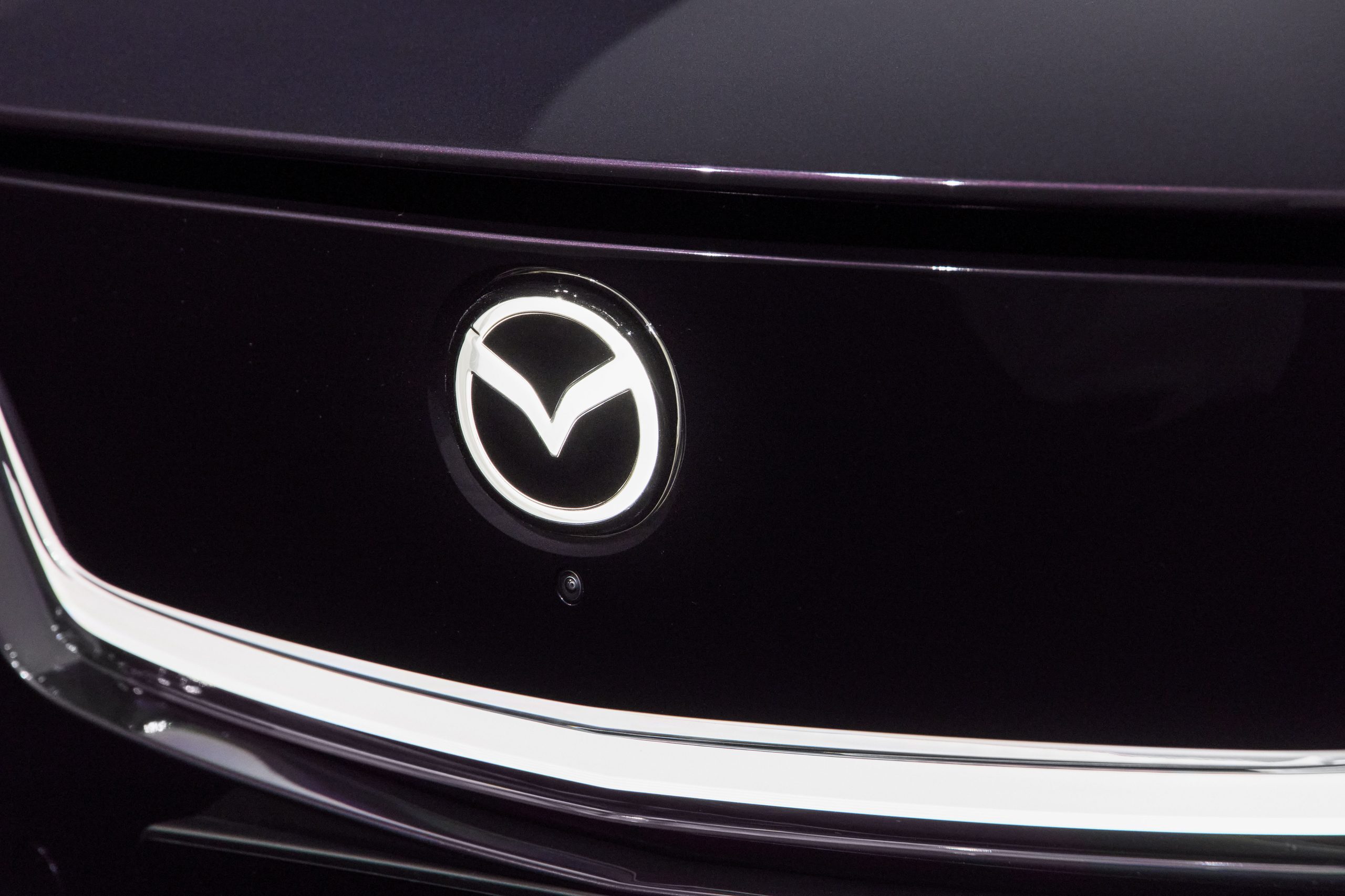
Mazda has no intention of abandoning the internal combustion engine. The Japanese carmaker is developing a new Skyactiv-Z engine family and its own hybrid system, which will debut in the Mazda CX-5 in 2027. More intriguing still is its plan to extend the new combustion technology to six-cylinder engines, preserving the performance of larger SUVs while reducing their fuel consumption and emissions.
Skyactiv-Z starts with four cylinders
According to Mazda's 2026 business report, the CX-5 will be the first model to use the new technology, with a hybrid powertrain combining a 2.5-litre four-cylinder Skyactiv-Z petrol engine with an electric drive system developed in-house. Skyactiv-Z focuses on improving the combustion process. Mazda aims to achieve the most complete combustion possible across different engine loads to improve engine efficiency and reduce emissions. The new powertrain is intended to deliver lower fuel consumption, quieter urban driving and more immediate throttle response than before. Mazda continues to emphasise its Jinba Ittai philosophy, which centres on making the interaction between driver and car as natural as possible. In Europe, the new CX-5 currently uses a 2.5-litre 104 kW petrol engine with a mild-hybrid system. The forthcoming full hybrid, by contrast, will be able to run on electric power alone in suitable conditions.
Six-cylinder engines to receive the same technology
Mazda plans to apply Skyactiv-Z combustion technology to its longitudinally mounted straight-six engines as well. The company is also considering using components from the new hybrid system in larger models.
This opens up the possibility of upgrading the powertrains in the CX-60, CX-80 and other large SUVs, but Mazda has not confirmed specific hybrid versions or their launch dates.
Unlike many competitors, Mazda continues to invest in large-displacement engines. Electrification allows their fuel consumption to be reduced without sacrificing the smoothness and power reserves characteristic of a six-cylinder engine.
Skyactiv-Z combustion technology could also reach Mazda's rotary engines in the future. The company is exploring its use to improve rotary engine emissions performance.
Mazda faces competition from Toyota in Europe
The new CX-5 hybrid will compete primarily with the Toyota RAV4 and Honda CR-V. Both already have established full-hybrid technology, so Mazda must prove it can offer at least comparable fuel economy alongside a better driving experience.
The Mazda CX-50 uses Toyota's hybrid system in North America, but the company decided to develop its own solution for the CX-5. This gives engineers greater freedom to coordinate the operation of the engine, electric drive and transmission.
Meanwhile, Mazda continues to develop electric cars in collaboration with partners. The Mazda6e and CX-6e, developed with China's Changan, show that the company is not committing to a single type of powertrain for the future.
Mazda's strategy is clear: electric cars suit one group of buyers, hybrids another. In the European market, this approach could prove sensible, particularly if the new Skyactiv-Z can combine low fuel consumption with Mazda's traditionally good handling.


