
Volvo poaches Škoda chief
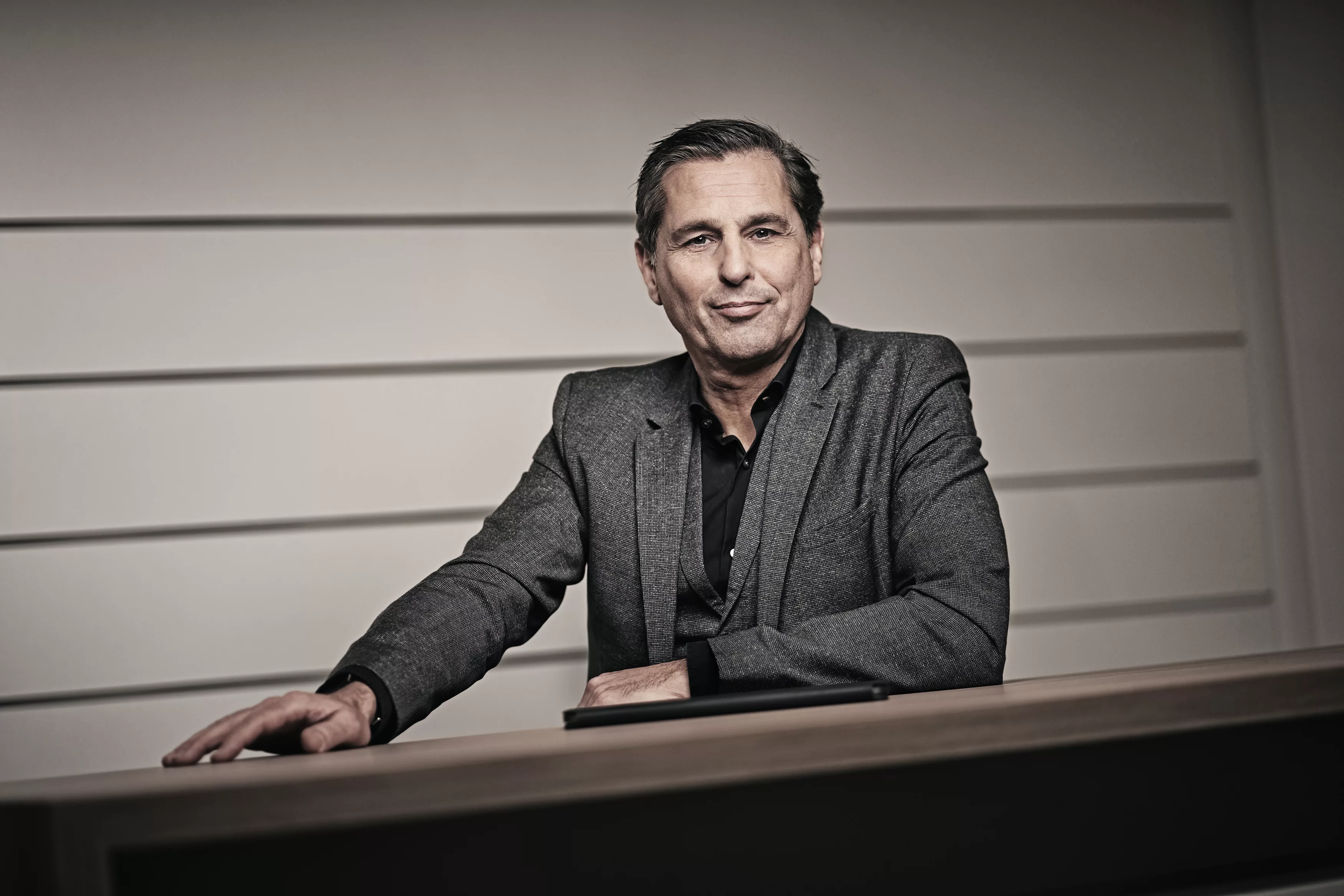
Volvo Cars has chosen Klaus Zellmer, Škoda’s current chief, as its next CEO. The choice is no coincidence: under Zellmer, Škoda has risen to the very top of Europe’s sales rankings and delivers an 8.5% return on sales. Volvo, meanwhile, wants to raise its EBIT margin above 8%. In other words, Volvo is hiring the man whose current company is already doing roughly what Gothenburg is still trying to achieve.
Zellmer will not be making a swift move, however. Volvo Cars announced on 20 September that Zellmer will take up the role of president and CEO no later than 1 October 2027. Until then, current CEO Håkan Samuelsson will lead the transition together with the company’s board.
Škoda’s results make the choice easy enough to understand
Fifty-nine-year-old Klaus Zellmer has worked in the automotive industry for more than 30 years. Before becoming Škoda’s chief in 2022, he spent more than two decades at Porsche, including leading Porsche’s operations in Germany and North America. He later served as head of sales, marketing and aftersales at Volkswagen Passenger Cars.
However, it is his time at Škoda that provides the clearest context for Volvo’s decision.
In 2025, Škoda delivered 1,043,900 cars worldwide, 12.7% more than a year earlier. Revenue rose to a record €30.1 billion and operating profit reached €2.5 billion. Return on sales came to 8.3%, while Škoda became Europe’s third-largest car brand.
Growth continued this year. In the first half of 2026, Škoda delivered 555,700 cars, 9.1% more than a year earlier, and rose to become Europe’s second-largest car brand by sales. Operating profit reached €1.4 billion and return on sales stood at 8.5%. At the same time, deliveries of fully electric cars increased by 48.3%.
For Volvo, this combination is more valuable than merely another name on the automotive industry’s executive carousel. Zellmer brings experience from Porsche’s premium segment, Volkswagen’s vast sales organisation and Škoda’s efficient volume production.
Efficiency is exactly what Volvo needs now
Zellmer is not joining a company in calm waters. Volvo sold 710,000 cars in 2025, but its operating profit was just SEK 0.3 billion and its EBIT margin only 0.1%. In the second quarter of 2026, the margin reached 1.1%.
In the background, the company is under pressure from US tariffs, weakness in the Chinese market, electric-vehicle development costs and price competition. According to Reuters, Volvo’s share price has fallen by more than 45% during 2026.
Volvo’s response is fairly forceful. Just three days before naming Zellmer, the company unveiled the largest product offensive in its history: 13 entirely new cars are due by the end of 2030. Seven of them are aimed at Western countries and six at China. At the same time, Volvo wants to lift its long-term EBIT margin above 8%.
Škoda has made skilful use of Volkswagen Group technology and economies of scale while maintaining the clear positioning of its models. Volvo wants to do something similar within the Geely ecosystem.
Volvo and Geely strengthen their ties
Volvo is owned by China’s Geely Holding, and one of the key questions for the next stage of development is how extensively the Swedish brand can use Geely technology and components without diluting its identity.
By 2030, Volvo plans to increase the share of components shared with Geely to 30%. The company estimates that this should reduce material costs by around 5%. At the same time, model programmes for China and Western countries will diverge more clearly than before, as regulations, tariffs and customer requirements move in different directions.
Zellmer knows this kind of balancing act well. Škoda’s success is based largely on sharing Volkswagen Group platforms, powertrains, software and manufacturing capacity, yet customers do not see the Octavia or Elroq as cheaper copies of Volkswagen models. Volvo needs exactly the same skill as it deepens its cooperation with Geely.
Samuelsson returned as an interim chief
The leadership change brings to an end a rather turbulent period for Volvo in recent years. Håkan Samuelsson first led the company from 2012 to 2022. He was succeeded by Jim Rowan, but Volvo brought Samuelsson back in 2025 on a two-year contract.
Samuelsson said in September that, after his contract ends in April 2027, he does not intend to work full-time any longer. The official deadline for Zellmer to take office, 1 October 2027 at the latest, therefore leaves a gap of several months on paper. Volvo has not yet specified whether Zellmer will start earlier or how the company will manage that period. Nor has Škoda yet announced who will take over the leadership of the company after Zellmer.
This is a significant transition in the European automotive industry
Zellmer’s move from Škoda to Volvo brings together two European car brands currently in very different positions.
Škoda has managed to grow sales and profits amid the shift to electrification and climb into the ranks of Europe’s largest car brands. Volvo, meanwhile, must improve profitability, cut costs and decide how to combine its premium positioning, electric cars, plug-in hybrids and Geely’s technological scale.
On joining Volvo, Zellmer therefore cannot simply keep the existing machine running. His task is to turn an ambitious model programme into a profitable business. Škoda’s figures of recent years explain rather convincingly why Volvo’s board knocked on his door.


