
XPENG P7+: The Chinese Tech Giant Attempts to Secure a Foothold in Europe
 1/2
1/2
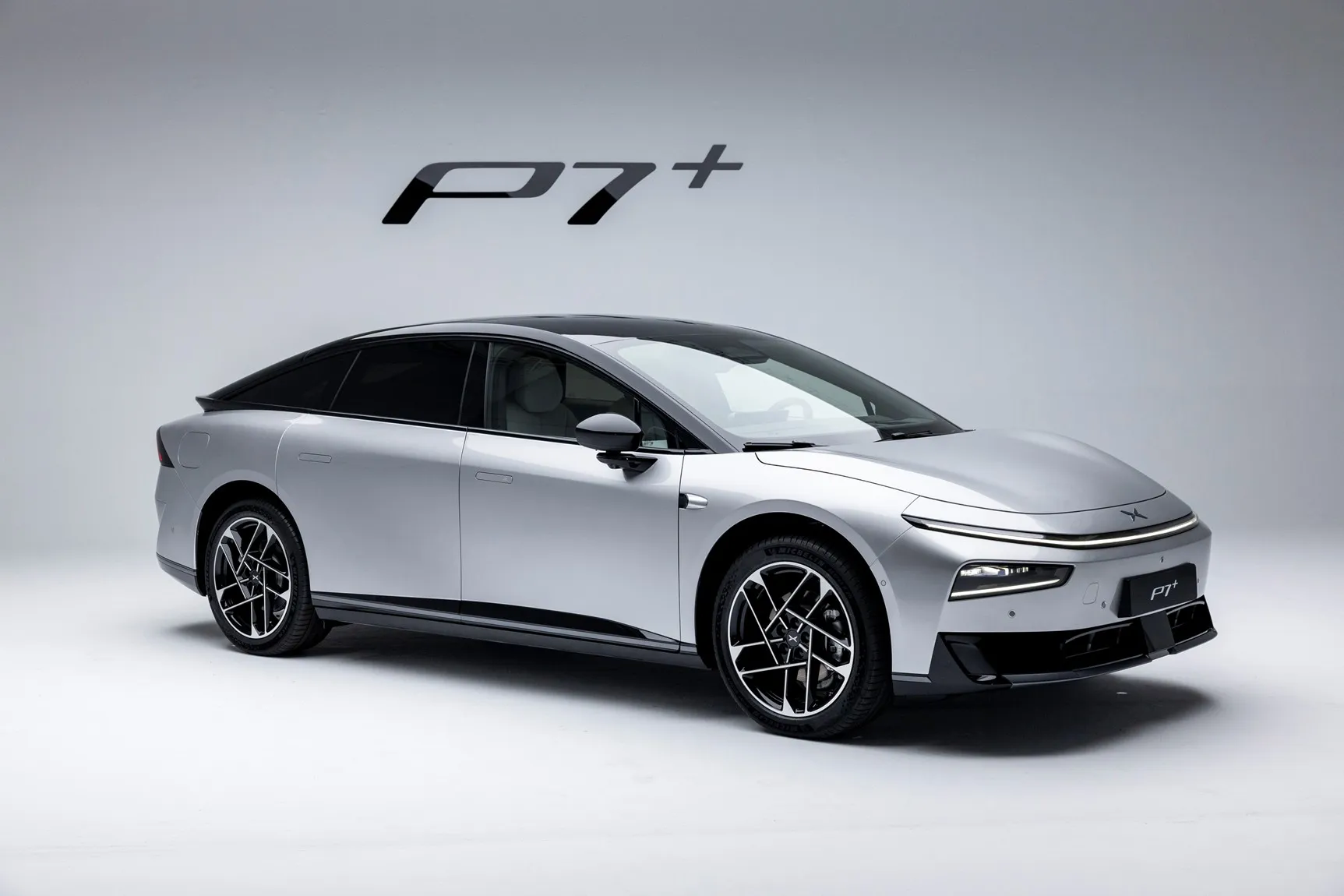
At the Brussels Motor Show, the XPENG P7+ made its debut—a smart fastback through which the ambitious Chinese tech company intends to convince Europeans that the future belongs to artificial intelligence, not traditional car manufacturing. XPENG Chairman He Xiaopeng did not mince words during the presentation, promising a new era where the car is no longer a mere means of transport, but a computer on wheels. At the heart of the P7+ lies the company’s in-house developed Turing chip, capable of performing 750 trillion operations per second—a processing power that, in theory, should leave most current competitors in the rearview mirror.
This machine was built on the firm belief that driving should be as effortless as possible. Driven by AI, the car can seamlessly navigate between lanes, park itself with apparent ease, and provide driver assistance systems that are designed to evolve through over-the-air updates. To cement its technological edge, XPENG introduced ultra-fast 5C charging, promising to charge the battery from ten to eighty percent in just 12 minutes—a window of time barely long enough for a quick coffee break at a roadside station.
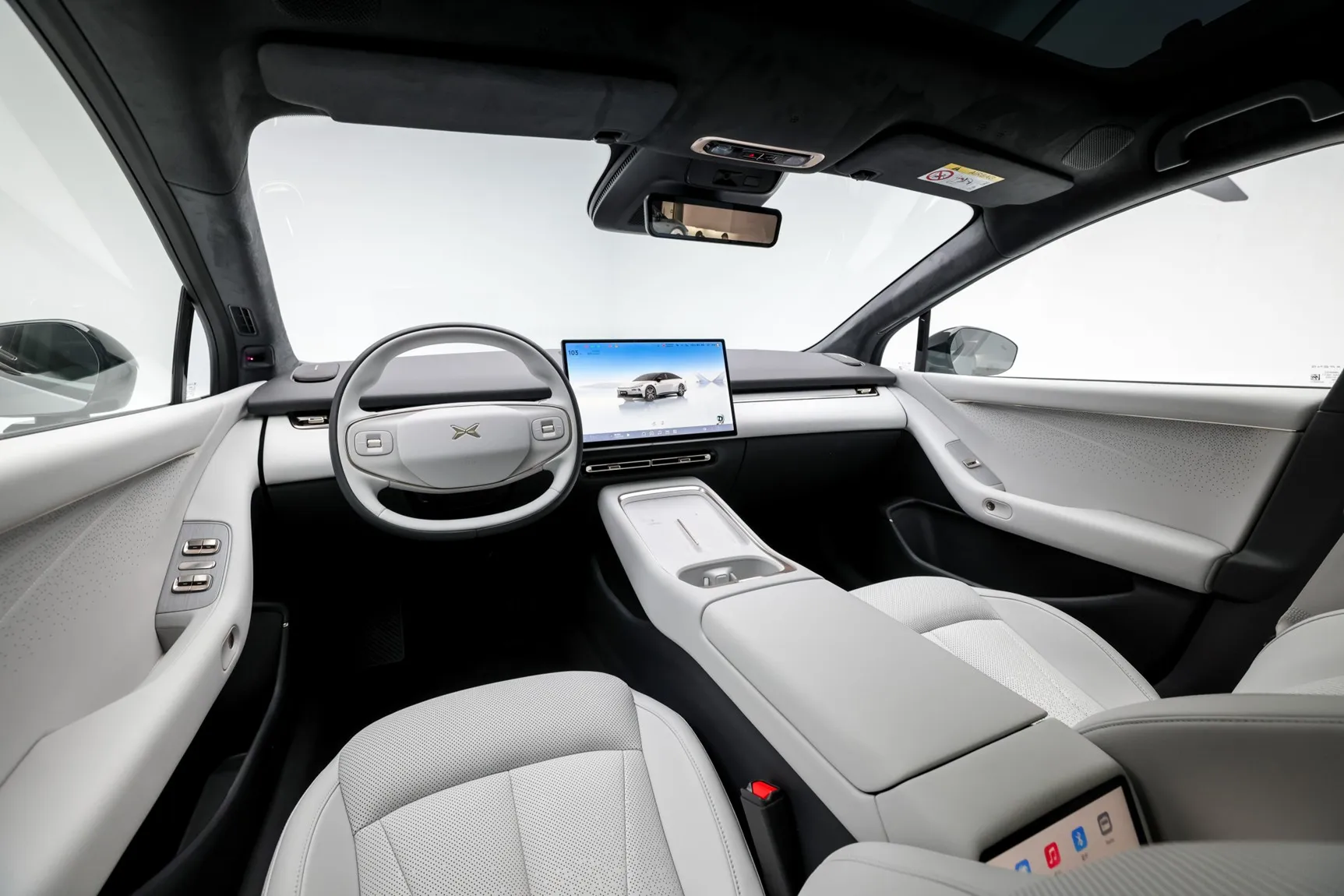
While XPENG prefers to talk about intelligence, they haven't forgotten the European demand for space and luxury. The P7+ was designed to combine the elegance of a sedan with the spaciousness of an MPV, featuring an interior dominated by Nappa leather seats and massive screens. Ride comfort is managed by a sophisticated suspension system intended to provide stability on everything from the cobblestones of Brussels to the German Autobahn, while a high-strength steel frame aims to instill a sense of safety that hasn't always been expected from Chinese vehicles in the past.
Perhaps most significant is the fact that XPENG is no longer content with merely importing; it has partially moved production to Europe. The pilot series of the P7+ is being manufactured at the Magna Steyr plant in Austria, marking a strategic pivot toward local production. After doubling its global sales in 2025, the brand expects even more from 2026, betting that European buyers are finally ready to trade their customary German marques for Chinese artificial intelligence. The first cars are expected to reach European roads as early as the second quarter of this year, though the exact pricing and final specifications remain shrouded in mystery for now.
While XPENG prefers to talk about intelligence, they haven't forgotten the European demand for space and luxury. The P7+ was designed to combine the elegance of a sedan with the spaciousness of an MPV, featuring an interior dominated by Nappa leather seats and massive screens. Ride comfort is managed by a sophisticated suspension system intended to provide stability on everything from the cobblestones of Brussels to the German Autobahn, while a high-strength steel frame aims to instill a sense of safety that hasn't always been expected from Chinese vehicles in the past.
Perhaps most significant is the fact that XPENG is no longer content with merely importing; it has partially moved production to Europe. The pilot series of the P7+ is being manufactured at the Magna Steyr plant in Austria, marking a strategic pivot toward local production. After doubling its global sales in 2025, the brand expects even more from 2026, betting that European buyers are finally ready to trade their customary German marques for Chinese artificial intelligence. The first cars are expected to reach European roads as early as the second quarter of this year, though the exact pricing and final specifications remain shrouded in mystery for now.


