
Audi wants to bring vibration, turbo lag, smells and even sparks to electric cars
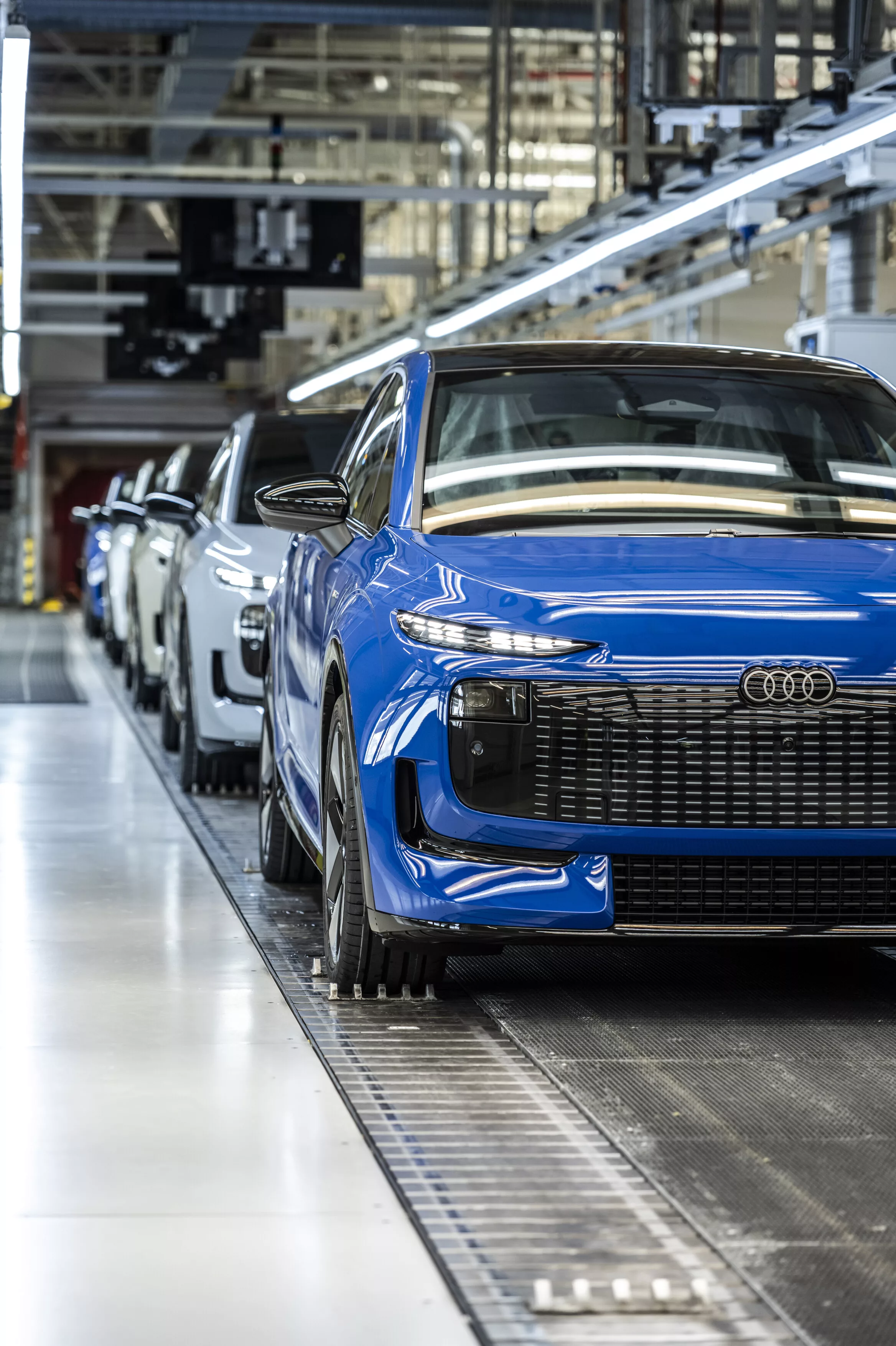
Audi’s latest patent application describes a range of ways to make driving an electric car a more emotional experience. The ideas range from amplifying the electric motor’s natural vibration to virtual gear changes and artificial turbo lag, but the most exotic proposals involve scents, electric arcs and even sparks struck from the road surface.
Amplifying electric motor vibration rather than damping it
Electric car manufacturers usually try to isolate the cabin from drivetrain noise and vibration as thoroughly as possible. Audi’s patent takes the opposite approach.
Stiffer vibration-transmitting components, such as hollow steel sections, could be installed between the electric motor and the body. Their purpose would be to deliberately transmit the electric drivetrain’s natural sound and vibration into the cabin or outside the car.
Audi also describes the possibility of reducing the electric motor’s sound insulation. The idea is not to imitate a V8 through speakers, but to use the electric drivetrain’s own physical sound.
Virtual gears and artificial turbo lag
A clutch could disconnect the electric motor from the driven wheels, allowing it to rev even when the car is stationary. In essence, the driver could rev an electric car without it moving.
A control unit could simulate gear changes and different gear ratios. When the driver used the steering-wheel paddles, the system would change the motor’s speed, vibration, sound and acceleration characteristics.
Audi even describes artificial turbo lag. Software could limit the immediate delivery of torque and release it after a delay, mimicking the behaviour of a turbocharged combustion engine. That sounds like deliberately undermining one of an electric drivetrain’s biggest advantages, but the logic is understandable in a sports car. Entirely linear, instant acceleration can be very fast, but leaves the driver with fewer events to engage with while driving.
Sparks could fly straight off the road
The stranger part of the patent concerns visual effects. Audi describes a metal wear component that the car could press against the road surface in certain driving situations. Friction would produce visible sparks.
Another solution would use an electric arc generator. The electrical discharge between electrodes could be positioned, for example, along the sides of the car, underneath it or even within the driver’s field of view. The intensity of the arc would change according to speed or driving style.
In a practical production car, such solutions would clearly raise questions about type approval, fire risk and the safety of other road users. The patent does not mean Audi will necessarily put them into production.
The car could change colour and “blink”
Audi also proposes considerably more realistic visual solutions. A variable surface coating on the body could respond to the driving mode. During sporty driving, part of the body could turn red, for example, then become more subdued in a relaxed mode.
Matrix headlights could blink or wink at the driver as they approached the car. Exterior light strips on the body could pulse according to the car’s speed or the electric motor’s rotational speed.
Audi also describes lighting effects at the rear of the car that would mimic an ignition cut or a flame shooting from an exhaust.
Speed could be displayed directly in the driver’s peripheral vision
A display system along the edges of the windscreen could create a blurring or visual distortion effect under acceleration. The idea is reminiscent of the so-called warp effect in video games. As speed increased, images would move or stretch in the driver’s peripheral vision, amplifying the sensation of acceleration.
In a relaxed driving mode, the same display surface could instead show calming landscapes or other visual content.
An electric car could have its own scent
The patent also covers a scent generator. Cabin diffusers could change the fragrance according to the driving situation. In a traffic jam, the car would use a calming scent, with something more intense during sporty driving.
Audi even describes a special “electromagnetic radiation” scent, likened to the electrical smell of a model railway. A separate scent could also imitate ignition cuts in a combustion engine.
This is not particularly complicated technically, since fragrance systems already exist in luxury cars. The novelty would be linking them to driving dynamics and the operation of the electric drivetrain.
Audi is seeking a solution to a fundamental problem with electric sports cars
Not all the ideas described are equally realistic, and the patent does not confirm that any of them will reach a production car. The underlying direction is nevertheless considerably more interesting than individual spark effects.
An electric car gives engineers a very fast and precise drivetrain, but at the same time removes many of the mechanical events that made a combustion-engined sports car perceptible to its driver. Audi is trying to create new or deliberately simulated stimuli in their place.
The Hyundai Ioniq 5 N has already shown that virtual gear changes can work surprisingly well in an electric car. Audi’s patent takes the same idea much further, using sound, vibration, light, scent and drivetrain software simultaneously. Not all of these are necessary. If the approach succeeds, it will probably be enough for the electric car to stop feeling like a sterile household appliance to its driver.


