
Honda aims to charge electric vehicles on the move at up to 150 kW
 1/3
1/3
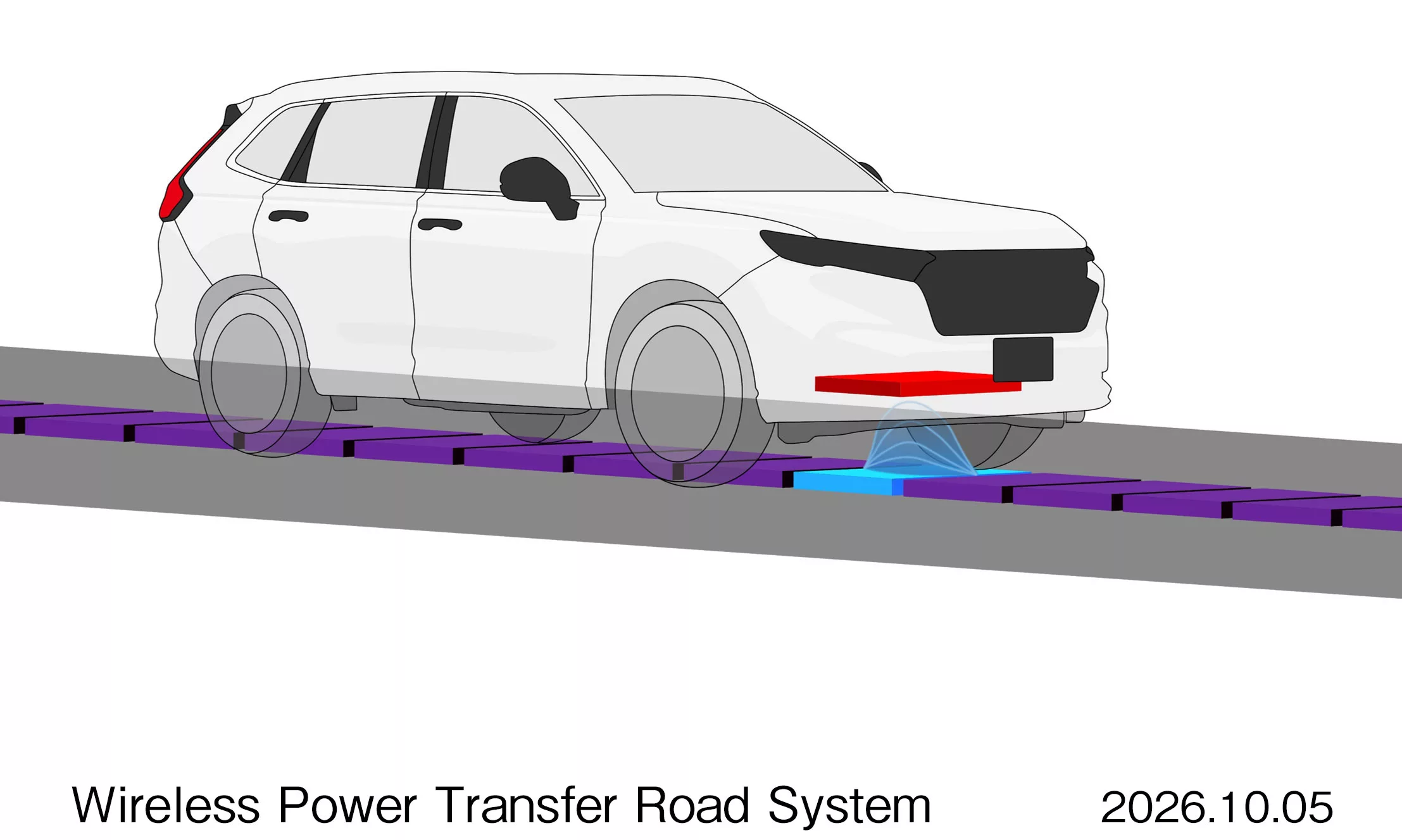
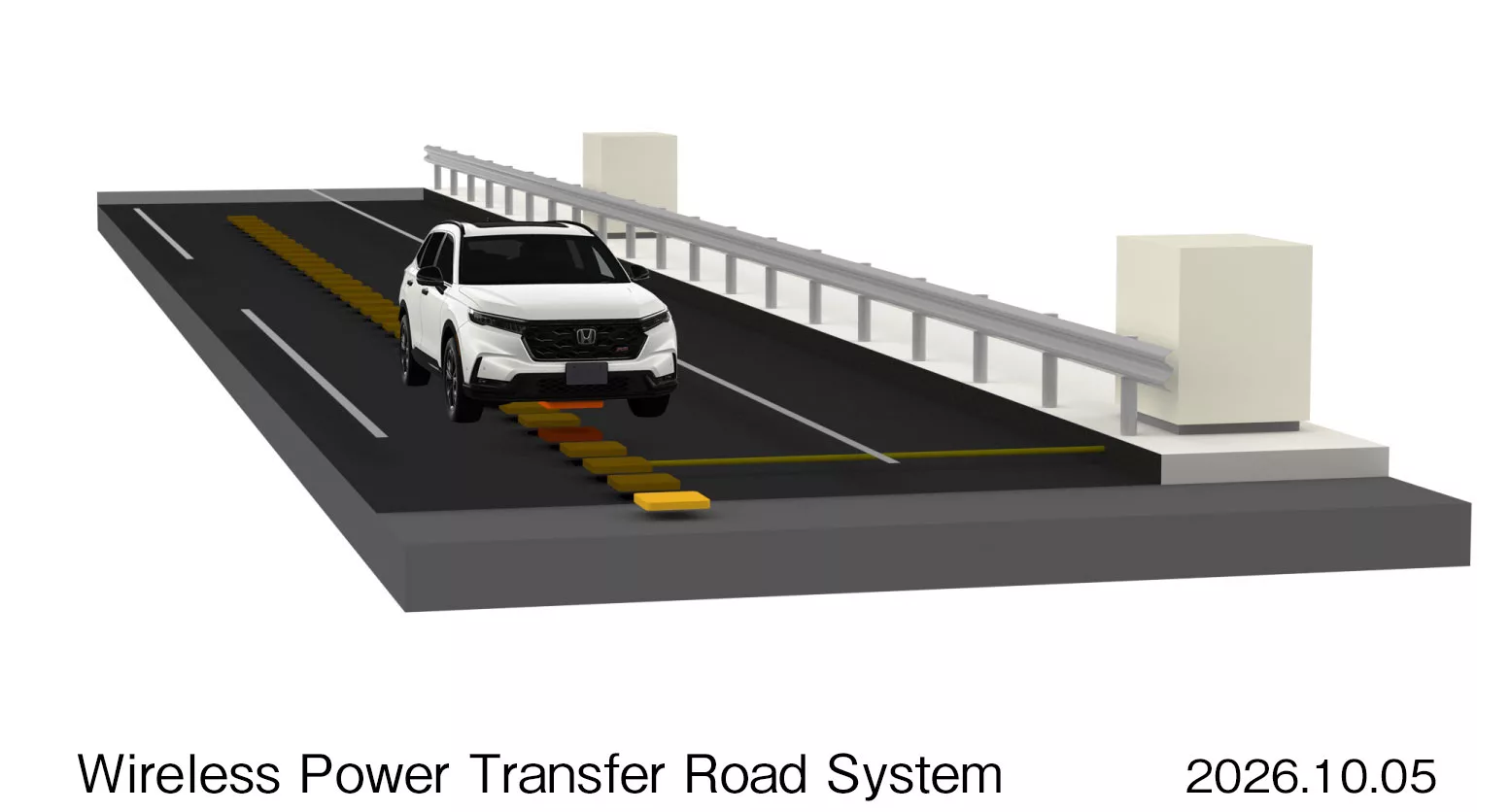
Honda is developing a road-embedded wireless charging system that can charge electric vehicles while they are moving. Its initial target is up to 150 kW, and Honda sees heavy electric commercial vehicles as the technology’s first real-world application. Testing on public roads in Japan is expected to begin in the 2027 financial year.
Power transfer through a magnetic field
Honda calls the system DWPT, or Dynamic Wireless Power Transfer.
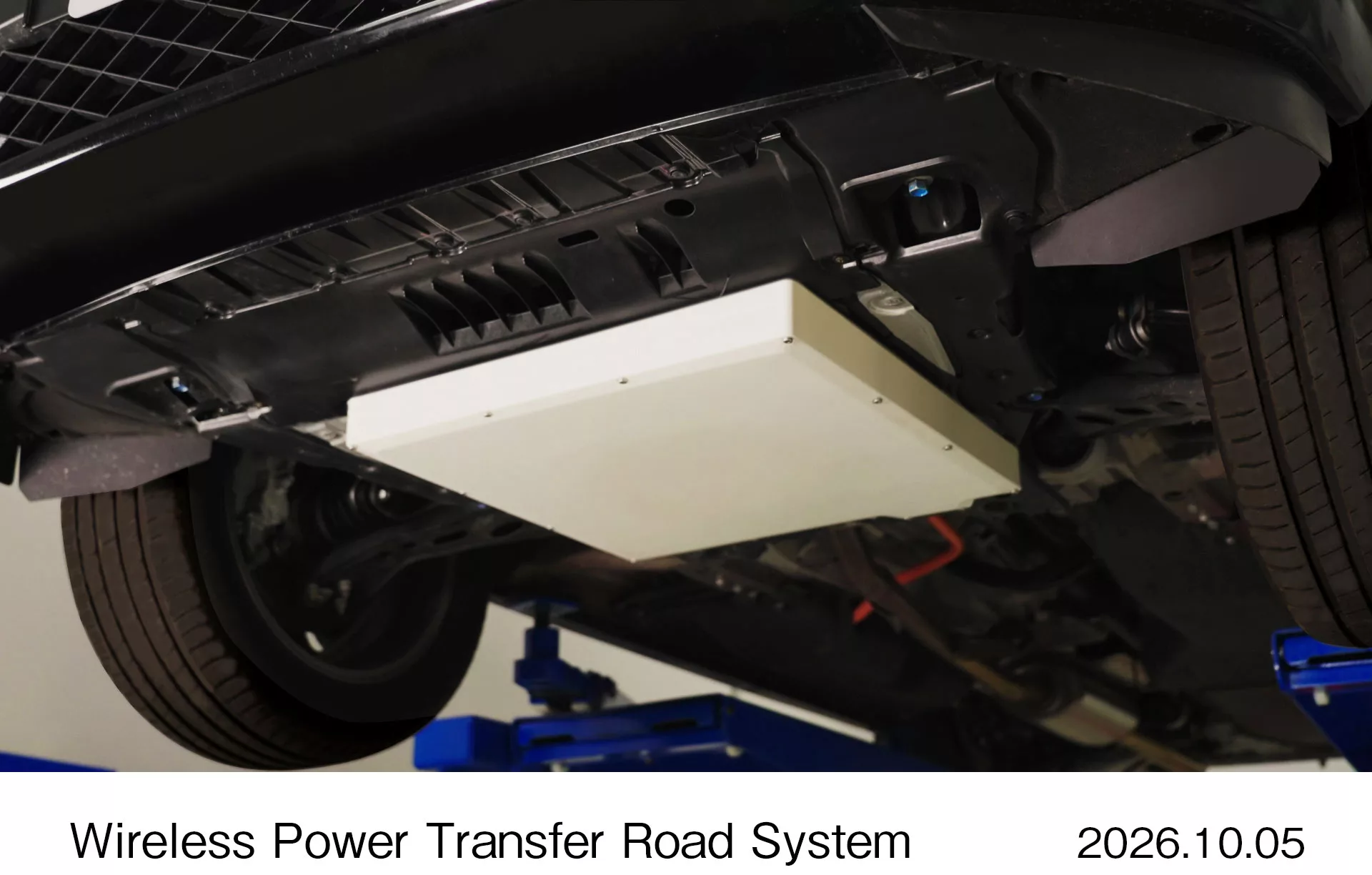
Modules that generate a magnetic field are embedded in the road surface. A receiver beneath the vehicle converts this into electrical energy and supplies power to the battery and powertrain.
The system uses a DC distribution network. Honda has integrated the inverter and coil into a single road-embedded unit, reducing the amount of wiring and making existing roads easier to retrofit.
Targeting up to 150 kW
Honda is not talking about trickle charging at a few kilowatts. In the next development phase, the company wants to test the system at up to 150 kW and at high driving speeds. That level is already sufficient to significantly reduce battery depletion on long journeys or, under suitable conditions, even charge the battery. The actual charging balance naturally depends on the vehicle’s energy consumption. A heavy electric truck can consume well over 100 kW at high speeds, so 150 kW does not automatically mean the battery will charge quickly.
The road must withstand 20-tonne vehicles
The biggest challenge is not just transferring electricity, but doing so on an actual highway.
Honda and Taisei have built the transmitter modules and road structure to withstand prolonged loading from vehicles weighing approximately 20 tonnes. Separate tests will begin at the end of 2026, subjecting the road to the equivalent of one million wheel loads.
Electromagnetic field leakage, system reliability and charging at high speeds will also be checked.
Trucks are the first target
Honda sees the technology’s greatest benefit in logistics.
An electric truck needs a very large, heavy battery to achieve a long range. If it can continuously replenish some of its energy on the highway, the battery could be made smaller, in turn reducing weight, energy consumption and the vehicle’s price. The same technology is possible for passenger cars, but the economic benefit is smaller. Fast-charging networks already meet ordinary users’ needs reasonably well, whereas a road equipped for wireless charging requires expensive infrastructure.
Public-road testing in 2027
Honda is joining NEXCO East’s Tateyama project, which will test DWPT technology on the Tateyama Expressway in Chiba Prefecture.
Beforehand, Honda will build a separate test section to assess the system’s durability and safety.
There is therefore no reason yet to talk about a feature reaching production vehicles in the next few years. Rather, Honda is moving from the laboratory to the infrastructure testing stage.
Cost would be the biggest question for Europe
Dynamic wireless charging is technically appealing, but in Europe its success would depend on infrastructure costs.
A conventional fast charger serves one or a few cars at a time. DWPT requires electrical equipment to be embedded in kilometres of road surface, and it must be possible to repair that equipment without closing the highway for long periods.
Honda’s decision to start with trucks is therefore logical. If hundreds of electric trucks use the same route every day, expensive infrastructure may be justified. For passenger cars, the business case is much weaker.


