
Xiaomi’s 1,900 hp Vision Gran Turismo arrives in Gran Turismo 7 in October
 1/5
1/5
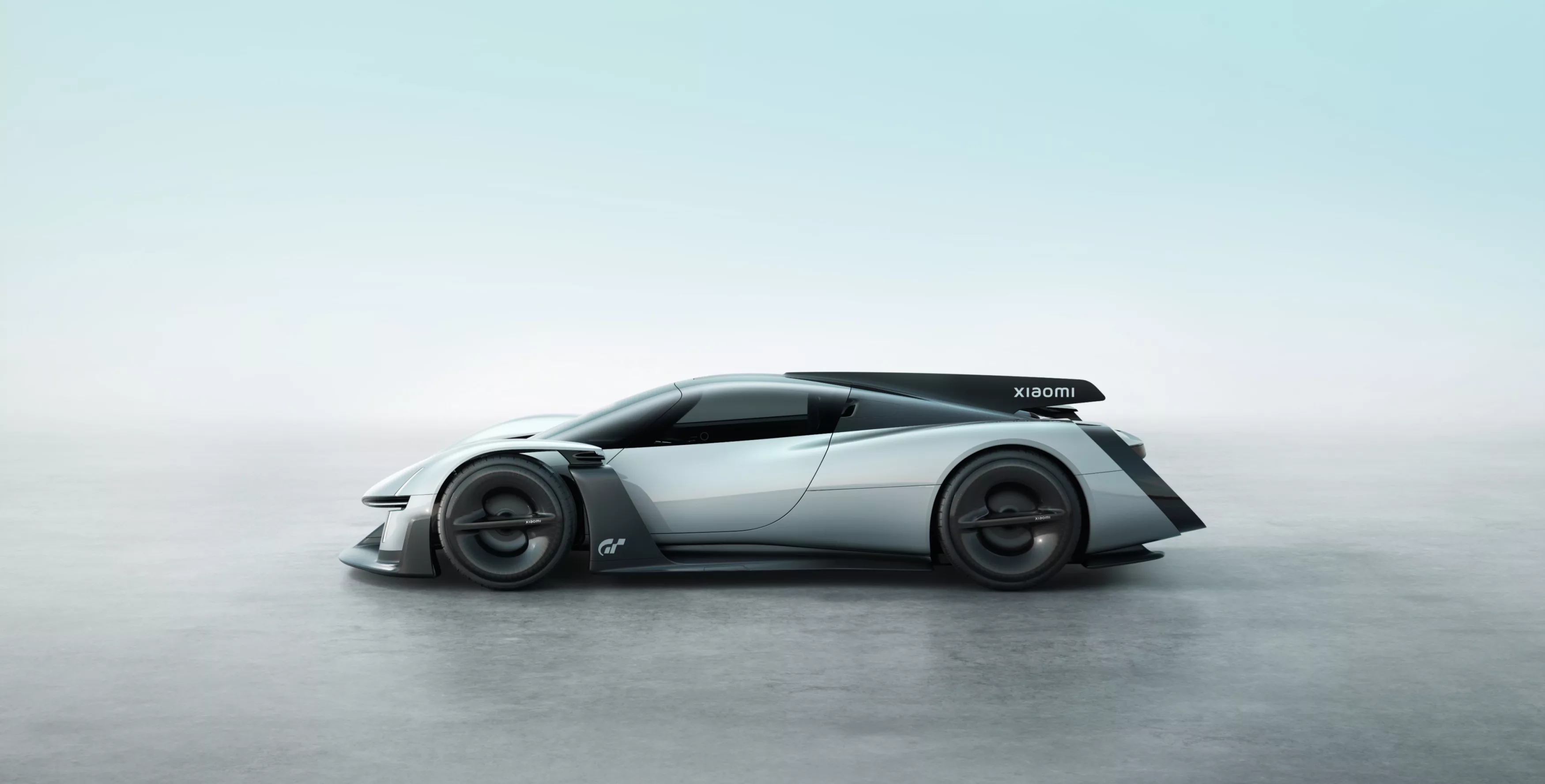
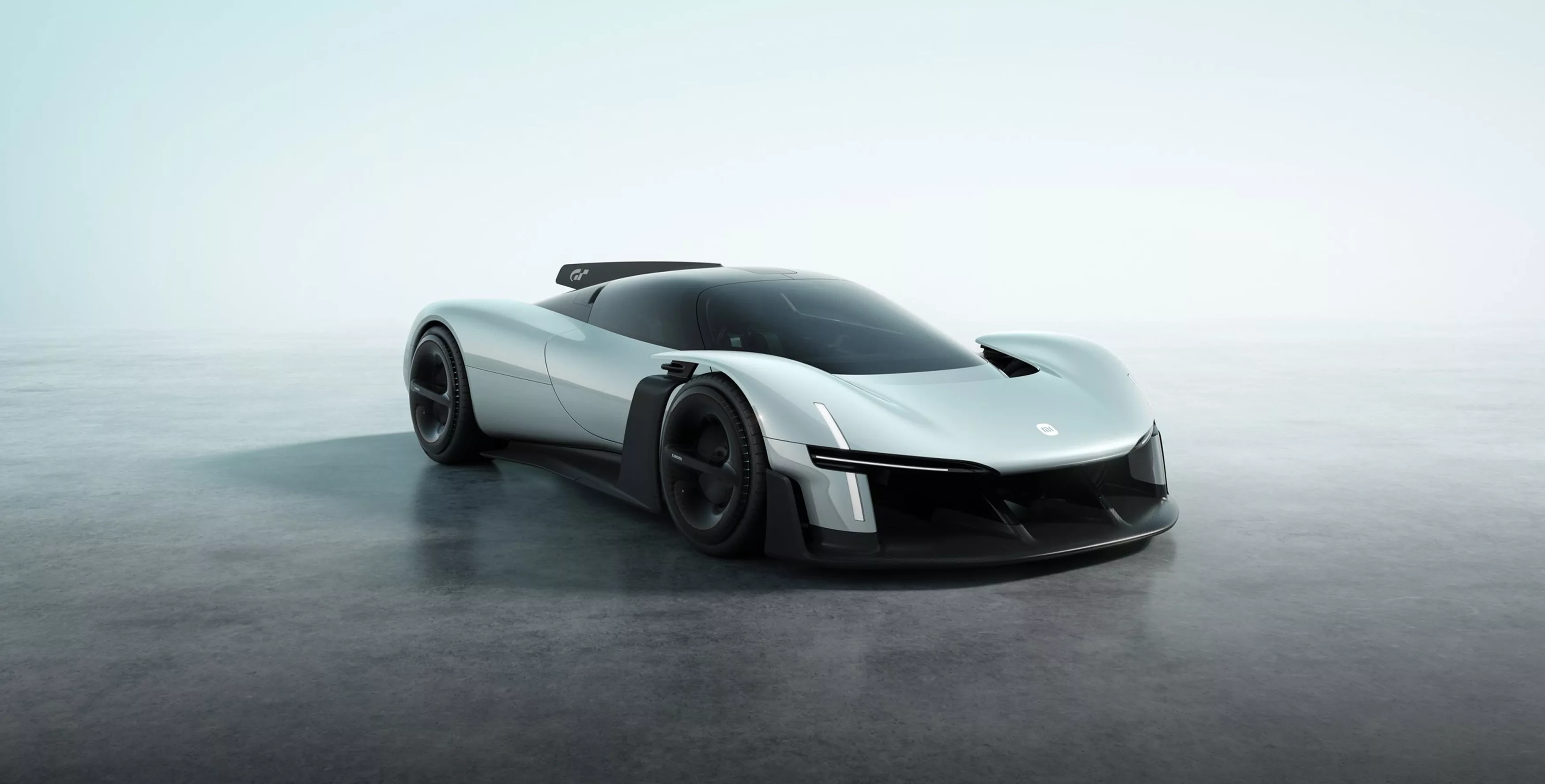
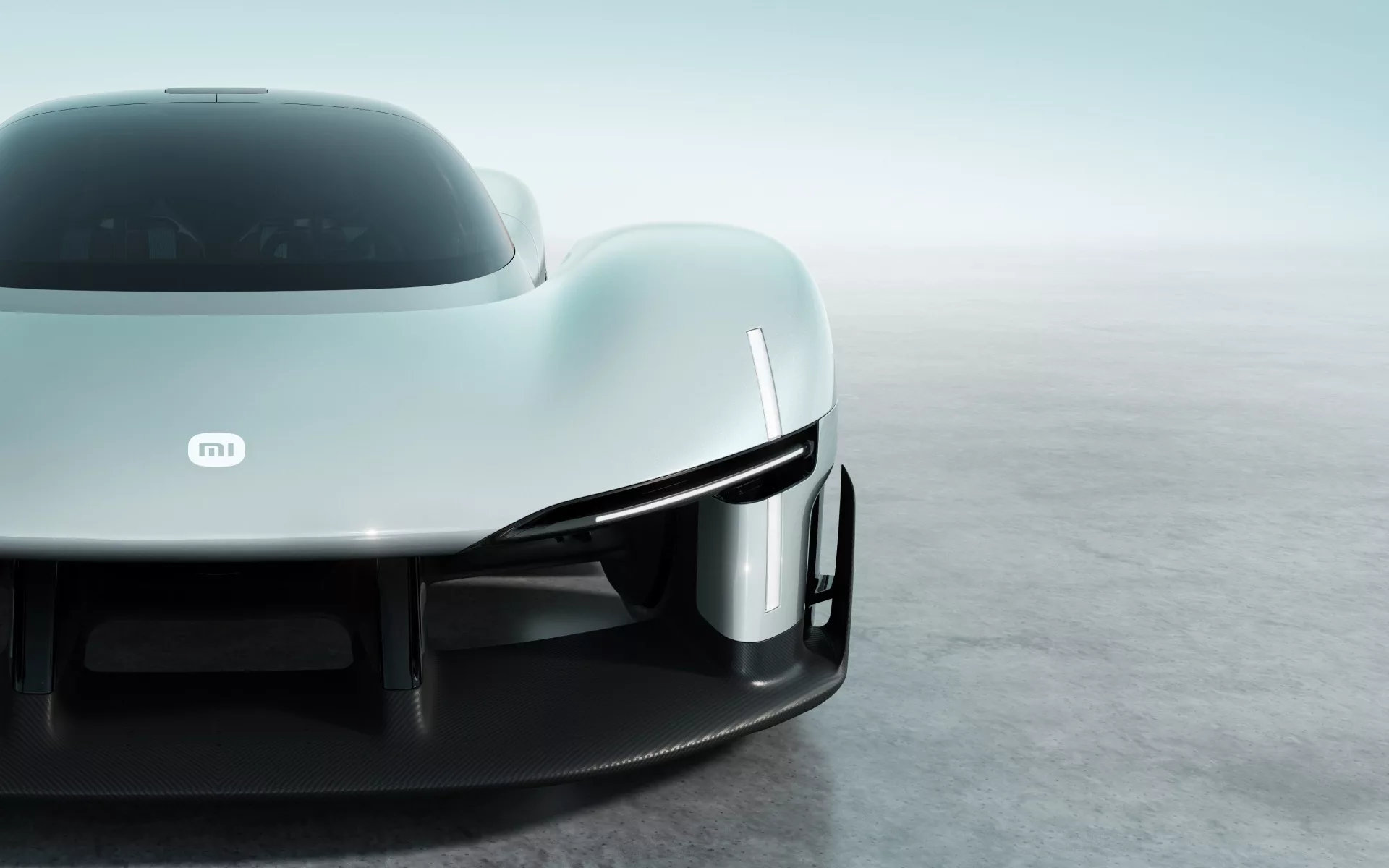
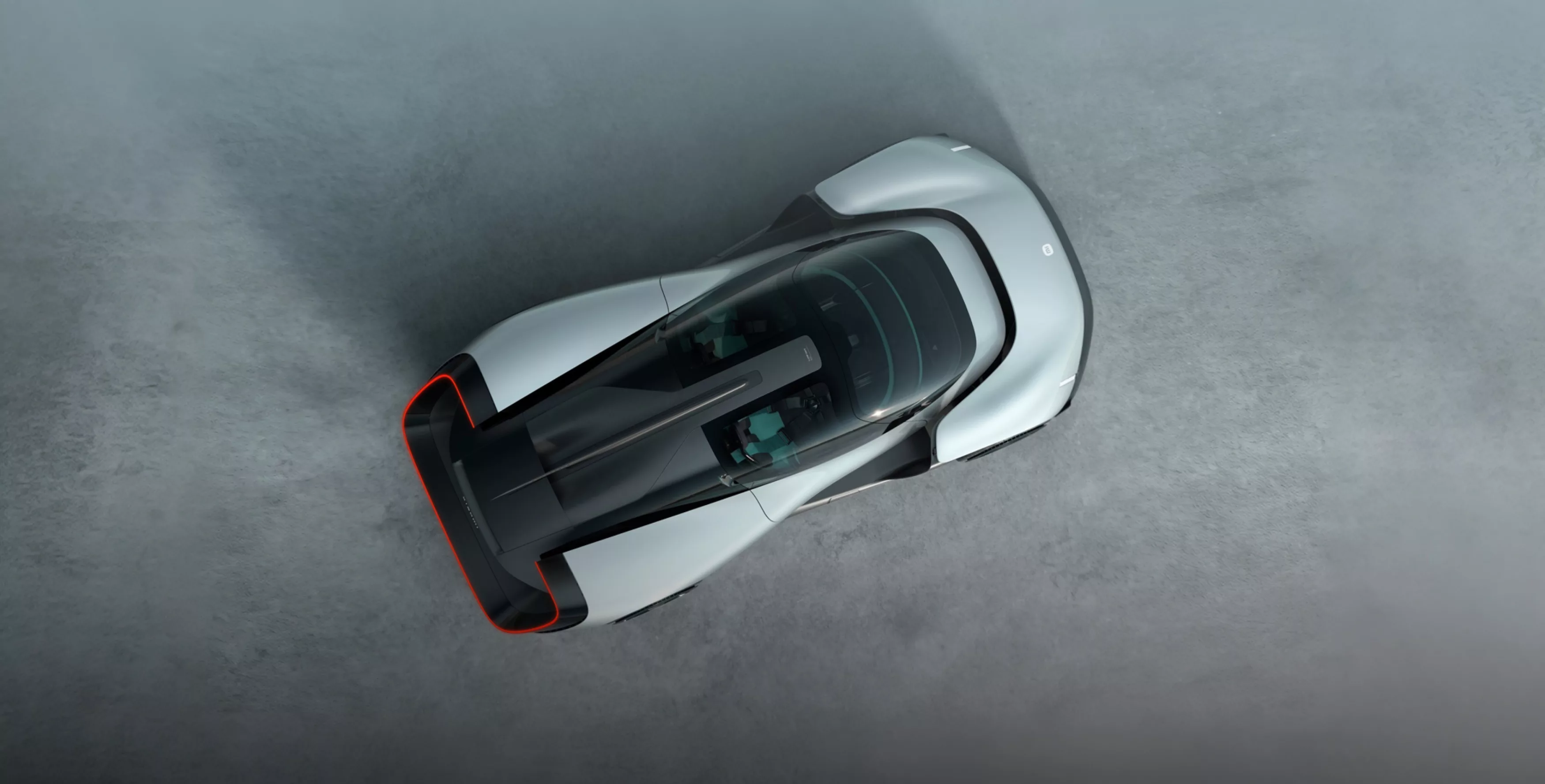
Xiaomi has released a new video of its electric Vision Gran Turismo hypercar, which is coming to Gran Turismo 7 in October. The concept delivers approximately 1,400 kW and uses a 900 V electrical architecture, all-wheel drive and an extreme aerodynamic body design. Xiaomi has no plans to put it into production, but the car shows how the company wants to reshape the technical image of its electric vehicles.
Gran Turismo gets its first Xiaomi Vision GT
Xiaomi’s collaboration with Gran Turismo began in 2025, and the company first displayed a full-size Vision Gran Turismo model at Mobile World Congress in Barcelona in March 2026.
Polyphony Digital showed the first new video of the car in the game at the Gran Turismo World Series round in Singapore. The Vision GT will be added to Gran Turismo 7 with the Spec IV update. The first part of the update arrives on 15 October, bringing six new cars and the Sportsland SUGO circuit to the game.
Xiaomi is the first Chinese car brand and the first technology company to join the Vision Gran Turismo project. The Vision GT is the project’s 51st concept.
Approximately 1,400 kW of electric power
The Vision Gran Turismo’s technical foundation is a silicon carbide-based 900 V electrical architecture. Xiaomi has spoken of a power output of around 1,900 hp, equivalent to approximately 1,400 kW.
The concept uses all-wheel drive, and its performance puts it firmly in purely virtual hypercar territory. Development materials have mentioned a 0–100 km/h time of under two seconds and a top speed of over 350 km/h, but these must be treated as simulation figures rather than results from a homologated production car.
That is the point of the Vision Gran Turismo project. Manufacturers can set aside the constraints of price, homologation and series production to showcase technology in a more extreme form.
The body acts as one large air duct
Xiaomi describes the Vision GT as a car “shaped by the wind”. The teardrop-shaped cockpit sits deep within the body, while air flows through extensive channels along the sides and at the rear. The halo-shaped rear light strip also serves as a large air outlet. The aim is not simply low drag. The Vision GT uses its entire body structure to generate downforce, reducing the need for a conventional, enormous rear wing.
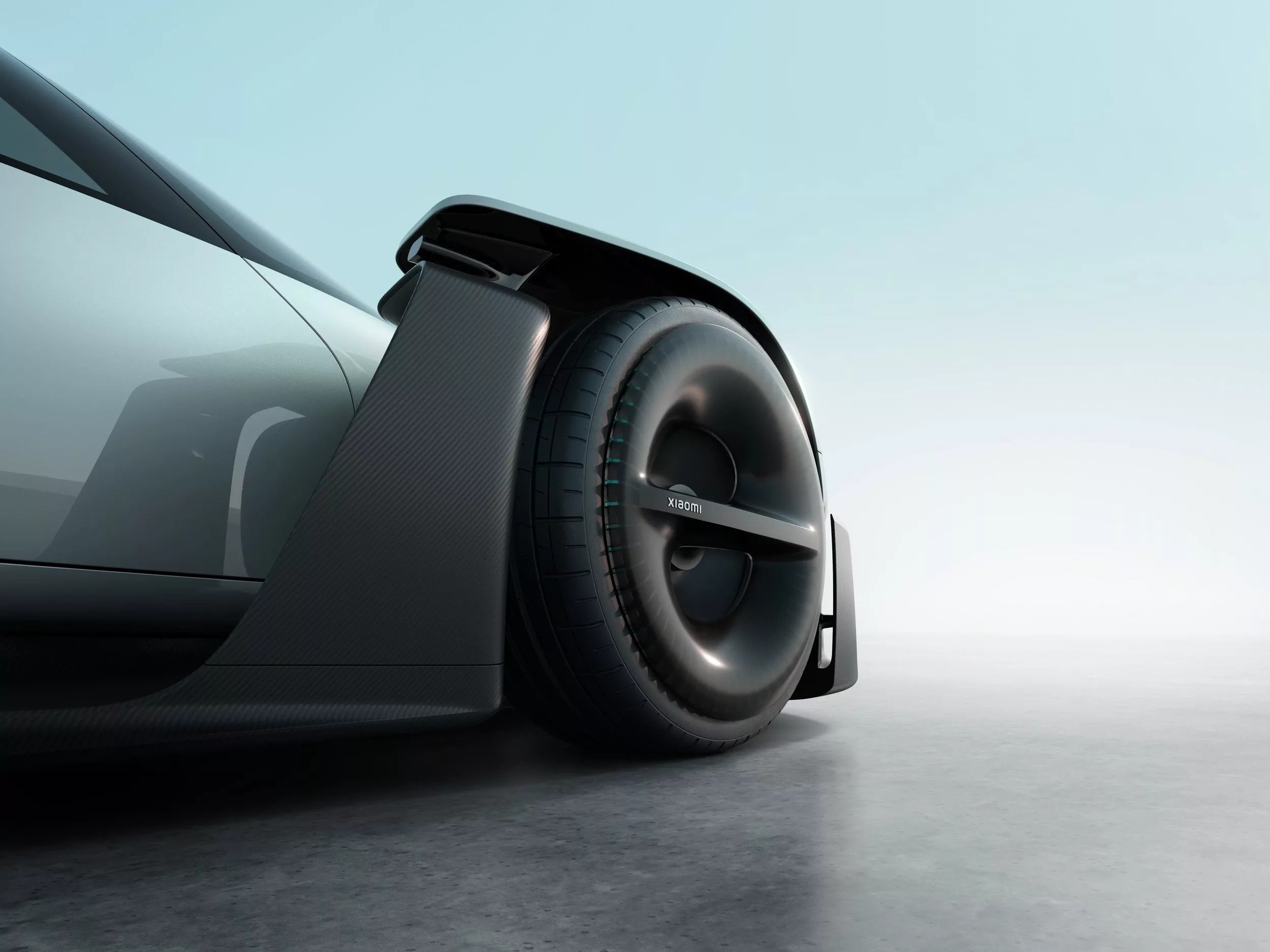
Xiaomi has also shown a wheel concept with fixed outer covers intended to reduce turbulence around the wheels.
The SU7 Ultra was only the first step
The Vision GT is not Xiaomi’s first connection with Gran Turismo. The SU7 Ultra entered the game earlier, becoming the first Chinese car in Gran Turismo history.
This connection is no coincidence. Xiaomi already uses the SU7 Ultra to demonstrate the performance of its electric drivetrains in the real world, and the Vision GT takes the same idea to a level without constraints. There is little point in looking here for the next model to go on sale. Far more interesting is to consider which solutions might later reach production cars: a 900 V electrical architecture, silicon carbide power electronics, active aerodynamics and increasingly powerful electric motors.
Gran Turismo lets Xiaomi do what a production car cannot
The Vision GT does not have to meet European pedestrian-protection requirements, provide boot space, keep production costs down or meet conventional ergonomic standards.
Its value therefore lies more in showing a technical direction than in the 1,900 hp figure.
Xiaomi wants to prove that it is no longer simply a phone manufacturer that started making cars. The SU7 and YU7 provide sales volume, while the Vision Gran Turismo is intended to give the brand a technological reputation. This is worth noting because building an image has been one of the hardest tasks for China’s new car brands. Xiaomi is using Gran Turismo for that purpose far more skilfully than it would another static concept car on a motor show floor.


