
Bosch to cut half of jobs at Nuremberg plant
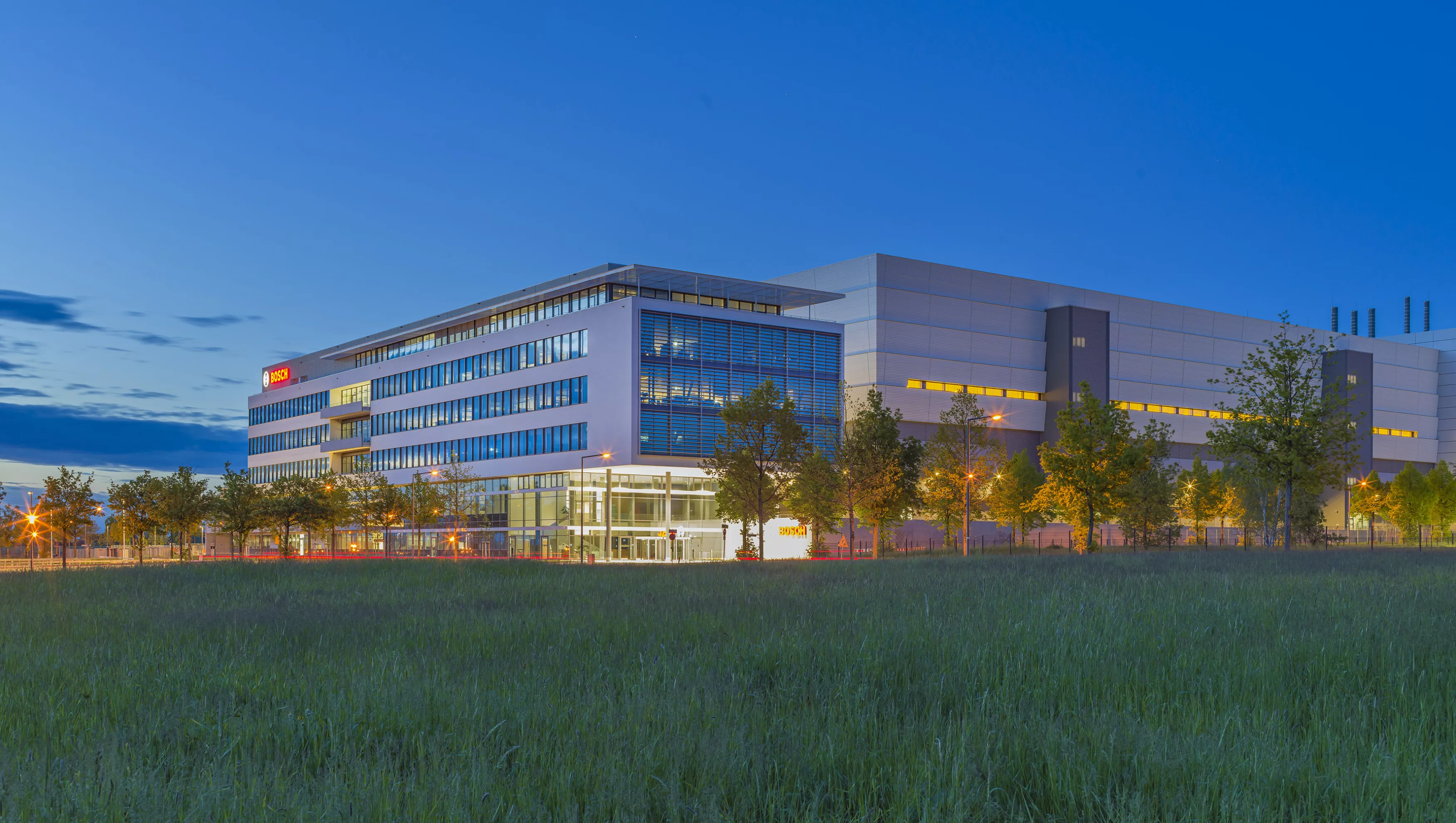
Bosch will eliminate more than 900 jobs at its Nuremberg plant by the end of 2029, amounting to roughly half of its current workforce. The plant makes combustion-engine components and fuel-cell technology, and the cuts show that pressure on Europe’s automotive industry is no longer limited to the shift to electric vehicles. Bosch is simultaneously contending with falling demand, Chinese competition and high European production costs.
More than 900 of 1,800 jobs to go
The Nuremberg plant currently employs around 1,800 people. Under Bosch’s plan, more than 900 jobs will be eliminated by the end of 2029. The company attributes the cuts to the declining market share of combustion engines, pressure from Chinese competitors and the plant’s excessively high production costs.
One of Nuremberg’s most important products is the high-pressure pump for petrol direct injection. Demand for it is affected by the growth of electric vehicles, but Bosch must also compete for the remaining market for combustion-engine components against lower-cost production sites.
This is a critical distinction for Nuremberg. Hybrid vehicles still require petrol engines and their injection systems, meaning the market for high-pressure pumps will not disappear in the coming years. However, Bosch must be able to make them at a price carmakers will accept.
Hydrogen did not deliver the expected volumes
Fuel-cell technology was meant to become the plant’s second future focus. However, Europe’s hydrogen market is developing more slowly than Bosch expected, and production volumes in Nuremberg will therefore remain below those planned.
This makes the plant’s situation particularly difficult. The volume of conventional combustion-engine technology is shrinking, while the fuel-cell production intended to replace it is not growing quickly enough.
IG Metall has criticised Bosch’s plan and wants to bring new products to Nuremberg. The union highlights industrial 3D printing, mechanical metalworking, automation and special-purpose machine building as the plant’s strengths. Bosch’s current decision nevertheless shows that manufacturing expertise alone is not enough when volumes of a plant’s core products are declining.
The cuts are part of Bosch’s broader restructuring
The elimination of more than 900 jobs in Nuremberg comes on top of Bosch’s previously announced wide-ranging cost-cutting programme. At the end of June 2026, the group employed 406,225 people, 6,549 fewer than at the end of 2025. In Germany, headcount fell by 4,036 over six months to 118,932.
First-half revenue at the automotive-focused Mobility division was €27.8 billion. It declined by 0.5% in nominal terms, but grew by 2.3% excluding currency effects. The operating profit margin fell from 5.8% to 4.7%.
Bosch is therefore not cutting staff simply because of a collapse in sales. The company is adapting its European manufacturing network to a situation in which long-term demand for combustion-engine components is declining and alternative technologies are not growing fast enough to compensate for the contraction in traditional production.
Nuremberg also clearly illustrates the competitive challenge facing European suppliers. Combustion-engine and hybrid vehicles will continue to be made for years, so demand for injection systems will remain. The question is increasingly whether a component made in Germany can compete on price with production in Eastern Europe and Asia.


