
Pirelli develops dedicated P Zero tyres for the 360 km/h BRABUS BODO
 1/30
1/30
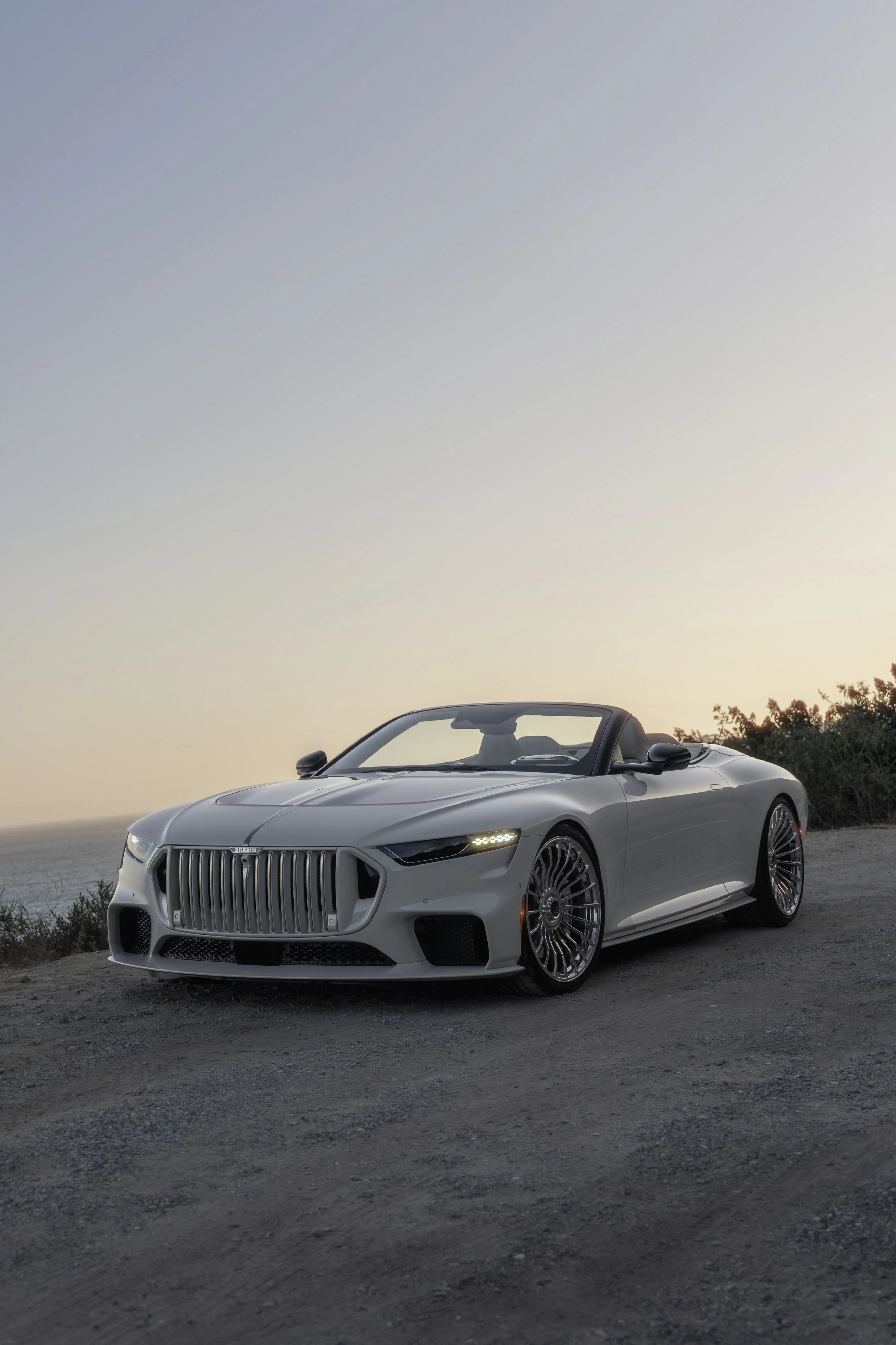
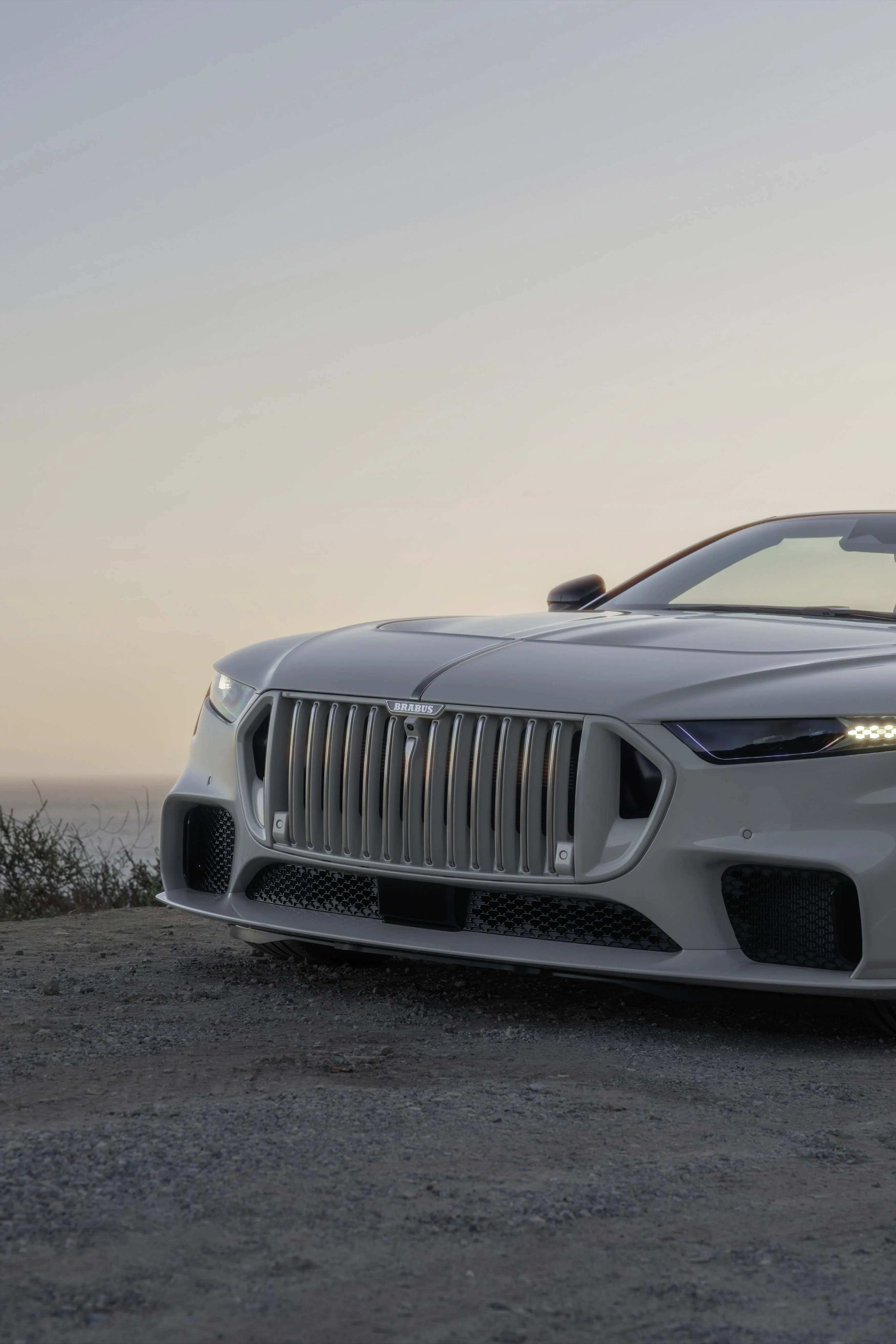
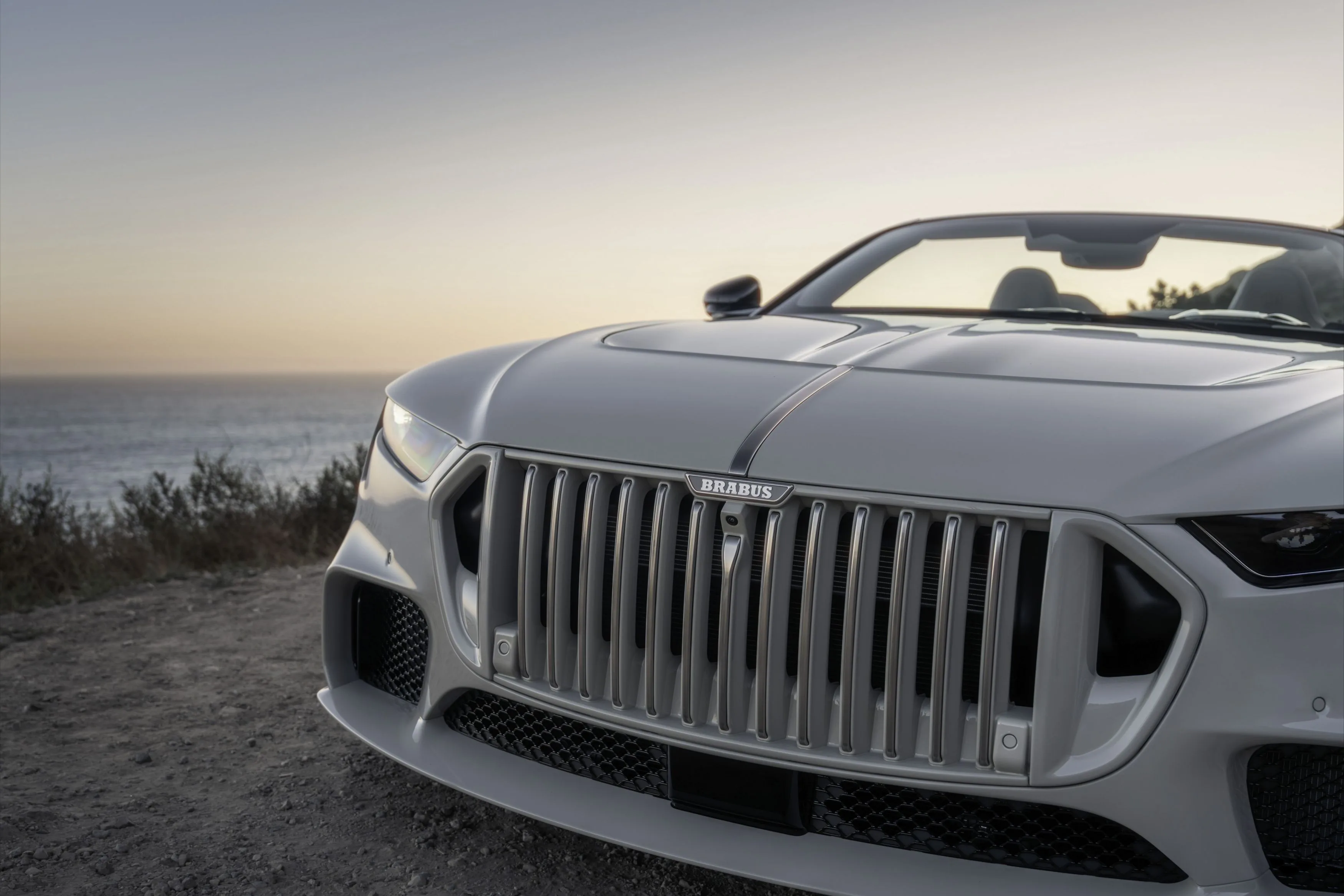
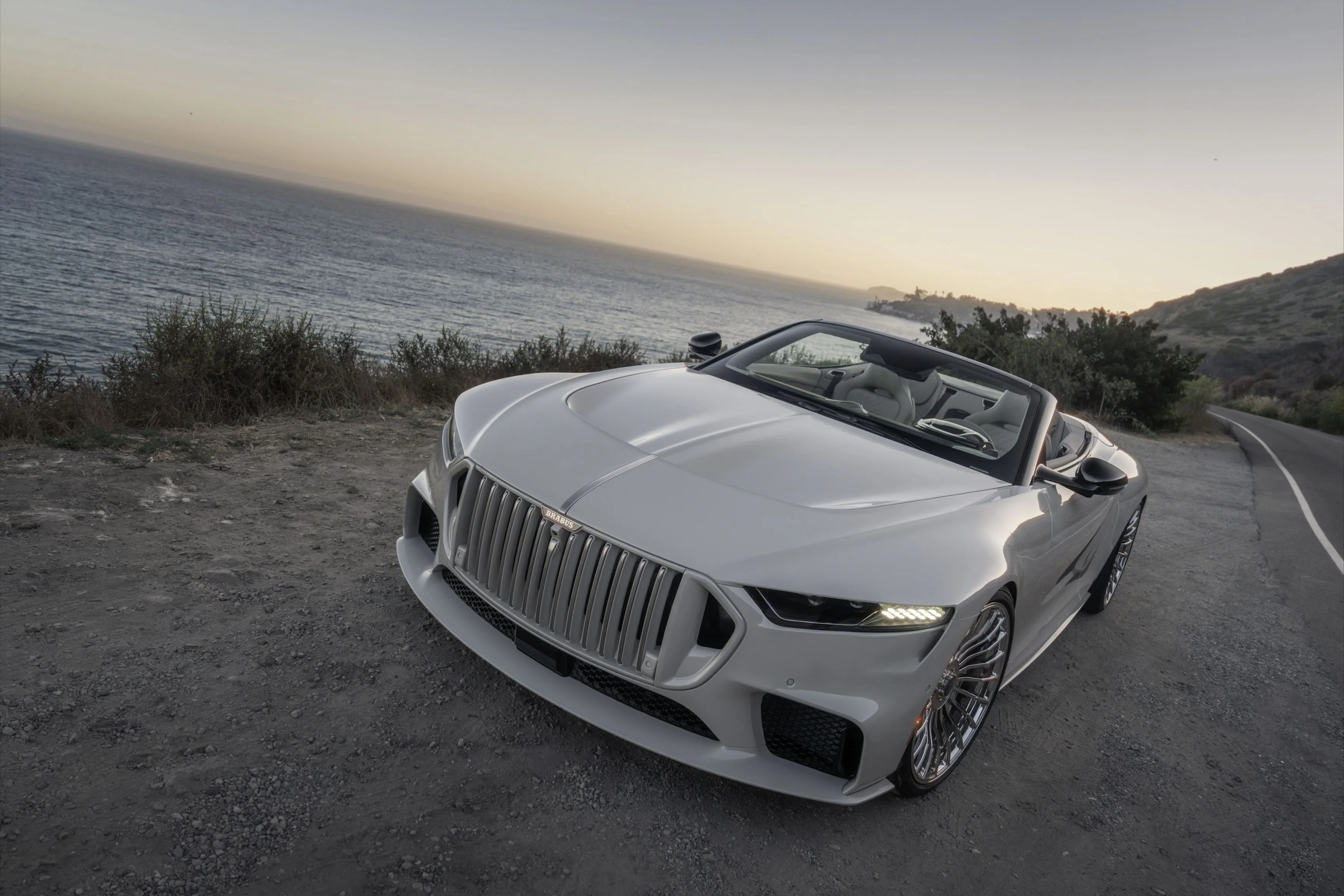
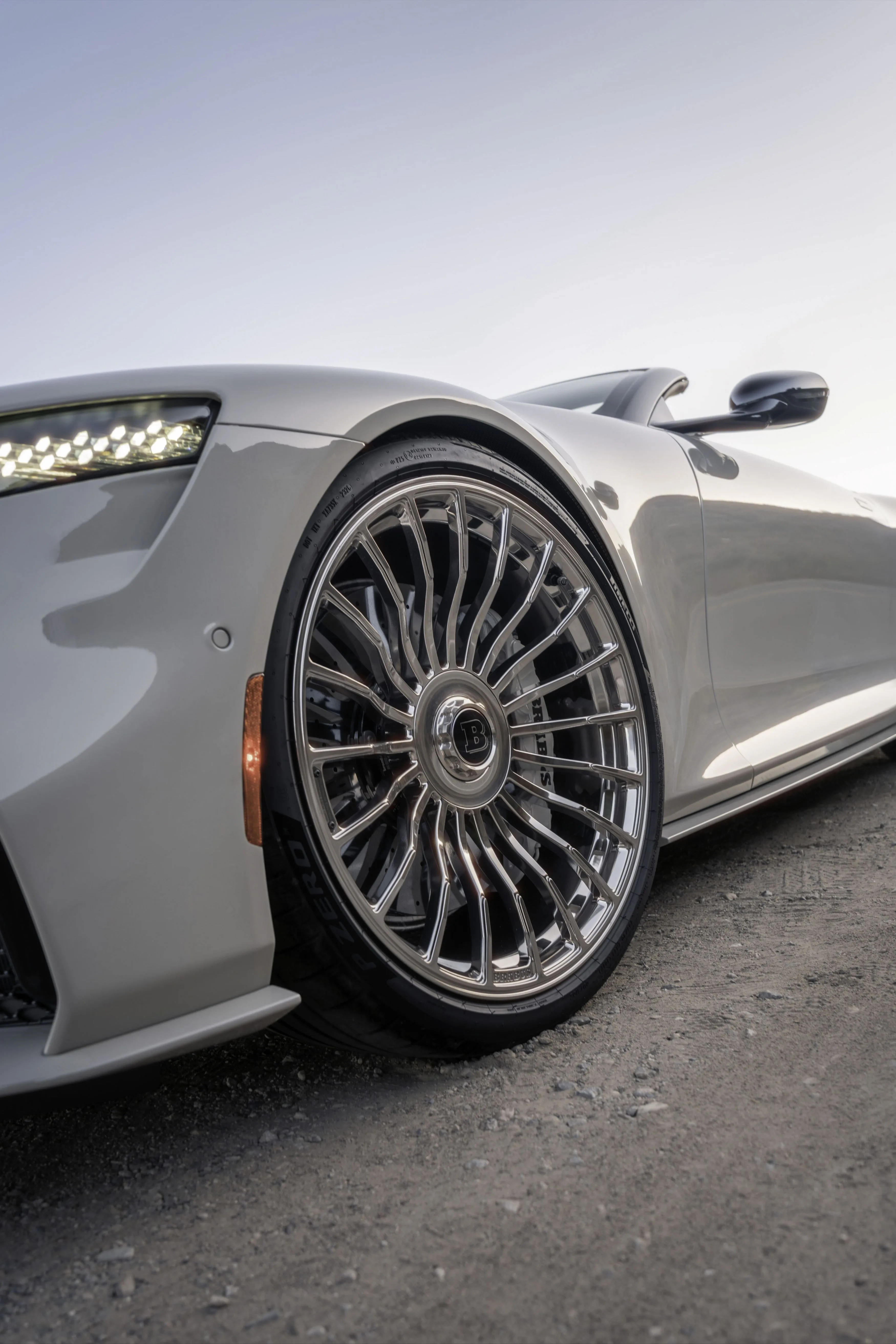
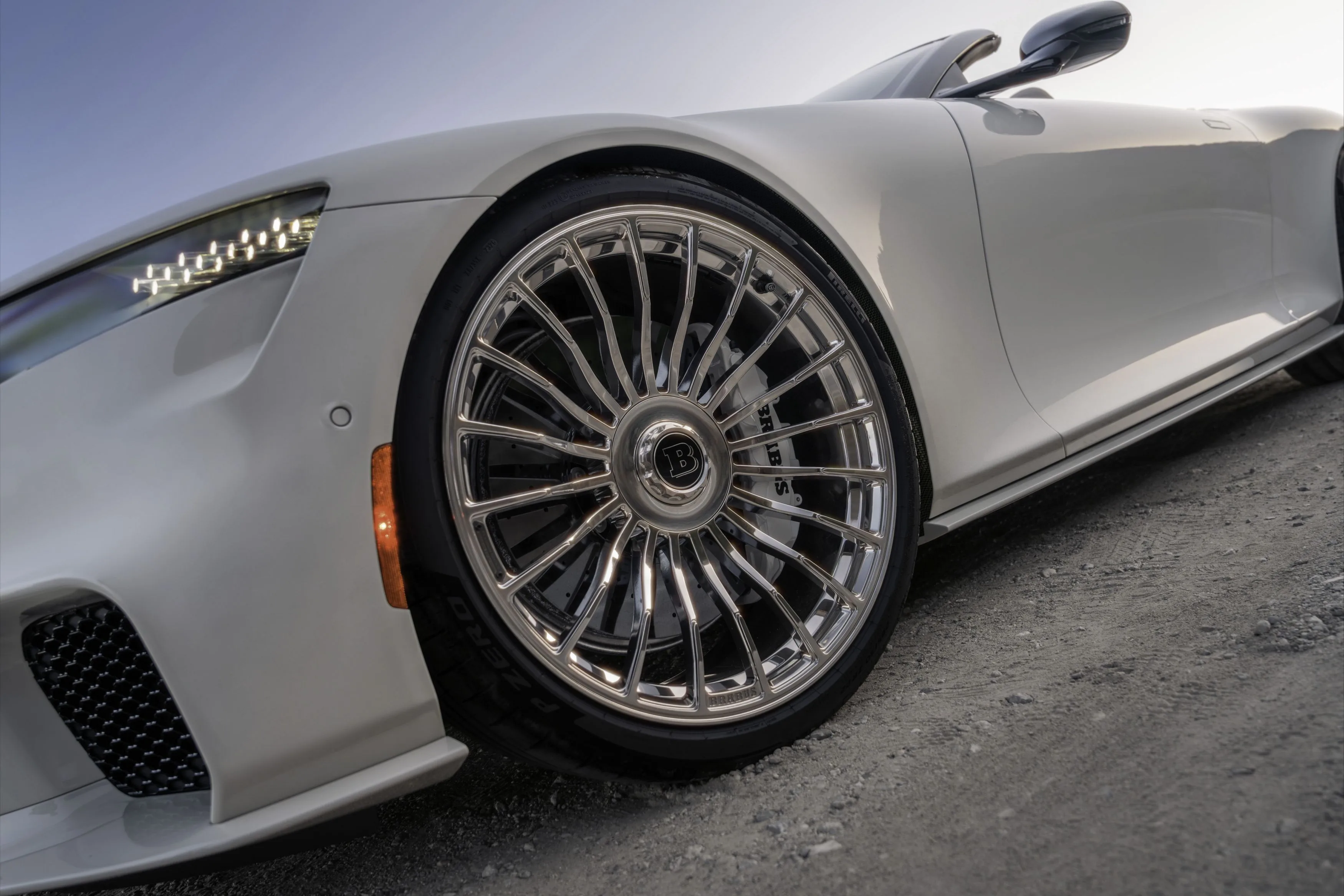
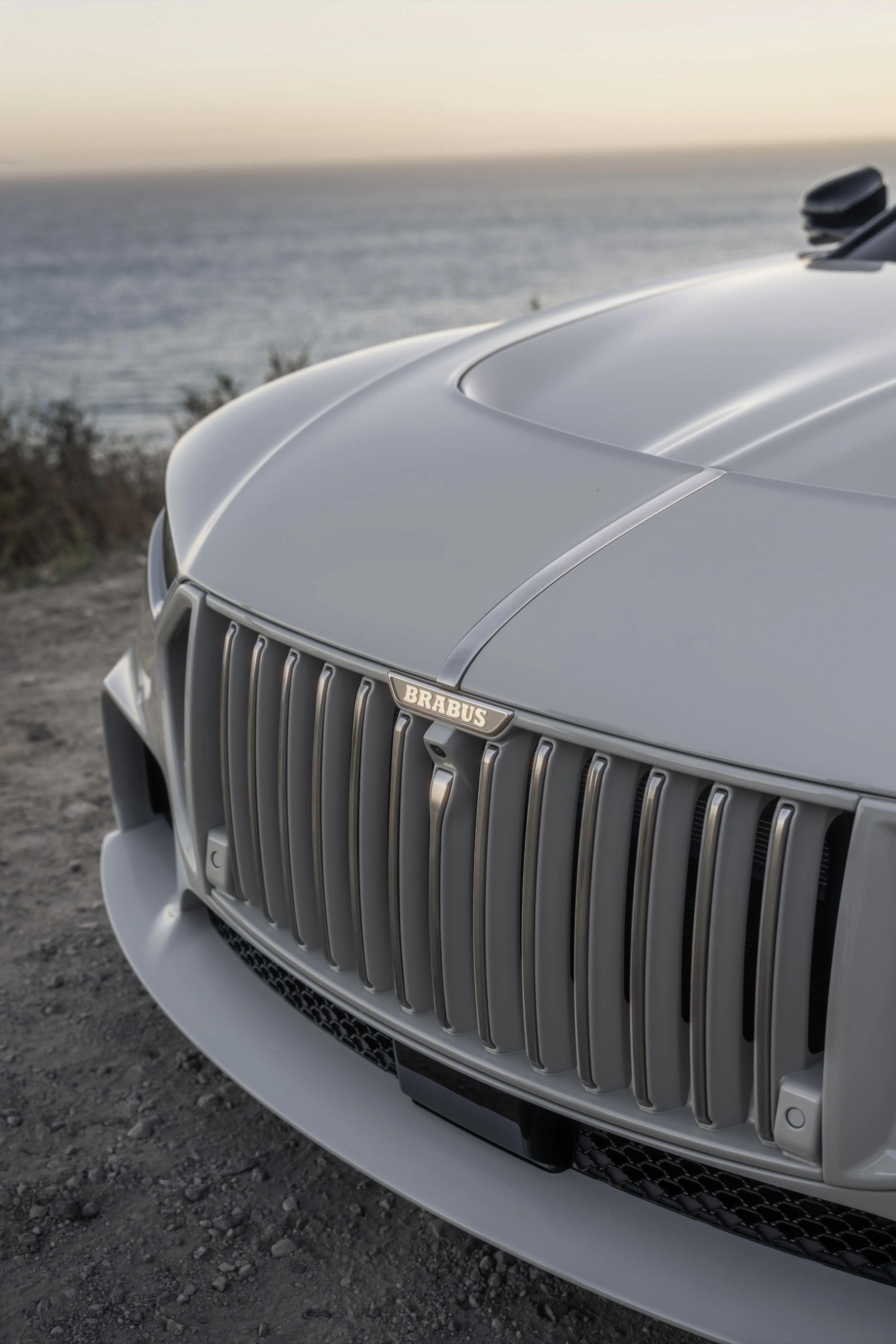
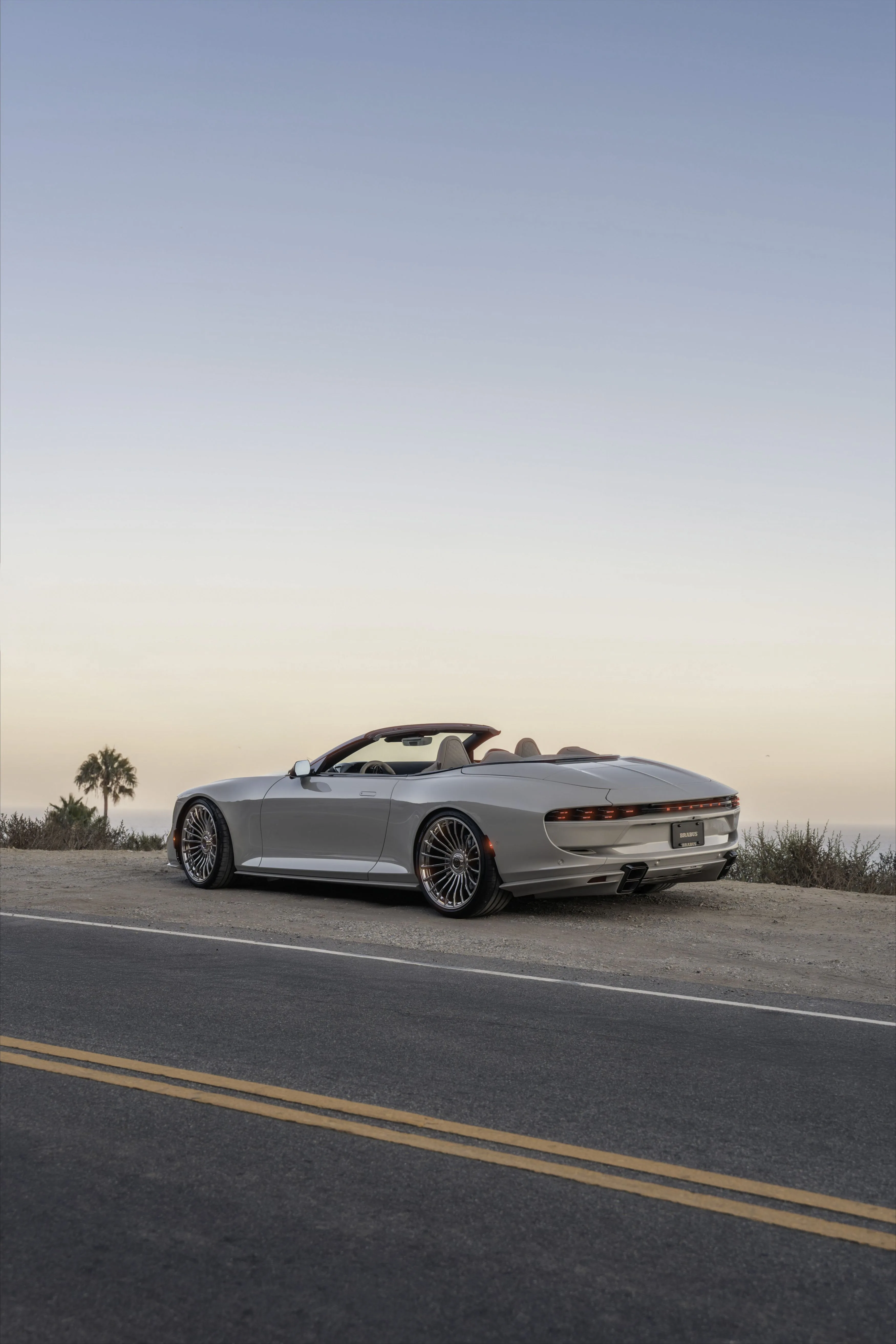
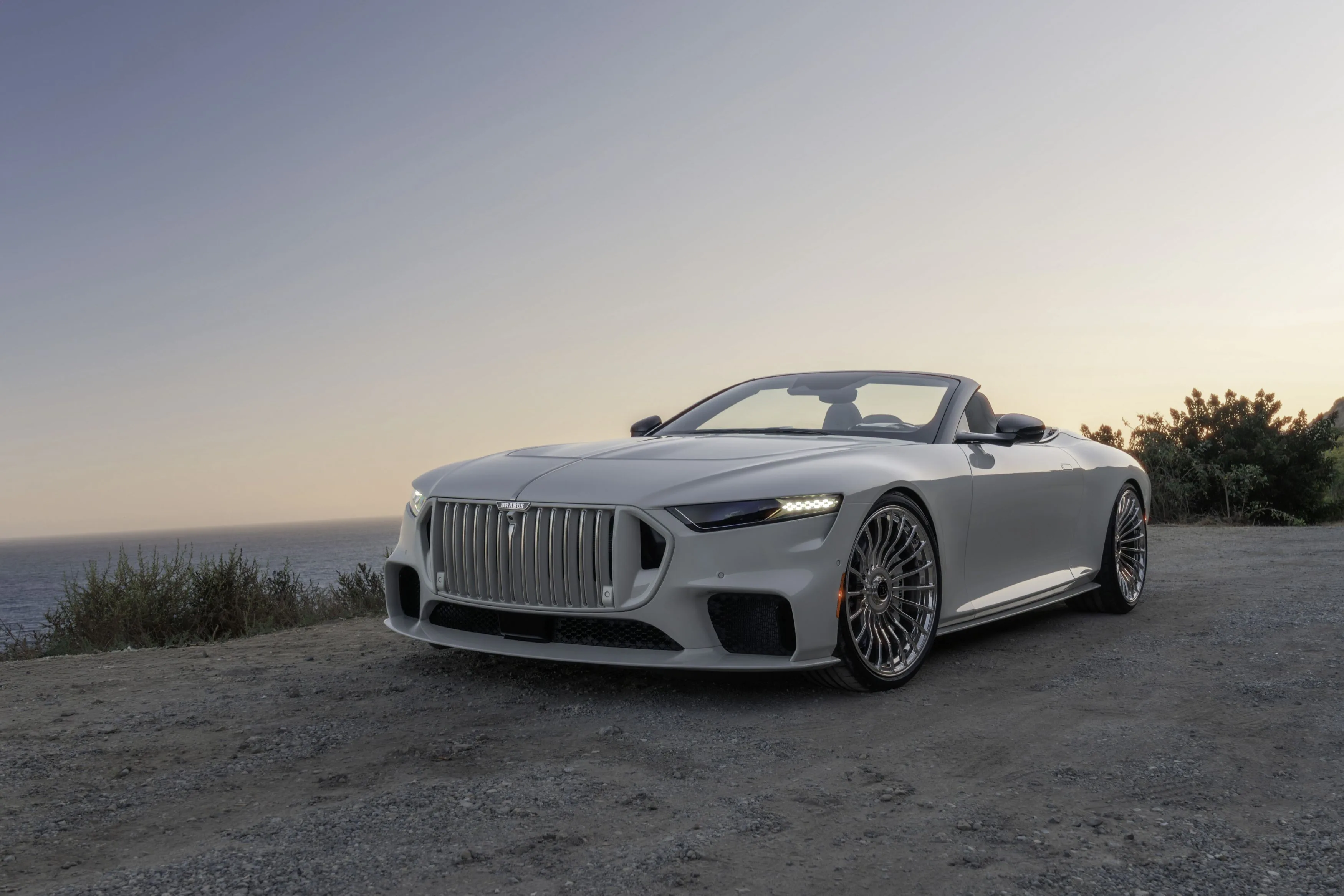
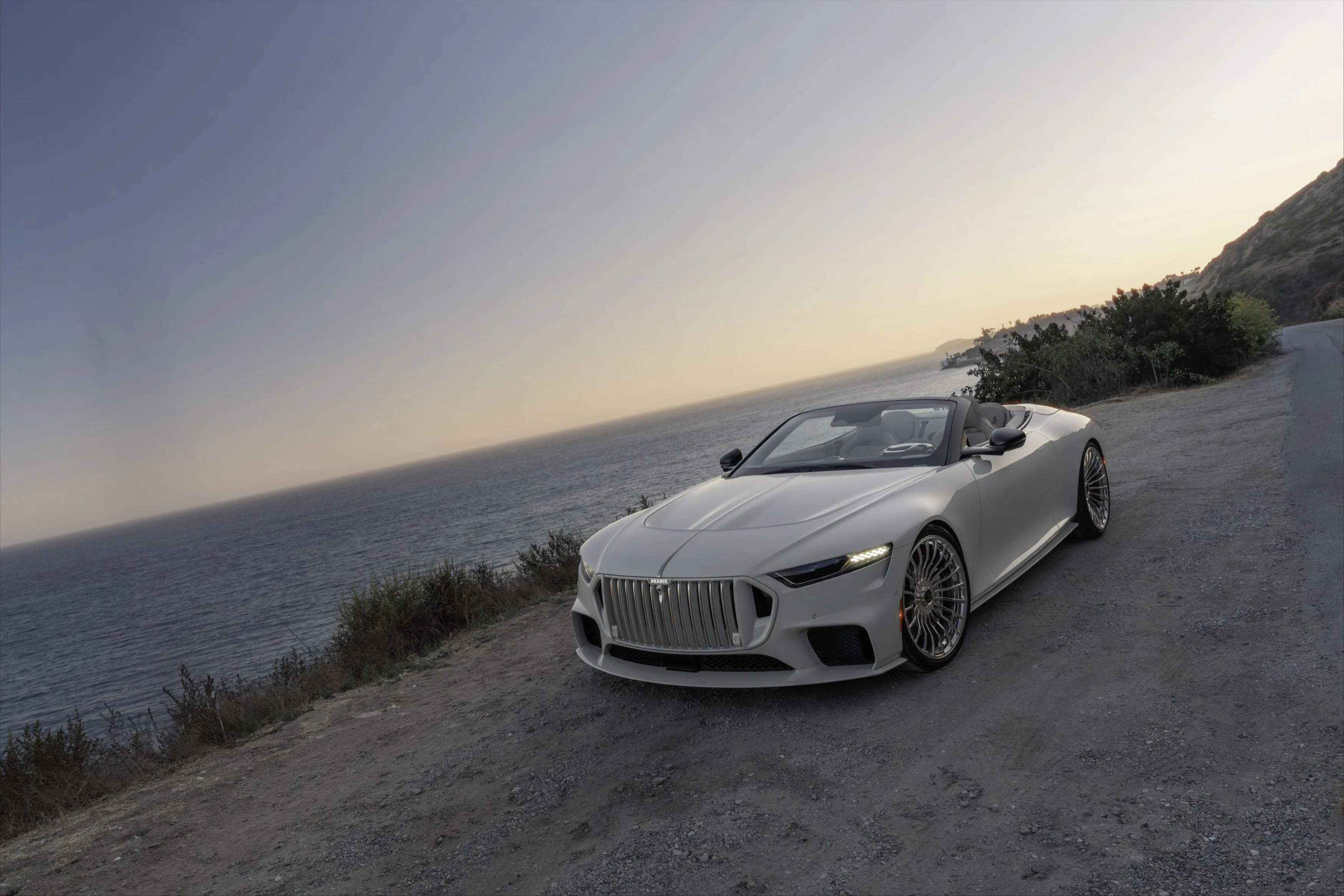
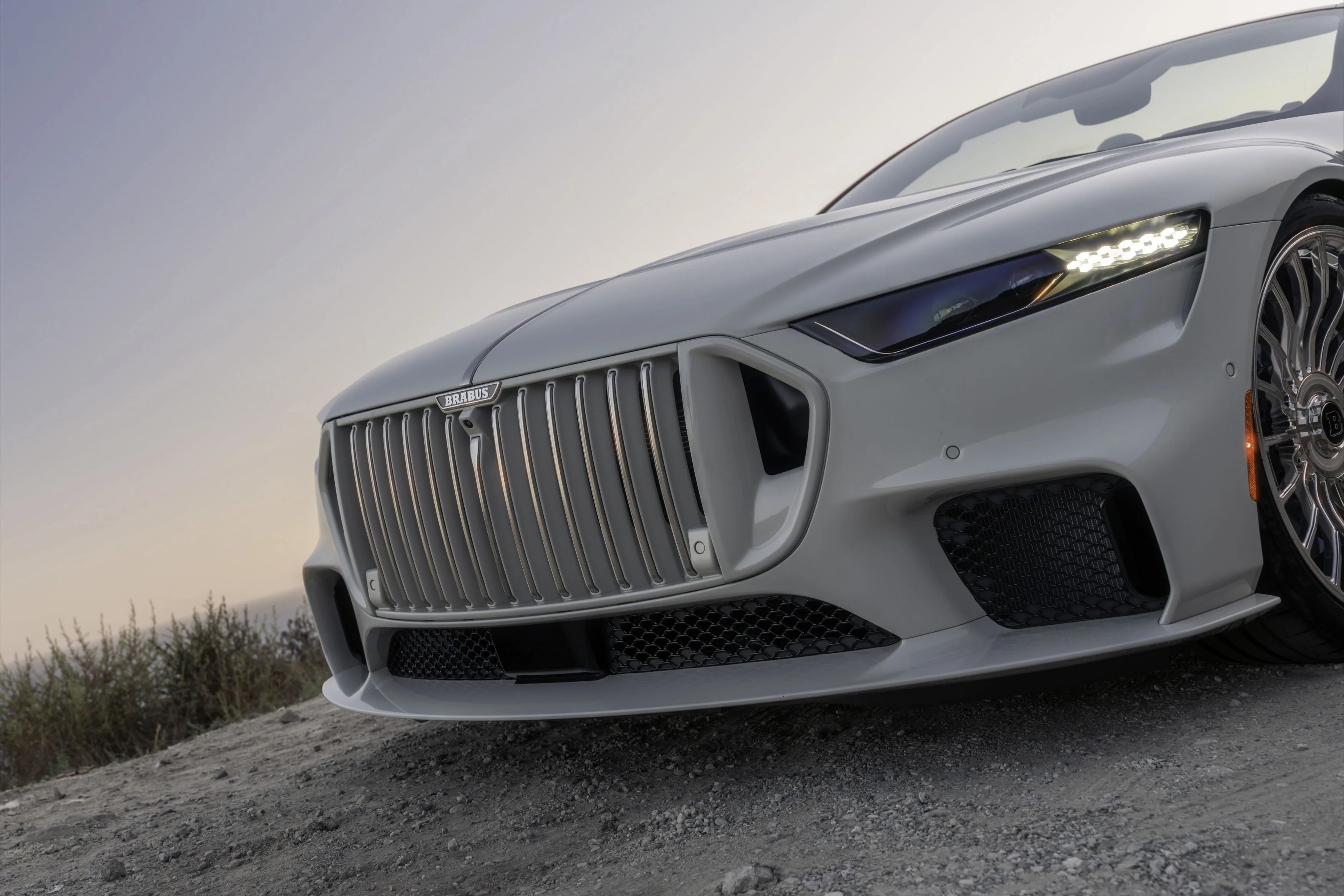
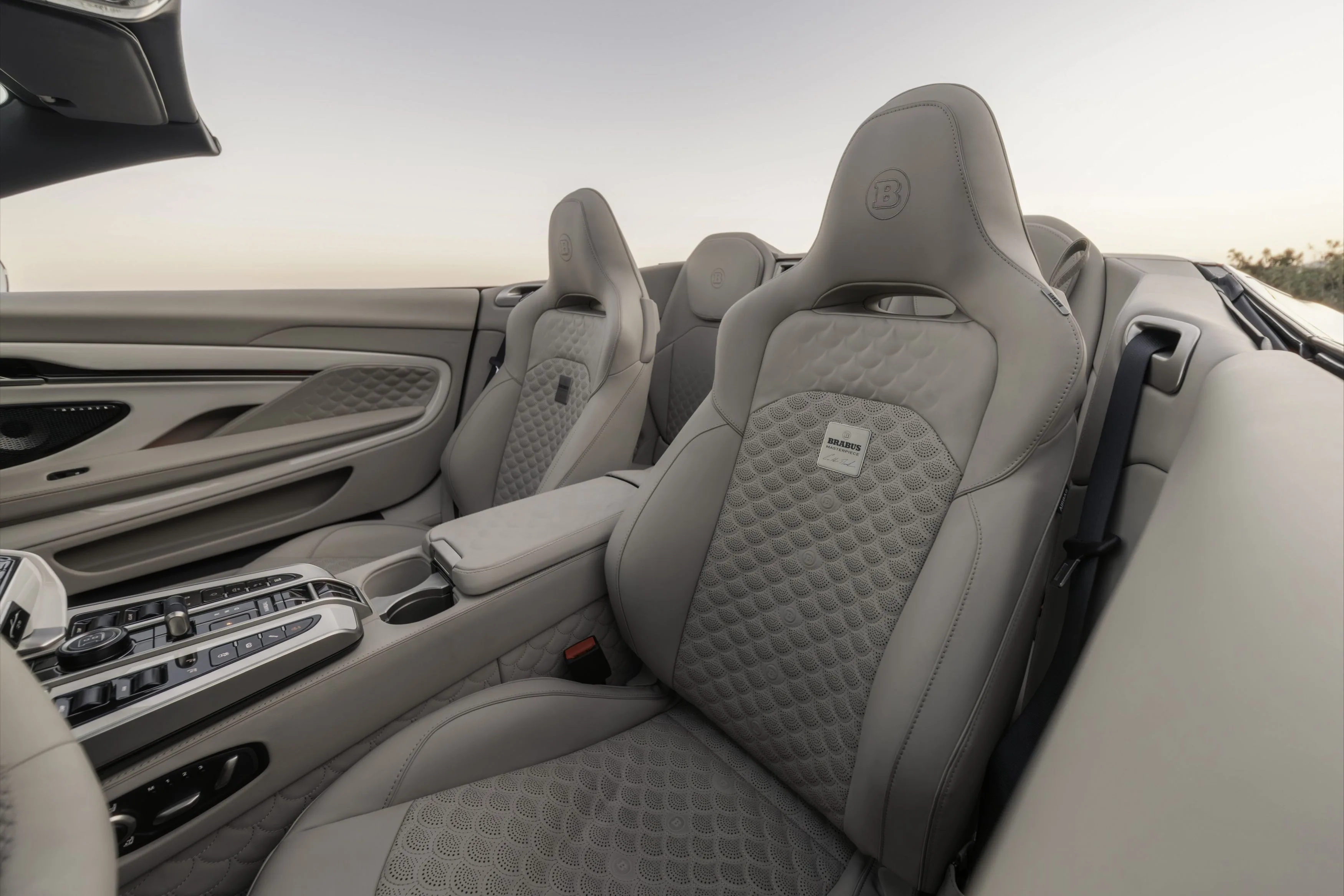
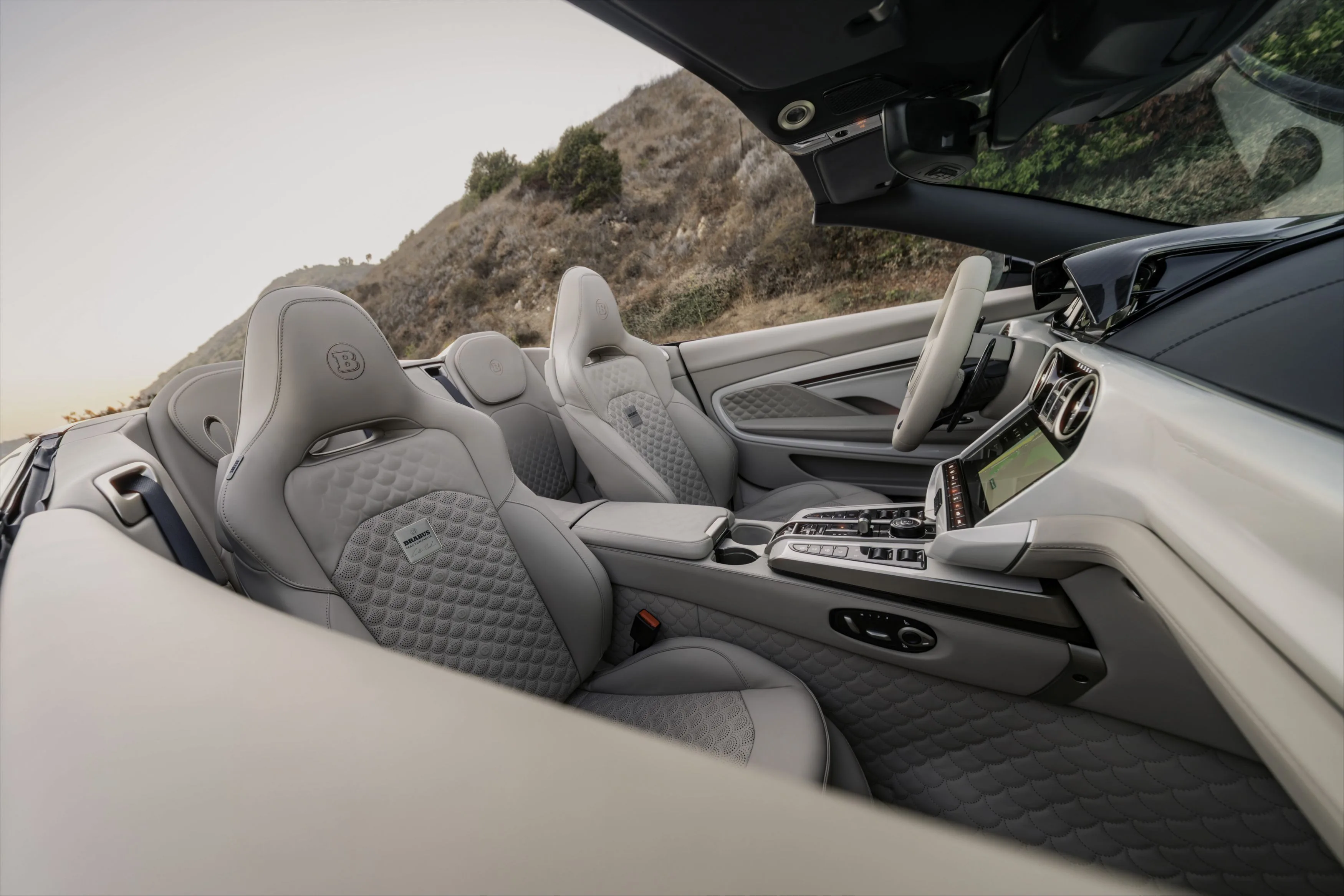
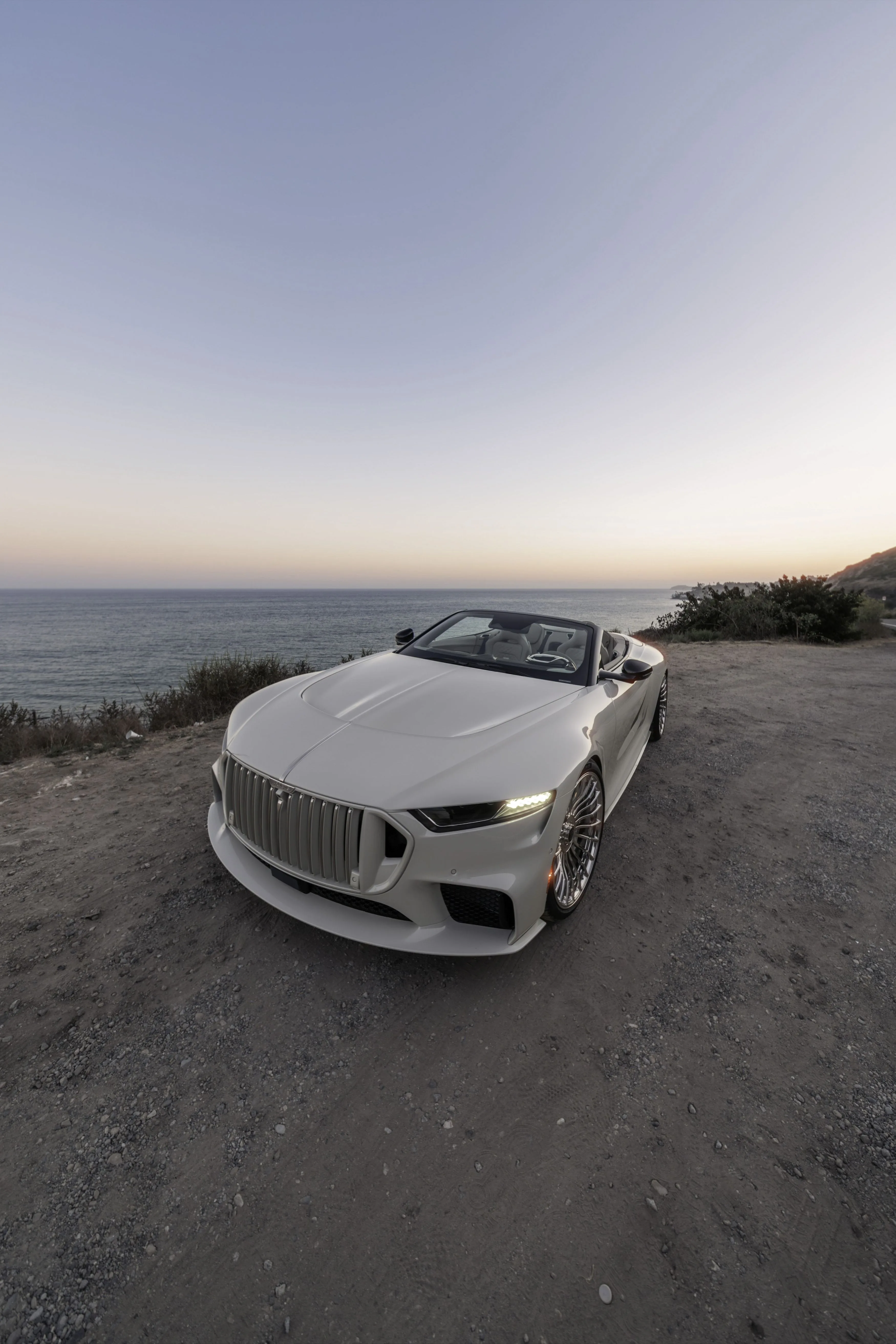
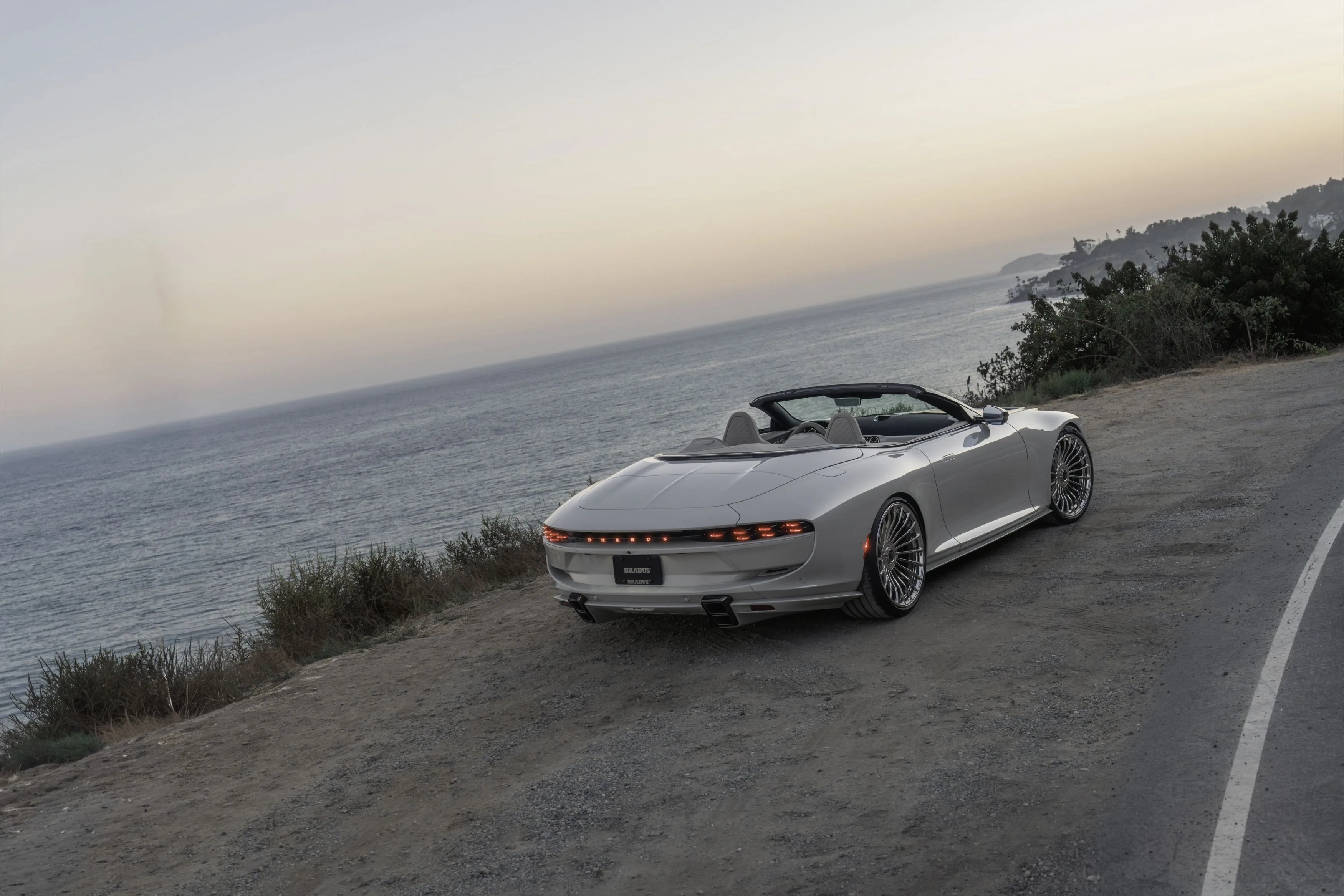
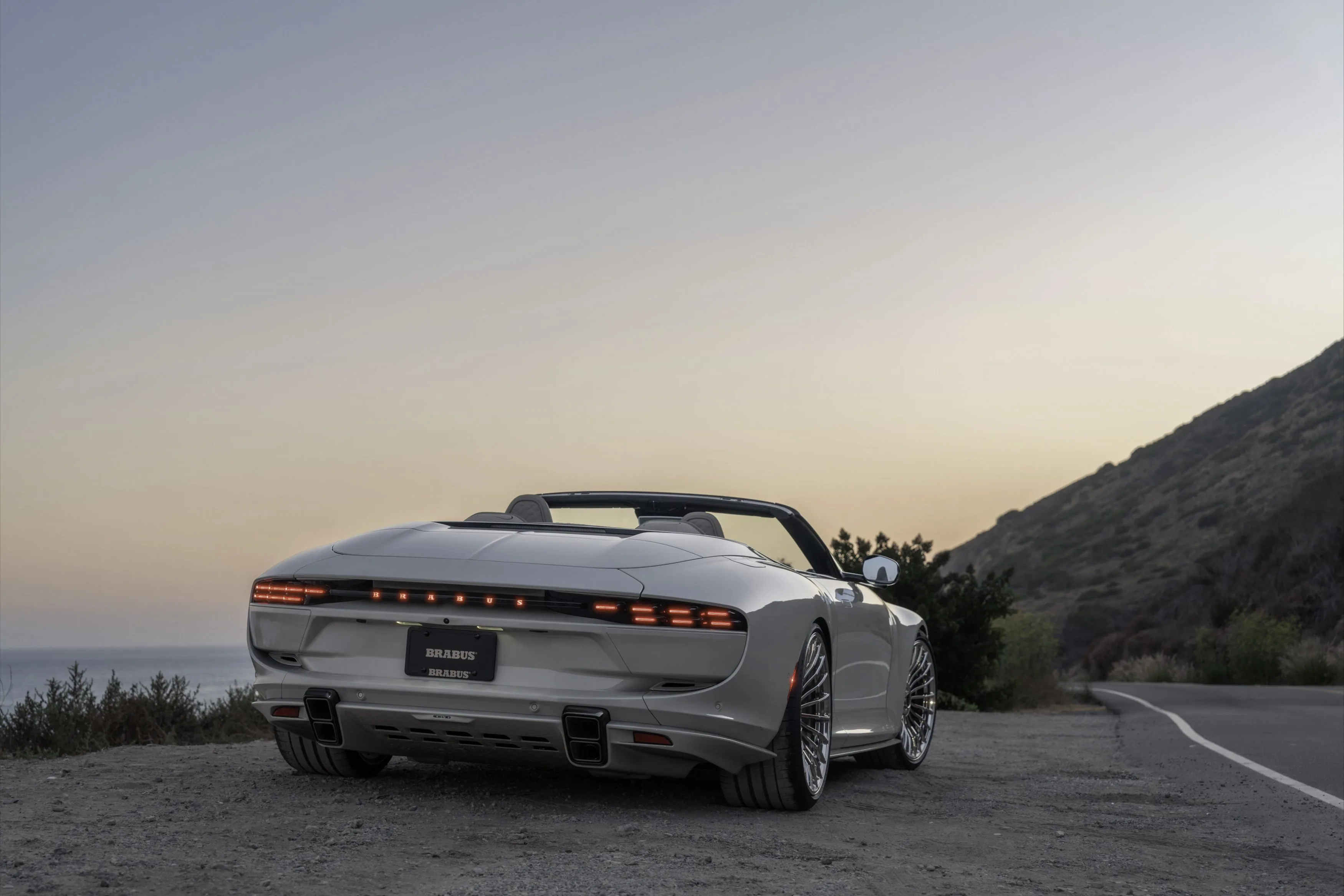
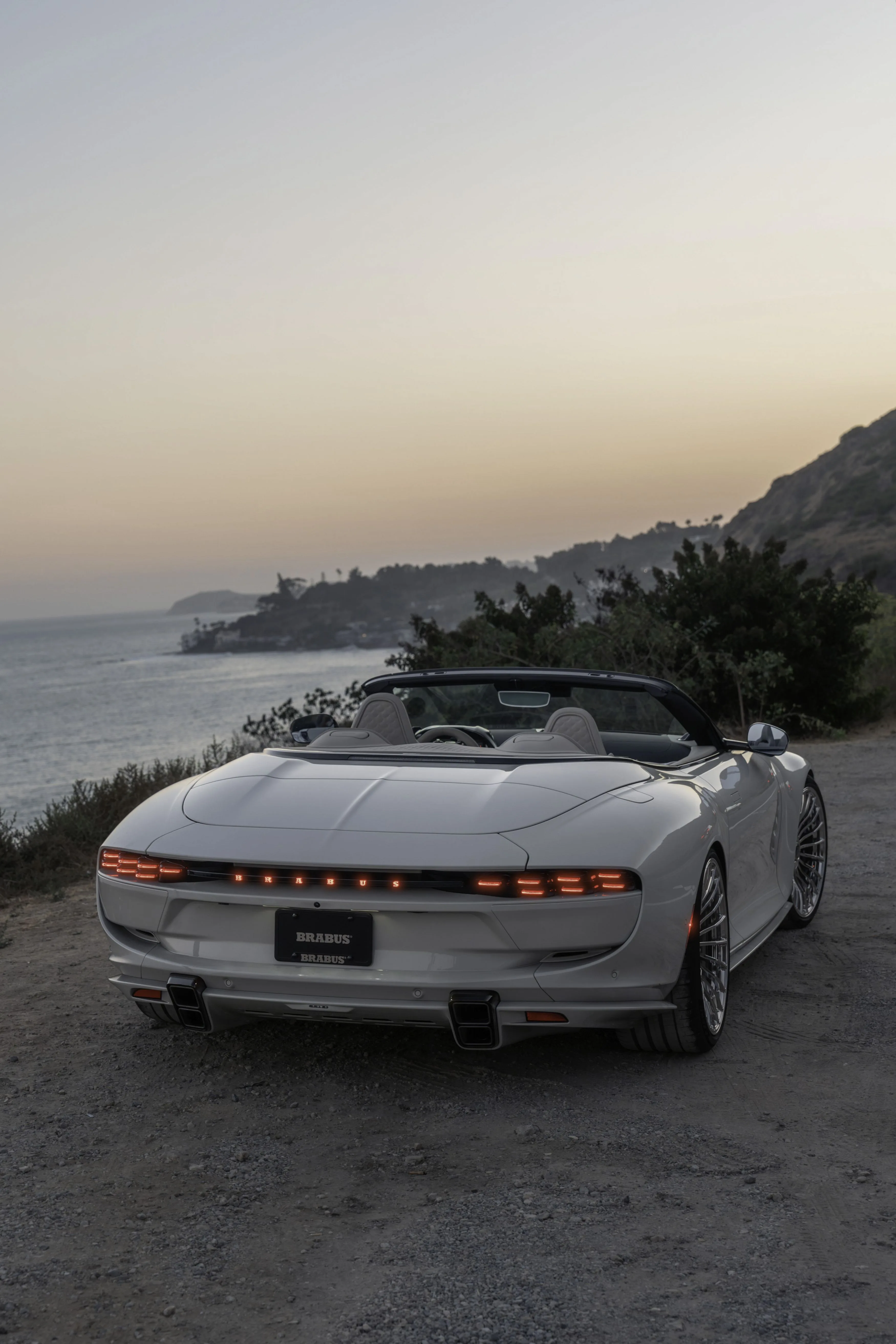
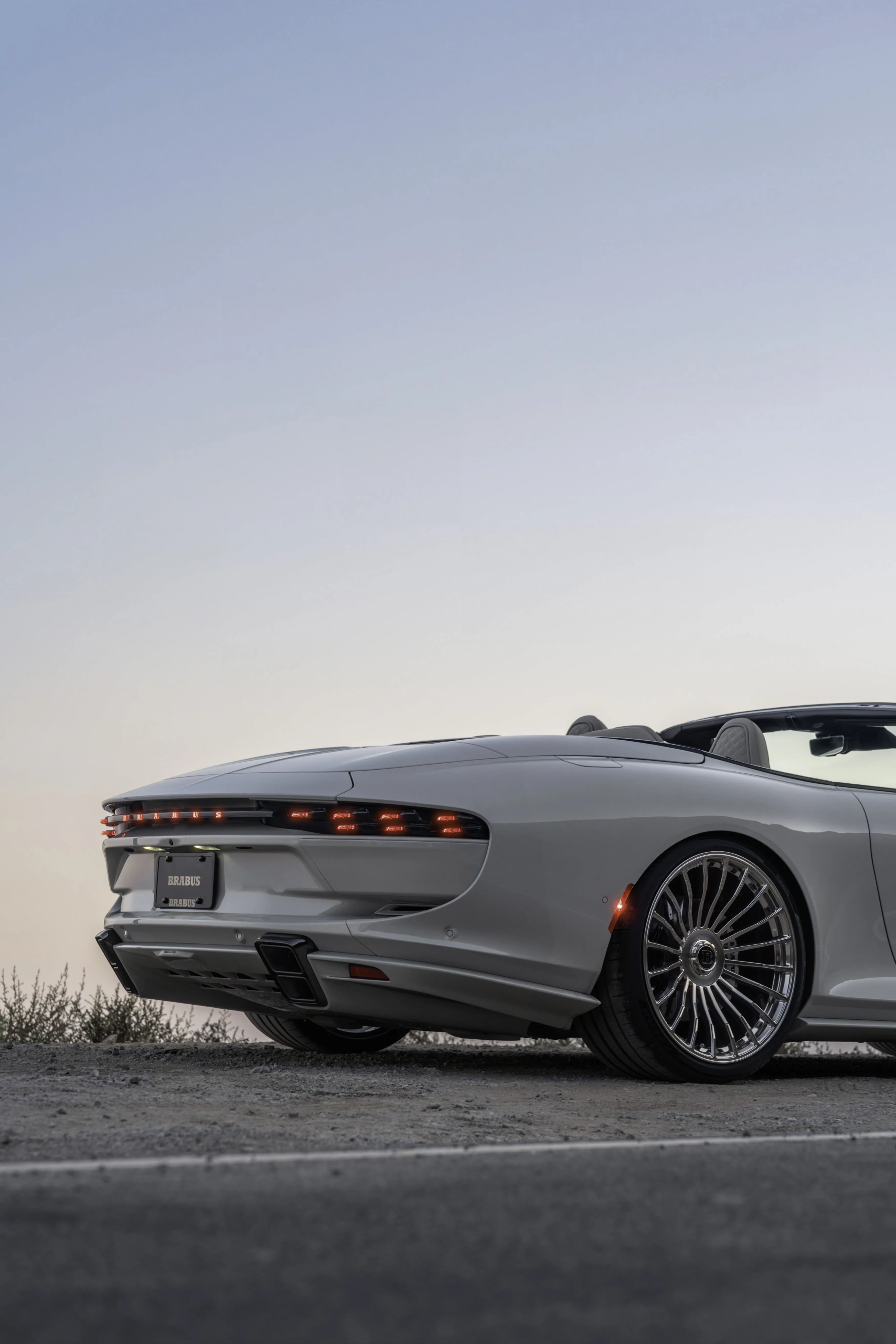
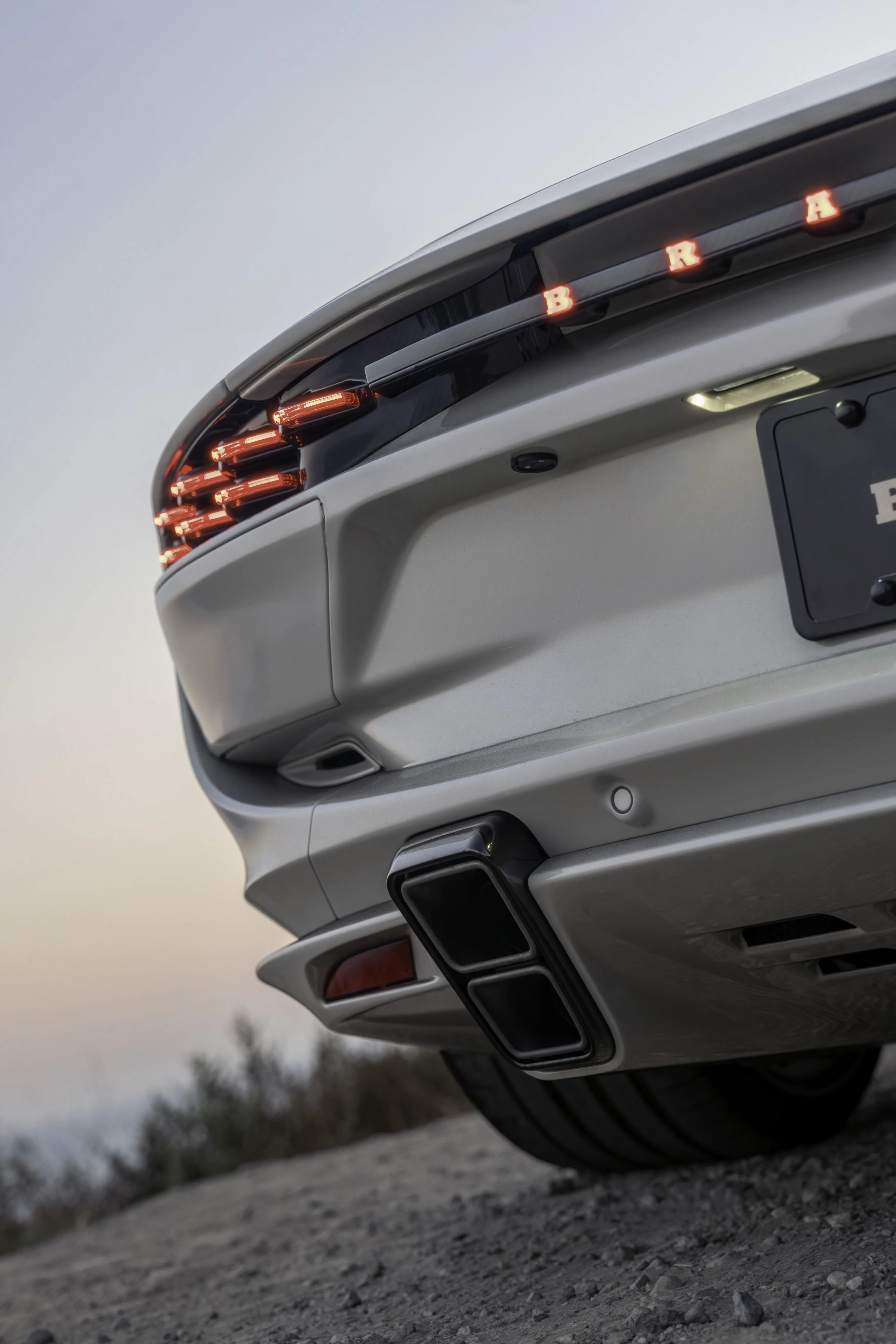
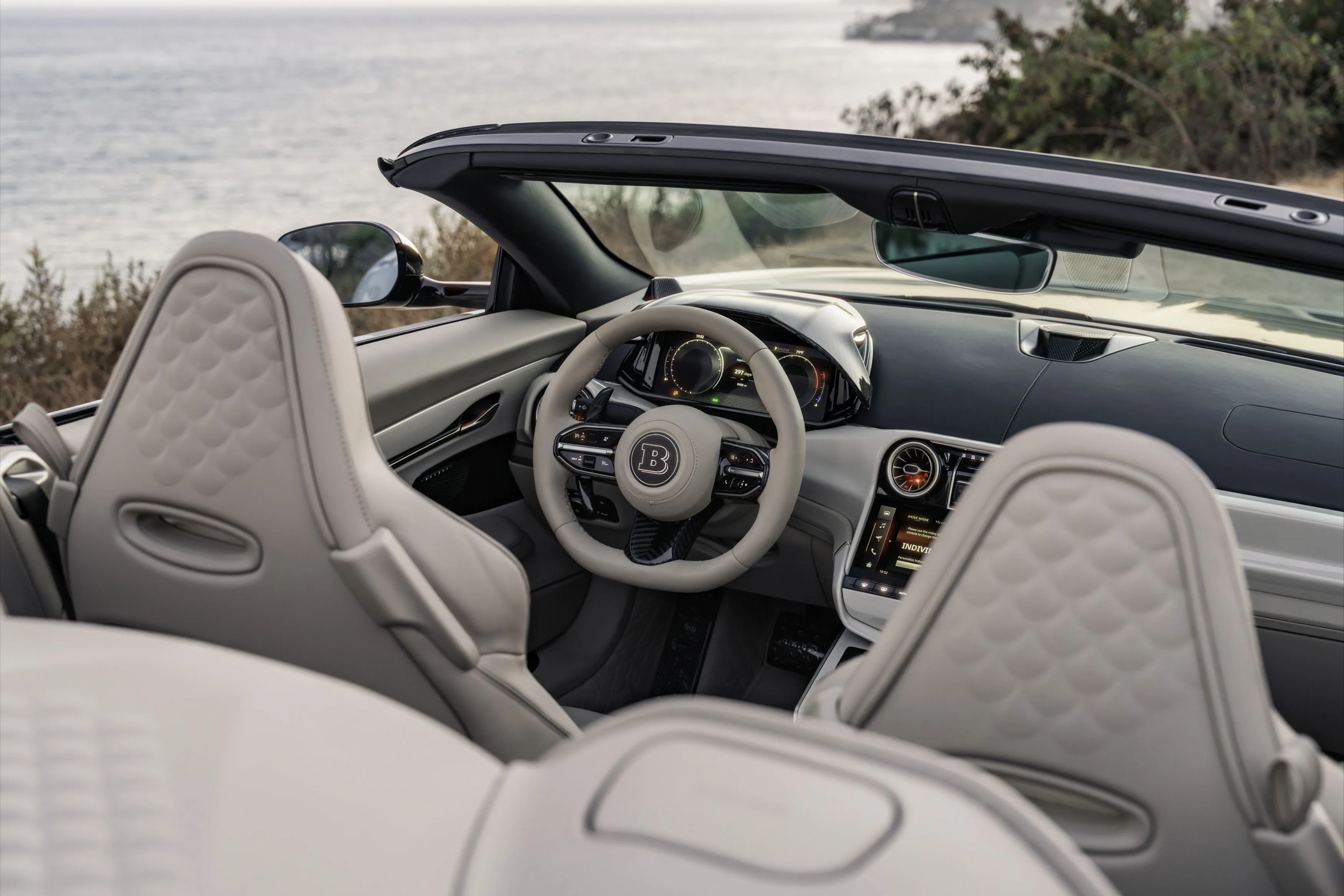
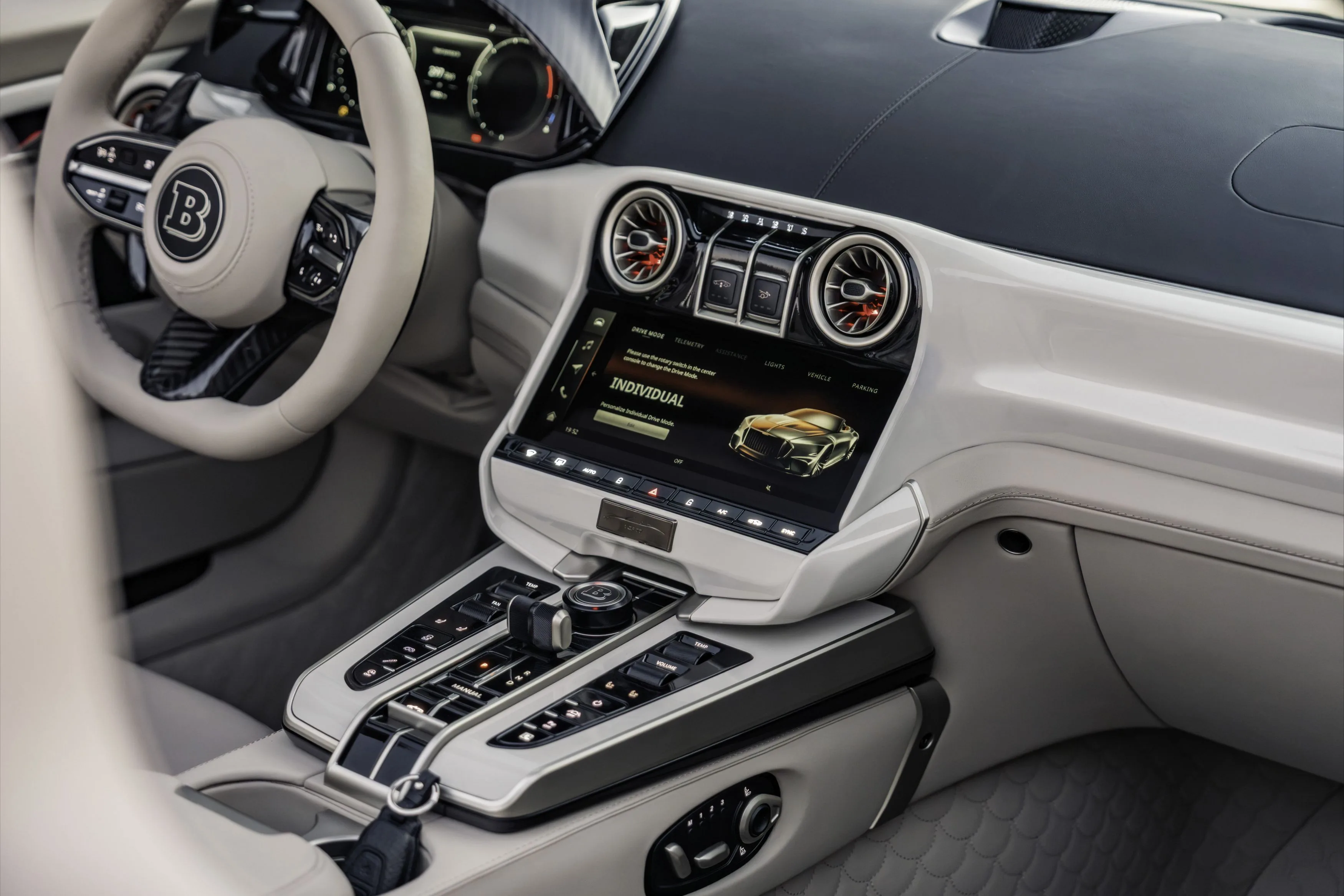
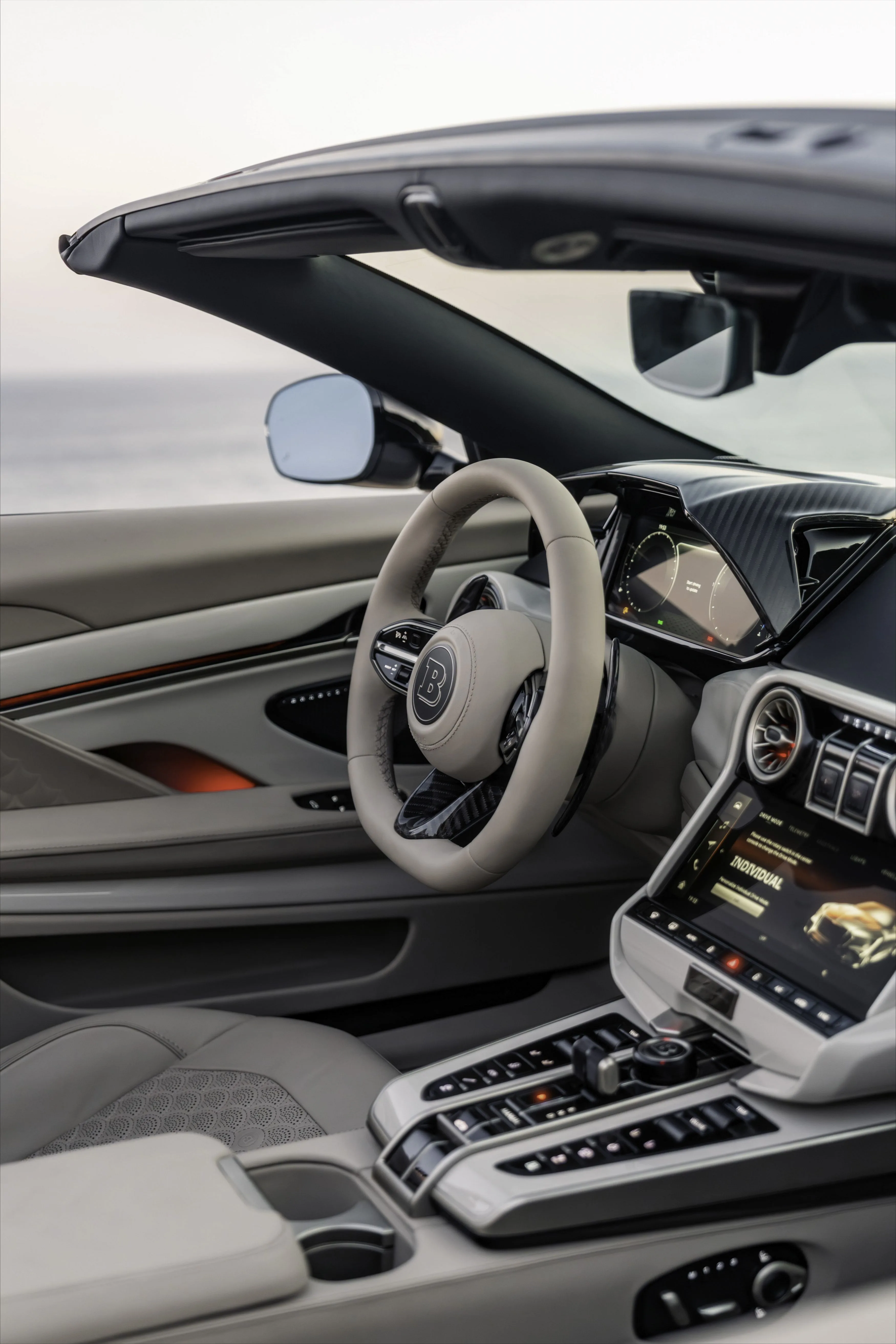
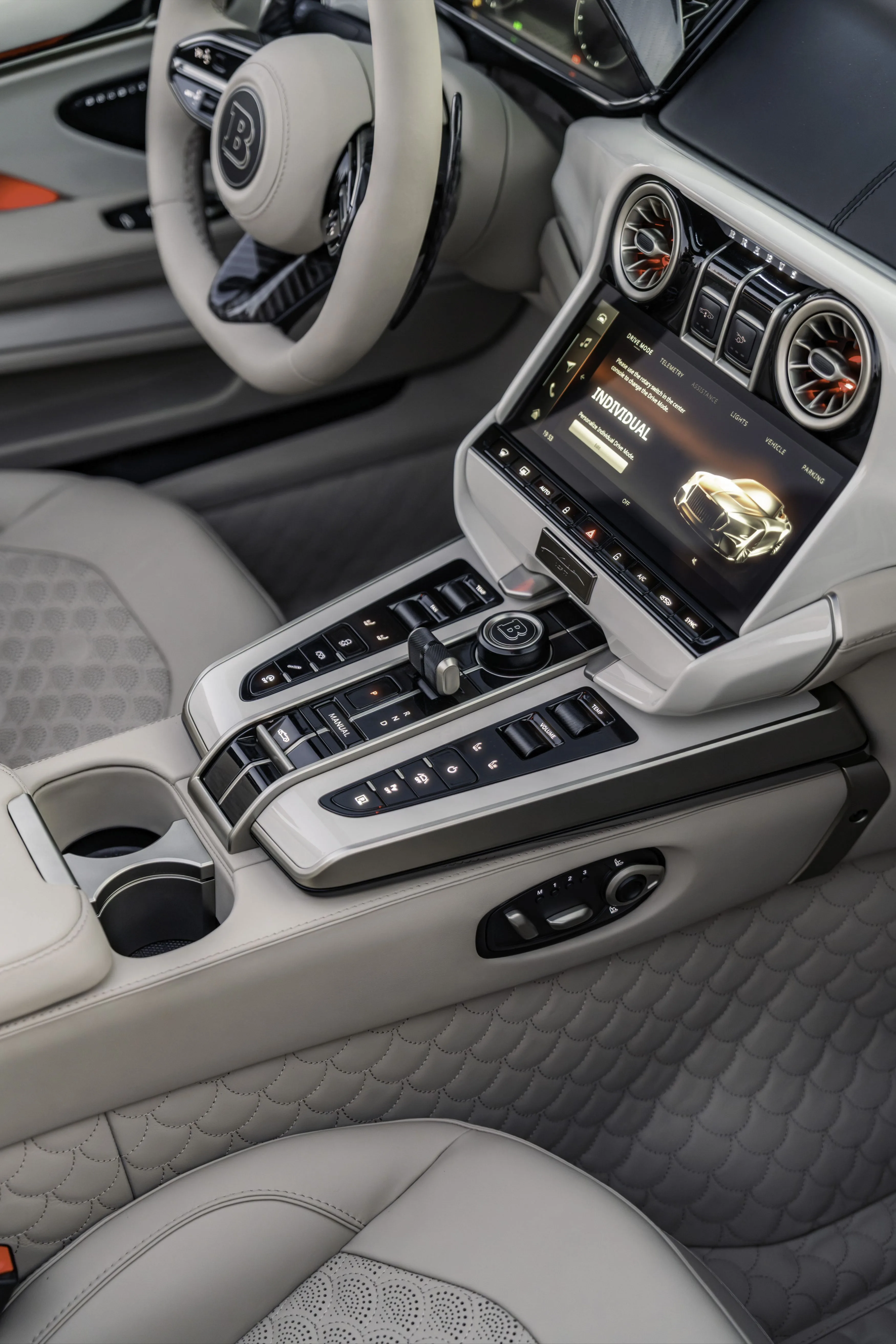
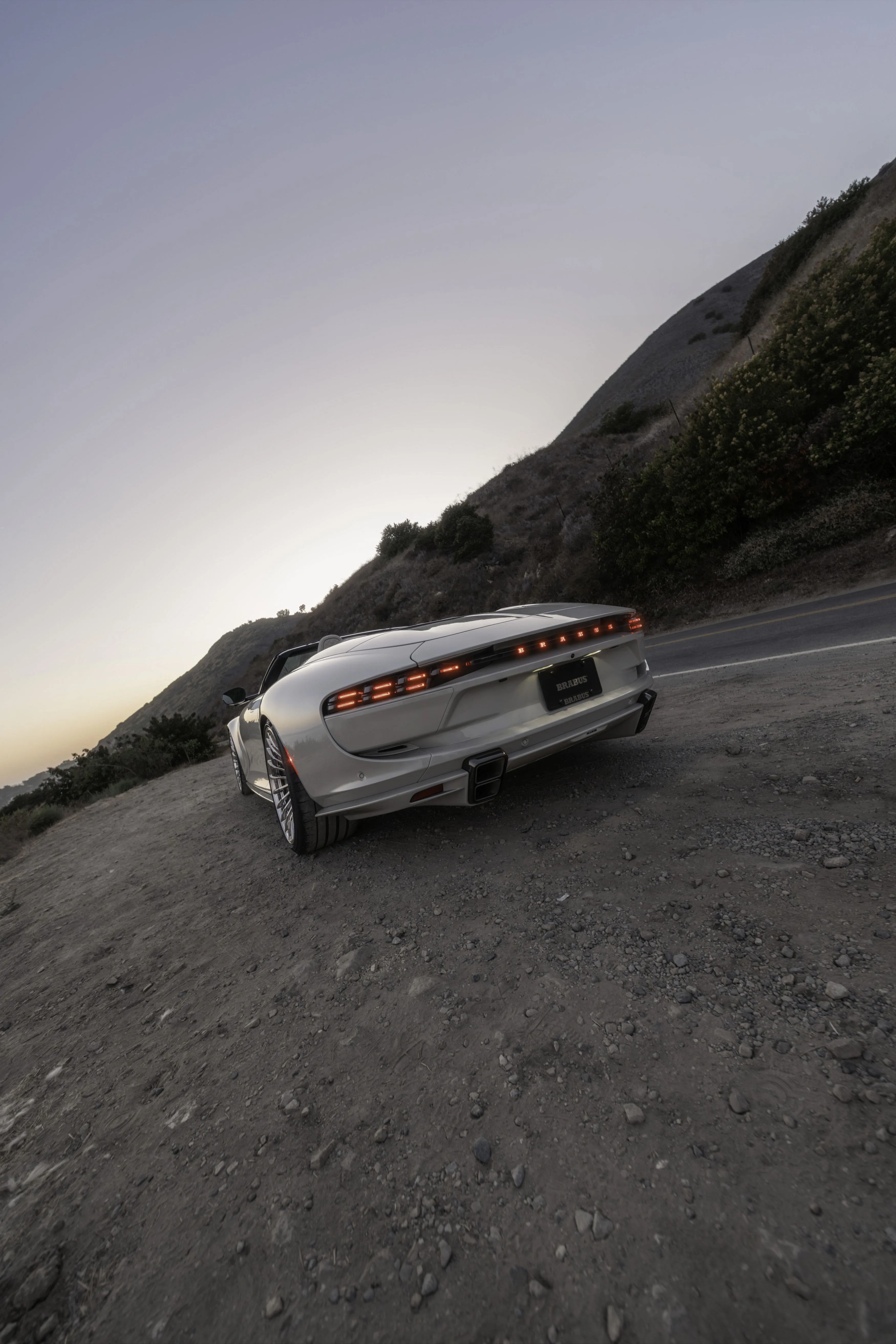
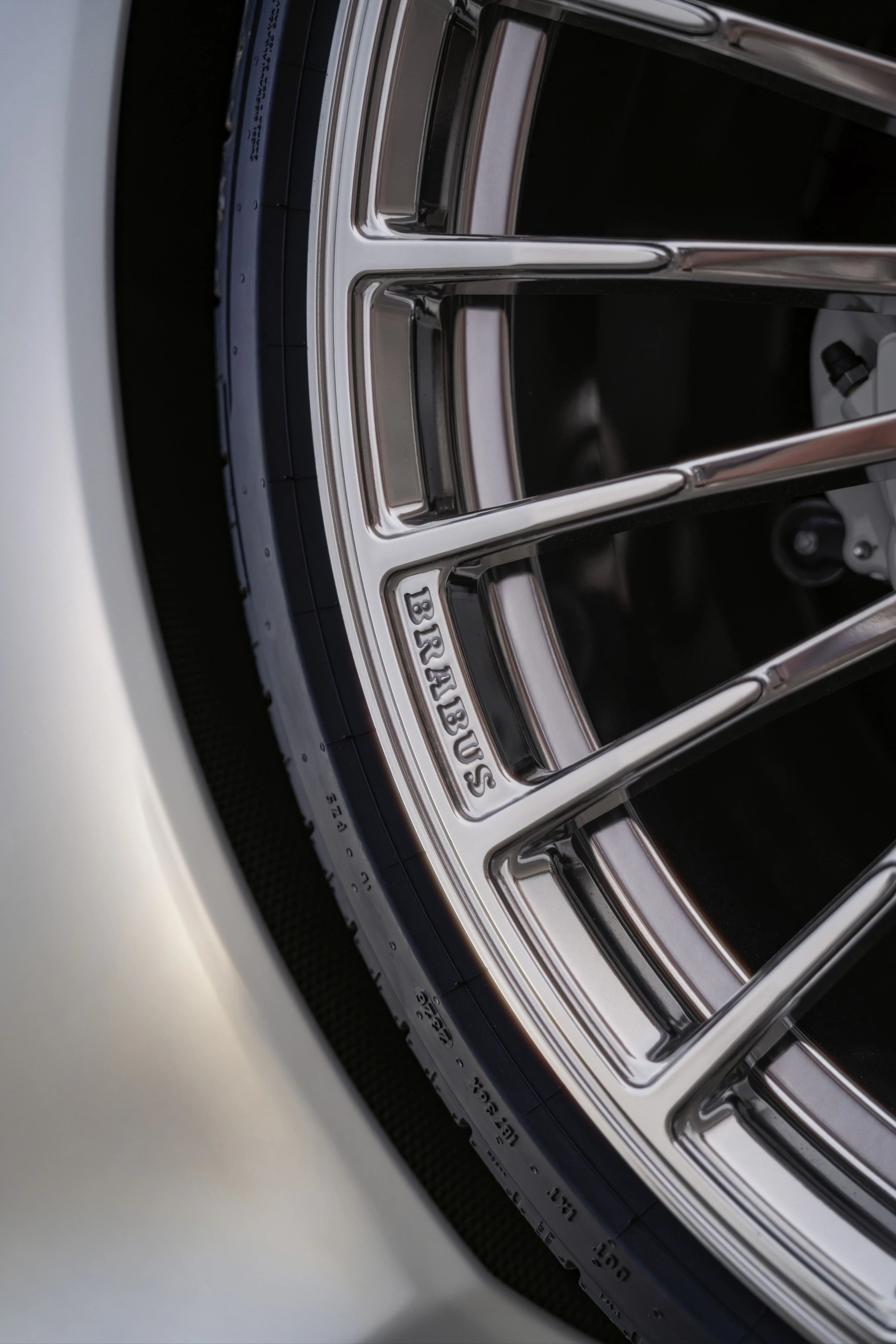
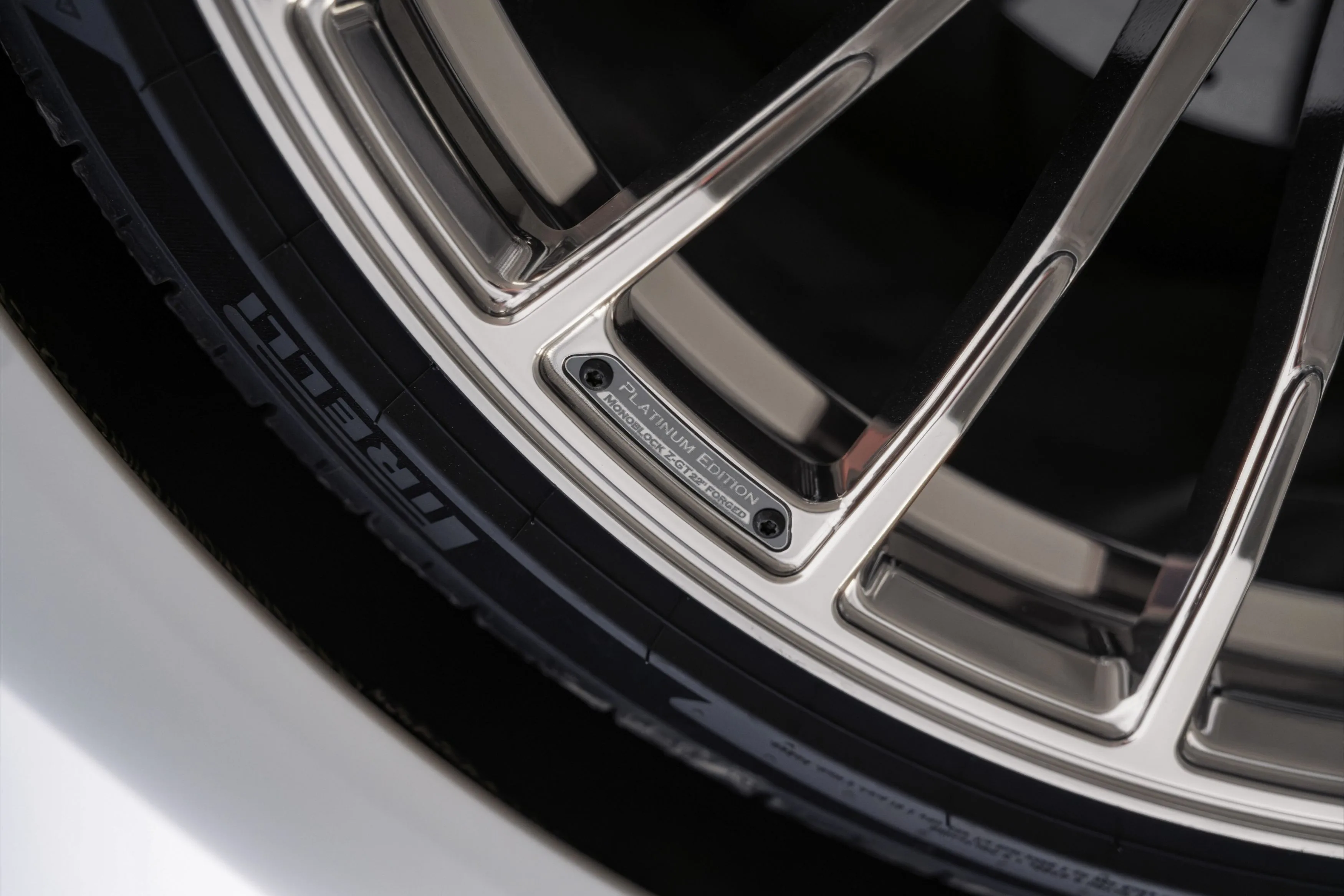
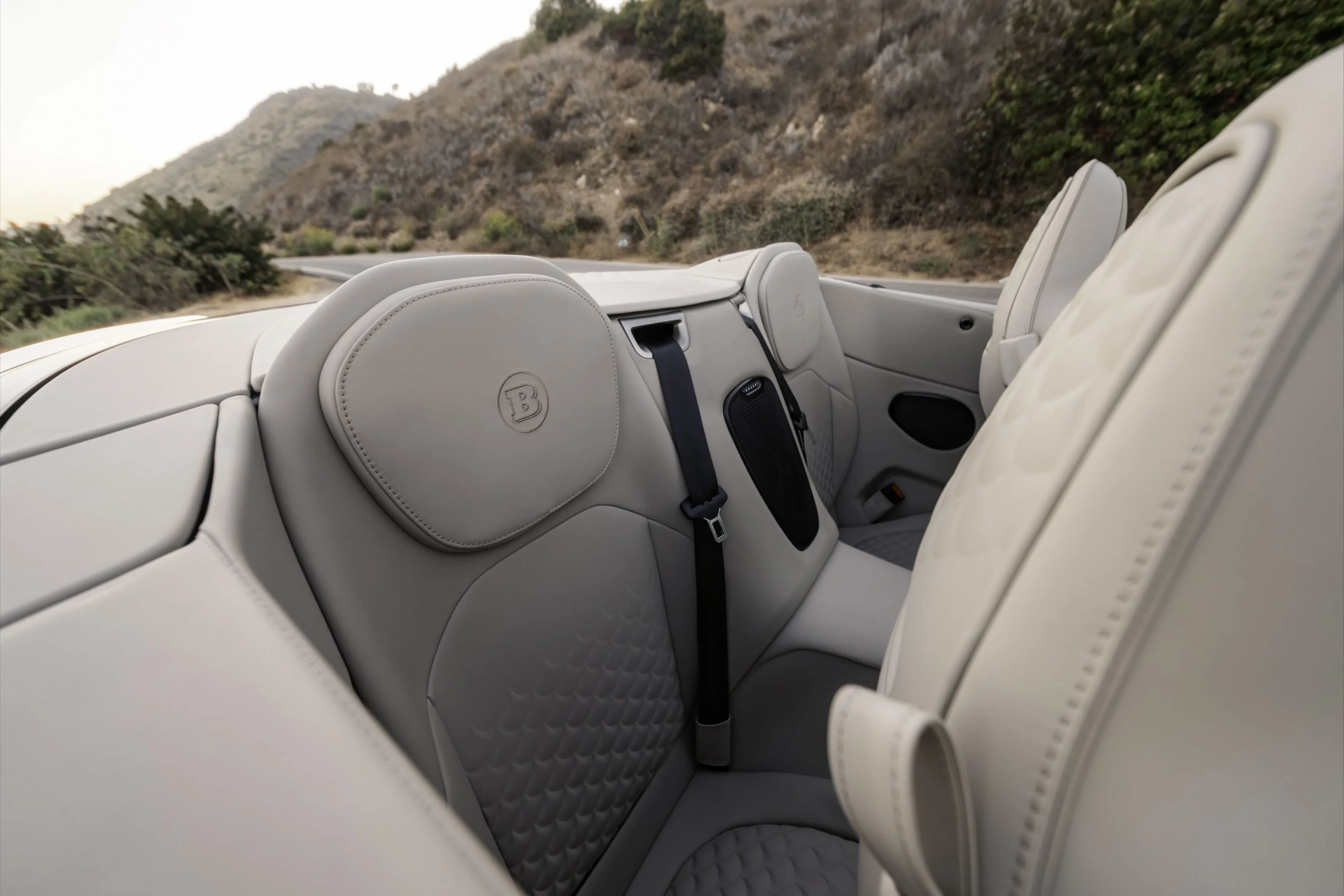
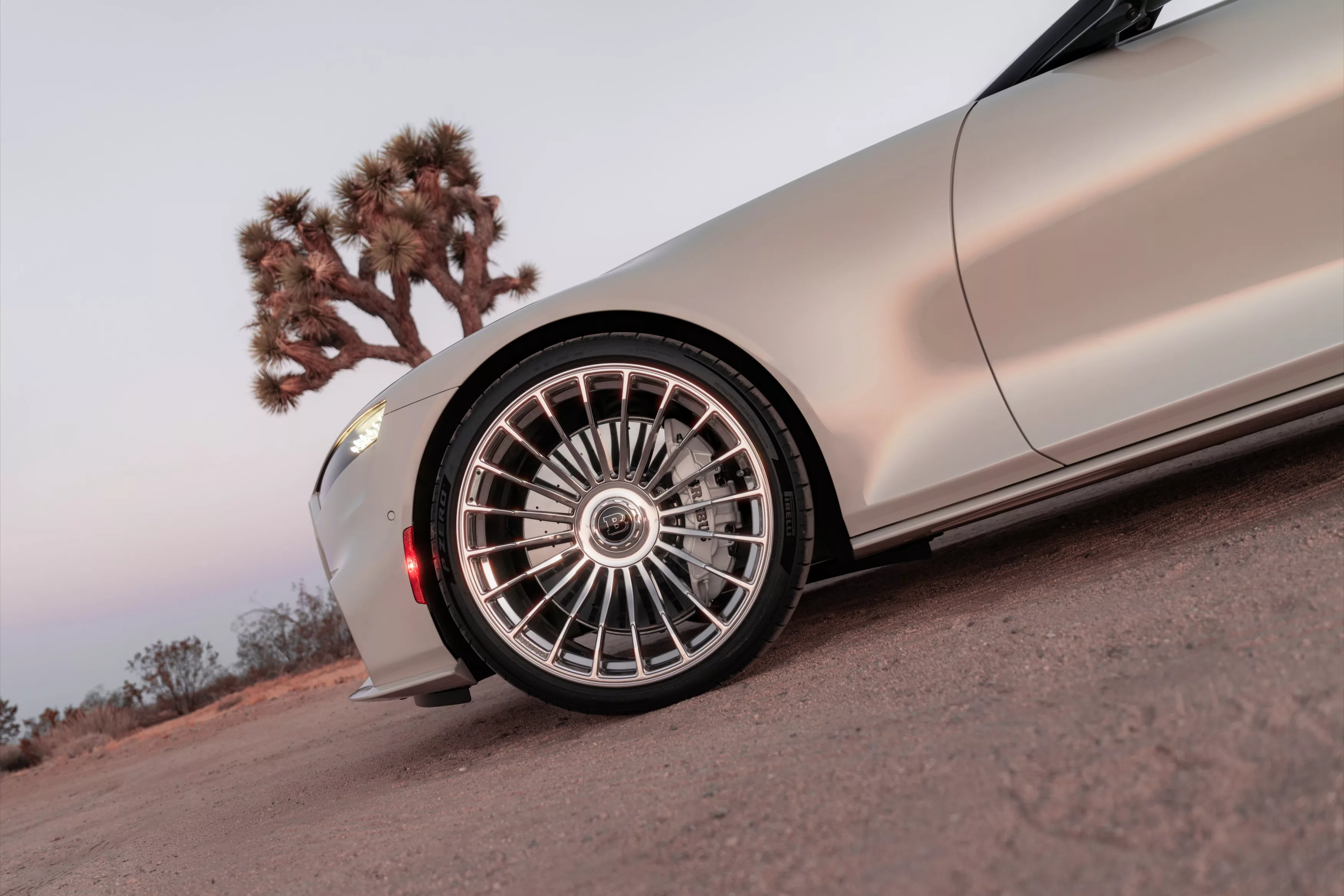
With 735 kW, 1,200 Nm, rear-wheel drive and a 360 km/h top speed, the BRABUS BODO Cabriolet places a particularly demanding burden on its tyres. Pirelli developed 22-inch P Zero tyres specifically for the car to tame the V12’s power while maintaining the steering precision and ride comfort of a large GT car.
Pirelli is the sole supplier of tyres for the BODO Cabriolet’s 22-inch wheel package. The car uses 285/30 ZR22 XL tyres at the front and 335/25 ZR22 XL tyres at the rear. The “BB” marking on the tyre sidewall denotes the special version developed for BRABUS. Pirelli also offers the same P Zero solution for the BODO Coupé.
1,200 Nm must reach two rear wheels
The BODO Cabriolet uses a hand-built 5.2-litre twin-turbo V12 engine producing 735 kW and 1,200 Nm. An eight-speed torque-converter automatic transmission sends all the power to the rear wheels, while the electronic differential can lock completely.
BRABUS quotes a 0–100 km/h time of 3.0 seconds, with 200 km/h reached in 8.5 seconds and 300 km/h in 23.9 seconds. Its electronically limited top speed is 360 km/h. At this level of performance, tyre choice is no longer simply a catalogue decision made after selecting the wheel size.
Pirelli altered the tyre’s construction, tread pattern and rubber compound for the BODO. Engineers began with simulations before continuing with the actual car at the Papenburg test track in Germany, assessing high-speed stability, steering feel and tyre behaviour under high lateral loads in particular.
Twenty-two inches makes the task even harder
The BODO Coupé comes as standard with 21-inch wheels fitted with Continental SportContact 7 Force tyres, sized 275/35 ZR21 at the front and 325/30 ZR21 at the rear. The new Pirelli combination increases wheel diameter to 22 inches and adds 10 mm of tyre width on both axles.
This may improve steering response and traction on dry asphalt, but the very low tyre sidewall leaves less room to preserve comfort. This is precisely why Pirelli stresses that the BODO tyre was not created solely for maximum grip. Its construction must absorb impacts well enough for the 2+2-seater to remain a Gran Turismo rather than becoming a track machine capable of 360 km/h.
BRABUS also uses a carbon-fibre body, active aerodynamics and carbon-ceramic brakes. The Cabriolet’s official WLTP fuel consumption is 14.1 l/100 km, while CO₂ emissions are 321 g/km. In other words, there is not the slightest attempt here to create an environmentally conscious impression. The BODO’s aim is to take the traditional V12 super-GT recipe as far over the top as current European regulations still allow.
Seventy-seven cars need their own tyres
BRABUS is limiting BODO Cabriolet production to 77 examples, yet Pirelli nevertheless developed a separately homologated tyre set. This clearly illustrates where the upper end of Europe’s supercar market has moved. Michelin, Pirelli and Continental can no longer simply offer a fast road tyre in a suitable size; manufacturers want a tyre that works as an integrated whole with a specific suspension, aerodynamic package and powertrain.
In the BODO’s case, this is especially understandable. When 1,200 Nm reaches only the rear wheels and the car must remain stable at speeds at which most family cars would long since have reached their electronic limiter, four black rubber rings become one of the project’s most important technical components.


