
Chery brings new DELIVAN electric van brand to Europe
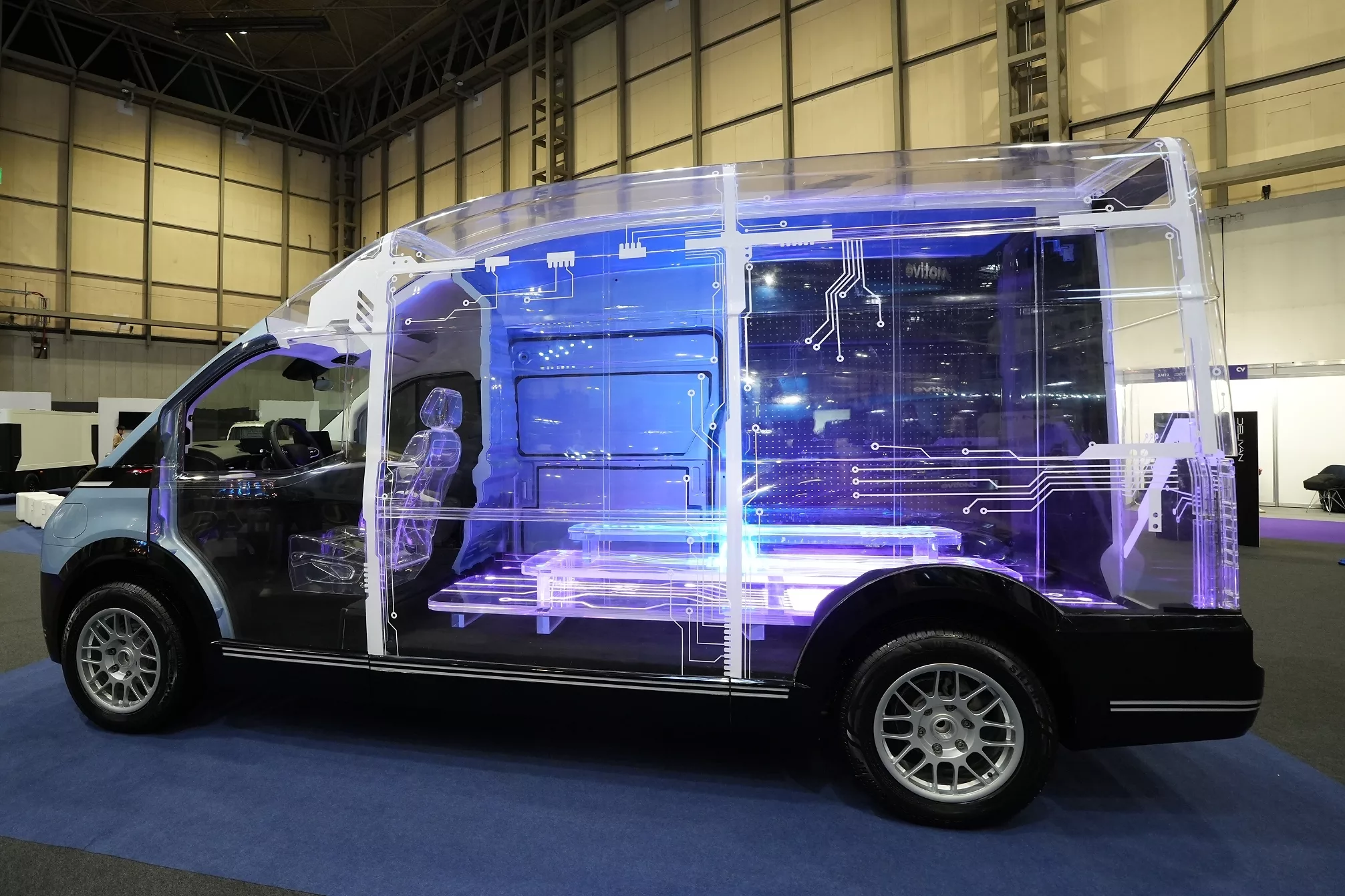
China’s Chery is expanding its European presence into commercial vehicles. The group’s new DELIVAN brand will show its first two production-bound electric vans at the IAA Transportation show in Hannover in September. European sales will begin in phases in 2027.
Two electric vans and four special versions
DELIVAN made its public debut at the Commercial Vehicle Show in Birmingham in April this year, but it was limited to future plans and concept vehicles. Things will become more concrete in Hannover.
The manufacturer will present two all-electric production vans in different size classes. Their names, battery capacities, range, charging power and payloads are not yet known. Those are the figures to watch for, because without them, the launch of another electric van says very little.
Alongside the two core models, DELIVAN will introduce four converted versions. The company will also announce partnerships with European bodybuilders and conversion specialists, including new partners in Germany. This matters in the commercial vehicle market. In addition to range, a van’s value is determined by how easily it can be turned into a refrigerated vehicle, service van, delivery van or another working tool.
Chery does not want to be just another Chinese importer
DELIVAN’s European headquarters are in Liverpool, and a German subsidiary will be added in September. The brand will enter the European market in 2027. Alongside the vehicles, Chery is building a service system with three elements: DELIVAN PRO, DELIVAN X and DELIVAN I. The first focuses on servicing and vehicle uptime, the second on conversions, and the third on digital fleet management.
The names can safely be forgotten. What matters is the substance: Chery is trying to offer vehicles together with servicing, conversions and fleet software. This is effectively essential for entering the European commercial vehicle market. Ford, Mercedes-Benz, Renault, Stellantis and Volkswagen have long sold more than just vans to business customers. They sell service networks, telematics, financing and as little downtime as possible.
Price and technical specifications will decide
DELIVAN’s arrival also shows that Chinese carmakers’ European ambitions are no longer limited to passenger cars. Chery wants a share of the commercial vehicle market, where the electric Ford E-Transit, Mercedes-Benz eSprinter and Stellantis models have long been established.
However, a large screen and a long equipment list will not be enough here. Van buyers want to know how much the vehicle can carry, how far it can travel when loaded, how quickly it charges and how soon a broken-down vehicle can be put back into service. DELIVAN does not yet answer these questions.


