
Chinese performers train AI copies of themselves — then get fired
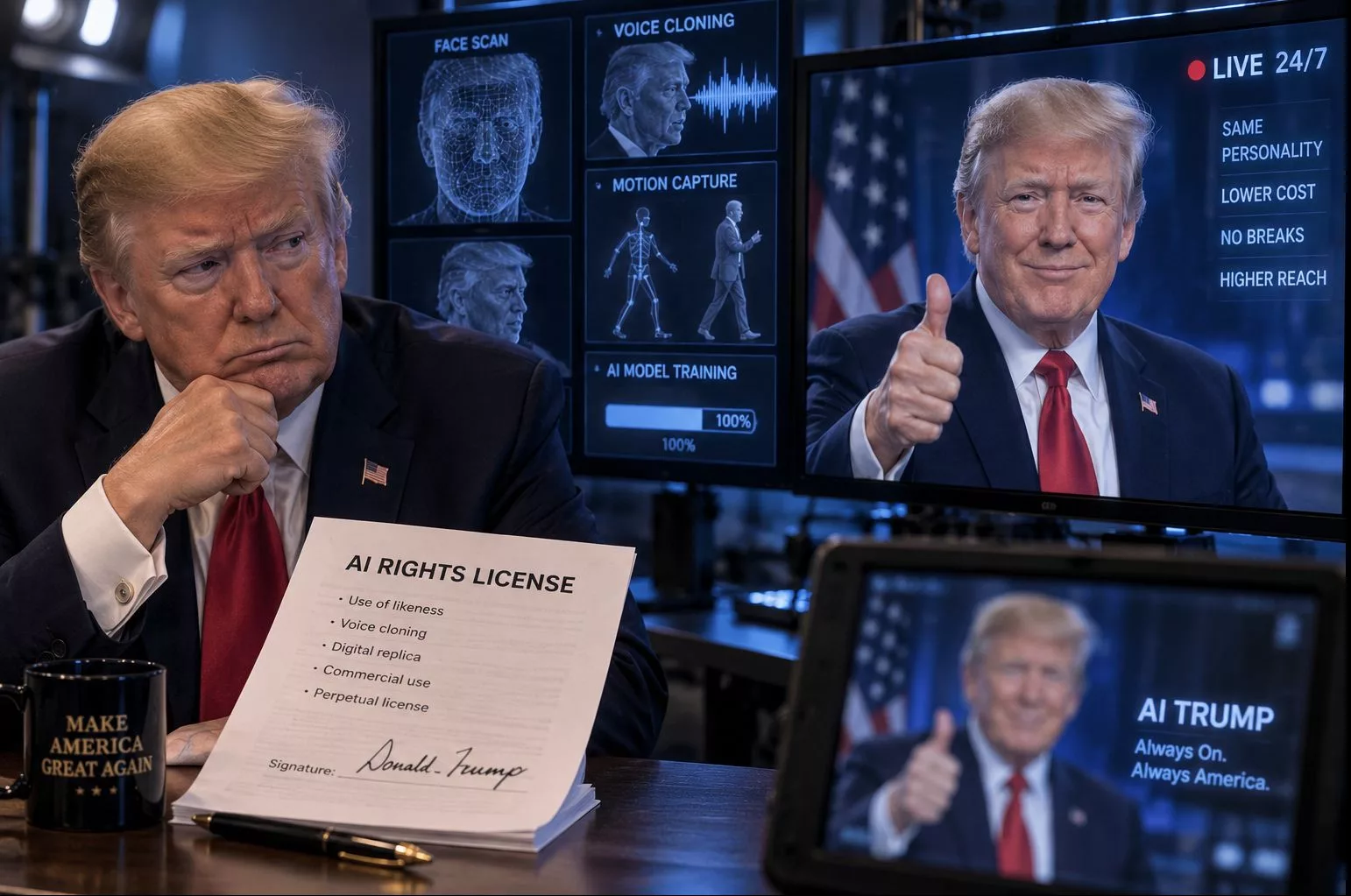
In China’s low-cost entertainment industry, artificial intelligence is reaching its logical conclusion: actors and livestream hosts allow studios to use their faces, voices and performance styles to create digital copies, after which the company can dispense with the real person. The shift is moving particularly quickly in short dramas and e-commerce livestreaming, where low costs can easily outweigh artistic ambitions.
First the face, then the job
The Financial Times described a case in which a presenter on a popular children’s educational programme was effectively given a choice: agree to the creation of a digital copy or the company would hire someone else. The presenter agreed, helped train an AI version using their face, voice and performance, and later lost the job.
This is no longer merely a theoretical threat. In China’s short-video, mini-drama and e-commerce sectors, new video generators make it possible to produce content in a fraction of the time and at a fraction of the previous cost. According to the Financial Times, around 128,000 short dramas were released in China at the start of 2026, and 95 percent of them used AI-based production.
Even in livestreaming, the digital host is no longer simply a poor avatar in the corner of the screen. An AI version can work around the clock, needs no rest and will not ask for higher pay next season. In some cases, the digital copy has even delivered better sales results than the person on whom it was based.
The economic logic is brutally simple. If audiences accept a synthetic performer, the real person becomes a cost that the company can reduce.
A human face has become licensable raw material
Not all of China’s AI entertainment industry is built on coerced consent, however. An entirely new business has emerged in which actors, models, influencers and ordinary people knowingly license their appearance.
Rest of World found platforms where producers of AI productions can effectively select a suitable person from a catalogue of faces. Compensation ranges from around $15 to $700, and users can specify whether their face may be used in advertising, a game or a short drama, for example. One platform charges at least 500 yuan, or approximately €60, per image.
This changes the economic model of acting quite fundamentally. A person no longer has to perform every role themselves. They can license their appearance and let an algorithm “act”.
The problem begins when the same technology shifts from being a bargaining tool to a means of replacing workers.
China is already trying to define the boundaries in law
Legally, companies do not have free rein to copy people’s faces and voices. Chinese civil law protects a person’s likeness and voice, and courts have already treated unauthorised AI-based face and voice cloning as an infringement of rights.
A draft on digital virtual humans published by the Cyberspace Administration of China in April goes even further. To use biometric data to create a digital human, a company must obtain separate consent from the individual and explain the purpose and impact of the data use. If consent is withdrawn, the service provider must generally delete the data and, in the absence of an agreement, also shut down the digital copy.
On paper, this sounds entirely reasonable. The real problem is the balance of power. If a freelance actor is told that someone else will get the job if they refuse to allow the creation of a digital copy, the signature may be legally voluntary, but their bargaining position is largely theoretical.
China illustrates a problem Europe will also face
China’s short-drama industry is a particularly suitable testing ground for AI. Content is produced at enormous scale, production cycles are short, and much of the material’s value lies in speed and price. If AI can create a sufficiently convincing romantic drama at one-tenth of the cost, an Excel spreadsheet does not require much artistic sensibility.
But the same question will inevitably reach the film, advertising, gaming and media industries in Europe and the US: who owns a person’s digital copy, and who makes money after the real person has finished working?
This is precisely why the US actors’ union SAG-AFTRA has pushed increasingly specific rules on digital copies, biometric data and consent into collective agreements. The 2026 agreement further strengthened these safeguards.
China’s example simply makes the problem exceptionally visible. To take someone’s job, artificial intelligence does not need to create a perfect synthetic human from scratch. It is far easier to take a real person’s face, voice and mannerisms, make a sufficiently good copy, and keep only the copy on the payroll.


