
Maserati gives the Nettuno V6 more power and expands the Grecale engine range
 1/145
1/145
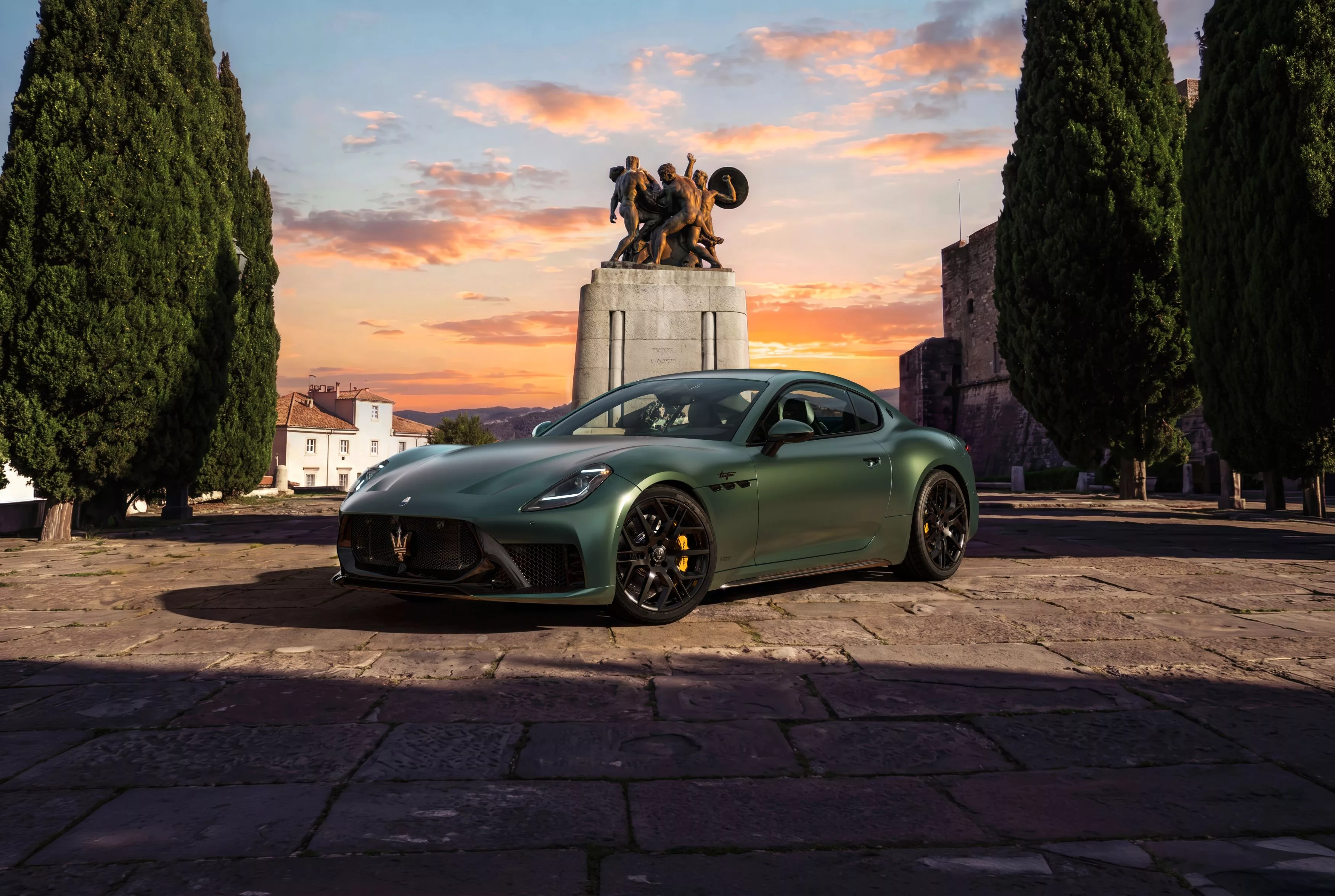
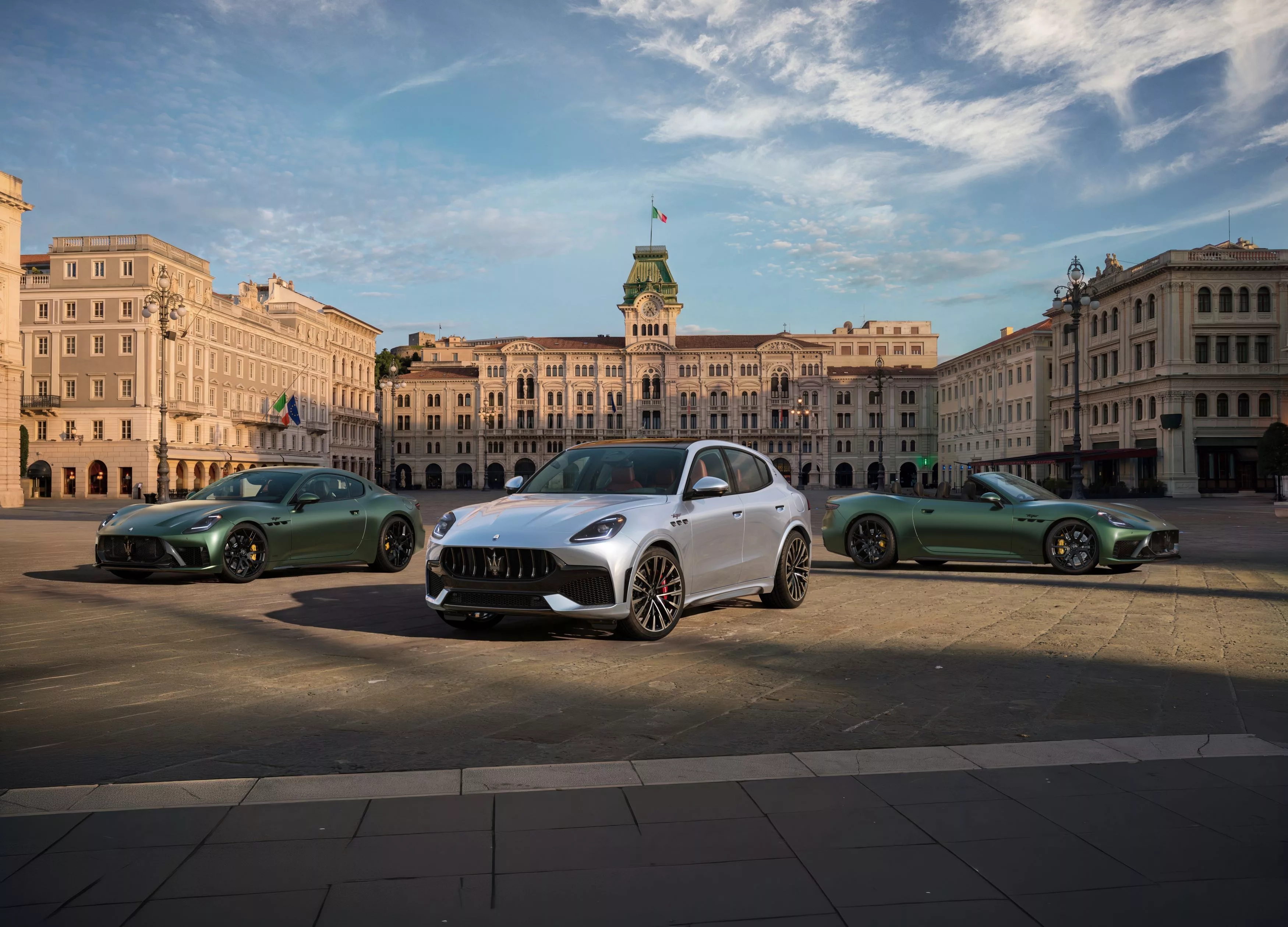
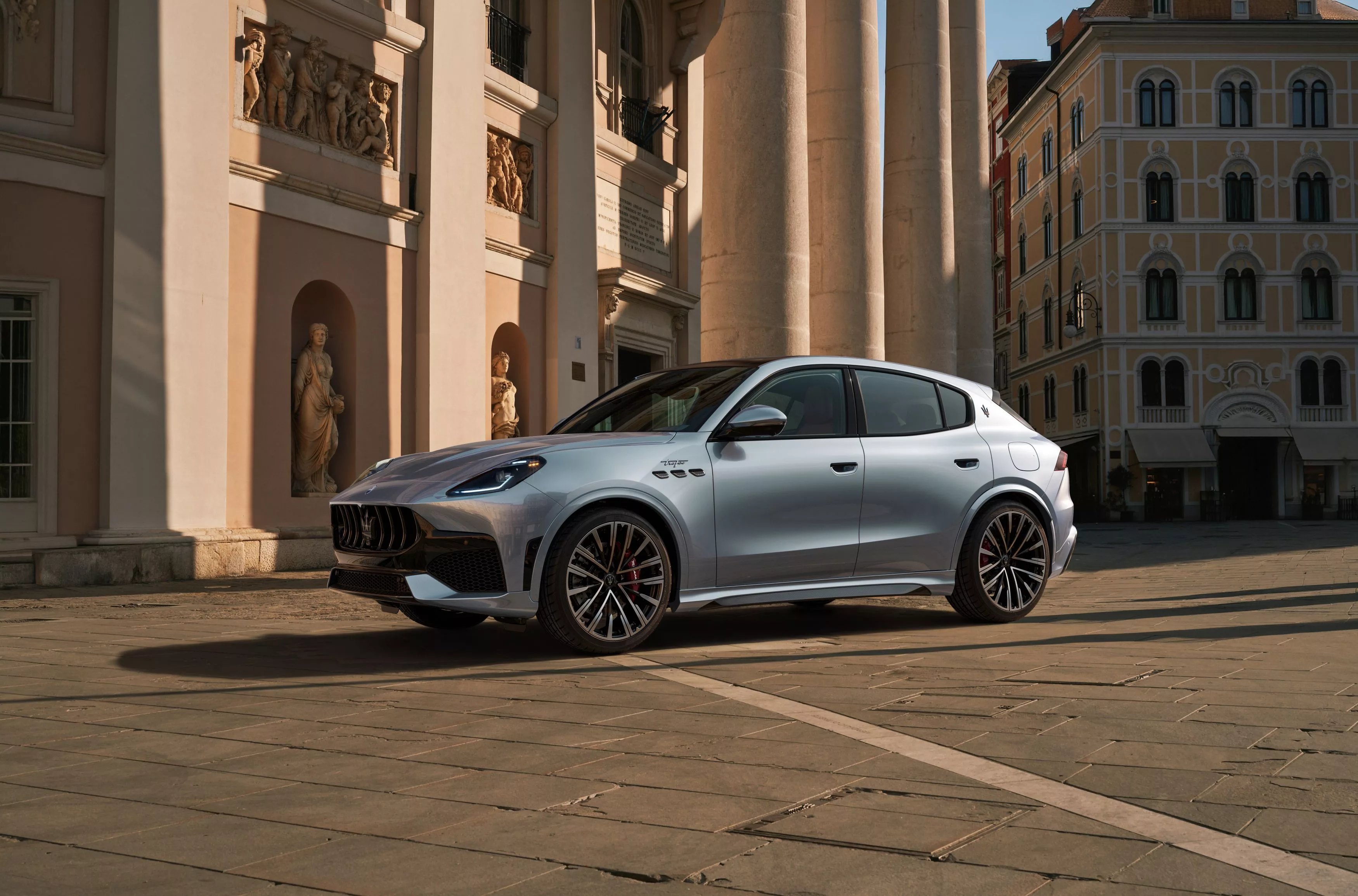
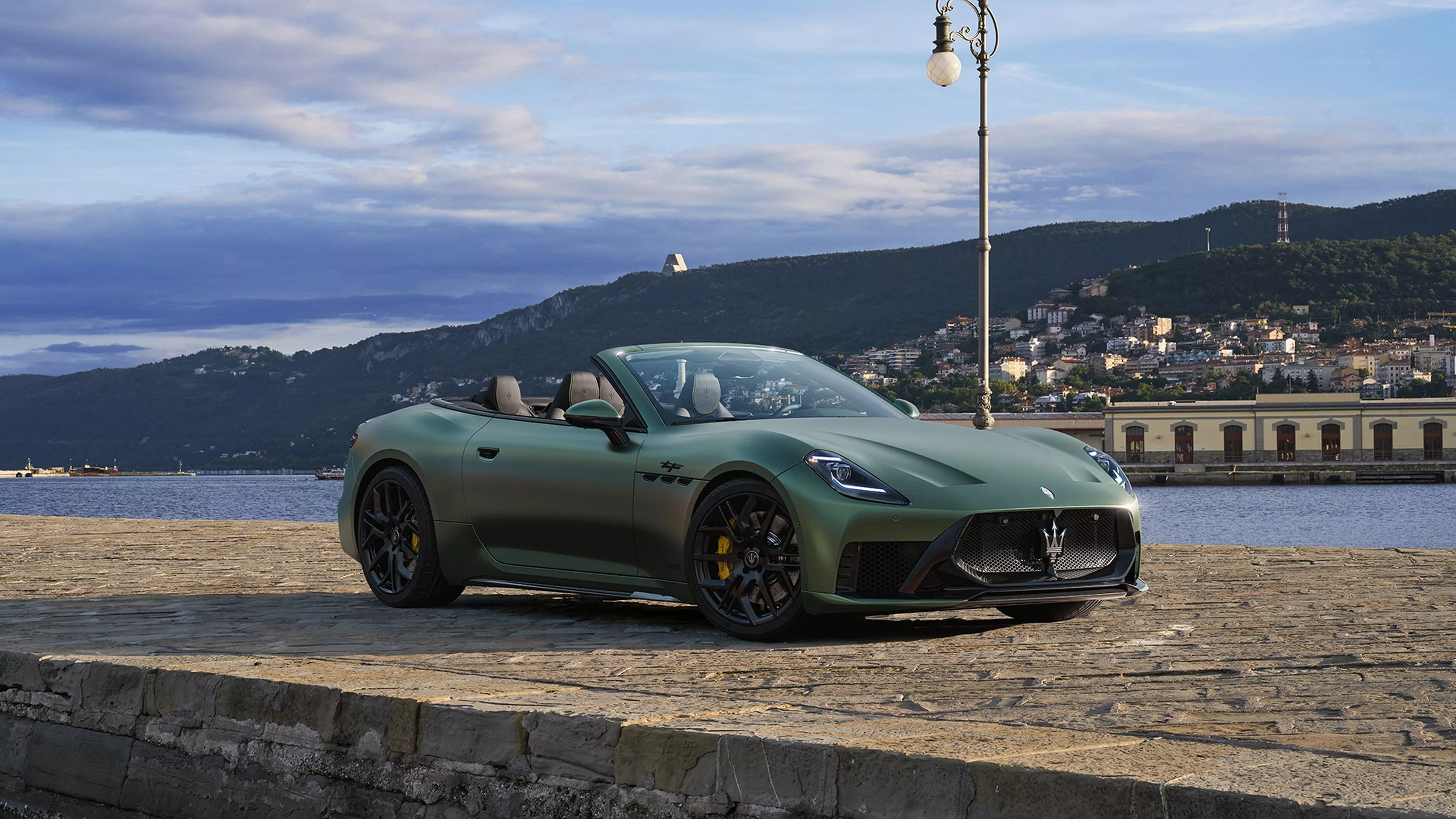
Maserati is updating three of its key models for the 2027 model year. The GranTurismo and GranCabrio Trofeo gain a 434 kW version of the Nettuno V6, while the Grecale range adds a new 287 kW Modena V6. At the same time, the Italian manufacturer is refreshing the cars’ exterior and interior design. The update matters because Maserati’s traditional high-performance GTs now have to compete in Europe not only with German luxury rivals, but also with an increasingly powerful field of electric alternatives.
GranTurismo Trofeo gains 30 kW
The biggest technical change to the GranTurismo and GranCabrio Trofeo is under the bonnet. The 3.0-litre twin-turbo Nettuno V6 now produces 590 hp, or 434 kW, and 650 Nm. Compared with the previous 550 hp, 404 kW tune, that represents an increase of roughly 30 kW.
The Nettuno is Maserati’s own V6, and one of its key technical features is a pre-chamber ignition system. The technology helps control combustion in a way that allows very high specific output from a relatively small displacement.
Maserati will also retain the 490 hp, 360 kW version of the Nettuno V6, offering a less aggressive alternative to the Trofeo. That version is aimed more squarely at balancing comfort and performance.
With 434 kW, the Trofeo remains firmly among the fastest GT cars on sale, but outright power is no longer remarkable in itself. Electric rivals can offer even higher system outputs and more violent standing-start acceleration. Maserati’s appeal therefore has to come from elsewhere: the character of the Nettuno V6, the Gran Turismo formula and the ability to combine serious pace with long-distance comfort.
Grecale gains a new Nettuno V6 below the Trofeo
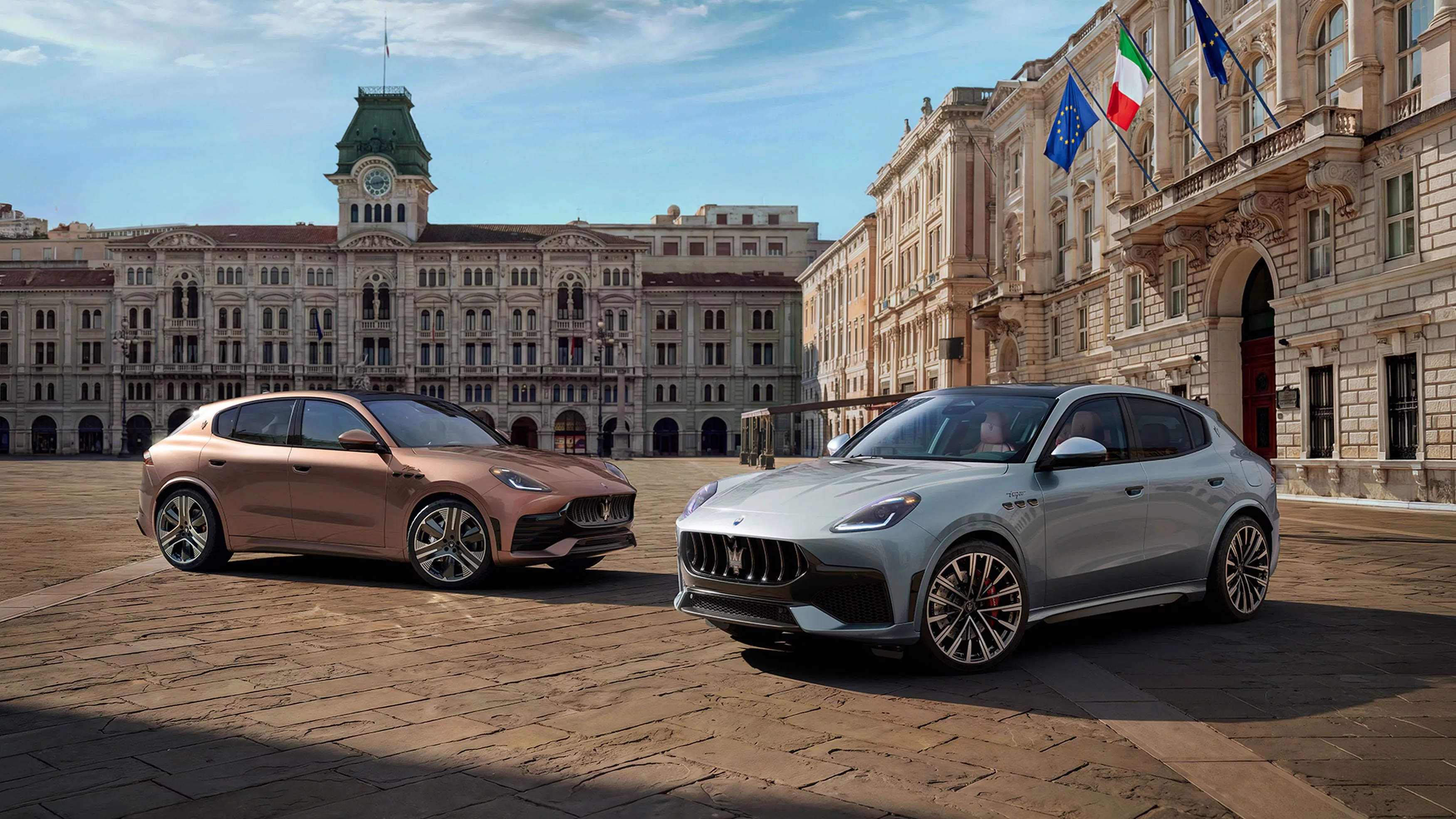
An even more interesting change is taking place in the Grecale range. For the 2027 model year, Maserati is adding a Modena V6 powered by a 3.0-litre Nettuno producing 390 hp, or 287 kW. The new version fills an important gap between the four-cylinder Grecale models and the 530 hp Trofeo. The latter’s 3.0-litre Nettuno produces 390 kW and takes the SUV from 0-100 km/h in 3.8 seconds, with a top speed of 285 km/h.
The Modena V6 gives buyers the option of a six-cylinder engine without having to step all the way up to the 390 kW performance and pricing of the Trofeo.
That could prove strategically important in Europe. The current-generation Porsche Macan is electric in Europe, while many rivals are also moving rapidly towards electrification. Maserati can therefore offer buyers who still want a combustion engine an increasingly rare six-cylinder alternative.
Entry-level Grecale gets a 184 kW mild hybrid
A new entry-level Grecale will also join the Spanish 2027 model-year range. Its four-cylinder mild-hybrid powertrain produces 250 hp, or 184 kW. Maserati is not positioning it as a direct counterpart to the Trofeo, but rather using the lower-output powertrain to strengthen the bottom end of the line-up.
Across Europe, however, Maserati’s engine range may vary from country to country. Taxation, emissions rules and local demand all influence which powertrains are offered in individual markets. The newly announced 184 kW Grecale therefore should not automatically be treated as the new standard entry model for all of Europe.
The MY27 update is not limited to engines
Maserati has confirmed that the GranTurismo, GranCabrio and Grecale will also receive exterior and interior changes for the 2027 model year. The company says the updates are intended to sharpen the cars’ sporting character, finish and usability.
Even so, the powertrains remain the most important technical element of the refresh. For the GranTurismo and GranCabrio, Maserati is extracting more performance from the existing Nettuno. In the Grecale, it is extending V6 availability further down the range. That makes Maserati’s current commitment to the combustion engine fairly clear.
Grecale Modena V6 could be the most important model in the update
The 590 hp Trofeo may grab the headlines, but from a commercial point of view the 390 hp Grecale Modena V6 could prove more significant.
Luxury SUVs sell in far greater numbers than sporting GT cars, and not every Grecale buyer needs the 390 kW Trofeo. The 287 kW V6 provides a logical middle ground. It retains the six-cylinder Nettuno engine without forcing buyers into the most extreme version of the range.
That kind of powertrain could help the Grecale stand out as Europe’s luxury-car market electrifies rapidly. Maserati still faces formidable competition, however. BMW, Mercedes-AMG and Porsche all offer very fast SUVs in the same price bracket, while the choice of electric alternatives is expanding even more quickly.
Simply having a V6 is therefore not enough. Maserati has to turn it into an emotional reason to choose the Grecale over a rival that may be just as capable on paper.
GranTurismo defends the classic GT formula
The GranTurismo occupies a different position. Its appeal is not defined solely by acceleration or top speed. A classic GT has to be very fast, but also comfortable and refined enough to cover long distances effortlessly.
Maserati has operated in this segment for decades, and the GranTurismo name is closely associated with that balance. The 434 kW Nettuno helps the Trofeo remain competitive on performance, but the combustion engine itself is becoming an increasingly important point of differentiation.
The electric Porsche Taycan and other high-performance EVs show how easily electric powertrains can deliver extraordinary acceleration. The Nettuno does not necessarily need to beat them on numbers. Its job is to offer something an electric motor cannot replicate: rising revs, gearshifts and the mechanical character of a combustion engine.


