
Porsche 911 Challenge offers a cheaper route into a factory race car
 1/522
1/522
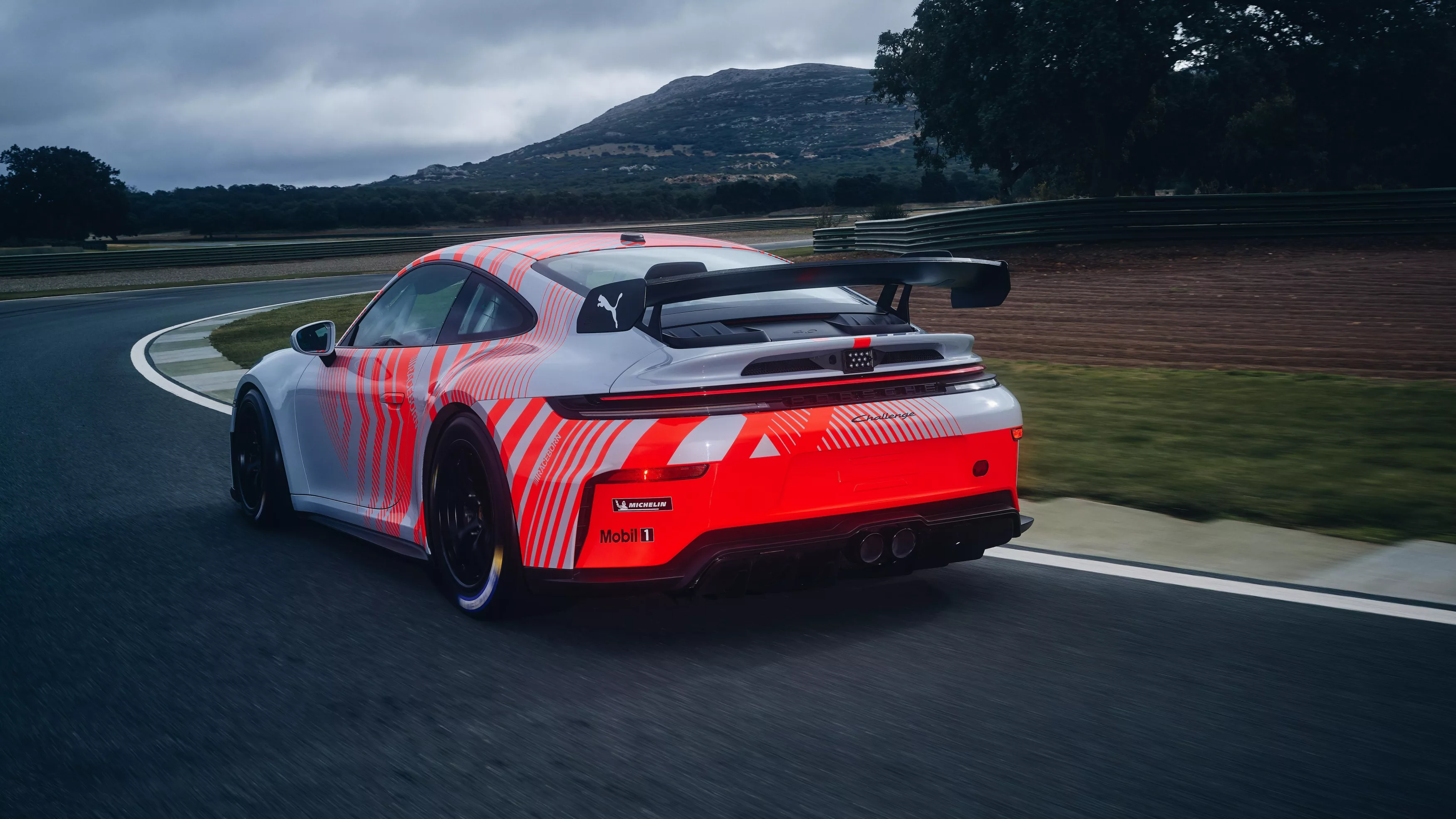
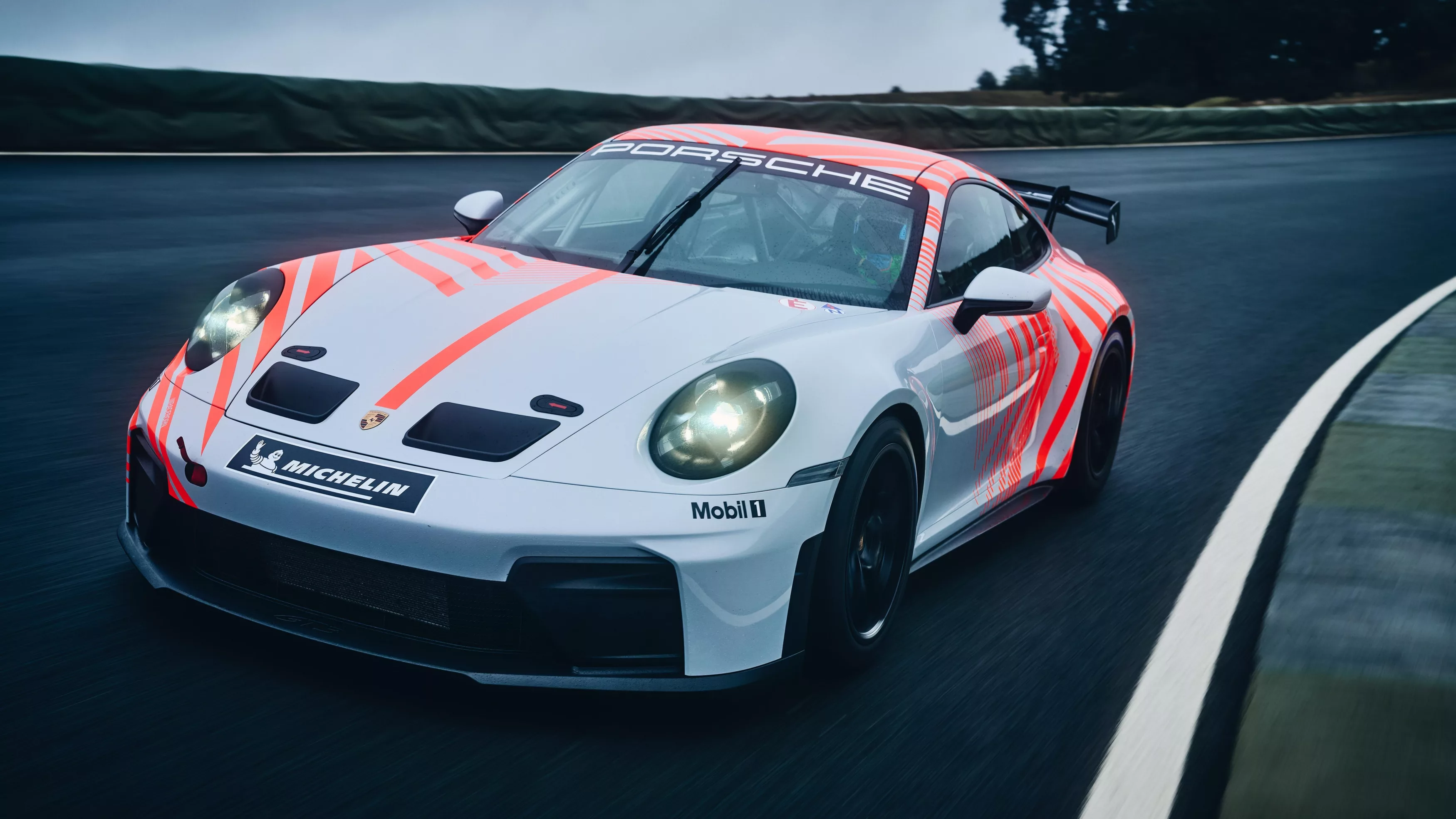
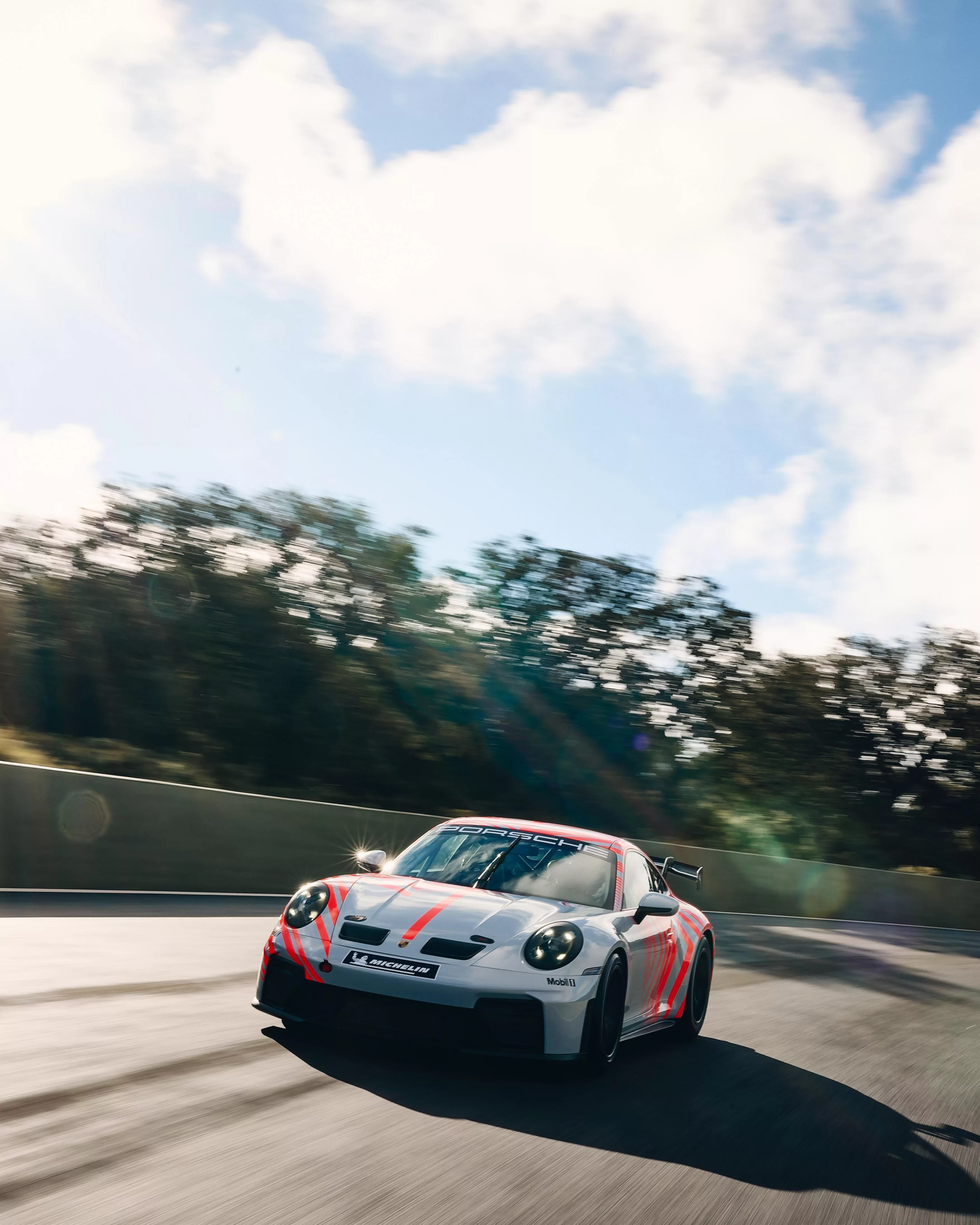
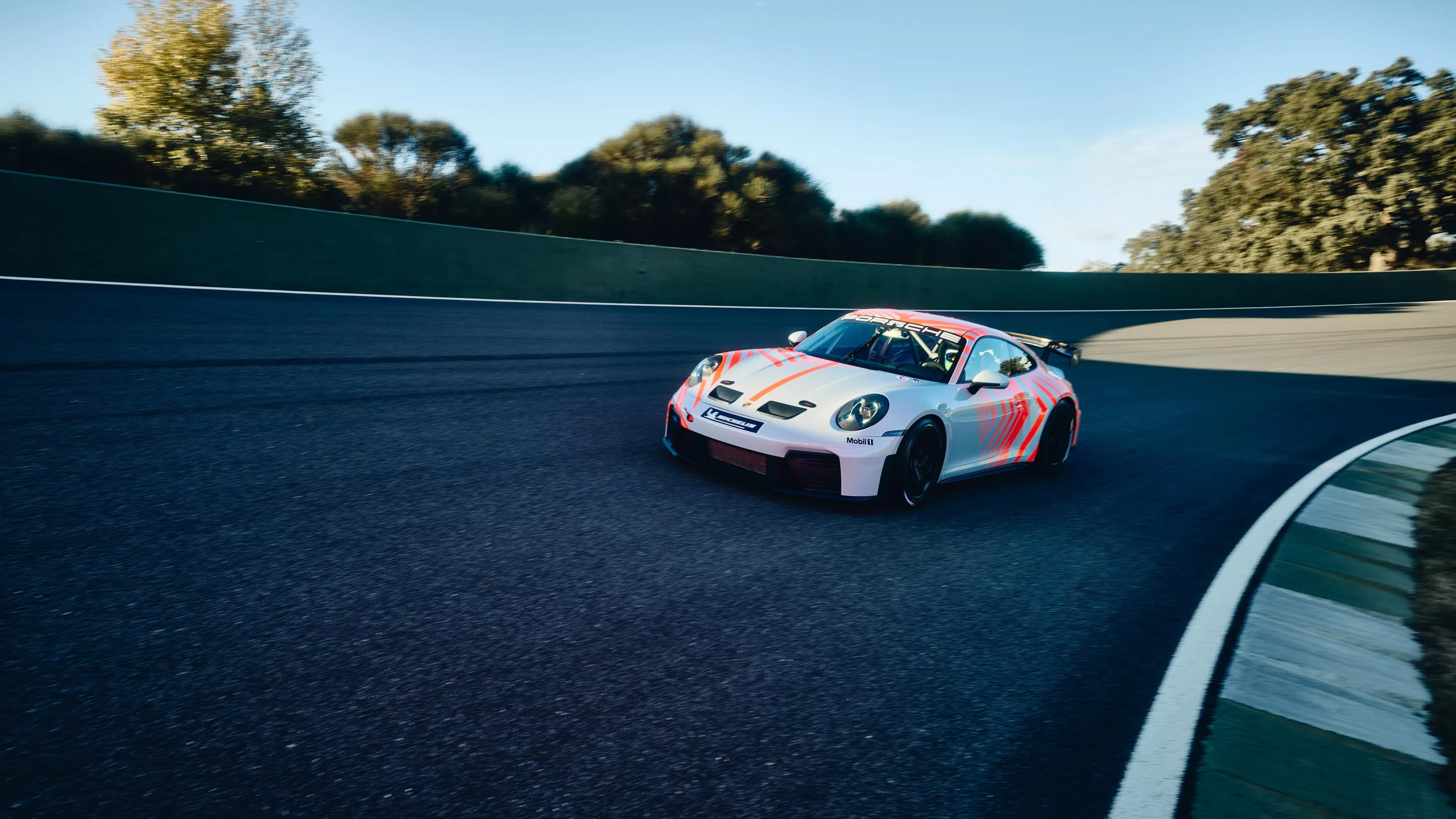
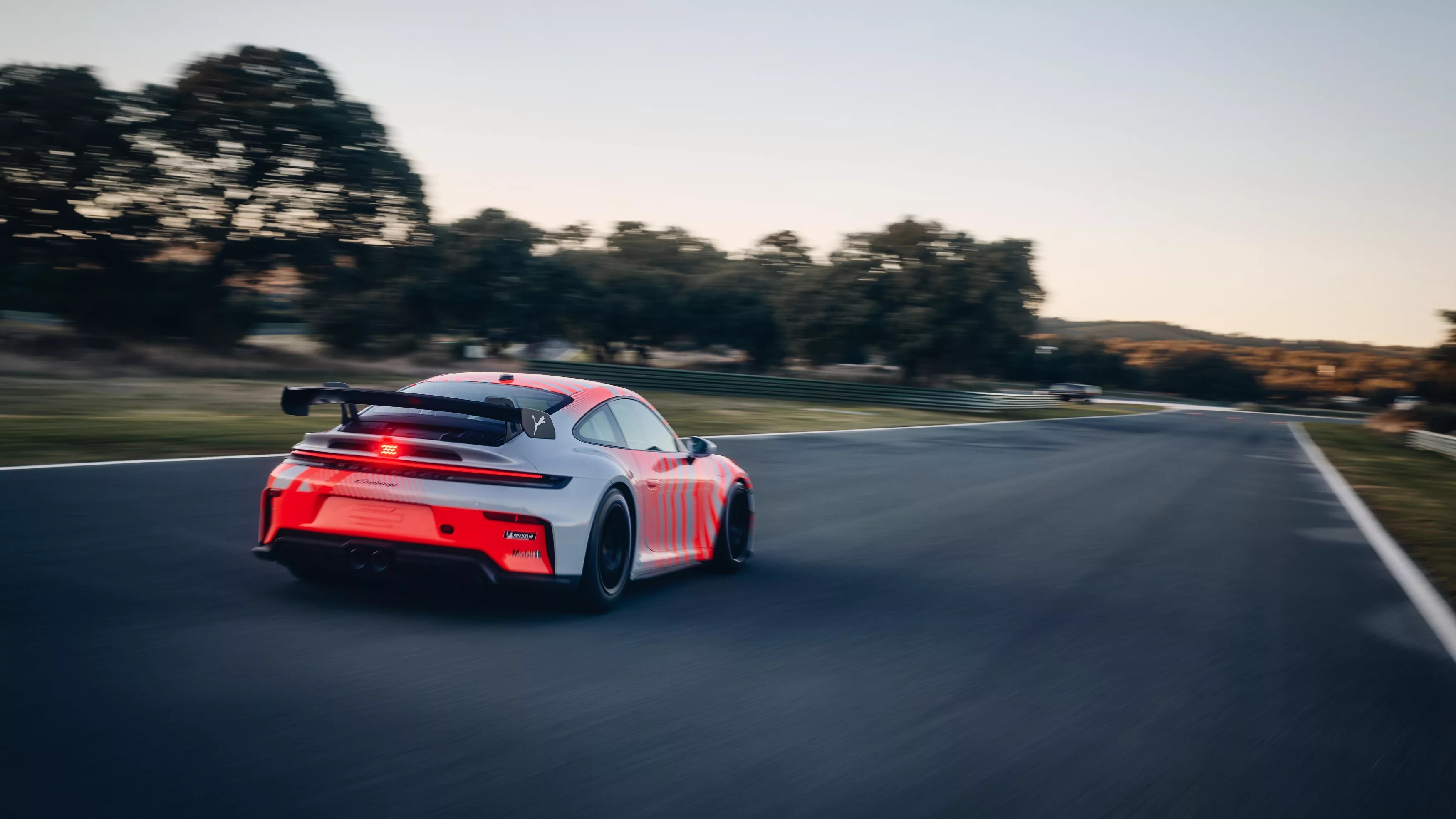
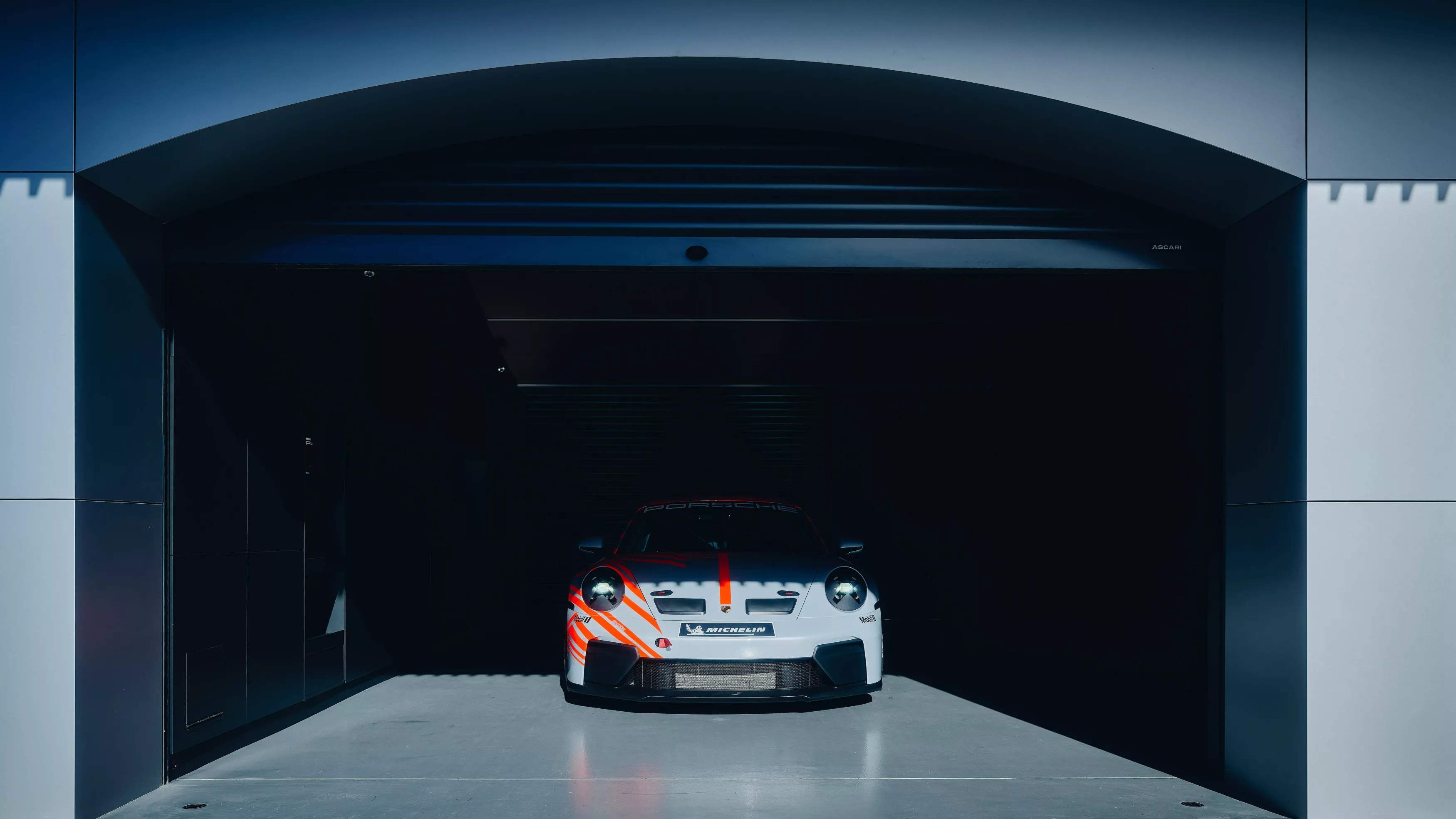
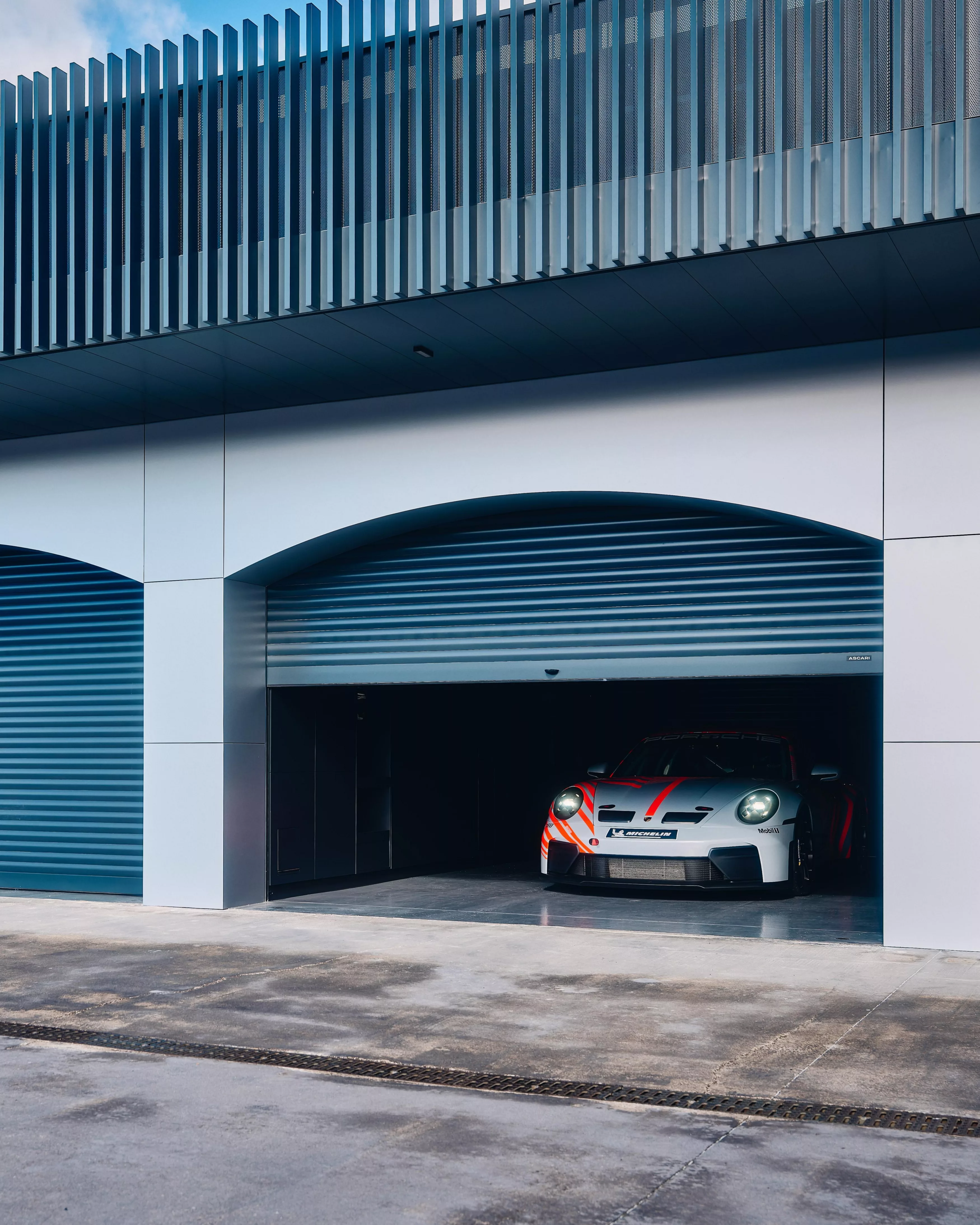
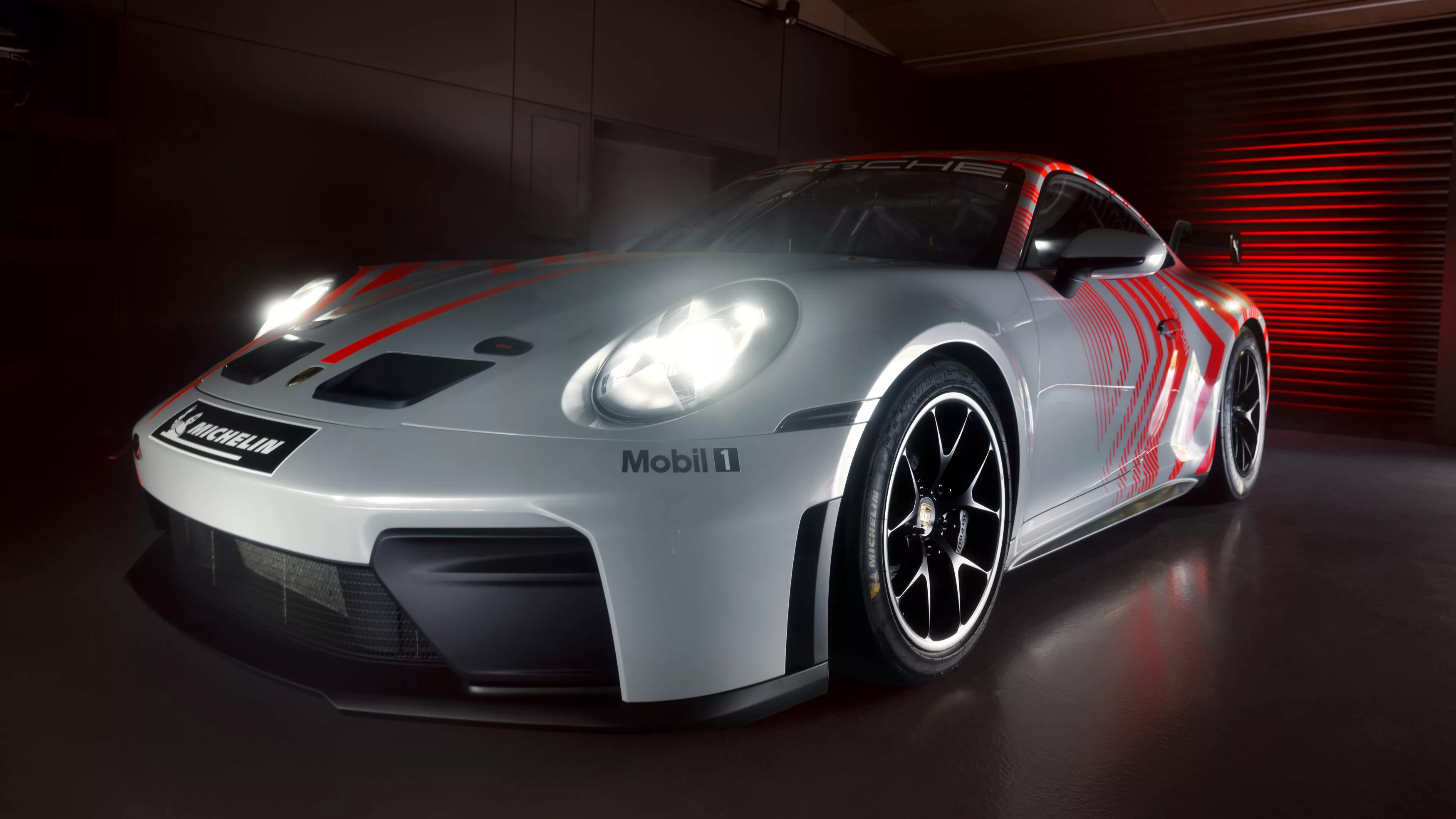
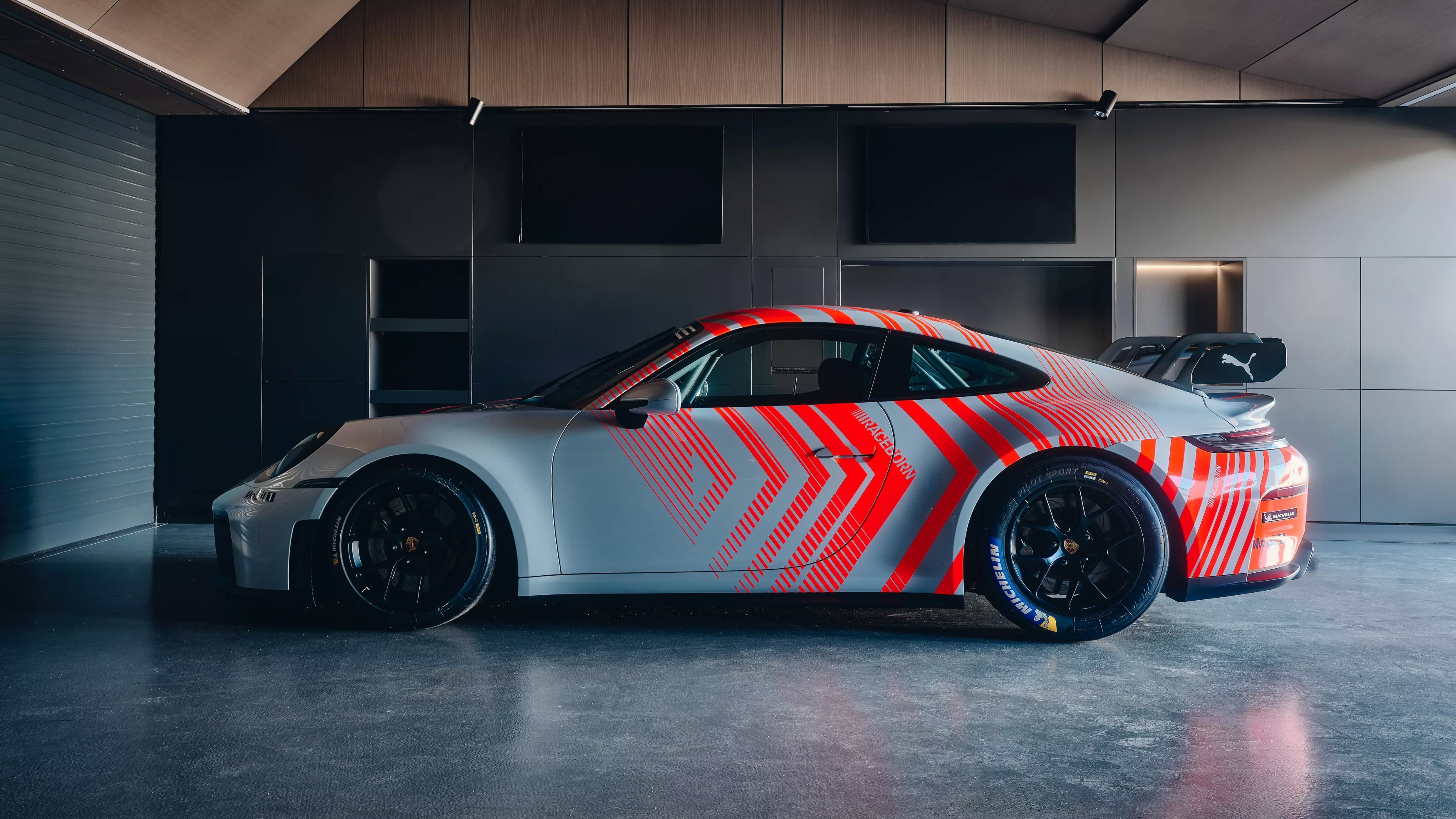
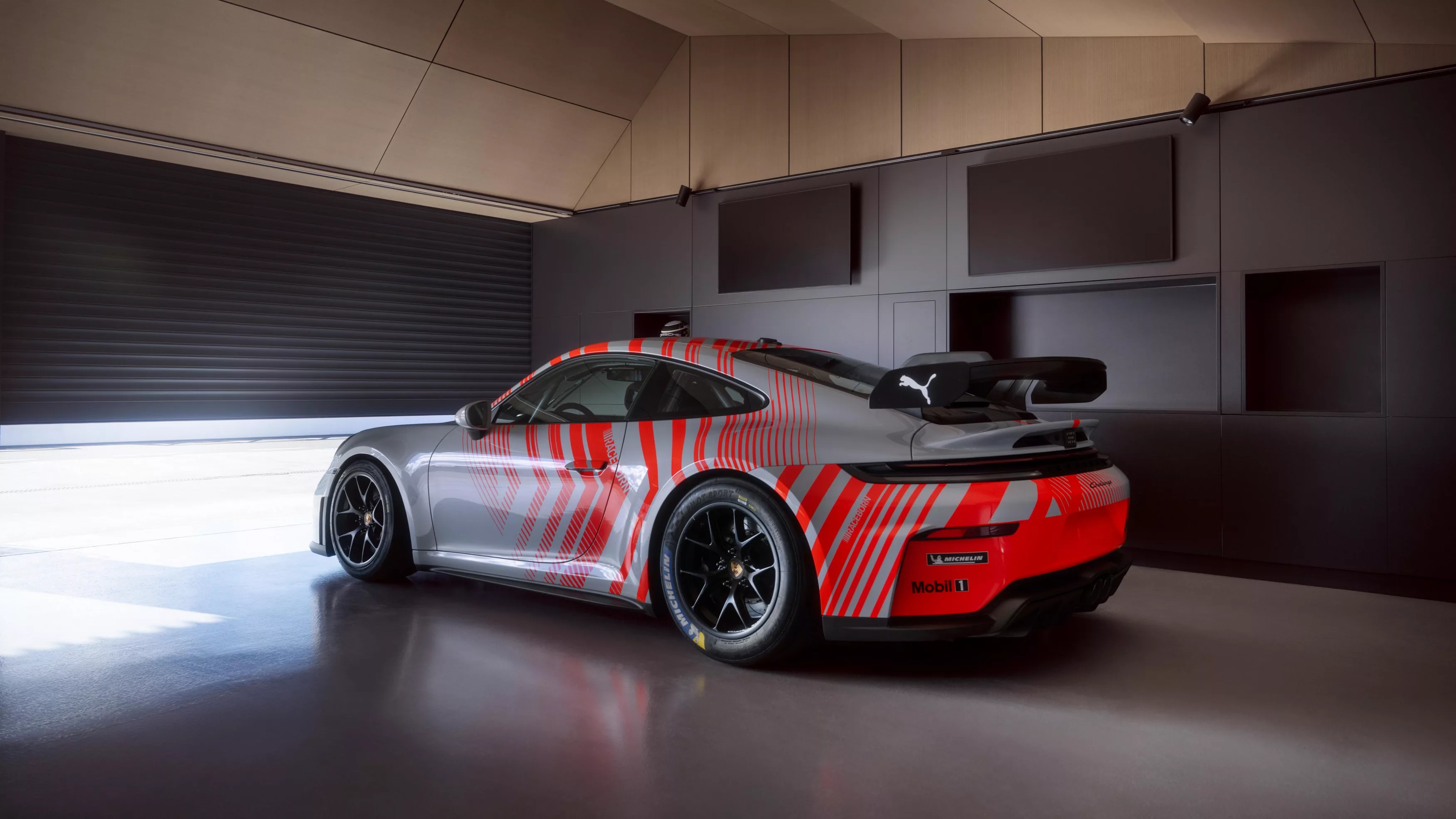
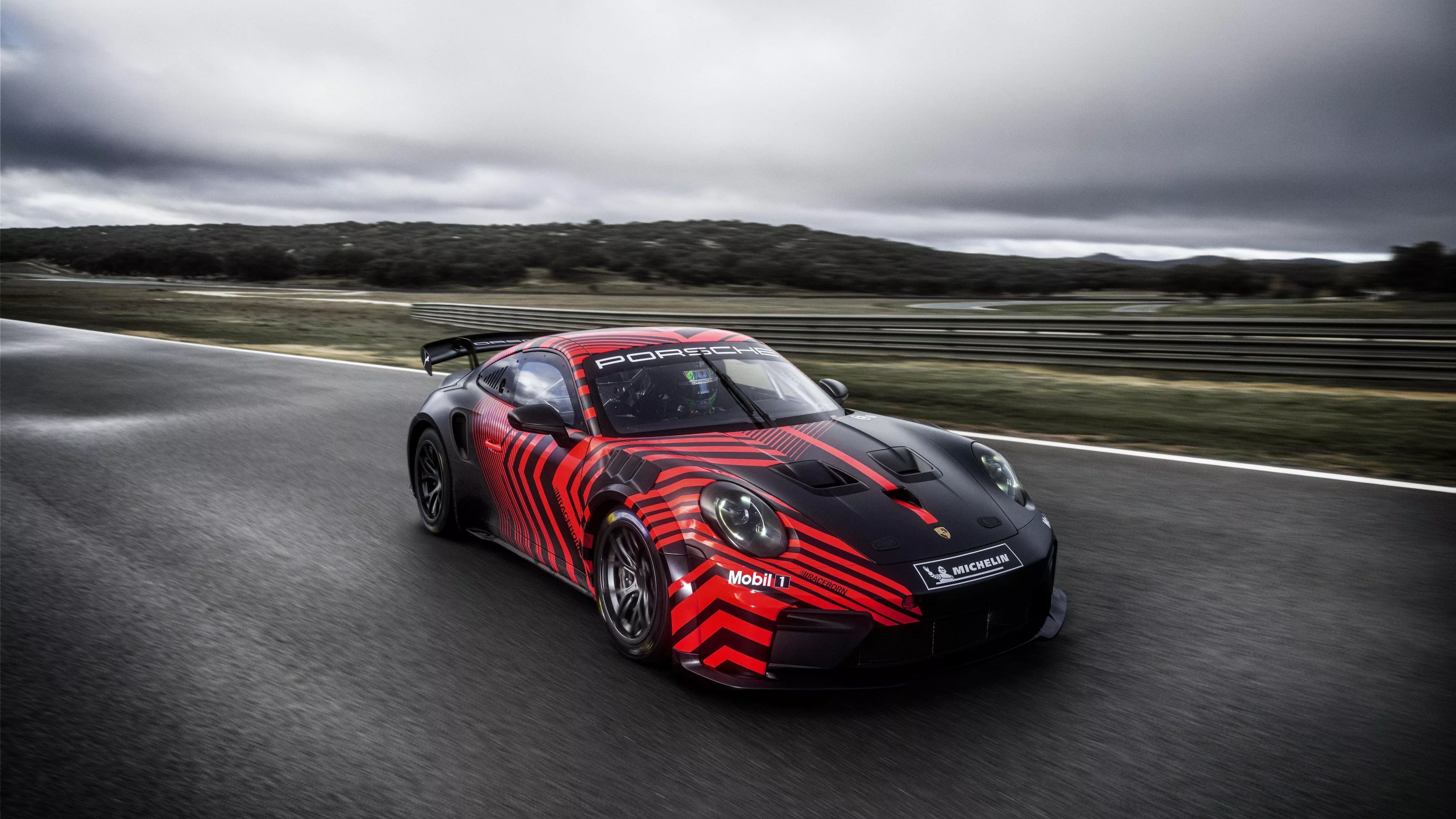
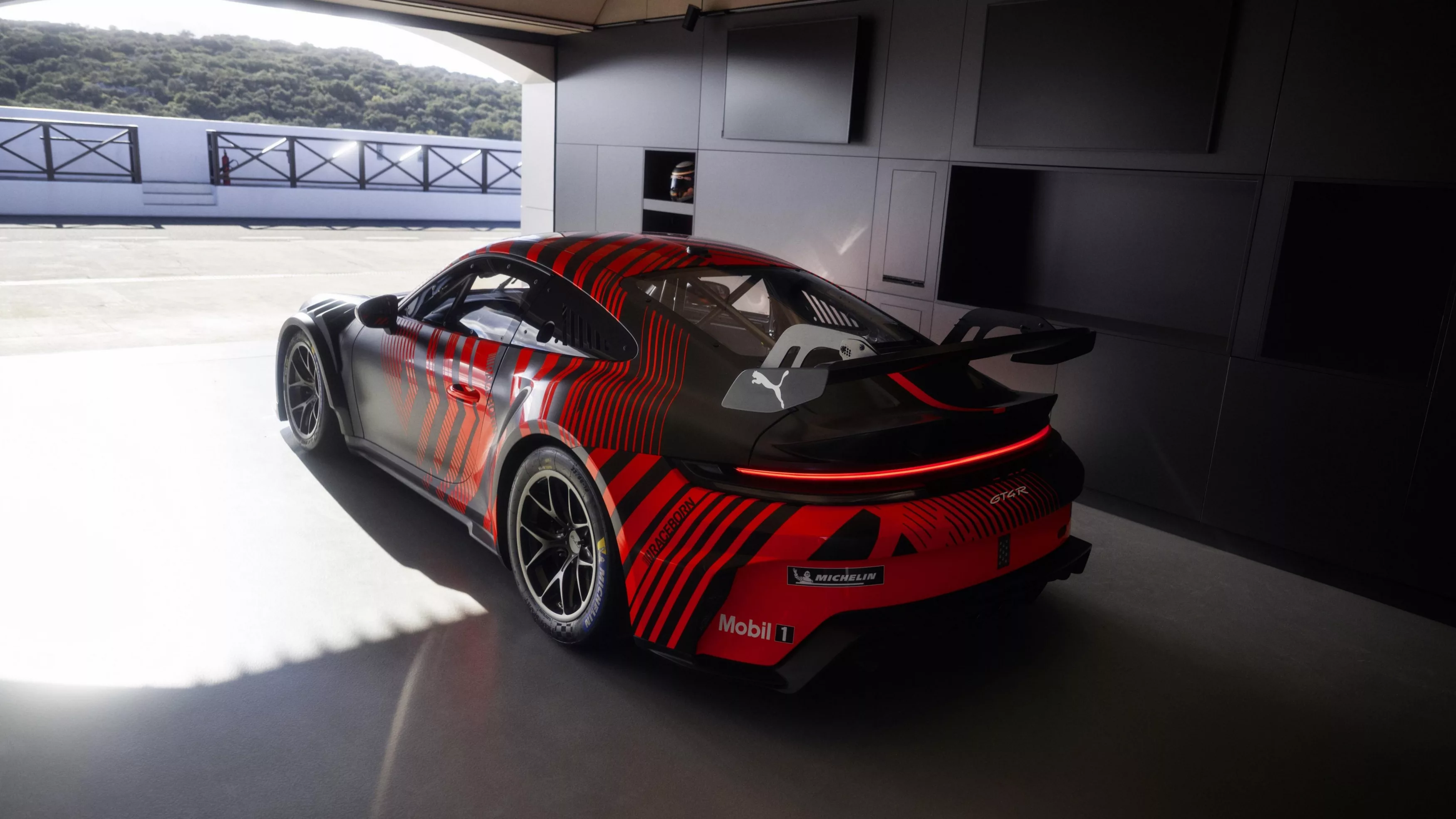
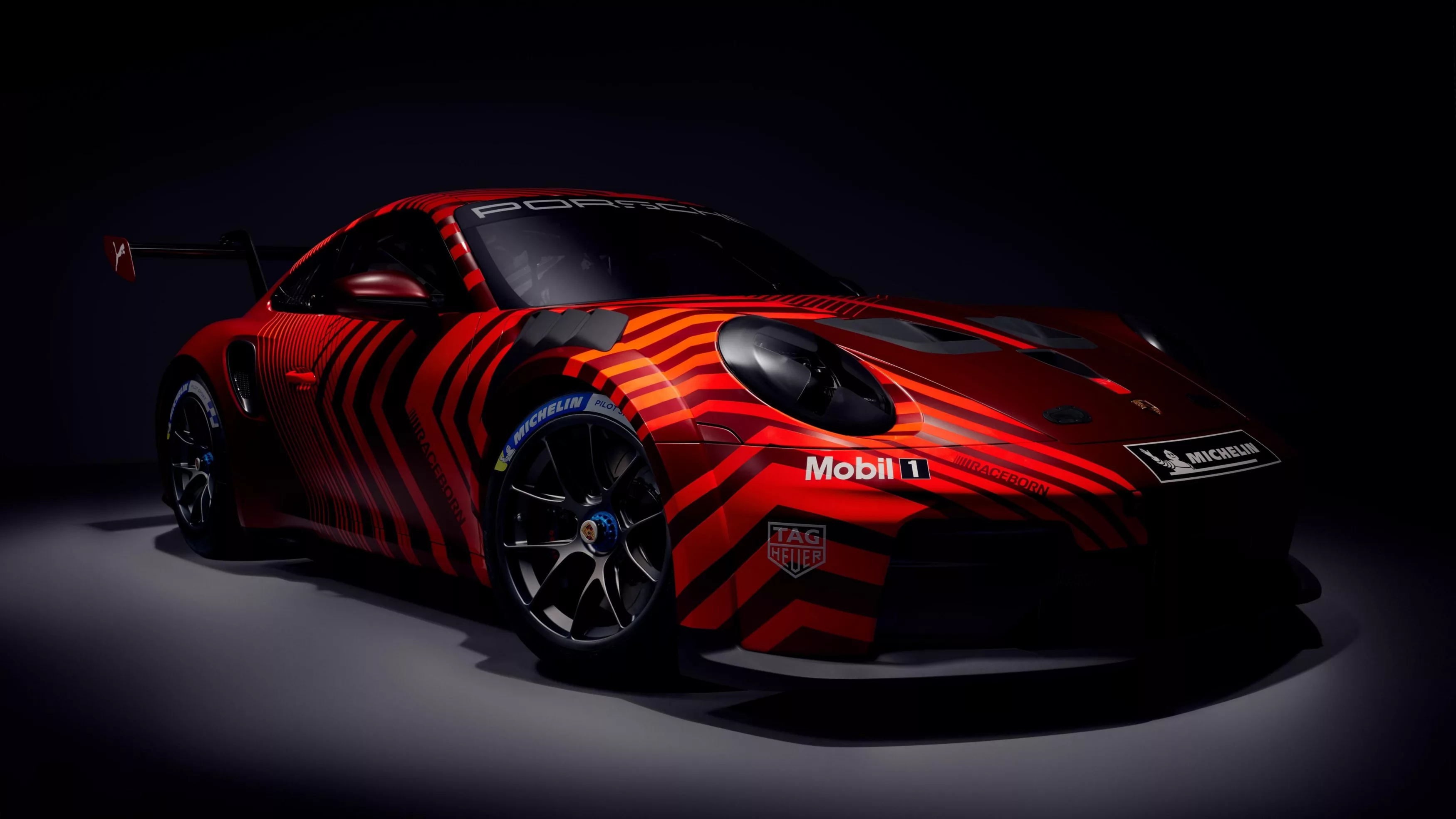
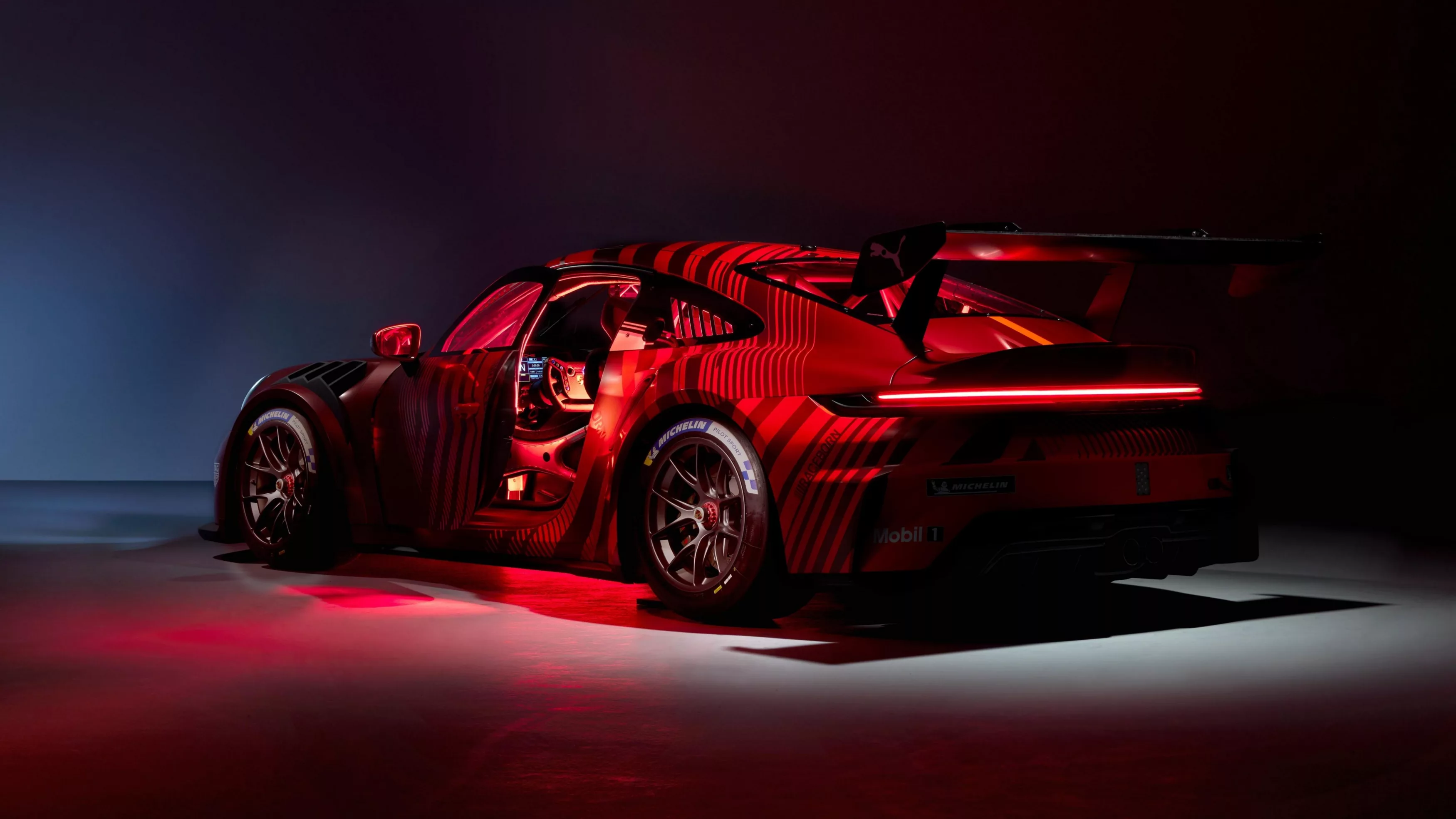
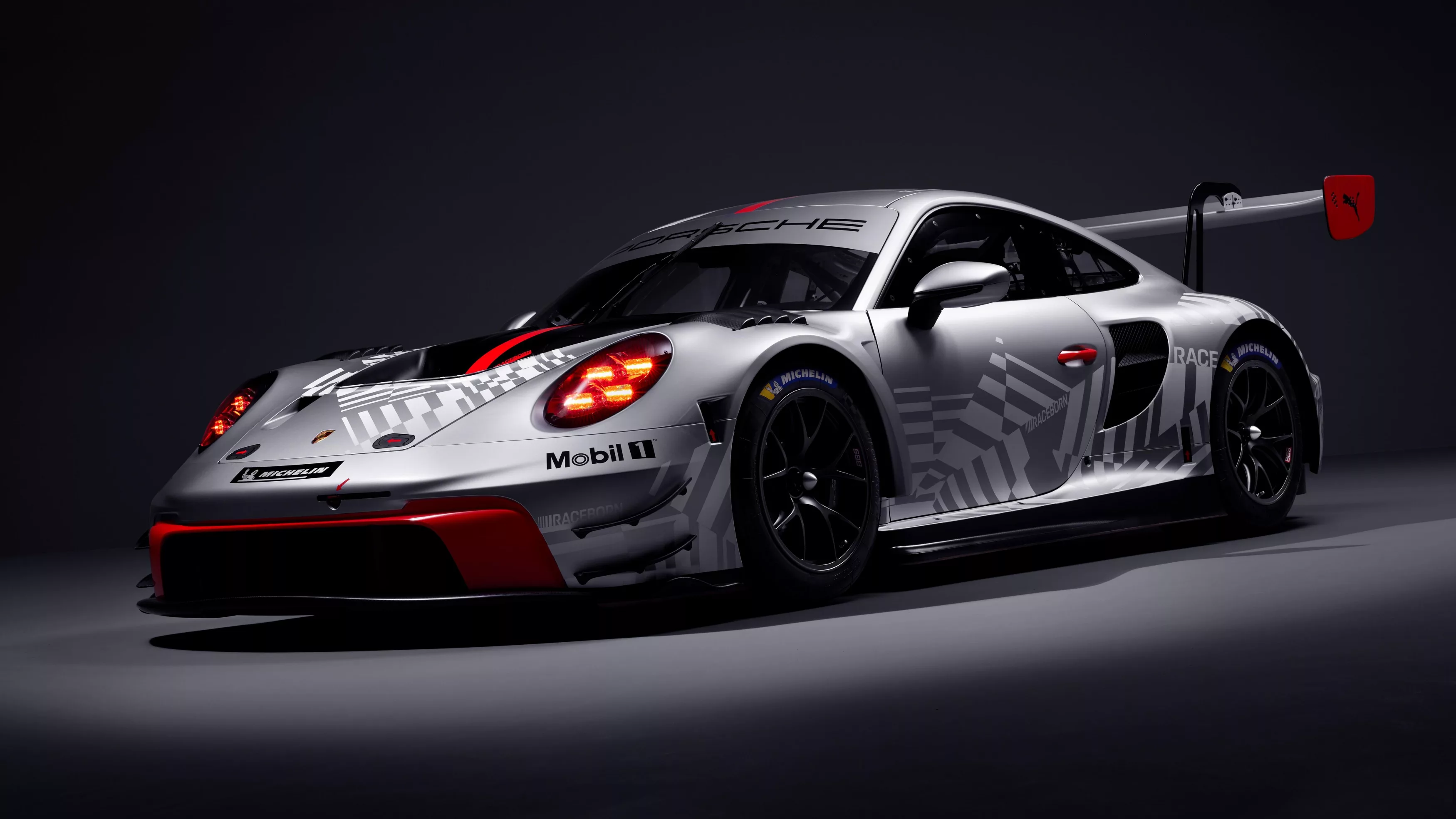
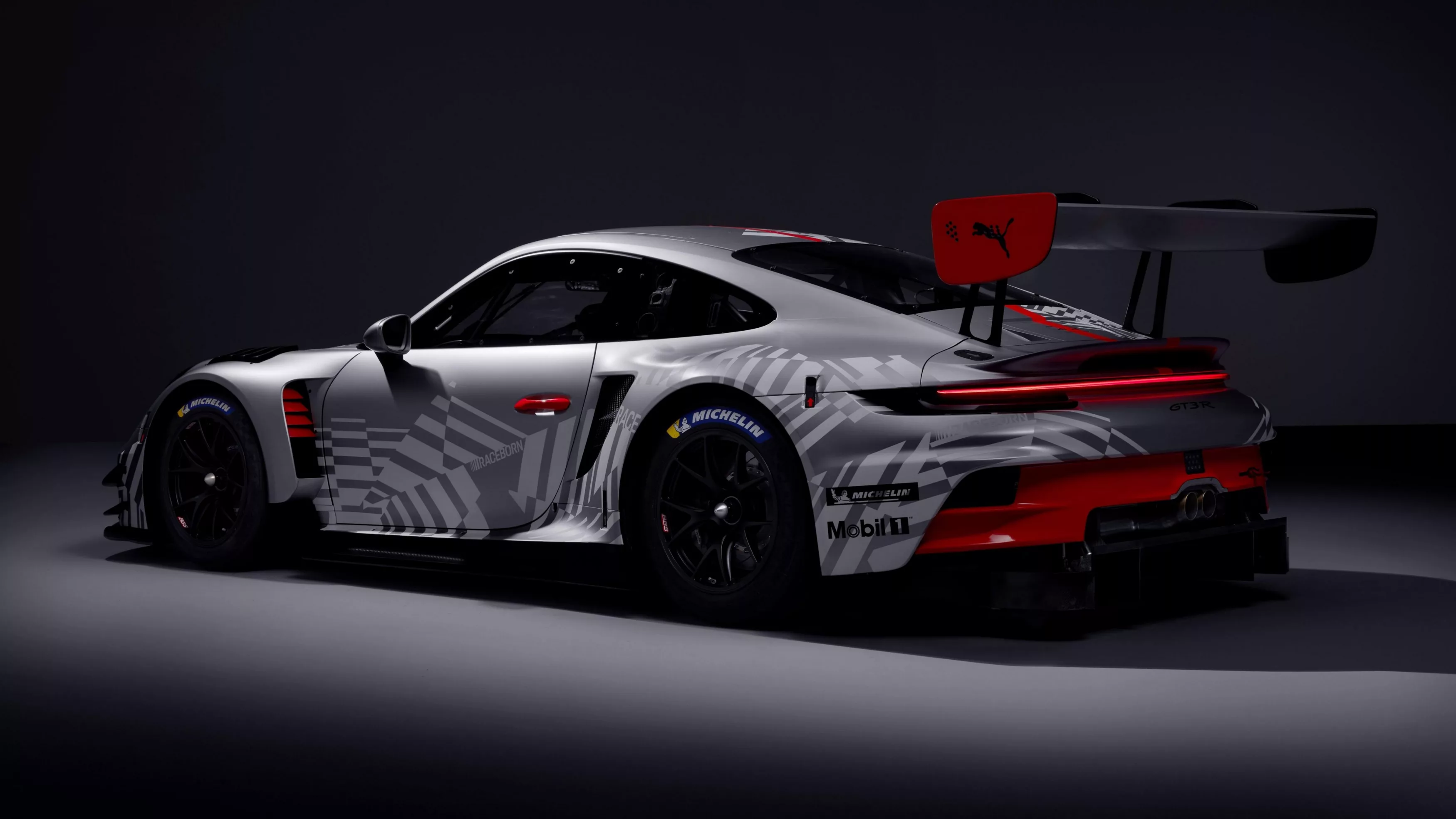
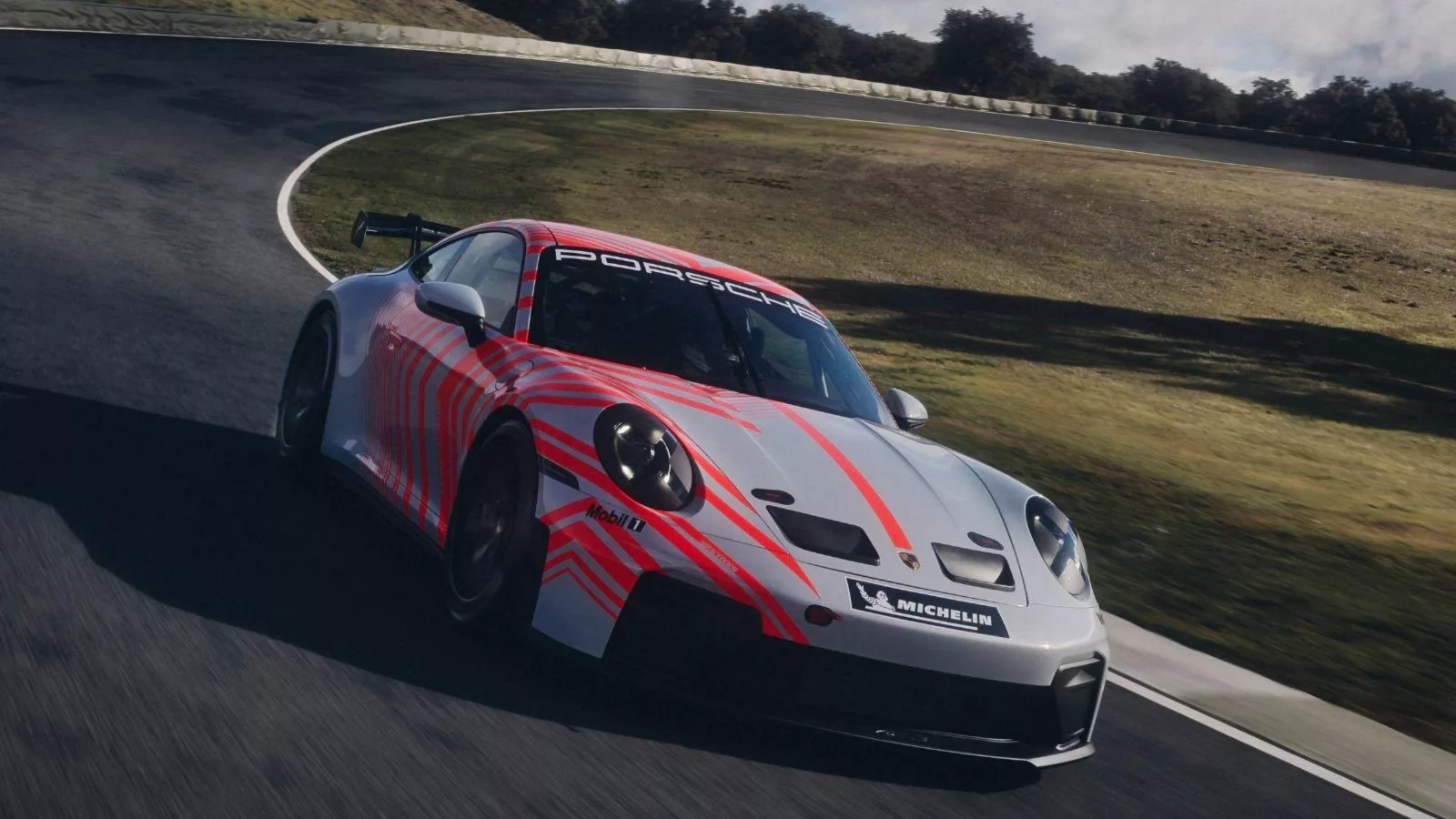
Porsche is making 911 racing more accessible. The new 911 Challenge combines road-going 911 GT3 technology with full racing equipment and costs €208,800 in Europe before local taxes. That makes it the most affordable car in Porsche’s current customer-racing line-up.
The GT3 provides the engine and gearbox
Porsche positions the 911 Challenge at the entry point of its GT racing-car hierarchy. The model continues the tradition established by the Cayman GT4 Clubsport and 718 Cayman GT4 RS Clubsport, and from the 2027 season it will compete in Porsche one-make series around the world.
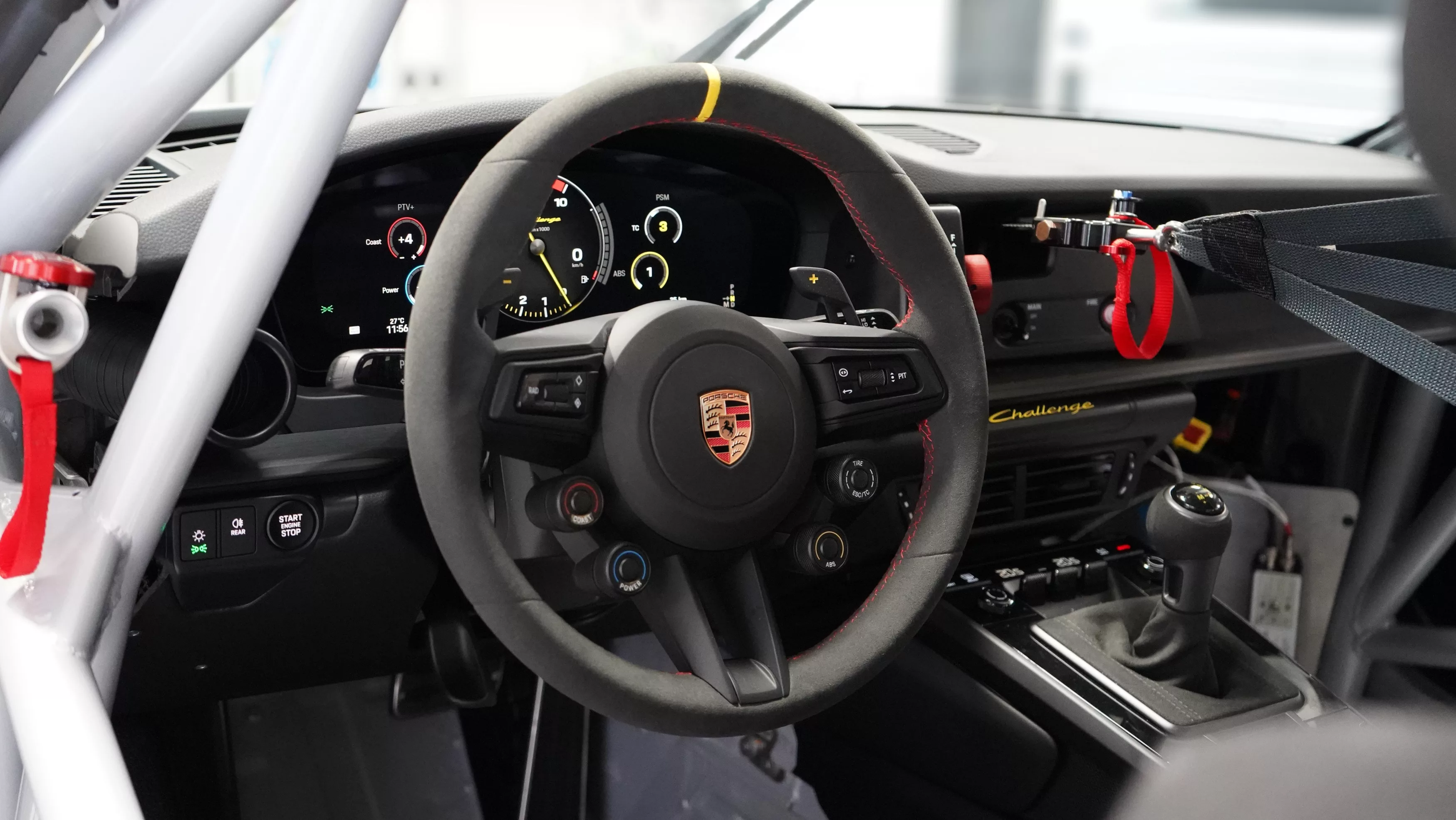
Unlike the more extensively race-engineered 911 Cup, the Challenge retains considerably more production-car hardware. The 911 GT3 supplies key aerodynamic elements as well as the seven-speed PDK dual-clutch transmission. The steering wheel comes from the GT3 RS, with its functions adapted by Porsche for racing. Even the air conditioning remains. Porsche’s aim is to reduce both the purchase price and subsequent running and spare-parts costs.
Naturally aspirated flat-six revs to 9,000 rpm
At the rear of the Challenge sits a 4.0-litre naturally aspirated flat-six derived largely from the road-going 911 GT3. It produces 379 kW at 8,500 rpm and revs to 9,000 rpm.
Porsche has modified the race car’s rear silencer. The catalytic converter remains, but the Challenge does without a particulate filter. The seven-speed PDK can shift automatically or be controlled manually via steering-wheel paddles.
This is where the Challenge differs fundamentally from the 911 Cup. Porsche has not pushed it as far away from the production car as possible in pursuit of ultimate lap times, instead retaining more of the familiar GT3 hardware. That should help drivers accustomed to the road-going GT3 adapt more quickly to the race car.
The chassis uses proper racing hardware
Its production-car roots do not mean a soft setup. Porsche fits dampers with race-specific characteristics and a three-position adjustable anti-roll bar. The 18-inch wheels are shod with slick racing tyres.
The braking system uses 380 mm steel discs front and rear and, according to Porsche, mirrors the setup used by the 911 GT4 R. The driver can adjust ABS, traction control, stability control and the multi-stage Porsche Torque Vectoring Plus system.
Those electronic aids give the Challenge an important role in Porsche’s racing ladder. The car does not demand professional-level racing experience, allowing drivers to reduce the electronic assistance progressively as their skills develop.
Almost all road-car comfort disappears from the cabin
The Challenge’s competition purpose is most obvious inside. Porsche removes the sound insulation, carpets and conventional interior trim. A welded-in roll cage strengthens the structure and protects the driver in a crash.
Standard equipment includes a 110-litre FT3-compliant fuel tank, an adjustable racing seat with a six-point harness, a fire-extinguishing system and an FIA-compliant rain light. Porsche also fits a pneumatic air-jack system with three lifting points. The rear wing can be mechanically adjusted to four different positions.
The 911 Challenge is not homologated for road use. This is not simply a GT3 with a roll cage added, but a car prepared at the factory specifically for racing.
Porsche’s entire GT racing range is now based on the 911
The arrival of the Challenge closes a chapter in Porsche customer racing. All four of the manufacturer’s current GT racing cars are now based on the 911.
The range starts with the 911 Challenge. Above it sits the 911 GT4 R for international GT4 competition, followed by the 911 Cup used in the Porsche Supercup and Carrera Cup series, with the FIA GT3-compliant 911 GT3 R at the top.
That makes the Challenge more significant than simply a new, cheaper race car. Porsche is creating a clear progression around a single model family, allowing a driver to move from entry-level one-make racing all the way to international GT competition.
At €208,800 before taxes, it is hardly inexpensive in conventional terms. In the world of factory-built race cars, however, the purchase price is only part of the equation: spare parts, servicing, reliability and technical support all matter. Porsche identifies reducing those costs as one of the Challenge’s central development goals.
For European club racing, that may be the model’s strongest argument. Porsche is not trying to make the Challenge the fastest racing 911. Its job is to make running a genuine factory-built 911 race car realistic for as many customers as possible.


