
GM wants your EV to power your home and sell electricity back to the grid
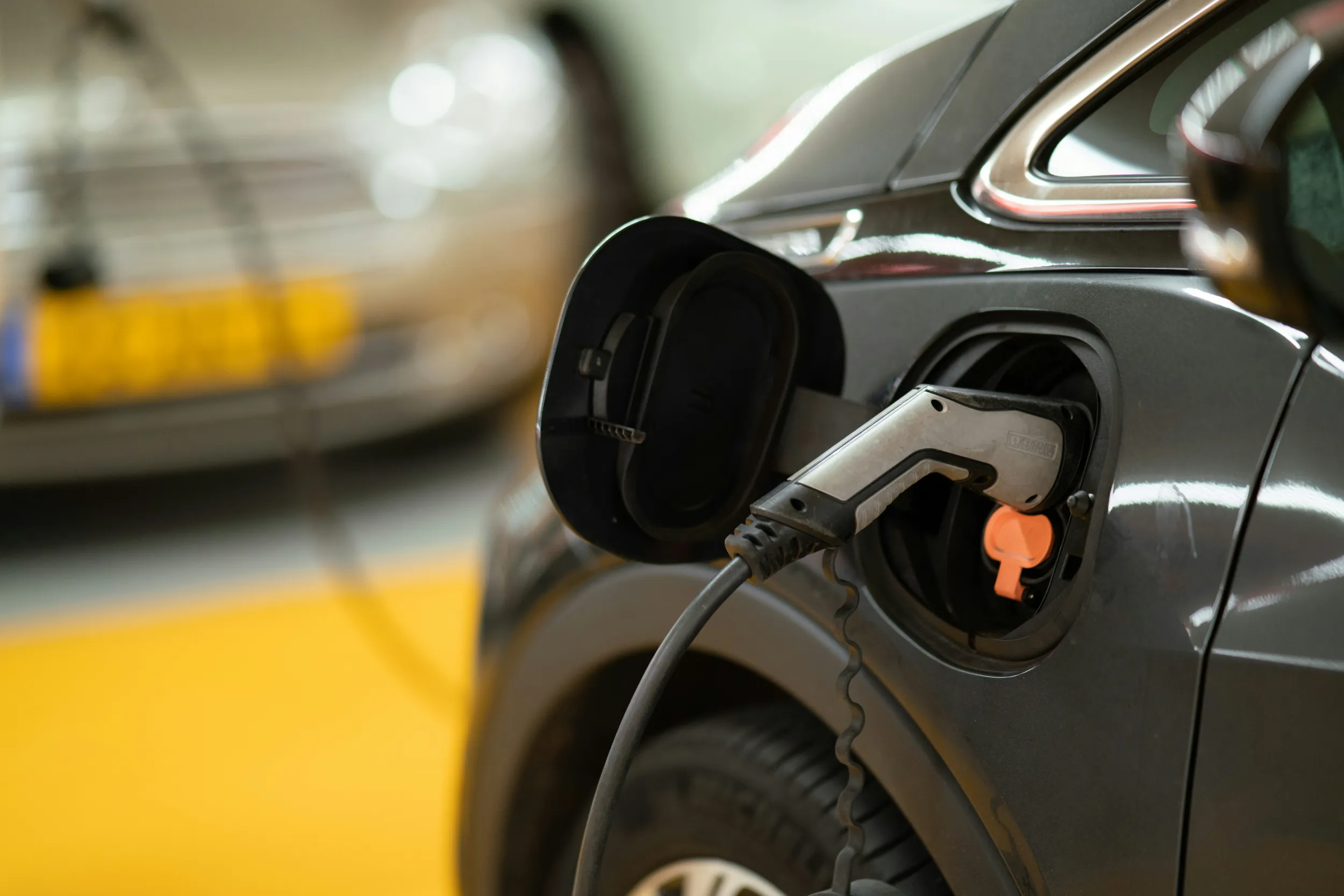
General Motors is giving the electric car a new role. It is no longer just a vehicle that draws power from the grid. With a new GM Energy software update, it could also power a house and, in some cases, sell electricity back to the grid when demand is high.
The company is opening vehicle-to-grid, or V2G, capability for some US customers who already have GM’s bidirectional home charging system. The basic logic is simple: charge the car when electricity is cheap, sell part of that energy back at peak times and reduce the real cost of owning the vehicle.
GM is selling a battery for the home, not just a car
At its GM Empower event in San Francisco, General Motors said there are already more than 250,000 GM electric vehicles on US roads with bidirectional charging capability. According to GM, those cars can keep a household running for several days during a power cut when paired with the company’s home energy system. The same hardware also supports V2G functionality, so some customers will not need a new generation of equipment.
That marks an important shift. Until now, GM Energy has mostly meant V2H, or vehicle-to-home: the car powers the house when a storm, heatwave or technical fault takes out the electricity supply.
Now the focus is moving towards V2G, where the car is not only a personal backup generator, but also an active part of the local energy system. GM is treating parked EV batteries as distributed energy resources, available when grid demand peaks.
Software alone is not enough
According to Reuters, GM will use a software update to let owners of its V2H system sell electricity back to their utility during peak demand, with GM taking a share of those payments. The same report says GM Energy is in talks with around 10 utilities. Commercial use is expected to begin in the coming months in California and Texas, while a pilot with DTE Energy is already running in Michigan at the homes of 30 GM employees.
This is the project’s biggest limitation. The car and charger may be technically ready, but V2G only works if the local utility allows the vehicle to connect to the grid, measures the exported energy correctly and pays the owner enough to make the system worthwhile.
GM’s own explanation points to the same issue. Potential savings depend on electricity tariffs, the gap between peak and off-peak prices, charging behaviour, battery state of charge, equipment configuration and the specific utility programme.
The catch is the cost of the hardware
A GM Energy system is not just a normal wallbox. To send energy back into the home or grid, the owner needs a bidirectional PowerShift Charger and a V2H Enablement Kit.
On GM Energy’s website, the PowerShift Charger is listed at $1999, about €1730. The V2H Bundle costs $8998 before discounts, about €7800, while the Home System starts at $16,997, about €14,730.
That makes the business case fairly demanding. If the driver buys the system only to sell electricity back to the grid, payback is likely to be slow. If the same system replaces a home backup generator, protects against power cuts and helps avoid peak electricity prices, the argument becomes stronger.
In other words, GM is not really selling a money-making machine. It is selling energy security, with the possibility of some extra income on top.
V2H and V2G are not the same thing
V2H, or vehicle-to-home, means the car supplies electricity to the house. The system isolates the home from the public grid, so the car does not send power back into lines where technicians may be working during an outage. In effect, it turns the EV into a quiet home battery.
V2G, or vehicle-to-grid, means the car communicates with the electricity network and exports power when the grid needs it.
A typical use case is straightforward. The car charges cheaply overnight or during midday solar generation, keeps the owner’s chosen driving reserve and sends a small part of the battery back to the grid during the evening peak. The owner receives either a direct payment, bill credit or lower net energy cost.
The big question is battery wear. Technically, V2G adds charging and discharging cycles, but software can limit discharge depth, power output and timing. If the battery is used gently, the financial benefit may outweigh the extra wear. If the market pays little or the car has to be fully charged every morning for a long journey, the logic quickly weakens.
GM is not first, but its scale matters
From a European perspective, GM is not inventing the idea. V2G is also moving from trials towards real services in Europe. In May 2026, the International Energy Agency wrote that the conditions needed for V2G had been met in France, the Netherlands and the UK, with commercial offers already available in those countries. Germany removed double grid charges for bidirectional charging at the end of 2025, opening the way for the first commercial offers there as well.
GM’s move still matters because of the size of the vehicle base involved. If more than 250,000 Chevrolet, Cadillac and GMC electric vehicles can theoretically operate bidirectionally, then parked car batteries become a real grid resource, not just a laboratory project.
Together with PG&E, GM forecasts that there could be 130,000 GM electric vehicles in Northern California by 2030, with more than 52,000 of them taking part systematically in grid balancing.
The EV becomes part of the grid, not just a load on it
This changes the electric-car narrative. Critics often argue that EVs add pressure to the electricity network. GM is trying to turn that argument around: if a car spends much of the day parked in a driveway, garage or car park, its battery is unused energy storage. At the right moment, it could reduce peak demand, support renewable energy and help avoid firing up expensive reserve power stations.
For the car industry, that points towards a new business model. A manufacturer no longer earns only from selling the car, servicing it and offering software features. It could also take part in energy-market revenue.
For owners, the idea is attractive only if the system stays almost invisible. The car must still have enough charge in the morning, the house must work during a power cut and the electricity bill must genuinely fall.
A big promise, but with very practical obstacles
GM’s plan is unlikely to fail because the technology does not exist. The bigger obstacles are in the home fuse box, utility billing systems, tariffs, permits and customer trust.
PG&E’s V2X pilot shows how many steps are involved. The customer has to choose a compatible car and charger, pass a home electrical-readiness check, join the right tariff and meet grid-connection requirements.
That means every GM electric car will not become a money-making machine overnight. This is more likely to be a gradual shift, with the car, the home and the grid slowly learning to work together through shared software.
The early beneficiaries will be owners facing expensive peak-hour tariffs, frequent outages, home solar production or a utility willing to pay properly for flexibility.
Why it matters
GM’s V2G move is not just another electric-car feature. It shows how a car maker is trying to move into the energy market and turn the battery into a mobile asset. If V2H gives the owner security during a power cut, V2G adds the possibility of earning money, or at least cutting the electricity bill.
For now, this is a US-market story and it depends heavily on utilities. But it matters for Europe too, because the same logic is coming here.
The value of an electric car is no longer limited to range, acceleration and charging speed. The next competitive advantage could be how well the car works with the owner’s home and the electricity grid.
GM is selling a battery for the home, not just a car
At its GM Empower event in San Francisco, General Motors said there are already more than 250,000 GM electric vehicles on US roads with bidirectional charging capability. According to GM, those cars can keep a household running for several days during a power cut when paired with the company’s home energy system. The same hardware also supports V2G functionality, so some customers will not need a new generation of equipment.
That marks an important shift. Until now, GM Energy has mostly meant V2H, or vehicle-to-home: the car powers the house when a storm, heatwave or technical fault takes out the electricity supply.
Now the focus is moving towards V2G, where the car is not only a personal backup generator, but also an active part of the local energy system. GM is treating parked EV batteries as distributed energy resources, available when grid demand peaks.
Software alone is not enough
According to Reuters, GM will use a software update to let owners of its V2H system sell electricity back to their utility during peak demand, with GM taking a share of those payments. The same report says GM Energy is in talks with around 10 utilities. Commercial use is expected to begin in the coming months in California and Texas, while a pilot with DTE Energy is already running in Michigan at the homes of 30 GM employees.
This is the project’s biggest limitation. The car and charger may be technically ready, but V2G only works if the local utility allows the vehicle to connect to the grid, measures the exported energy correctly and pays the owner enough to make the system worthwhile.
GM’s own explanation points to the same issue. Potential savings depend on electricity tariffs, the gap between peak and off-peak prices, charging behaviour, battery state of charge, equipment configuration and the specific utility programme.
The catch is the cost of the hardware
A GM Energy system is not just a normal wallbox. To send energy back into the home or grid, the owner needs a bidirectional PowerShift Charger and a V2H Enablement Kit.
On GM Energy’s website, the PowerShift Charger is listed at $1999, about €1730. The V2H Bundle costs $8998 before discounts, about €7800, while the Home System starts at $16,997, about €14,730.
That makes the business case fairly demanding. If the driver buys the system only to sell electricity back to the grid, payback is likely to be slow. If the same system replaces a home backup generator, protects against power cuts and helps avoid peak electricity prices, the argument becomes stronger.
In other words, GM is not really selling a money-making machine. It is selling energy security, with the possibility of some extra income on top.
V2H and V2G are not the same thing
V2H, or vehicle-to-home, means the car supplies electricity to the house. The system isolates the home from the public grid, so the car does not send power back into lines where technicians may be working during an outage. In effect, it turns the EV into a quiet home battery.
V2G, or vehicle-to-grid, means the car communicates with the electricity network and exports power when the grid needs it.
A typical use case is straightforward. The car charges cheaply overnight or during midday solar generation, keeps the owner’s chosen driving reserve and sends a small part of the battery back to the grid during the evening peak. The owner receives either a direct payment, bill credit or lower net energy cost.
The big question is battery wear. Technically, V2G adds charging and discharging cycles, but software can limit discharge depth, power output and timing. If the battery is used gently, the financial benefit may outweigh the extra wear. If the market pays little or the car has to be fully charged every morning for a long journey, the logic quickly weakens.
GM is not first, but its scale matters
From a European perspective, GM is not inventing the idea. V2G is also moving from trials towards real services in Europe. In May 2026, the International Energy Agency wrote that the conditions needed for V2G had been met in France, the Netherlands and the UK, with commercial offers already available in those countries. Germany removed double grid charges for bidirectional charging at the end of 2025, opening the way for the first commercial offers there as well.
GM’s move still matters because of the size of the vehicle base involved. If more than 250,000 Chevrolet, Cadillac and GMC electric vehicles can theoretically operate bidirectionally, then parked car batteries become a real grid resource, not just a laboratory project.
Together with PG&E, GM forecasts that there could be 130,000 GM electric vehicles in Northern California by 2030, with more than 52,000 of them taking part systematically in grid balancing.
The EV becomes part of the grid, not just a load on it
This changes the electric-car narrative. Critics often argue that EVs add pressure to the electricity network. GM is trying to turn that argument around: if a car spends much of the day parked in a driveway, garage or car park, its battery is unused energy storage. At the right moment, it could reduce peak demand, support renewable energy and help avoid firing up expensive reserve power stations.
For the car industry, that points towards a new business model. A manufacturer no longer earns only from selling the car, servicing it and offering software features. It could also take part in energy-market revenue.
For owners, the idea is attractive only if the system stays almost invisible. The car must still have enough charge in the morning, the house must work during a power cut and the electricity bill must genuinely fall.
A big promise, but with very practical obstacles
GM’s plan is unlikely to fail because the technology does not exist. The bigger obstacles are in the home fuse box, utility billing systems, tariffs, permits and customer trust.
PG&E’s V2X pilot shows how many steps are involved. The customer has to choose a compatible car and charger, pass a home electrical-readiness check, join the right tariff and meet grid-connection requirements.
That means every GM electric car will not become a money-making machine overnight. This is more likely to be a gradual shift, with the car, the home and the grid slowly learning to work together through shared software.
The early beneficiaries will be owners facing expensive peak-hour tariffs, frequent outages, home solar production or a utility willing to pay properly for flexibility.
Why it matters
GM’s V2G move is not just another electric-car feature. It shows how a car maker is trying to move into the energy market and turn the battery into a mobile asset. If V2H gives the owner security during a power cut, V2G adds the possibility of earning money, or at least cutting the electricity bill.
For now, this is a US-market story and it depends heavily on utilities. But it matters for Europe too, because the same logic is coming here.
The value of an electric car is no longer limited to range, acceleration and charging speed. The next competitive advantage could be how well the car works with the owner’s home and the electricity grid.


