
Mansory turns the G 63 into a 603 kW monster and reverses the way its rear doors open
 1/25
1/25

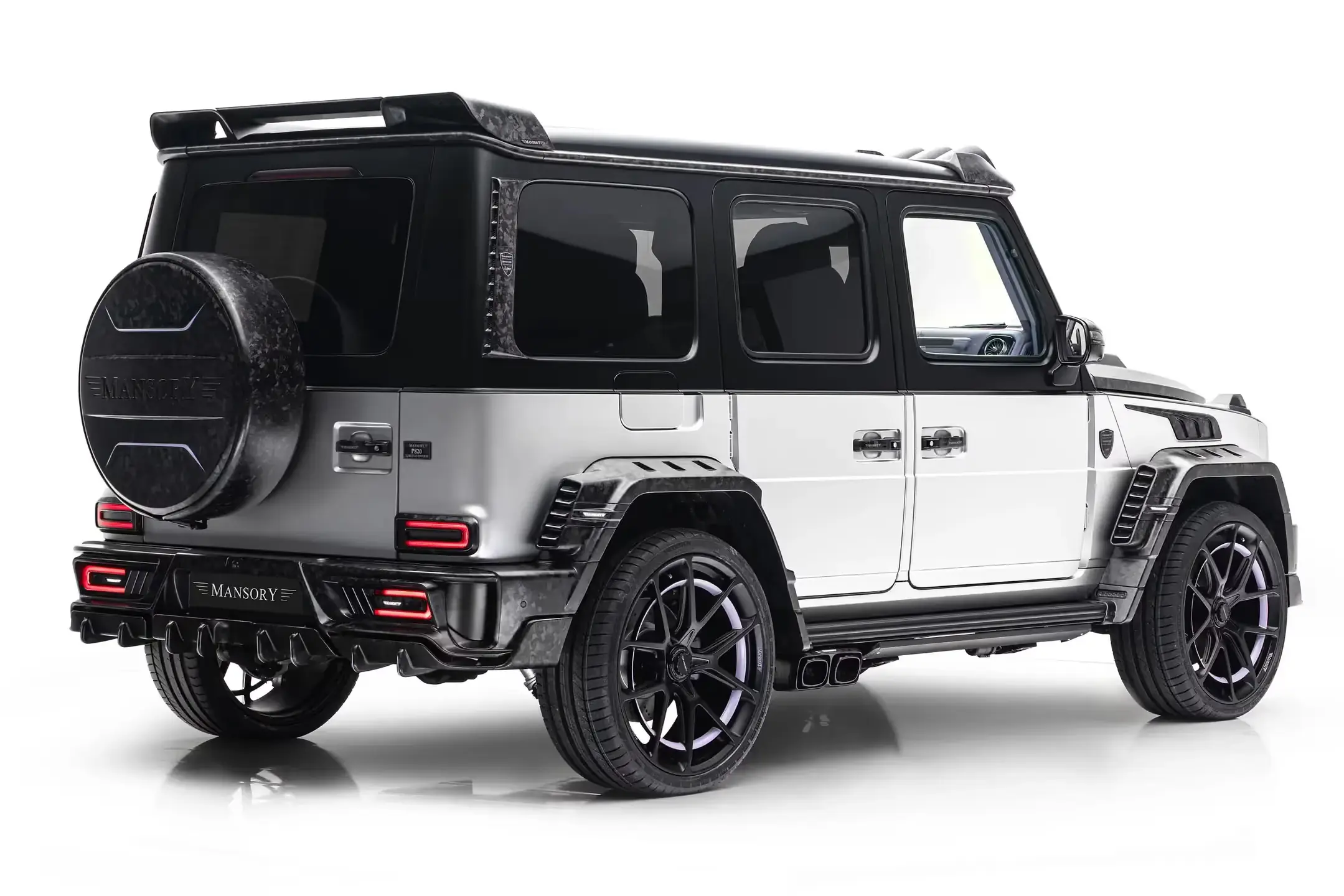
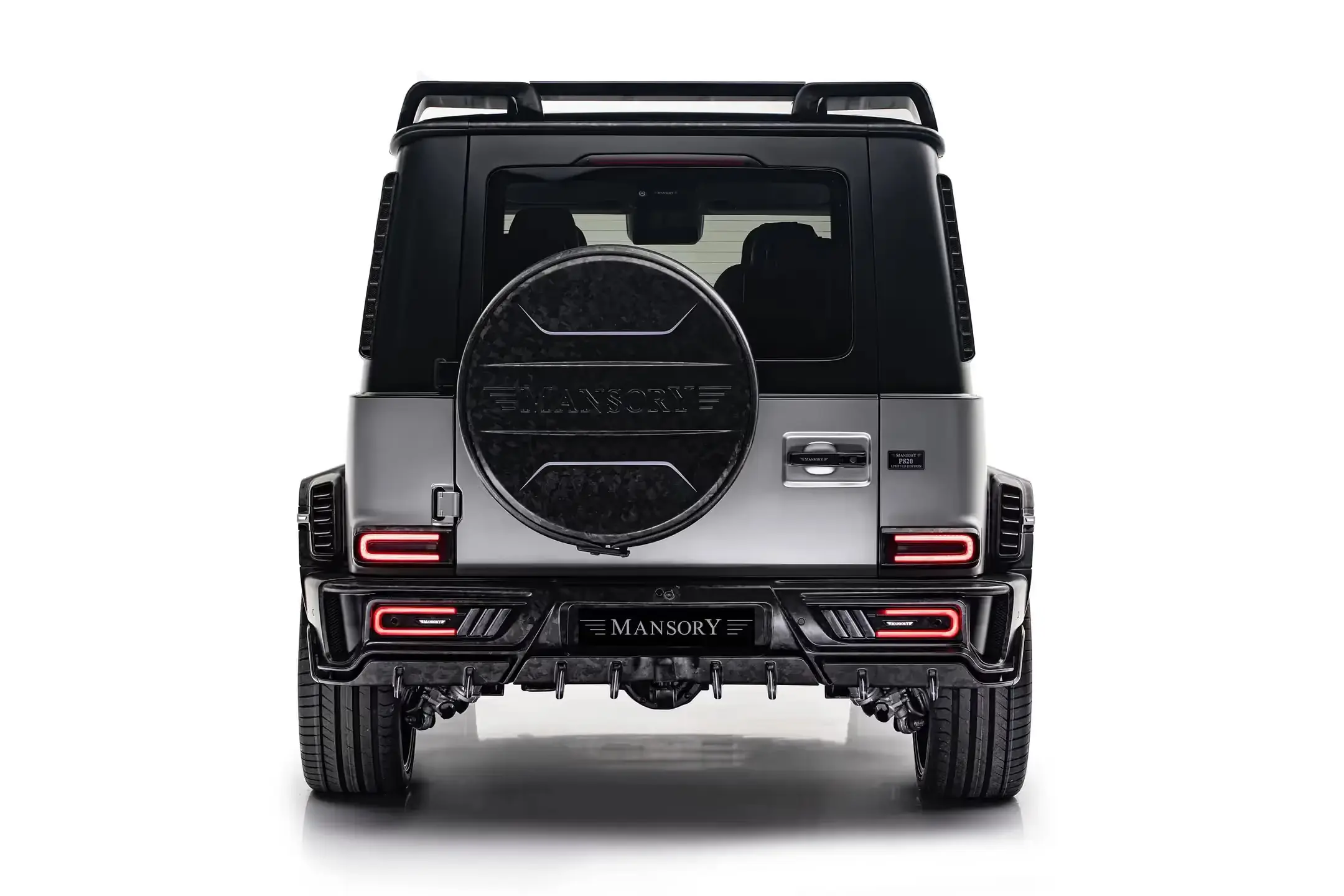
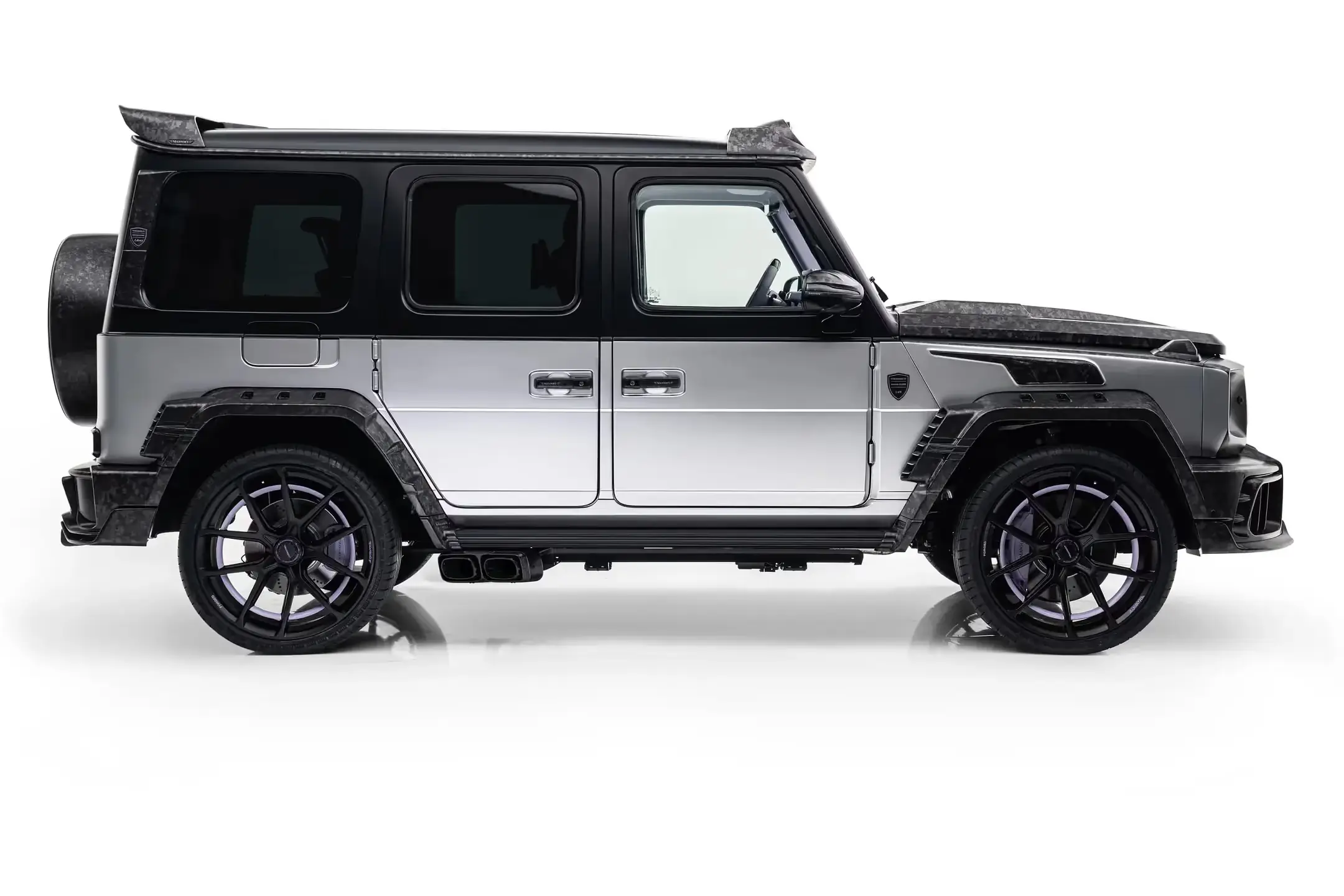
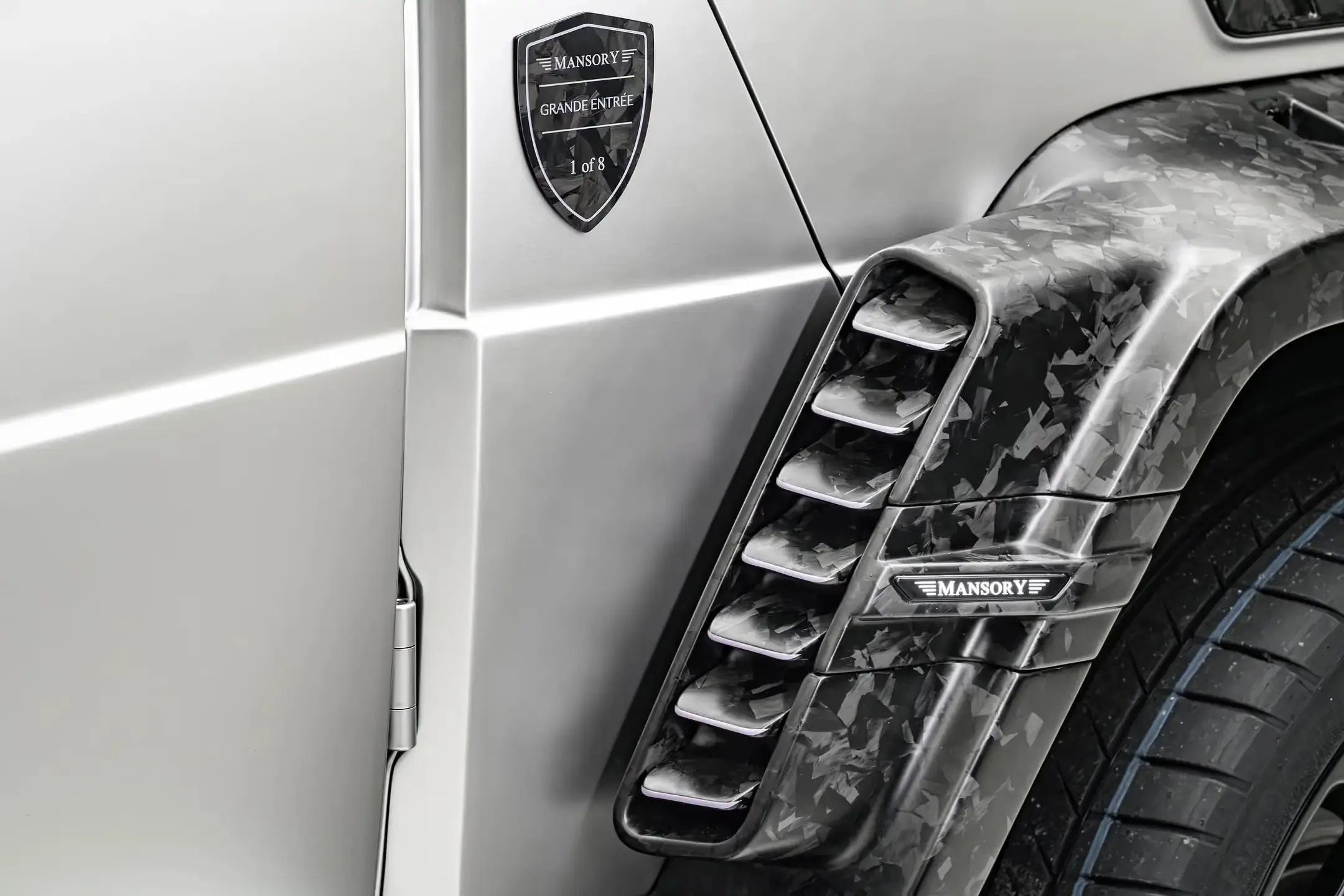
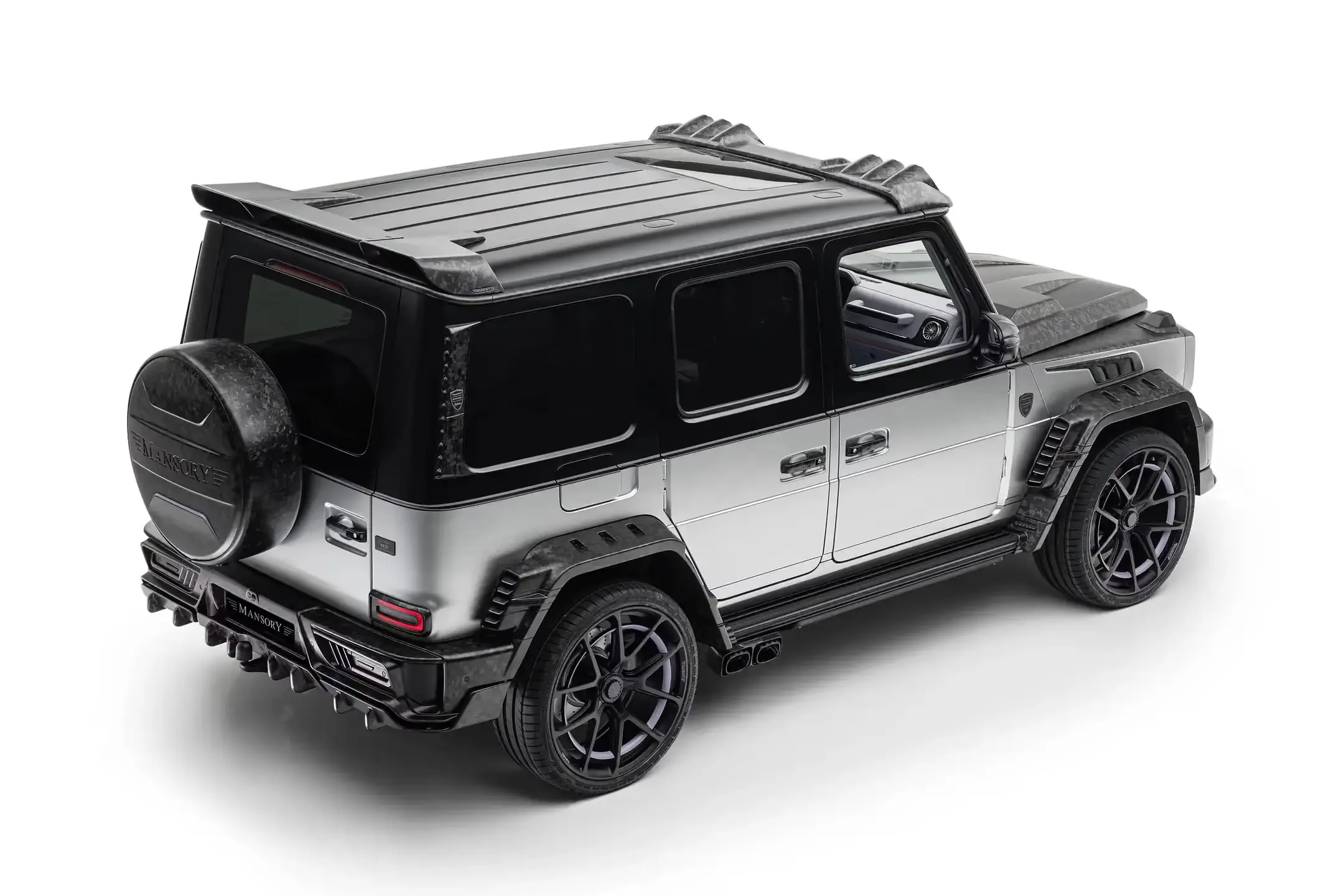


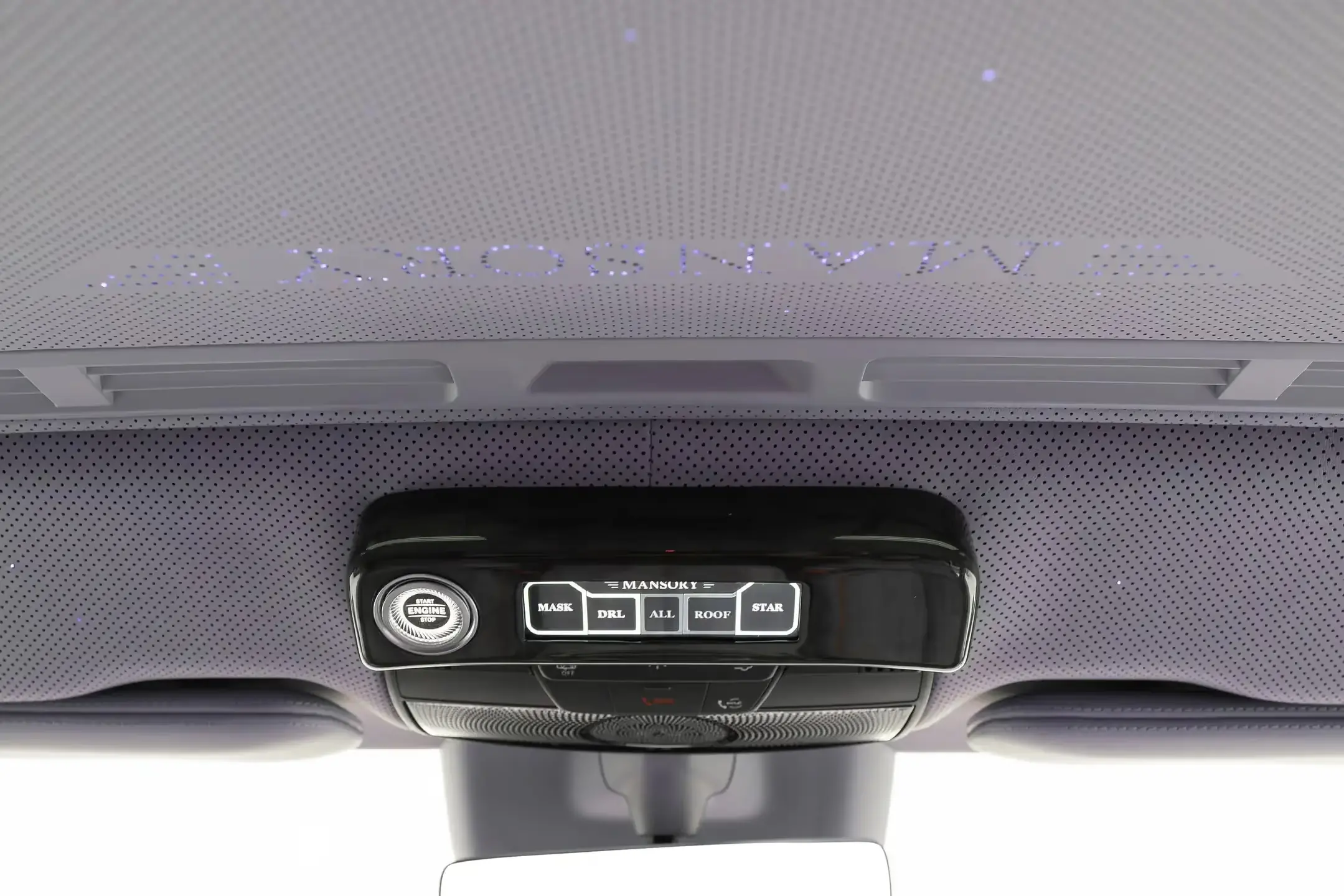
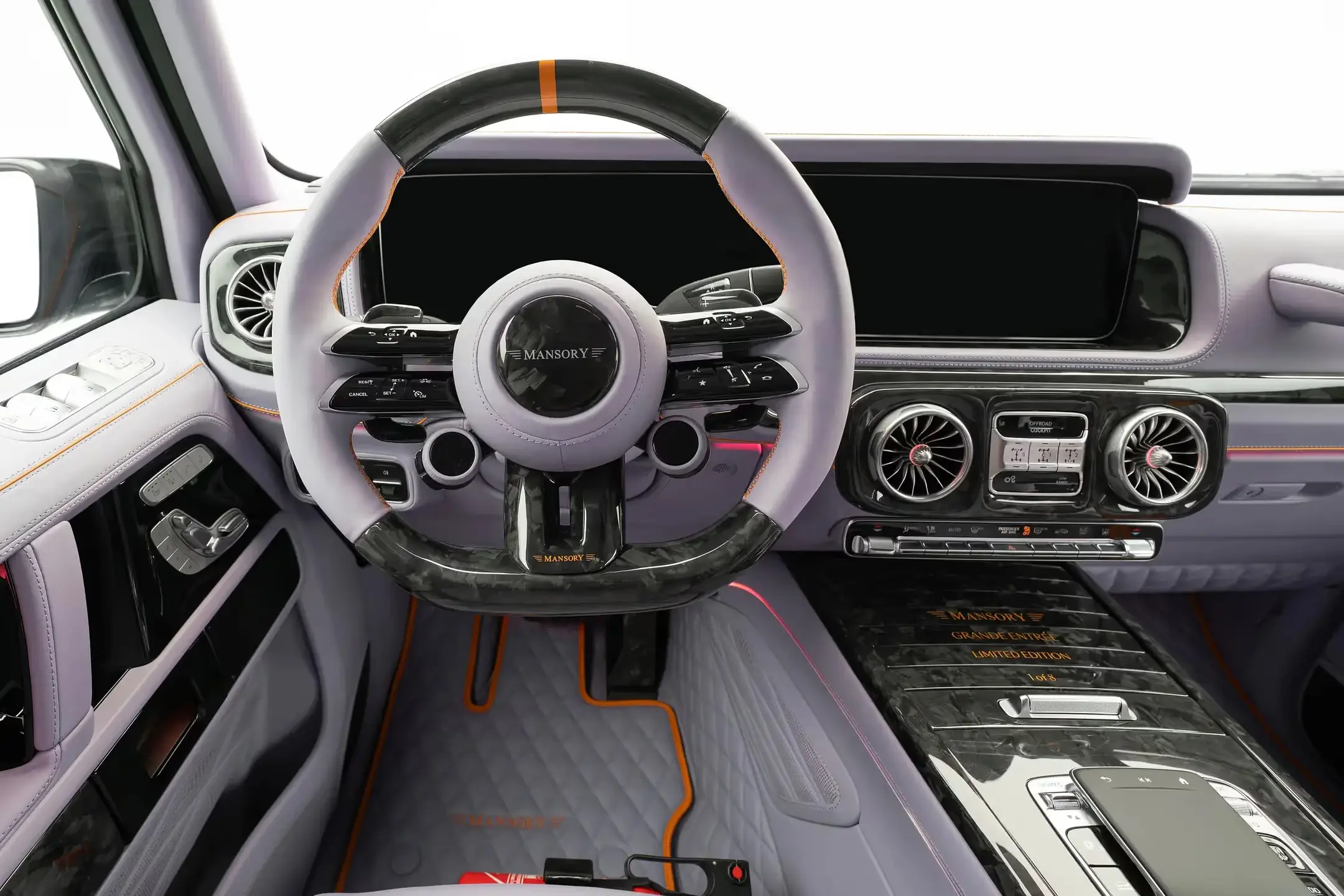

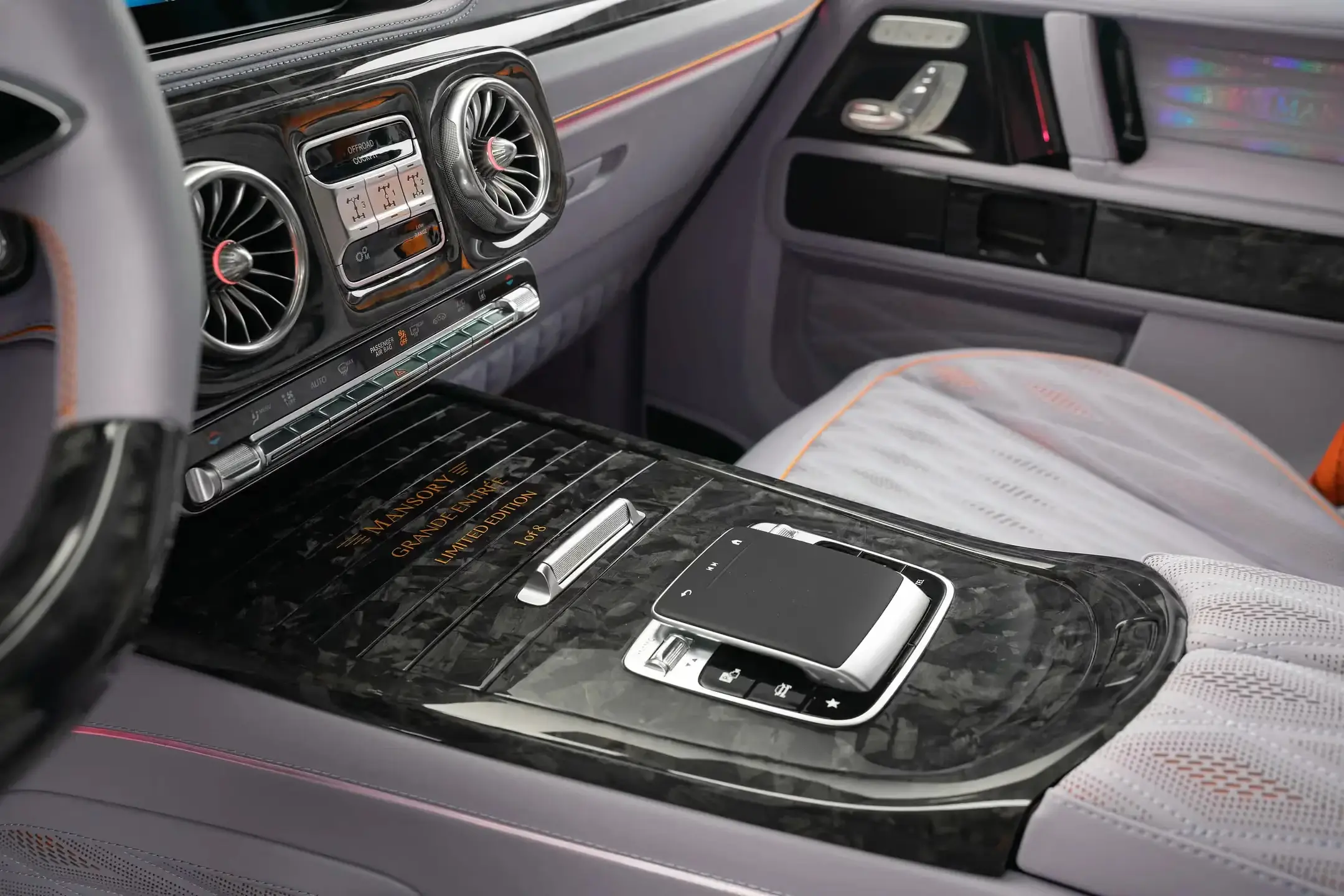
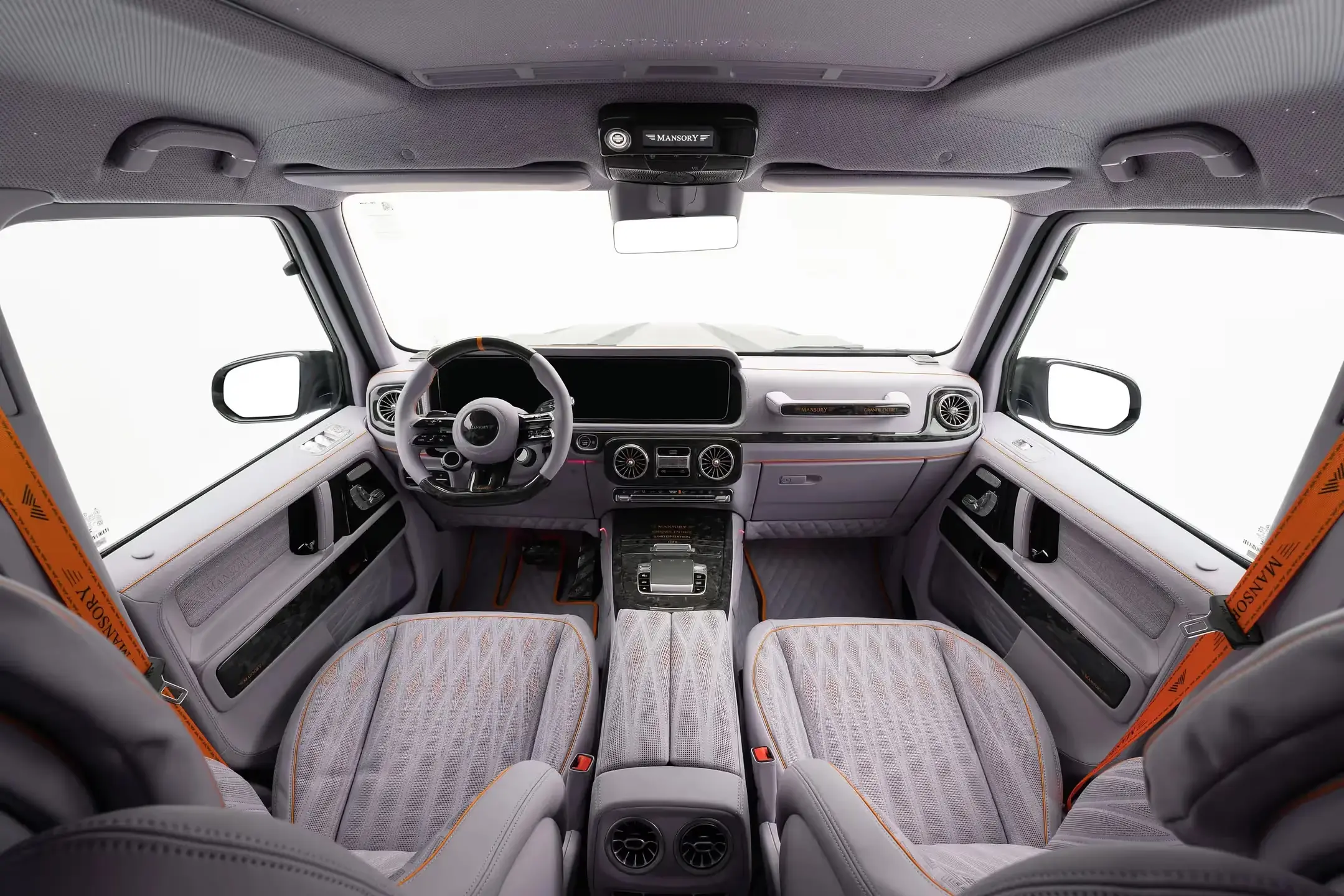
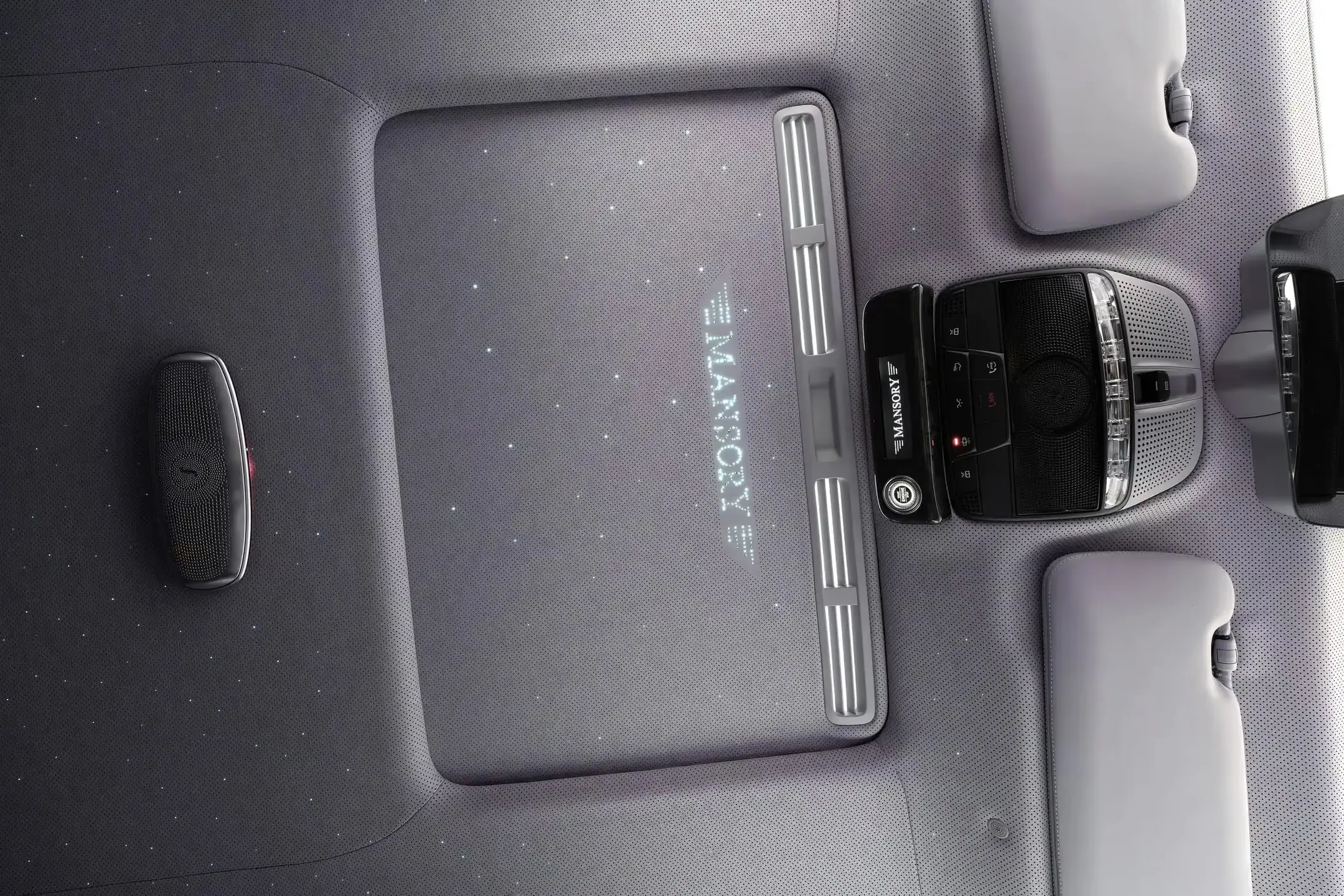
Mansory has been working on the Mercedes-AMG G 63 again, and this time the changes go beyond another carbon-fibre apron and bigger wheels. The updated Grande Entrée MY2025 gets a completely redesigned body kit, rear-hinged rear doors and a 4.0-litre V8 whose output rises from 430 kW to 603 kW.
Torque also climbs from 850 Nm to 1150 Nm, while 0–100 km/h takes 4.0 seconds. Mansory is initially offering the car in a limited run of just eight examples.
A new body kit really does mean new here
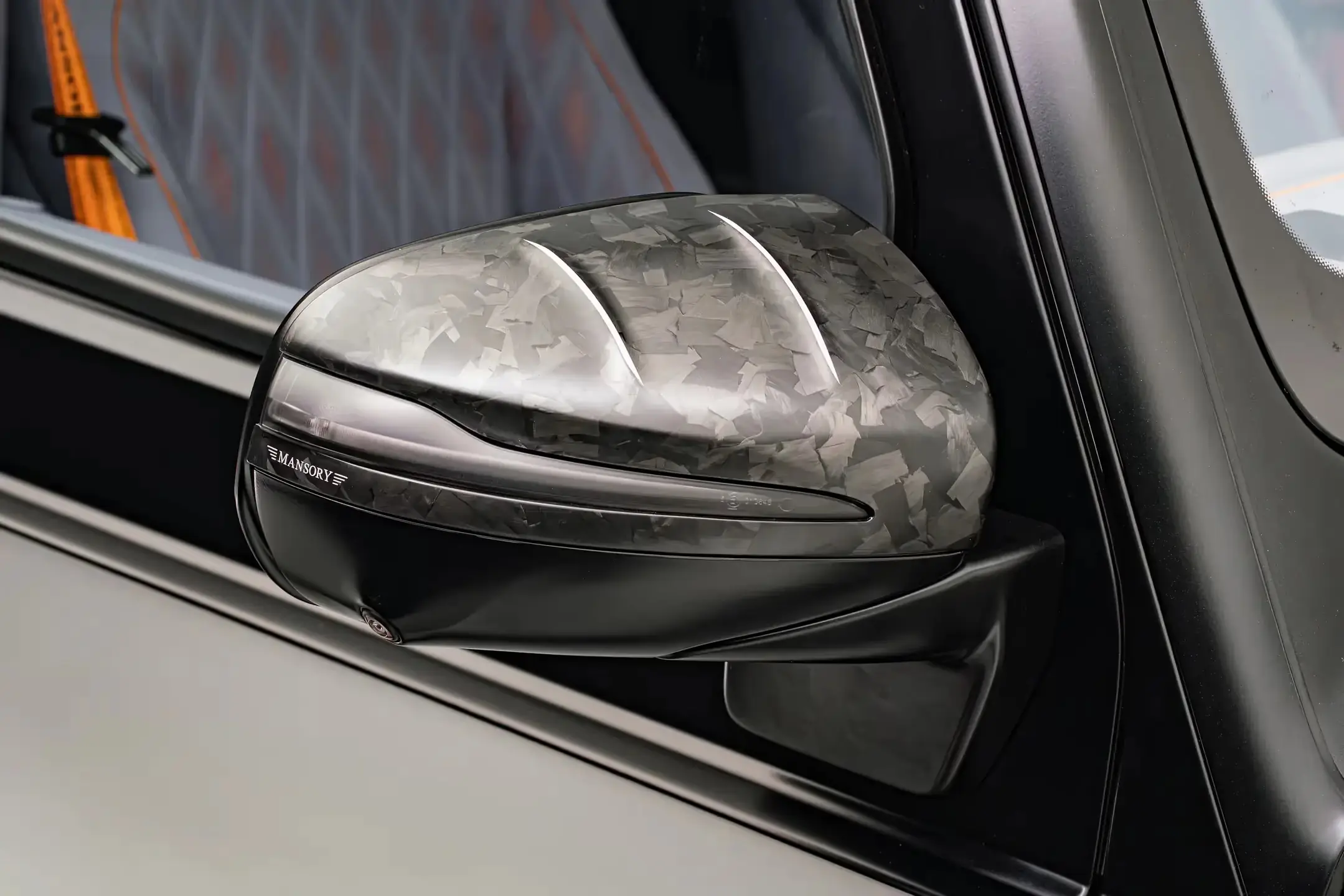
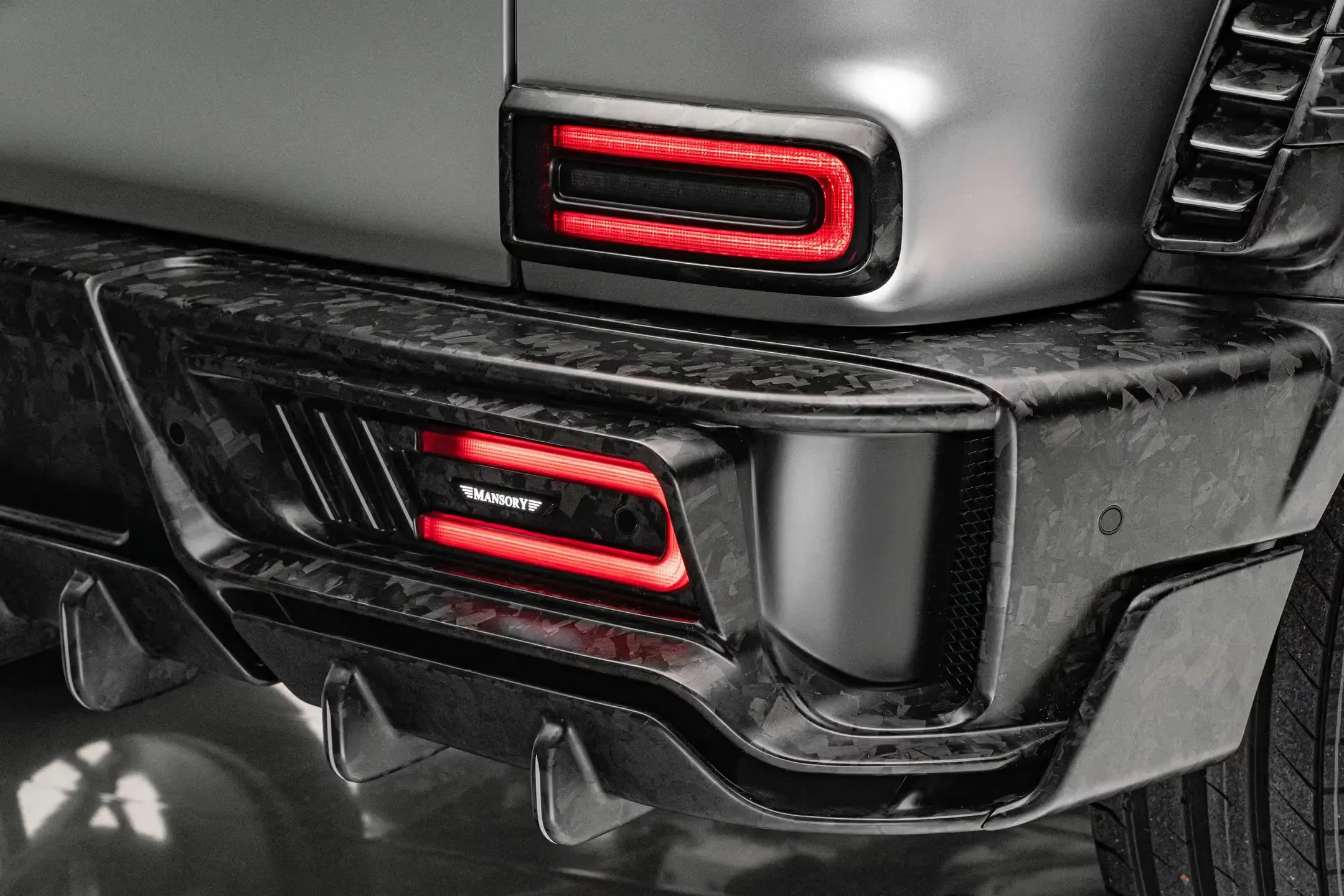
Mansory describes the Grande Entrée MY2025 as a thoroughly updated version for the model year and claims to have redesigned every carbon-fibre component in the body kit.
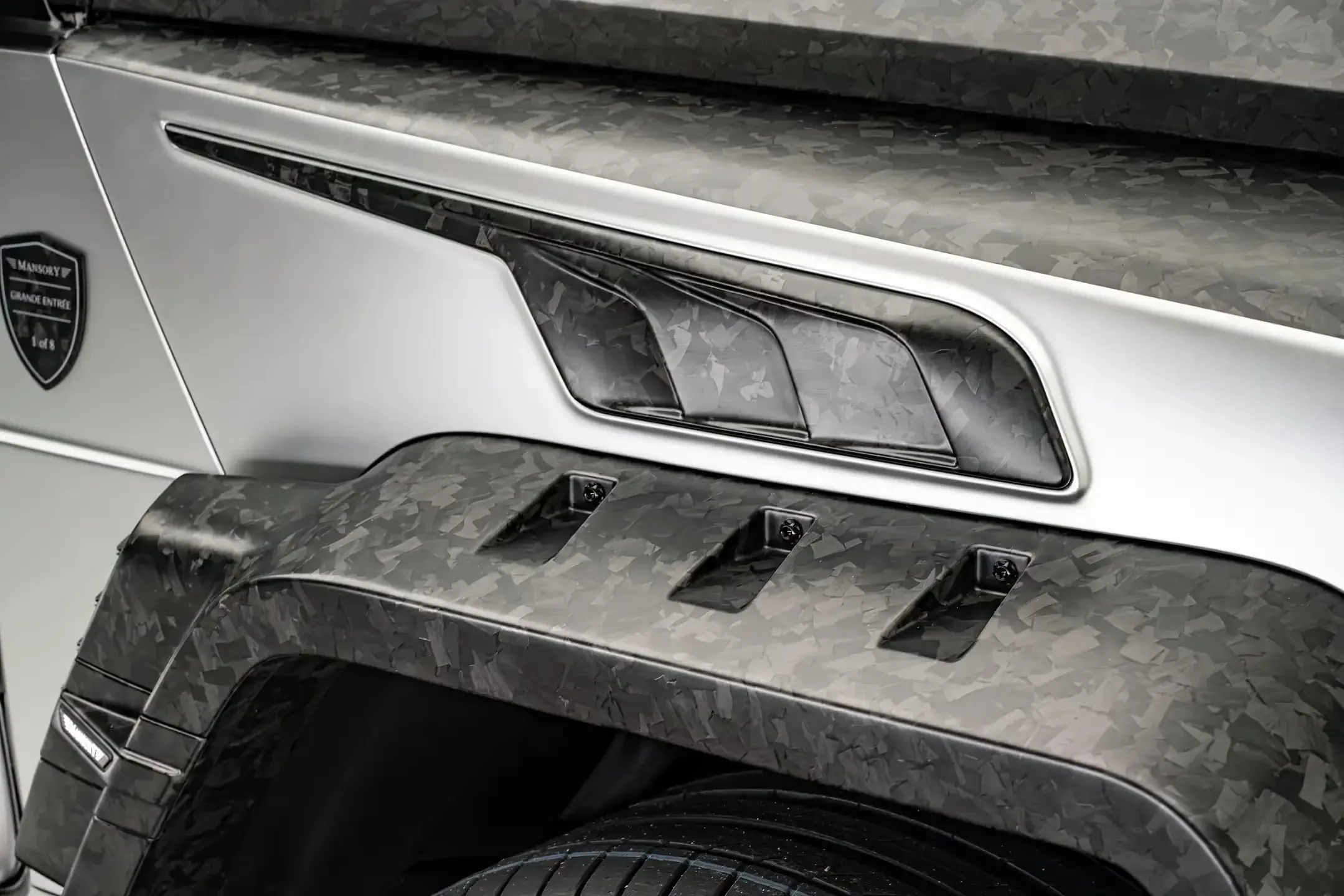
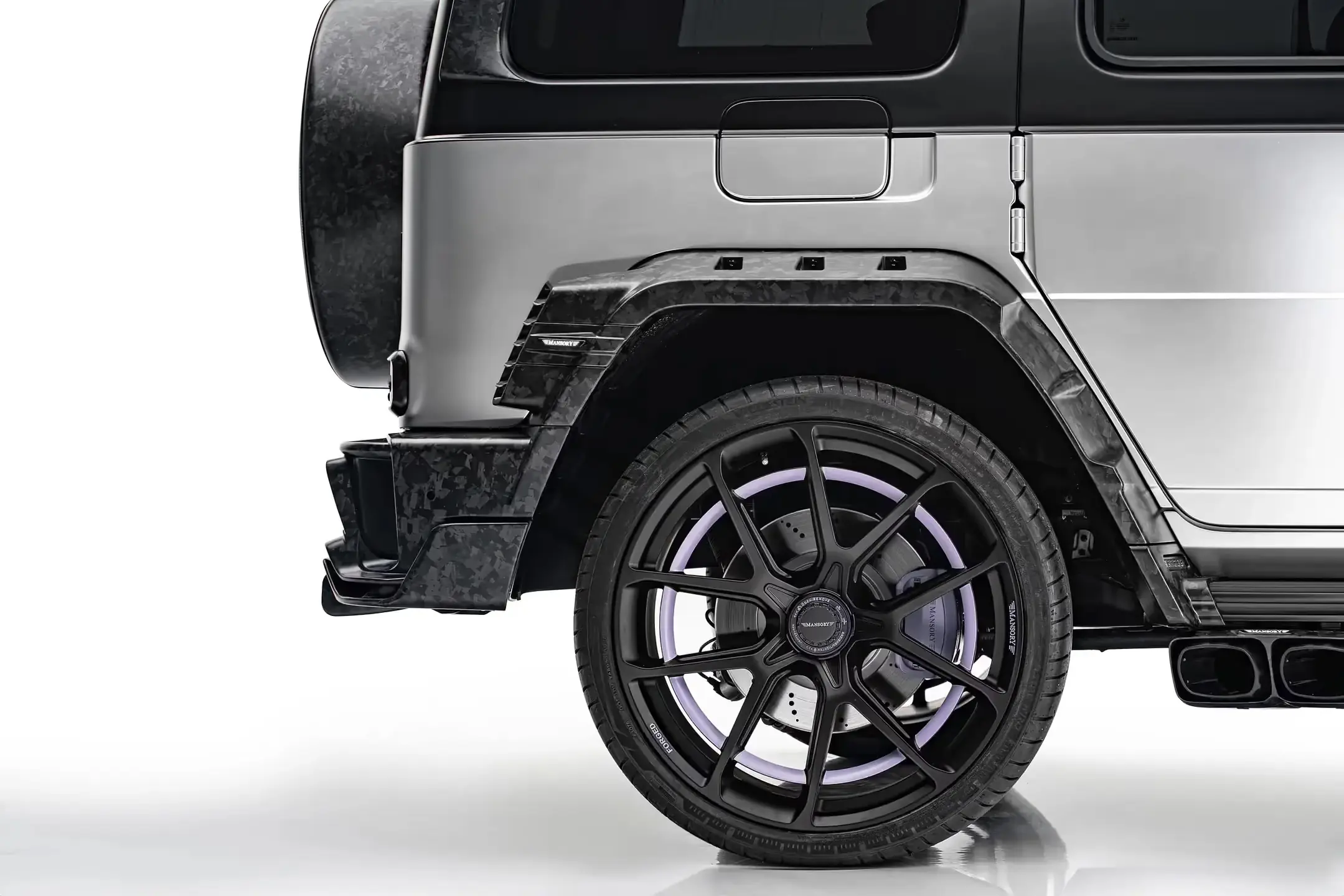
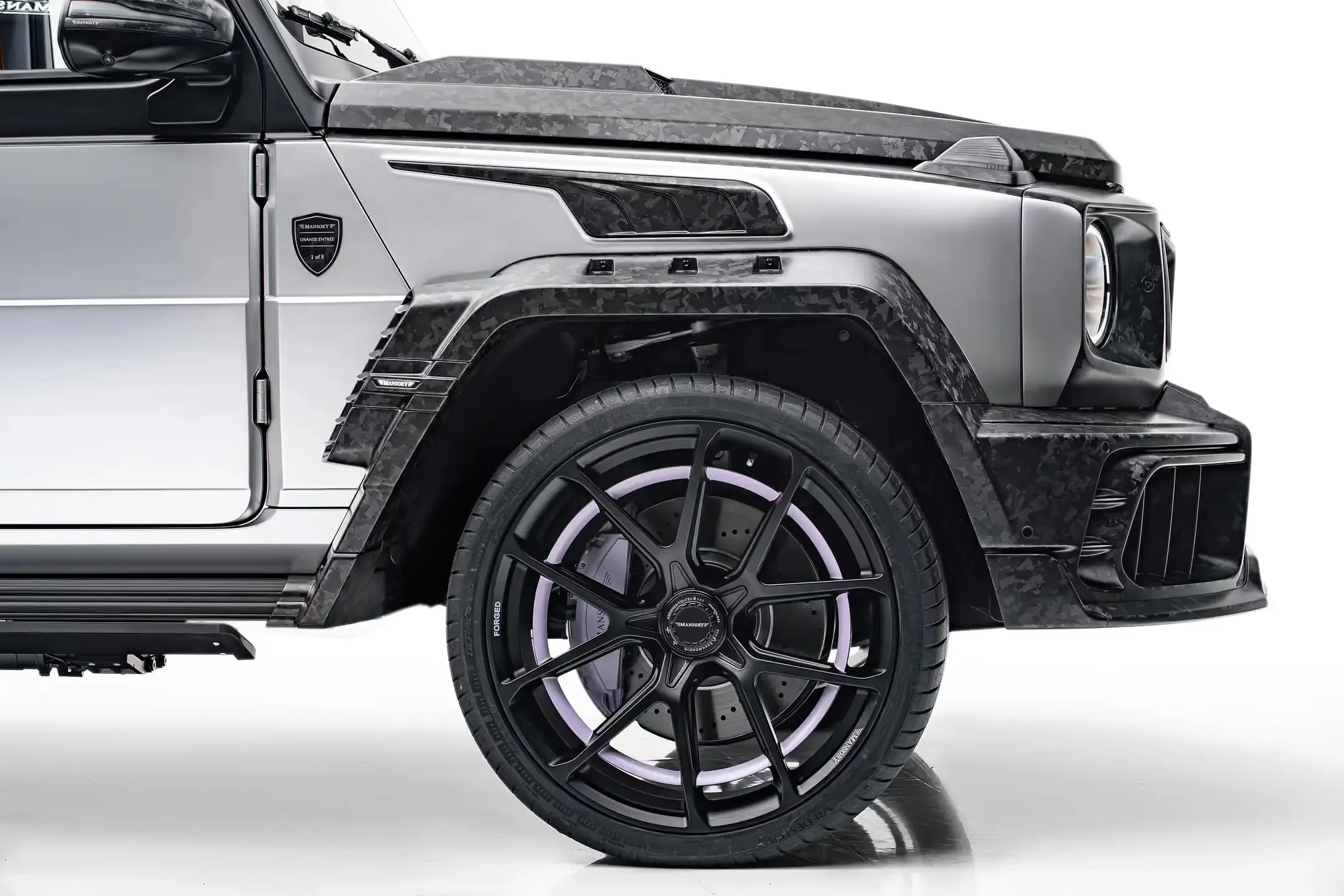
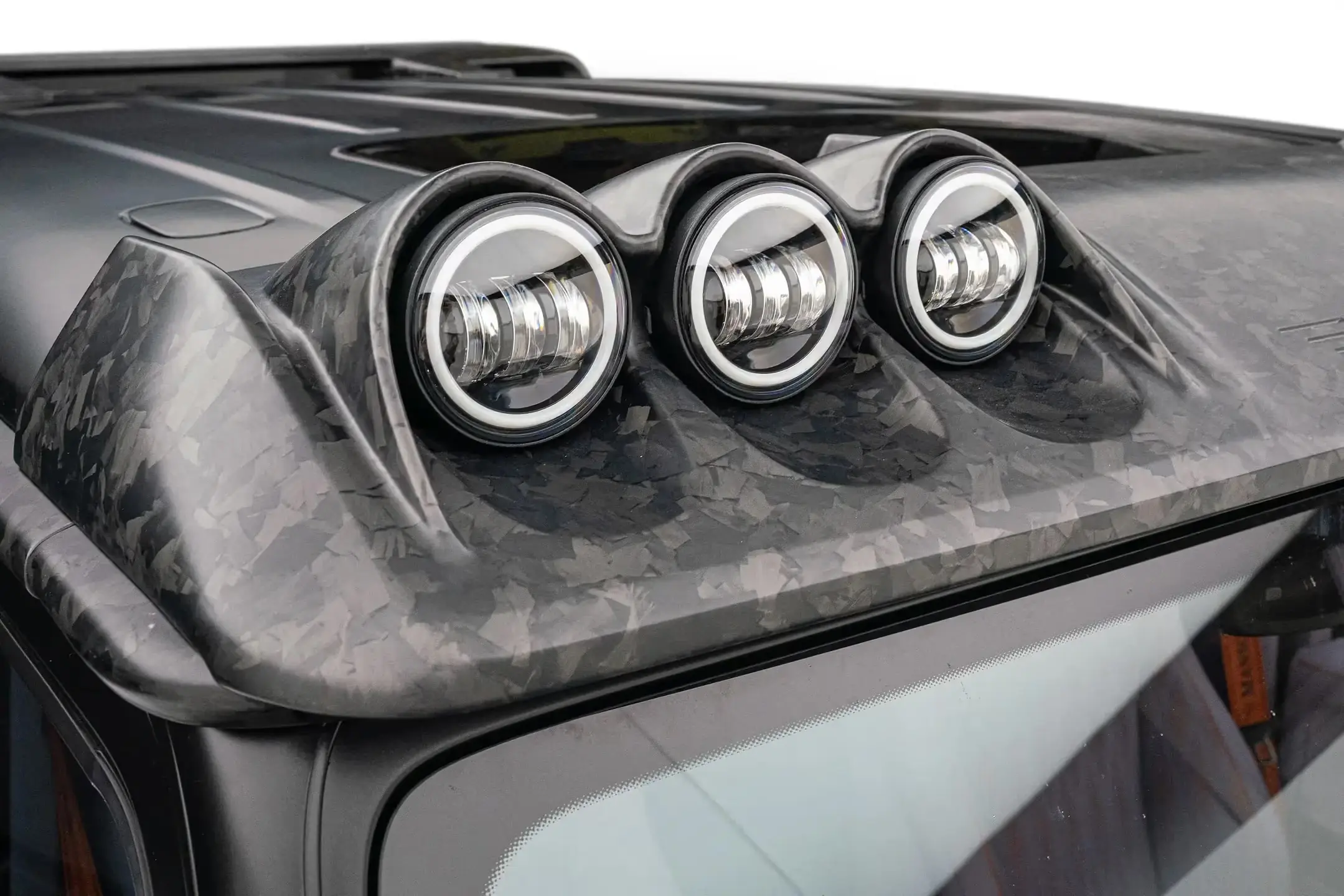
The front end gets a new all-carbon-fibre bonnet with a different vent layout. The lighting arrangement in the front apron, the roof-mounted auxiliary light unit and the wheel arches have also changed. Naturally, Mansory has incorporated its logo into the latter, just in case the rest of the car does not make its origins clear enough.
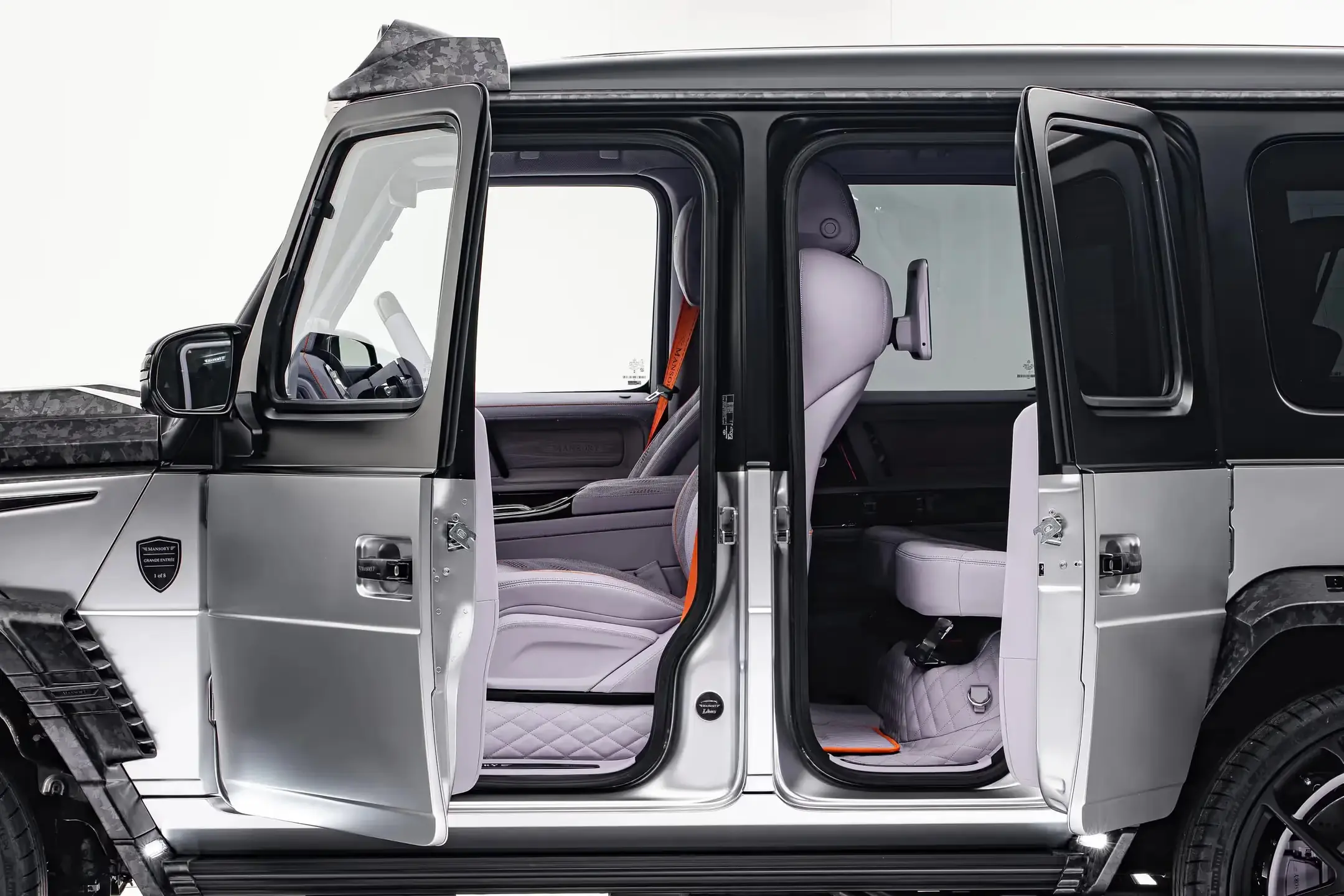
The Grande Entrée's most striking body feature, however, is its rear door.
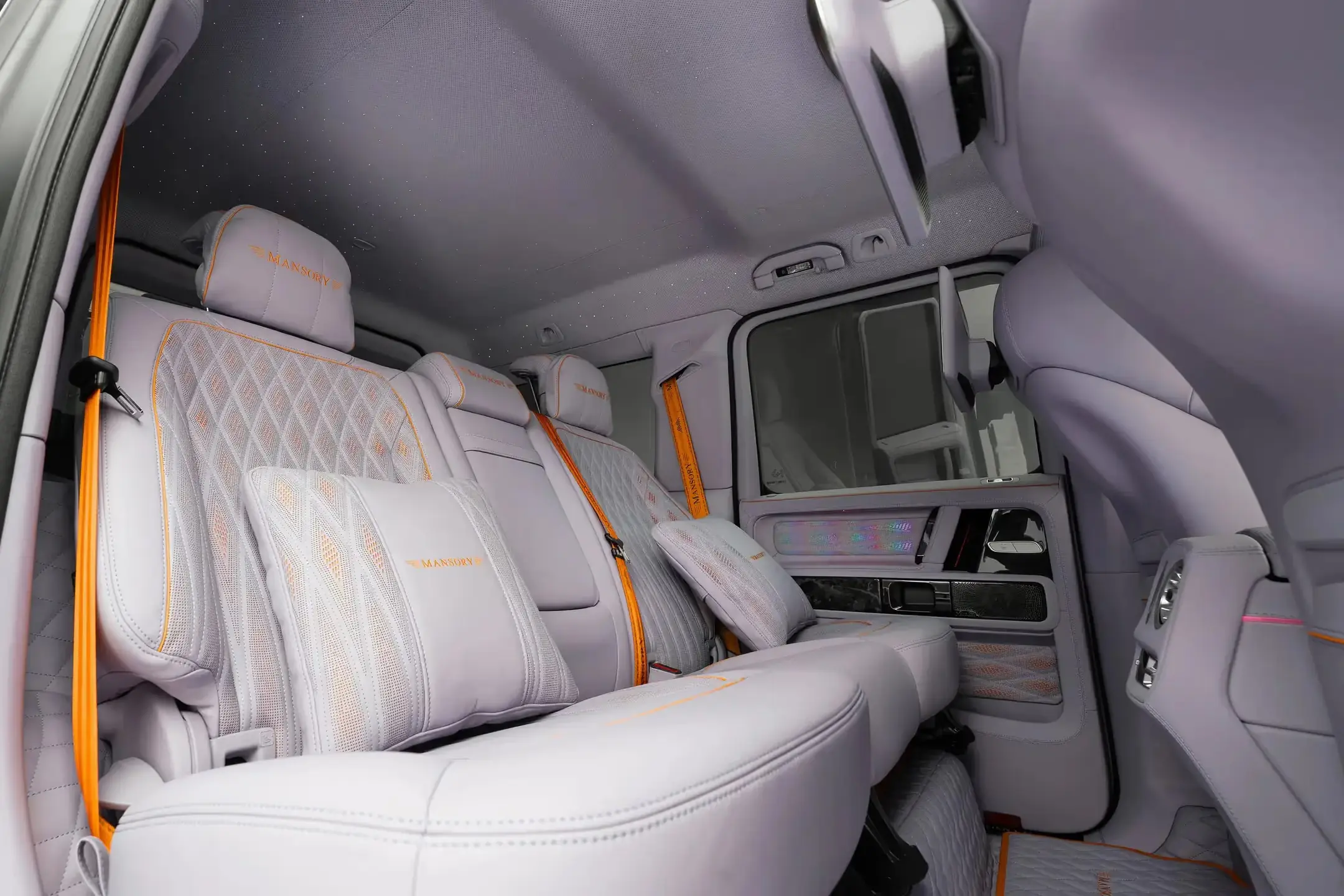
Mansory has moved the rear-door hinges to the trailing edge and added a soft-close mechanism. This arrangement provides a wider opening for access to the rear seats, but above all gives the car a Rolls-Royce-like effect.
24-inch wheels leave little room for off-road tyres
Wheel sizes extend to 24 inches, with Mansory's options for the Grande Entrée including one-piece forged FC.5 wheels measuring 10x24 inches.
These are fitted with 295/30 R24 tyres. That combination makes it fairly clear what the car was really built for. The G 63 on which it is based may have a ladder frame, three differential locks and a four-wheel-drive system that remains highly capable, but a 24-inch tyre with a 30 per cent aspect ratio is hardly the first choice for airing down on a rocky trail. The Grande Entrée is a luxury car that simply happens to carry the G-Class's off-road hardware.
The 4.0-litre V8 gets bigger turbos
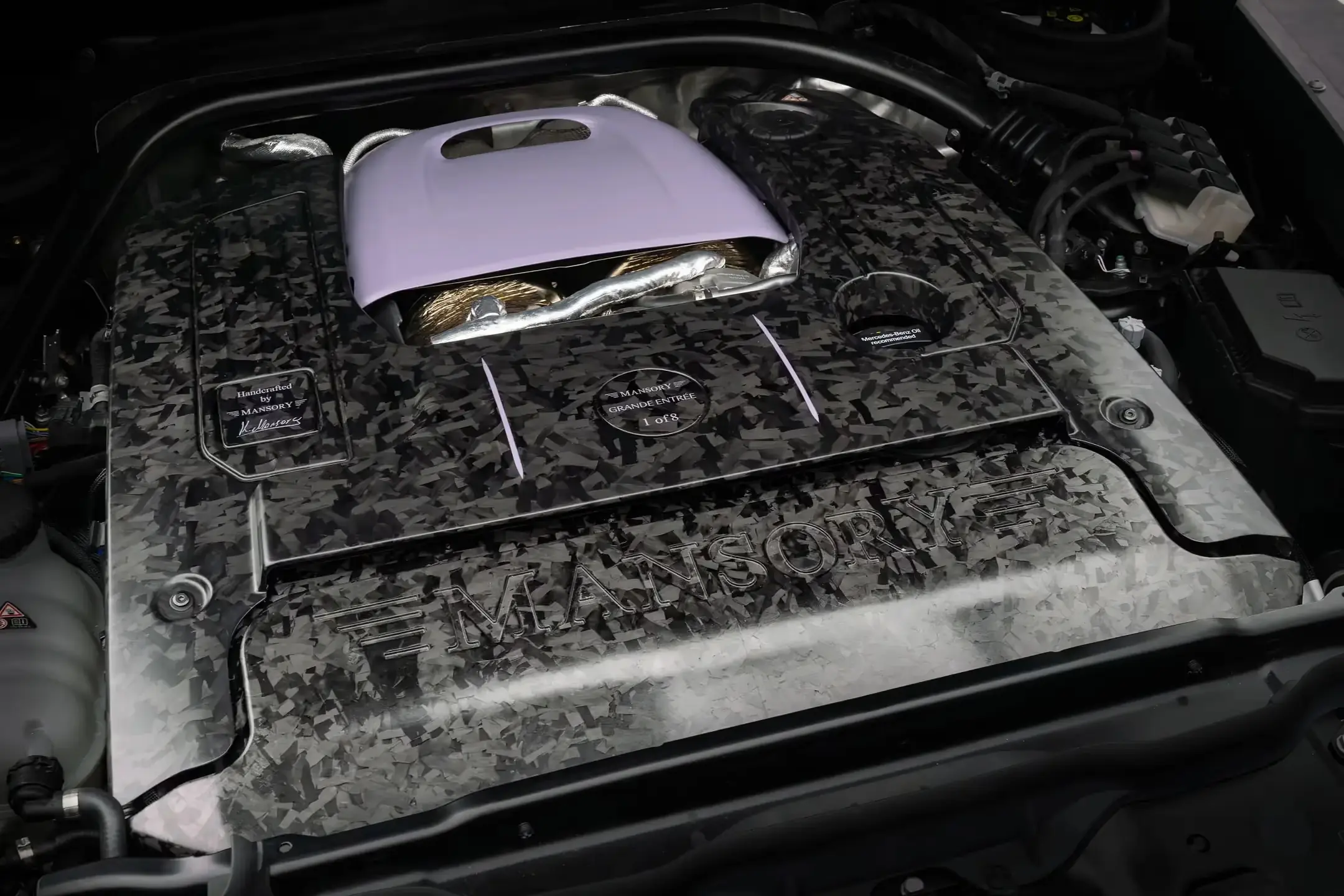
The biggest mechanical change is under the bonnet. The standard Mercedes-AMG G 63's 4.0-litre twin-turbo V8 develops 430 kW and 850 Nm in its European specification. Mansory fits larger turbochargers, new pipes downstream of the exhaust manifolds and a higher-flow exhaust system, and remaps the engine control unit.
The result is 603 kW and 1150 Nm.
That means an increase of 173 kW, or around 40 per cent, in power, plus another 300 Nm of torque. According to Mansory, the car accelerates from 0–100 km/h in 4.0 seconds. That figure is particularly telling given the G-Class's weight and aerodynamics. The G 63 is not a streamlined supercar but a tall-bodied SUV weighing nearly 2.6 tonnes, whose front end still bears a remarkably convincing resemblance to a wall from an aerodynamicist's perspective.
603 kW does not even make this Mansory's wildest G-Class
Mansory's G-Class range has long since grown so extensive that the Grande Entrée no longer feels like a one-off experiment. On the same platform, the company offers various versions of the Gronos, the extended-wheelbase World Class Grand Entrée and even the Gronos Coupé EVO C, converted into a two-door model. From a technical standpoint, the aim is not to make the G 63 the best off-roader, as the standard car probably does that job better. What Mansory is selling here is exclusivity, visibility and the opportunity to turn an already expensive G-Class into something that eight other buyers can also own.
In the European market, a car like this is almost a subcategory of its own. Brabus also offers G-Class-based versions with more than 588 kW, but Mansory is deliberately more extravagant in its exterior design. While Brabus at least occasionally tries to give the impression of being an engineering firm, Mansory makes no pretence of restraint.
Fuel consumption confirms that the laws of physics still apply
Mansory quotes official combined fuel consumption of 14.1 l/100 km and CO₂ emissions of 312 g/km for the Grande Entrée.
For a 603 kW car, that consumption figure is best treated as a homologation figure rather than a promise. Make regular use of the 1150 Nm and 14.1 l/100 km will disappear into the rear-view mirror fairly quickly.
Fuel consumption is probably not the main purchasing criterion for a Grande Entrée buyer, though. Eight cars, 24-inch wheels, rear doors that open the opposite way and 603 kW make it fairly clear what kind of world this G-Class inhabits.
Mansory did not try to make the G 63 more sensible. It tried to make it even more conspicuous, faster and rarer, and in that respect the Grande Entrée leaves little room for misunderstanding.


