
New Dacia Spring moves from China to Europe and still costs under €18,000
 1/48
1/48
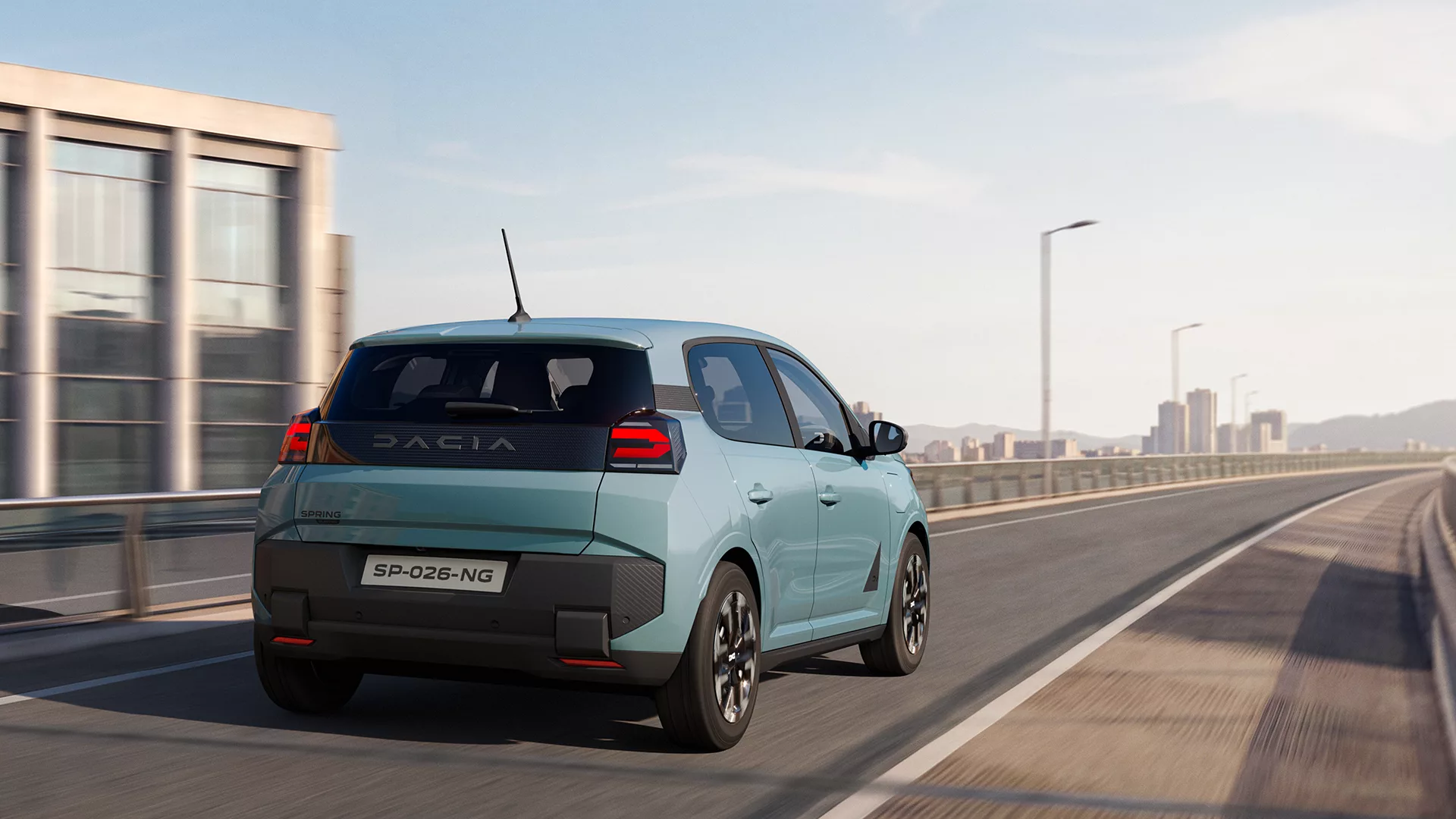
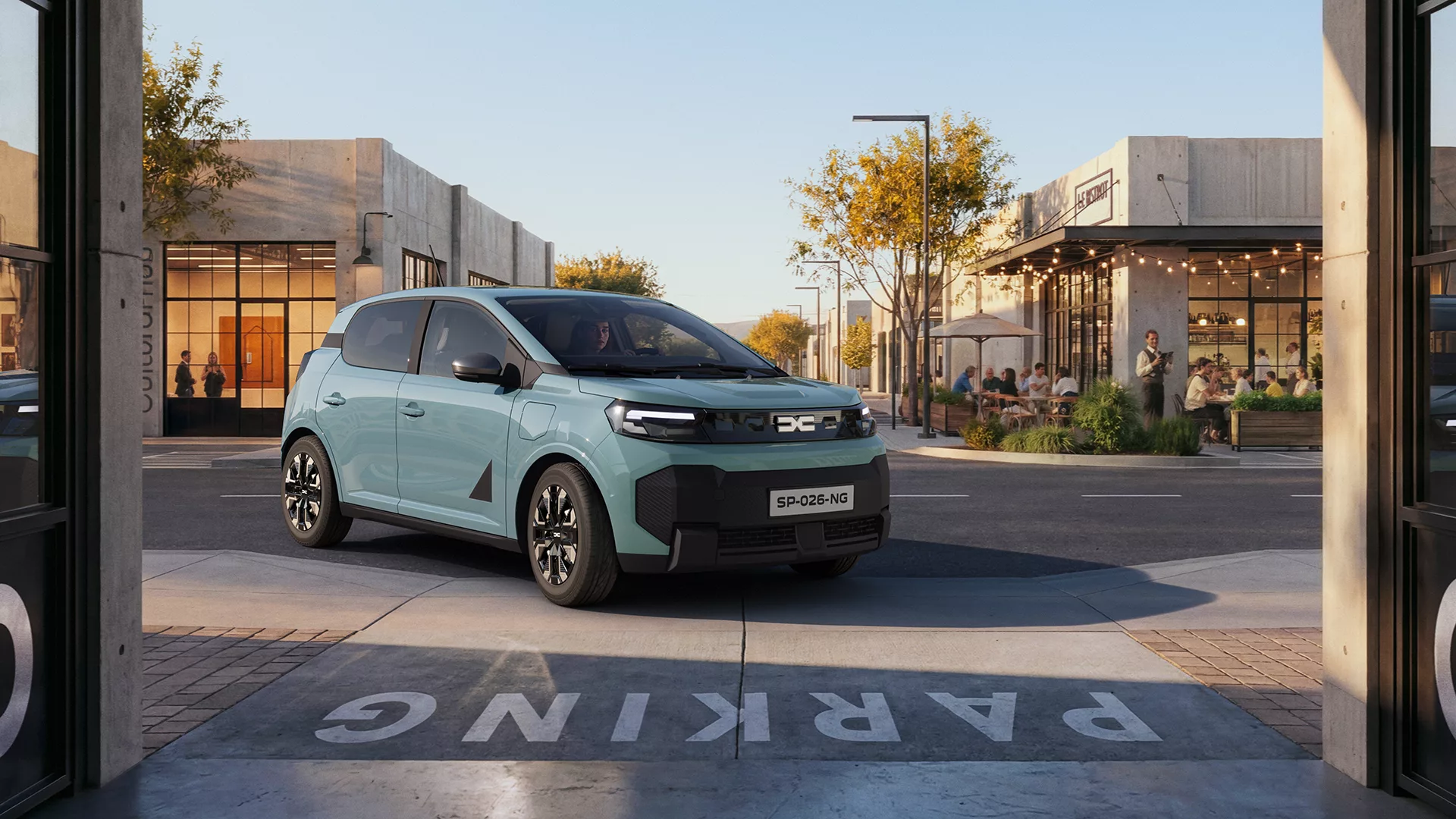
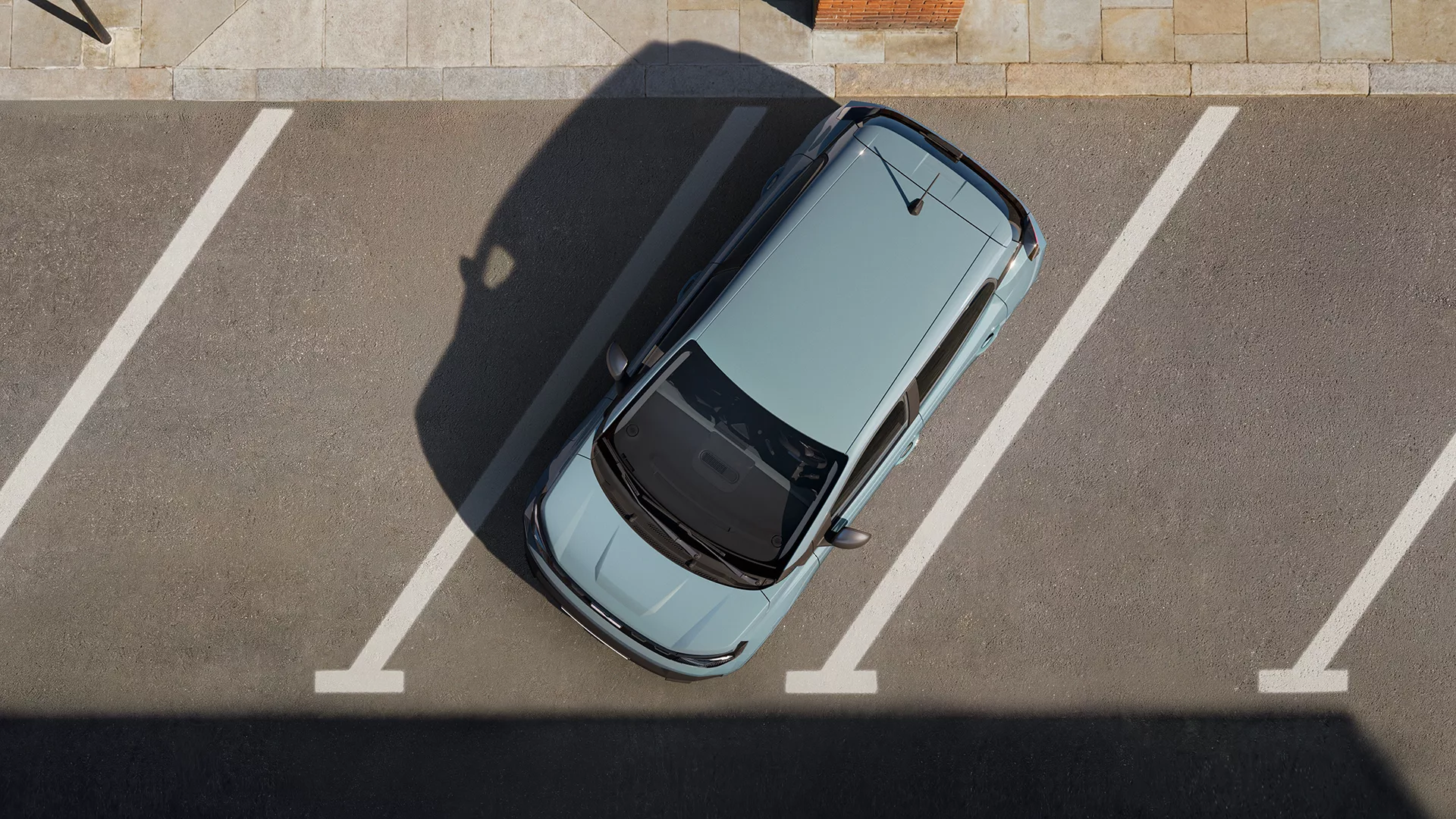
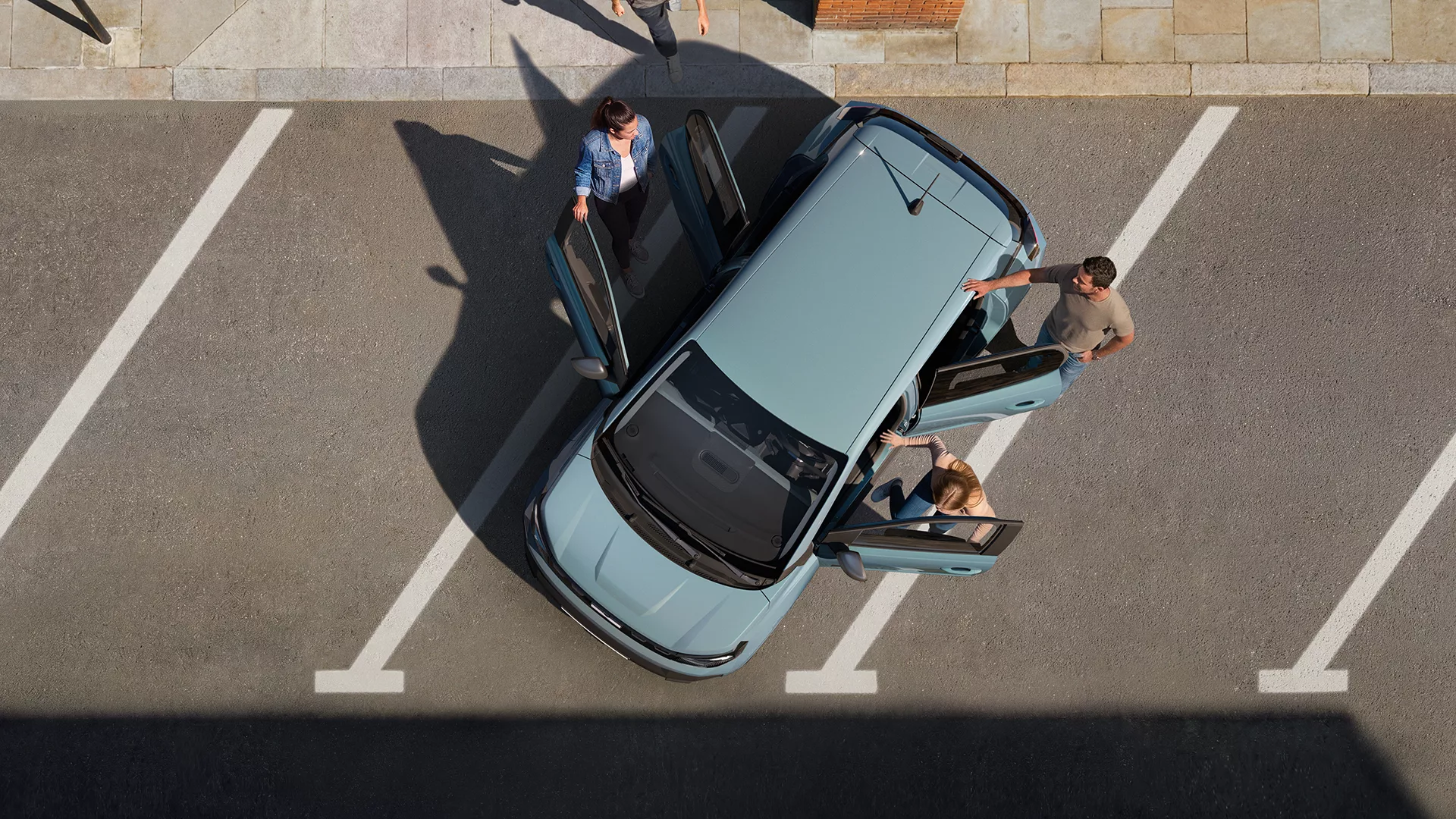
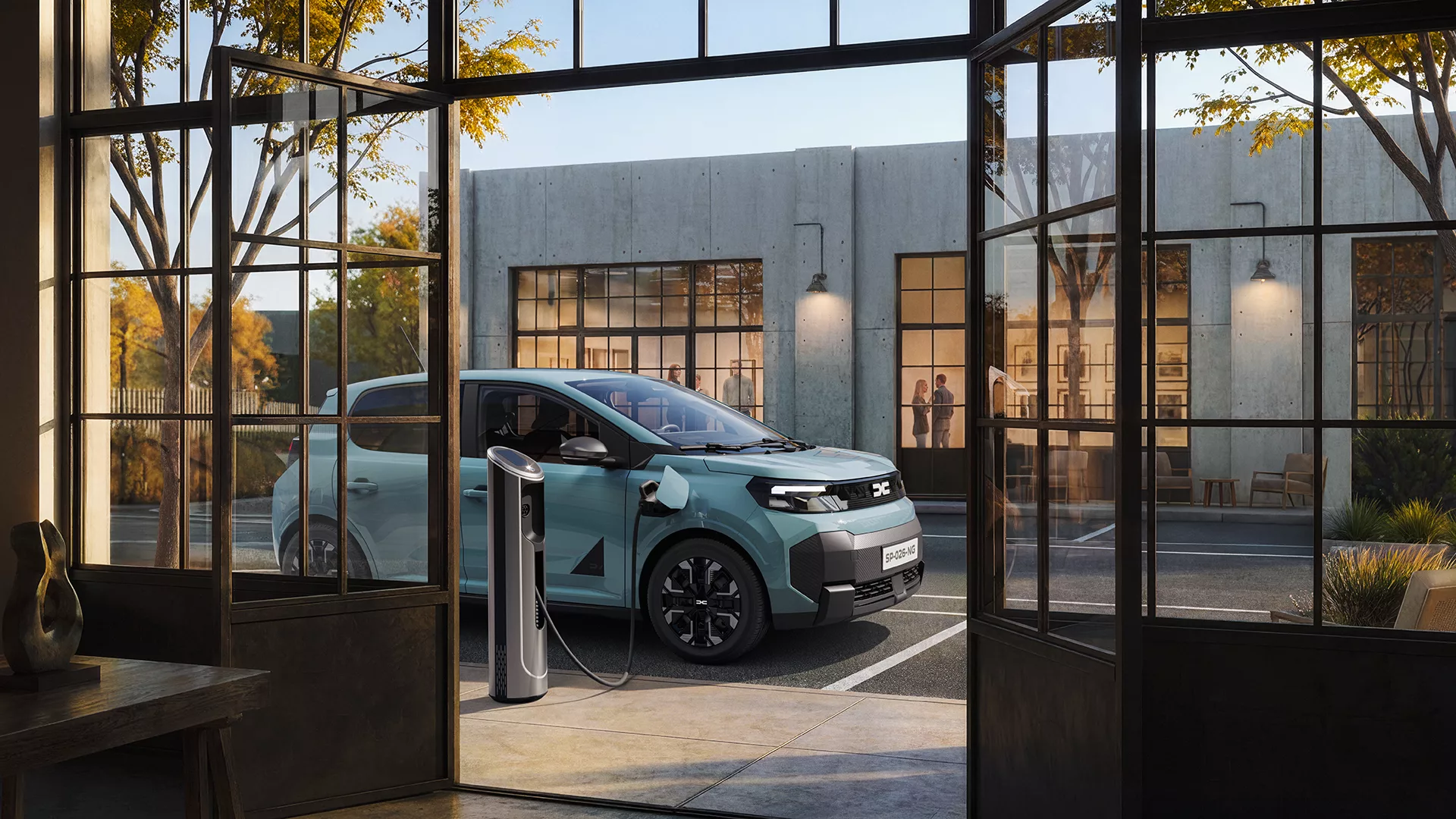
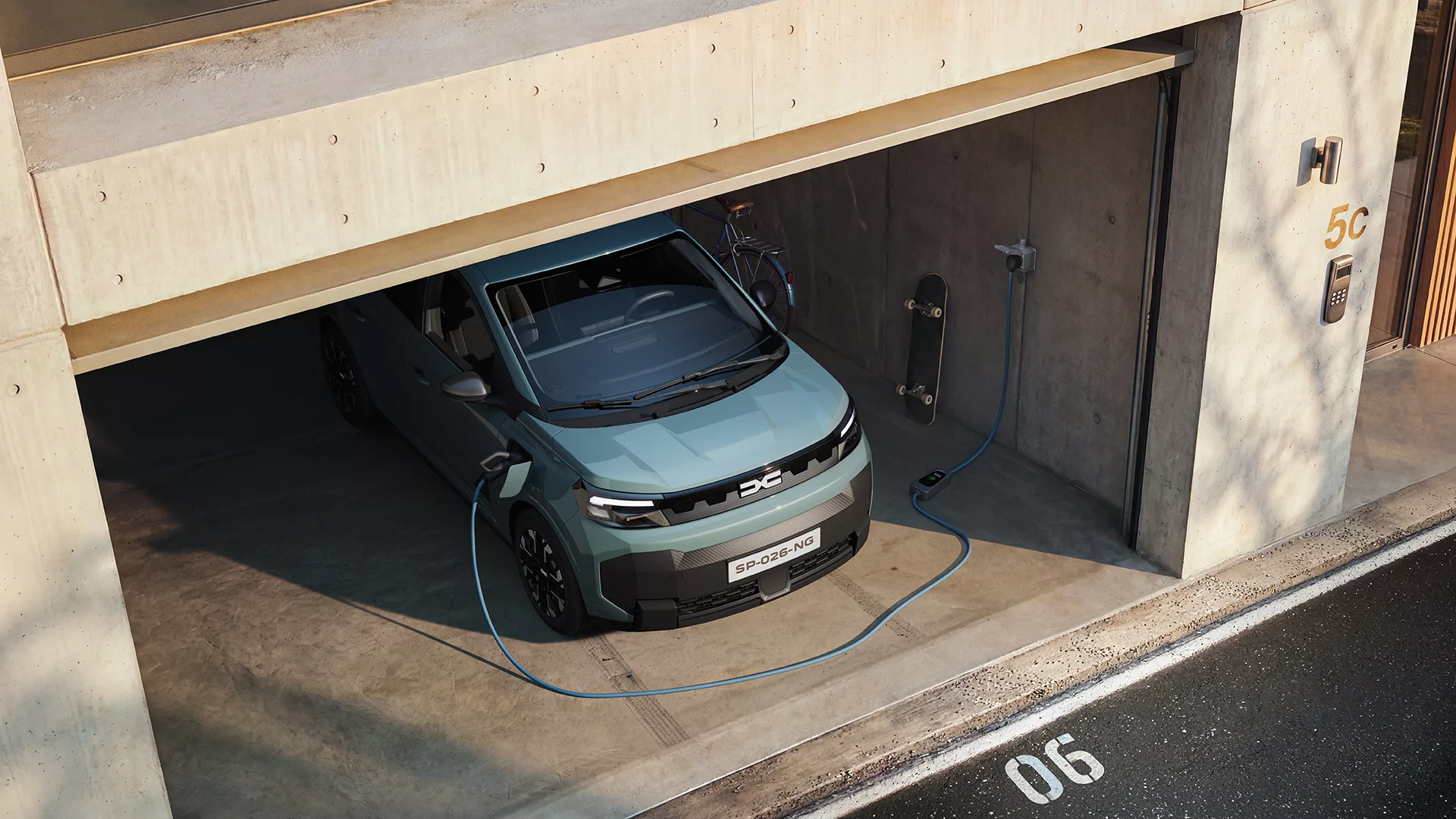
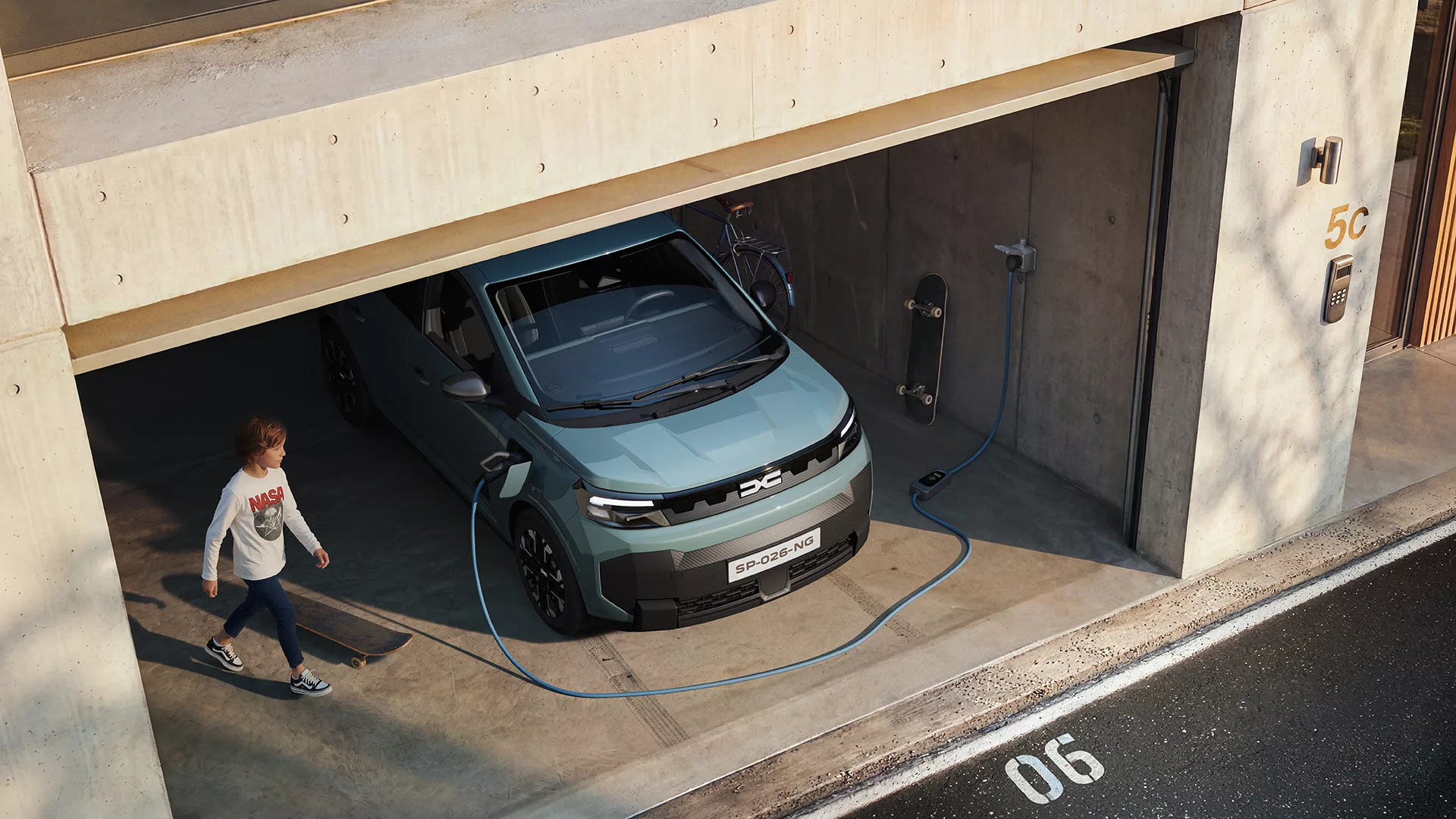
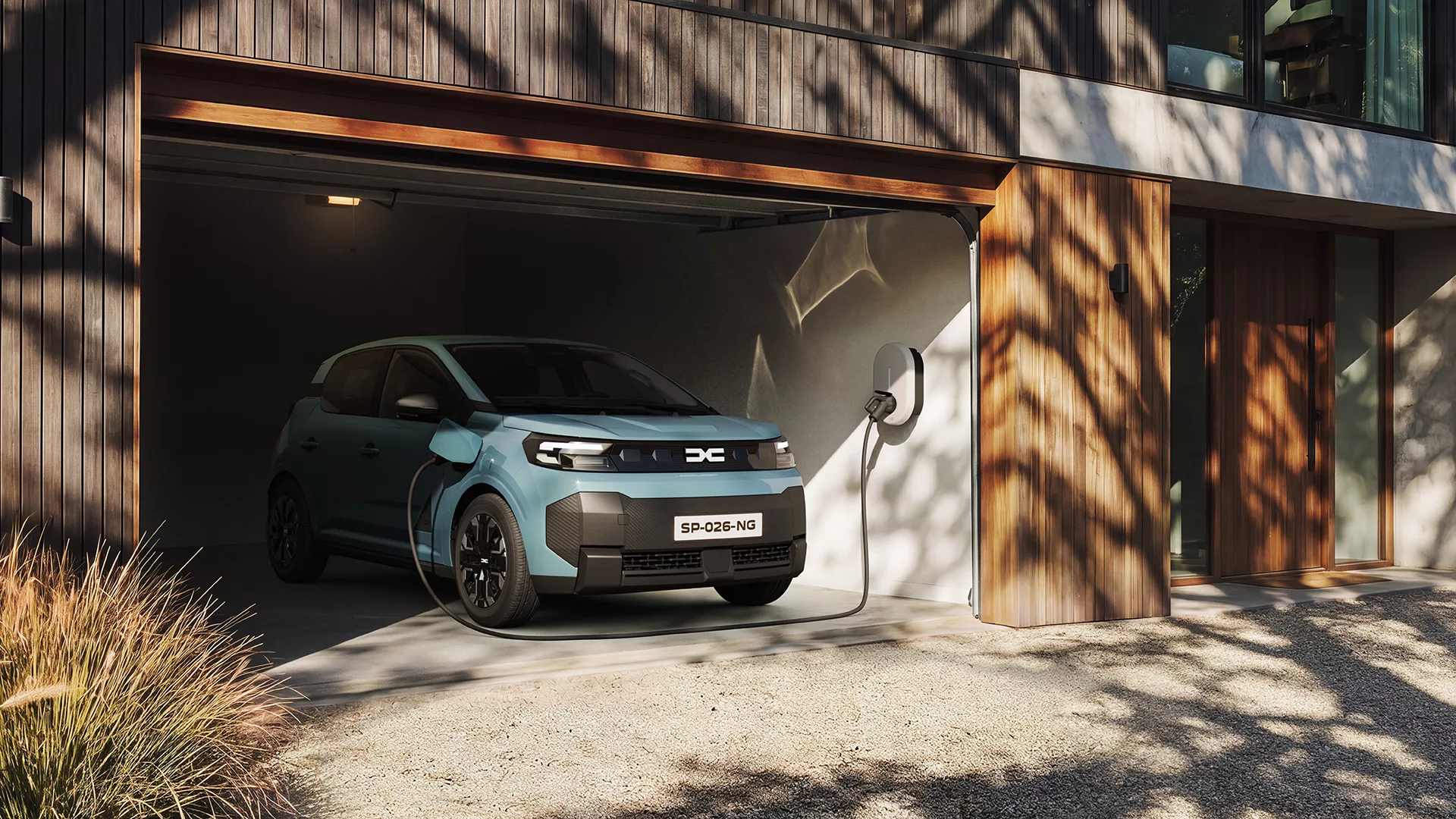
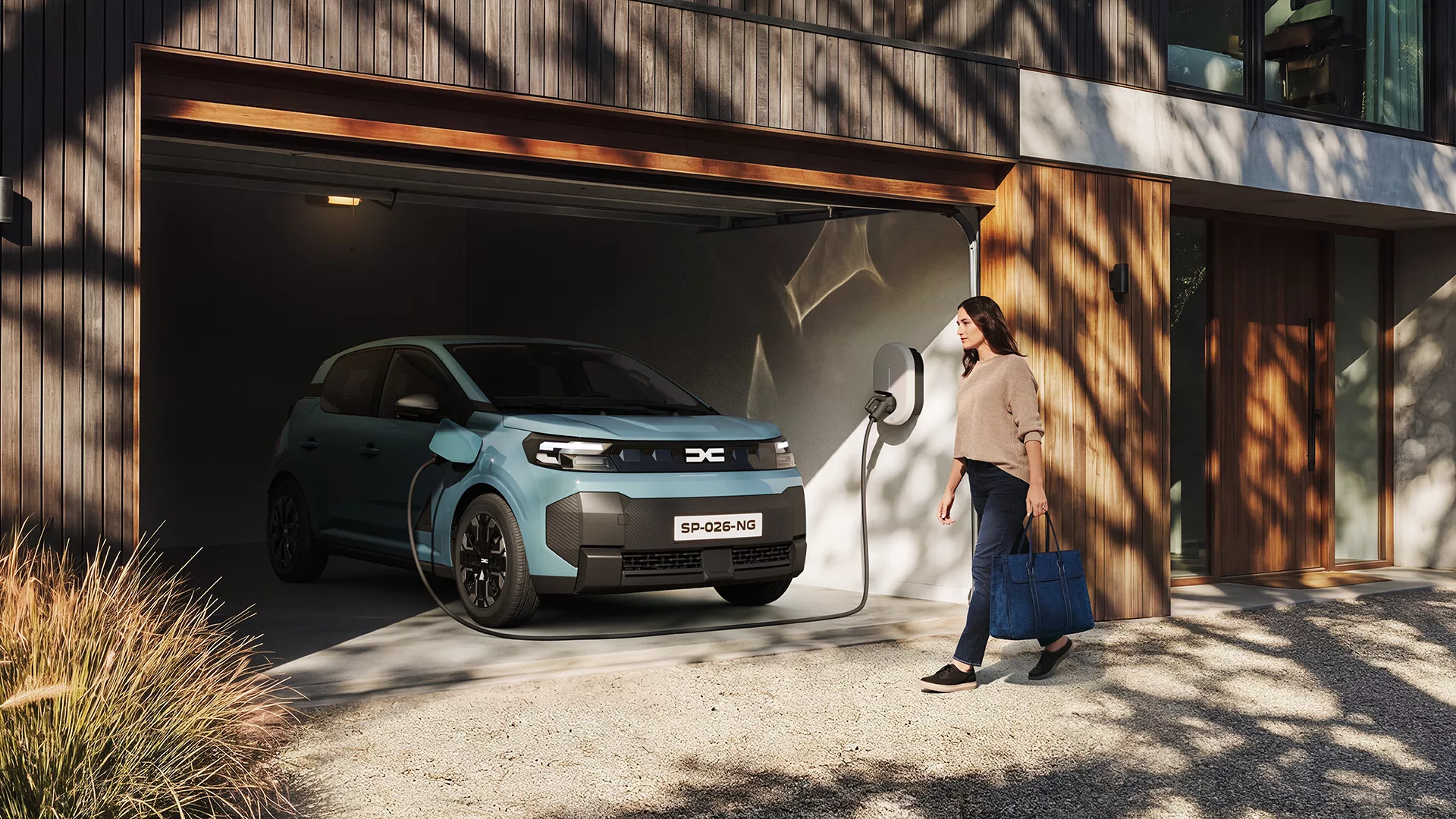
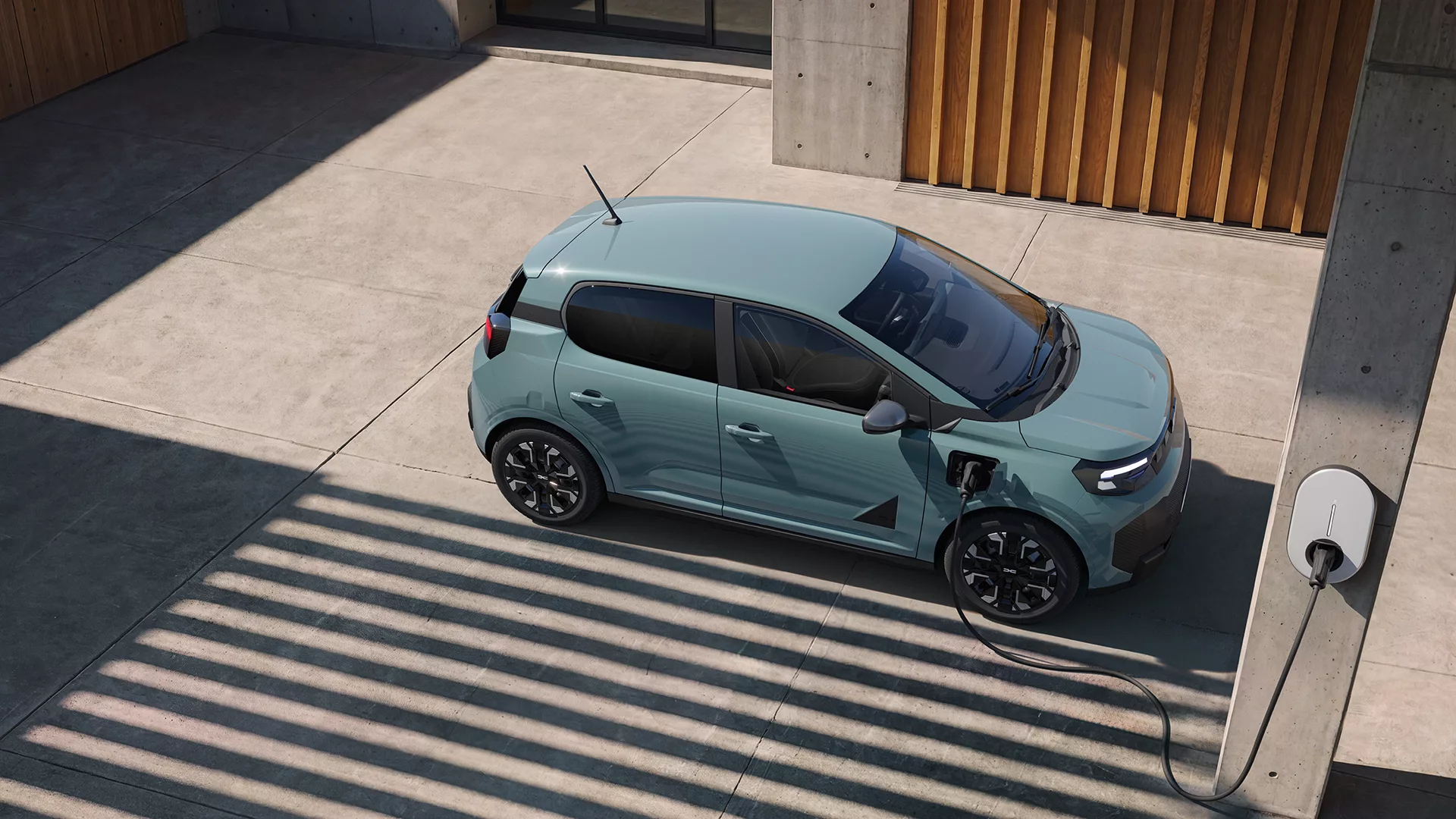
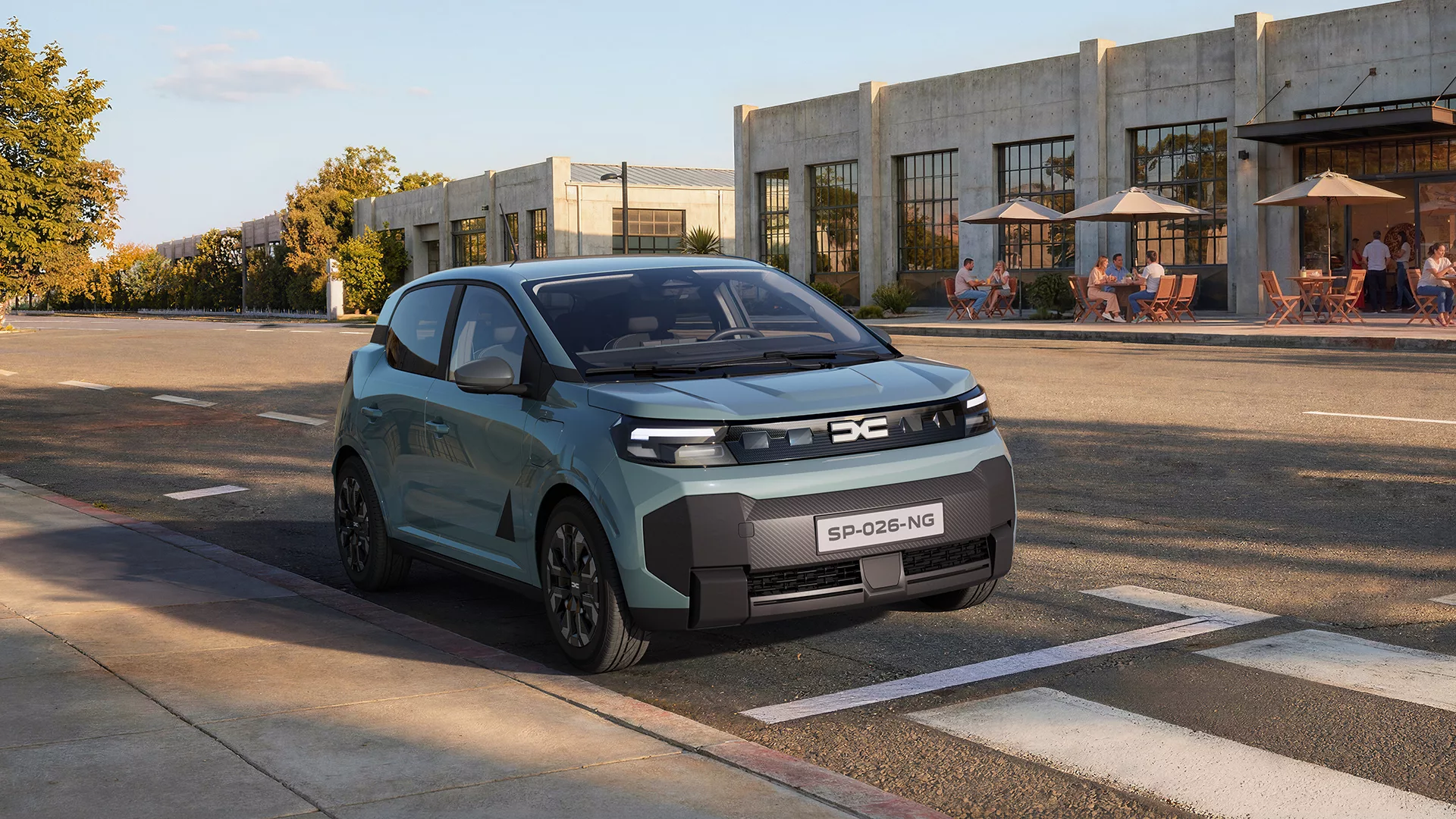
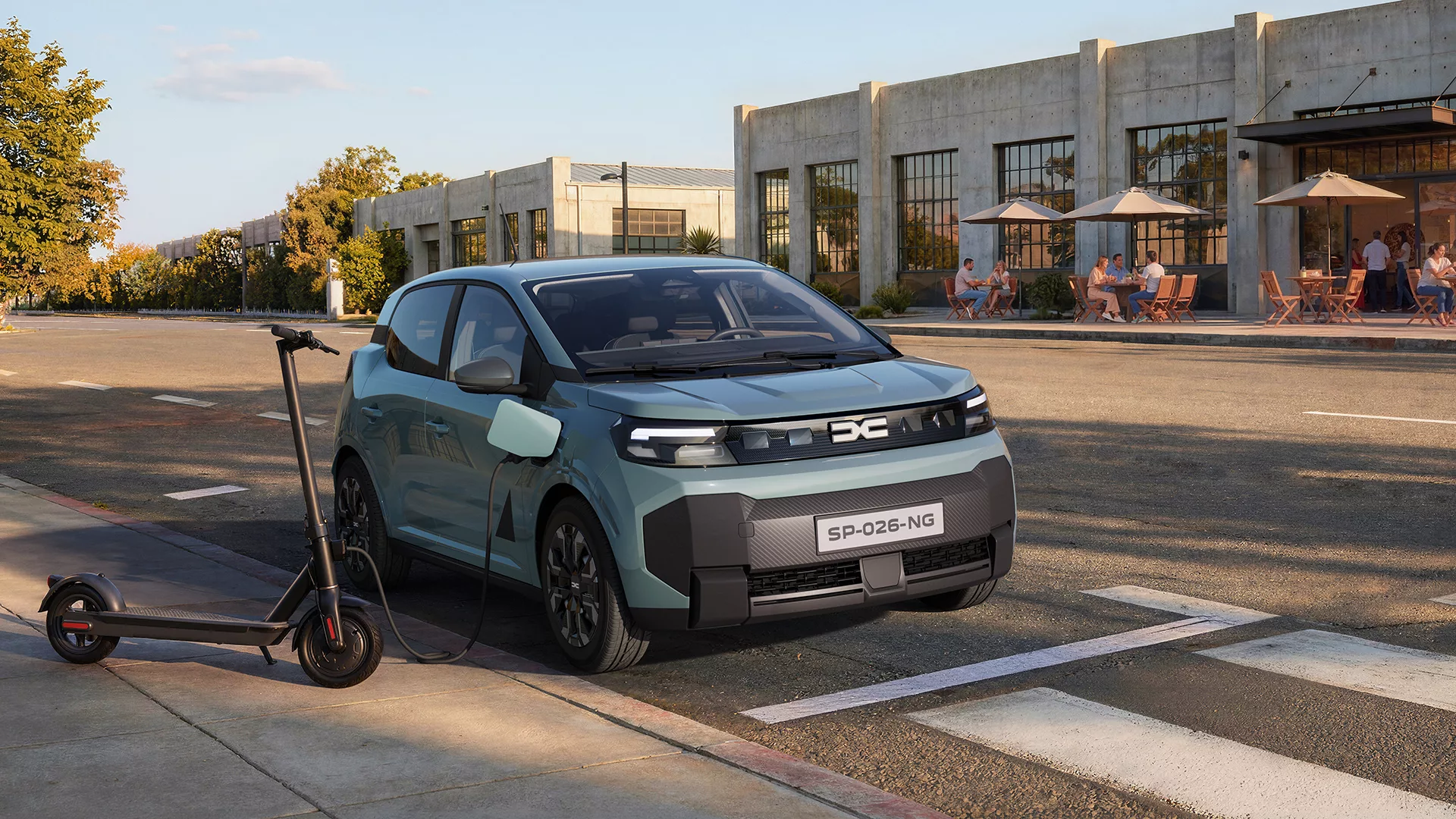
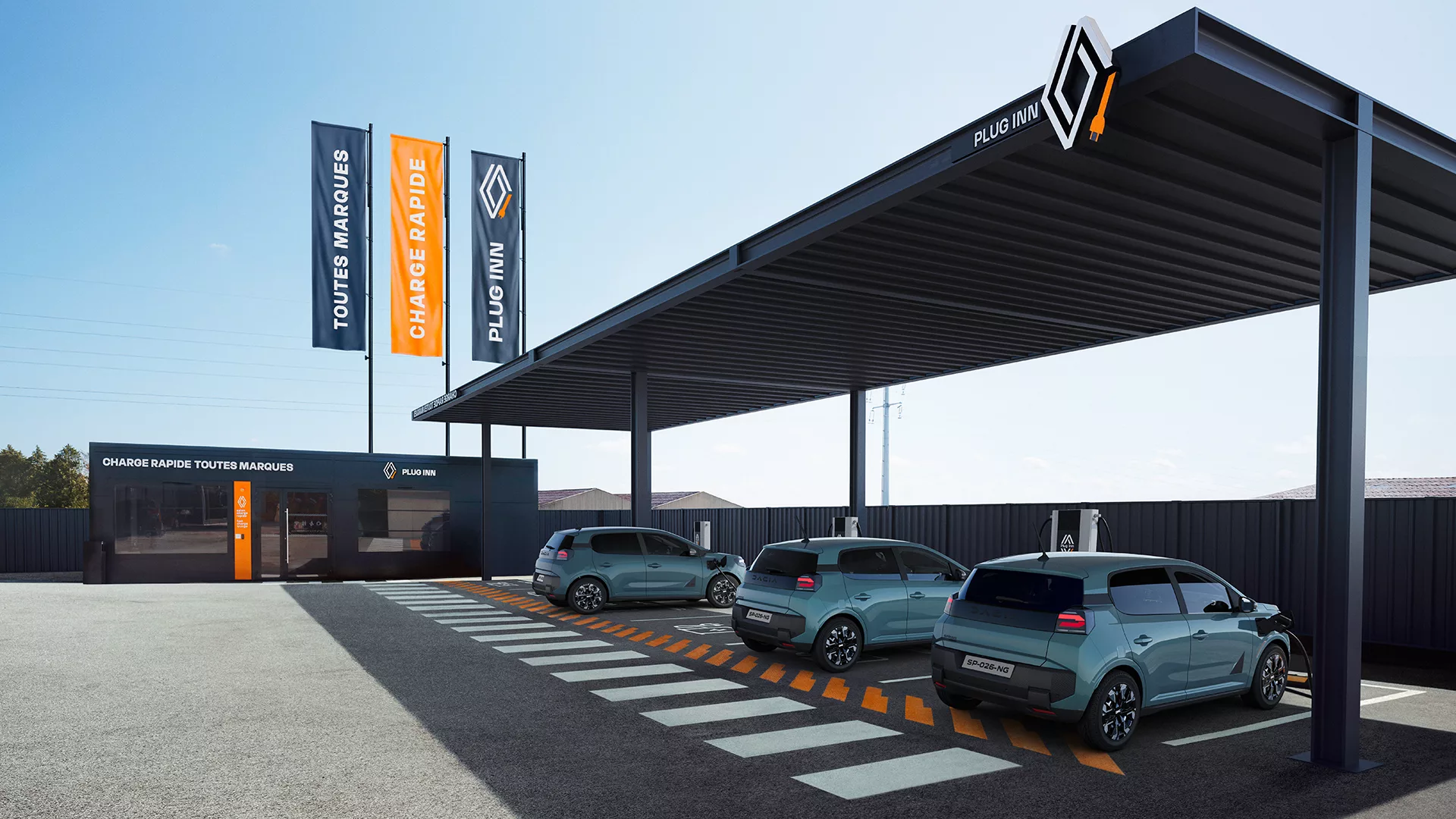
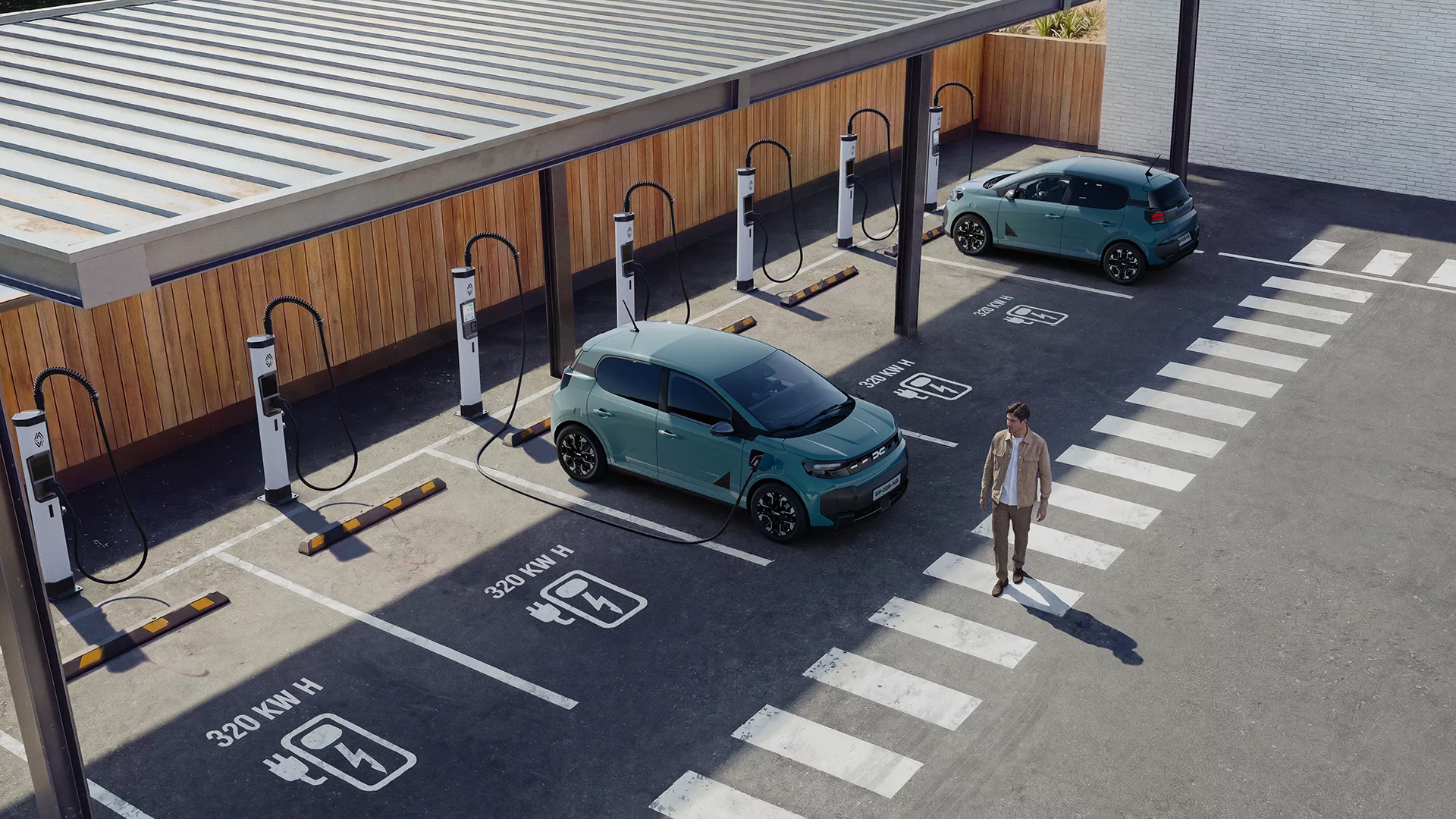
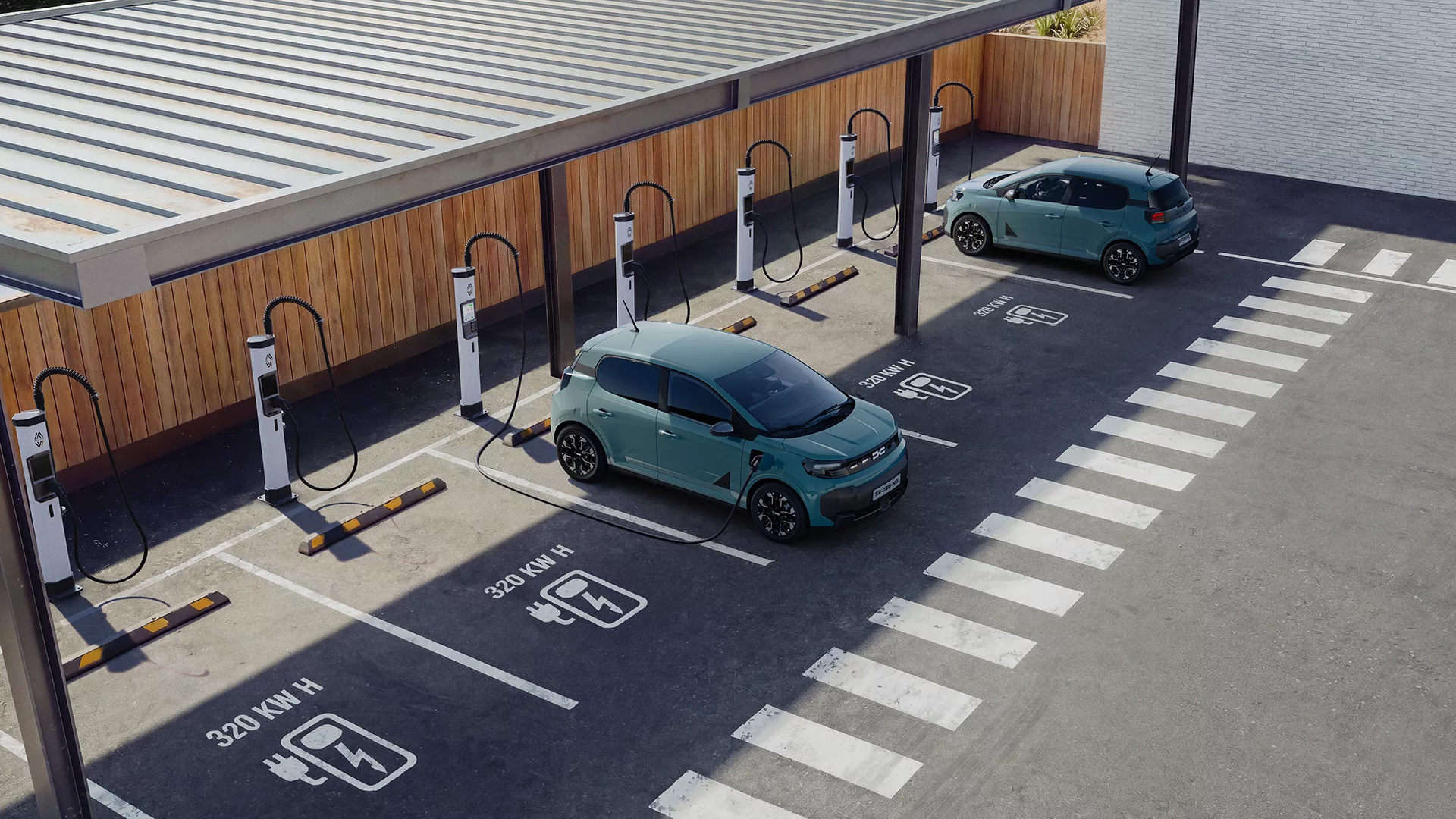
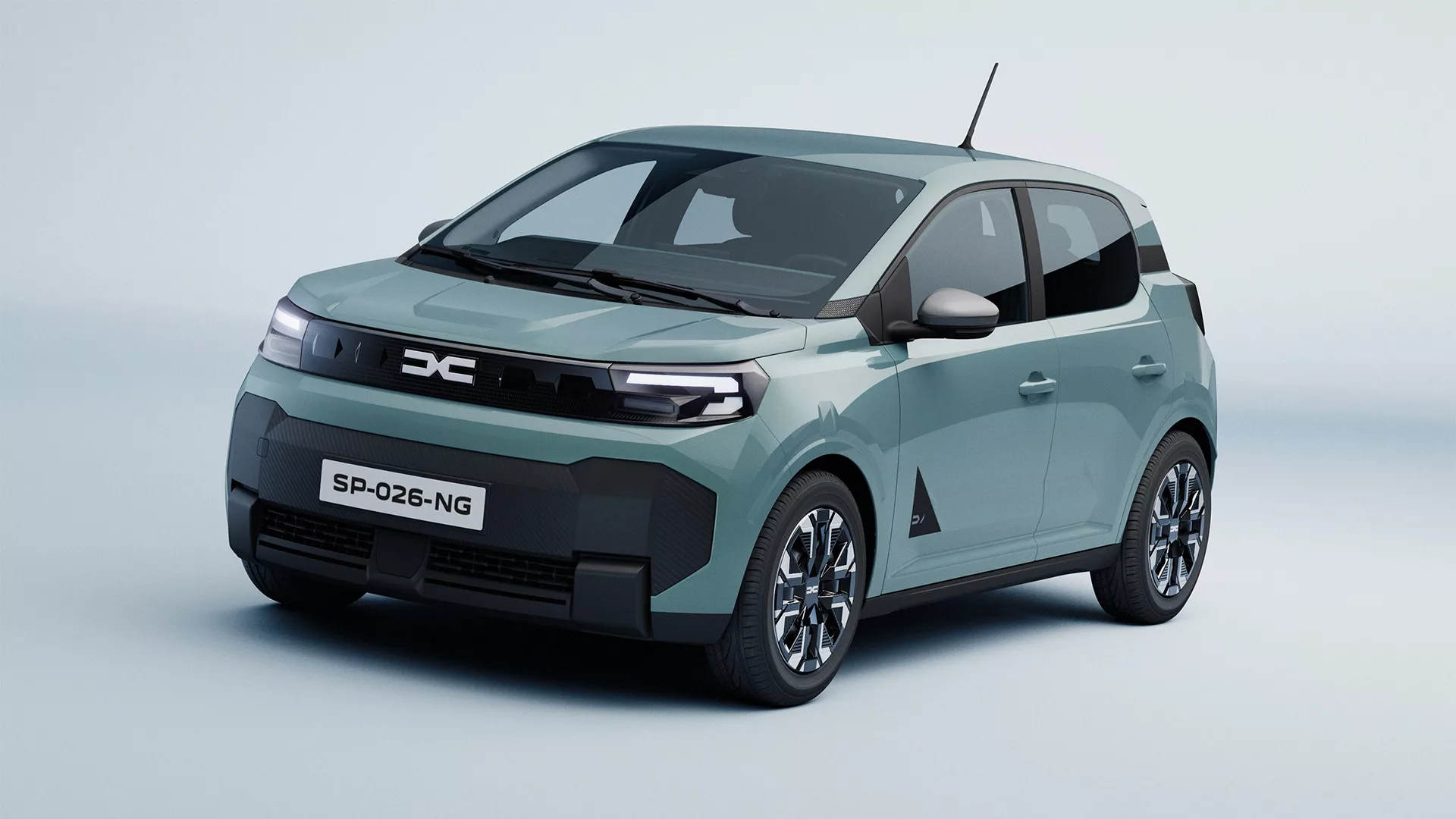
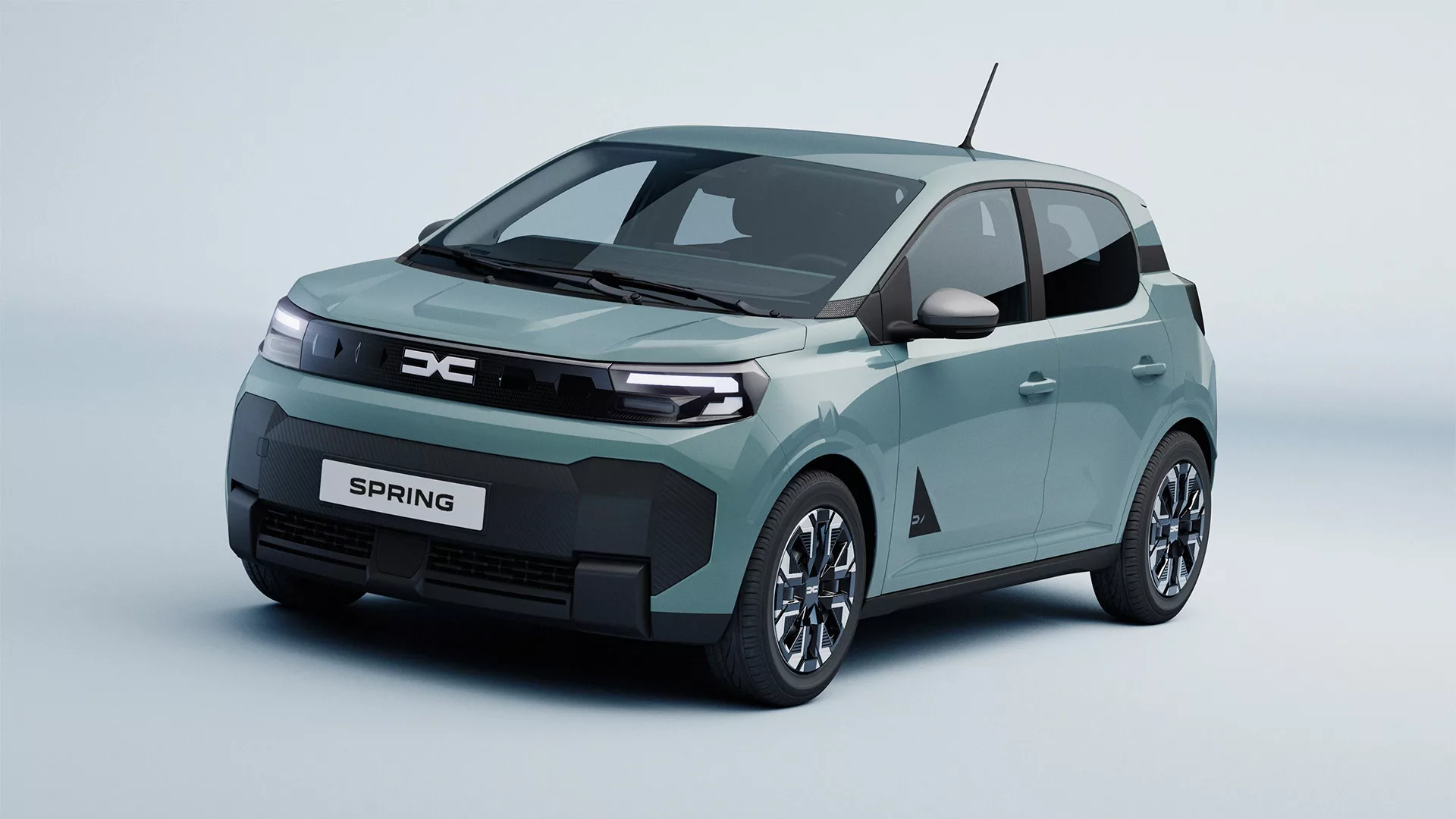
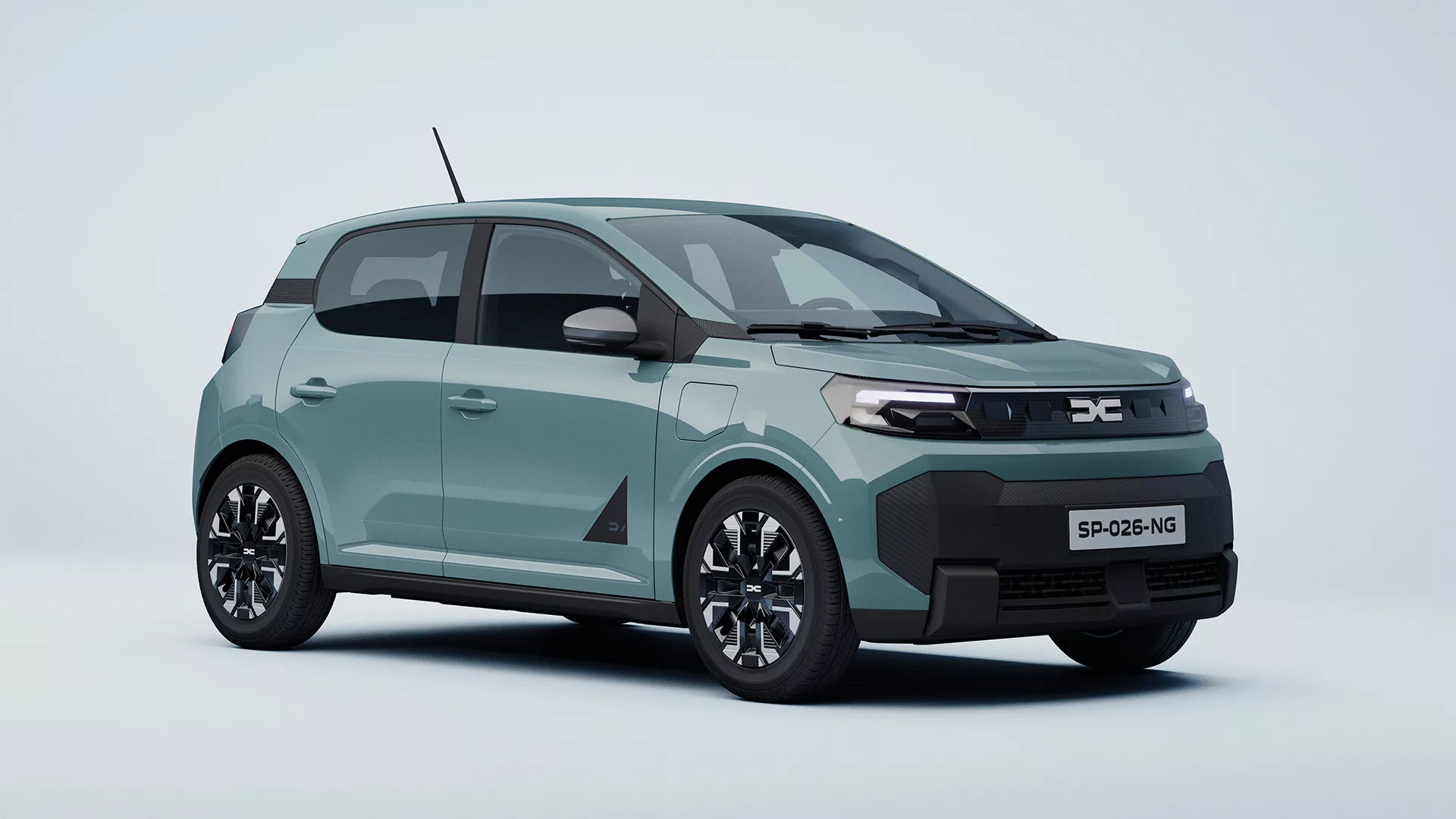
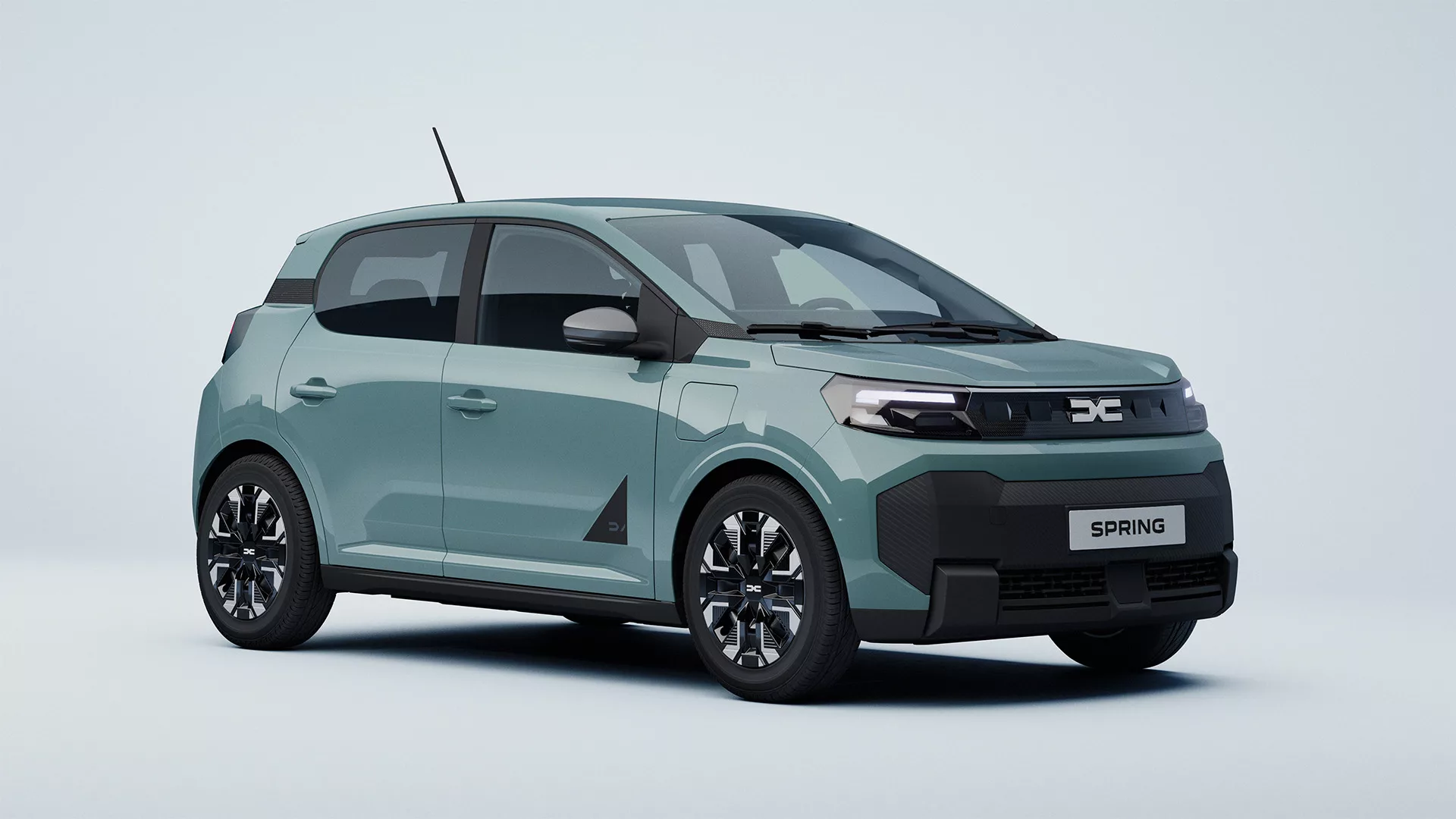
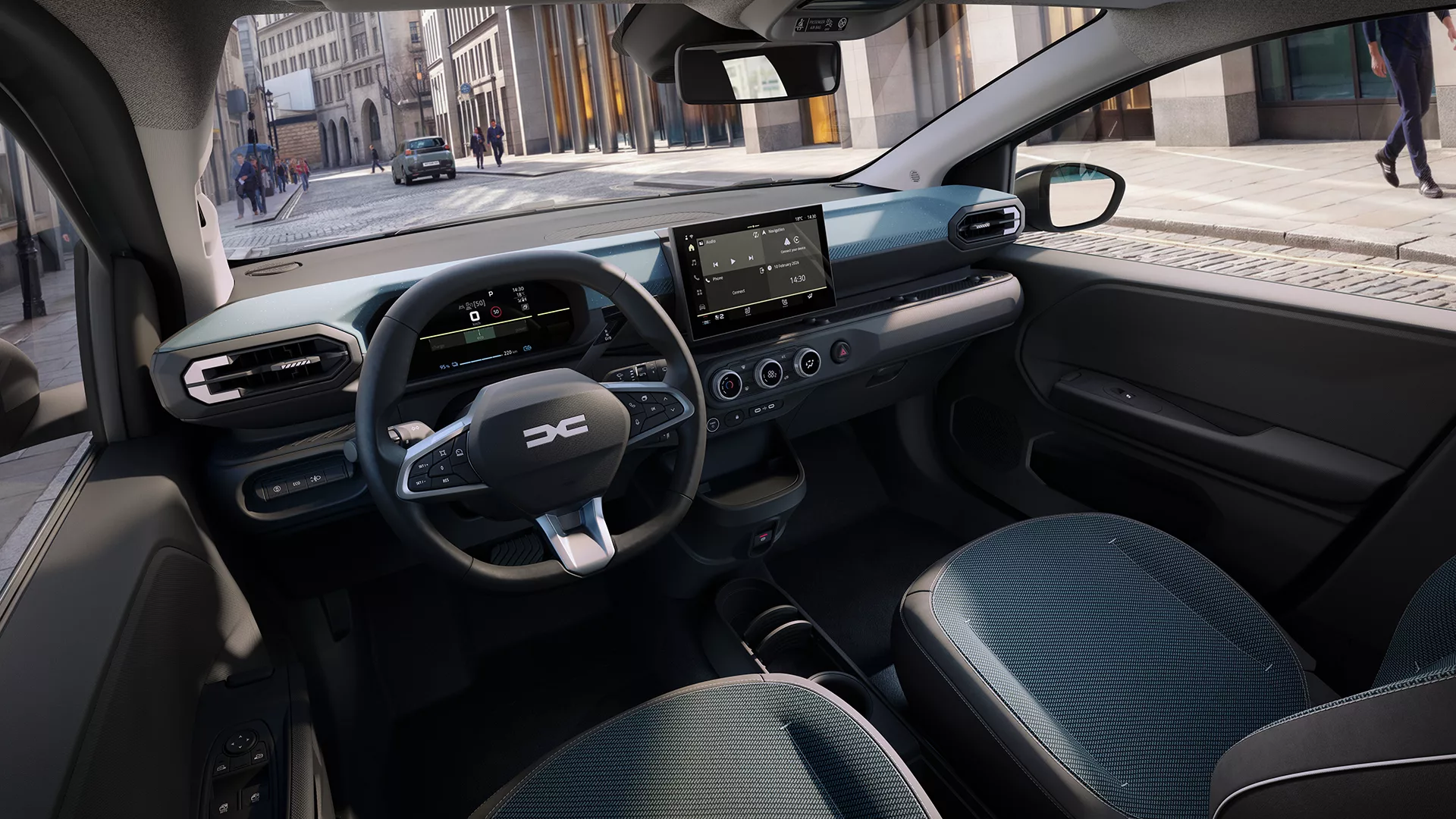
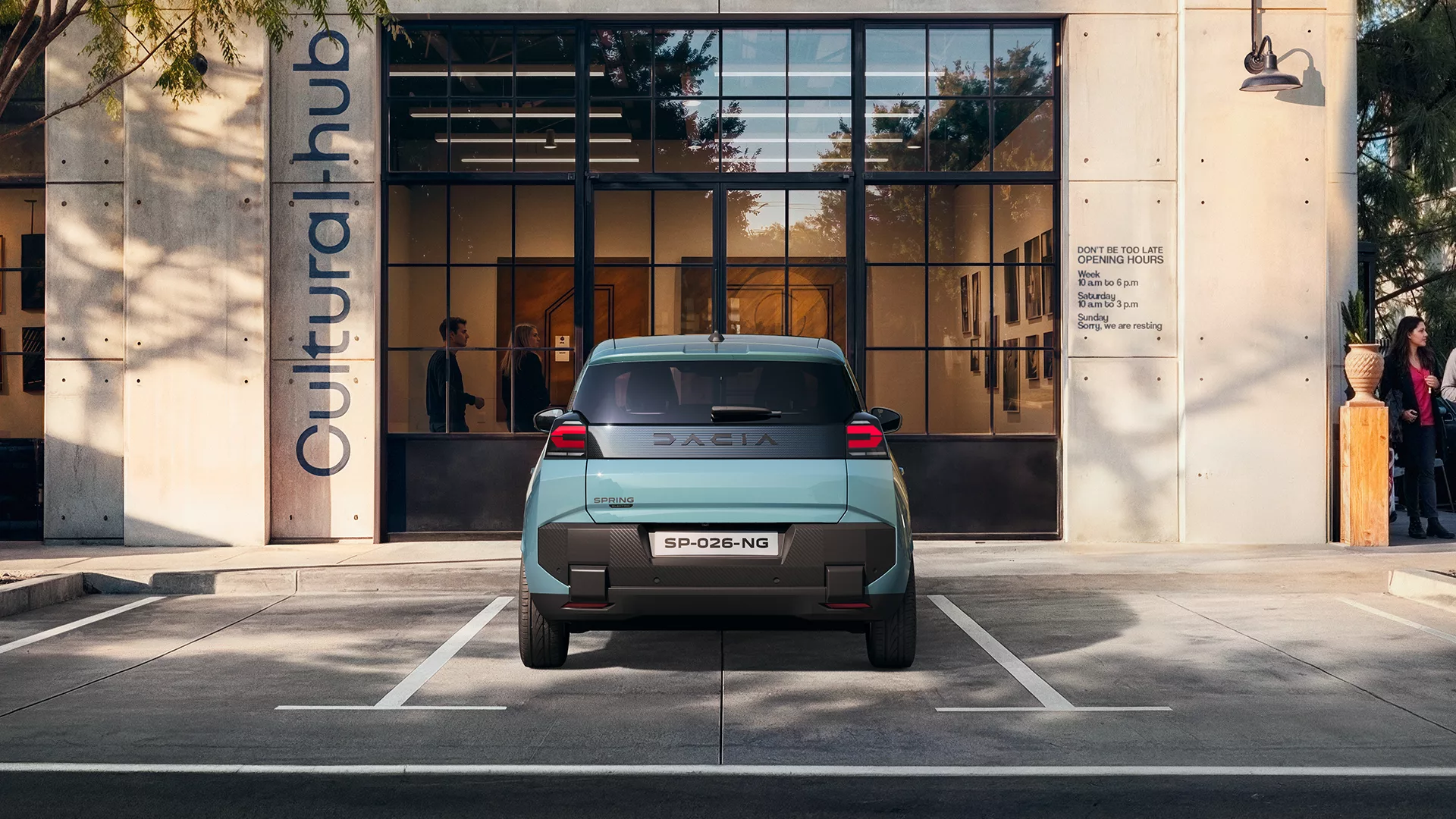
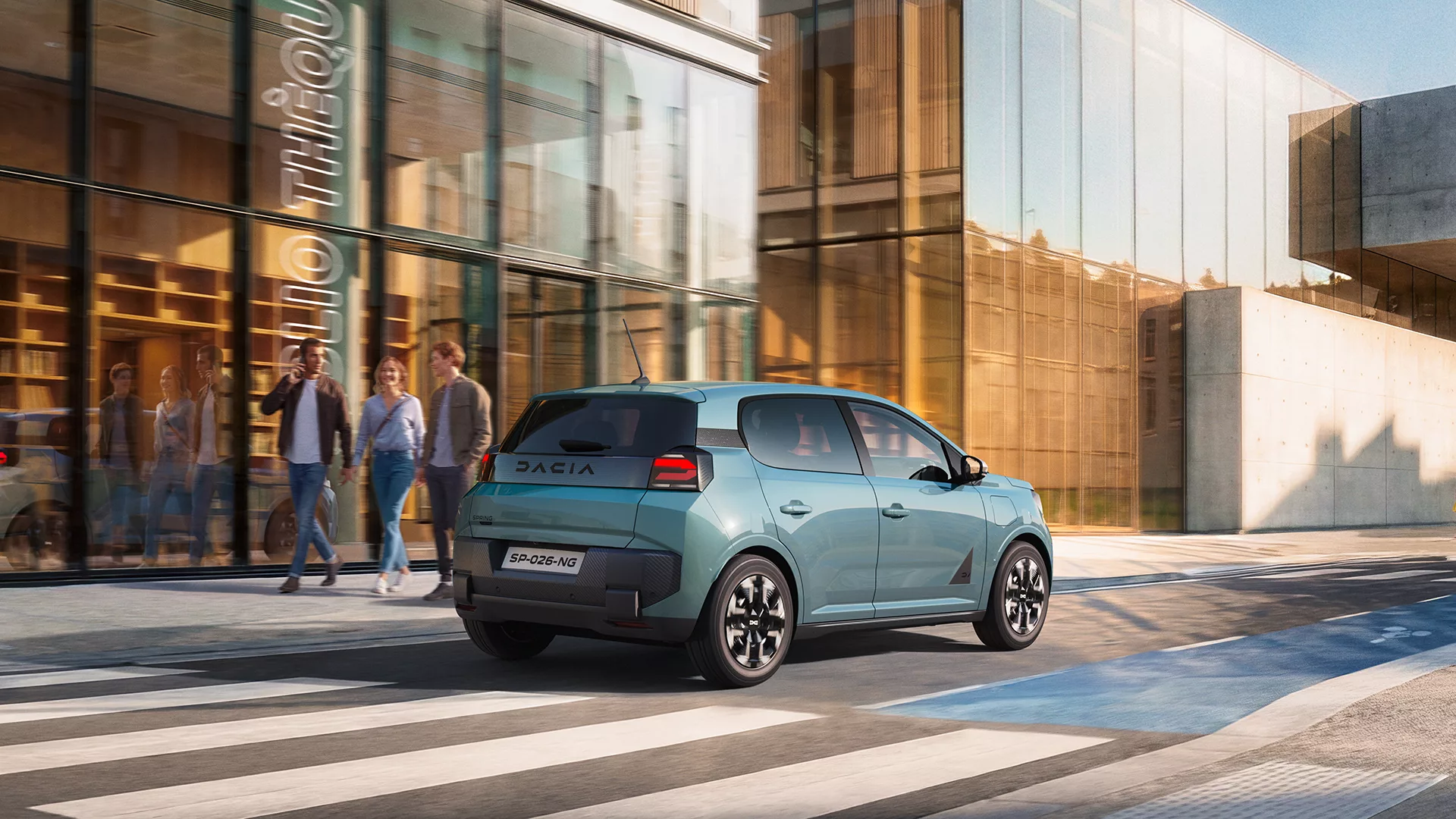
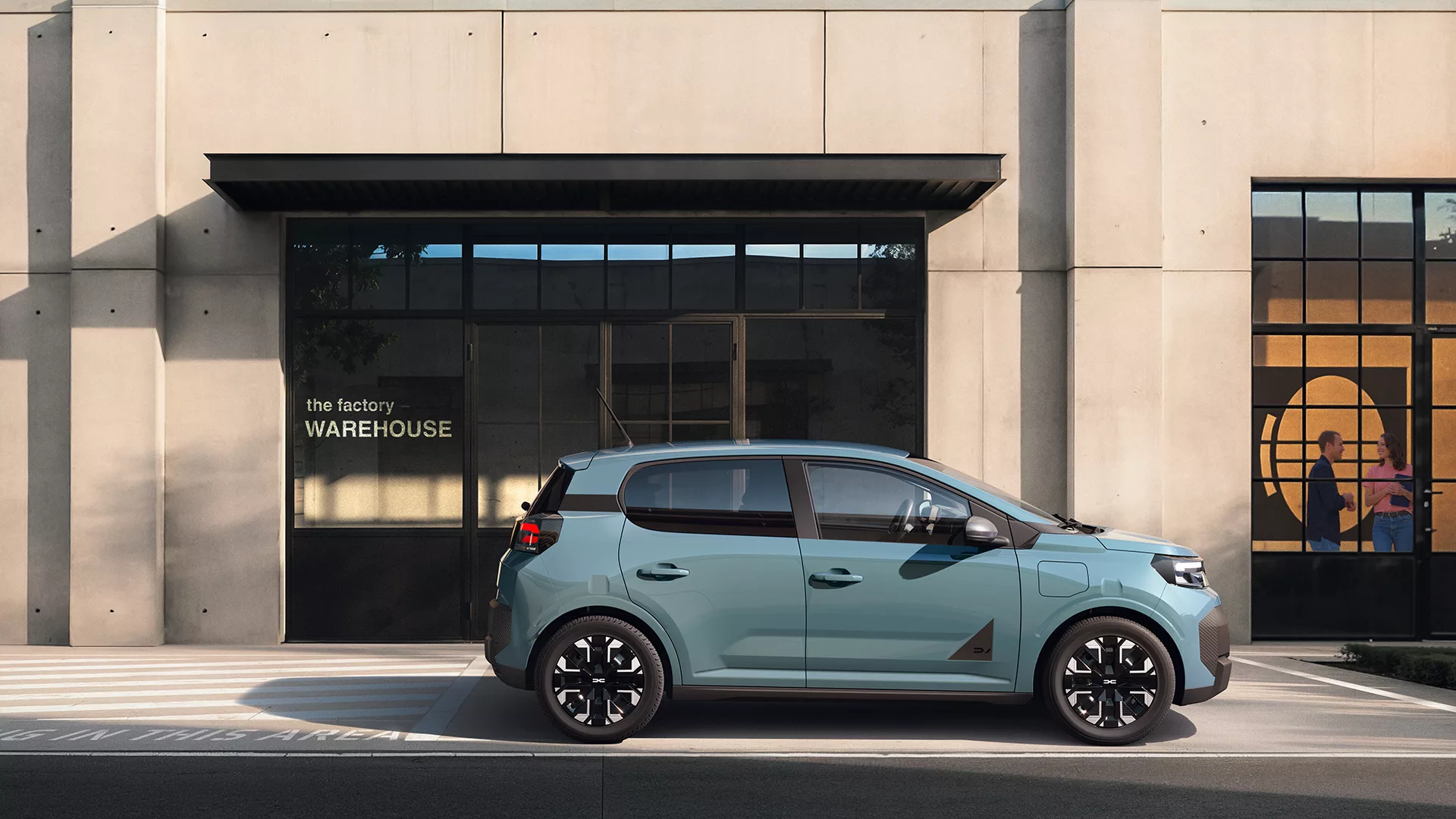
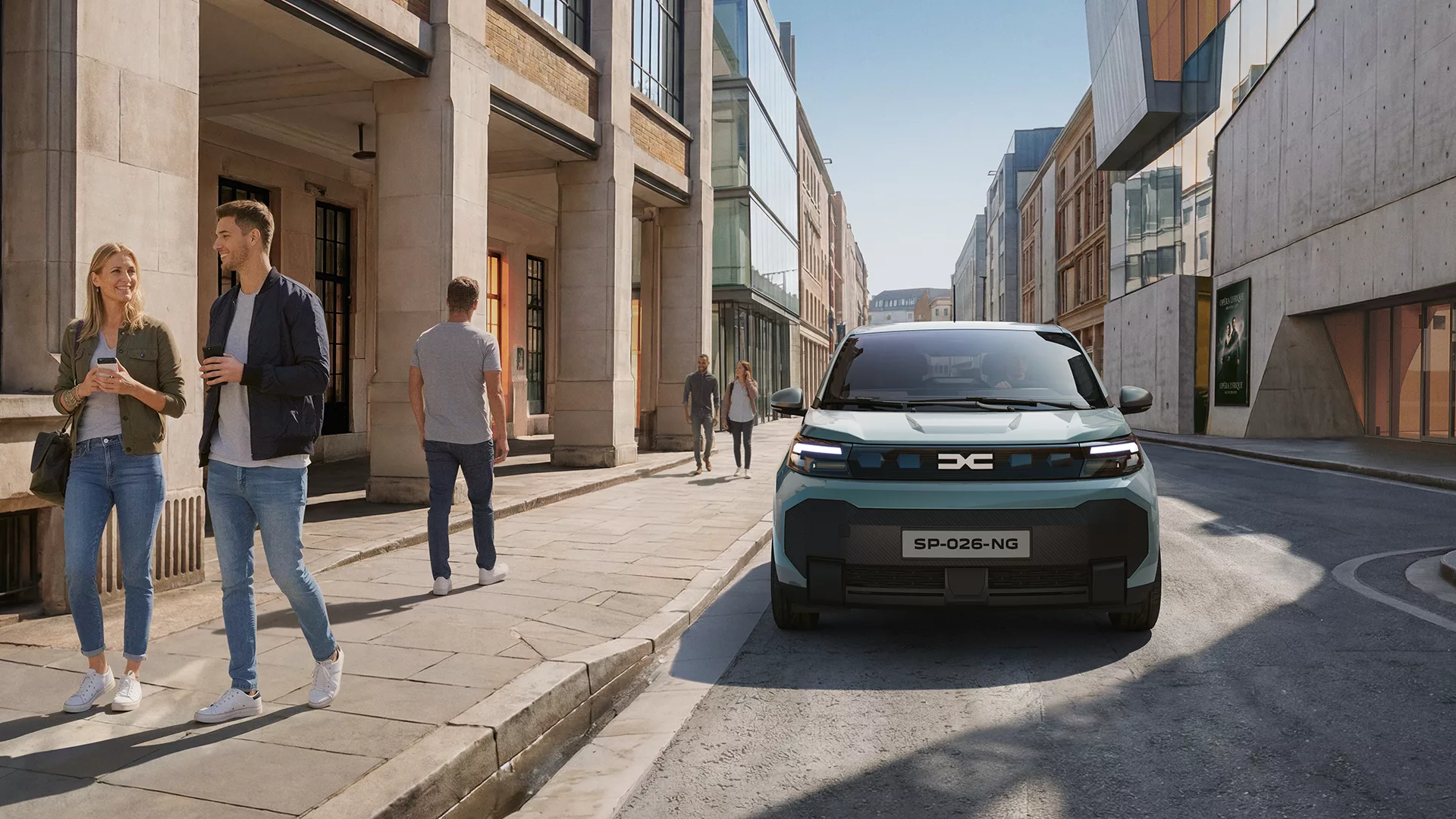
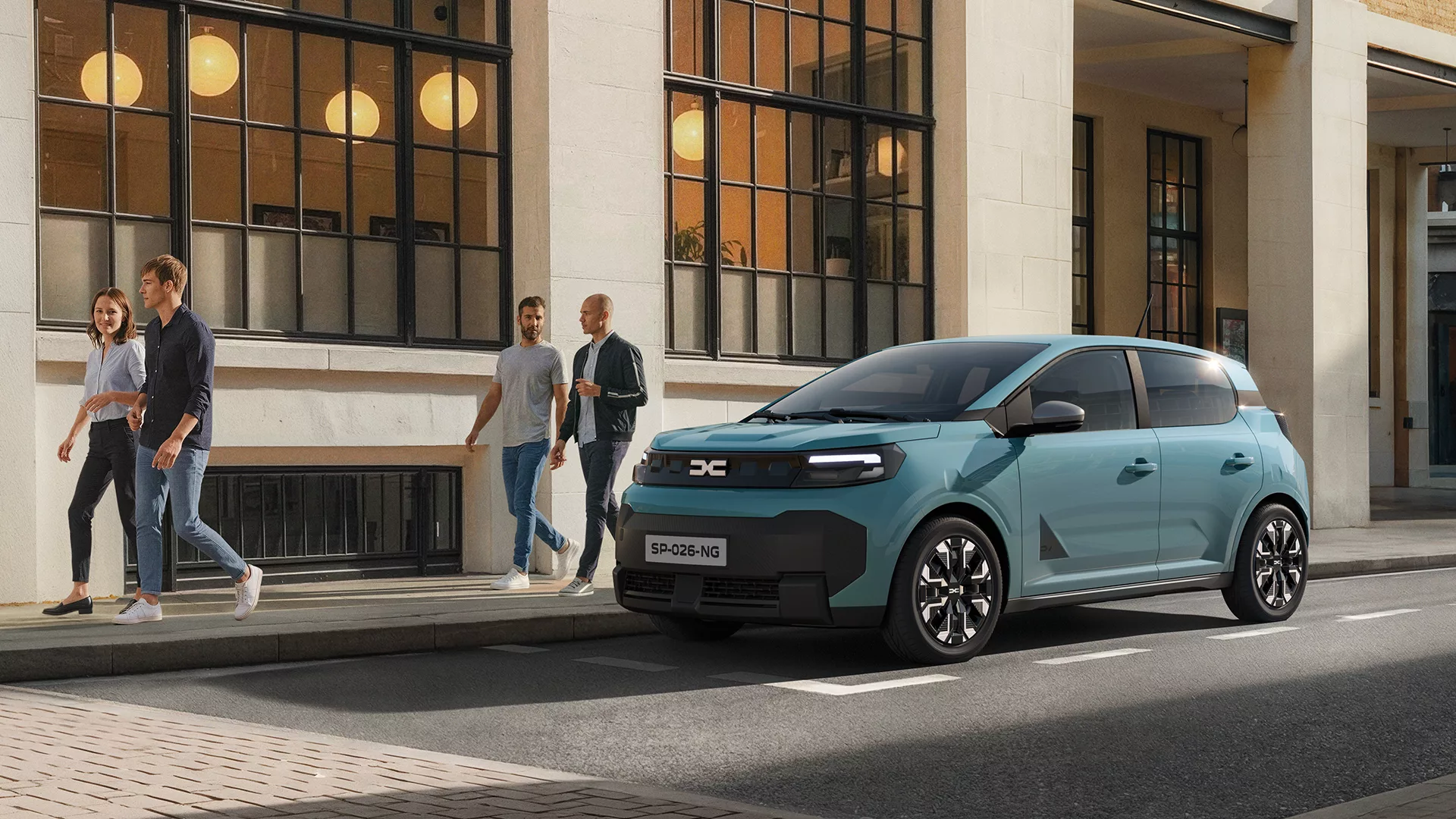
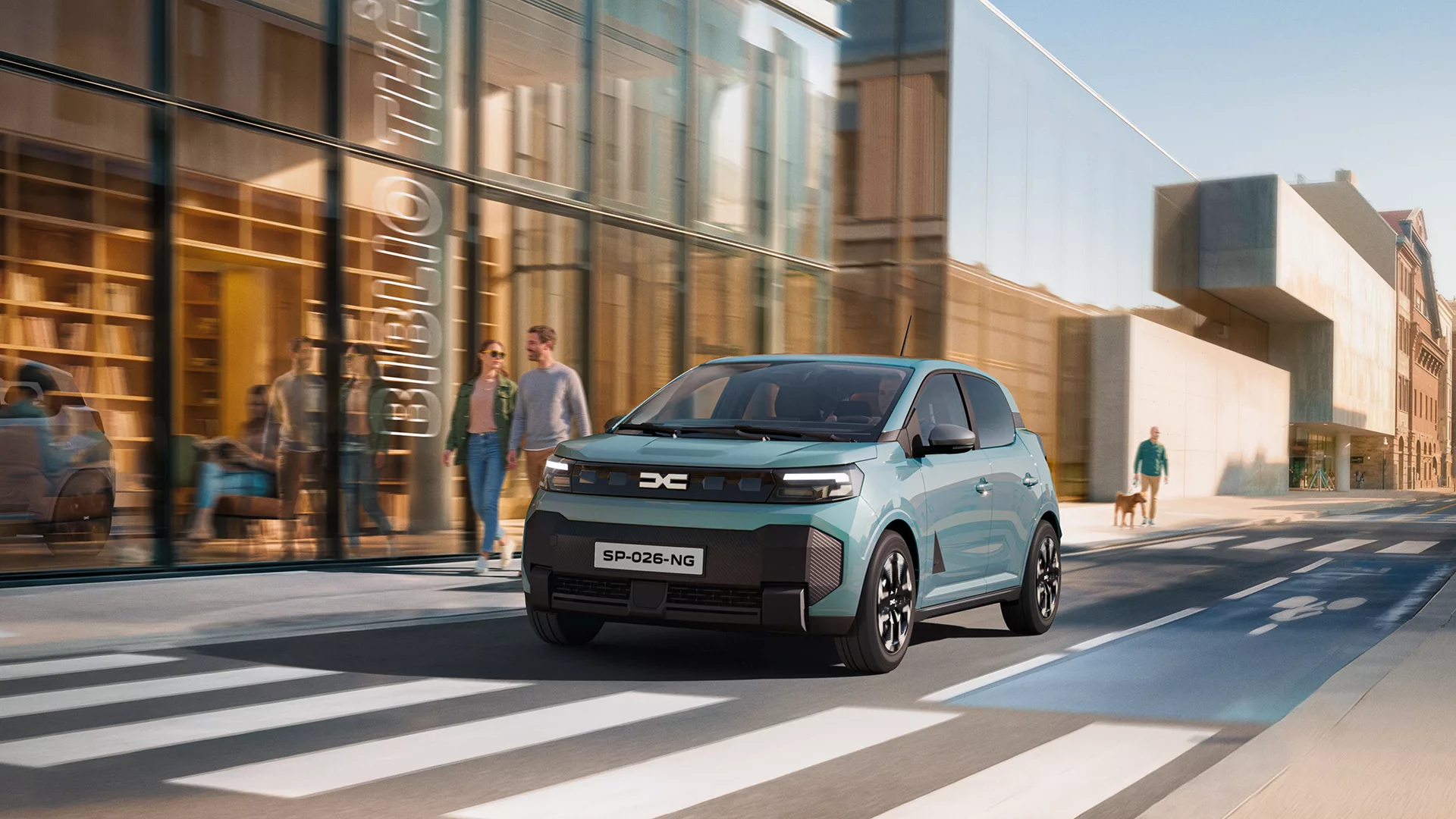
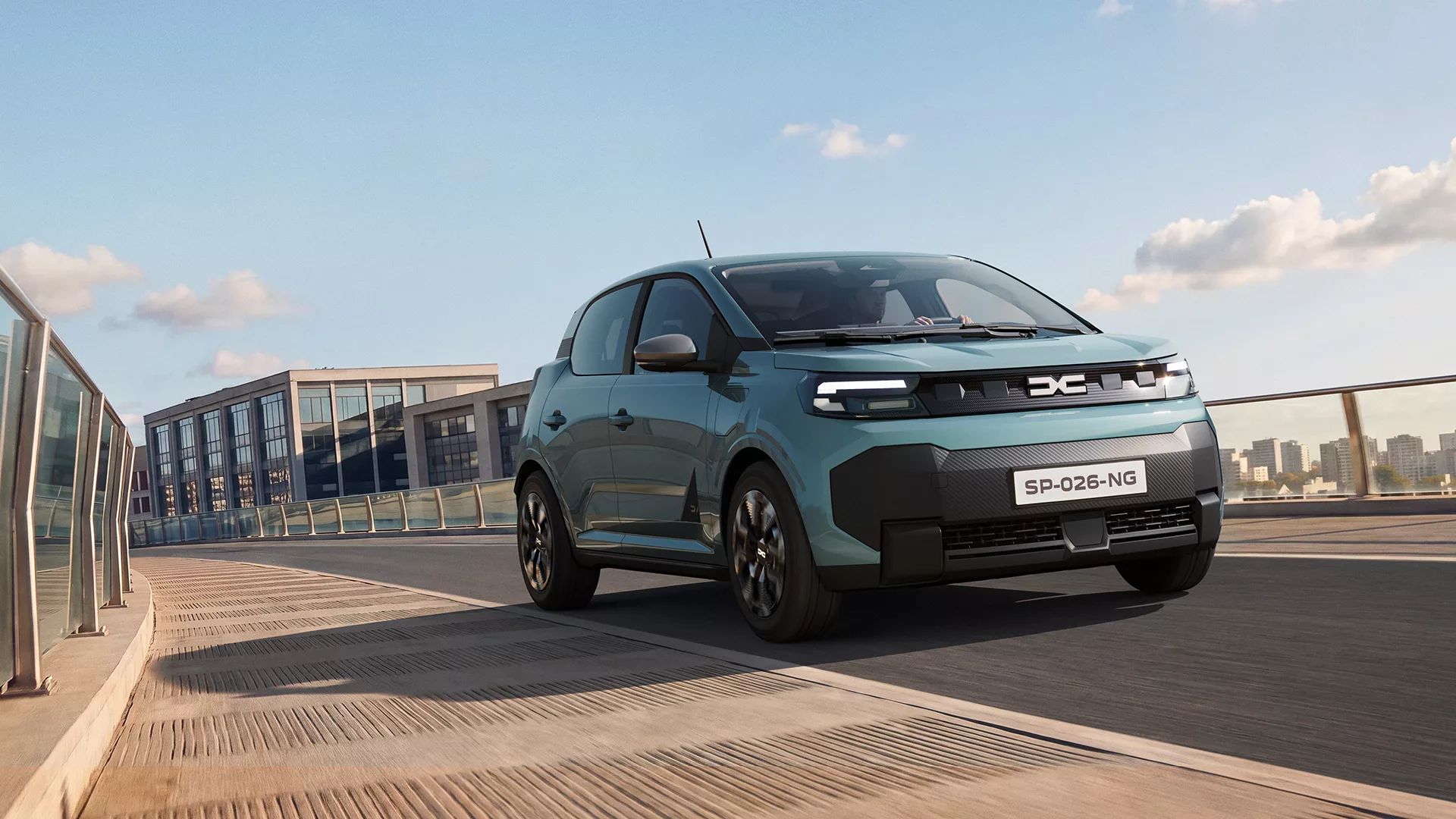
Dacia has unveiled the second-generation Spring, and this time the budget EV formula has changed fundamentally. The new car uses the Renault Twingo-related RG-EV Small platform, grows substantially wider, gains a 60 kW motor and 27.5 kWh LFP battery, and will be built in Slovenia rather than China. The most important figure, however, is neither power nor range. In France, the Spring’s entry price remains below €18,000, making it one of Europe’s most affordable electric cars.
Dacia has unveiled the new Spring, describing it as a completely new second generation. More than 210,000 customers in over 40 countries have been won over by the first Spring since 2021, but its successor retains little more than the name and the principle of an affordable electric car.
That is an important difference. The previous Spring came from the technical family of the China-built Renault City K-ZE. The new car uses Renault Group’s fresh RG-EV Small architecture and will be built at the Novo Mesto plant in Slovenia alongside the new Renault Twingo E-Tech. According to Reuters, European production will help Dacia avoid the EU’s additional tariffs on electric cars made in China and improve the model’s chances of qualifying for national purchase incentives.
The Spring has grown, but Dacia has not turned it into a true SUV
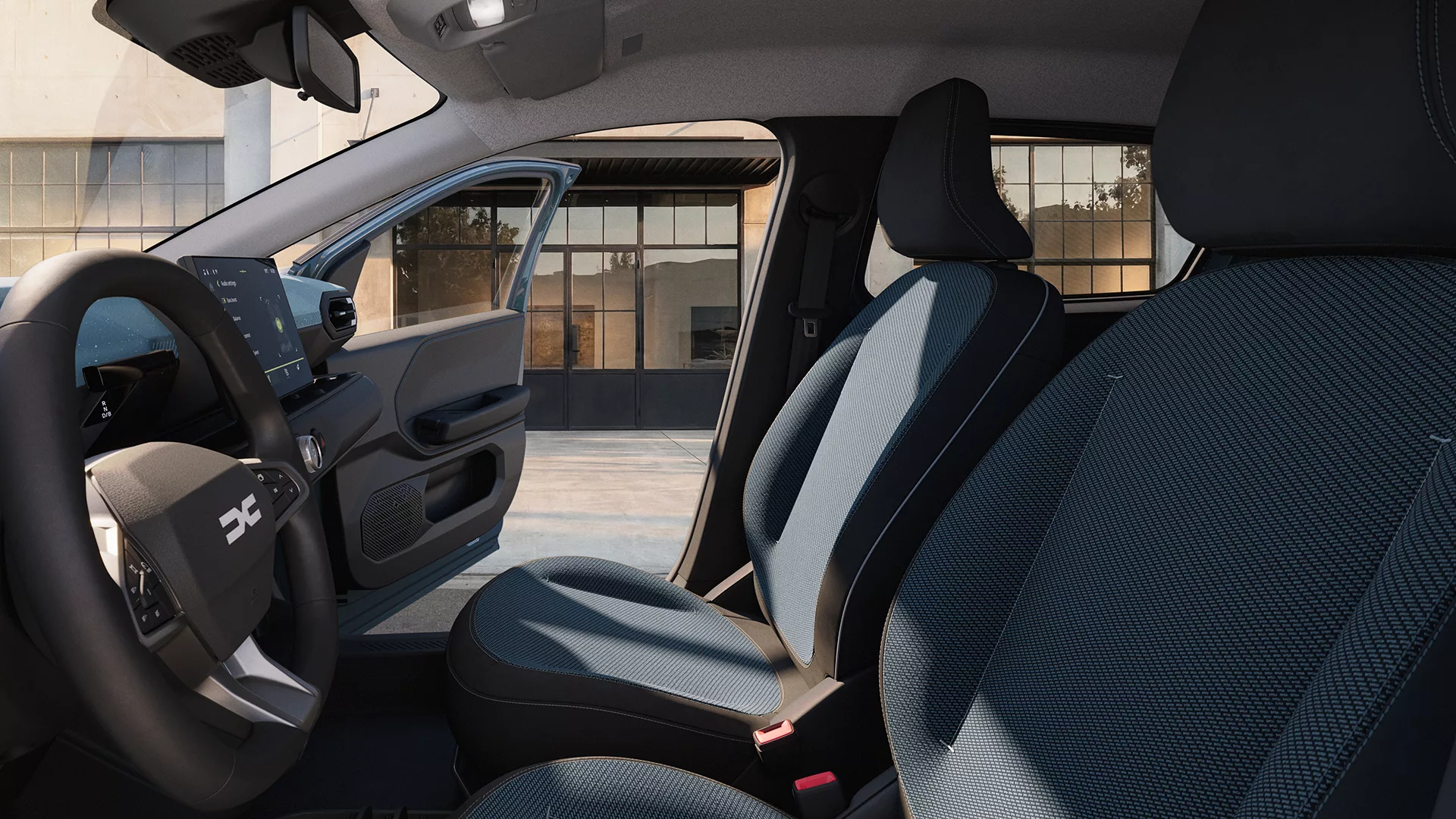
The new platform has brought noticeable changes to the proportions. The car is 150 mm longer and a full 180 mm wider than its predecessor, while height remains at 1.52 metres. The wider body and more pronounced wheel arches give the Spring a more robust stance than before, but technically it remains a small four-seat city car rather than an SUV.
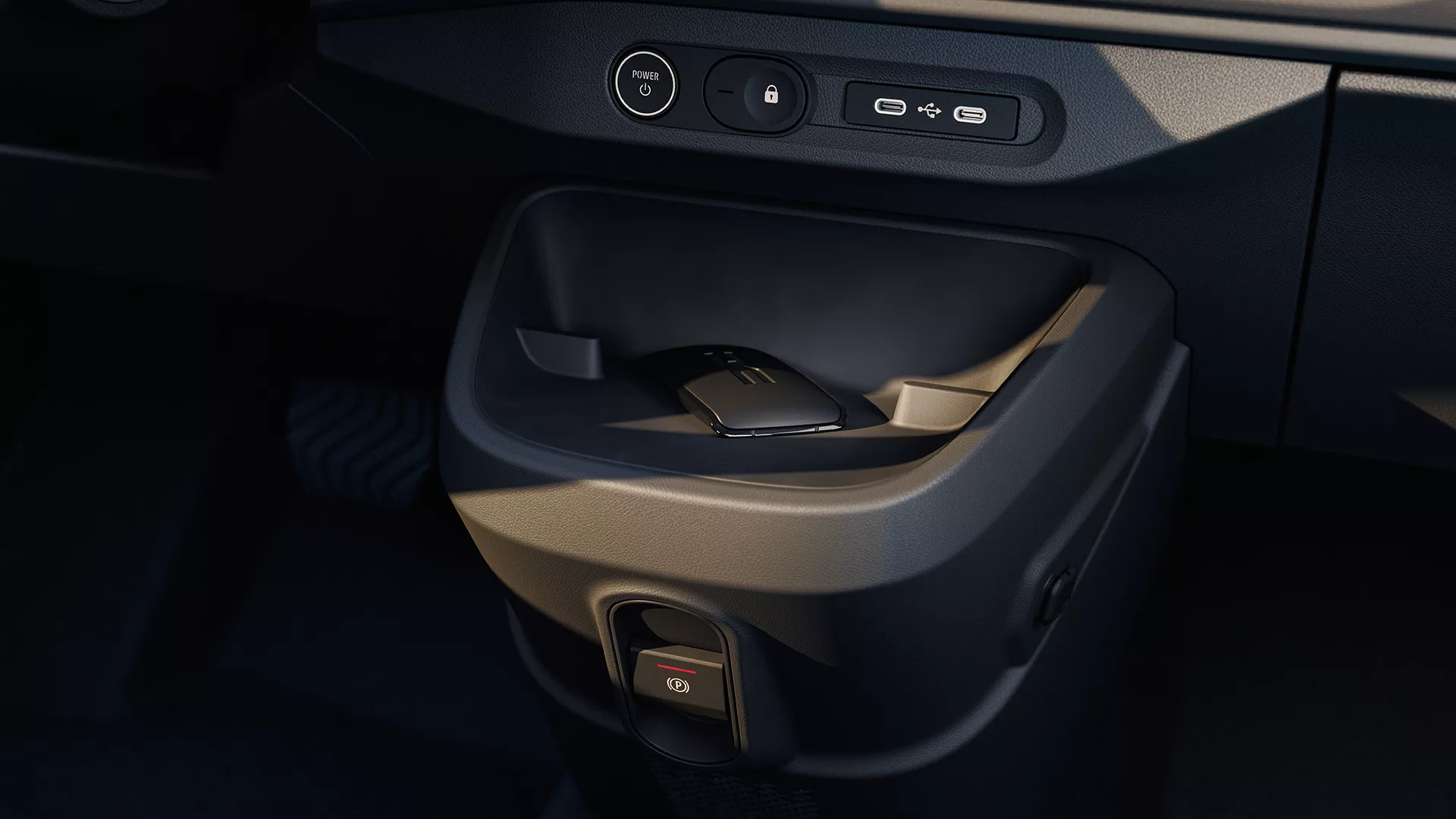
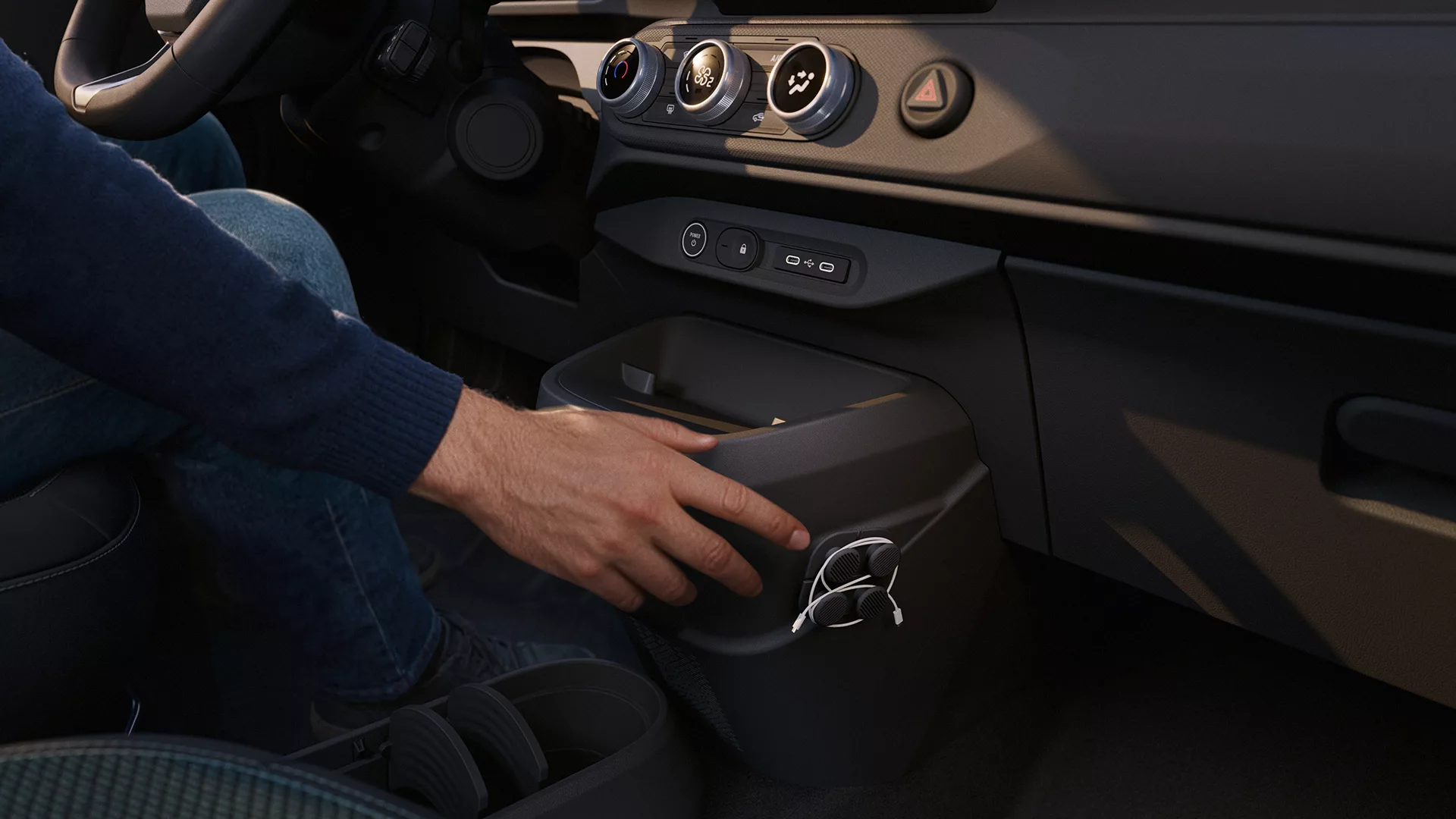
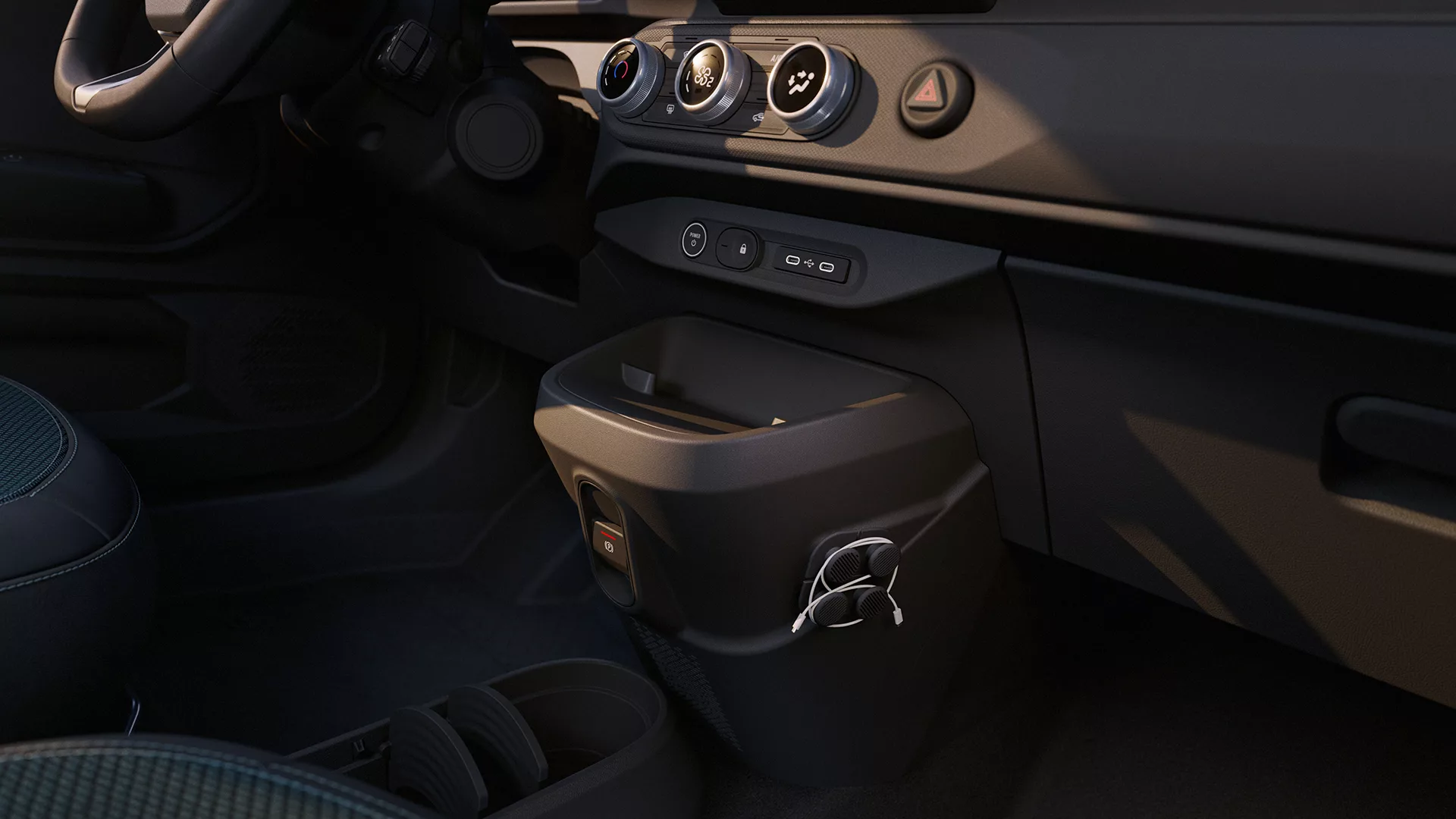
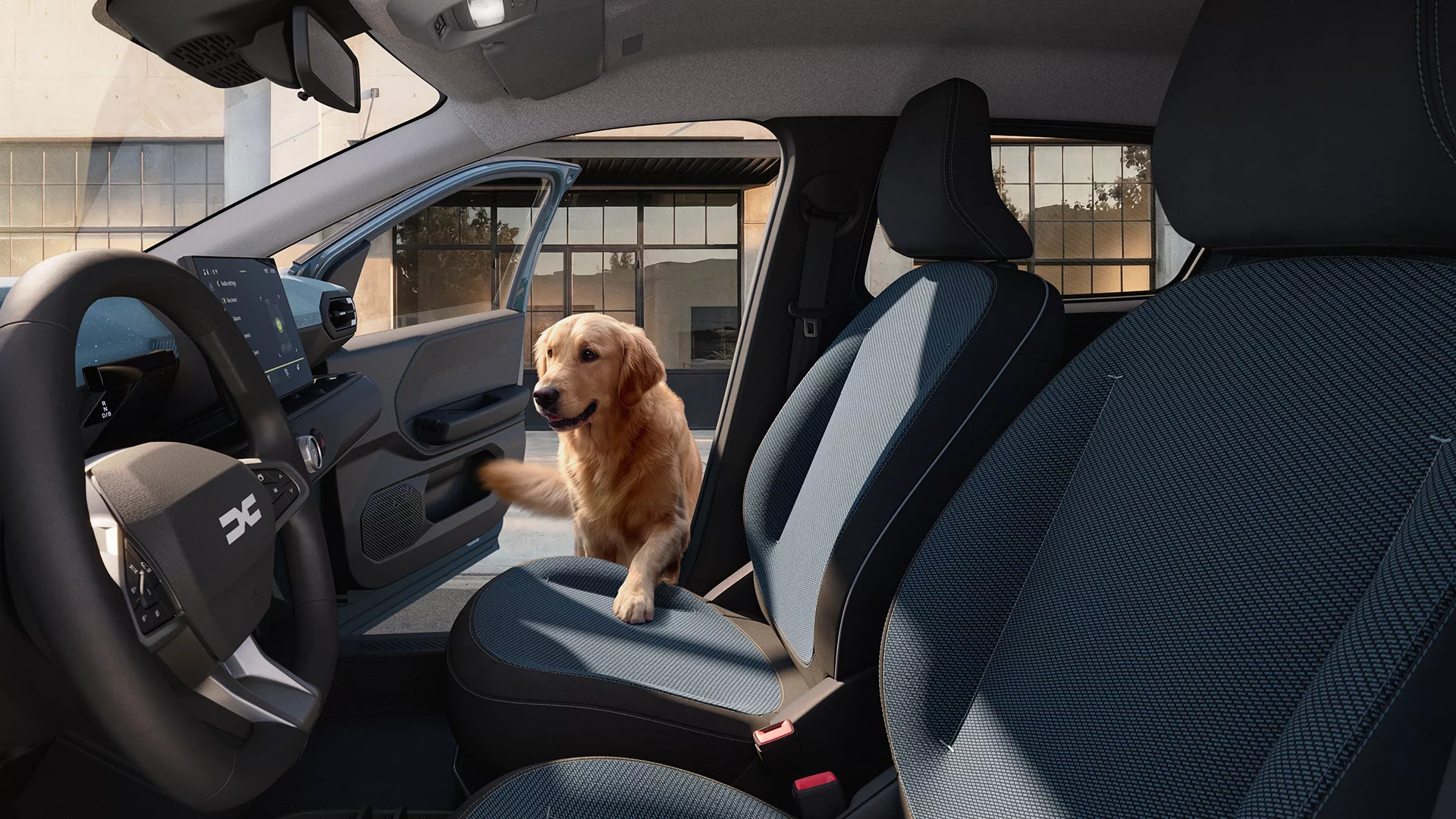
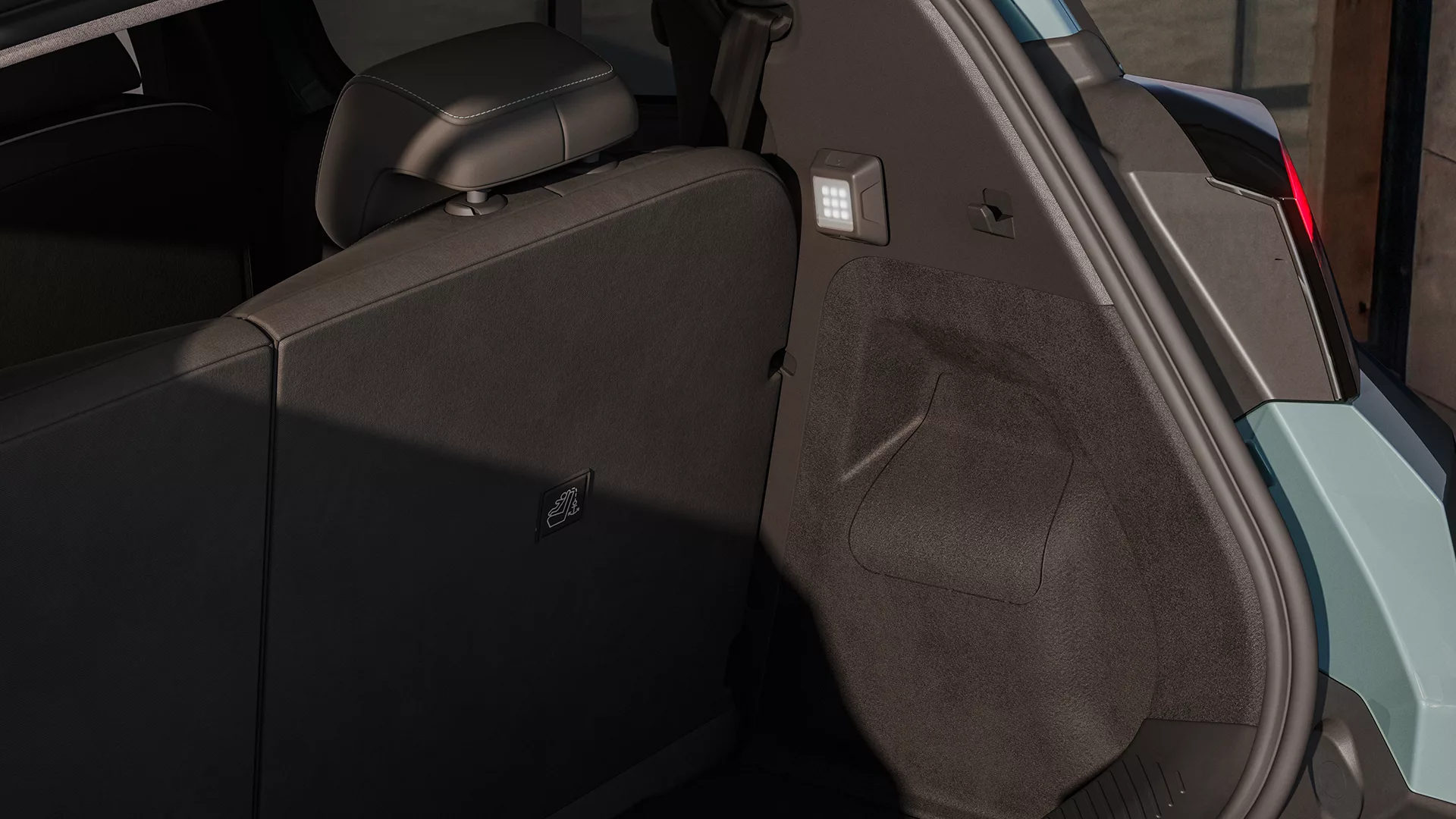
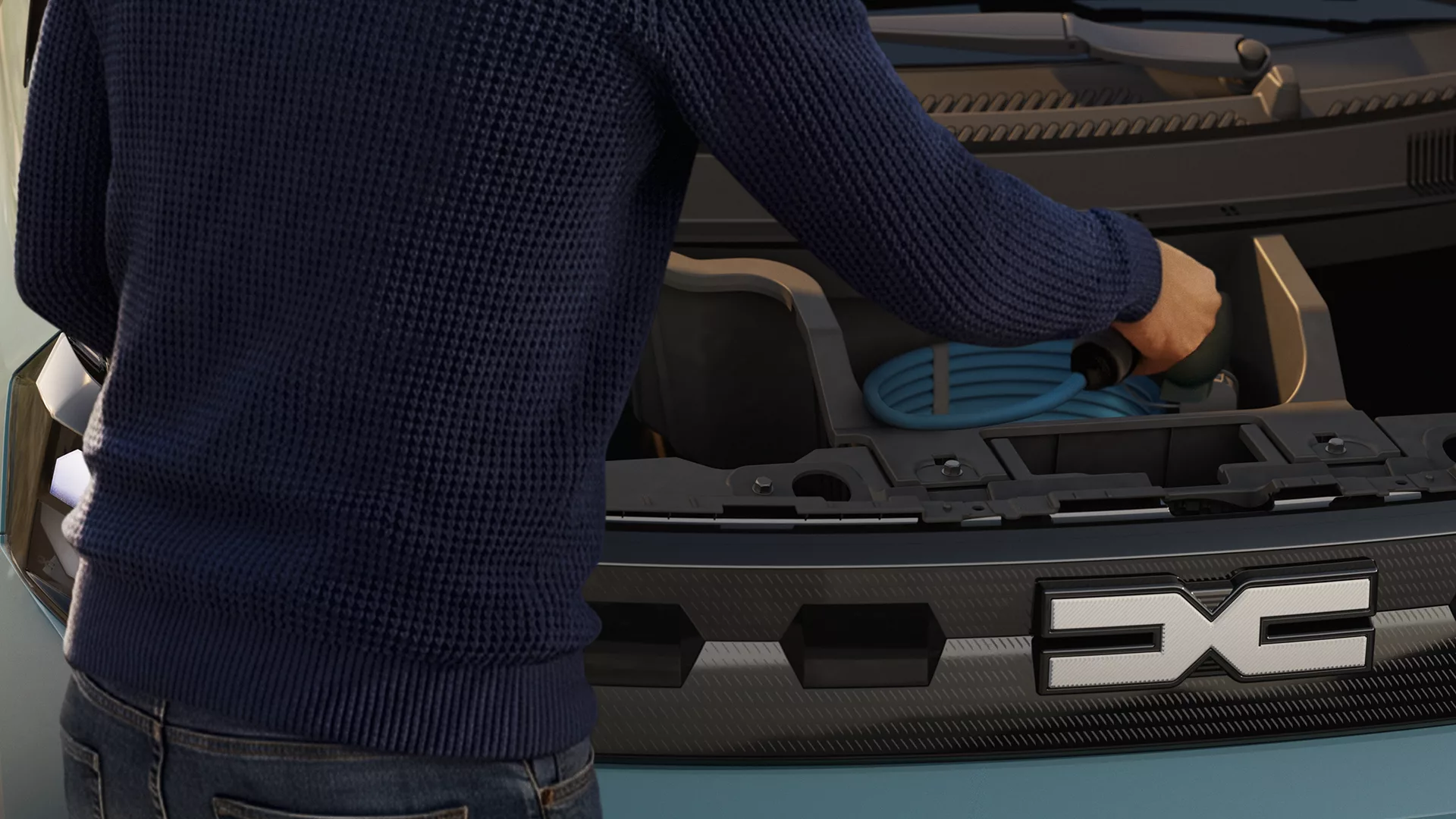
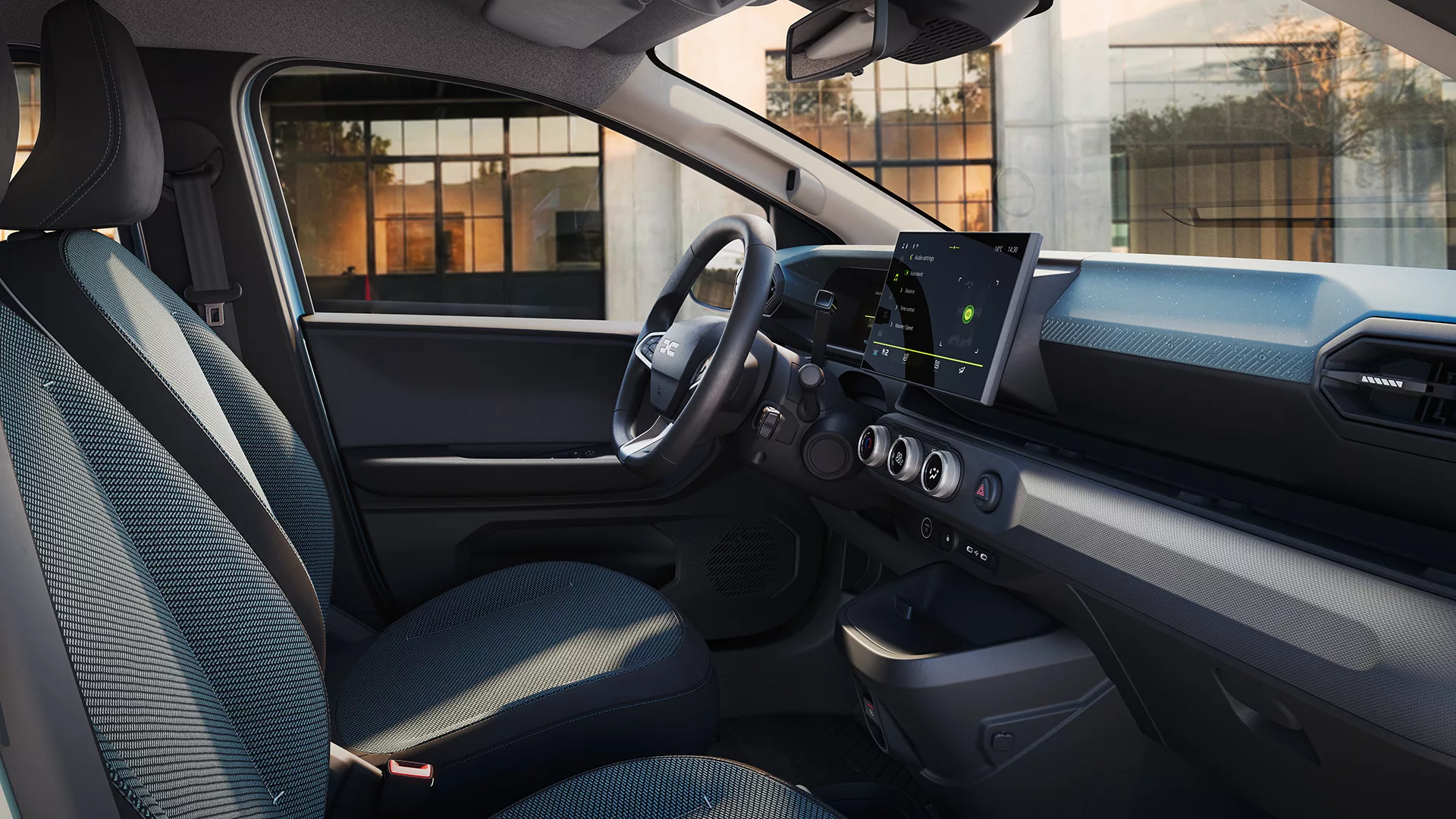
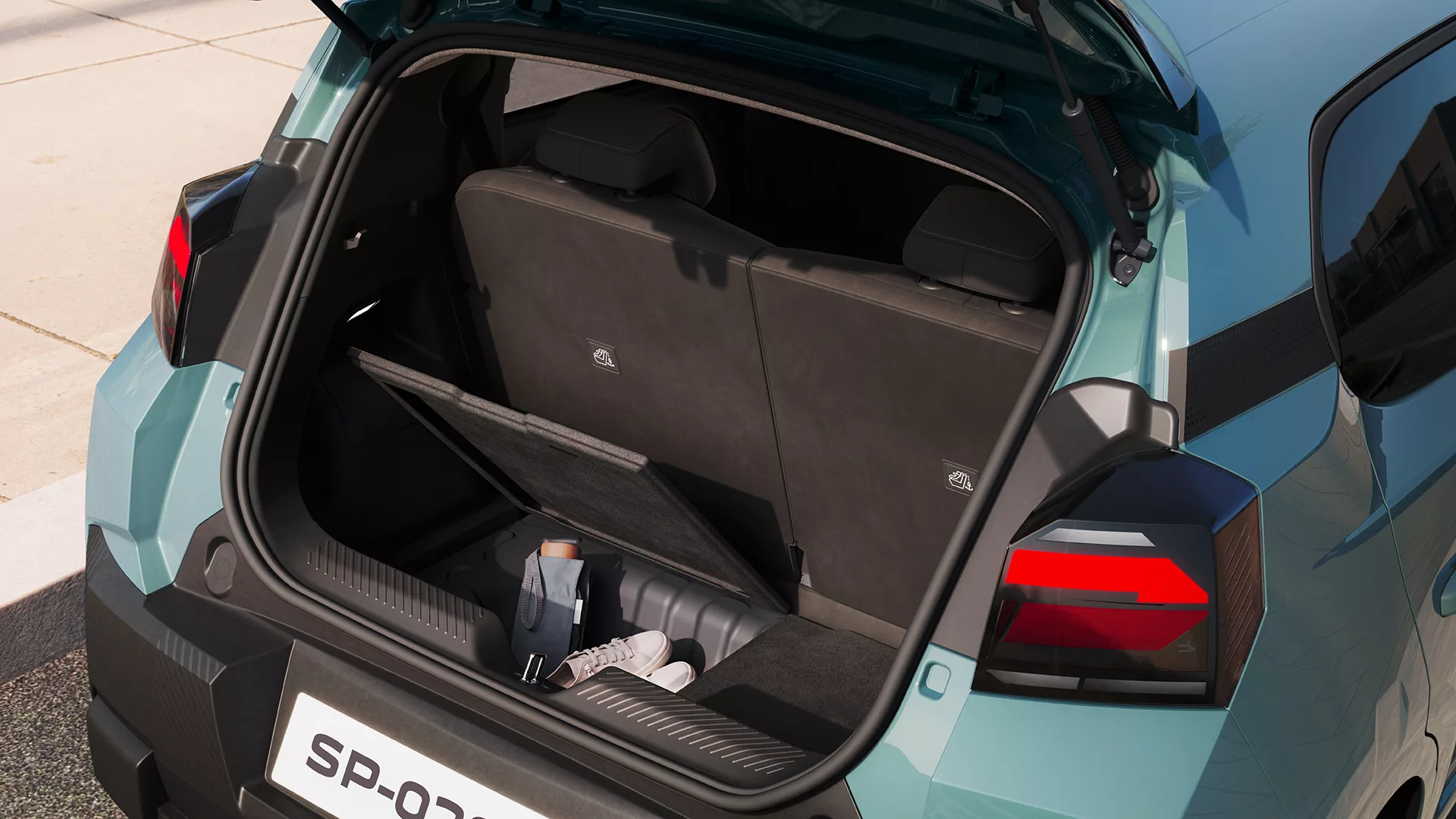
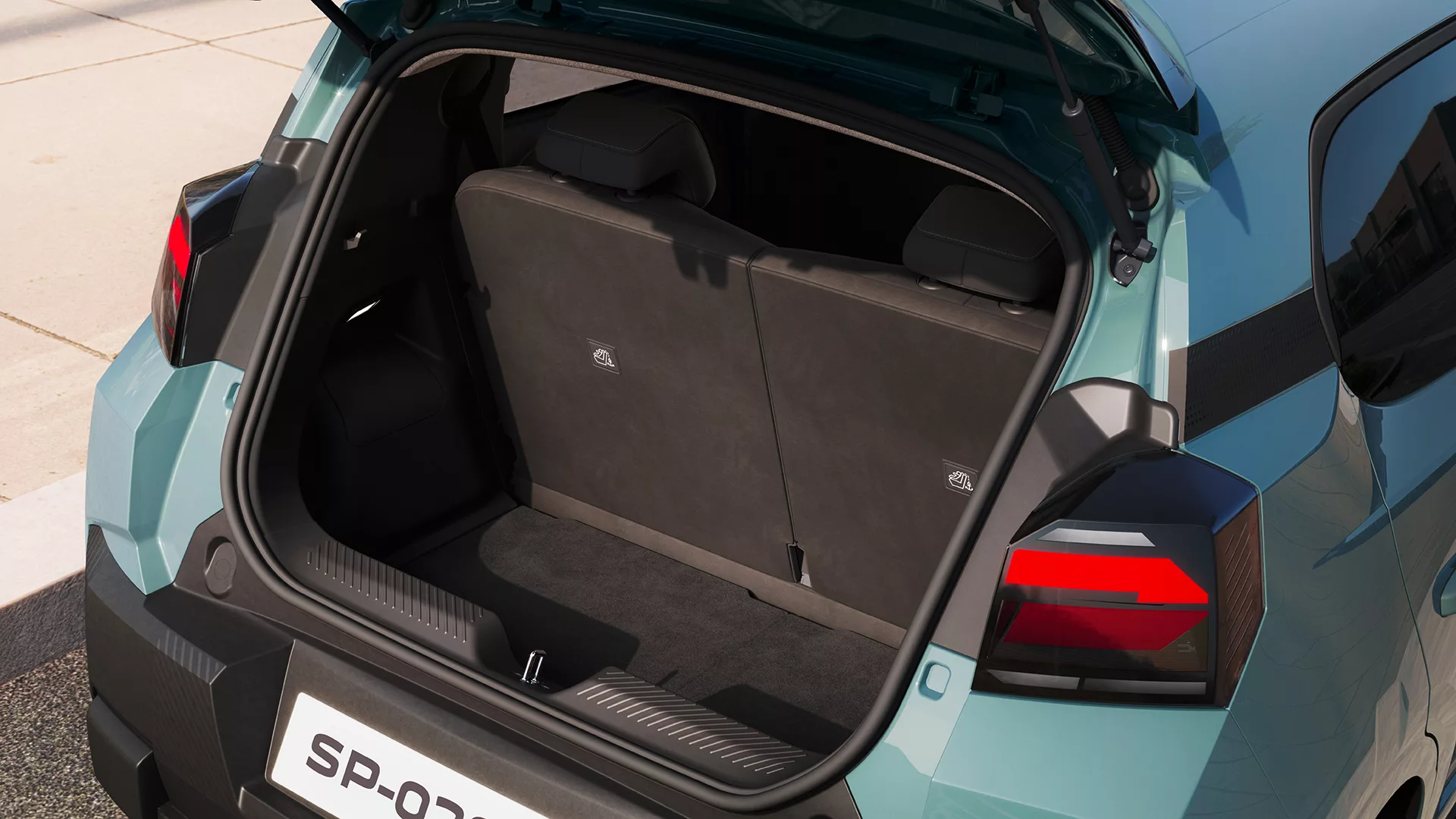
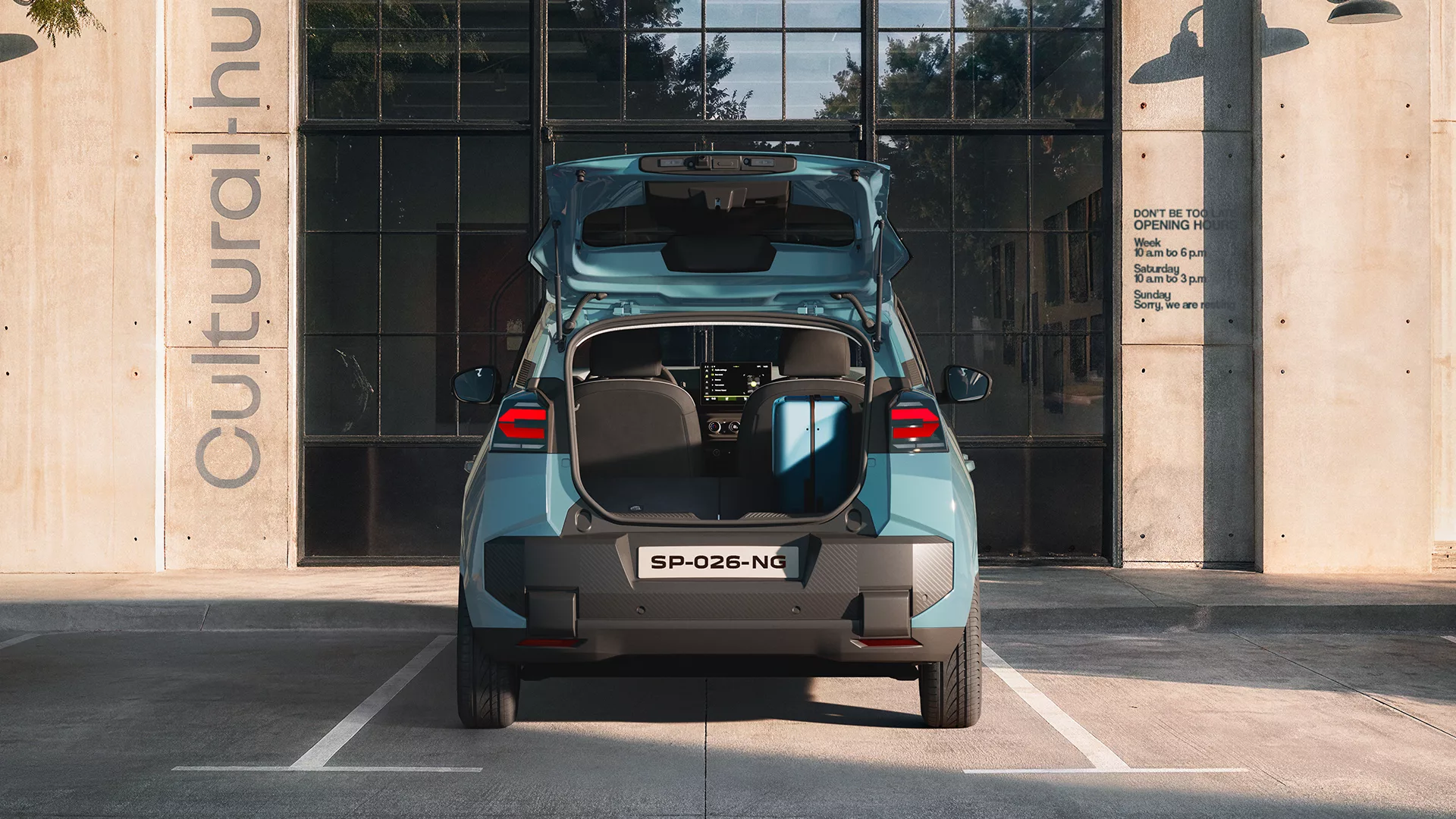
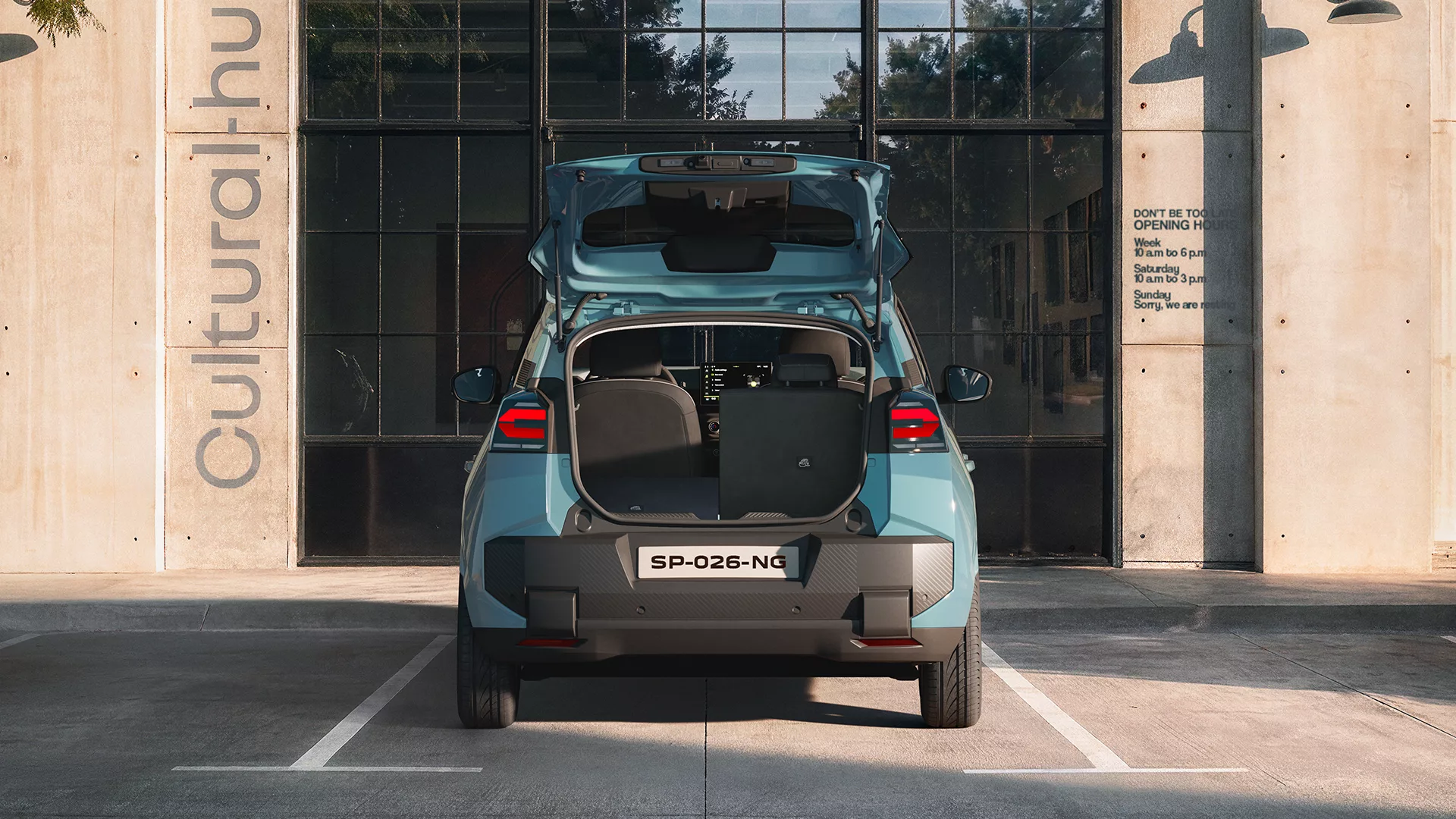
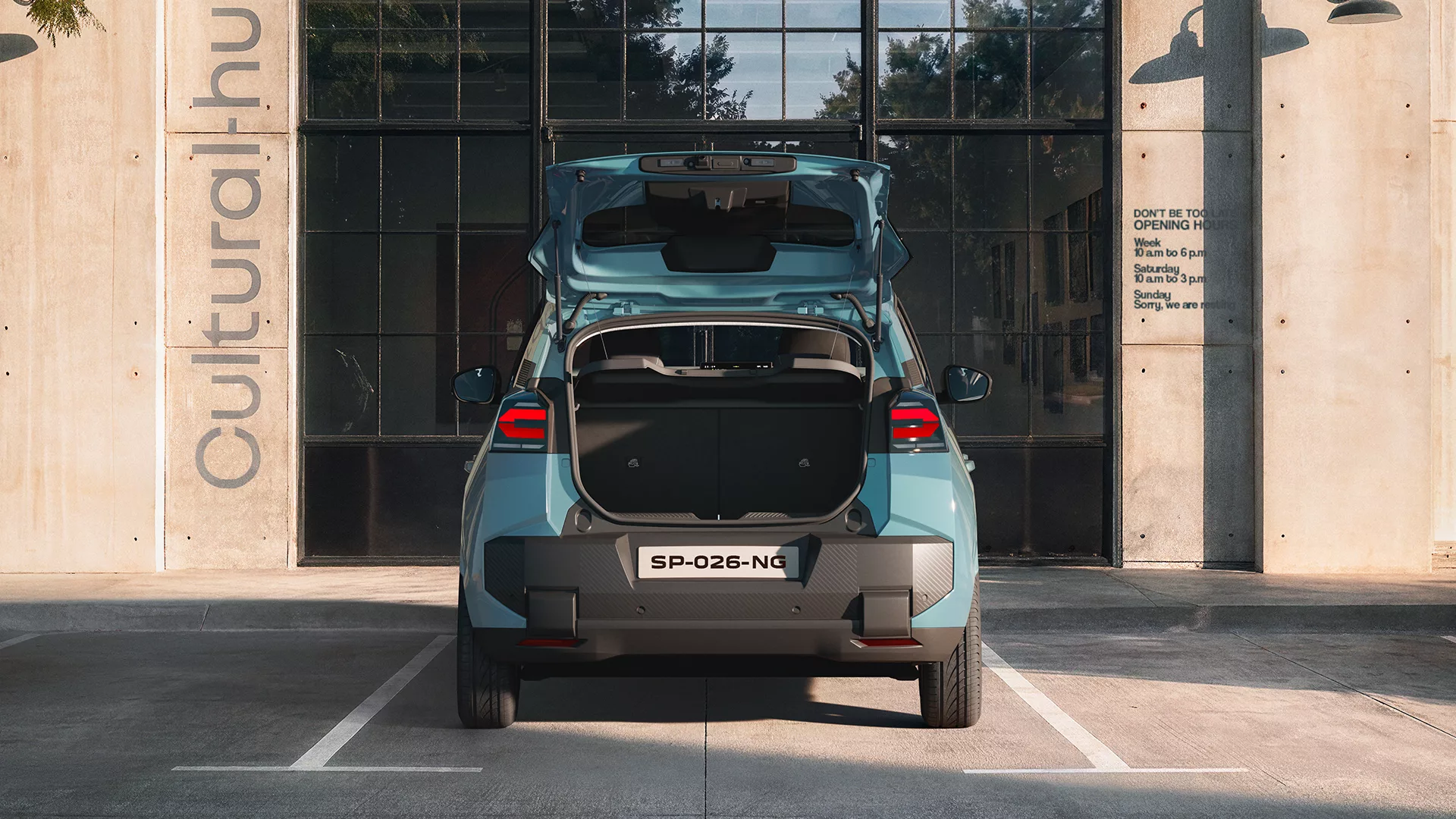
There is a practical reason for the extra width. Dacia promises a spacious four-seat cabin for the A-segment, while the boot holds 337 litres. With the rear seats folded, capacity rises to 1,283 litres. An optional 18-litre front storage compartment under the bonnet is also available for the charging cable. For such a small electric car, 337 litres is a strong figure. The new Spring is not trying to win buyers over with a leather-trimmed dashboard or 20-inch wheels, but by proving that an affordable small car does not have to be impractical inside.
60 kW and 175 Nm represent a major improvement
As is typical of Dacia, the powertrain range is simple. At least initially, there is one motor and one battery.
The front wheels receive 60 kW and 175 Nm. The Spring accelerates from 0-100 km/h in 12.1 seconds and reaches a top speed of 130 km/h. These are not numbers for the Nürburgring, but compared with the more modest versions of the first-generation Spring, the new car is already far less compromised.
The 175 Nm of torque is particularly important. In city traffic, an EV’s immediate response and the pulling power available at low speeds matter more than its 0-100 km/h time. Dacia is not trying to turn the Spring into a sports car, but to address one of its predecessor’s clearest weaknesses: on the motorway, overtaking had to be planned well in advance.
Kerb weight starts at 1,212 kilograms. That is remarkably low for a modern electric car, and Dacia’s engineers deserve credit here. The small battery, modest output and sensible 15- or 16-inch wheels keep weight under control, rather than creating a two-tonne city car and calling it technological progress.
The 27.5 kWh LFP battery officially delivers 250 km
Dacia promises an LFP battery with 27.5 kWh of usable capacity and a WLTP combined range of up to 250 km. The battery chemistry makes sense at the Spring’s price point. LFP cells generally have lower energy density than NMC batteries, but they help reduce costs and suit a car not designed to chase 600 km of motorway range.
Dacia’s usage data supports that choice. The average first-generation Spring owner drives only 34 km per day, at an average speed of 34 km/h. Three quarters of owners charge their car at home. For this kind of use, a 250 km WLTP range really does mean roughly one charge per week.
Energy consumption is 12.7 kWh/100 km for the Journey version and 12.9 kWh/100 km for the Expression. Based on French electricity prices, Dacia estimates energy costs at around €2.50 per 100 km.
Fast charging remains where the price tag shows
The Spring comes as standard with a 6.6 kW AC charger. Charging from 15 to 80 percent takes nine hours from a standard domestic socket, or 2 hours and 55 minutes with a 7 kW wallbox. Fast charging is not standard at all. An optional package adds an 11 kW AC charger and 50 kW DC charging. In the latter case, charging from 15 to 80 percent takes 28 minutes.
50 kW sounds rather modest in 2026. The technical relationship with the Renault Twingo shows particularly clearly that Dacia is deliberately limiting some capability in order to keep the Spring more affordable and avoid too much overlap between the two Renault Group models.
At the same time, the battery is only 27.5 kWh. Charging capability cannot be judged solely by the charger’s peak figure. In the Spring’s case, going from 15 to 80 percent means adding less than 18 kWh of energy, so a 28-minute stop is not a disaster given the car’s intended real-world use.
Under €18,000 makes the technical compromises understandable
In France, the Spring Expression costs under €18,000 before incentives, while the entire model range remains below €20,000. Dacia’s official price announcement confirms two trim levels, Expression and Journey. Both use the same 60 kW motor and 27.5 kWh battery.
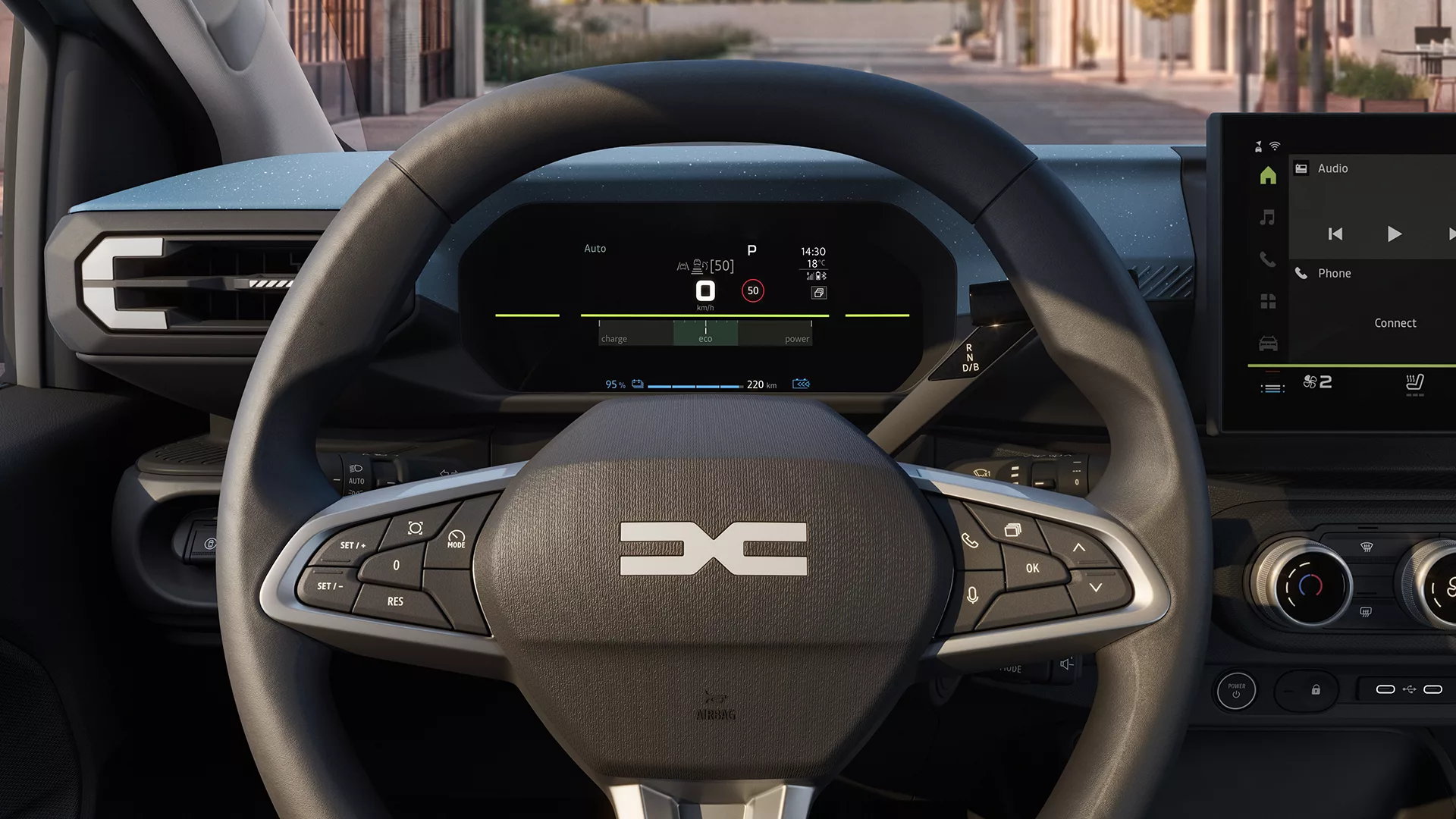
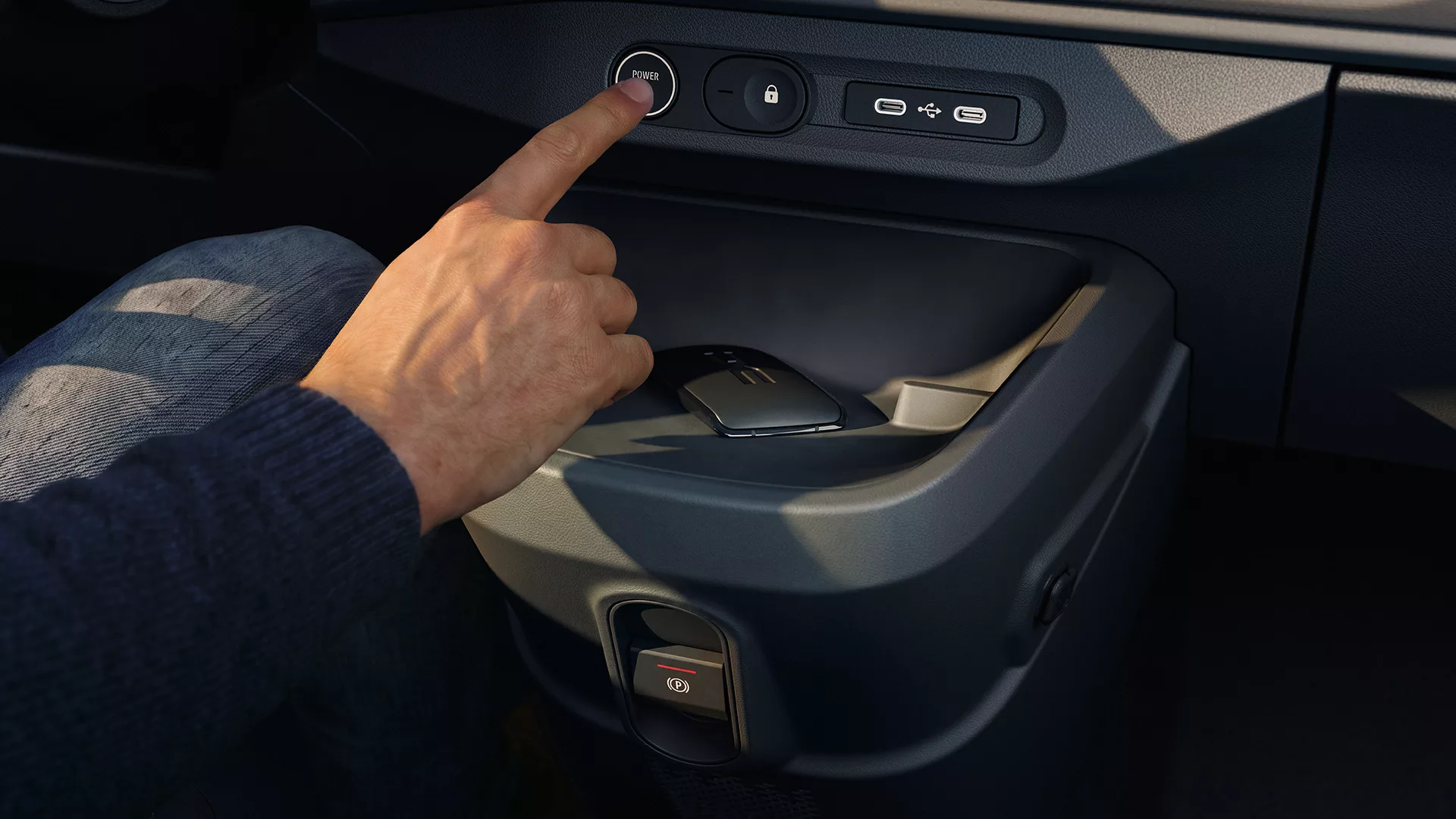
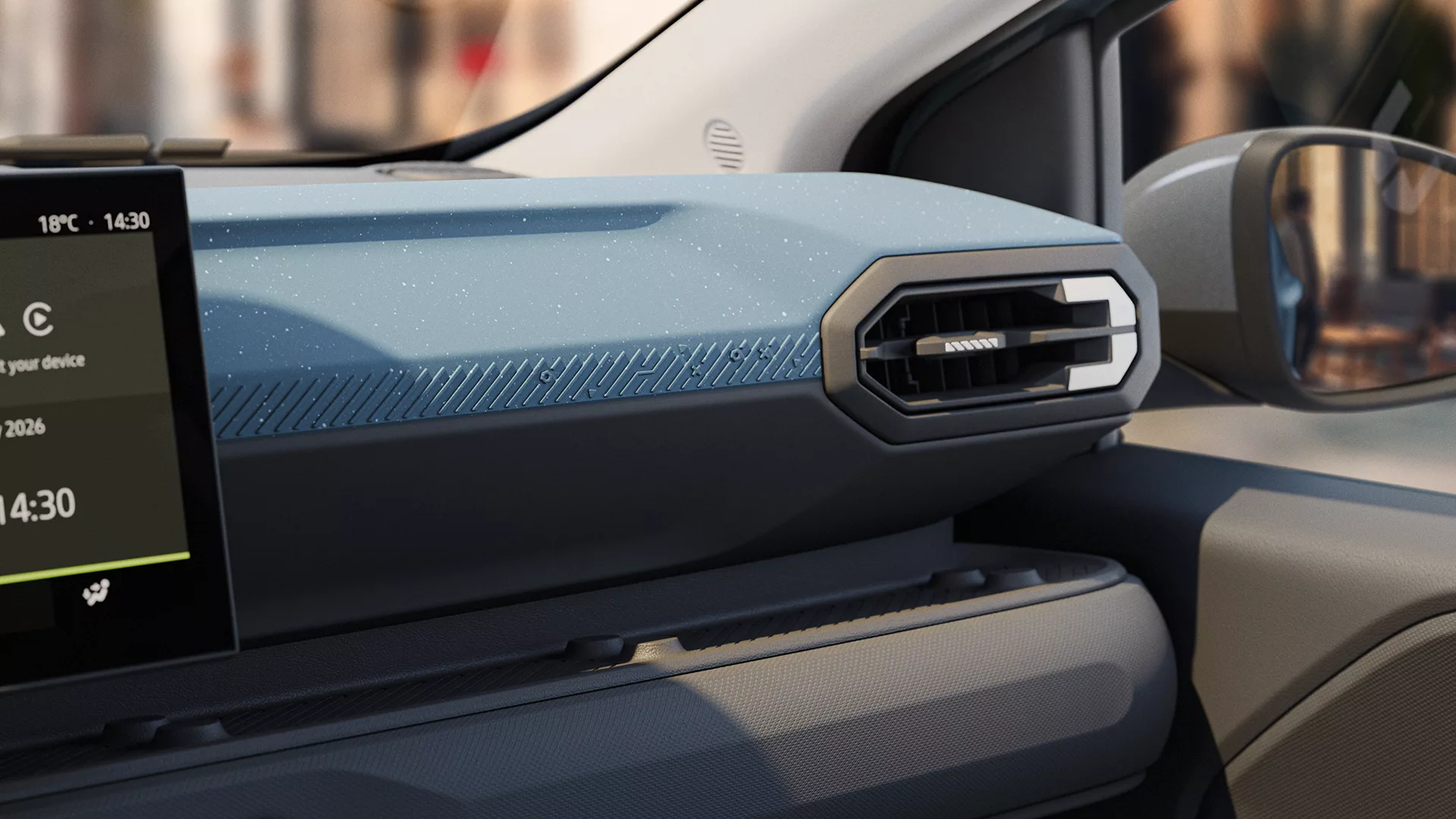
The entry model is not especially generous in terms of equipment. Expression gets 15-inch steel wheels, manual air conditioning, a 7-inch digital instrument cluster, an electric parking brake, rear parking sensors and the phone-based Media Control system.
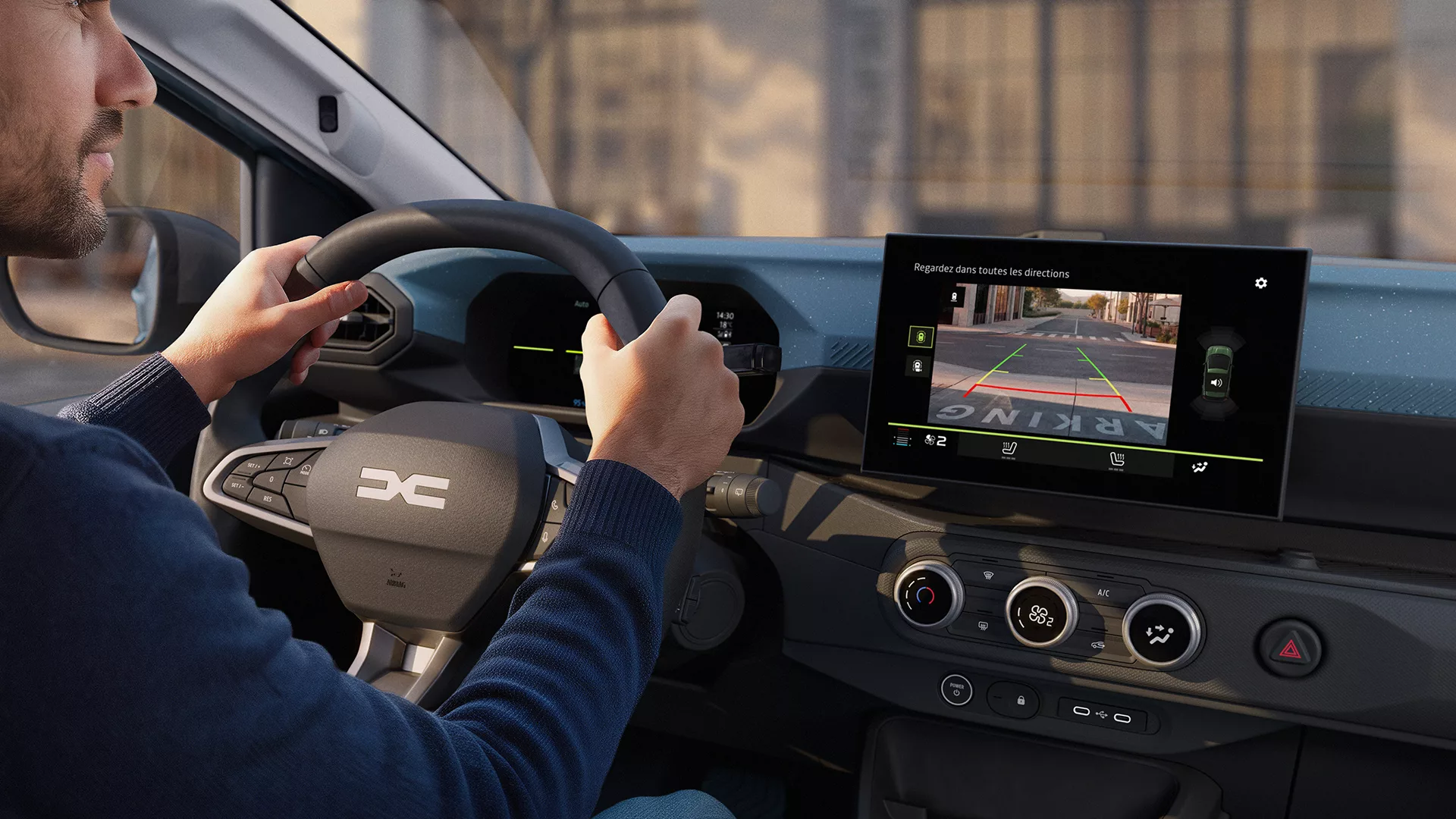
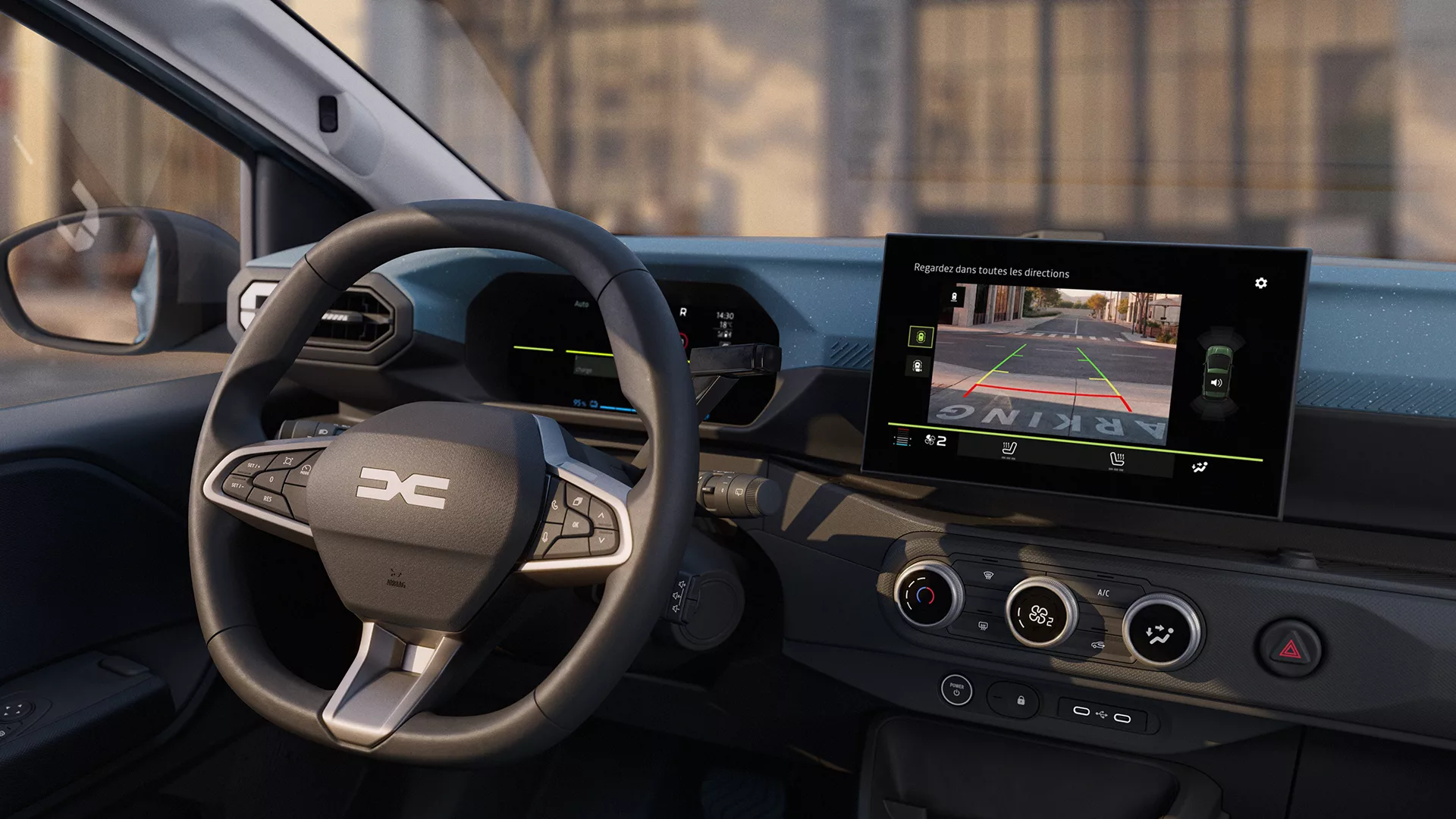
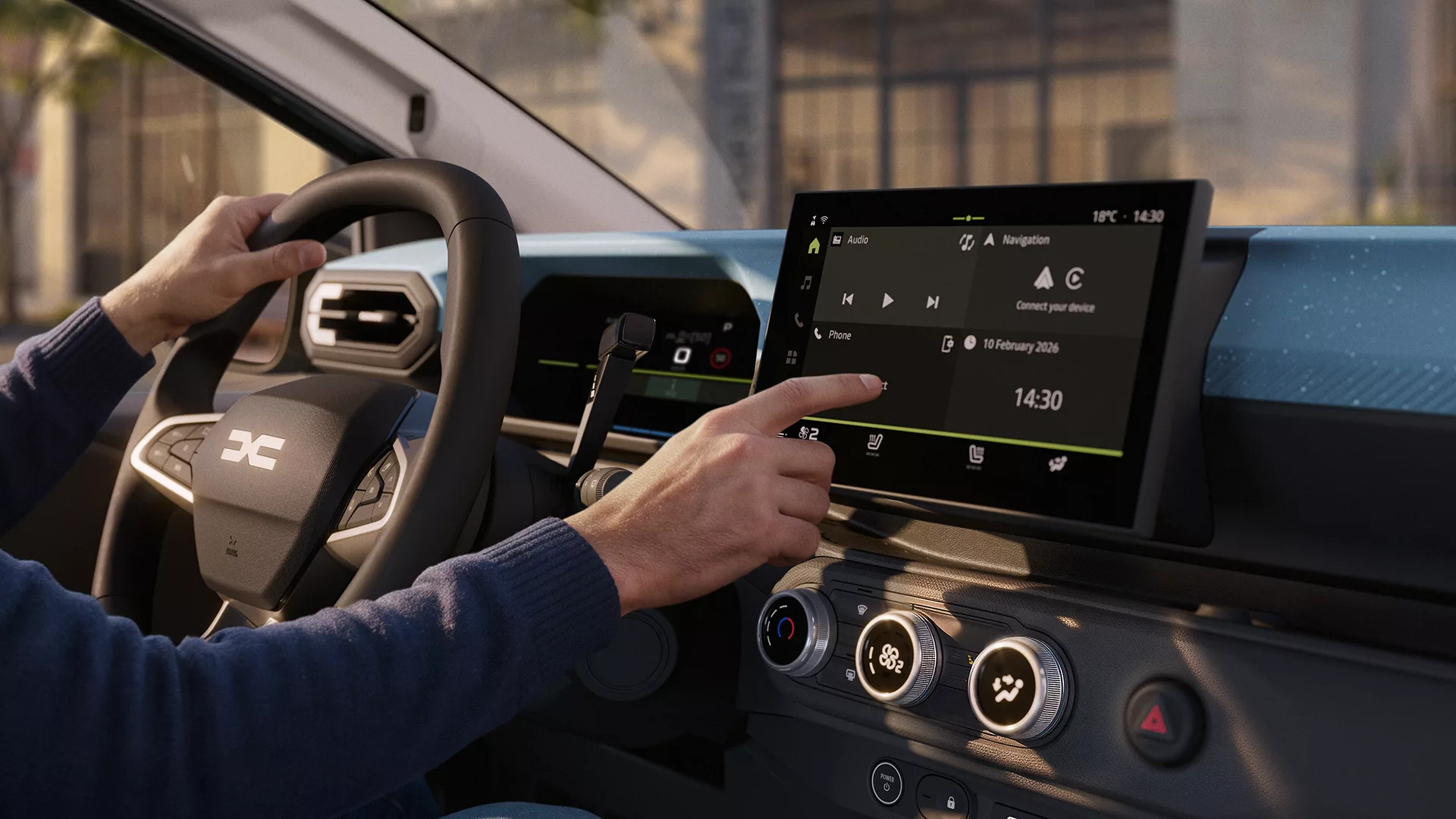
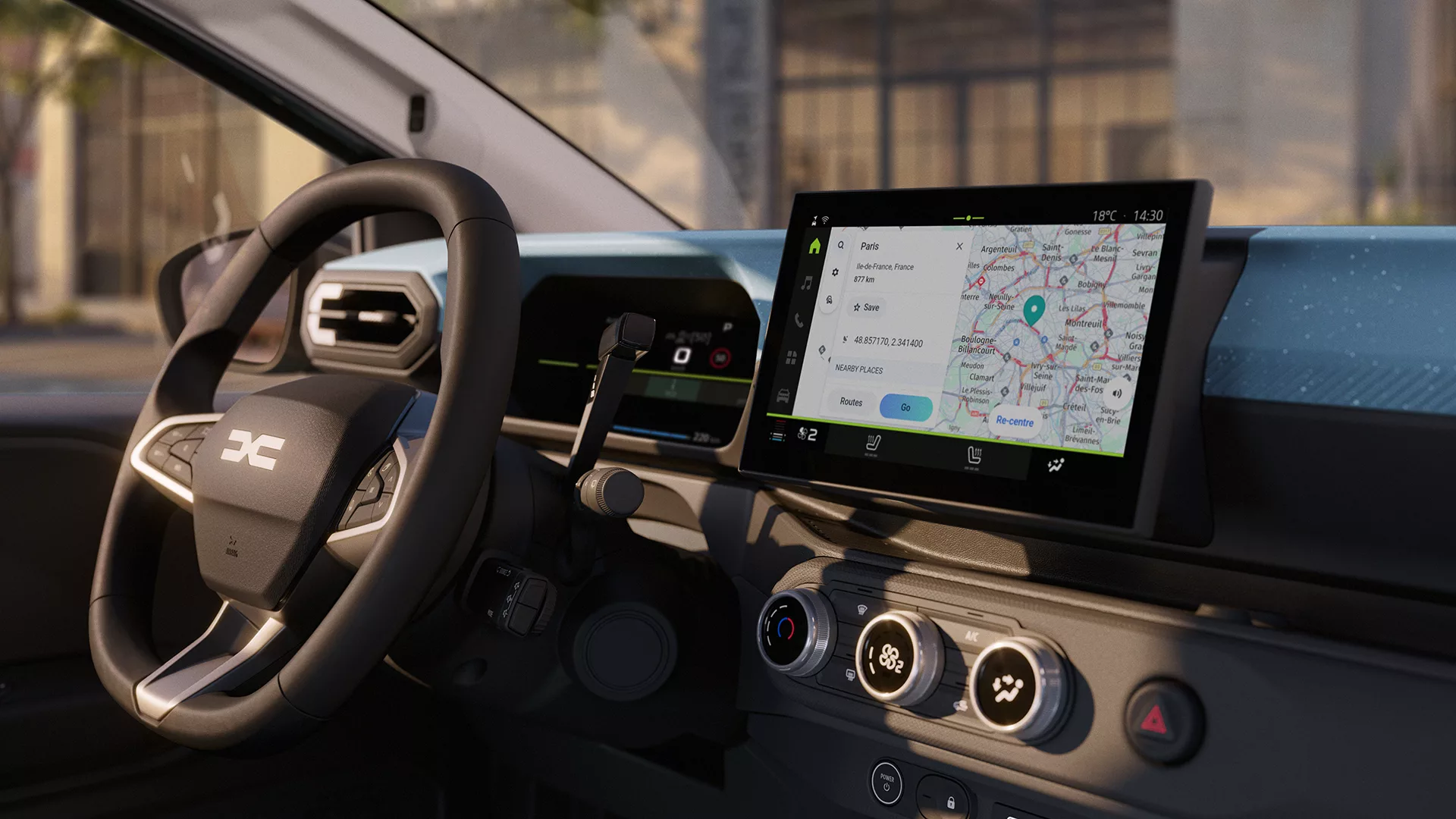
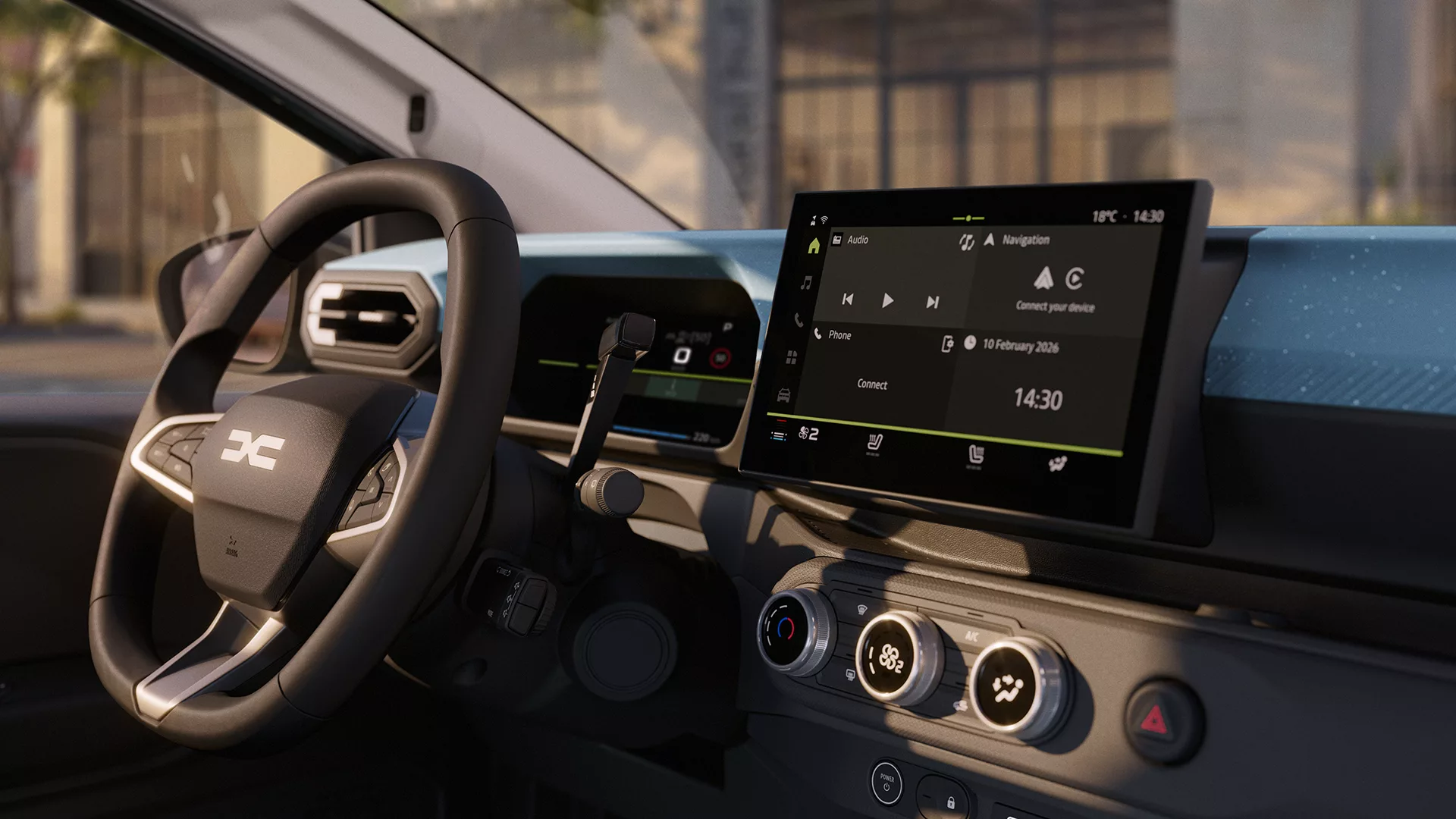
Journey adds 16-inch steel wheels, a reversing camera, keyless entry and Media Nav Live infotainment with a 10.1-inch touchscreen. The latter includes wireless Apple CarPlay and Android Auto connectivity, as well as connected navigation services for eight years.
The Spring is therefore not cheap because Dacia has found some secret battery technology. It is cheap because the manufacturer leaves out the things its target customer is unlikely to need.
Slovenian production matters far more than the new looks
The biggest change of the second generation may ultimately prove to be the factory address.
The first Spring’s Chinese origin became increasingly problematic in Europe. The EU imposed additional tariffs on electric cars made in China, while France’s EV incentive system, for example, takes a car’s production environmental footprint into account. The China-imported Spring was therefore excluded from important incentives. According to Reuters, this was one reason why Dacia is moving production to Europe.
The new Spring built in Novo Mesto avoids this trap, and Dacia already notes for the French market that the car qualifies for EV purchase incentives, provided its final environmental score meets the requirements.
That gives the Spring a much stronger competitive position. Chinese manufacturers can build very affordable electric cars, but European tariffs and incentive rules erode part of their price advantage. Dacia is using Renault Group’s existing European production network and shared platform to attempt the same price battle on home ground.
The Spring becomes the first real step in Dacia’s electric offensive
Dacia plans to launch four fully electric models by 2030, and the new Spring is the first of them.
That is why the model matters far more than the sales numbers of a single affordable city car. Renault Group is testing with the Spring whether it is still possible to build an electric car costing under €20,000 in Europe, produced in a European factory and without relying on Chinese manufacturing costs to hit that price.
Competition will become brutal in the coming years. Volkswagen Group is preparing affordable electric models, Renault is playing on the same platform with the Twingo, and Chinese manufacturers have no intention of simply giving up Europe’s A- and B-segments.
The Spring’s answer is almost demonstratively simple: 60 kW, 27.5 kWh, 1,212 kg and under €18,000.
A 250 km range does not impress next to EVs capable of 600 km. But if the car spends most of its life in the city and its owner drives 34 km per day, buying an additional 300 km of range may simply mean spending money on a battery carried around unused most of the time.
In that sense, the new Spring remains very much a Dacia. It does not try to offer the most car. It tries to charge as little as possible for a car that is genuinely enough.


