
Italian legend could become a victim of German cost cuts as Volkswagen considers selling Ducati
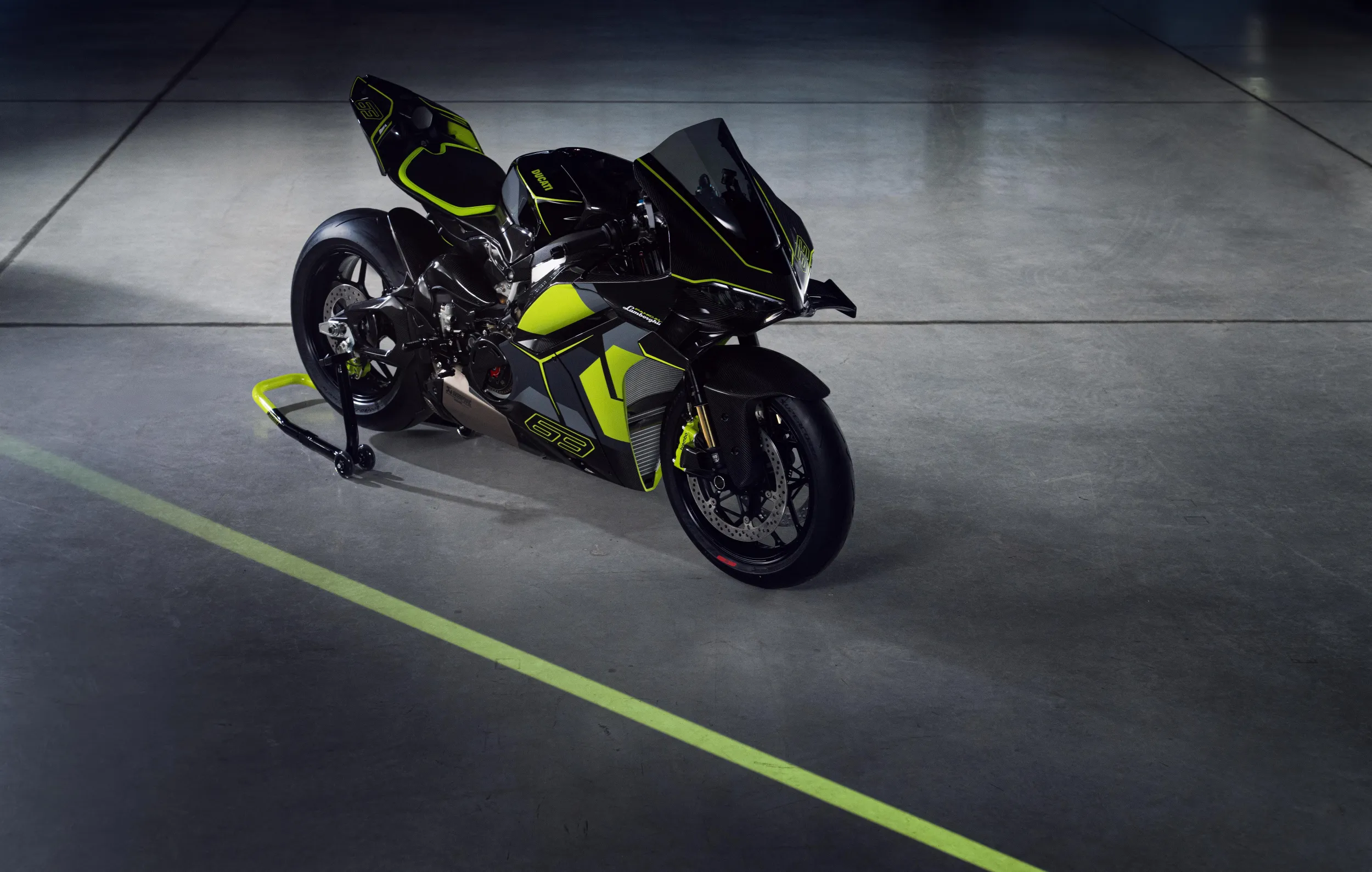
Volkswagen Group’s sweeping overhaul has reached one of its most emotive assets. Audi chief Gernot Döllner confirmed that the group is assessing Ducati’s future, with a sale of the Italian motorcycle manufacturer among the possible options. No decision has been made, but the fact that Ducati has officially been placed on the list of assets under review demonstrates the severity of Volkswagen’s new strategy.
Ducati is no longer untouchable
According to Döllner, Volkswagen is currently critically reviewing its exceptionally complex network of companies and holdings. Of around 2,000 businesses and assets, approximately 600 are being assessed, and Ducati is among them. Volkswagen wants to significantly streamline its portfolio to improve competitiveness and free up capital for its core operations.
According to Bloomberg Intelligence analyst Michael Dean, Ducati could be worth around €1.25 billion based on comparable companies. That is not a huge sum by Volkswagen standards, but in the group’s current situation, the principle matters more: an asset must either perform well enough or offer strategic value.
Audi acquired the Bologna-based motorcycle manufacturer in 2012. At the time, the deal was reported to be worth around €860 million. Ducati gave Audi access to high-performance engine and lightweight-construction expertise, while bringing one of the world’s best-known sports motorcycle brands into the Volkswagen empire.
The idea of a sale is not new. Volkswagen considered divesting Ducati as early as 2017, but the plan was not carried out, partly because of opposition from employee representatives.
Ducati makes money, but no longer enough
Ducati’s problem is not losses. The problem is that in Volkswagen’s current world, simply being profitable is no longer enough.
Ducati’s own 2025 financial results show a clear cooling-off. The company delivered 50,895 motorcycles to customers, compared with 54,495 a year earlier. Revenue fell from €1.003 billion to €925 million, while operating profit dropped from €91 million to €52 million. Operating margin fell from 9.1% to 5.6%.
The decline was not solely Ducati’s own problem. The company cited a weaker motorcycle market, US tariffs, unfavourable exchange rates and the transition to the Euro 5+ standard as causes. The latter temporarily limited the availability of models including the Monster, Hypermotard and DesertX.
Ducati nevertheless remains a very strong premium brand, meaning a sale would be more a question of capital allocation than survival. That is what makes the situation interesting. If Volkswagen is willing to let go of a profitable and globally recognised brand, its restructuring is no longer limited to rescuing weak units.
Volkswagen has bigger problems than motorcycles
The possible sale of Ducati forms part of a much broader restructuring. Volkswagen is simultaneously battling high European production costs, lost market position in China, US tariffs and rapidly strengthening Chinese competitors. The group is planning very extensive job cuts in Germany, as well as a reduction in its model range and production network.
For the European automotive industry, the Ducati case is therefore symbolic. Volkswagen’s previous model was based on a vast brand portfolio and technology sharing. Now, Chinese competition is forcing the group to ask which companies directly contribute to the development of future cars, software, battery technology and cost-efficient production.
Ducati’s technical value is indisputable, but the synergy with Volkswagen’s core electric vehicle business is no longer as obvious as it was in the era of Ferdinand Piëch, when engineering exoticism itself was sufficient justification for acquiring a company.
At the same time, Ducati is not some troubled side business. In Audi Progressive’s brand group, it sits alongside Bentley and Lamborghini, and its technological image extends from MotoGP to high-end V4 engines and lightweight construction. Volkswagen could therefore sell an asset while its value remains high, rather than waiting until financial difficulties force a sale.
€1.25 billion makes the question uncomfortably simple
From a purely financial perspective, a deal begins to make sense. Against Ducati’s €52 million operating profit for 2025, a sale price of up to €1.25 billion would represent roughly 24 times annual operating profit. That is a sufficiently generous valuation to make Volkswagen at least look at the calculator.
On the other hand, the group would be selling one of the few European vehicle brands with a strong technical identity, global recognition and a credible premium position all at once. Such an asset can only be sold once.
For now, however, Döllner’s final clarification is the most important: Volkswagen has not decided to sell Ducati. The group is assessing the possibility. That distinction is significant, but Ducati is no longer an untouchable crown jewel.


