
Audi revives the A2 name with its most efficient electric car yet
 1/15
1/15
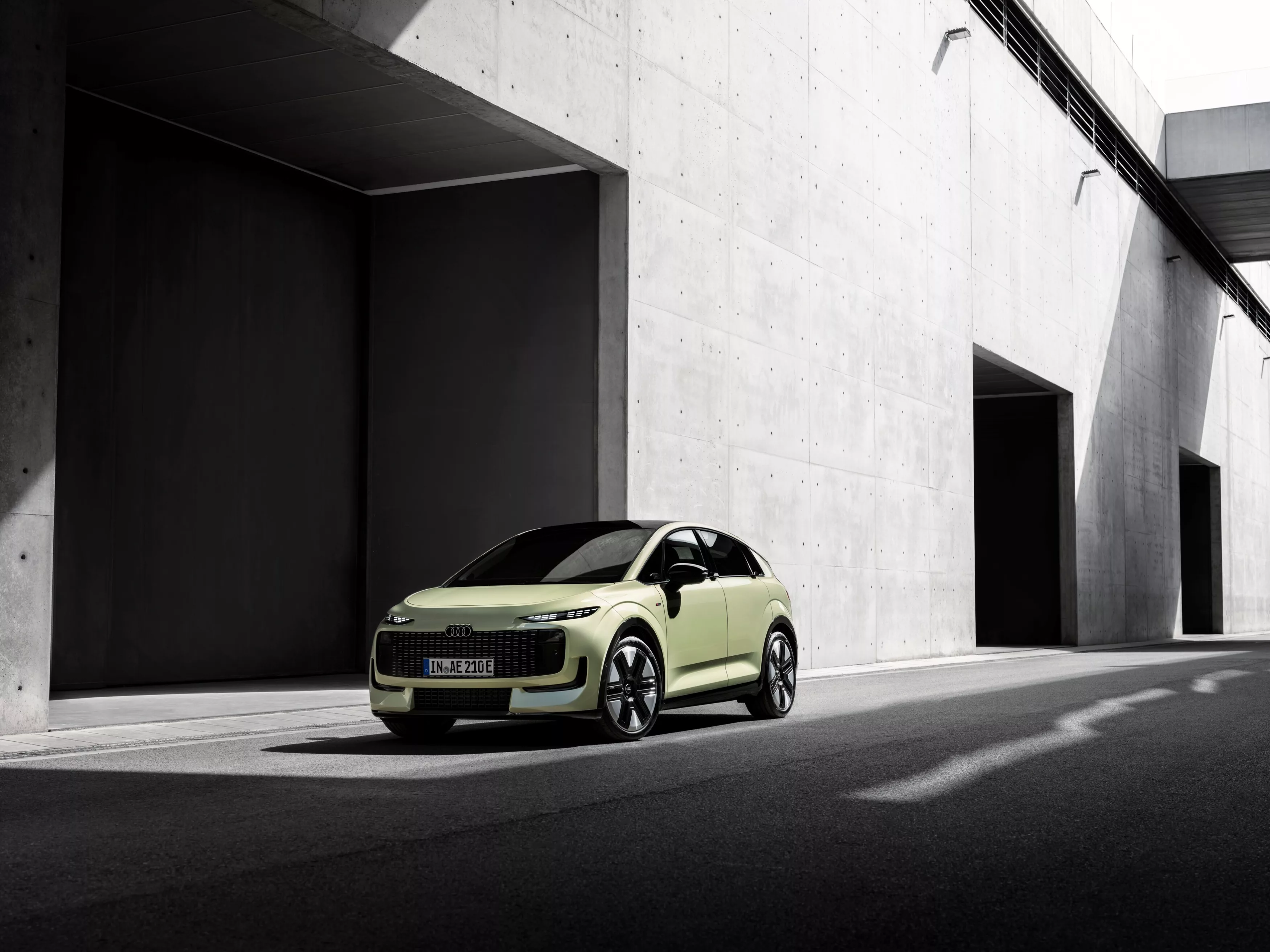
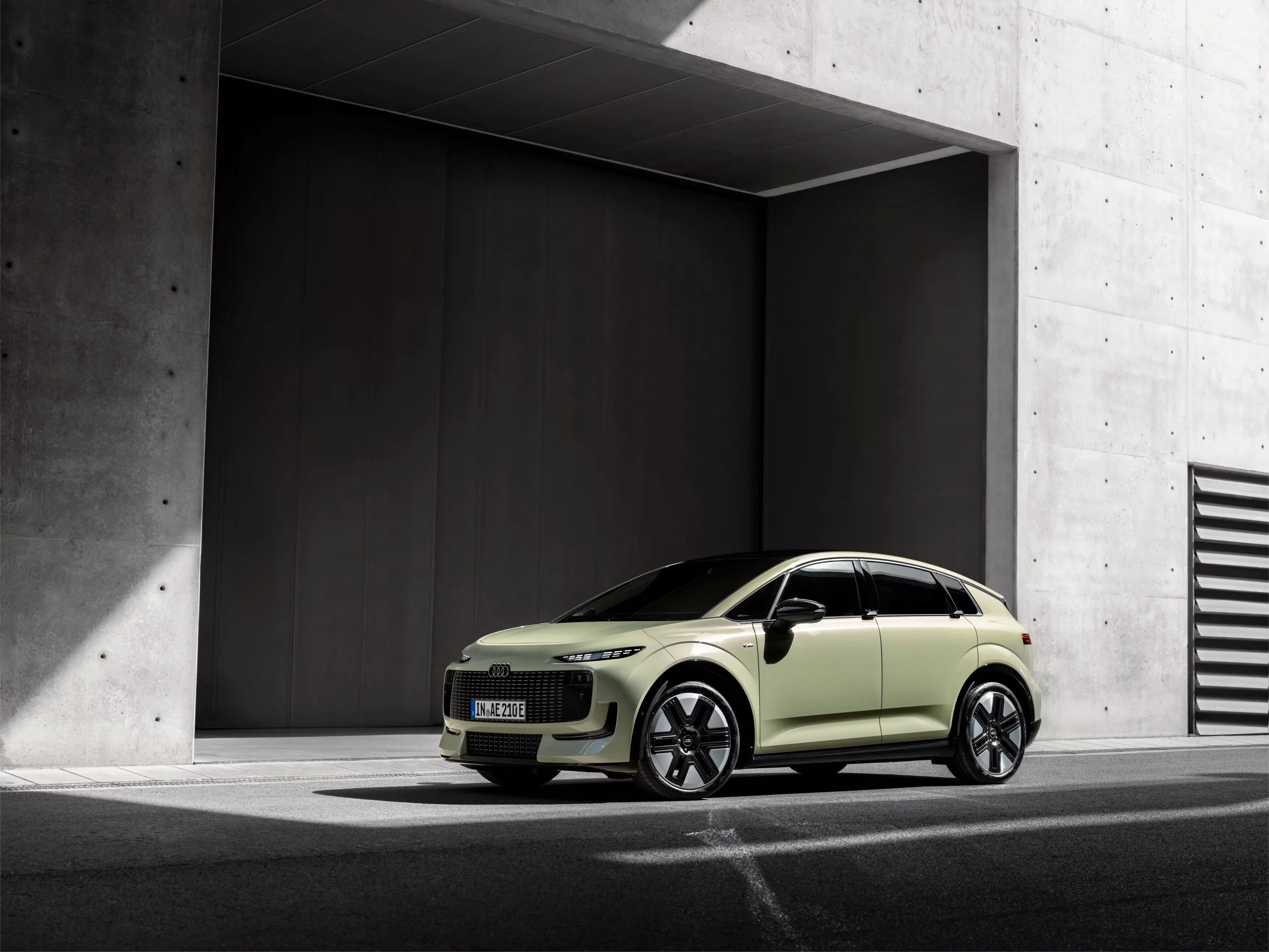
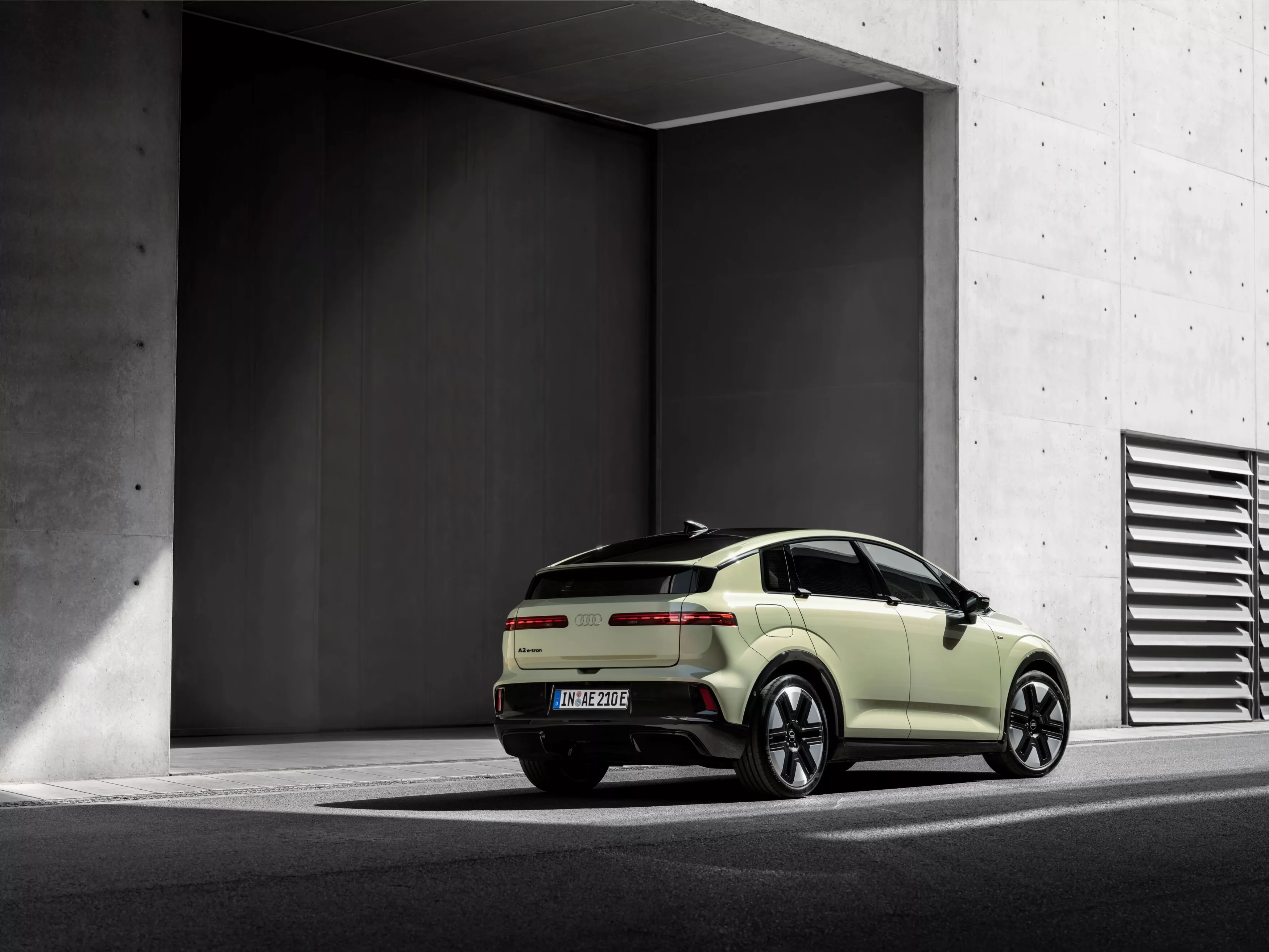
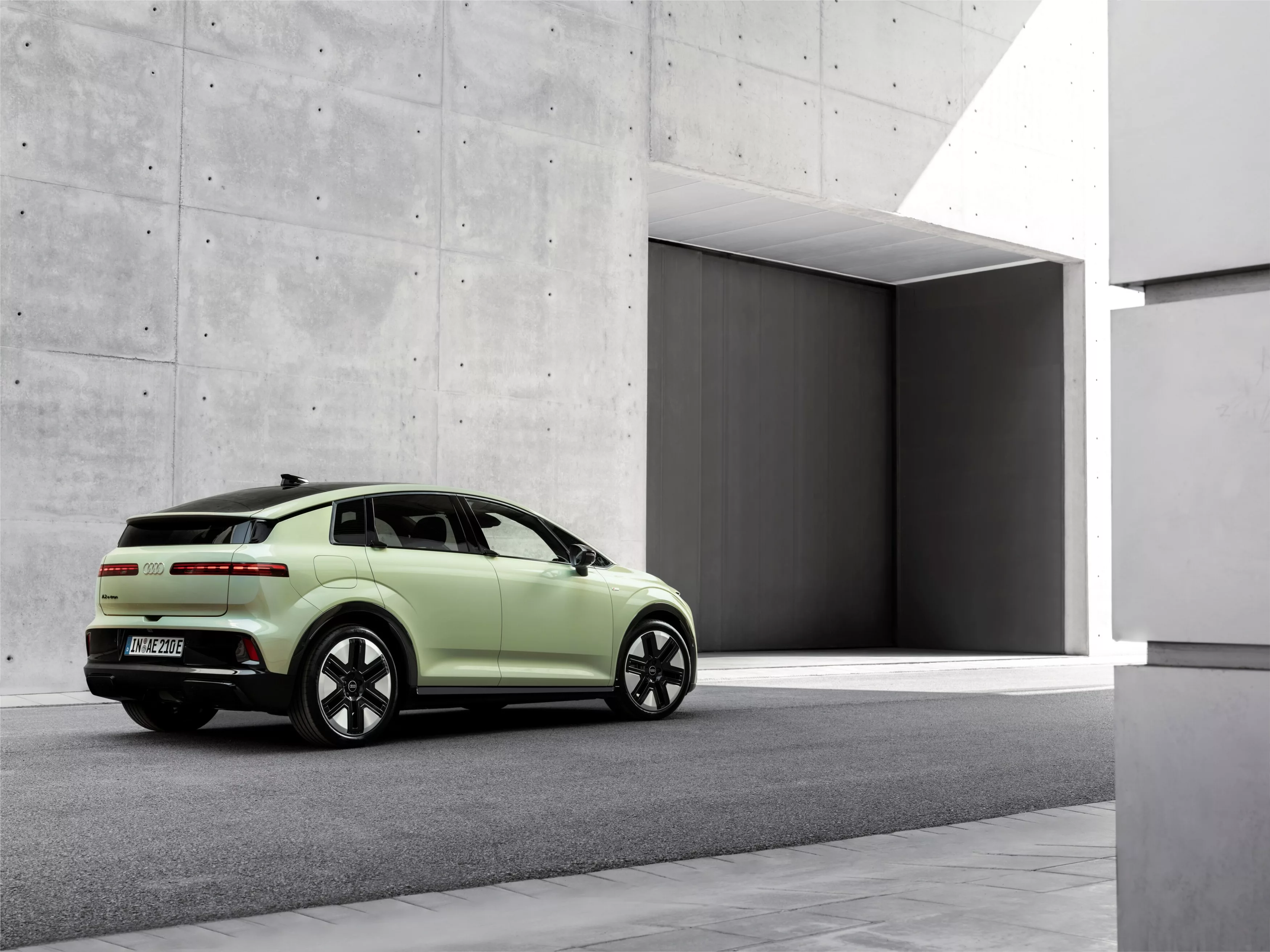
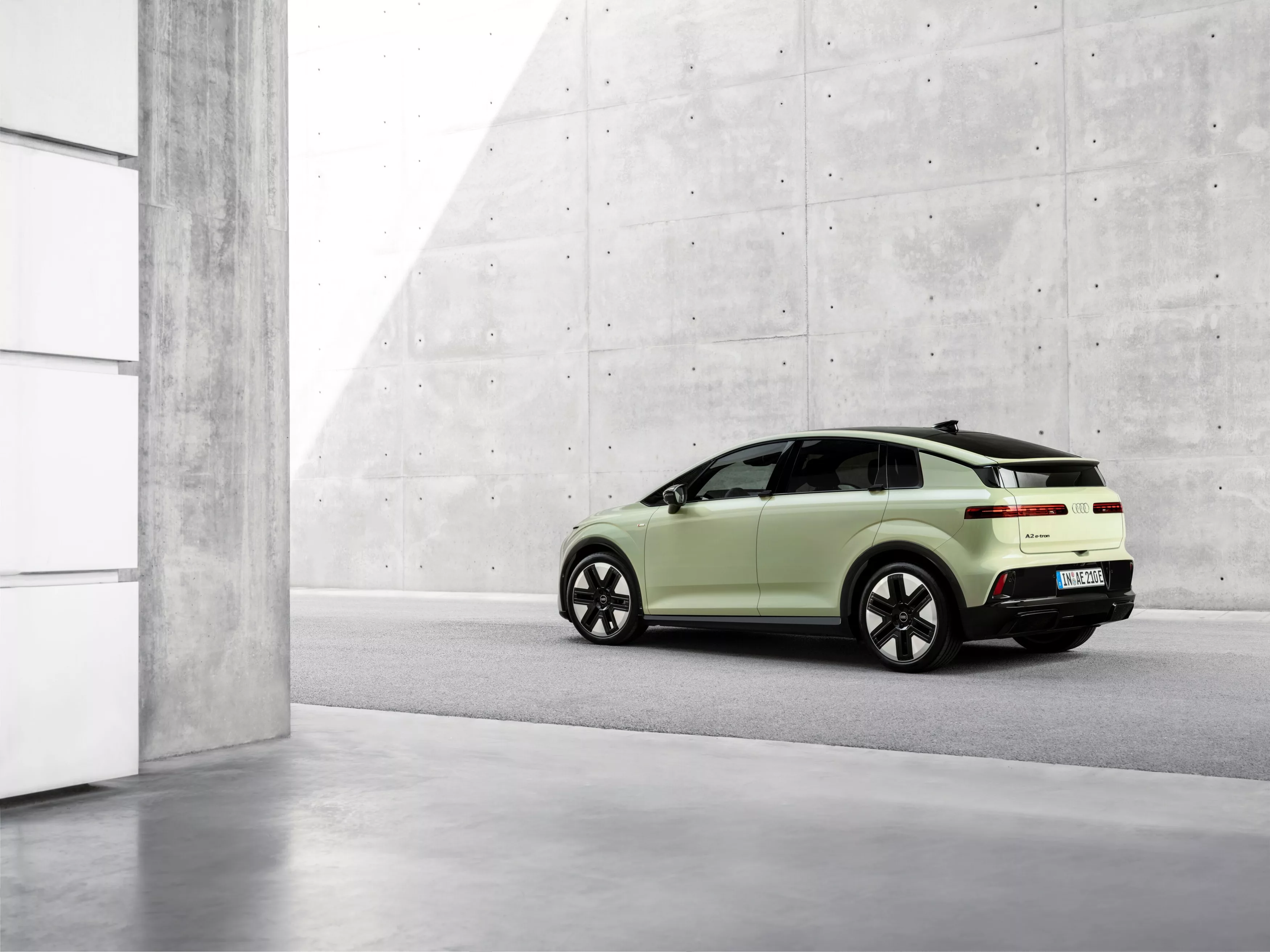
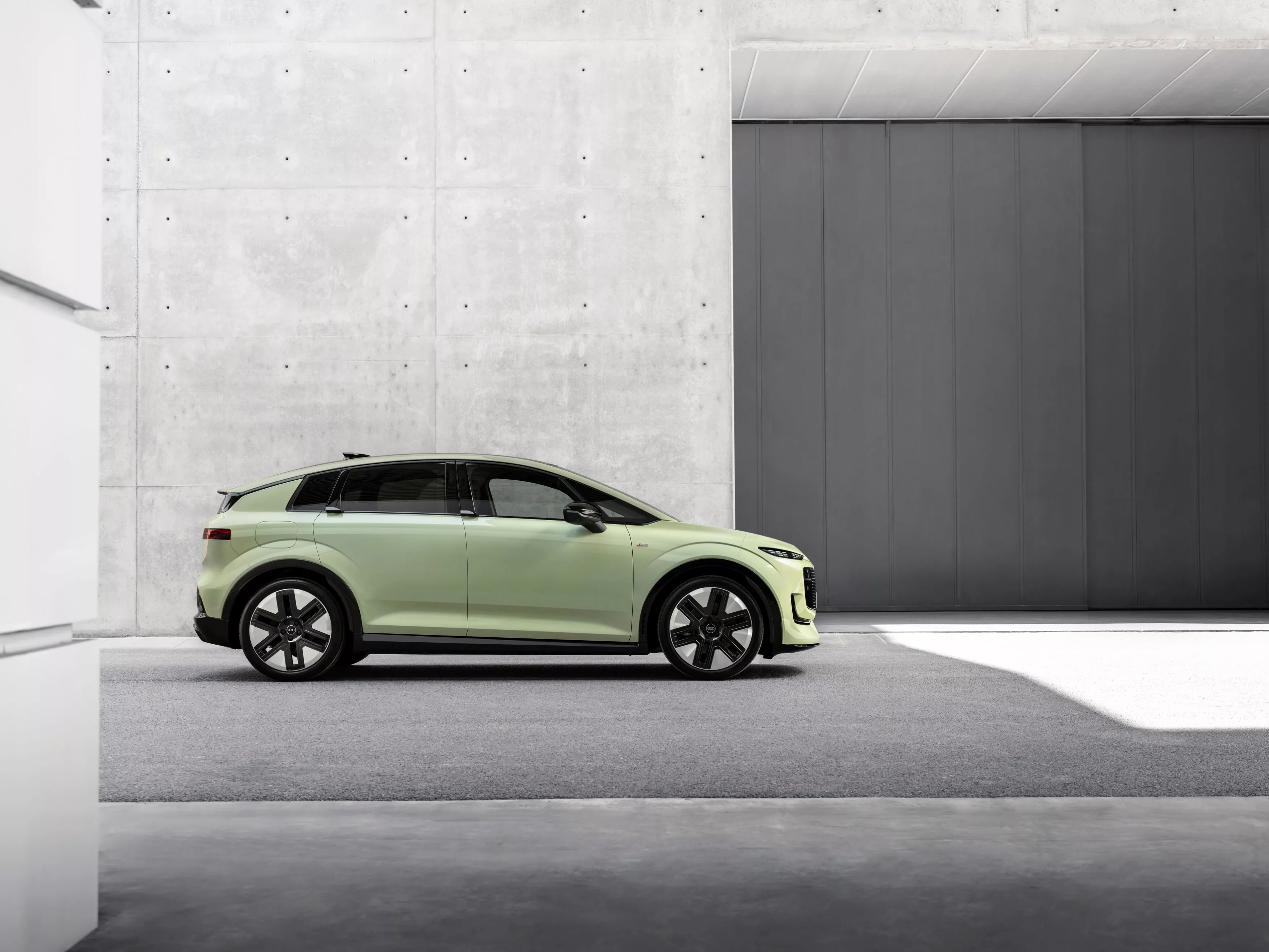
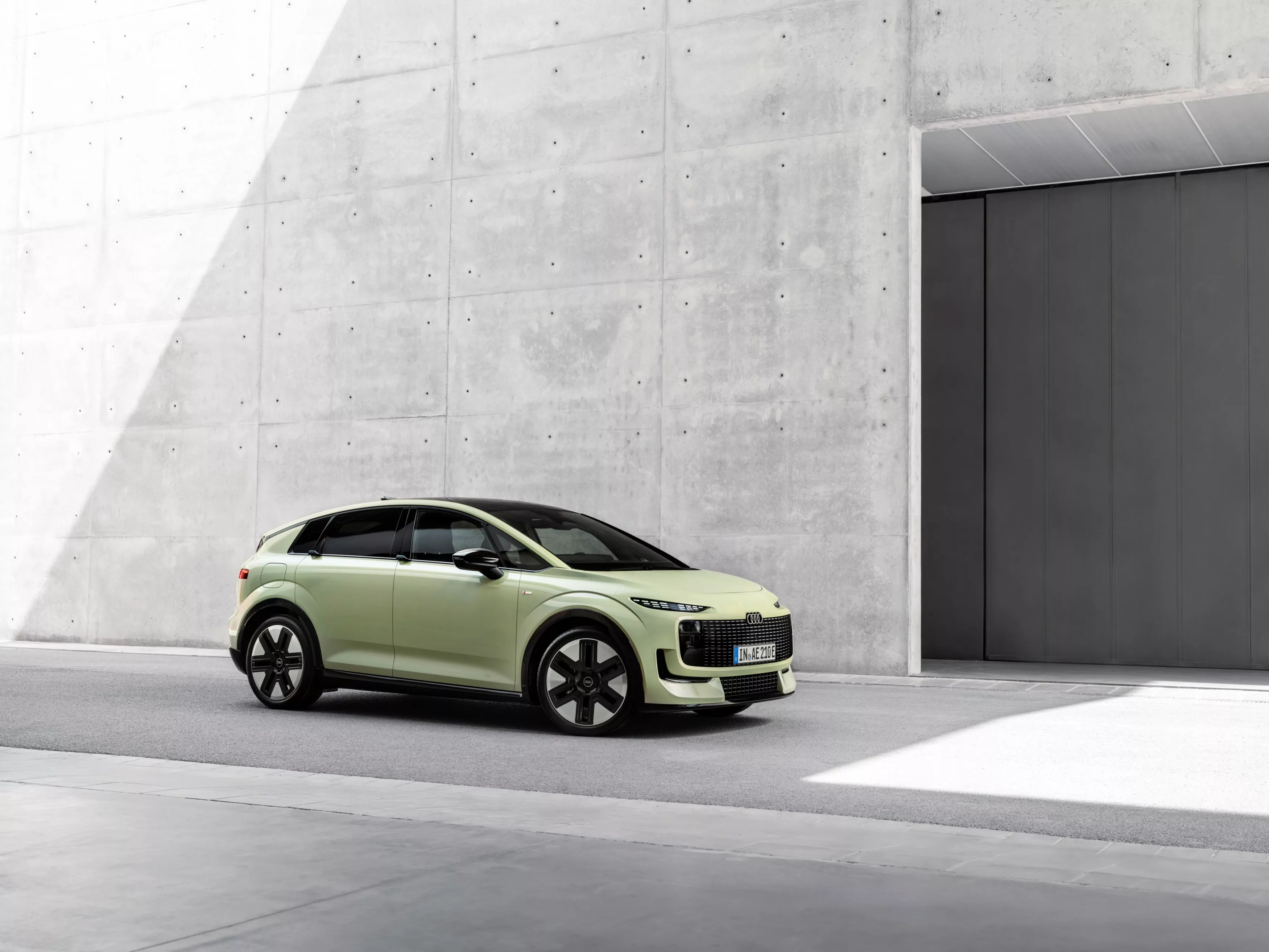
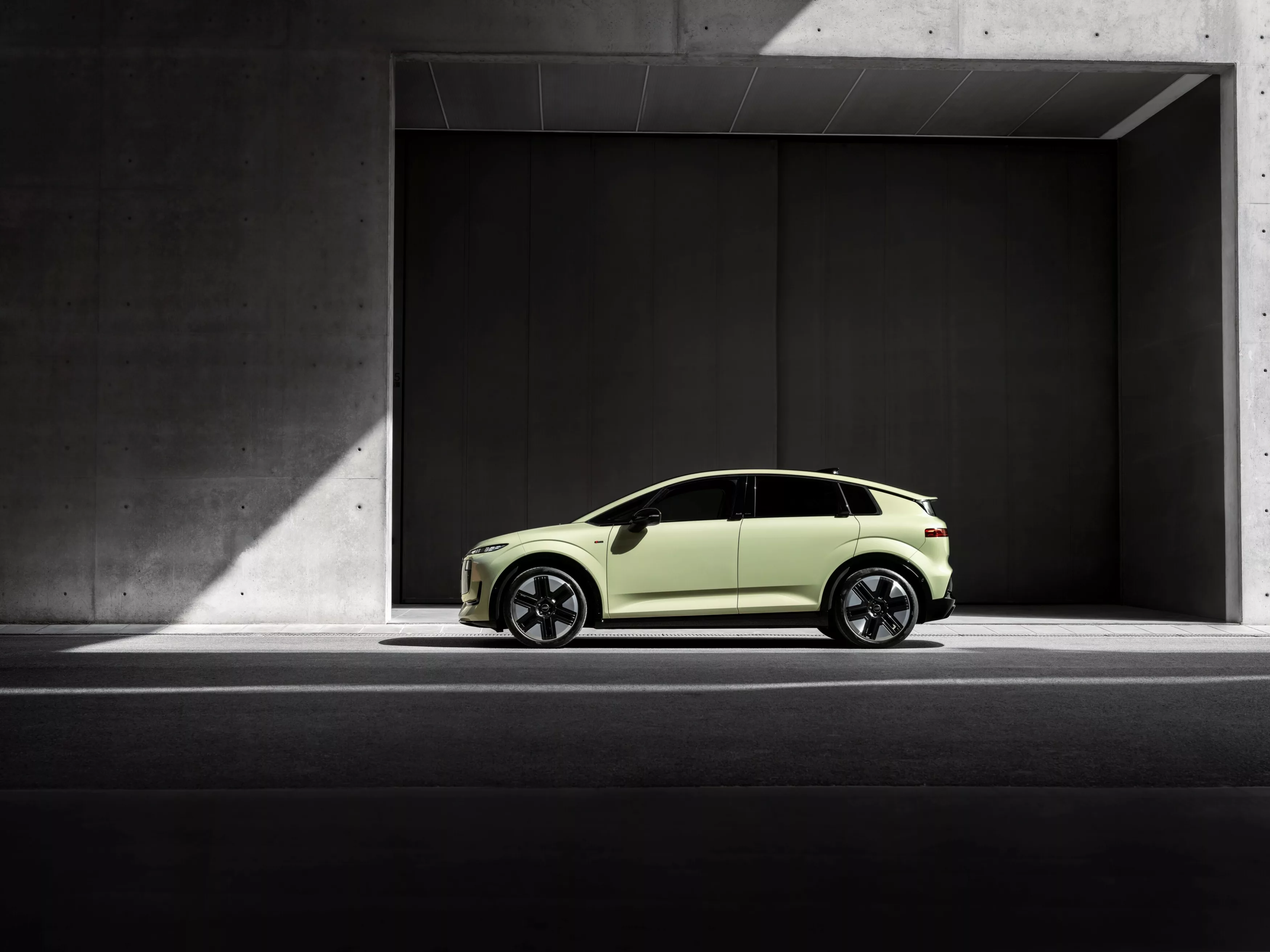
The Audi A2 is back, this time as an electric car with a clearly defined mission. The new A2 e-tron consumes as little as 12.8 kWh/100 km, delivers up to 646 km on a charge and starts at €38,200 in Germany. For Audi, it is not simply another electric model, but an attempt to restore the idea to the premium segment that technical progress can mean lower energy consumption rather than necessarily a larger car and a more powerful motor.
Audi has unveiled the A2 e-tron following its first teaser this spring. The new five-door electric car will be built in Ingolstadt, and the manufacturer describes it as a model designed specifically for European customers. Audi will begin taking orders in Germany on 10 September, with the first cars reaching customers in December.
The return of the A2 name is no coincidence. A quarter of a century ago, the original Audi A2 attempted essentially the same thing with an internal-combustion engine: reducing weight, aerodynamic drag and energy consumption. The new A2 e-tron translates that idea into the electric-car era.
Audi's most efficient car consumes 12.8 kWh/100 km
Audi calls the A2 e-tron the most energy-efficient production car in its history. WLTP energy consumption for the most efficient version starts at 12.8 kWh/100 km. Its Cd of 0.24 is also a record for Audi's compact class.
This figure deserves attention because the modern electric-car range race tends to come down very quickly to battery size. Audi chose a smarter route with the A2: first reduce the car's energy requirements.
To achieve this, the A2 e-tron received an active cooling-air intake, a largely smooth underbody, specially designed aerodynamic wheels and details that manage airflow around the wheel arches. Audi fitted electrically operated door handles that sit almost flush with the body sides.
The result is particularly important in the European market. Lower energy consumption means a huge battery is not necessarily needed to achieve the same range. This reduces weight, material use and ultimately the price.
Three batteries and four power outputs
The A2 e-tron range is unusually broad. Audi offers three battery sizes and four power outputs.
The entry-level model uses a 52 kWh battery and a 125 kW electric motor. Maximum torque is 350 Nm, 0-100 km/h takes 8.8 seconds and WLTP range reaches 423 kilometres. Top speed is 160 km/h.
The next step combines a 61 kWh battery with a 140 kW motor. Torque remains at 350 Nm, but 0-100 km/h acceleration improves to 7.9 seconds and range rises to 515 kilometres.
The long-range version gets an 84 kWh battery and a 170 kW motor. It can travel up to 646 km according to WLTP and accelerates to 100 km/h in 7.0 seconds.
At the top of the range is the 240 kW A2 e-tron, also with an 84 kWh battery. Its motor produces 545 Nm, 0-100 km/h takes 5.7 seconds and top speed increases to 200 km/h. The greater power comes at a cost, with range falling to 630 kilometres.
The longest-range version is therefore not the most powerful. Audi prioritises efficiency in the 170 kW variant and performance in the 240 kW model, a far more honest technical division than promising everything at once in a single configuration.
The 84 kWh battery charges at up to 183 kW
Battery size also affects charging speed. The 52 kWh version accepts up to 100 kW of DC power, while the 61 kWh variant accepts up to 105 kW. The large 84 kWh NMC battery raises maximum charging power to 183 kW.
Charging from 10 to 80 per cent takes 24-29 minutes, depending on the version.
Audi has not set out to chase a class record here. Rivals with 800-volt electrical systems can charge at substantially higher power. The A2's strength must be its lower energy consumption: if a car uses less electricity for every 100 km travelled, it does not necessarily need record charging power to restore the same distance.
The smaller 52 and 61 kWh batteries use LFP cells. Audi employs a cell-to-pack design in these, with the cells integrated more directly into the battery housing. The 84 kWh battery uses higher-energy-density NMC chemistry.
The A2 e-tron also supports bidirectional charging as an option. Vehicle-to-Load makes it possible to power electrical devices from the car, while Vehicle-to-Home allows the battery to be used as home energy storage.
Small on the outside, surprisingly spacious inside
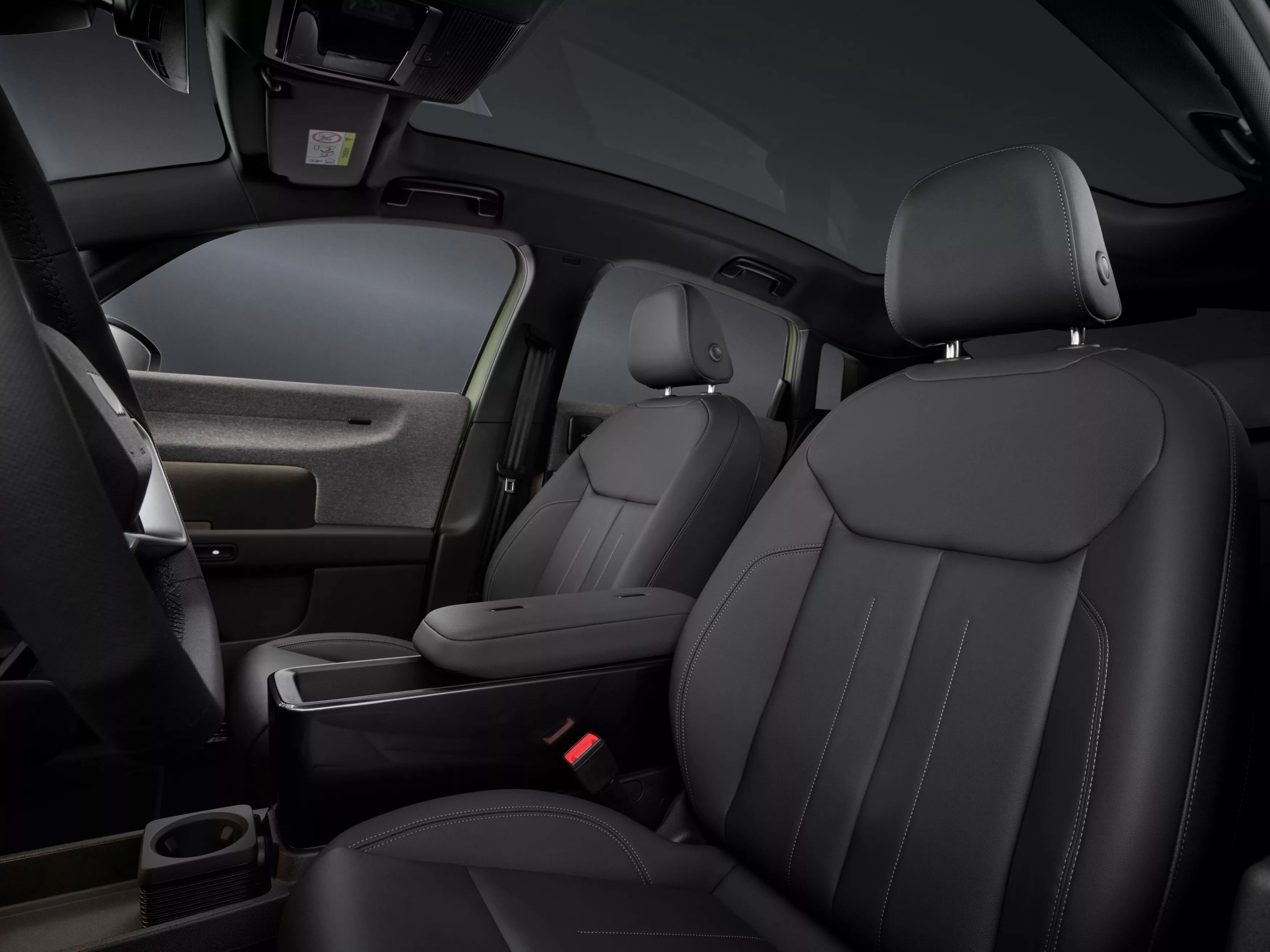
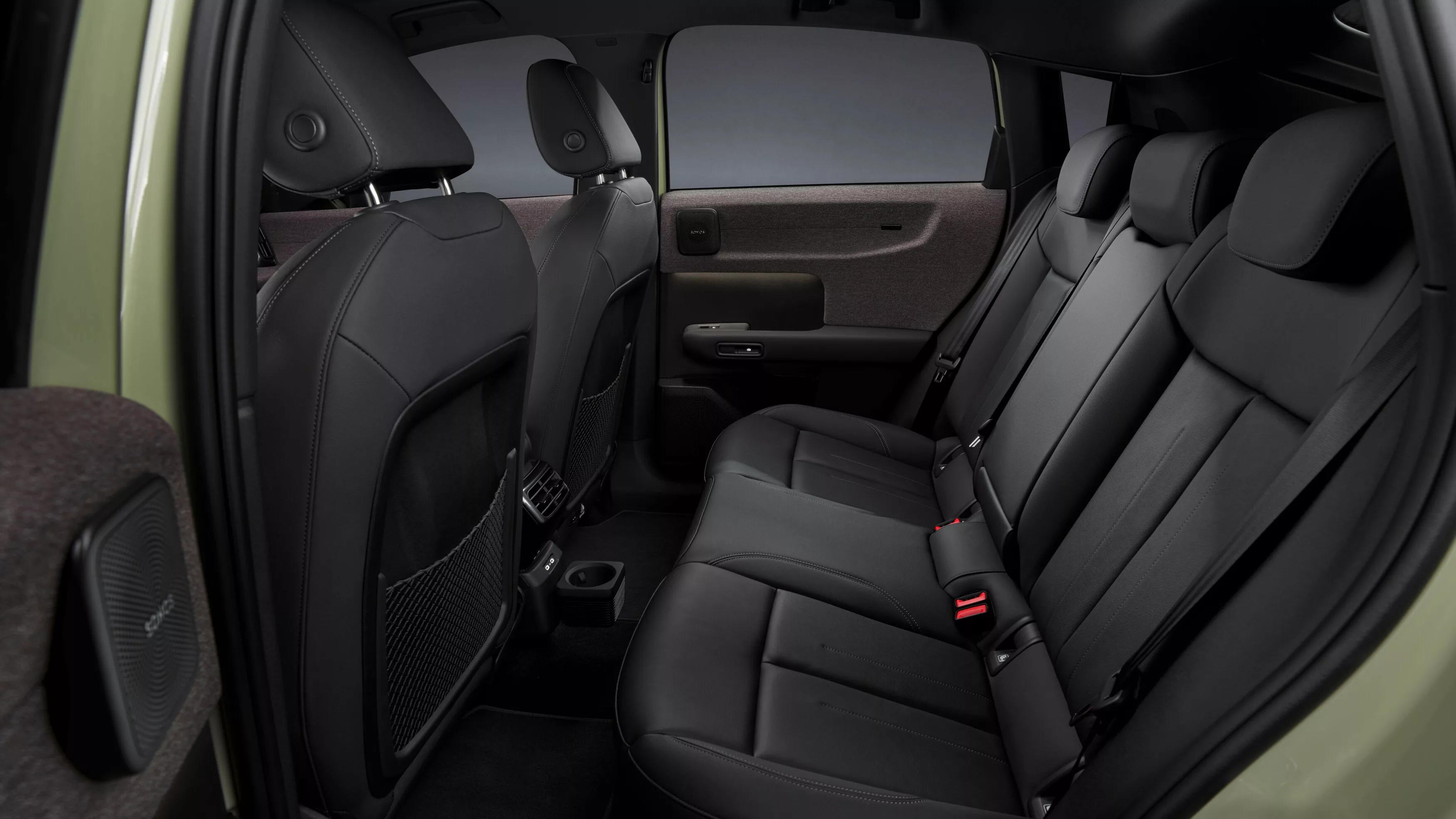
The A2 e-tron's wheelbase is 2.77 metres, which helps explain why Audi does not treat the car as simply an electric A1. The manufacturer has used the electric powertrain to improve space utilisation, and the car's proportions deliberately recall those of the original A2.
Luggage capacity is 396 litres, increasing to 1,336 litres with the rear seats folded. This places the A2 e-tron among genuinely credible European family cars in terms of practicality.
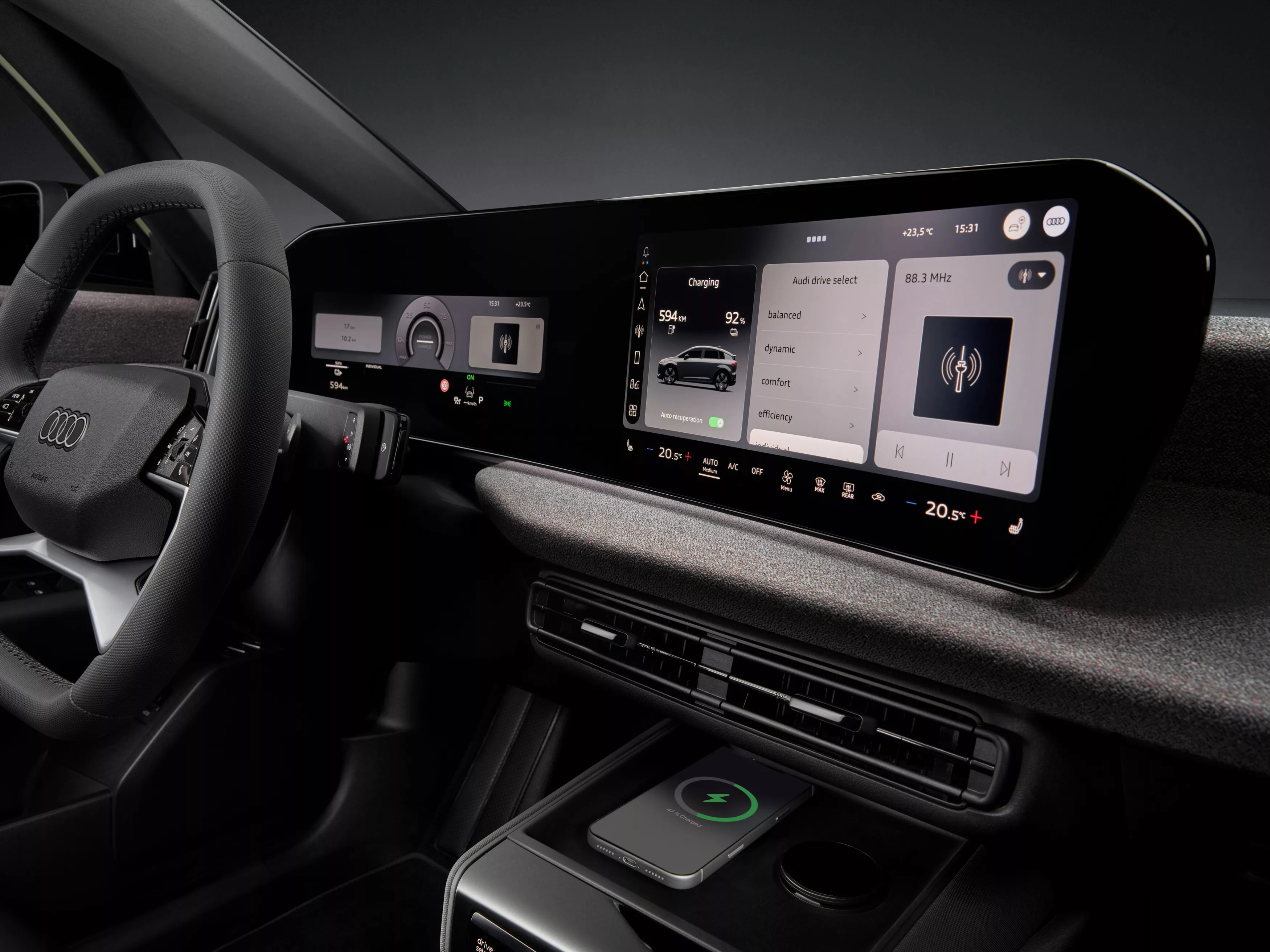
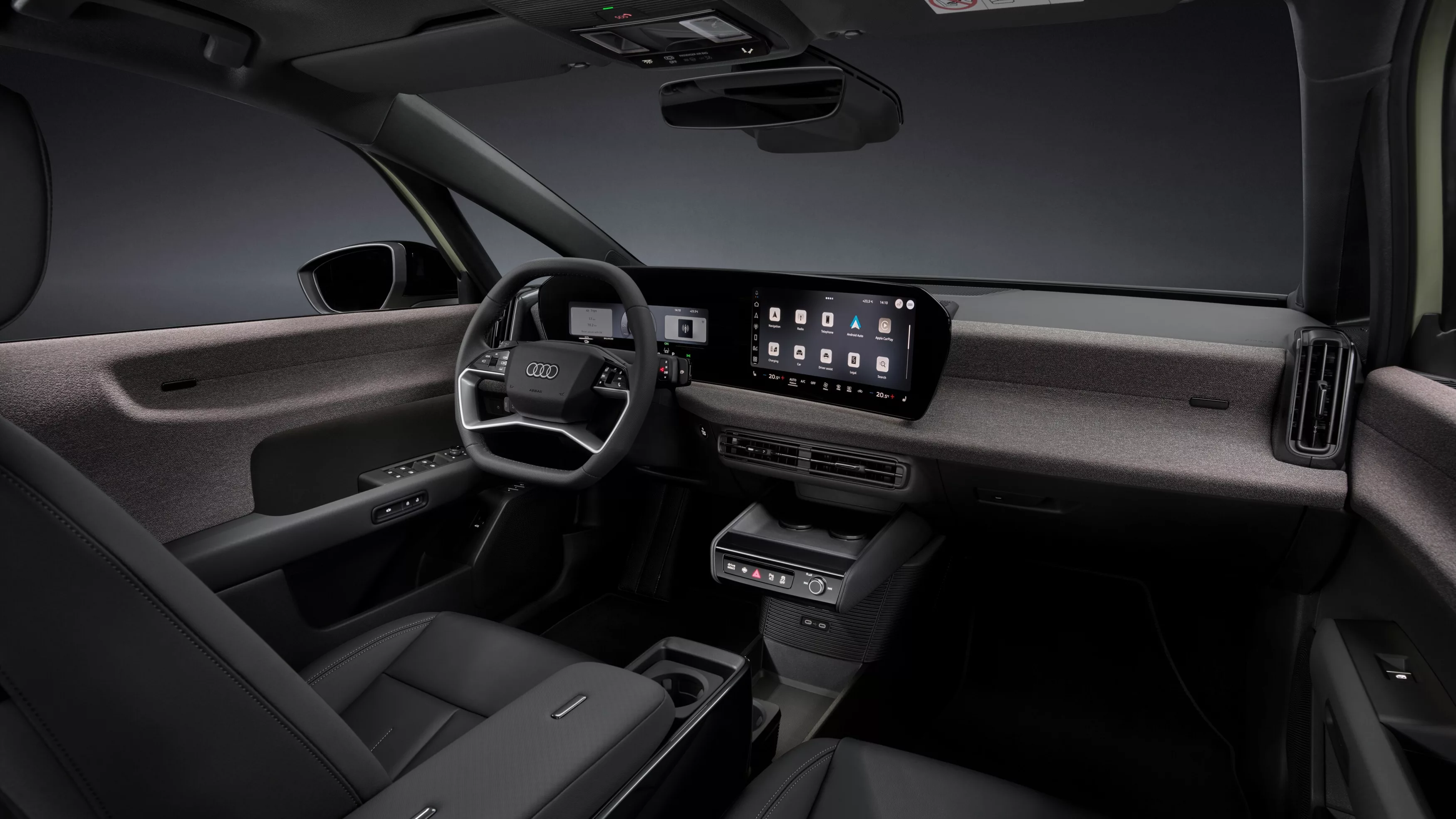
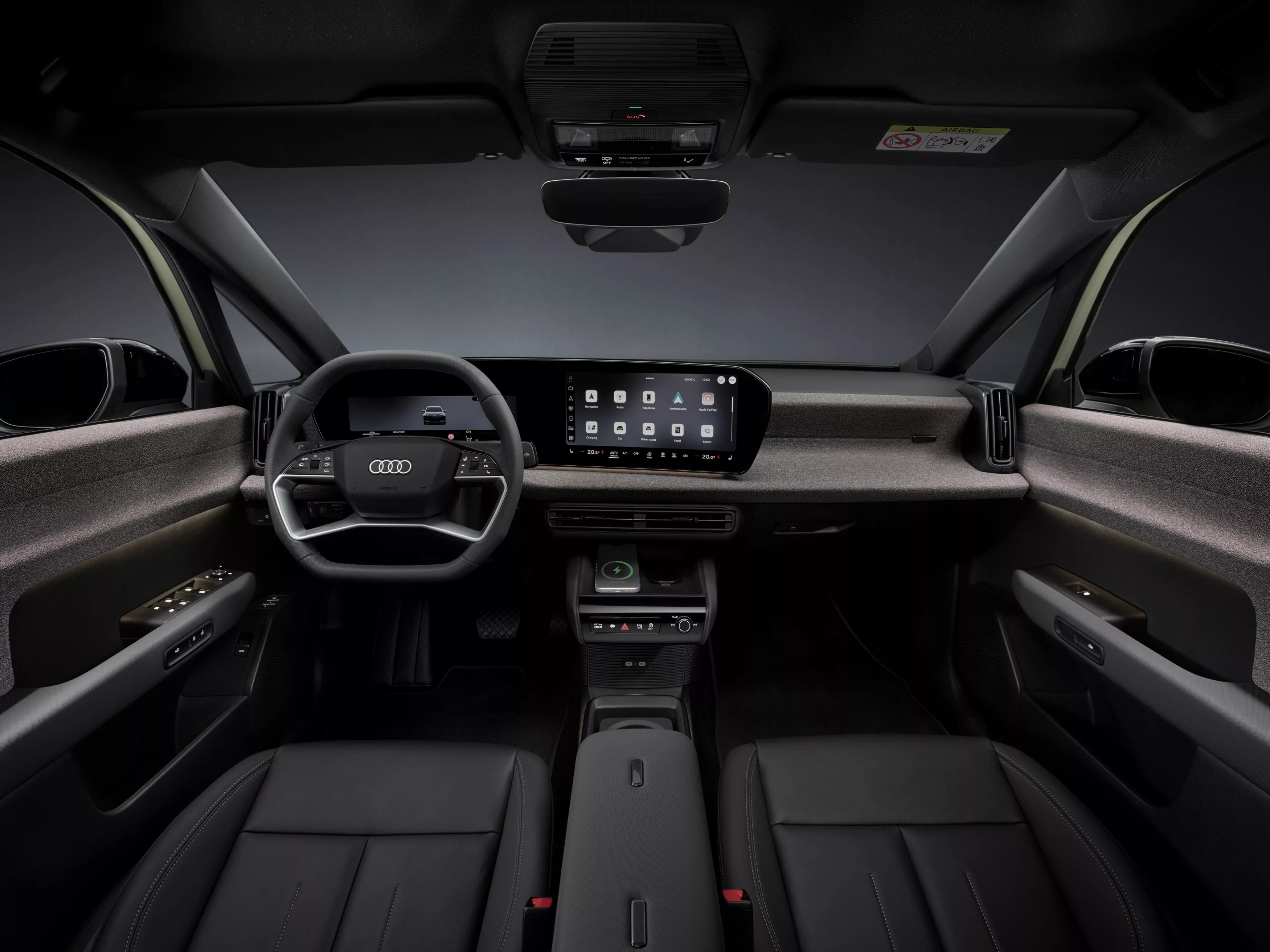
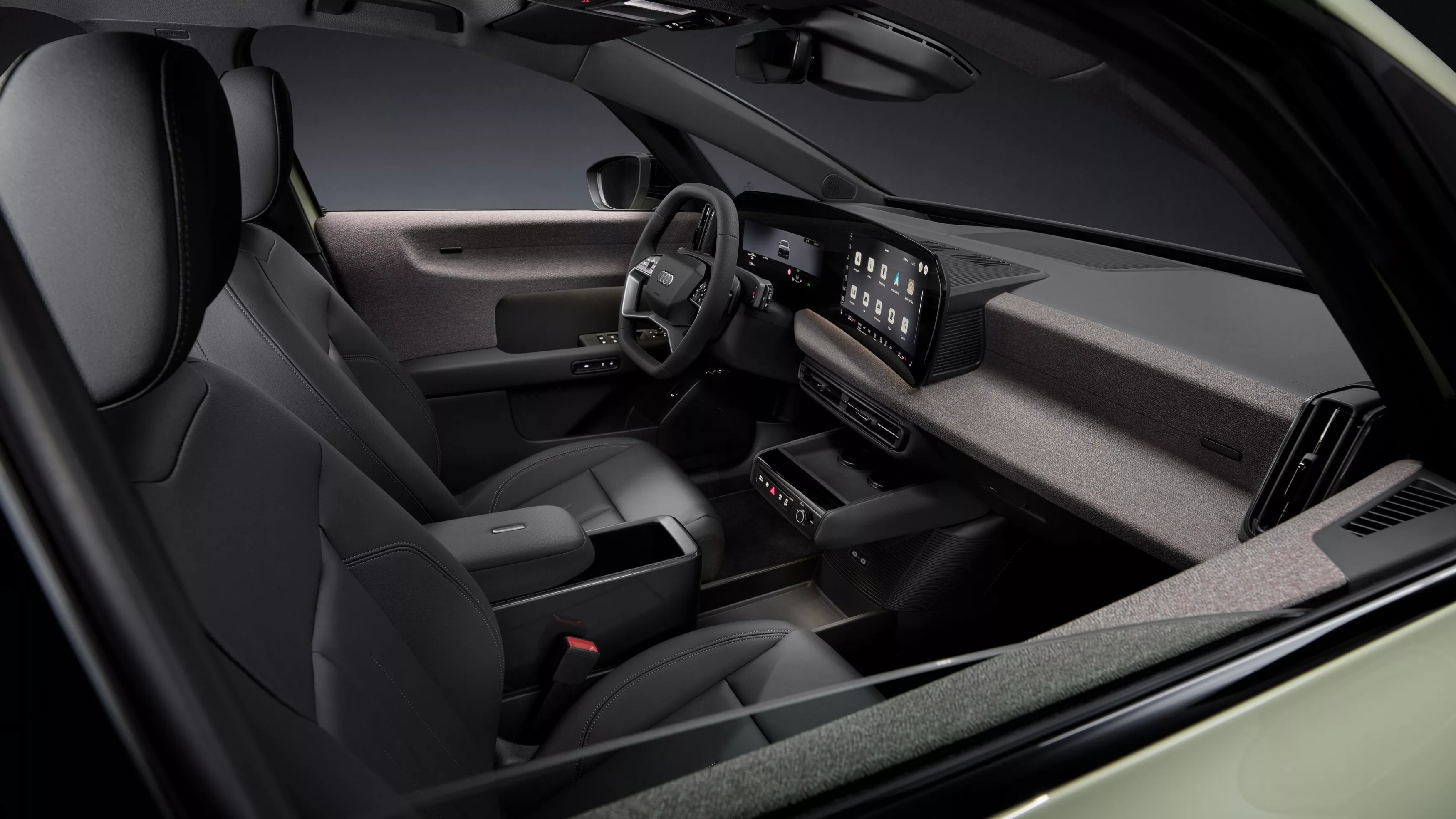
Inside, Audi uses its familiar dual-screen layout. An 11.9-inch Audi virtual cockpit plus sits in front of the driver, accompanied by a 12.8-inch MMI touchscreen. Standard equipment includes the AI-powered Audi assistant and the e-tron route planner.
A more interesting detail is the Fidlock magnetic mounting system, which allows various accessories to be attached inside the cabin. Audi calls it a first for the premium segment.
Optional equipment includes a panoramic glass roof of up to 1.6 m², wheels up to 20 inches, various suspension options and the S line package.
€38,200 makes the A2 Audi's entry-level electric model
In Germany, the A2 e-tron with 125 kW and a 52 kWh battery starts at €38,200. The 61 kWh model costs from €41,900, the 170 kW and 84 kWh version from €48,900, and the 240 kW flagship model from €51,200.
The price list shows how important a role Audi assigns to the A2. It is not an experimental eco-car or an expensive technology showcase, but the brand's new entry-level electric model.
At the same time, €38,200 cannot be called inexpensive in Europe's compact class. Cheaper electric cars from within the Volkswagen Group push price levels lower, while Renault, Citroën and Chinese manufacturers are competing for the same customers even more aggressively.
Audi must therefore justify a starting price of around €40,000 with efficiency, quality, equipment and premium positioning, rather than simply four rings on the bonnet.
The A2 name suits this car better than it first appears
The original A2 was one of Audi's boldest cars. Its aluminium construction, exceptionally good aerodynamics and extremely efficient 1.2 TDI version made it an engineers' favourite, but costly production and unusual proportions limited its commercial success.
The new A2 e-tron does not copy the old car, but its philosophy is recognisable. In both cases, Audi attempts to achieve a better result not through brute force, but by reducing energy demand.
That also sets the A2 e-tron apart from the current electric-car mainstream. The 240 kW flagship is quick, but the real technical figures are not its 5.7-second sprint to 100 km/h. Far more interesting are 12.8 kWh/100 km and Cd 0.24.
Audi CEO Gernot Döllner describes the new A2 e-tron as an example of how the brand wants to rethink the premium car in Europe. This time, “more” means lower energy consumption, not necessarily a bigger battery.
That is precisely the point of reviving the A2 name. A quarter of a century ago, the original A2 may have been too rational for the market. In the electric-car era, that same rationality could instead prove to be its successor's greatest competitive advantage.


