
Opel gives the Astra GSE Line 206 kW, but stops short of promising a true OPC
 1/5
1/5
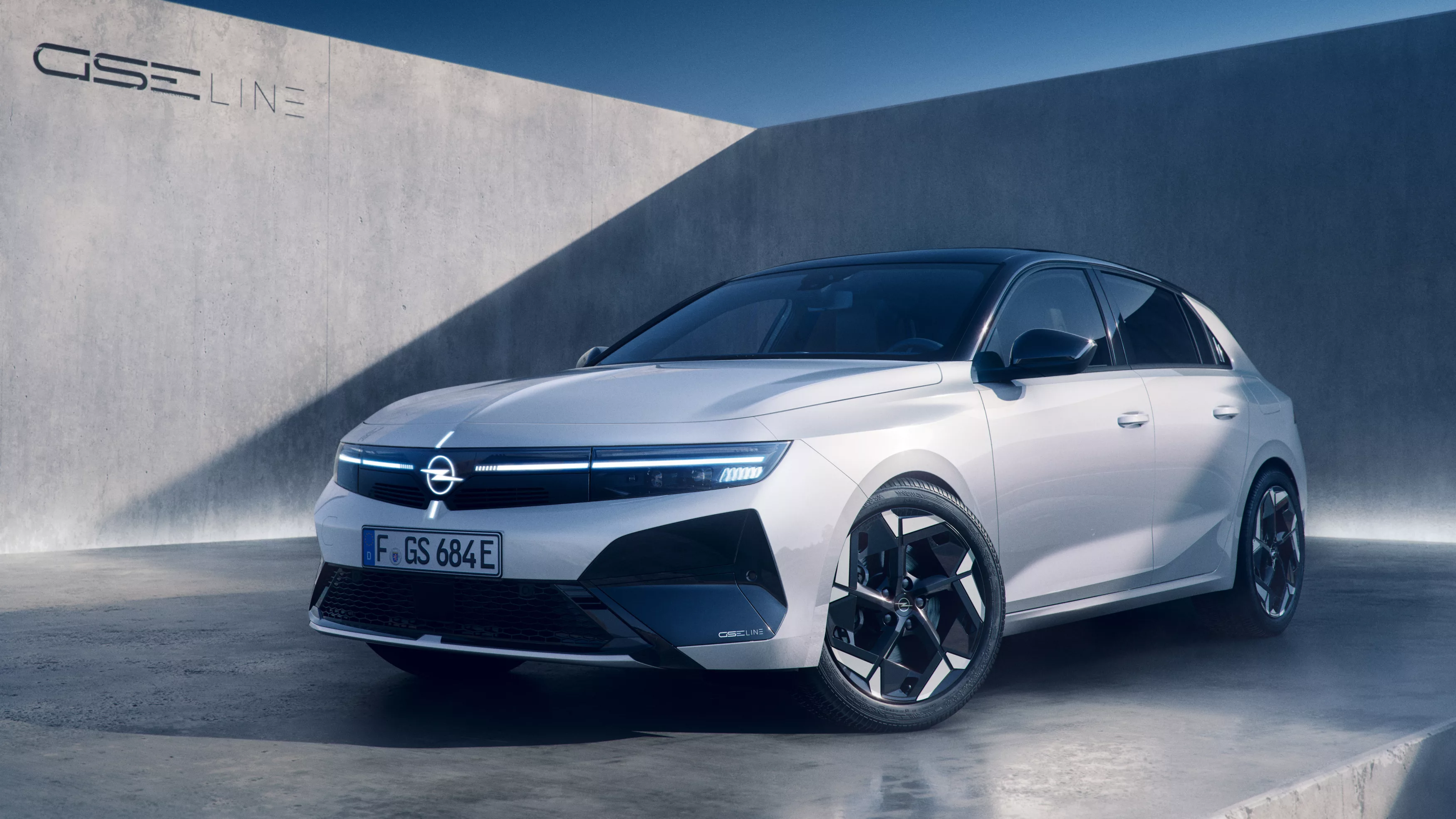
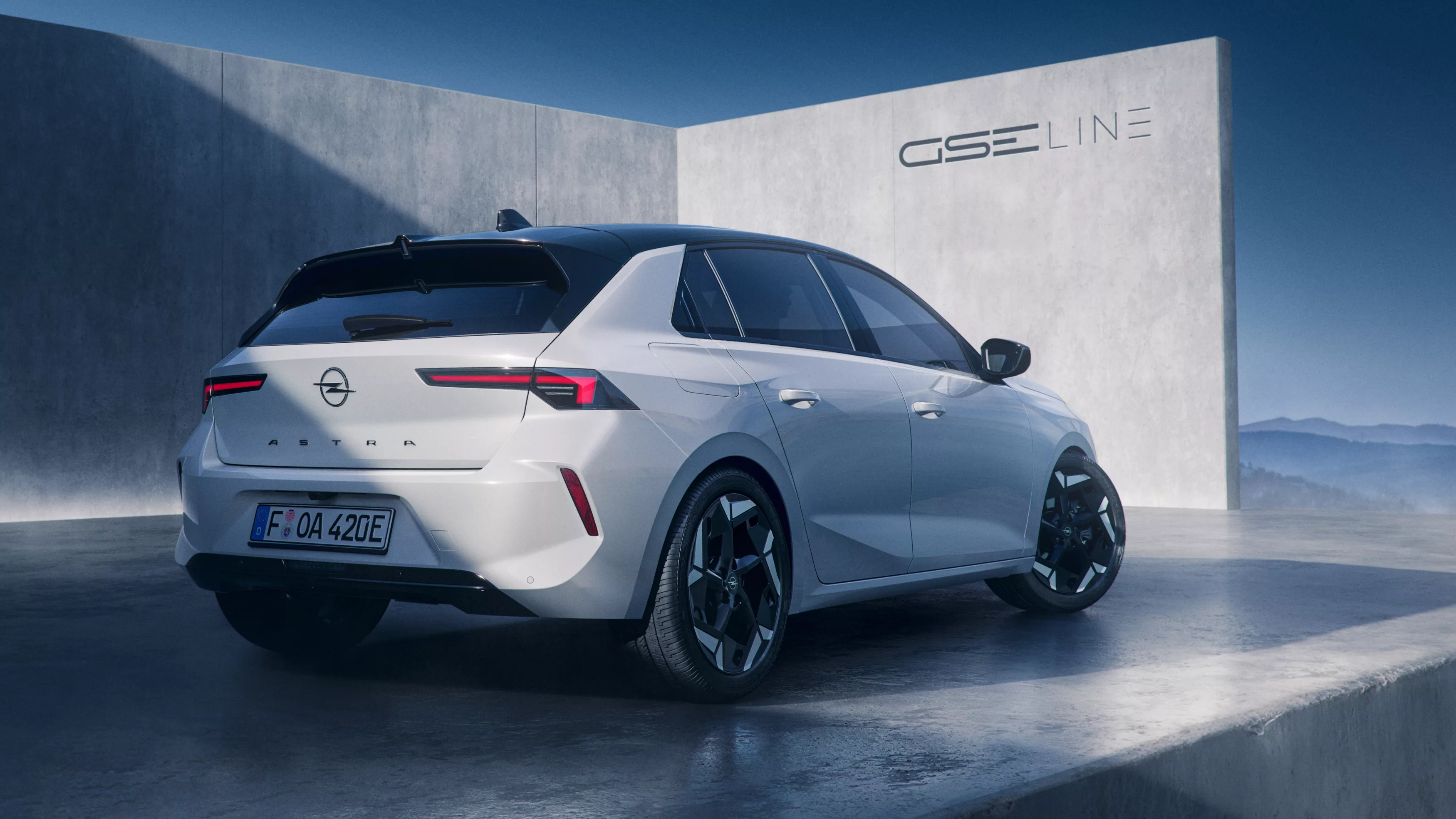
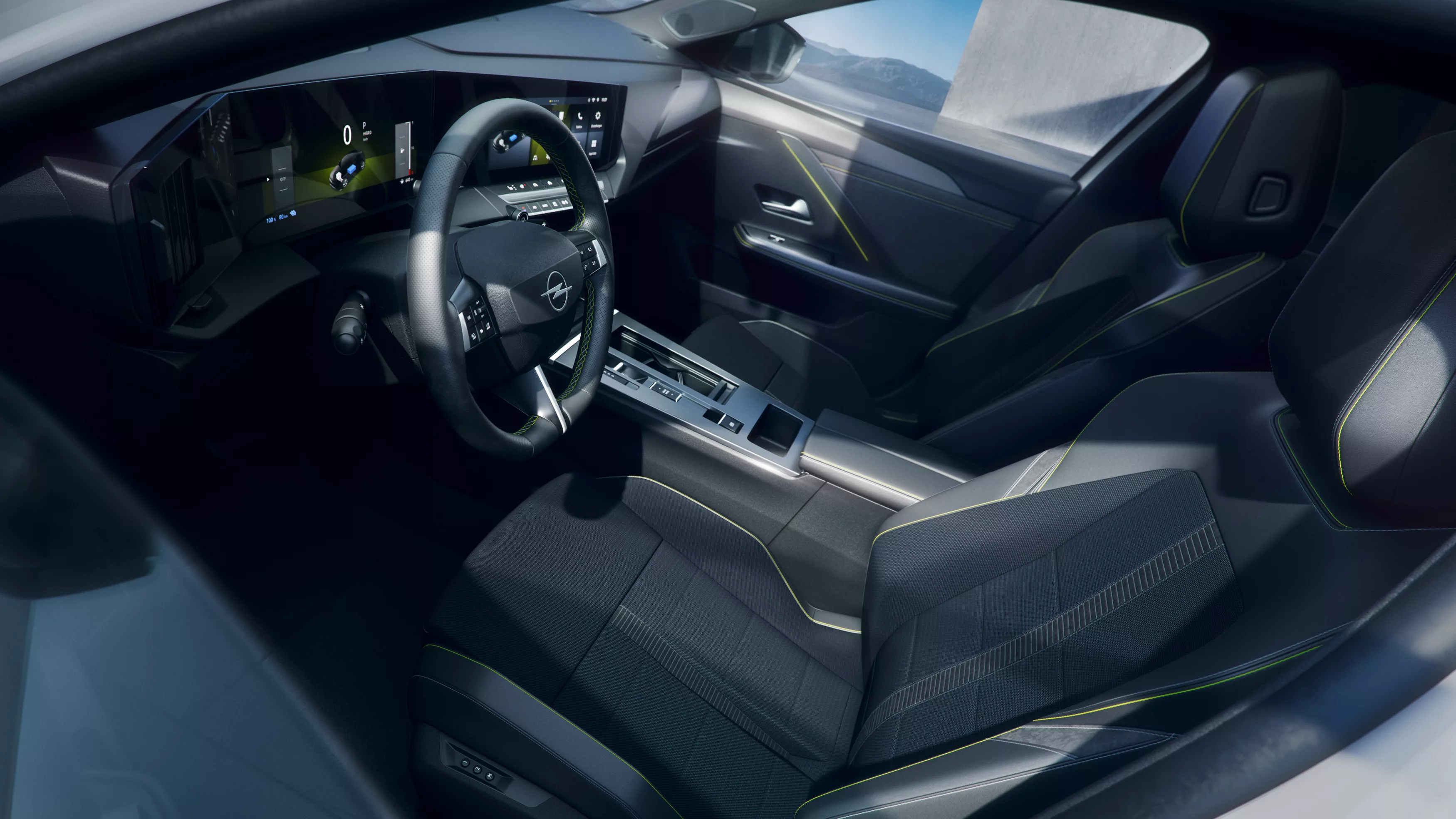
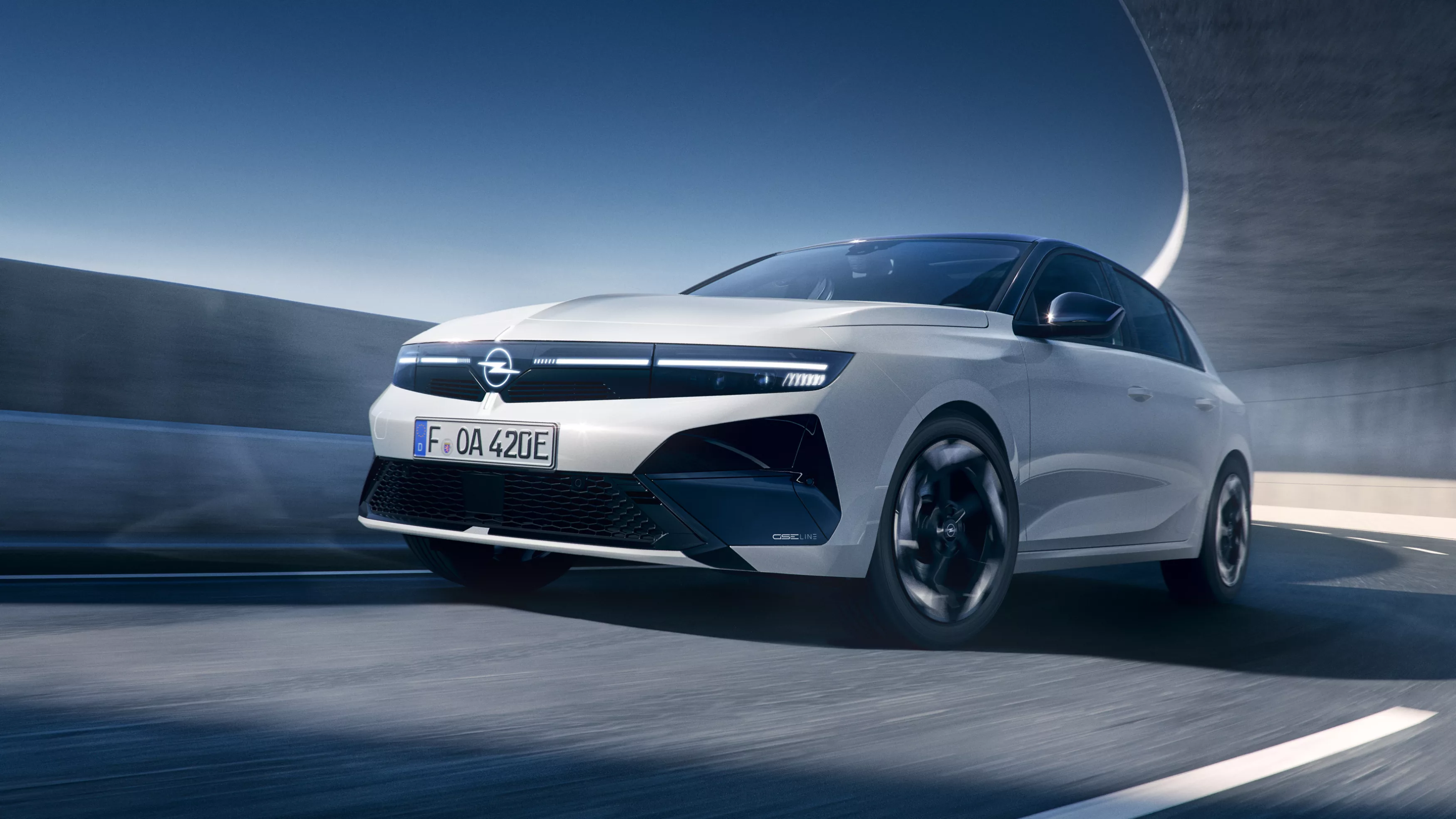
Opel is sharpening up the sportier end of the Astra range and will launch the GSE Line in spring 2027. The bigger news, however, lies in the 206 kW flagship version arriving later, whose output matches that of the former Astra OPC. One key detail remains open for now: Opel has not yet said which powertrain the 206 kW Astra will use. There is therefore no reason to call it an electric hot hatch just yet.
GSE Line replaces GS
Opel will unveil the new Astra GSE Line at the Paris Motor Show in October, with sales beginning in spring 2027. The GSE Line is not a specific powertrain, but a new sporty styling trim level that replaces the existing GS.
This distinction is important. Opel is promising the GSE Line across the entire Astra powertrain range. Depending on the market, this means electric, plug-in hybrid, hybrid and internal-combustion versions. A 206 kW variant will join the top of the range later in 2027, but Opel is keeping its technical details under wraps for now.
As a result, claims of a 206 kW electric Astra GSE Line go a step beyond the official information. Such a solution would be entirely plausible, as the Corsa GSE and Mokka GSE already use a 207 kW electric drive, but Opel has not yet confirmed this for the Astra. The Corsa GSE also develops 345 Nm and accelerates from 0-100 km/h in 5.5 seconds.
206 kW returns the Astra to OPC power territory
The 206 kW figure has a familiar ring in Opel's history. The Astra J-generation OPC reached 206 kW in the 2010s, meaning the new flagship Astra enters old hot-hatch territory, at least in terms of power.
That does not yet mean the new car is a spiritual successor to the OPC. Power alone does not make a hot hatch, and Opel is deliberately using the GSE Line designation here rather than GSE. In the manufacturer's own hierarchy, the Corsa GSE and Mokka GSE are genuine performance models, while GSE Line extends their look and character to more conventional models.
That is quite a significant difference. The Mokka GSE, for example, is not limited to a 207 kW motor. It has a Torsen limited-slip differential, specially tuned axle assemblies, new dampers, 380 mm front brakes and four-piston calipers. The car develops 345 Nm, reaches 100 km/h in 5.9 seconds and has a top speed of 200 km/h.
If the 206 kW Astra is to make a serious claim to the OPC heritage, Opel will need to do something similar. Simply fitting a more powerful motor and a sportier bumper would make the result more of a quick Astra than a genuine hot hatch.
The leap over the current Astra Electric would be huge
The current electric Astra illustrates just how substantial a step up 206 kW would be. The Astra Electric uses a 115 kW electric motor and develops 270 Nm. Its 58 kWh battery, of which 55 kWh is usable, provides a WLTP range of up to 454 km. The 0-100 km/h sprint takes 9.3 seconds, while top speed is limited to 170 km/h.
If the 206 kW flagship version proves to be electric, output would rise by almost 80 per cent compared with the current Astra Electric. That would place the car firmly among electric performance hatchbacks.
Opel has suitable technology available both within the group and in its own model range, but it is worth applying the brakes to speculation here. The existence of the 207 kW drive in the Mokka and Corsa does not automatically prove that the Astra will receive the same solution.
GSE Line brings a sportier look without a mandatory power package
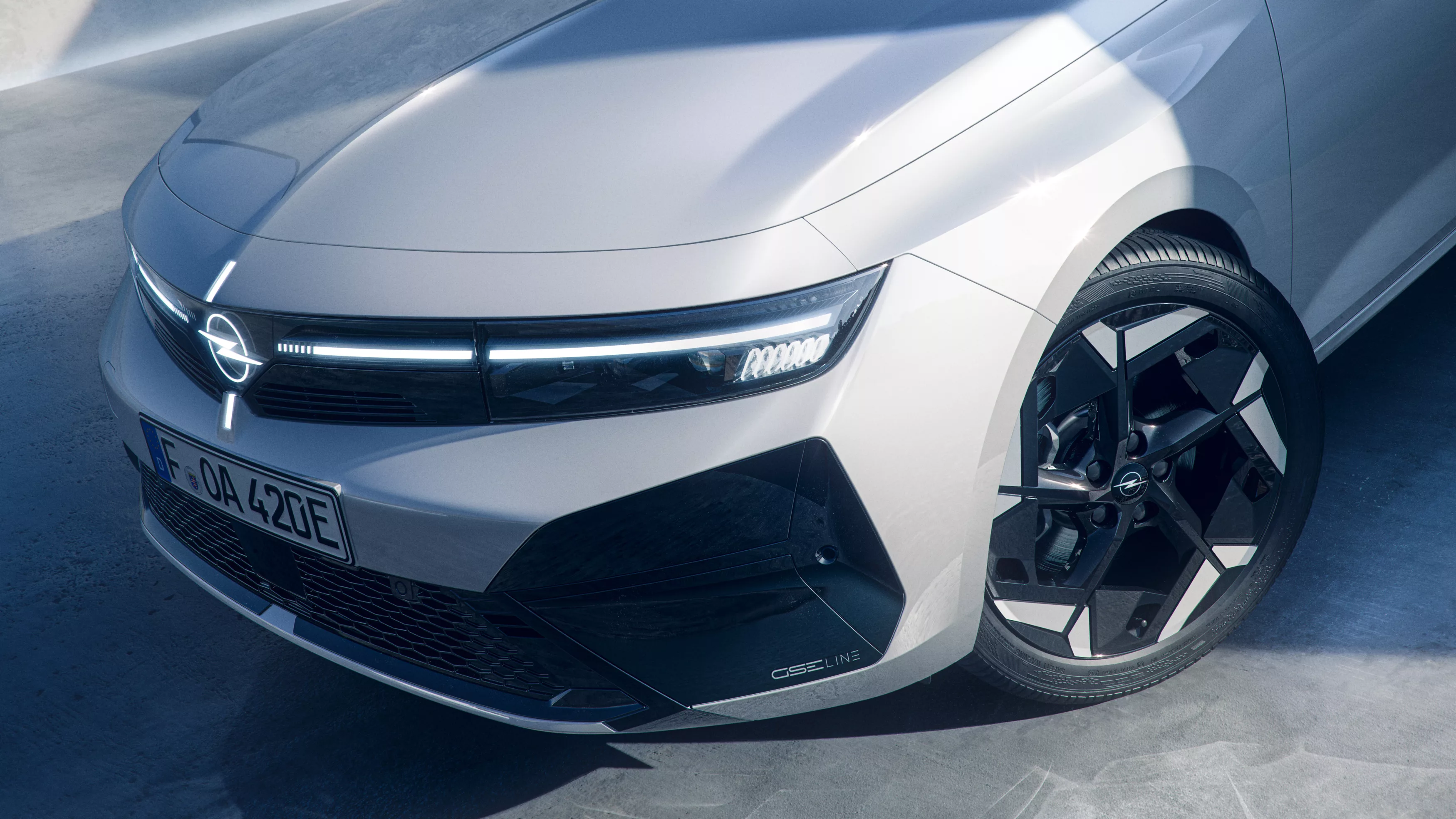
Externally, Opel gives the Astra a more aggressive front end. The GSE Line gets a sharper front bumper, distinctive alloy wheels and an interior with GSE design elements. Sport seats with integrated head restraints will be available.
The commercial logic of this strategy is fairly transparent. Customers get a sporty appearance regardless of whether they want the most powerful powertrain. BMW does the same with M Sport, Mercedes-Benz with AMG Line and Volkswagen with R-Line. Opel wants to build GSE into a similarly recognisable badge, while retaining a more technically focused position for the genuine GSE models.
GSE now stands for “Grand Sport Electric”. Opel is also increasingly linking the name with motorsport, using the Mokka GSE Rally in a rally series and preparing for Formula E with the GSE 27FE.
The previous Astra GSe was quick, but not a true hot hatch
The first sporting attempt of the current generation was the plug-in hybrid Astra GSe. Its 1.6-litre turbocharged petrol engine and electric motor produced a combined 165 kW and 360 Nm. The hatchback accelerated from 0-100 km/h in 7.5 seconds and reached 235 km/h. Opel lowered the suspension by 10 mm and used a bespoke setup with KONI FSD dampers.
The new 206 kW model represents an increase of 41 kW, or around 25 per cent, by comparison.
Opel has reason to revive the Astra's sporting image in the European market. The selection of classic internal-combustion hot hatches has narrowed, while electric performance models are pushing in. The Astra name still carries the legacy of the GSi and OPC eras, but the 165 kW plug-in hybrid of recent years was unable to truly replace the brute force of the 206 kW Astra OPC.
The 206 kW figure gives Opel the opportunity to close that gap, at least on paper. Whether the new Astra can also take up the old OPC's mantle on a winding road will depend on the differential, suspension, brakes, weight and, of course, the powertrain. Opel is wisely keeping quiet about those matters for now.


