
Volkswagen ID. Buzz covered 99,767 km, battery retained 95.75% state of health
 1/19
1/19
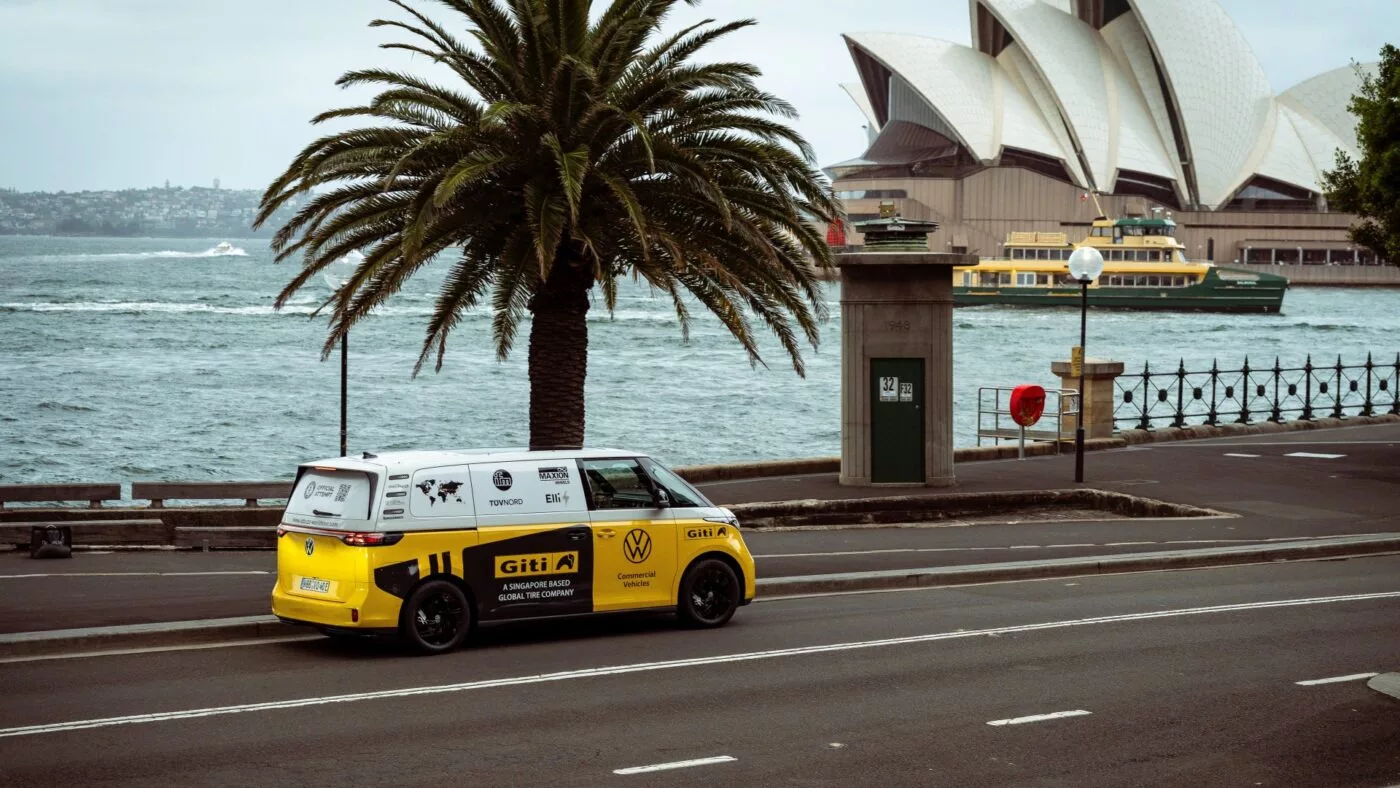
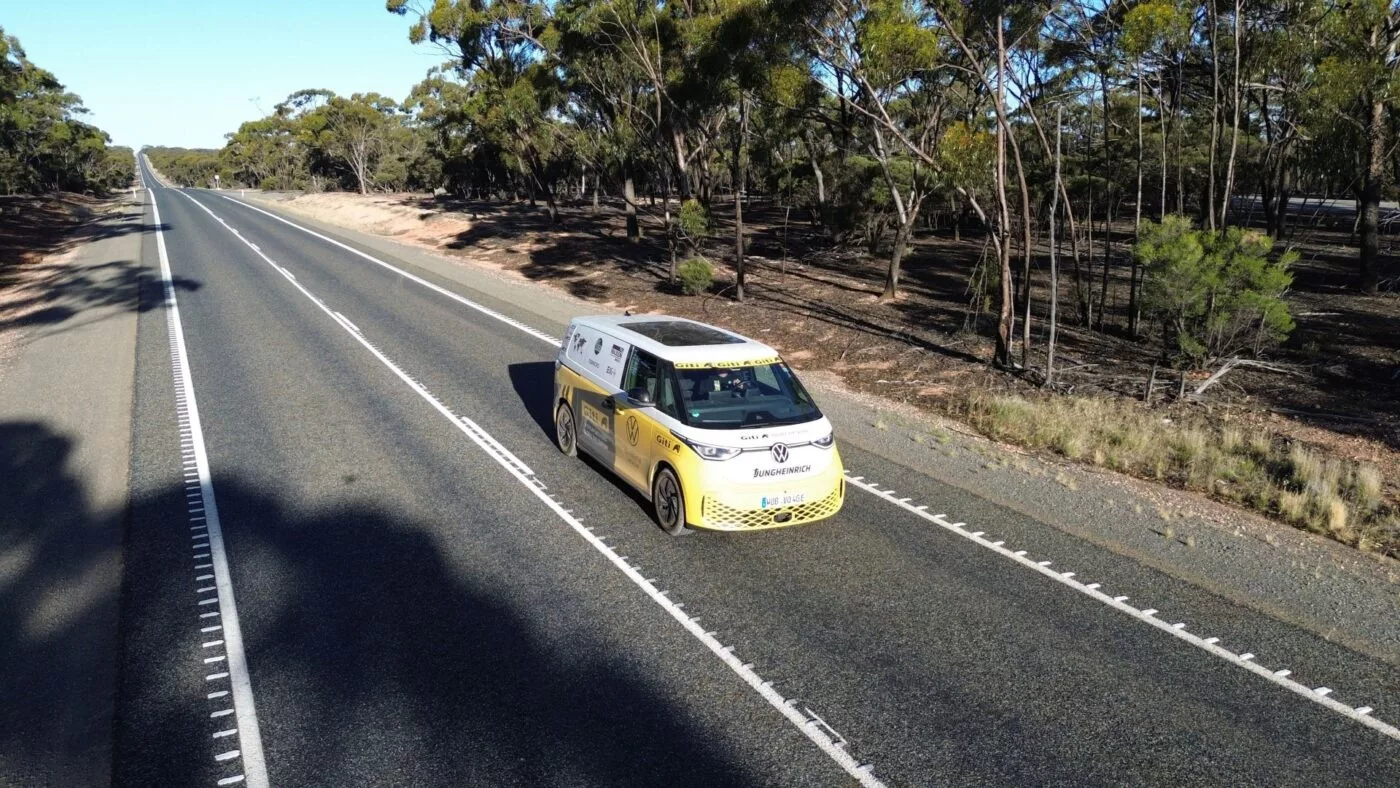
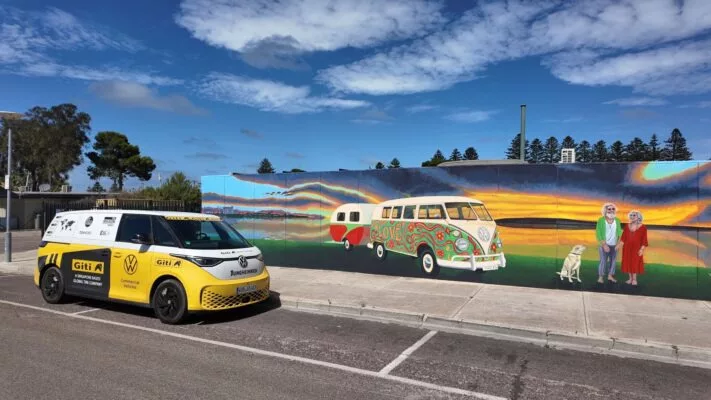
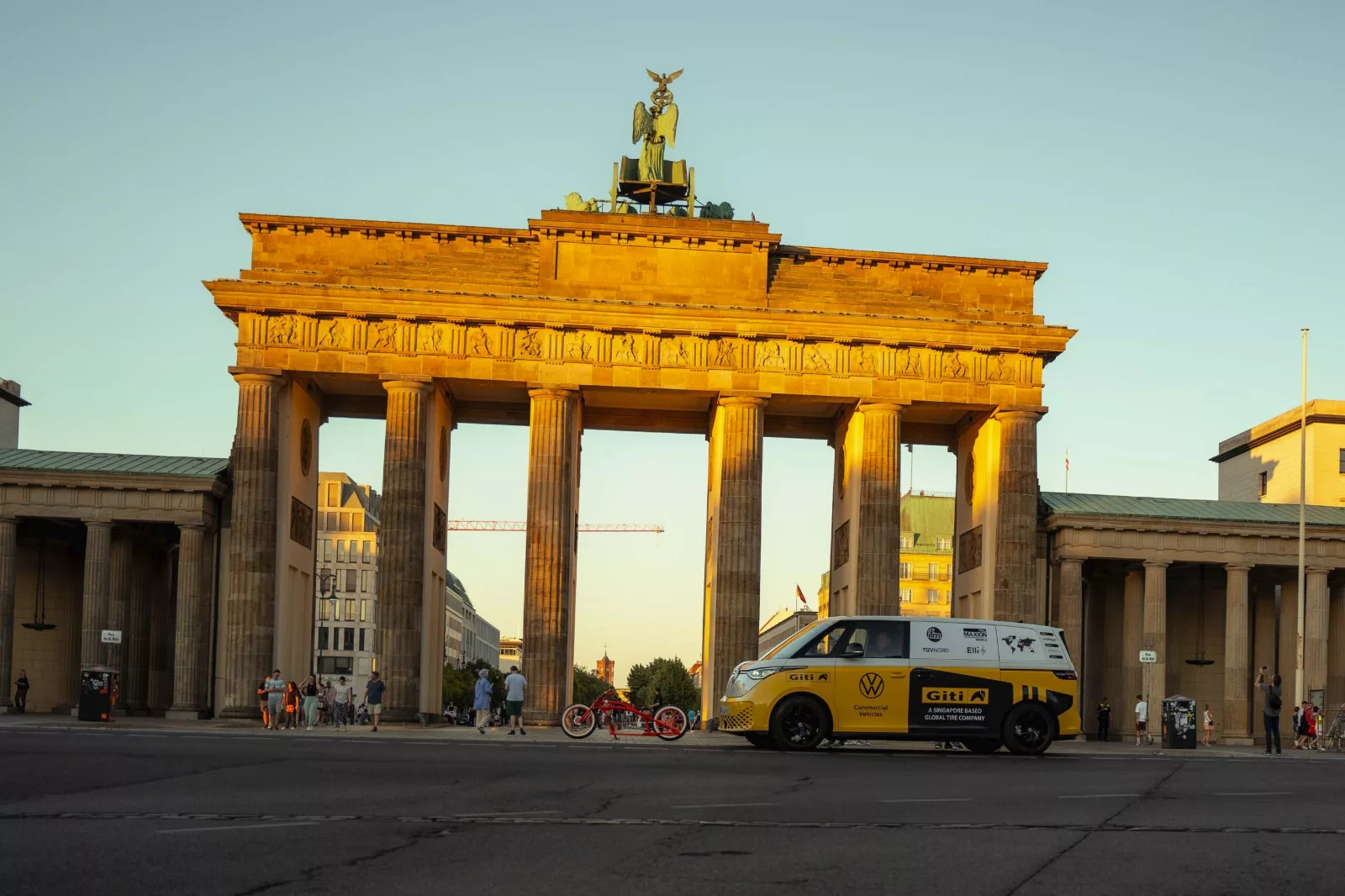
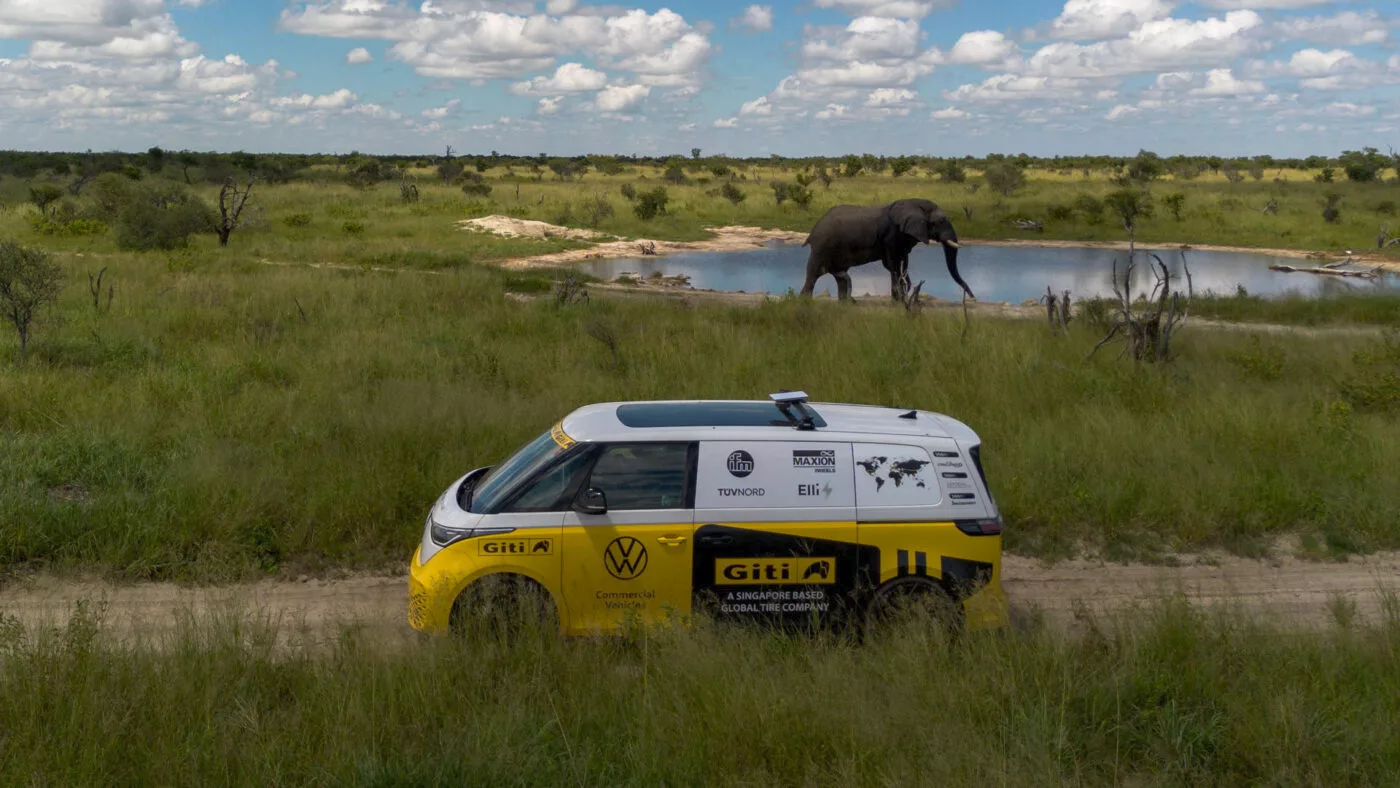

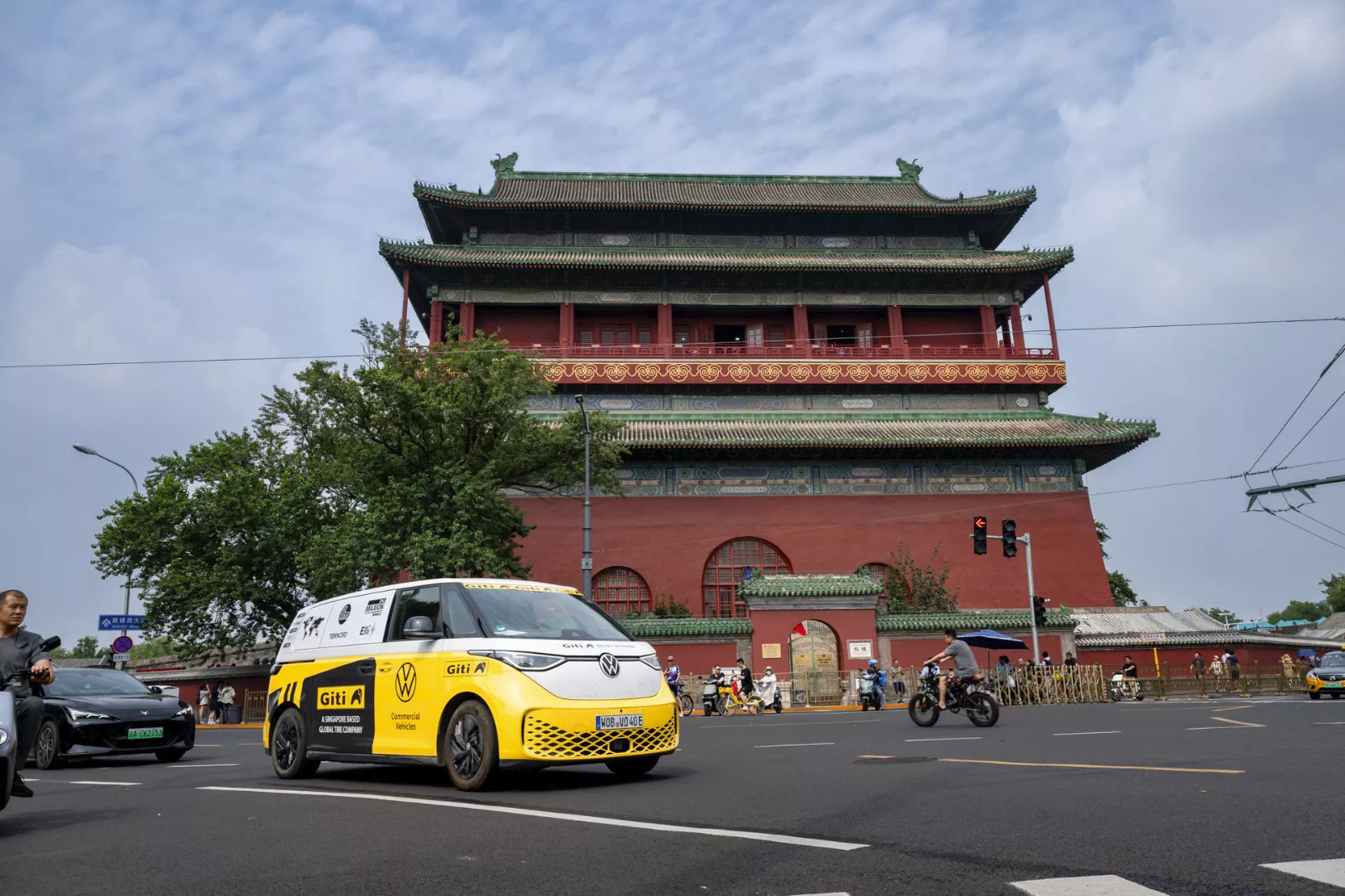

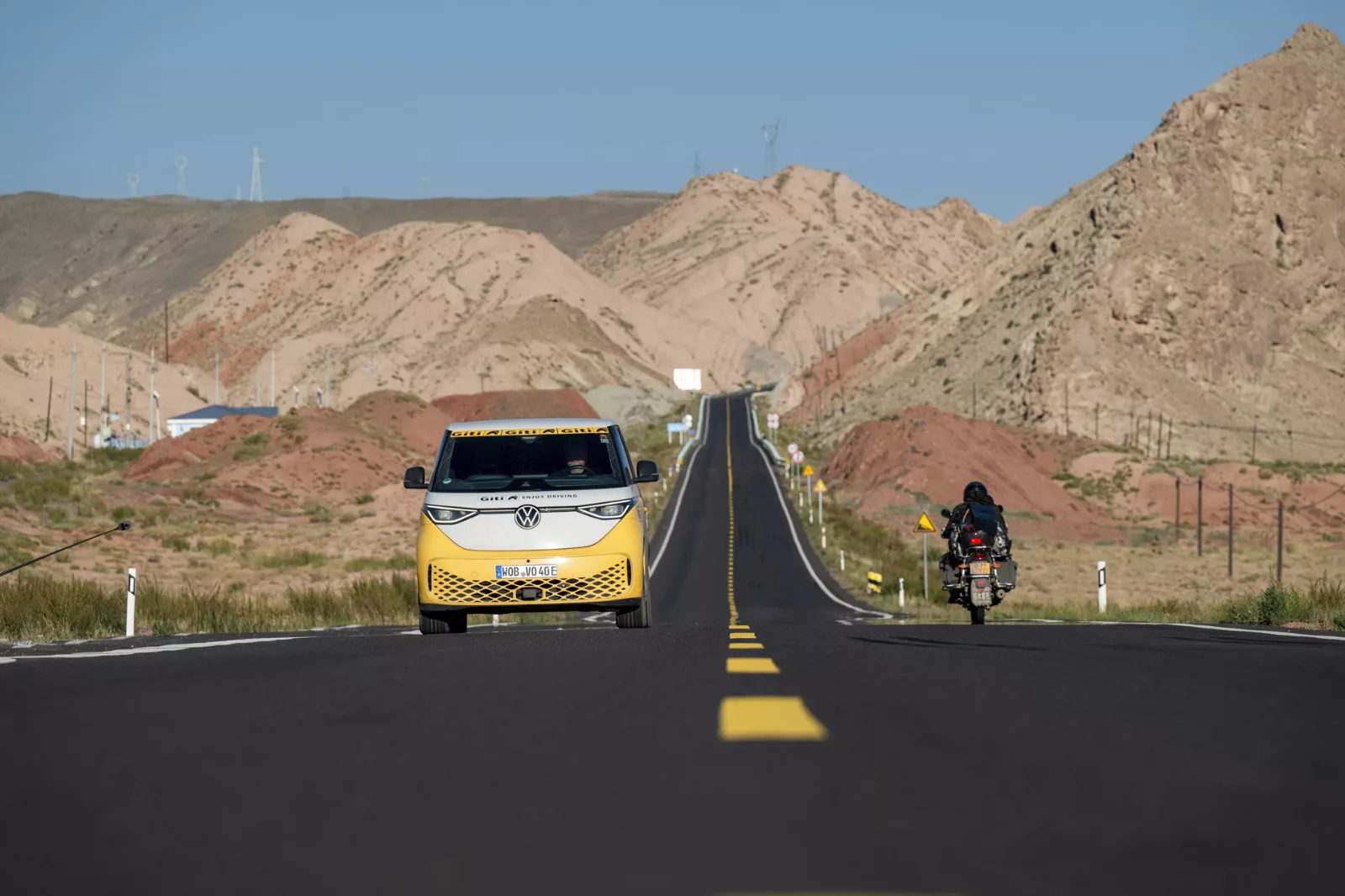

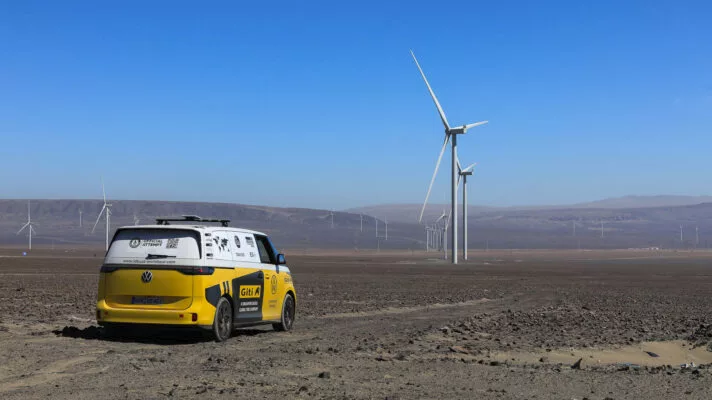

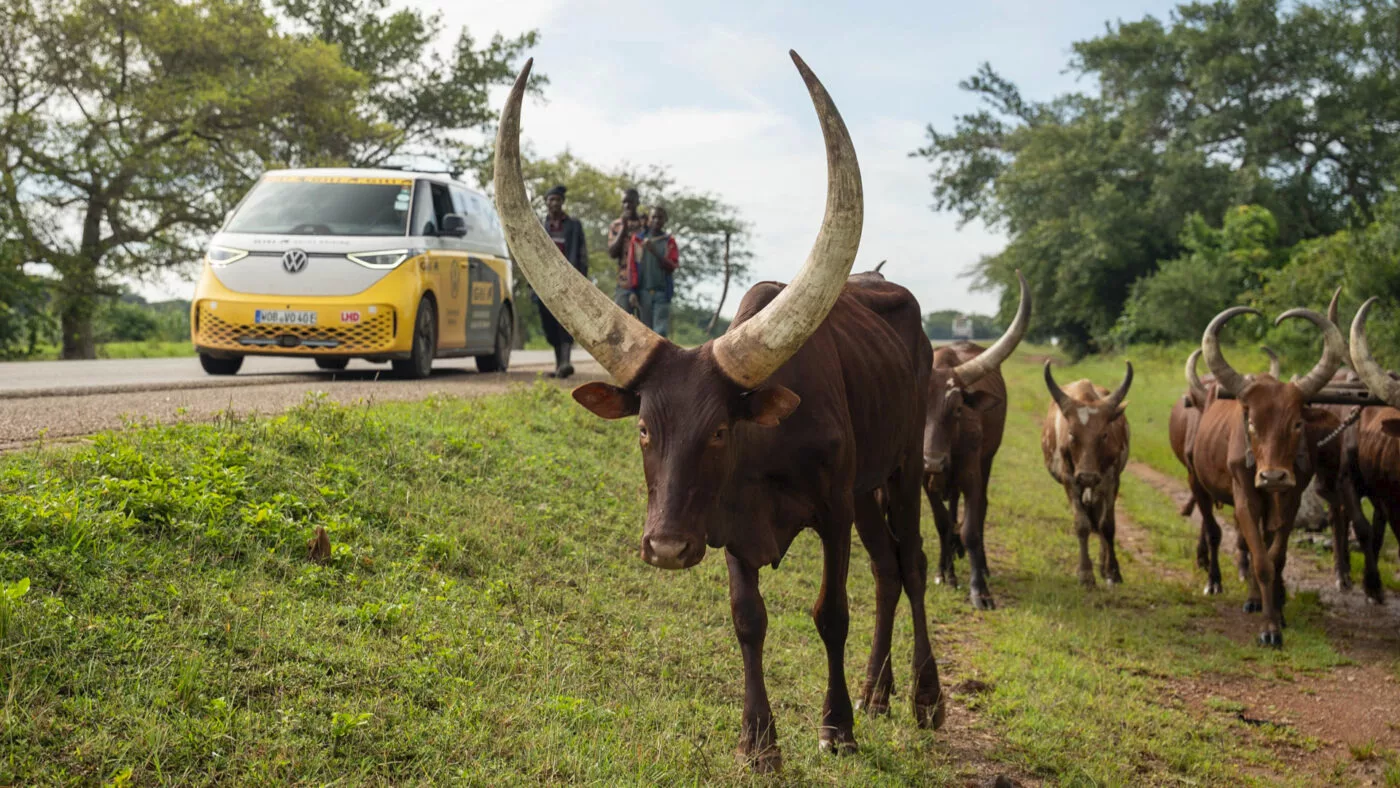

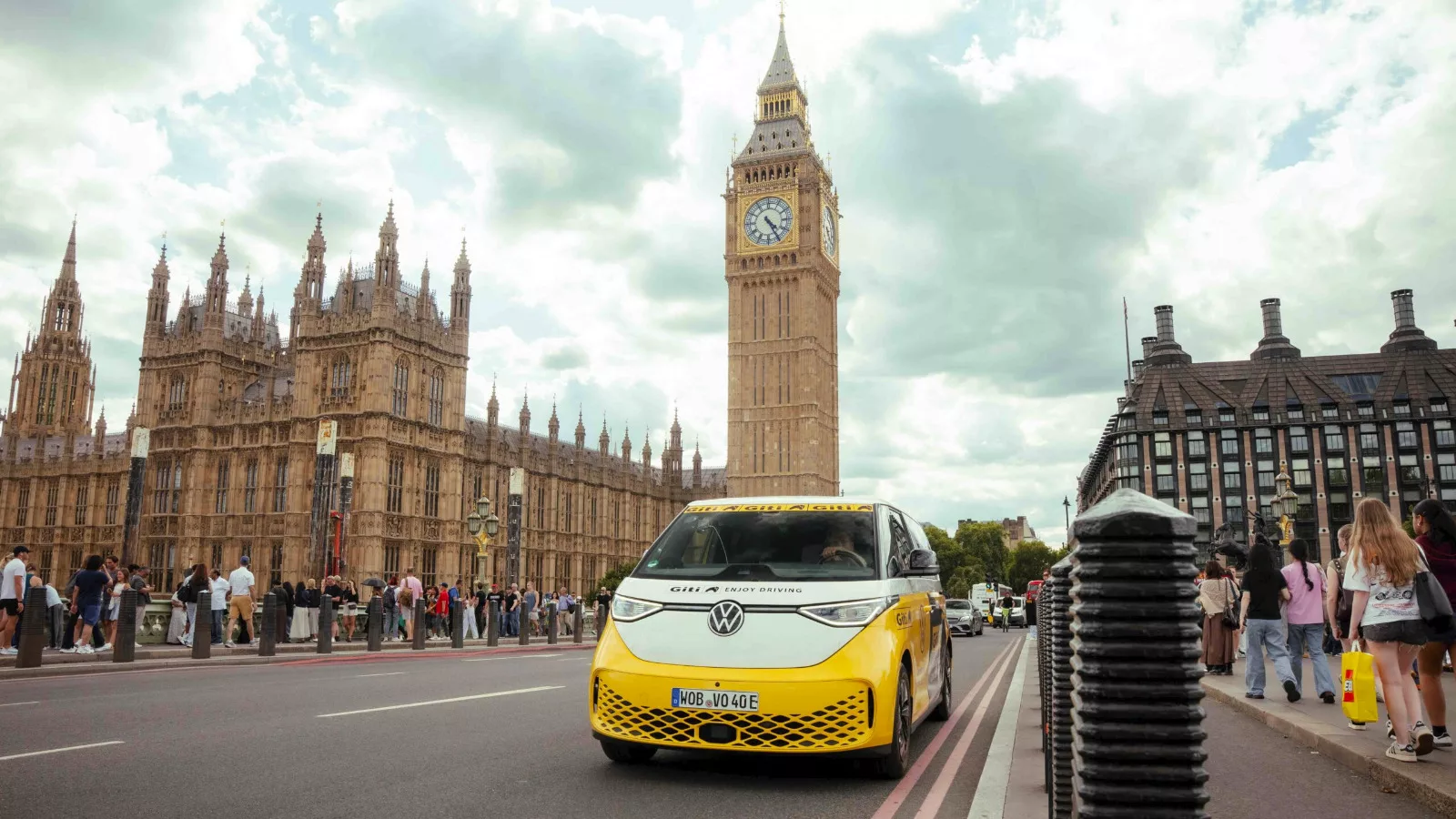
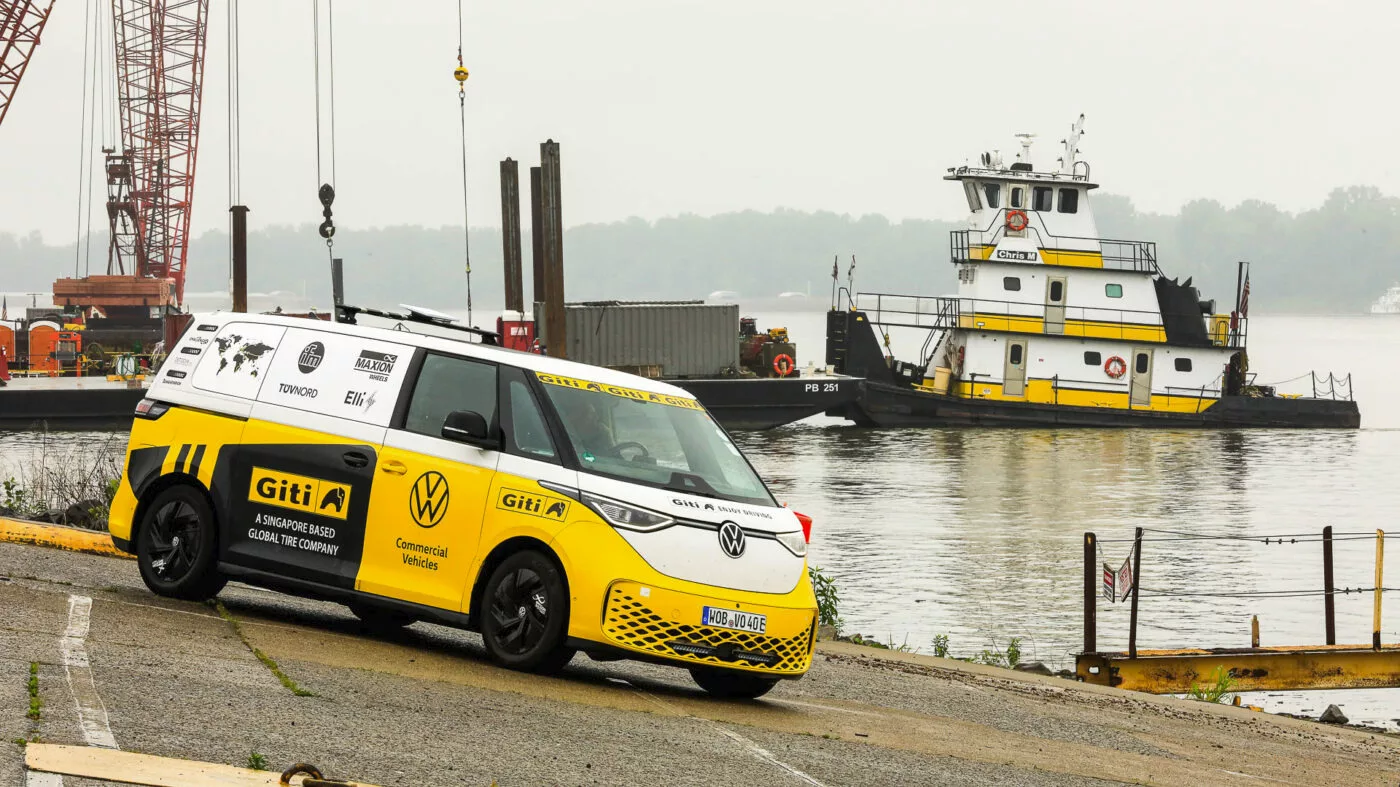


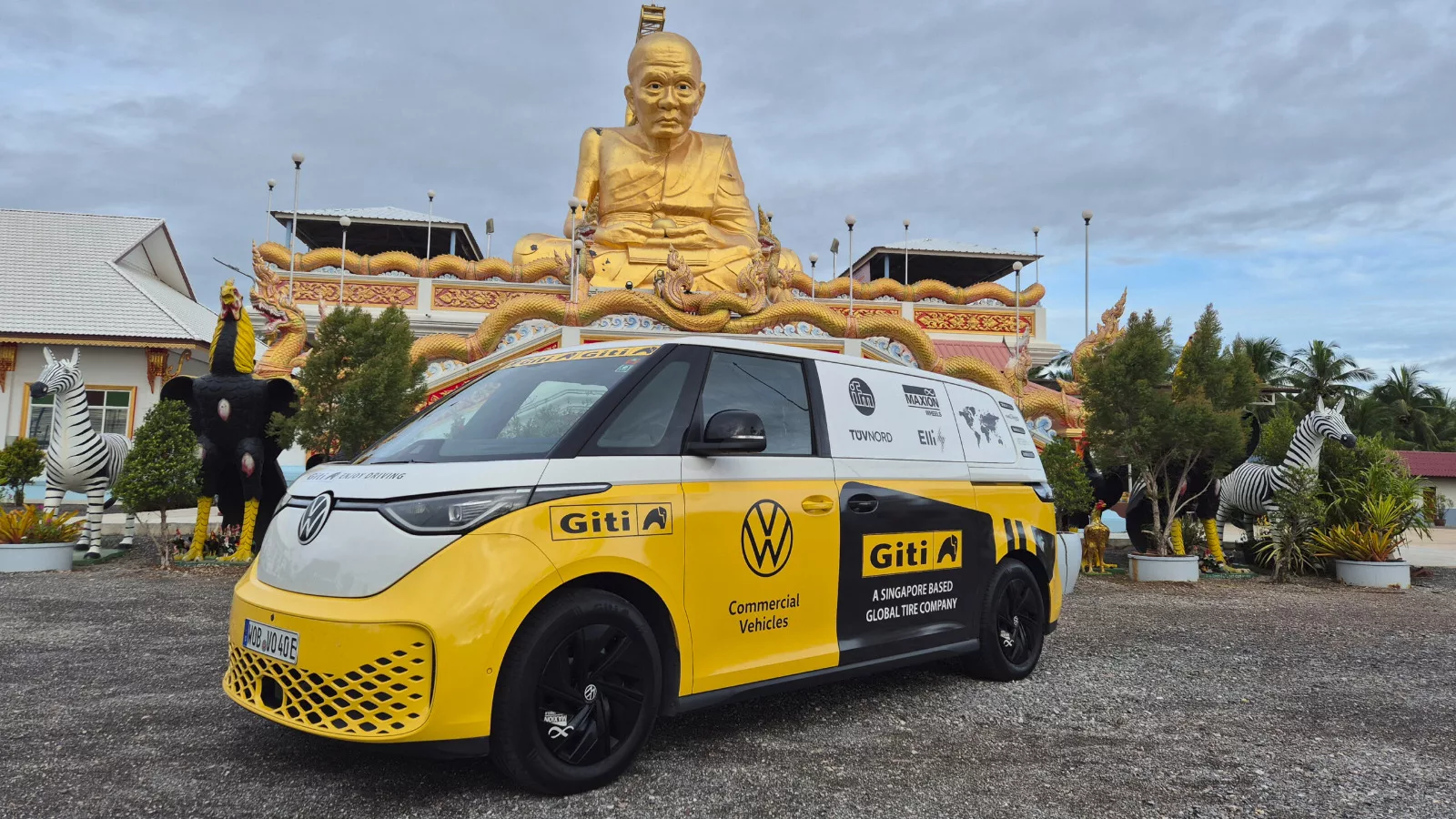
The Volkswagen ID. Buzz has completed a 445-day round-the-world journey that added 99,767 km to its odometer. The electric van travelled through 92 countries on six continents, earning a Guinness record in the process. As far as the vehicle itself is concerned, another figure is far more interesting than the record certificate: at the end of the trip, TÜV Nord measured the high-voltage battery’s state of health at 95.75%. Even more remarkably, the ID. Buzz completed the journey without a single technical failure.
445 days, 92 countries and 99,767 km
Long-distance driver Rainer Zietlow began the Volkswagen ID. Buzz World Tour in Hanover on 1 July 2025, the same city where Volkswagen Commercial Vehicles produces the ID. Buzz. The vehicle returned to Hanover in September 2026.
Over 445 days, the team travelled through 92 countries and covered 99,767 km. The route took in six continents, major cities, deserts and mountain ranges. Naturally, the vehicle did not cross the oceans under battery power: during the world tour, the ID. Buzz crossed seas 16 times aboard a container ship.
Guinness World Records recognised the drive as a record in a category that counts the number of countries visited during a single continuous journey made in a battery-electric vehicle. The record certificate was presented in Hanover at the IAA Transportation 2026 exhibition.
The battery lost less than five per cent of its state of health
It is the condition of the battery that makes this drive a technically far more interesting experiment than yet another flag-waving round-the-world trip.
During the journey, the ID. Buzz completed more than 300 charging cycles in highly varied climatic conditions. After travelling through Europe, the Americas, Africa, Asia and Australia, TÜV Nord inspected the high-voltage battery. Its measured State of Health, or SoH, was 95.75%.
In other words, after almost 100,000 km, the test showed a decline in battery health of just 4.25 percentage points compared with a new battery’s nominal value.
However, it is worth applying the brakes before turning this figure into a universal rule for EV battery ageing. SoH is an assessment describing a battery’s condition, and its result depends on the measurement methodology. Nor is 445 days long enough to assess the long-term effects of calendar ageing. This ID. Buzz accumulated its mileage exceptionally quickly.
On average, the vehicle covered around 224 km a day across the full 445 days. A typical owner driving 20,000 km a year would need about five years to accumulate the same 99,767 km.
The test therefore primarily demonstrates durability under high mileage and intensive use, rather than the condition of the same battery after five, eight or 10 years.
More than 300 charging cycles make the result more interesting
The trip involved more than 300 charging cycles. A simple calculation works out at an average of around 333 km per cycle, although the actual charging sessions were naturally not always complete 0–100% cycles.
This is an important nuance. Battery ageing is not determined by the odometer alone. Temperature, charging power, battery state of charge, the depth of charging and discharging, and time all have an effect.
The world tour naturally created at least some of these stresses. The vehicle had to operate in highly varied climates and charge wherever it happened to be possible. There were no controlled laboratory conditions here.
At the same time, there is not enough detailed charging-log data publicly available to say what proportion of the energy came from DC fast chargers or within which state-of-charge ranges the battery was generally used. The 95.75% result should therefore be viewed as a very strong result for one specific vehicle, rather than as statistics for the entire ID. Buzz fleet.
No technical failure stopped the journey
Alongside the battery, the durability of the vehicle itself also deserves attention. According to published information, the ID. Buzz completed the entire 99,767 km journey without a single technical failure.
Covering almost 100,000 km in 445 days means a very different life for a vehicle than that of a typical family car. Long driving days reduce the issue of cold starts, which an electric vehicle does not have in the internal-combustion-engine sense anyway, but the suspension, air-conditioning system, cooling system, electrical equipment and drivetrain instead operate almost continuously.
In the ID. Buzz’s case, the vehicle’s mass also makes the result noteworthy. The current long-wheelbase Pro is not a light vehicle. ADAC measured the kerb weight of the long ID. Buzz with an 86 kWh net-capacity battery and a 210 kW rear motor at 2,636 kg. The same version develops 560 Nm, while ADAC recorded energy consumption of 23.3 kWh/100 km and a range of 405 km in its test.
Moving that kind of mass for almost 100,000 km over highly varied road conditions gives the suspension, bearings and brakes a fairly demanding workload.
The new ID. Buzz is considerably more capable than the original model
The vehicle used for the world tour was a long-wheelbase ID. Buzz. Today’s European Pro version uses an 86 kWh net-capacity battery and a 210 kW rear electric motor. Maximum torque reaches 560 Nm.
That is an important development compared with the first ID. Buzz Pro, whose 150 kW electric motor offered 310 Nm. The current 210 kW model accelerates from 0 to 100 km/h in 7.9 seconds and reaches 160 km/h. Depending on the version, WLTP range reaches around 485 km.
DC charging power reaches 200 kW. ADAC measured that, at a suitable fast charger, 20 minutes adds enough energy for around 226 km of driving. This is not class-leading for EVs with an 800-volt architecture, but it is a perfectly usable result for a large van that is inevitably aerodynamically unfavourable.
The 95.75% figure should be of greatest interest to buyers
The Guinness record gives Volkswagen attractive marketing material, but the condition of the battery is more informative for a European EV buyer.
The 95.75% SoH measured after 99,767 km does not prove that every ID. Buzz battery will behave in the same way. One vehicle is not a statistical sample, and 445 days does not simulate ageing over many years.
However, it does show something of practical value: intensive use, more than 300 charging cycles and highly varied climatic conditions were unable to cause significant degradation to this particular ID. Buzz battery over almost 100,000 km. And it certainly did not break the vehicle itself.


