
Opel STX brings the estate back to the future and previews the brand’s next design language
 1/5
1/5
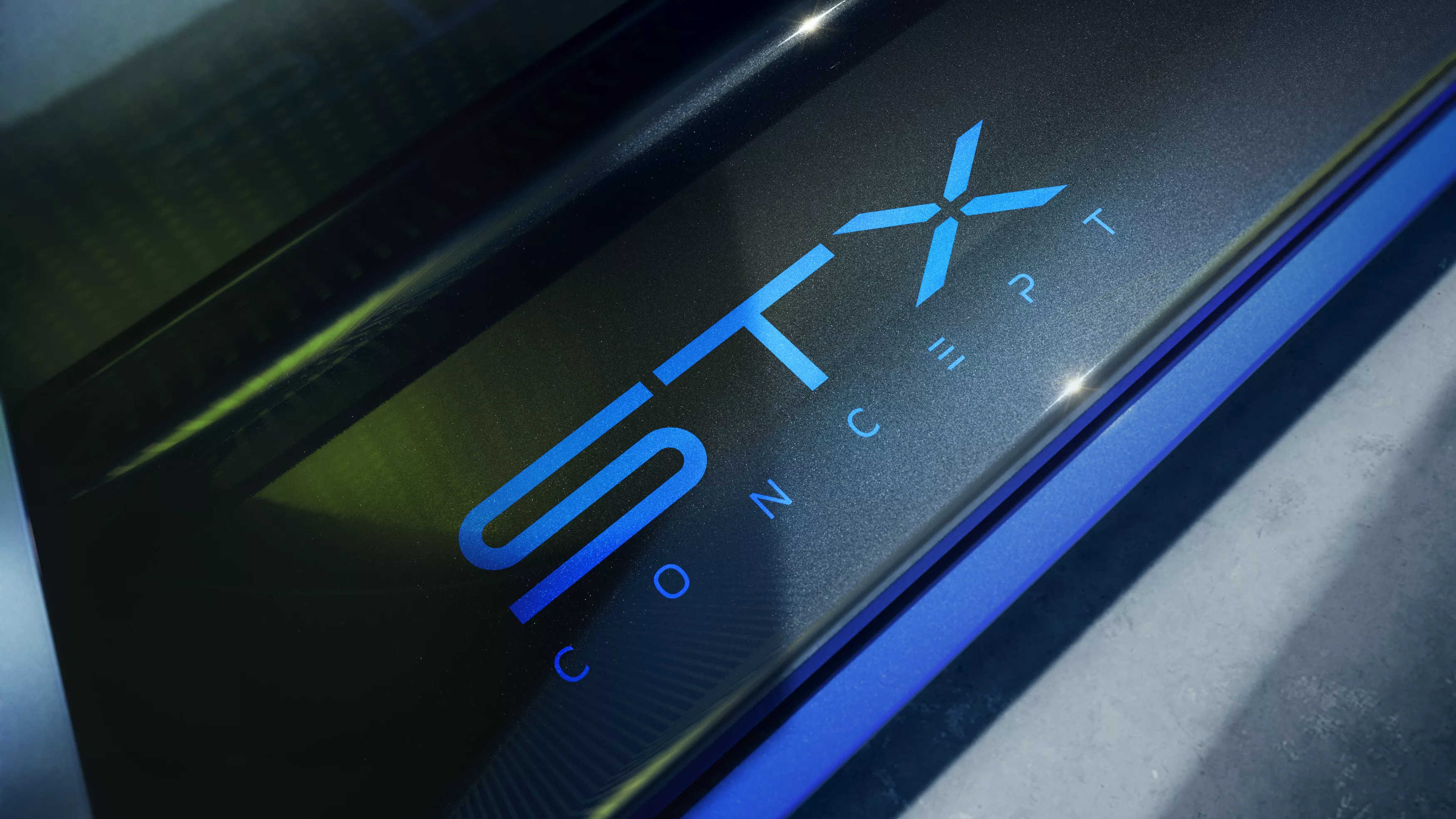
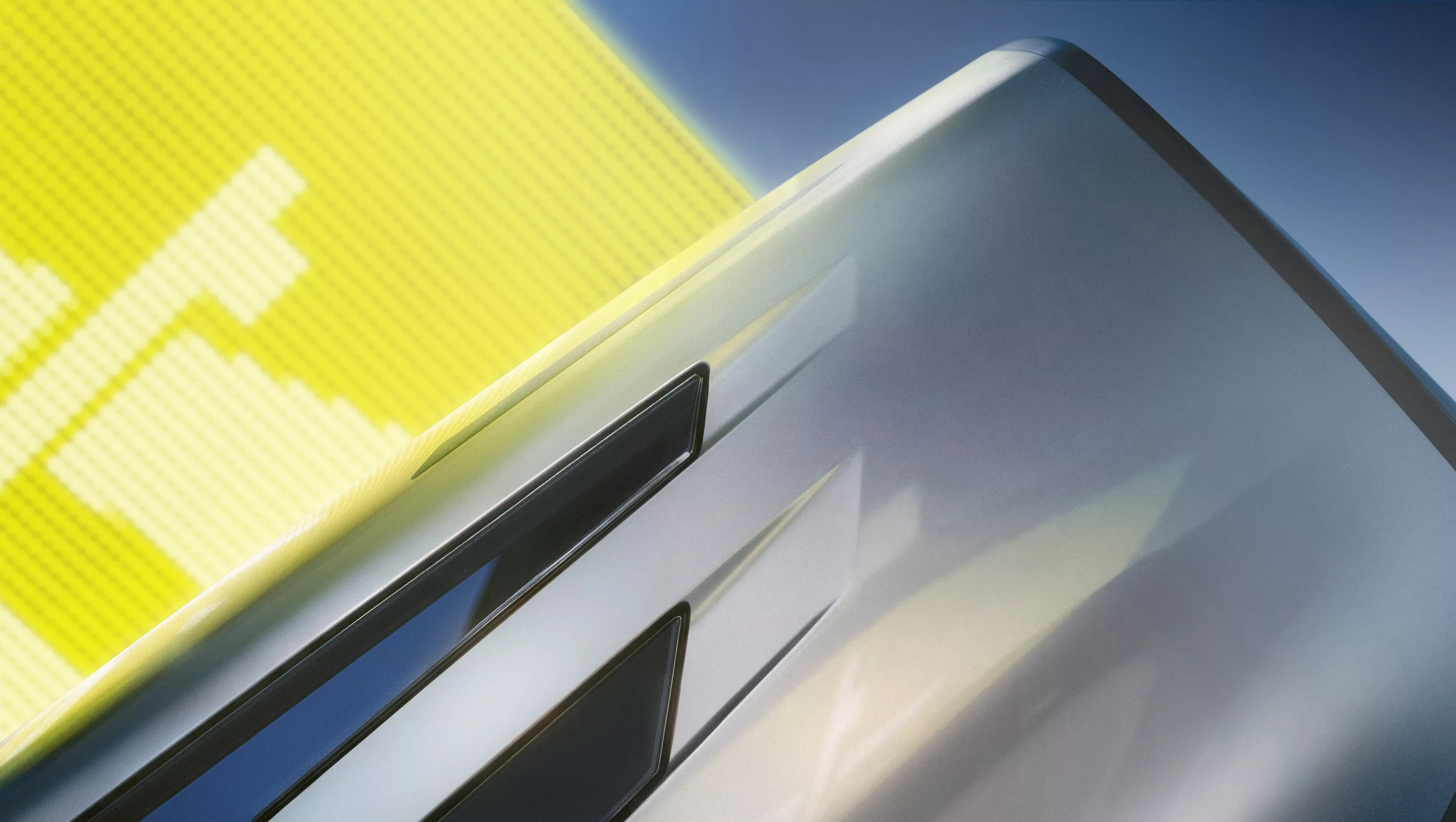
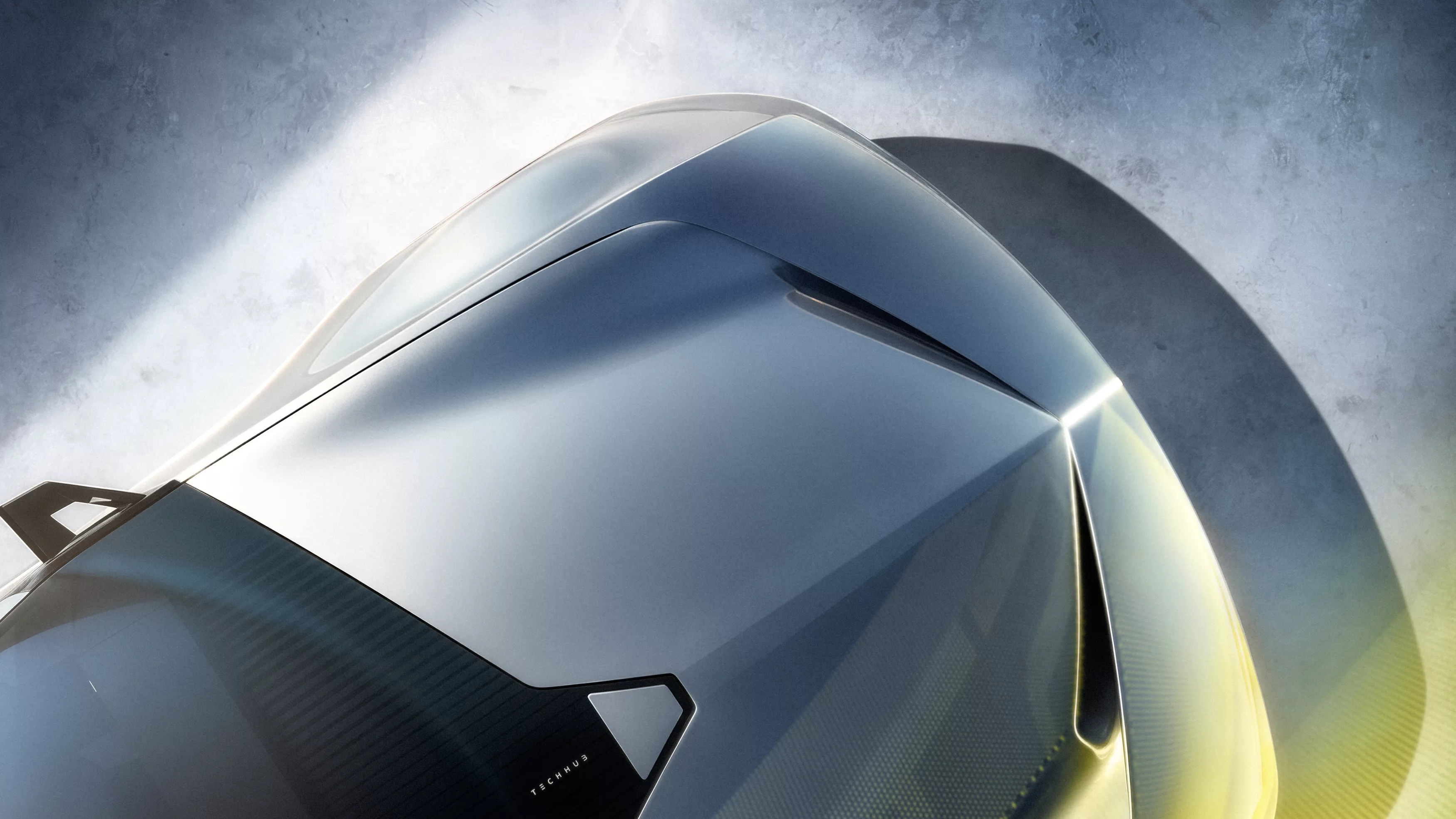
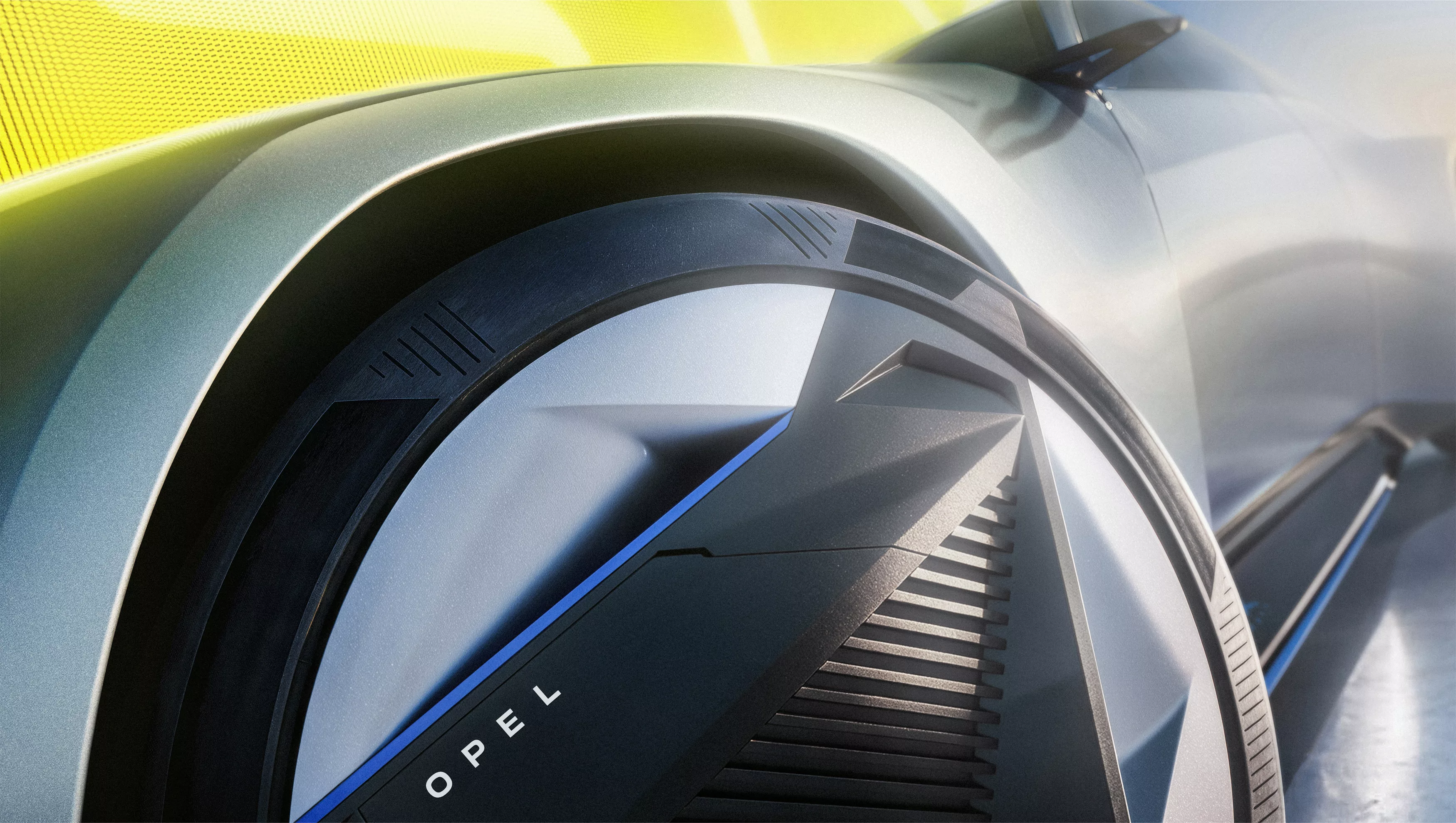
Opel is not prepared to let the estate simply give way to SUVs. The German brand has released the first images of the electric STX Concept, whose sharply sloping rear, active aerodynamics and next-generation Vizor will shape the design language of future Opel models. No production version has yet been promised, but Opel confirms that STX details will appear on future production models.
Opel will fully reveal the car on 12 October at the Paris Motor Show. STX stands for Sports Tourer eXperimental, and the name is no coincidence: the concept is intended to show how Opel sees the future of the electric estate.
The estate is no nostalgic side project for Opel
The most important aspect of the STX is its body style. At a time when almost every manufacturer is filling its electric line-up with ever more SUVs, Opel is using an estate to showcase its next design phase. There is a strong rationale for this in the brand’s history. Opel considers itself one of Europe’s estate-car pioneers, and the Astra Sports Tourer continues that tradition today. It offers up to 1,634 litres of luggage space and shows that the traditional low-slung family car is not yet a dying breed in Rüsselsheim.
However, the STX does not appear to be simply a direct preview of the next Astra Sports Tourer. According to Opel CEO Florian Huettl, the concept indicates the direction of the brand’s future aerodynamic estates and showcases next-generation design elements that Opel will use on production cars. That leaves the door open to a much more interesting possibility: the STX could influence an entire new generation of Opel models.
The Vizor becomes more technical
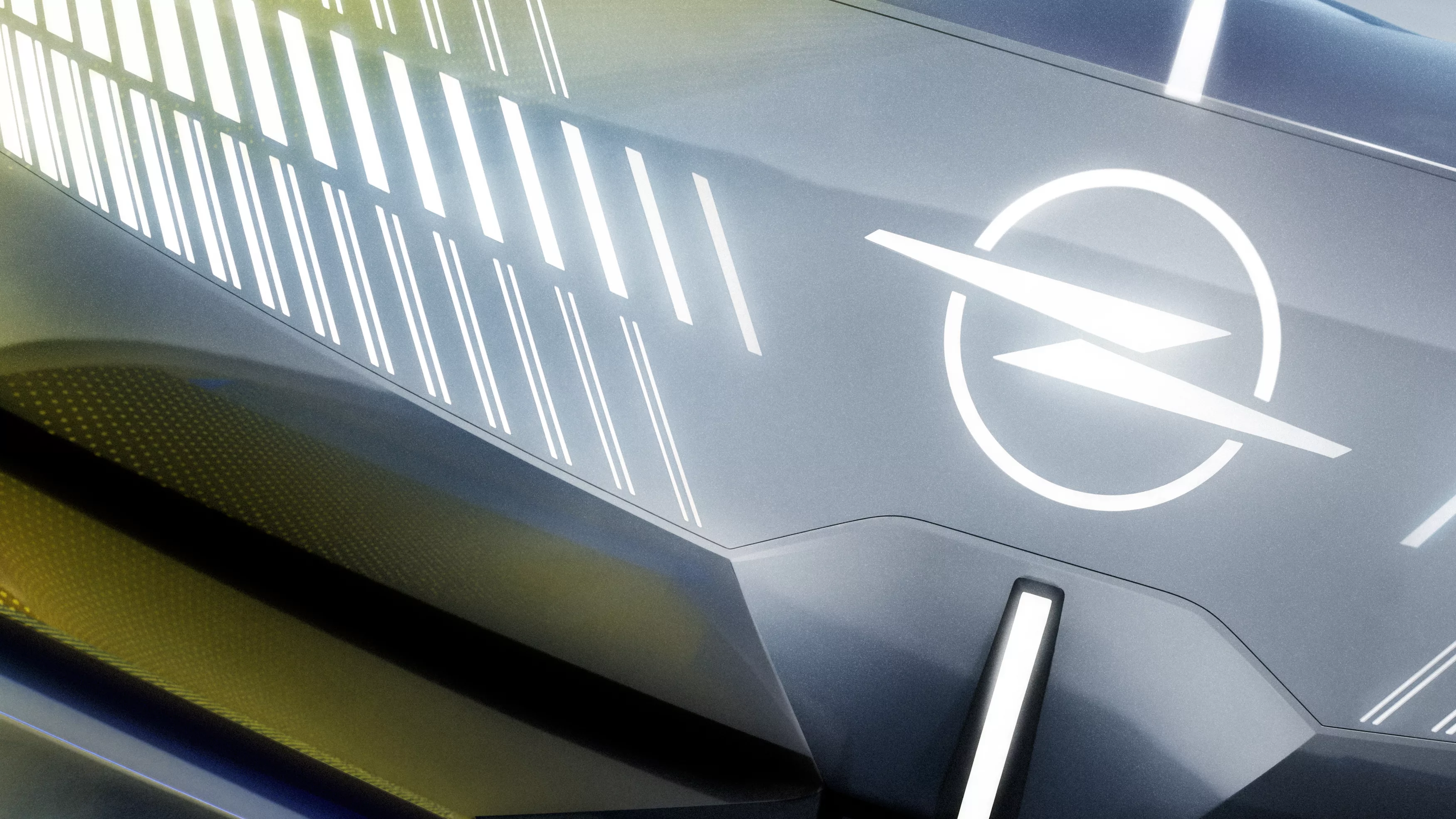
Opel’s next Vizor dominates the first photographs. On existing production cars, it brings the headlights, brand emblem and sensors together within a black horizontal panel. The STX develops the idea into something considerably more striking.
Curved, illuminated slats surround the lightning-bolt emblem at the centre. Opel uses light animations in these, turning the previously rather static Vizor into an active design element.
It is a logical development. An electric car no longer necessarily needs a conventional large cooling grille, allowing its nose to serve as a canvas for lighting graphics and brand identity. BMW is enlarging its kidney grilles, Mercedes-Benz is filling its front ends with stars, and Opel is developing the Vizor.
At least in the first pictures, Opel’s approach looks pleasantly more restrained than those alternatives.
Active aerodynamics do real work
The most interesting technical detail is at the rear of the car.
The STX uses active aerodynamics to adapt the car to driving conditions. Moving elements at the rear direct airflow to reduce drag and improve stability at high speeds.
For an electric estate, this is far more than a motor-show gimmick.
A lower estate already starts with a physical advantage over a tall SUV with the same amount of cabin and luggage space. A smaller frontal area and a properly shaped rear allow energy consumption to be reduced, which in turn means either greater range or the ability to achieve the same range with a smaller, lighter battery.
This is precisely where the estate could find a new purpose in the electric age. In the era of combustion-engined cars, an aerodynamic improvement of a few per cent mainly meant slightly lower fuel consumption. In an electric car, it directly affects range, battery cost and the frequency of fast-charging stops.
A tall-bodied electric SUV must first use aerodynamics to address the problem created by its own proportions. A low-slung estate simply starts from a better position.
Opel has yet to release technical specifications
At this point, a clear distinction must be drawn between the STX as a concept and a production car.
Opel calls the STX an electric vision of the future, but has not disclosed battery capacity, motor output, range, charging power or even the car’s dimensions. Nor has the manufacturer confirmed which Stellantis platform underpins the concept.
There is therefore currently no basis for placing the STX alongside, for example, the Volkswagen ID.7 Tourer or BMW i5 Touring in technical terms. Those are electric estates that are actually on sale; the STX remains a design and technology study.
From a European perspective, however, the comparison is important. The choice of electric estates is growing, with Audi and Nio among the brands offering them alongside Volkswagen and BMW. Opel has the Astra Sports Tourer Electric, but its positioning and technology place it firmly in the compact segment.
The STX gives Opel an opportunity to show what the next step might look like.
Opel needs a car like this more than another SUV
Opel’s current electric line-up extends from the Corsa and Astra to the Frontera, Mokka and Grandland. There is therefore no shortage of SUVs. The STX’s value lies instead in its attempt to find a rationale suited to the electric age for one of Europe’s more traditional body styles.
This does not mean reviving the old estate with an electric motor. Opel emphasises smooth surfacing, active aerodynamics, a sharply sloping rear and new lighting graphics. All these solutions serve a car that must be both practical and low-drag.
After a decade of SUVs, that sounds almost radical.
The most important question will be answered in Paris. If the STX turns out to be merely a striking design exercise, its moving aerodynamic elements will remain on the motor-show floor. But if Opel can carry the concept’s proportions and aerodynamic thinking into its next generation of production cars, the STX could prove far more important than just another futuristic concept car.
At least Opel has chosen the right body style to showcase the future. Europe does not necessarily need yet another electric SUV.


