
Peugeot considers putting 600 kW E-T16 into production as early as 2027
 1/32
1/32
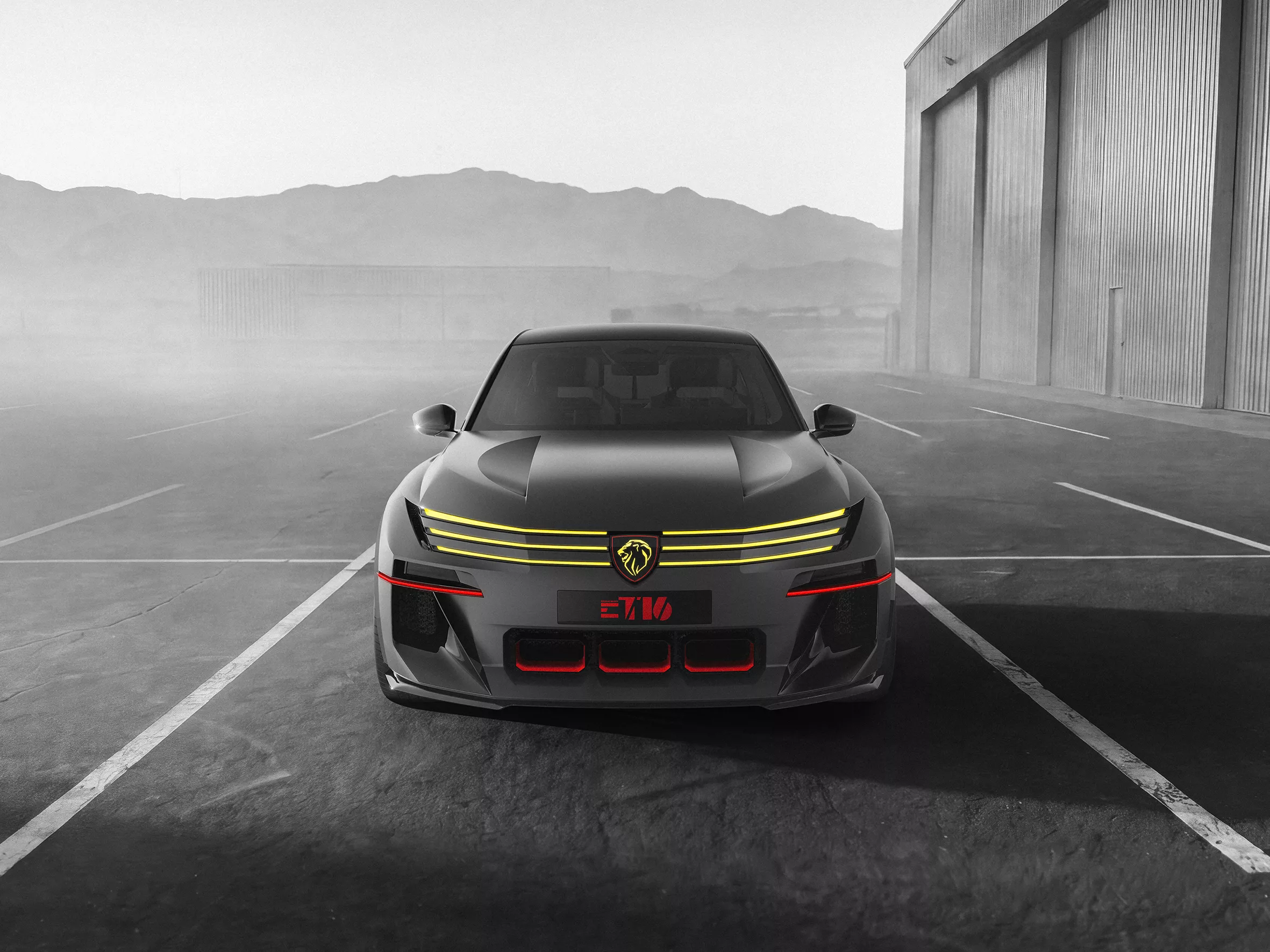
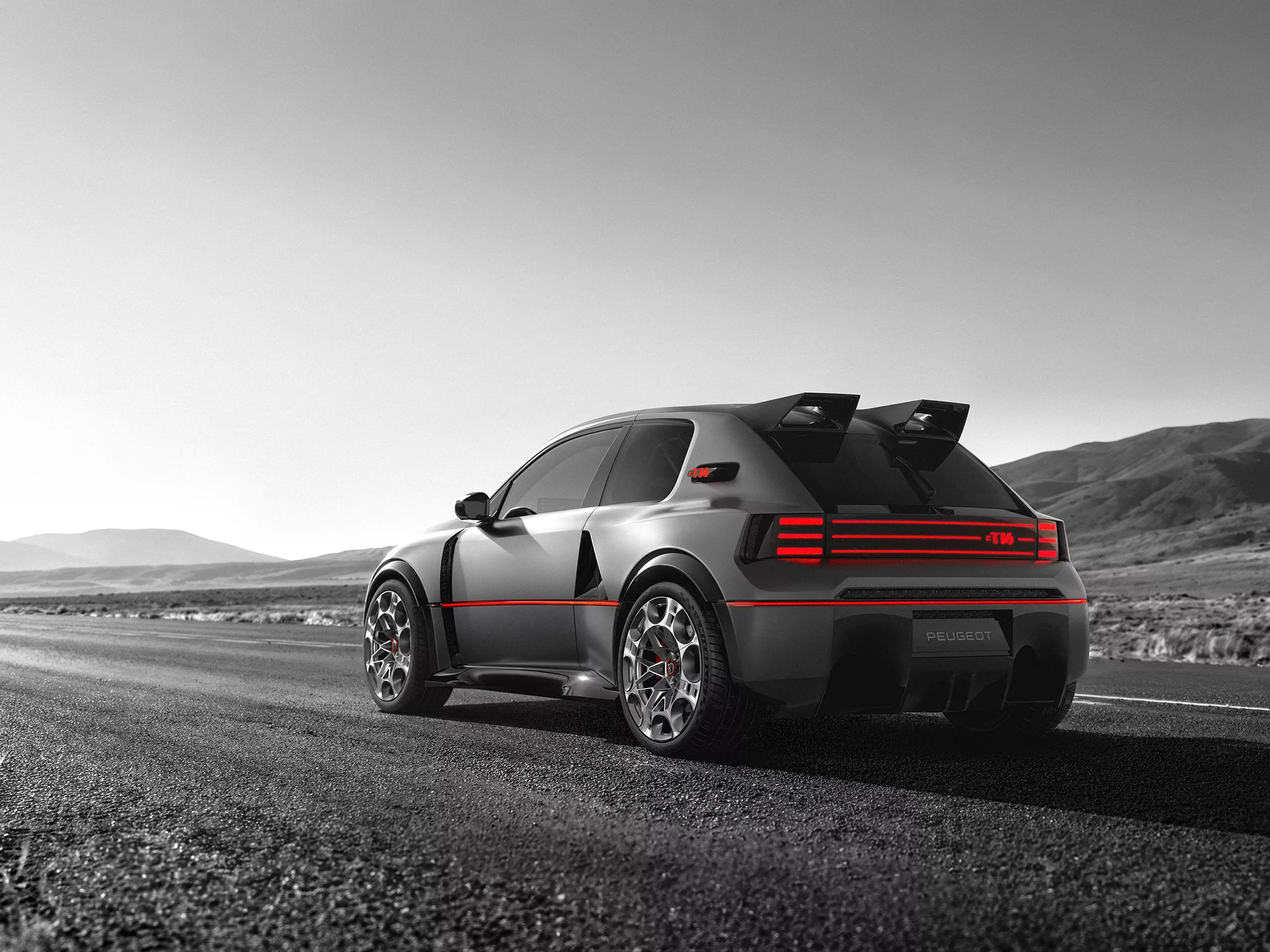
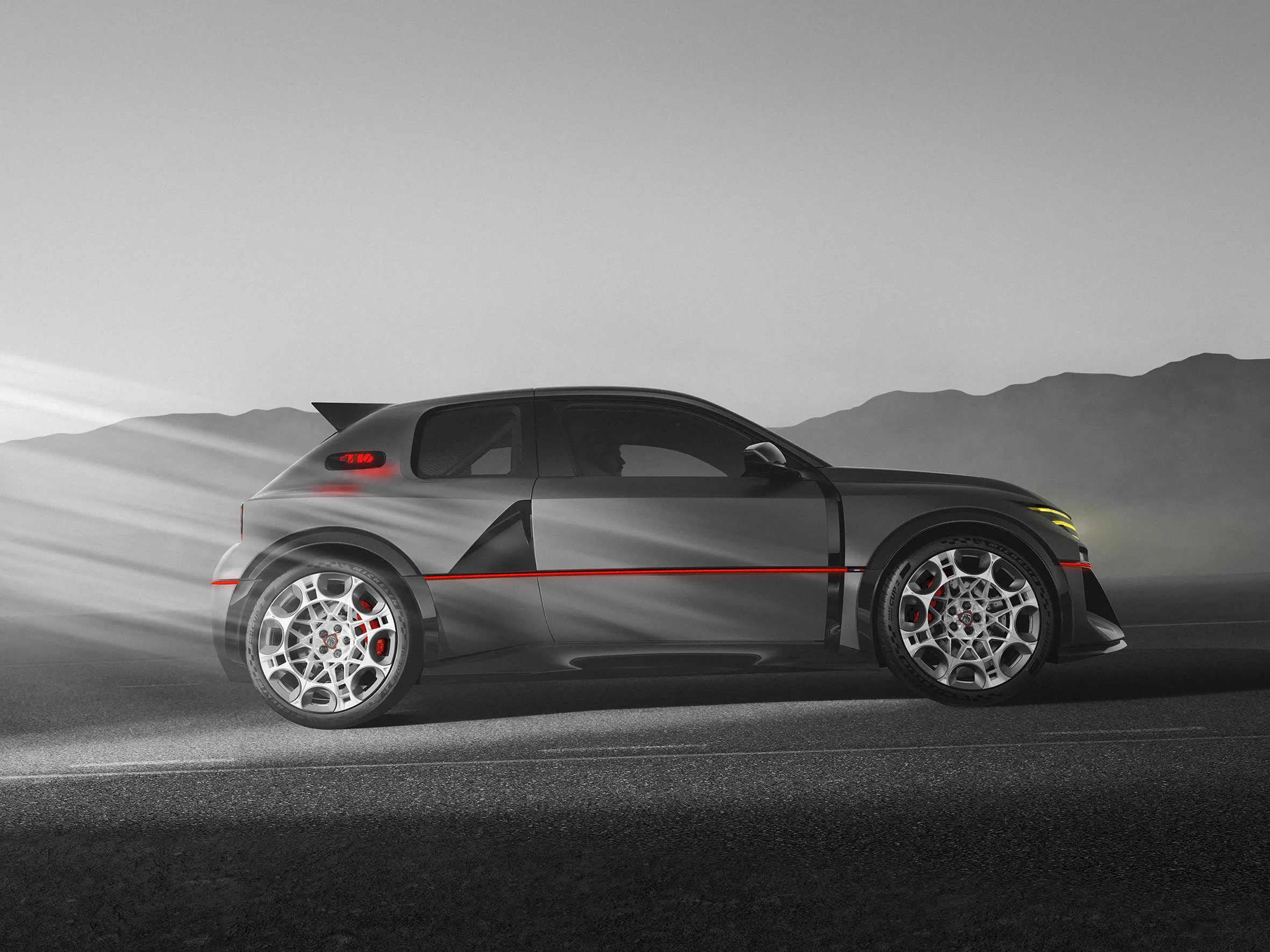
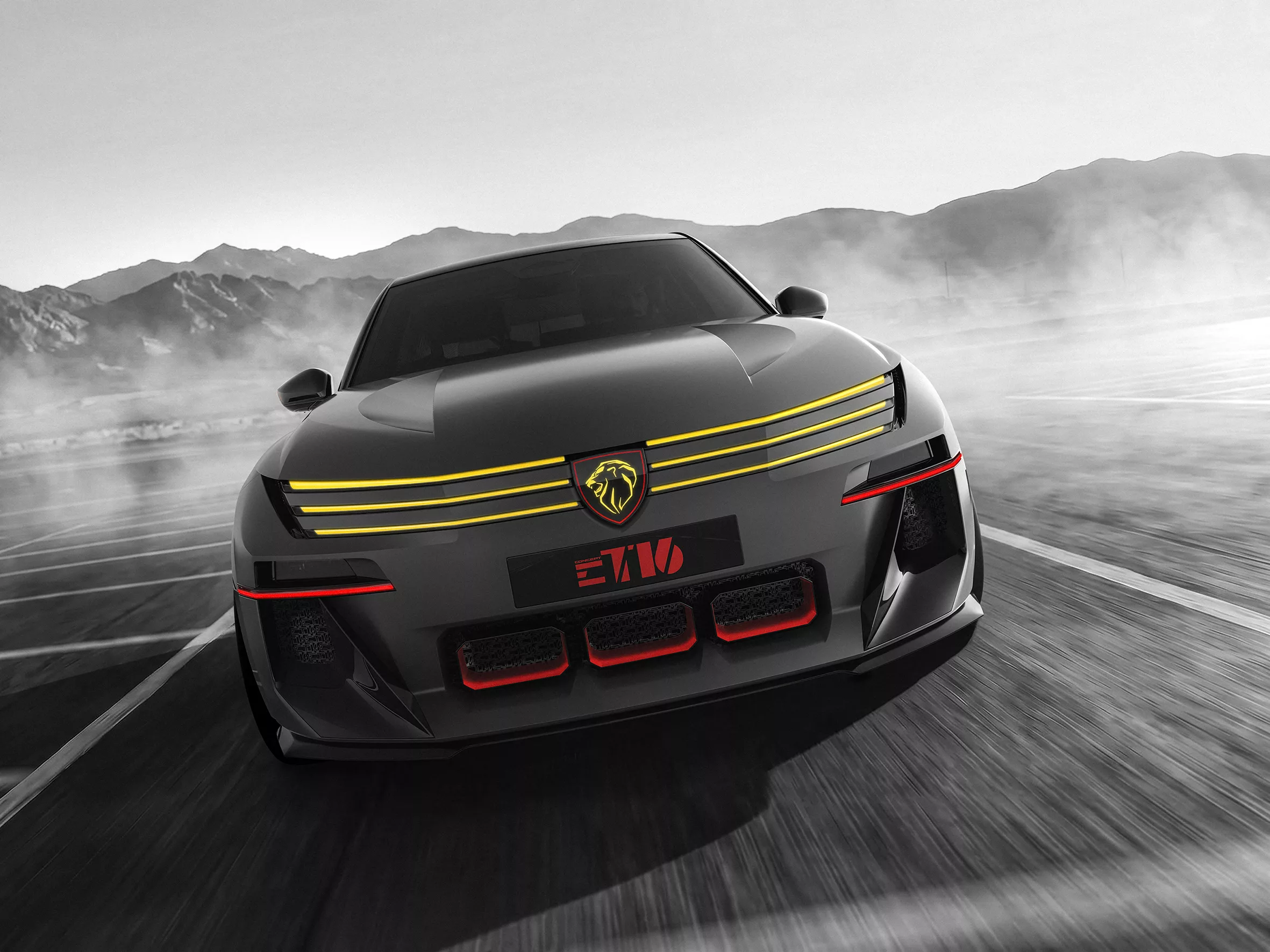
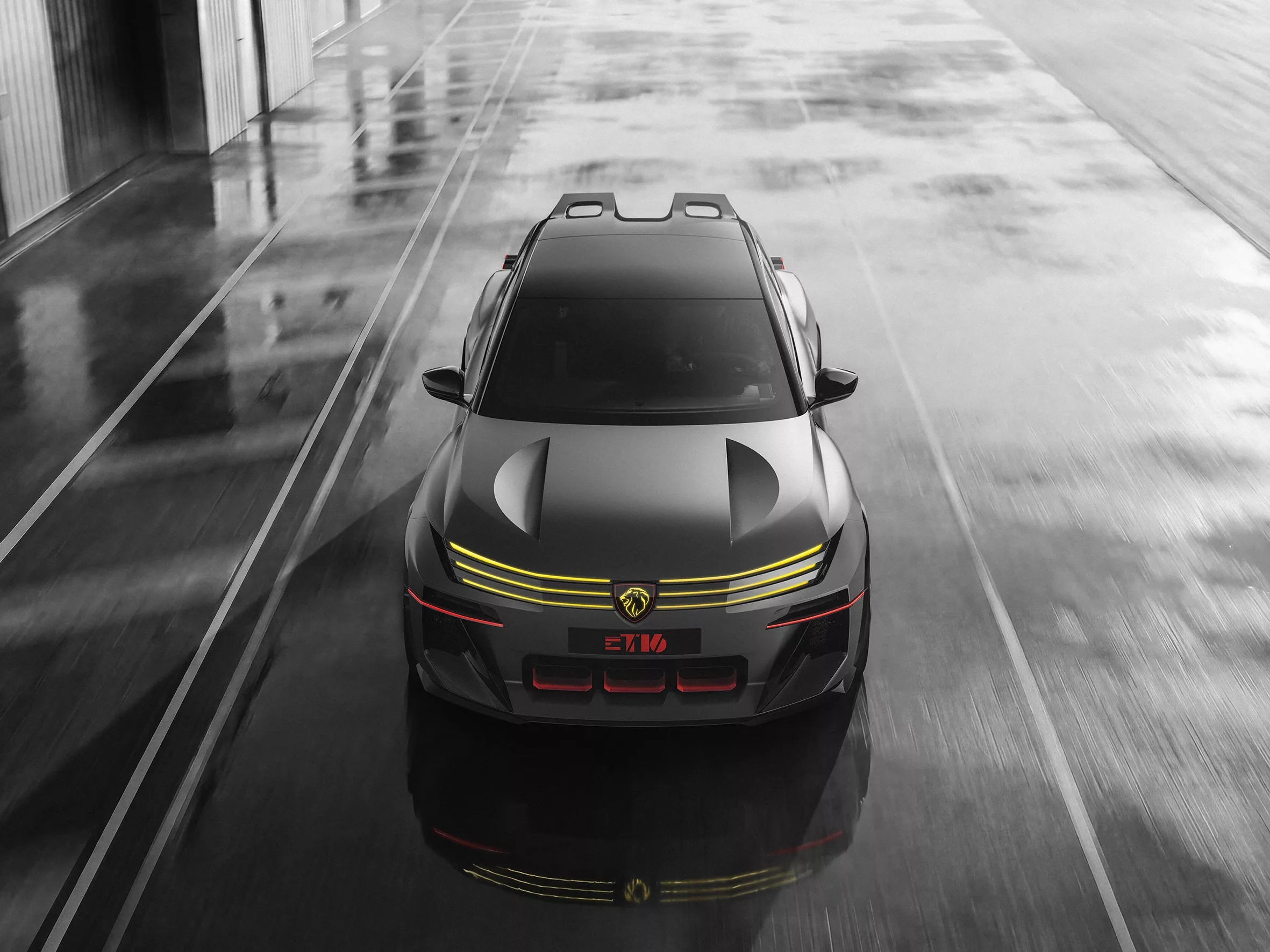
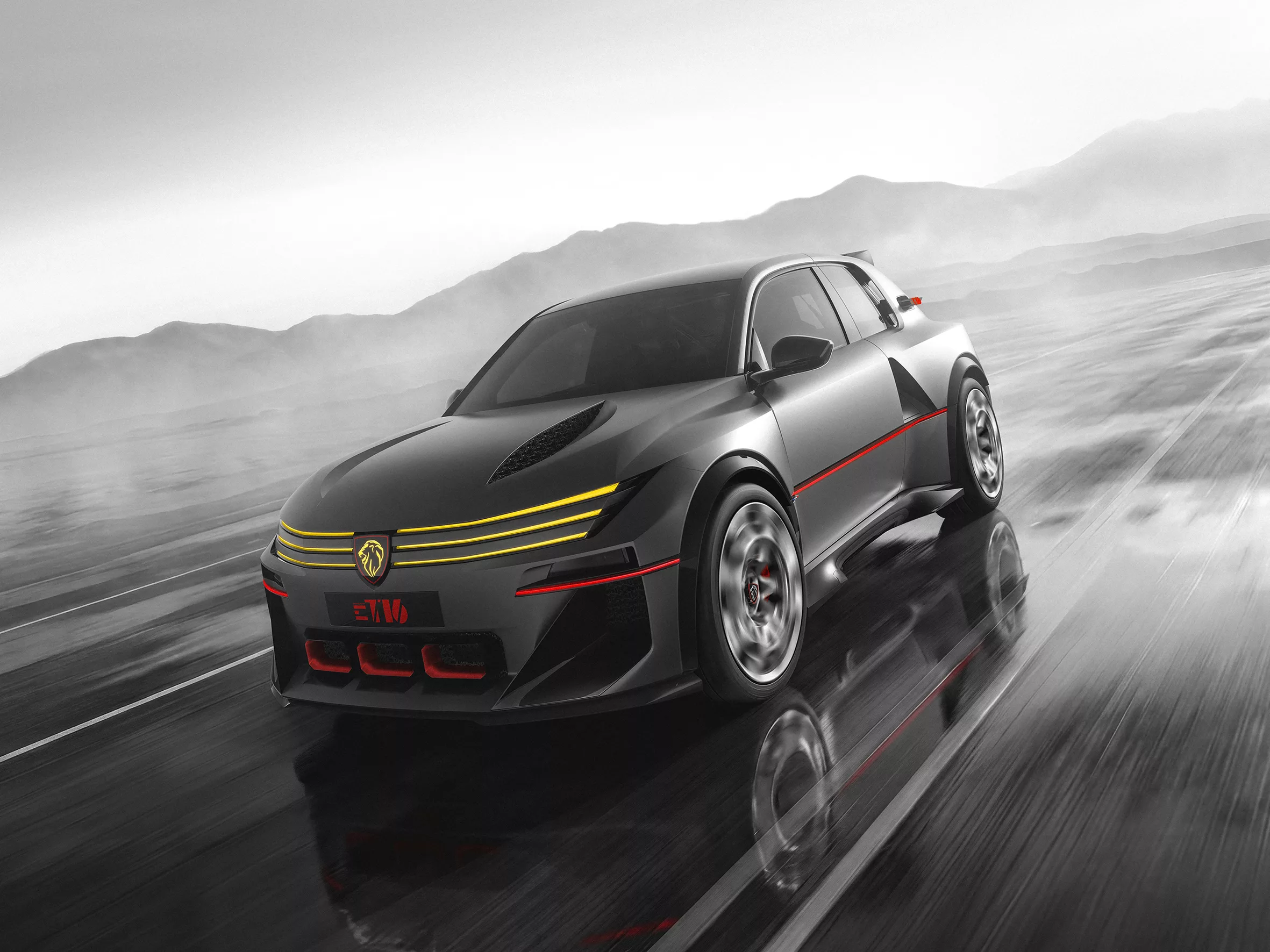
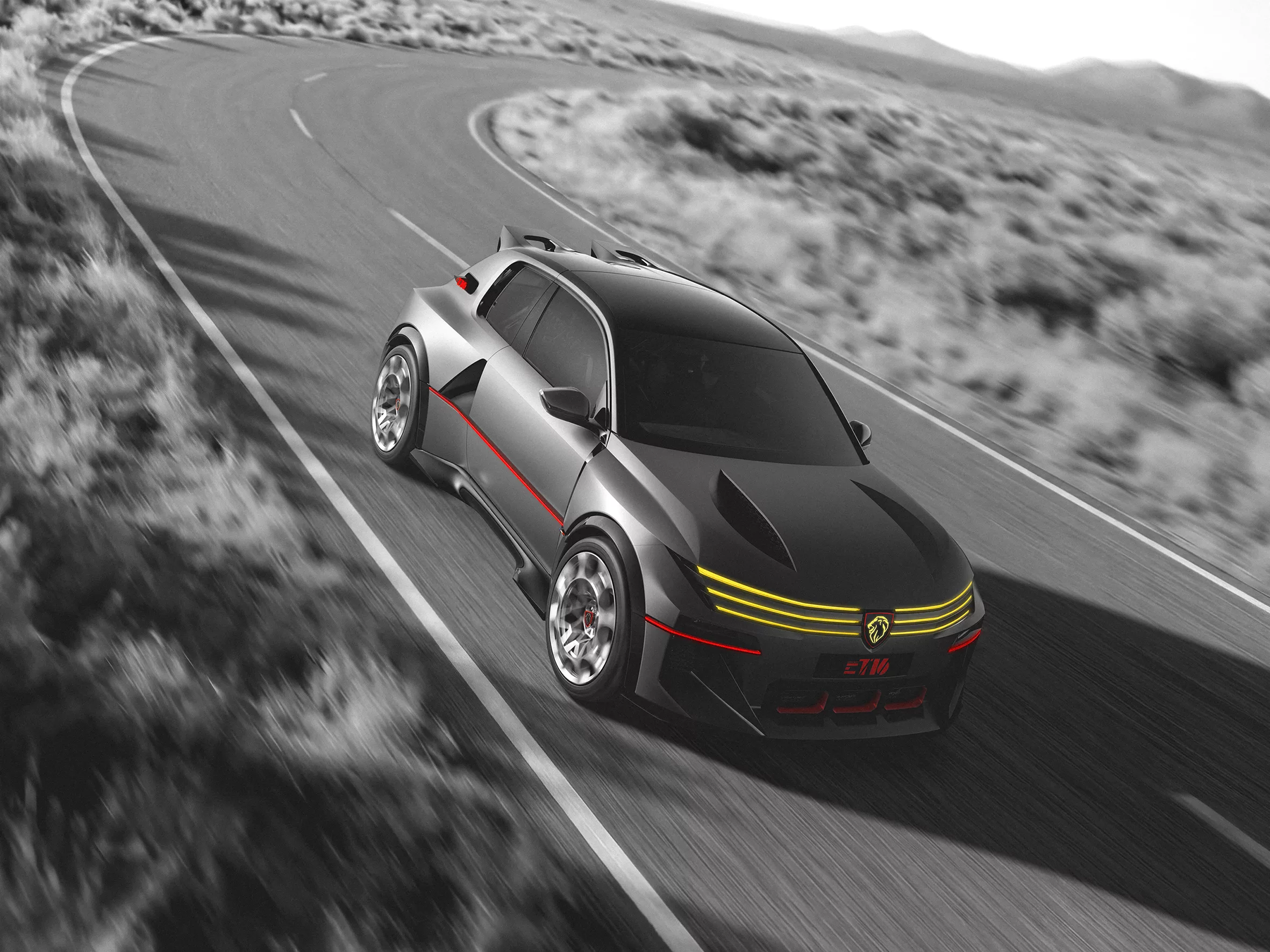
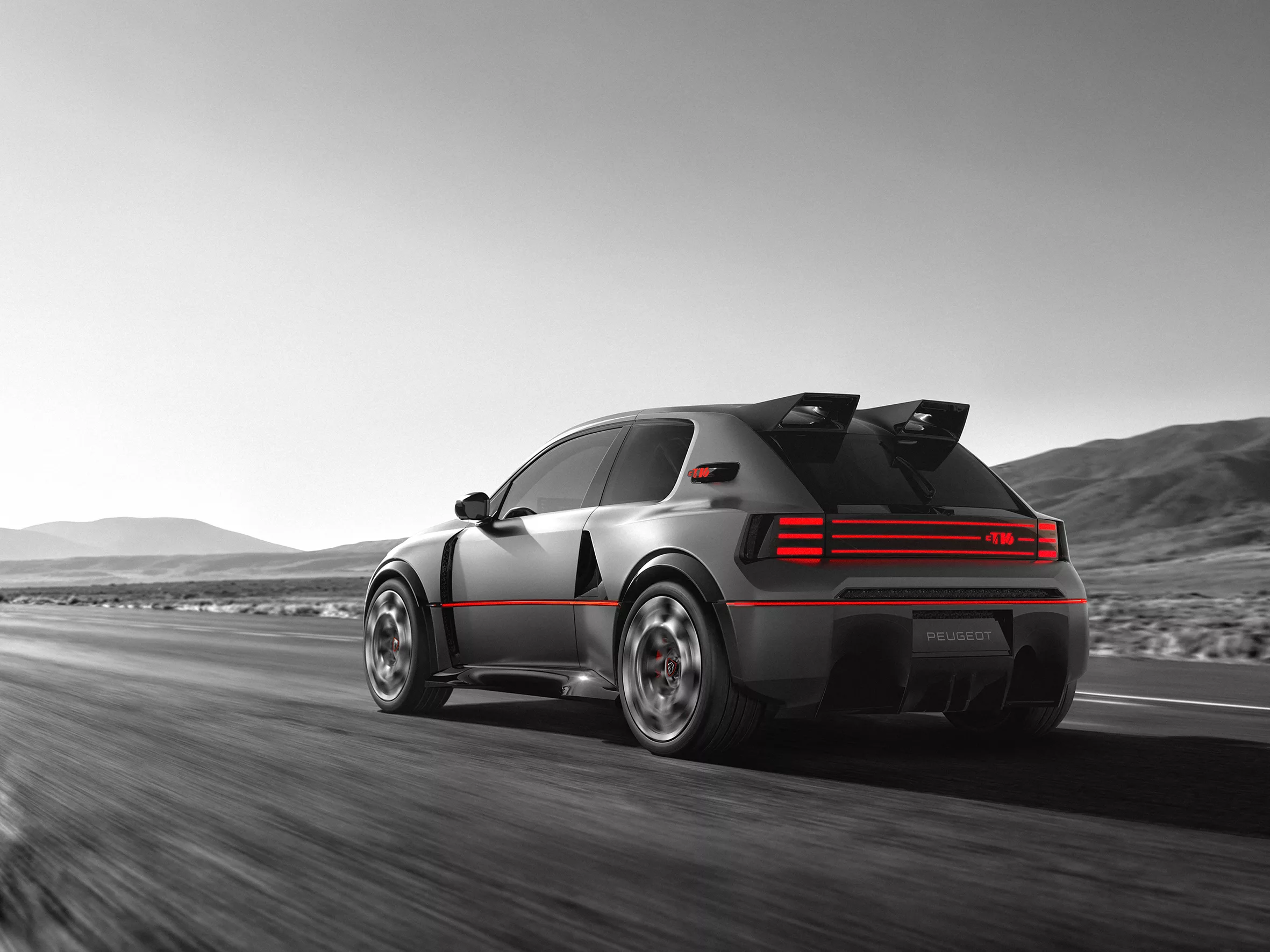
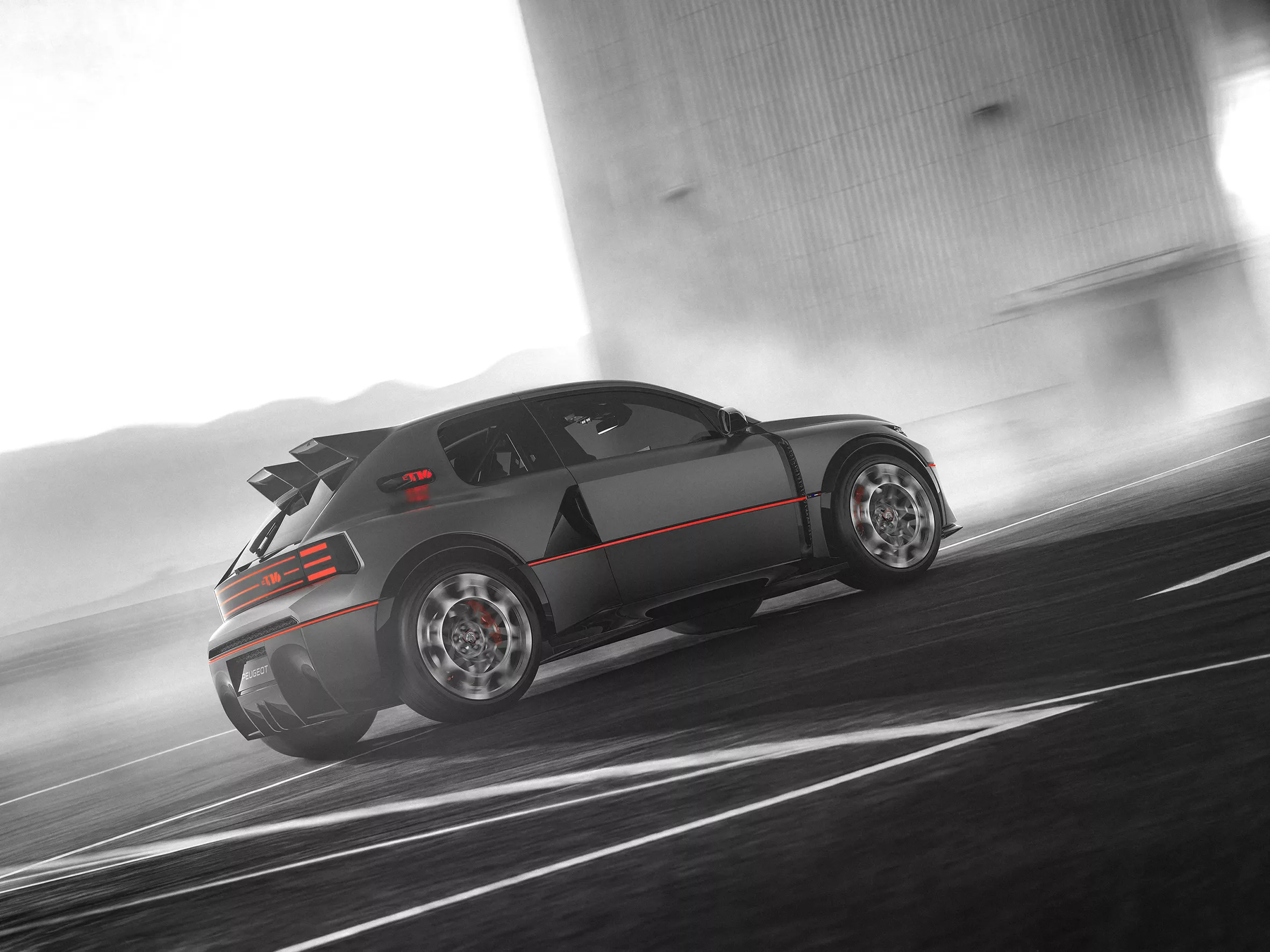
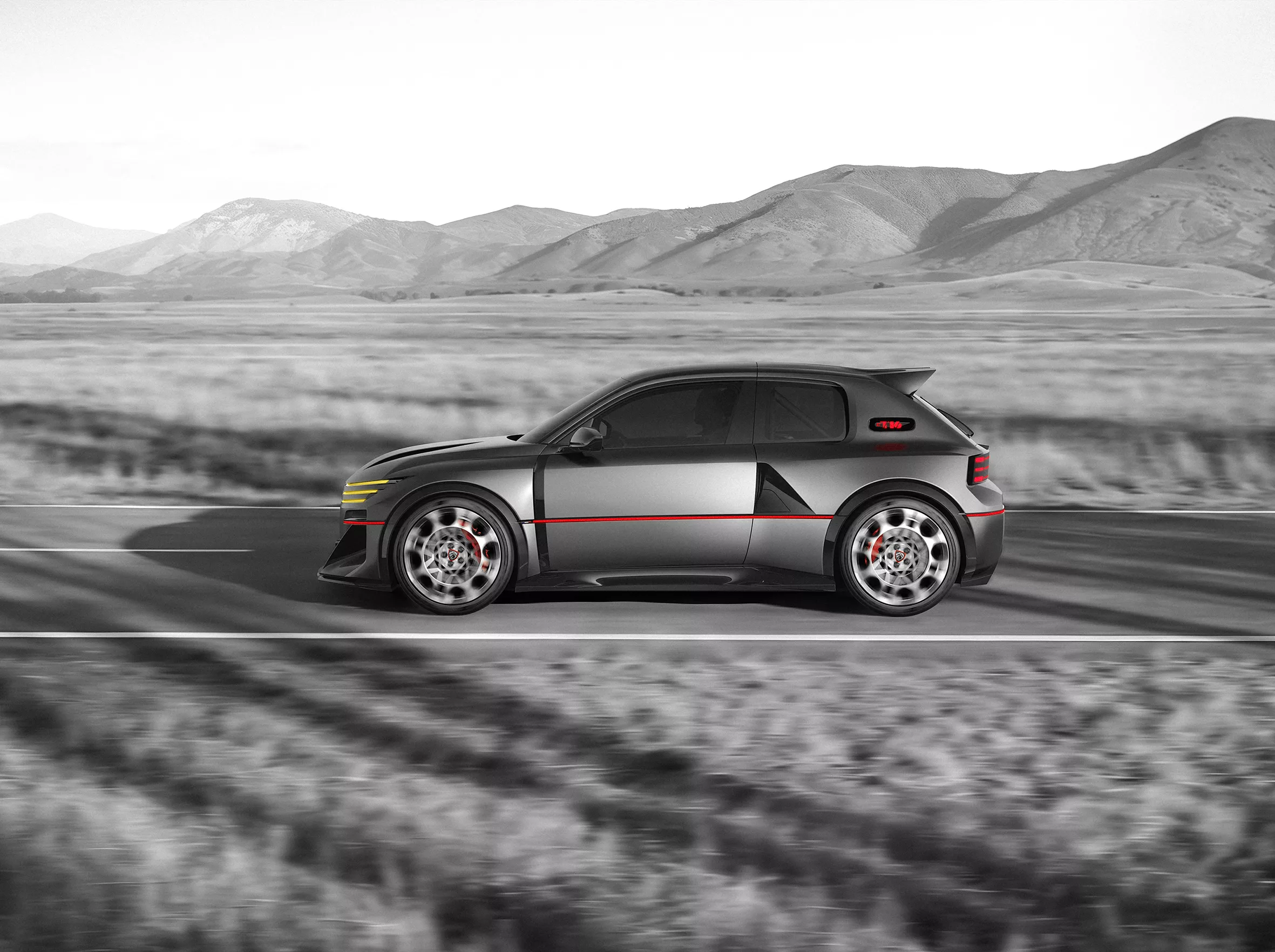
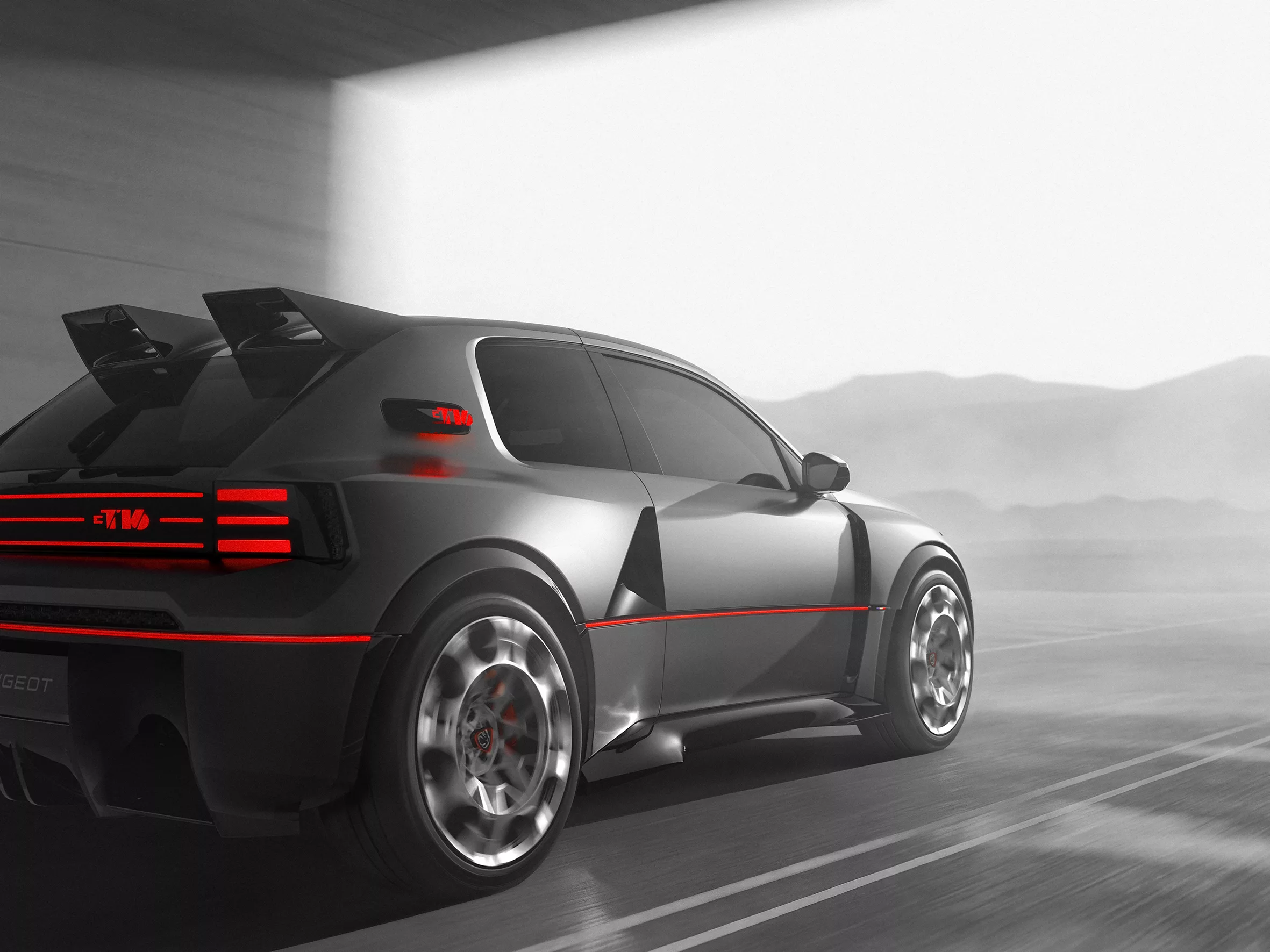
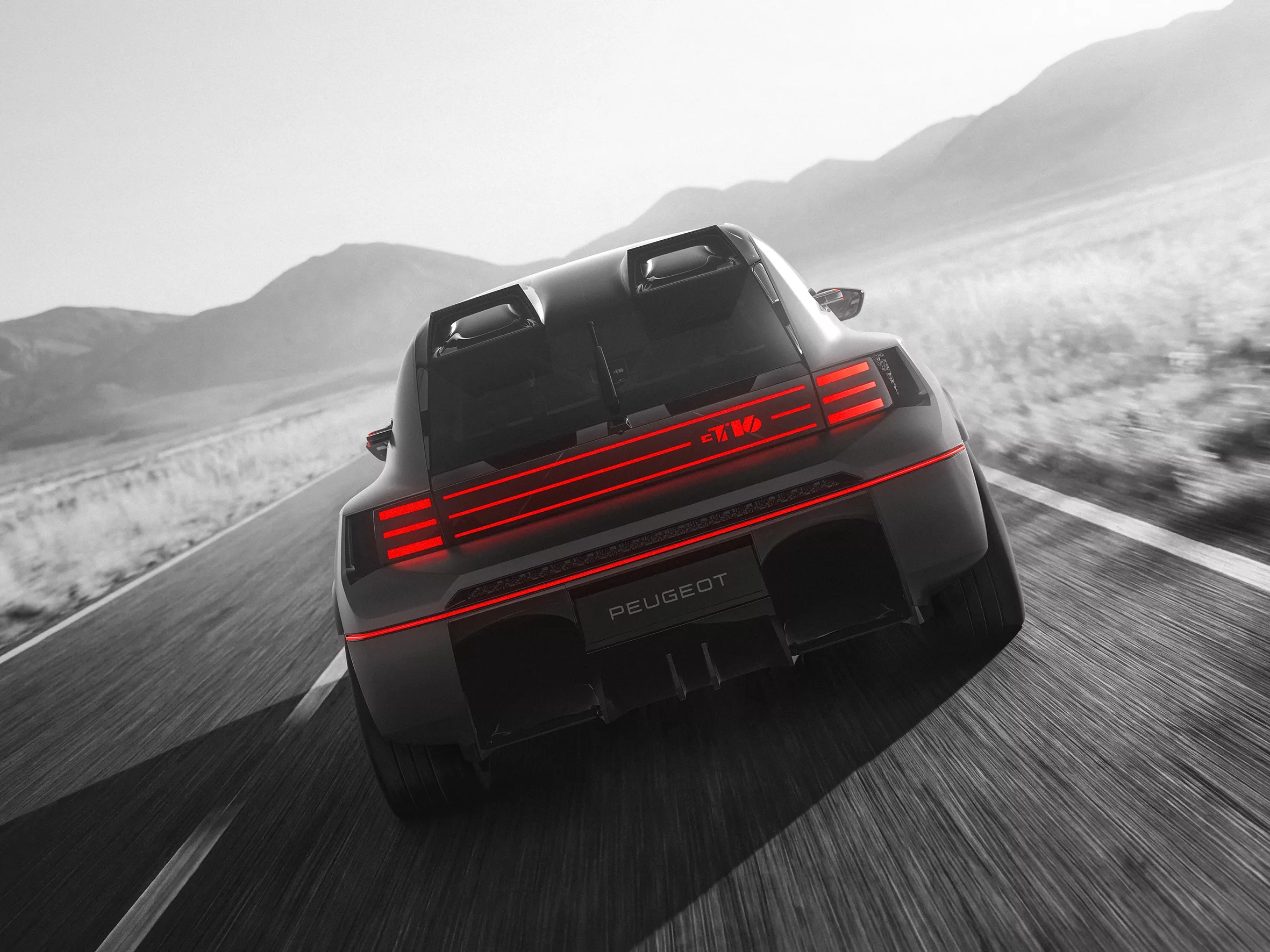
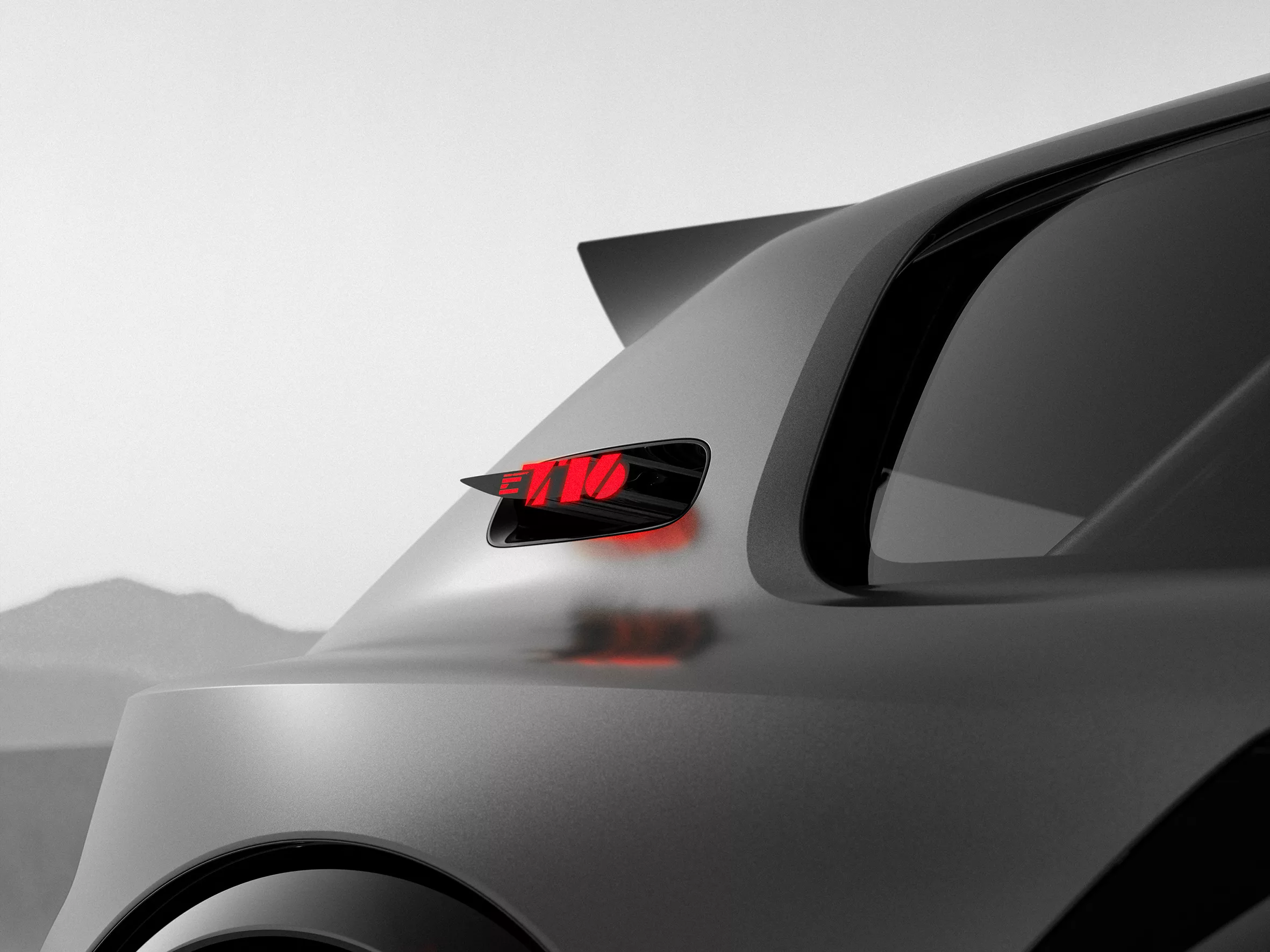
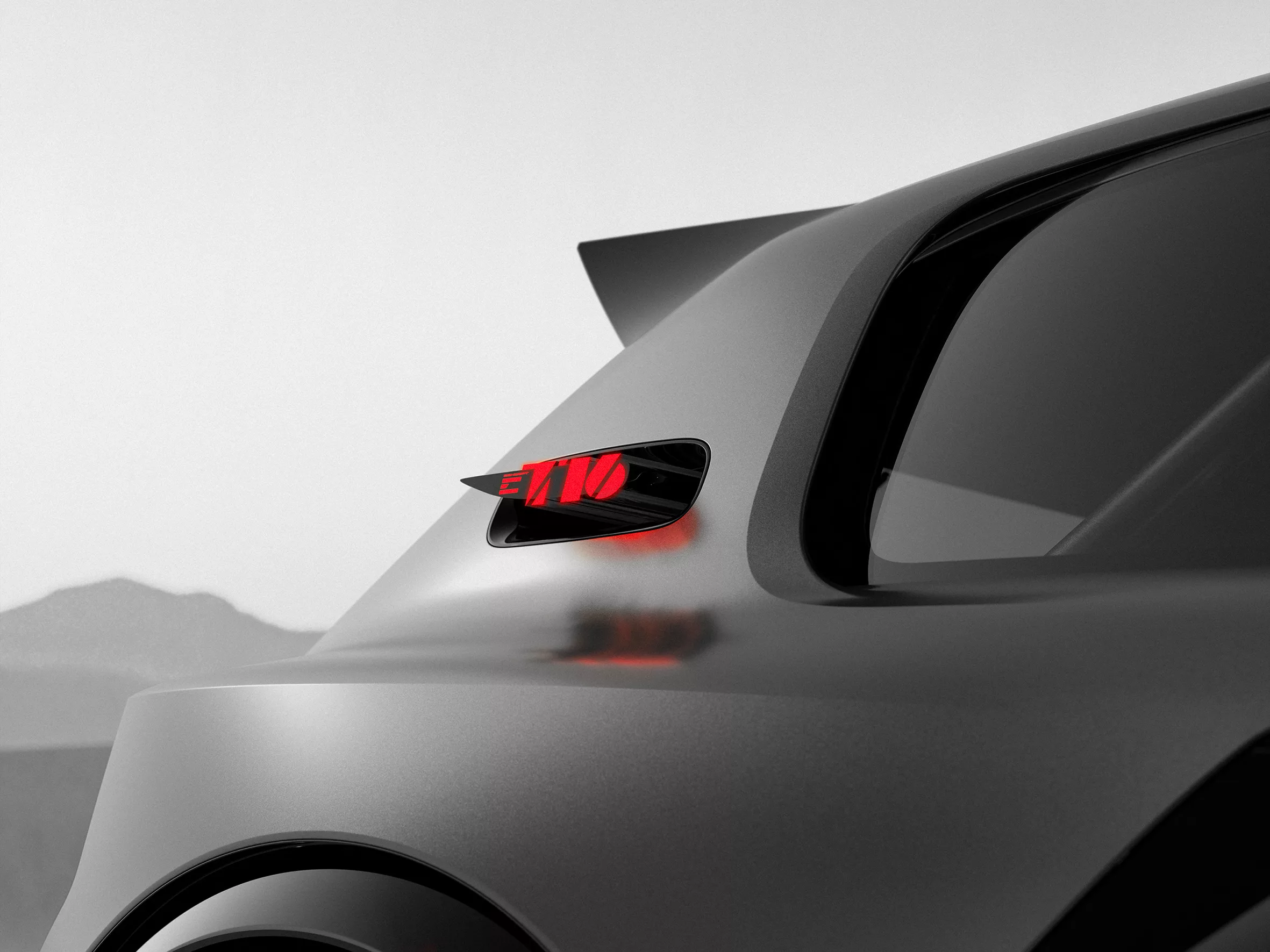
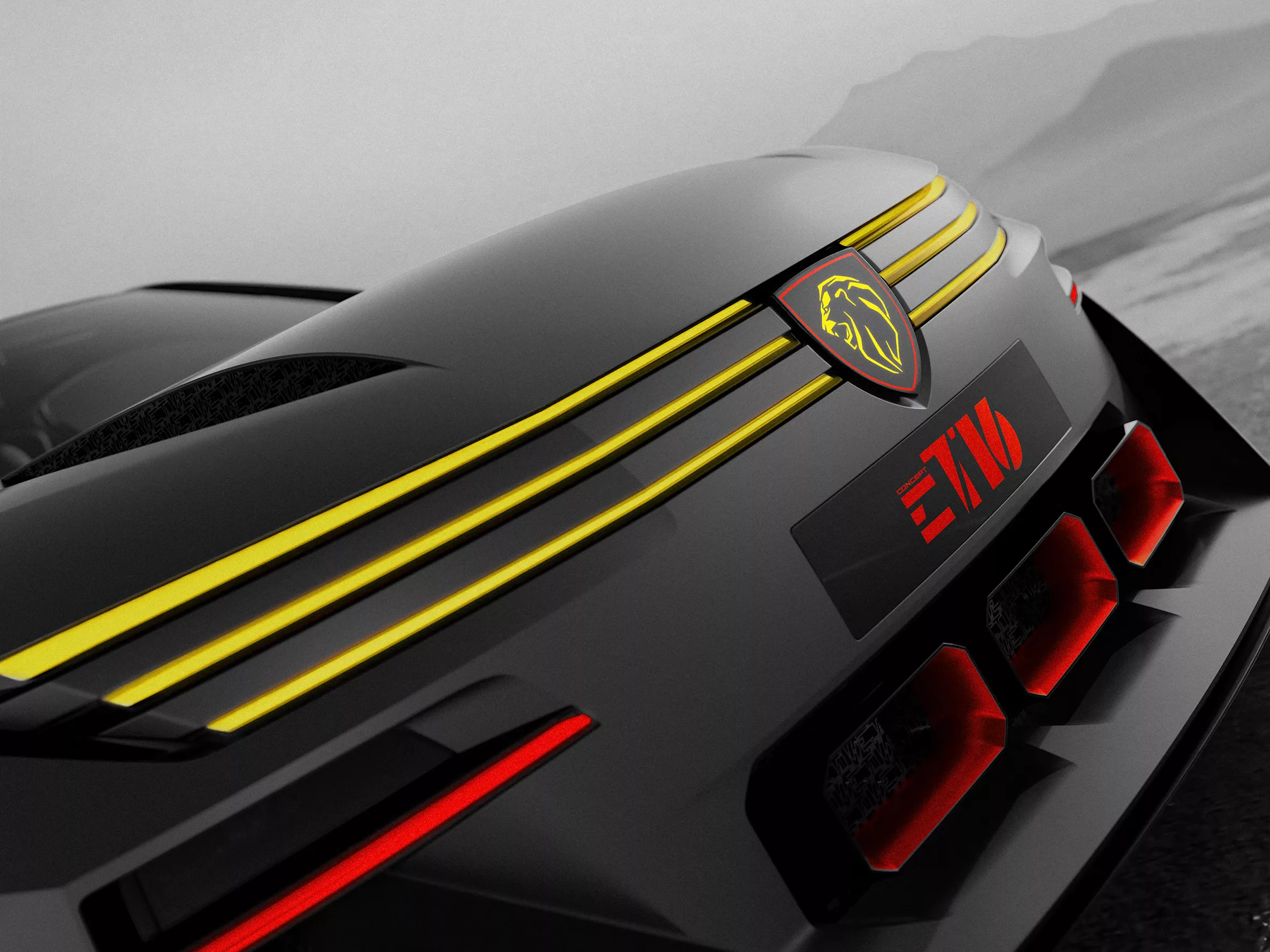
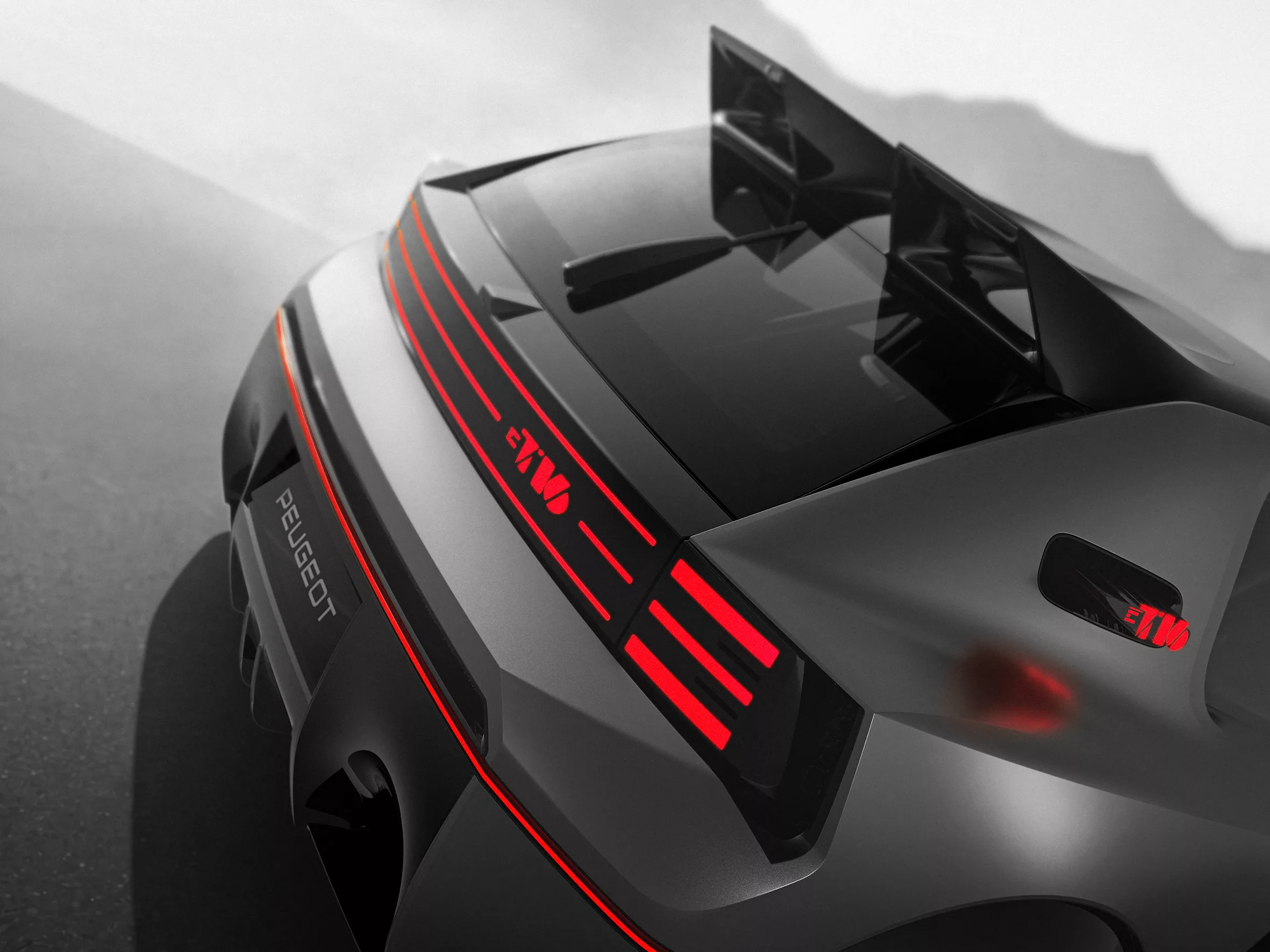
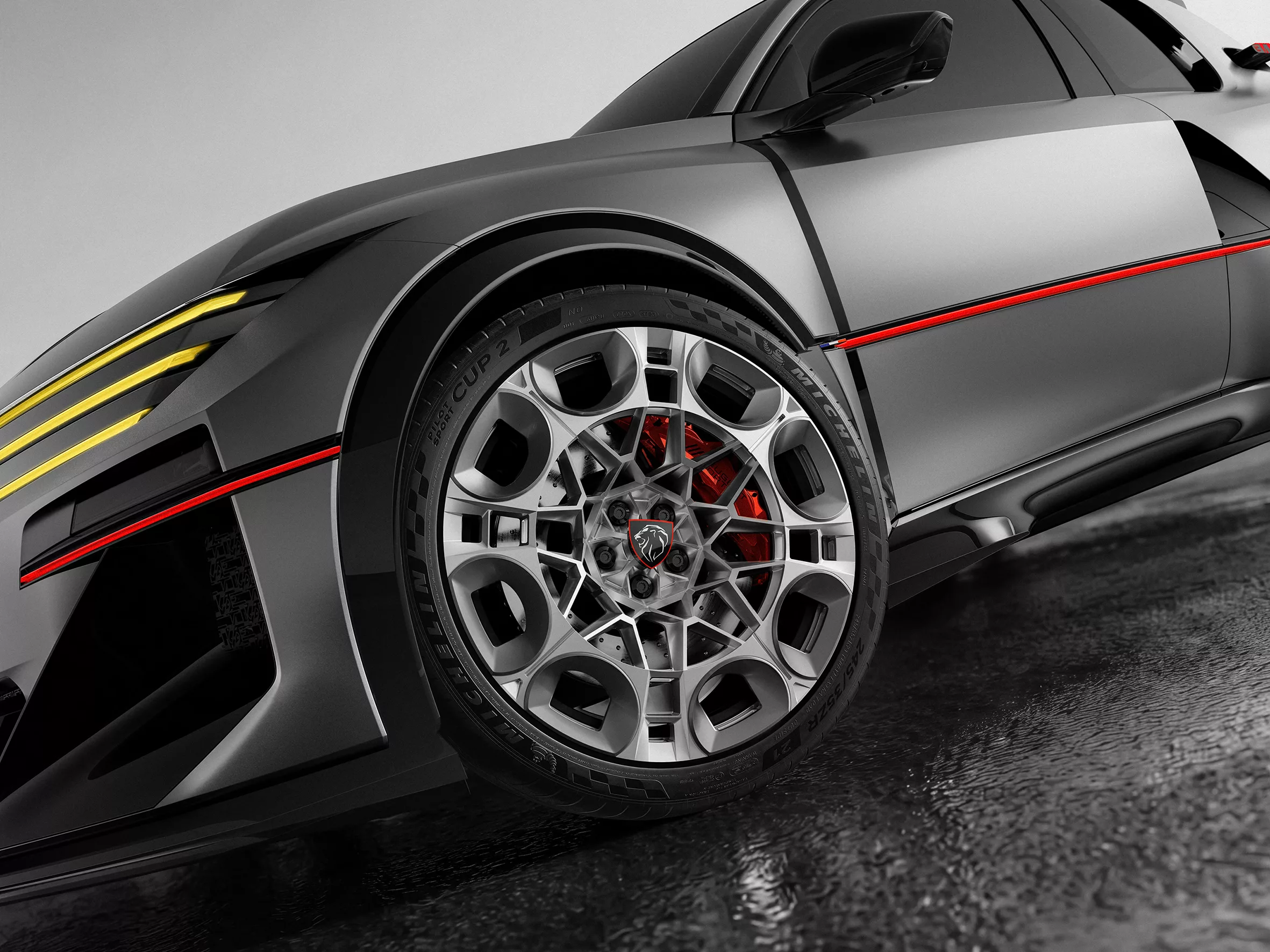
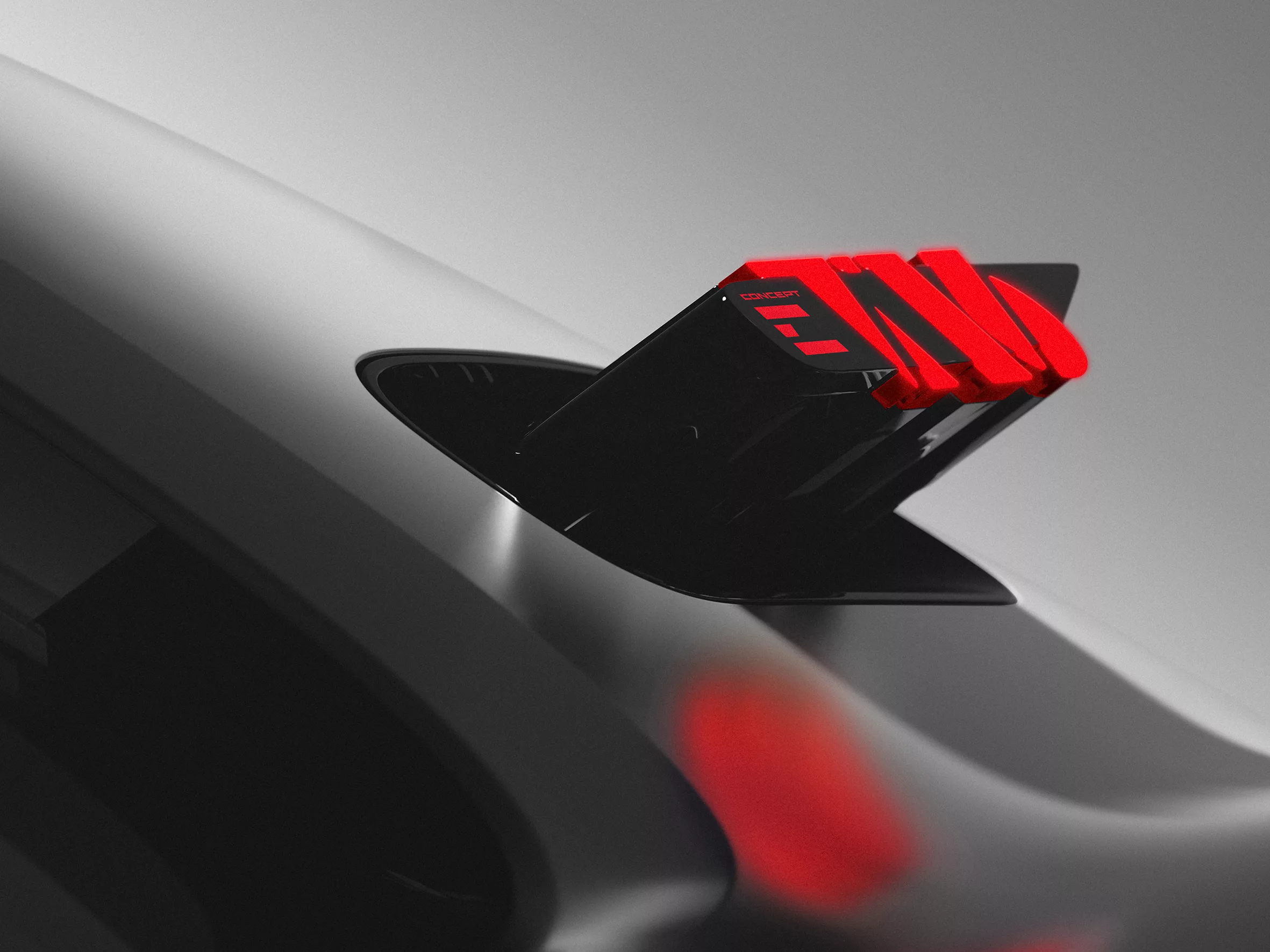
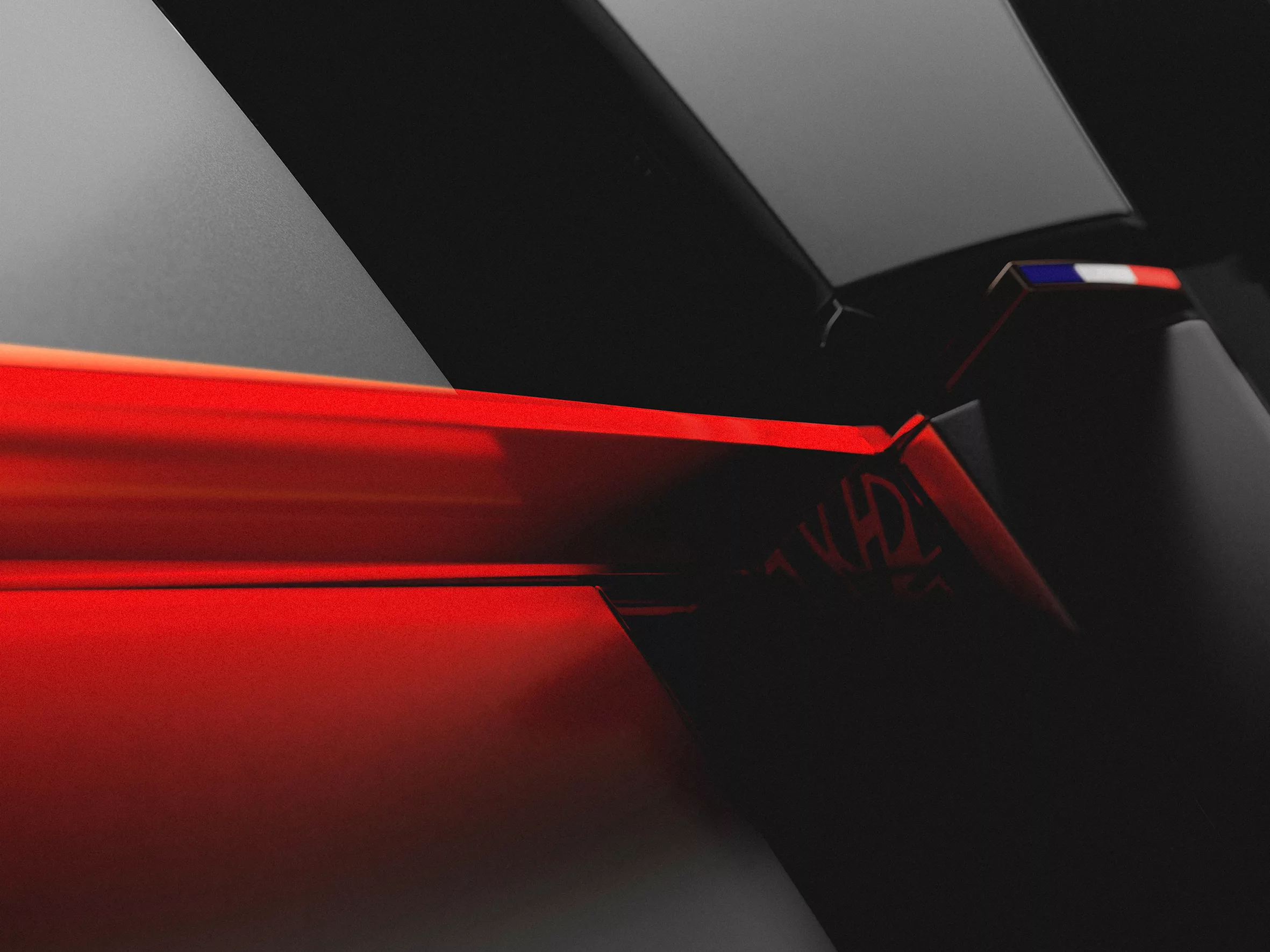

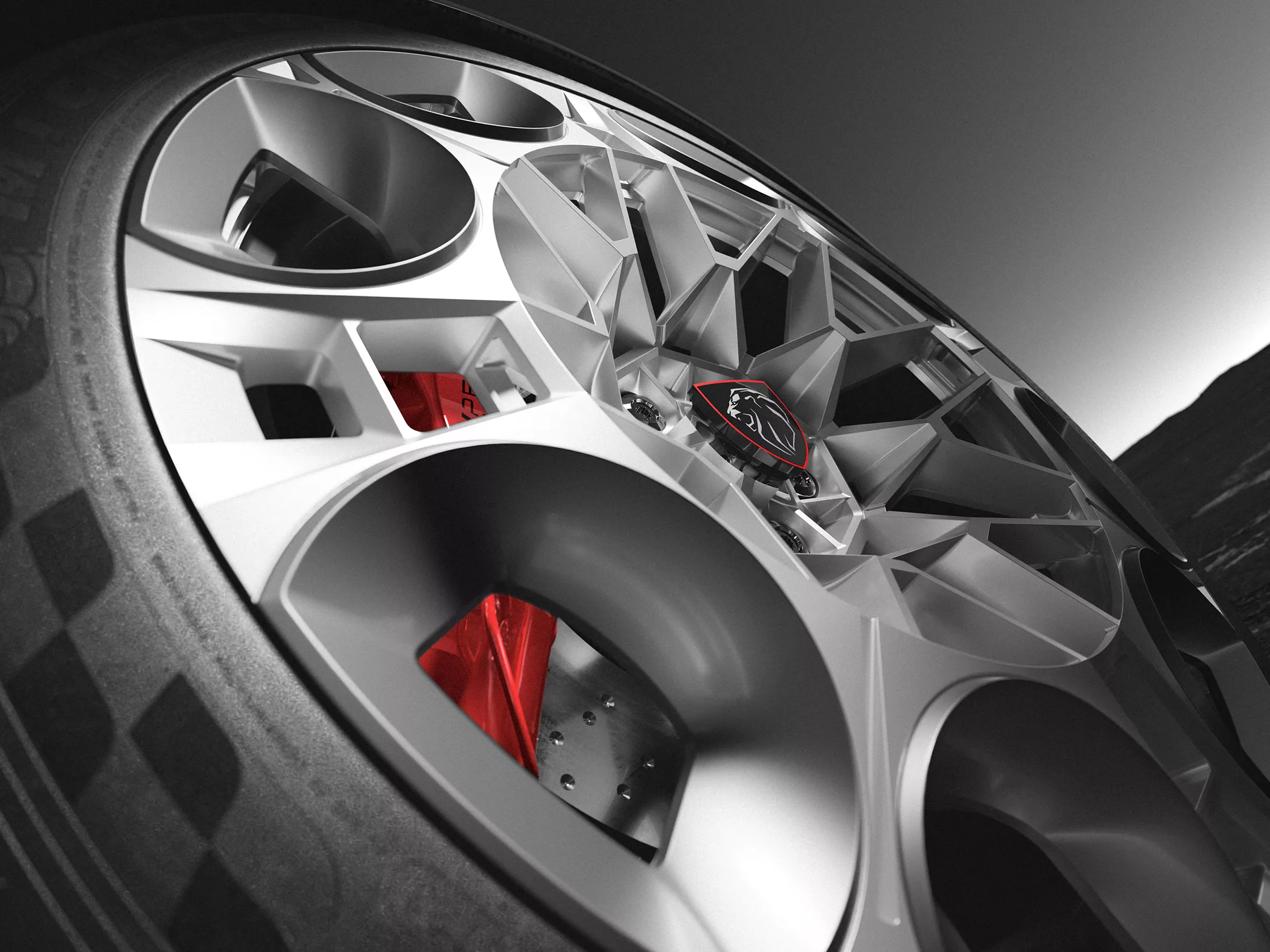
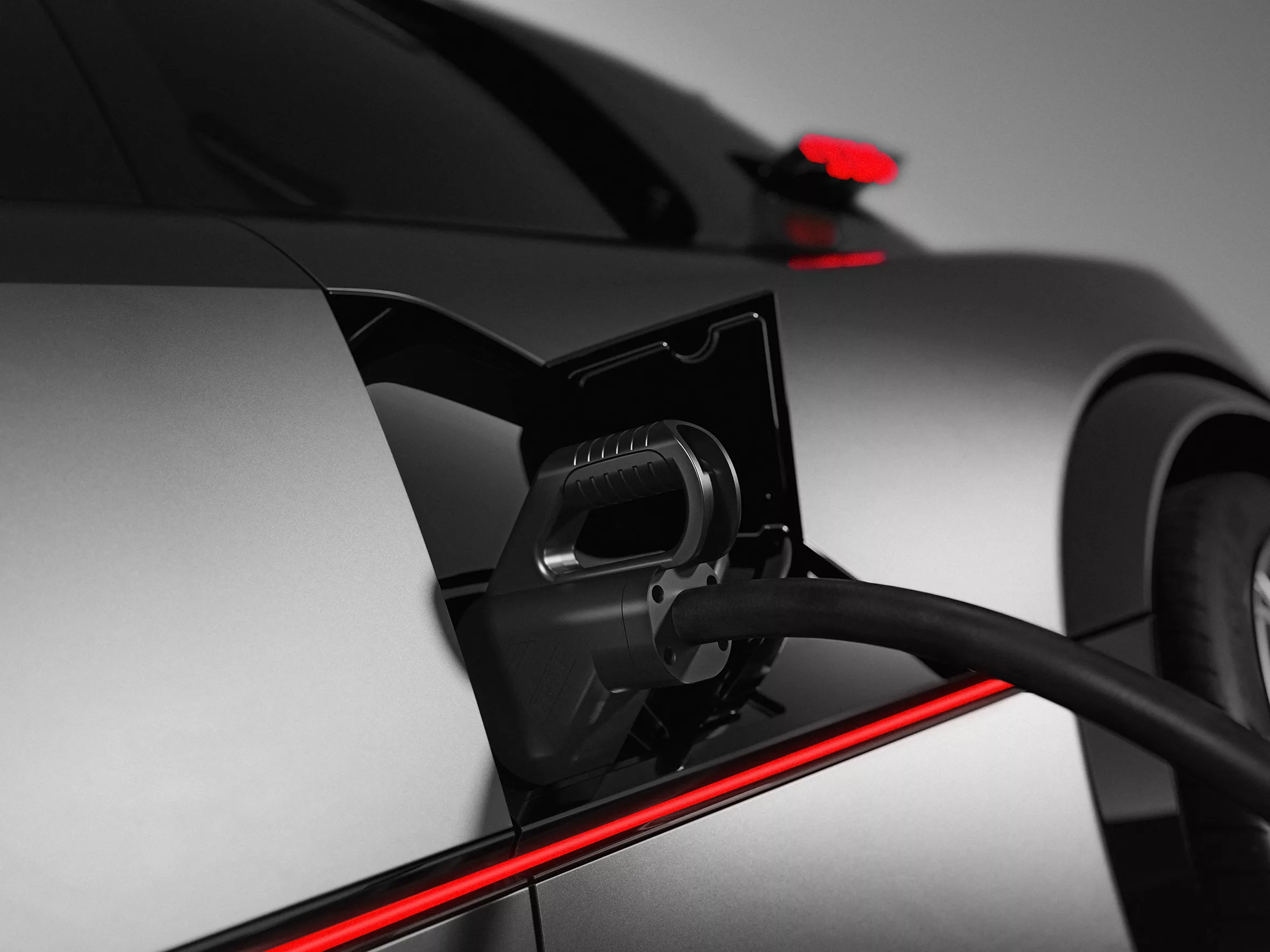
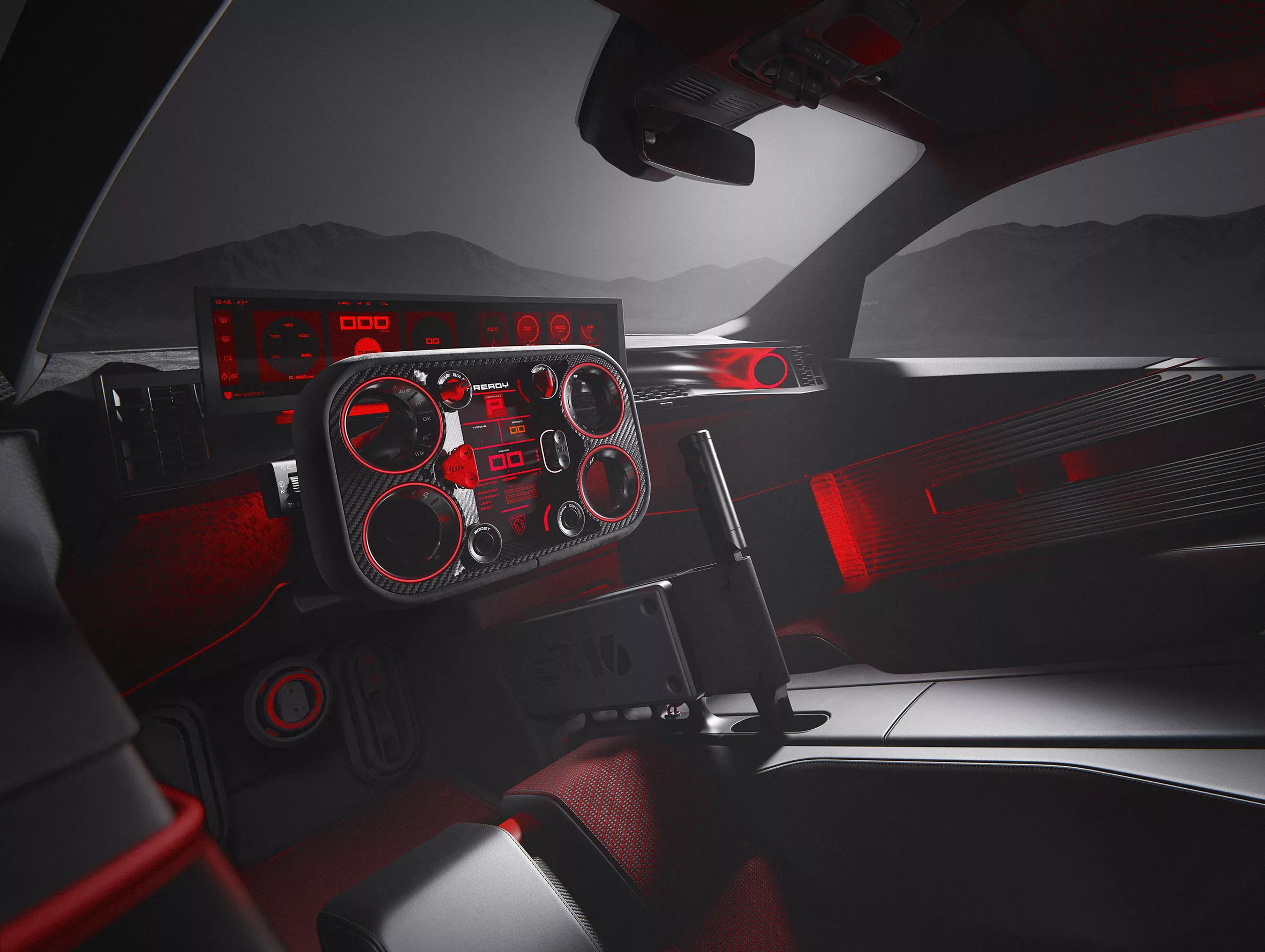
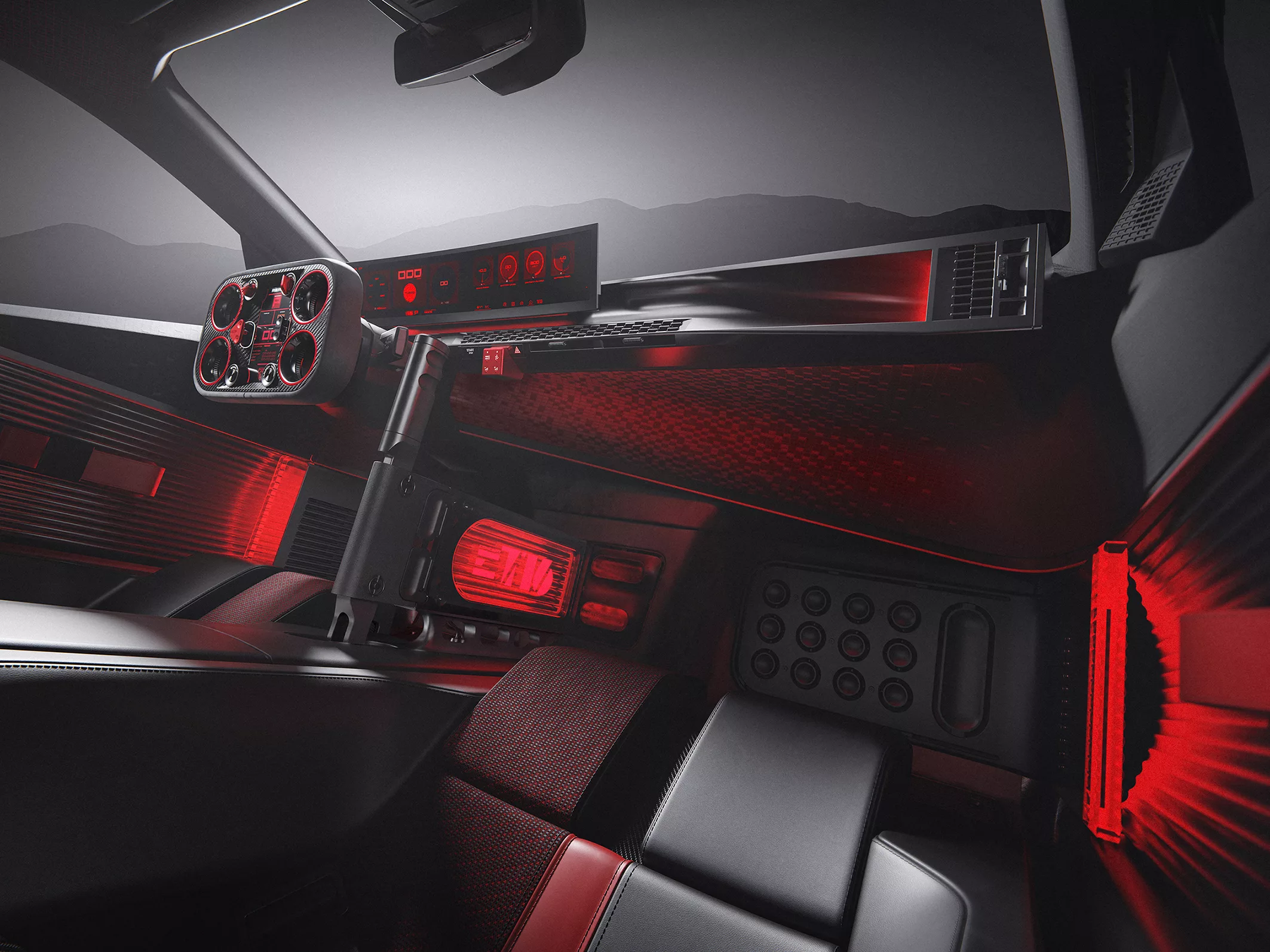
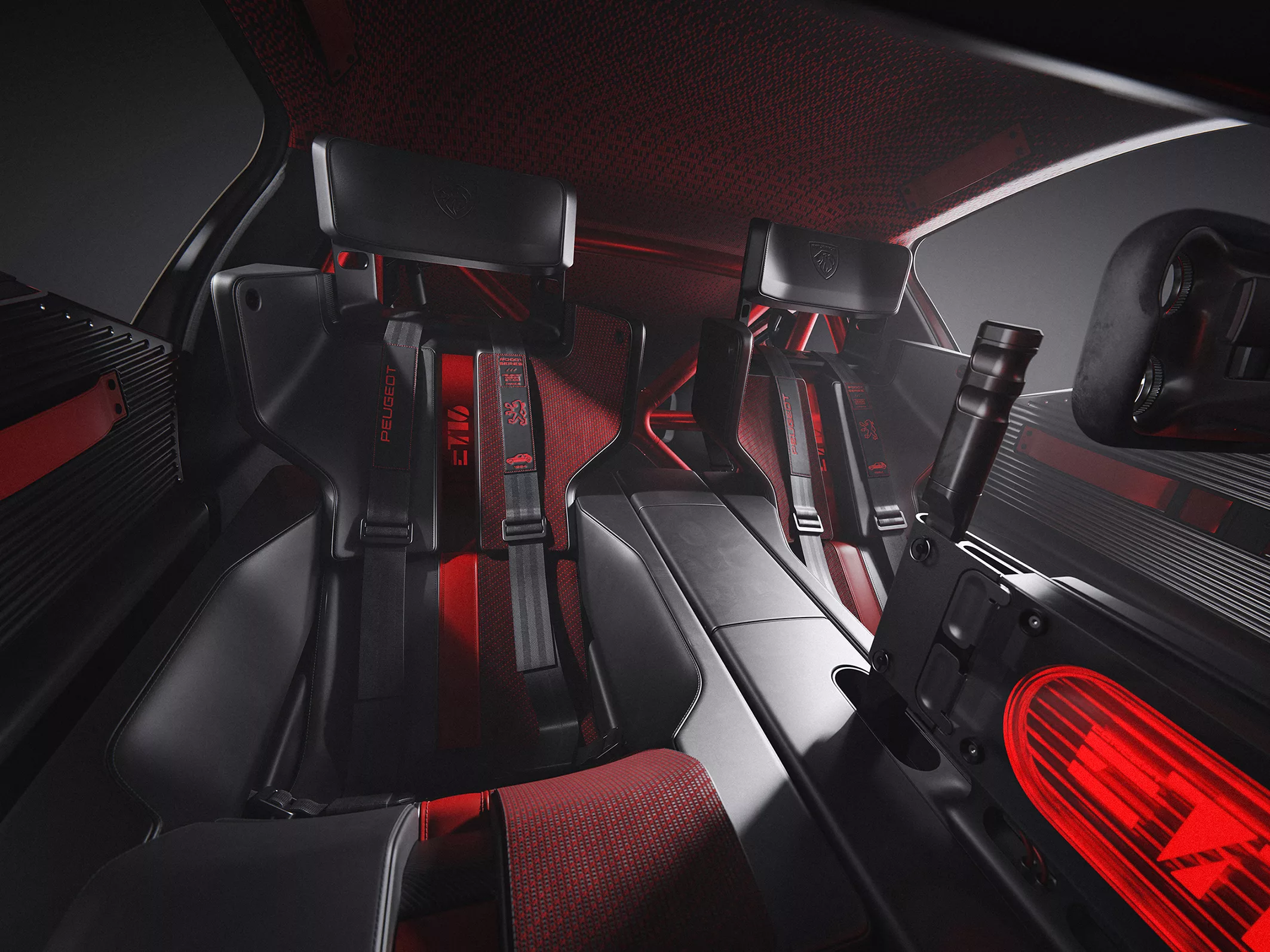
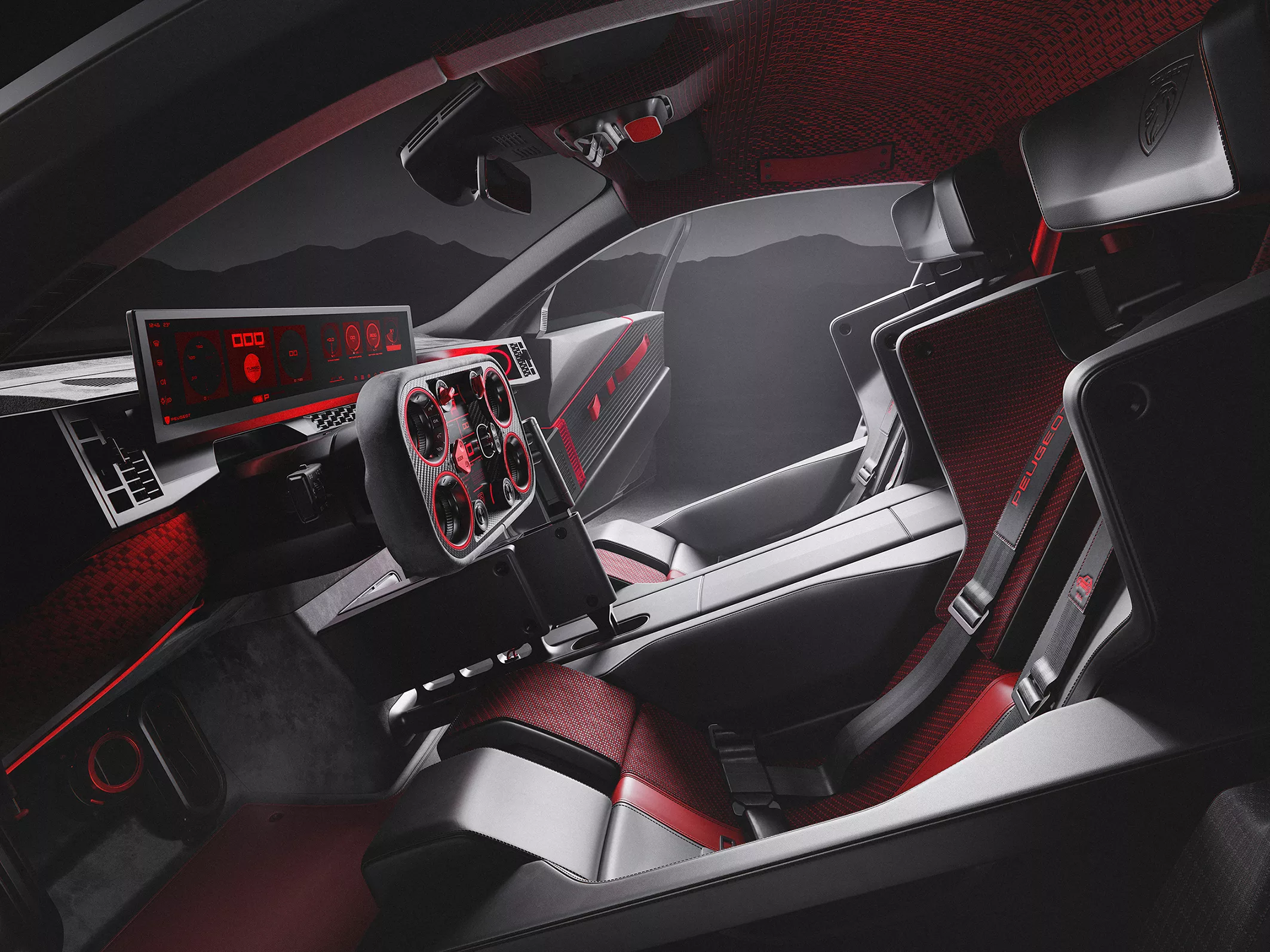
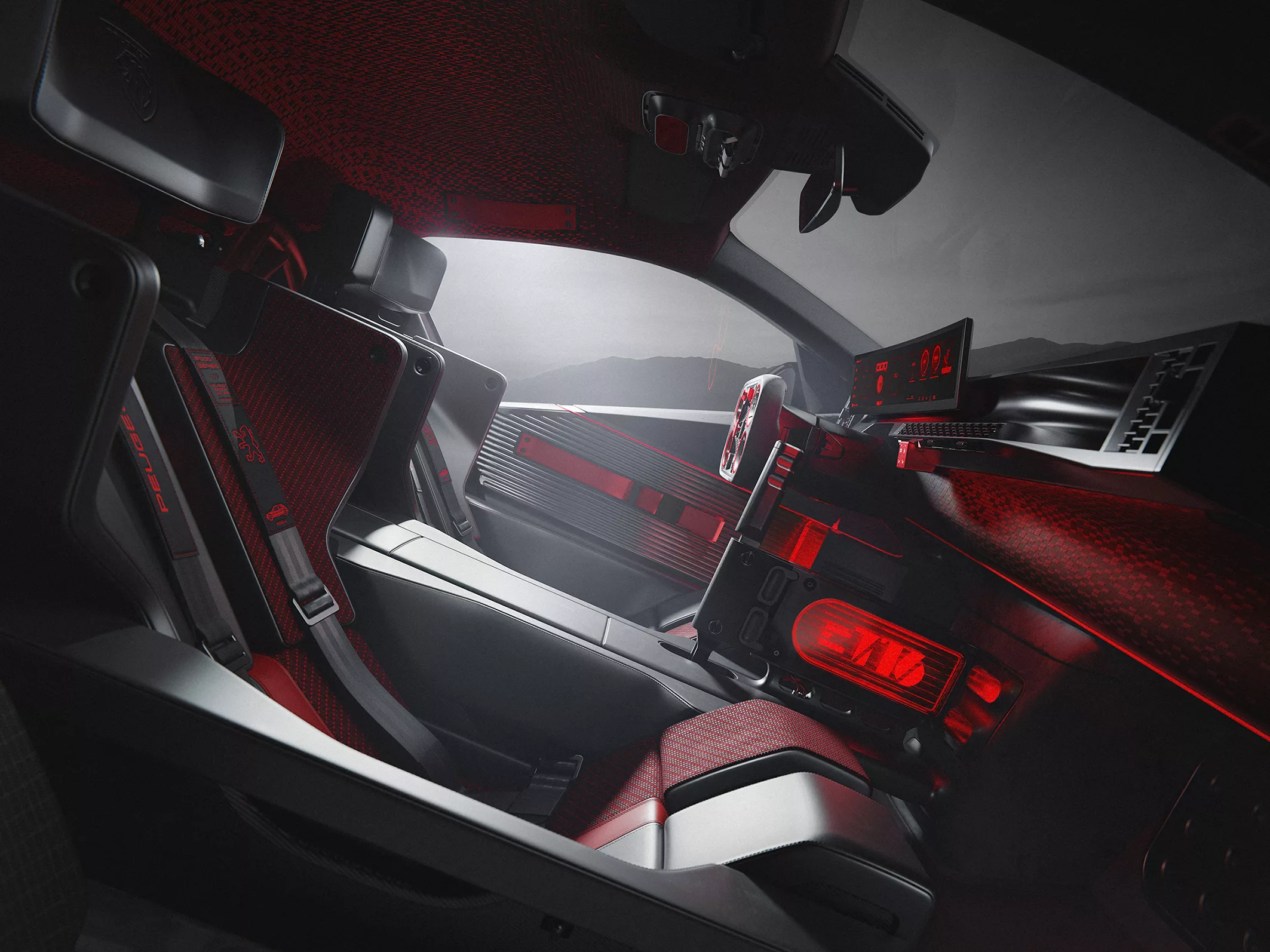
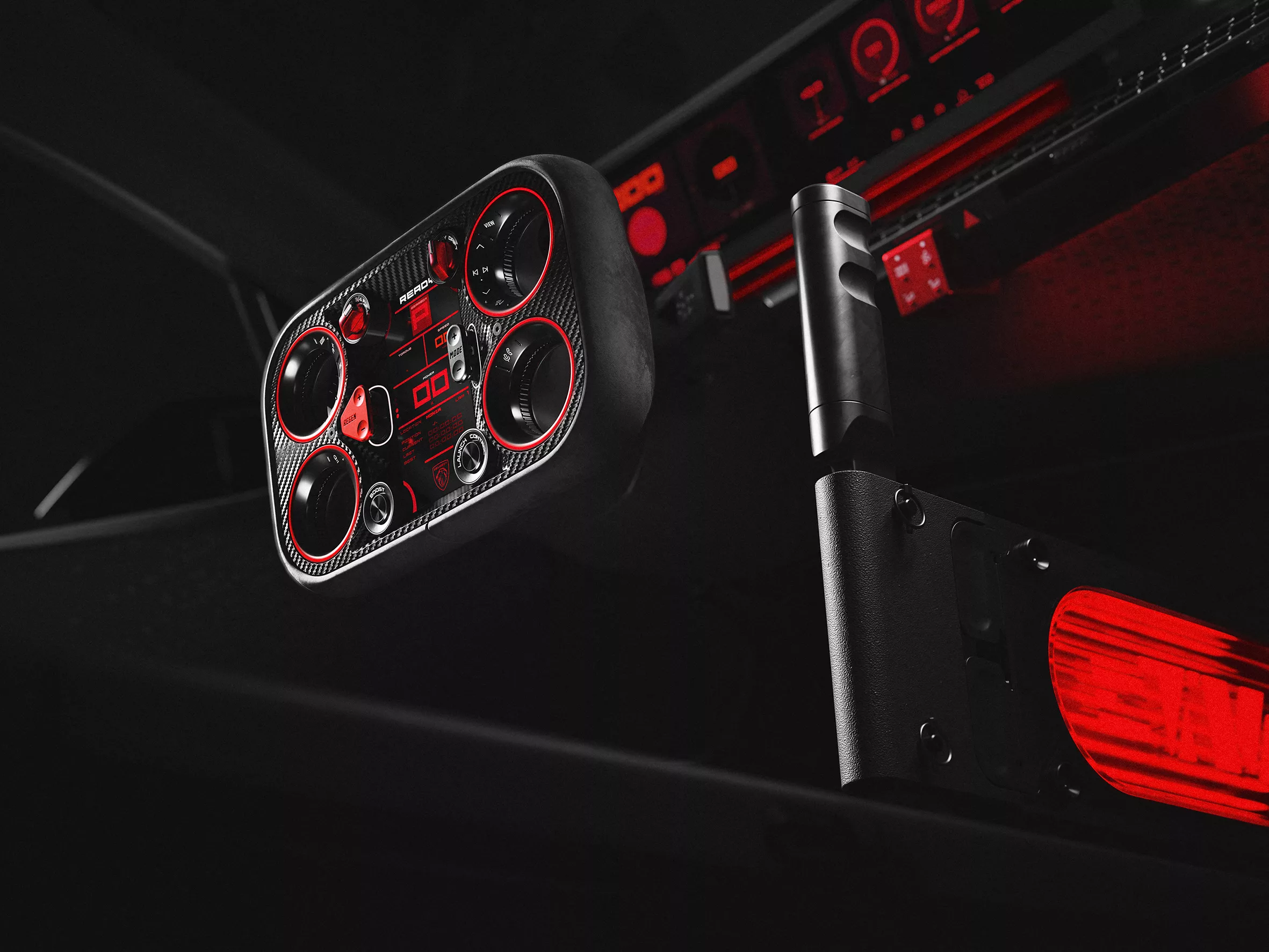
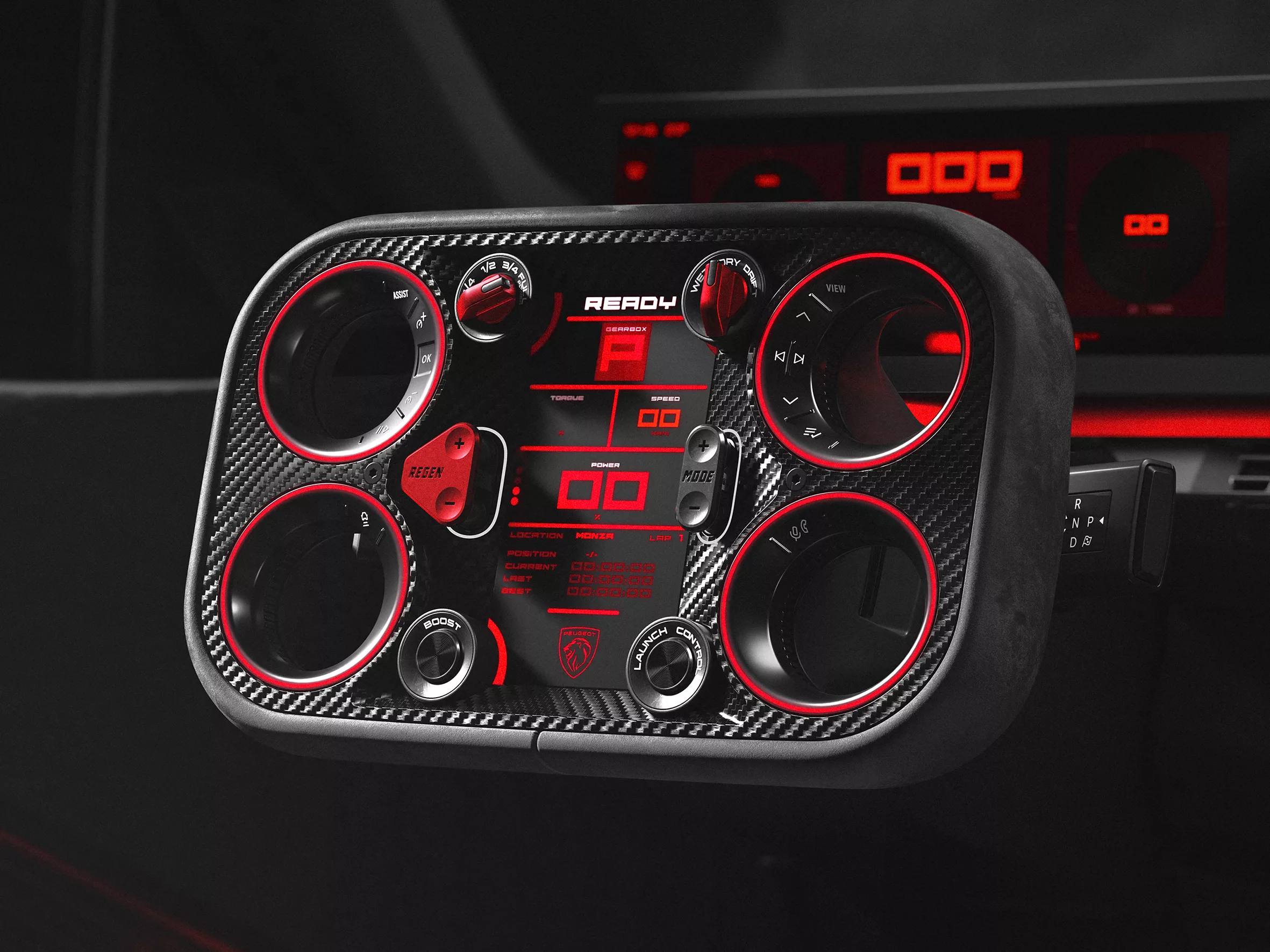
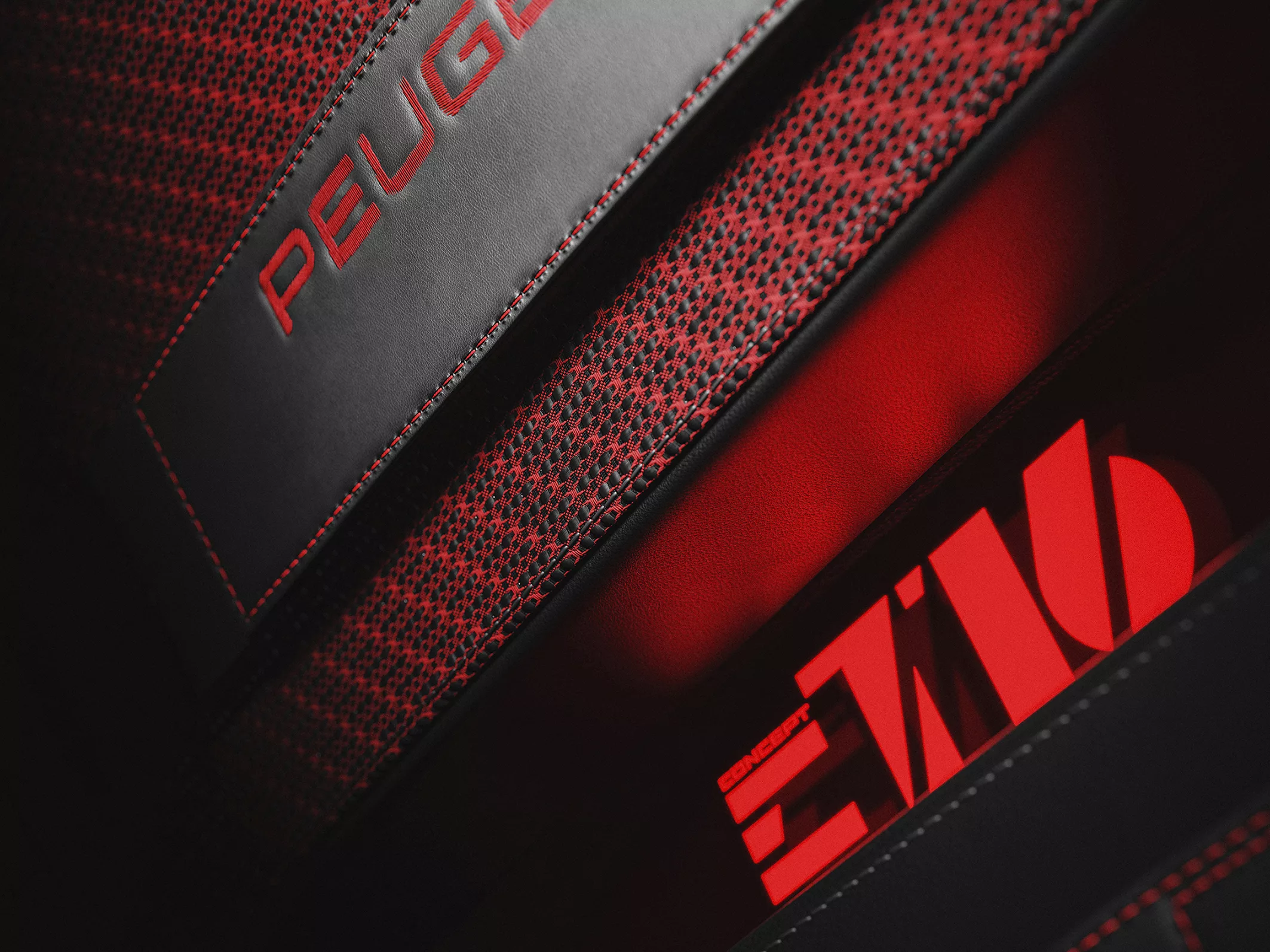
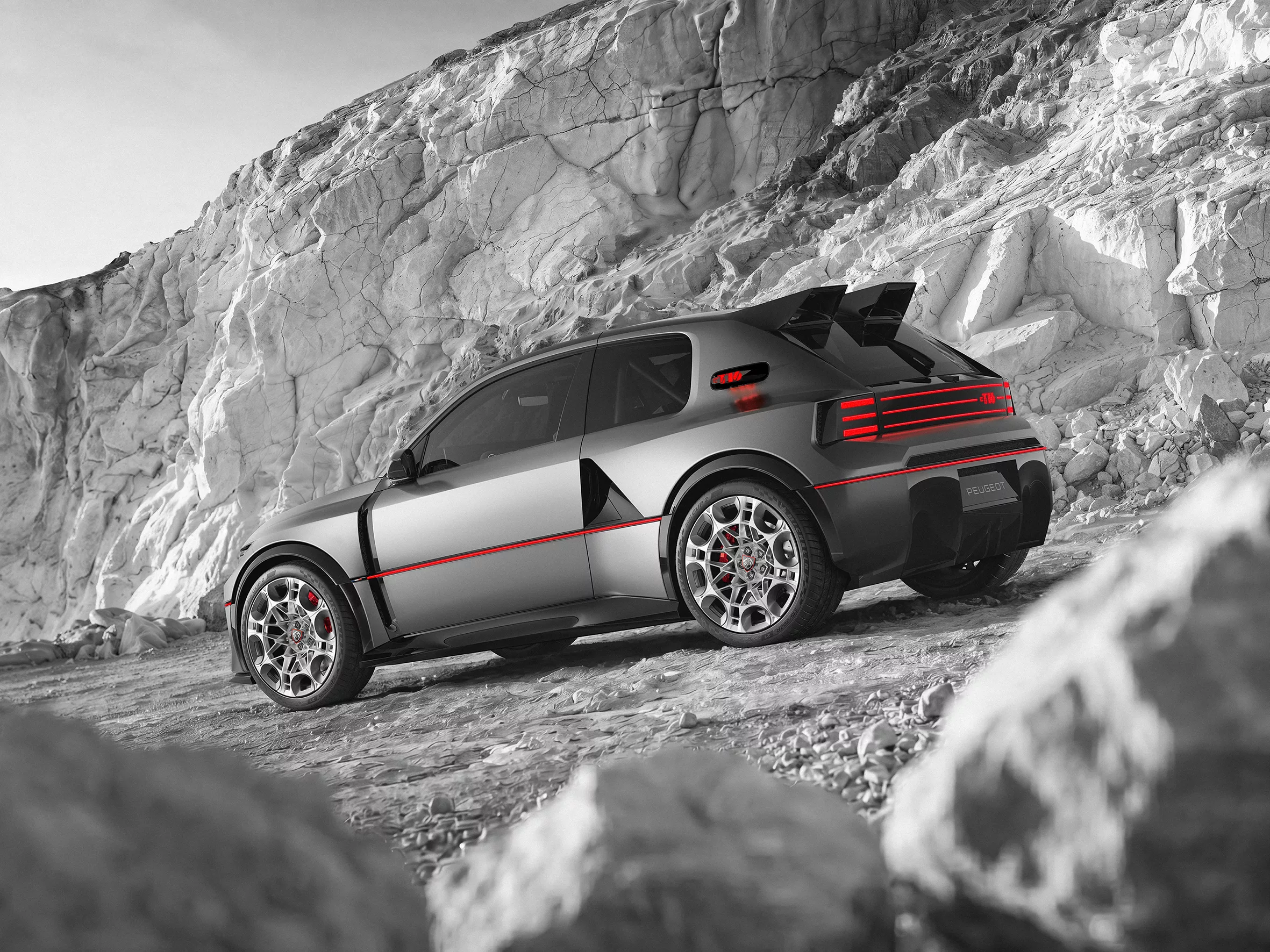
Peugeot's wild electric E-T16 may yet be more than a motor show head-turner. The French carmaker's boss, Alain Favey, confirmed that the 600 kW hot hatch is technically ready for production and that the company could begin building it as early as 2027. No final decision has been made, but Peugeot appears to be taking the idea much more seriously than initially expected.
600 kW and technology that already exists
Unveiled at the Paris Motor Show, the E-T16 Concept draws inspiration from the legendary Peugeot 205 Turbo 16 rally car. Three electric motors, one at the front and two at the rear, produce a combined 600 kW.
Peugeot claims a 0–100 km/h time of 2.5 seconds and says the car can reach 300 km/h in just 16 seconds. An 85 kWh battery and an 800-volt electrical system allow a WLTP range of up to 400 kilometres and charging from 10 to 80 per cent in less than 15 minutes.
In an interview with British publication Autocar, Favey explained that the E-T16 uses Stellantis's new STLA One platform and several components from the next-generation E-208. This means the manufacturer would not have to develop the entire technical foundation for this extraordinary sports car from scratch.
According to Favey, the company could build the car in its current form as early as next year. However, this is an assessment of its technical readiness, not a confirmed production plan.
A potential rival for the Renault 5 Turbo 3E
If Peugeot gives the project the green light, the E-T16 is likely to become an expensive, limited-production model.
Its most direct rival would be the Renault 5 Turbo 3E, whose version with a 400 kW electric powertrain costs approximately €160,000. The Peugeot offers 50 per cent more power, but the company has not yet disclosed a possible price or production volume.
Peugeot Sport's involvement in development lends the project technical credibility. Among other features, the E-T16 uses cooling through the sides of its battery cells, designed to maintain high power output even during extended track driving.
At the same time, this is not simply a case of copying Renault. Peugeot wants to strengthen its position in the market for sporty and more expensive cars, rather than competing with Chinese manufacturers on price alone.
An RCZ comeback will take more time
Peugeot is also considering putting the RCZ Vision, unveiled in Paris, into production, but its technical requirements are considerably more complex.
The low-slung electric coupé needs a thin, high-energy-density solid-state battery, which is not yet mature enough for series production. Favey estimates that introducing such technology could take five to six years.
The E-T16, by contrast, relies on technical solutions that already exist.
Putting the E-T16 into production would be a bold but logical step for Peugeot. If Renault can sell a €160,000 electric hatchback, there is no reason to think Peugeot's even more powerful alternative would fail to find buyers. The question is more whether Peugeot is willing to invest in such an expensive niche project.


