
Polestar Formula 2030 reveals a new design direction critical to the brand’s survival
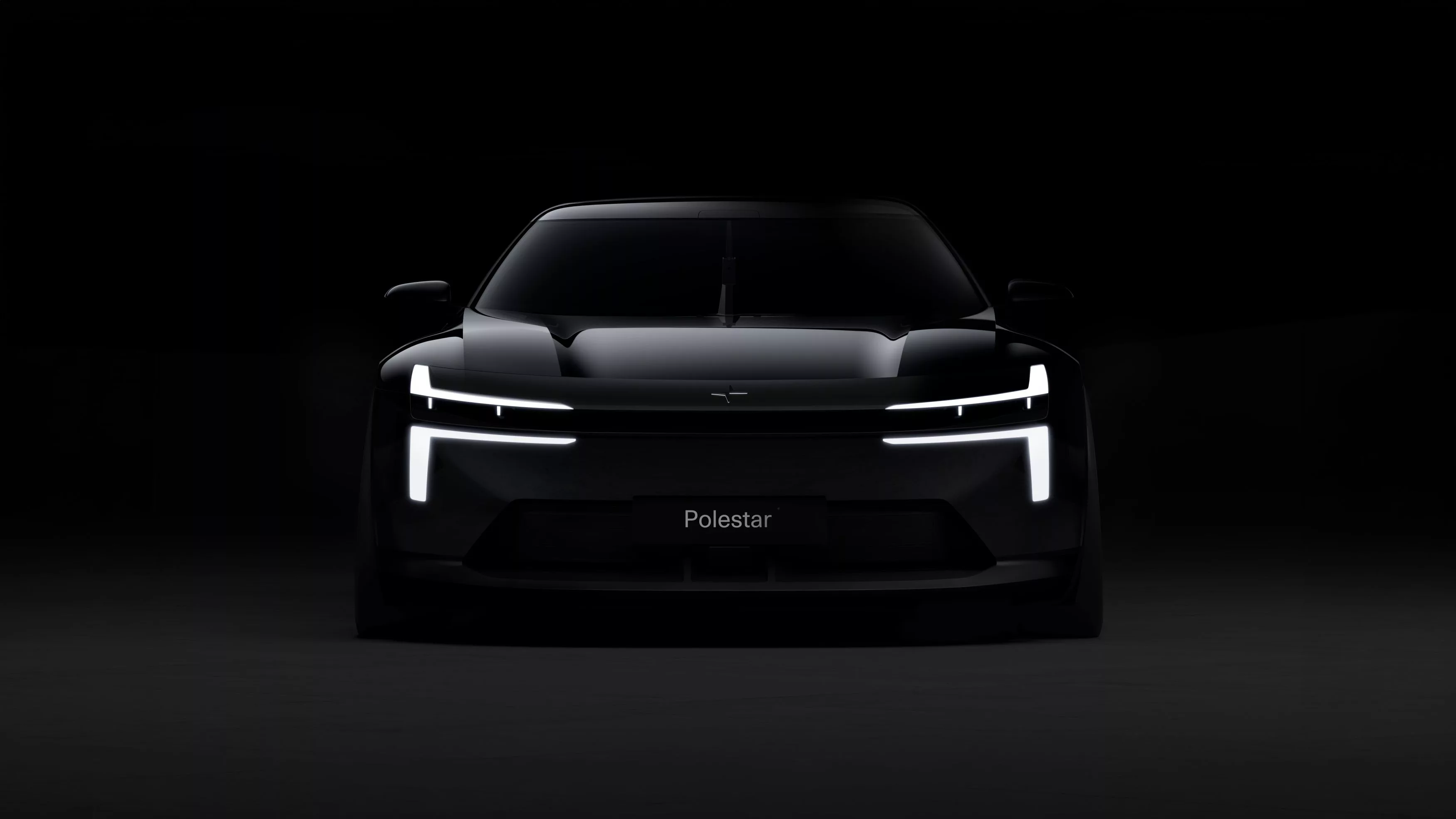
Polestar is preparing to significantly evolve its design language, with the Formula 2030 concept car offering the first clue. The low, aggressive concept is not merely a design showcase: its solutions will reach the next Polestar 2 as early as 2027, followed by the Polestar 7 SUV. More importantly, there is the wider context. Polestar needs new higher-volume models to finally turn growth into profit.
Polestar confirmed the existence of Formula 2030 on 7 September as part of its broader 2030 business strategy. The manufacturer will initially show the car to investors, dealers and selected customers at The Cube, its headquarters in Gothenburg. A public debut will follow in October.
Formula 2030 is also the first concept car created entirely under the leadership of Polestar’s current head of design, Philipp Römers. Römers joined the company in early 2025, and his task is not to throw Polestar’s existing visual identity in the bin, but to make it stronger for the next generation of models.
The new Polestar must look like the old Polestar
Römers describes Formula 2030’s direction as a bold evolution rather than a revolution of the existing design language. That is a sensible decision for Polestar. The young carmaker has spent years building its identity, and an entirely new face would effectively force the company to start again from scratch.
In the first image, Formula 2030 appears low and very wide. The clearest link with current models comes from the Dual Blade headlight motif. Polestar is developing the familiar feature further, but making it more assertive than before. According to Auto Express, the lighting elements are now positioned above and below a slim main headlight, while the nose aerodynamics use a further development of a solution familiar from the Polestar 3.
Polestar also promises that the concept will showcase next-generation materials and more sustainable construction solutions. The company has not yet disclosed technical specifications, a powertrain, battery or output. It would therefore be premature to call Formula 2030 a technical prototype for a future production car. Above all, it is a design manifesto.
The next Polestar 2 arrives as early as 2027
Formula 2030’s most direct connection to production cars comes with the new Polestar 2. The successor to the current model is scheduled to reach the market in 2027, and Polestar confirms that Formula 2030 design elements will be carried over to it.
This model is exceptionally important to the brand. The Polestar 2 effectively helped establish Polestar as an independent car brand, but the current car is approaching the end of its lifecycle. The company itself cites the model changeover for the current Polestar 2 as one reason for revising its 2026 sales forecast.
The successor will have to compete in a market where BMW Neue Klasse electric cars, the Tesla Model 3, Mercedes-Benz’s next-generation electric models and rapidly advancing Chinese rivals leave very little room for an average product.
Polestar can no longer rely solely on a minimalist Scandinavian interior and sharp chassis to differentiate the car sufficiently. The new 2 must offer competitive range, fast charging, good software and a price that does not turn it into a niche product.
Polestar 7 must deliver volume
The second model influenced by Formula 2030’s design is the Polestar 7. The compact premium SUV is scheduled to reach the market in 2028 under the current plan.
The 7 could become the brand’s most commercially important car. Polestar wants to enter segments with high sales volumes and strong profit potential, and a compact premium SUV places it directly in the most fiercely contested part of the European market.
Polestar will have to take on electric SUVs from BMW, Mercedes-Benz, Audi and Volvo, among others. At the same time, Chinese manufacturers are applying pressure from below, with their technical progress and pricing leaving European premium brands little room for error.
The Polestar 7 will be built in Europe. This is important both for logistics and for reducing political risk, as the company wants to diversify production more than before alongside Asia and North America.


