
Porsche to cut 40 per cent of management roles and 9,000 jobs
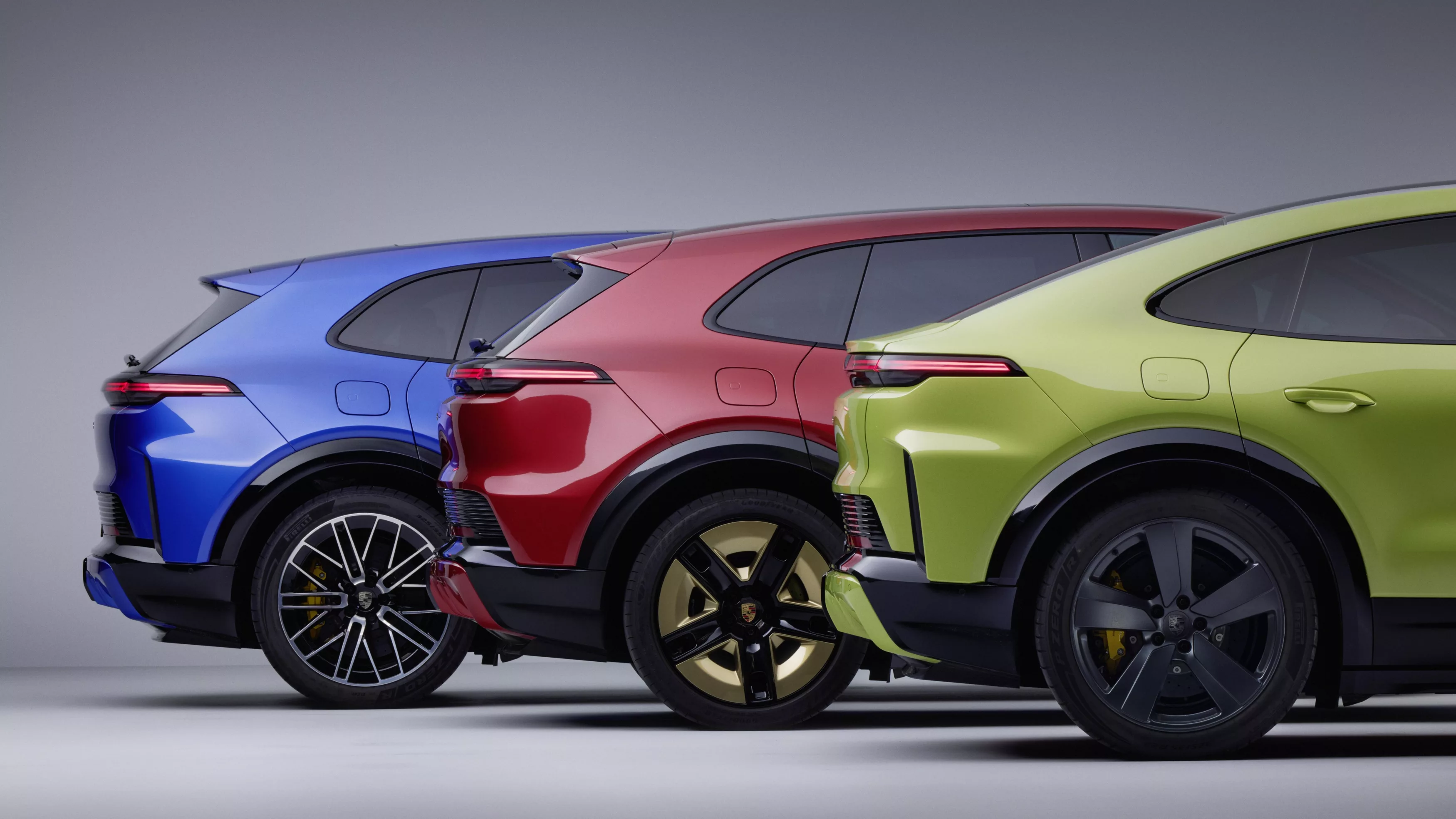
Porsche is preparing for lower sales volumes and making substantial cost cuts. Under its new “Sportwagenschmiede ’35” strategy, the company will reduce the number of management positions by 40 per cent over the medium term, with 9,000 jobs cut in total. The aim is to turn a profit even with annual sales below 200,000 cars.
A smaller company must earn more
Porsche wants to reduce staffing in direct and indirect functions by 25 per cent over the medium term, with a longer-term target of as much as 30 per cent. The company plans to cut production personnel costs by up to 30 per cent, sales and distribution costs by 20 per cent and development costs for future models by up to 20 per cent.
The cuts are not arbitrary. Porsche’s sales have fallen in recent years, with the Chinese market weakening particularly sharply. Its operating profit margin fell to 1.1 per cent in 2025, against a long-term target of 15 per cent.
Fewer model variants, more expensive cars
Porsche’s response is not to increase sales volumes at any cost. The company wants to reduce the number of model variants by around 20 per cent and increase sales of the remaining versions by an average of 30 per cent. Porsche aims to raise the average selling price of its top models by approximately a fifth.
At the same time, the range is shifting towards more expensive D- and E-segment models. Porsche is preparing a mid-engined supercar positioned above the 911 and is considering an SUV larger than the Cayenne.
A return to three powertrain types rather than an electric focus
Porsche has abandoned its previous strong focus on electric vehicles and is continuing to develop combustion engines, plug-in hybrids and fully electric models in parallel. To reduce costs, the company is deepening its cooperation with Audi and making greater use of shared platforms and components.
For the European automotive industry, Porsche’s plan is telling: the problem is not just weaker demand, but an excessively costly organisation and an overly complex model range. Porsche now wants to sell fewer cars while earning more from each one.


