
smart returns to its roots: the new electric #2 offers 290 kilometres of range and fits almost anywhere
 1/4
1/4
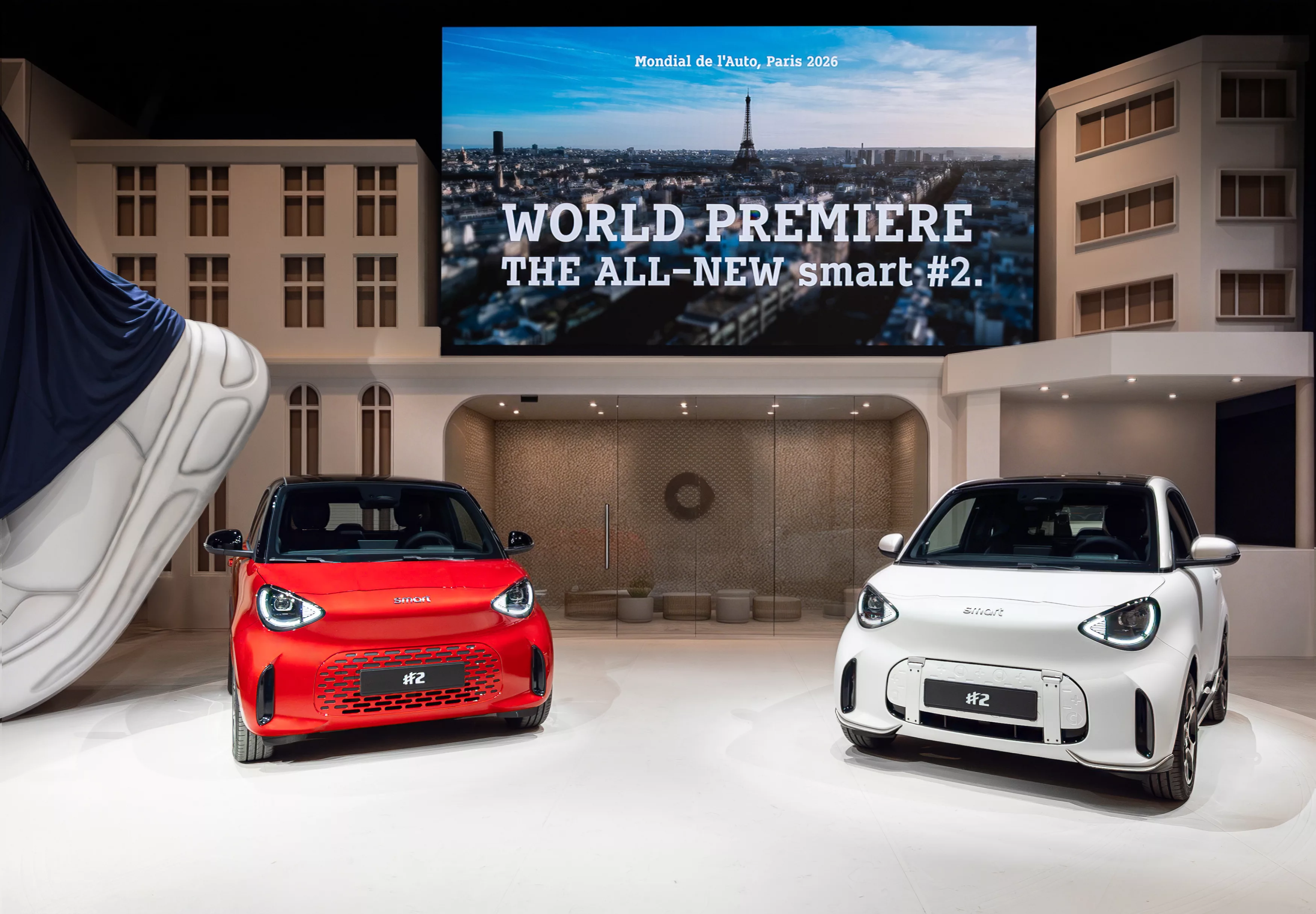
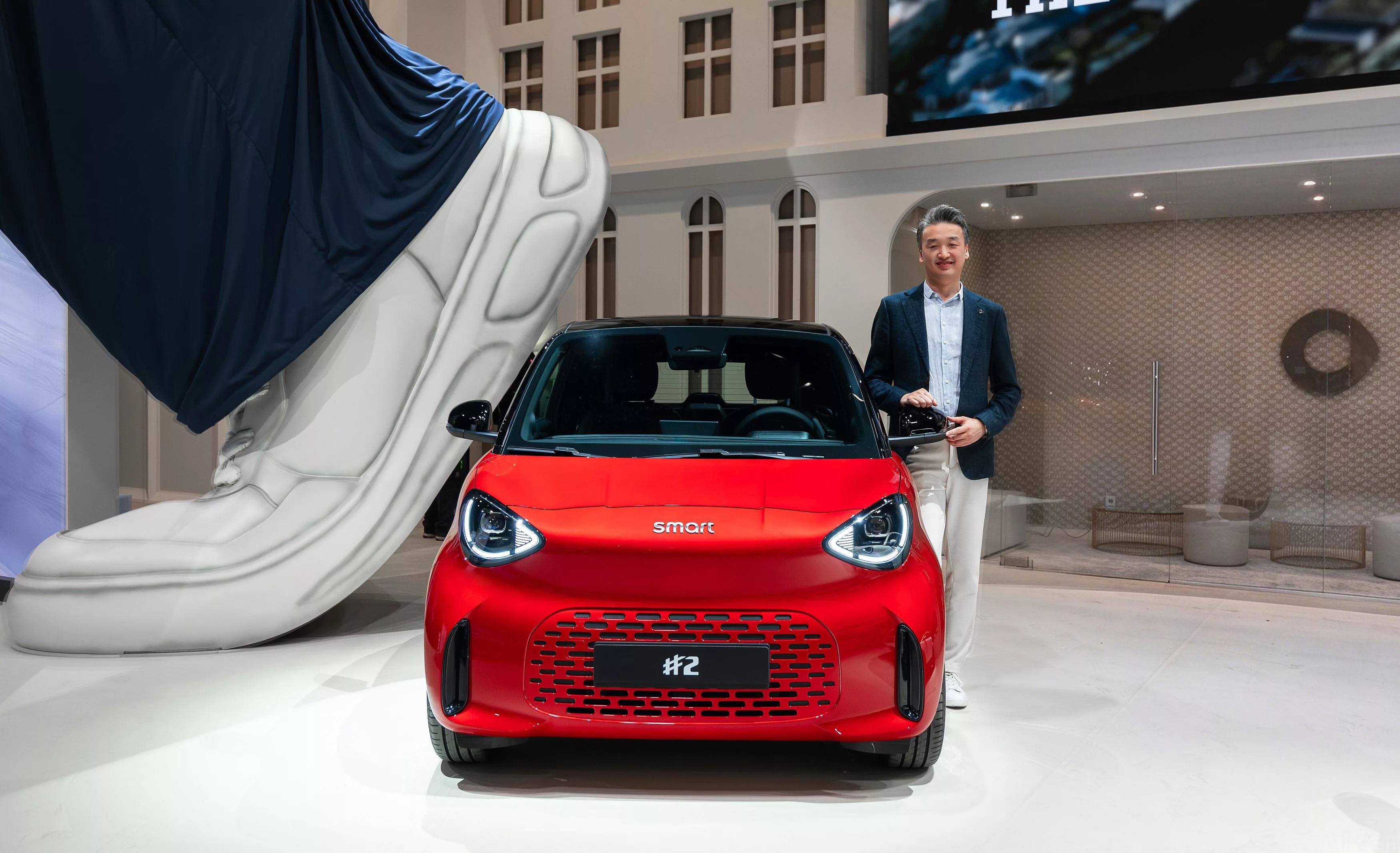
smart unveiled the #2, the smallest electric car in its line-up, at the Paris Motor Show, reviving the idea behind the original Fortwo. Just 2.75 metres long, the two-seat city car offers 60 kW of power, up to 290 kilometres of range and 20-minute rapid charging. After years of building ever-larger SUVs, smart has finally remembered what made it famous in the first place.
Smaller than most city cars
The new smart #2 is just 2746 mm long, making it one of the most compact passenger cars on the European market. By comparison, the Fiat 500e is approximately 3.63 metres long and the Dacia Spring 3.70 metres. The smart is almost a metre shorter than either.
Mercedes-Benz's design team retained the original Fortwo's defining features: short overhangs, wheels positioned at the corners of the body and two-tone bodywork. Rounded shapes and a distinctive lighting signature give the car a contemporary look.
The most impressive figure, however, is its turning circle diameter of just 6.95 metres. This allows the car to turn around in places where a conventional small car would need additional manoeuvring.
The #2 uses the Electric Compact Architecture, or ECA, platform, developed specifically for small electric cars.
Rear-wheel drive and a 35.8 kWh battery
The smart #2's electric motor sits on the rear axle and develops 60 kW and 130 Nm. Rear-wheel drive continues the Fortwo tradition, but the technology is entirely new.
A 35.8 kWh lithium iron phosphate battery mounted beneath the floor provides a range of up to 290 kilometres on the WLTP test cycle. The provisional official energy consumption figure is 13.6 kWh/100 km.
The battery supports DC rapid charging at up to 65 kW, allowing it to charge from 10 to 80 per cent in 20 minutes. AC charging power reaches 7.4 or 11 kW, depending on the version.
Another technically interesting feature is the five-link rear suspension, which smart considers a first in this class of car. Together with the floor-mounted battery and wider rear tyres, it should improve stability and ride comfort.
Safety is provided by the further-developed Tridion Cell Evo safety structure. Equipment also includes adaptive cruise control, automatic following-distance control and active driver assistance systems.
A two-seat cabin with clever features
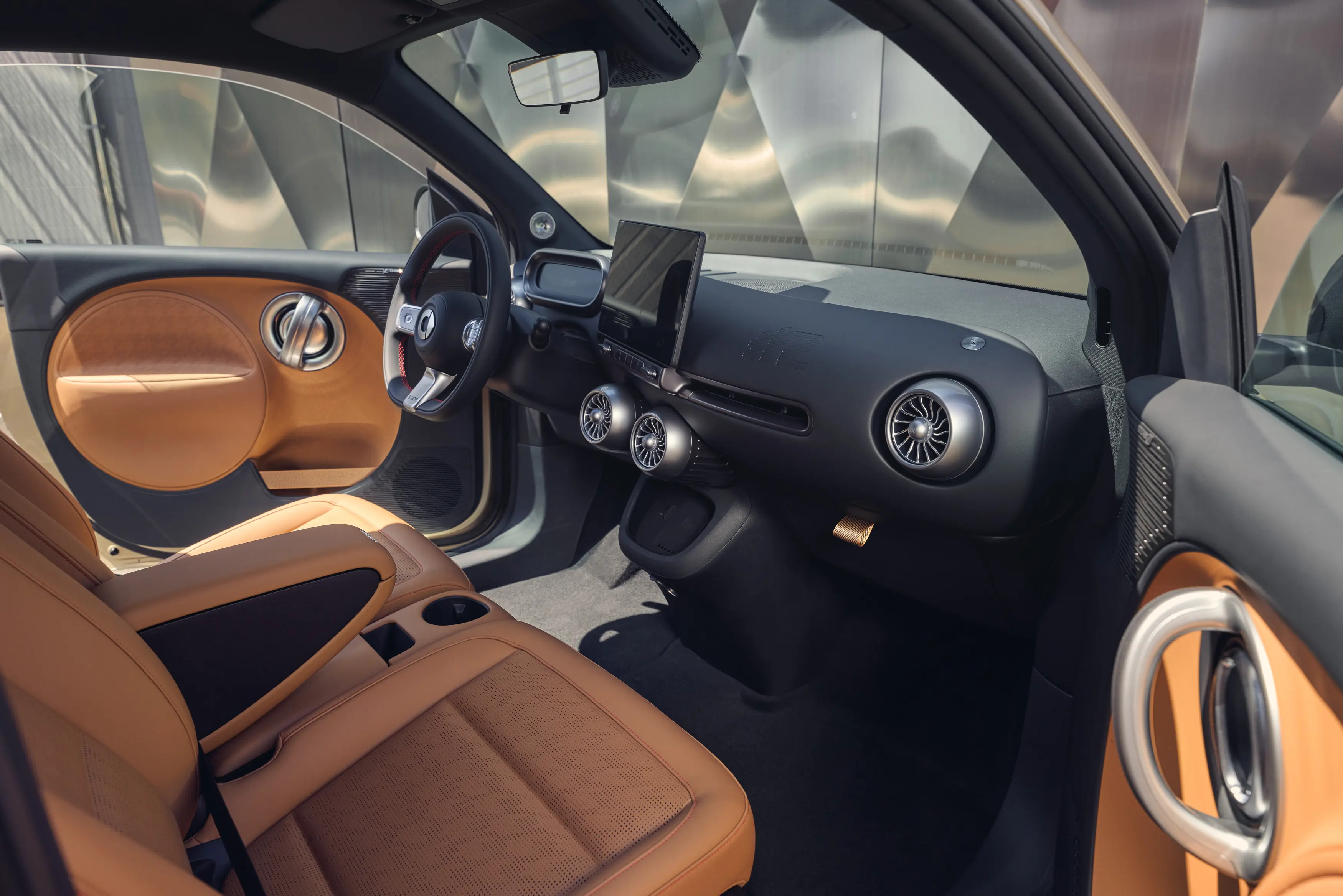
Despite its modest dimensions, smart aims to provide as much space as possible for two occupants. The cabin has two seats side by side and an S-shaped dashboard.
An 8.8-inch instrument display sits in front of the driver, with a 10.1-inch touchscreen in the centre. The car supports smartphone connectivity and online services.
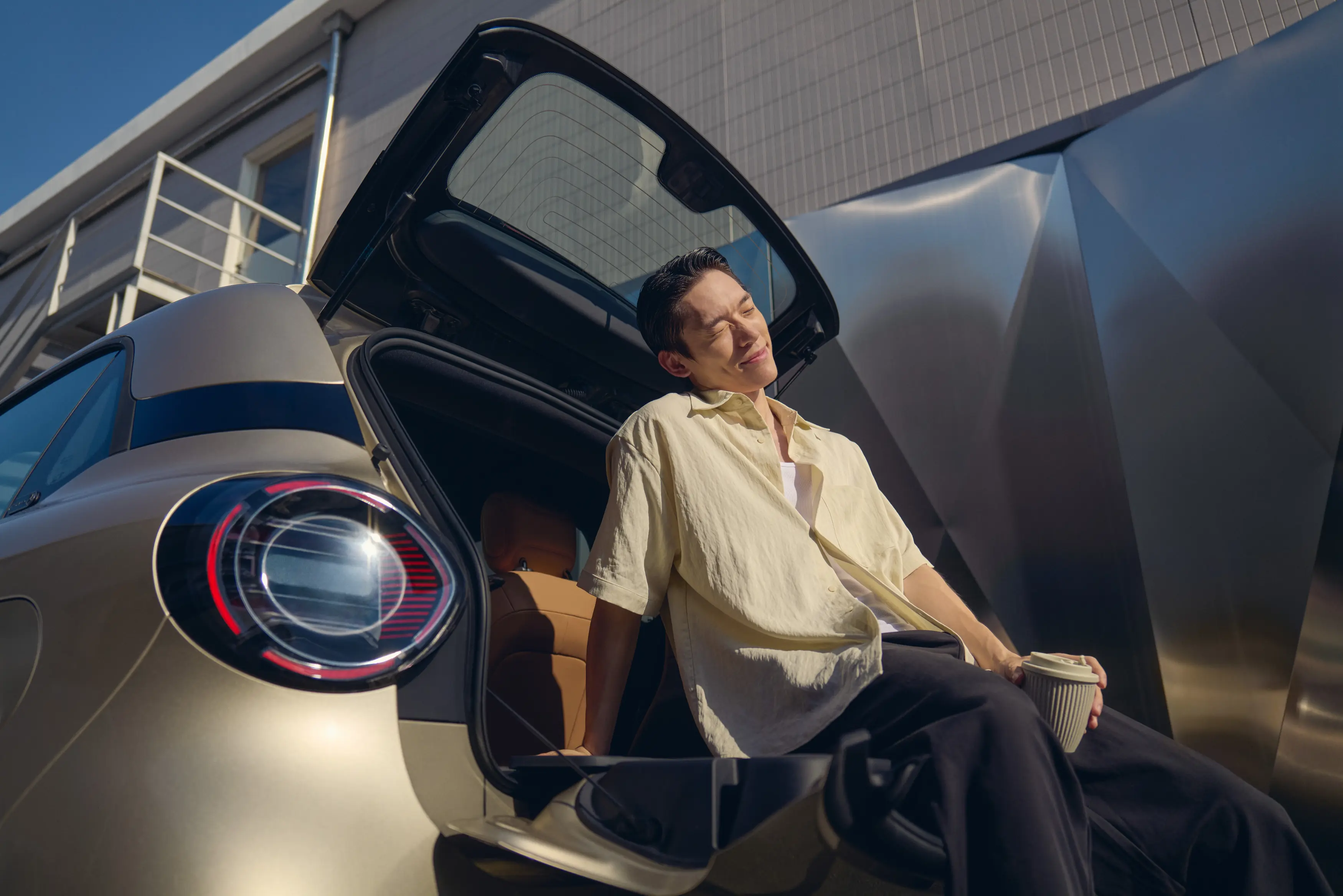
A split tailgate adds practicality. The upper glass section can be opened separately, while the lower section folds down to form a small loading platform that can support up to 120 kg.
The more expensive Premium version offers a glass roof, heated seats and a seven-speaker Sennheiser sound system.
The Couture Edition deserves particular attention: smart will produce just 999 examples for Europe. This special edition is distinguished by its matt white bodywork, gold roof and exclusive 16-inch wheels.
Price-sensitive competition awaits in Europe
In Europe, the smart #2 will compete primarily with small electric city cars. The Fiat 500e, Renault Twingo E-Tech and Dacia Spring offer more seats or a larger body, but none can fully match the smart's exceptional compactness.
The biggest question surrounding the new model is its price. smart has yet to publish prices for continental Europe, but the base model is expected to cost less than £20,000 in the UK. Pure, Pure+ and Premium trim levels will be offered in Europe.
smart will first open orders in Europe and China, although the precise sales launch timing will depend on the country. European type approval for the vehicle is still in progress, so the provisional technical specifications may change slightly.
The 290-kilometre WLTP range is likely to be sufficient mainly for city driving. Winter temperatures and motorway speeds reduce the actual range, but this may not pose a significant problem for users with regular access to home charging.
The smart #2's greatest strength is not its power or range, but its ability to offer exactly as much car as city traffic requires. At a time when even small cars are growing ever larger, this approach feels surprisingly fresh.


