
Jim Farley thinks Chinese pickups still lack real working muscle
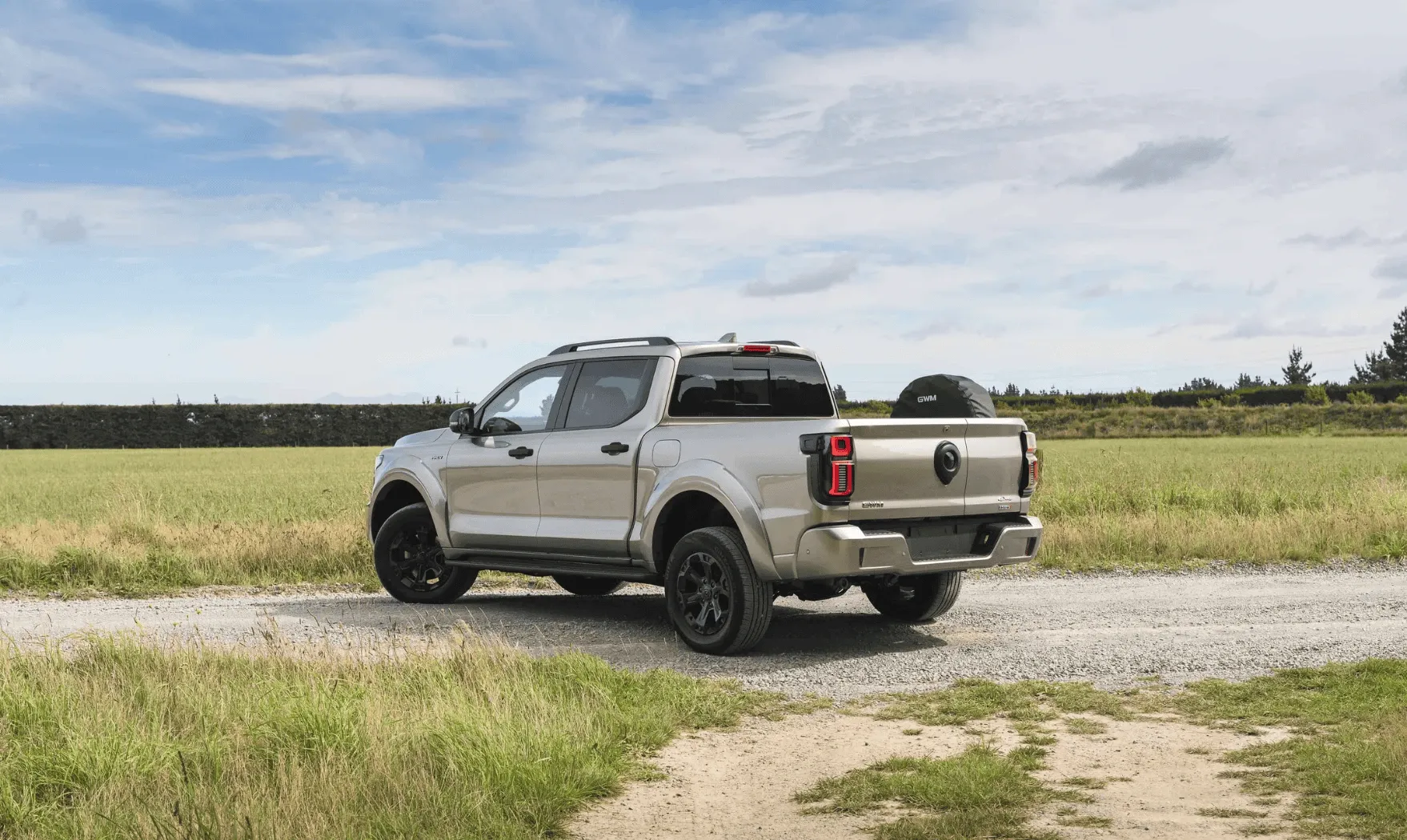
Chinese pickup trucks got a verdict from Ford’s chief in Australia that managed to sound both respectful and faintly superior at the same time. Jim Farley tested the BYD Shark 6 and the GWM Cannon Alpha and, in essence, said they make sense for buyers who want a pickup with an electrified powertrain, but he would not yet call them proper workhorses. The message was simple, polite and sharp enough that rivals will certainly have noticed.
What the Ford boss actually criticised
Farley said the picture changes the moment you throw around 500 kilograms into the bed or ask the vehicle to do more serious towing. In his view, the BYD Shark no longer behaves like a Ford Ranger or a Toyota Hilux once the work gets real. He also stressed that Chinese manufacturers still lack the decades of accumulated experience needed to tune a ladder frame, suspension, towing setup and payload capacity for genuinely hard labour. In other words, electrification looks clever enough until somebody asks whether it still holds together in the second half of a working day.
The BYD Shark and GWM Cannon are not playing quite the same game
Farley did not dismiss the Chinese pickups outright. He called both the BYD Shark and the GWM Cannon Alpha PHEV competitive, especially for buyers who do not haul heavy loads every day and prefer a more efficient or electrified option. The technical gap also shows up in the numbers. The BYD Shark 6 is rated to tow 2.5 tonnes with brakes, while the GWM Cannon Alpha PHEV and Ford Ranger PHEV both claim 3.5 tonnes and use a mechanical four wheel drive system. That difference may not look dramatic in a brochure, but on a building site or in front of a boat trailer it becomes important very quickly.
Why this argument surfaced in Australia
Australia is almost too perfect a setting for this debate. The Ford Ranger led the market there in 2025 with 56,555 sales, while the BYD Shark 6 reached 18,073 and quickly became one of the country’s most visible plug in hybrid pickups. At the same time, plug in hybrid sales in Australia more than doubled in 2025 to 53,484 vehicles, while Chinese built cars rose to about 18 per cent of the total market. When a market is moving at once towards electrification and Chinese brands, it is hardly surprising that Ford’s boss decided to take a close look for himself.
Ford is not denying China’s progress, it is trying to decode it
That is what makes Farley’s comments more interesting. He is not a chief executive who writes off everything coming out of China on reflex. He has previously said publicly that he was driving a Xiaomi SU7 and did not want to give it back. In early March, he also hinted in Australia that Ford might consider a new passenger car based model for that market, rather than merely repainting some global solution for local tastes. The impression is clear enough. Ford is not laughing at its Chinese rivals. It is trying to defend its strongest ground while learning from the areas where others are already setting the pace.
Chinese brands are winning buyers quickly with technology, price and electrification, while Ford and Toyota still lean on durability, load carrying ability and towing strength. For now, those two ideas can still coexist, but not especially peacefully, because sooner or later the customer has to decide whether they want a modern lifestyle vehicle or a real tool. And the car industry knows perfectly well that once buyers get used to the more comfortable option, old glory alone no longer pays the invoice.
Farley said the picture changes the moment you throw around 500 kilograms into the bed or ask the vehicle to do more serious towing. In his view, the BYD Shark no longer behaves like a Ford Ranger or a Toyota Hilux once the work gets real. He also stressed that Chinese manufacturers still lack the decades of accumulated experience needed to tune a ladder frame, suspension, towing setup and payload capacity for genuinely hard labour. In other words, electrification looks clever enough until somebody asks whether it still holds together in the second half of a working day.
The BYD Shark and GWM Cannon are not playing quite the same game
Farley did not dismiss the Chinese pickups outright. He called both the BYD Shark and the GWM Cannon Alpha PHEV competitive, especially for buyers who do not haul heavy loads every day and prefer a more efficient or electrified option. The technical gap also shows up in the numbers. The BYD Shark 6 is rated to tow 2.5 tonnes with brakes, while the GWM Cannon Alpha PHEV and Ford Ranger PHEV both claim 3.5 tonnes and use a mechanical four wheel drive system. That difference may not look dramatic in a brochure, but on a building site or in front of a boat trailer it becomes important very quickly.
Why this argument surfaced in Australia
Australia is almost too perfect a setting for this debate. The Ford Ranger led the market there in 2025 with 56,555 sales, while the BYD Shark 6 reached 18,073 and quickly became one of the country’s most visible plug in hybrid pickups. At the same time, plug in hybrid sales in Australia more than doubled in 2025 to 53,484 vehicles, while Chinese built cars rose to about 18 per cent of the total market. When a market is moving at once towards electrification and Chinese brands, it is hardly surprising that Ford’s boss decided to take a close look for himself.
Ford is not denying China’s progress, it is trying to decode it
That is what makes Farley’s comments more interesting. He is not a chief executive who writes off everything coming out of China on reflex. He has previously said publicly that he was driving a Xiaomi SU7 and did not want to give it back. In early March, he also hinted in Australia that Ford might consider a new passenger car based model for that market, rather than merely repainting some global solution for local tastes. The impression is clear enough. Ford is not laughing at its Chinese rivals. It is trying to defend its strongest ground while learning from the areas where others are already setting the pace.
Chinese brands are winning buyers quickly with technology, price and electrification, while Ford and Toyota still lean on durability, load carrying ability and towing strength. For now, those two ideas can still coexist, but not especially peacefully, because sooner or later the customer has to decide whether they want a modern lifestyle vehicle or a real tool. And the car industry knows perfectly well that once buyers get used to the more comfortable option, old glory alone no longer pays the invoice.


