
Rolls-Royce puts its new Nightingale through 350 weeks of testing and opens its boot lid 15,000 times
 1/6
1/6
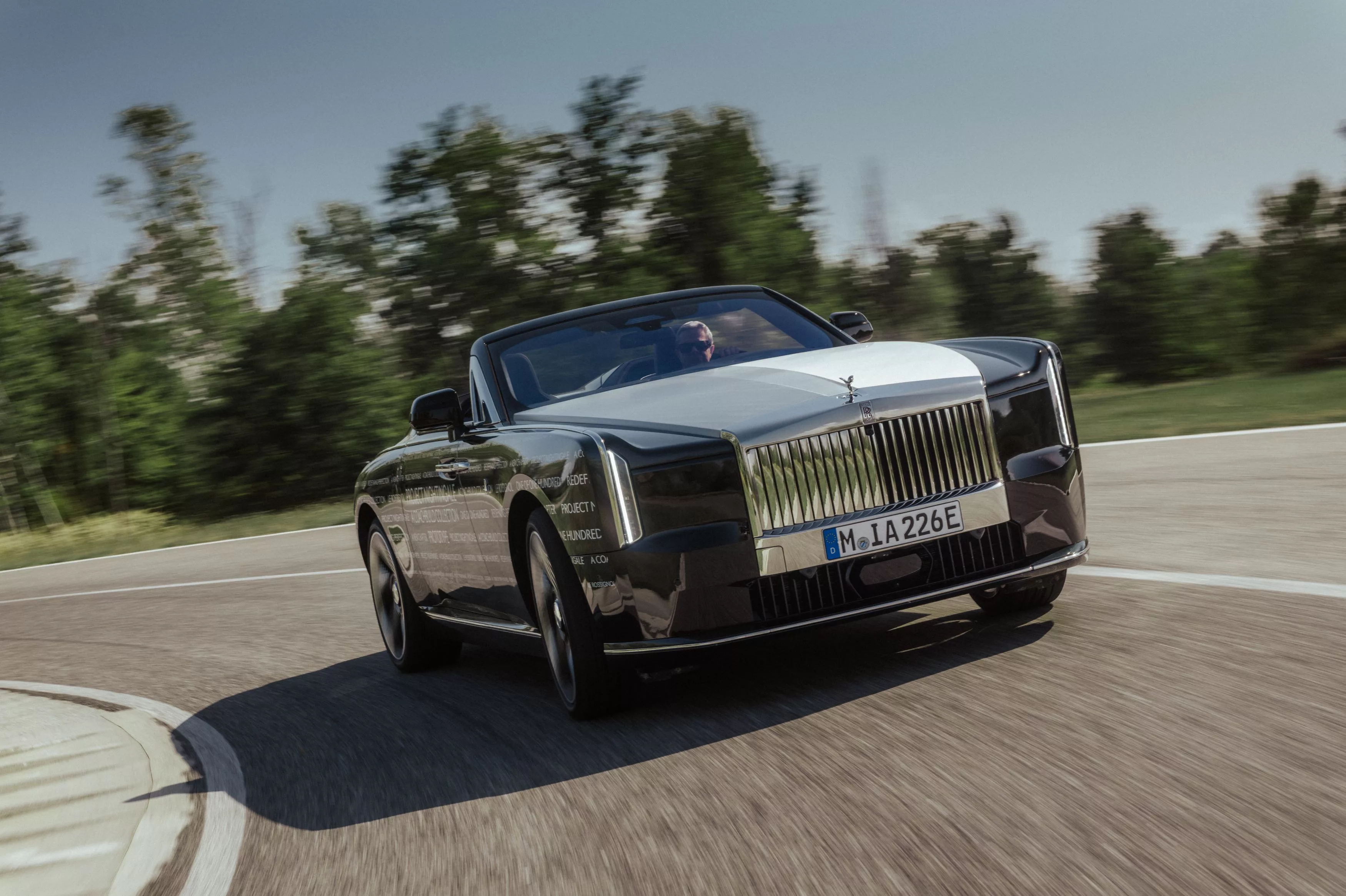
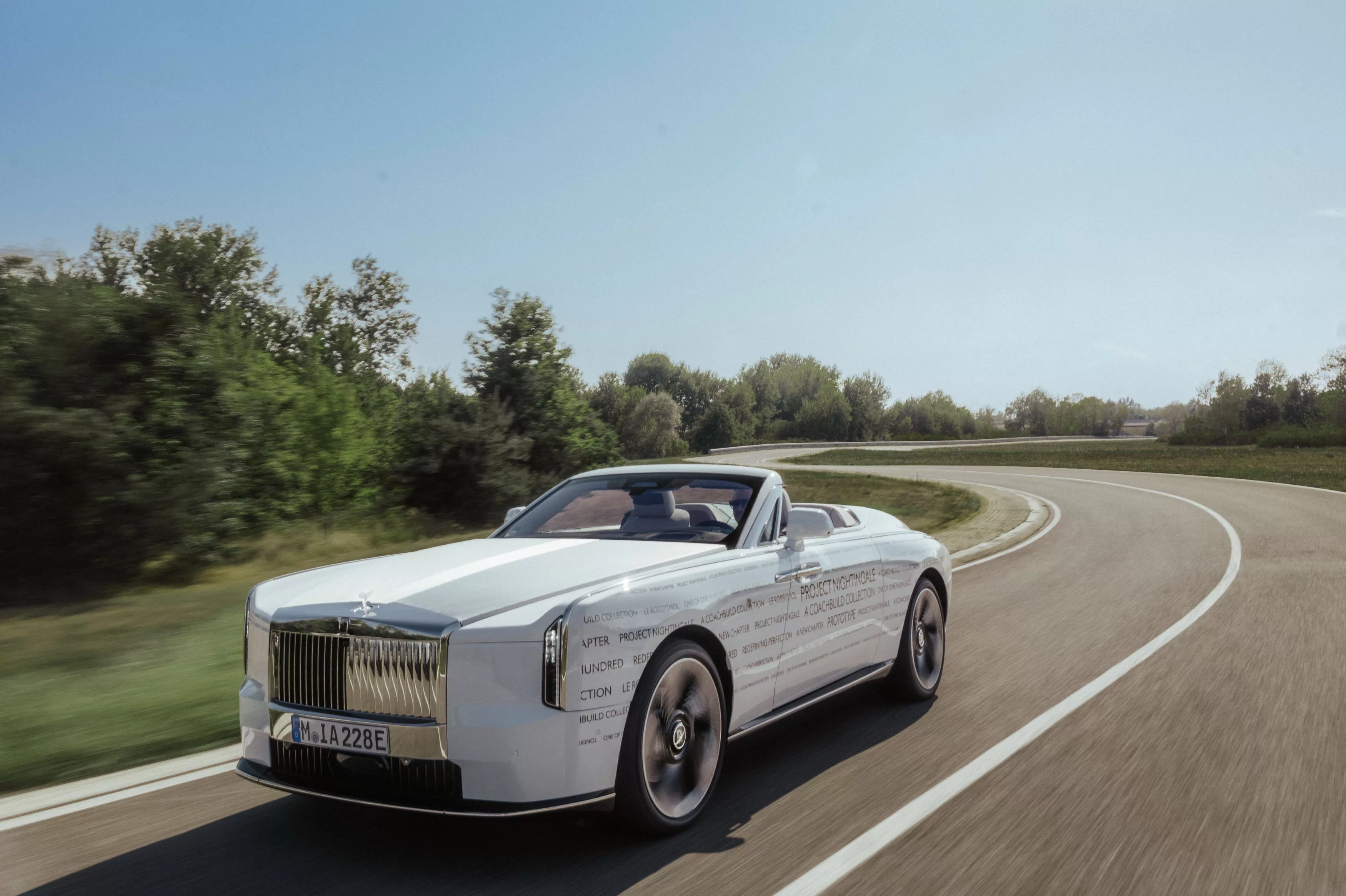
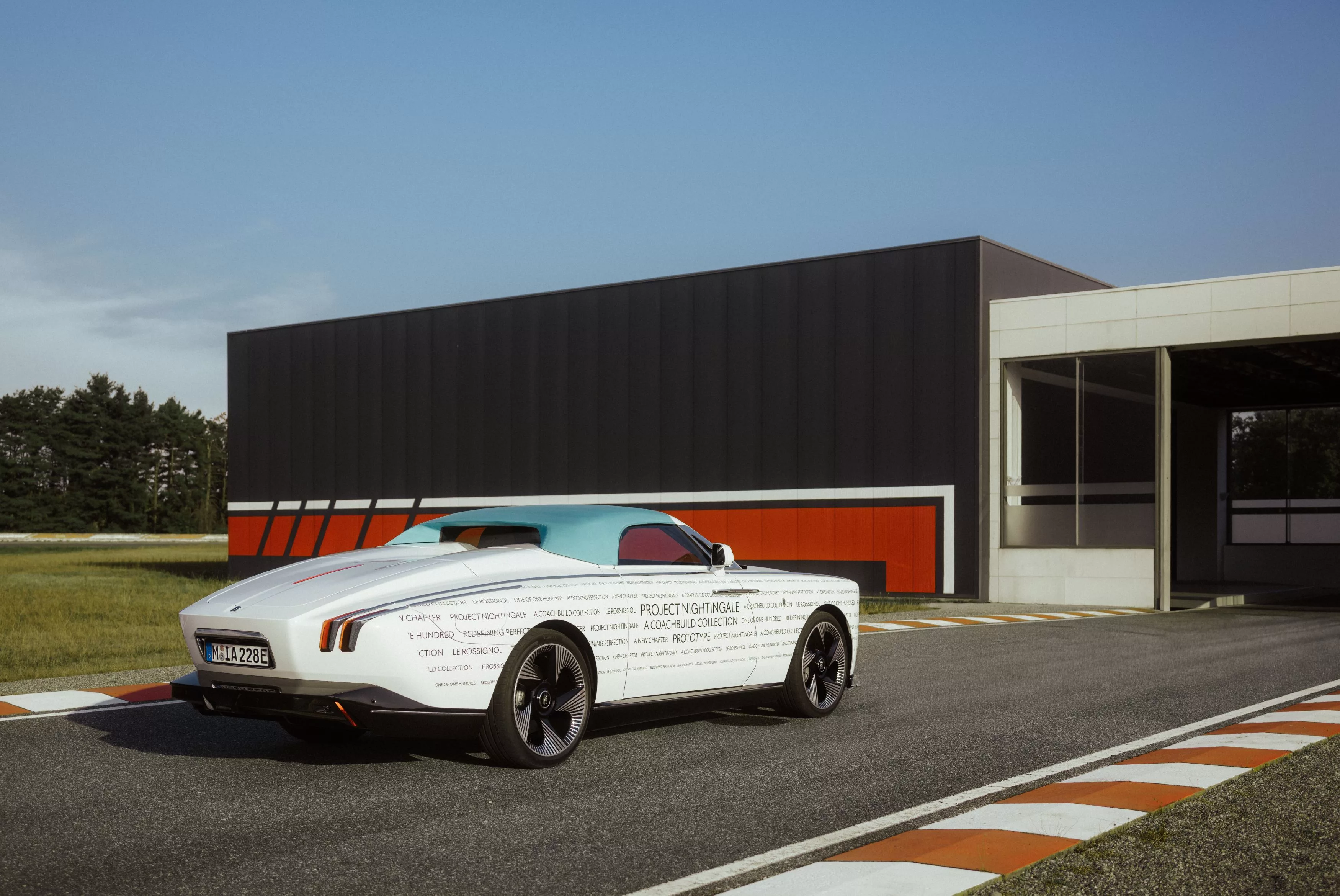
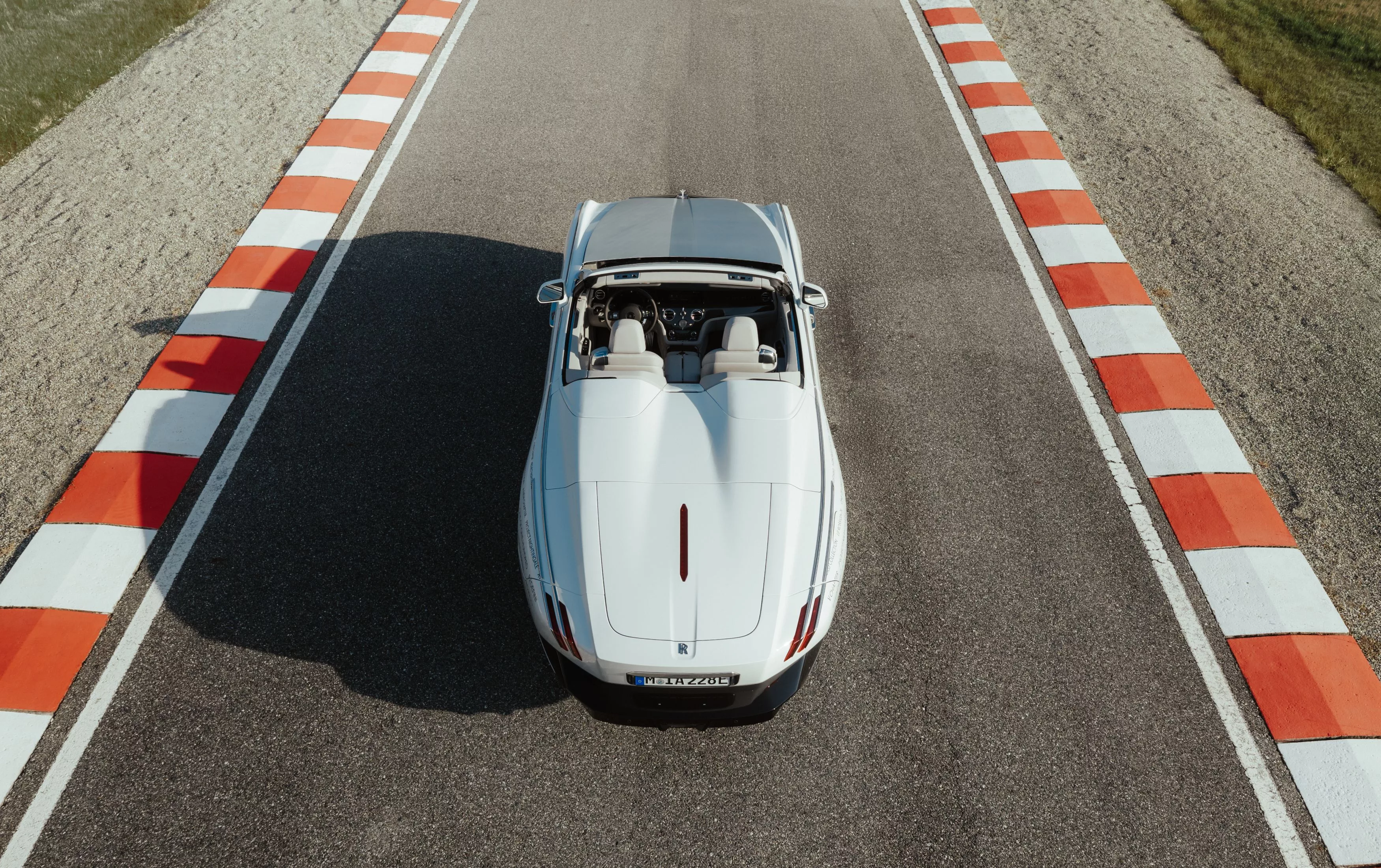
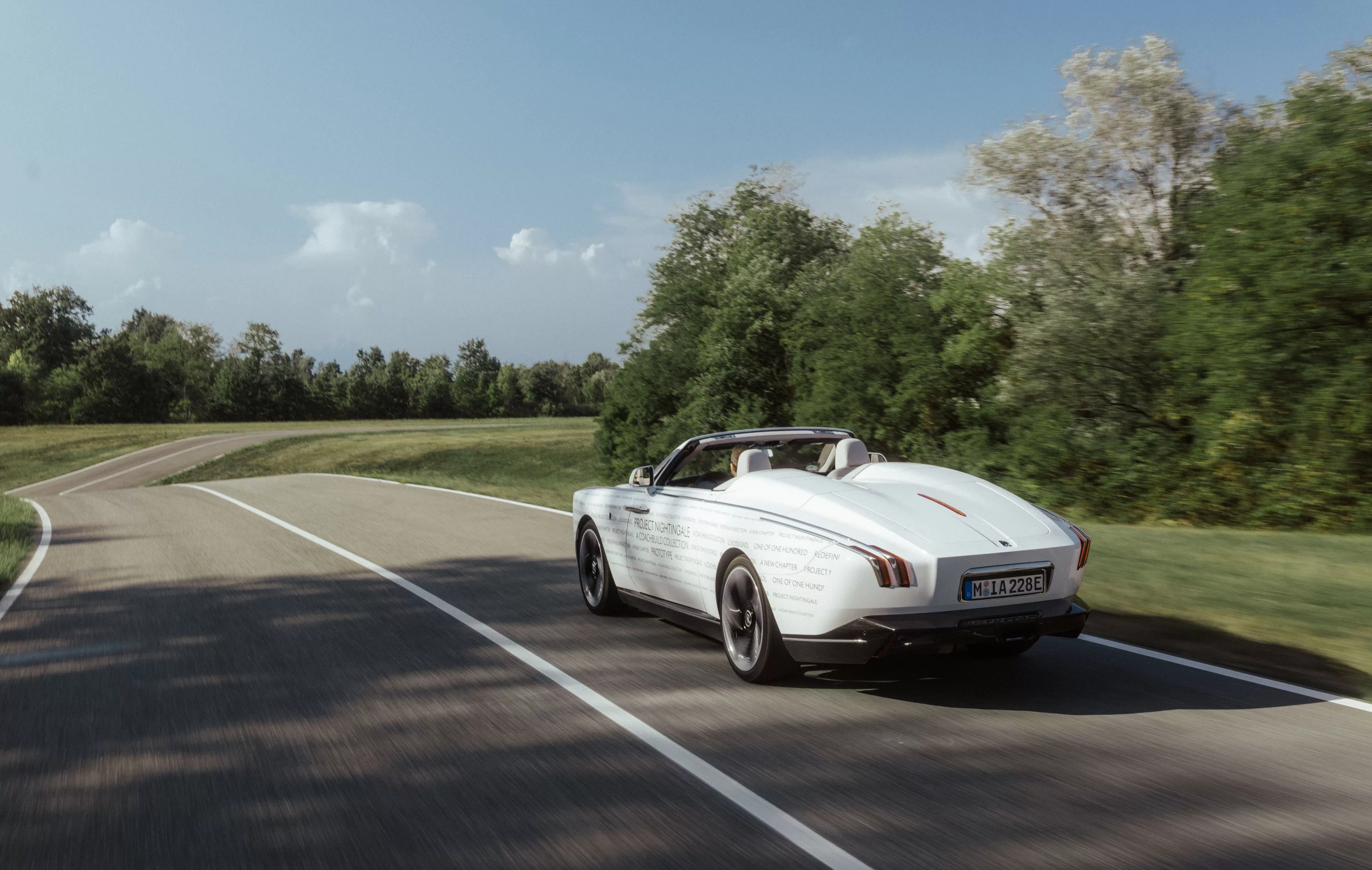
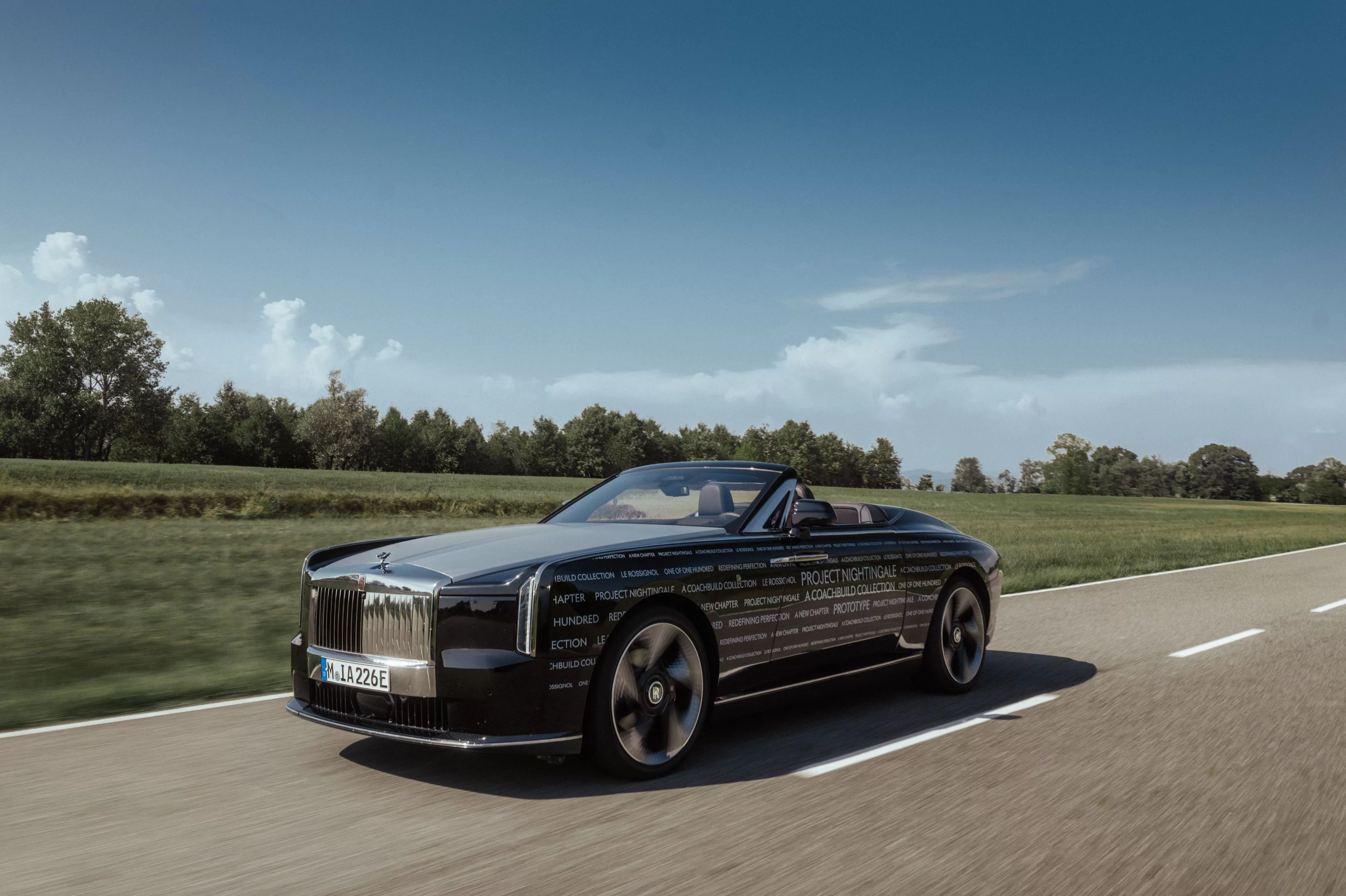
Rolls-Royce has begun testing Project Nightingale, and it appears that no one in Goodwood has heard the phrase “good enough”. The special electric model, built for just 100 customers, will undergo a combined 350 weeks of testing, from the Mediterranean coast to the Arctic Circle and the Arabian desert. Even its side-opening boot lid must withstand 15,000 operating cycles.
Project Nightingale is part of Rolls-Royce’s Coachbuild programme, under which, rather than customising a regular model, a customer effectively receives a separately designed car. Development of the Nightingale began nearly three years ago, and Rolls-Royce announced in April that it would build just 100 examples.
Desert, Arctic Circle and 2,750 metres
Rolls-Royce is starting road testing in southern Europe, but the prototypes will later reach the Arctic Circle and the desert of the Arabian Peninsula. The test programme will take the cars to altitudes of up to 2,750 metres.
Such geographic extravagance is not merely a marketing spectacle. According to the manufacturer, Nightingale buyers want to actually use their cars, year-round and in very different parts of the world. Rolls-Royce must therefore ensure that the car behaves with equal dignity in the Alps, by the Mediterranean and in the desert.
Before reaching the road proper, the prototypes have already undergone more than 1,430 hours of aerodynamic simulations and wind-tunnel testing. At the next stage, the car will be taken to 249 km/h on a closed test track, while engineers will hunt down, among other things, wind noise until it is barely audible in the cabin.
The boot lid gets 15,000 cycles
The most colourful engineering detail is the Piano Boot. Rolls-Royce has never used such a solution before: the boot lid opens sideways via a cantilever mechanism.
During testing, it will be opened and closed up to 15,000 times. The aim is not to prove any specific 150-year lifespan, but, according to Rolls-Royce, to ensure that the mechanism retains its smooth, effortless operation over generations.
And, naturally, it is not enough for the lid simply to open after the 15,000th cycle. Rolls-Royce engineers also assess the sound it makes when closing. After all, if one is building such a car, it would be intolerable for the boot to work perfectly but sound slightly cheap when it closes.
Even the wind deflector received an electric actuator
The Nightingale received an electrically actuated, patented wind deflector developed specifically for this car. Its task is to prevent air from the high-pressure area from swirling back into the cabin from the rear when driving with the roof open.
Rolls-Royce is testing the system at different speeds to reduce turbulence and retain more heat in the cabin in cold weather.
An ordinary fabric is not enough for the retractable roof either. Its sound-insulating lining combines cashmere, textiles and technical composites. The roof will undergo ten separate tests covering the material, the closing mechanism and operation at temperatures of up to 80 °C.
Rolls-Royce quality control goes beyond conventional measurement
The entire programme totals 350 weeks. This does not mean that one car will be driven continuously for nearly seven years; rather, different teams and prototypes will collectively accumulate that amount of testing time in parallel.
Rolls-Royce emphasises an interesting detail: instruments do not decide everything. In the end, experienced test engineers subjectively assess noise, smoothness of movement and the car’s overall behaviour.
This sounds like the usual self-praise from a luxury car manufacturer, but the side-opening boot lid tested 15,000 times at least shows that Goodwood takes over-engineering small details rather seriously.
Project Nightingale was not created to demonstrate how cheaply or rationally an electric car can be built. It is trying to prove essentially the opposite: when price and production volume are not the main constraints, engineering can be taken to rather absurd lengths.


