
Porsche may shelve the electric Mission X and build a V8 supercar instead
 1/32
1/32
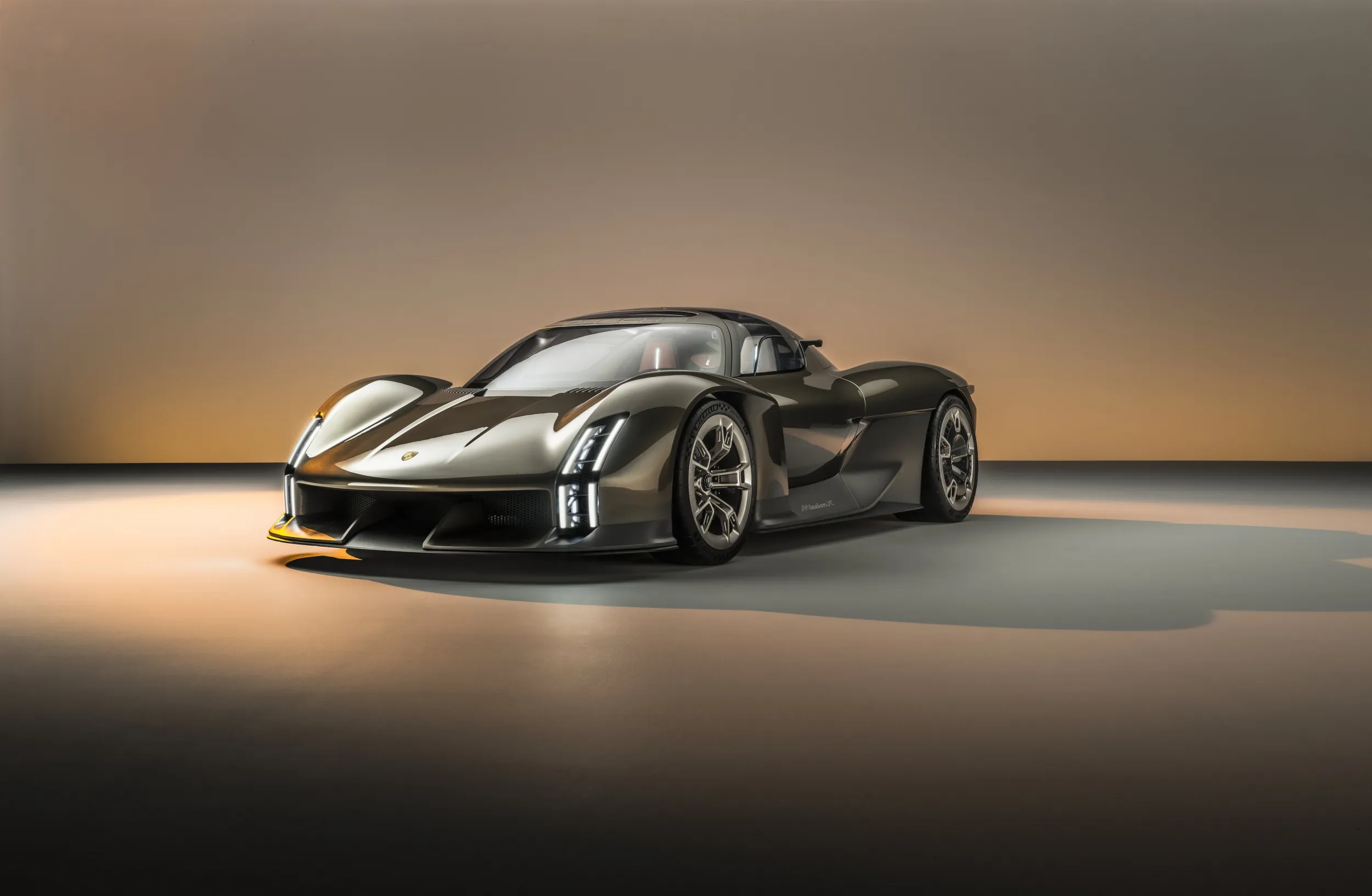
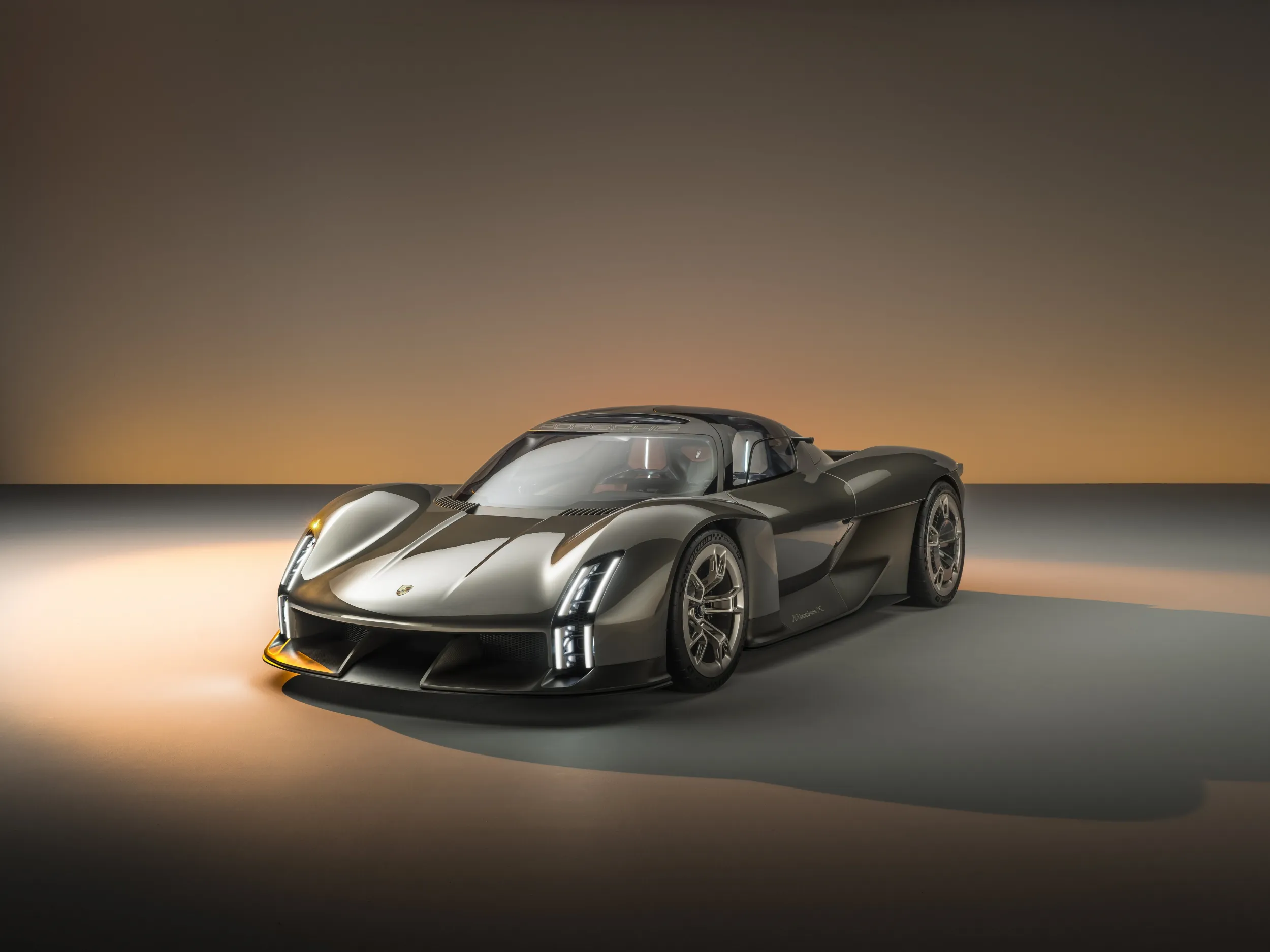
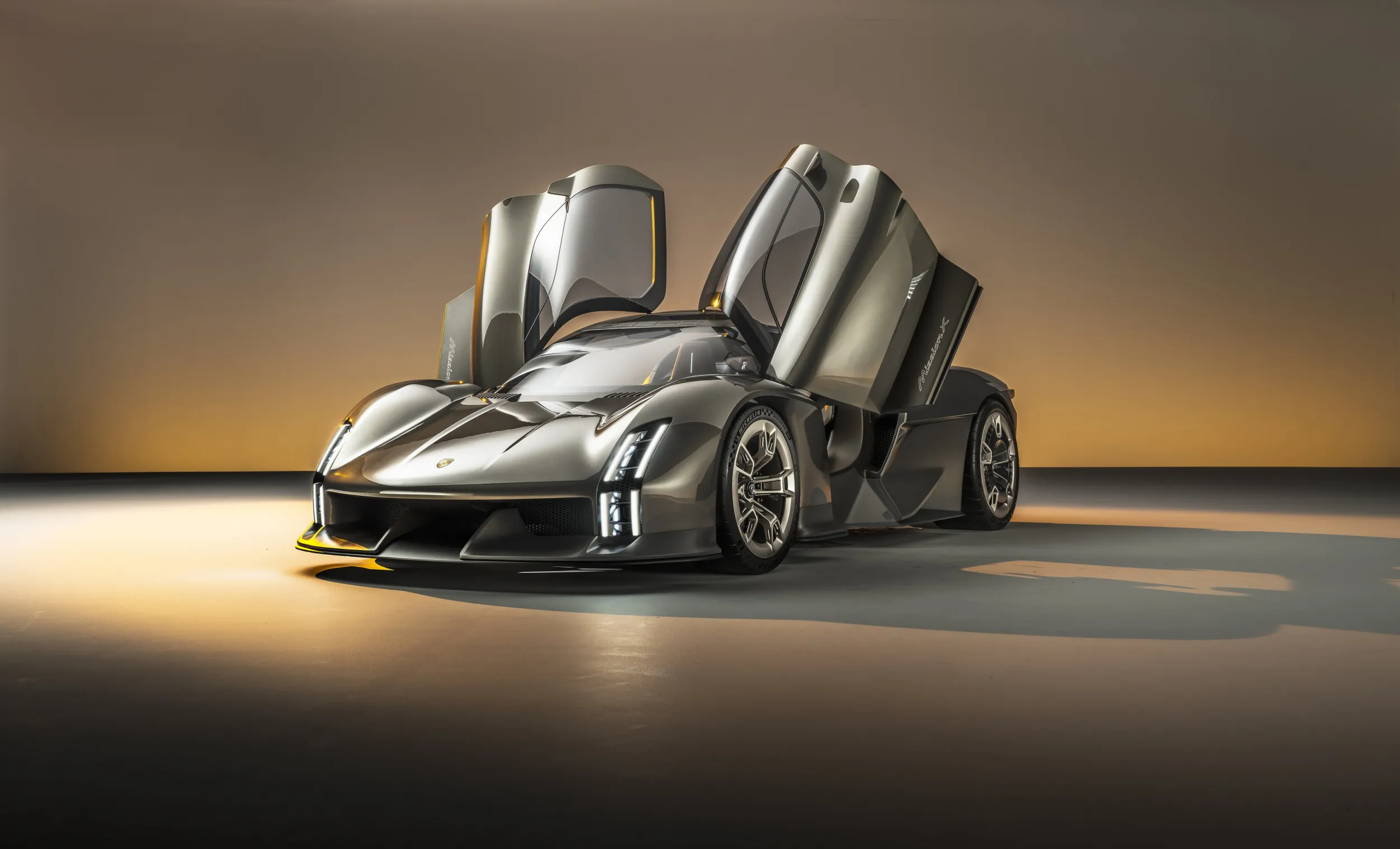
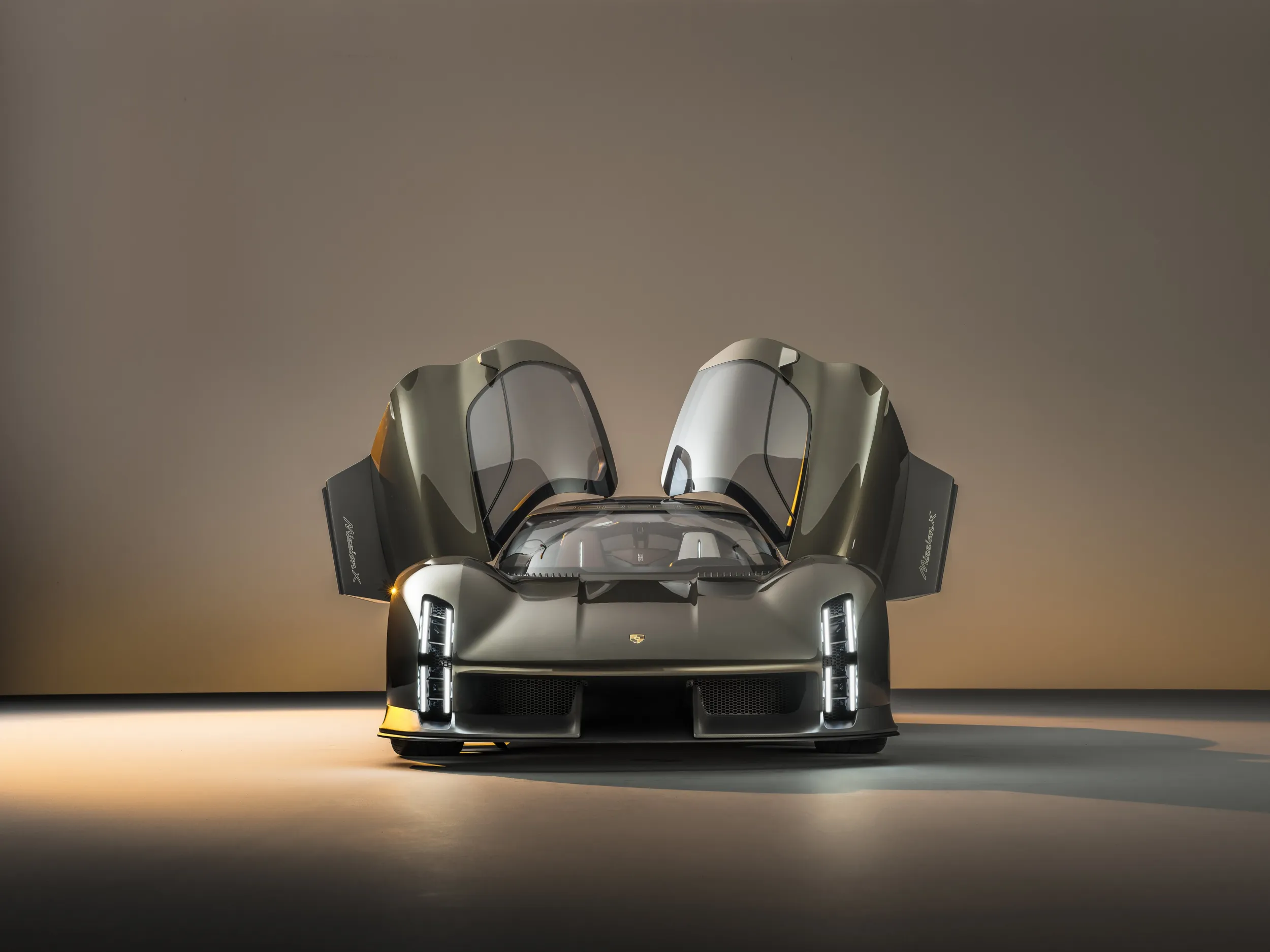
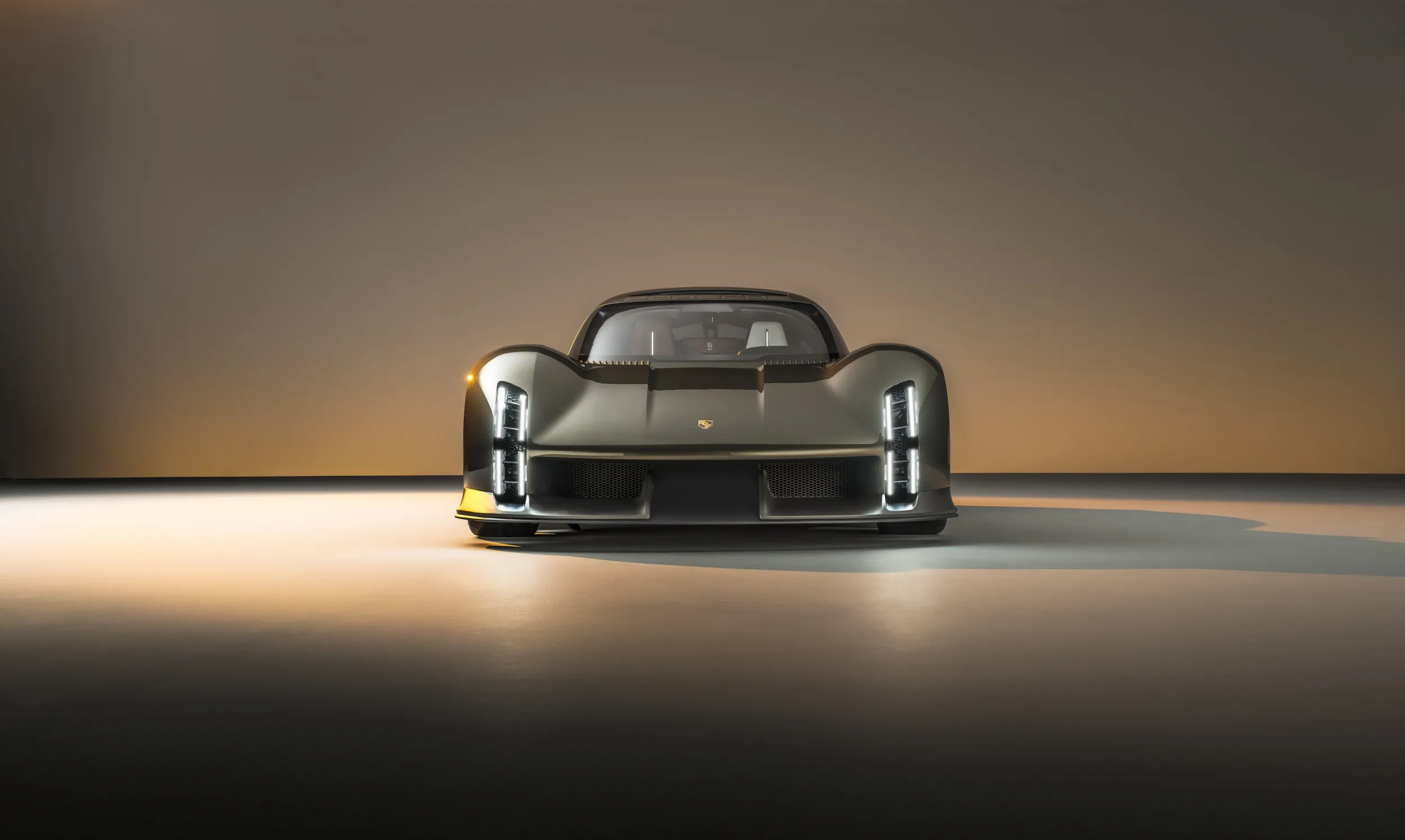
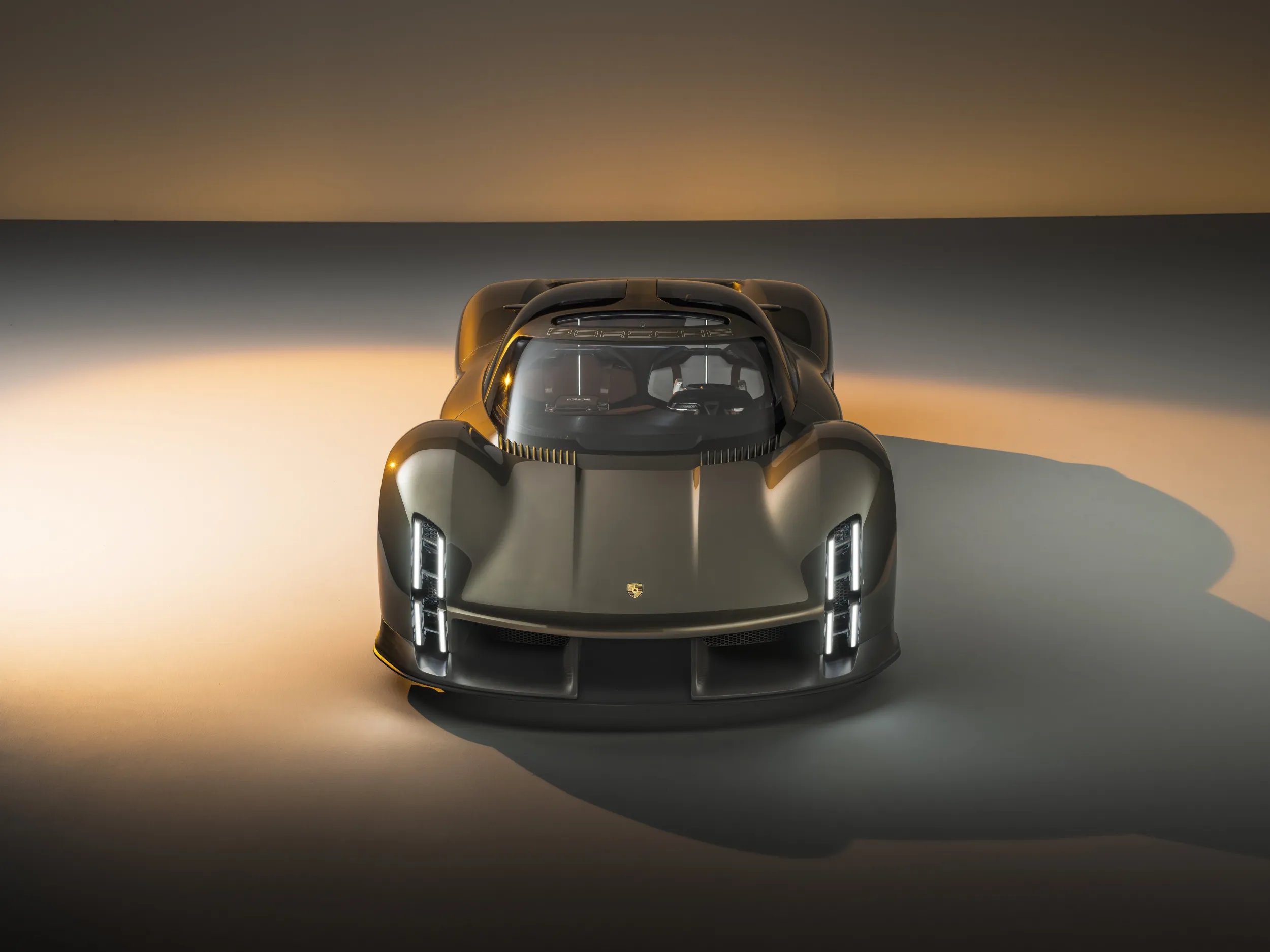
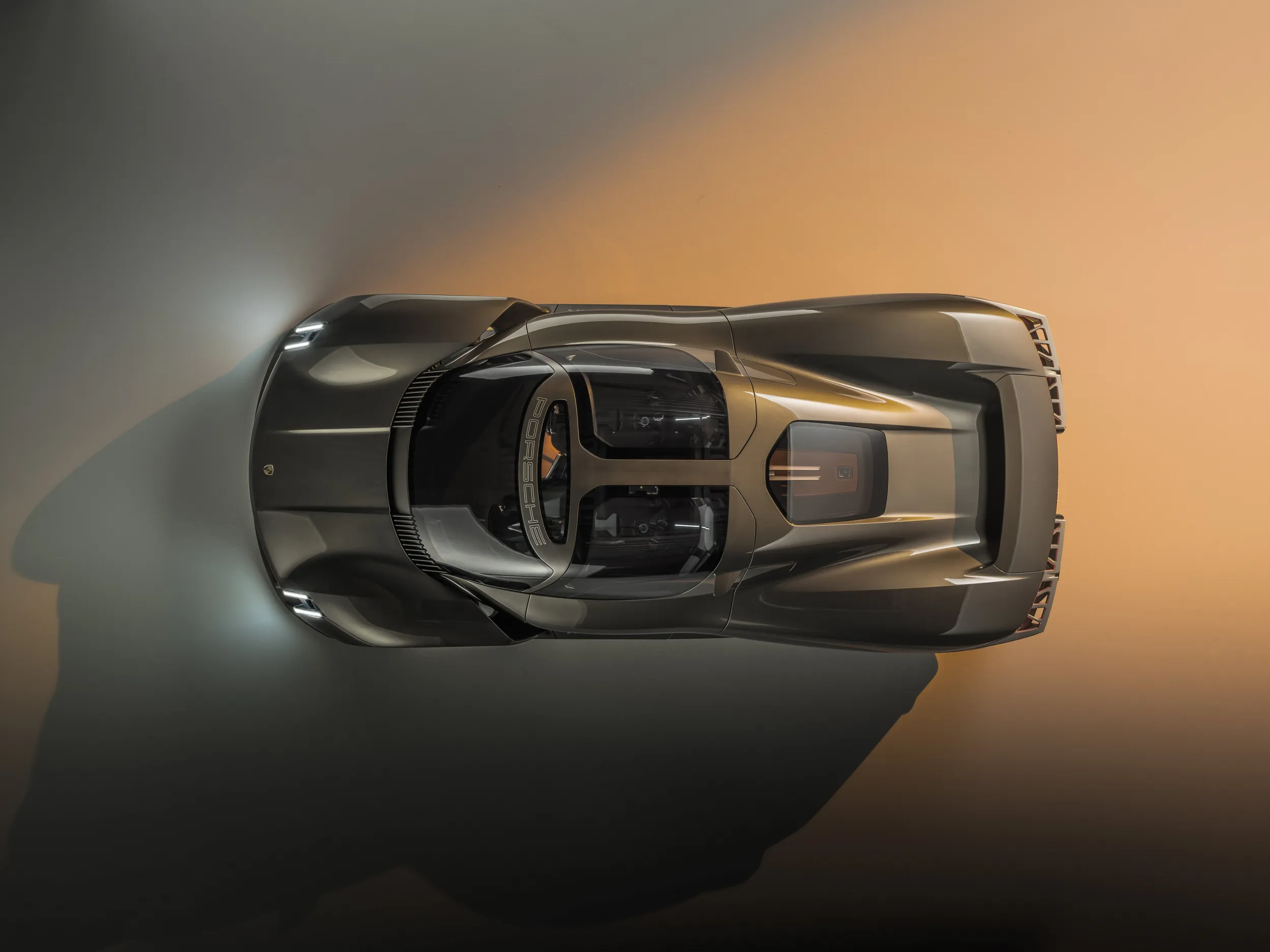
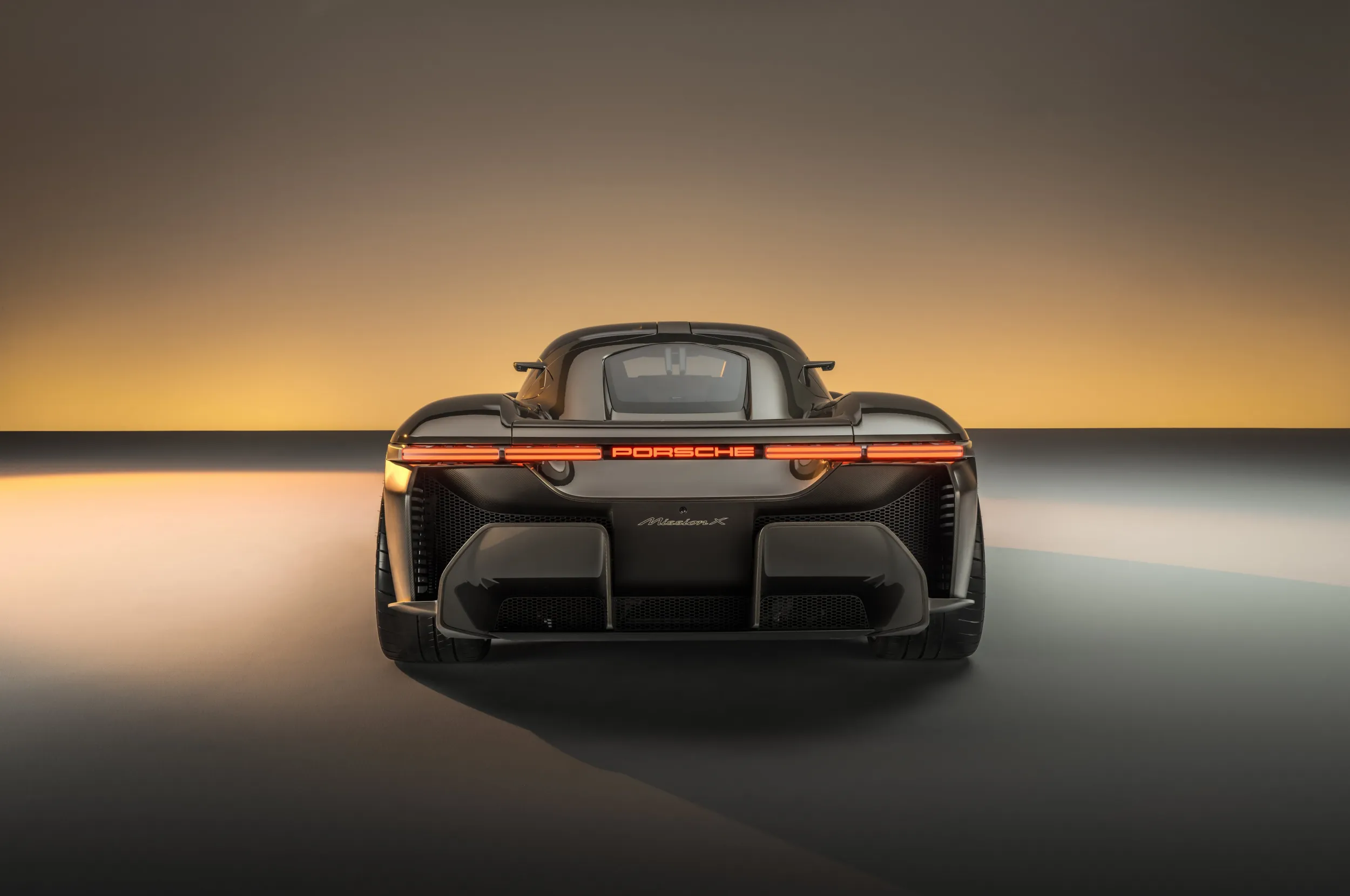
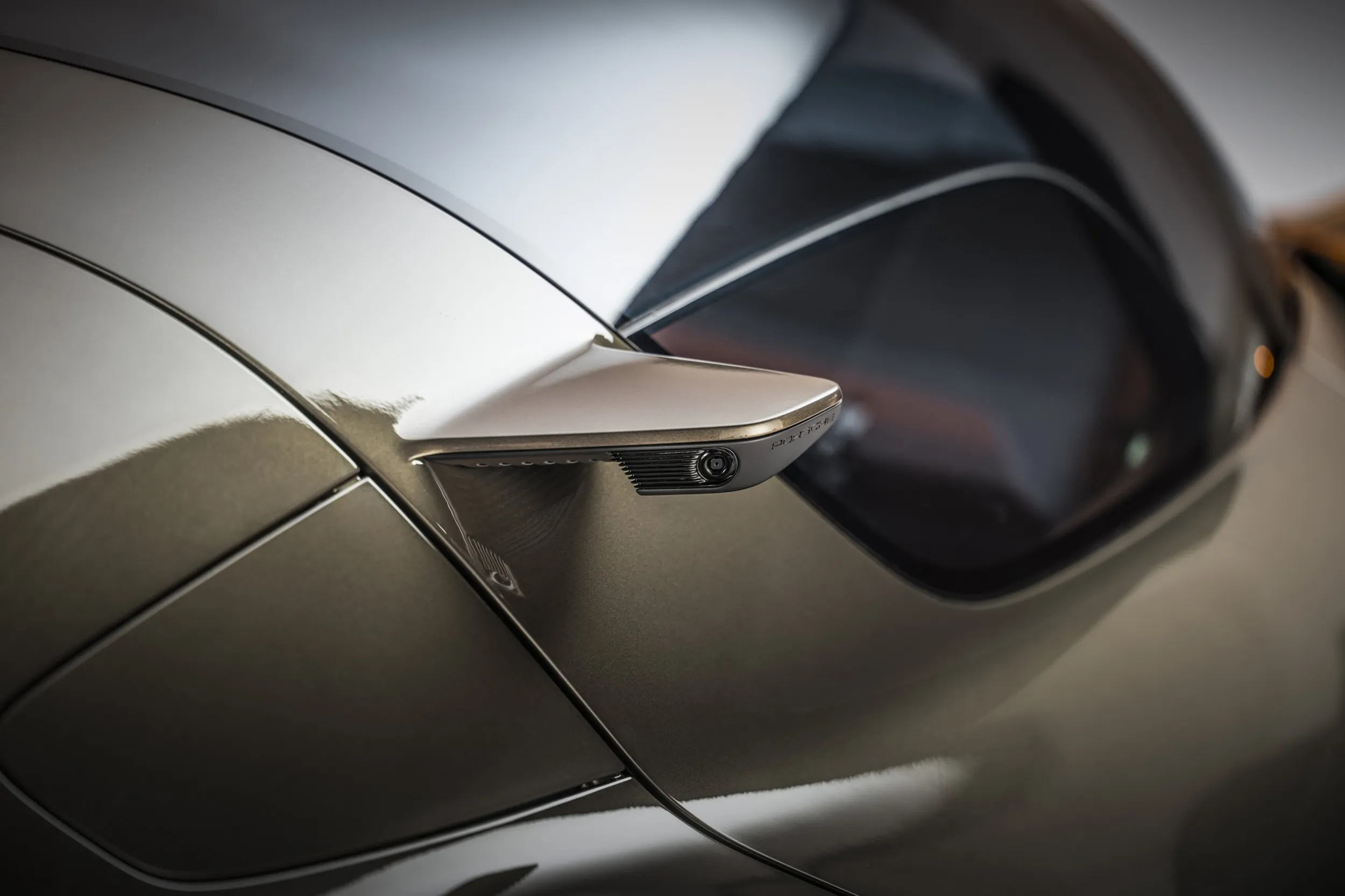
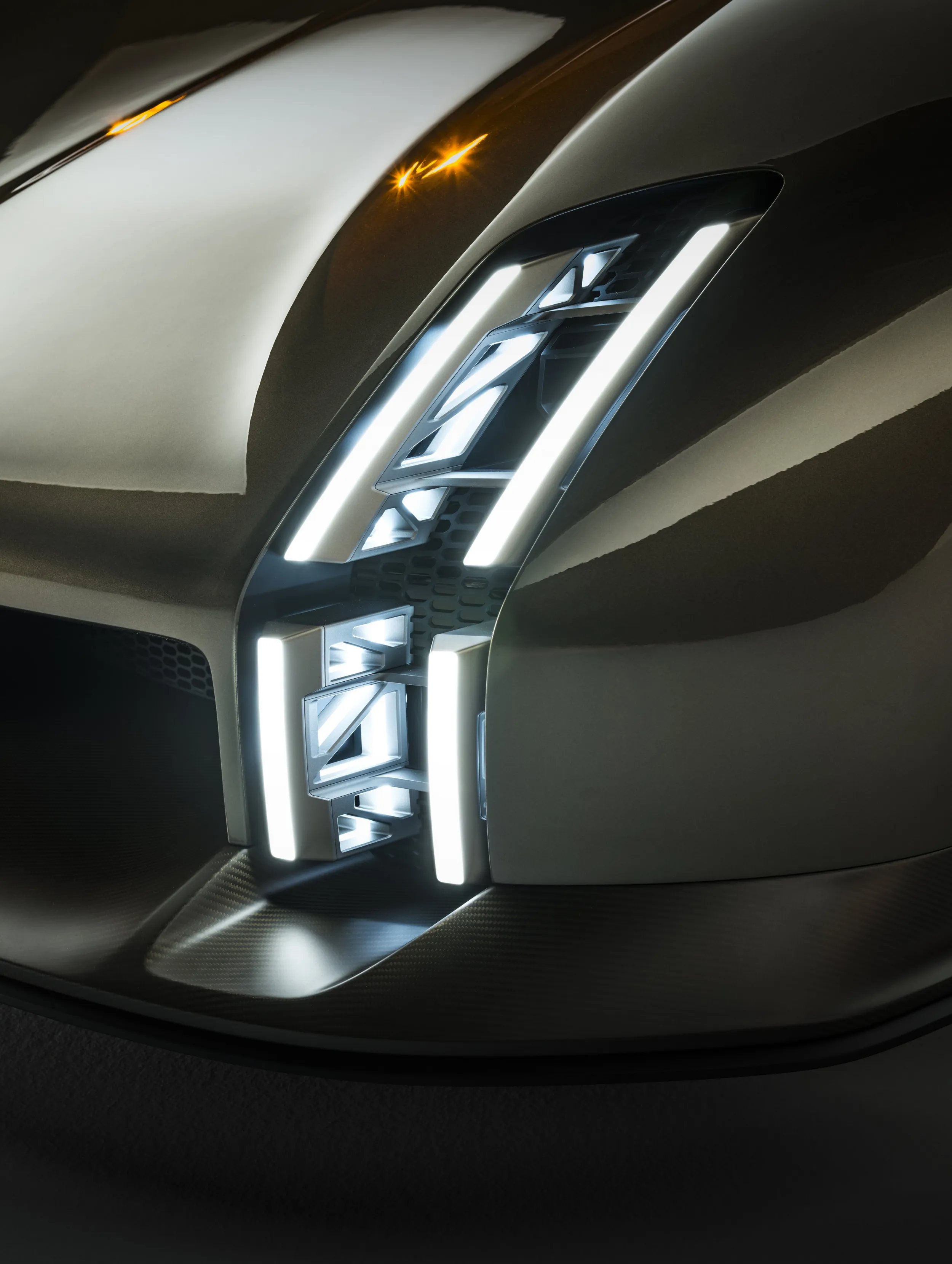
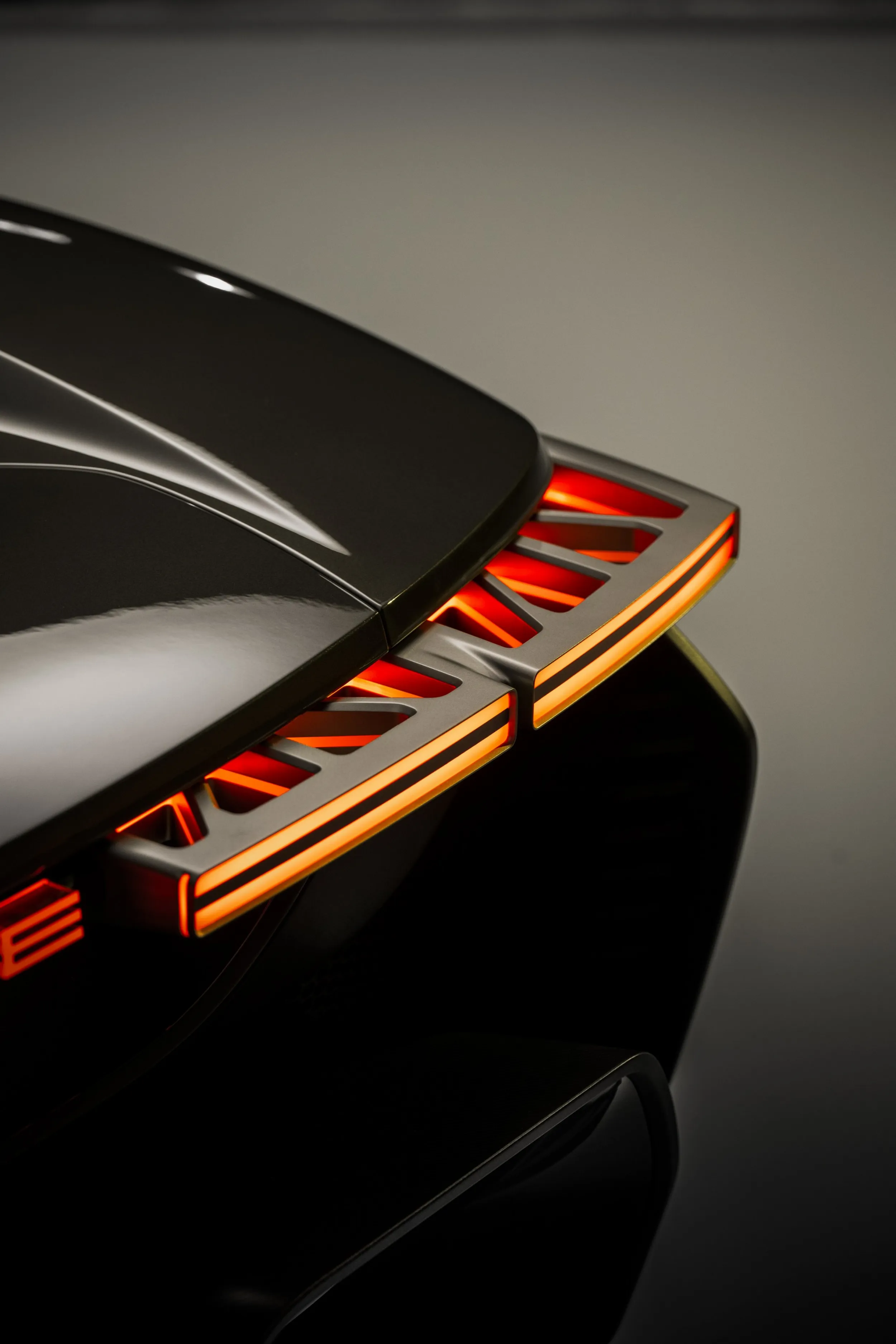
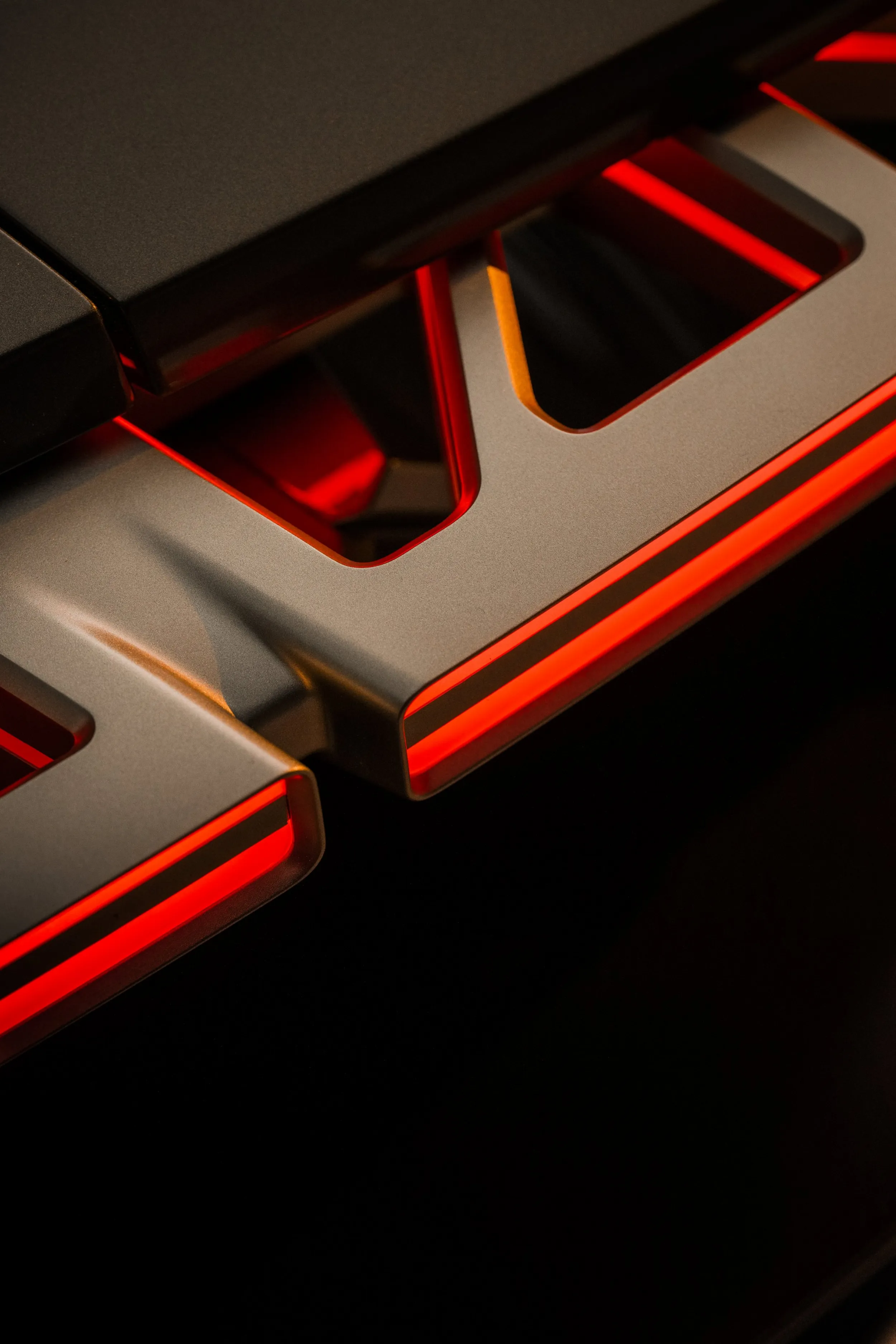
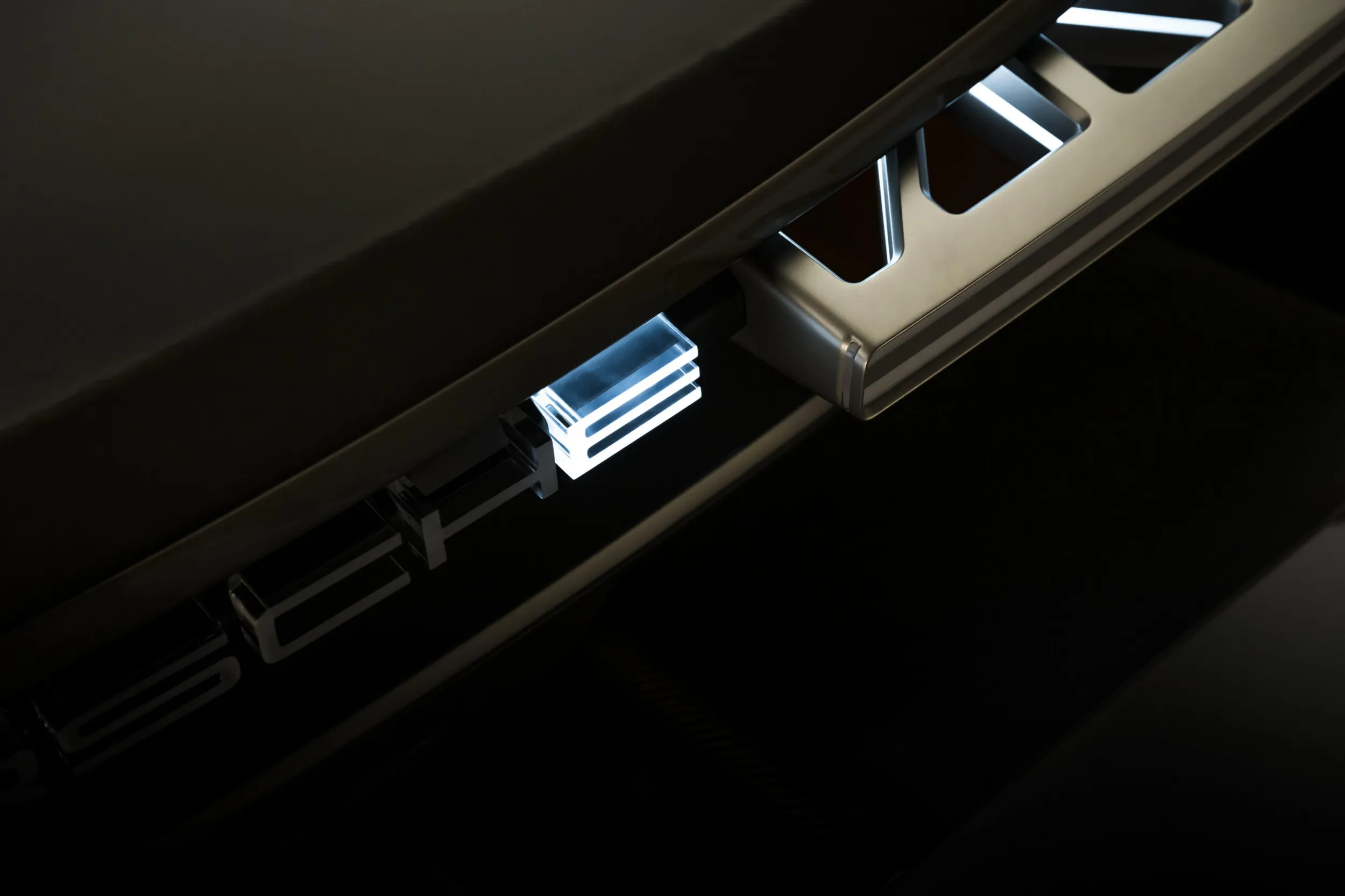
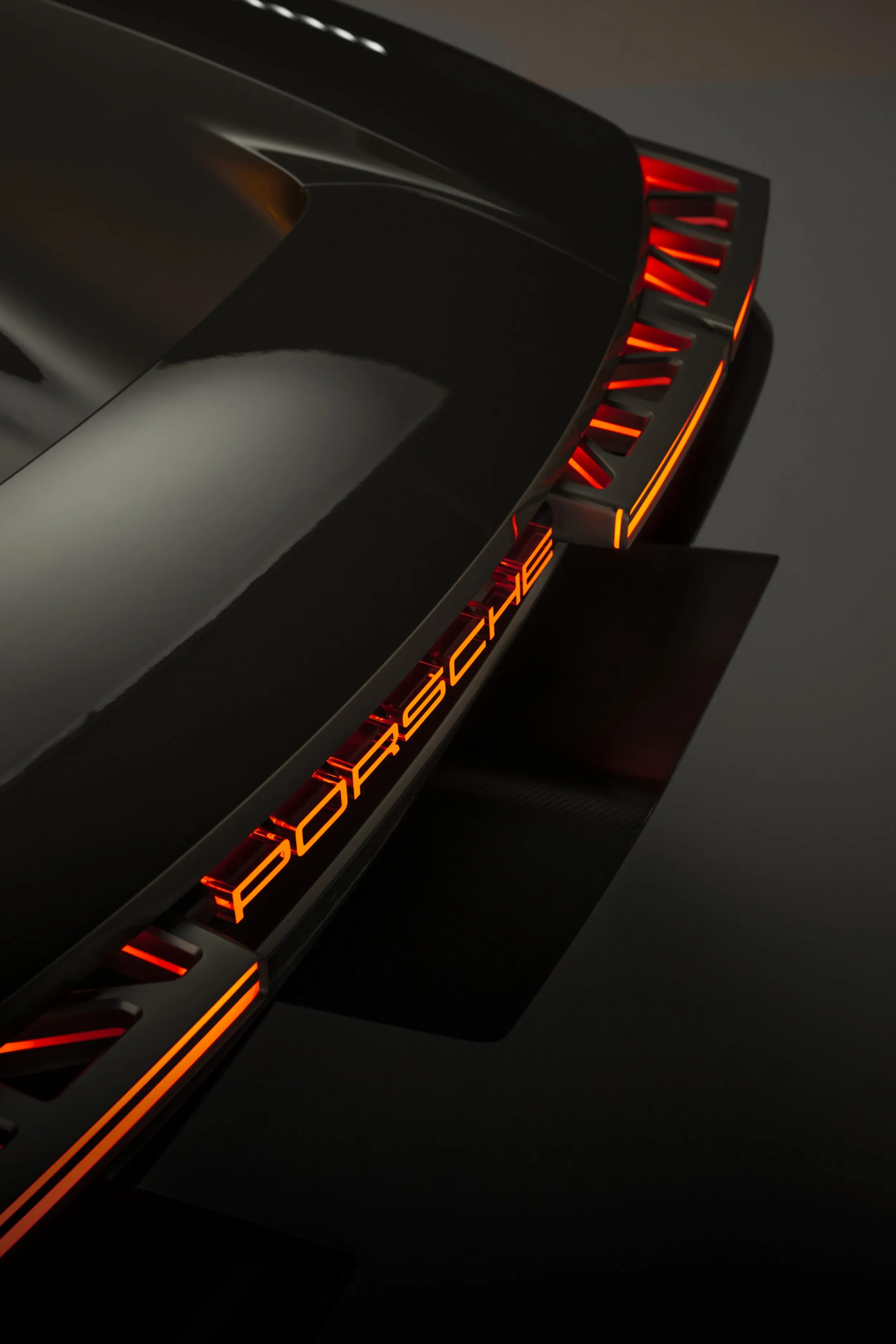
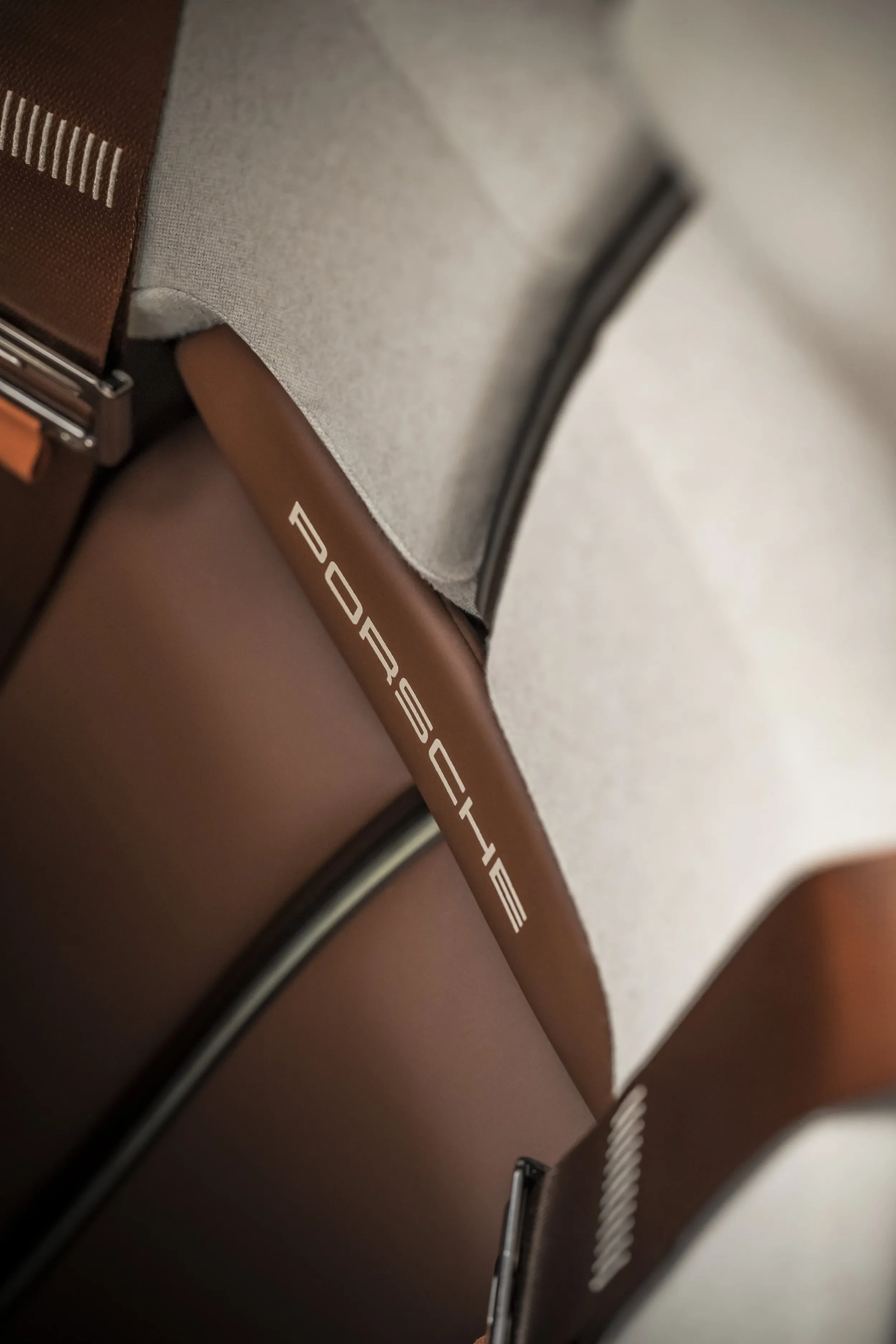
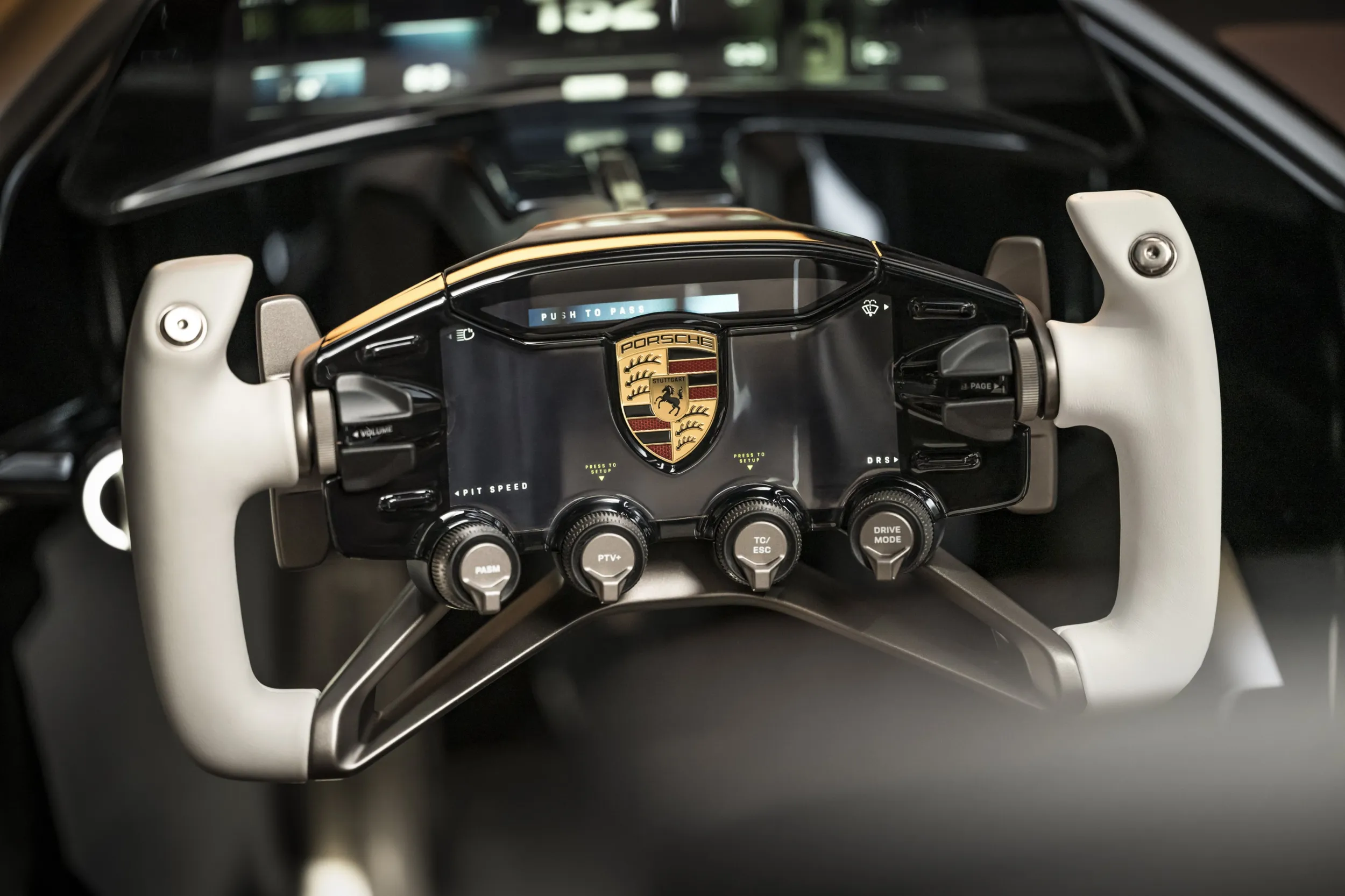
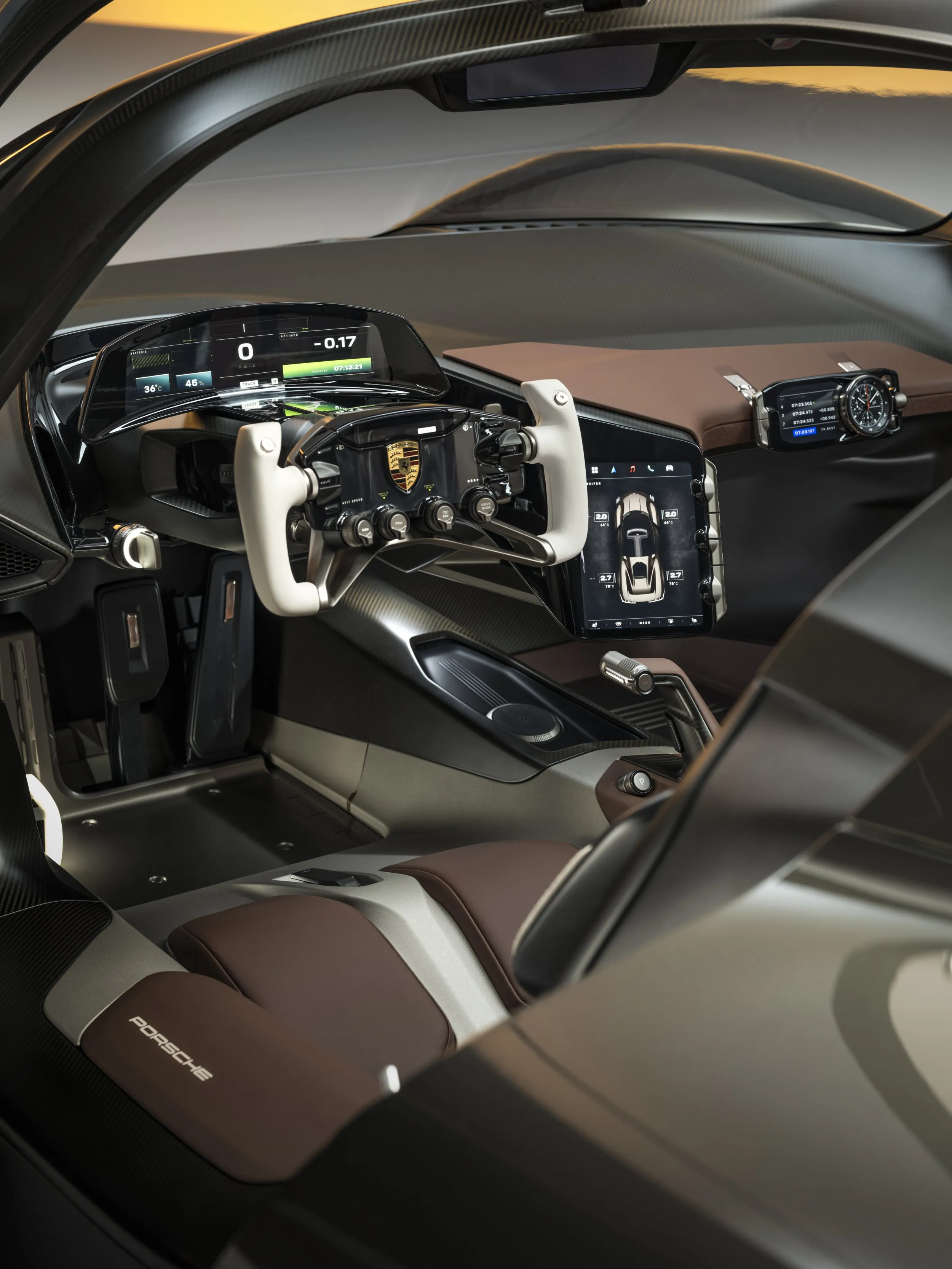
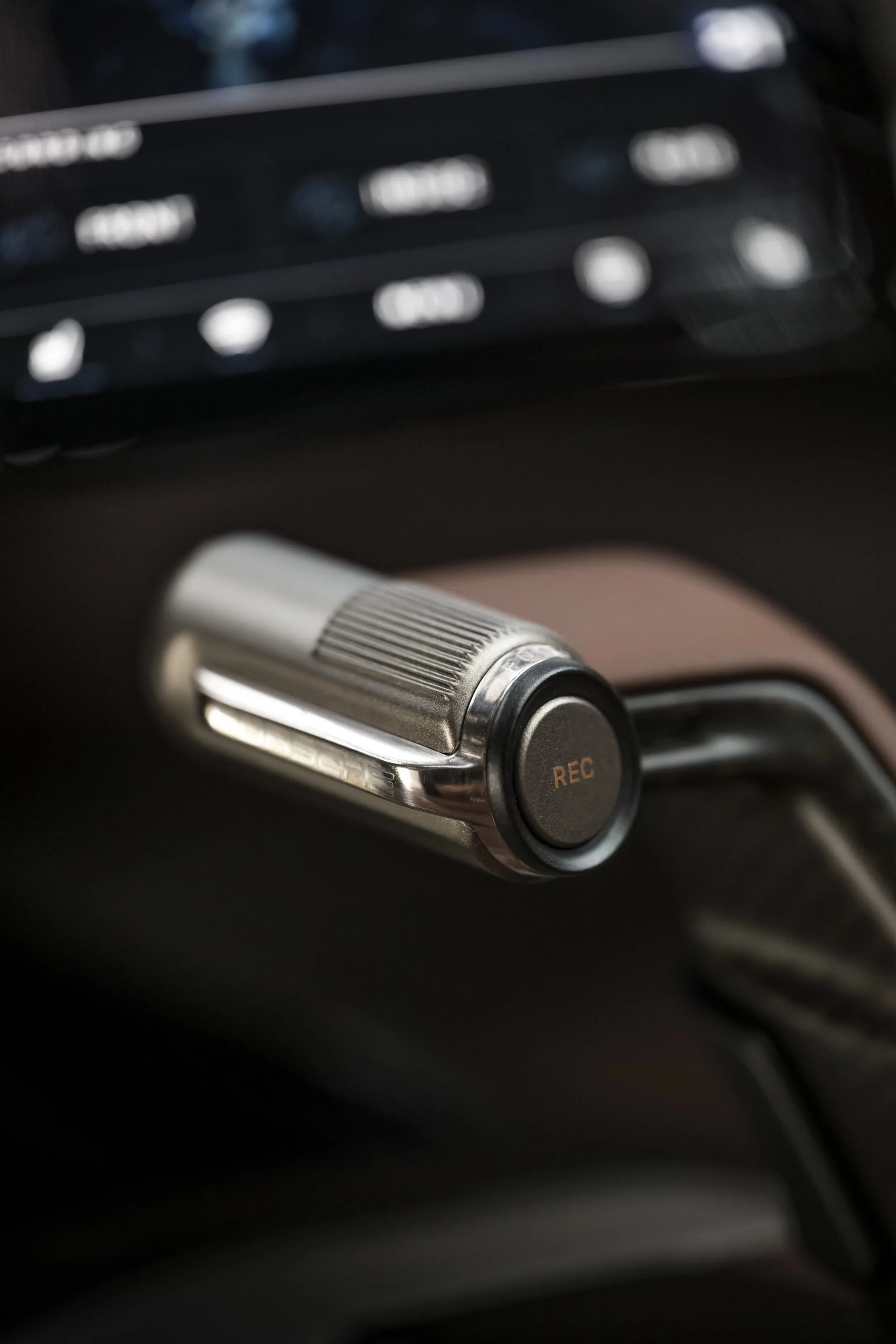
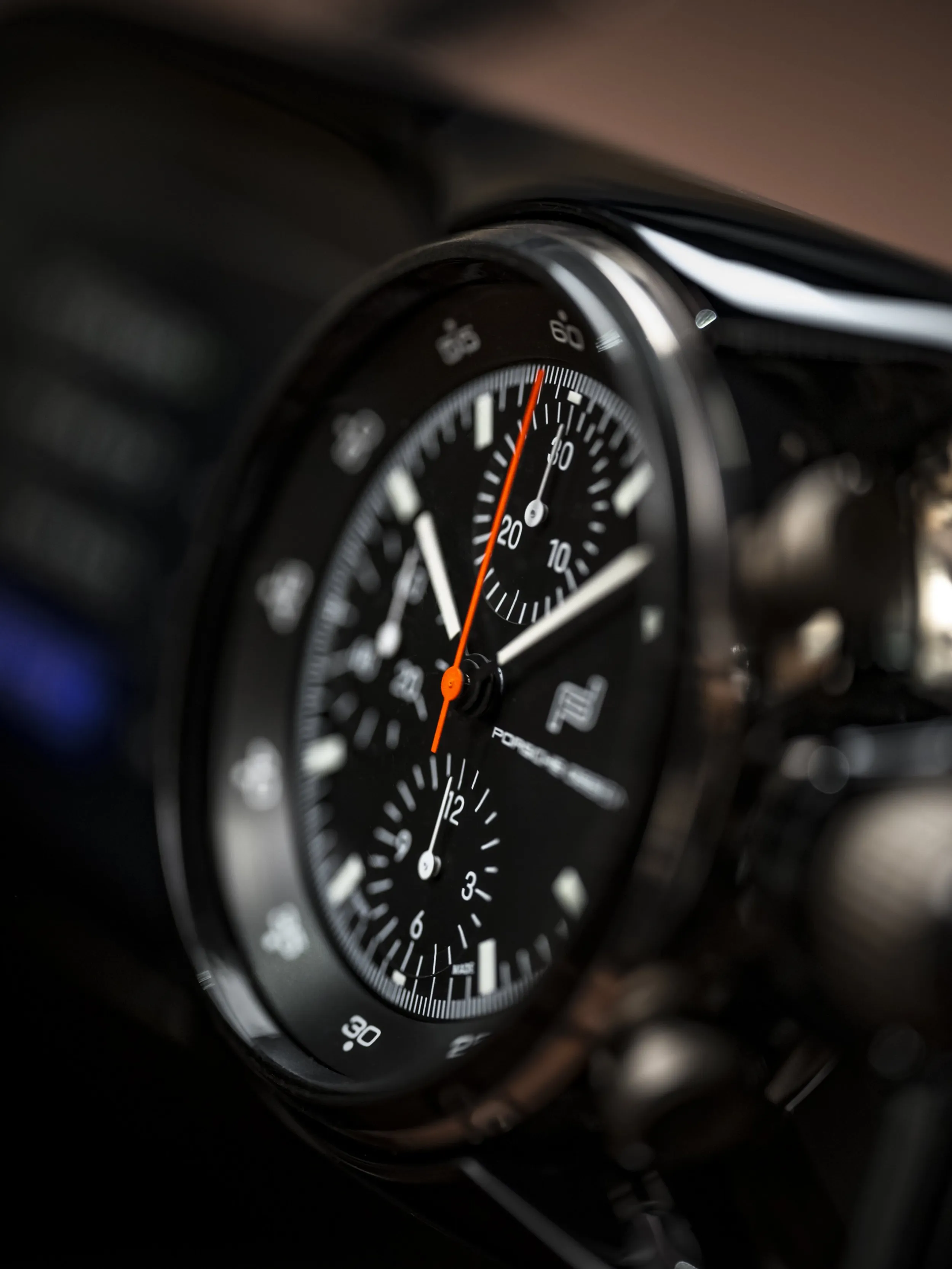
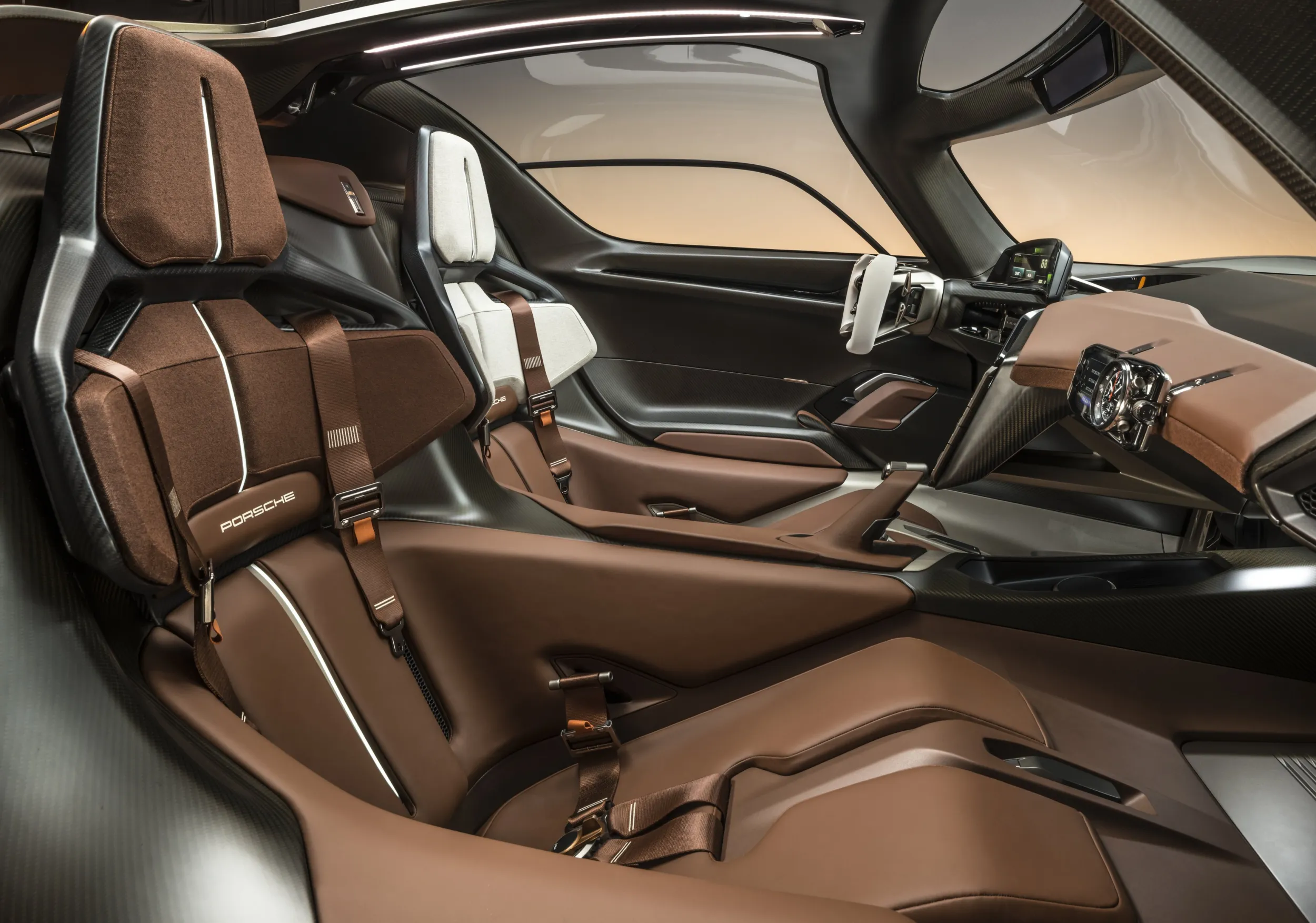
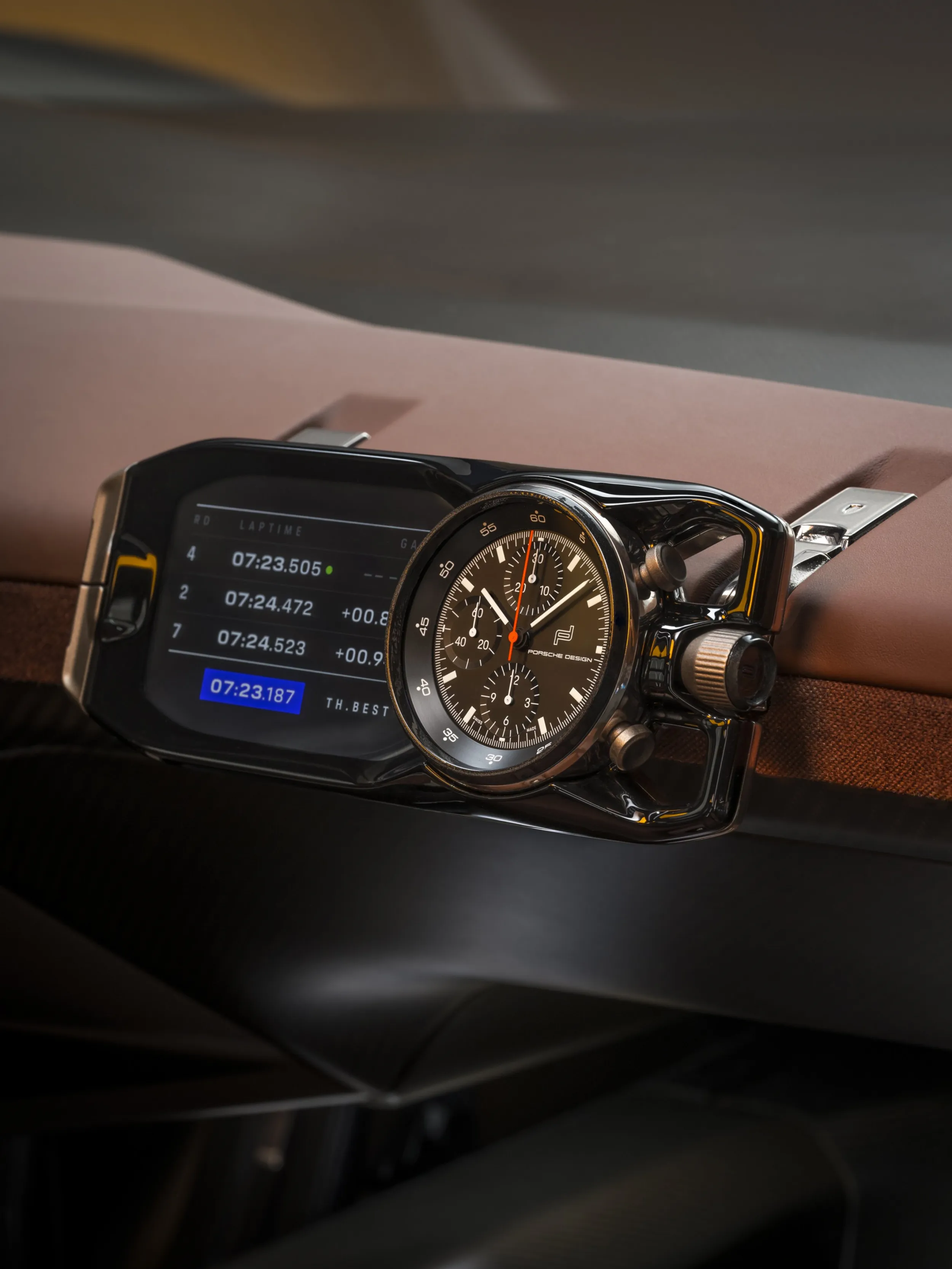
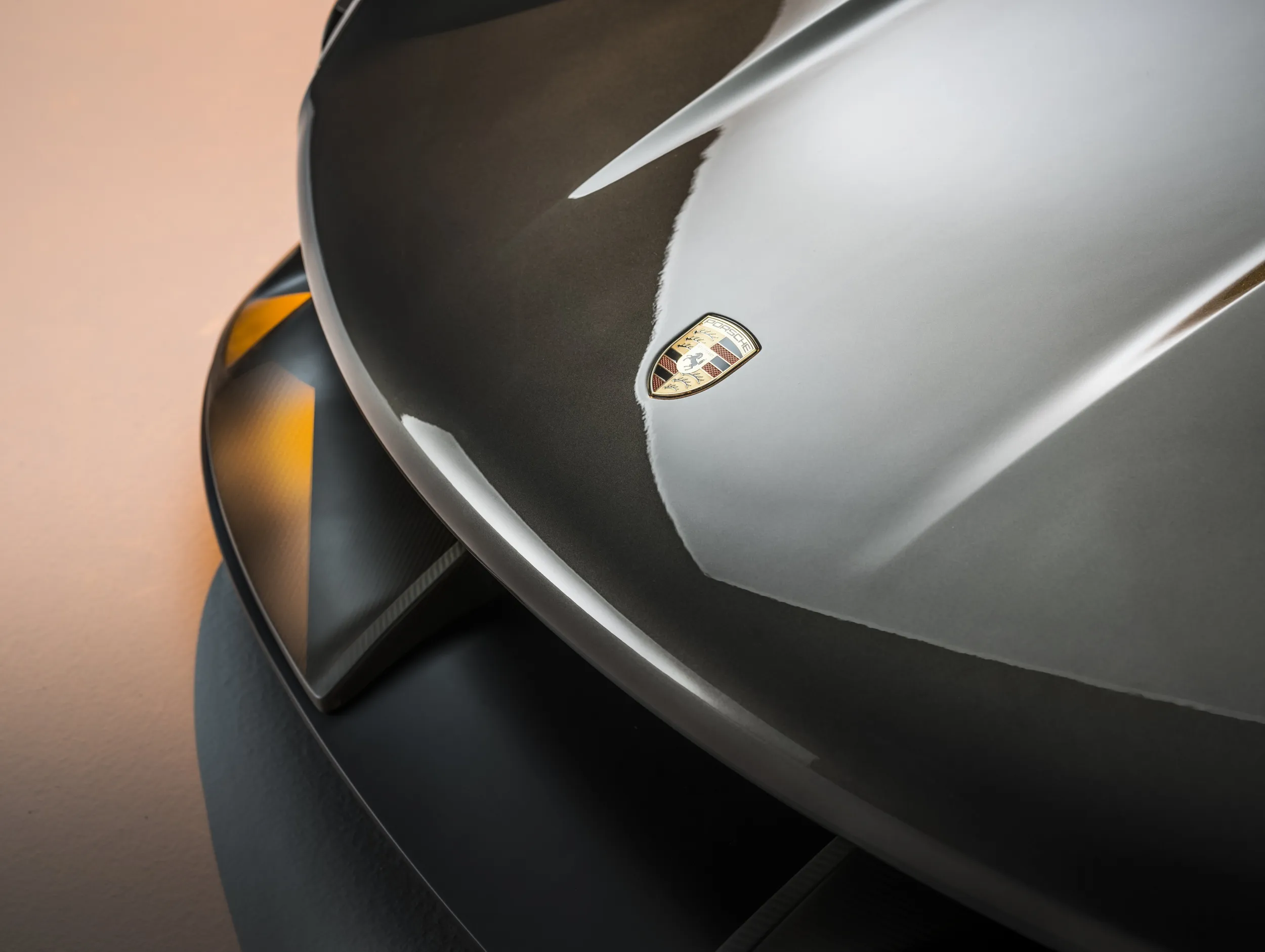
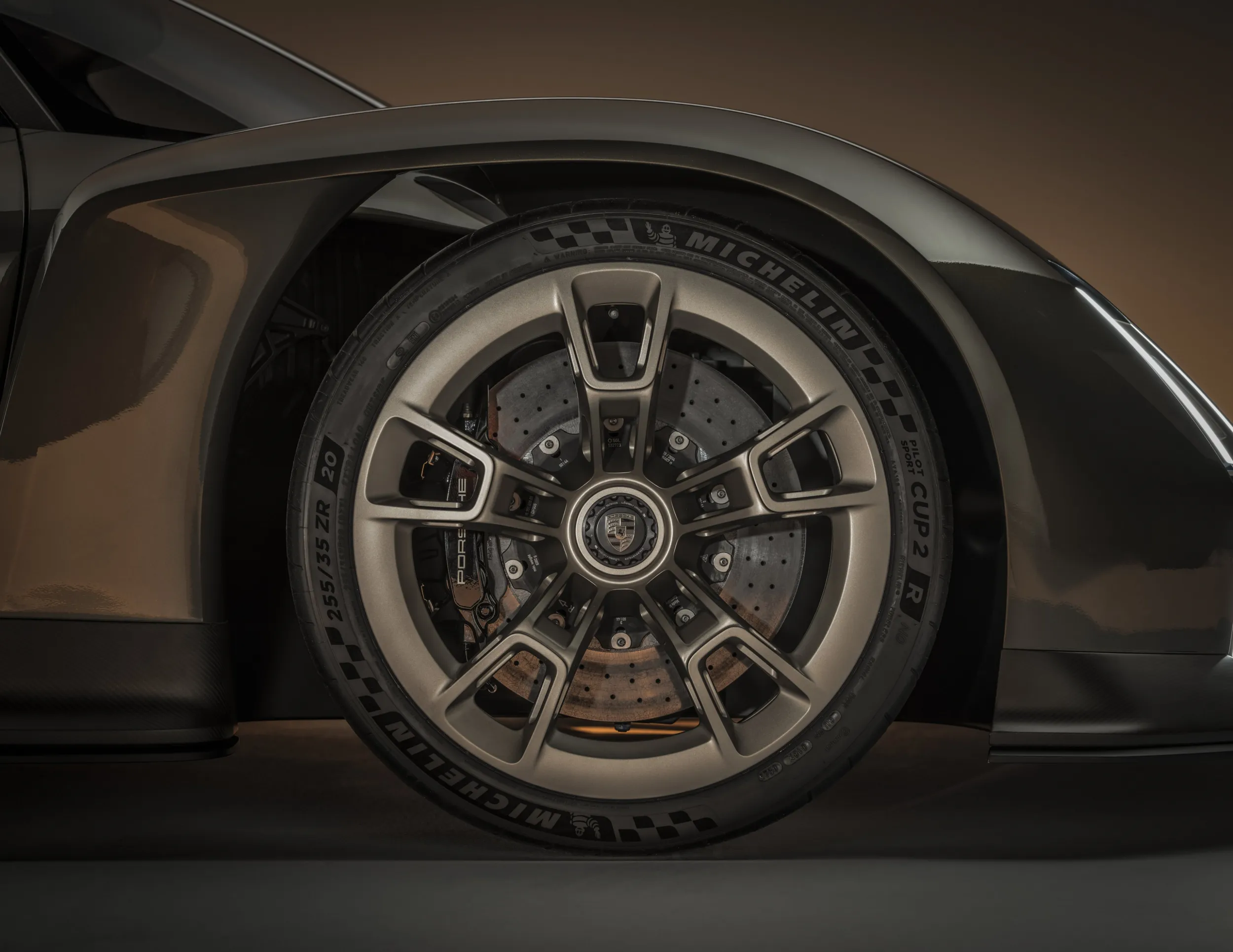
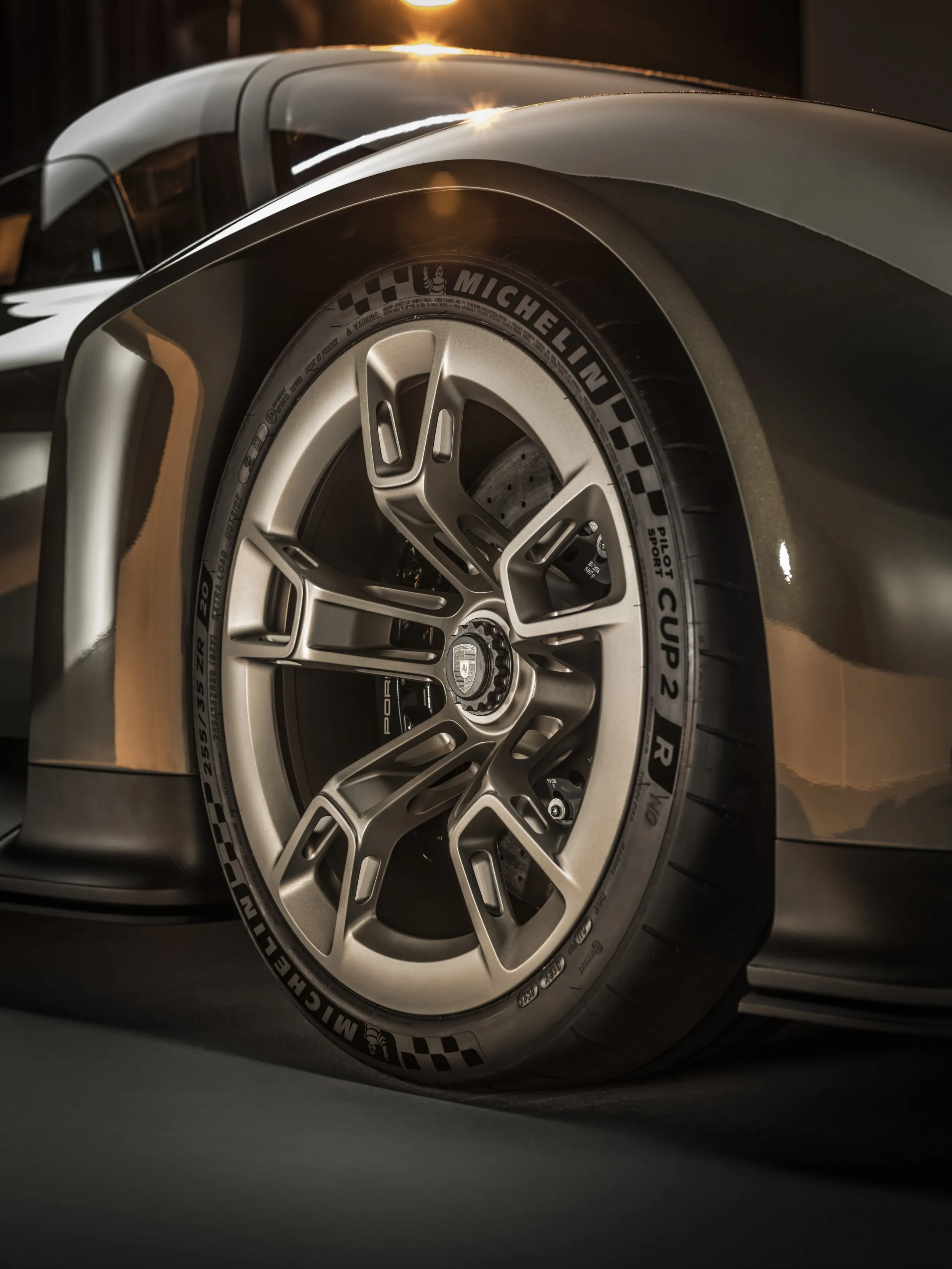
Porsche’s next supercar could get something far more interesting than another four-digit kilowatt figure: an eight-cylinder boxer engine. According to information from Germany, Porsche is developing a new flagship model codenamed S1, positioned above the 911 and priced at around €500,000.
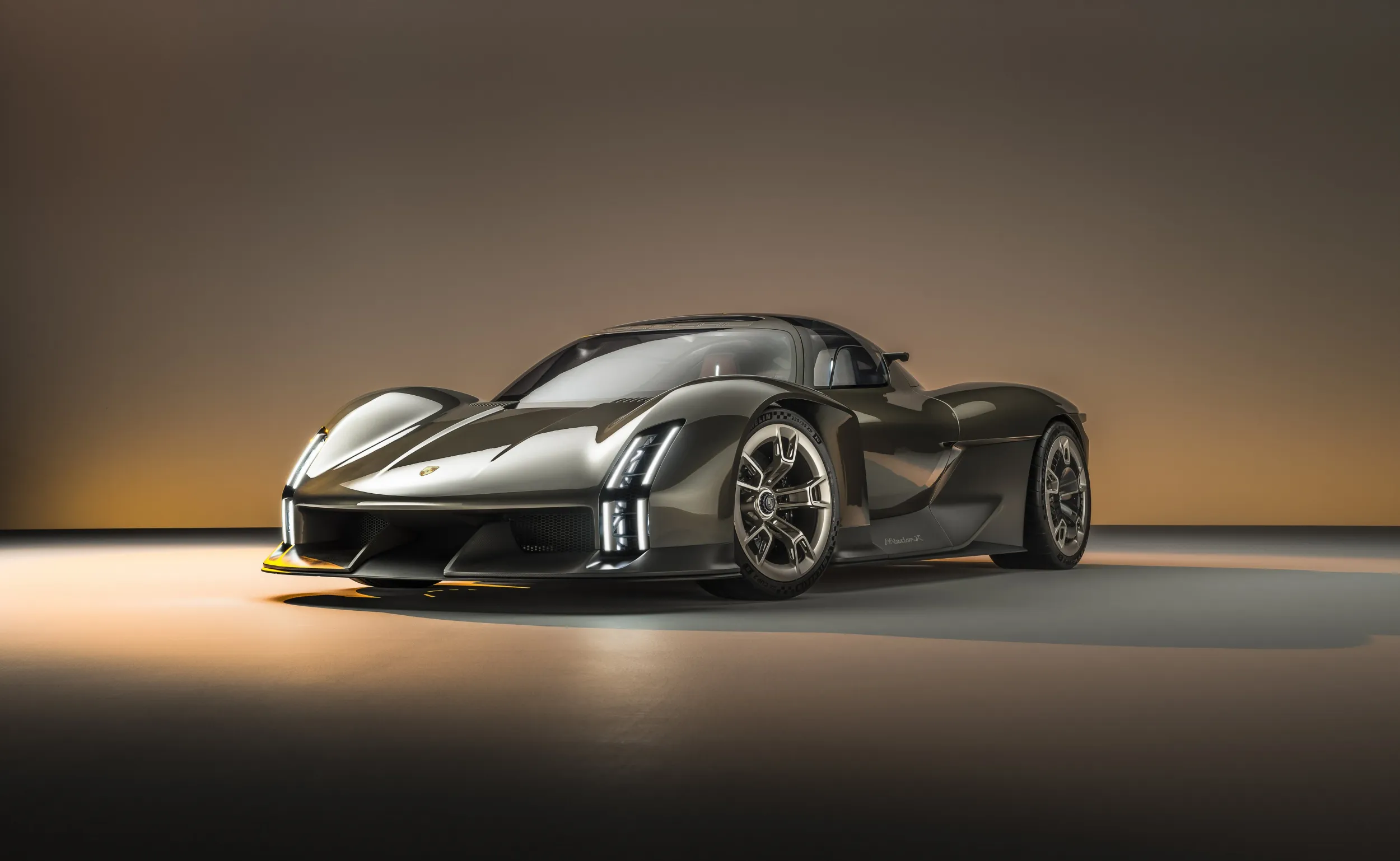
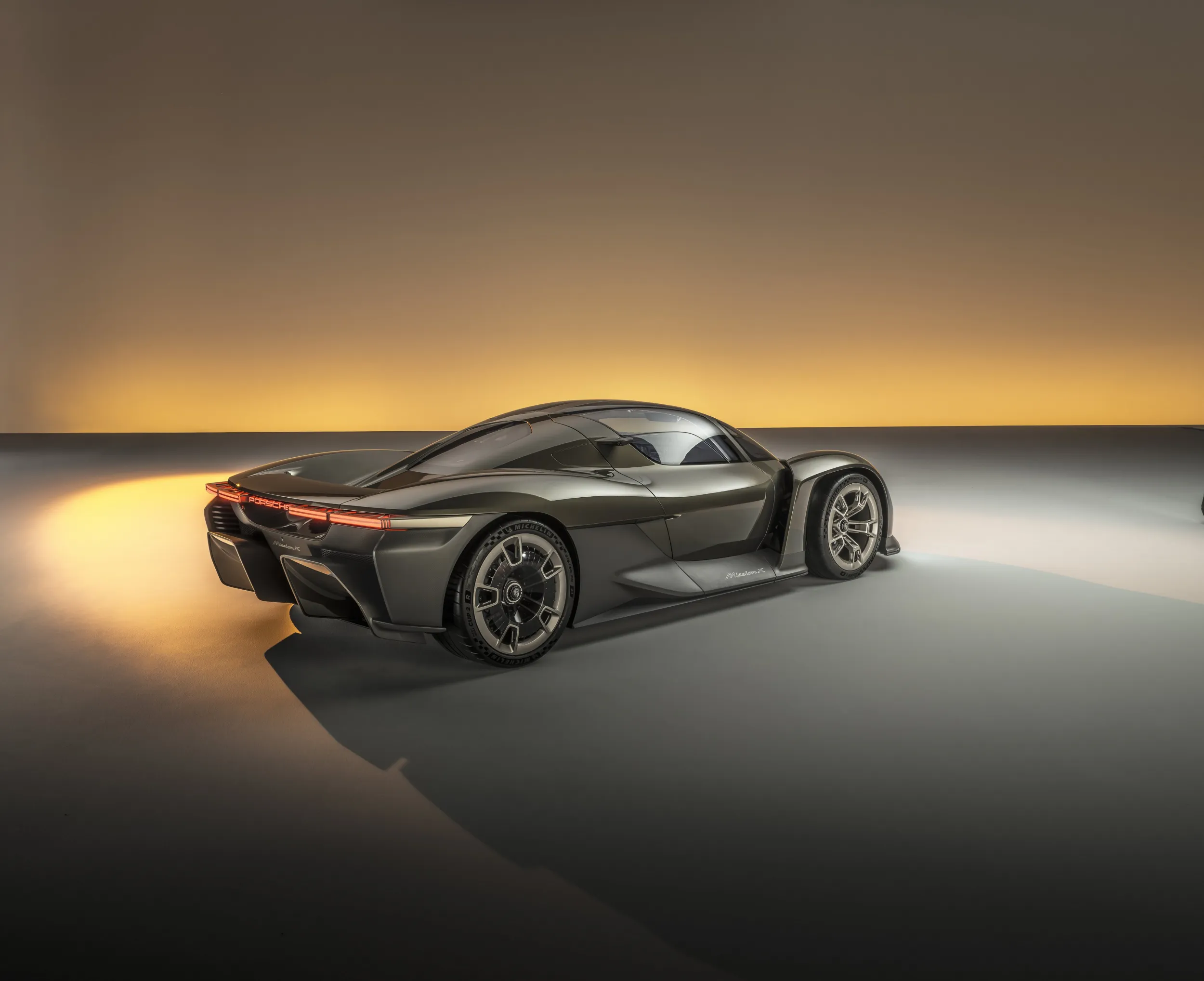
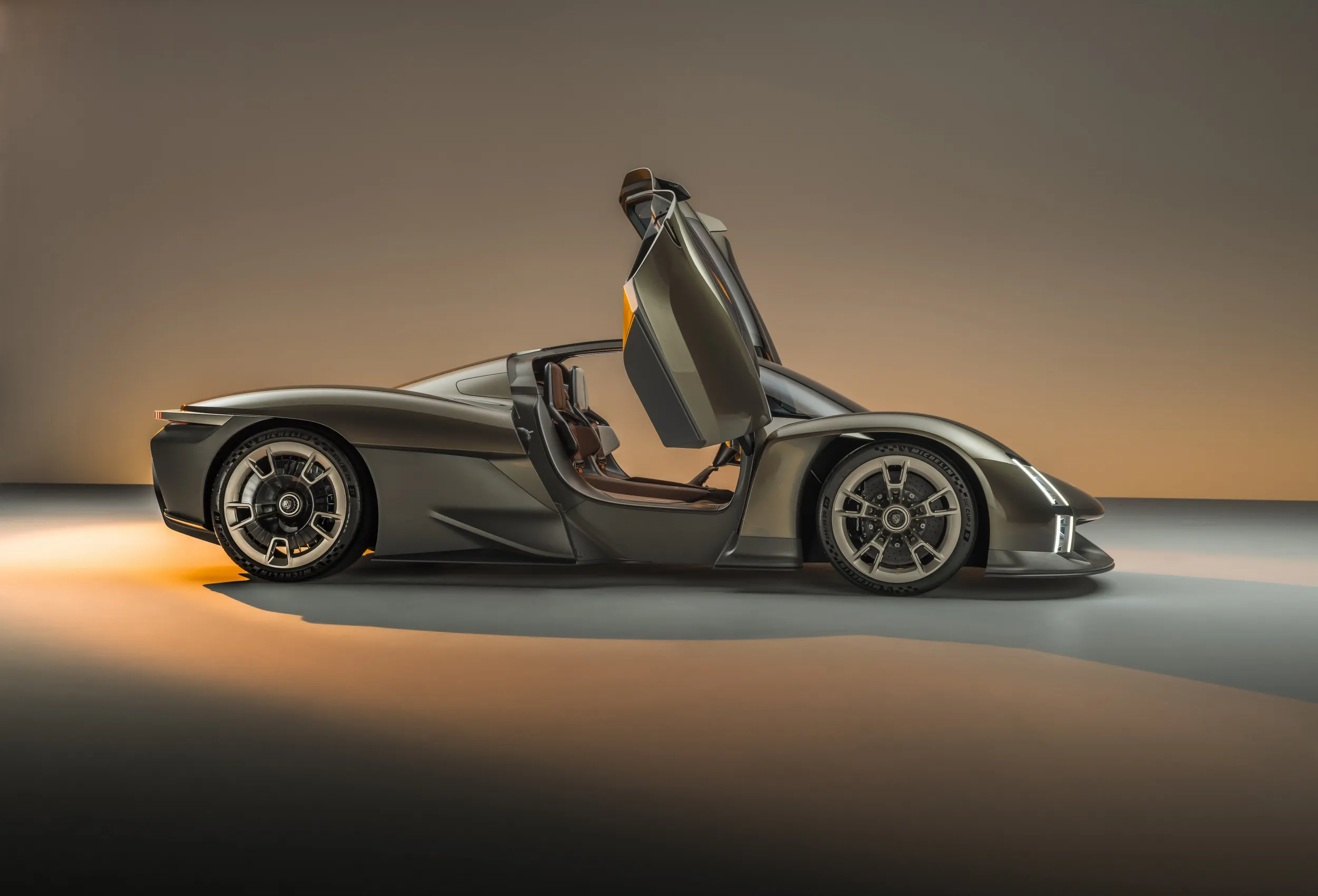
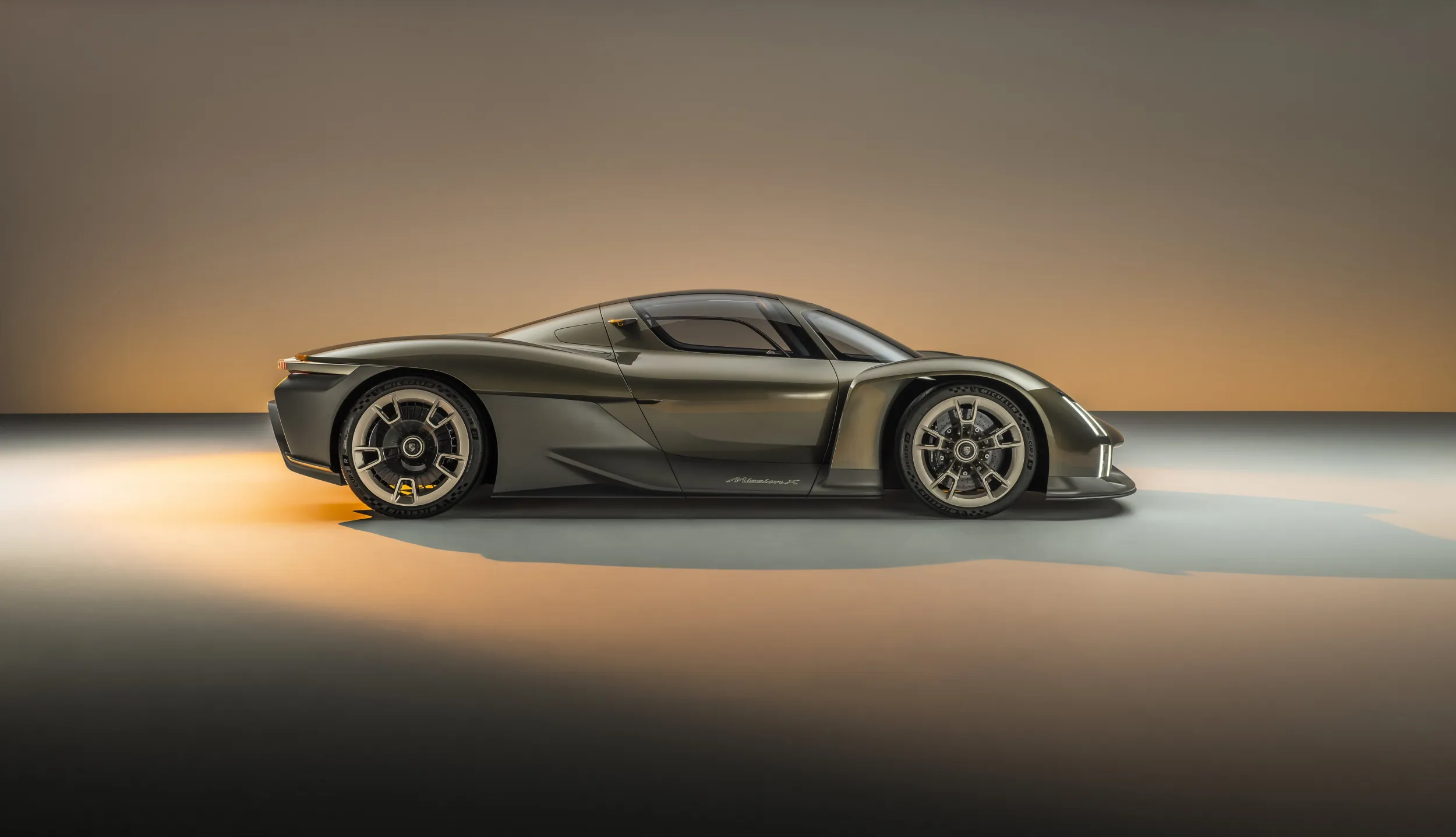
If the information proves accurate, it would mark a substantial U-turn. Porsche presented the Mission X in 2023 as an electric technology showcase and a possible successor to the 959, Carrera GT and 918 Spyder. Now, a car with an internal-combustion engine could occupy the same place in the model range.
Eight cylinders, but not in a V configuration
The most exciting detail is the powertrain. Porsche naturally uses six-cylinder boxer engines in the 911, but the company has yet to fit an eight-cylinder boxer engine to a production road car.
Such a powerplant is not unknown in Porsche’s history, however. Racing cars, among others, have used this architecture, but it has not made its way into a road car.
Technically, the solution is appealing for a supercar. An engine with horizontally opposed cylinders remains low, allowing the centre of gravity to be lowered. Its drawbacks are its considerable width and the fact that accommodating two additional cylinders makes packaging substantially more difficult than with a six-cylinder boxer.
RUF got there before Porsche
RUF makes the story particularly piquant. The German low-volume manufacturer unveiled its own 4.8-litre twin-turbo B8 boxer engine at Goodwood this year, producing more than 735 kW and 1,000 Nm. RUF installed it in an lengthened CTR3 test car, and the powerplant is intended for a future supercar.
For now, there is no reason to believe Porsche’s reported engine has any technical connection to RUF’s B8.
However, it creates an unusual situation: if Porsche really does build a road car with a boxer V8, it will no longer be the first German sports-car manufacturer to revive the idea in modern times.
The Mission X’s electric future is no longer so certain
The S1’s greatest significance goes beyond its powertrain. Porsche’s electrification plans have collided rather forcefully with reality in recent years. The company’s sales and profitability are under pressure, while weakness in the Chinese market and a more difficult-than-expected transition to electric cars have forced it to reassess its strategy.
That does not mean Porsche is abandoning electric cars. However, the internal-combustion engine is no longer merely a temporary nuisance to be endured until the next decade.
The current 911 Turbo S is a good indication of the direction Porsche has taken recently. Its 3.6-litre flat-six T-Hybrid develops 523 kW, accelerates from 0 to 100 km/h in 2.5 seconds and reaches 320 km/h. The S1 should sit even higher. If the heart of a supercar costing around half a million euros really is a specially developed eight-cylinder boxer, Porsche’s aim is probably not simply to build another faster 911.
Rather, it would be a successor to the 918 Spyder for an era in which Porsche, after the electric Mission X, discovered that good old internal combustion may still suit very wealthy customers quite well.


