
Stellantis builds an autonomous cargo box and dispenses with the driver
 1/13
1/13
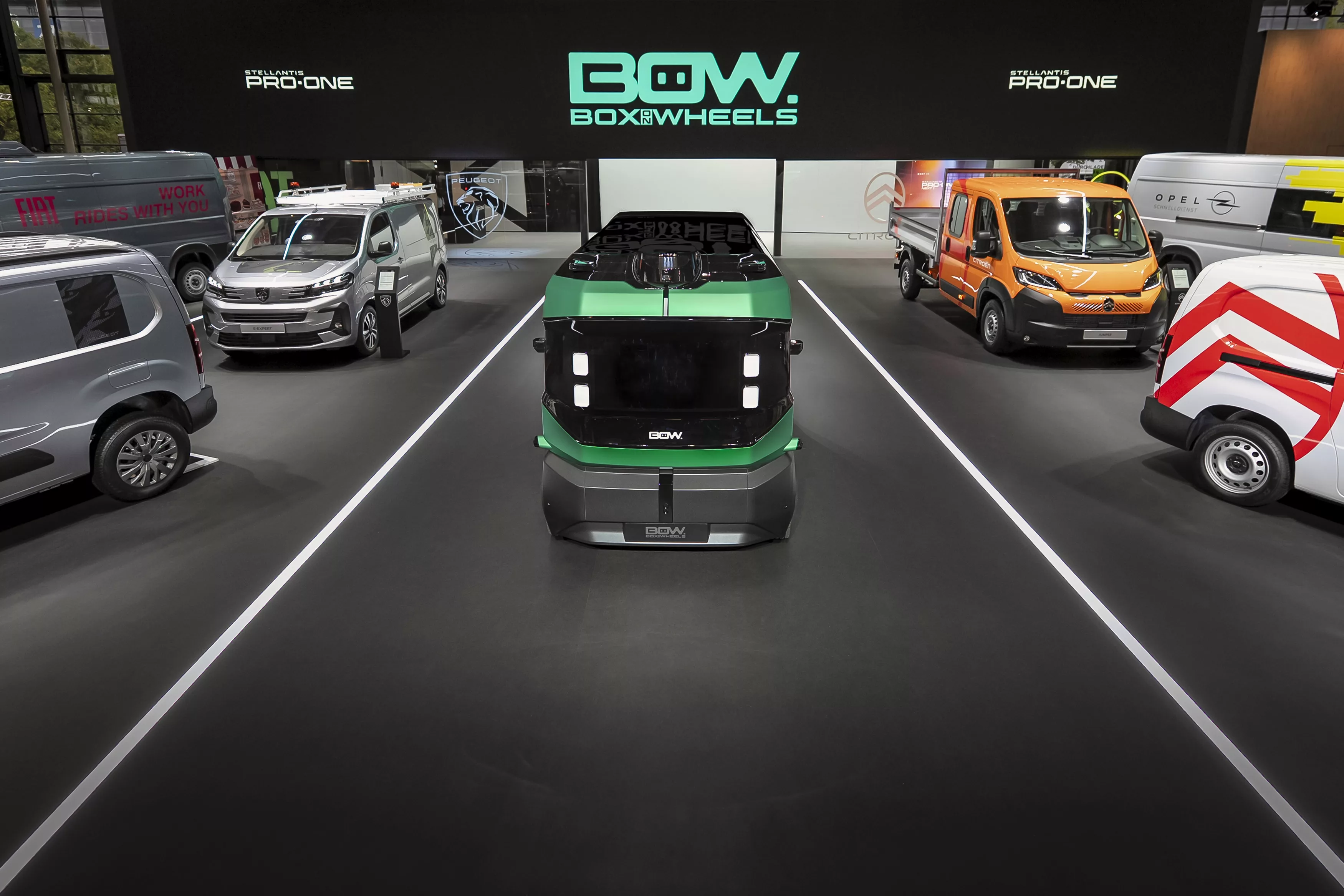
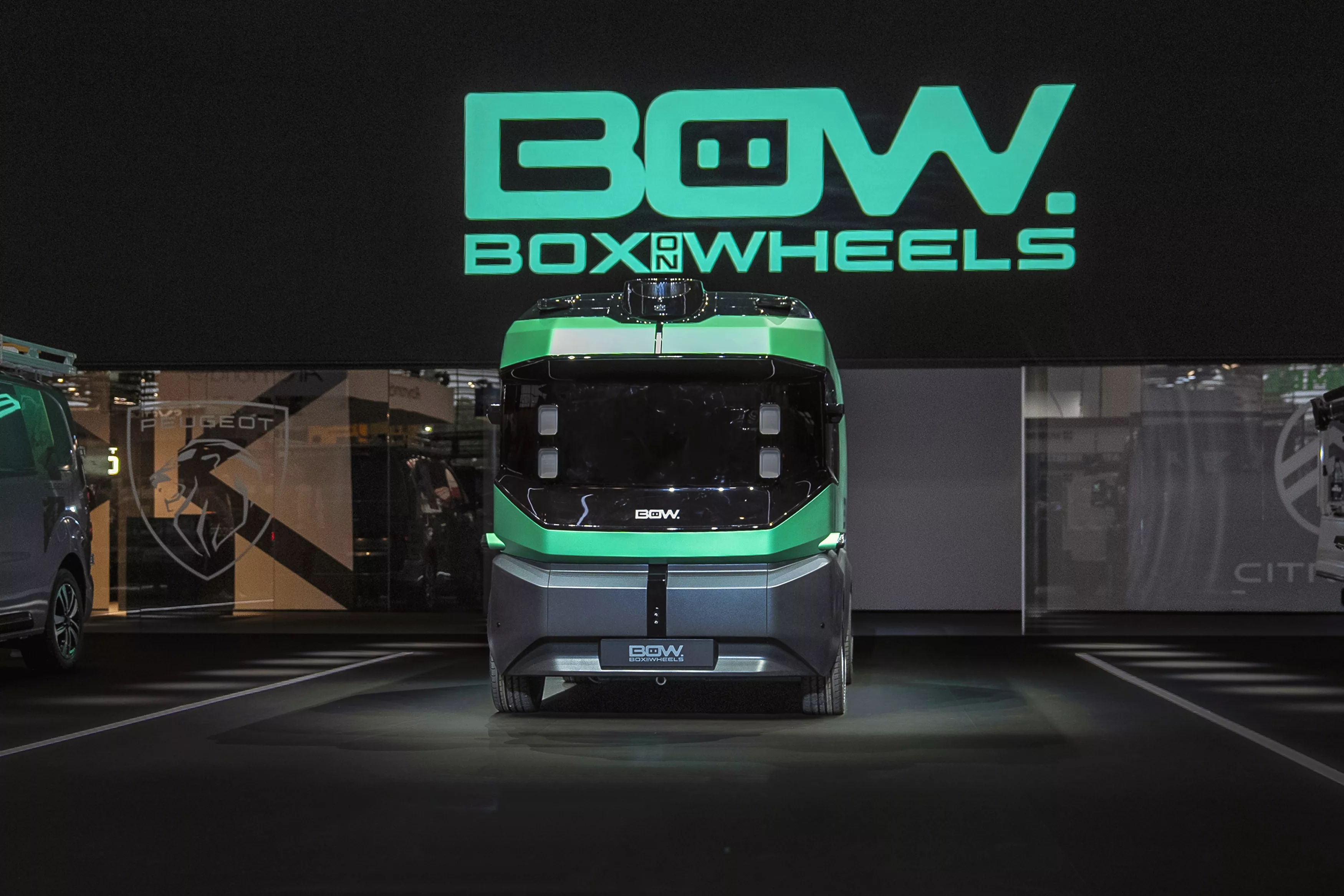
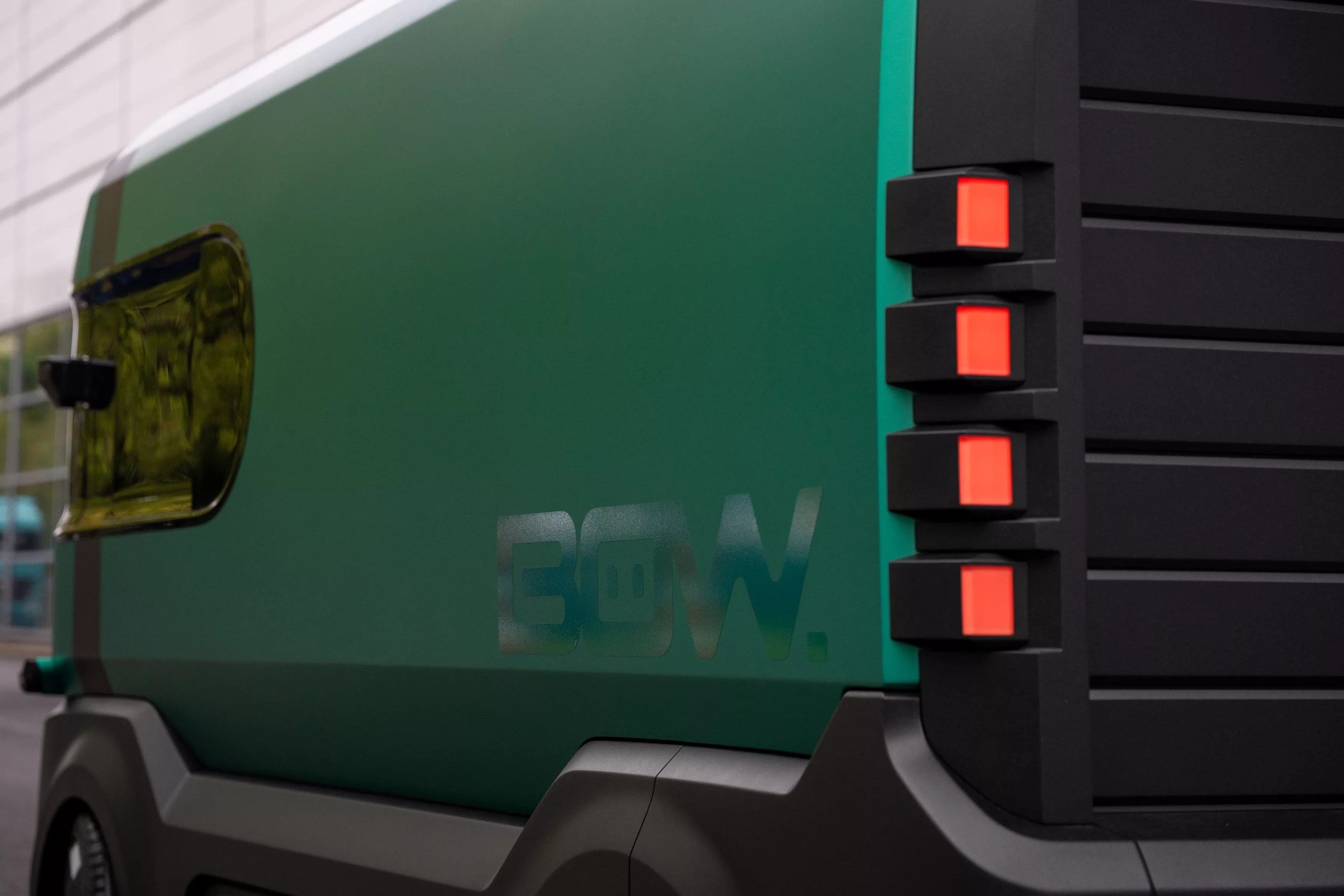
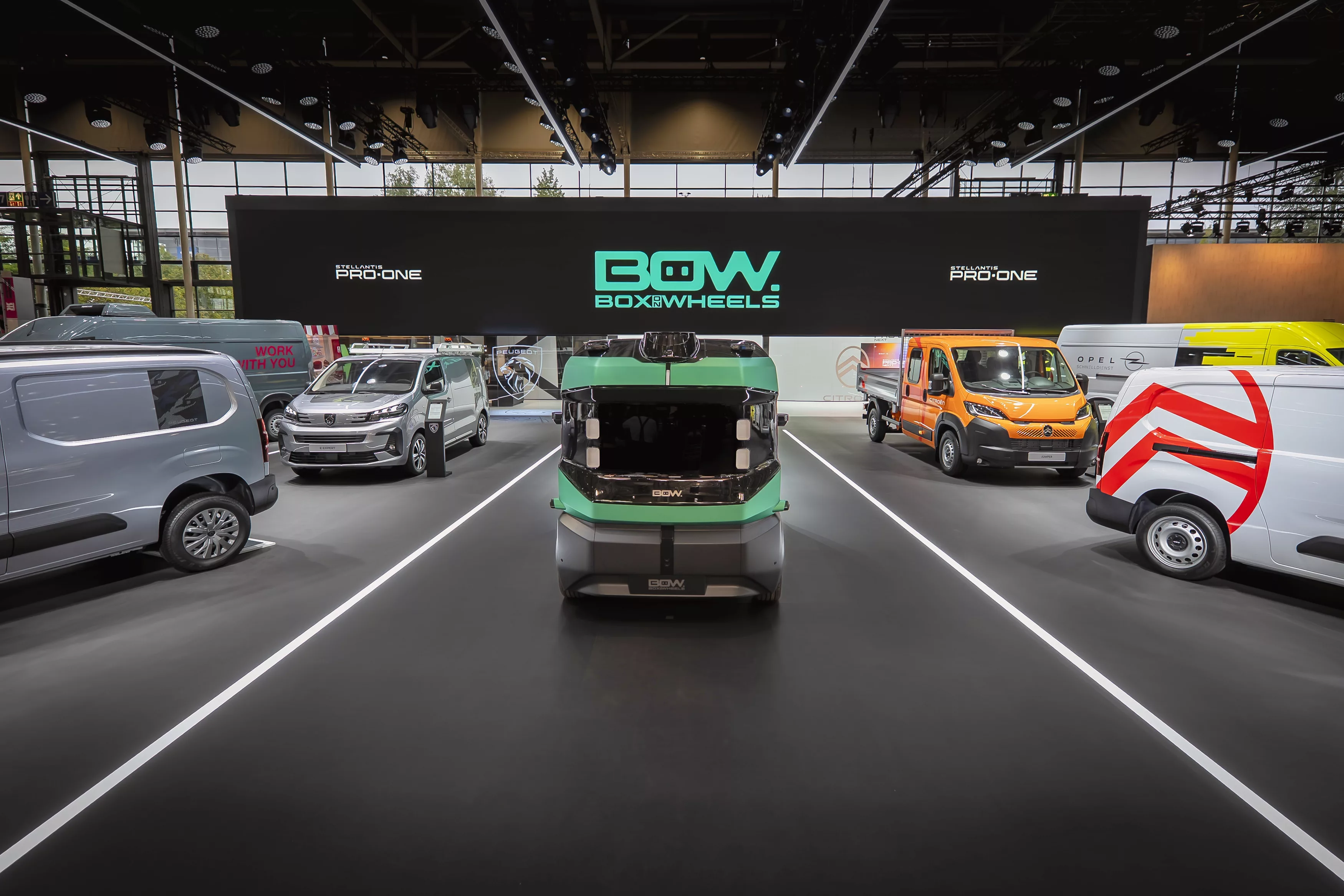
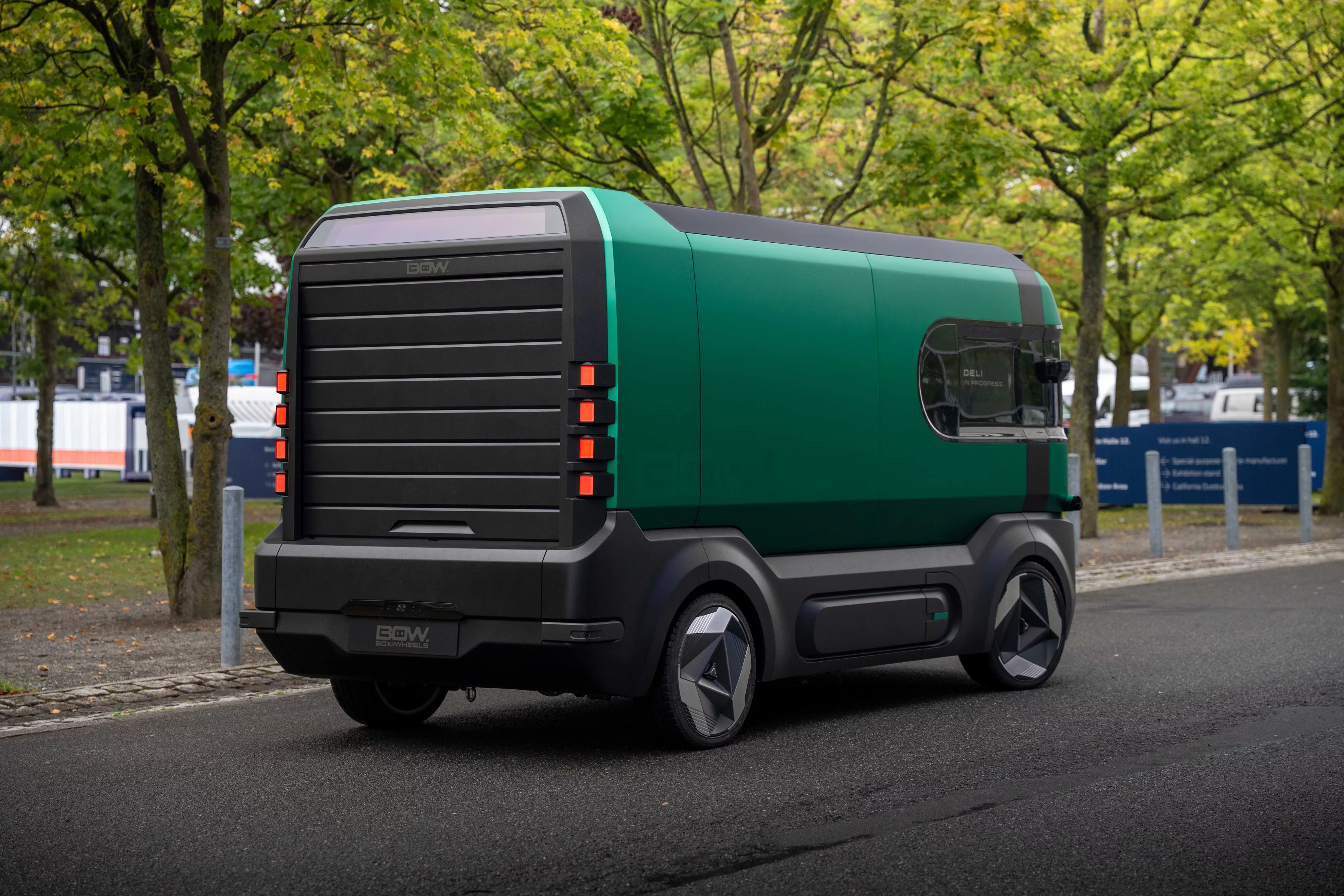
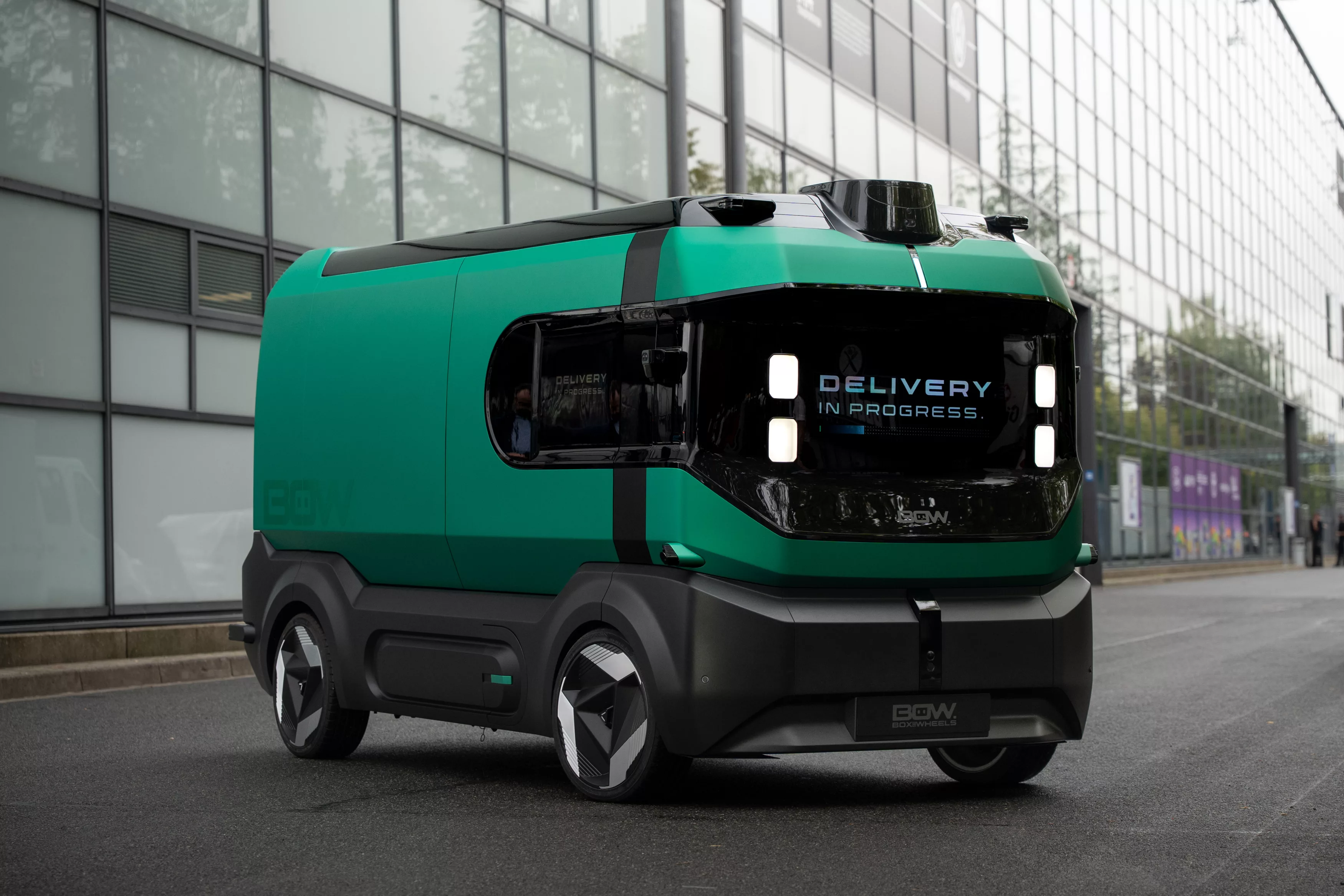
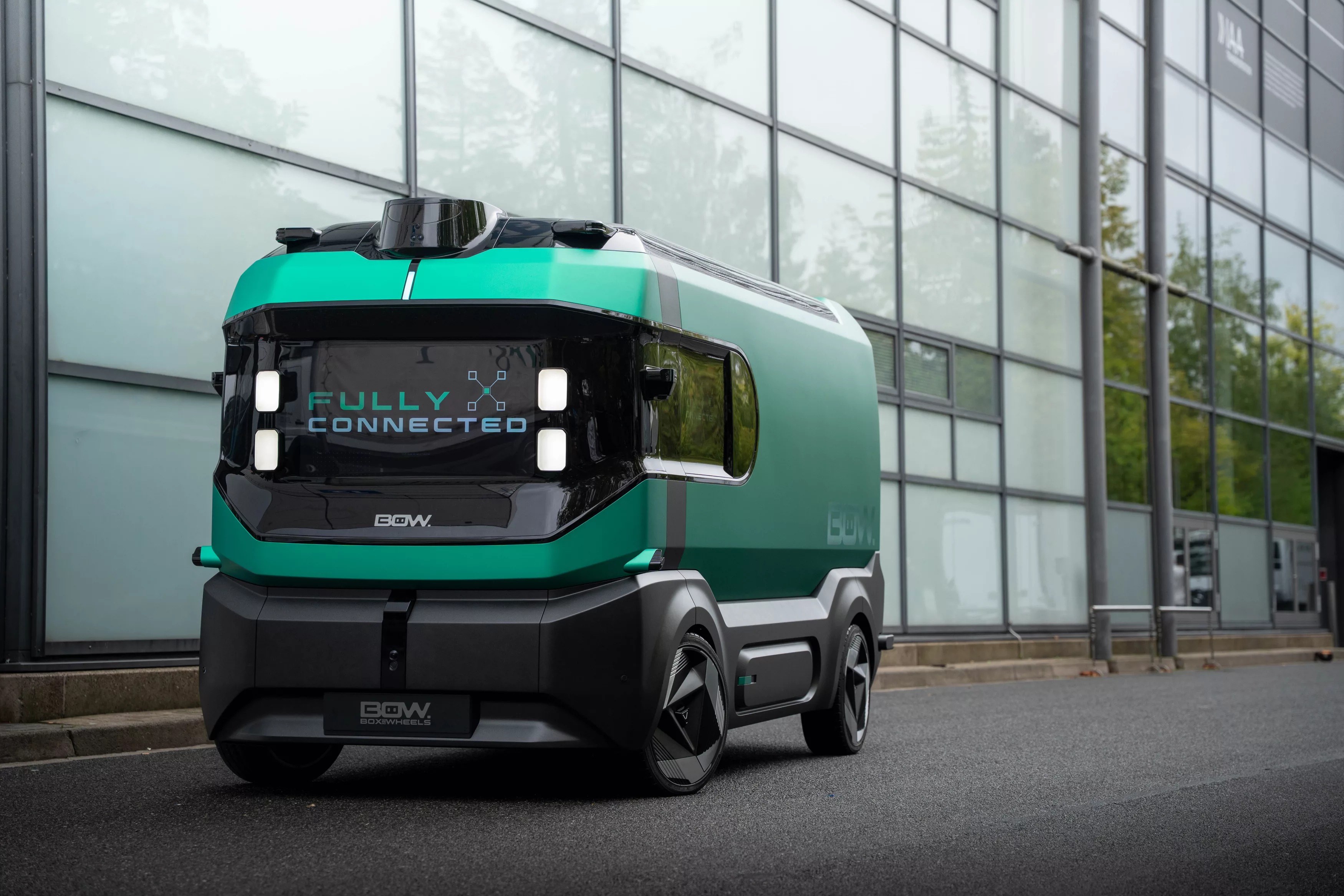
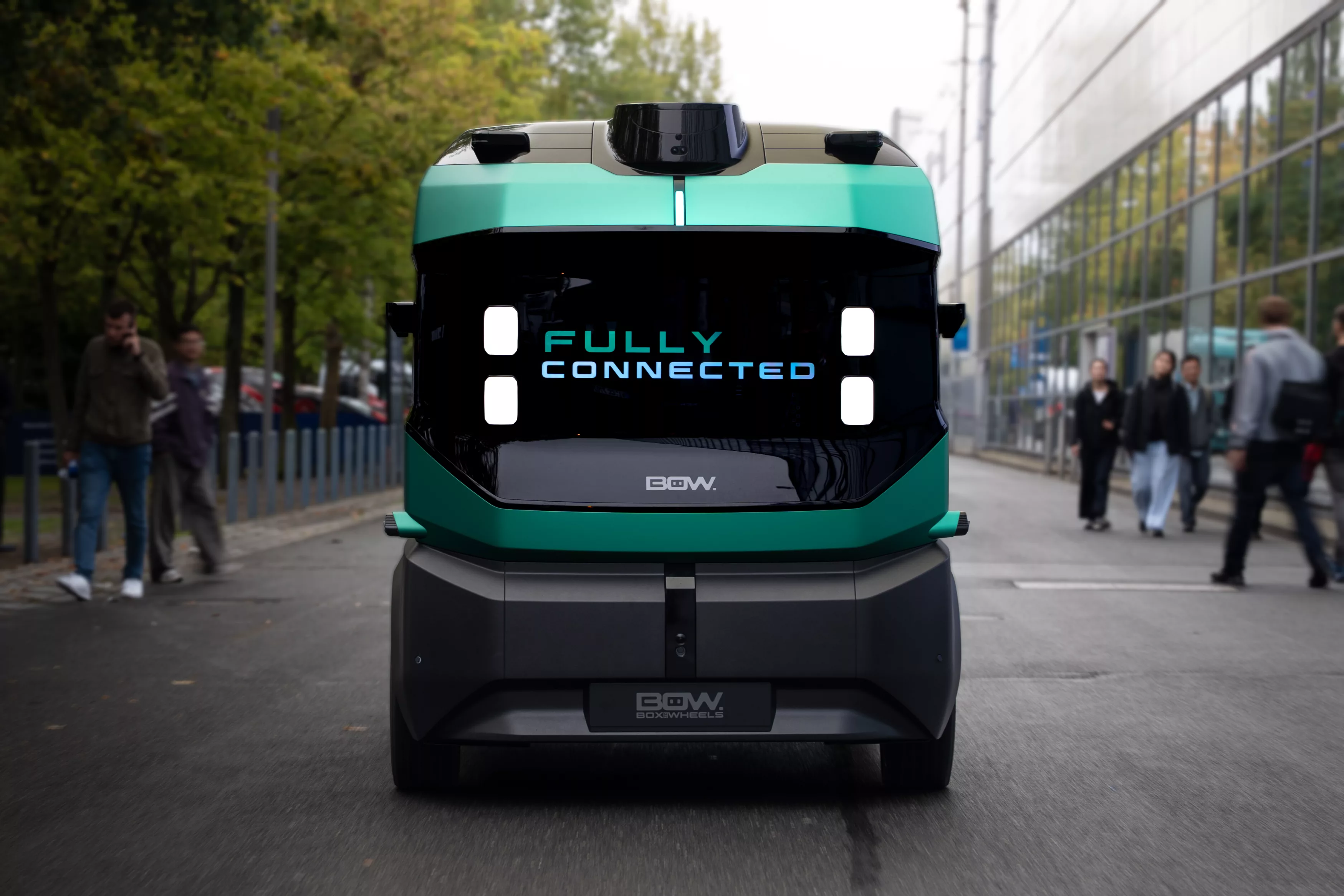
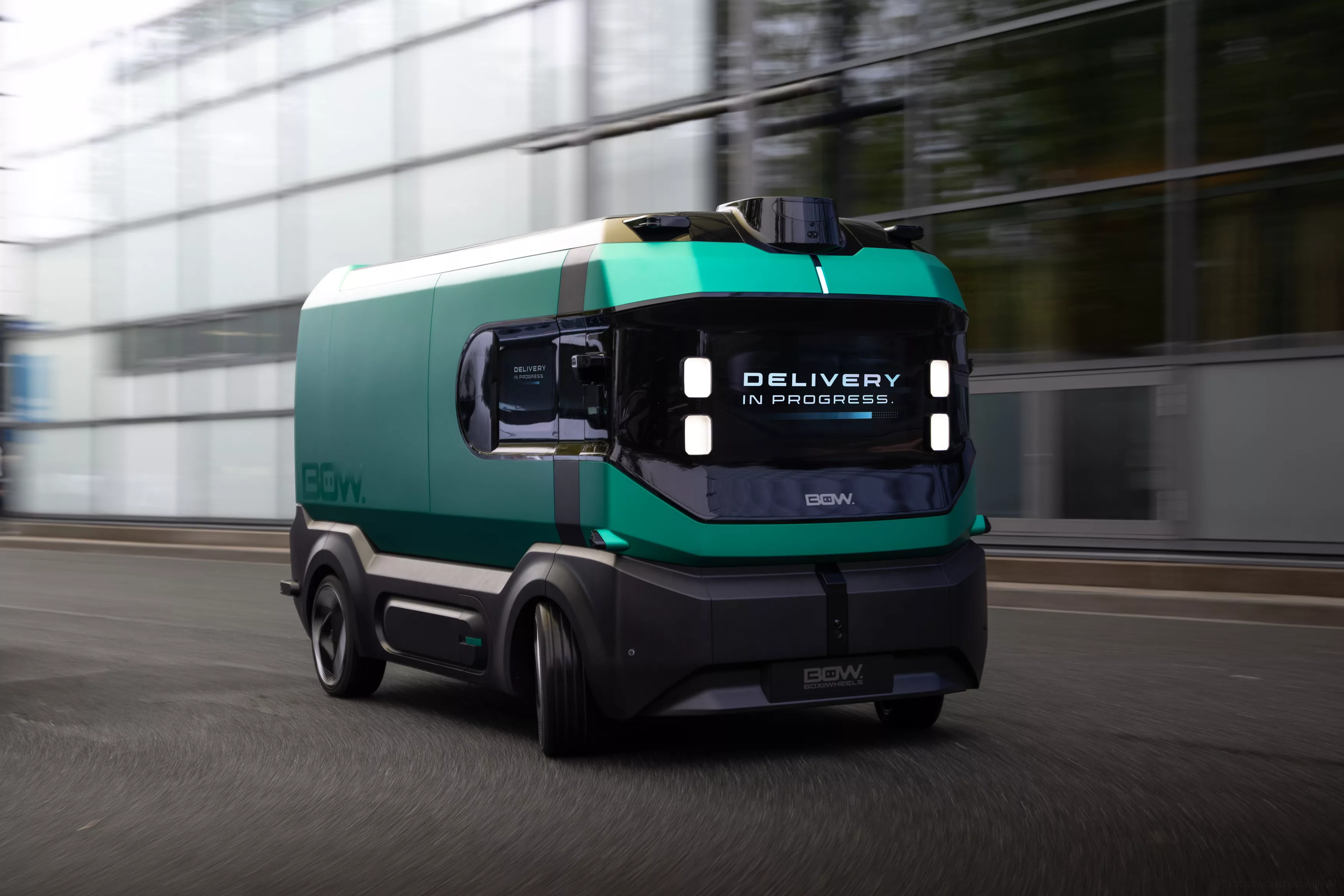
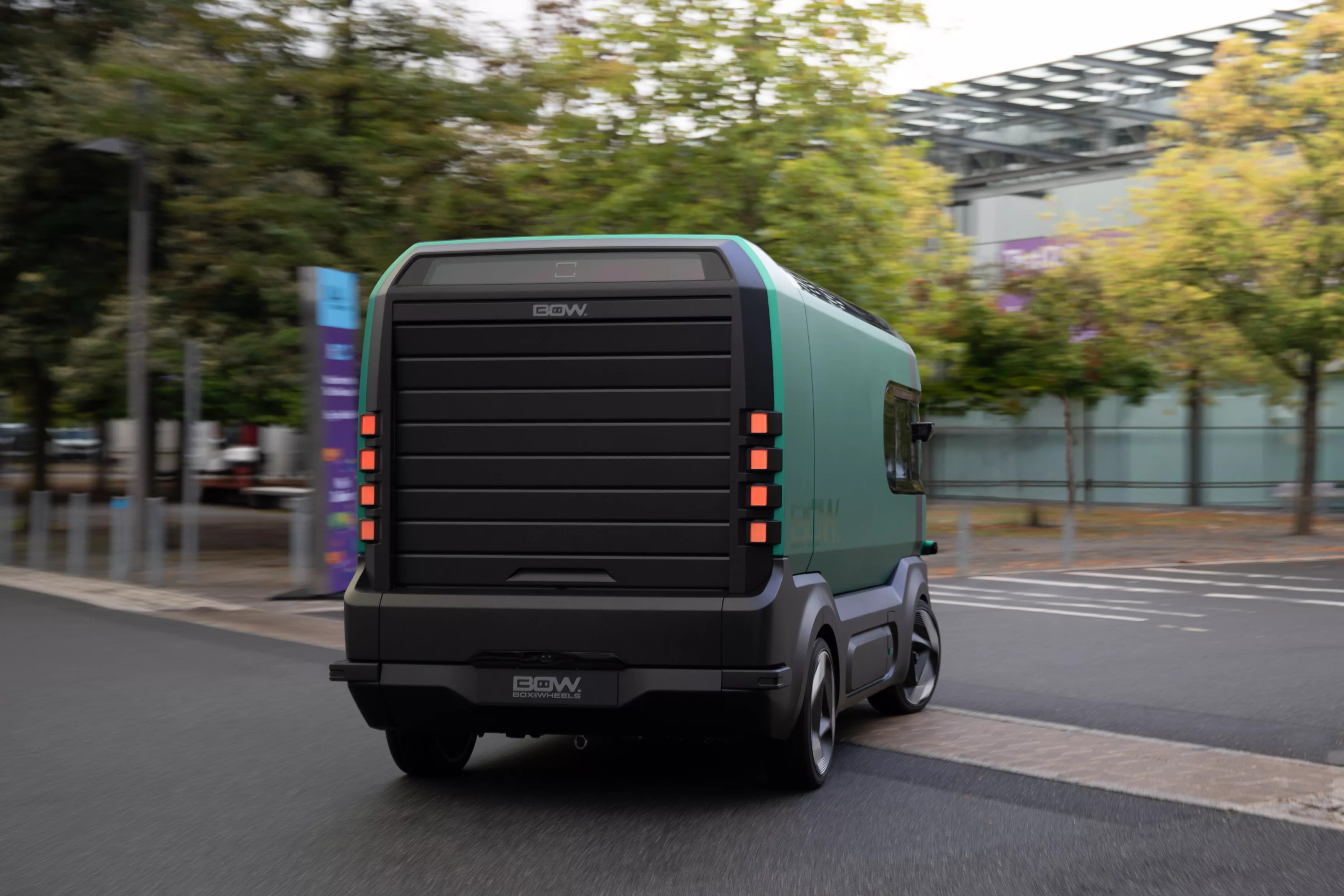
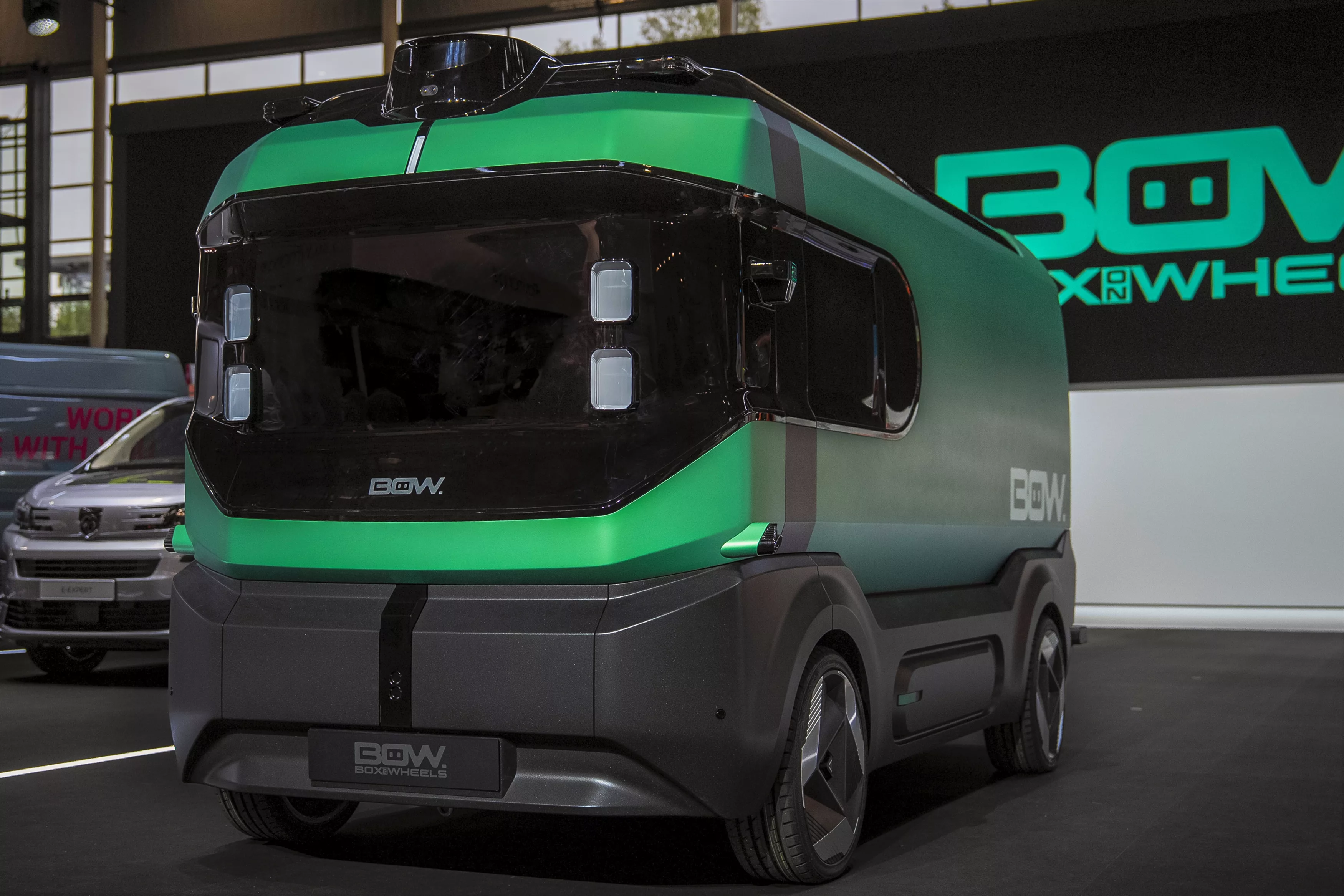
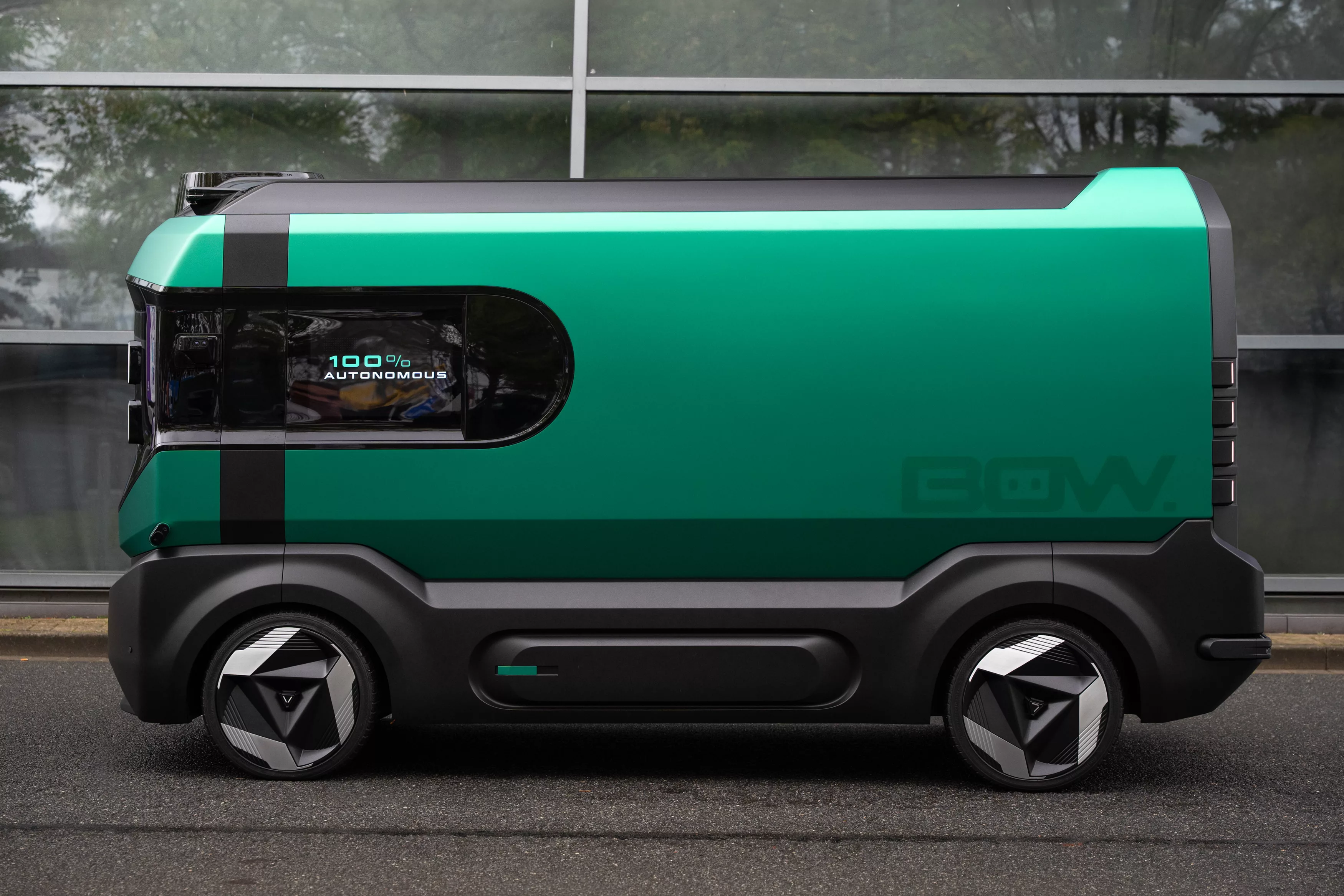
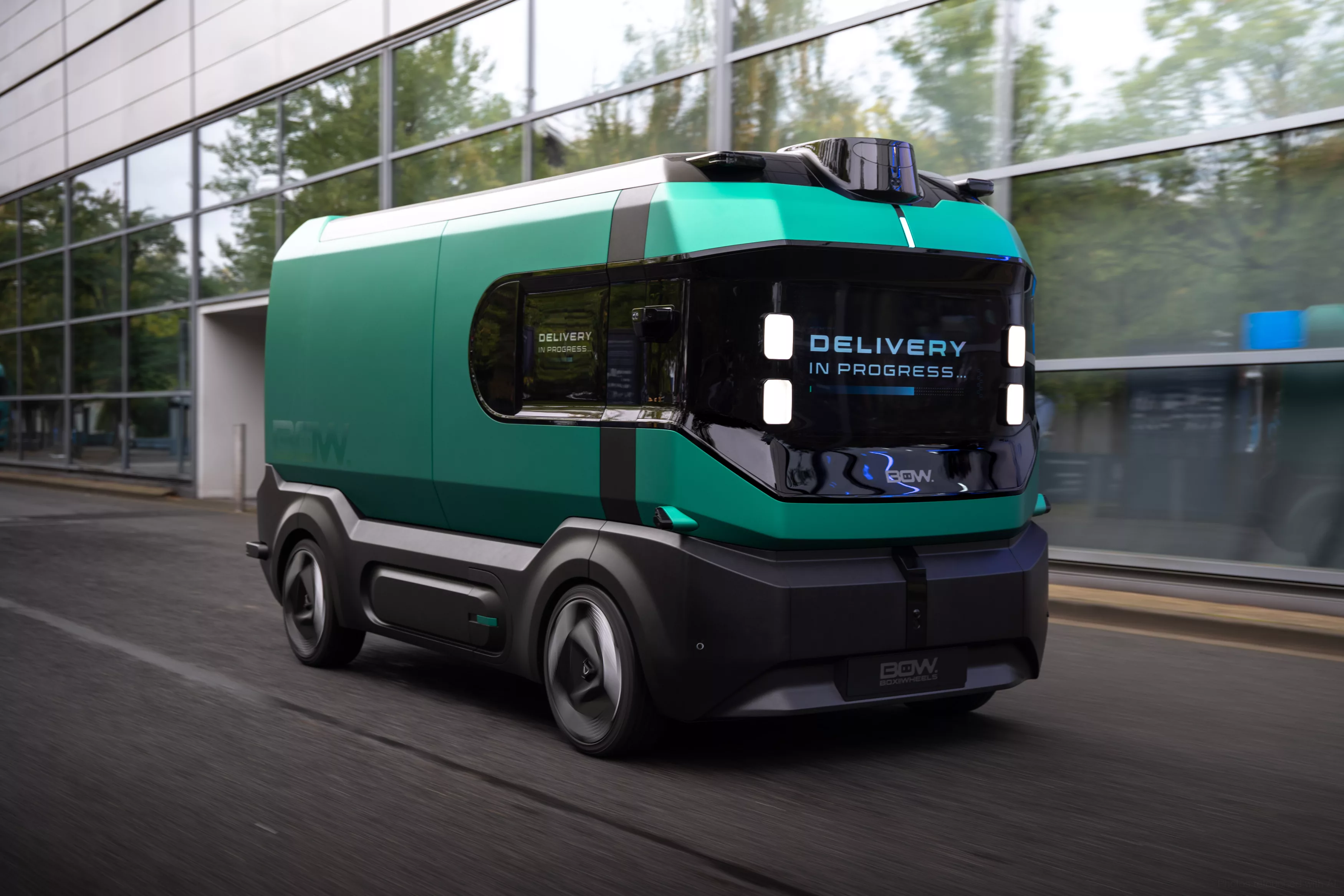
Stellantis unveiled the BOW concept vehicle at IAA Transportation in Hanover, taking the idea of a van to its logical conclusion. If no human is needed to drive it, there is no need for a steering wheel, windscreen or driver’s cab. What remains is an electric cargo box on wheels.
BOW, or “Box-on-Wheels”, is intended for autonomous urban logistics and last-mile deliveries. Stellantis developed the vehicle with China’s UQI Robotics, which works in artificial intelligence, robotics and autonomous driving. The project is initially focused on Europe.
All the space belongs to the cargo
The BOW’s design differs from that of a conventional van converted for autonomous operation. Stellantis did not take an existing commercial vehicle and add sensors to it; instead, it removed the human workplace altogether.
This makes it possible to use virtually the vehicle’s entire volume for cargo. Such an architecture is particularly suited to repetitive, precisely defined routes, where a driver’s cab would simply be expensive empty space.
Stellantis sees BOW being used in urban logistics, restricted-access and low-emission areas, and controlled sites such as factories, hospitals and airports.
It is not just a trade-show mock-up
BOW is currently a concept, not a market-ready Stellantis model. However, the company also presented the vehicle in a dynamic demonstration in Hanover, meaning it is not merely a static design mock-up.
UQI Robotics is responsible for the project’s autonomous driving, artificial intelligence and robotics aspects. Stellantis contributes its expertise in commercial vehicles and logistics.
The company has been far more reserved with technical figures. Stellantis has not disclosed BOW’s battery capacity, motor output, range, payload, top speed or exact level of autonomous driving.
Stellantis wants to sell more than vans
BOW is part of Stellantis Pro One’s broader strategy. The group wants to move beyond simply selling Citroën, Fiat, Opel and Peugeot commercial vehicles towards providing a comprehensive logistics service.
By 2030, the company plans to introduce 11 new commercial-vehicle models to the global market and increase sales volume by 30 percent. BOW shows what the autonomous extreme of that strategy could look like.
From a European perspective, the idea is highly relevant. In dense urban logistics, every square metre, hour spent stationary and labour hour comes at a cost. If autonomous driving becomes sufficiently reliable and regulation allows it onto public roads, a truck’s driver’s cab becomes wasted space.


