
Volvo gives the XC60 200 km of electric range and changes the logic of the plug-in hybrid
 1/59
1/59
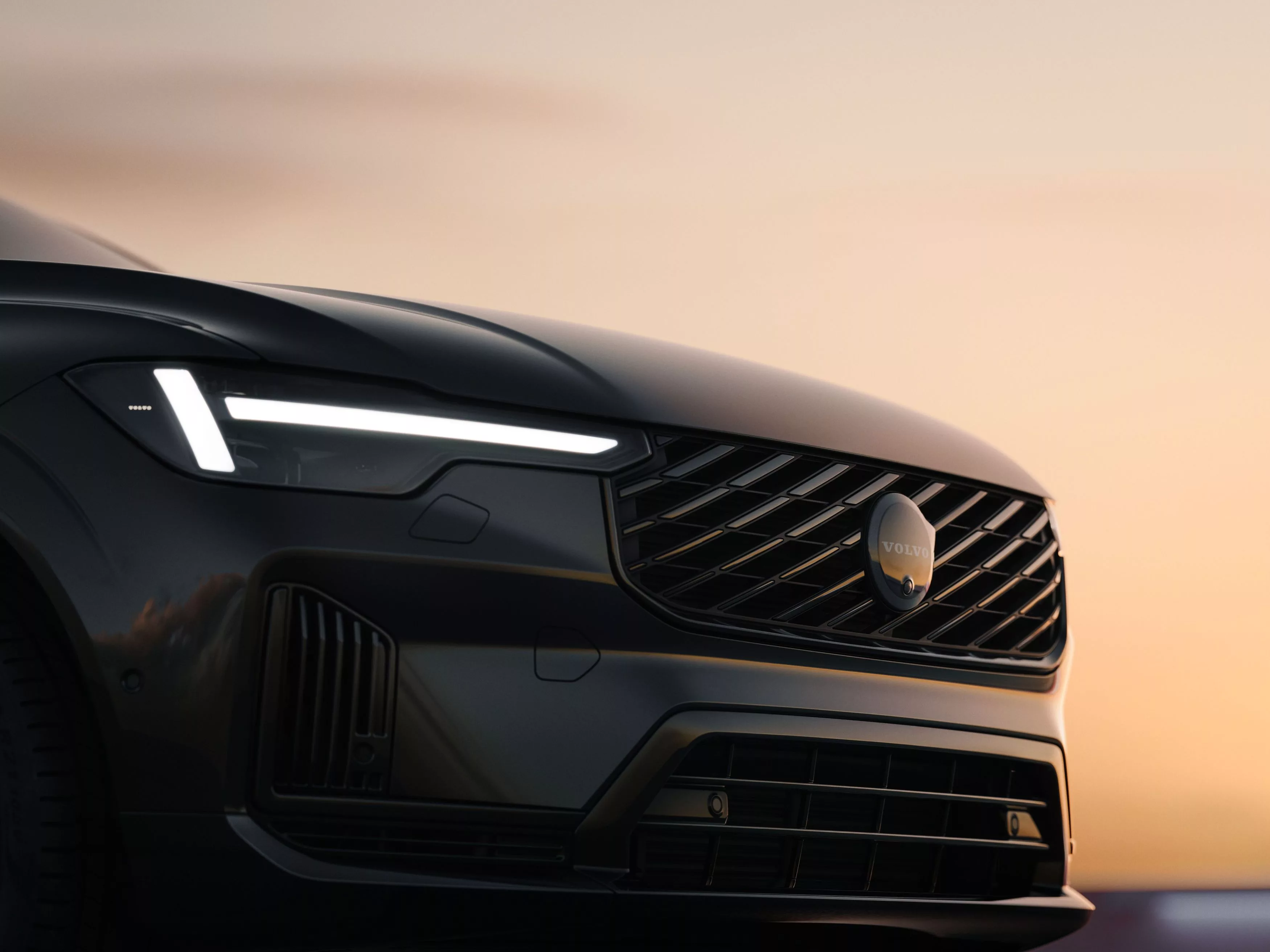
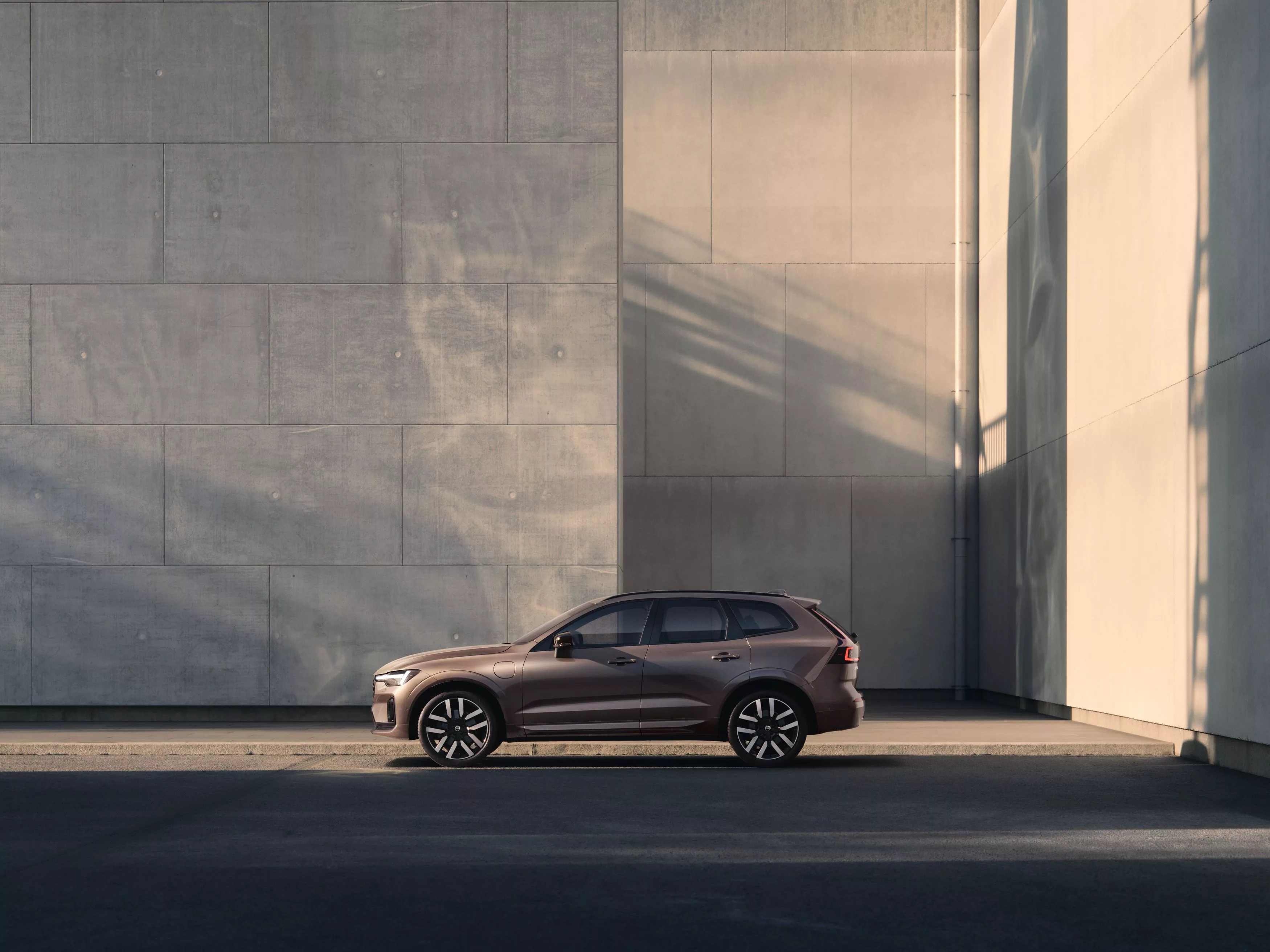
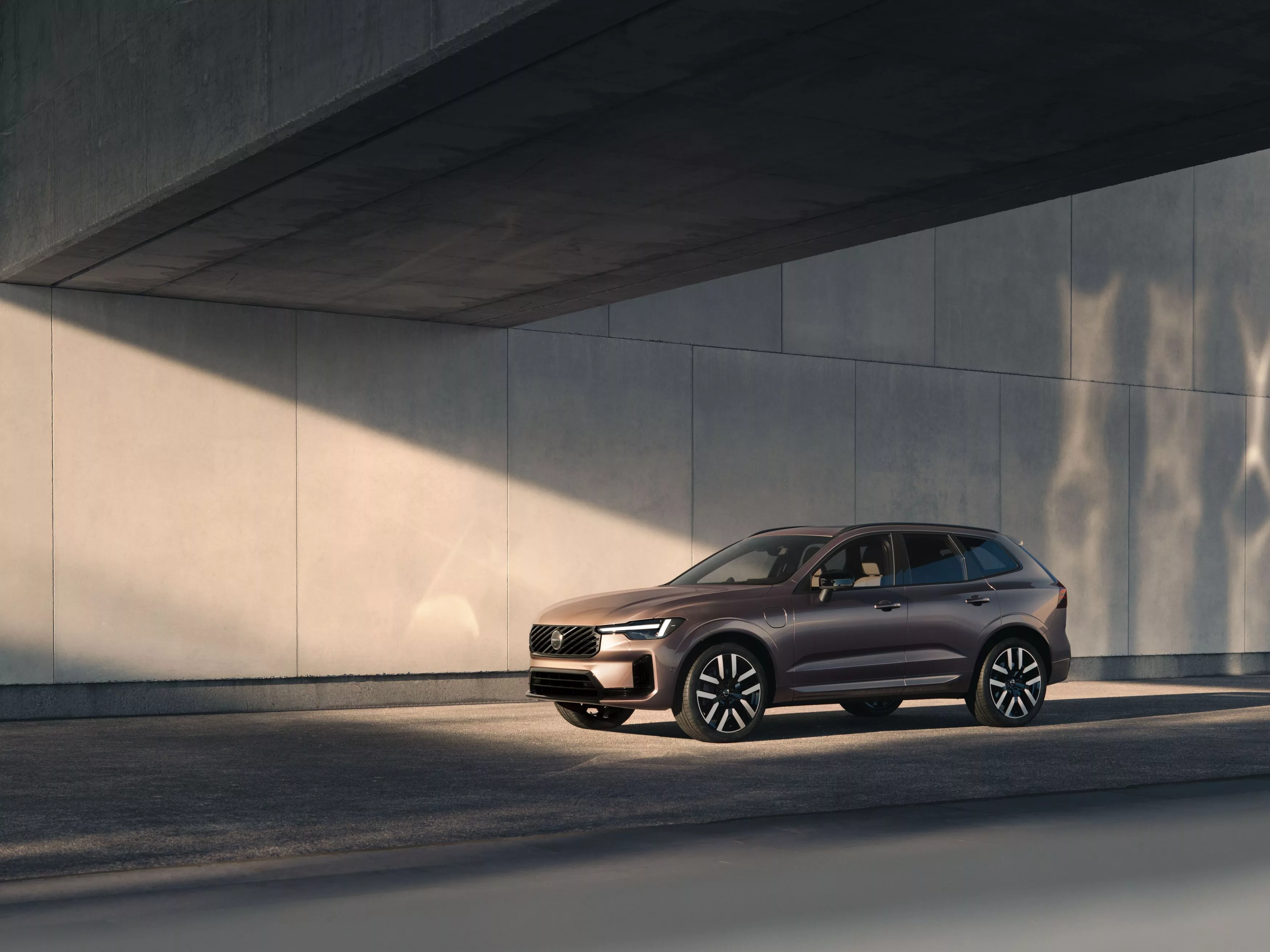
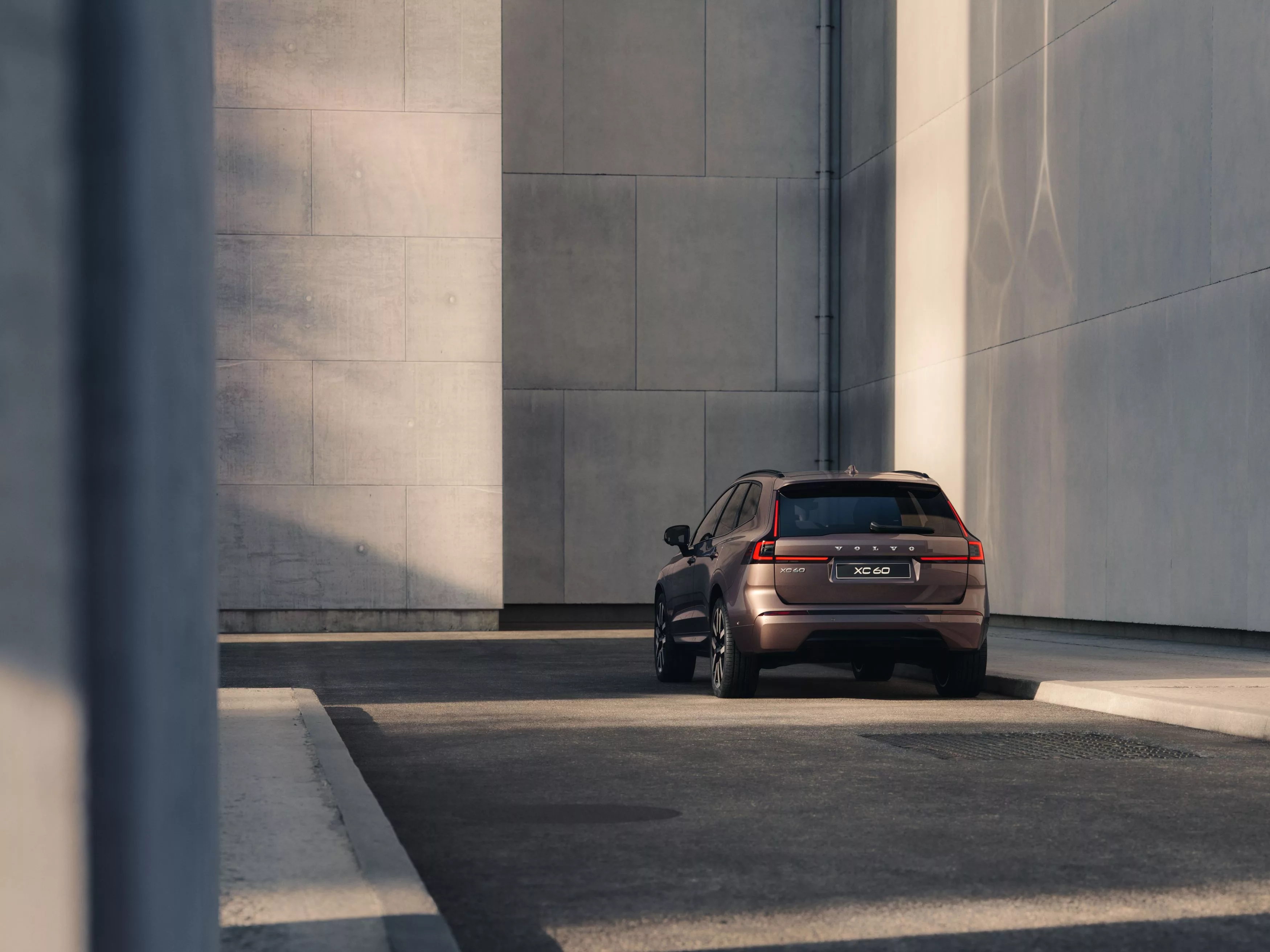
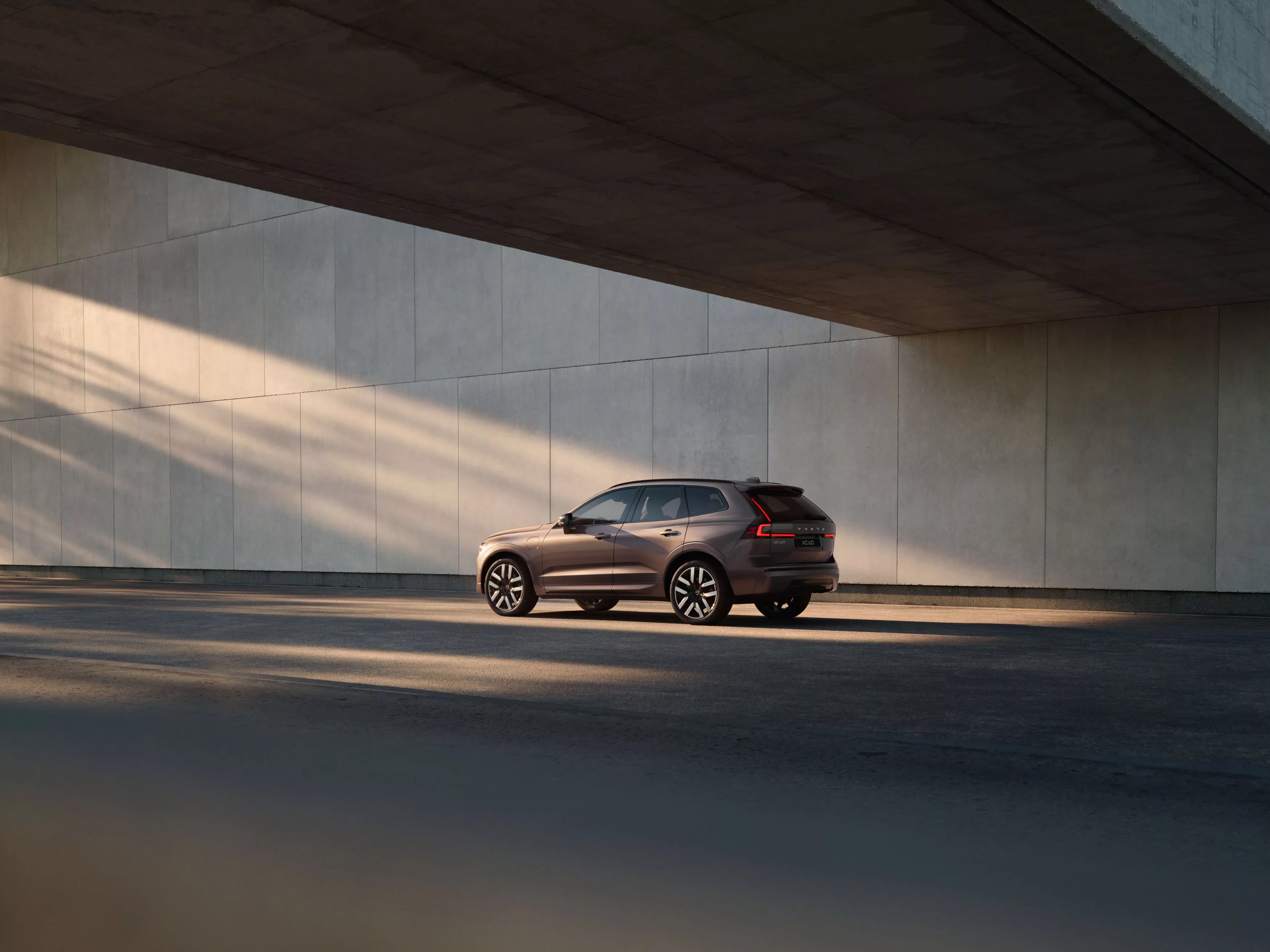
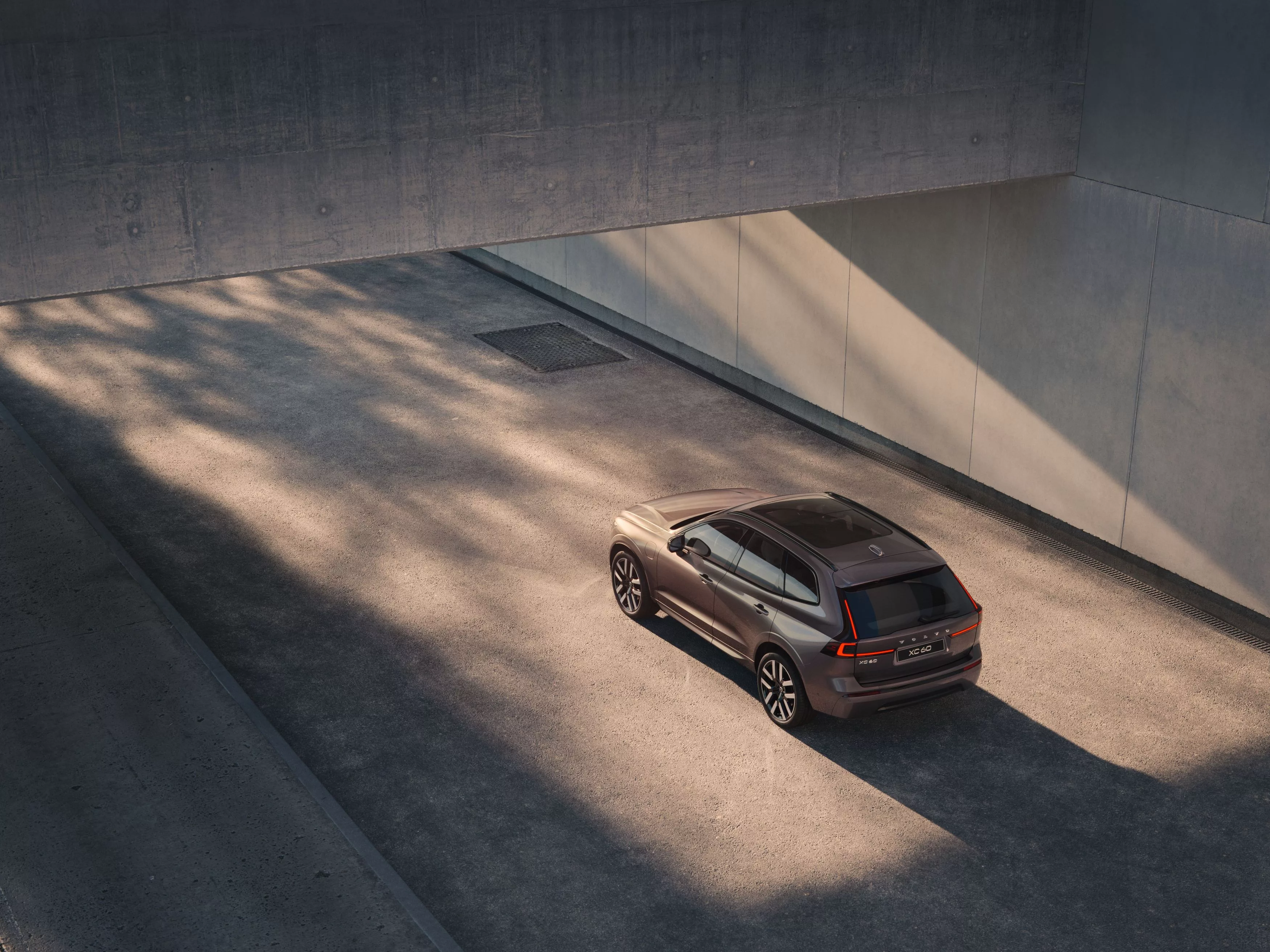
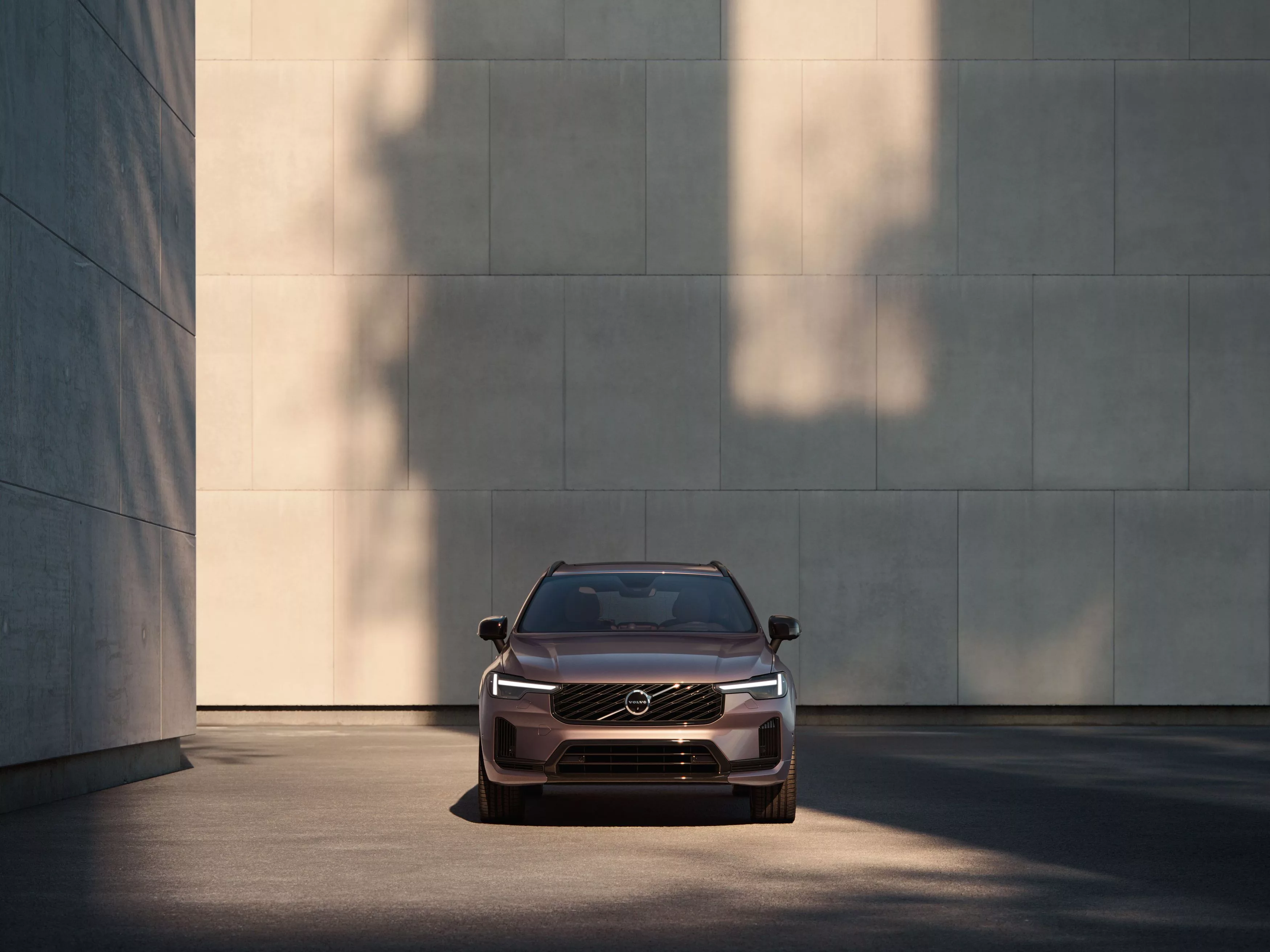
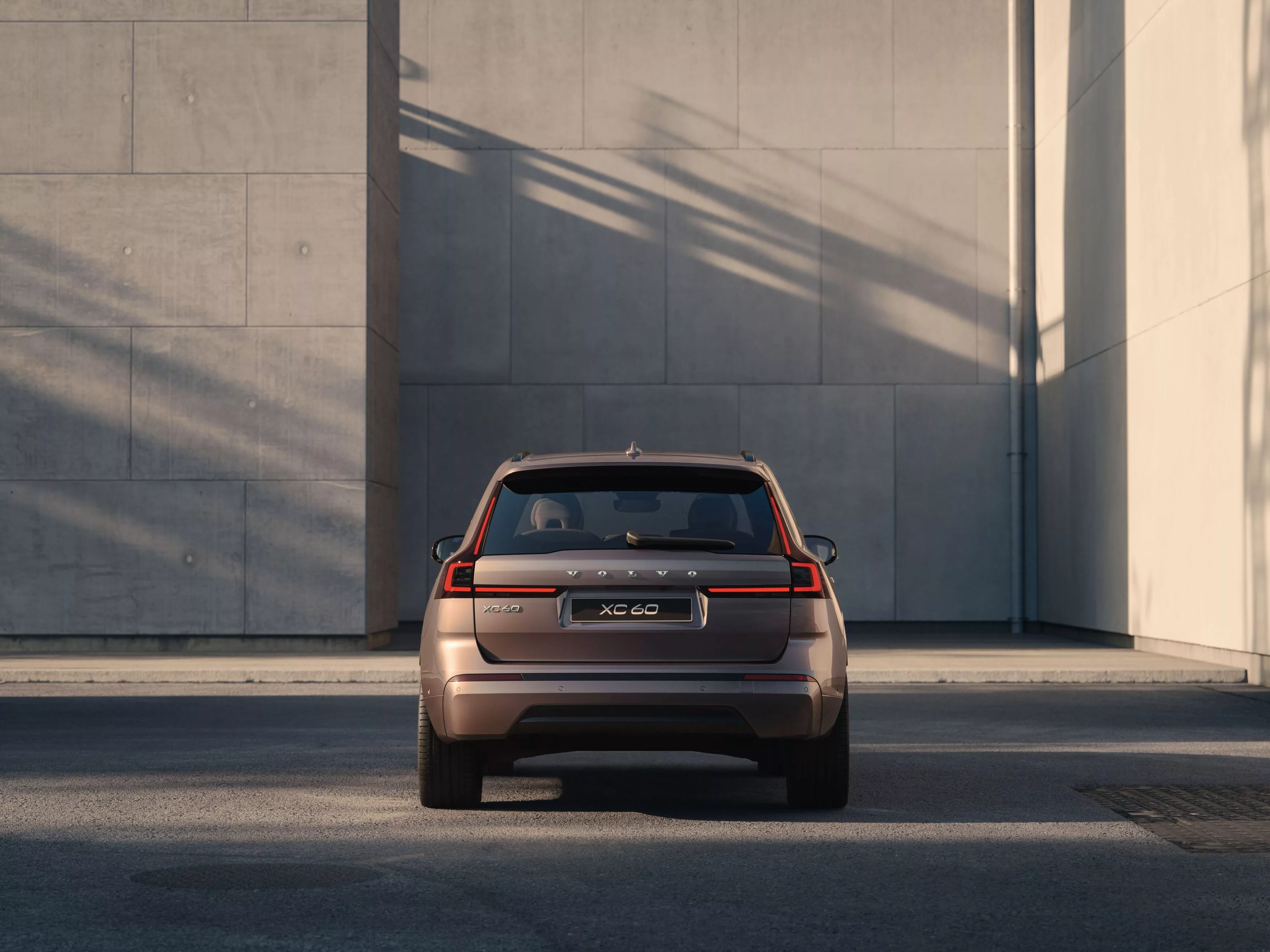
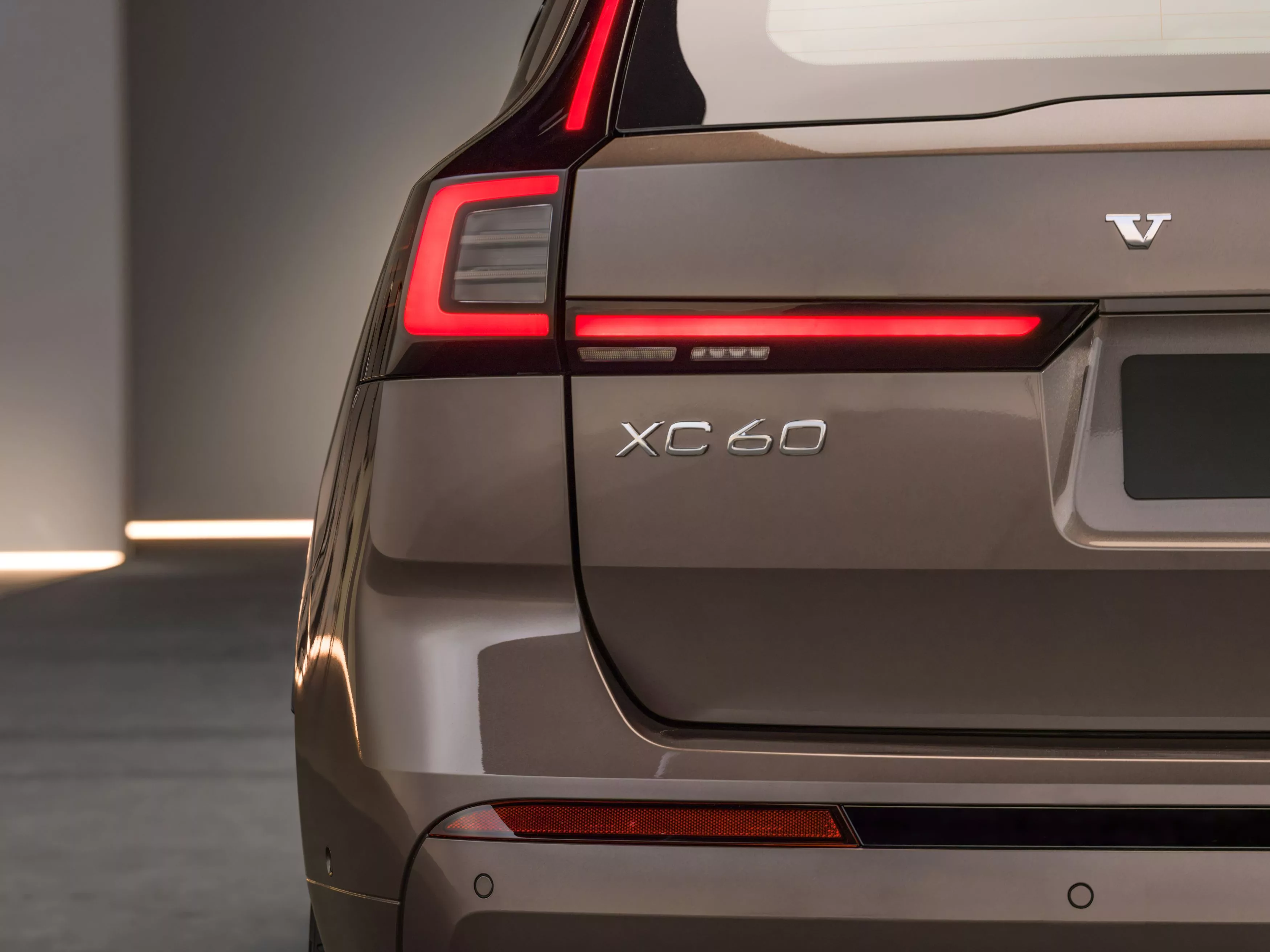
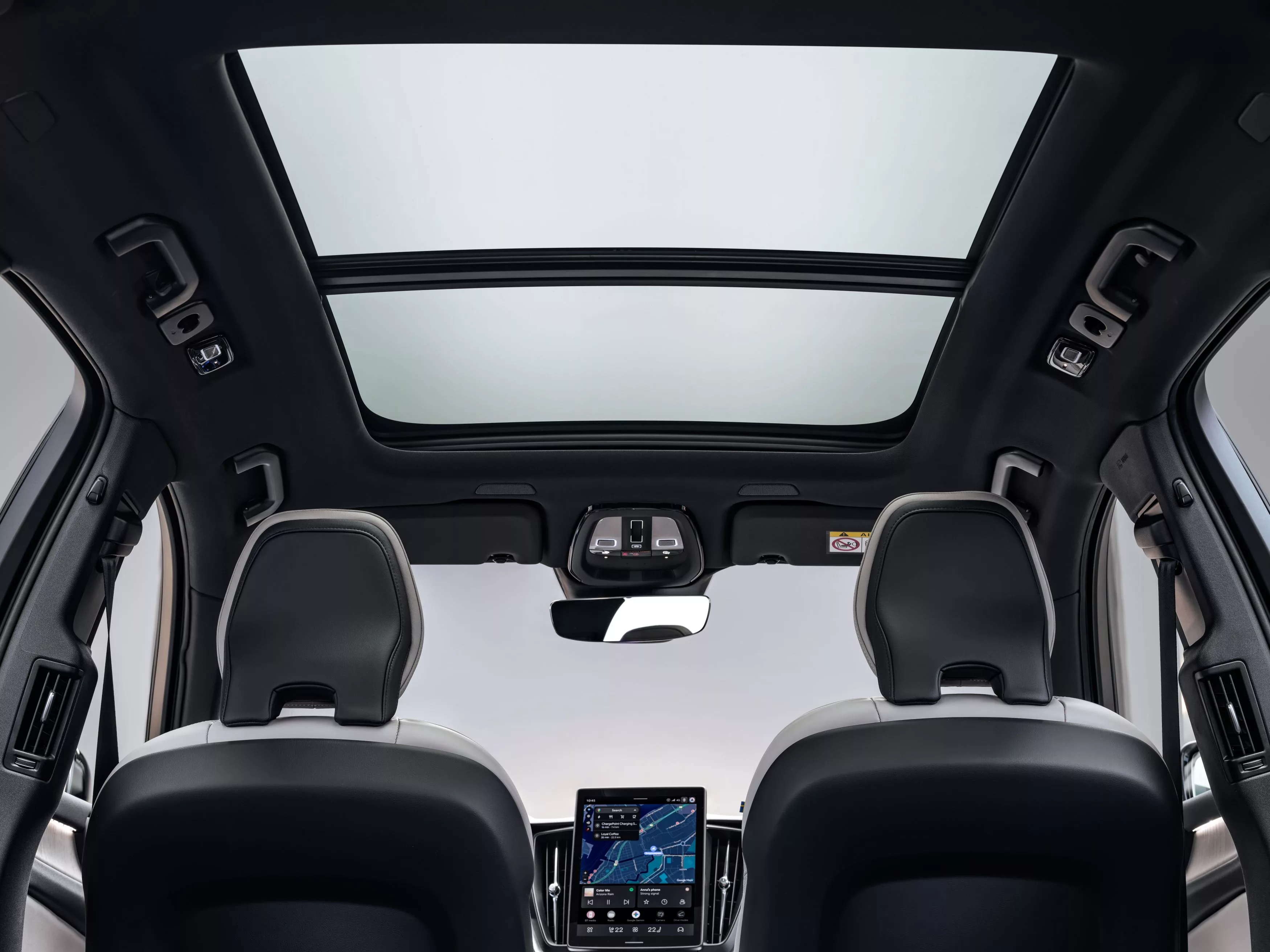
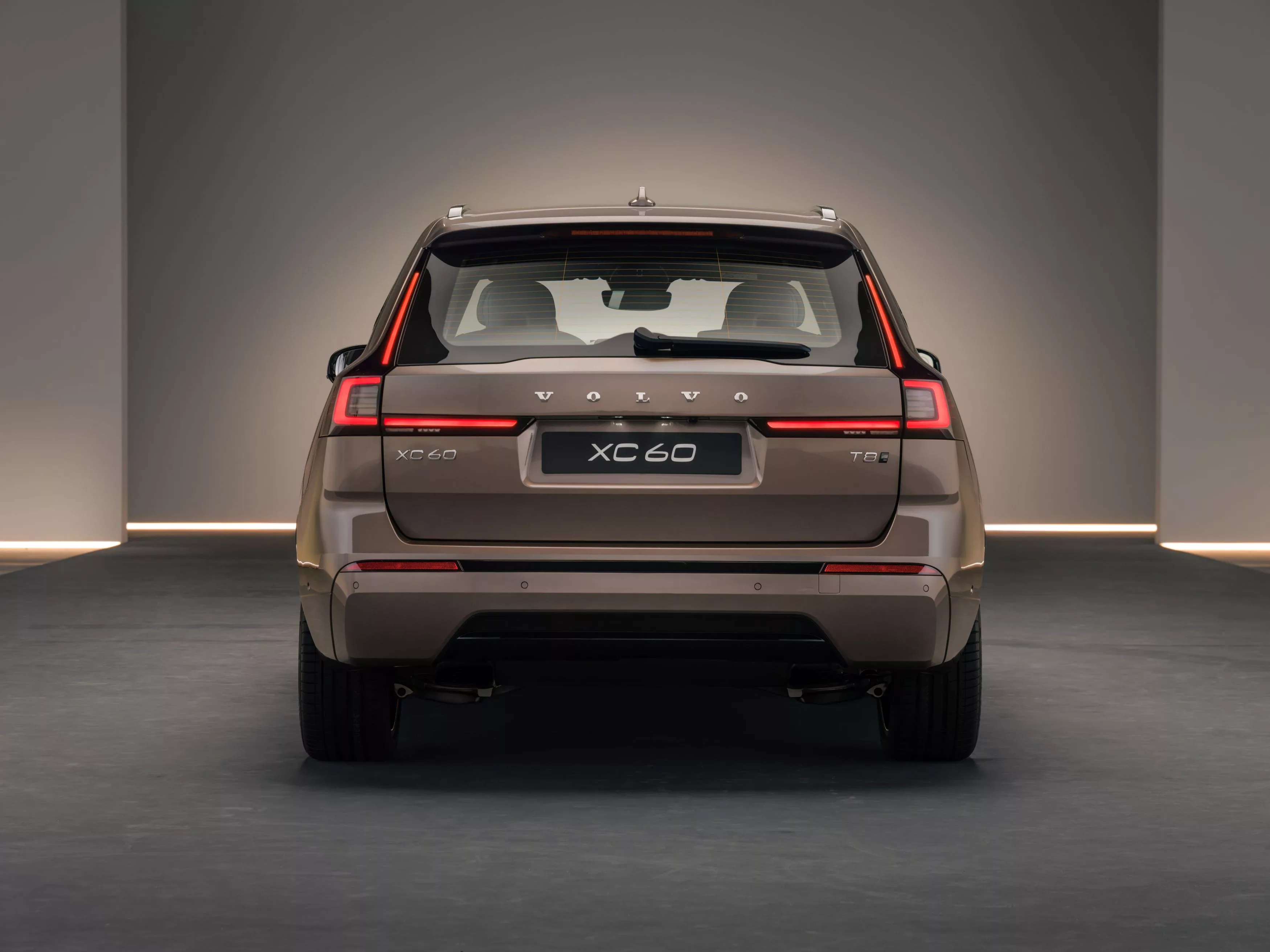
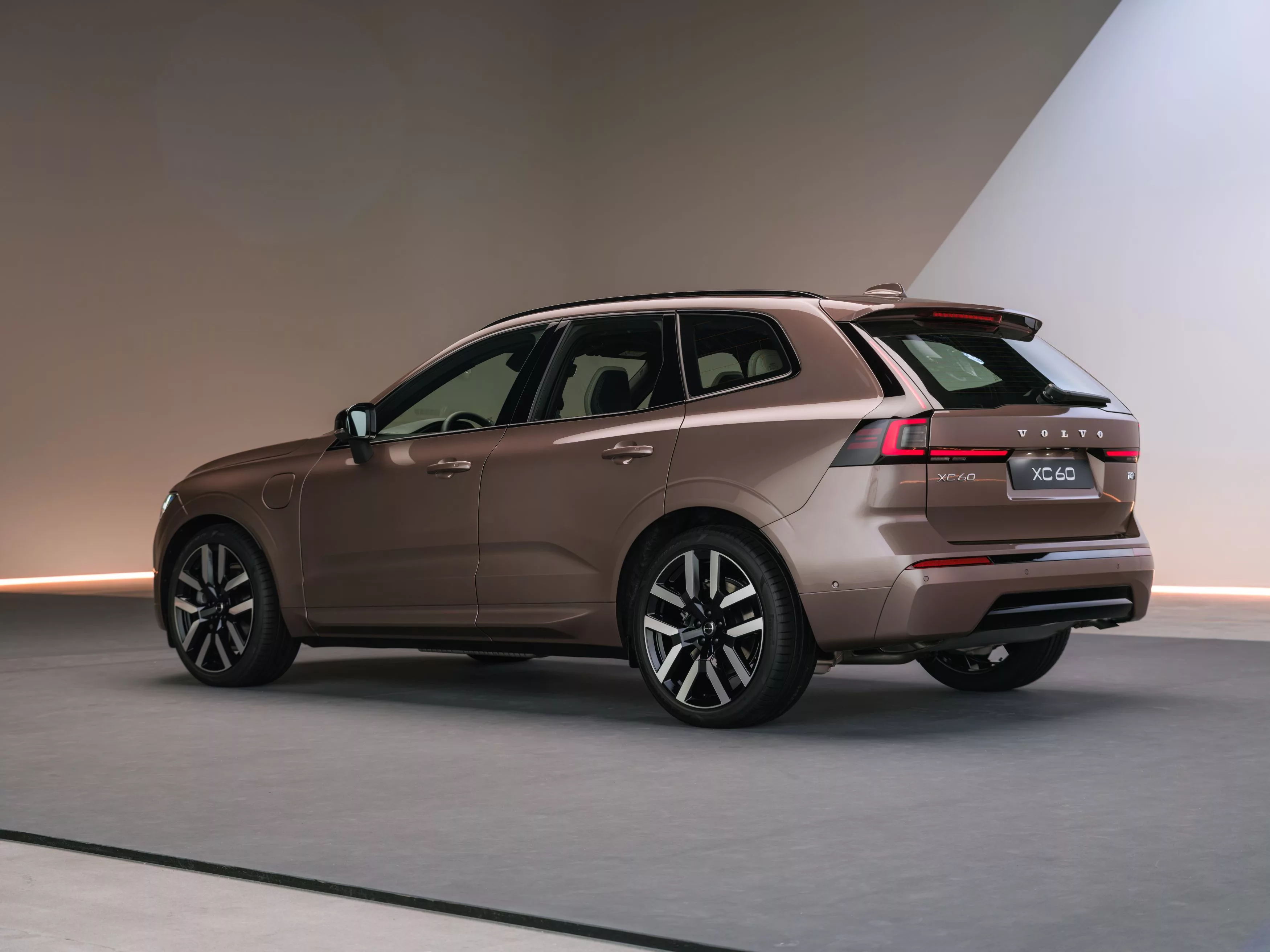
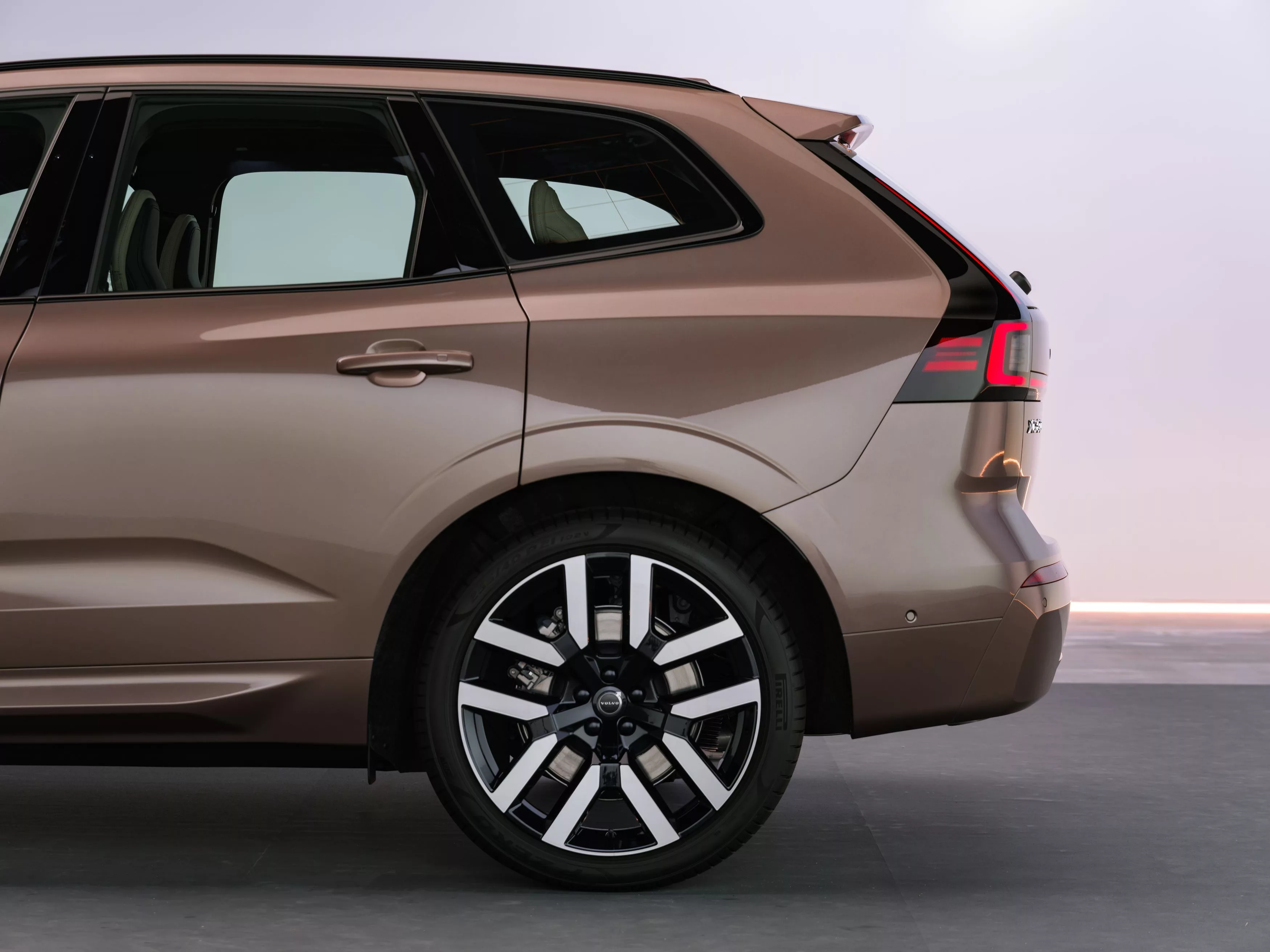
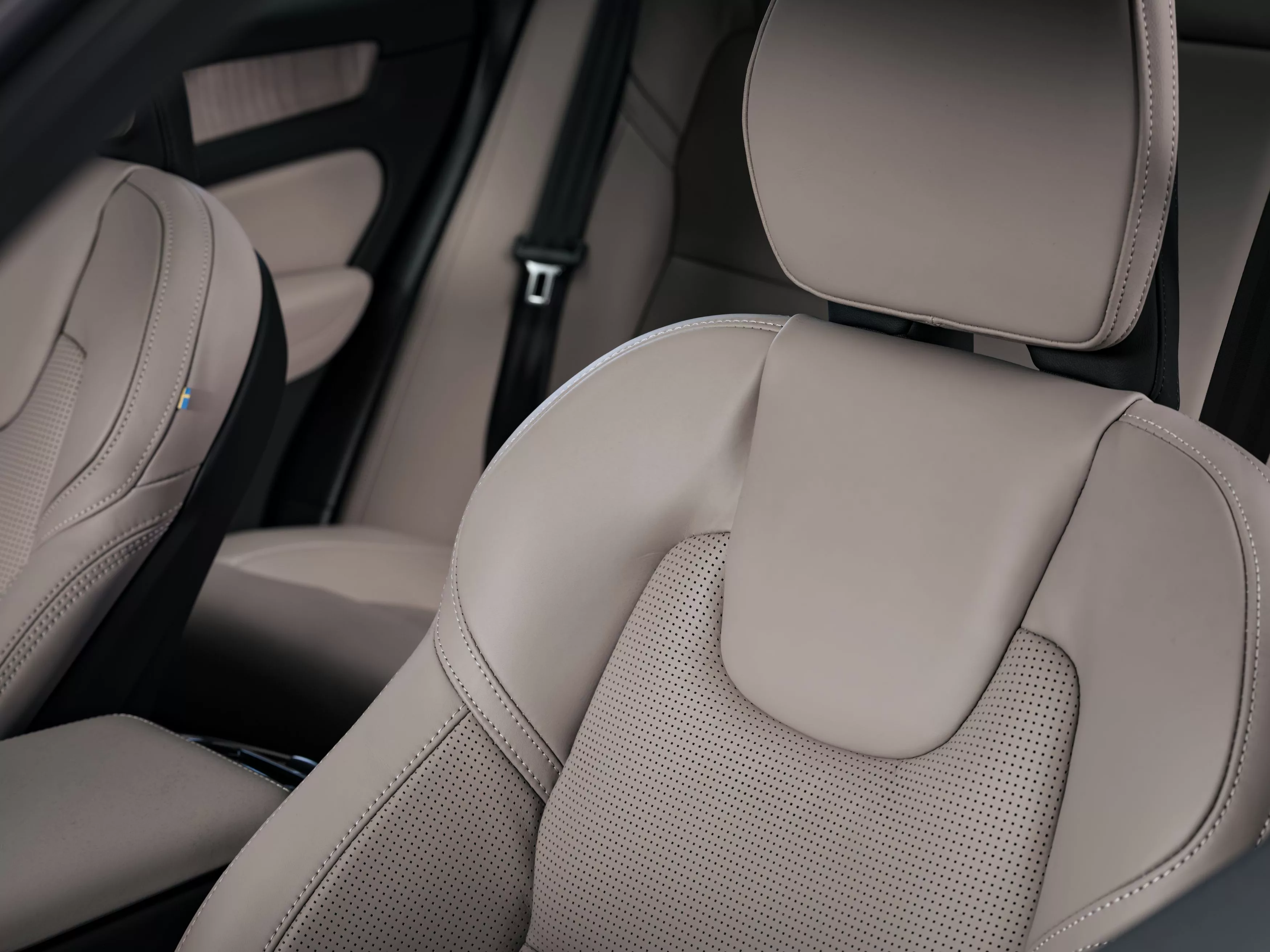
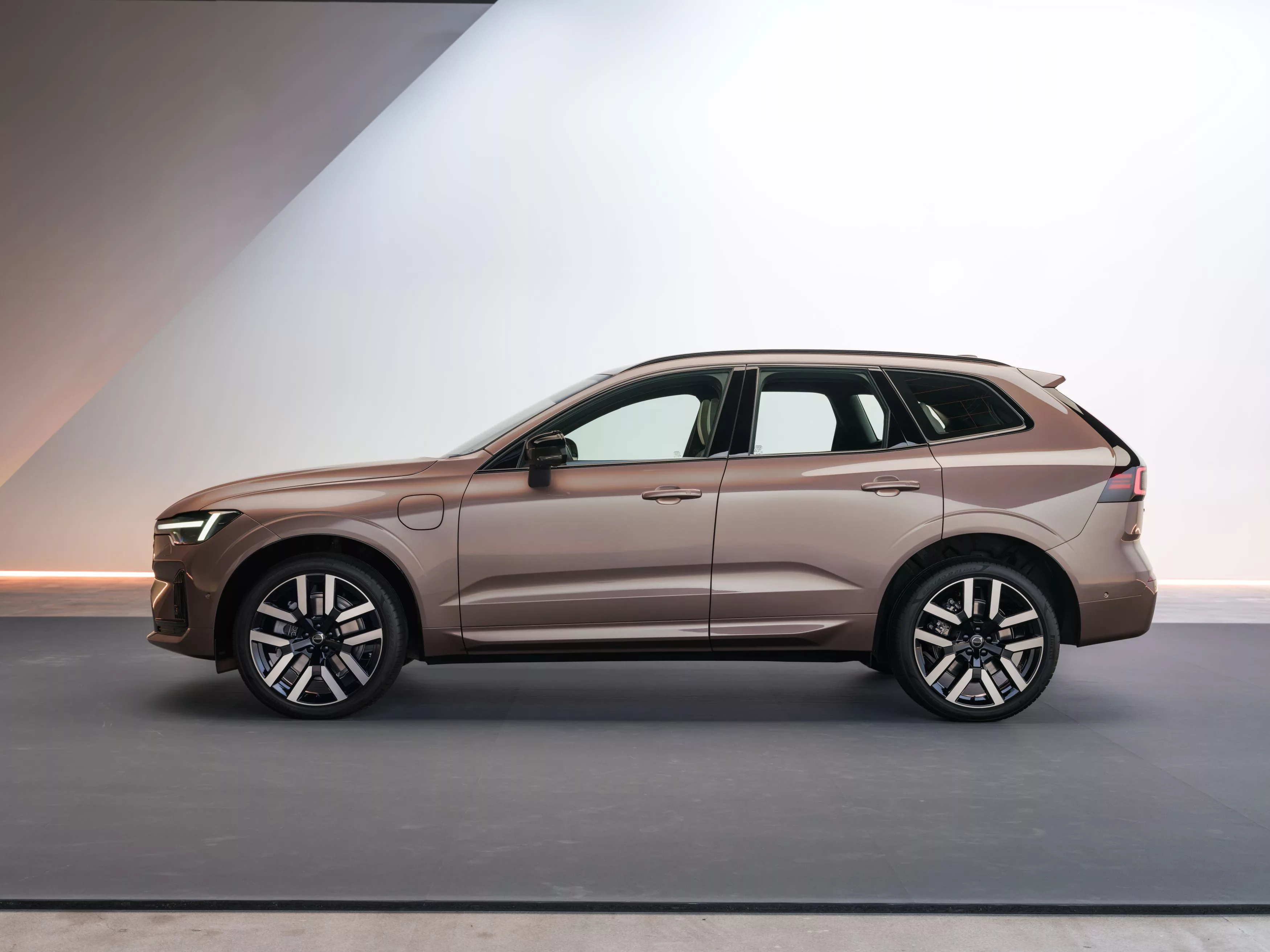
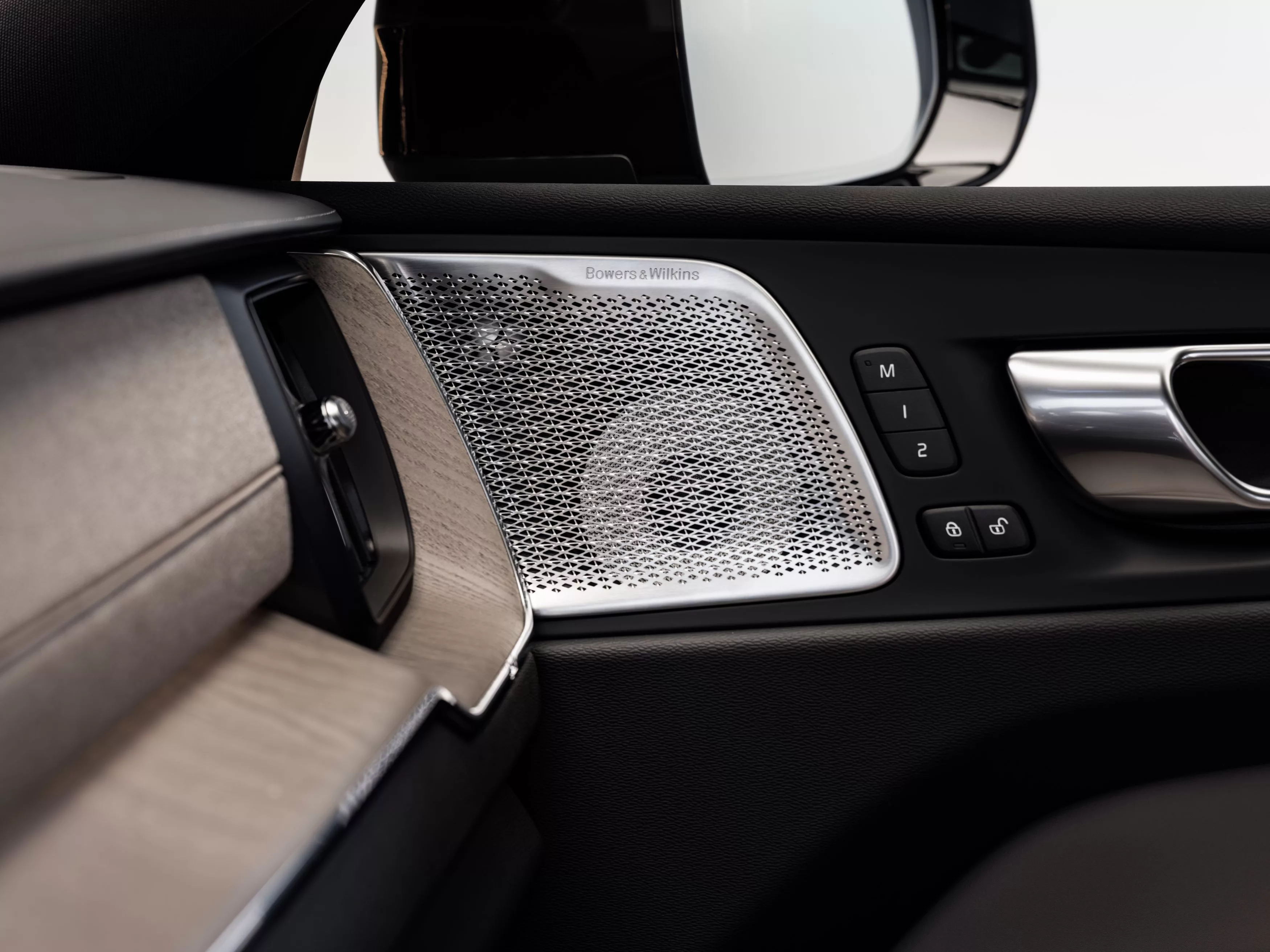
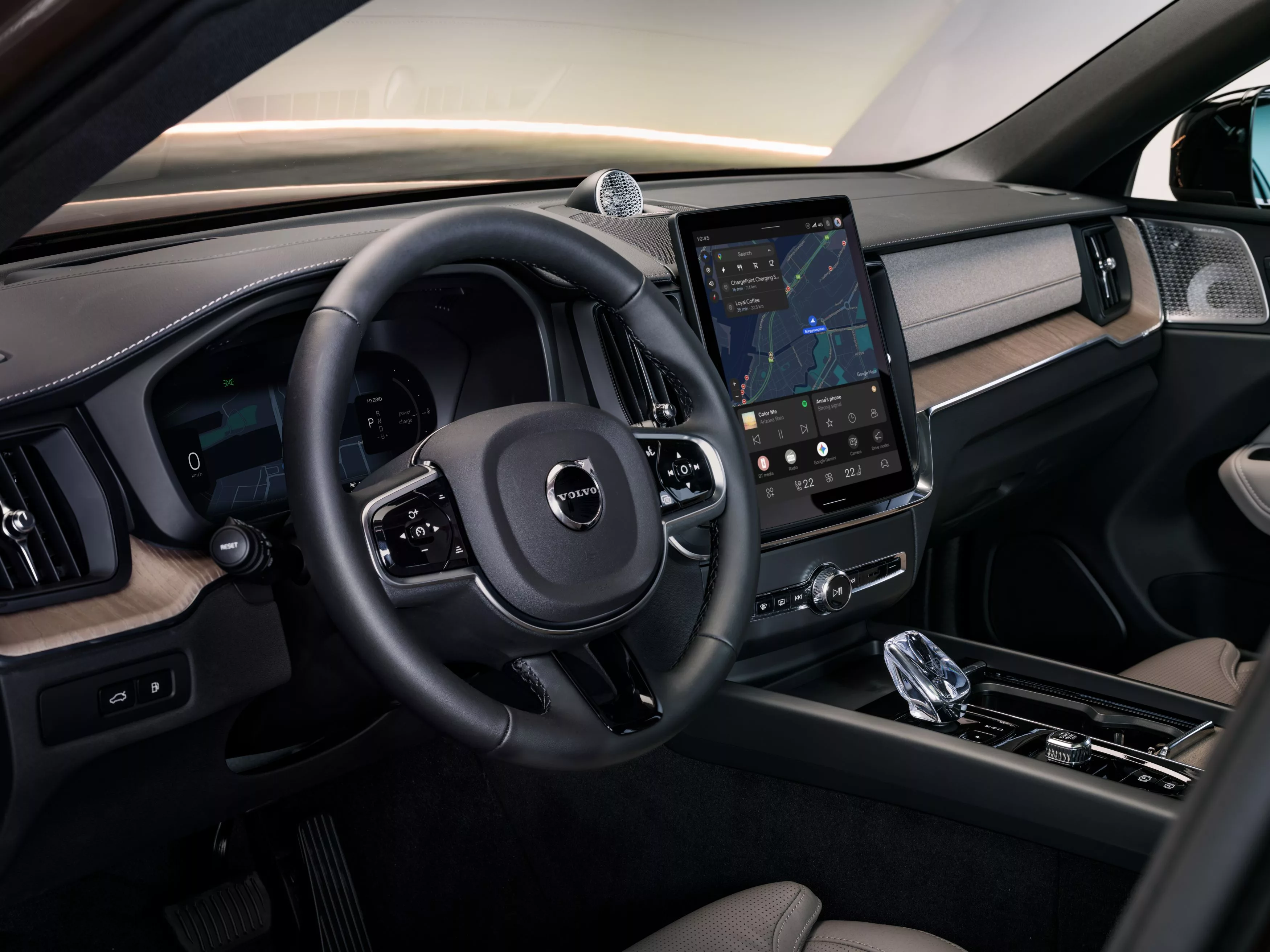
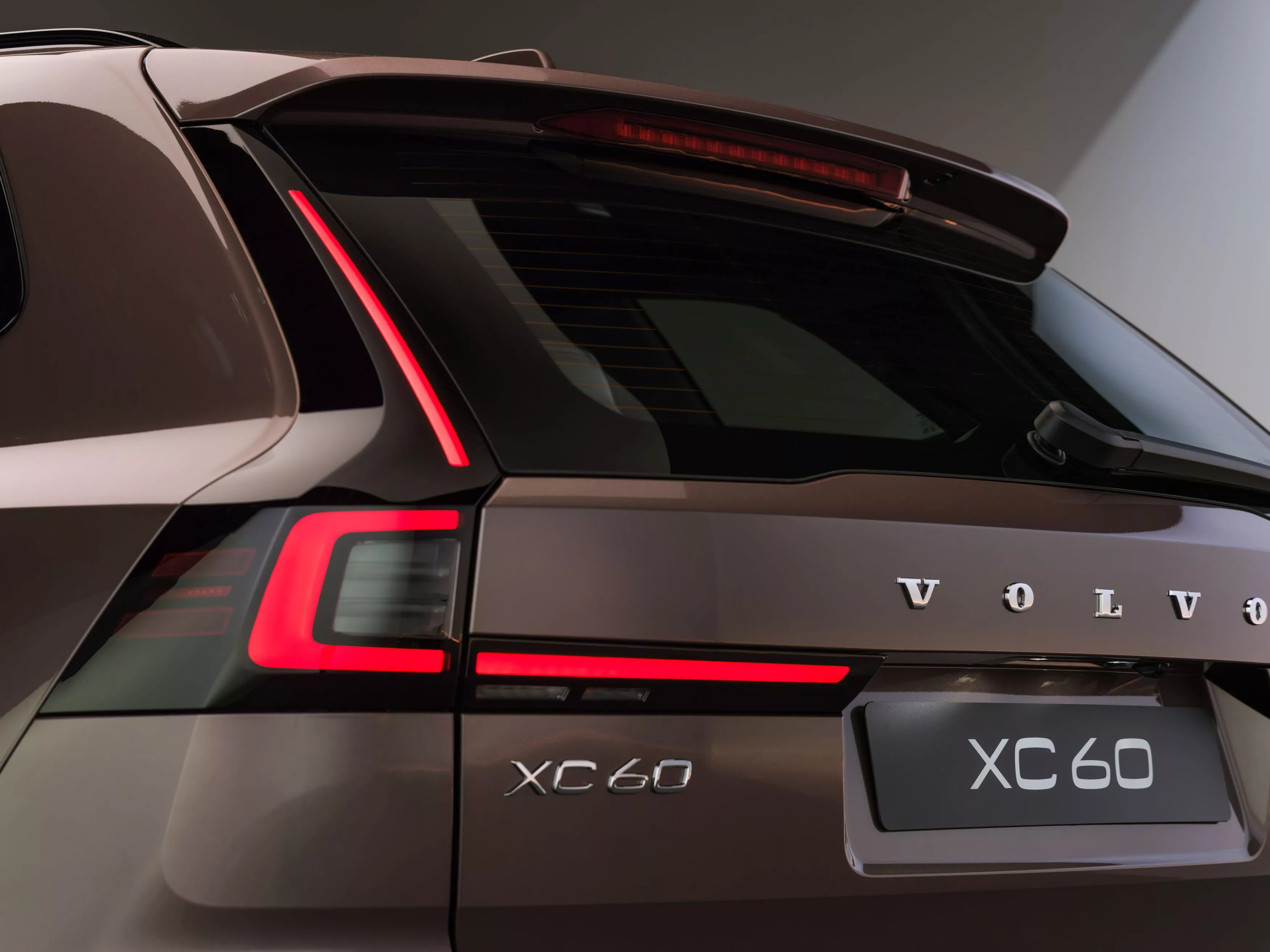
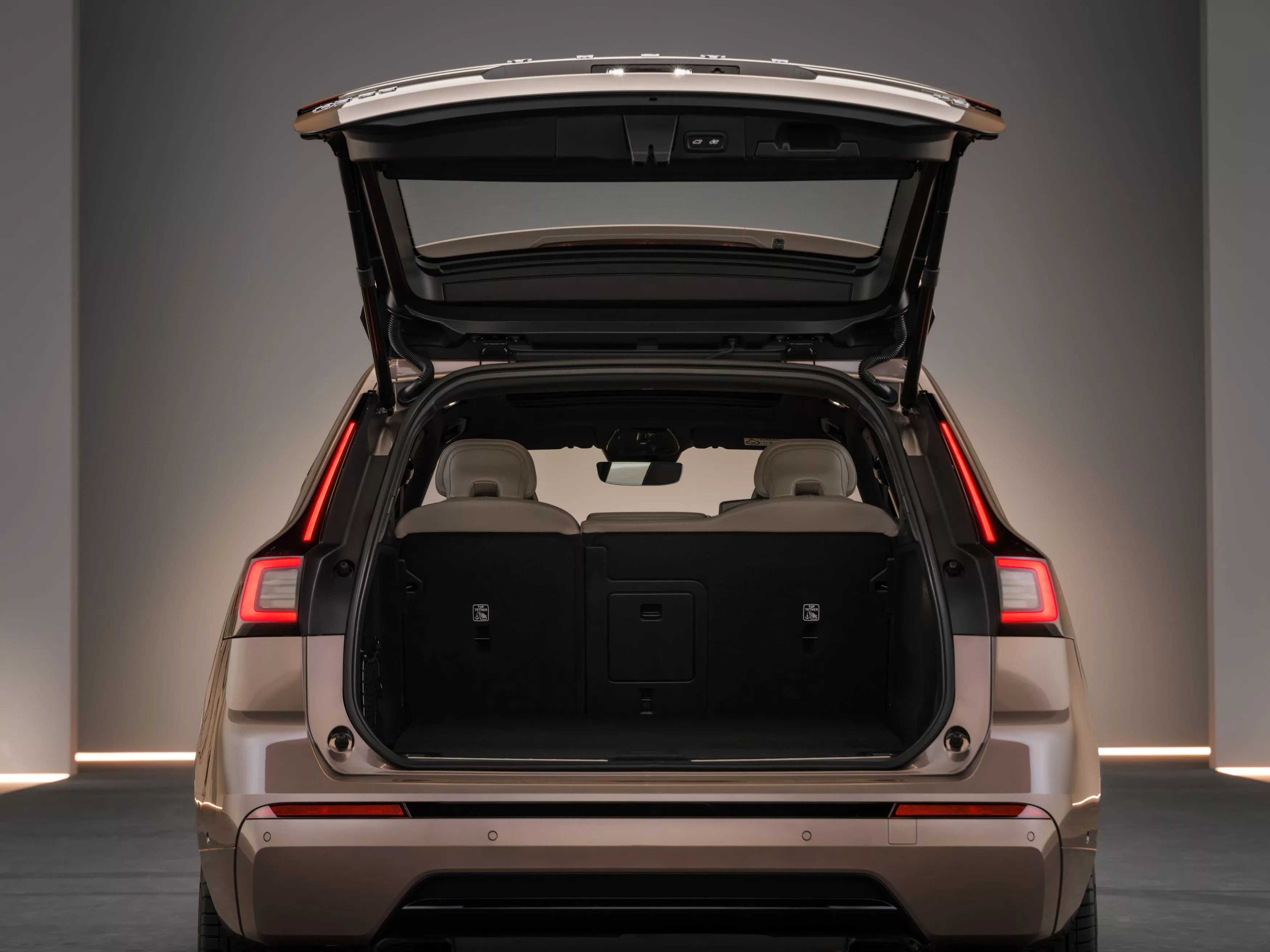
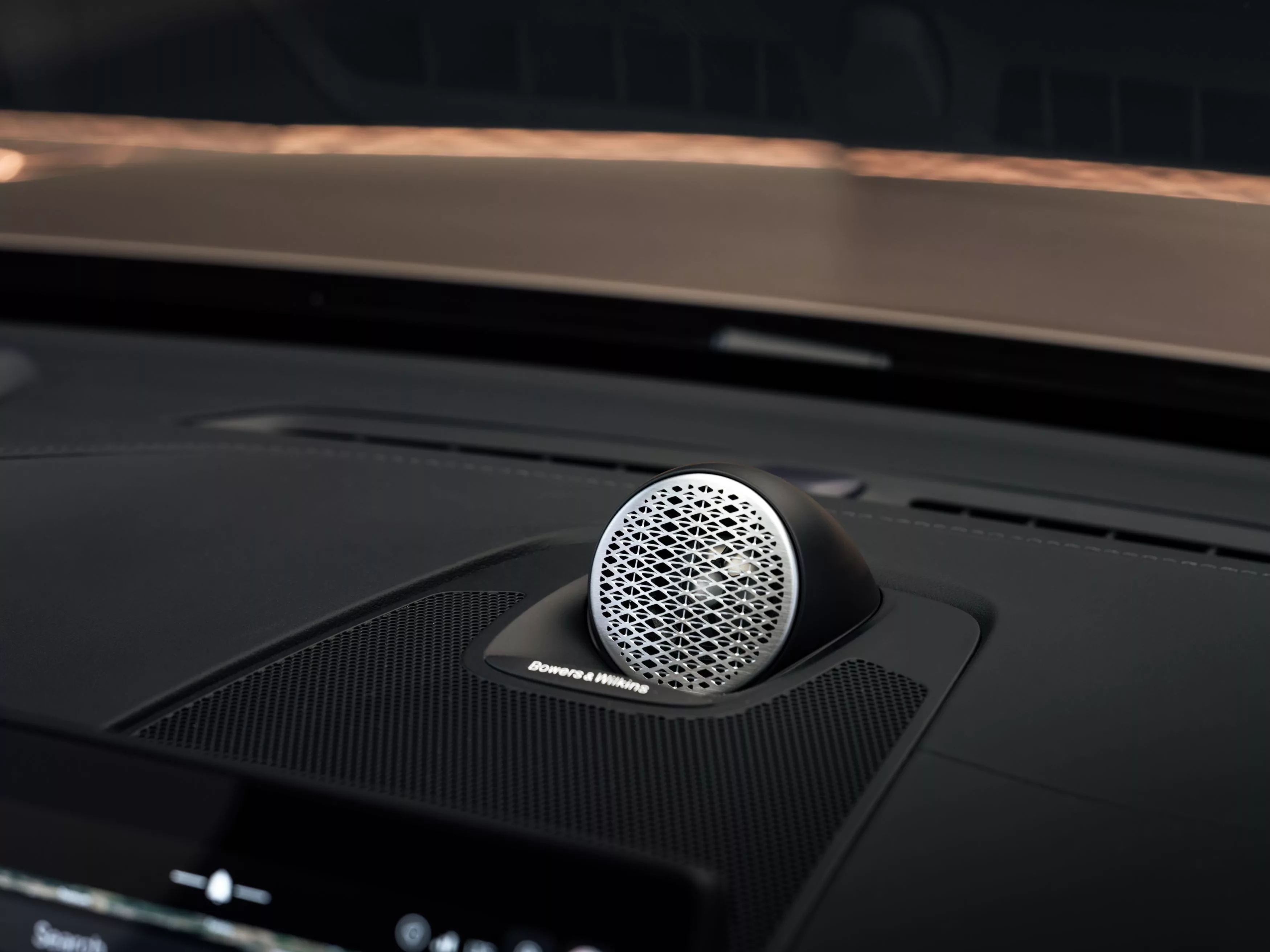
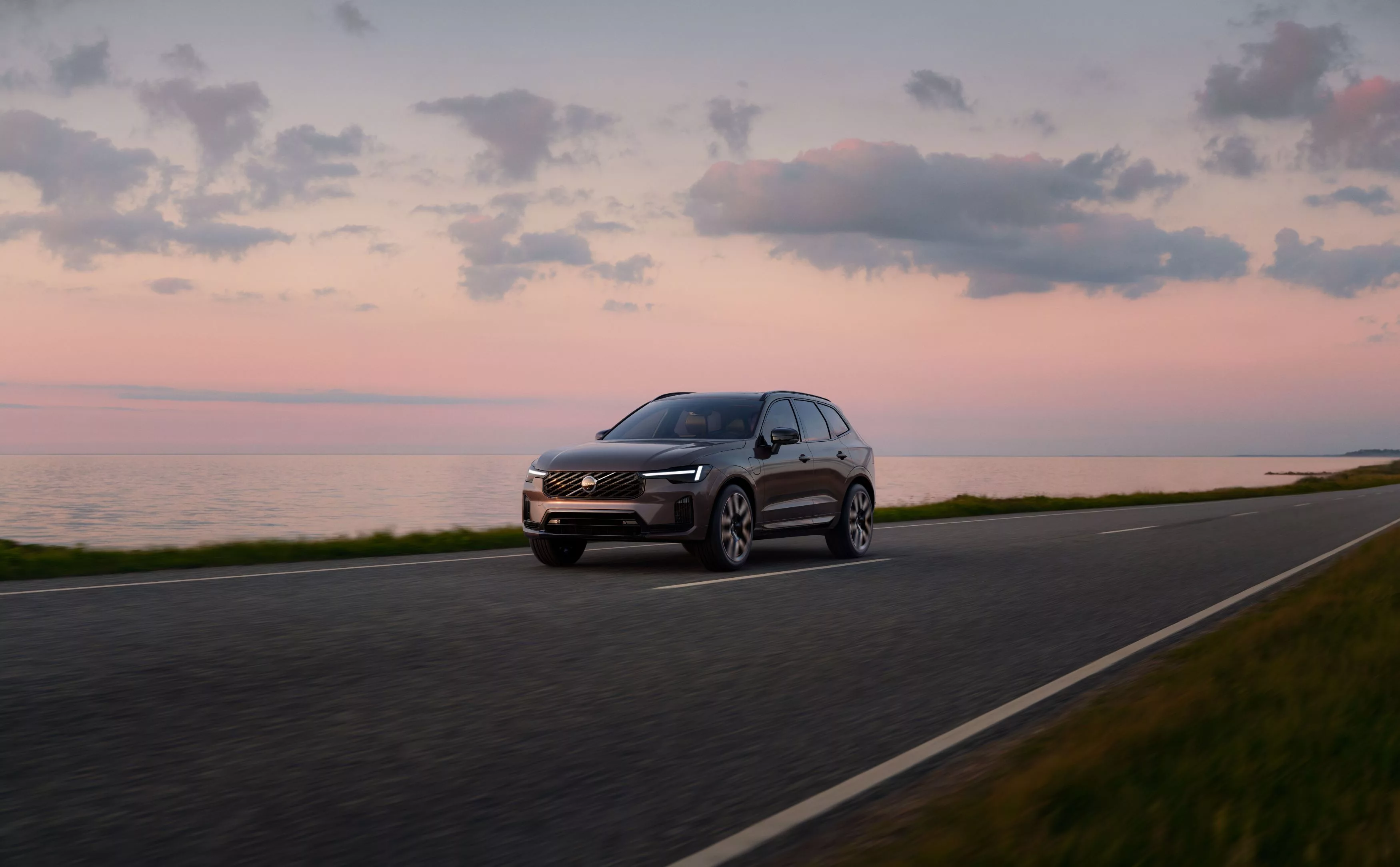
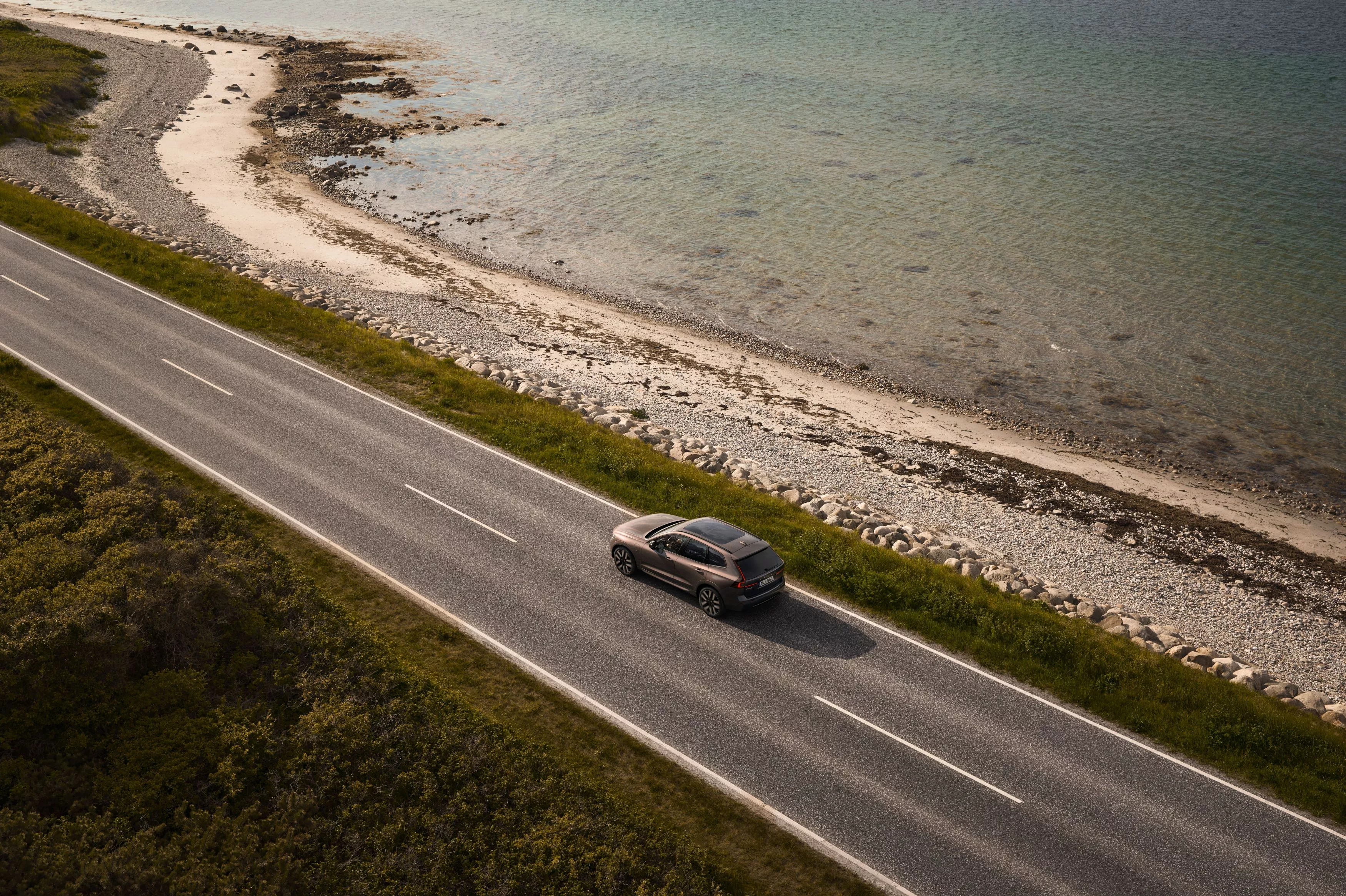
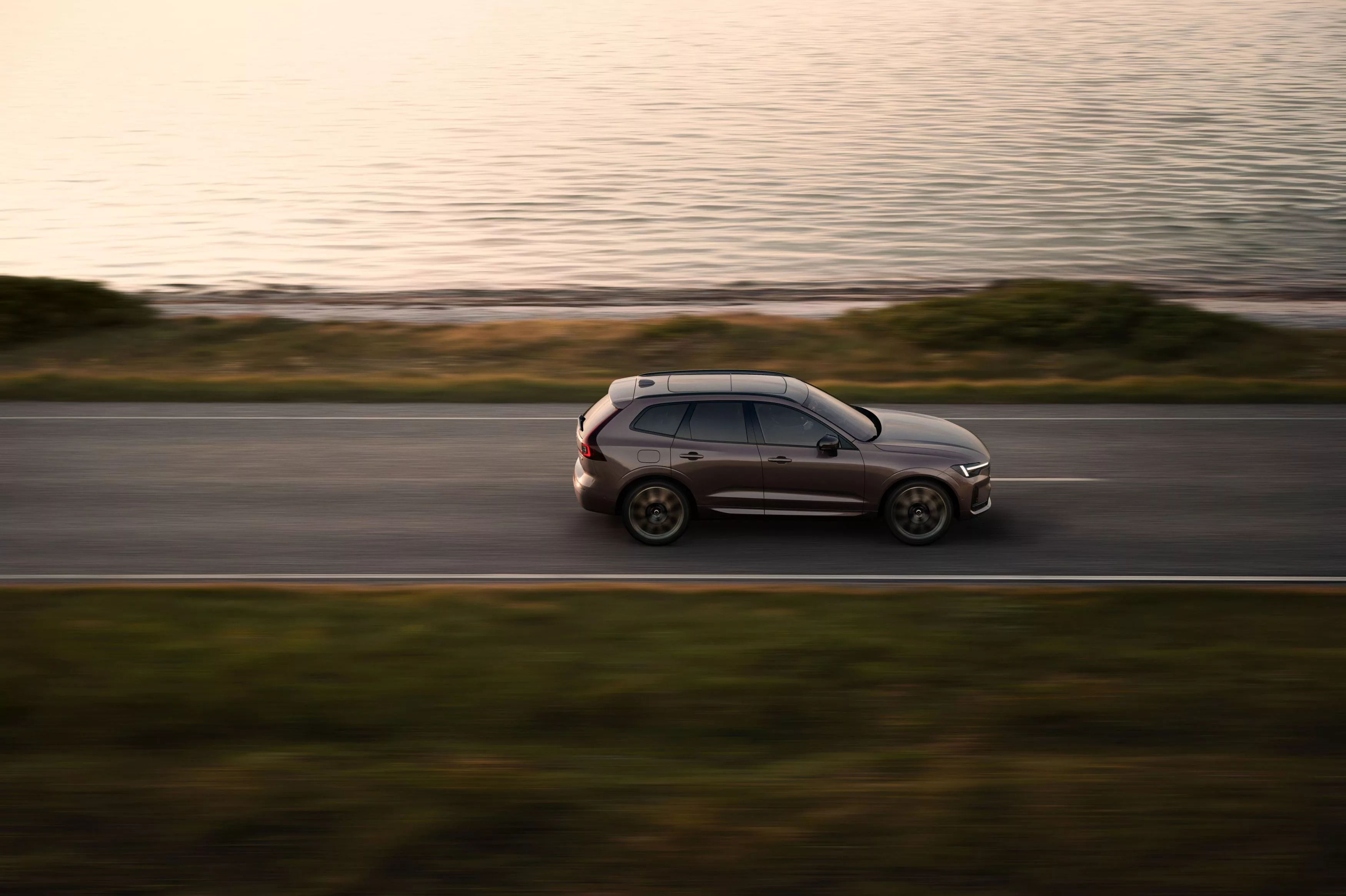
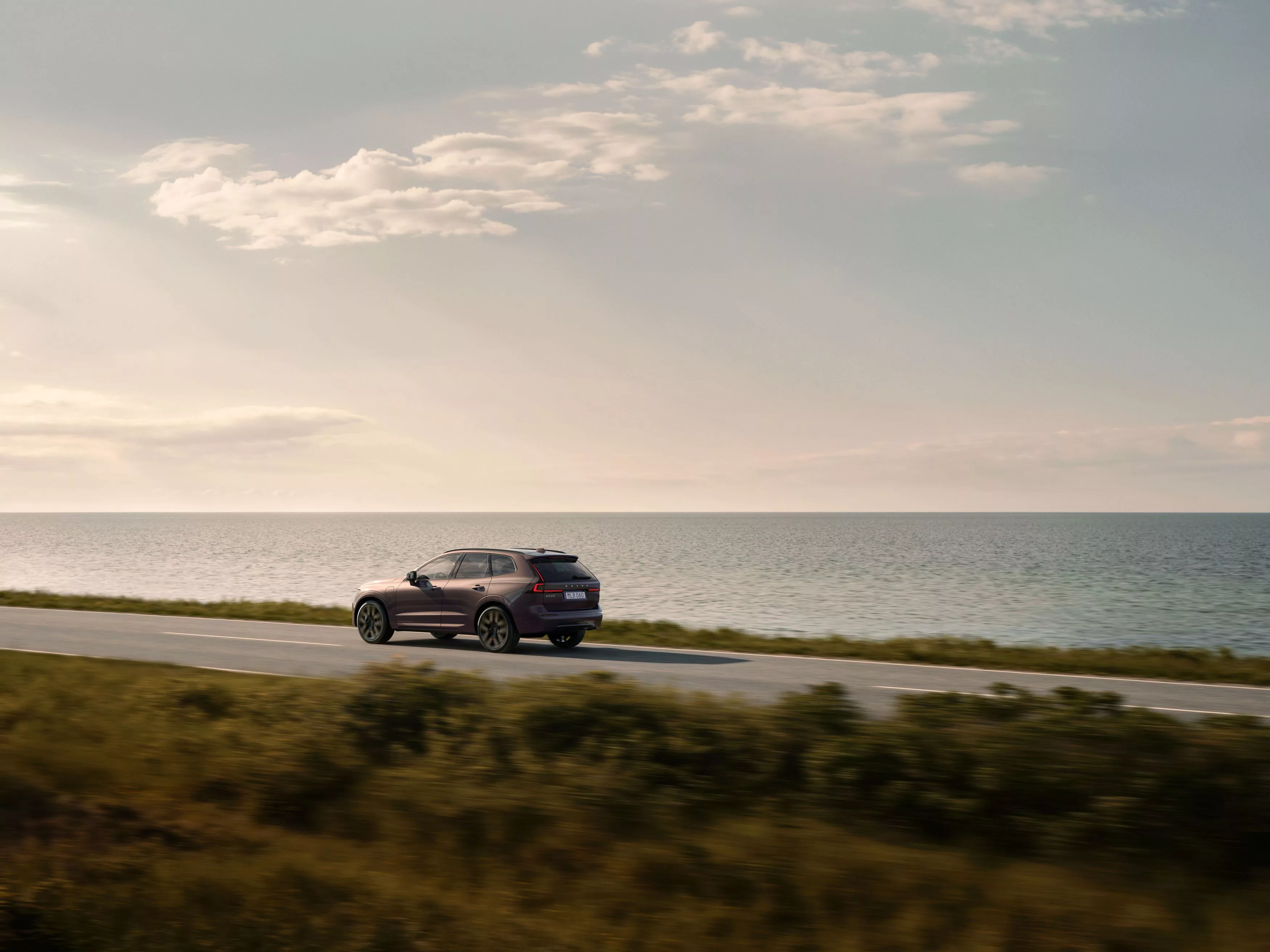
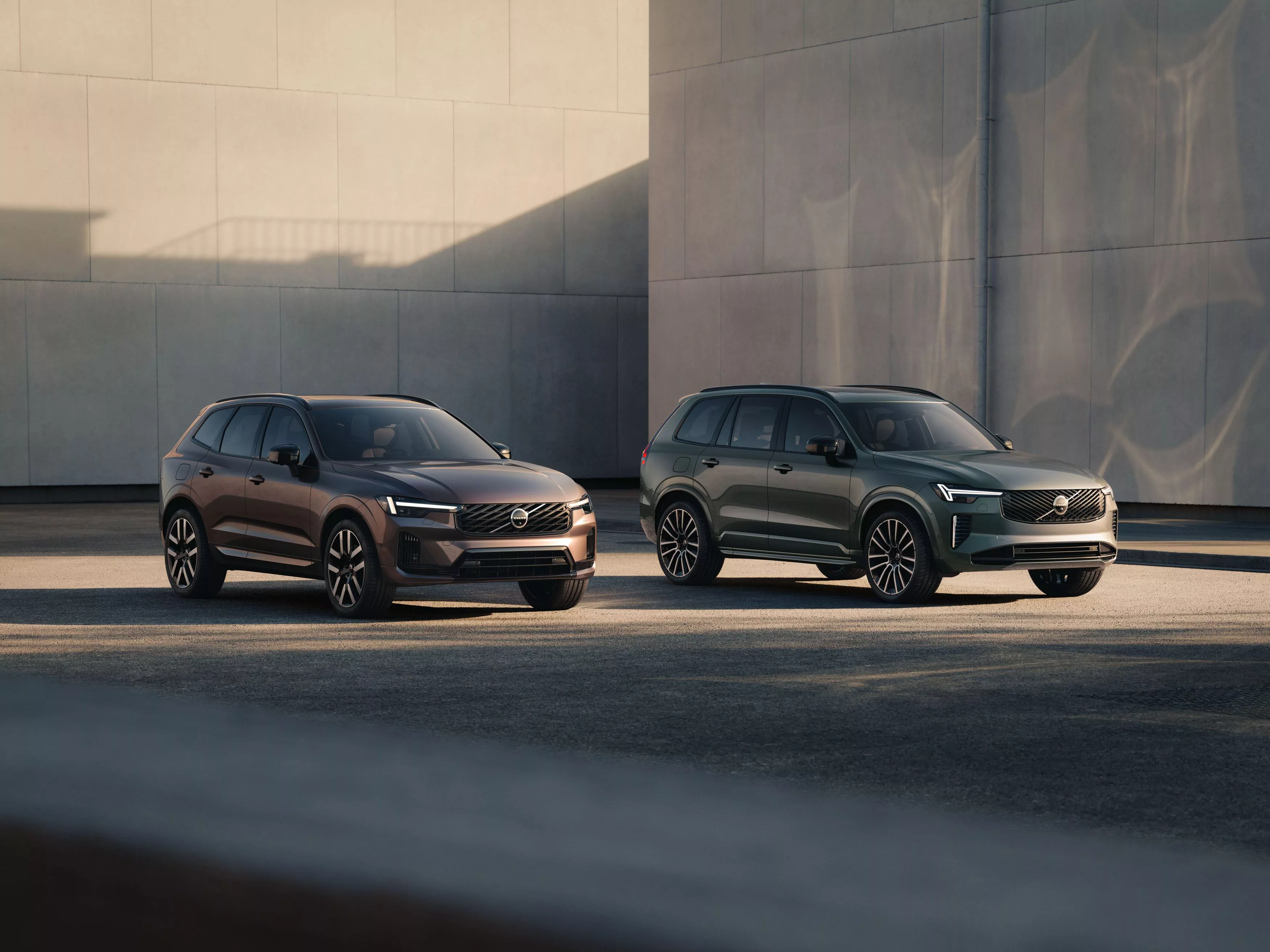
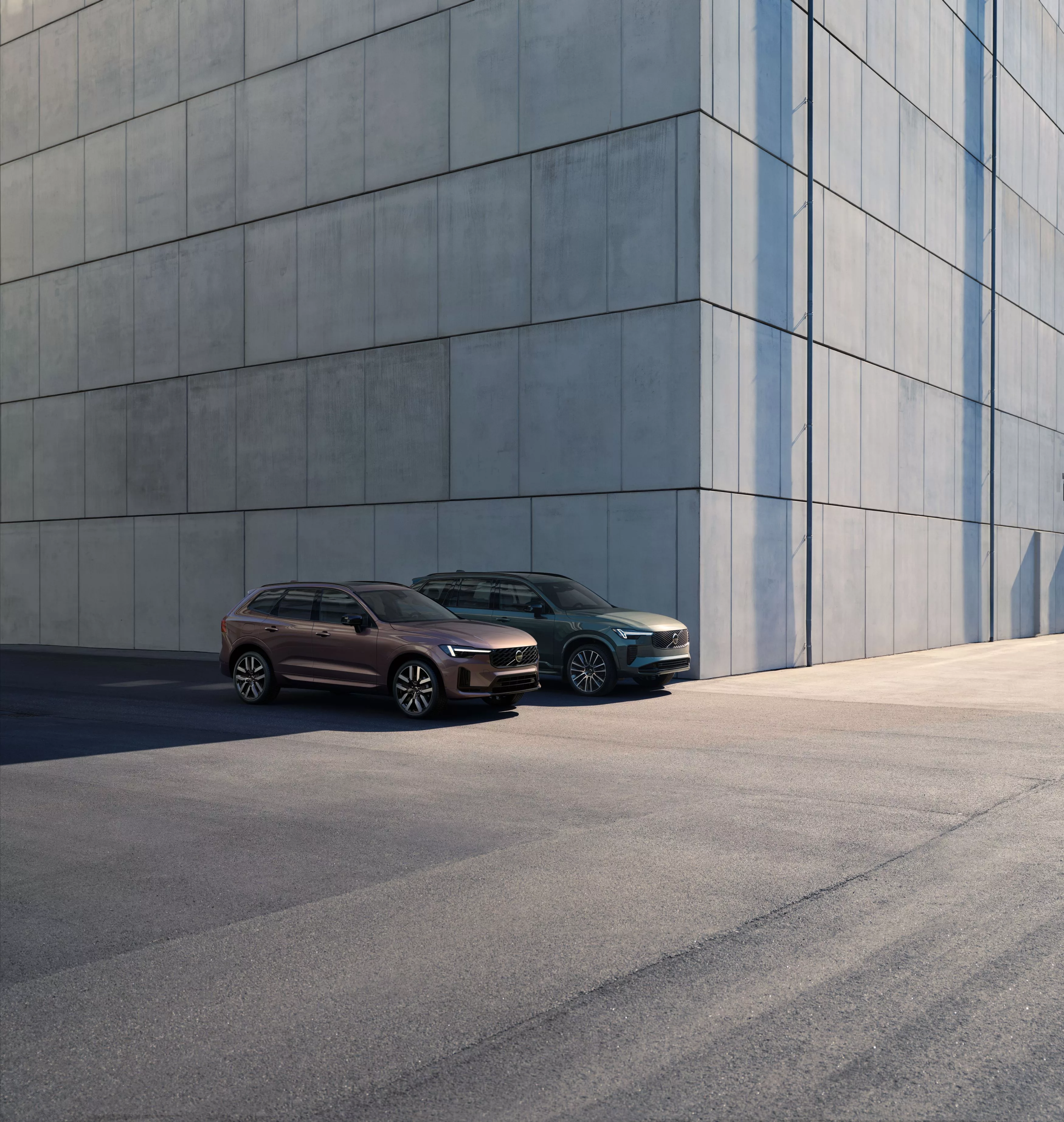
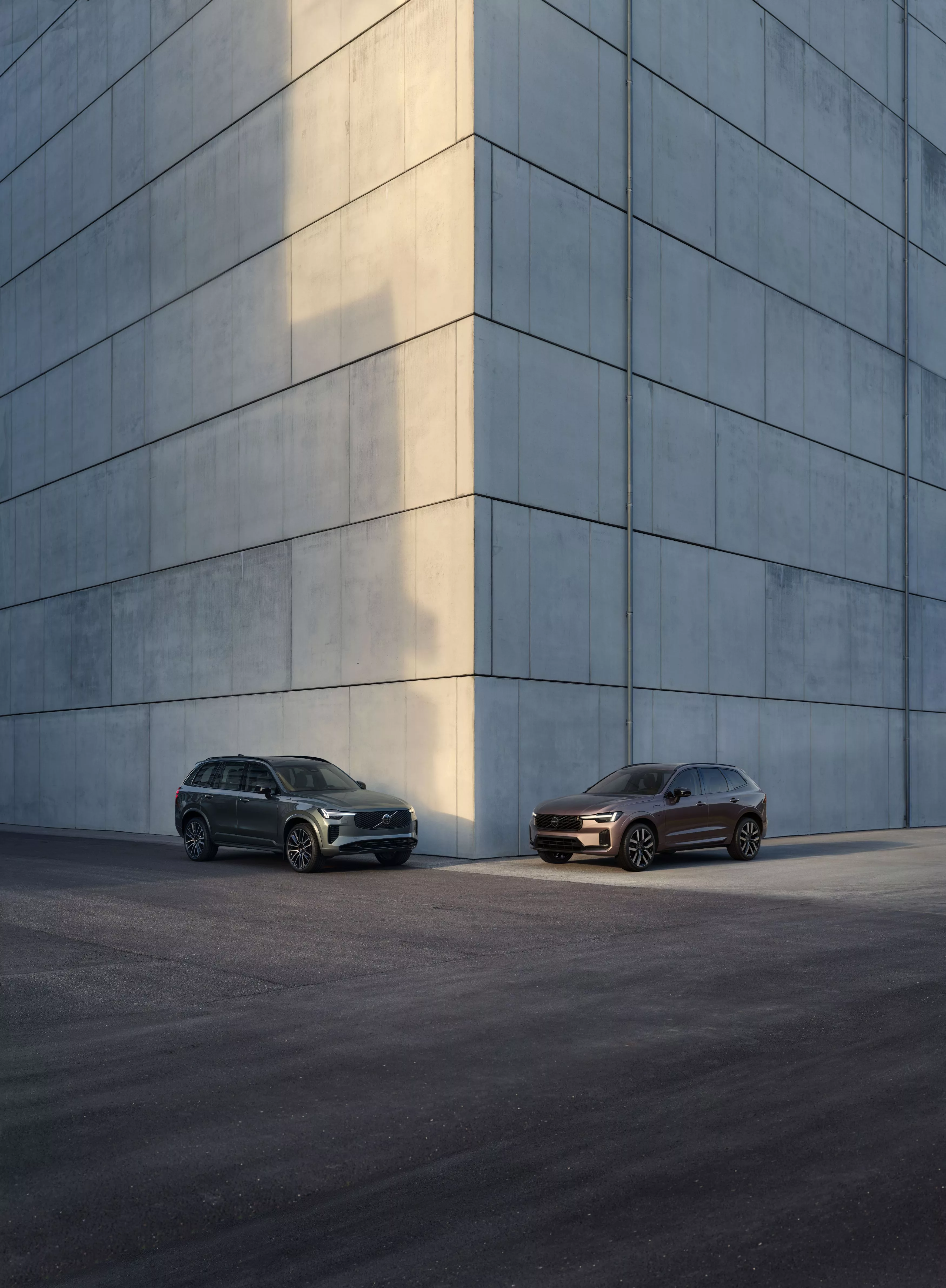
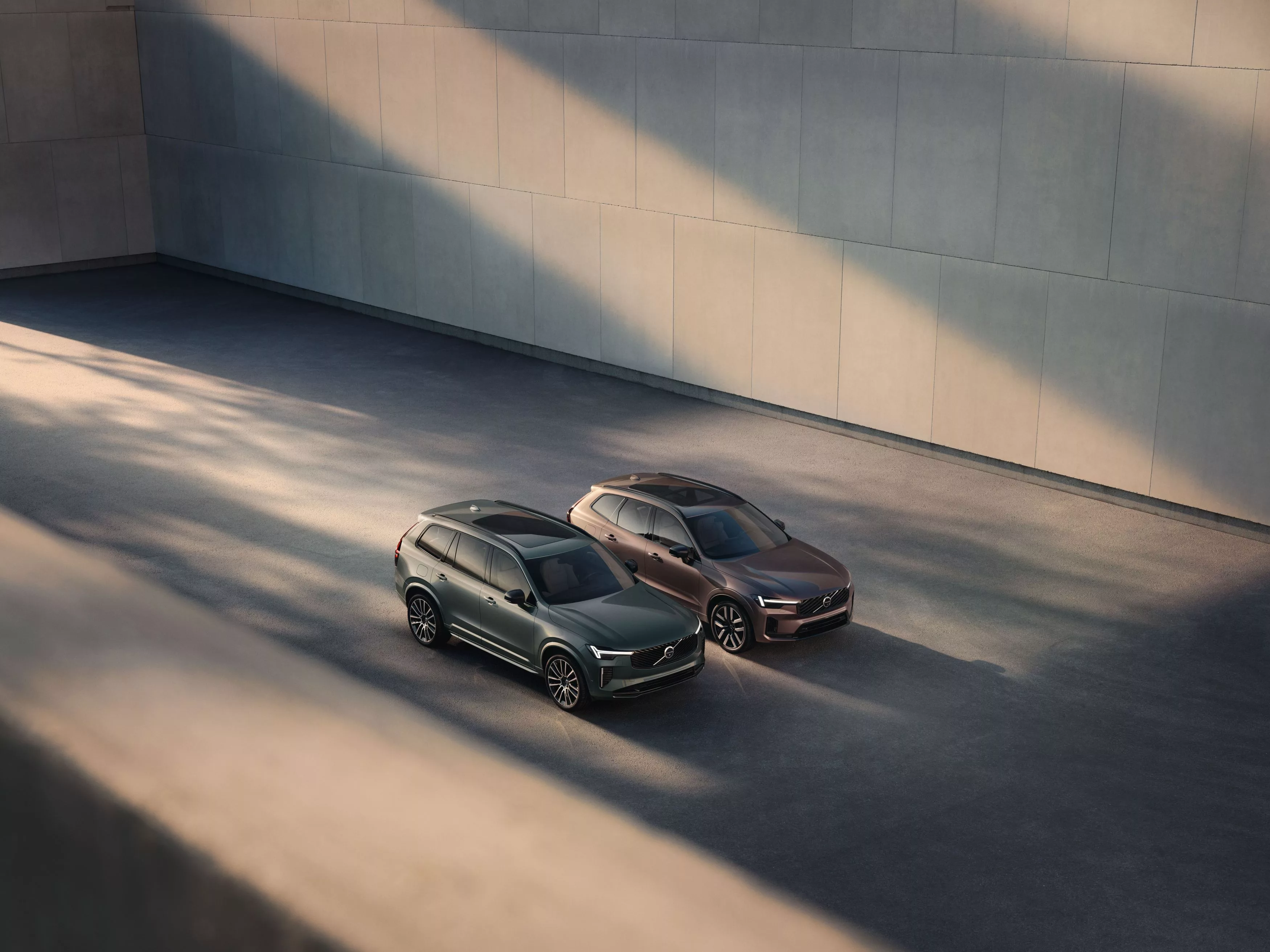
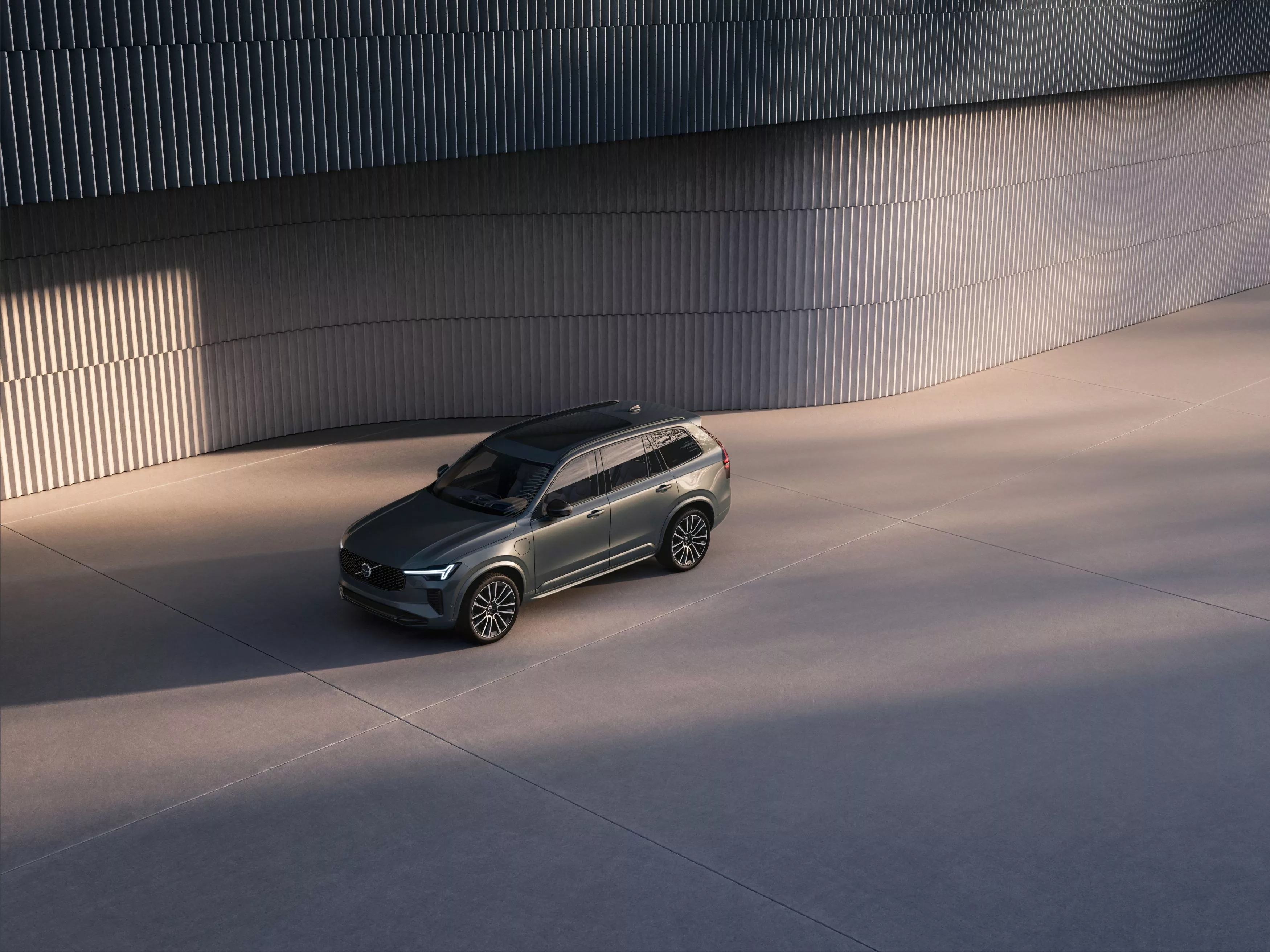
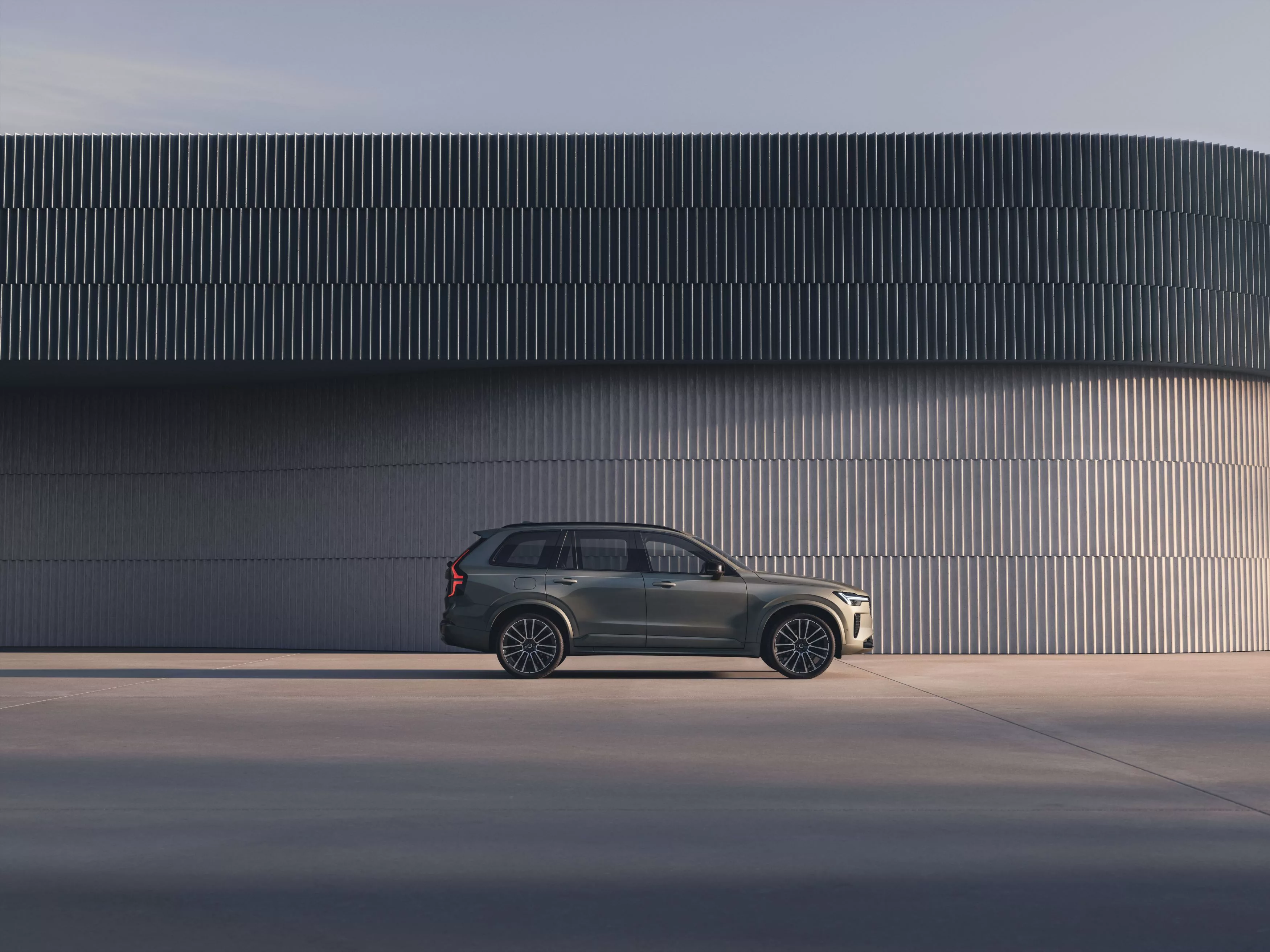
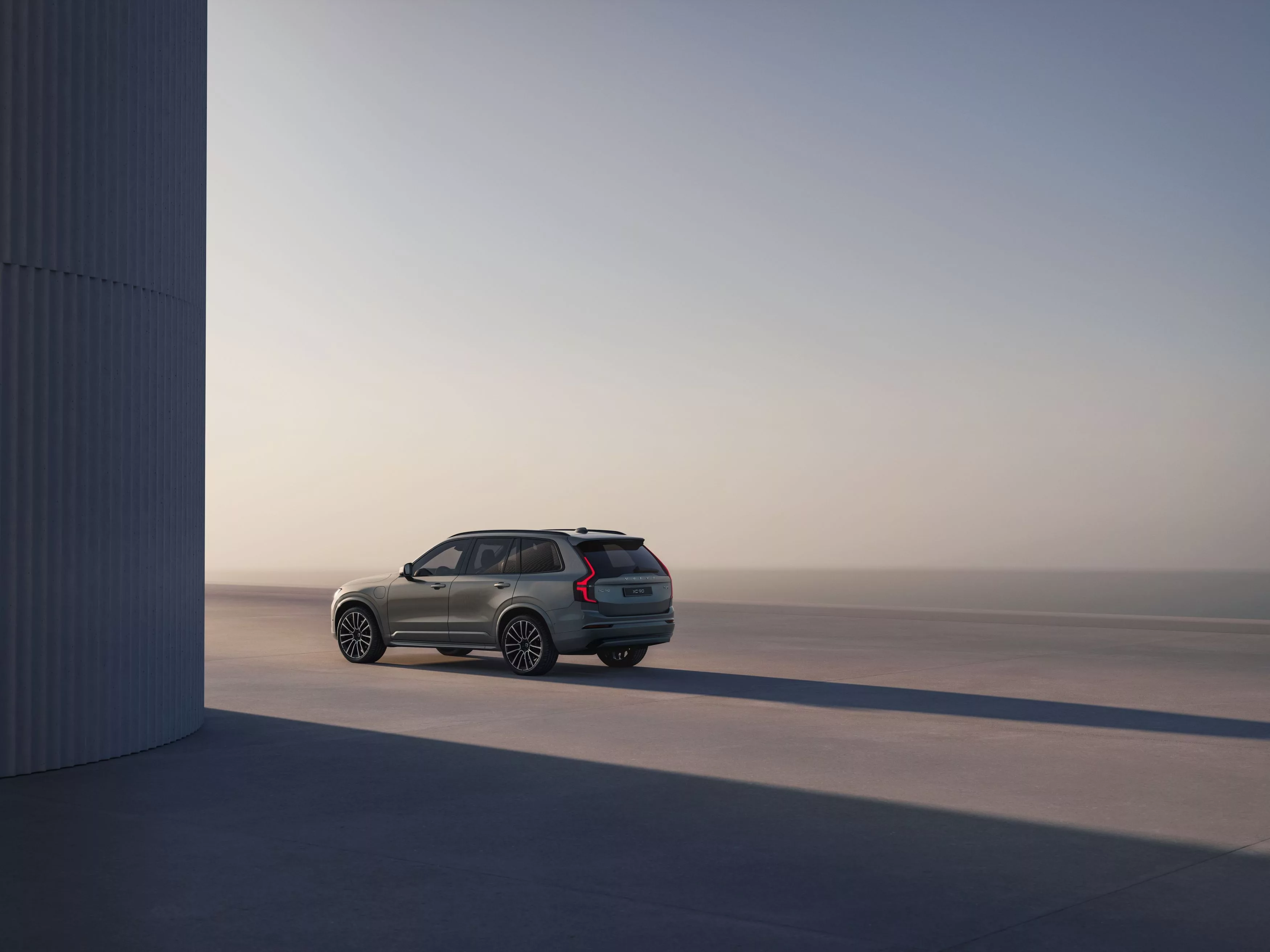
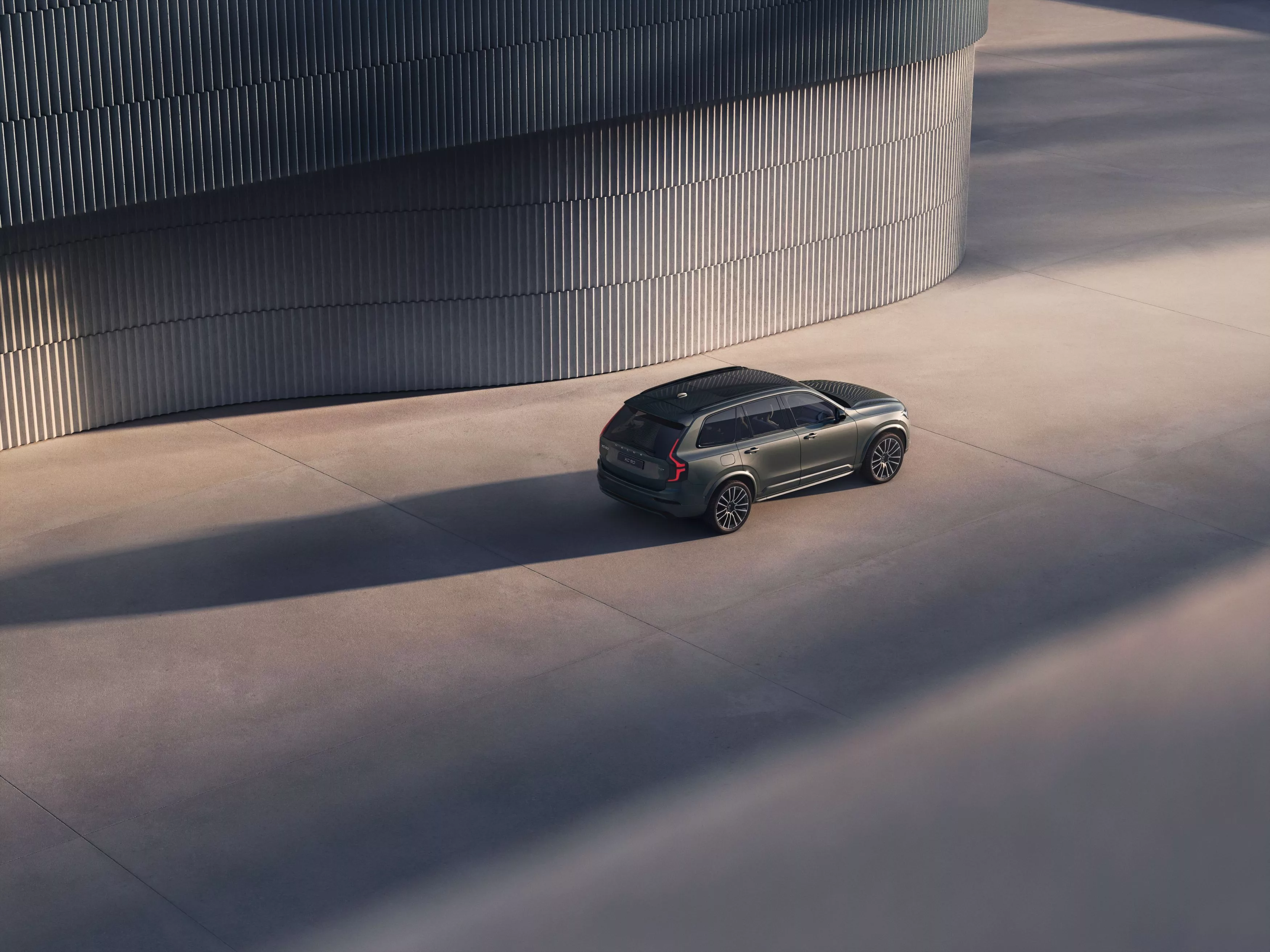
Volvo is making a far bigger technical leap with the XC60 and XC90 plug-in hybrids than a routine model update might initially suggest. A new 41.2 kWh battery increases the XC60’s electric range to up to 200 kilometres and that of the XC90 to more than 160 kilometres. With this kind of range, a plug-in hybrid can genuinely function as an electric car for European users, keeping the petrol engine in reserve for longer journeys.
According to the manufacturer, the new XC60 has a WLTP electric range of up to 200 kilometres, while the XC90 reaches 163 kilometres. Compared with the previous versions, electric range increases by more than two and a half times.
The 41.2 kWh battery changes the rules of the game
The most important change lies beneath the floor. Instead of the previous battery of around 19 kWh, the new XC60 and XC90 use a 41.2 kWh battery pack with 37.9 kWh of usable capacity. That is already fairly close to the battery capacity of some smaller fully electric cars.
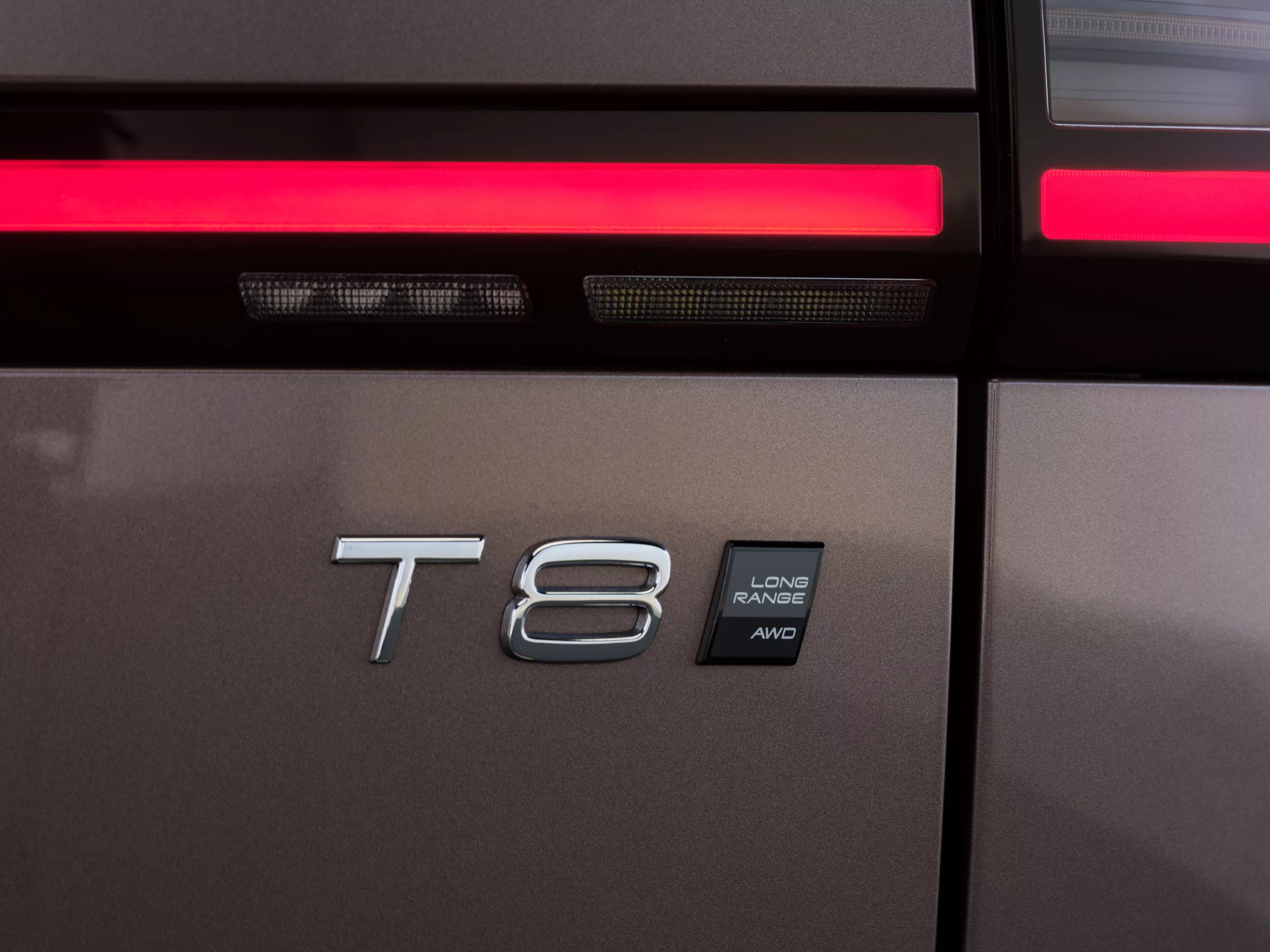
The XC60 will be offered in Europe as two all-wheel-drive plug-in hybrids. The T6 combines a 2.0-litre turbocharged petrol engine with a rear-axle electric motor and can travel up to 200 km on electric power under the WLTP cycle. The more powerful T8 reaches up to 189 km on a single charge. The difference is primarily due to the internal-combustion engine’s tuning: the T6 petrol engine produces 132 kW and 280 Nm, while the T8’s develops 184 kW and 360 Nm. The new electric motor produces around 130 kW, up from 107 kW previously.
Acceleration has not been sacrificed either. The XC60 T6 reaches 100 km/h in 5.7 seconds and the T8 in 4.8 seconds. The XC90 uses the more powerful T8 setup and accelerates to 100 km/h in 5.2 seconds.
The total range is even more telling. With a full battery and fuel tank, Volvo quotes around 1,230–1,240 km for the XC60, depending on version, and approximately 1,100 km for the XC90. This combination explains rather well why Volvo has not written off the plug-in hybrid.
200 km changes the traditional logic of the plug-in hybrid
According to Volvo’s official figures, the current XC60 plug-in hybrid’s 18.8 kWh battery provides around 80 km of WLTP electric range. The new generation’s 200 km is therefore not a cosmetic improvement, but a change in how the vehicle is used.
A traditional plug-in hybrid is well suited to someone who charges the car every day and mainly drives short distances. When electric range approaches 200 kilometres, daily charging is no longer necessarily required. Many drivers can cover an entire working week in the city on electric power and only start the petrol engine on a longer weekend journey.
A battery of more than 40 kWh means more weight, and with an empty battery, the petrol engine has to carry all that mass. A long-range plug-in hybrid therefore makes the most sense when its owner charges it regularly.
Charging power also imposes limits. According to preliminary data, the system supports AC charging at up to 11 kW. With a 41.2 kWh battery, a full charge from a three-phase charger takes around four hours, or approximately six hours using a 7 kW home charger. Volvo’s preliminary technical information does not mention fast charging.
The XC60 also gets a new look
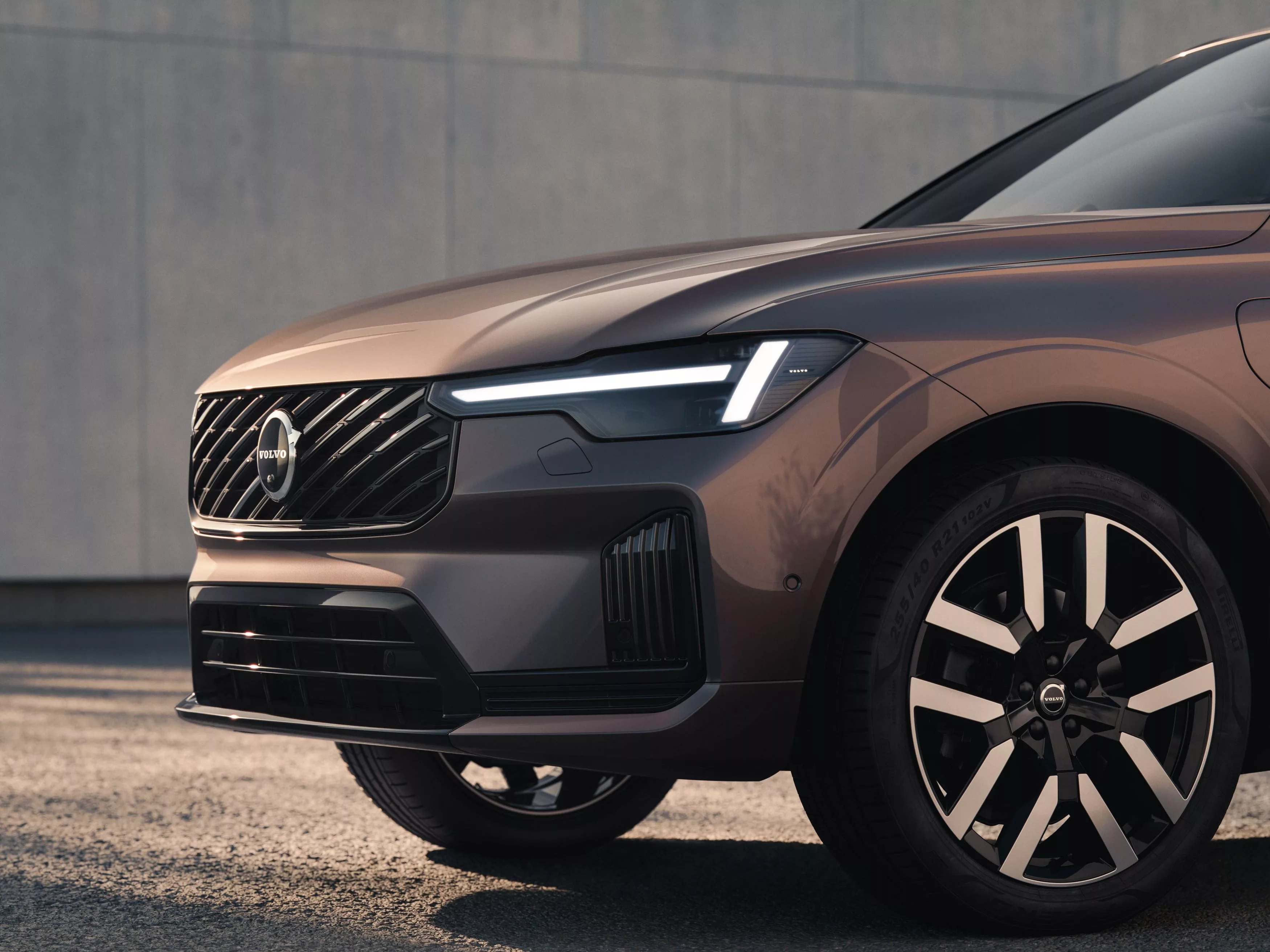
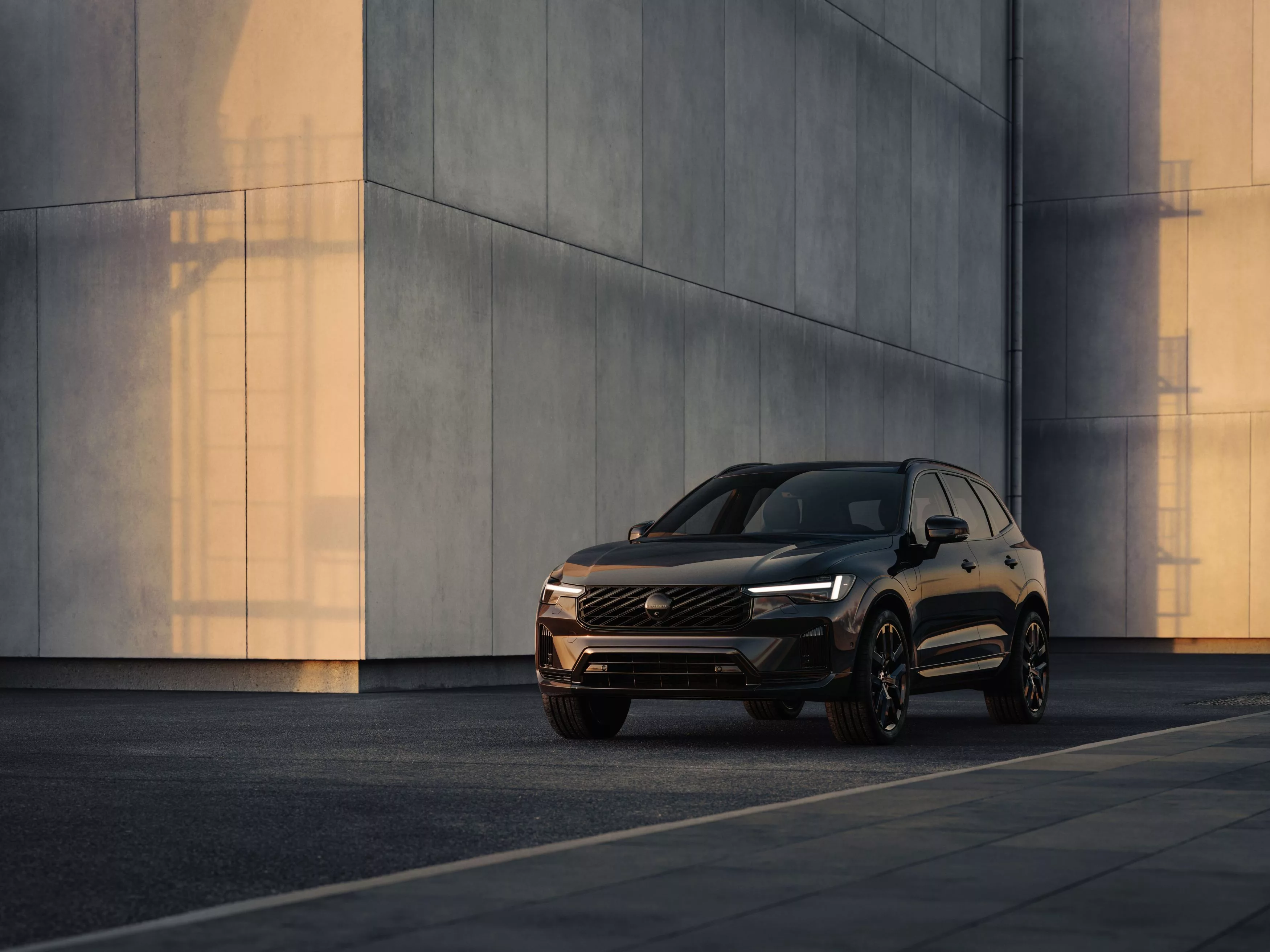
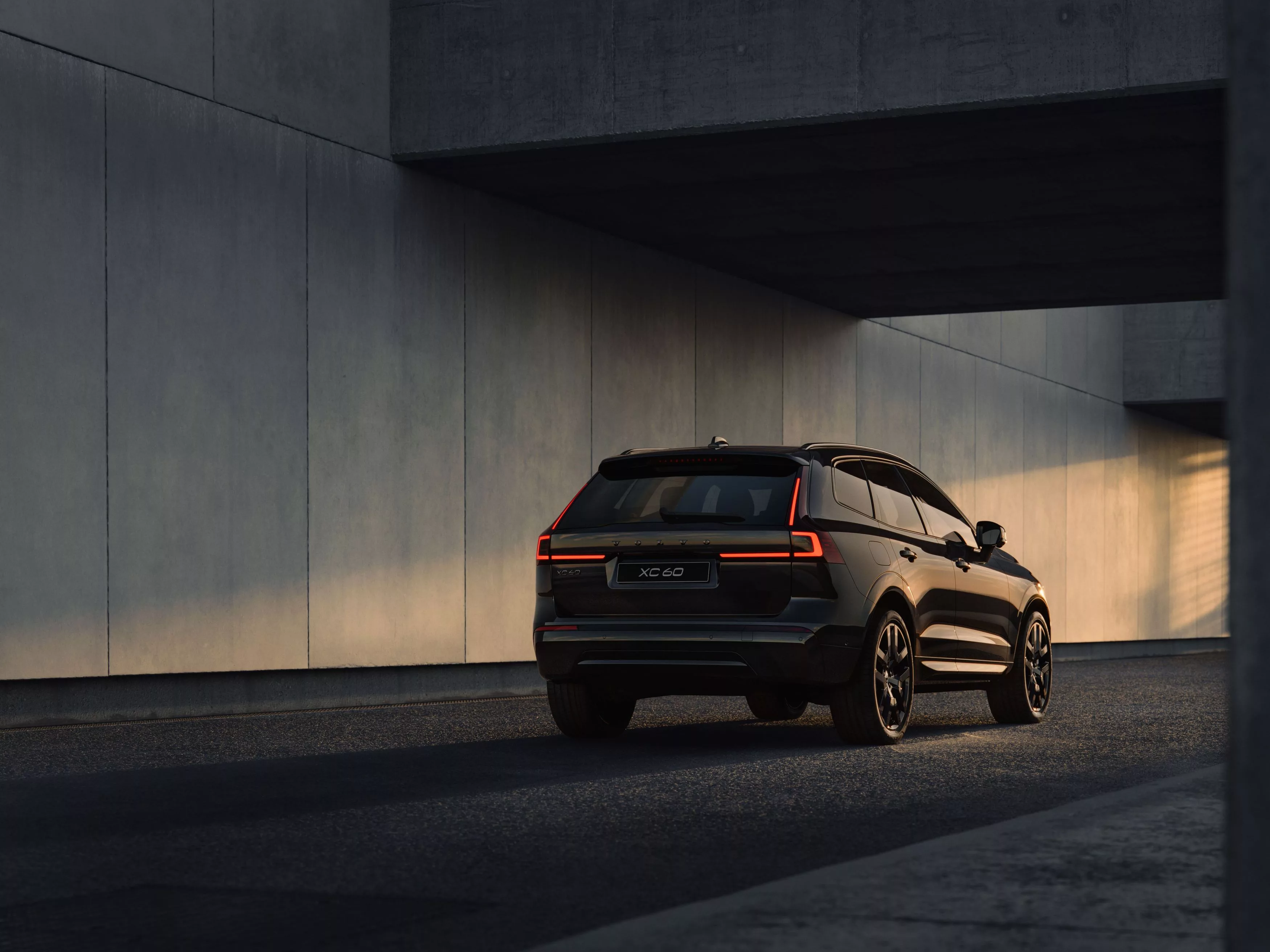
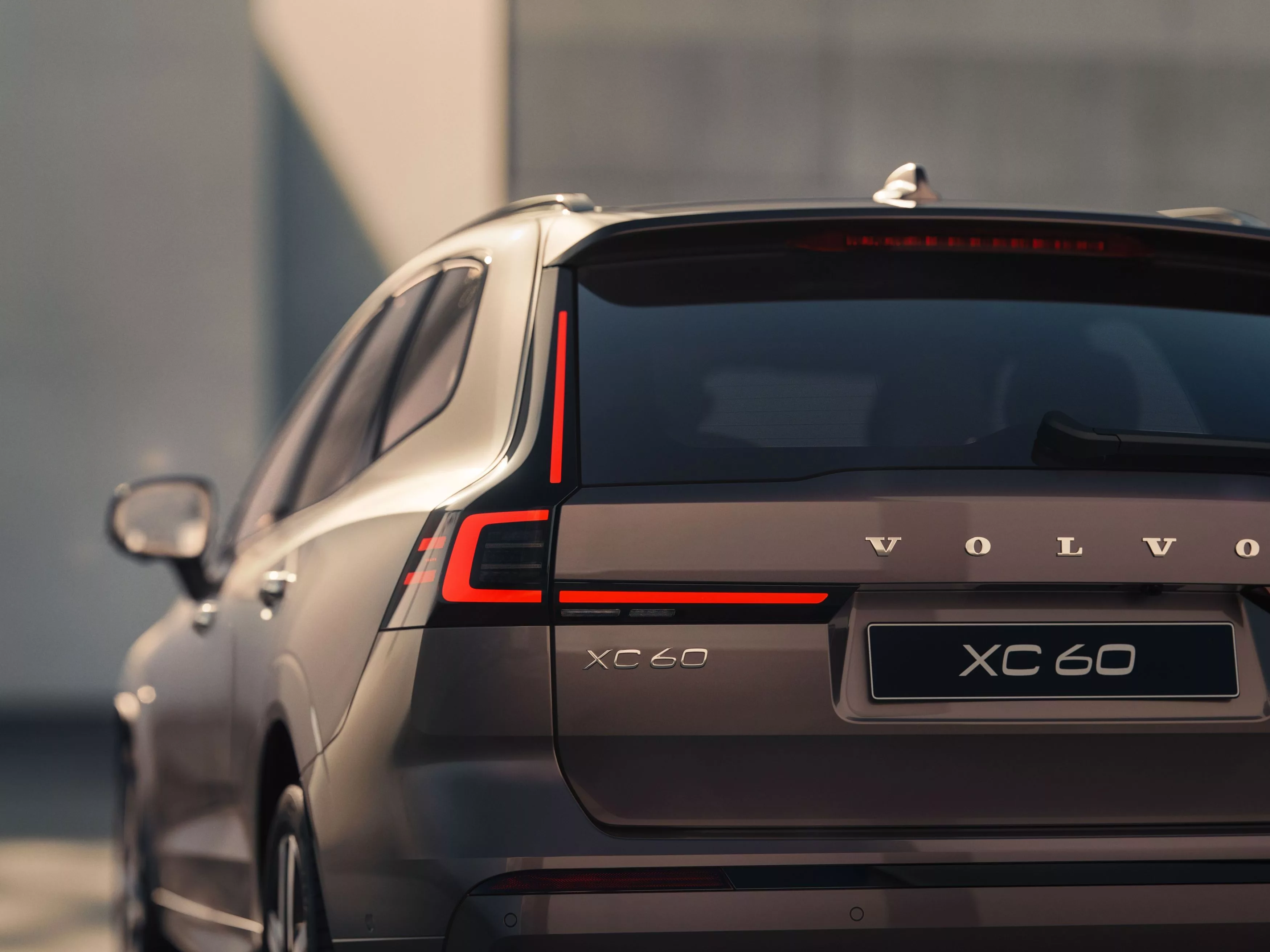
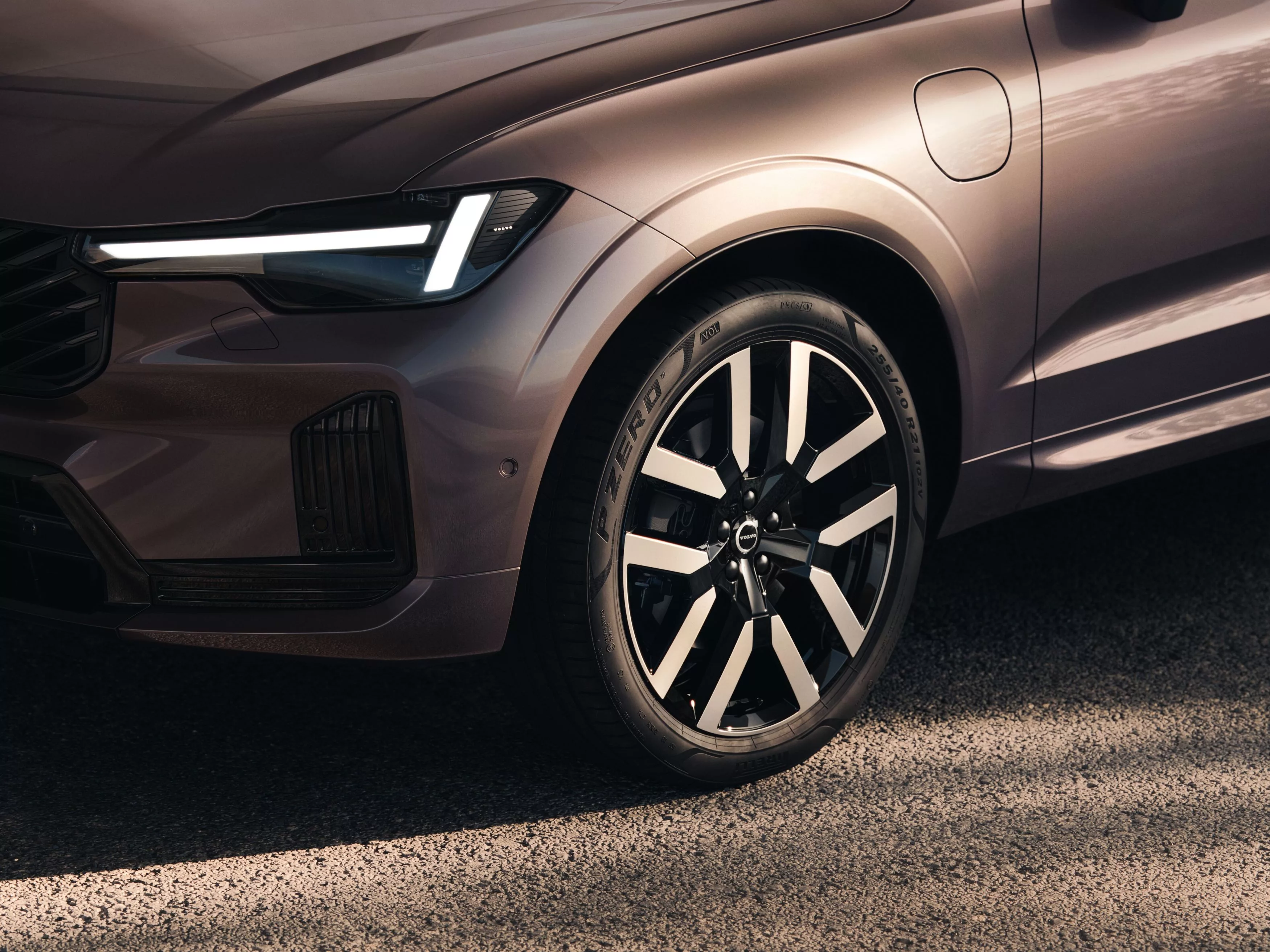
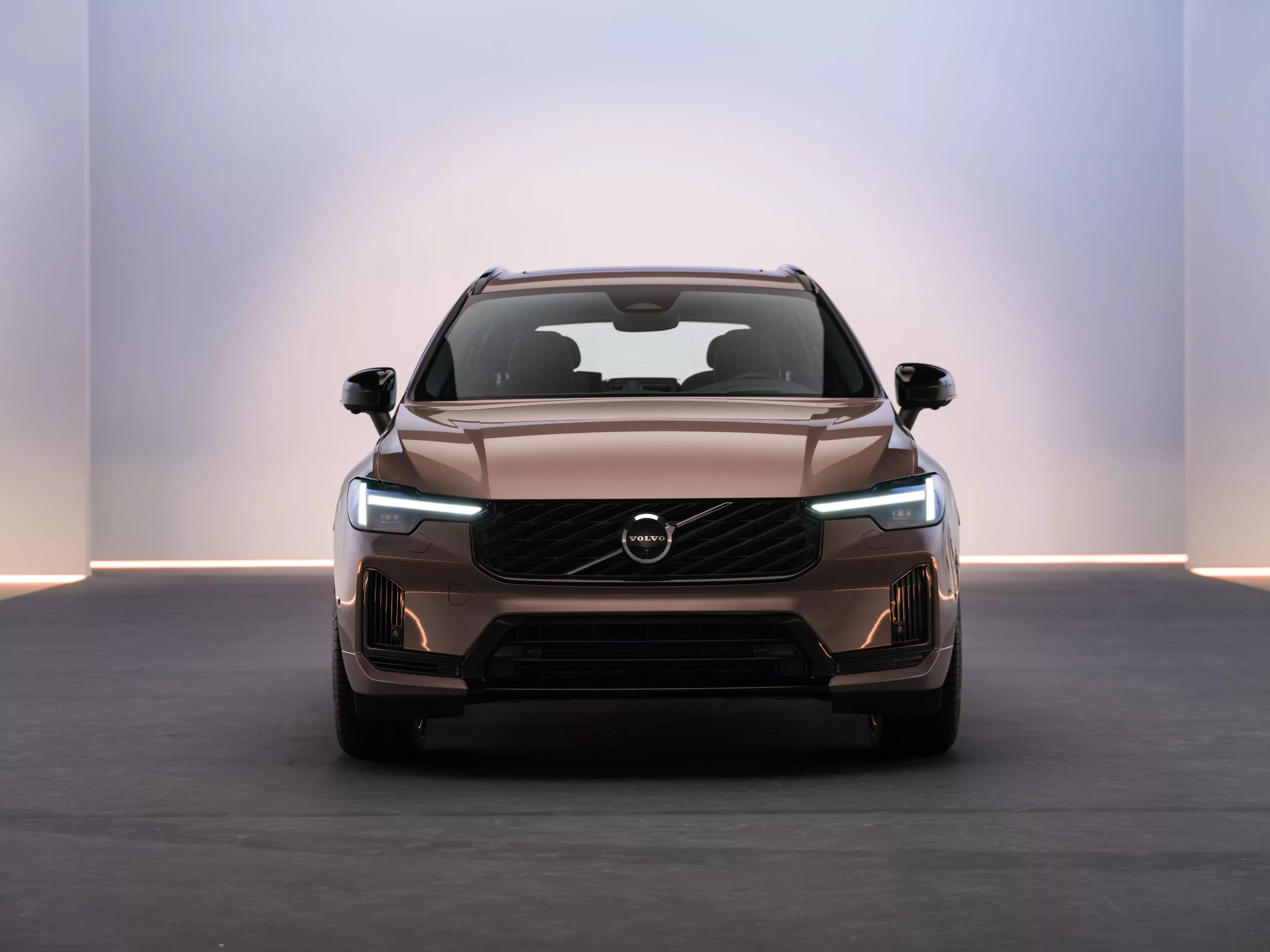
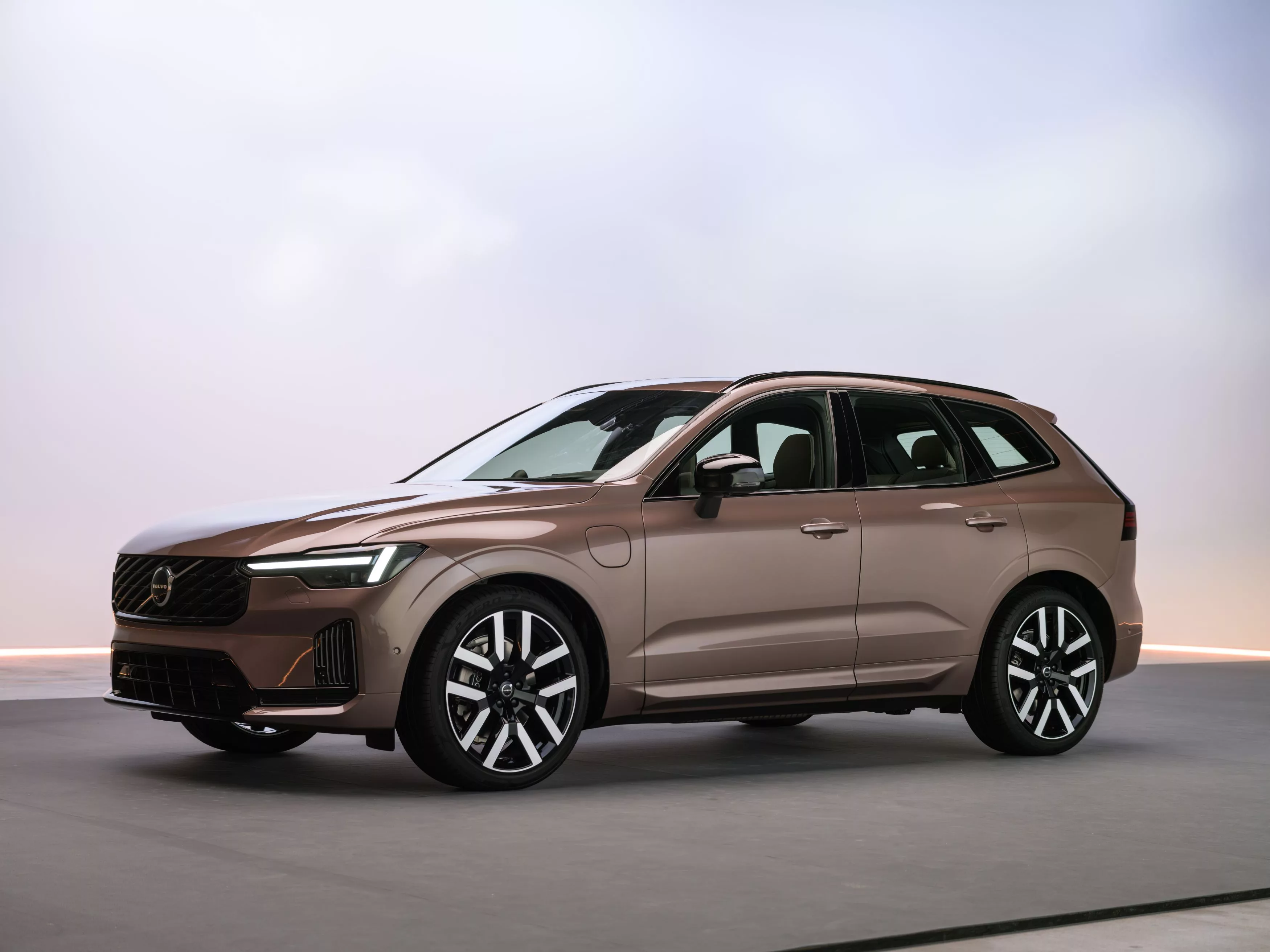
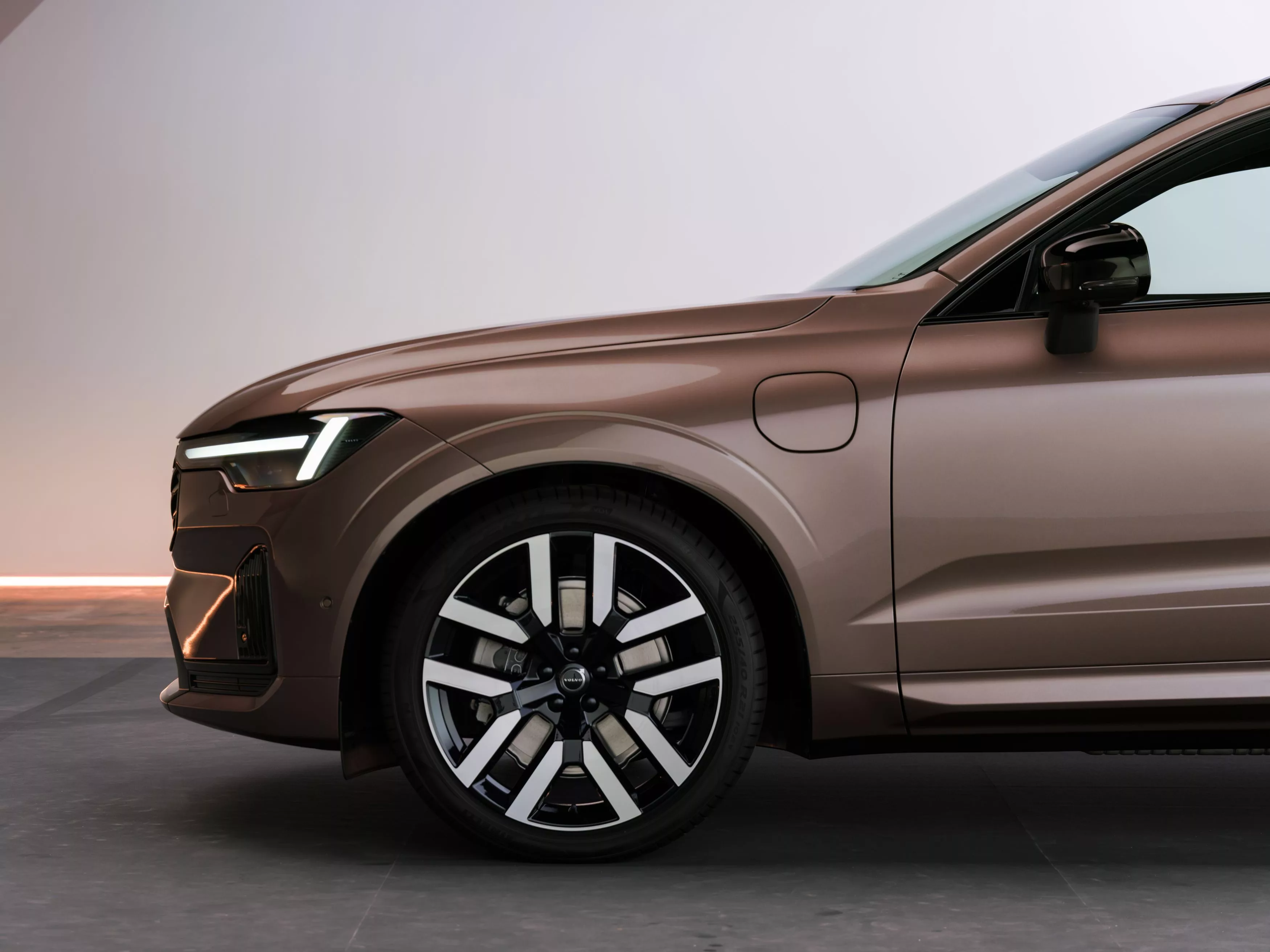
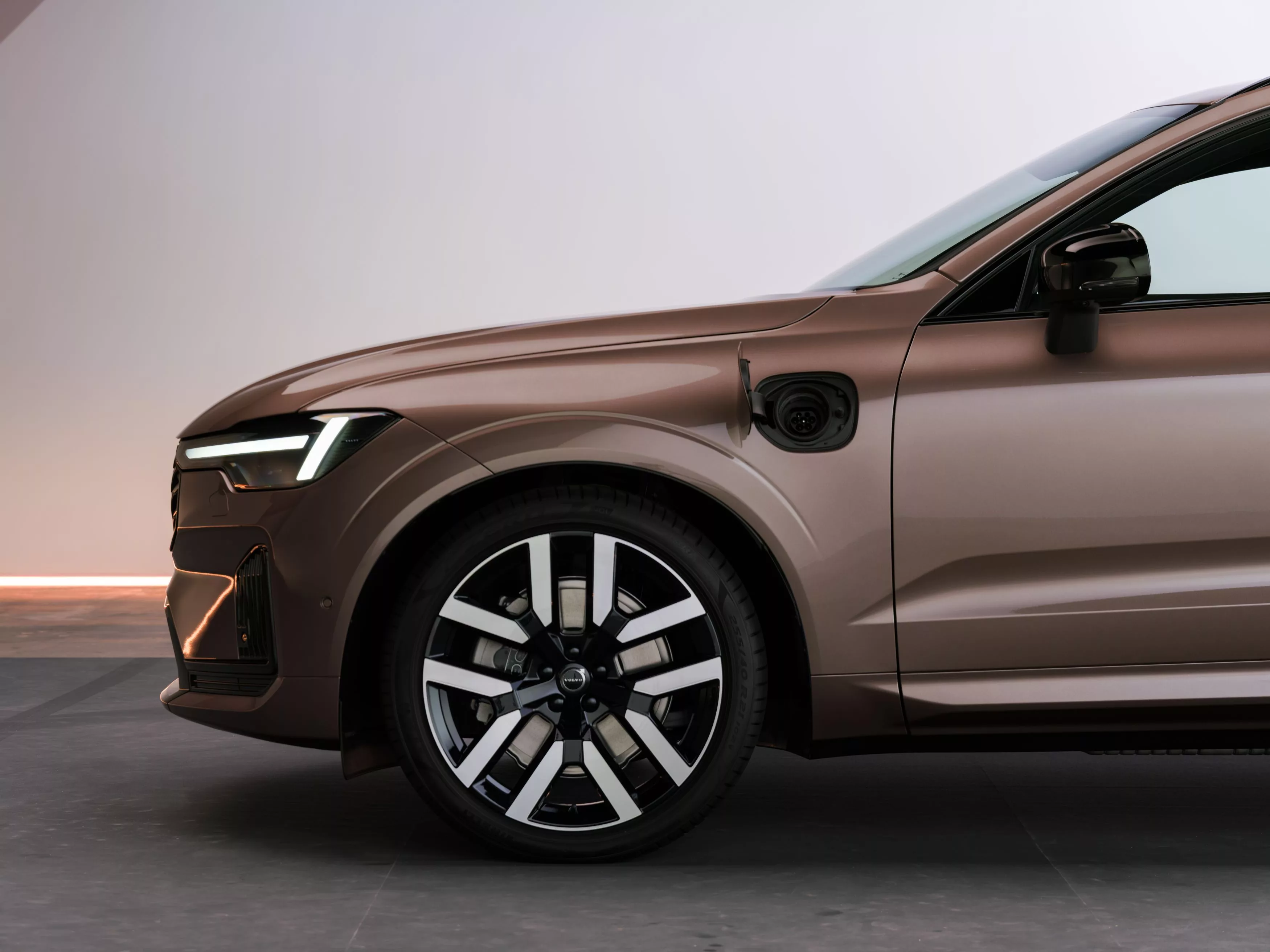
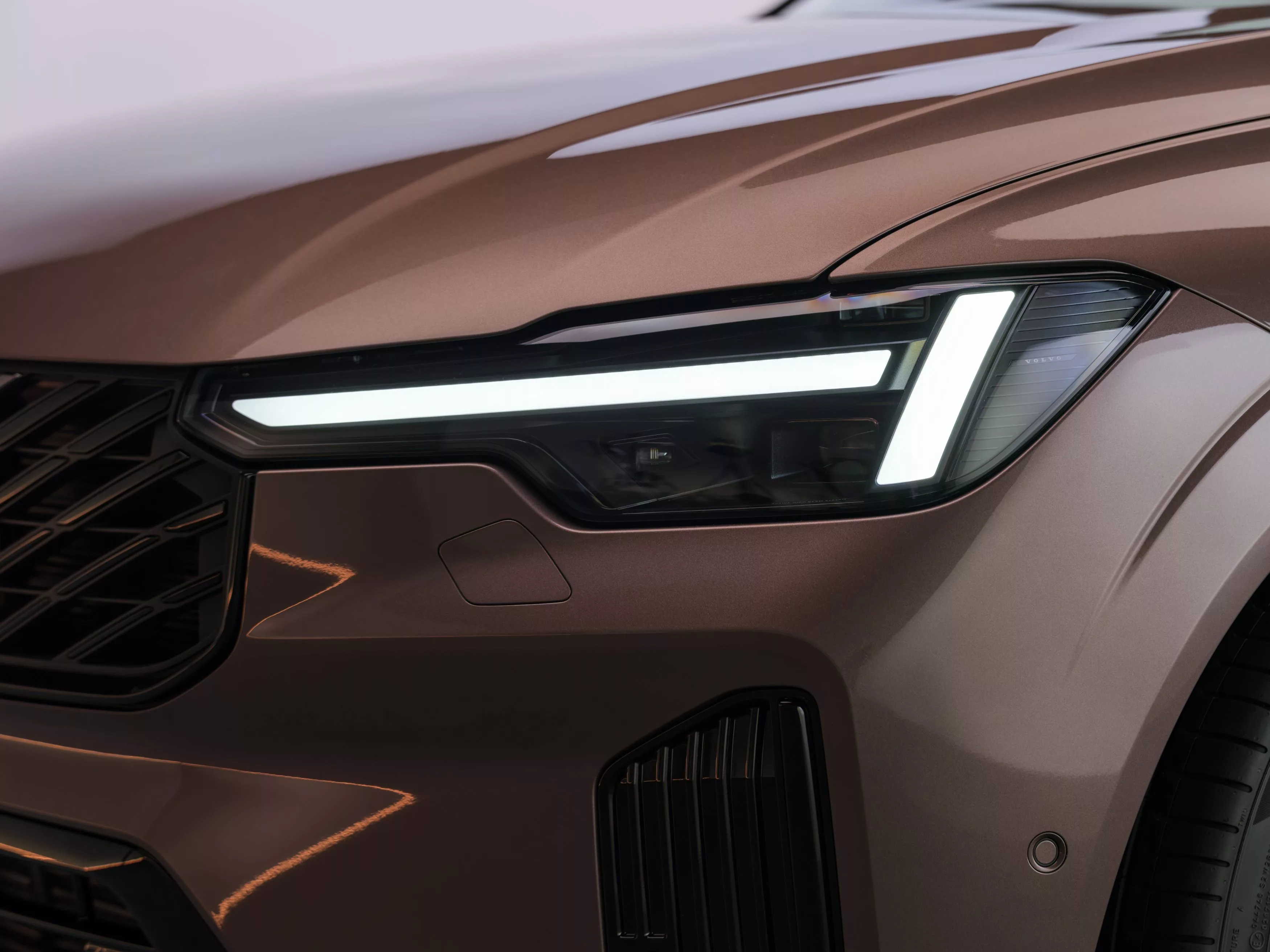
Volvo has not limited the changes to the powertrain. The XC60 receives a redesigned grille, front bumper, bonnet and front wings, as well as newly styled wheels. The “Thor’s Hammer” light signature remains, but the Matrix LED headlights receive a refreshed design.
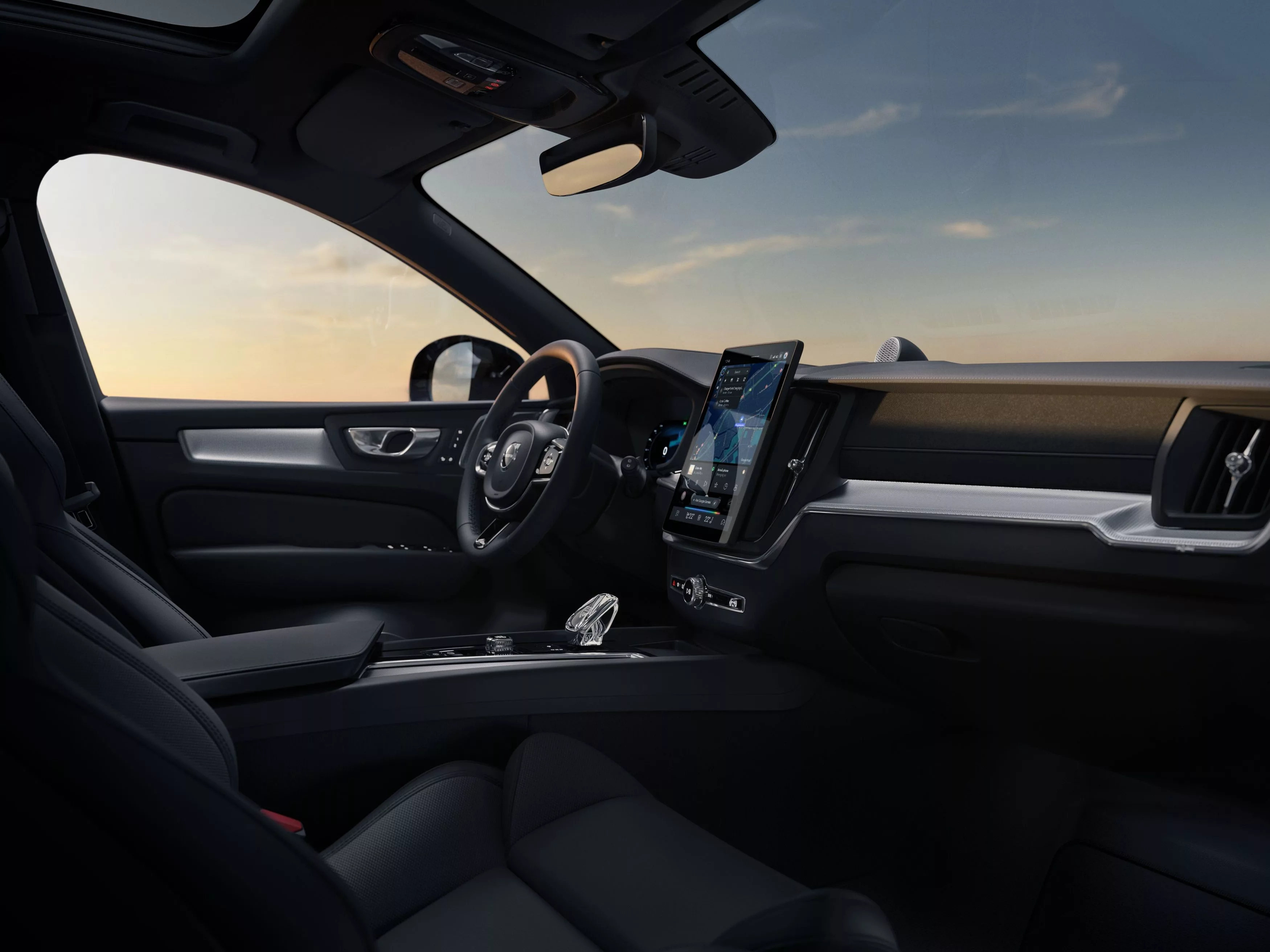
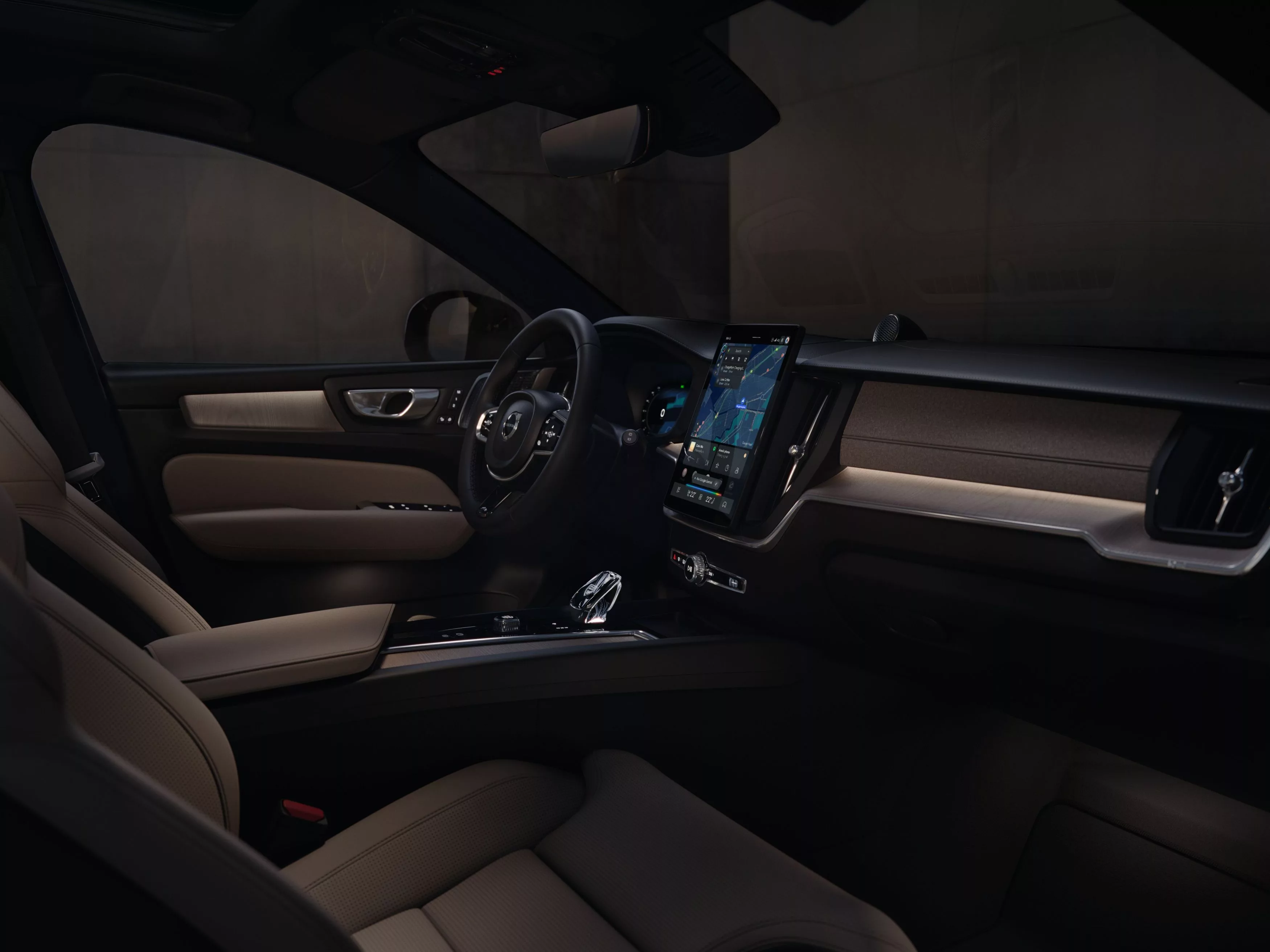
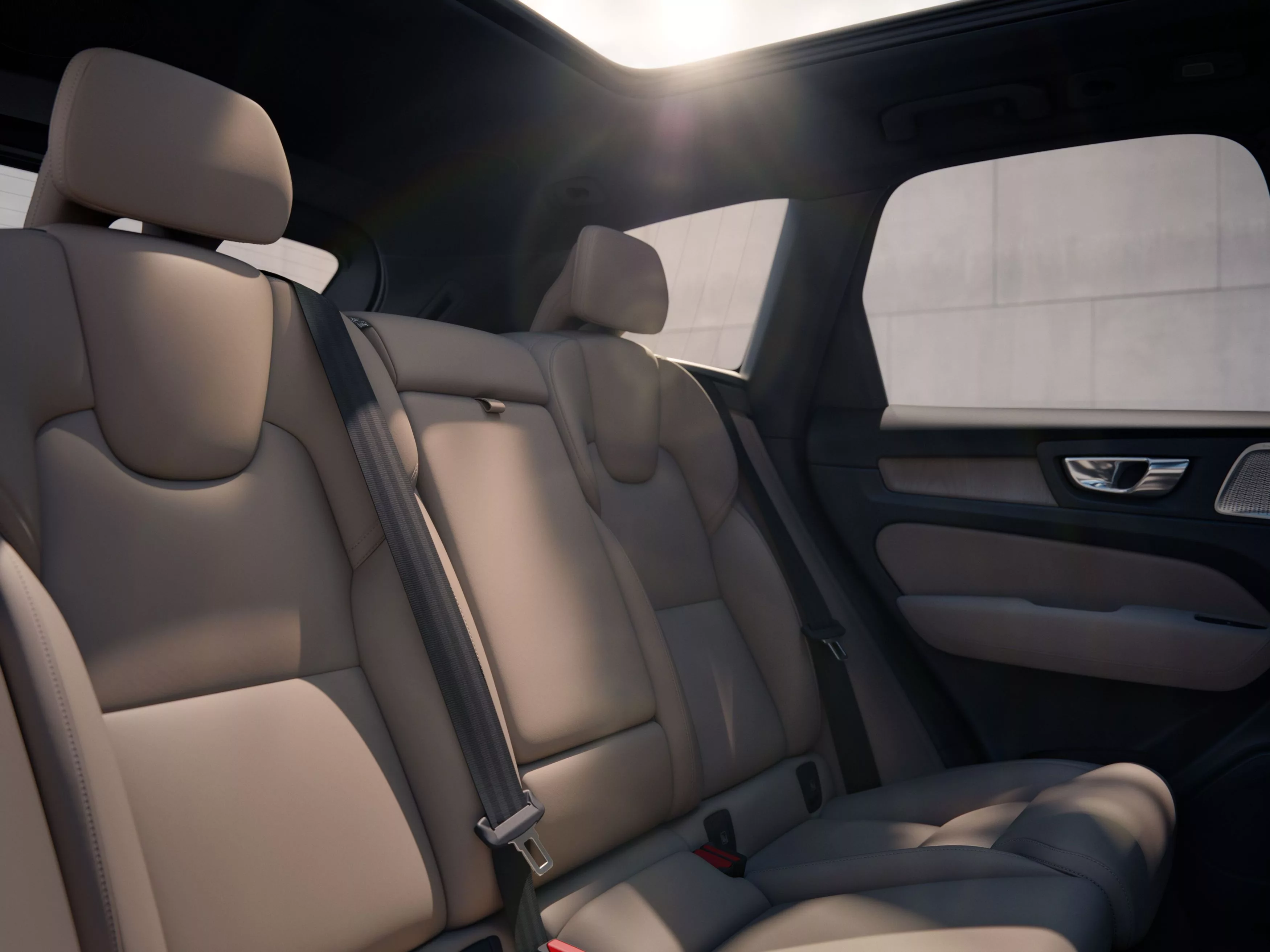
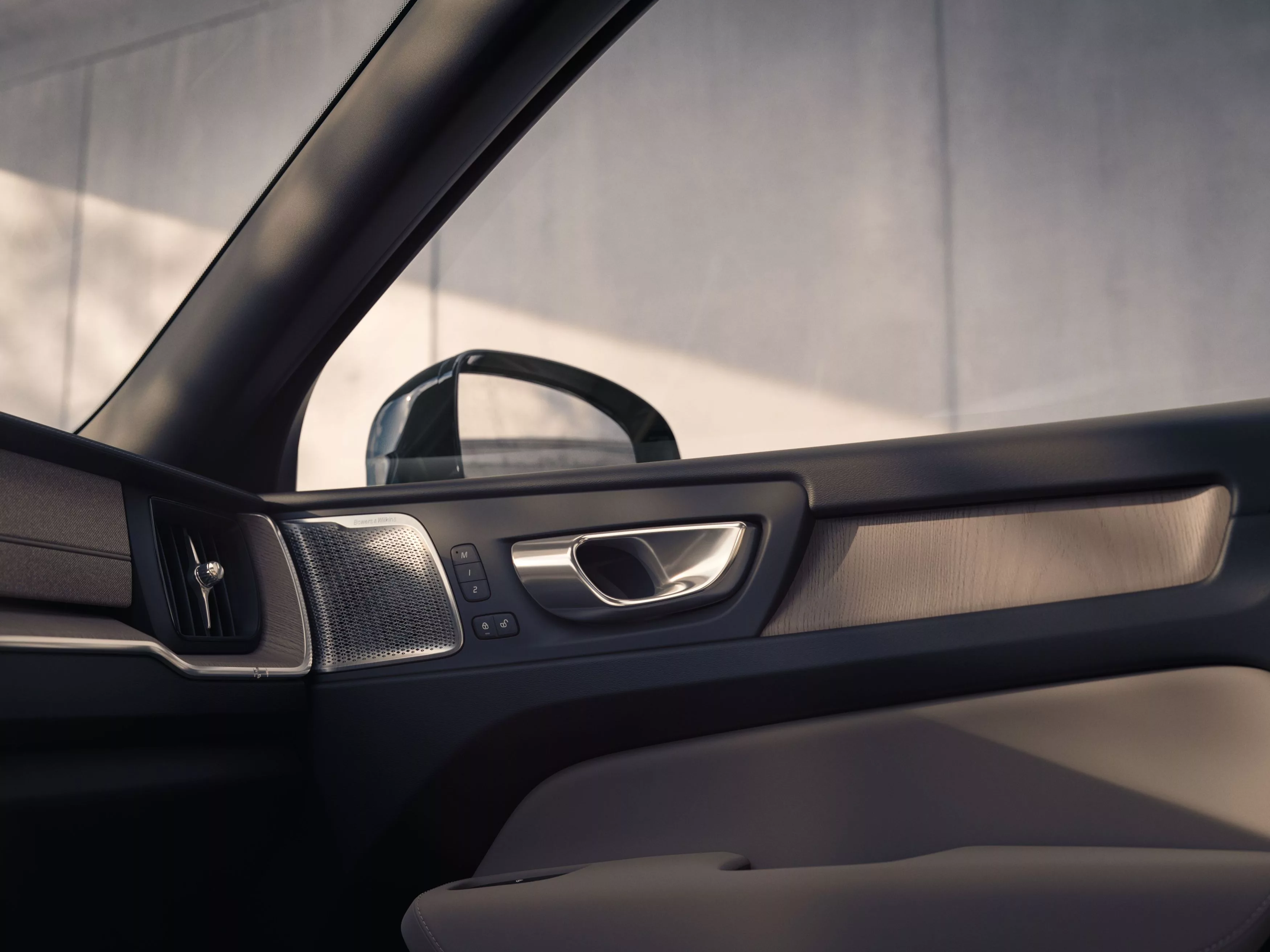
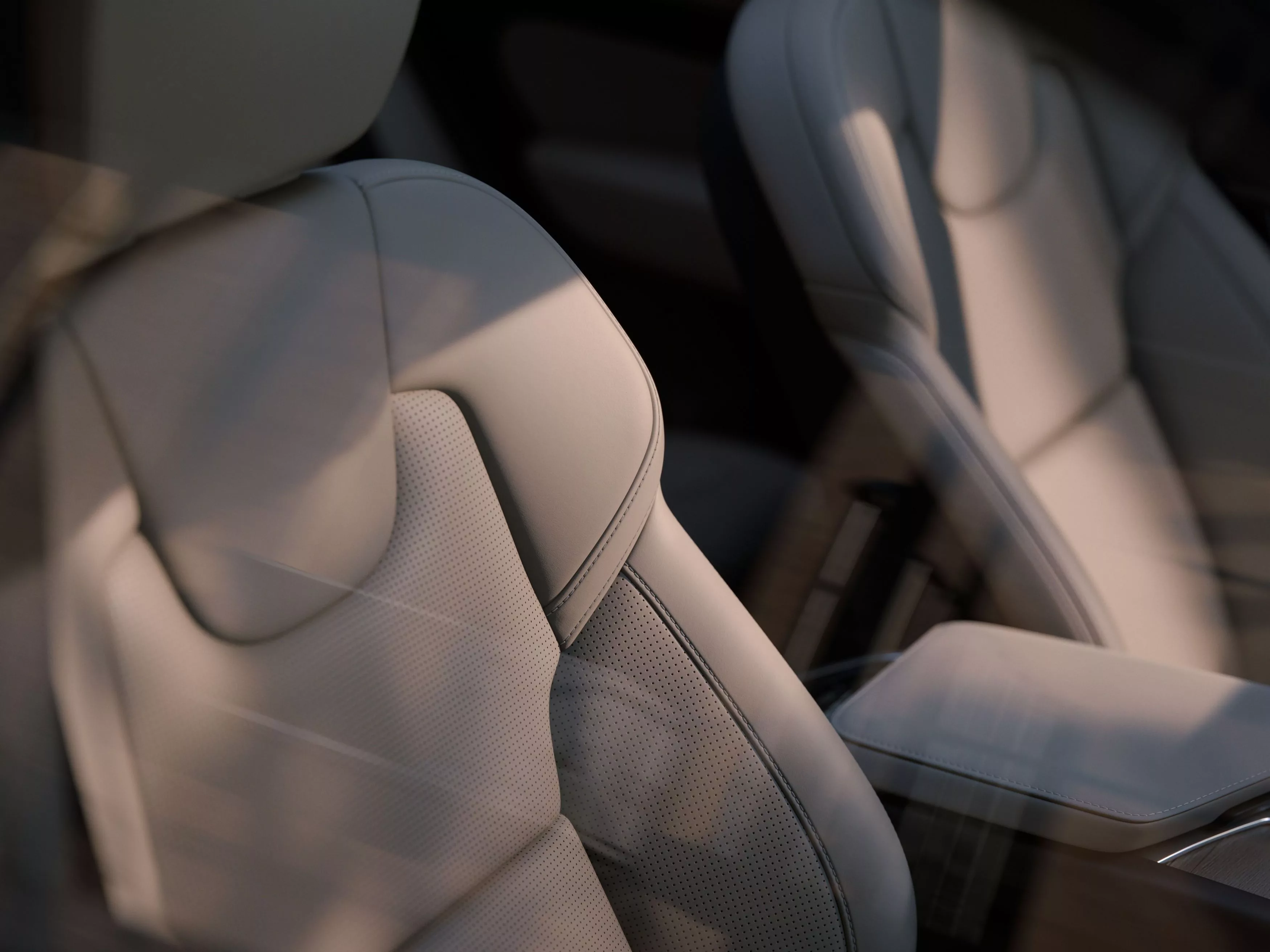
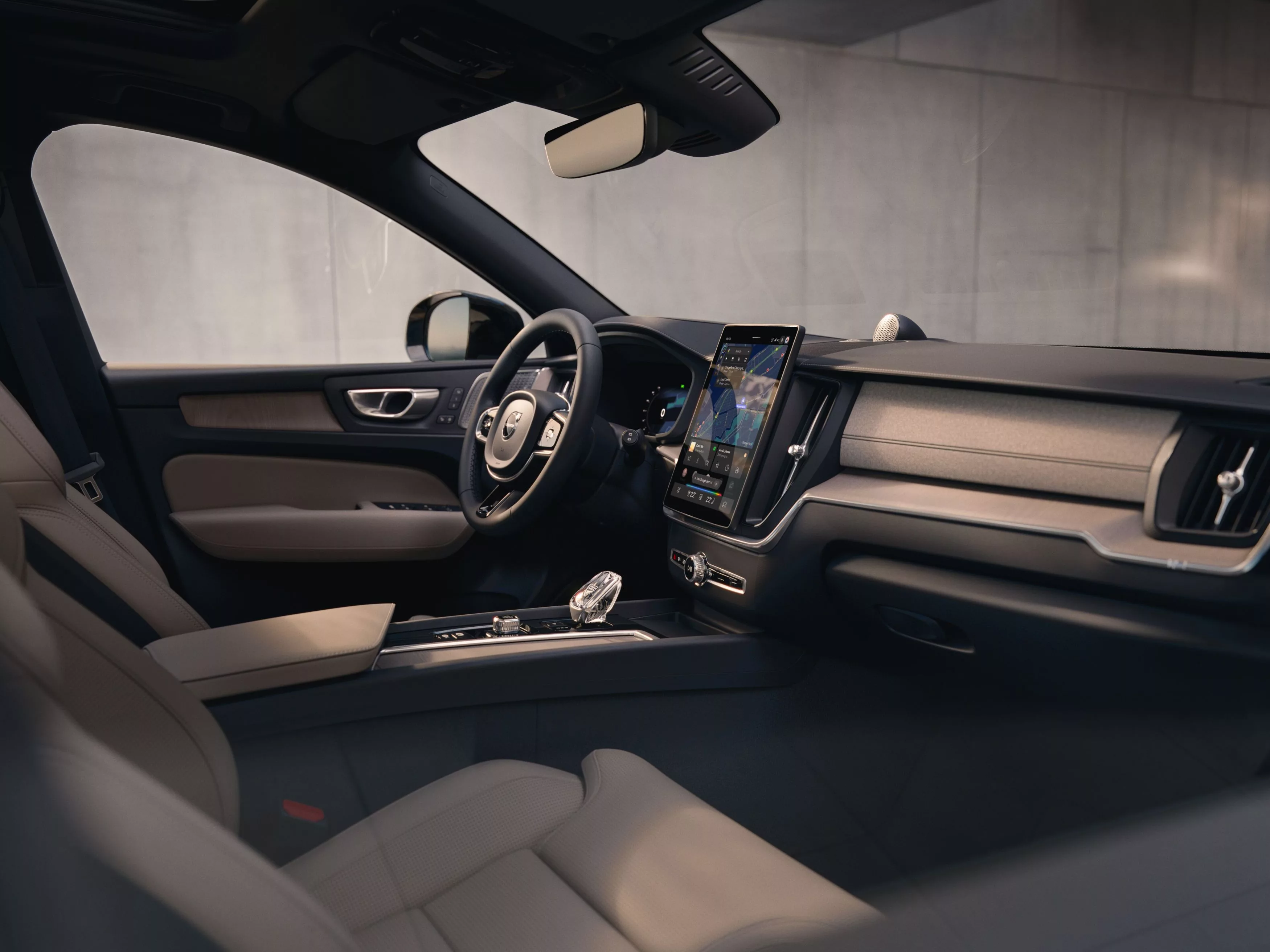
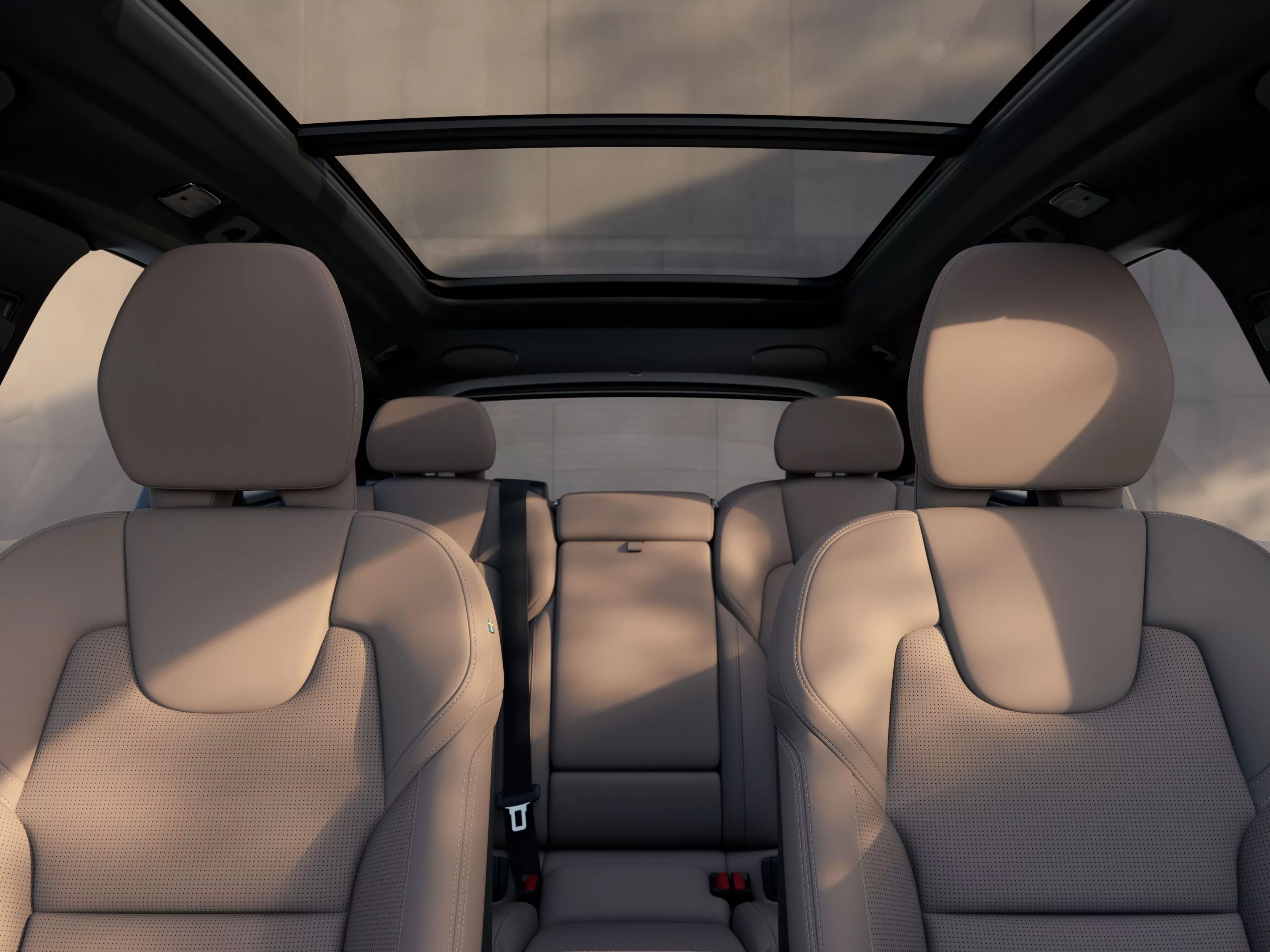
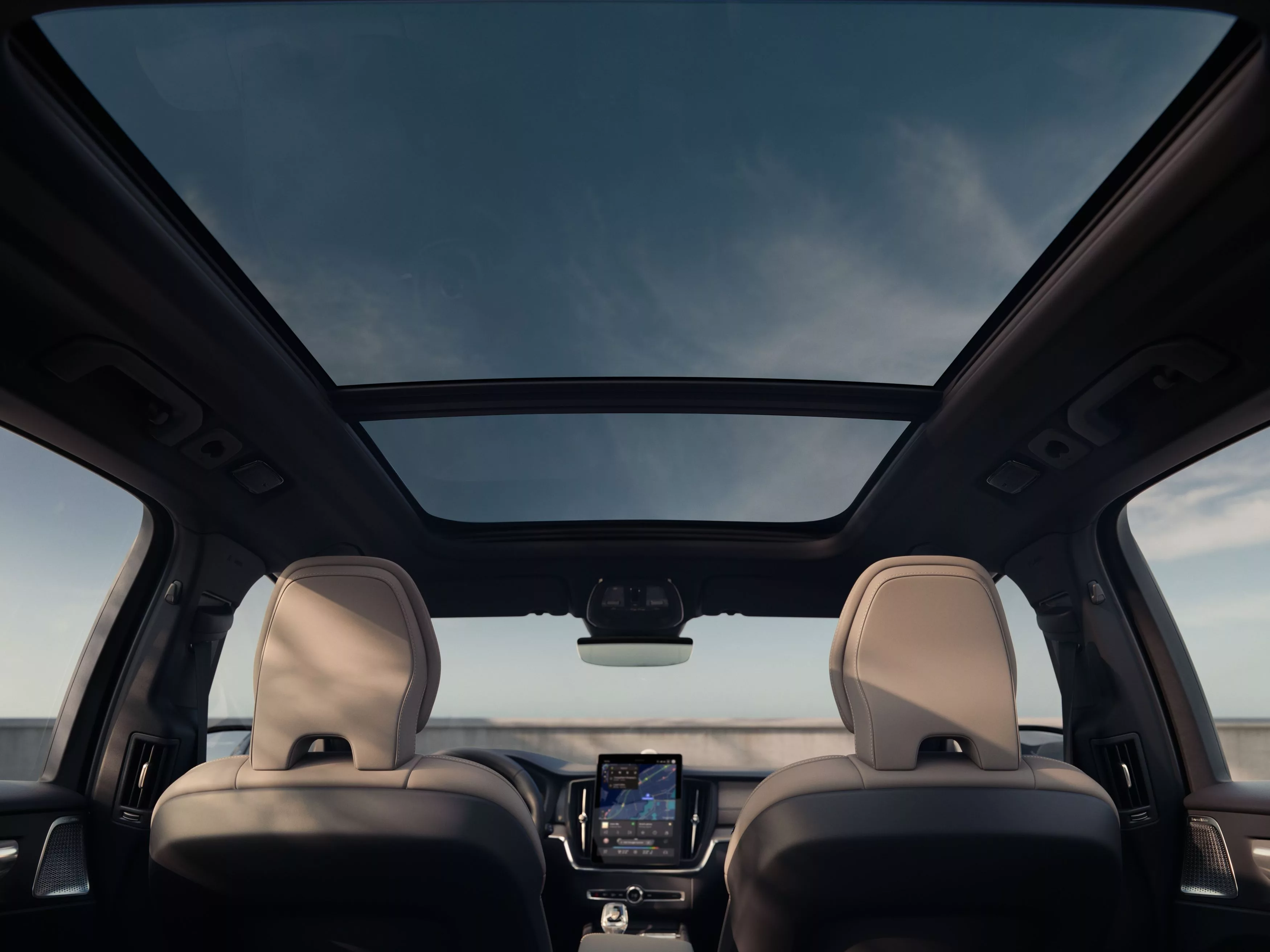
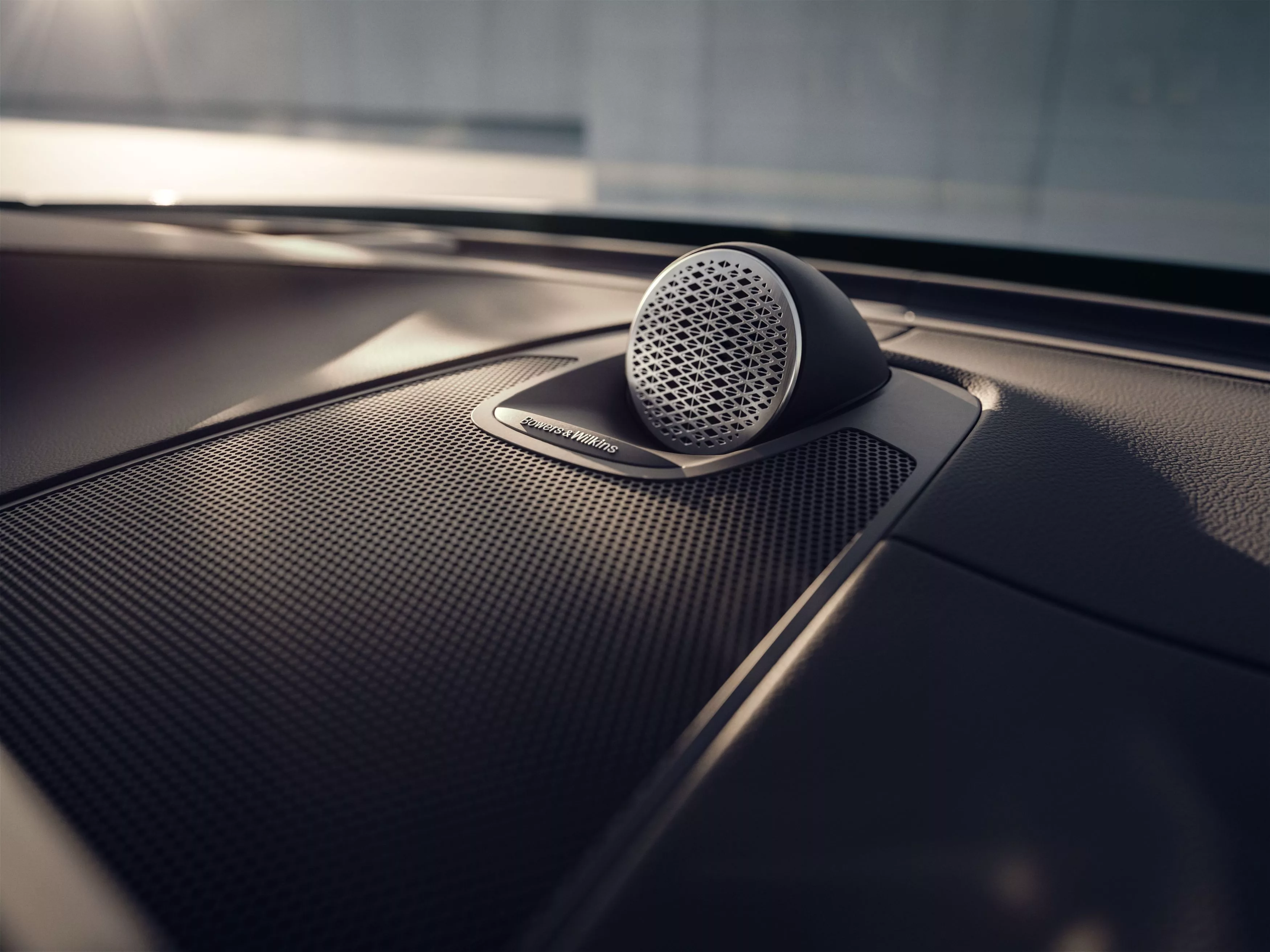
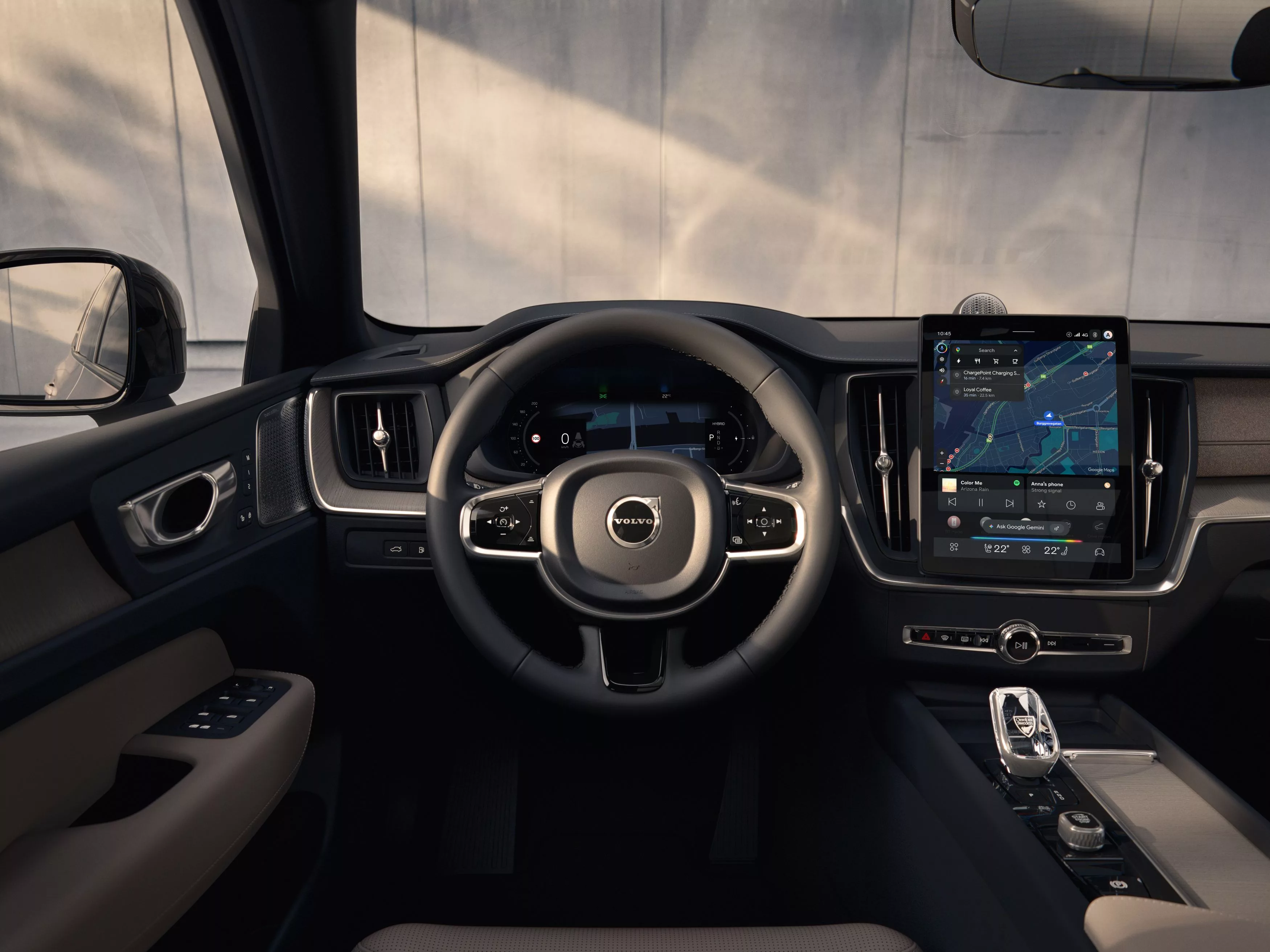
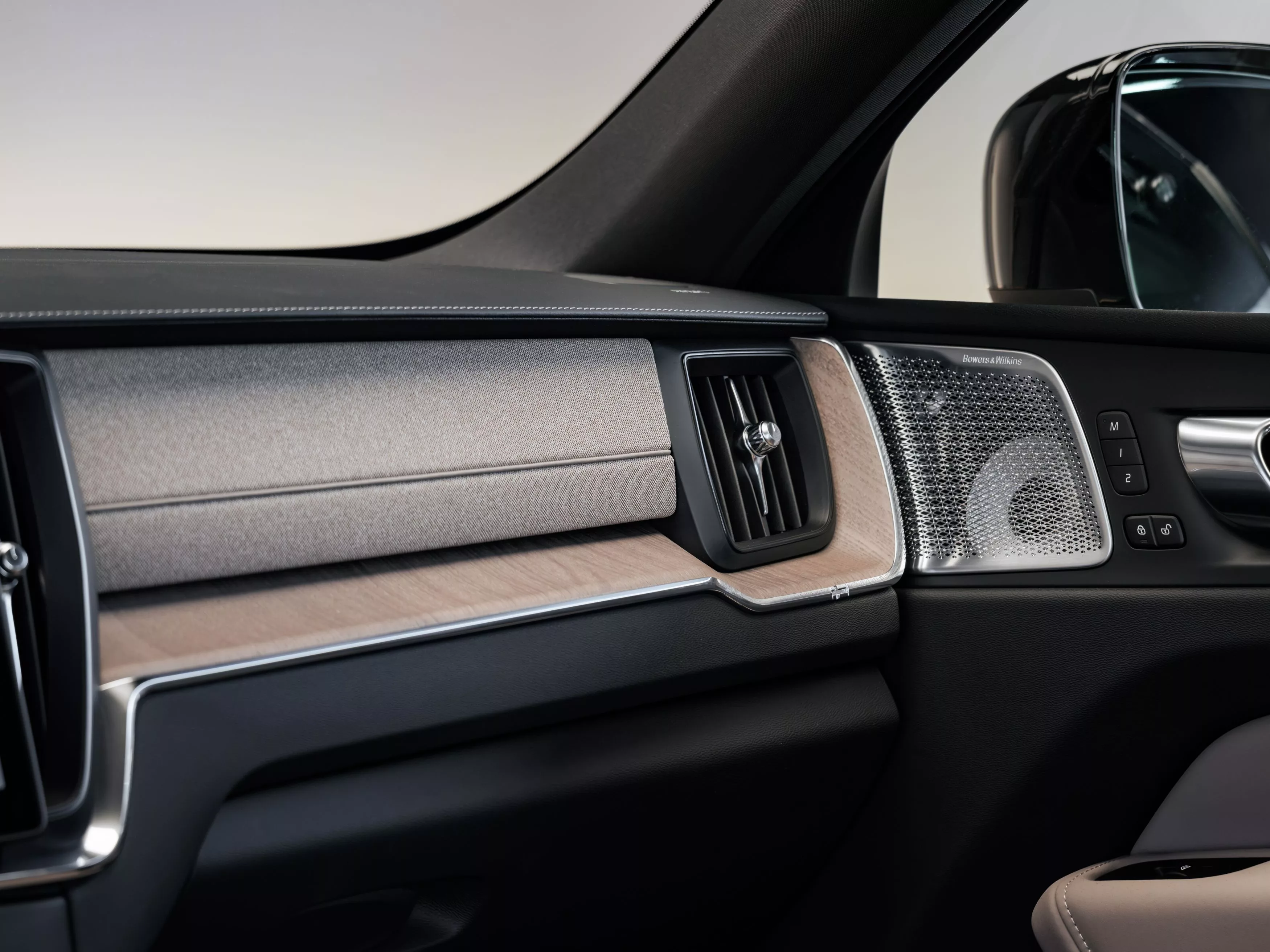
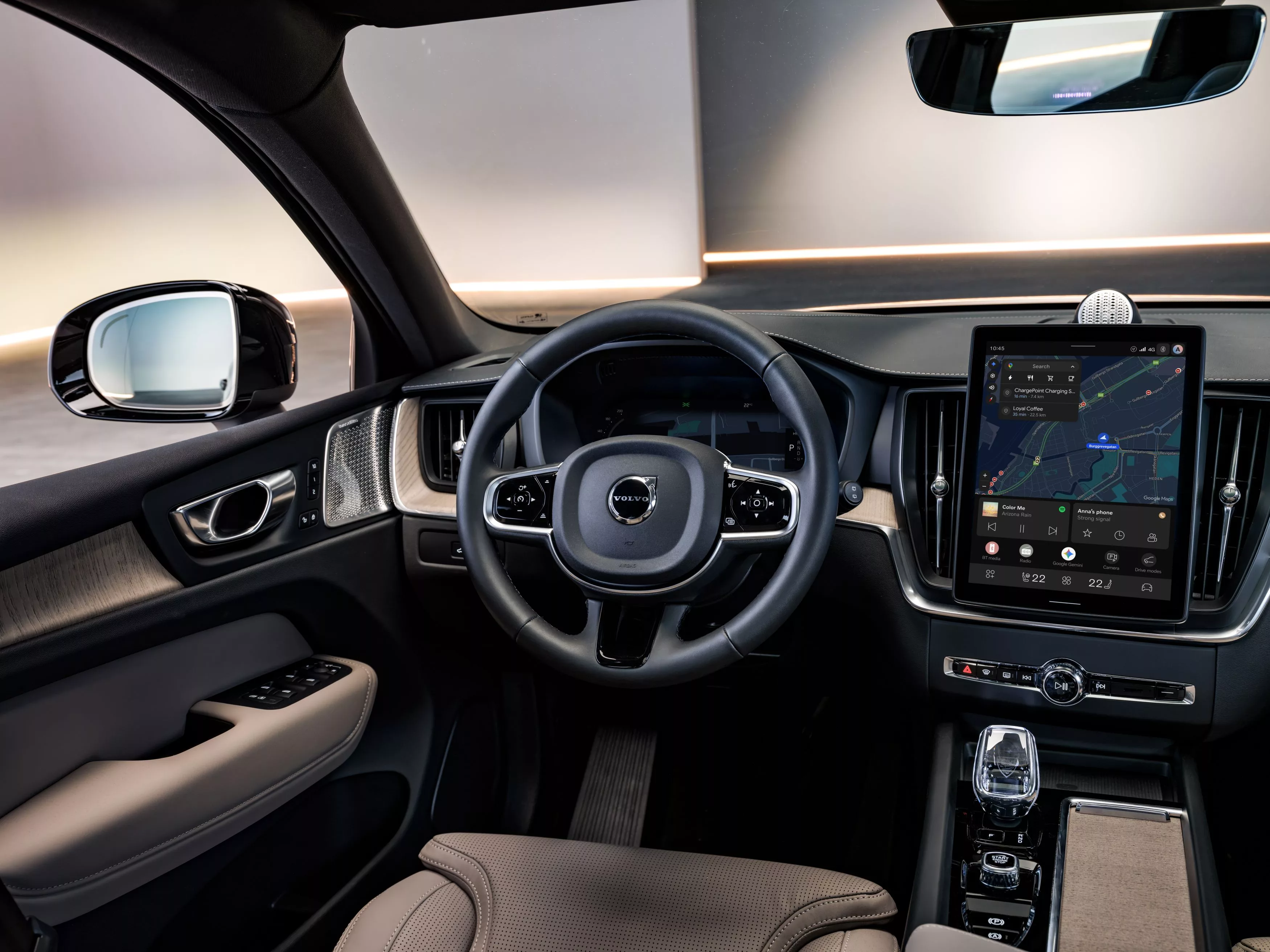
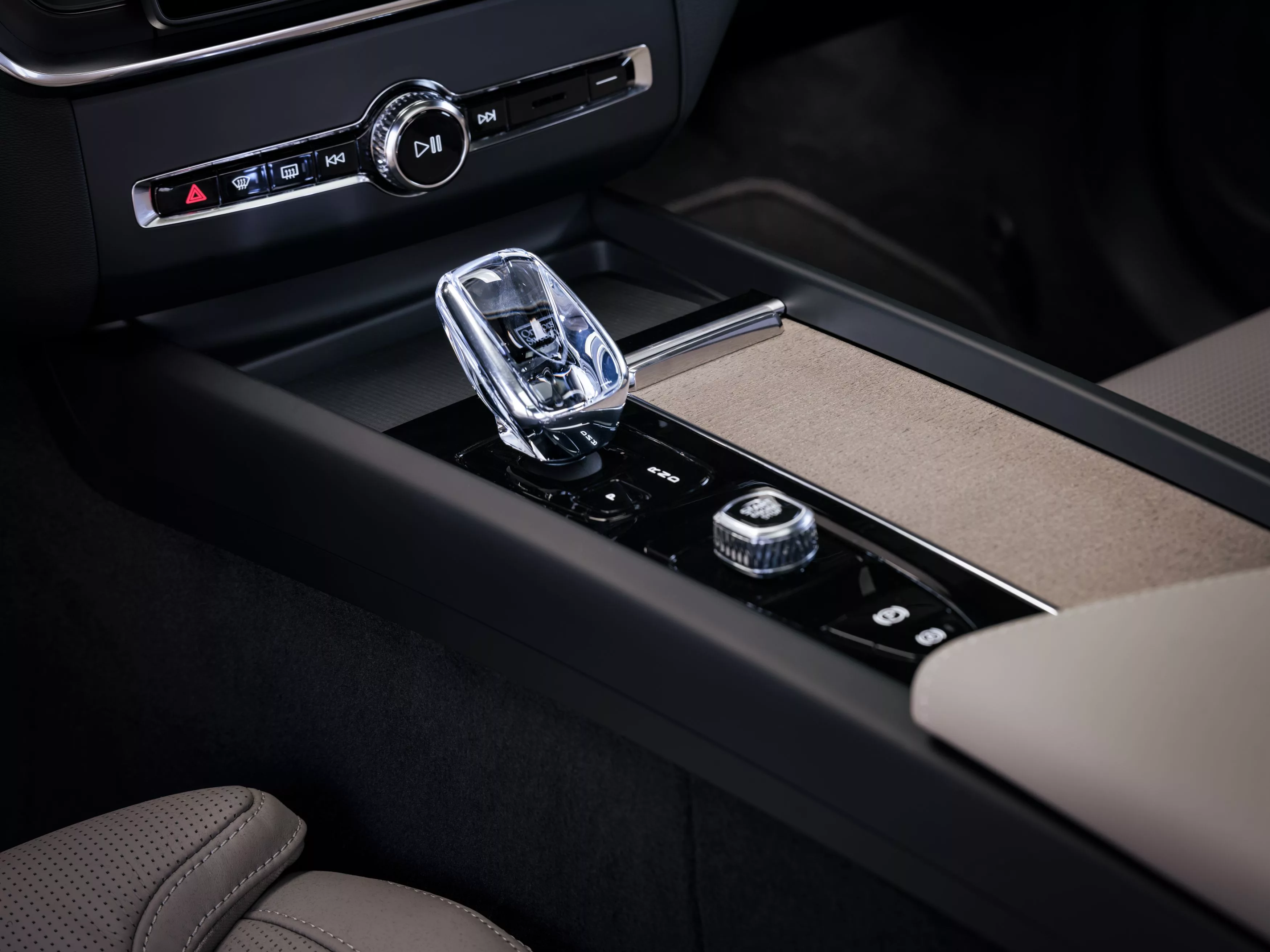
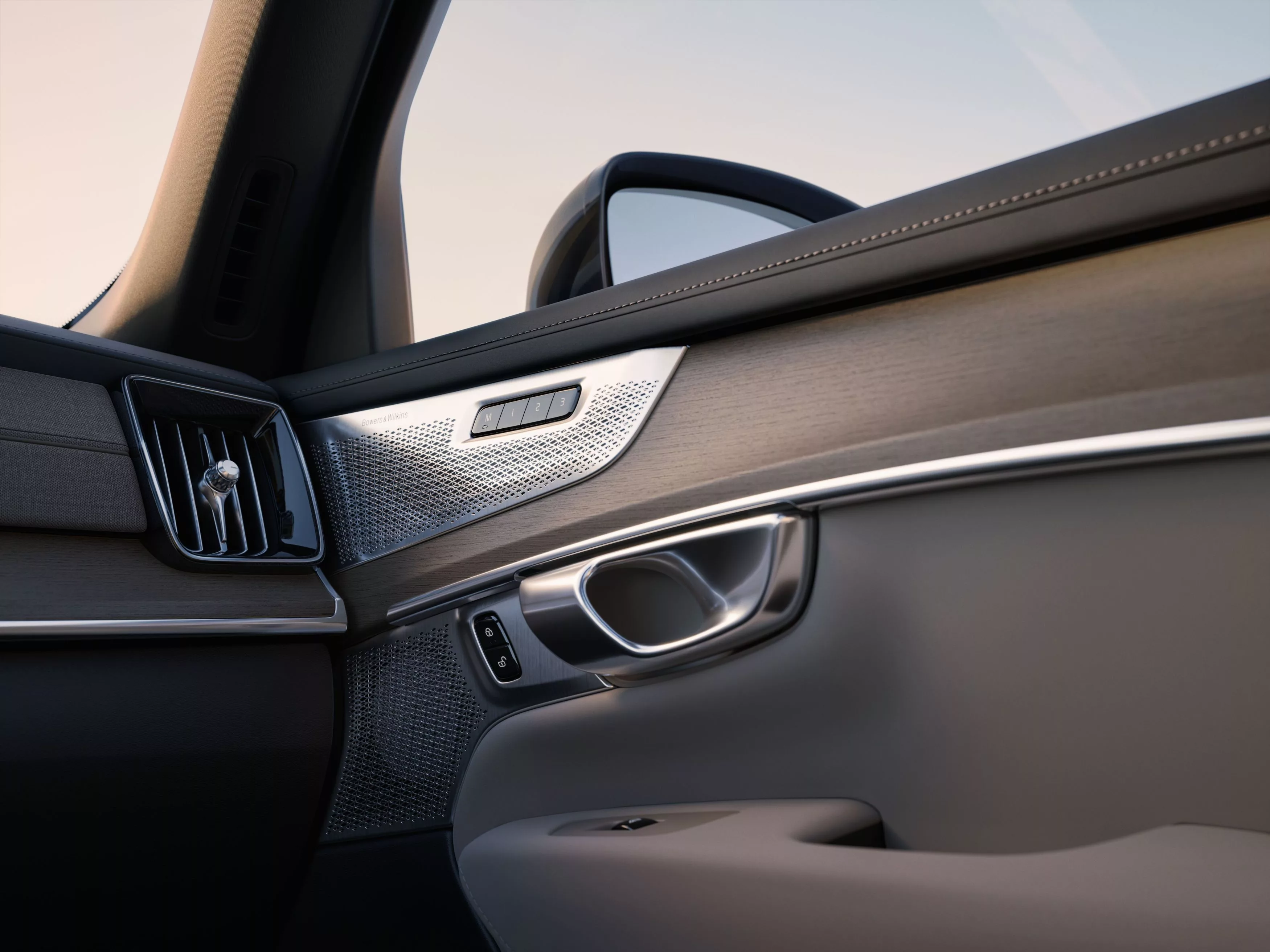
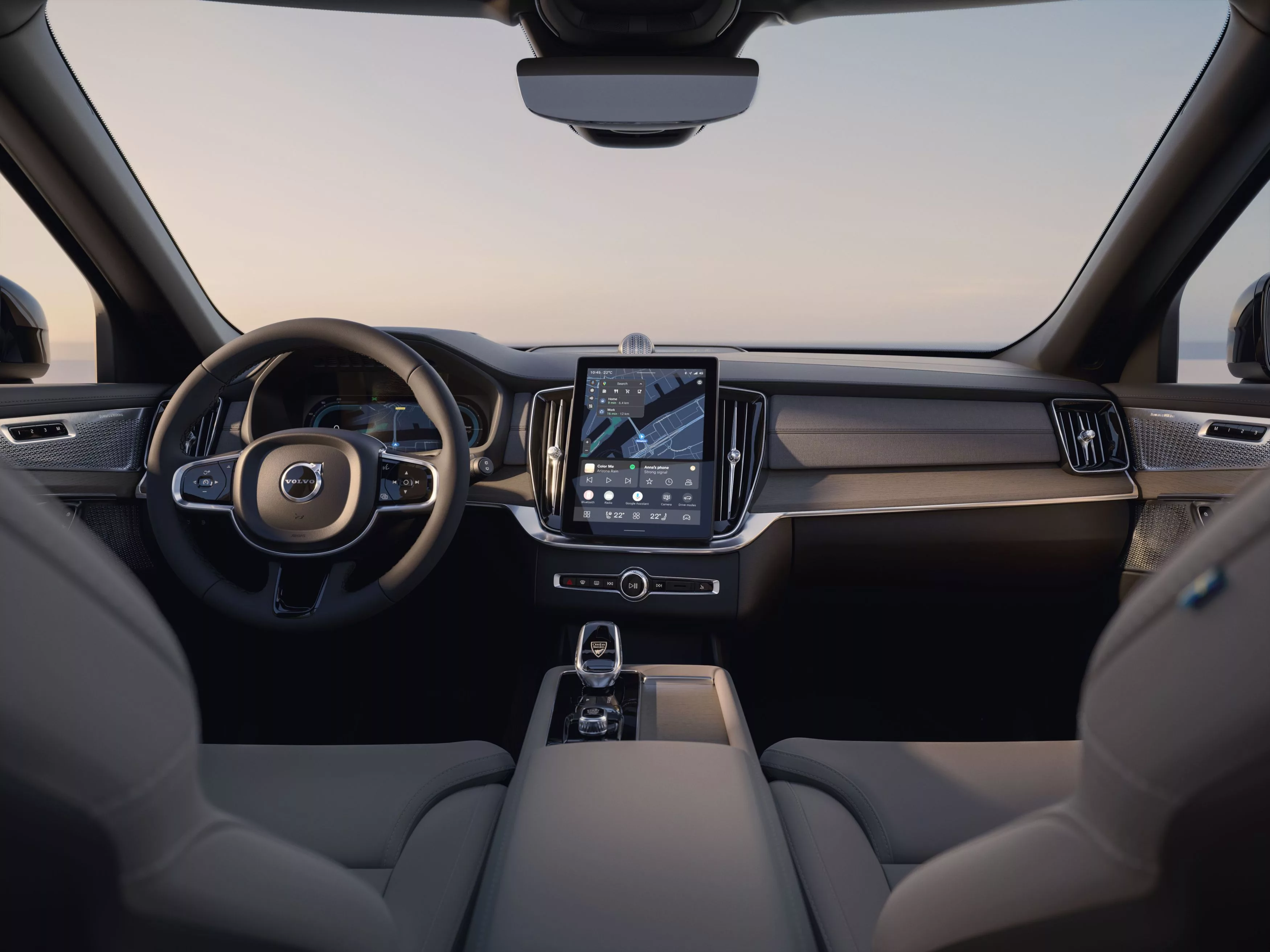
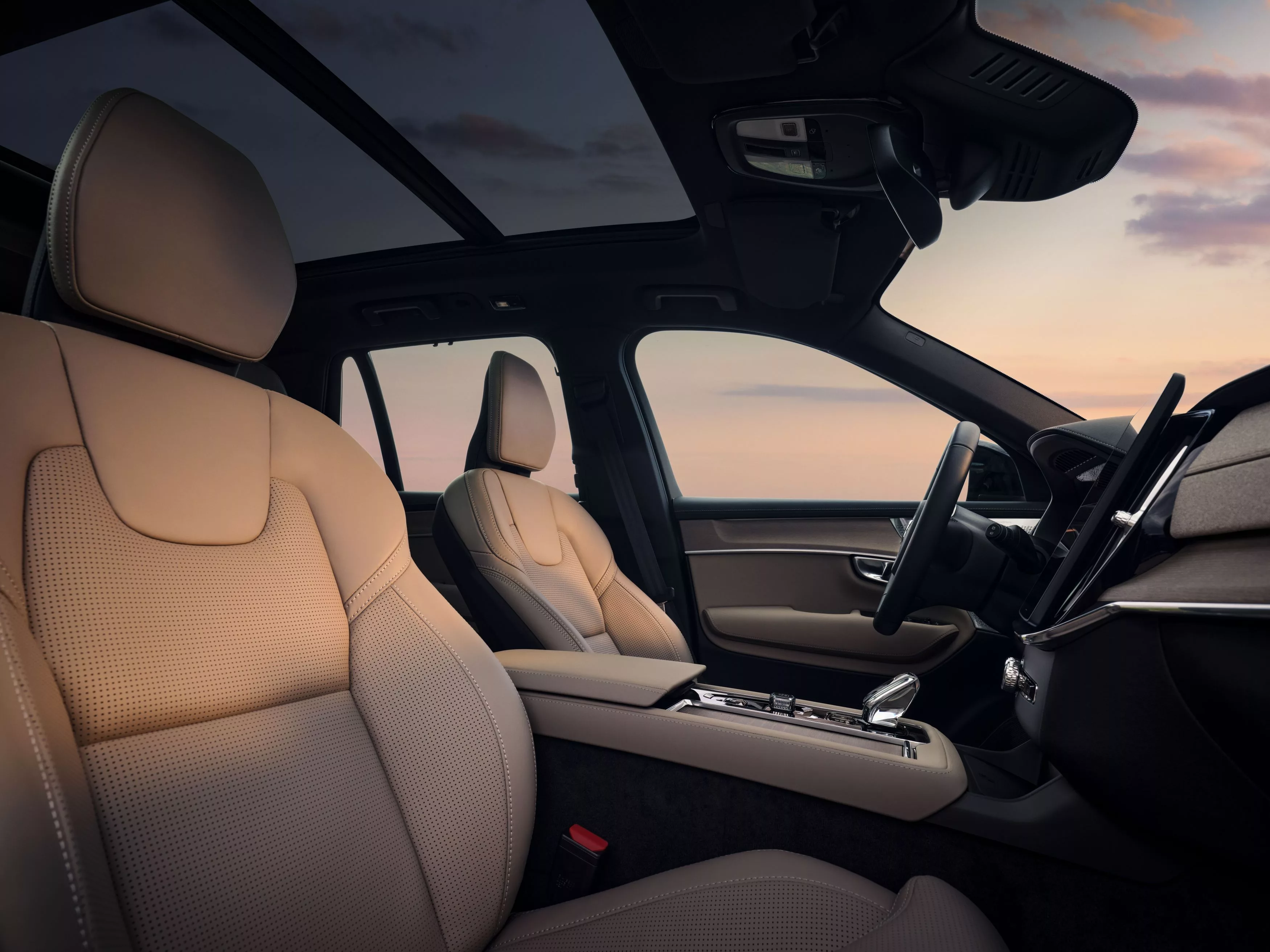
Inside, Volvo revises the dashboard and door panels, while offering, among other features, ventilated Nappa leather. An 11.2-inch central display runs Volvo’s newer user interface. Google Gemini will become the car’s voice assistant, allowing the driver to plan a route, search for stops and manage messages in more natural language, for example. Gemini will also be added to the XC90.
Volvo is also enhancing its driver-assistance systems. Alongside automatic emergency braking and emergency steering, the XC60 receives a system that warns of an approaching cyclist when a door is opened. Optional equipment includes lane-change assistance and a 360-degree camera system with a 3D view.
Volvo is investing more in hybrids, not less
Volvo describes long-range plug-in hybrids as a bridge towards a fully electric model range. The XC60 is the company’s best-selling model in its history, while the XC90 is the car with which Volvo built much of its current premium position.
In Europe, the XC60 will compete directly with the BMW X3, Mercedes-Benz GLC and other premium plug-in hybrid SUVs. A WLTP electric range of 200 km, however, raises the bar far above that of a conventional plug-in hybrid. The question is no longer whether the battery is sufficient for the morning commute, but how often the petrol engine will be needed in everyday use at all.
The fully electric EX60 remains for those ready to give up the internal-combustion engine, while the long-range XC60 is for those who want to drive on electric power most of the time but do not want to rely entirely on the charging network.


