
Kia PV7 takes on Europe’s van segment with 800-volt charging and more than 460 km of range
 1/102
1/102
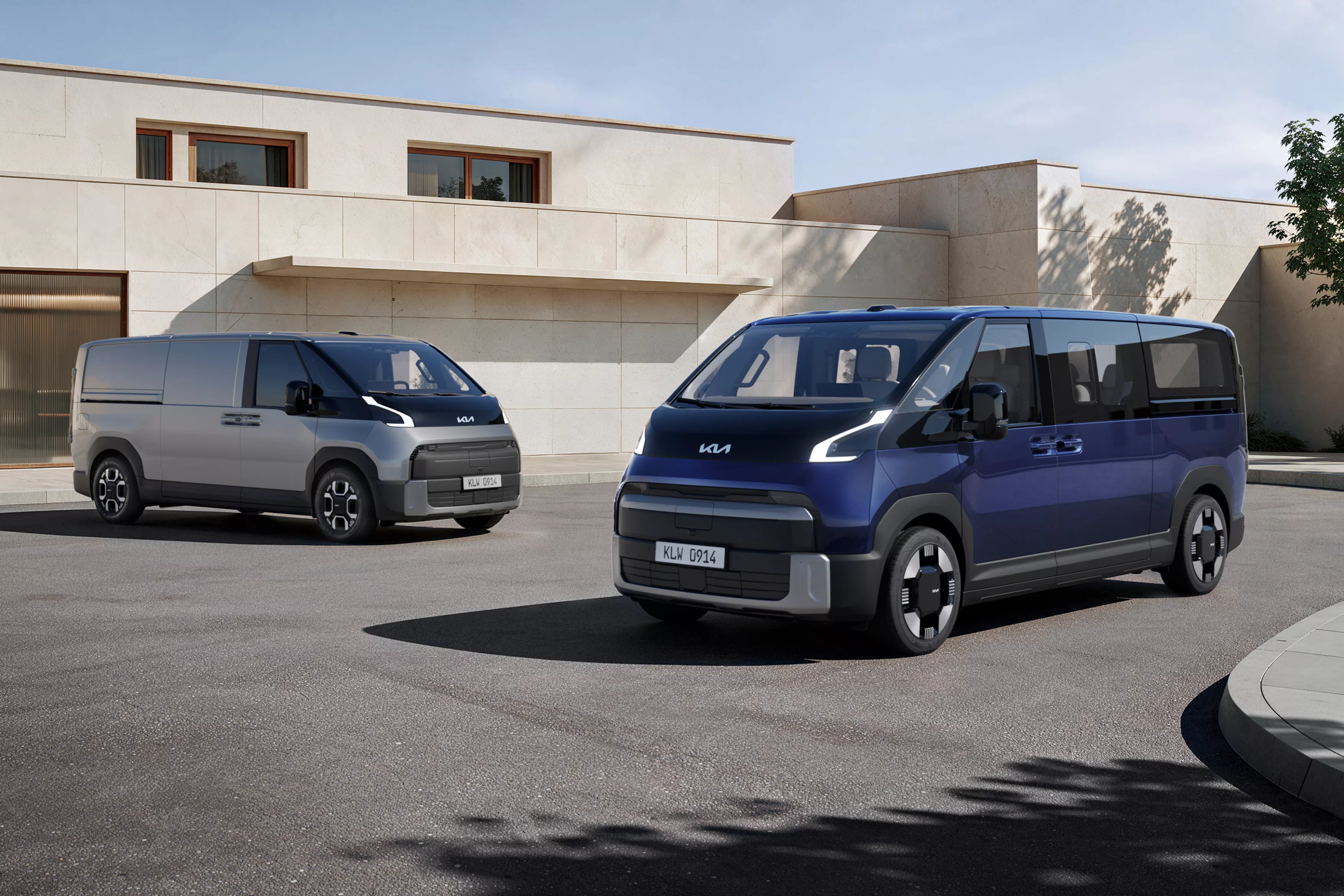
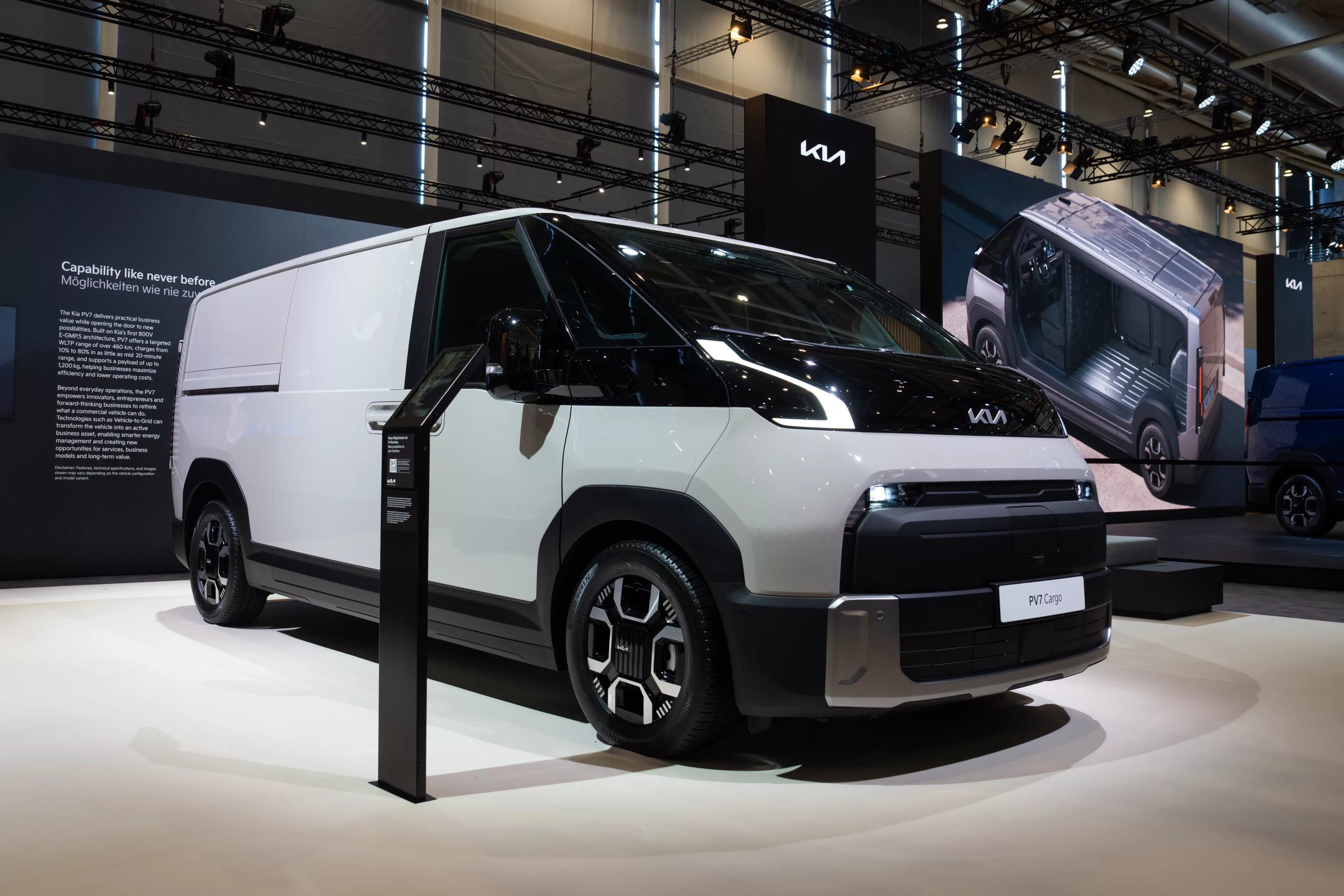
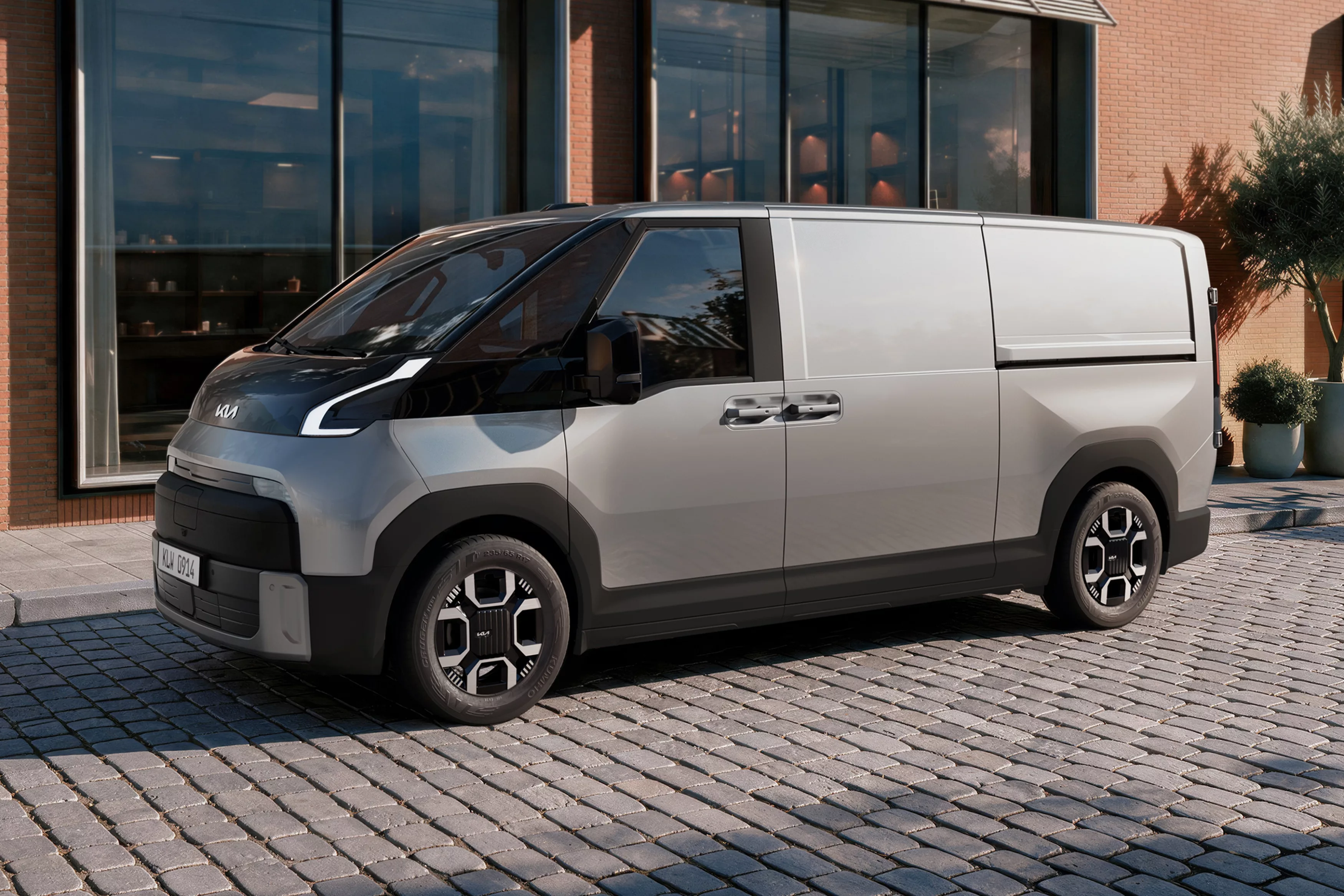
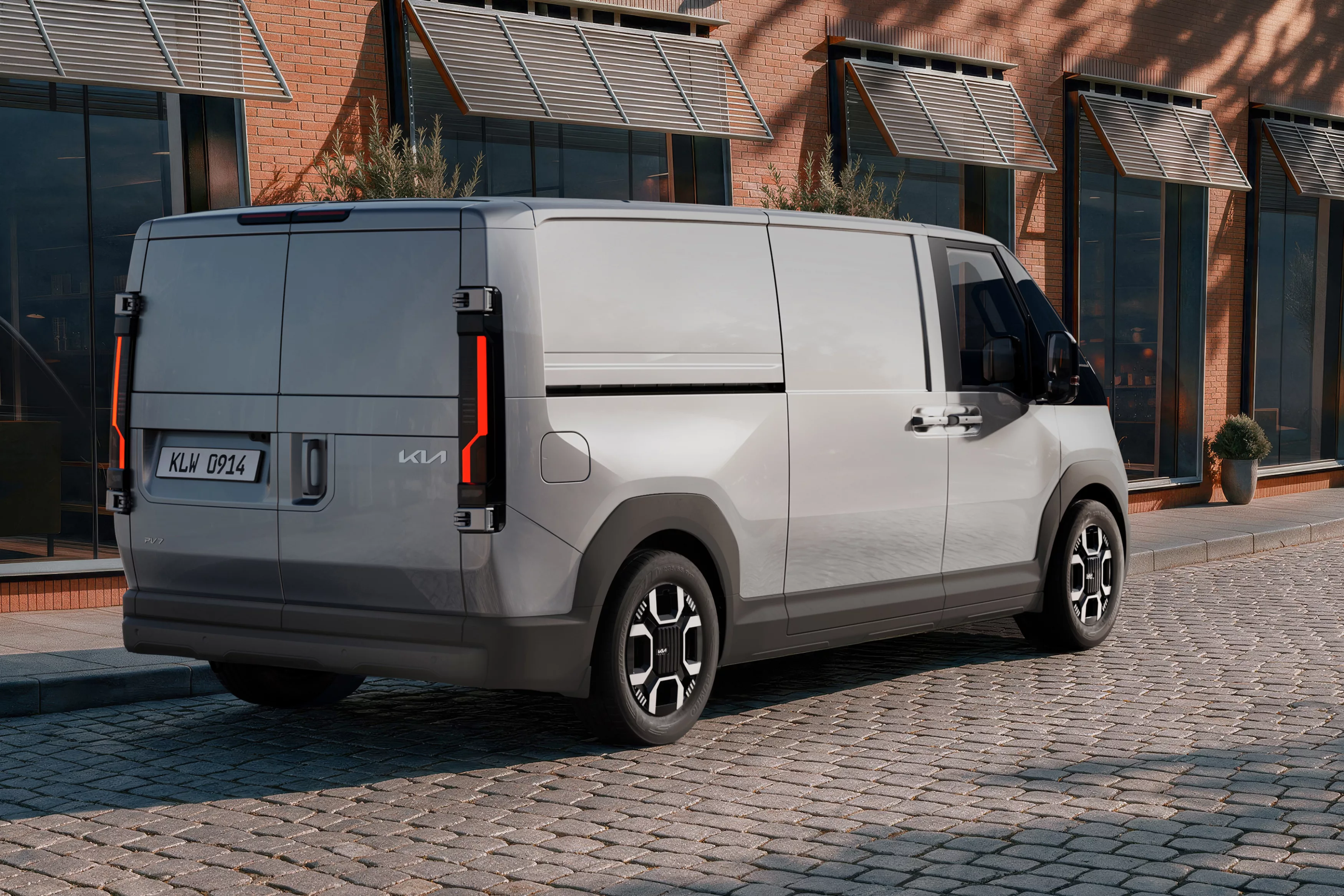
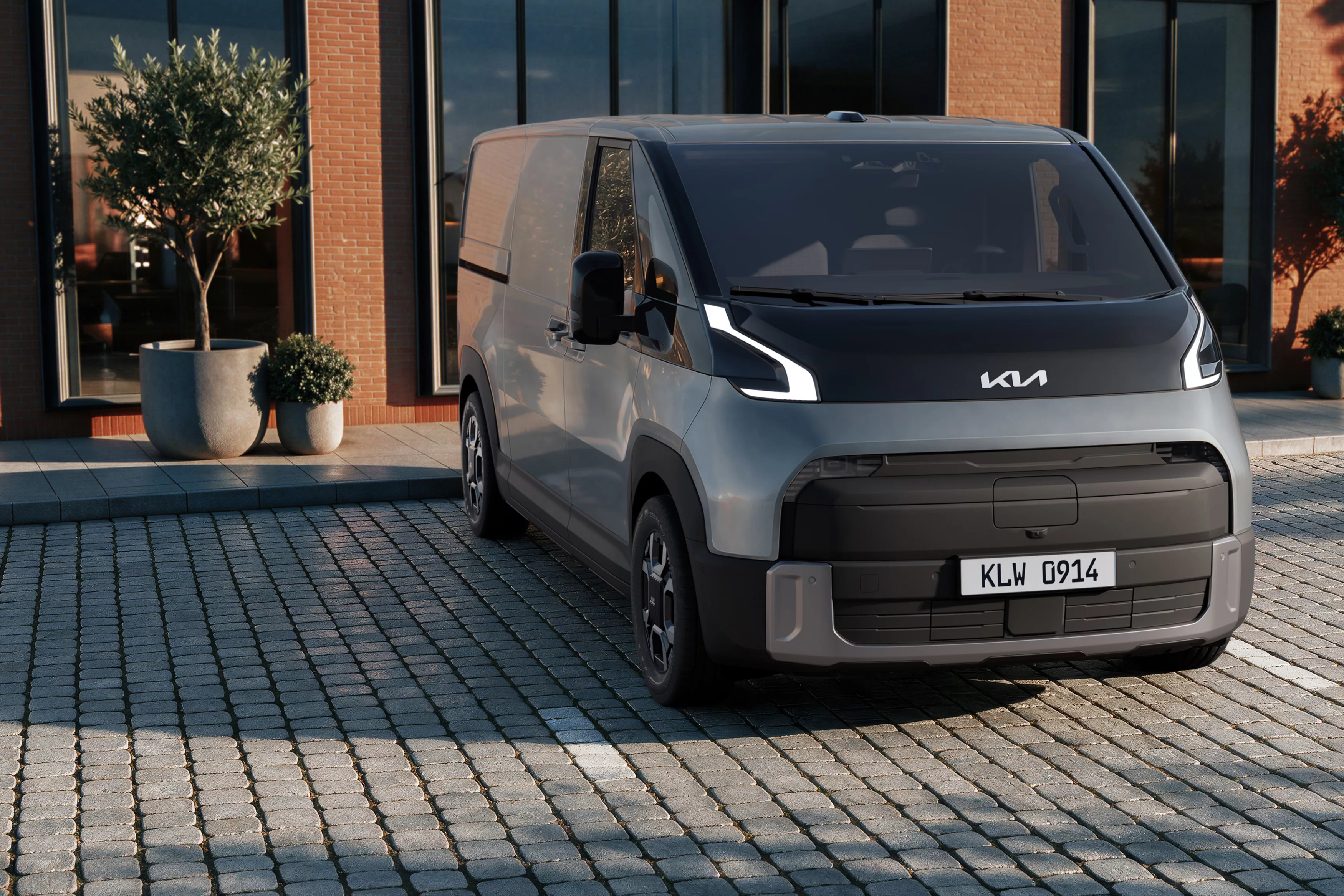
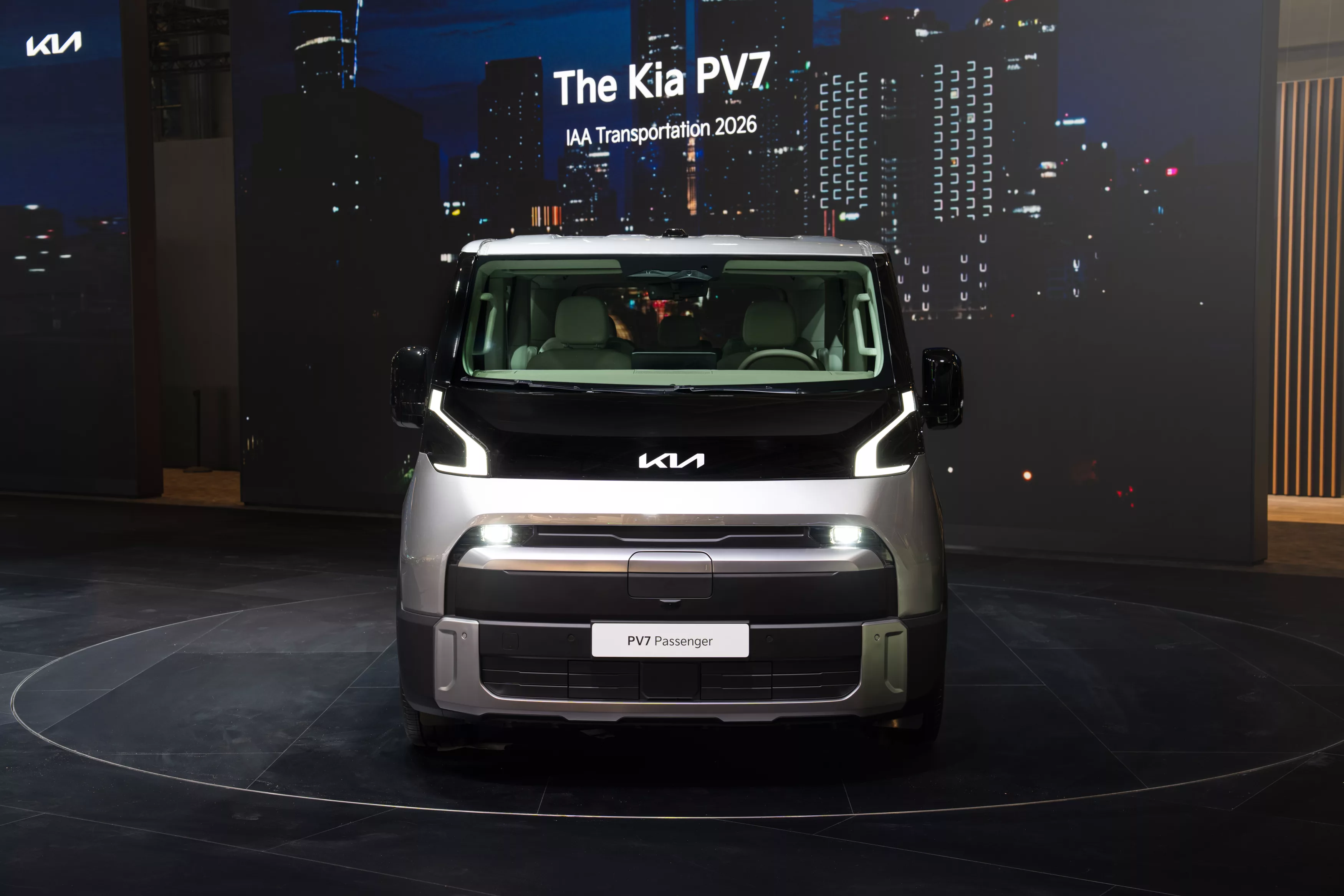
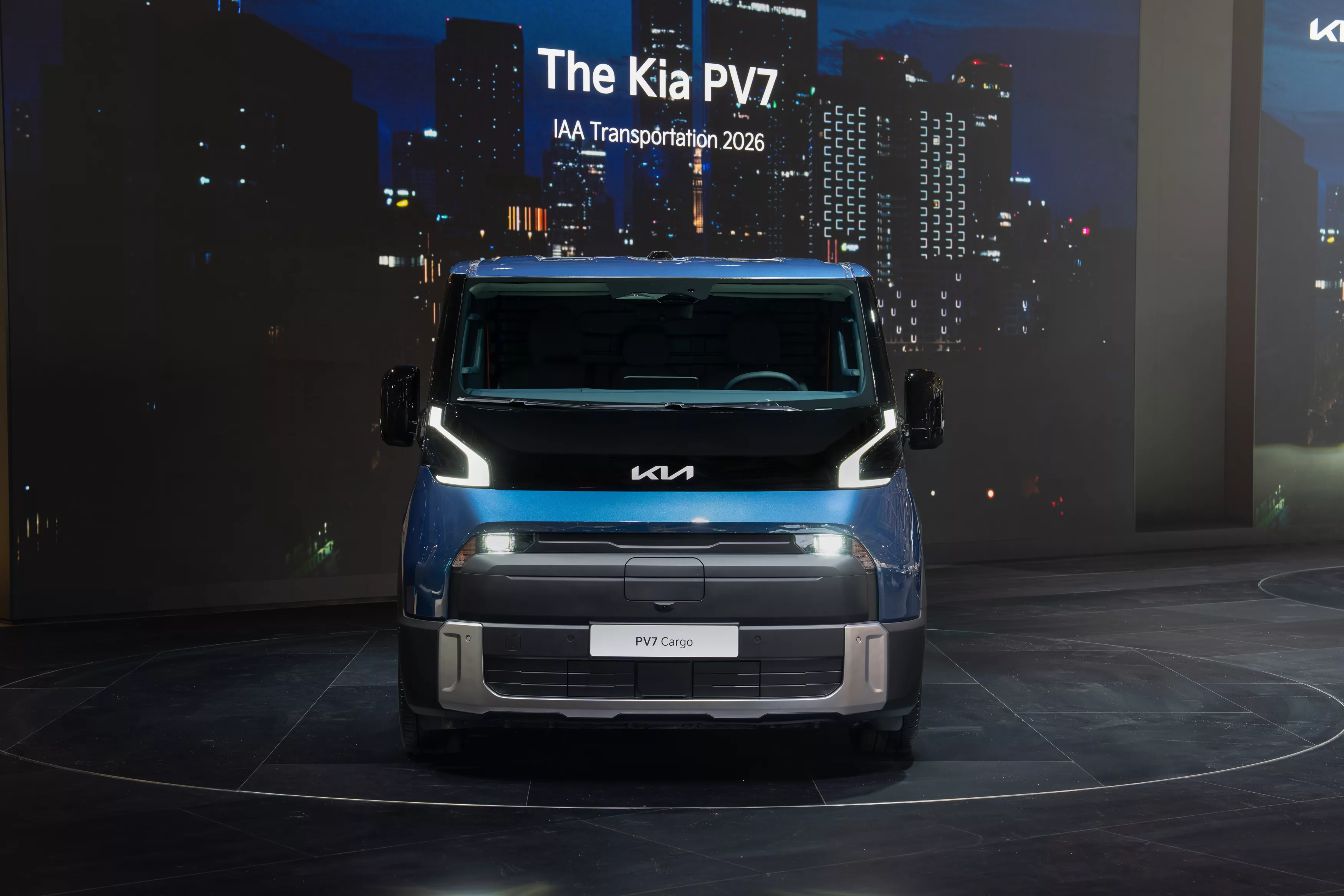
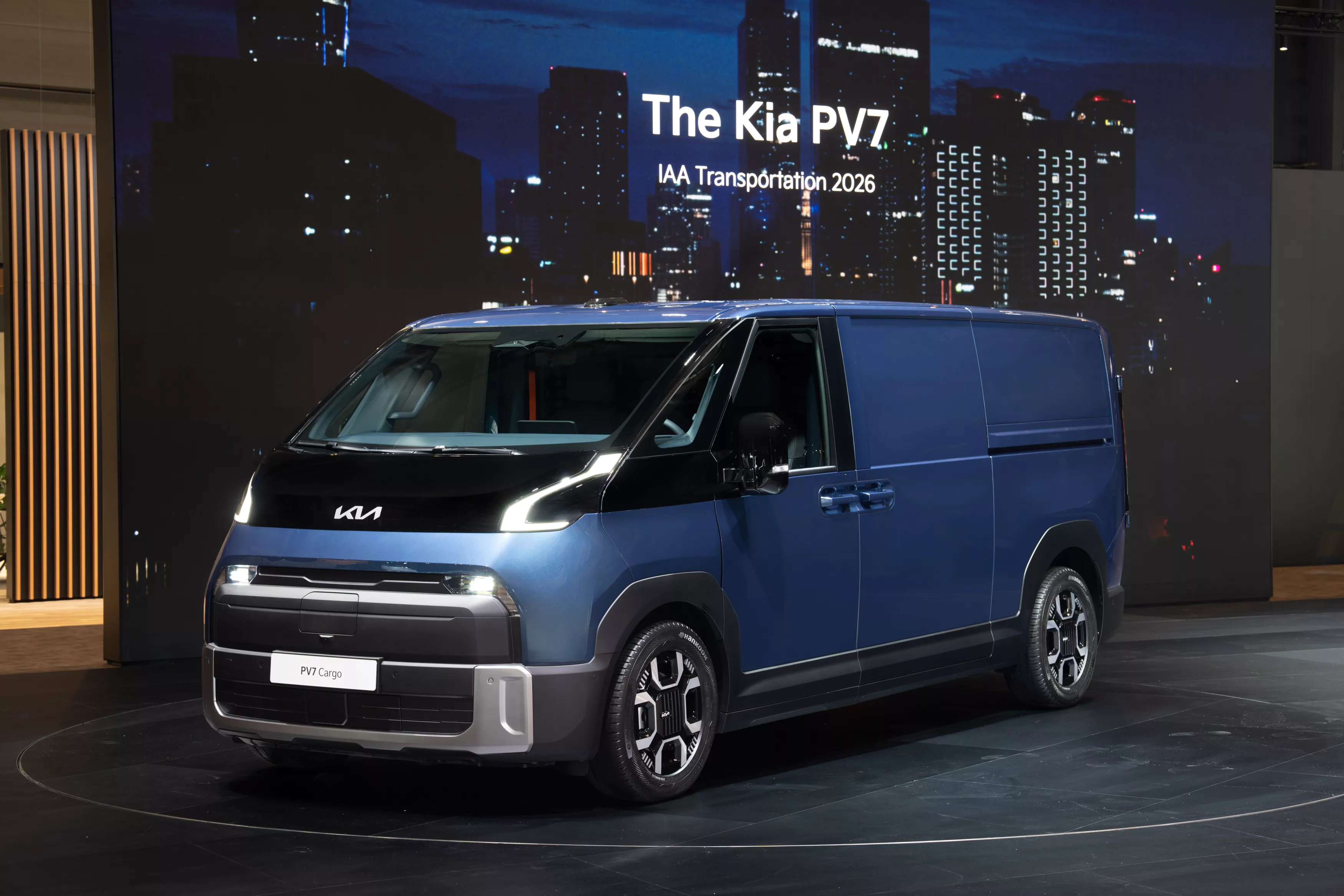
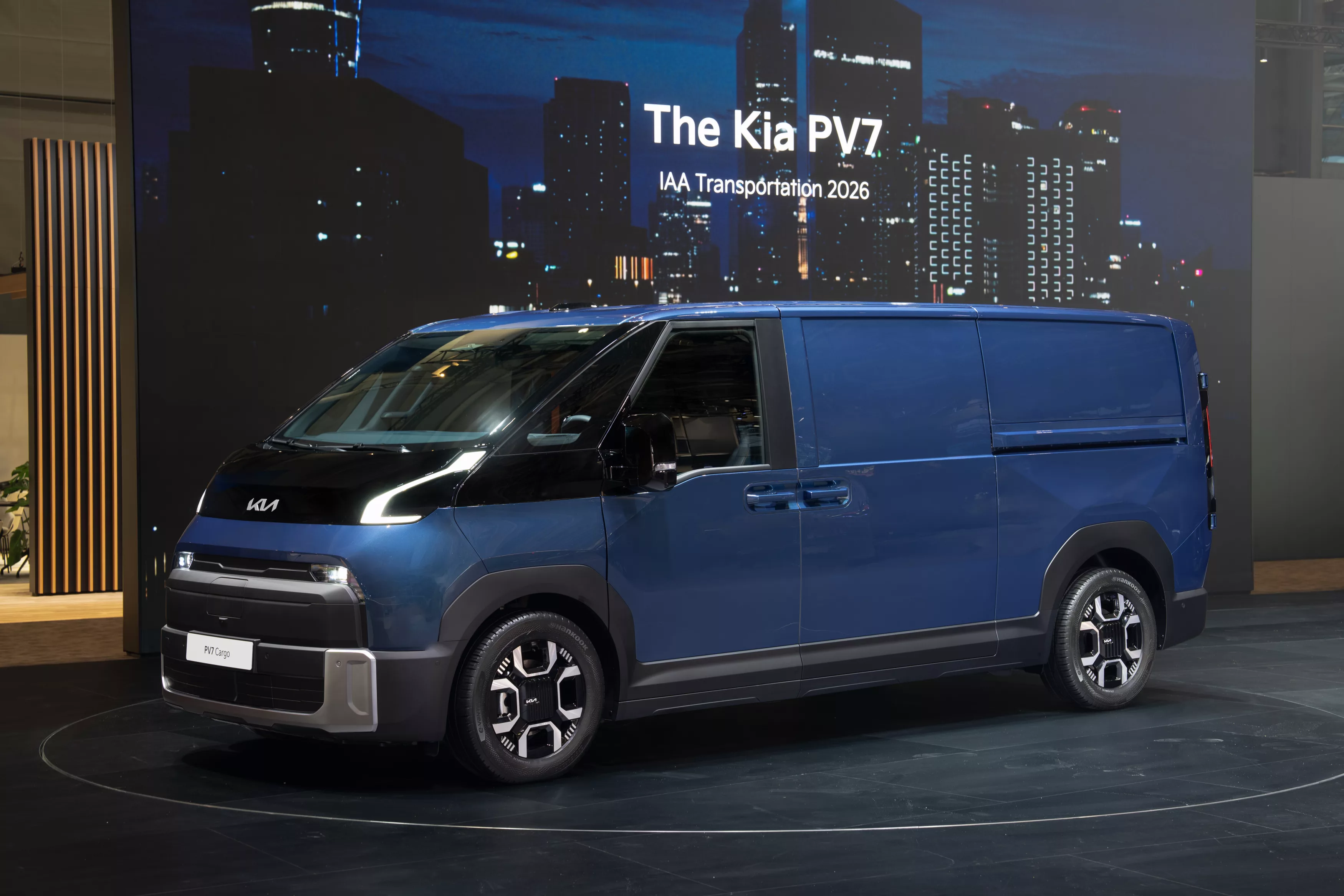
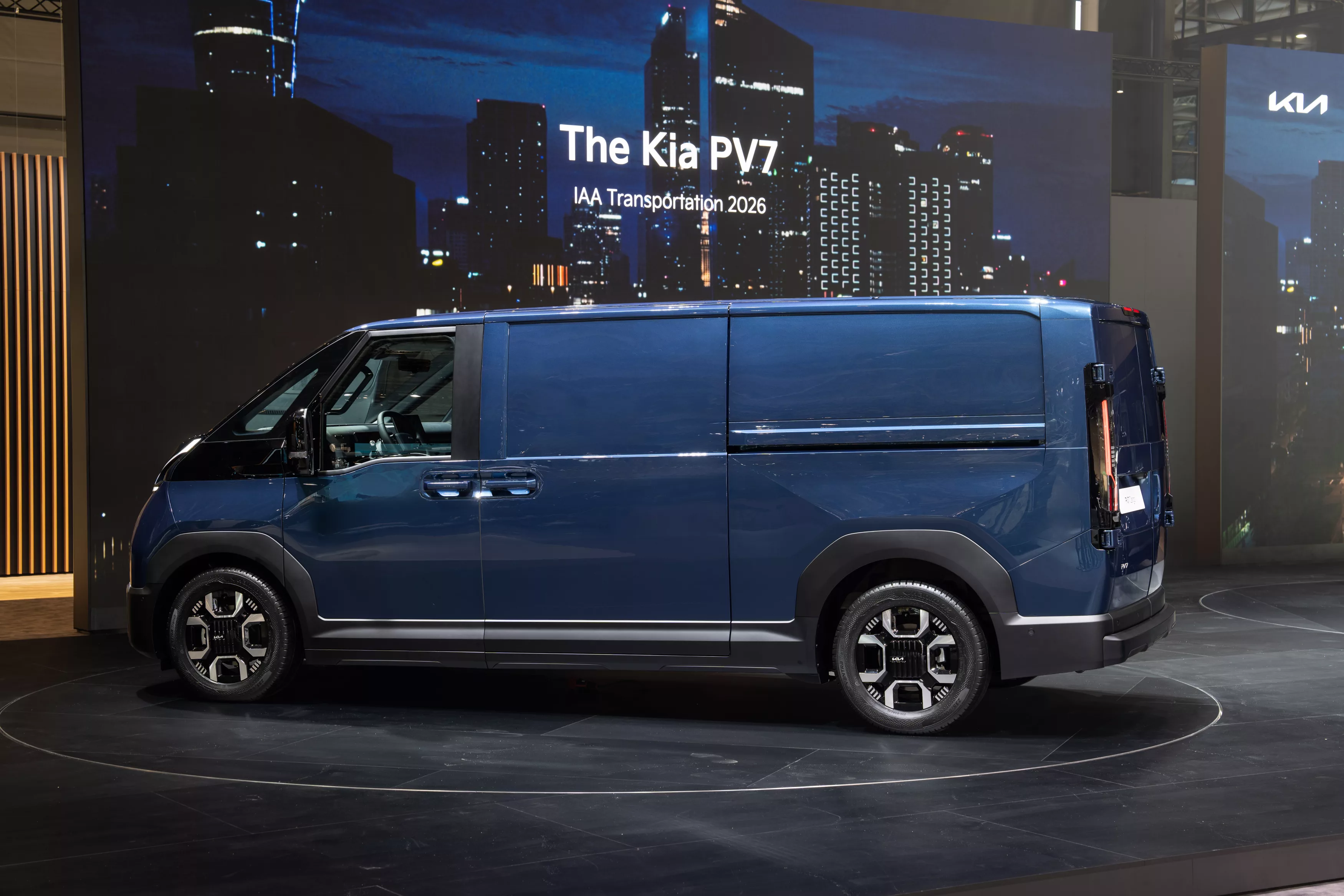
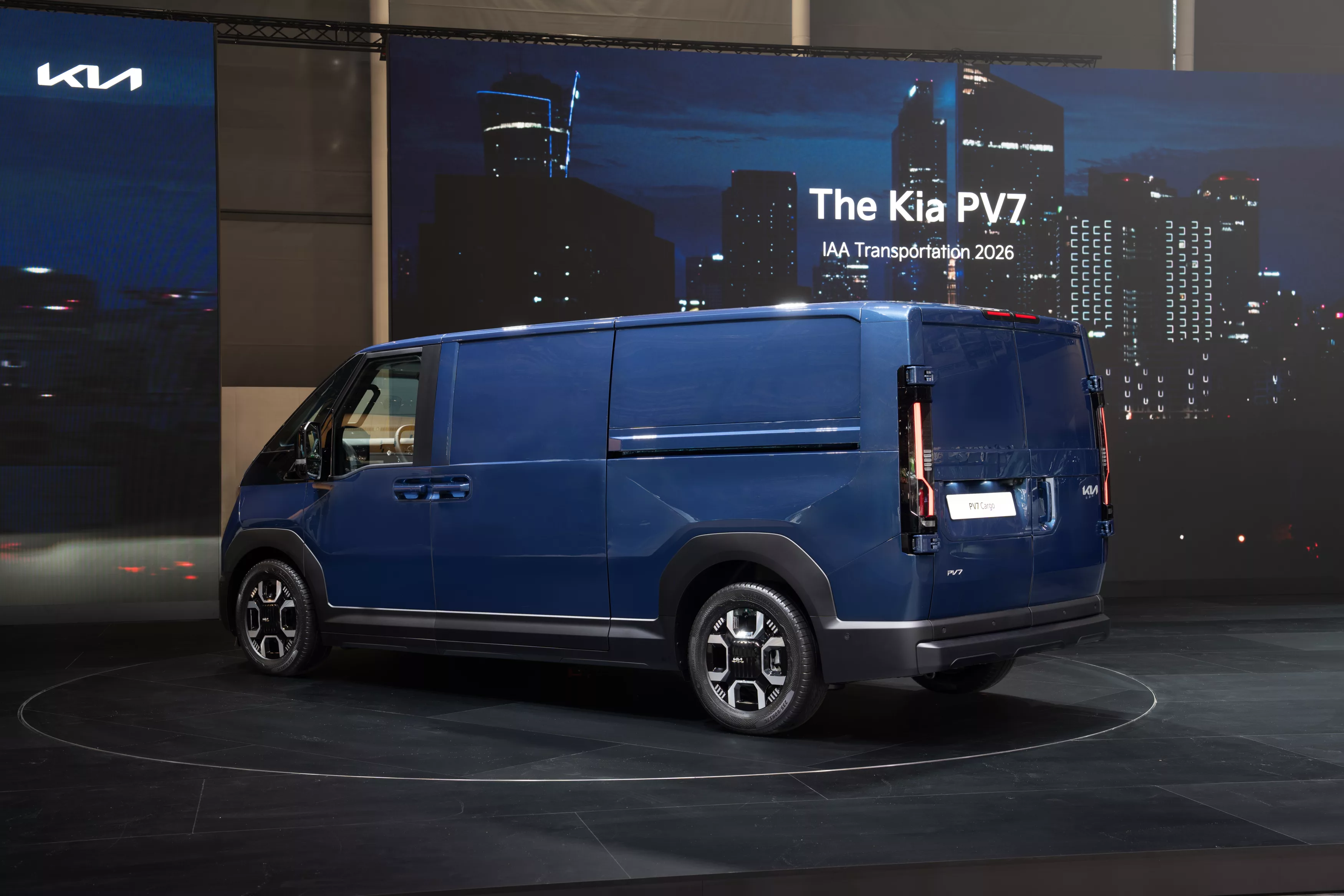
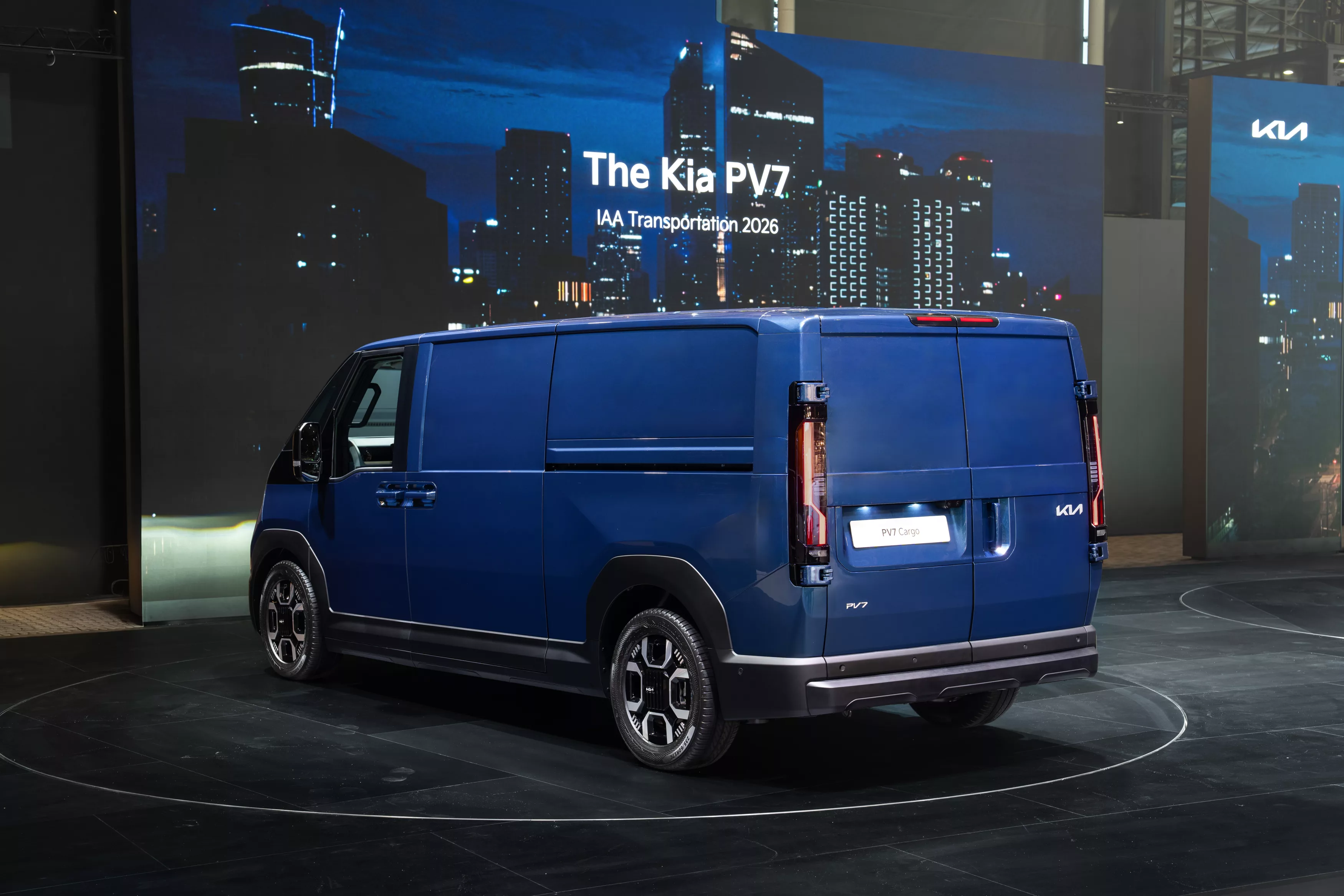
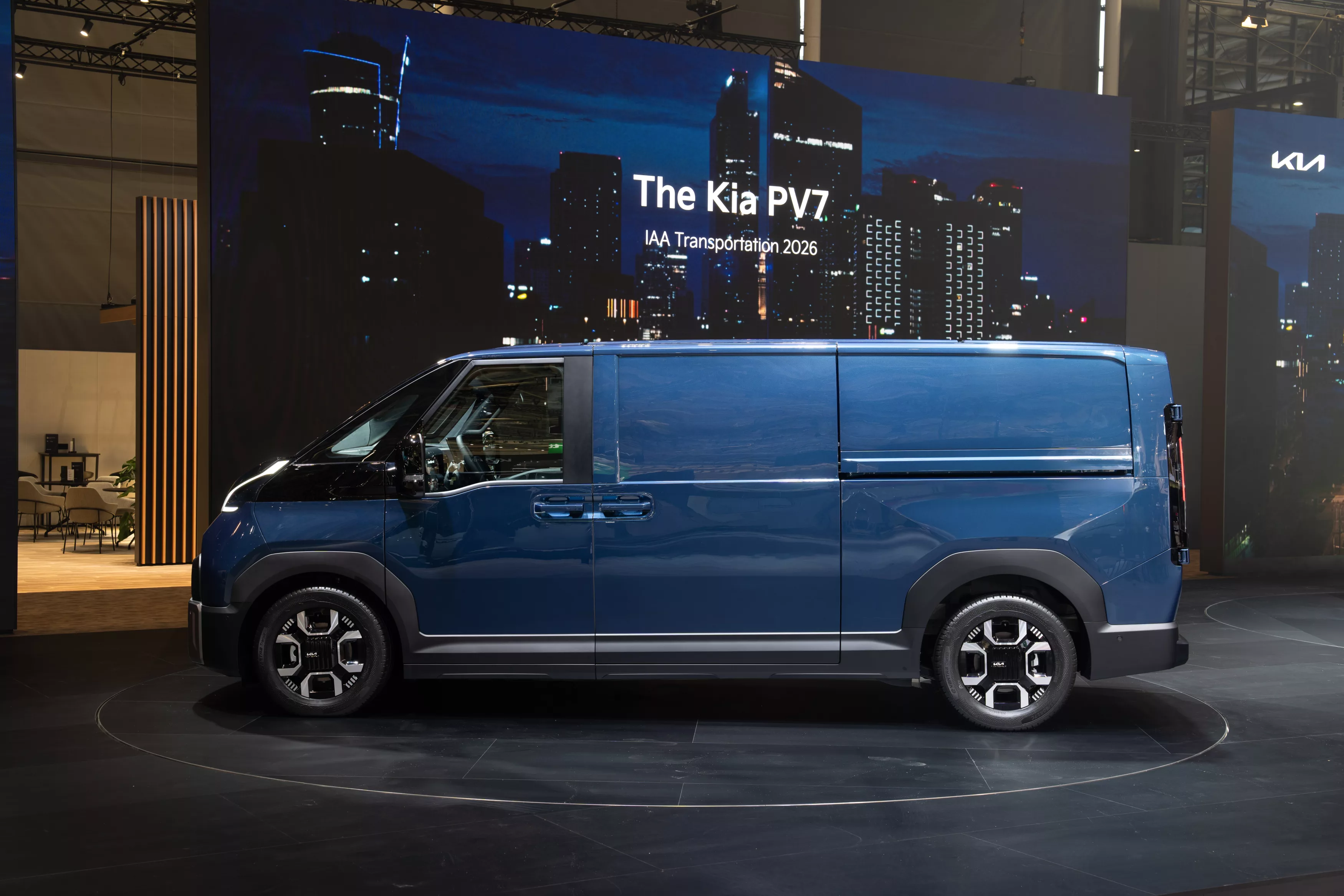
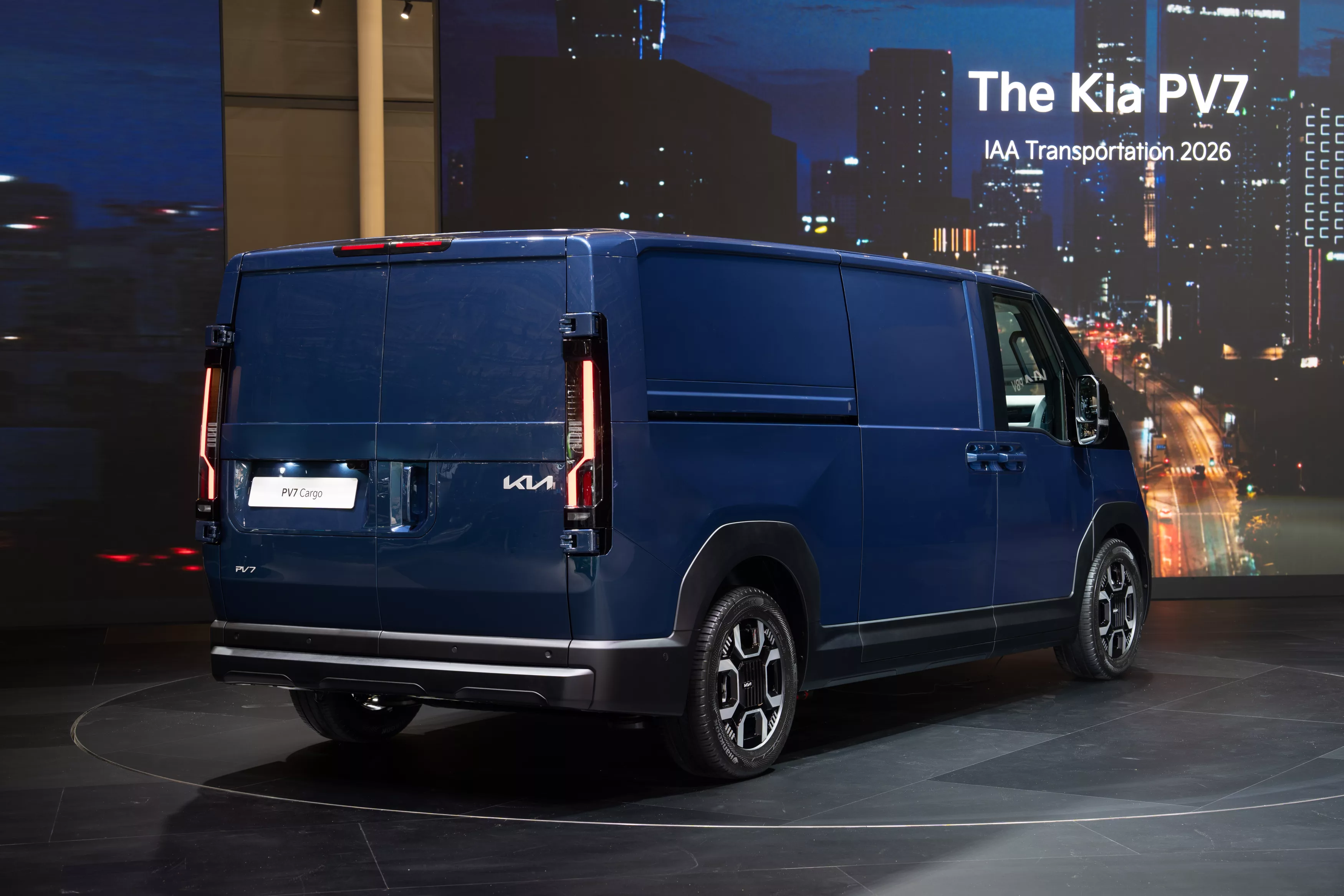
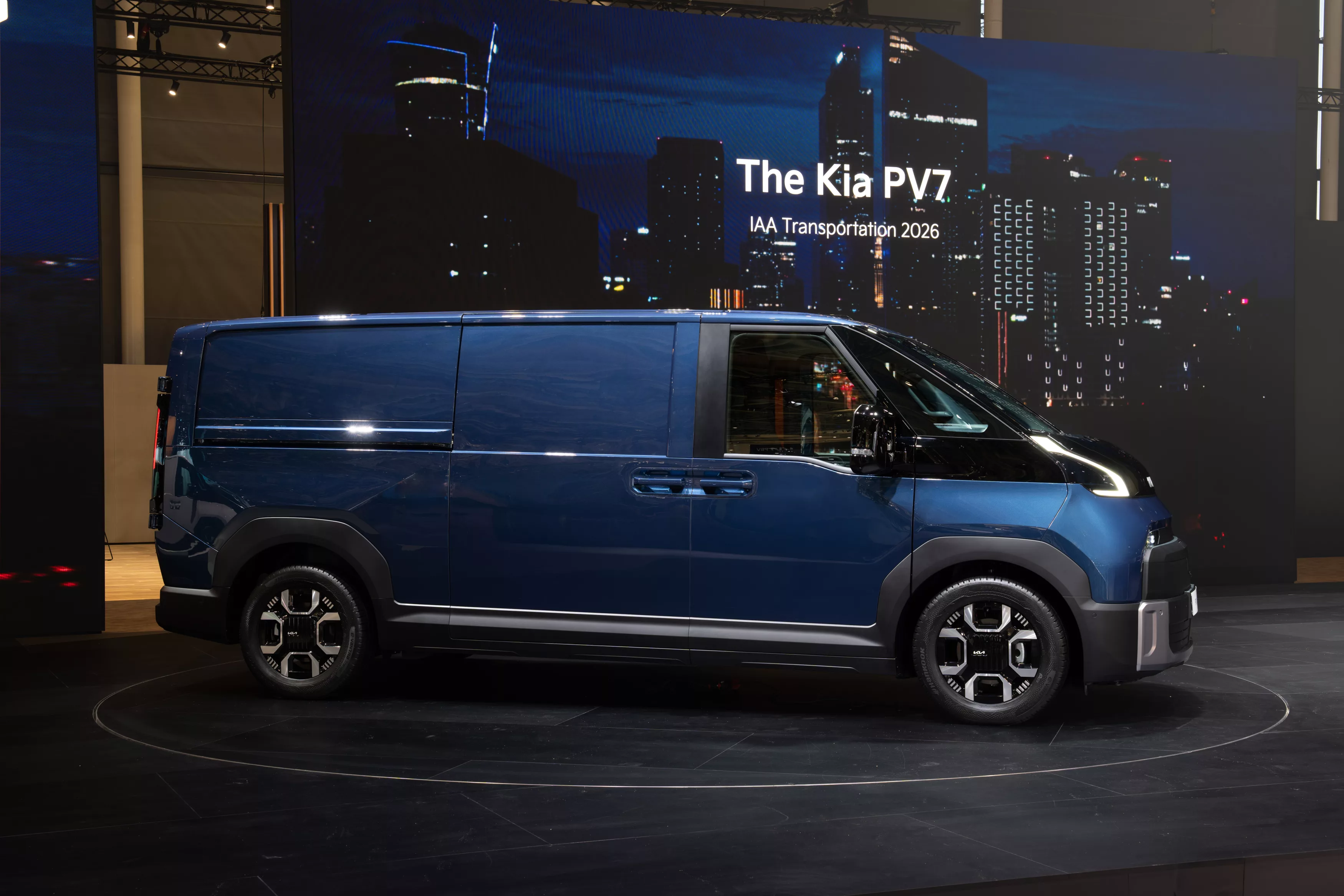
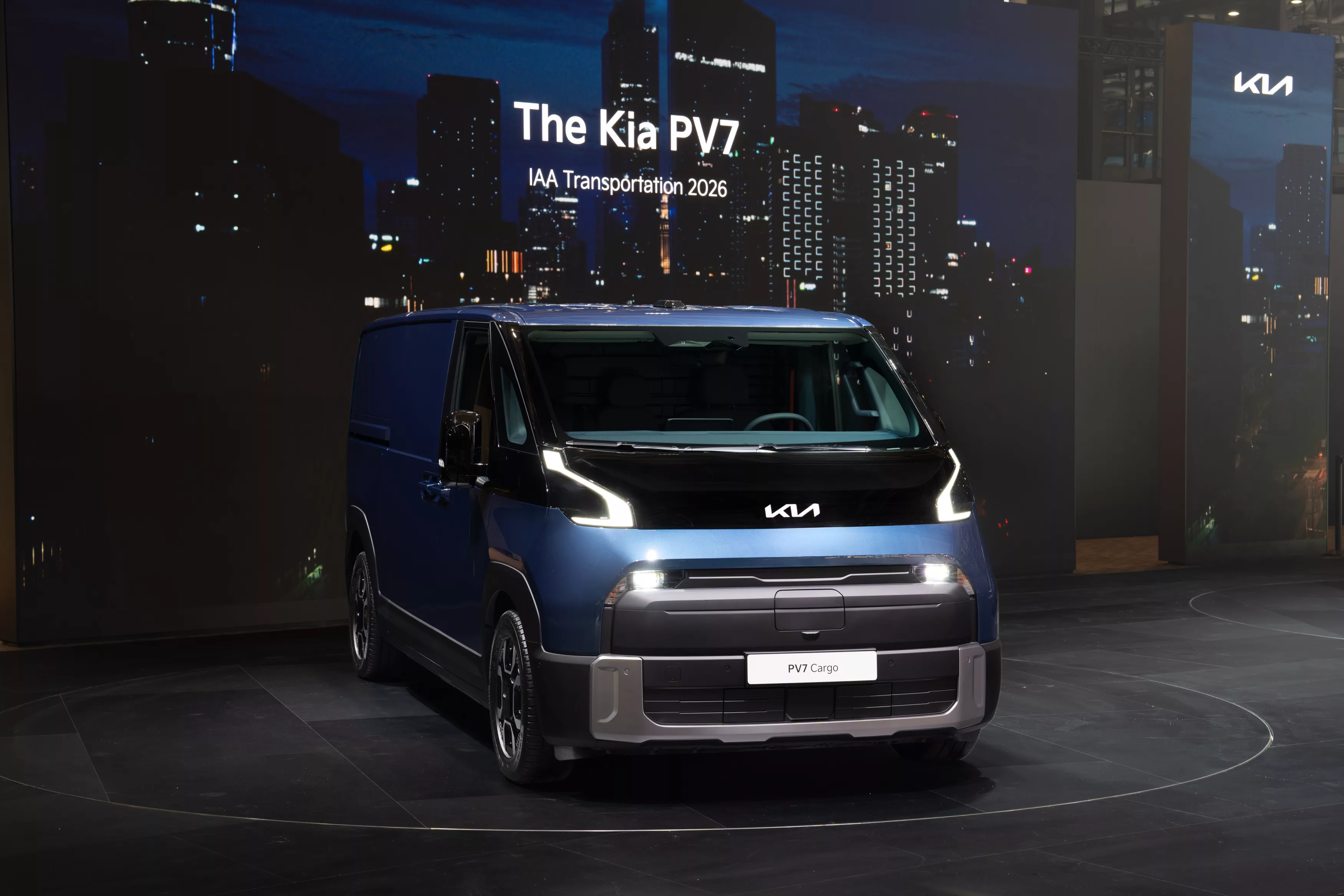
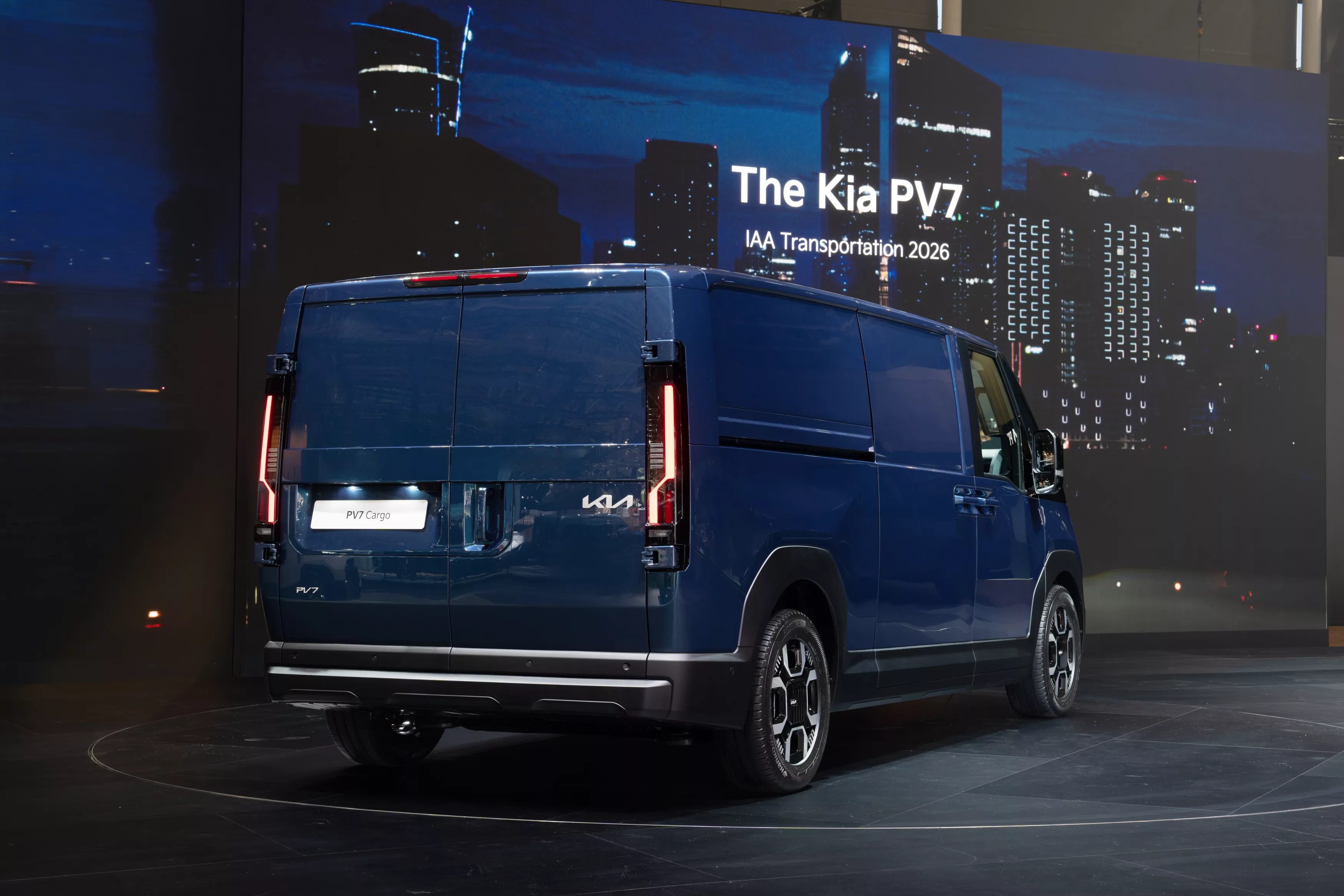
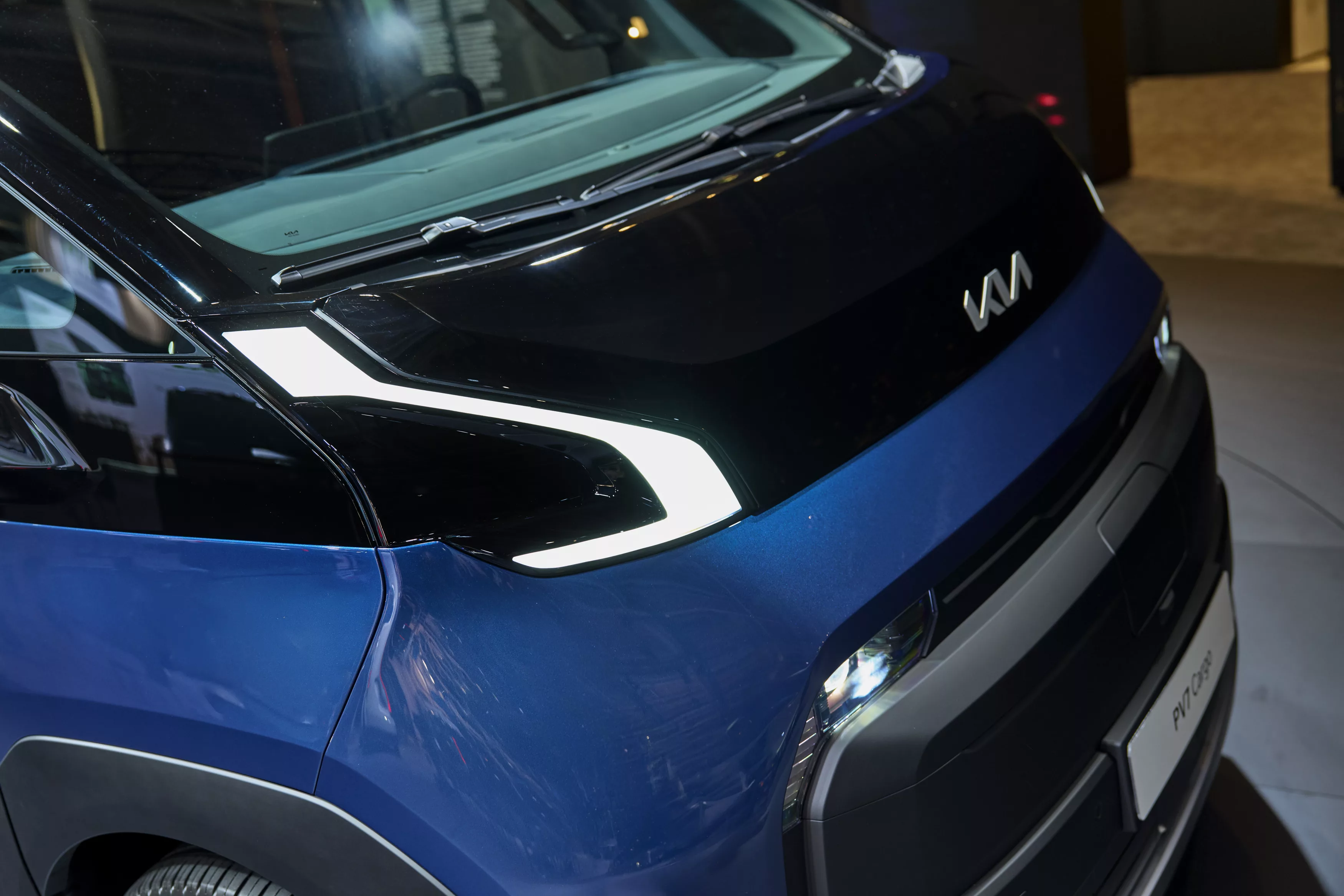
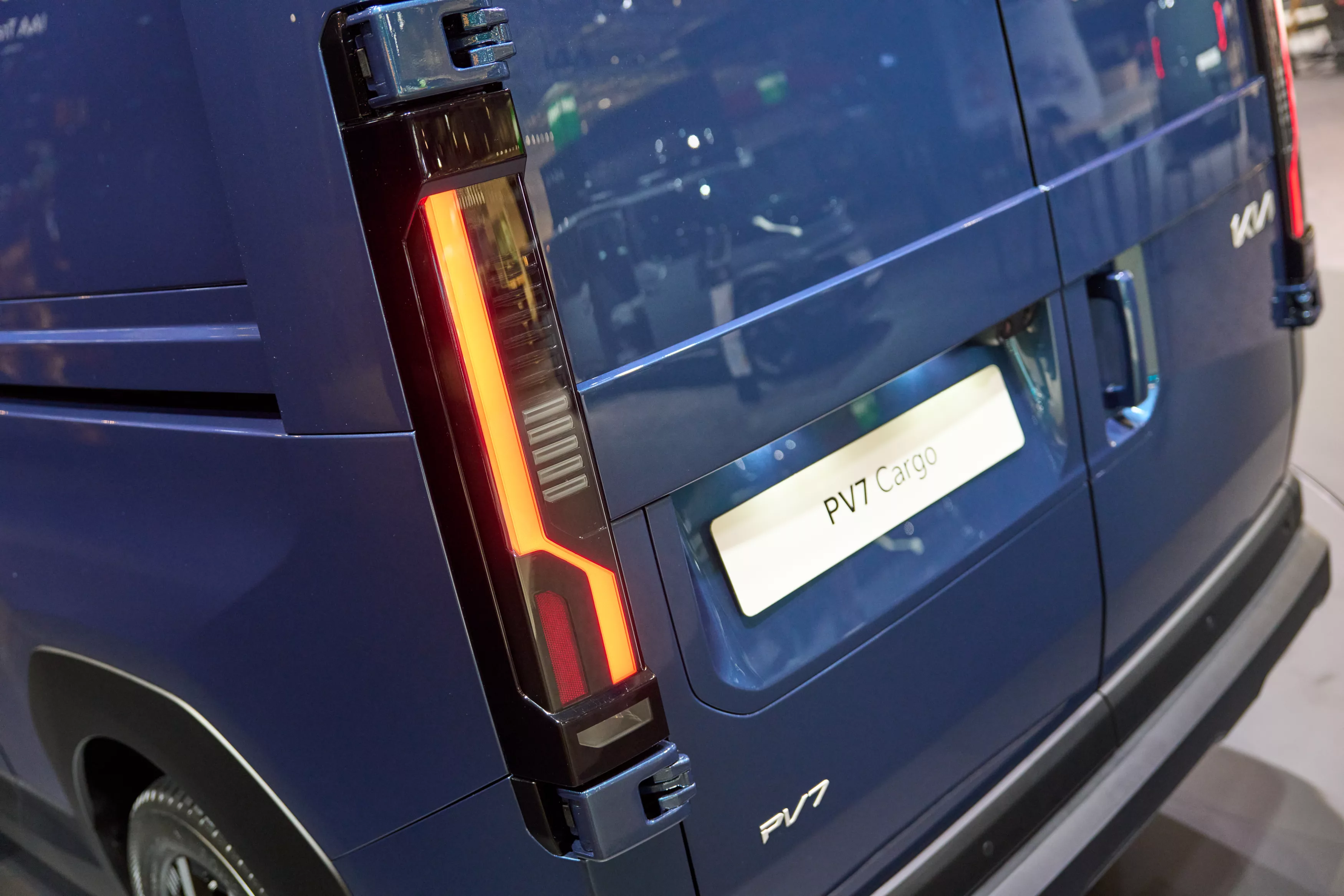
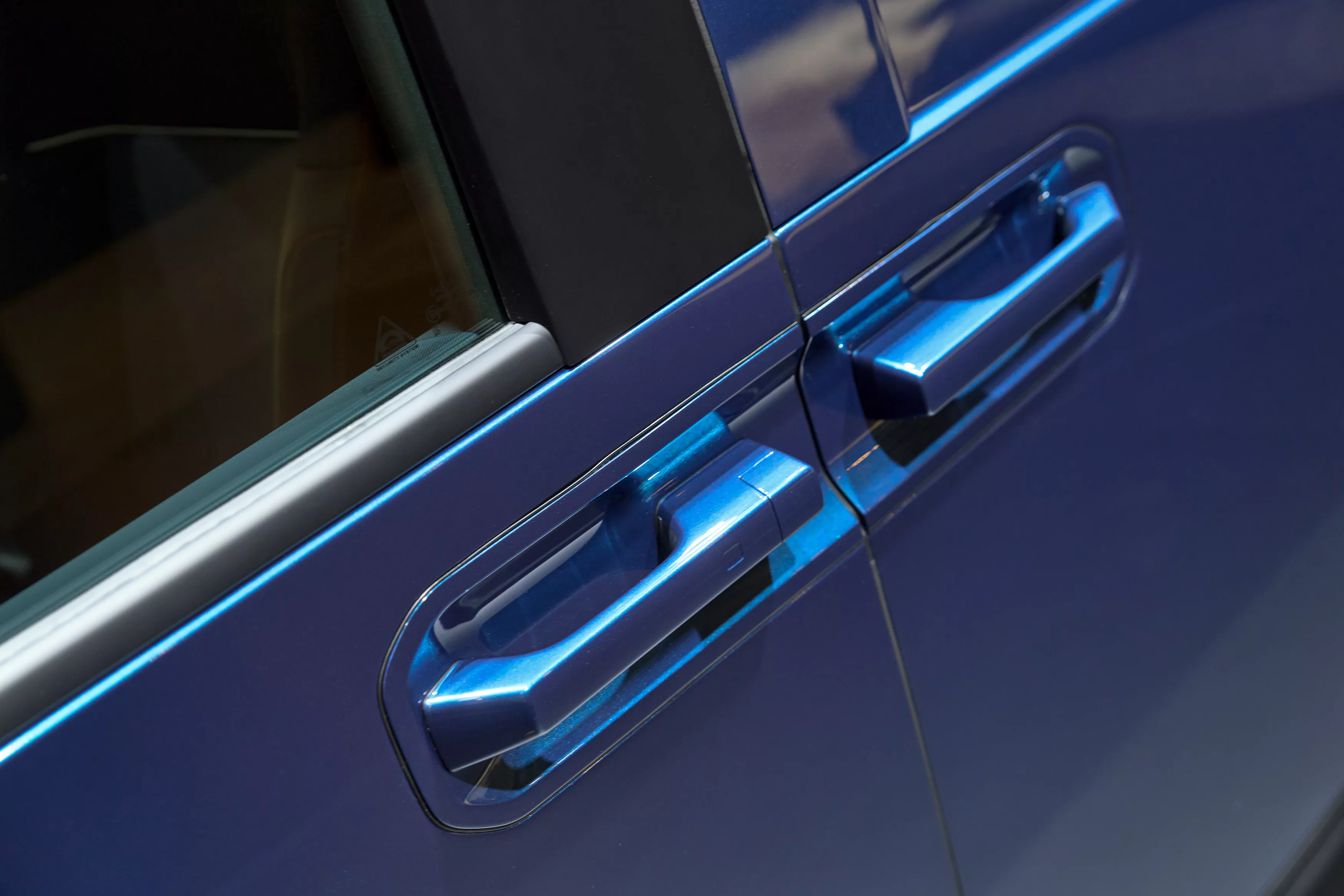
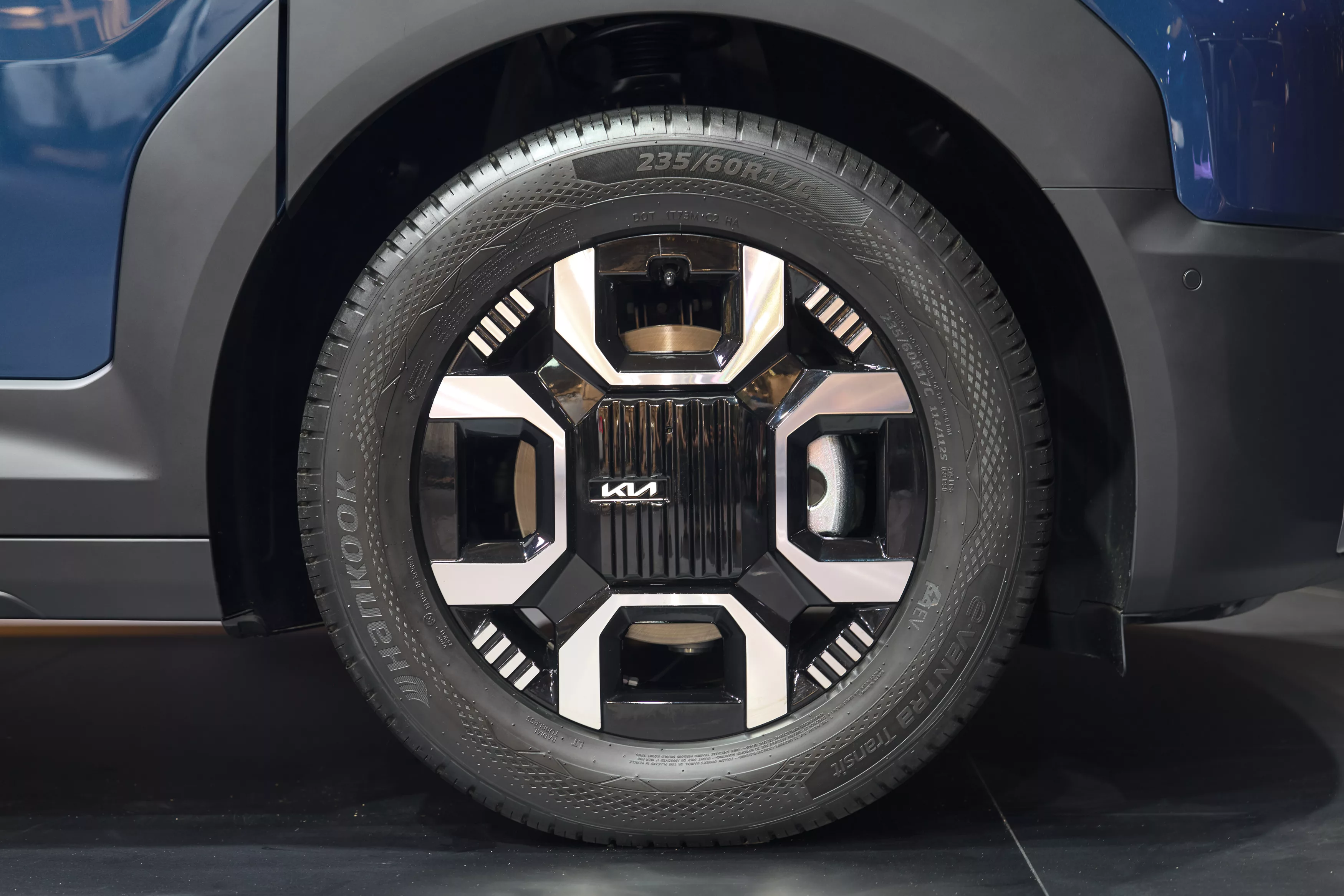
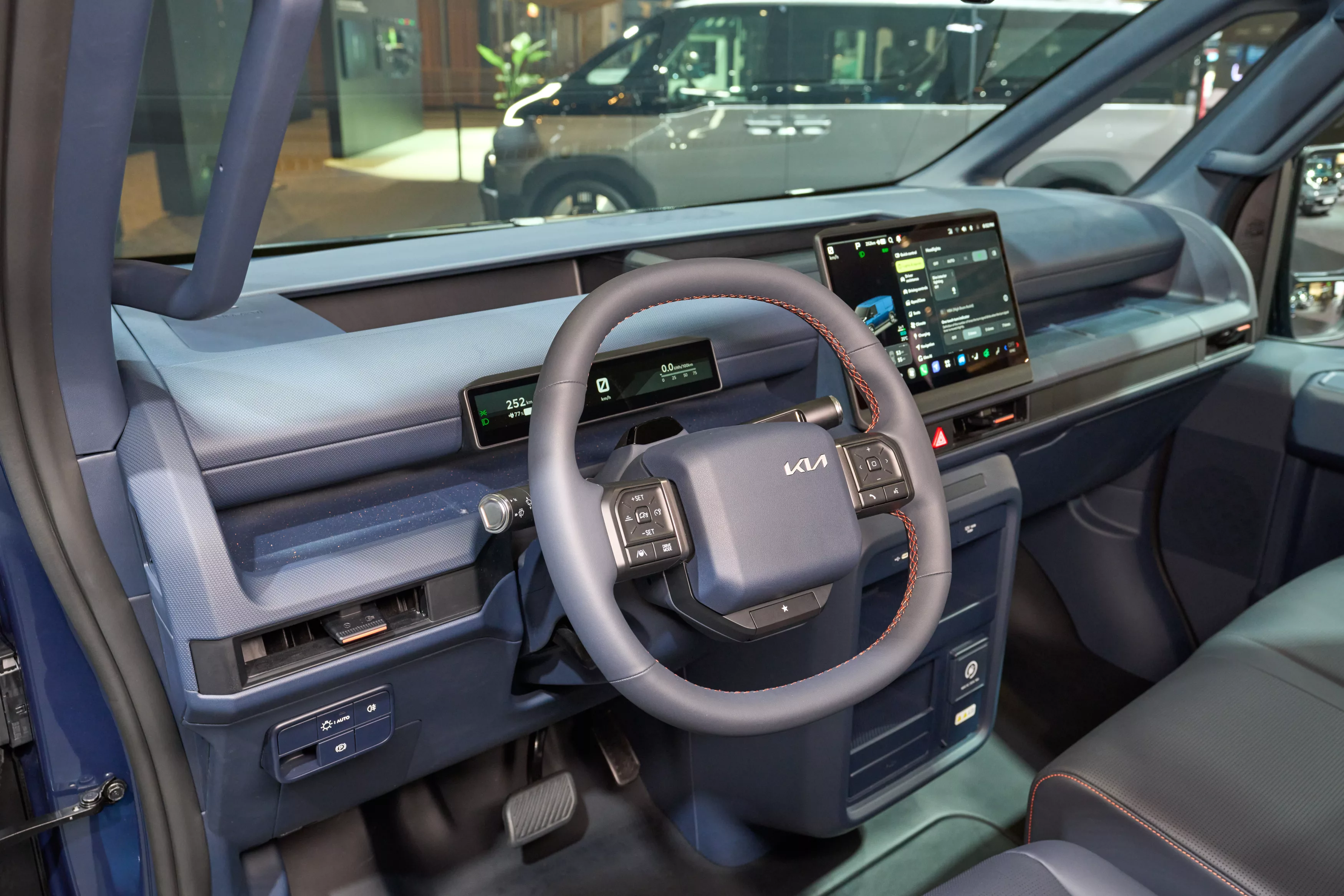
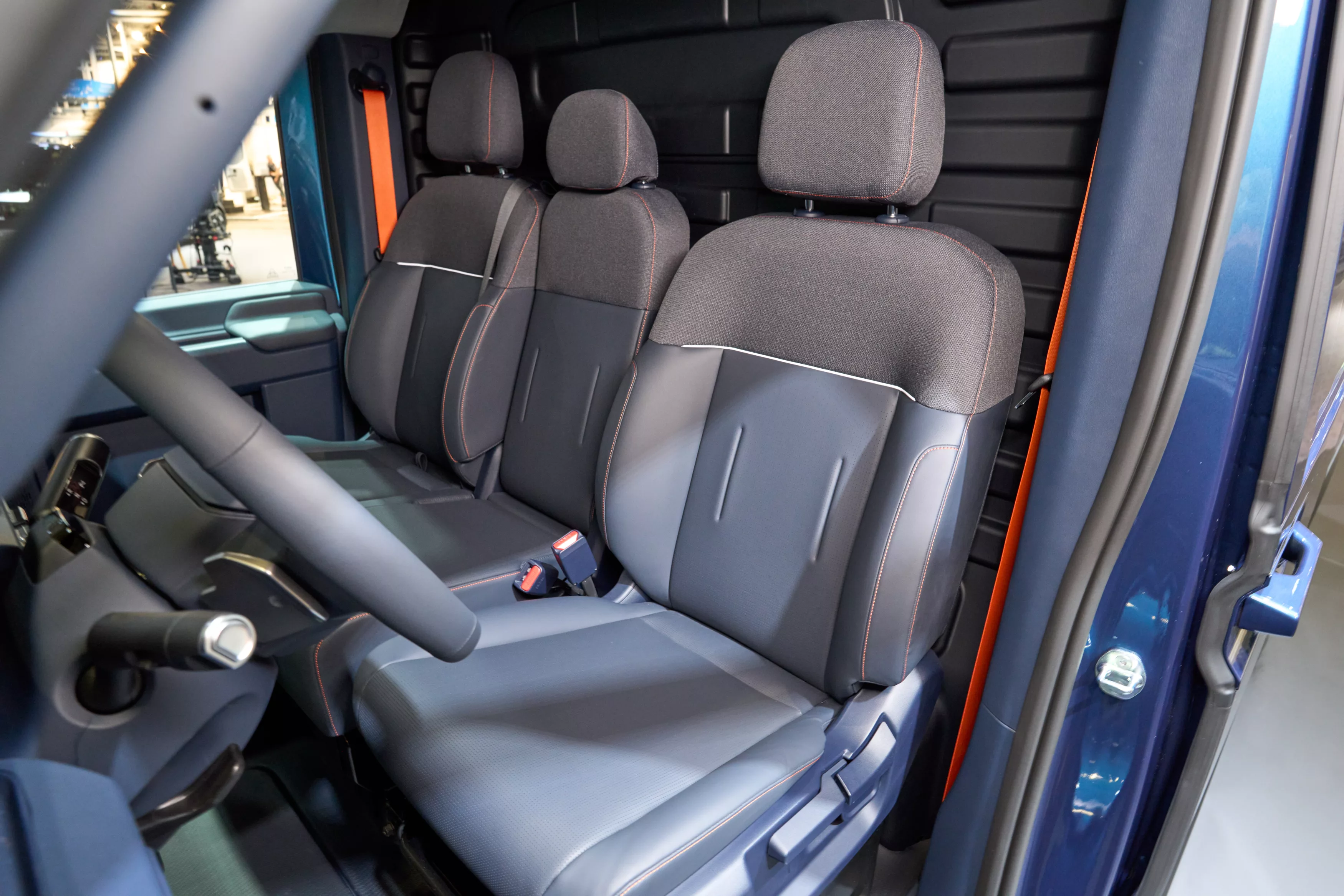
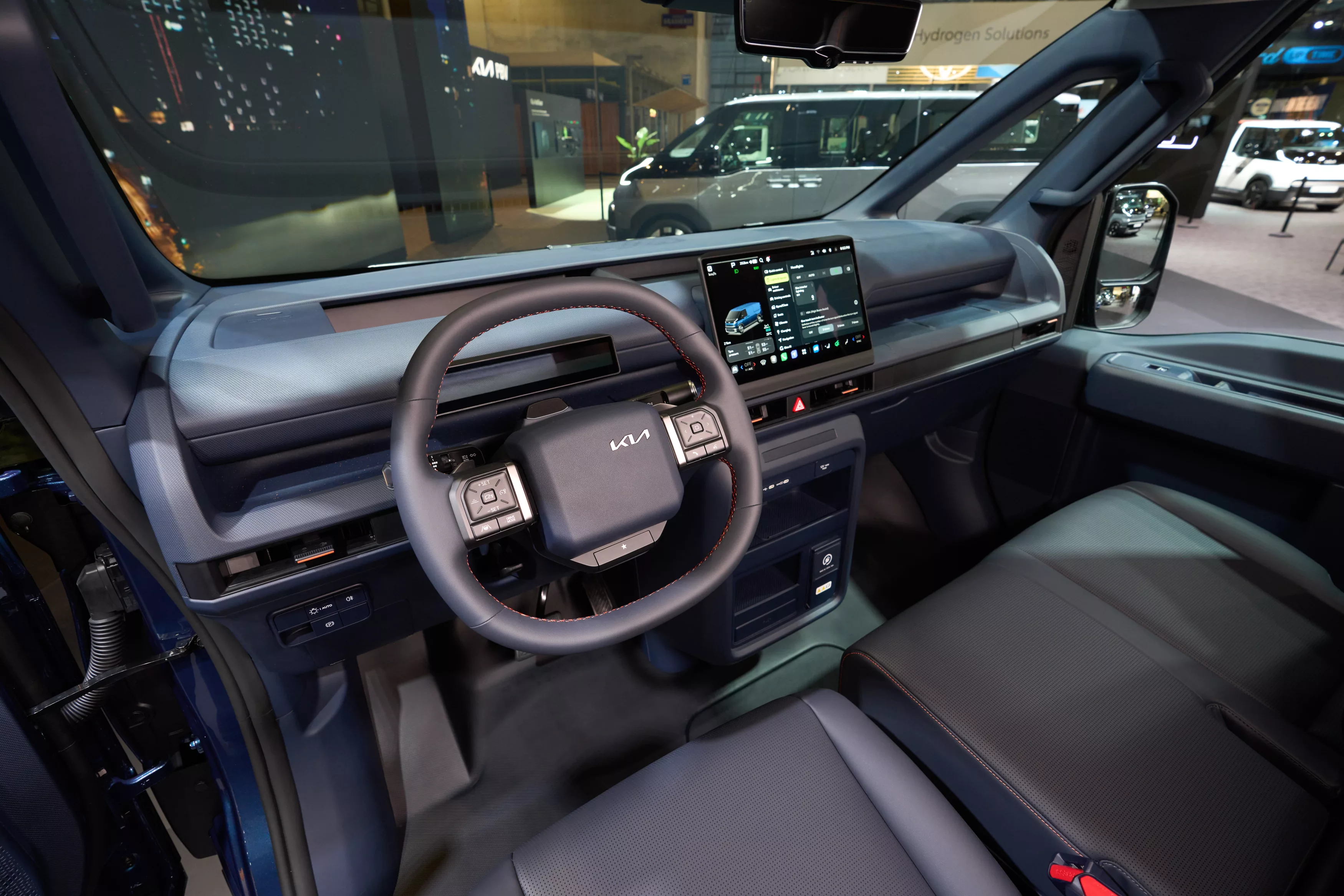
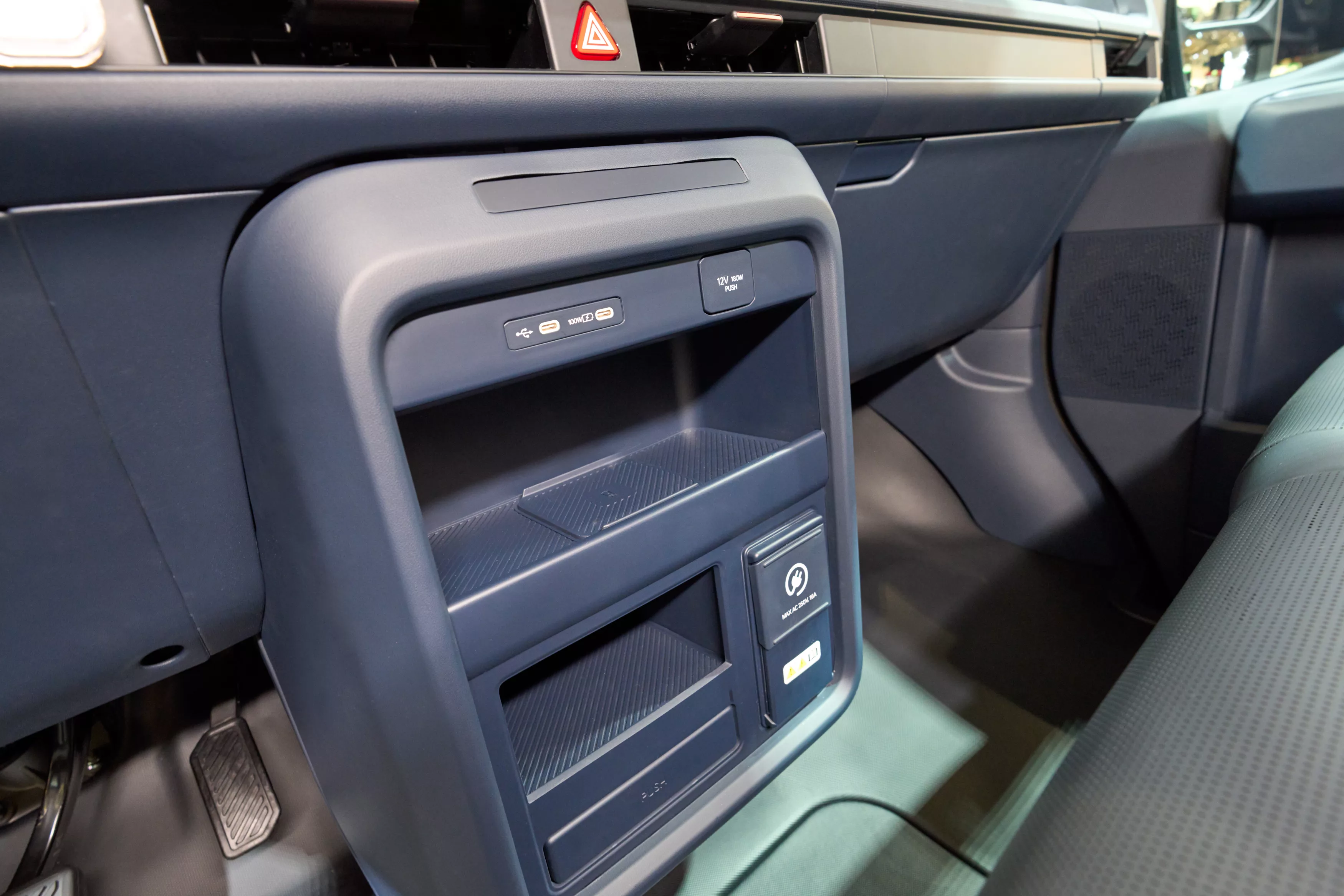
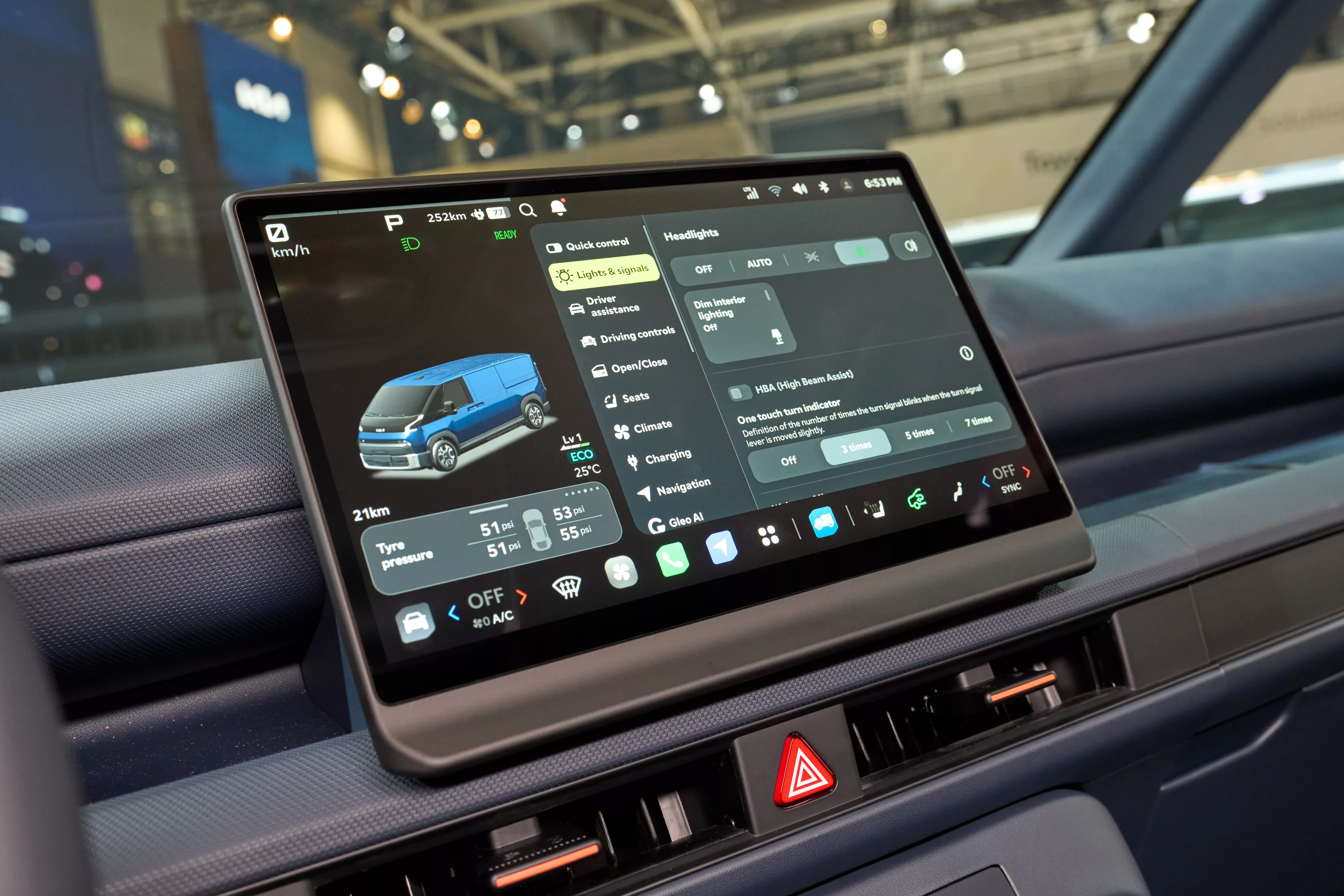
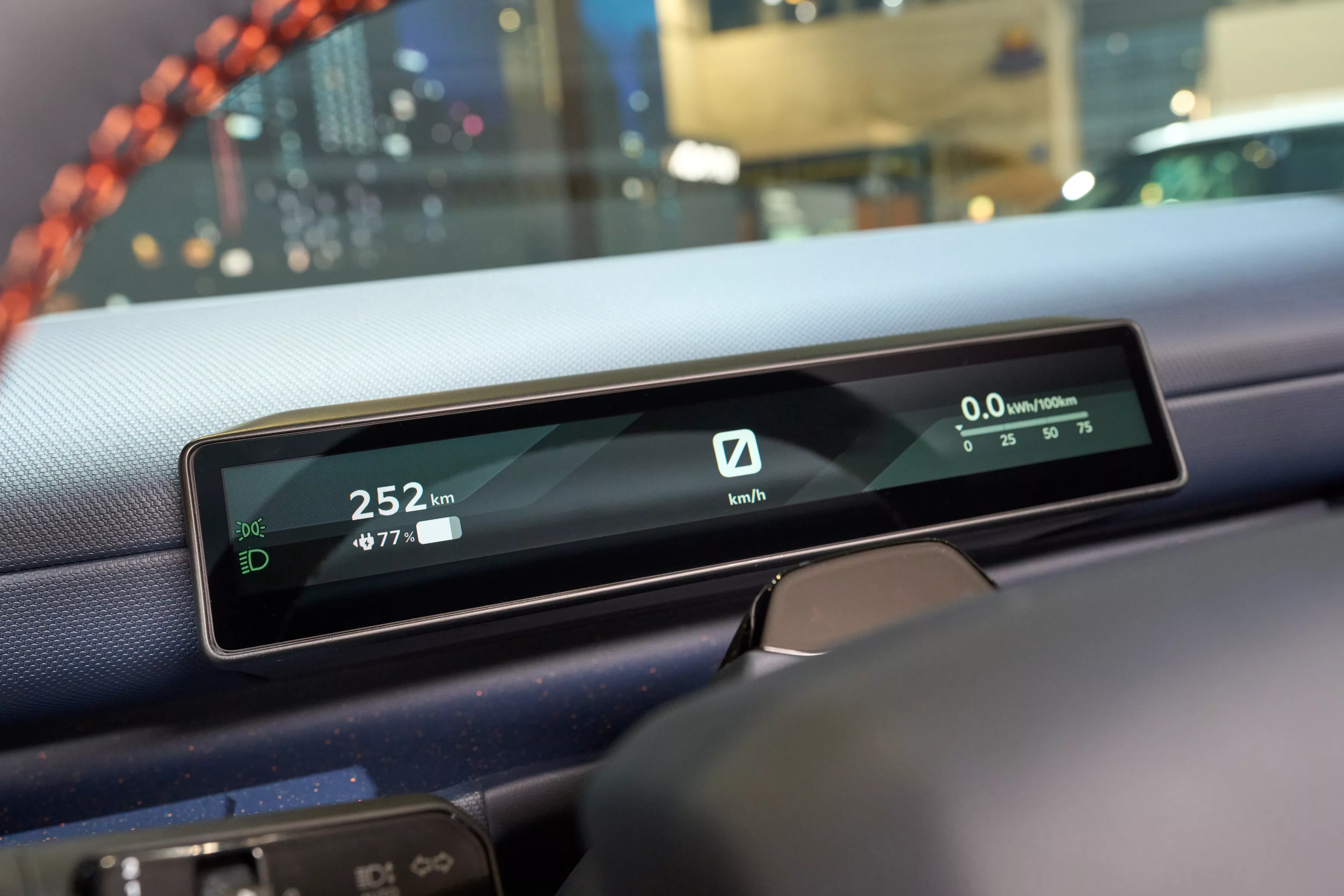
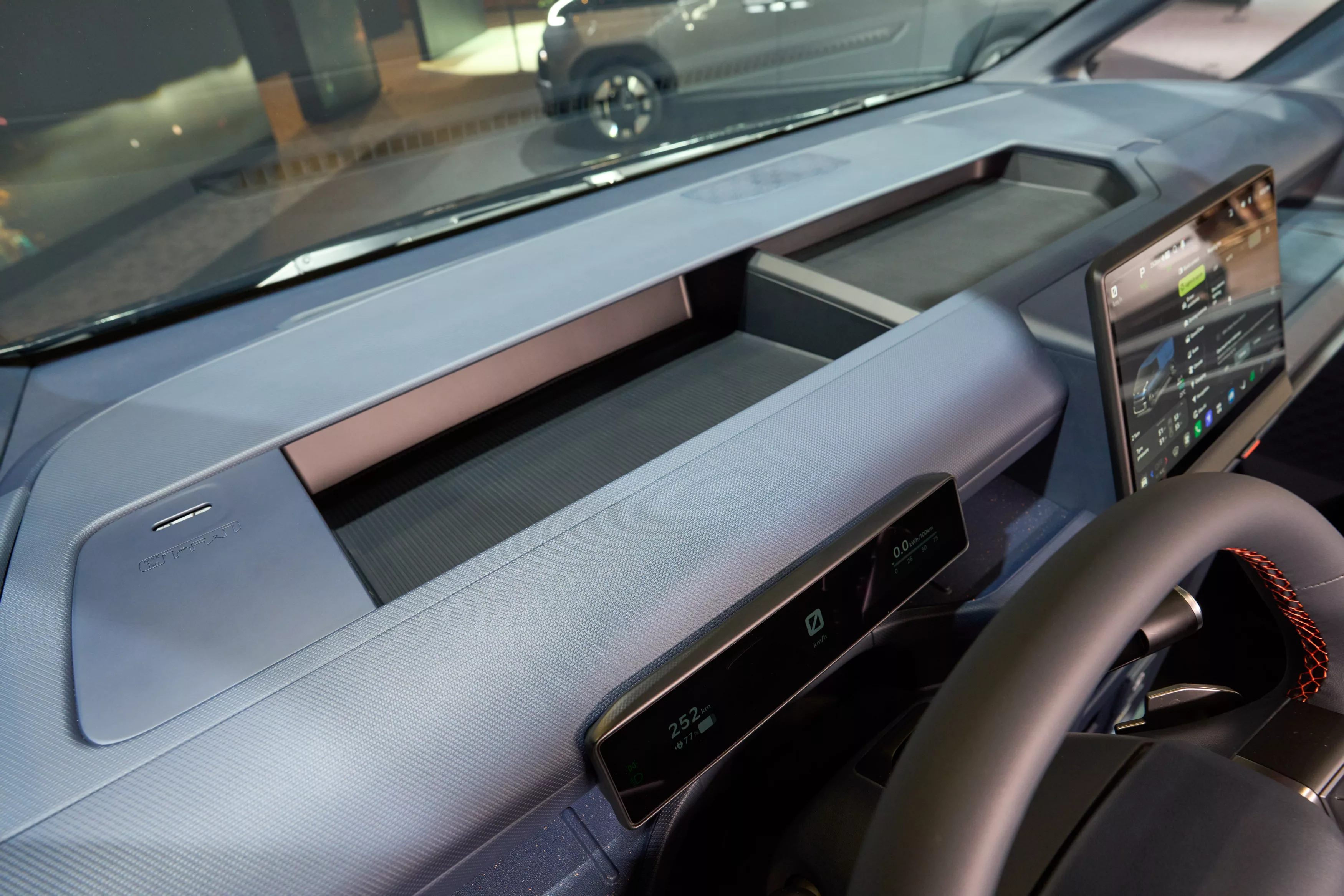
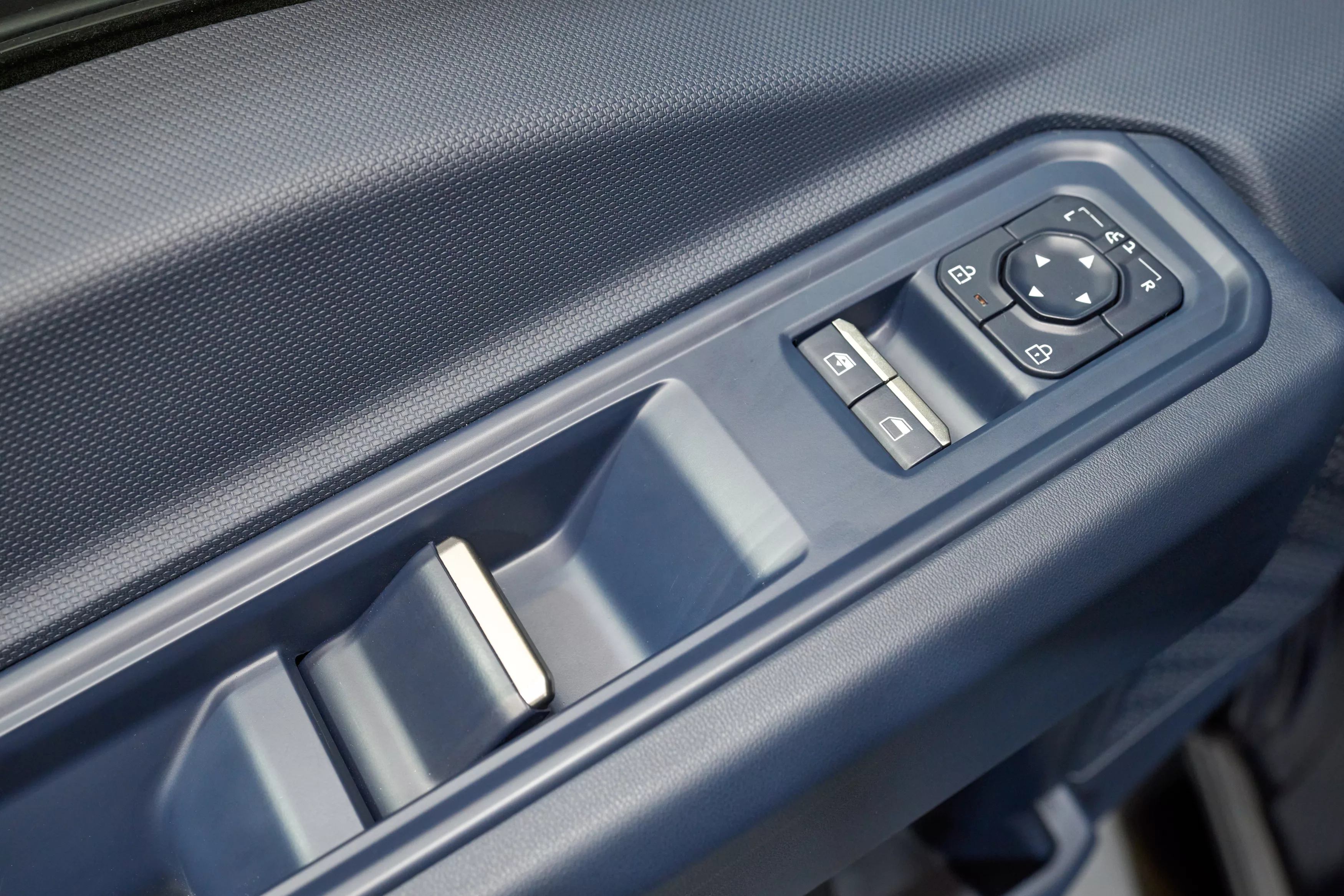
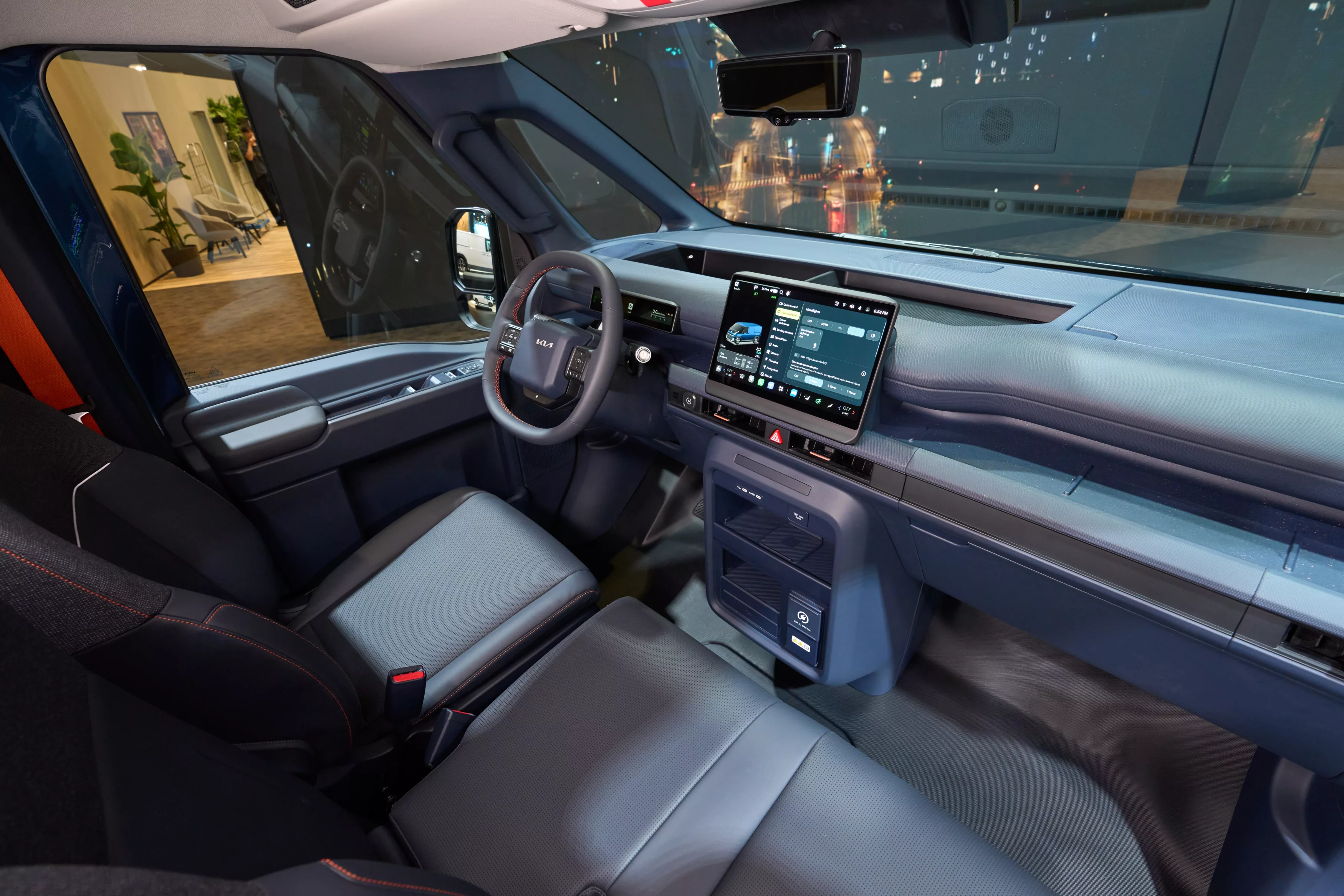
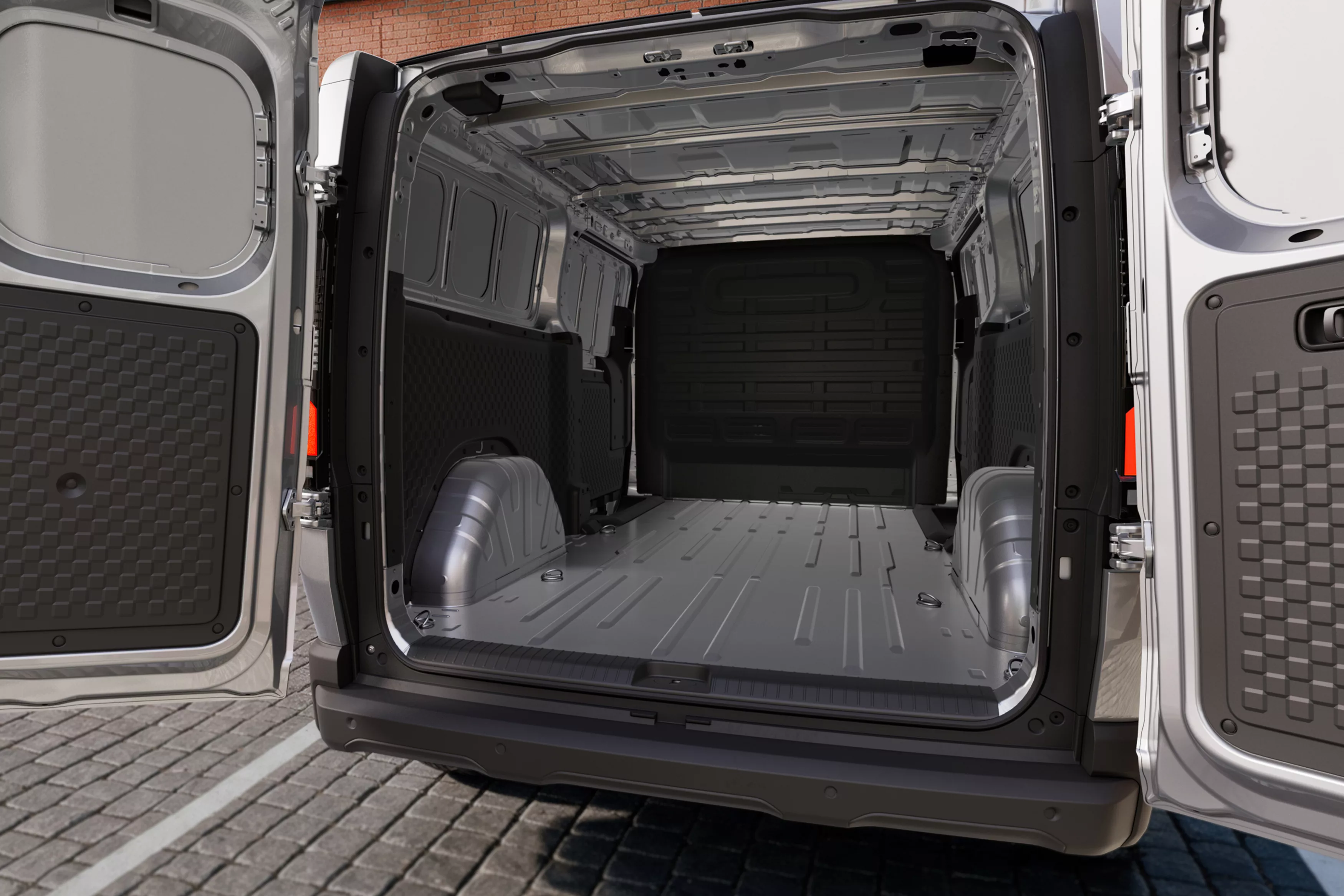
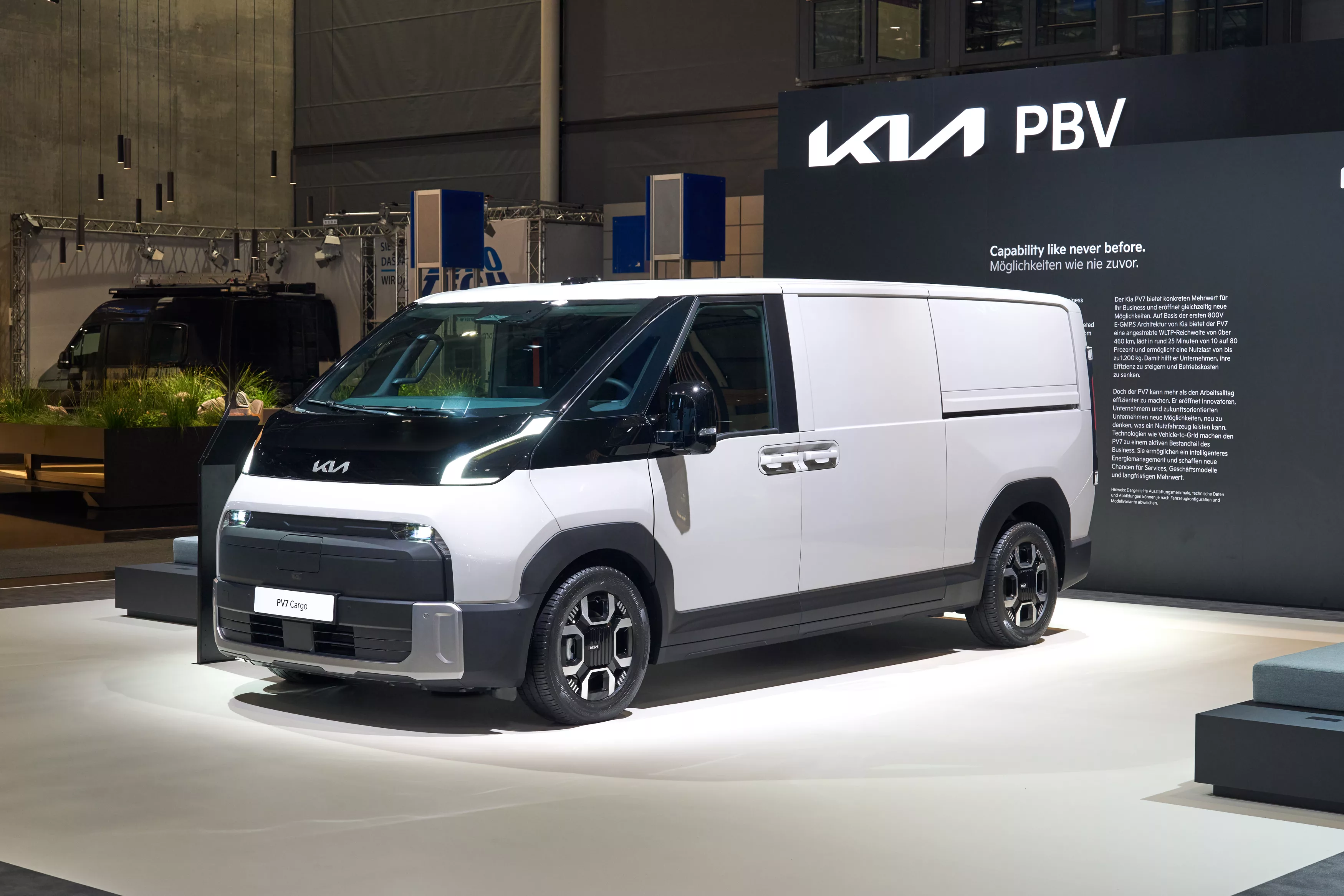
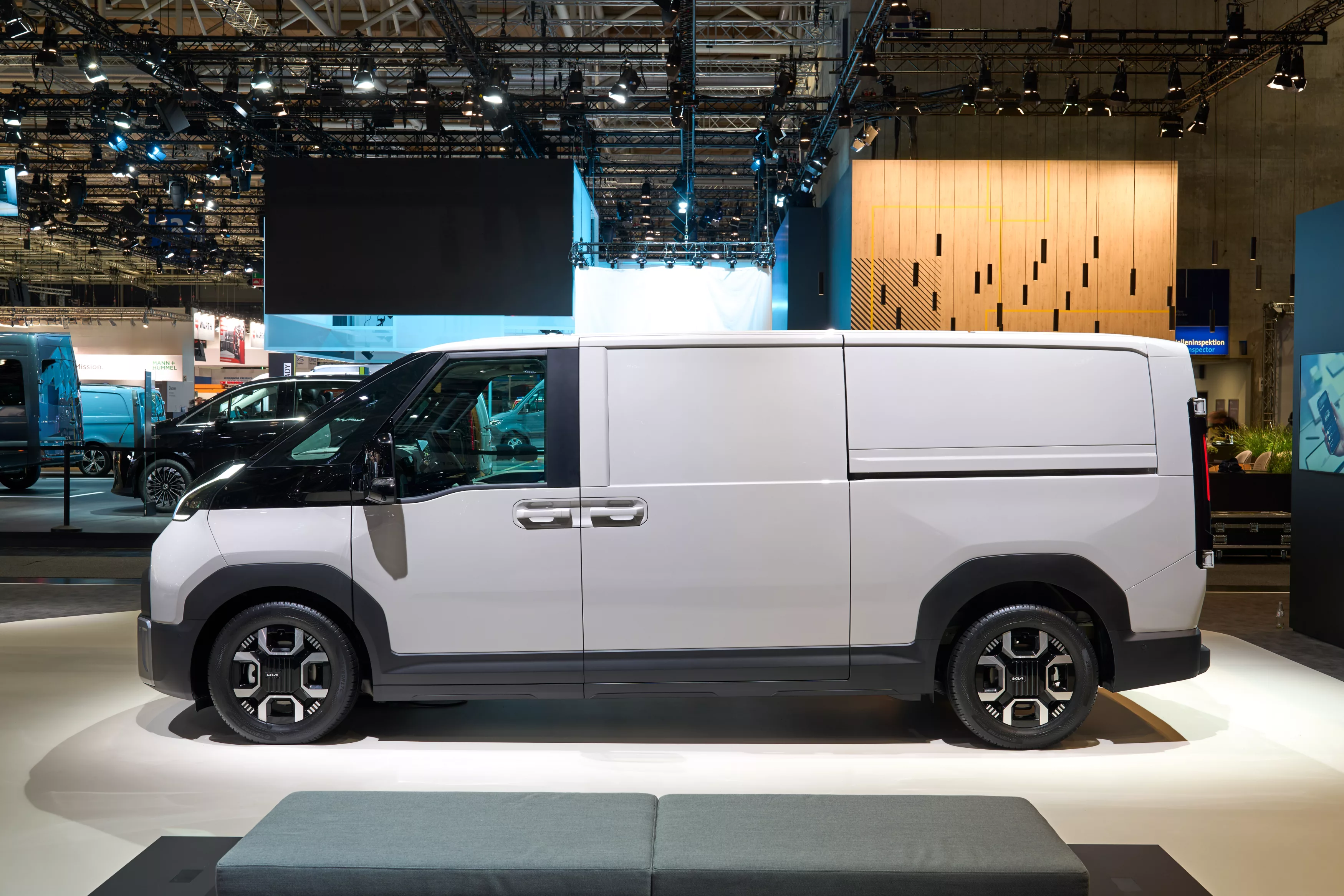
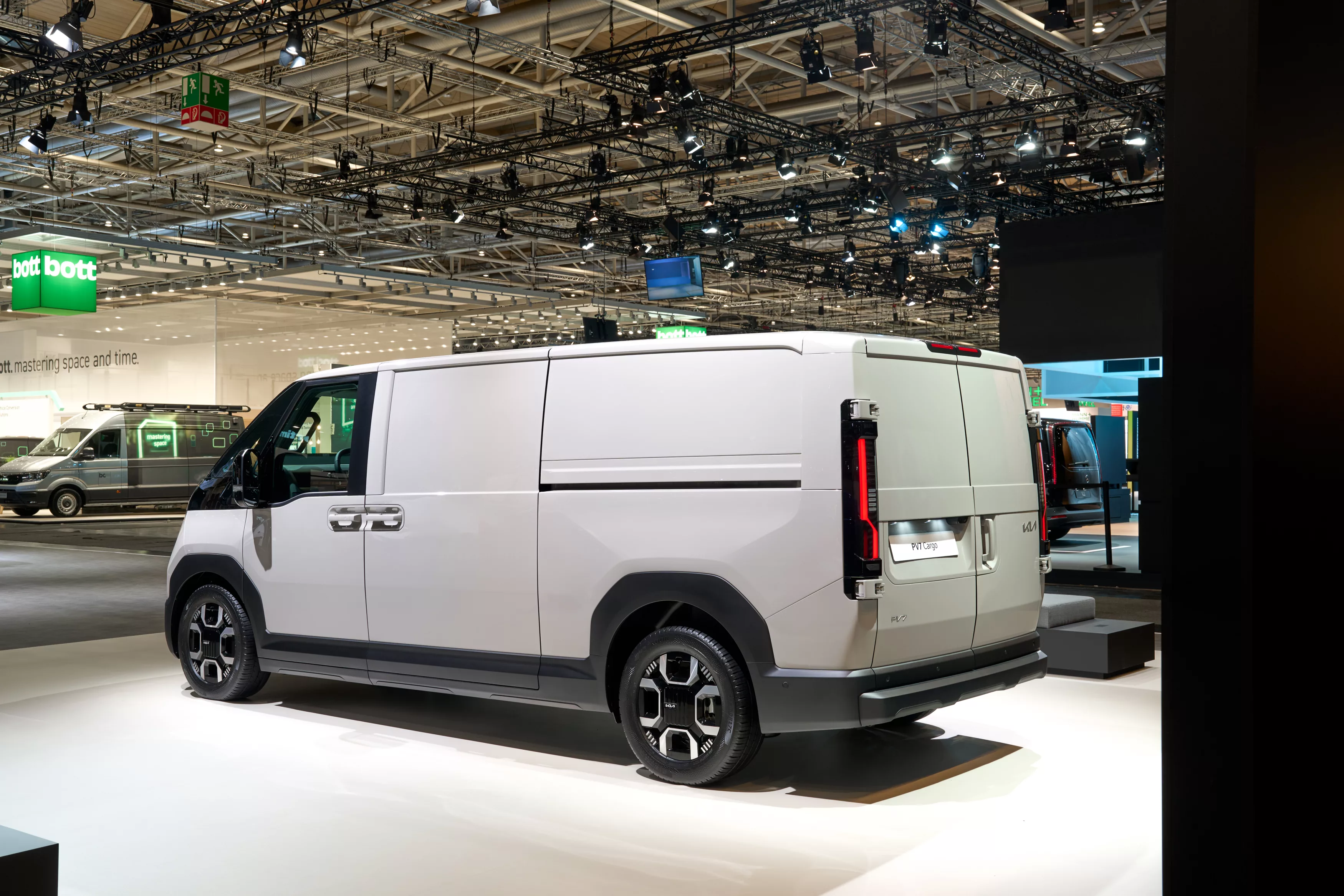
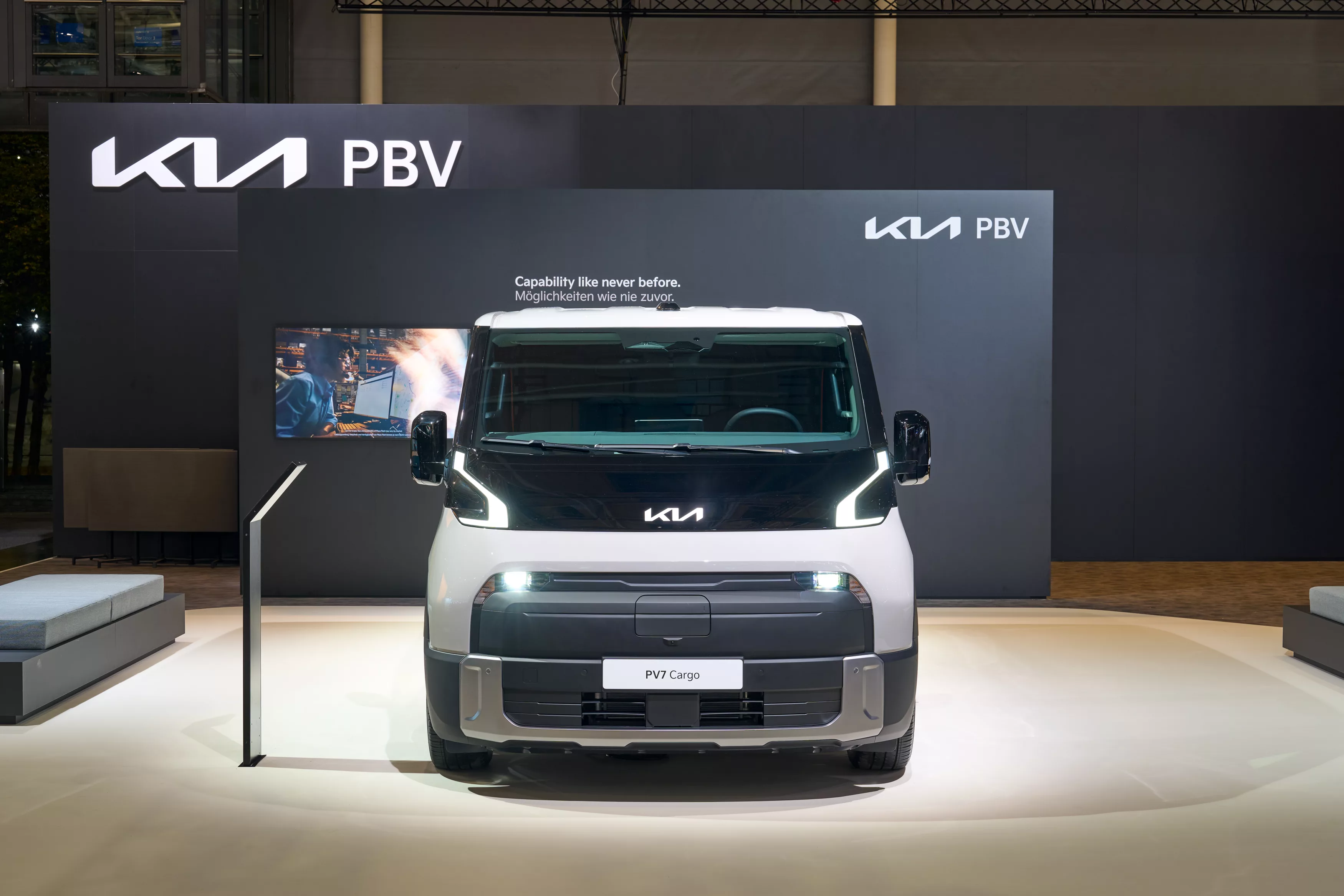
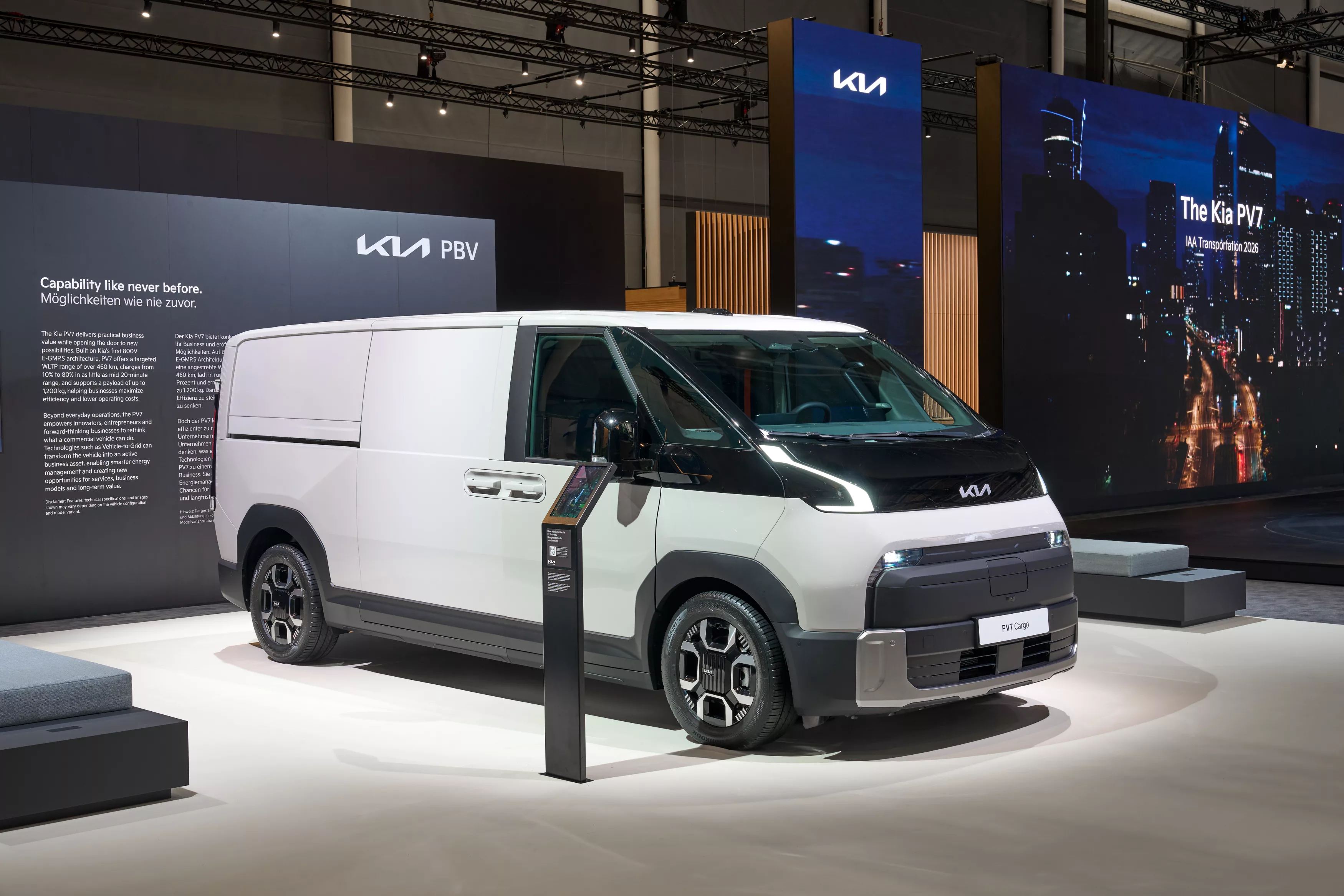
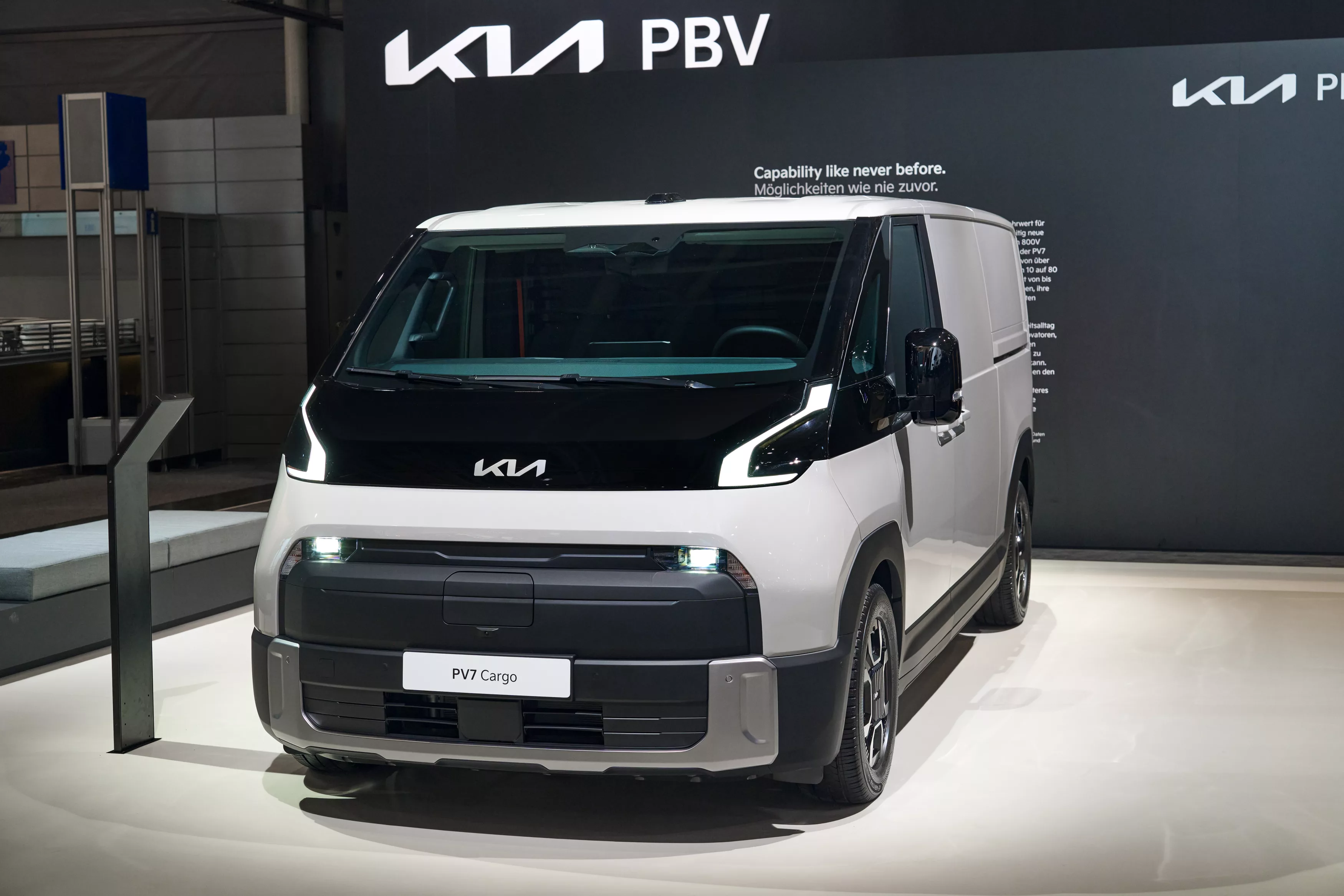
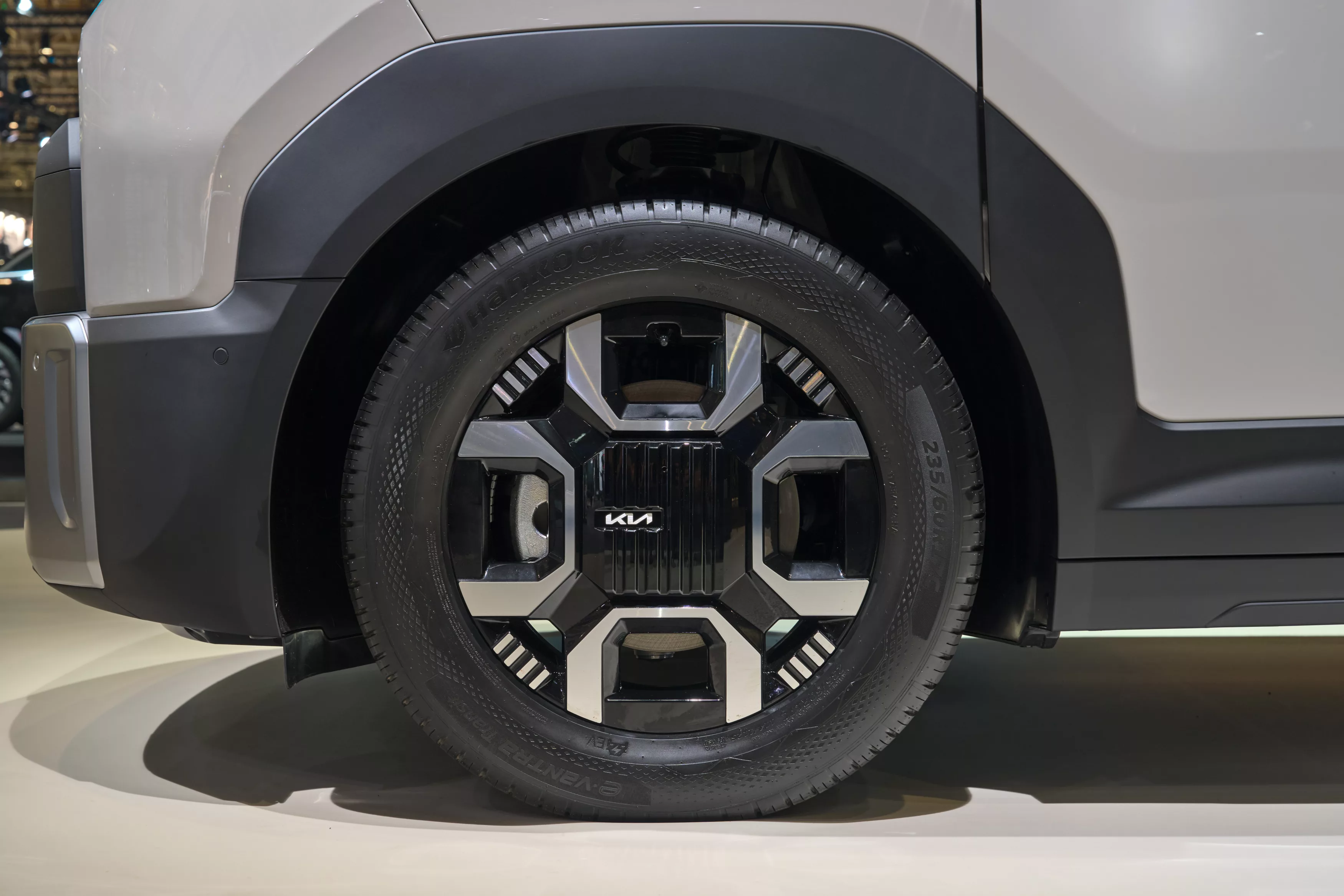
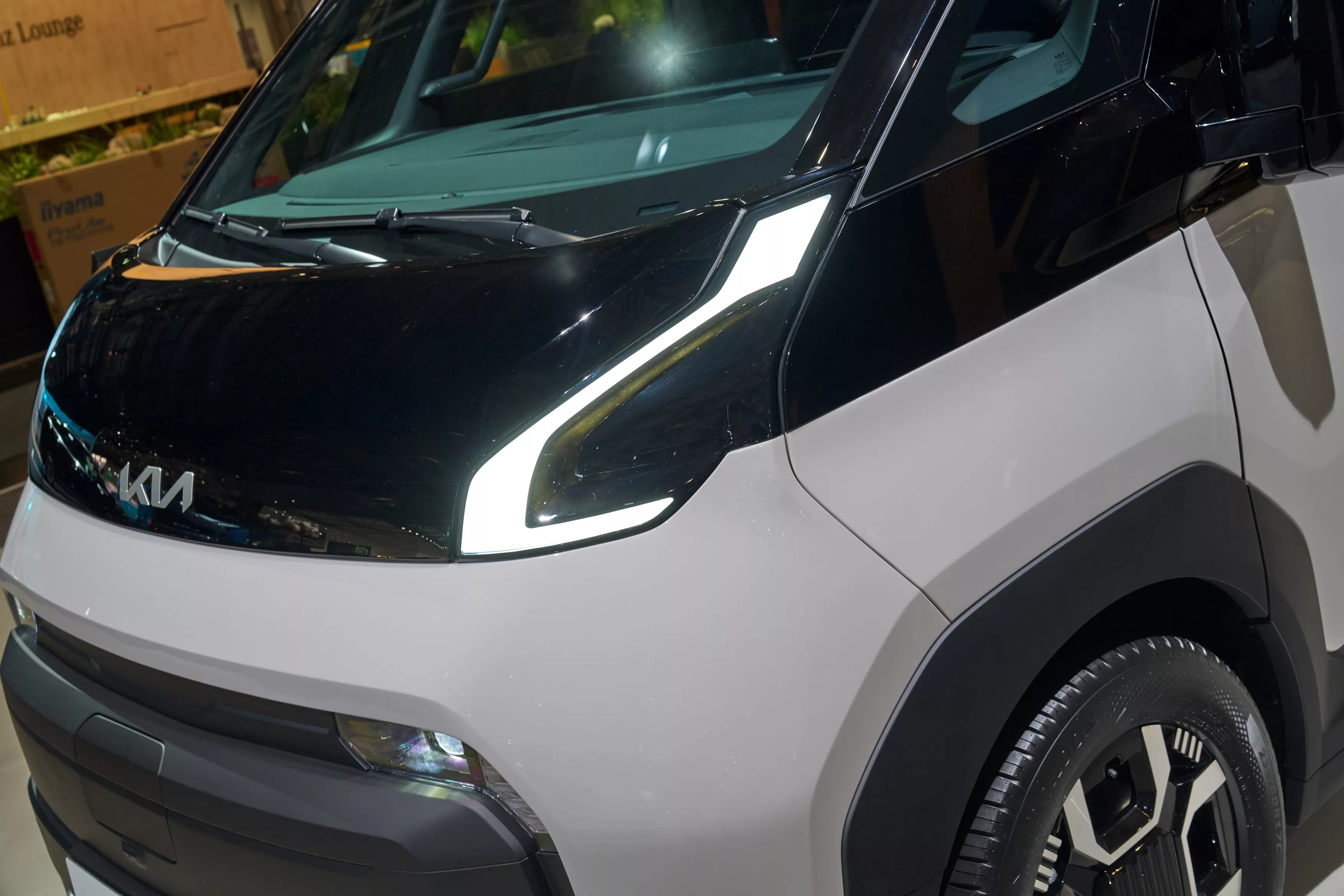
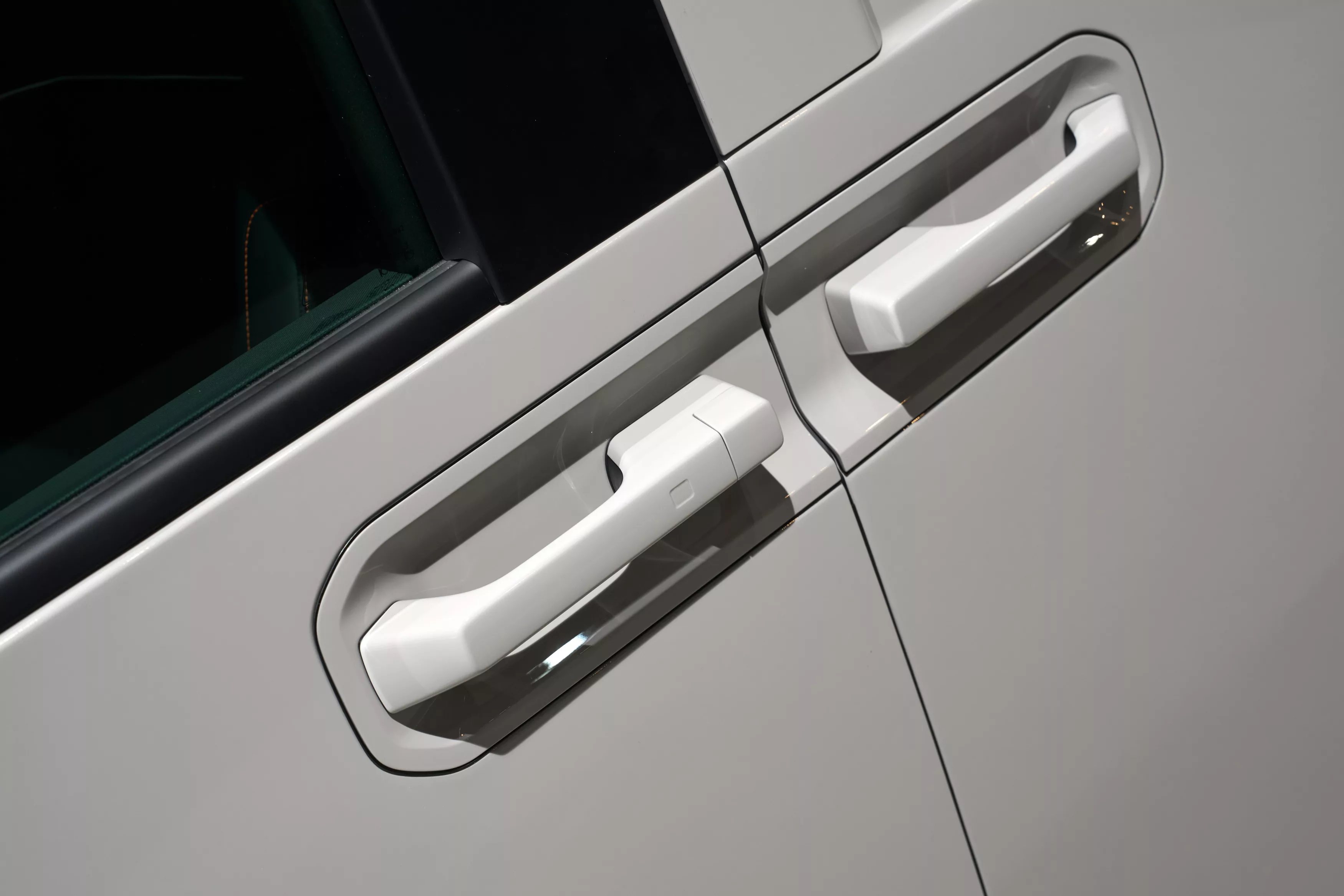
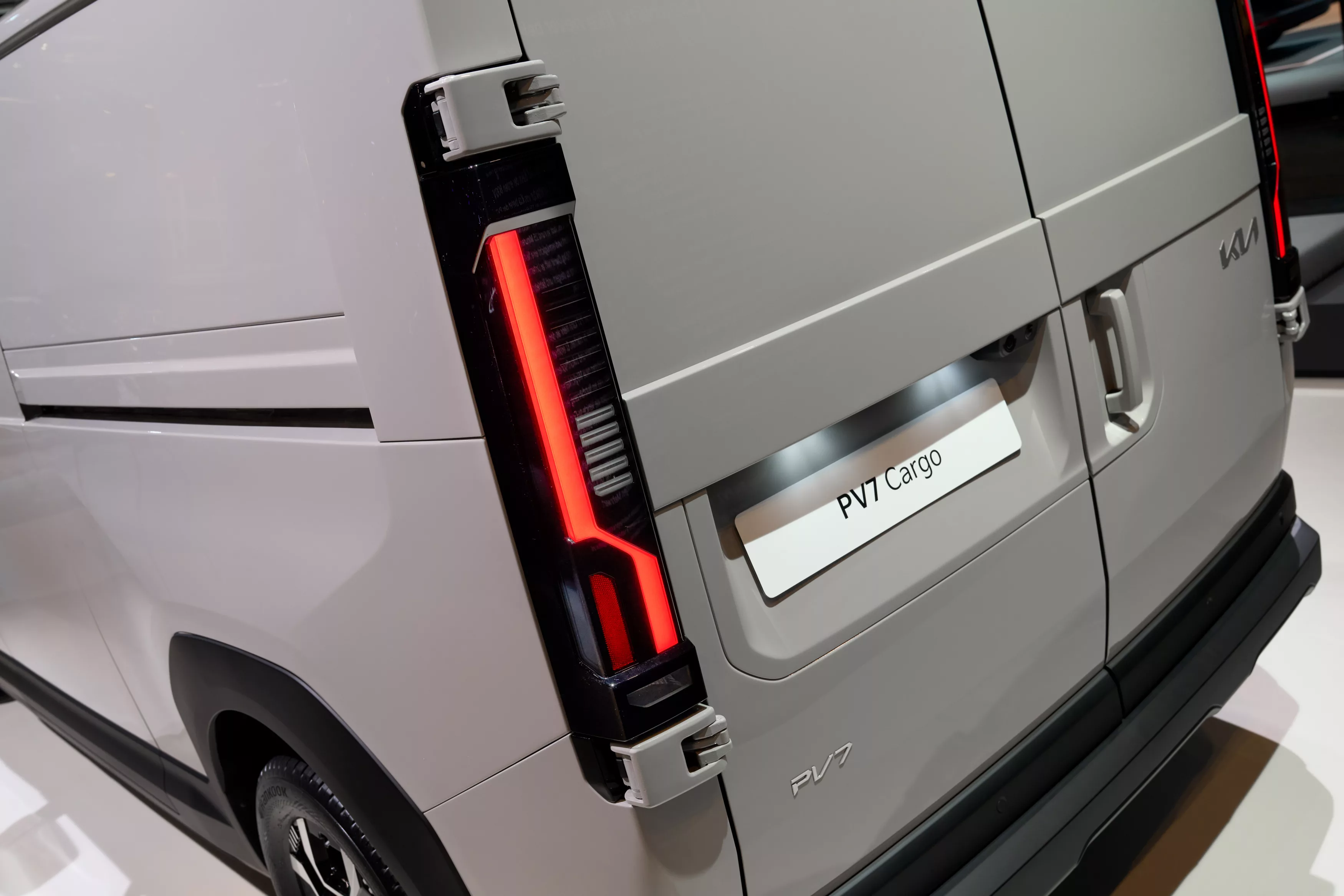
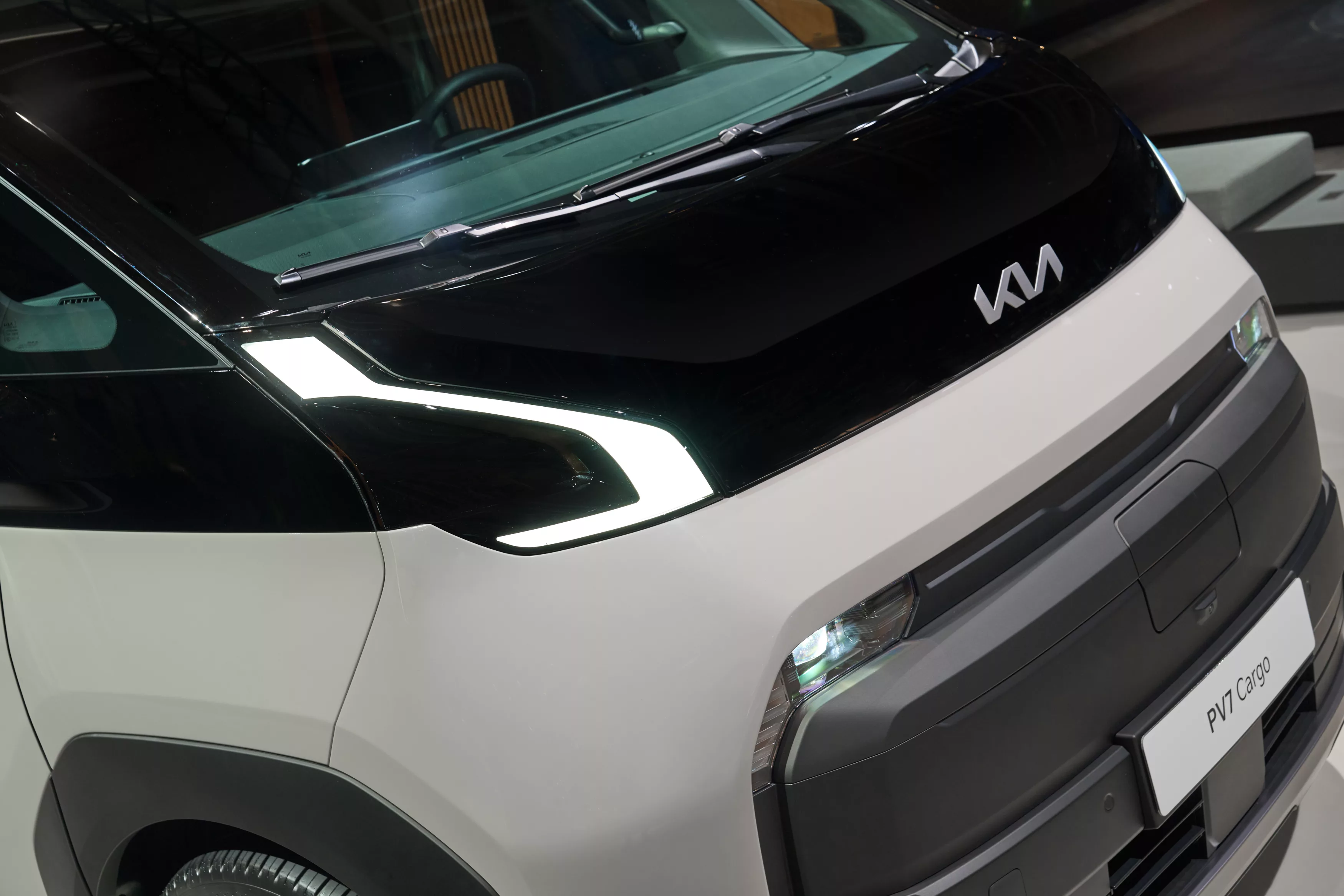
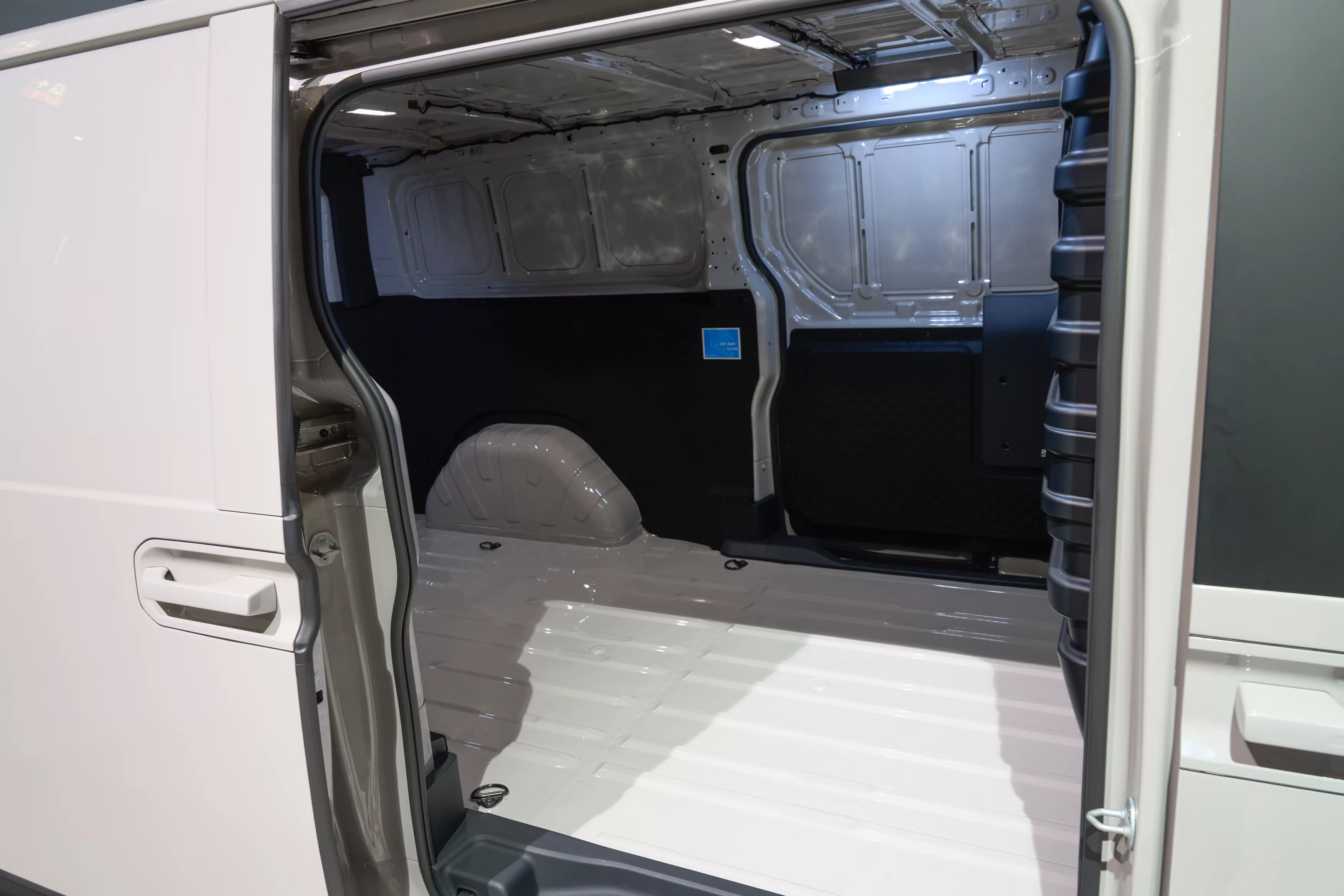
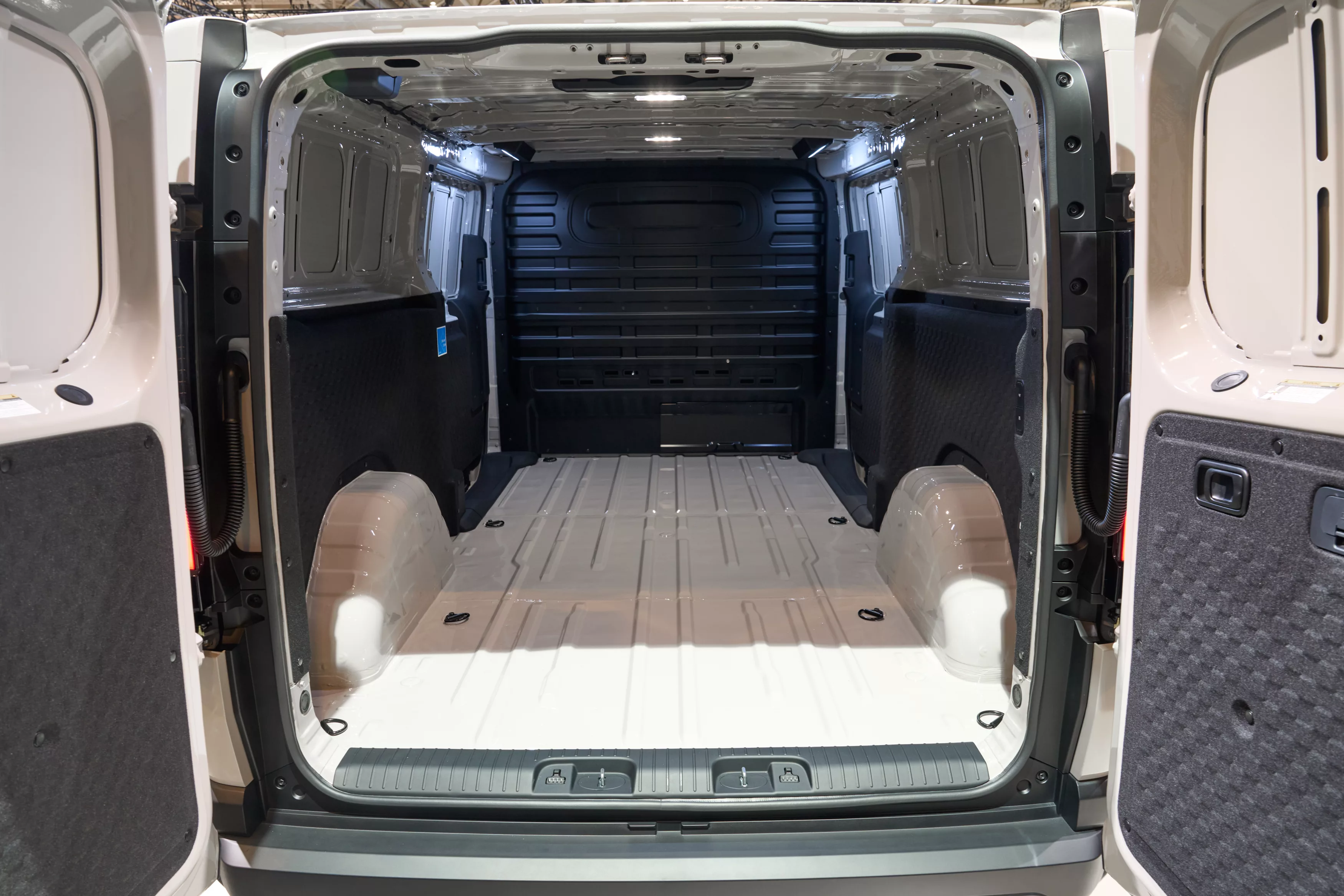
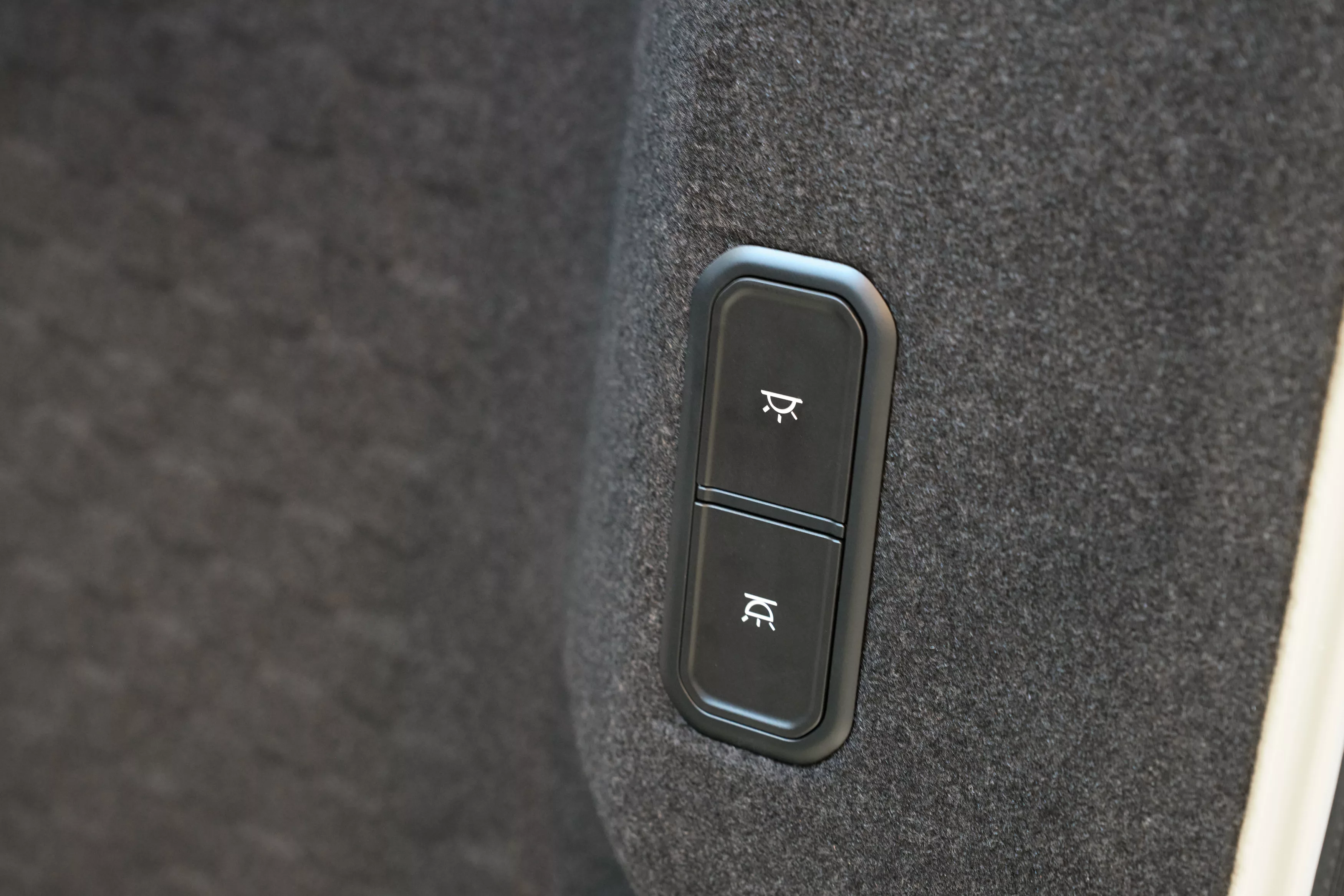
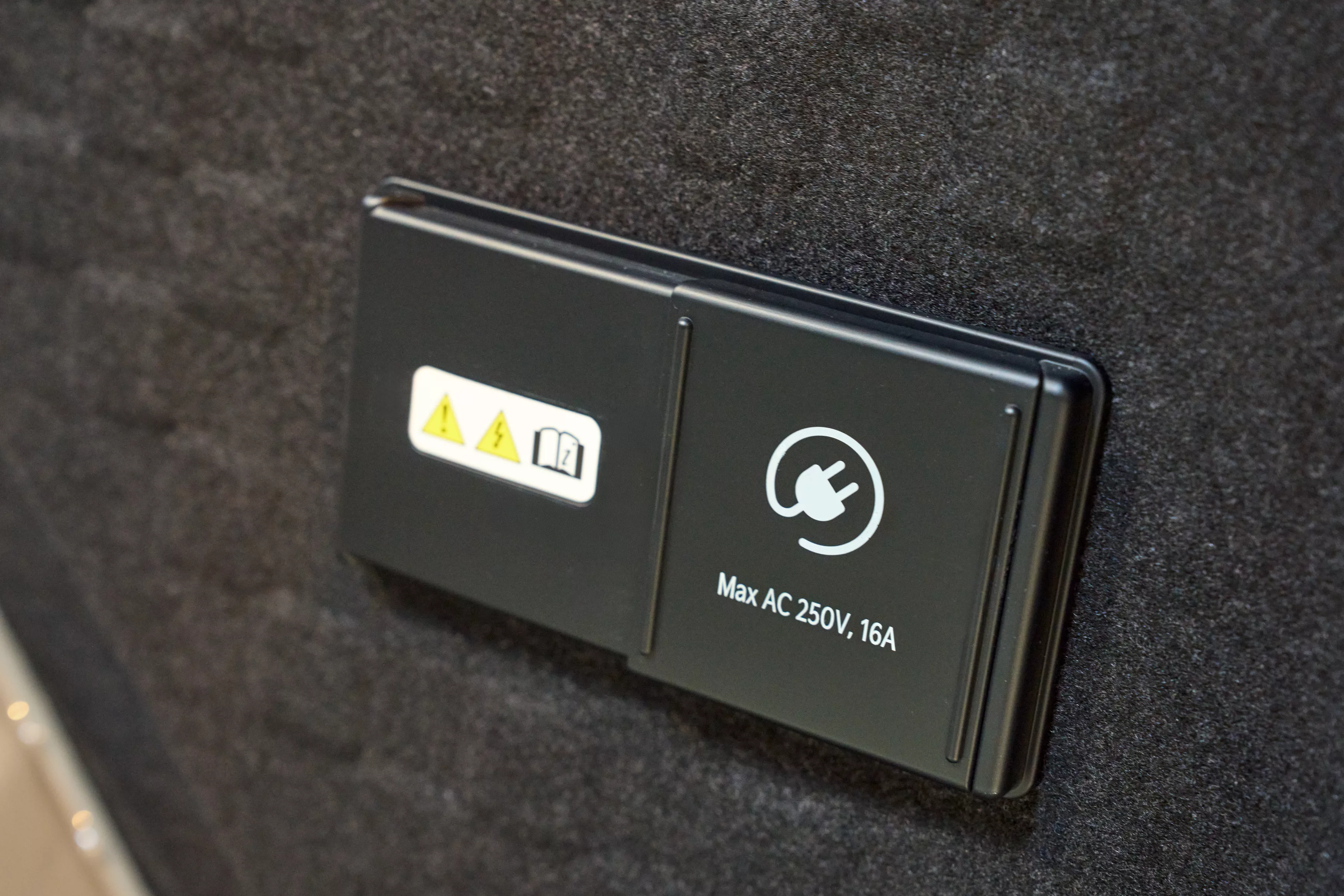
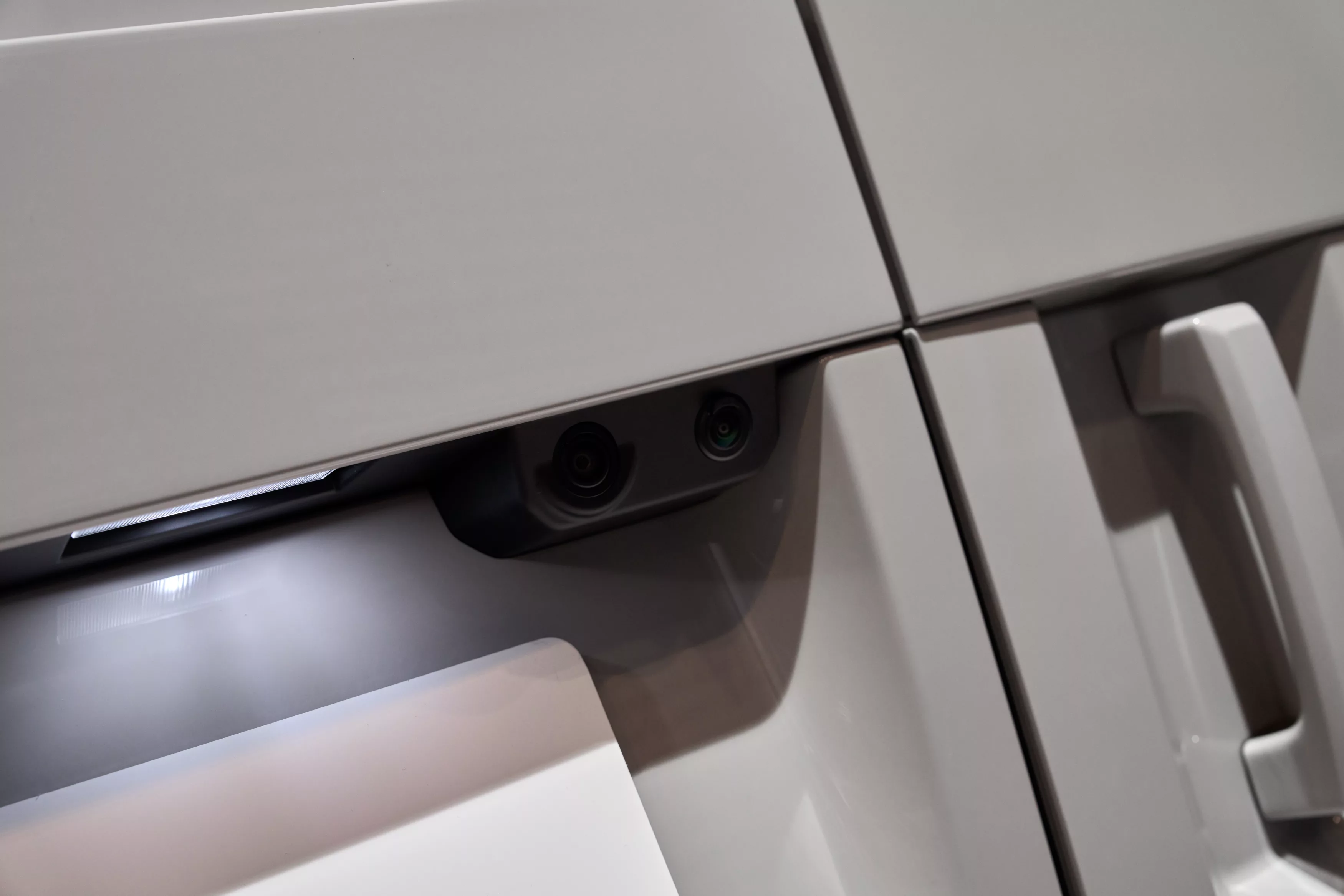
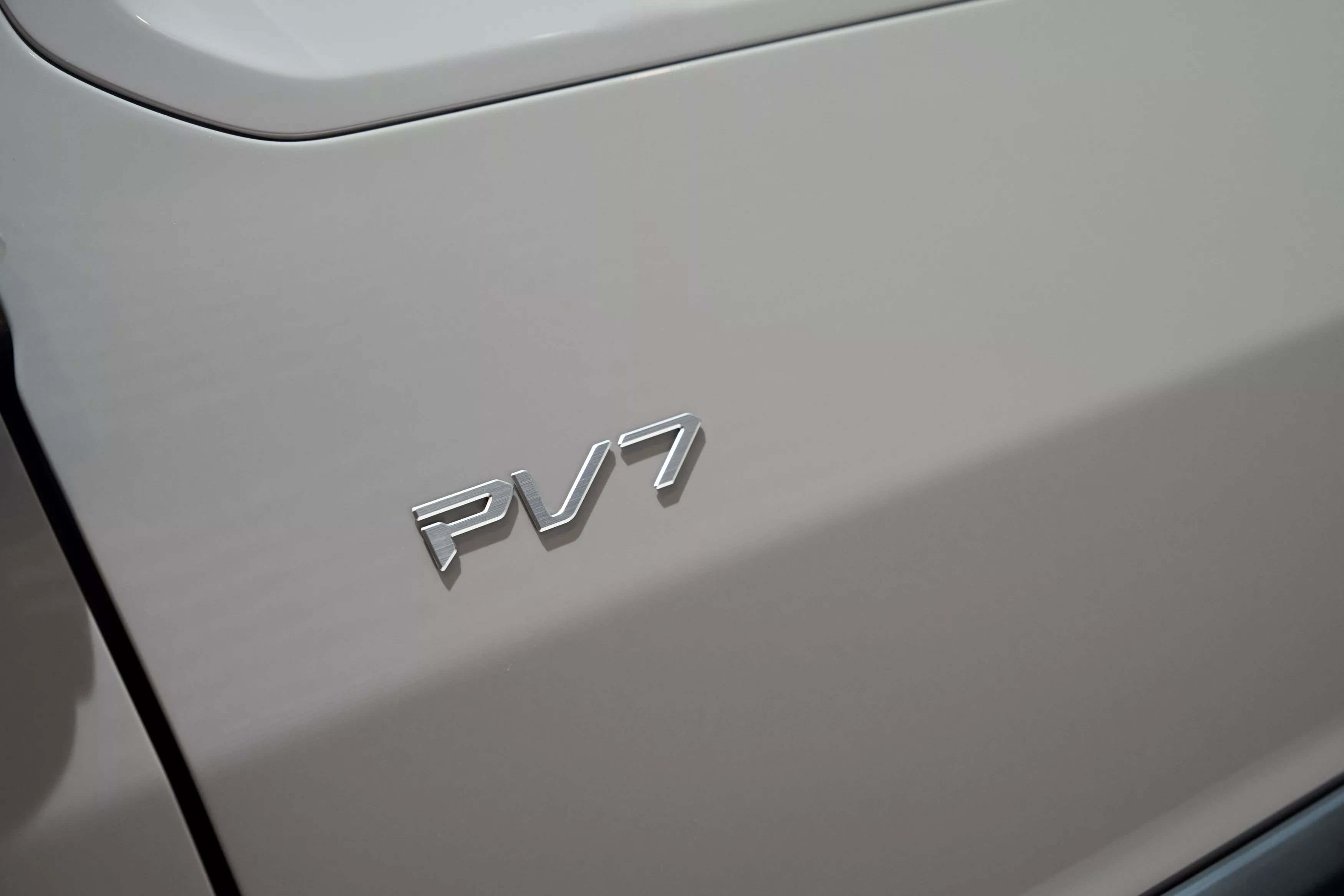
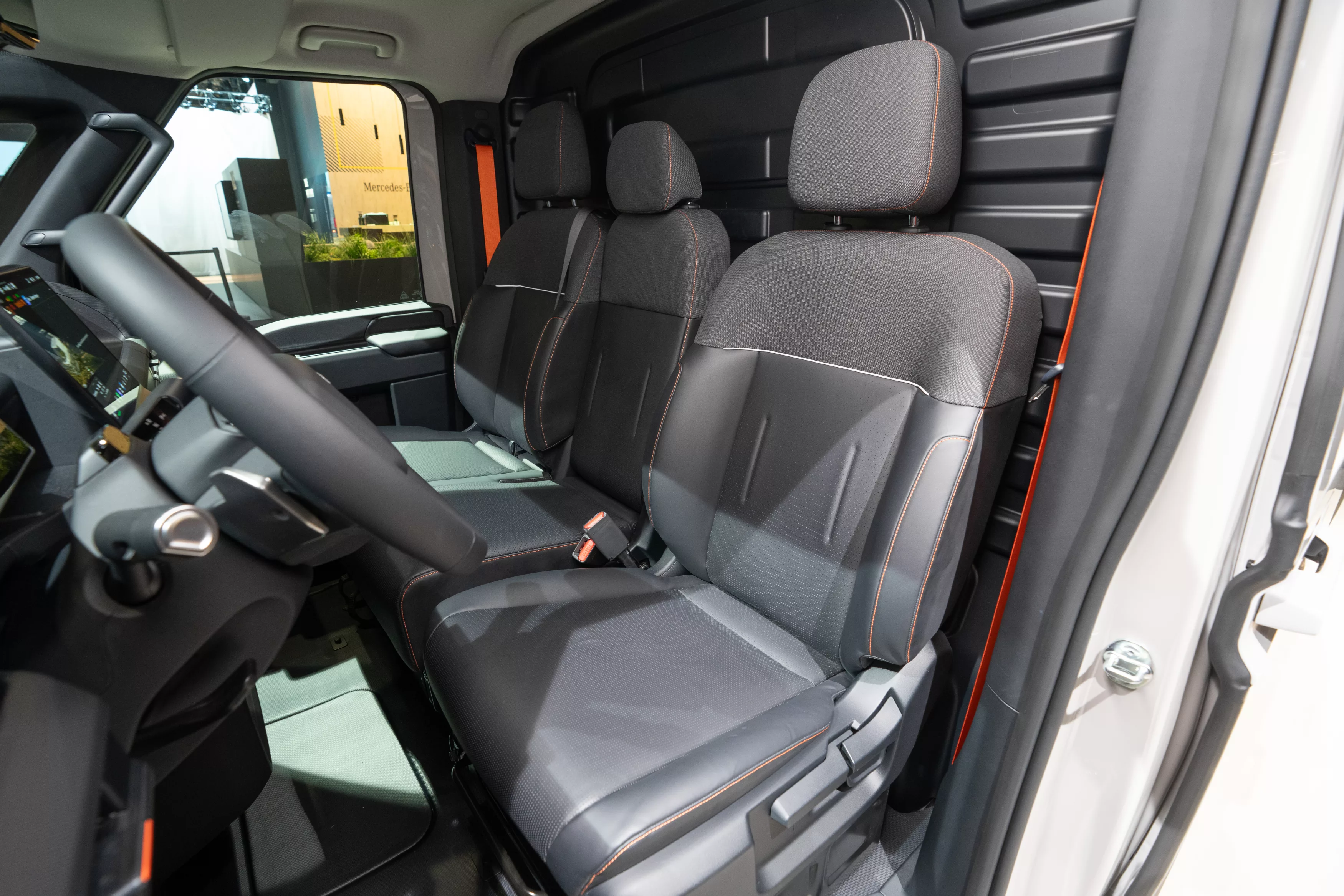
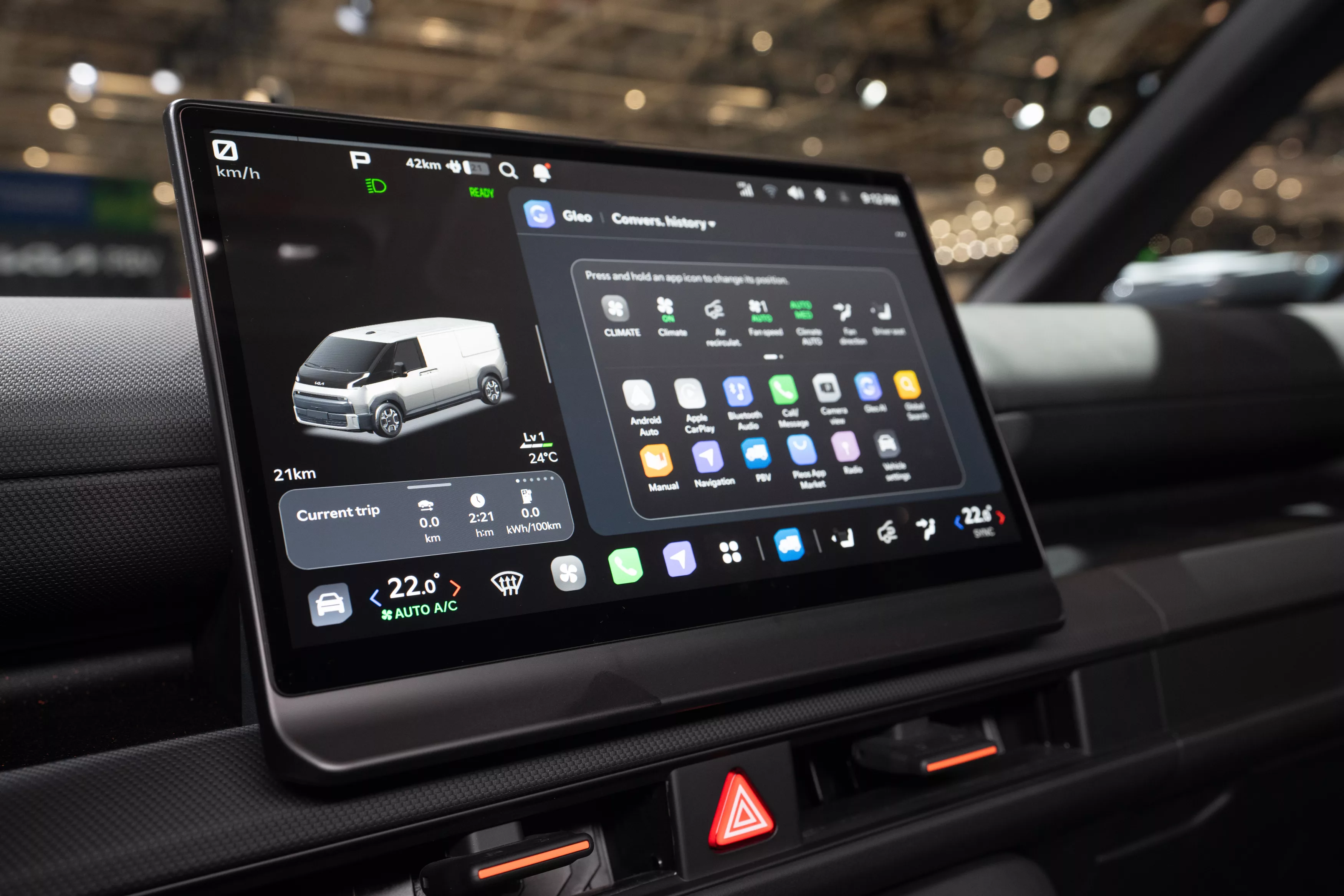
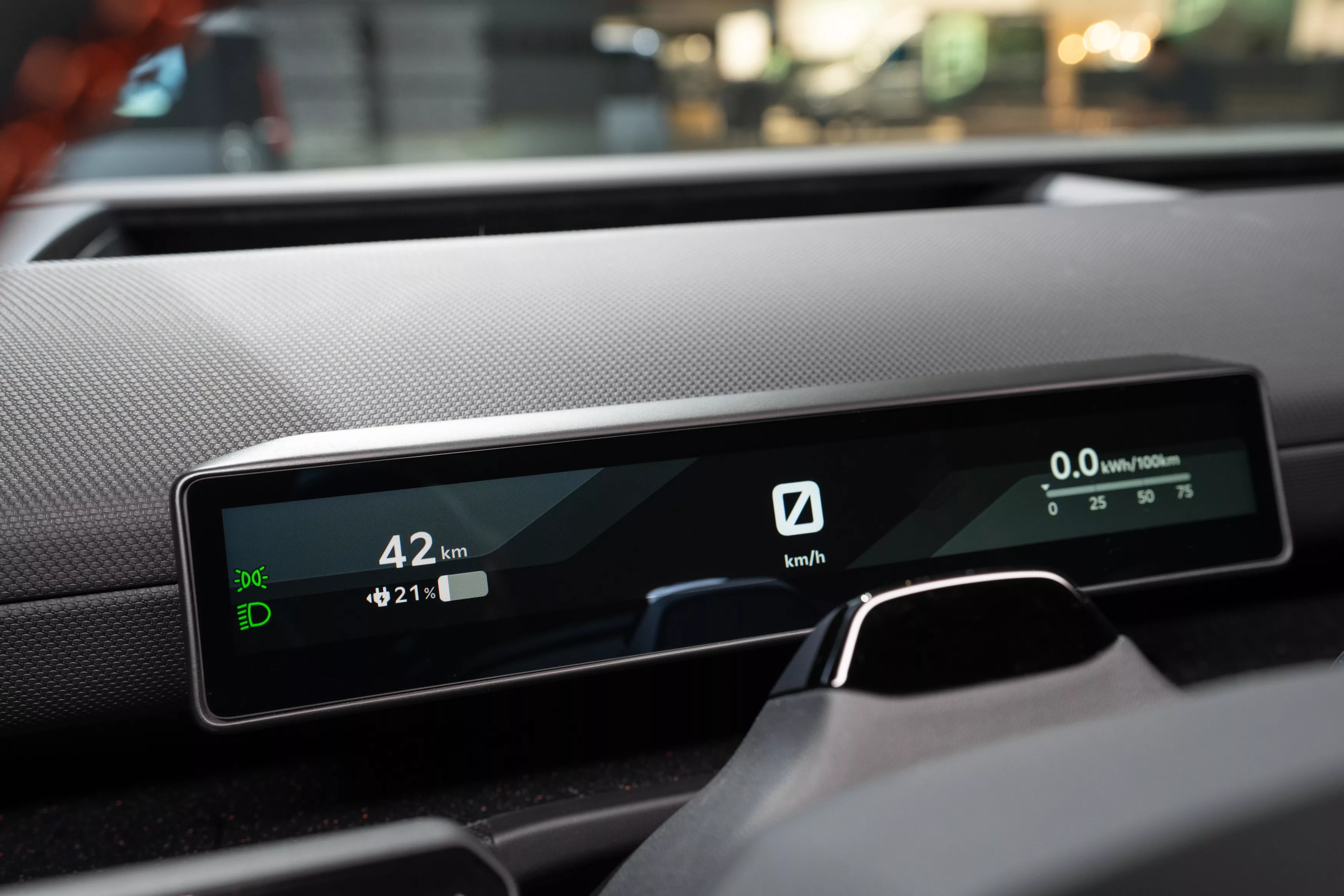
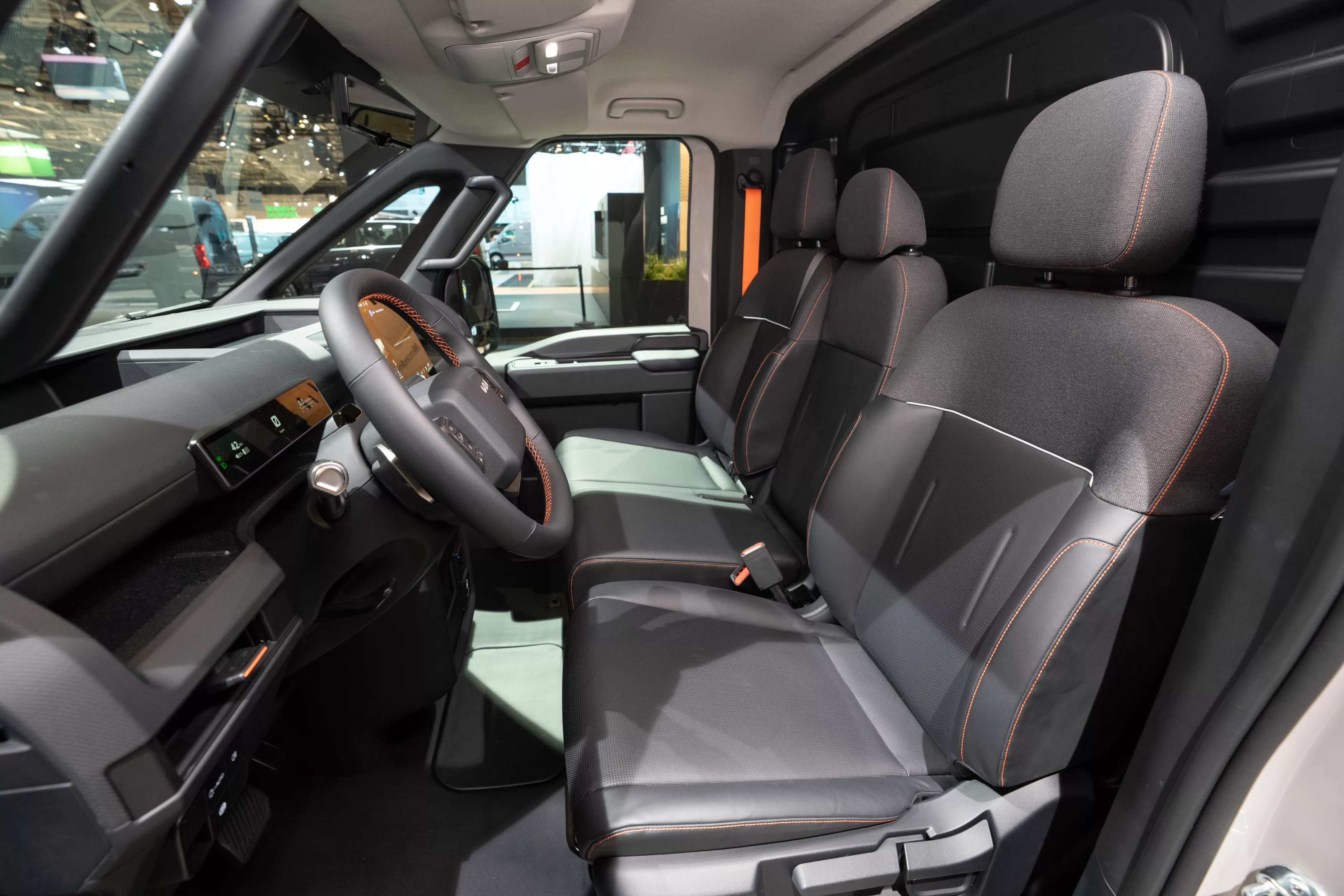
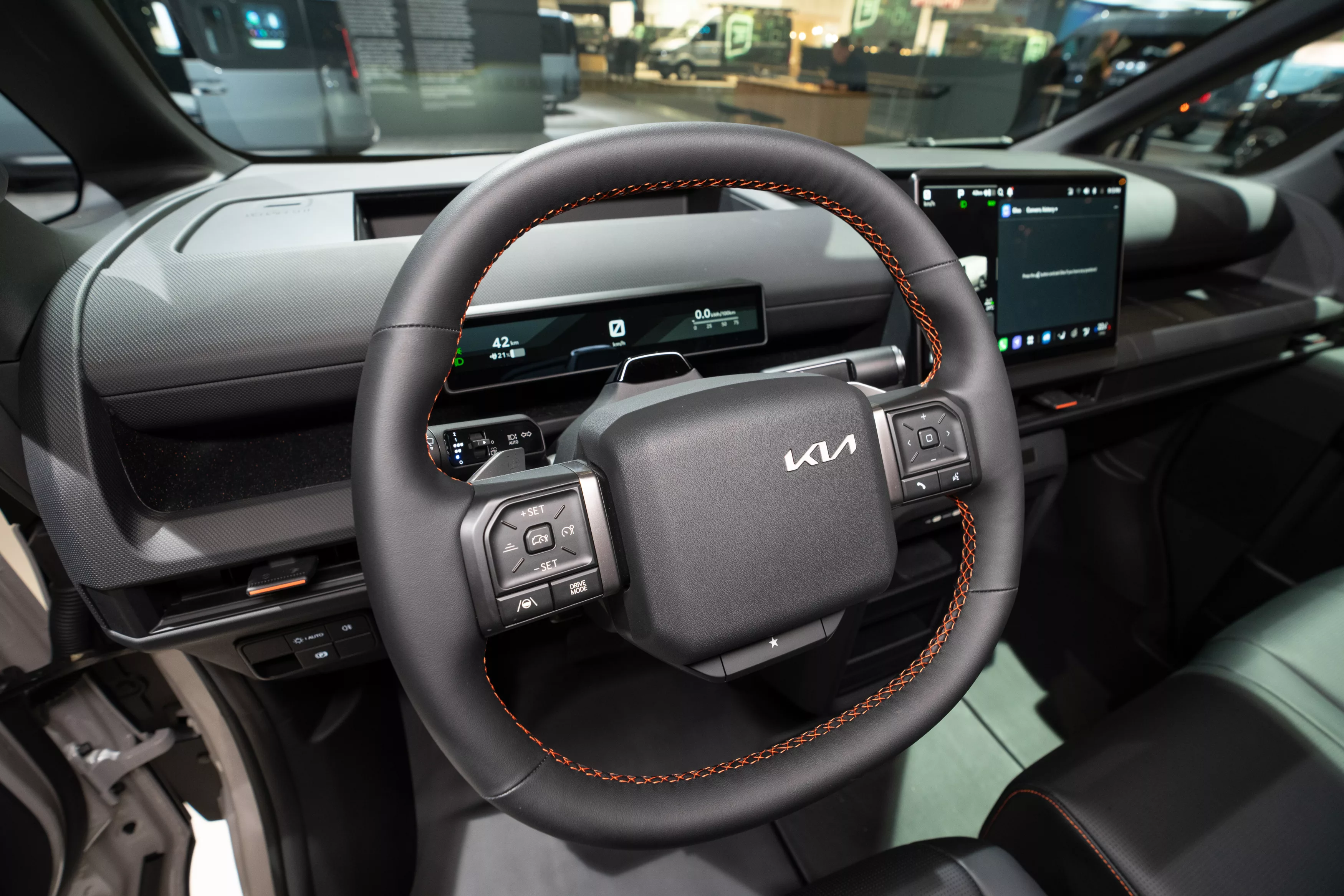
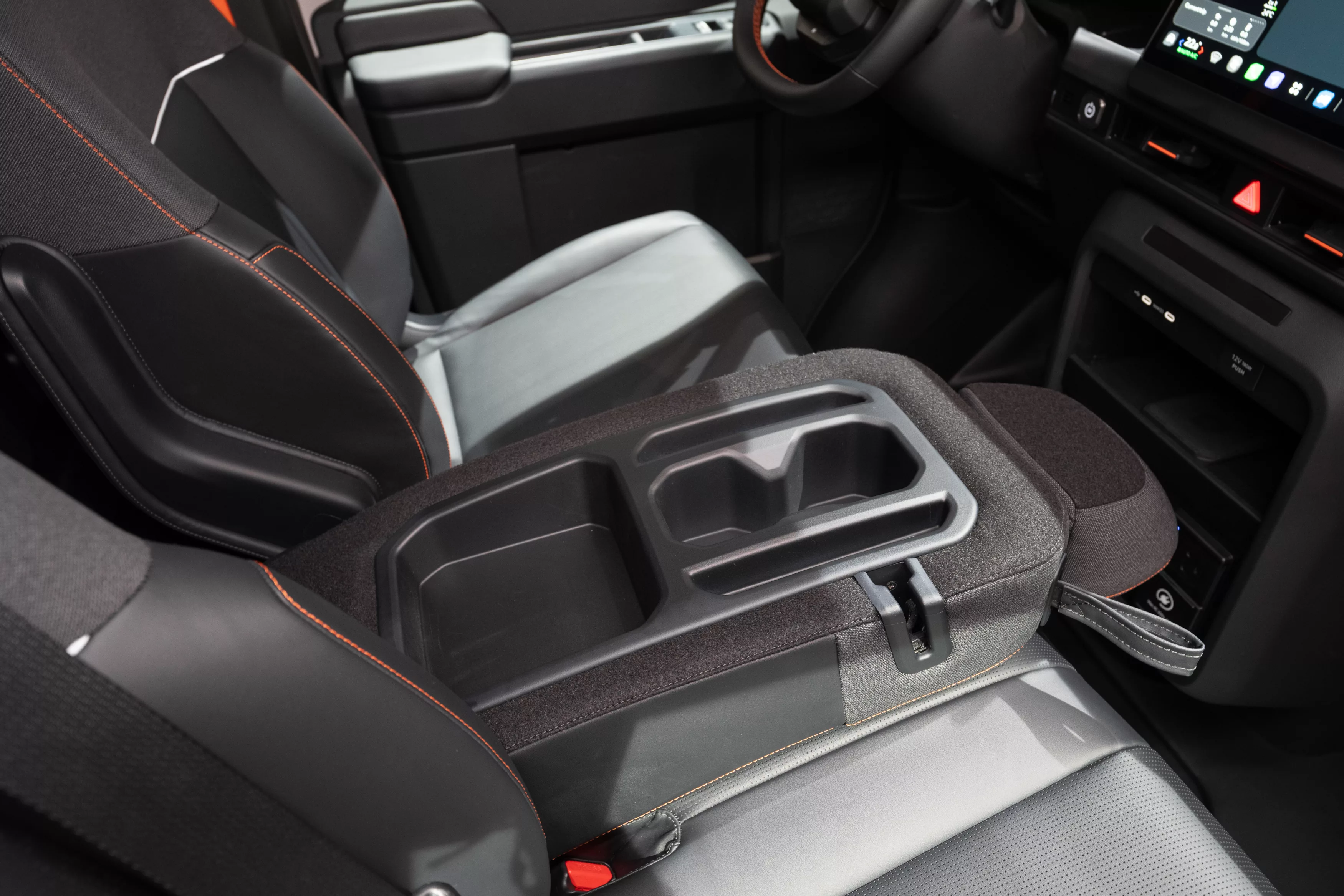
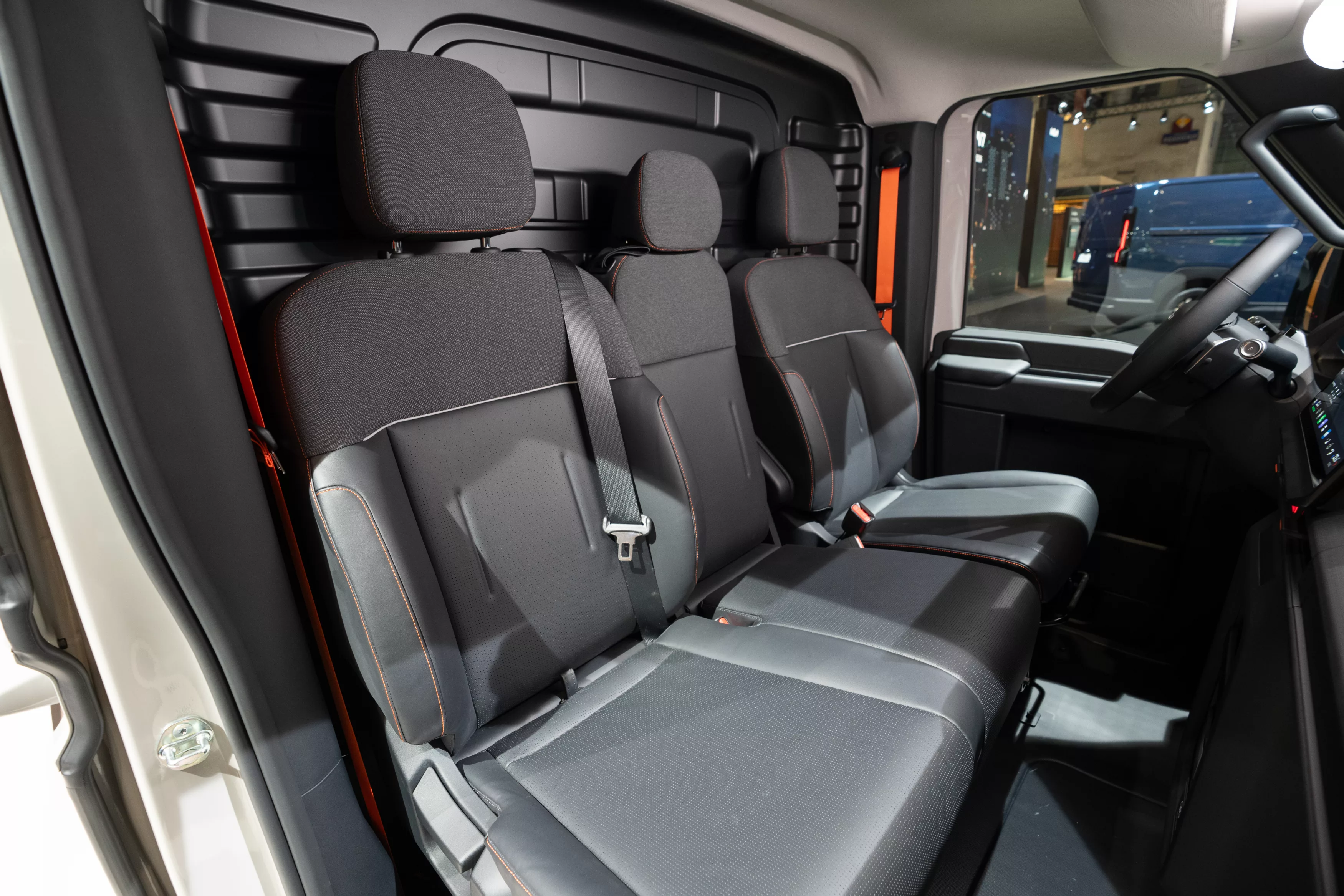
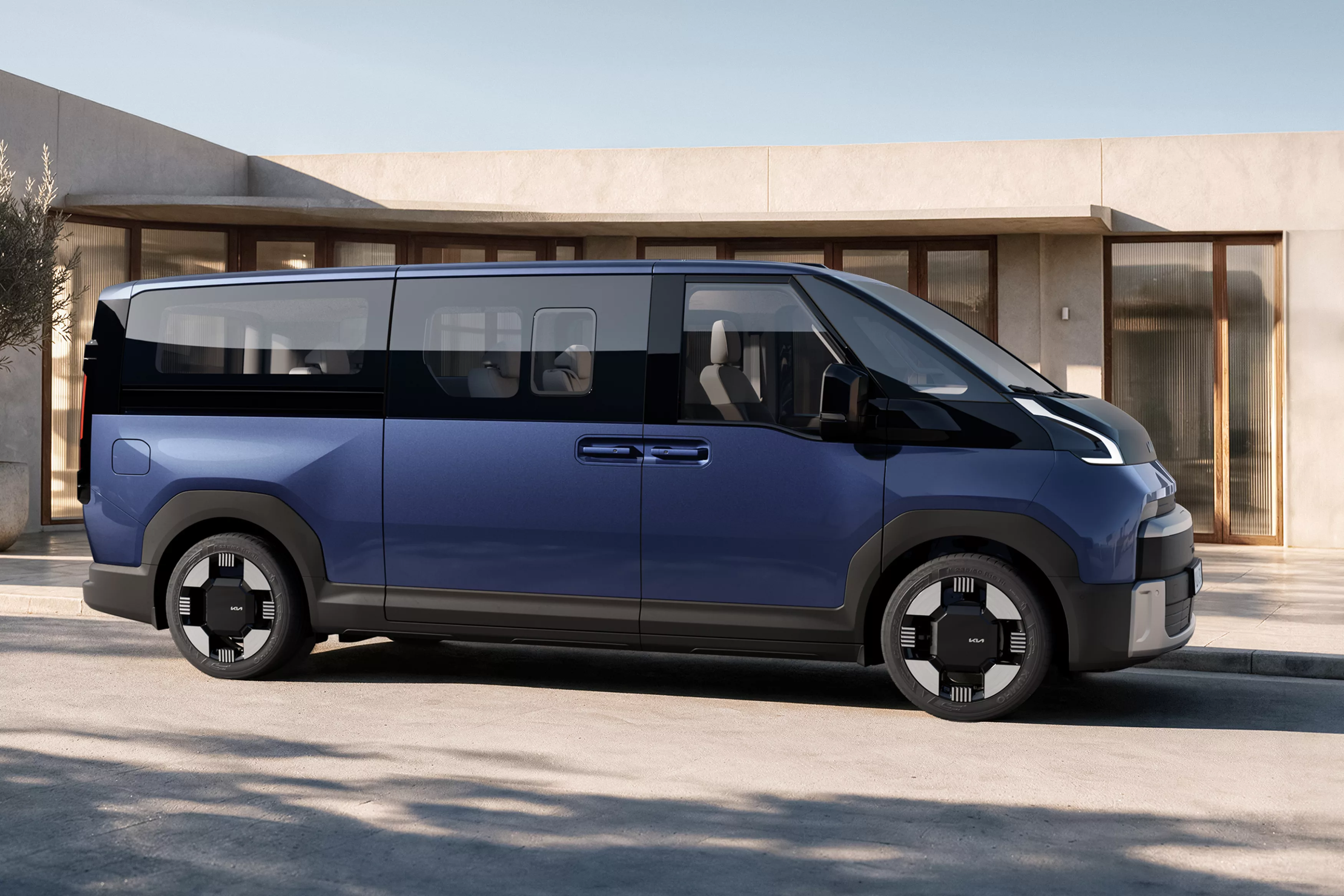
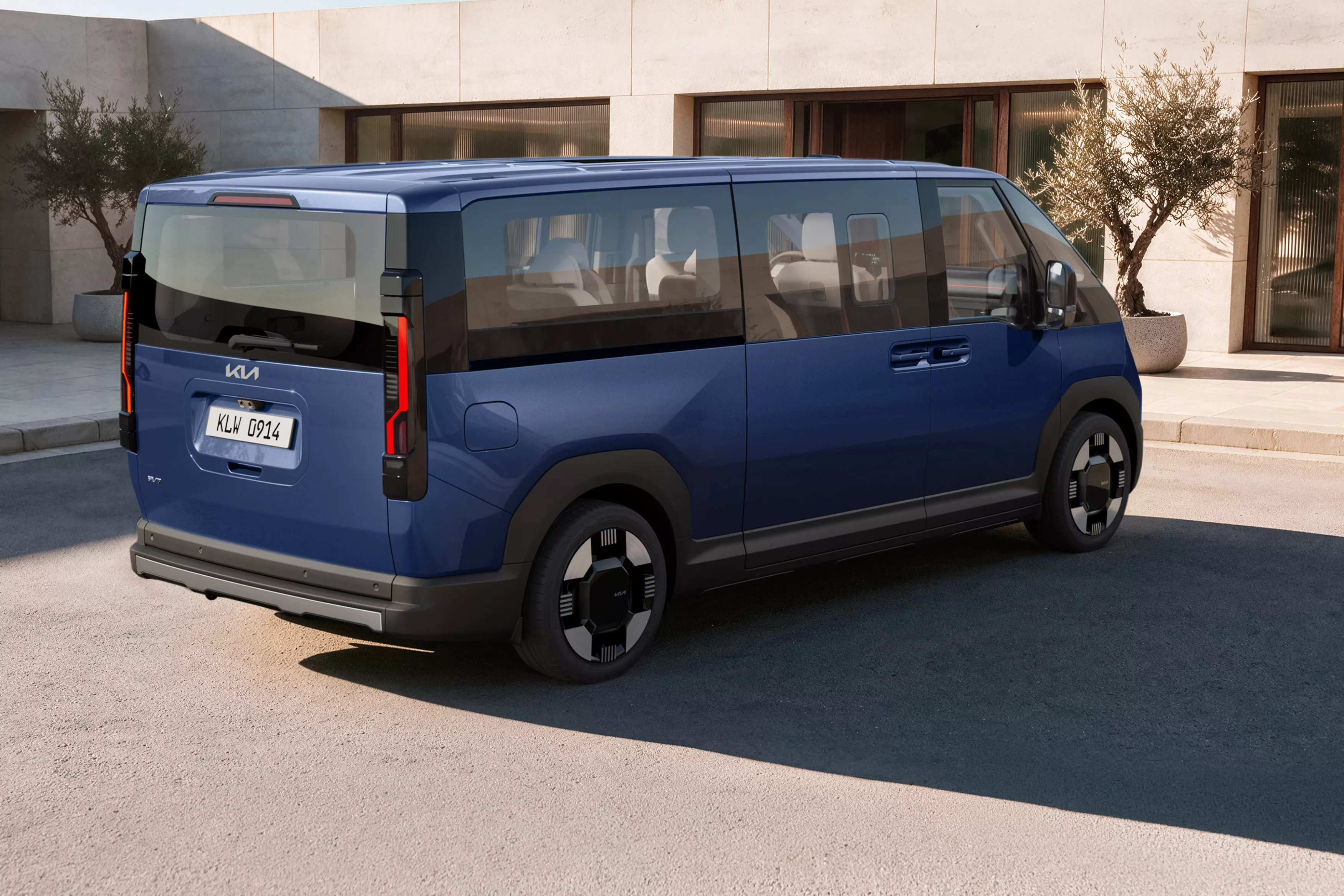
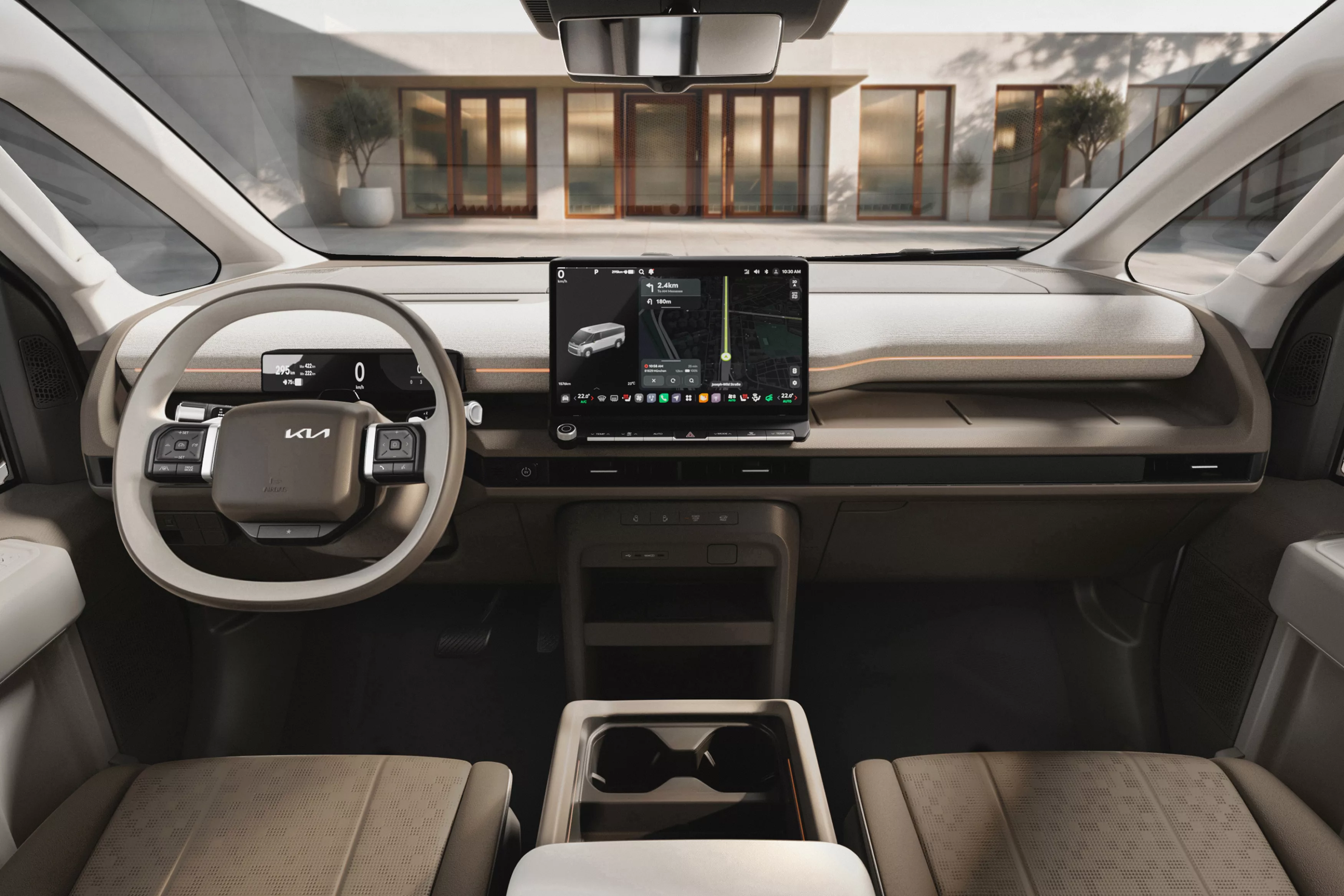
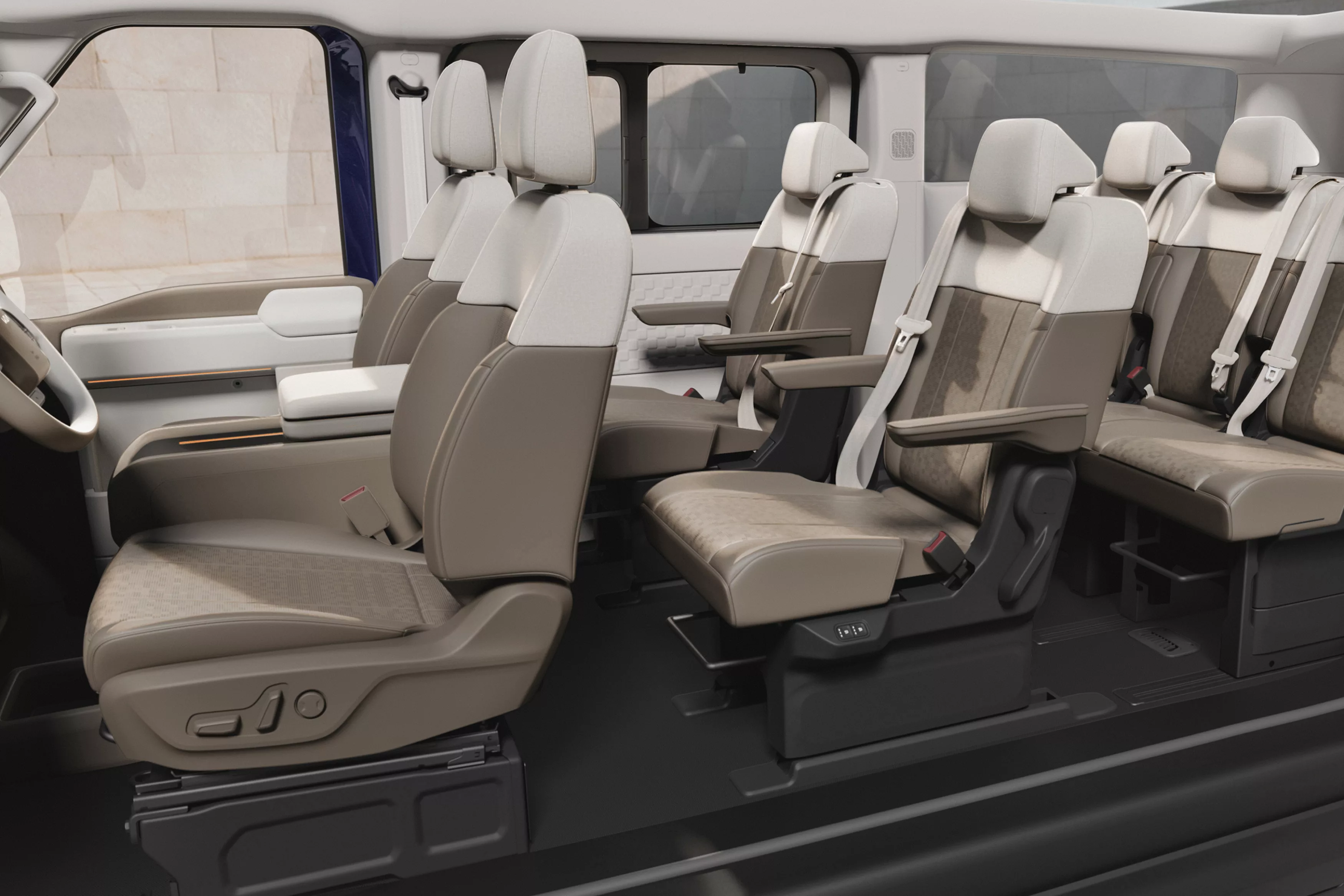
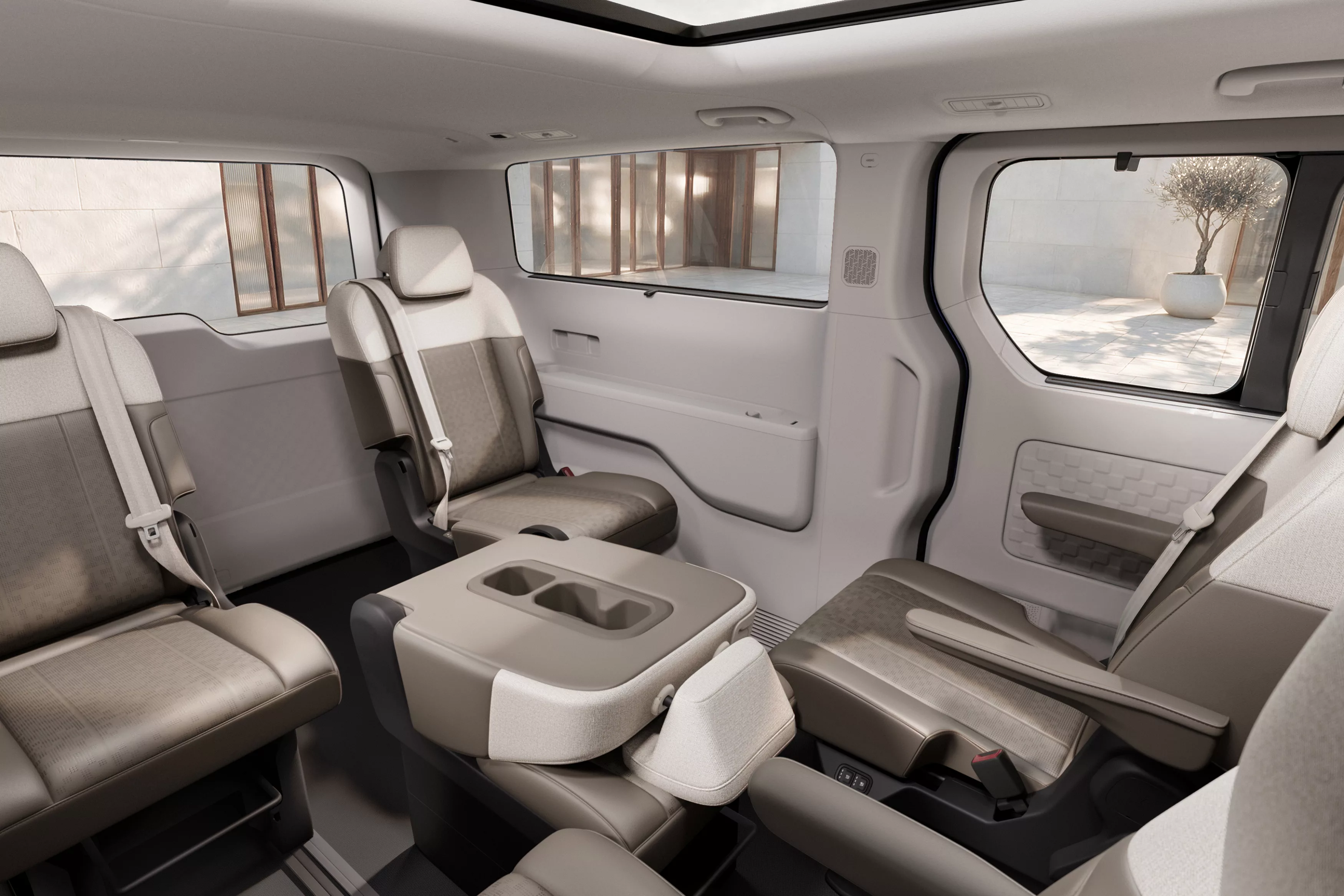
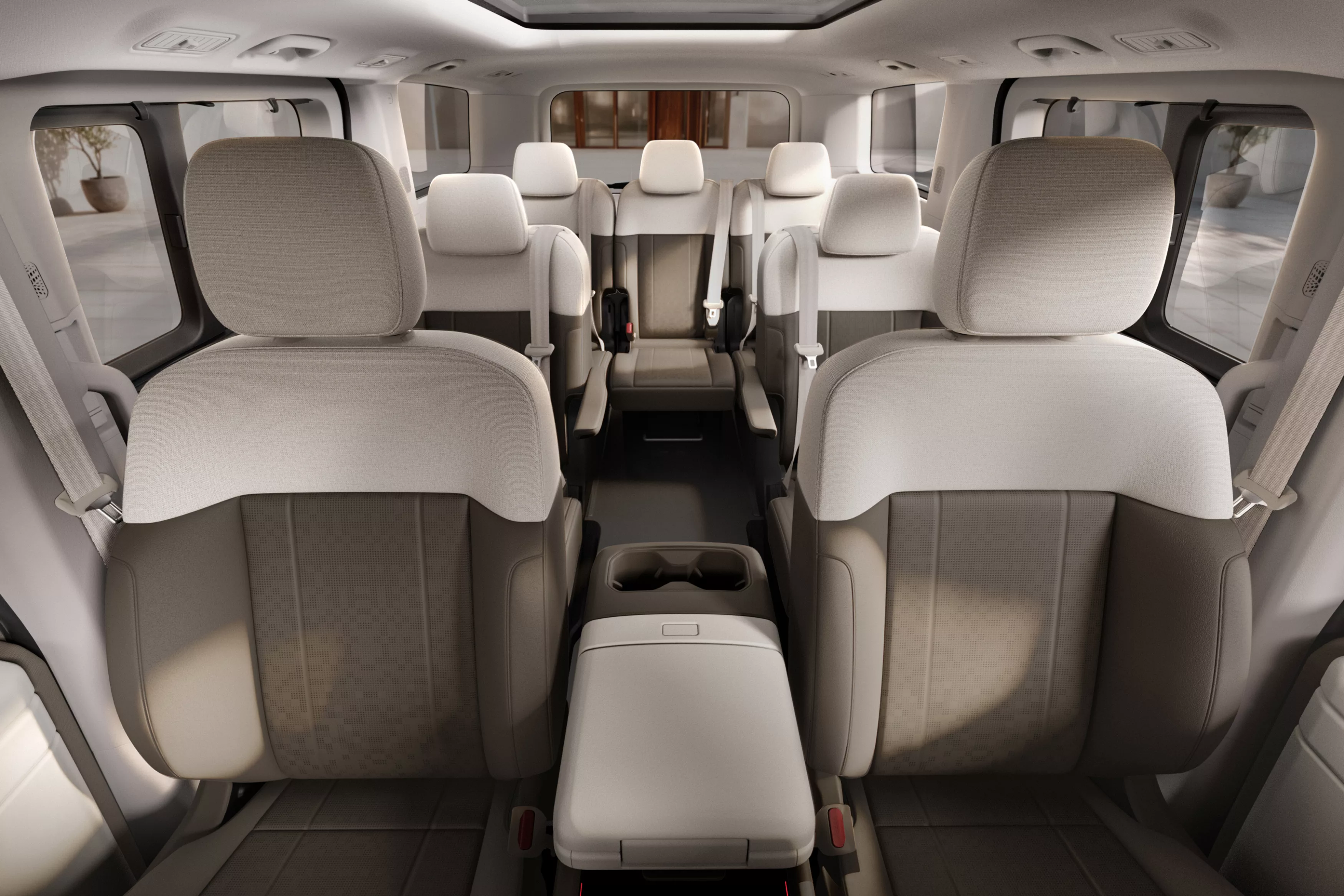
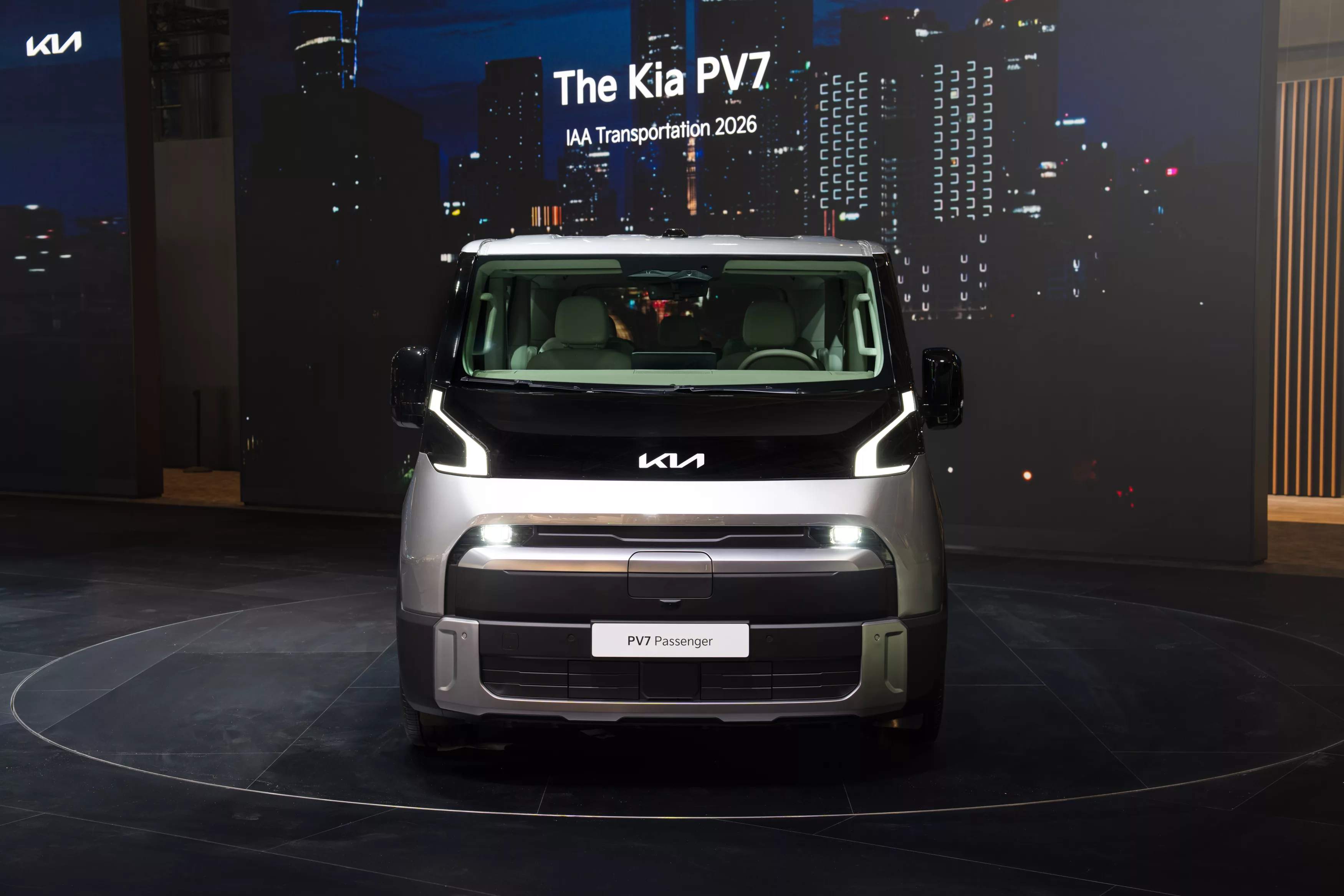
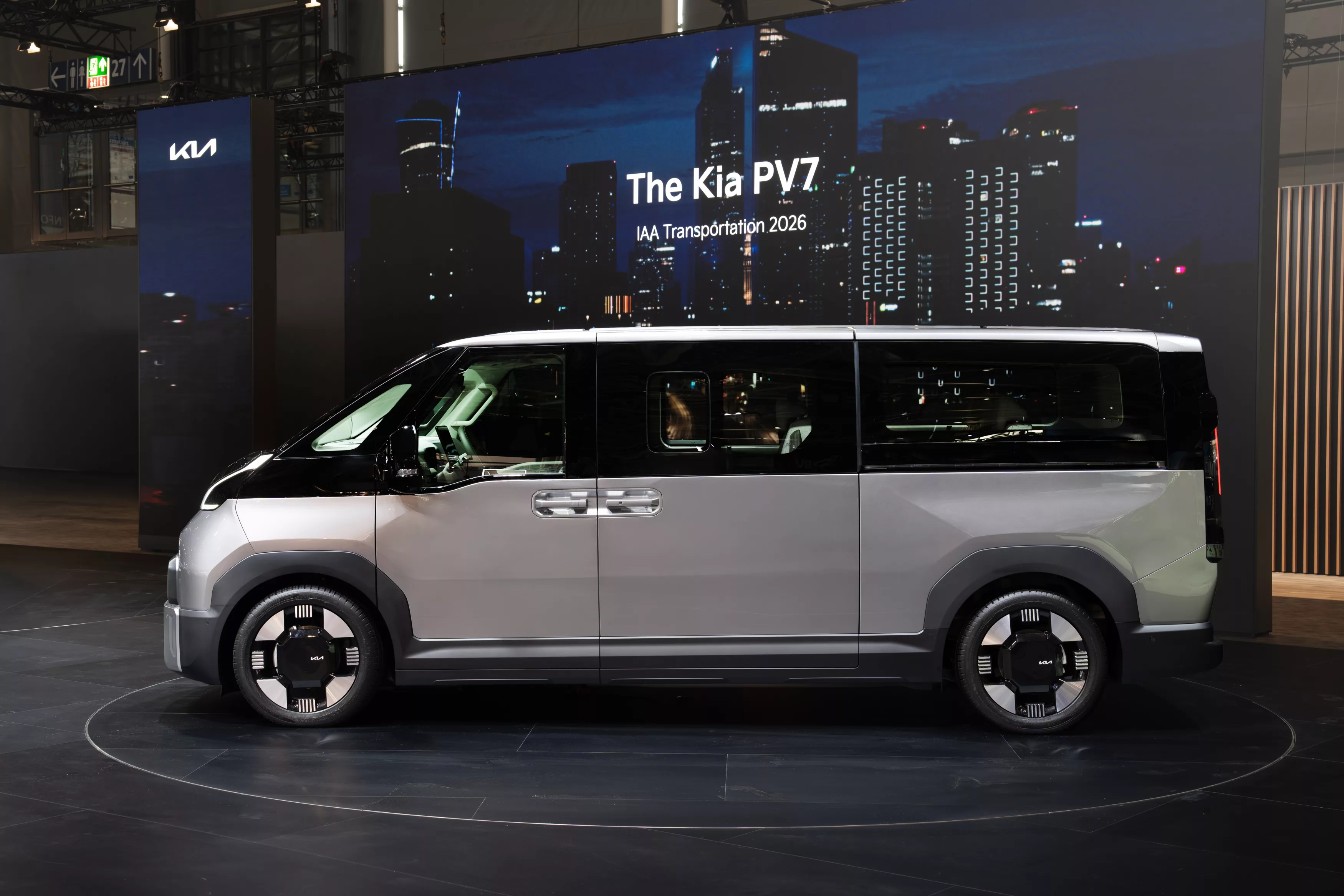
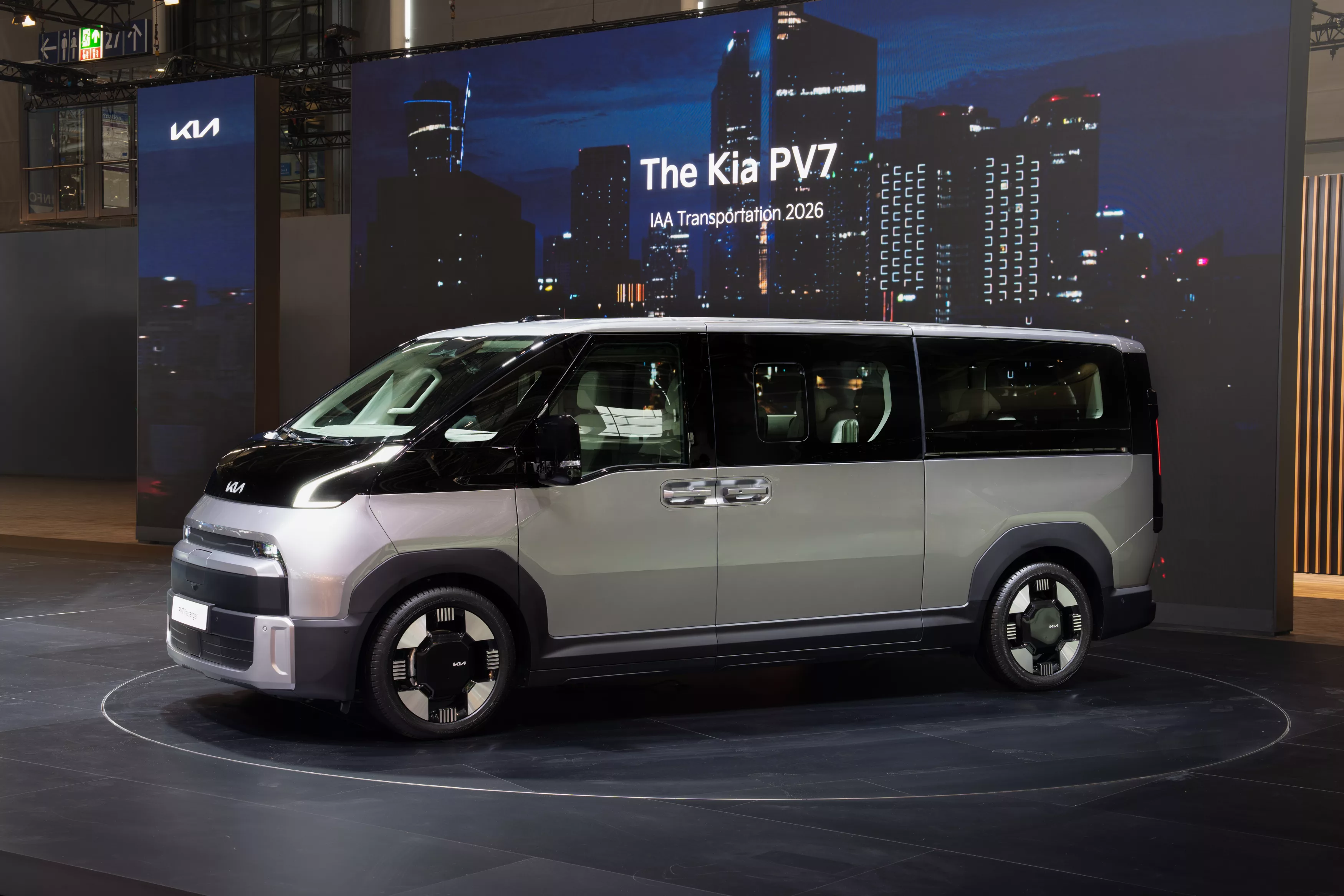
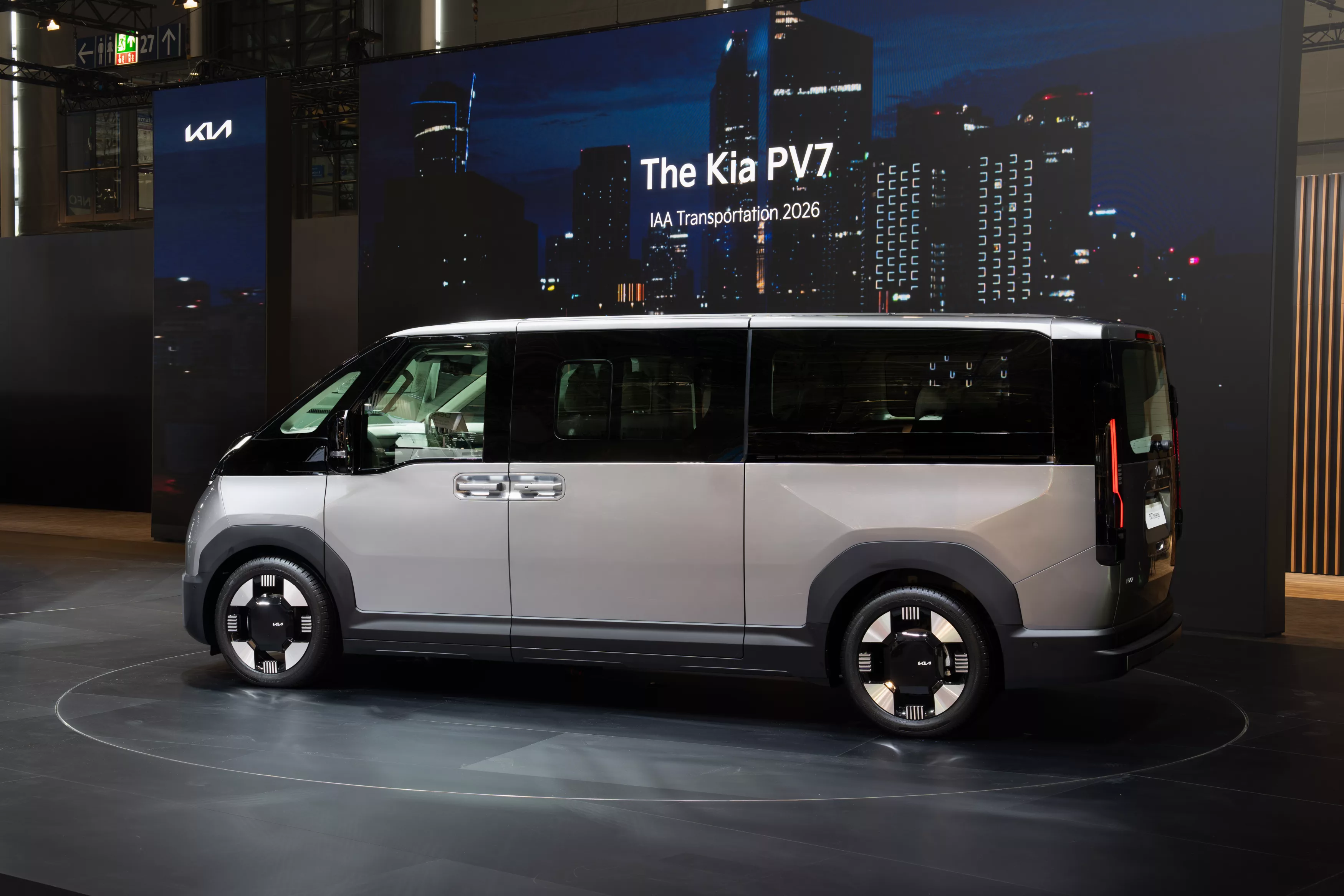
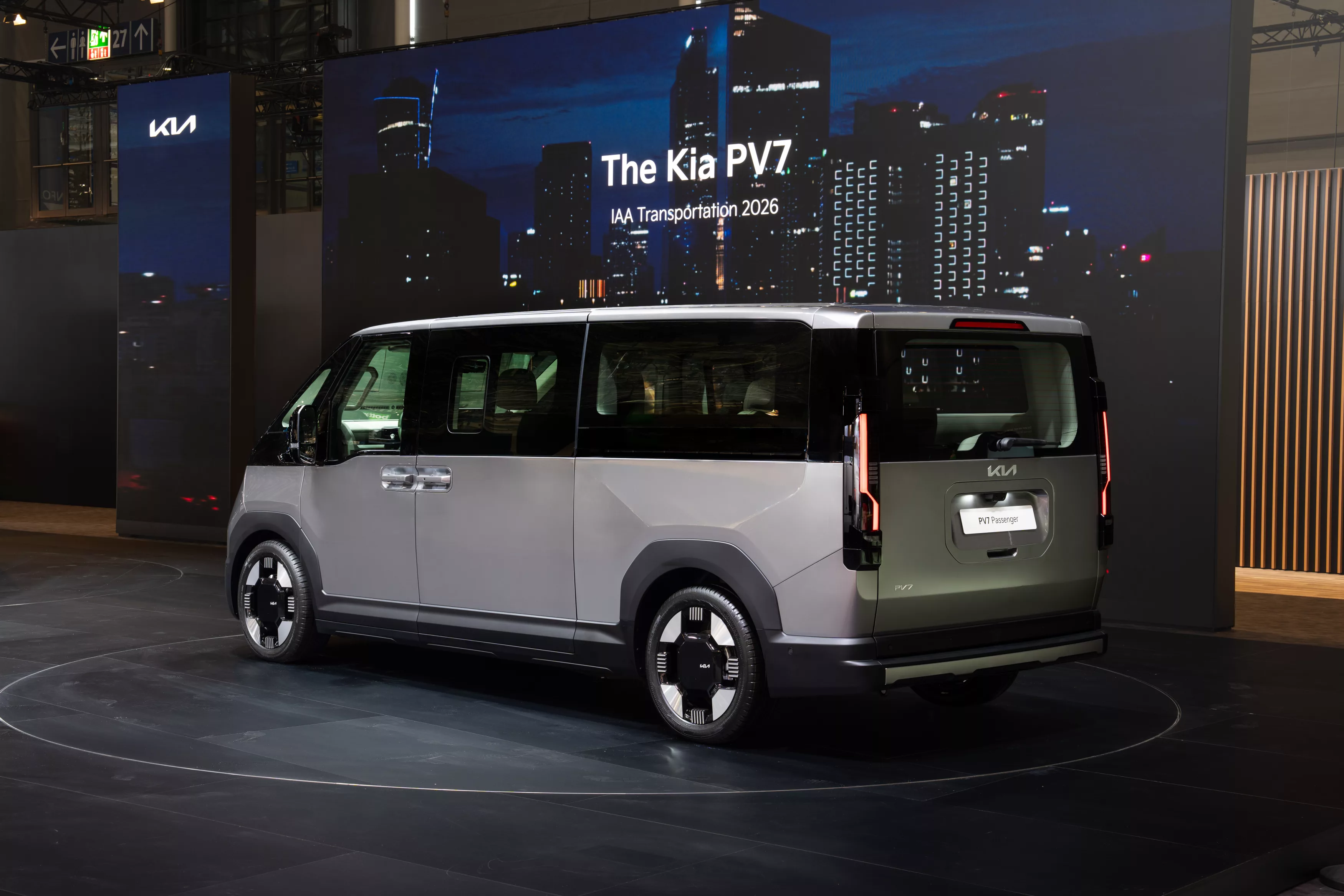
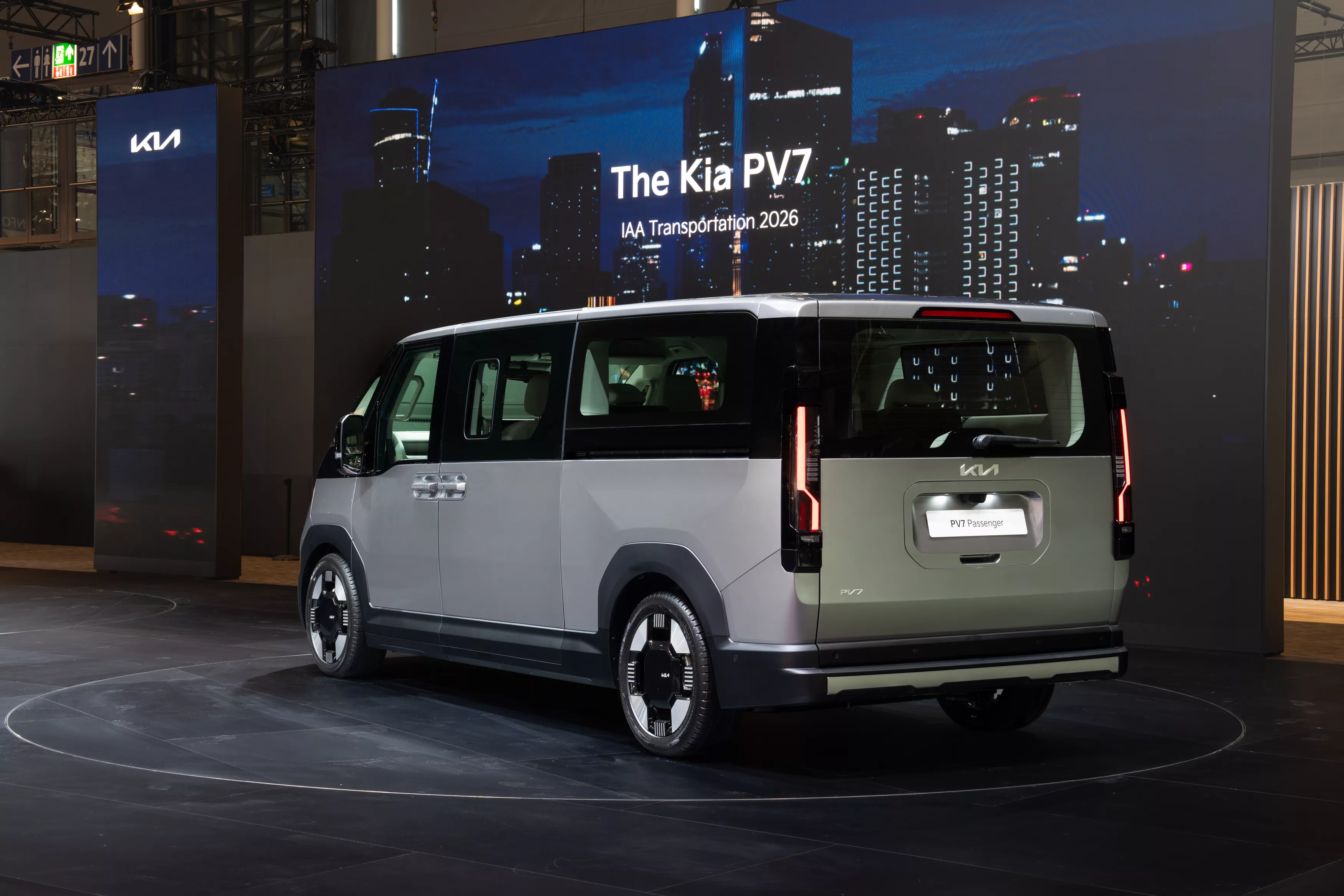
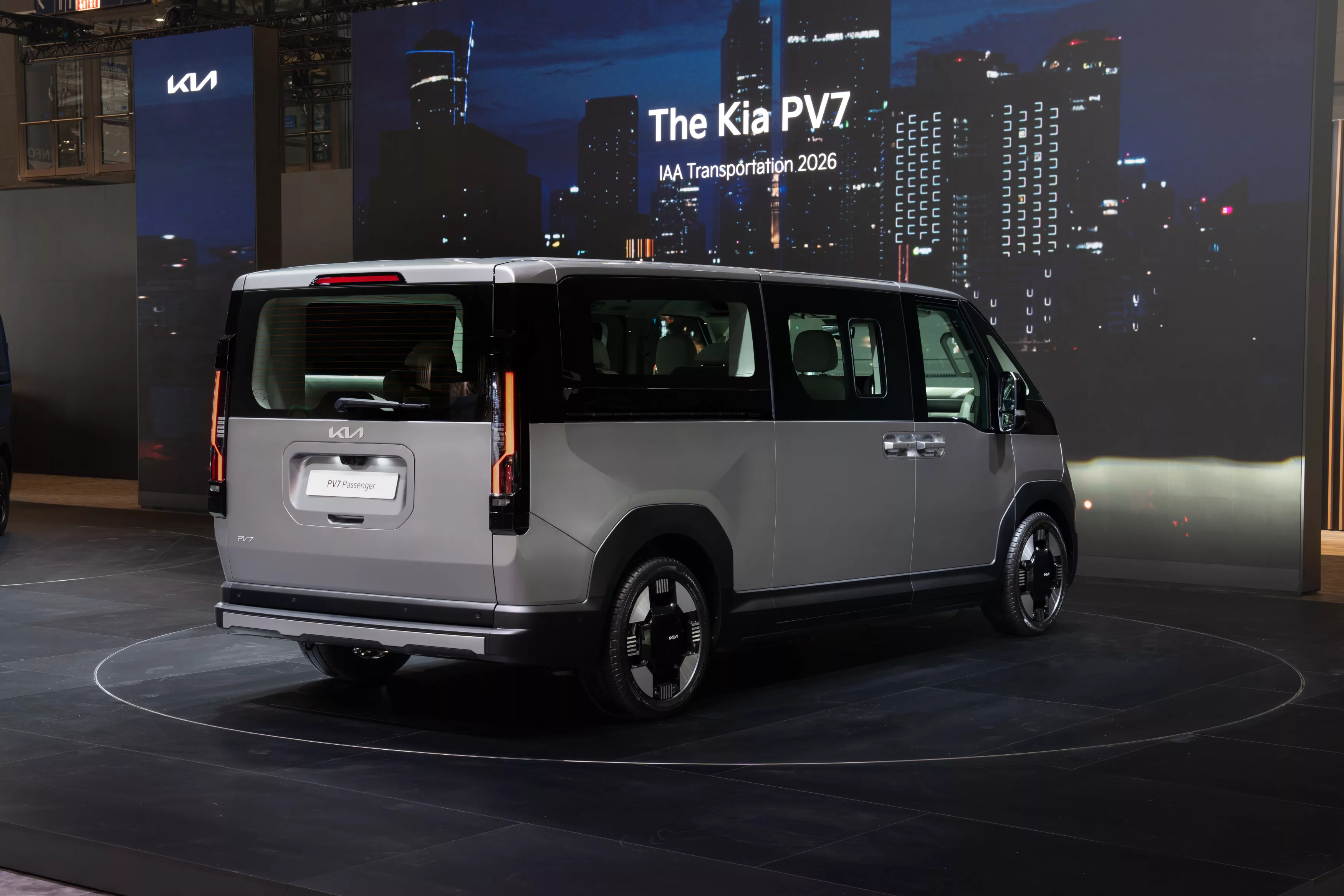
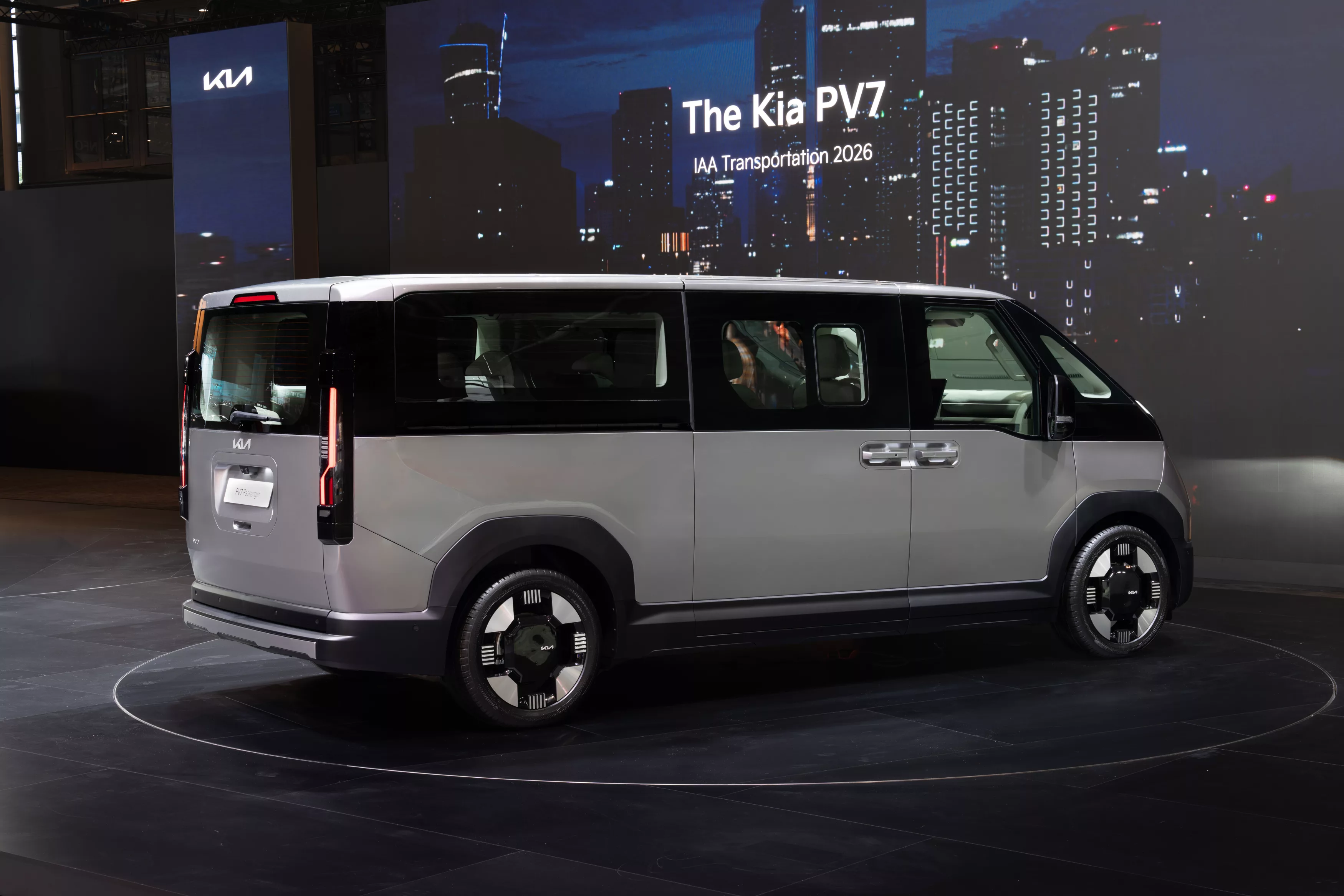
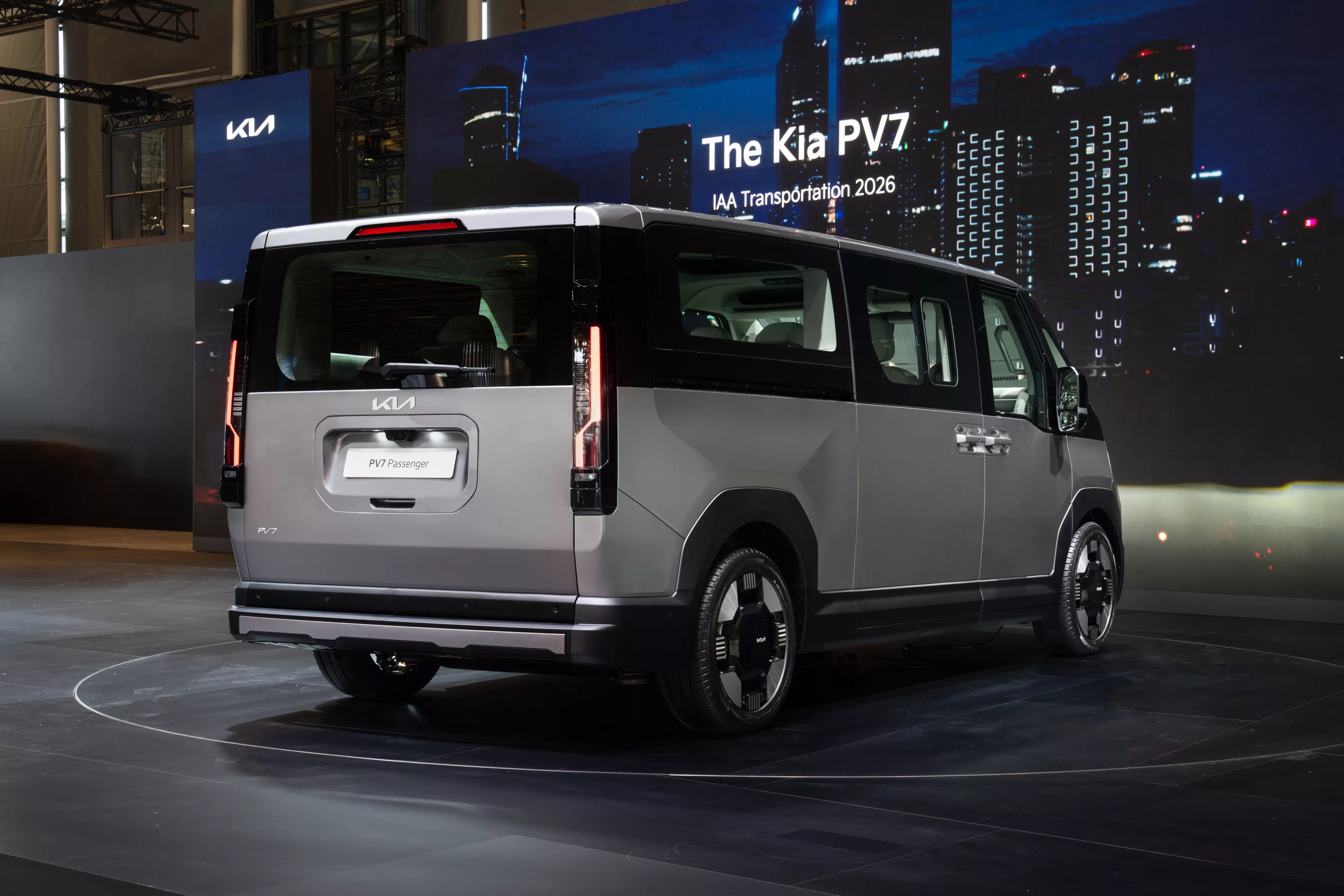
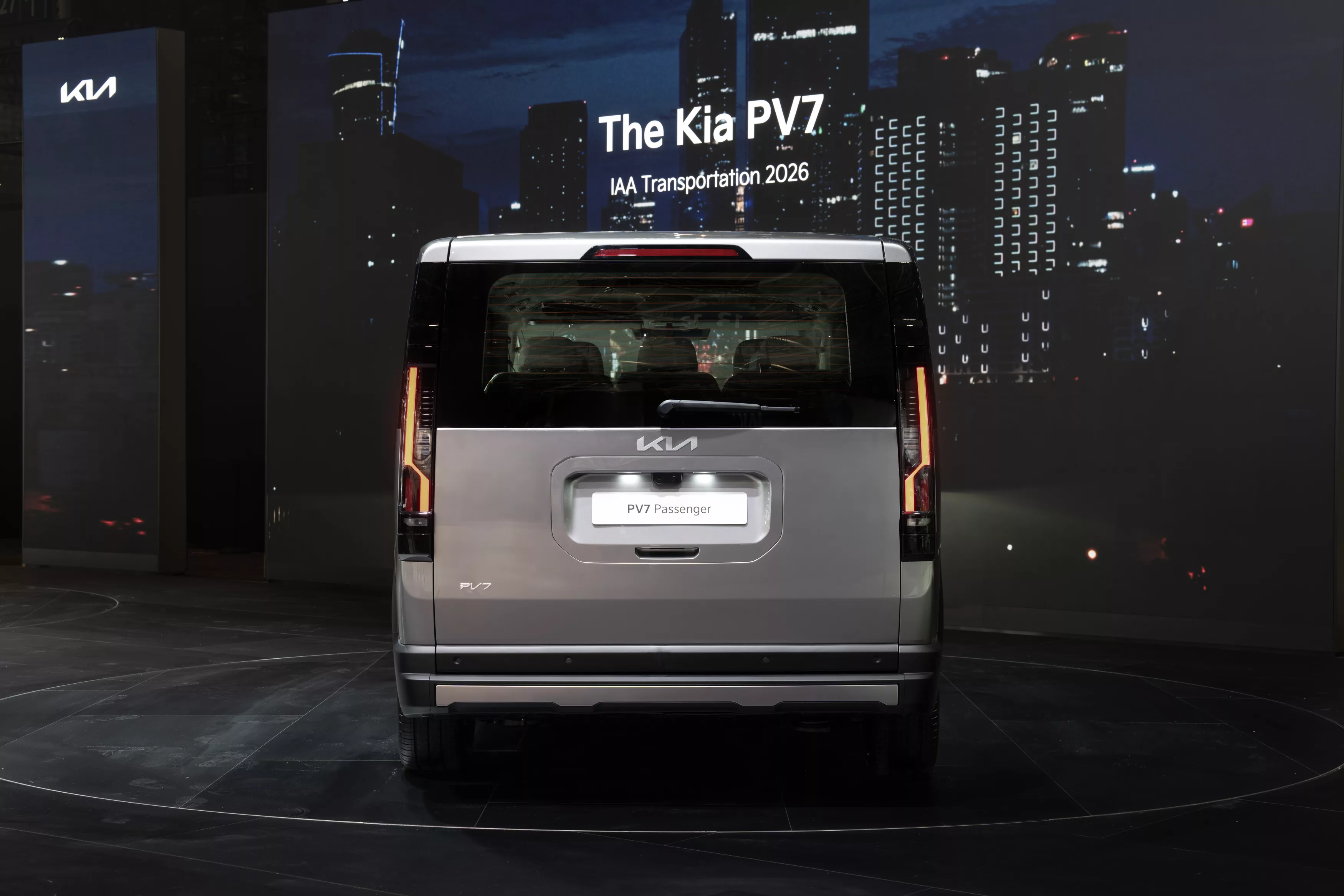
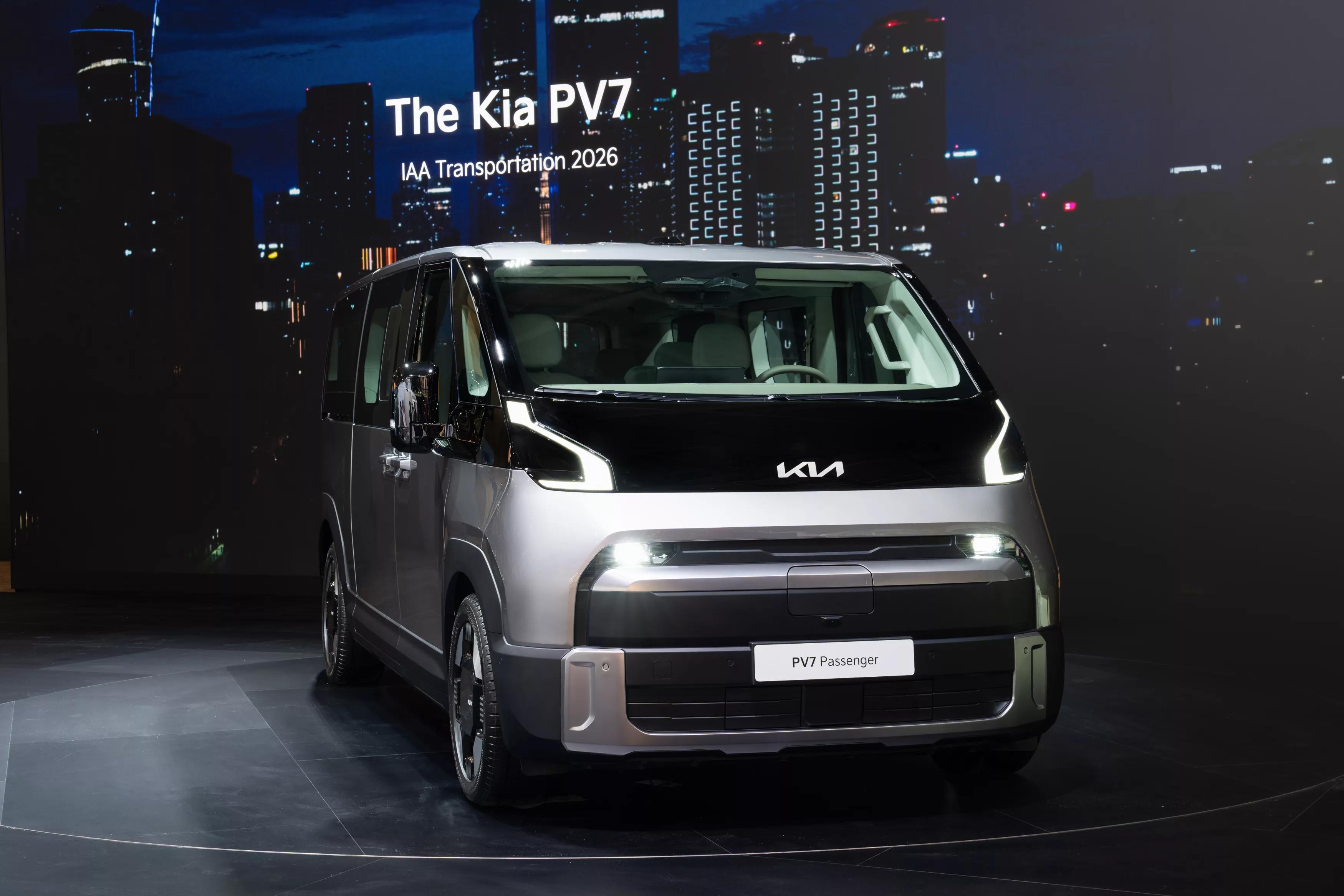
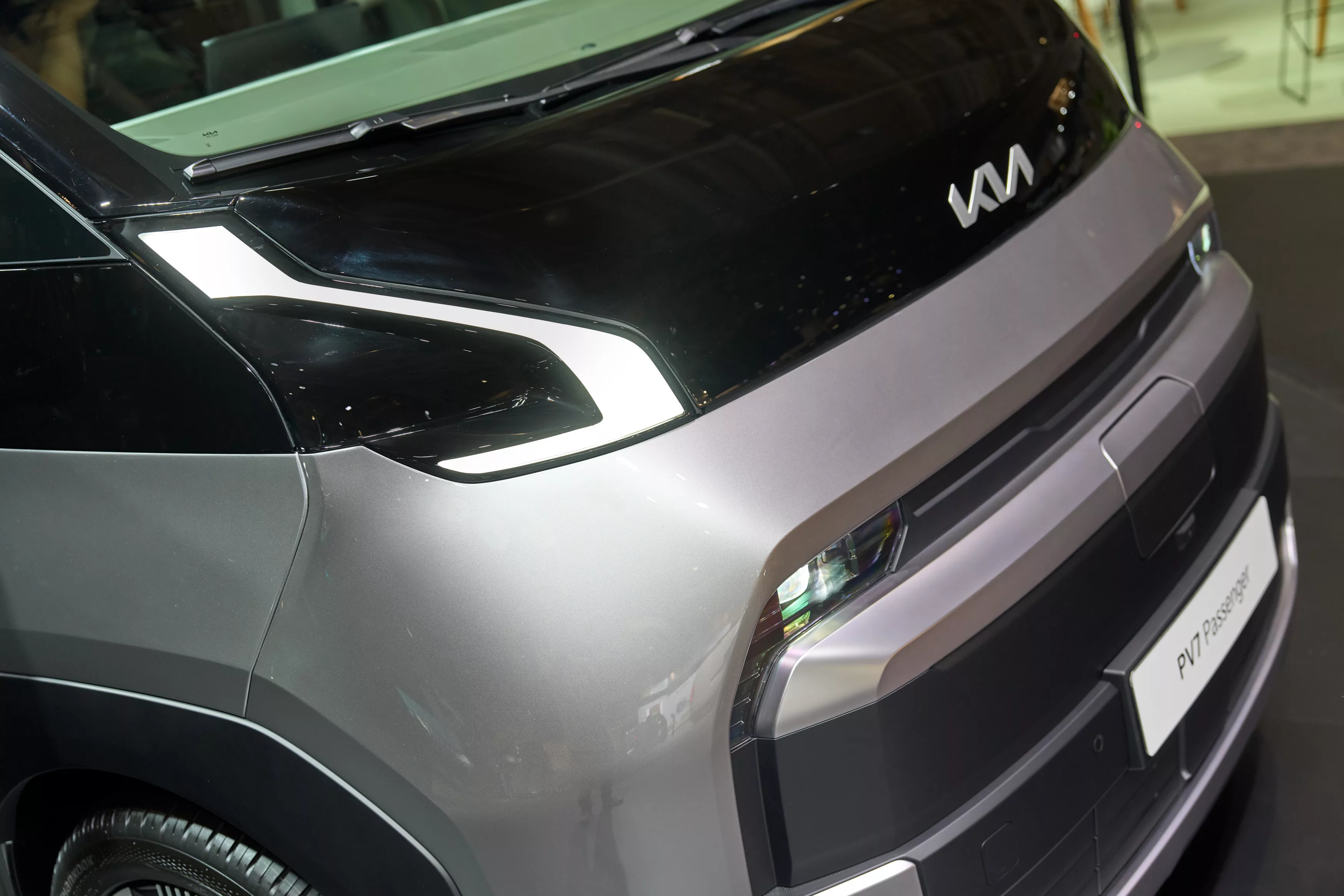
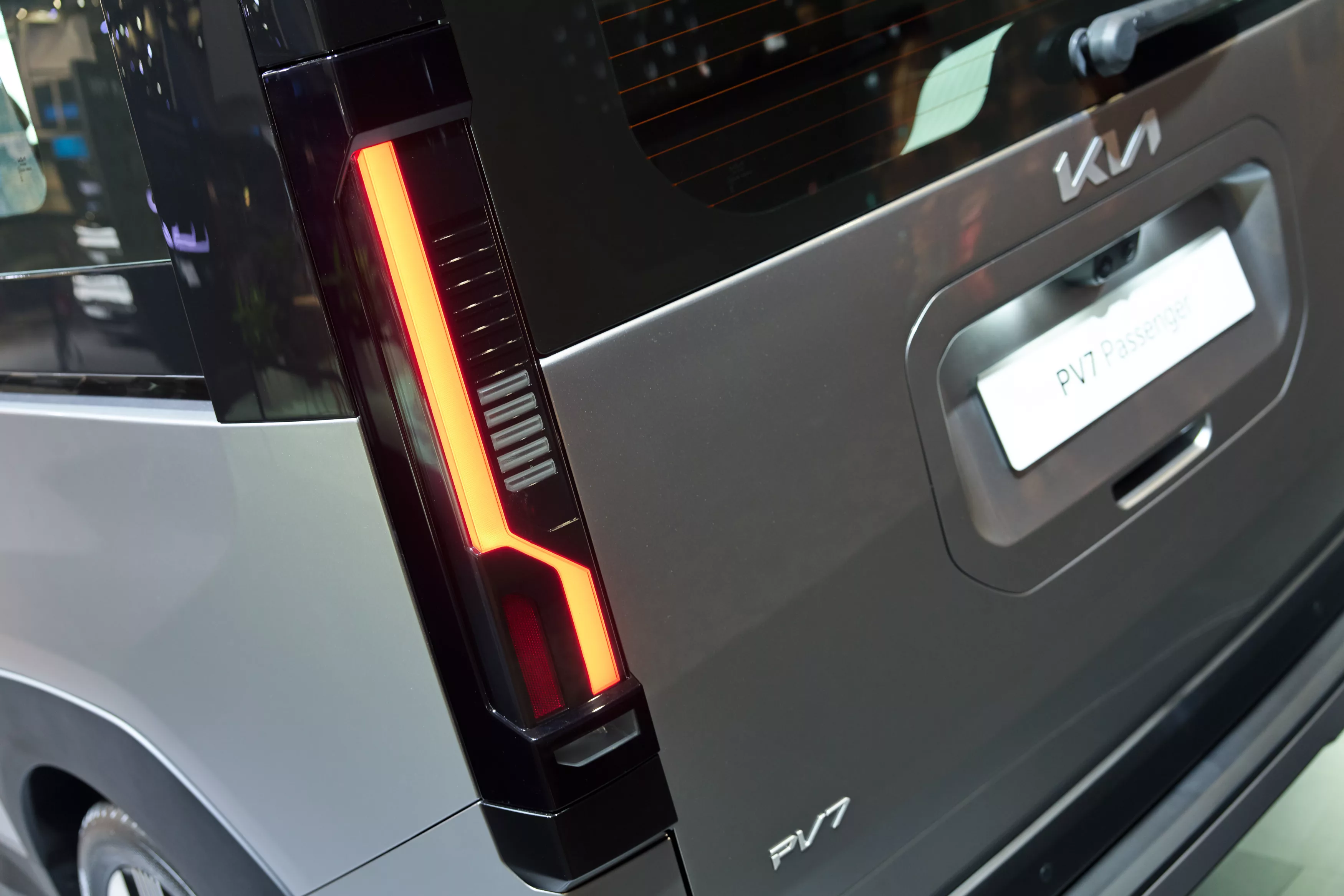
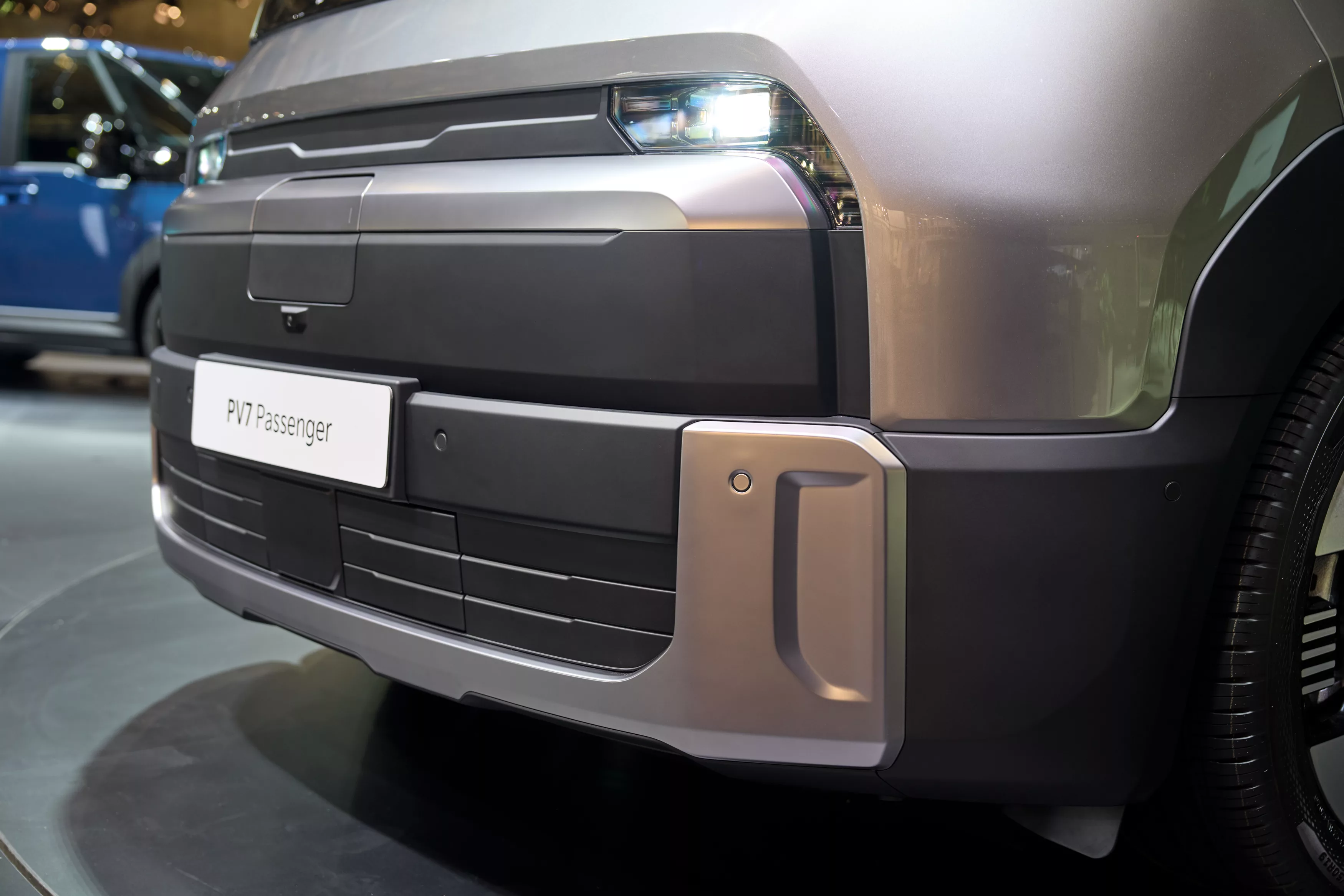
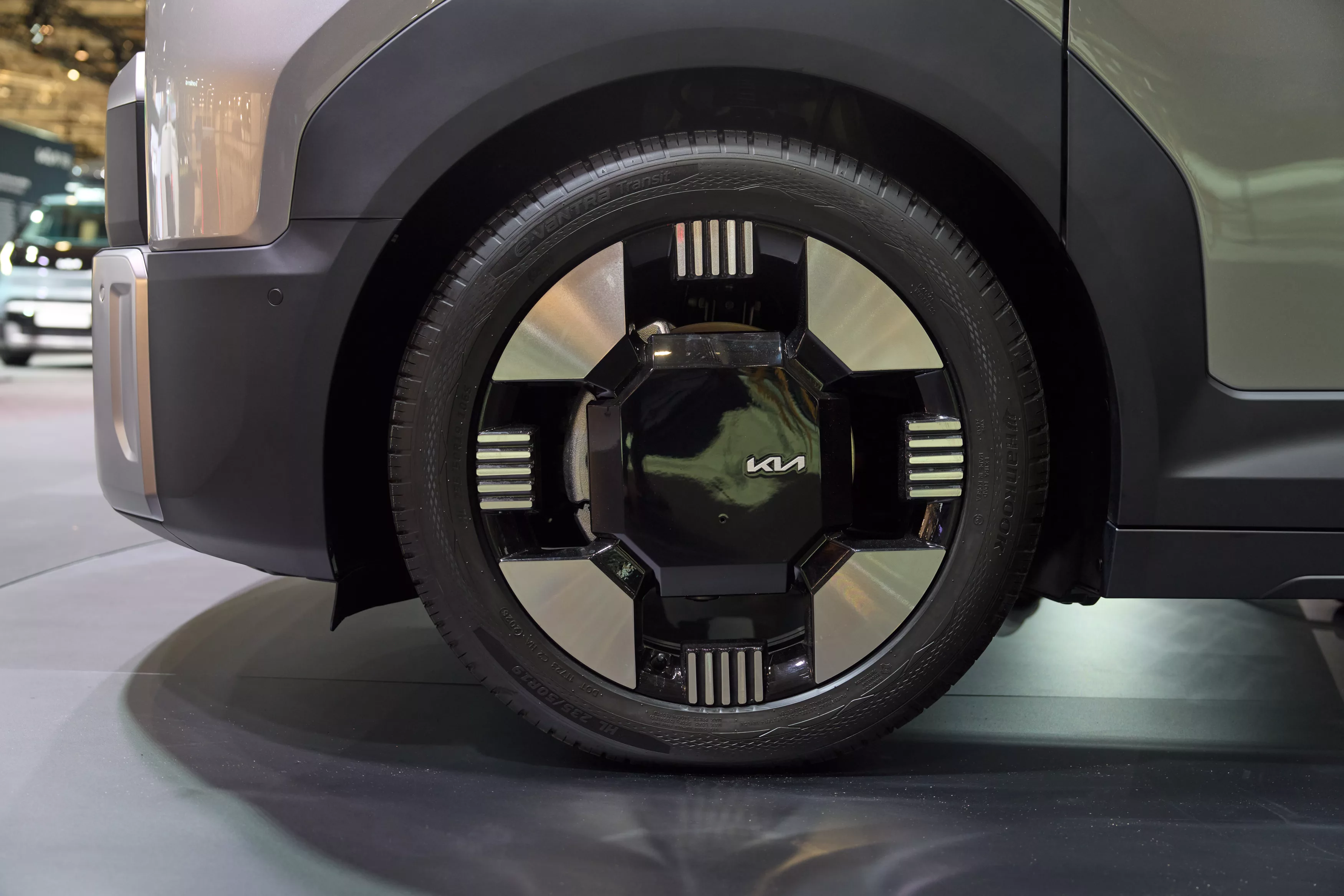
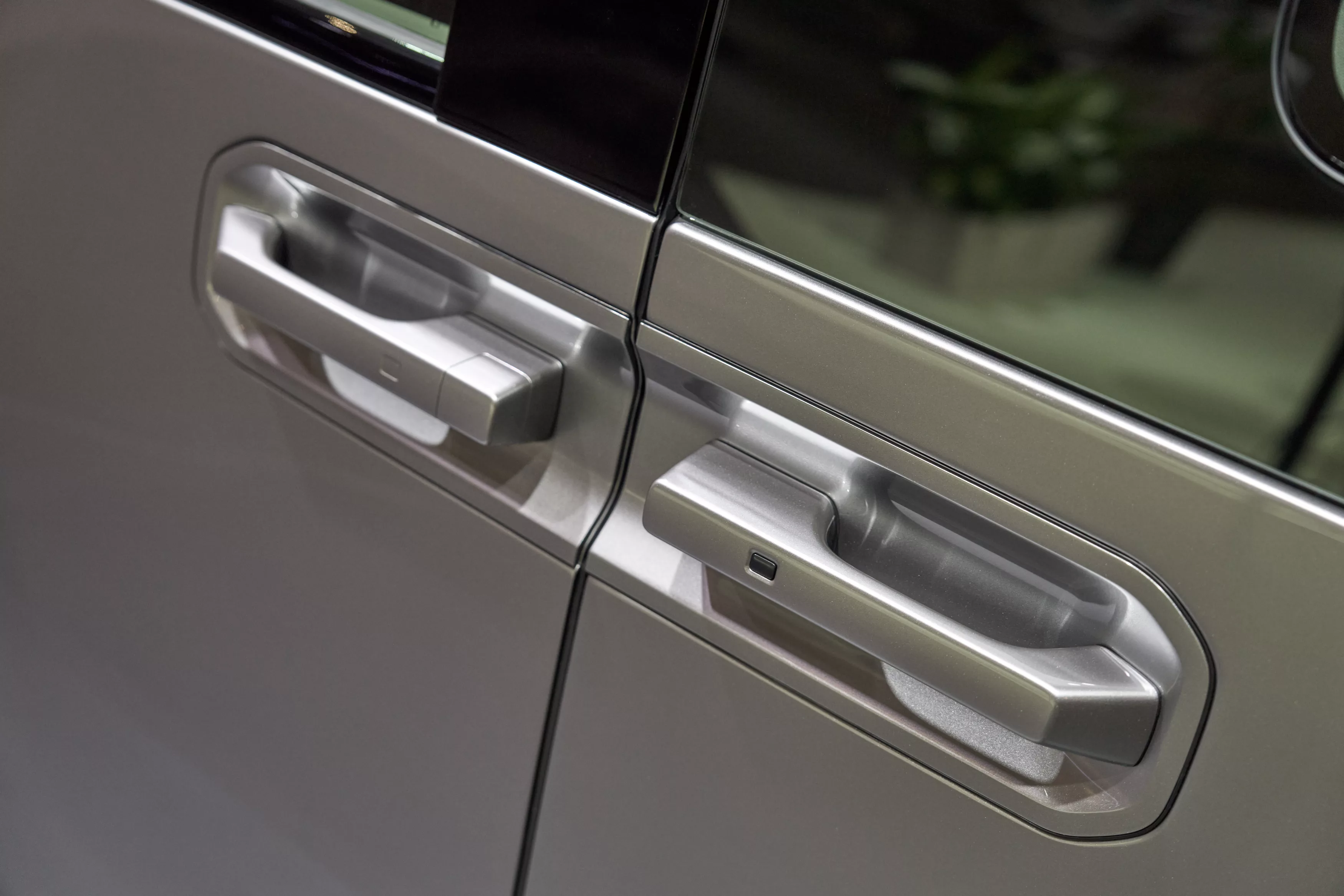
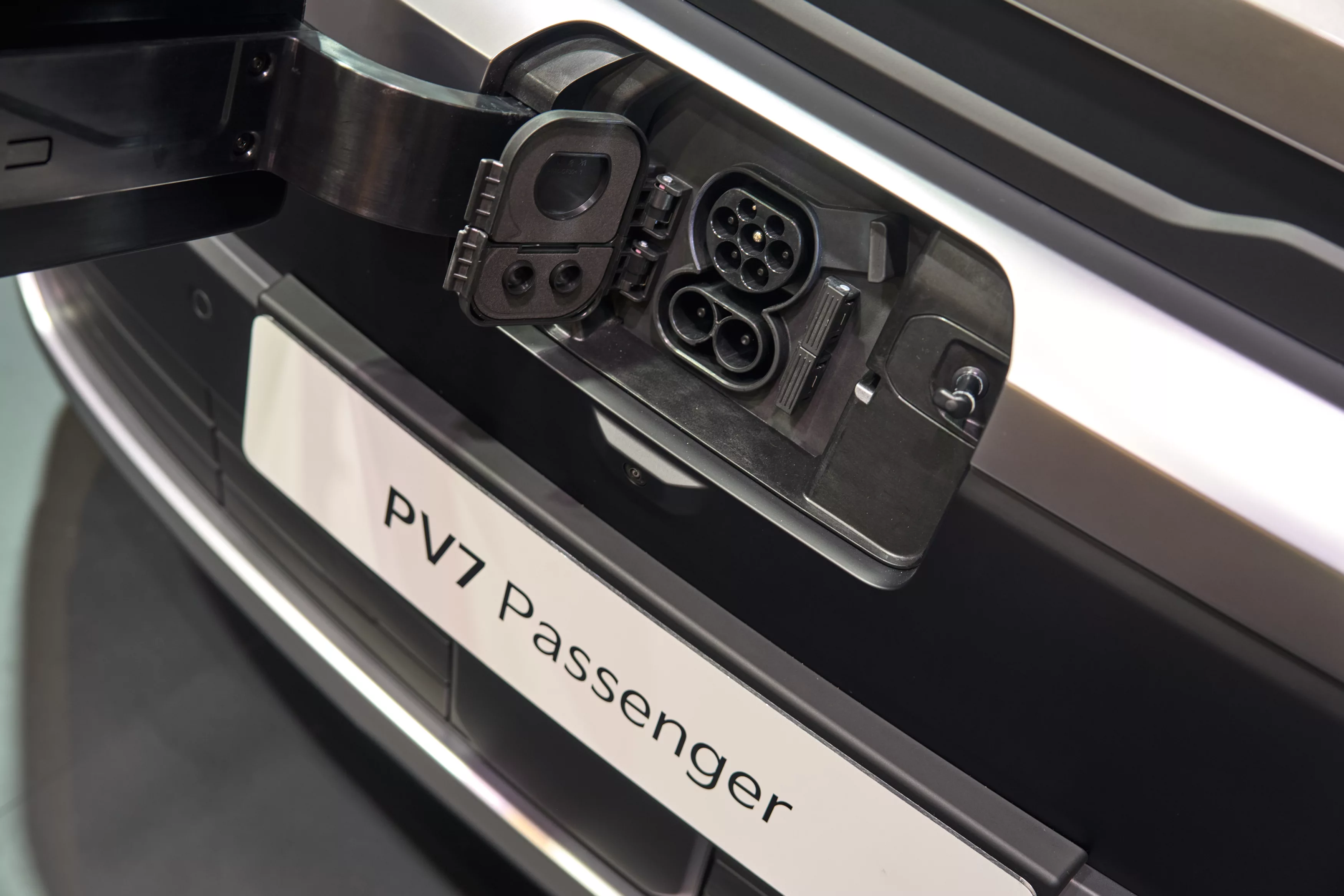
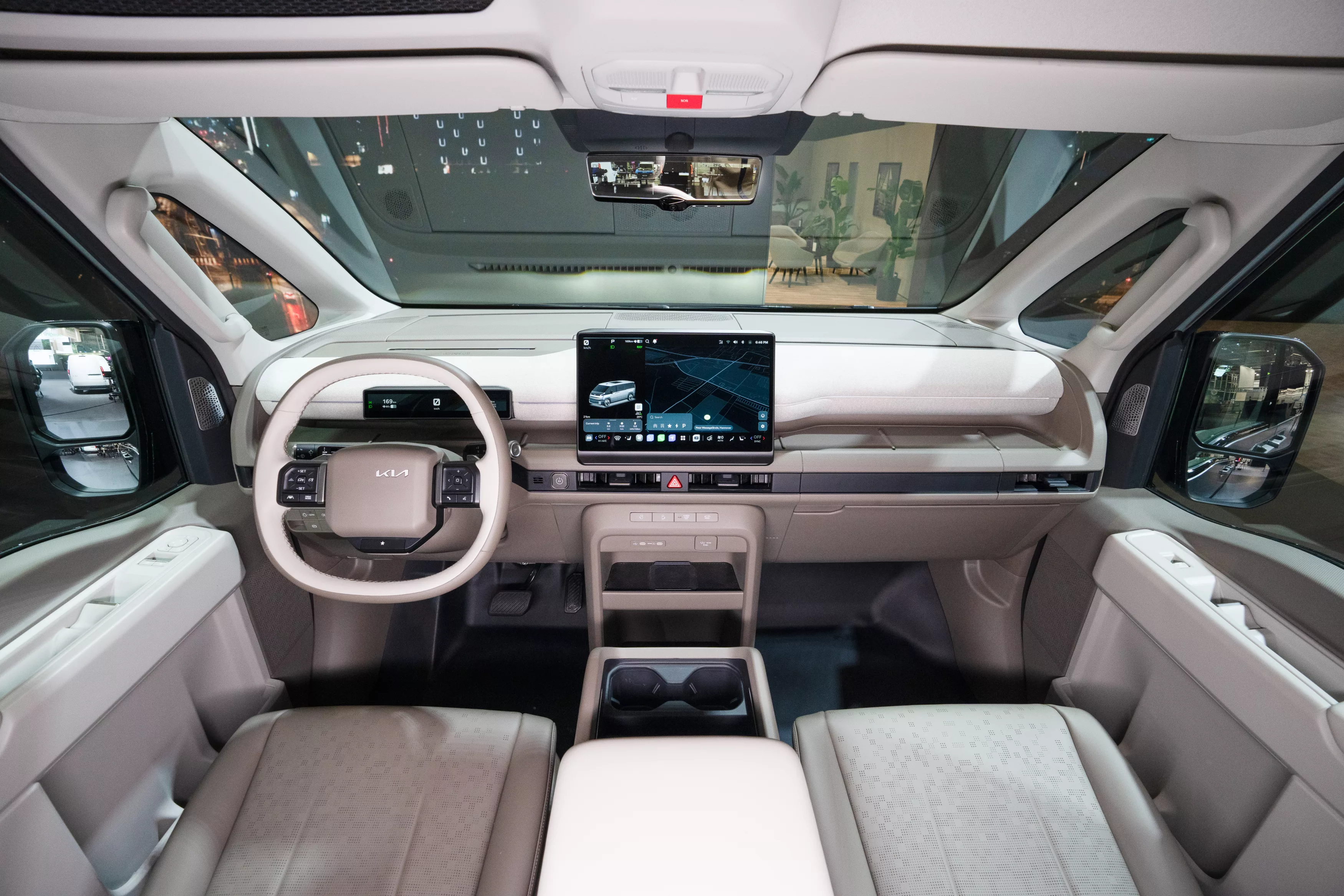
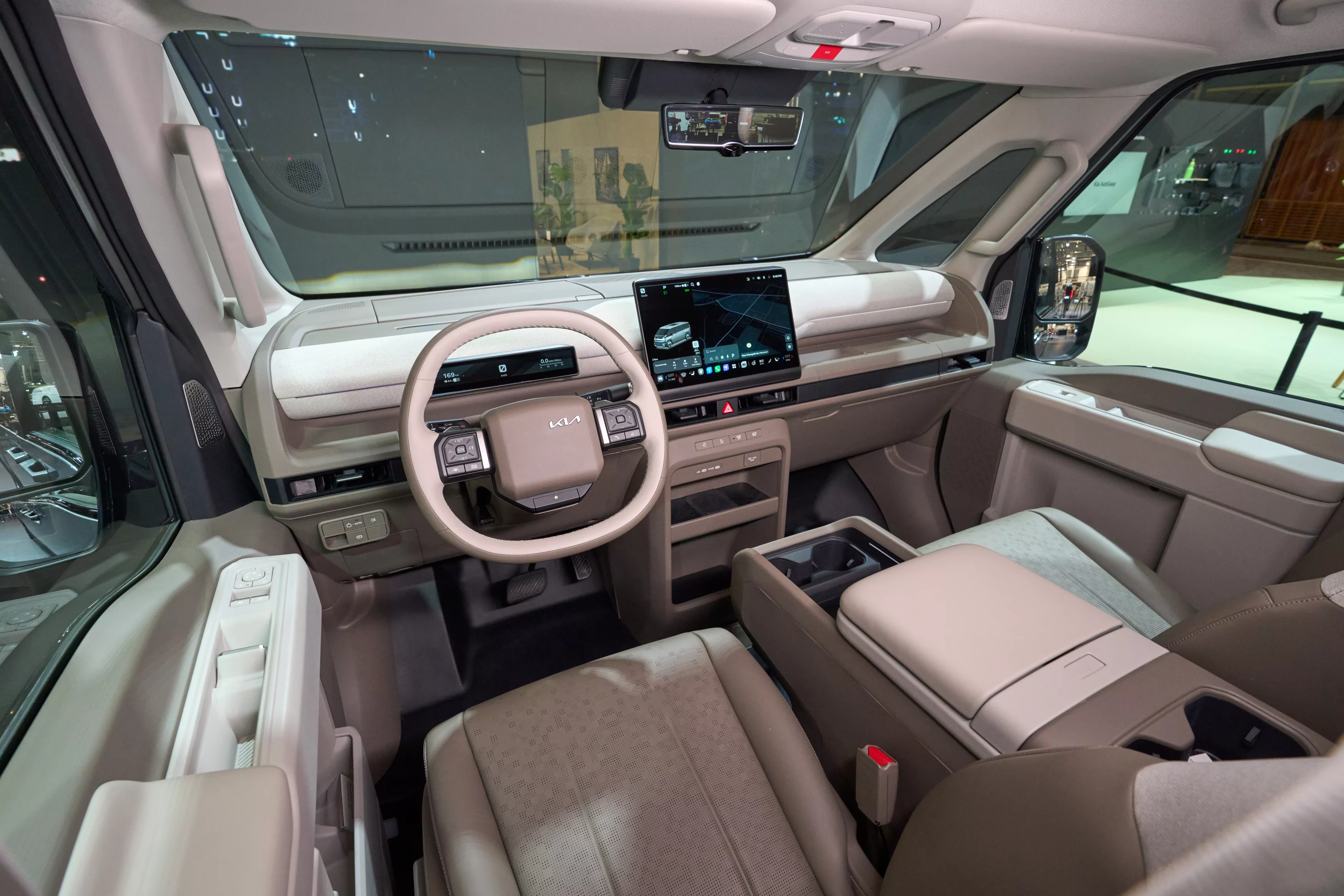
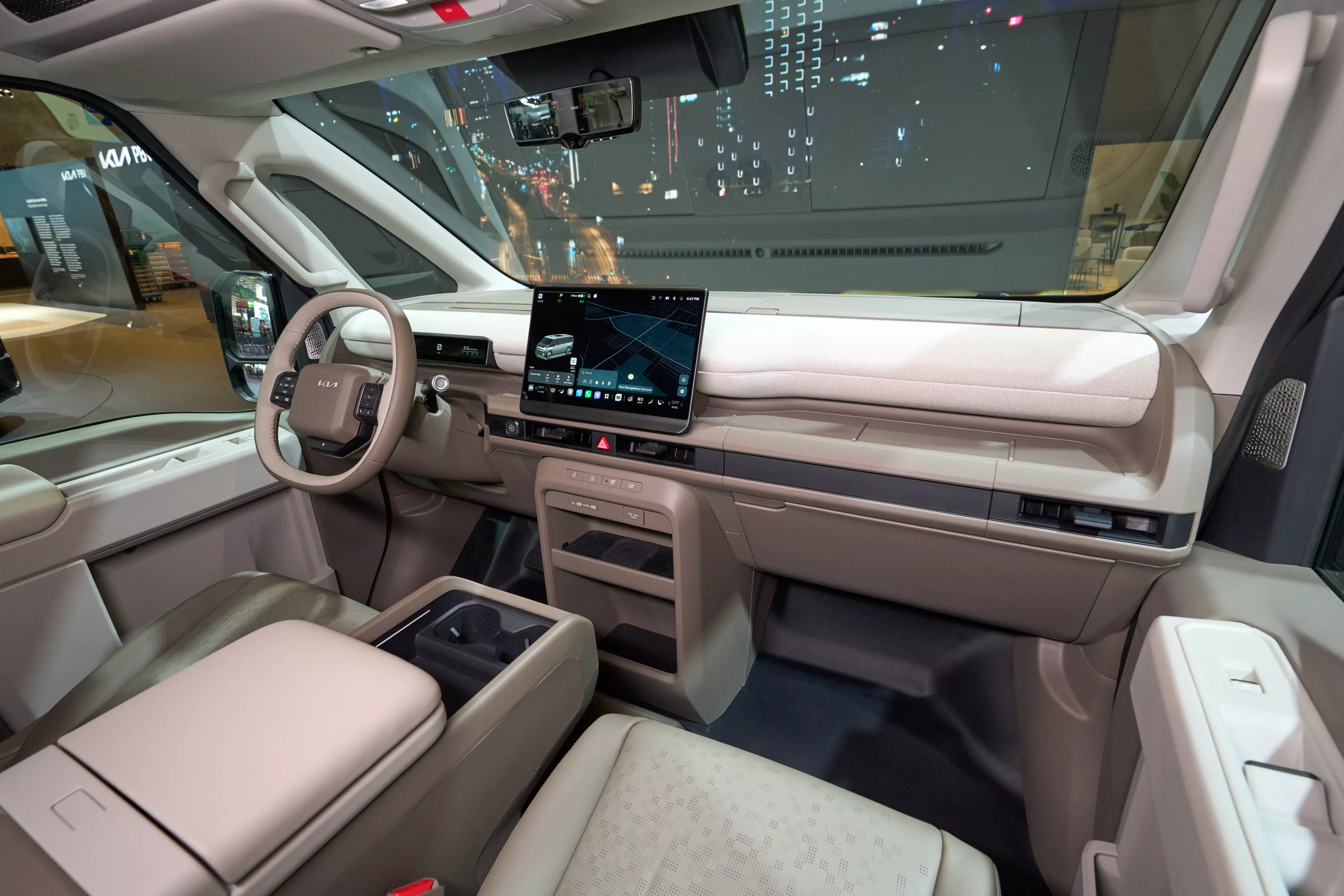
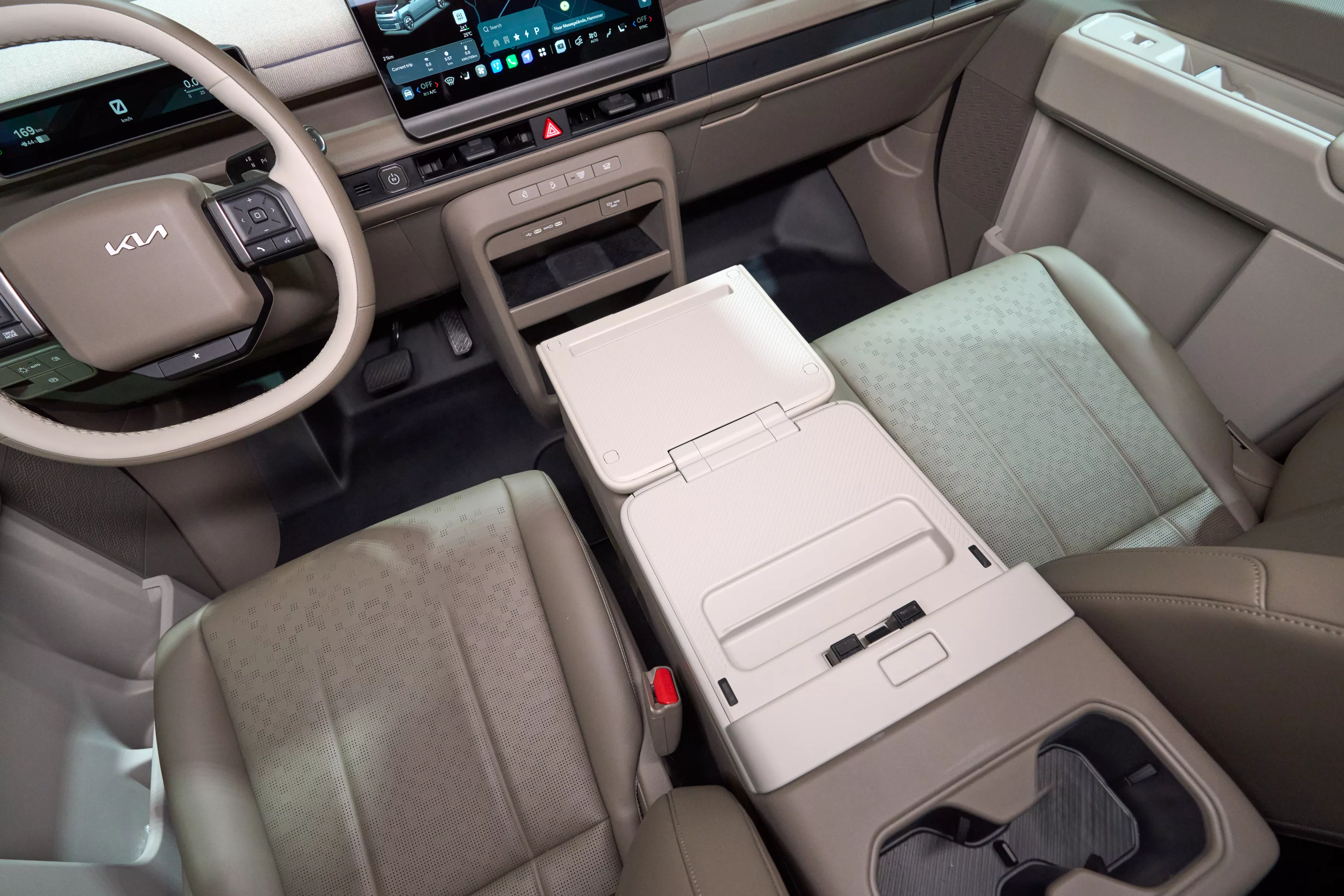
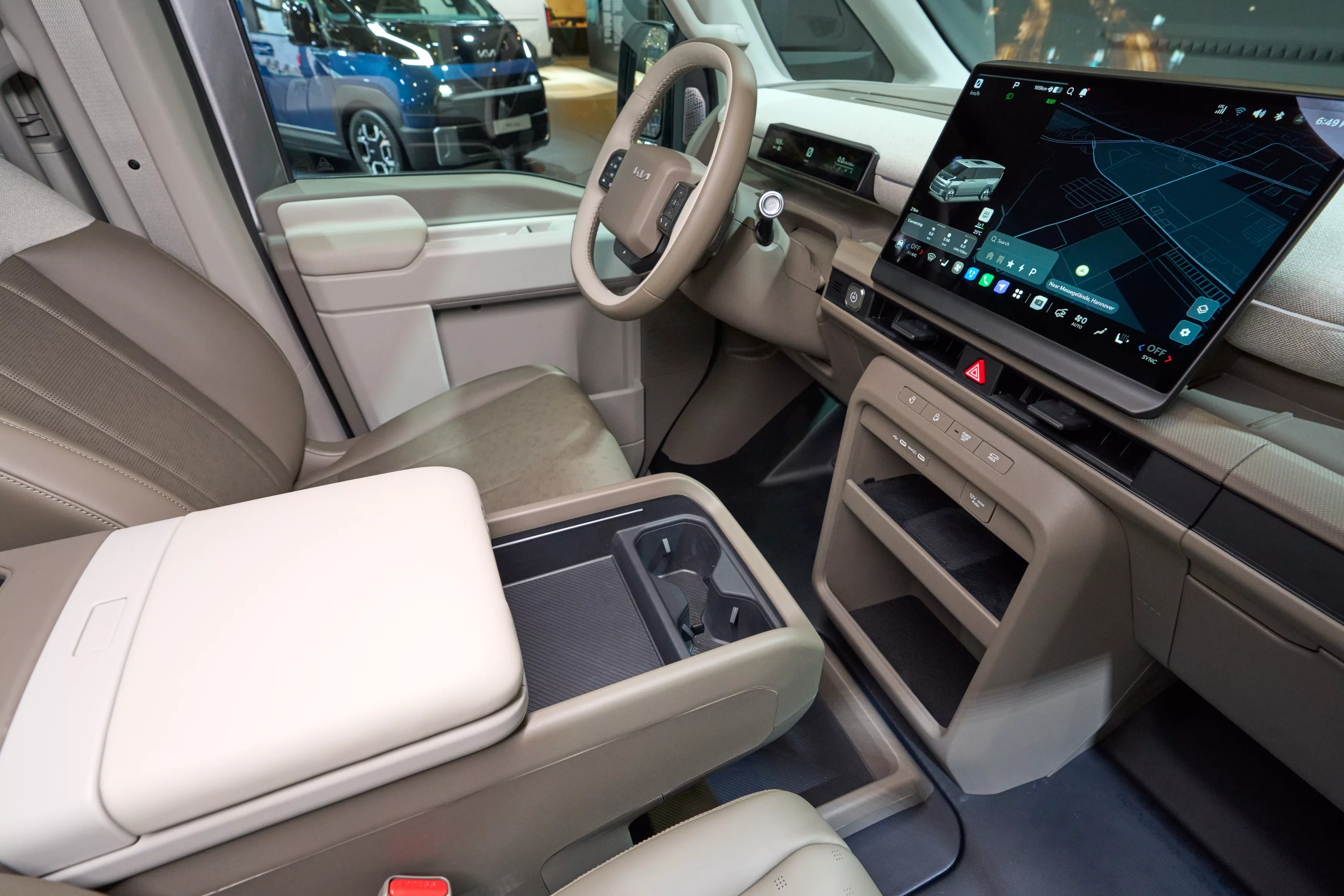
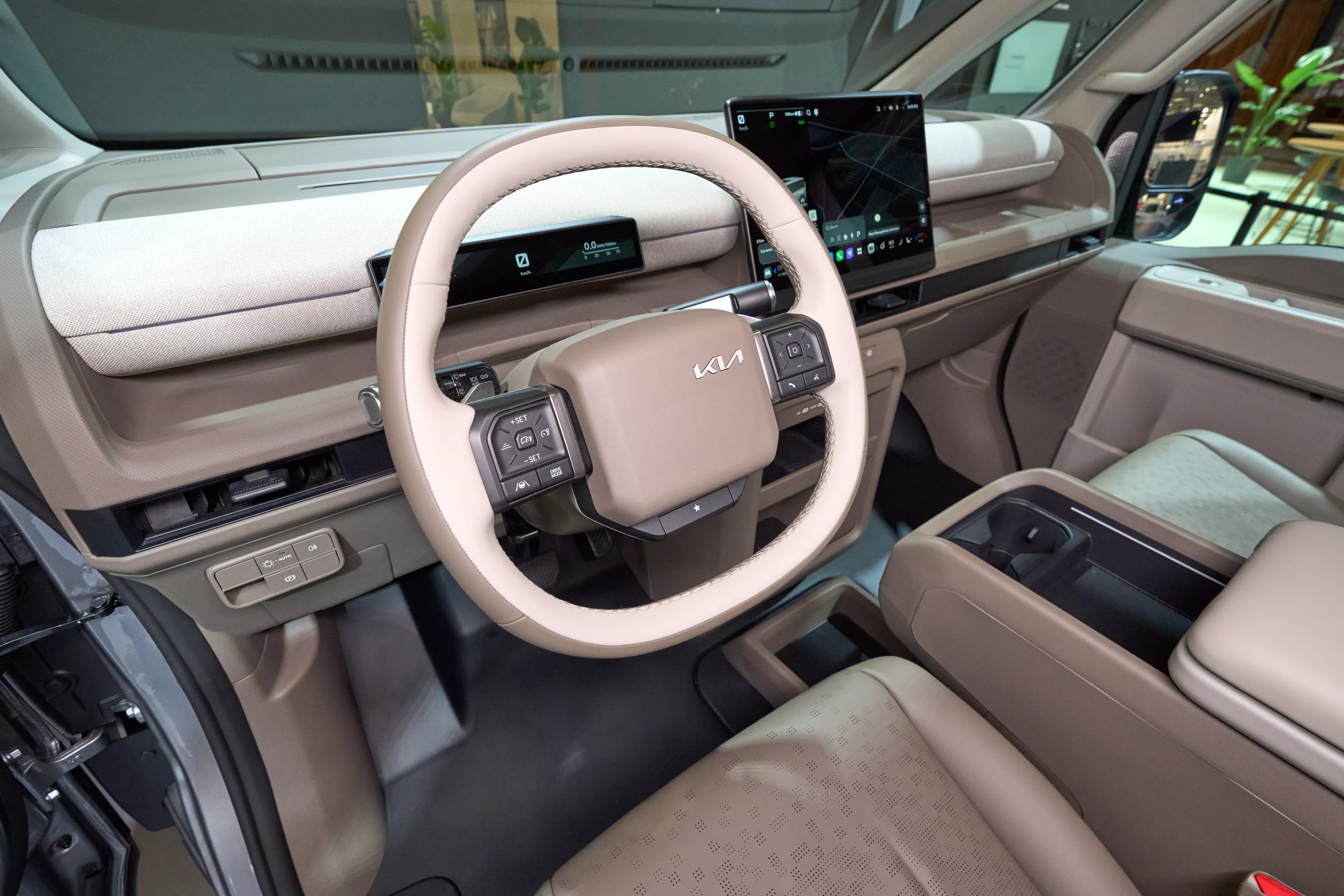
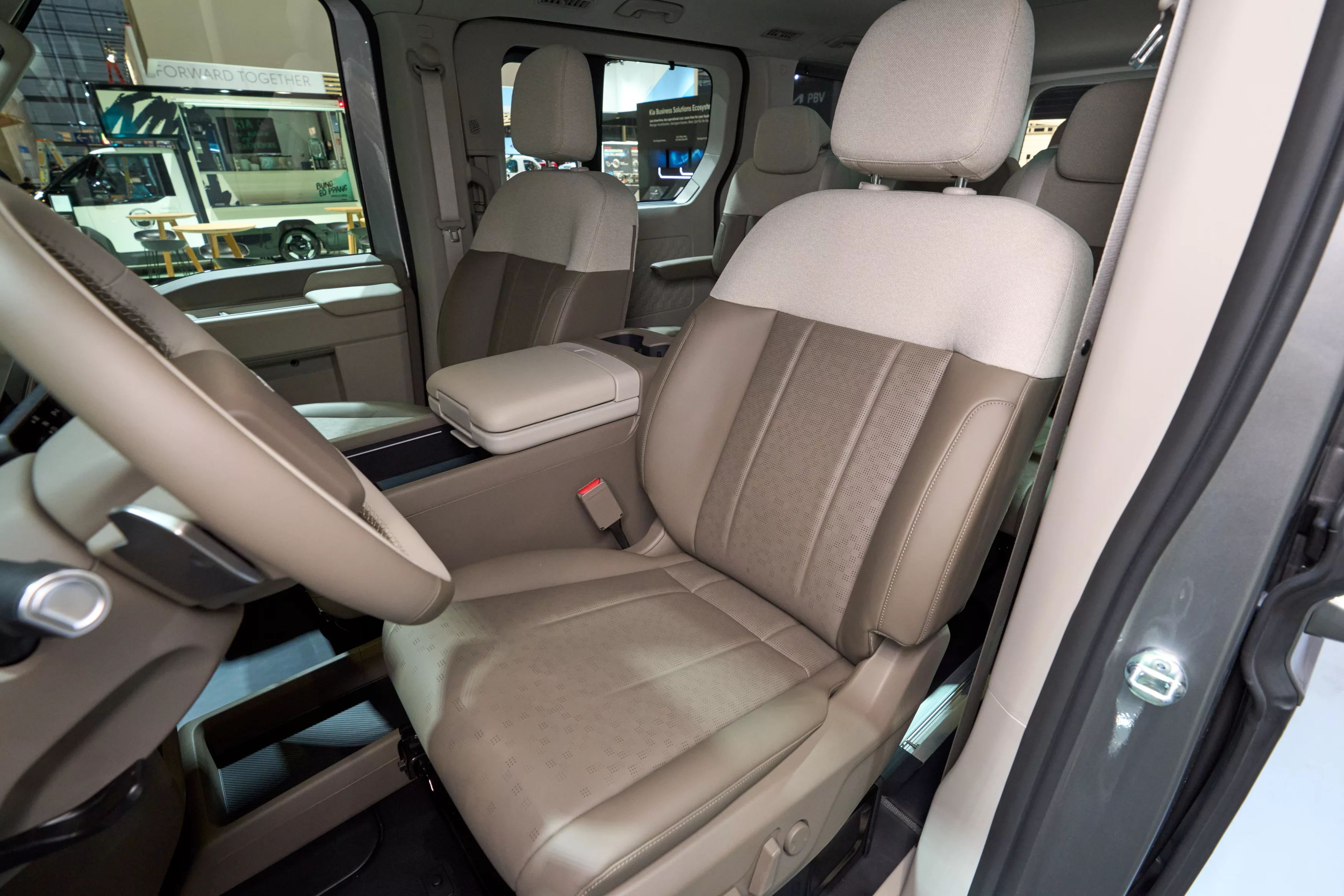
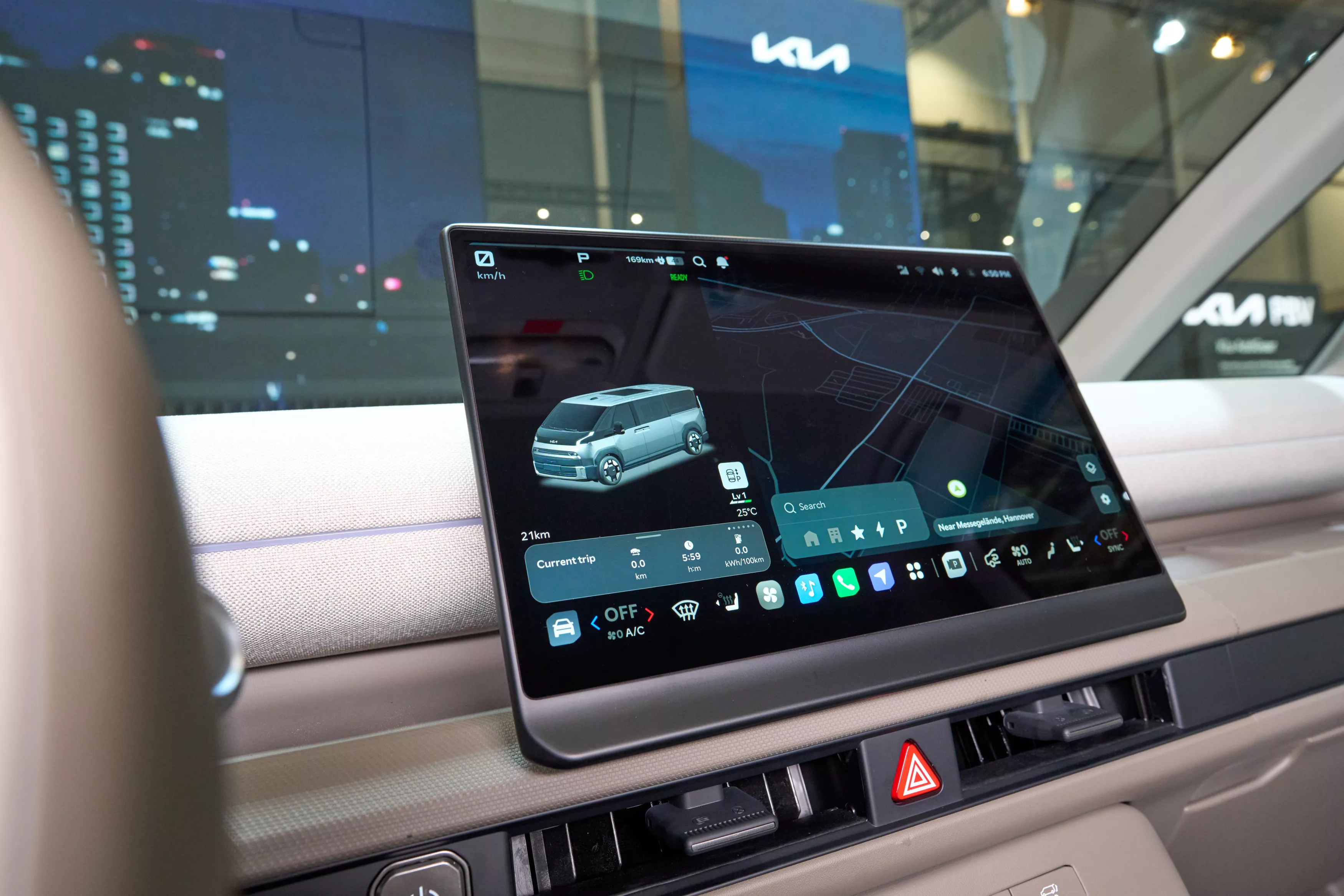
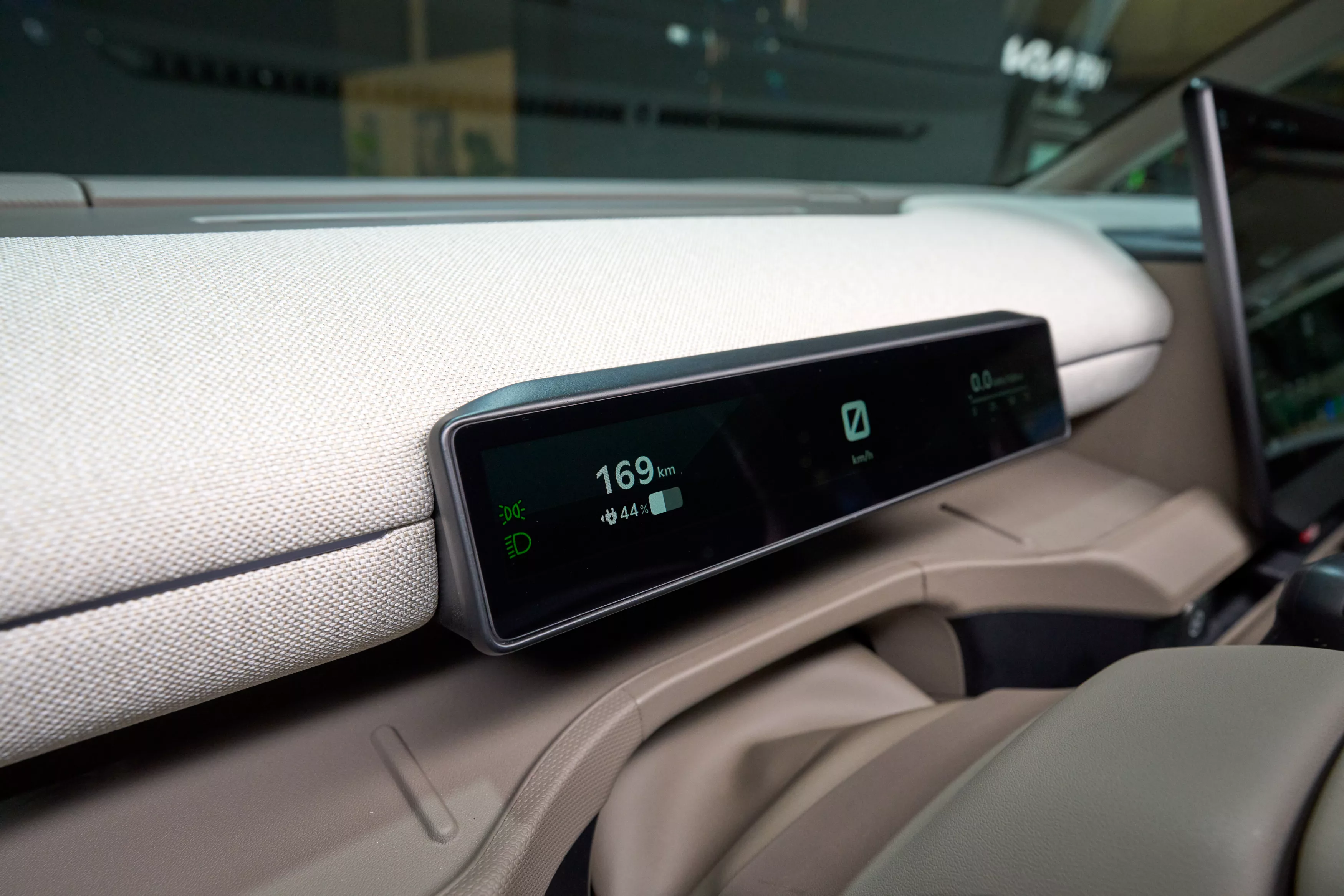
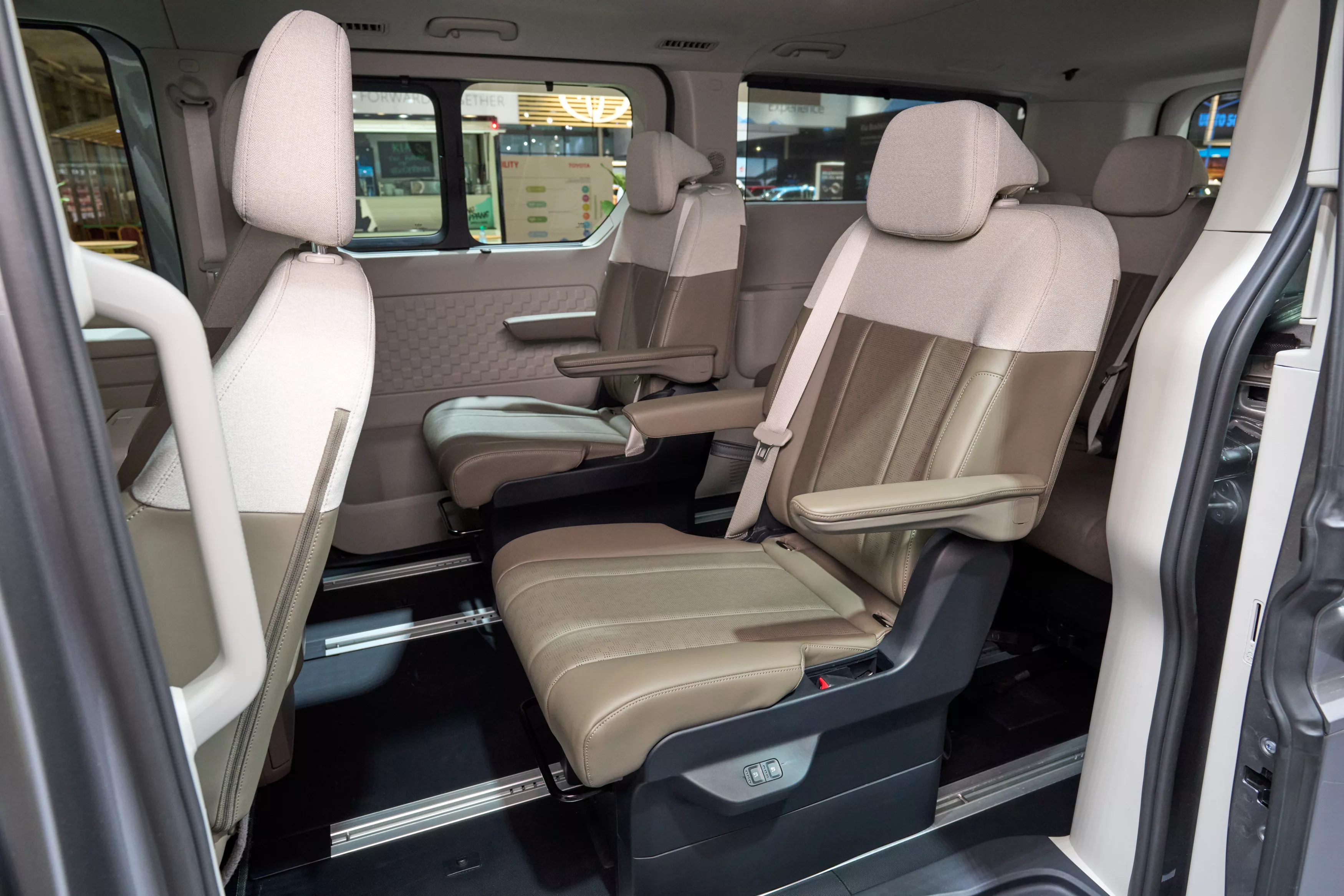
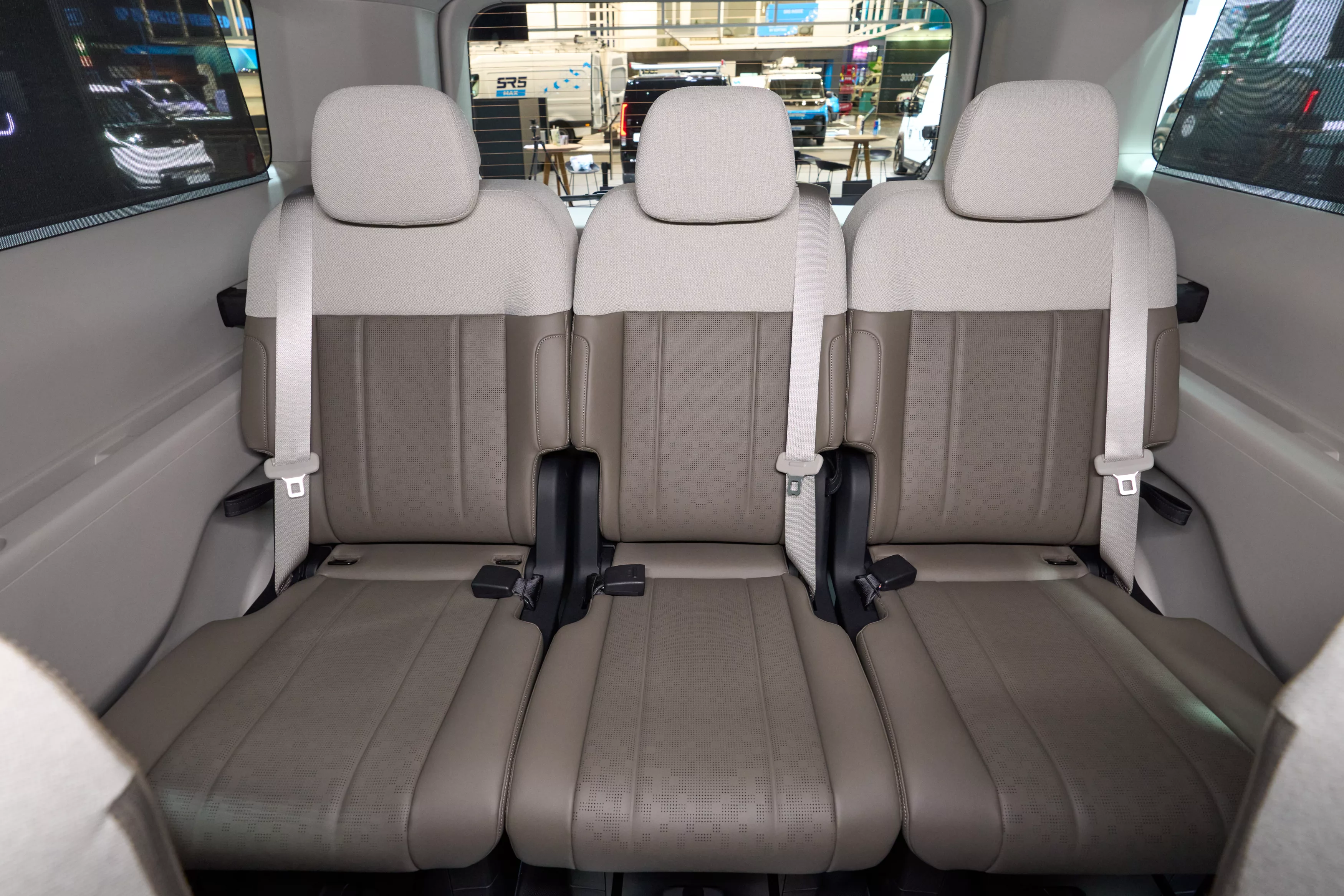
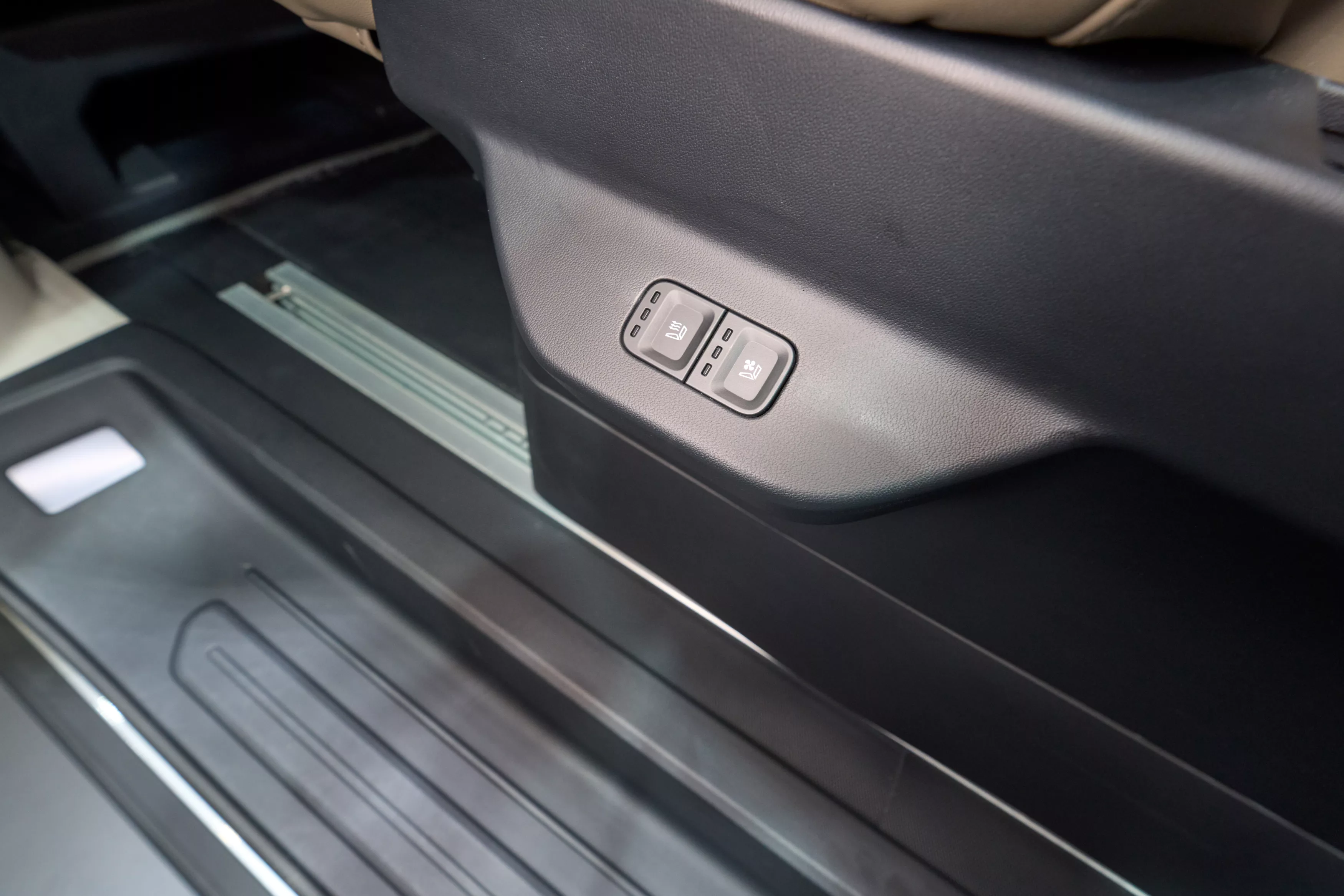
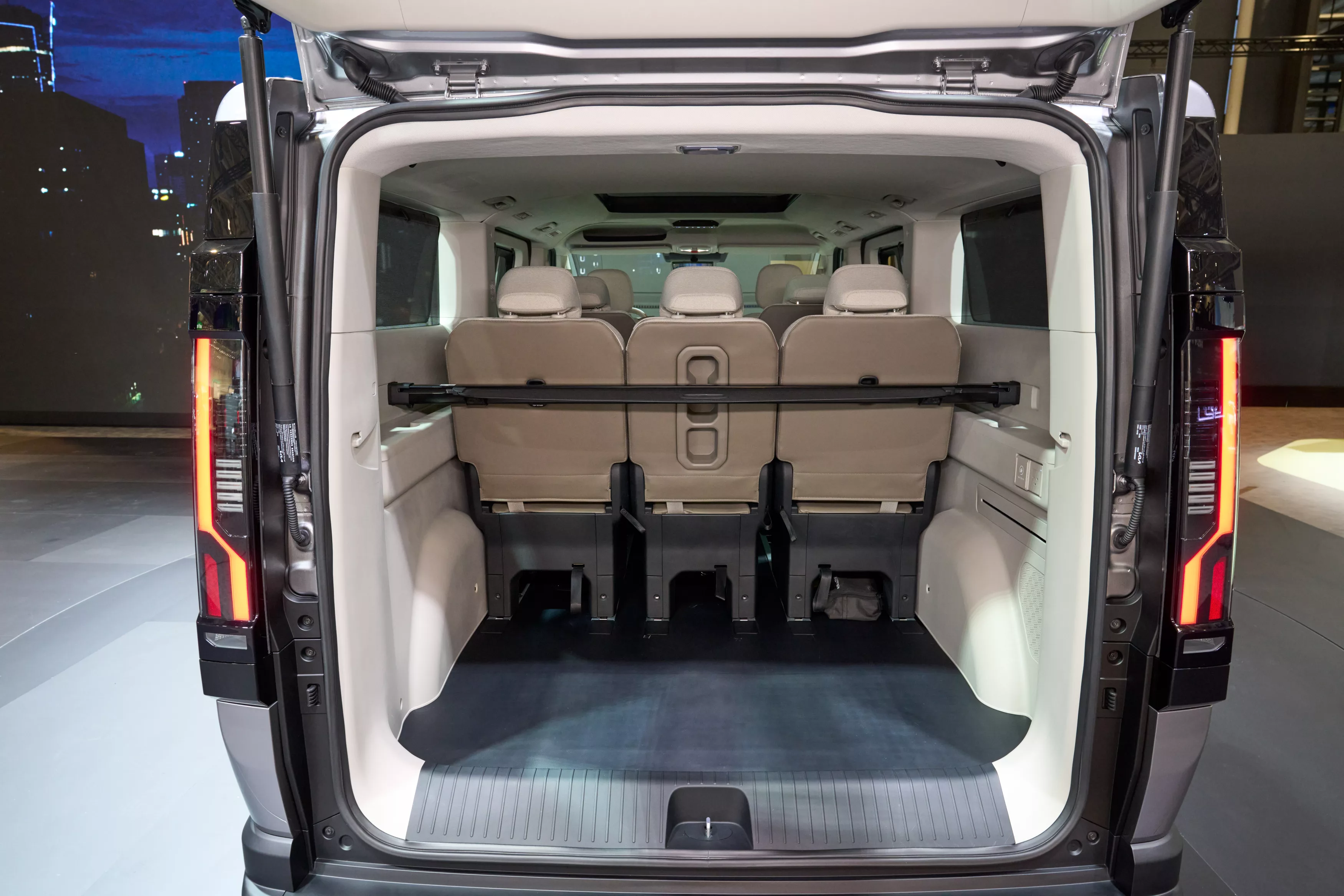
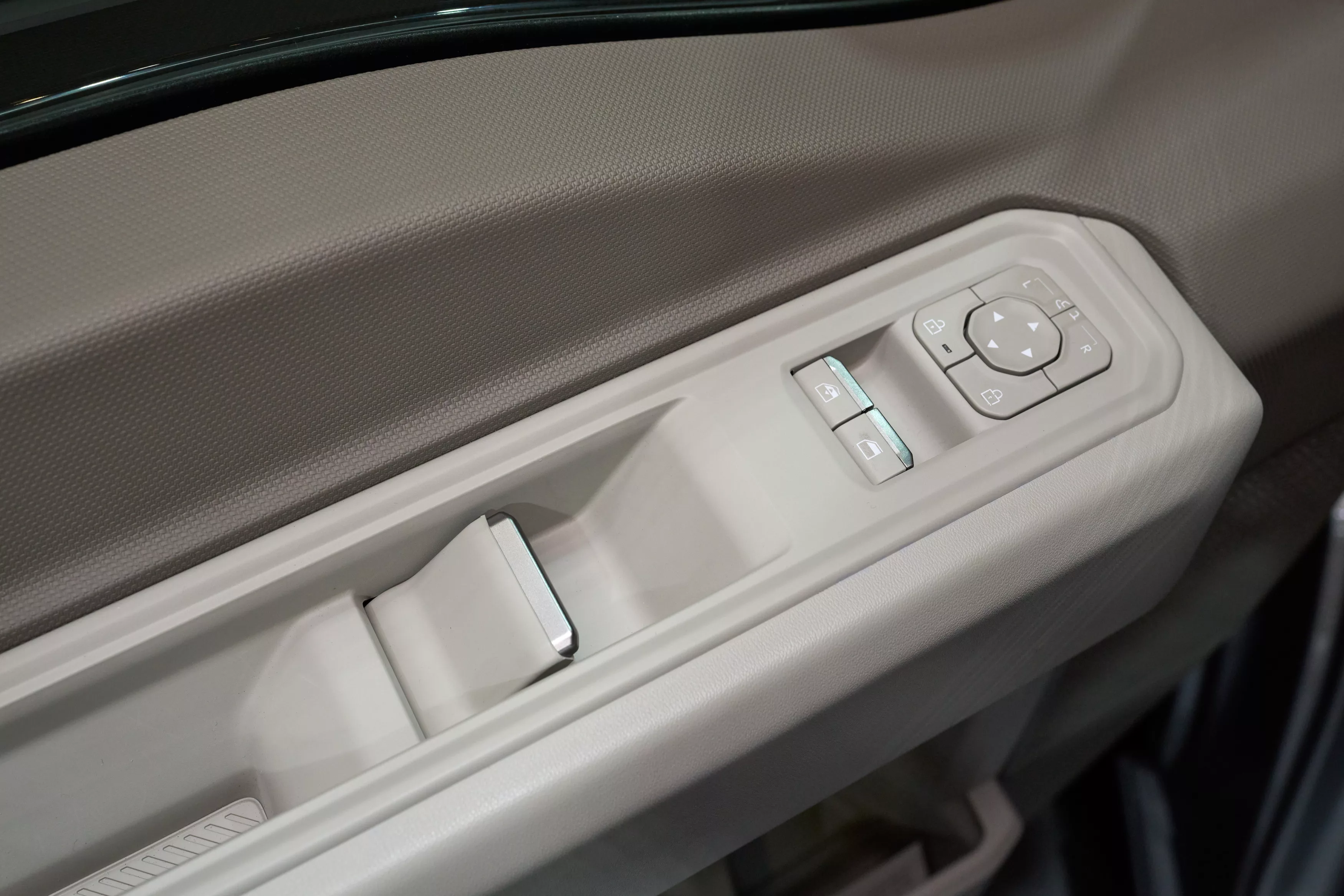
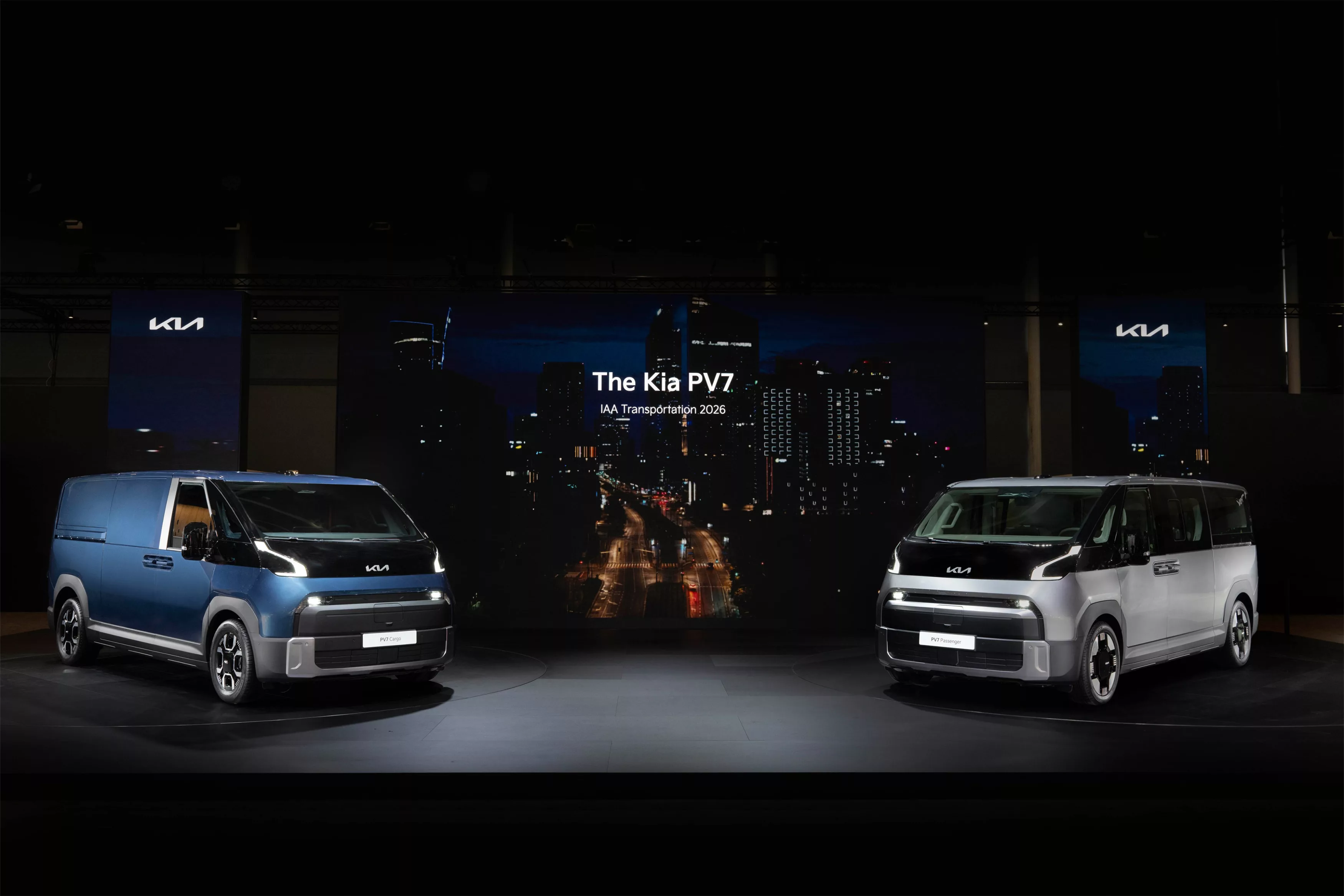
Kia is taking the next step in the electric commercial vehicle market. Unveiled at the IAA Transportation 2026 show in Hanover, the PV7 is a larger electric van than the PV5 and will go on sale in Europe in the second half of 2027 as both a Cargo van and a Passenger minibus.
Its strongest argument, however, is not its size. The PV7 will feature an 800-volt electrical system, a battery of up to 96.2 kWh, a 200 kW motor and a target WLTP range of at least 460 km. With a 350 kW charger, the battery should charge from 10 to 80 per cent in around 25 minutes.
Two batteries and up to 200 kW
The PV7 uses the E-GMP.S electric platform developed specifically for Kia PBV models. It will be available with 71.5 kWh and 96.2 kWh NMC batteries.
Initially, the vehicle will be driven by a single electric motor connected to the front wheels. The most powerful configuration develops 200 kW and 420 Nm. Kia will add all-wheel drive later, which could be particularly important for commercial vehicle users in Northern Europe.
Kia promises more than 460 km of WLTP range for the long-wheelbase Cargo version with the 96.2 kWh battery. This figure is not yet a final homologated rating but a target based on Kia’s internal testing.
The 800-volt system is one of the PV7’s biggest technical advantages over the smaller PV5. The PV5 uses a 400-volt architecture and requires around 30 minutes to charge from 10 to 80 per cent. The PV7 should charge its larger battery across the same percentage range around five minutes faster.
For a van, this matters more than a passenger-car charging record. When a vehicle has to earn money every day, time spent at a charger becomes a direct operating cost.
Cargo takes up to eight cubic metres
The PV7 is 5,350 mm long, 1,995 mm wide and 1,990 mm high. Its wheelbase extends to 3,500 mm. These dimensions put Kia firmly into European medium-sized van territory.
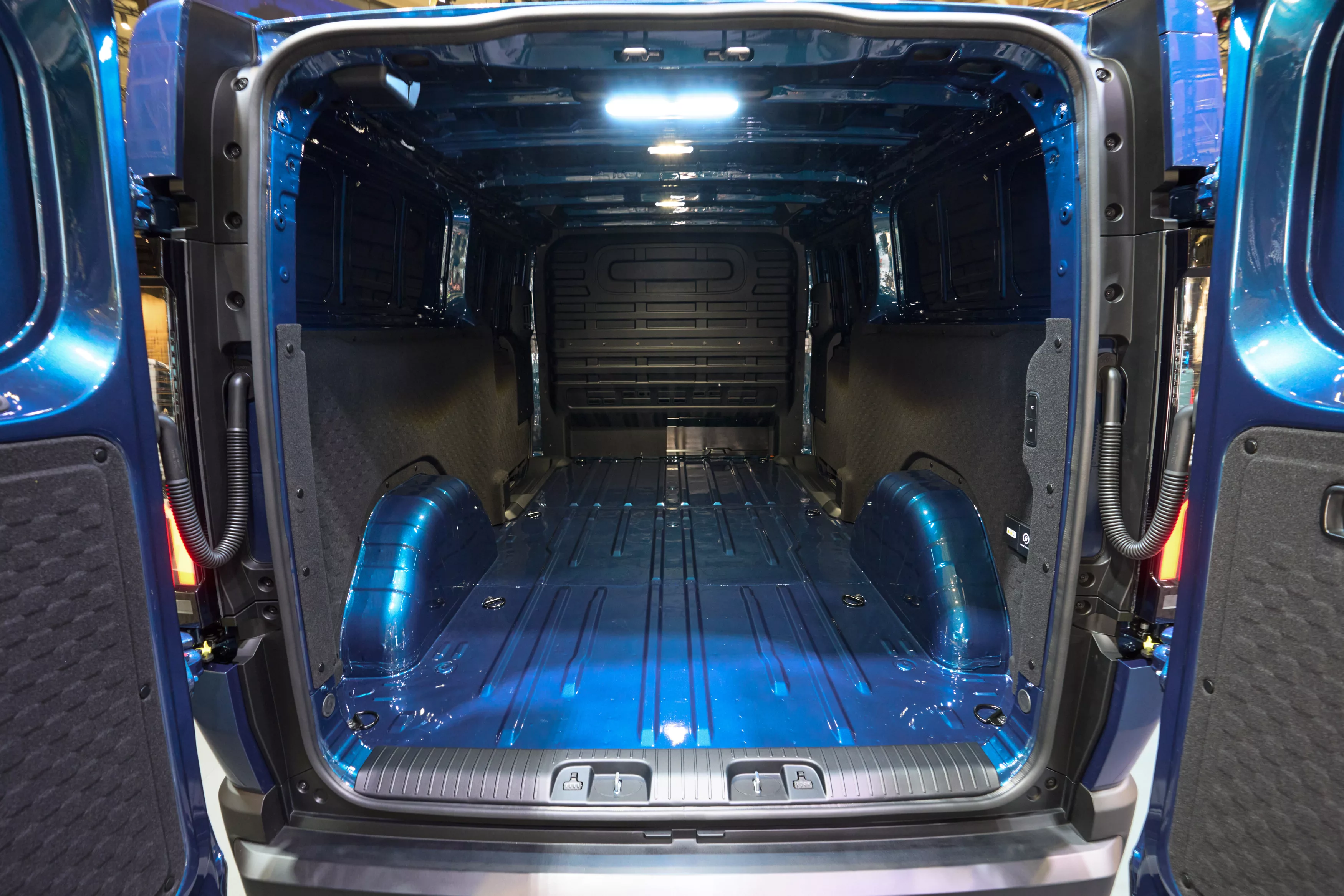
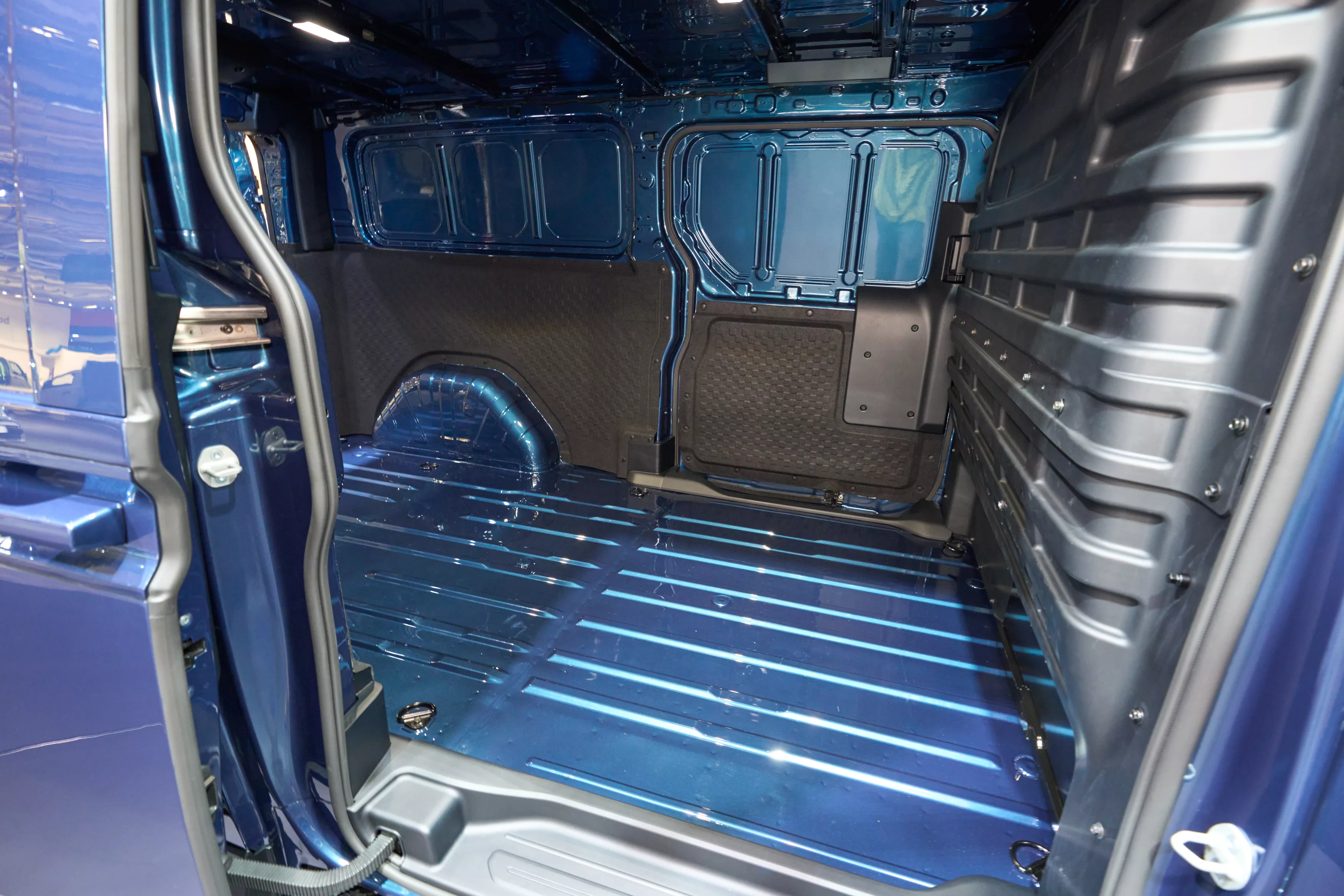
According to the VDA measurement method, the Cargo Long holds 6.1 m³ of cargo. The High Roof version increases this volume to 8.0 cubic metres. The Long has a payload of up to 1,165 kg, while a future shorter version will offer 1,200 kg.
The Long’s loading threshold is 550 mm high, and its cargo area accommodates three 800 x 1,200 mm Euro pallets. Depending on the version, Kia offers split rear doors or an upward-opening tailgate. The cargo version will also receive a dedicated heavy-load driving mode that adjusts the vehicle’s behaviour according to the load.
Kia ultimately plans 23 variants in the PV7 family. Alongside the Cargo Long, there will be a shorter Cargo, a High Roof, various Passenger versions and a chassis cab on which specialist conversion companies can build their own bodies.
Minibus seats up to nine people in Europe
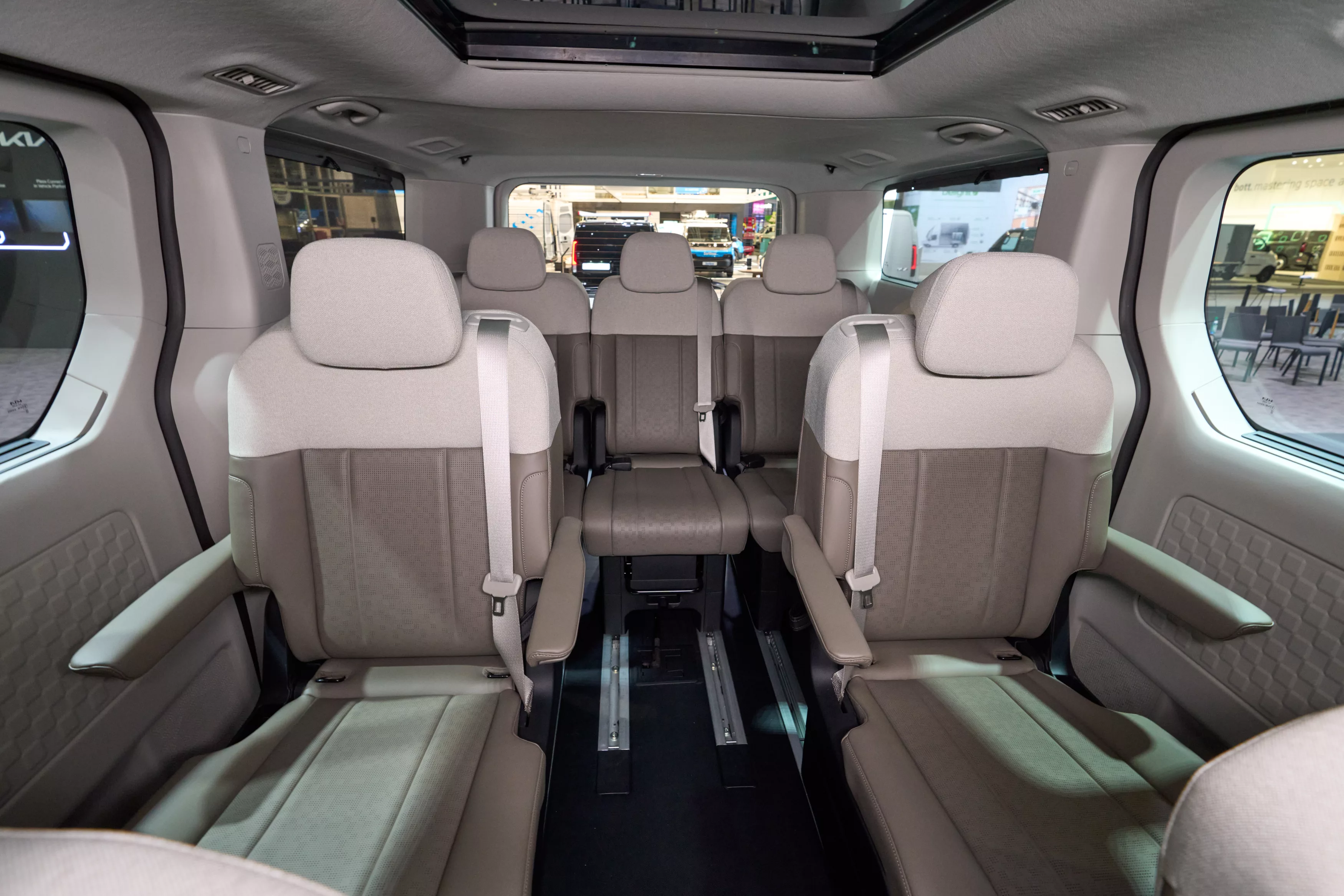
The Passenger uses the same 5,350 mm-long body but focuses on carrying people. The model for Europe and other international markets seats up to nine people, while the Korean version seats up to 11.
The seats in the seven-seat version move on long rails and can be removed, while the nine-seat model will be offered with different seating layouts. Kia is targeting hotels and airport transfers, rental companies and larger families alike.
Long range is particularly valuable in an electric minibus. For an urban hotel shuttle, 460 km is not essential, but in regional passenger transport, 800-volt charging begins to come much closer to the usability of a diesel van.
Kia does not want to sell just a van
Kia’s business model is also interesting in the case of the PV7. The company calls these vehicles PBVs, or purpose-built vehicles, and links the vehicle itself with software and fleet-management services.
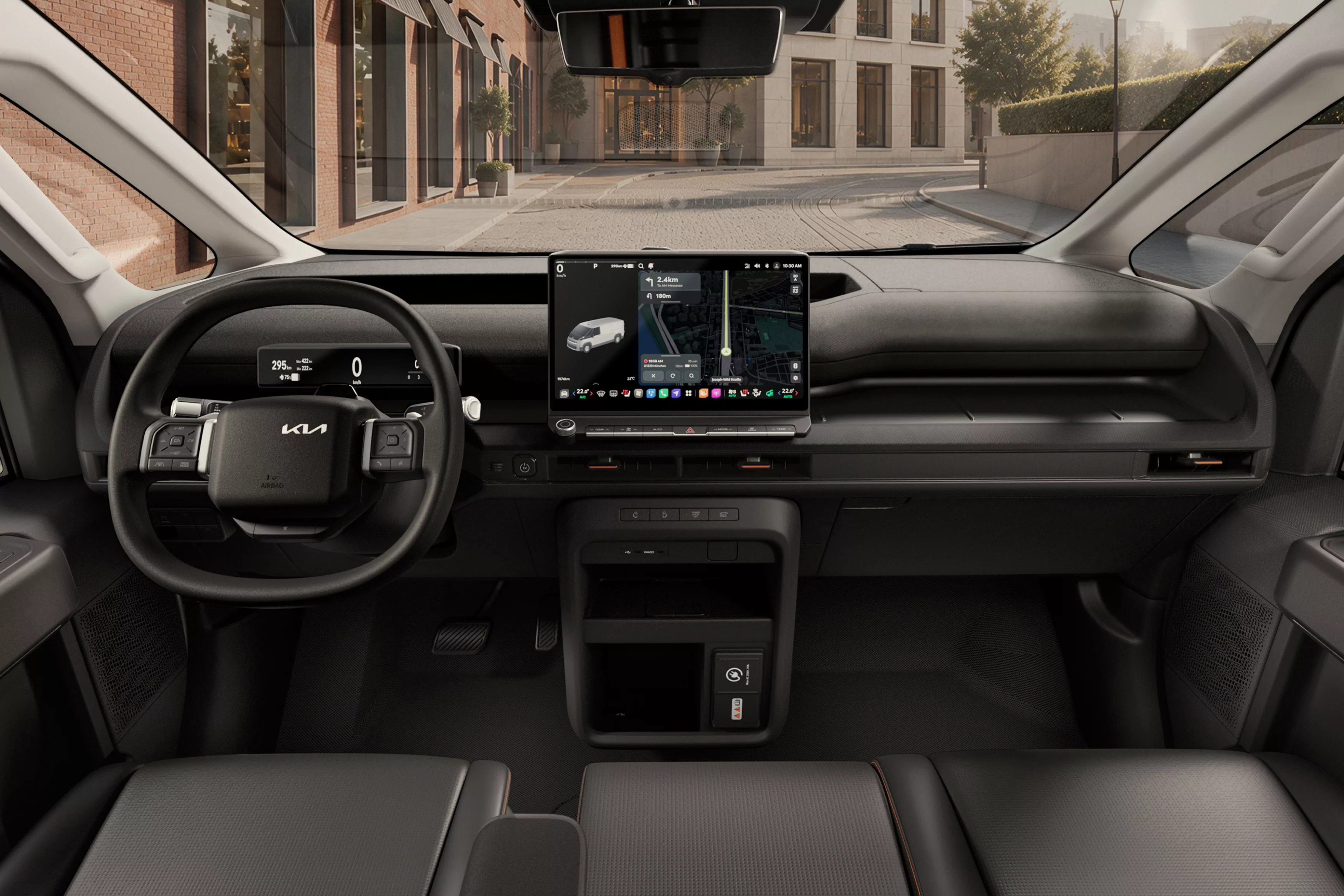
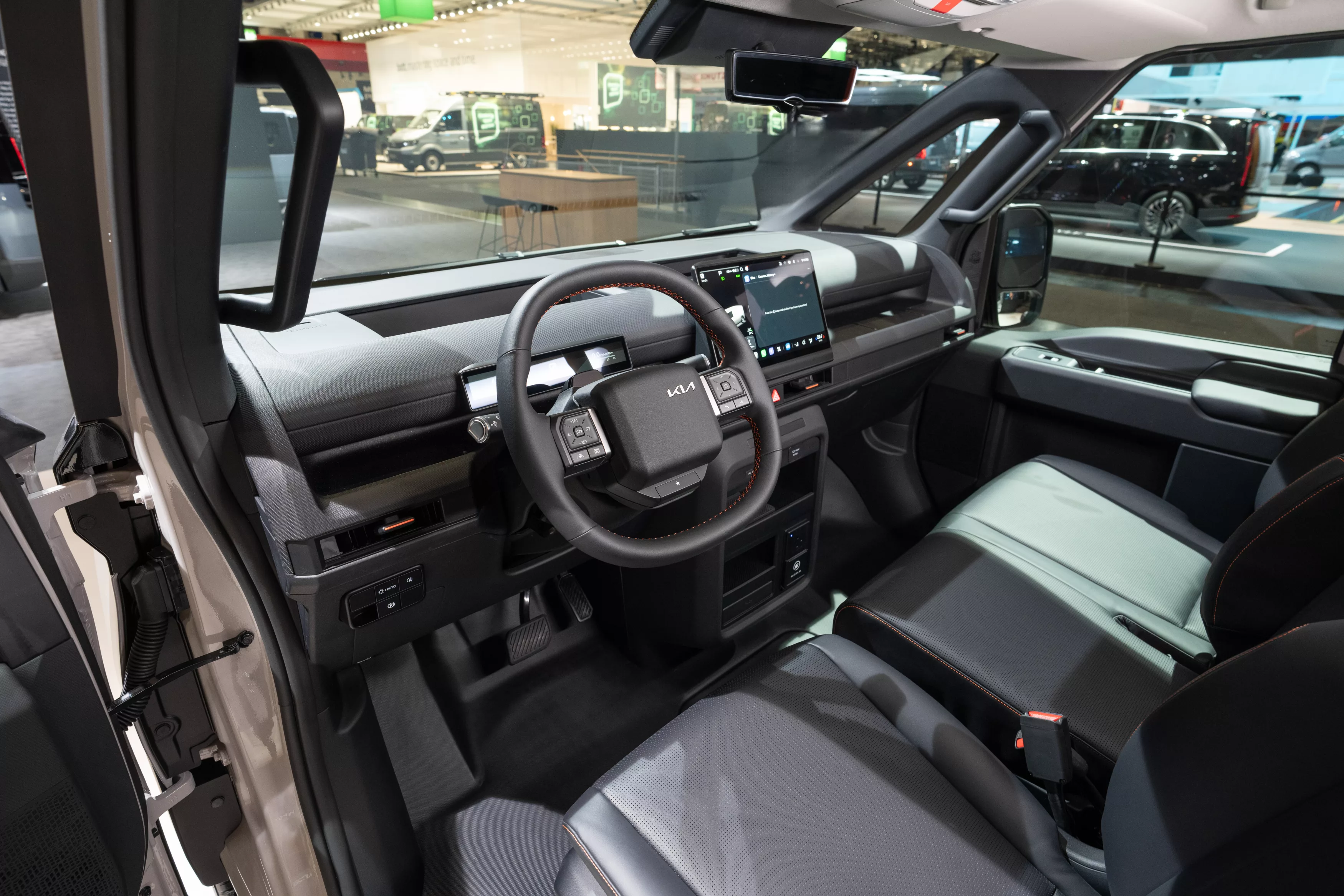
Pleos Connect is based on Android Automotive OS and supports apps and over-the-air software updates. Kia’s fleet-management system makes it possible to monitor, among other things, vehicle location, battery status and usage. The manufacturer also promises predictive diagnostics and maintenance management.
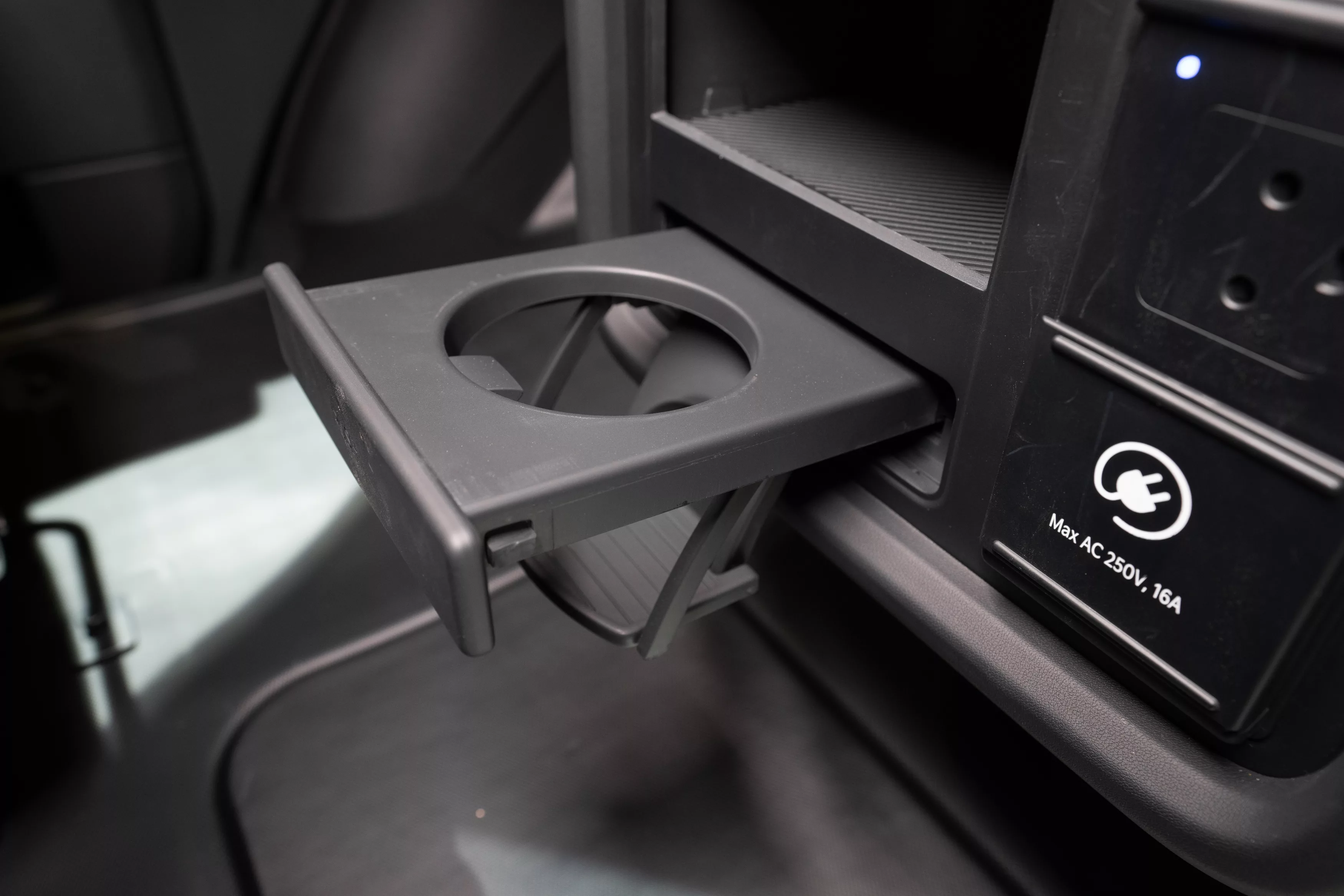
V2L makes it possible to power tools and other electrical devices from the battery. V2G, or feeding electricity back into the grid, is also supported, although its actual availability depends on the market and local energy infrastructure.
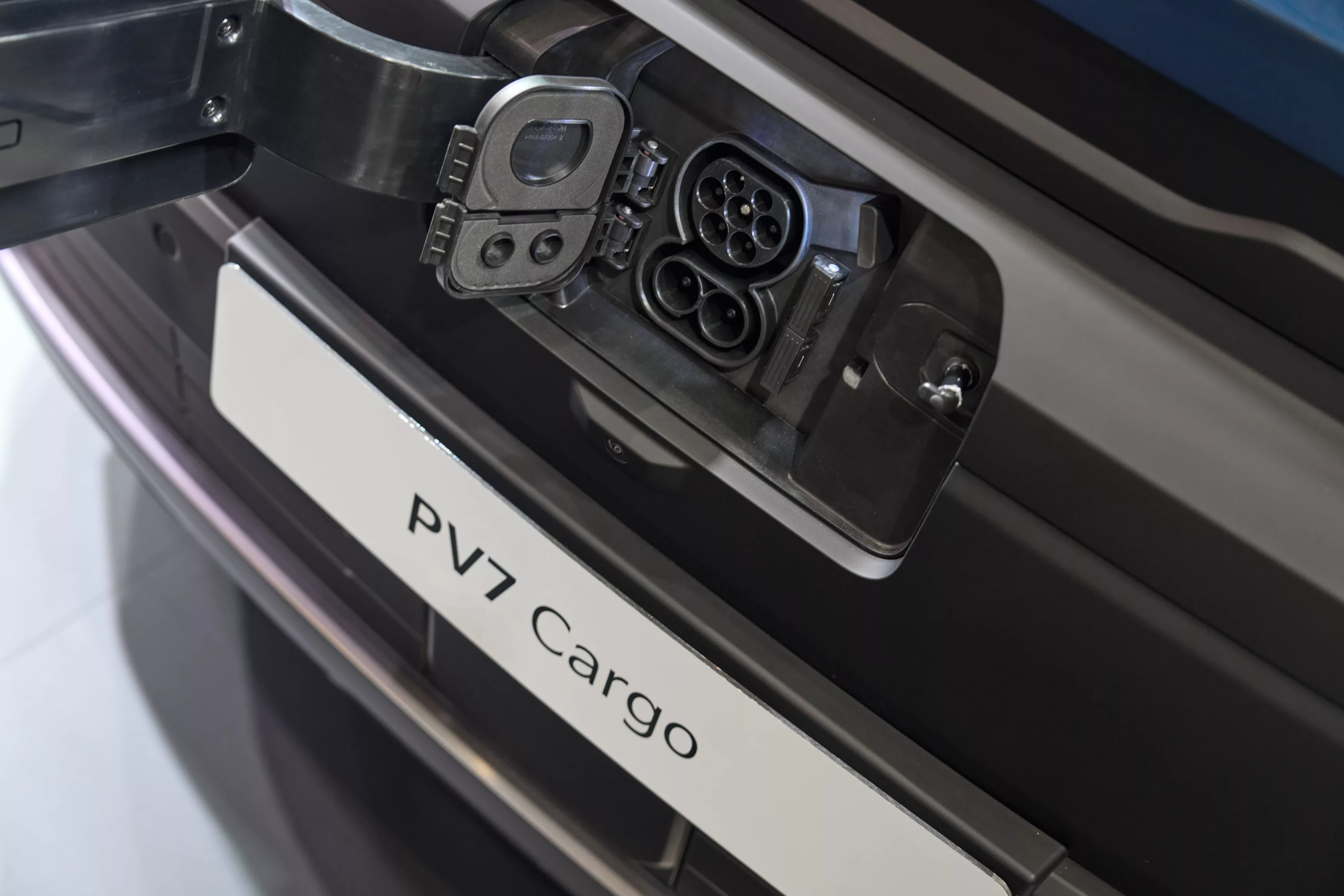
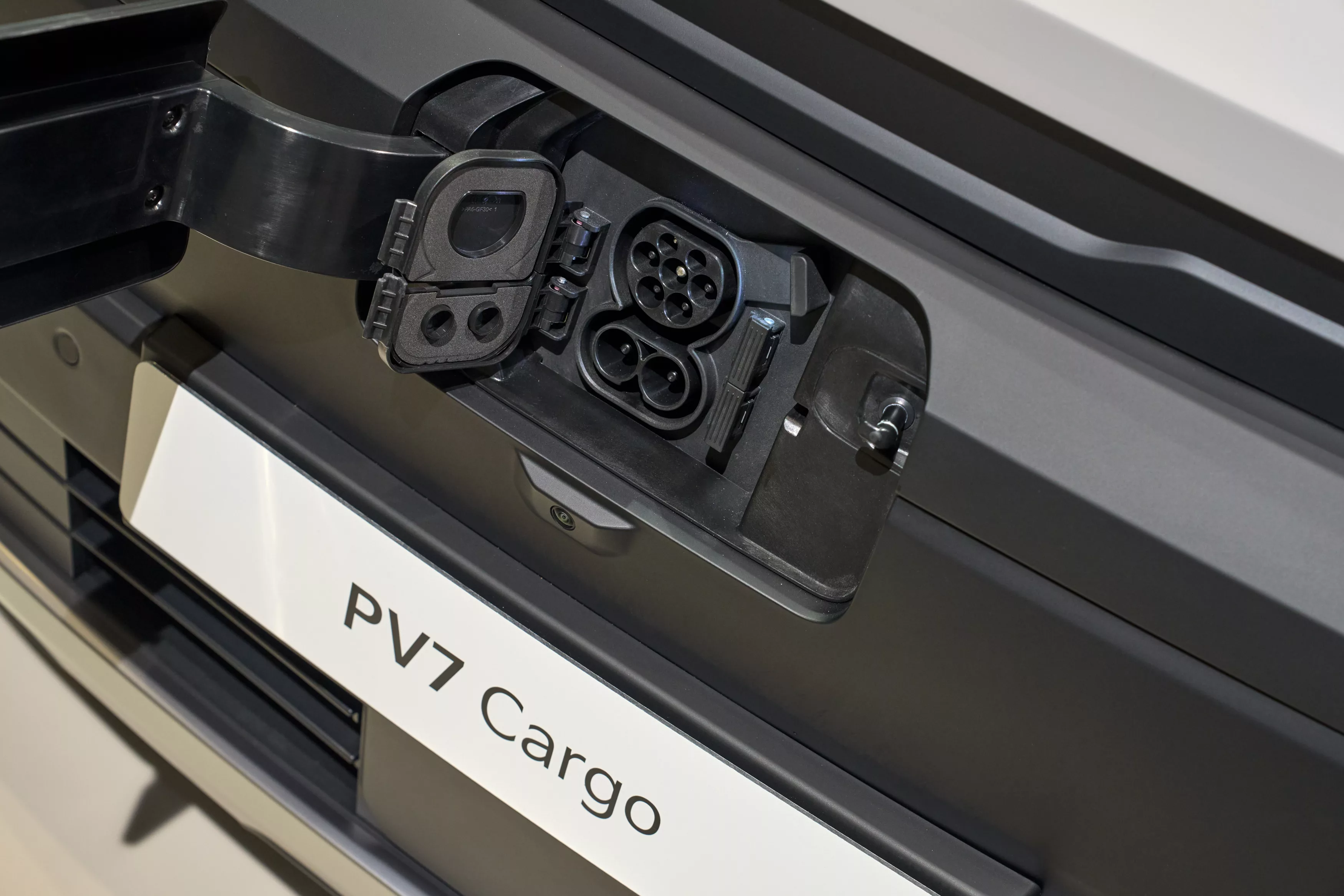
A practical detail is the two charging ports. There is an AC/DC connection at the front, while a second AC port can be fitted on the side as an option. For a van that may park at a charger sometimes nose-first and sometimes rear-first, this is far from an insignificant convenience feature.
A serious new rival for European van makers
The PV7 will arrive at a time when the weaknesses of electric vans are fairly well known. A large battery increases weight and price, heavy loads reduce range, and slow charging consumes valuable minutes of the working day.
Kia’s answer is a larger battery combined with an 800-volt architecture. This does not repeal the laws of physics, but it makes using an electric van on longer routes more realistic.
In Europe, the PV7 will have to compete with, among others, the Ford E-Transit, Mercedes-Benz eSprinter and Stellantis electric commercial vehicles. Kia’s biggest question mark remains the price, which the manufacturer has not yet disclosed. Van buyers may be impressed by 350 kW charging, but the purchase decision will ultimately still come down to the cost per kilometre and the length of charging downtime.
The PV5 showed that Kia no longer regards commercial vehicles as a side project. The PV7 takes that strategy up a class, and the even larger PV9 will follow by 2029. Europe’s traditional van manufacturers therefore have reason to watch the Koreans’ moves closely.


