
SpaceX wants to retire Crew Dragon, while NASA’s backup plan remains the troubled Starliner
 1/3
1/3
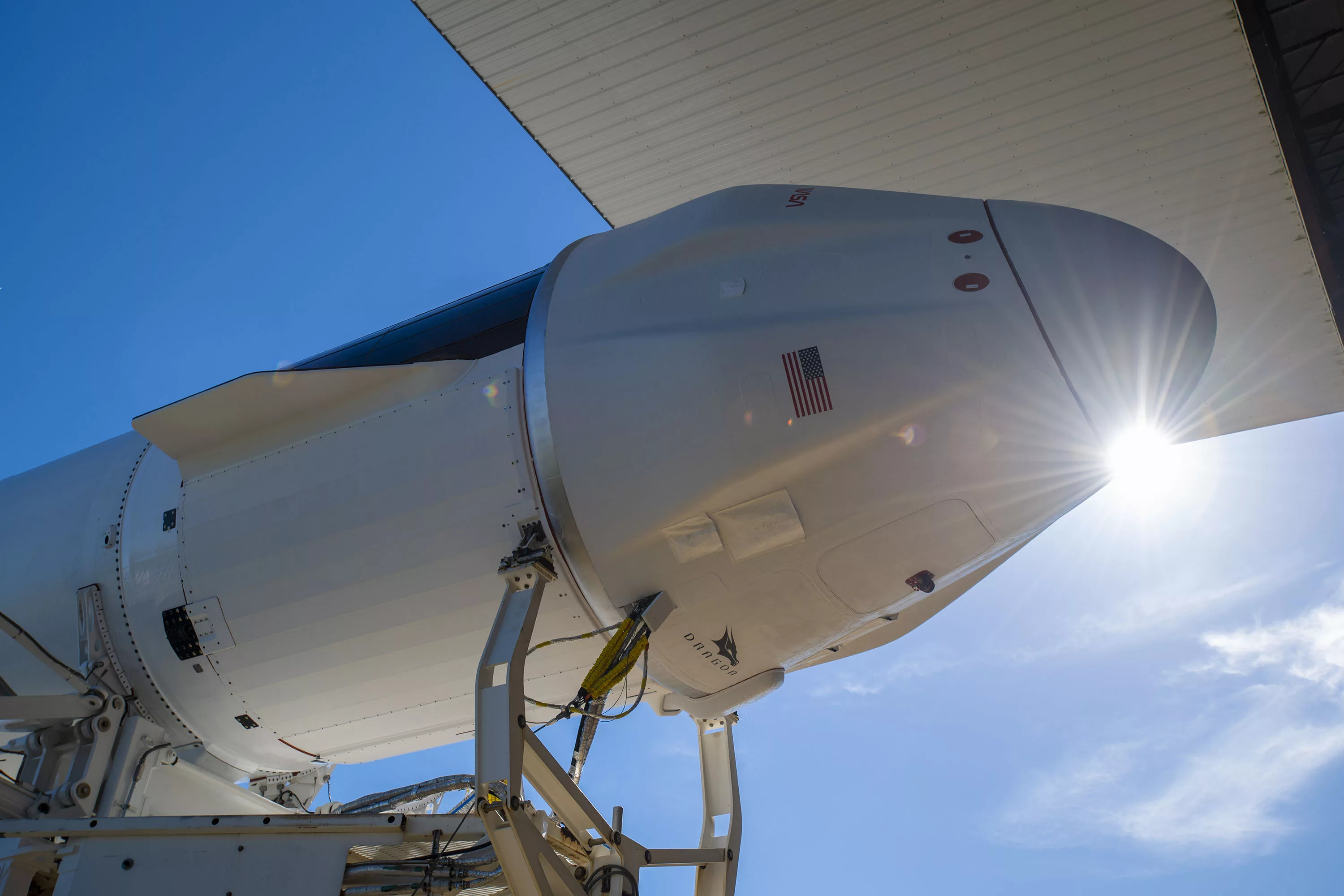
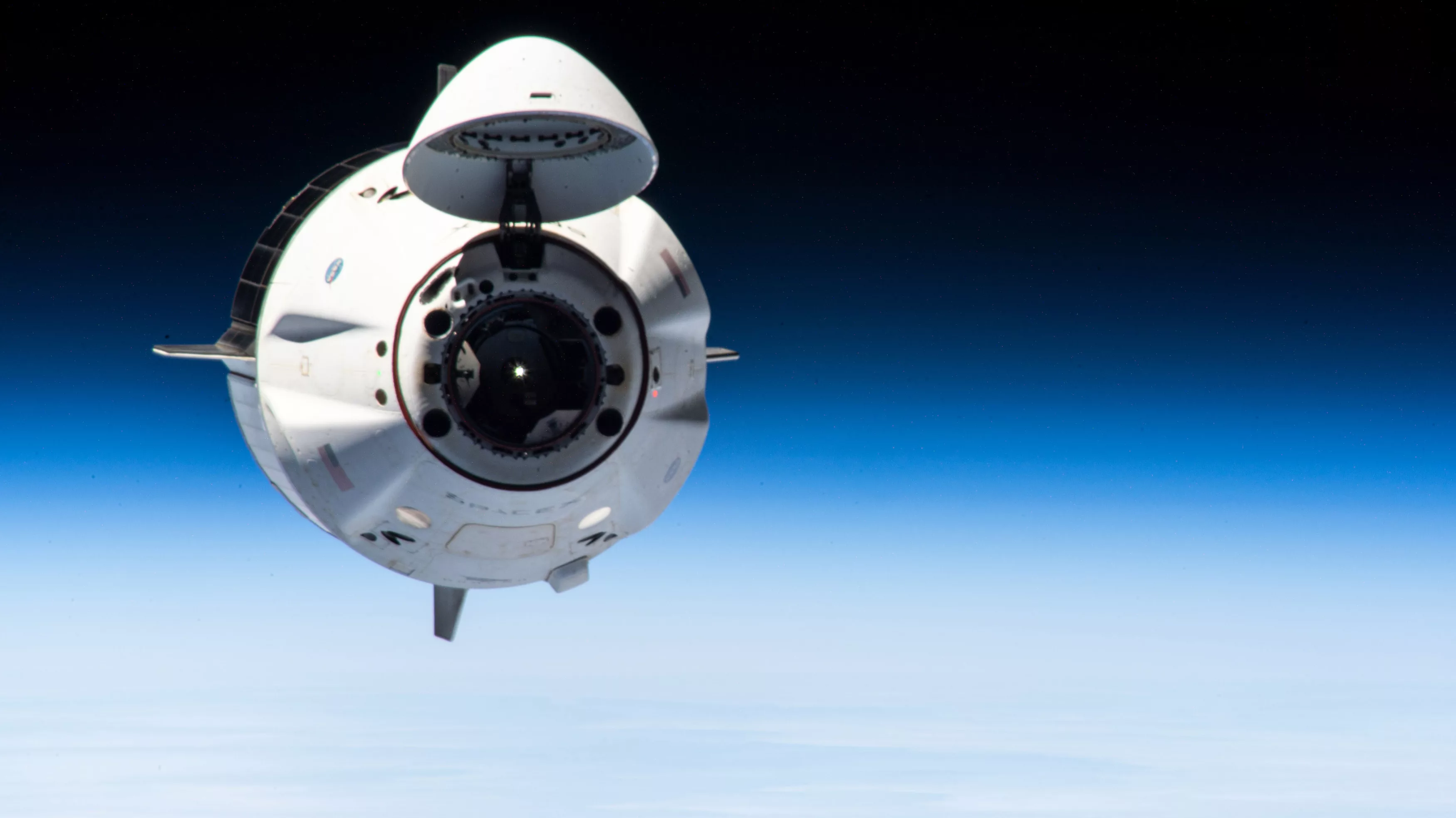
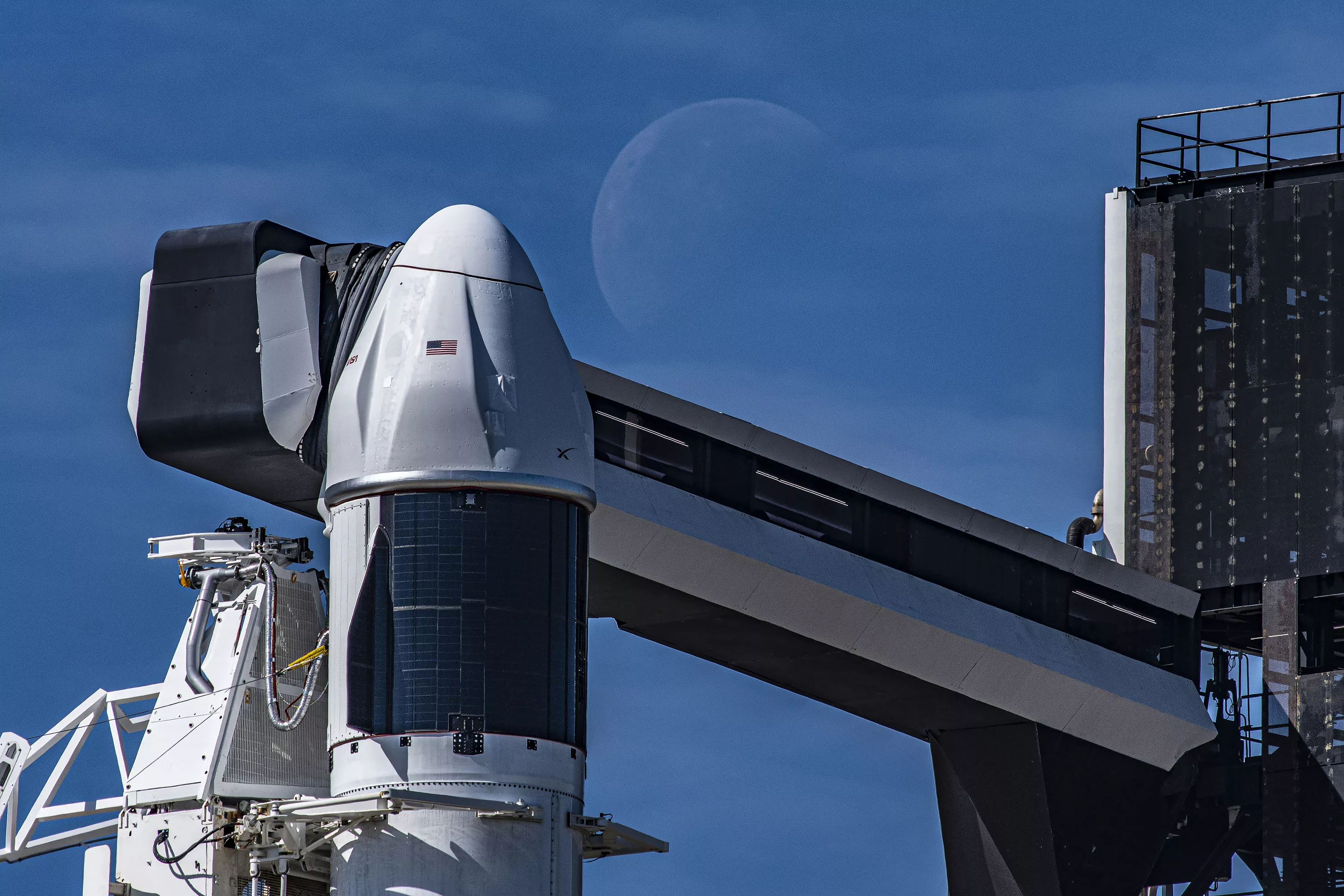
NASA spent billions of dollars developing two independent astronaut transportation systems. The result: SpaceX’s Crew Dragon works, while Boeing’s Starliner does not work particularly well. SpaceX now wants to retire Dragon by the end of the decade, leaving NASA needing to get Starliner working, whether it likes it or not.
SpaceX has told NASA in recent months that it does not intend to keep Crew Dragon operating for long beyond 2030. In a recent appearance on the All-In Podcast, company president Gwynne Shotwell did not specify an exact date, but pointed fairly directly to Boeing: a second service provider exists, and the government has already paid a great deal for the development of its spacecraft.
Dragon will continue flying for years
Talk of an immediate shutdown of the Dragon programme is premature, however. On 18 September, NASA signed a $946 million contract with SpaceX, equivalent to about €800 million, for the Crew-15, Crew-16 and Crew-17 missions. NASA has now ordered a total of 17 operational crewed flights from SpaceX, with the contracts valued at $5.92 billion. Dragon must fly at least until 2030.
In the longer term, SpaceX wants to focus its resources on Starship. From the company’s perspective, that is entirely logical. Falcon 9 and Dragon form a separate system that must be manufactured, maintained and certified. If Starship can eventually carry out the same tasks more cheaply and at greater scale, keeping the old system will become an expensive sentimentality.
But Starship is not currently a ready replacement for Crew Dragon.
NASA’s backup plan is not even certified
Crew Dragon received certification for crewed flights as early as 2020. Six years later, Starliner still has not.
According to NASA’s Office of Inspector General report from June, Starliner could receive certification for crewed flights no earlier than 2027. The 2024 test flight revealed serious problems with the thrusters, among other issues, and NASA ultimately decided not to bring Butch Wilmore and Suni Williams back to Earth aboard Starliner. The astronauts returned in a Crew Dragon.
NASA’s desired model of two independent systems therefore currently looks rather unusual: one works so well that its manufacturer wants to move on to the next technology, while the other is still not ready for routine crew transportation after years of development.
NASA must invest more money and time in Starliner
According to Ars Technica sources, NASA is preparing to order two more Starliner crew missions from Boeing, help resolve the thruster problems and support certification of the capsule for a new launch vehicle. Starliner currently uses the Atlas V rocket, which is no longer being produced.
This is less a fresh vote of confidence in Boeing than a practical necessity. If NASA wants to continue operating in low Earth orbit after the International Space Station era, it needs a certified vehicle to reach space stations.
The International Space Station itself is also approaching the end of its lifecycle. NASA’s current plan calls for the station’s operations to end at the beginning of the next decade, with commercial space stations intended to replace it.
SpaceX’s next bet is Starship
Retiring Crew Dragon does not mean SpaceX wants to abandon crewed spaceflight. Quite the opposite. The company wants to gradually transfer the roles of Falcon 9 and Dragon to Starship.
The problem is timing. Crew Dragon is currently NASA’s only certified US spacecraft for regular astronaut flights to low Earth orbit. Starliner is not yet ready, and Starship is not certified to take on Crew Dragon’s role.
NASA will therefore not necessarily have “only Starliner” after 2030. But the agency must currently act as though it could become one of the few genuinely usable options.


