
MG S9 PHEV pushes into Europe’s family car market
 1/3
1/3
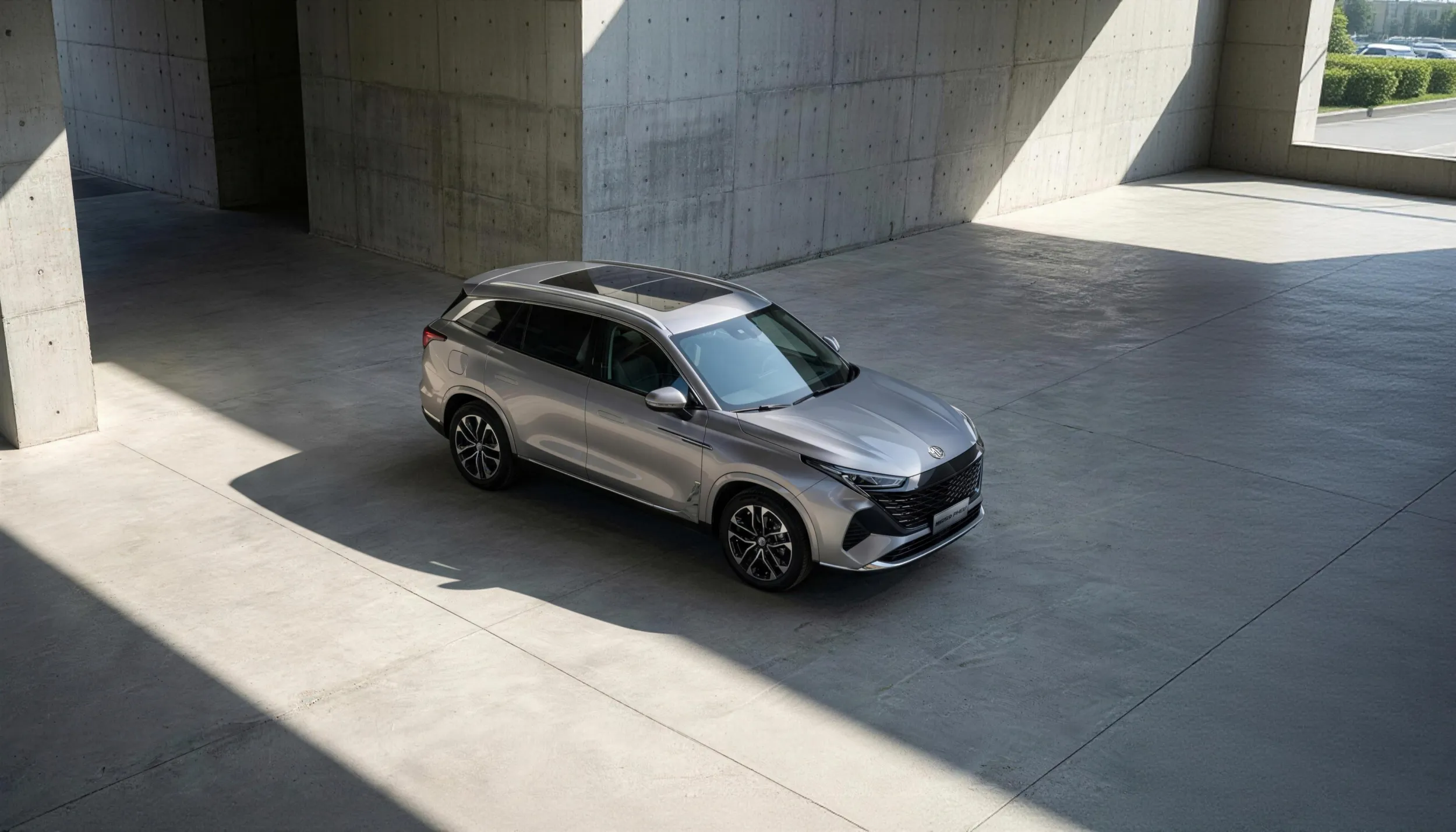
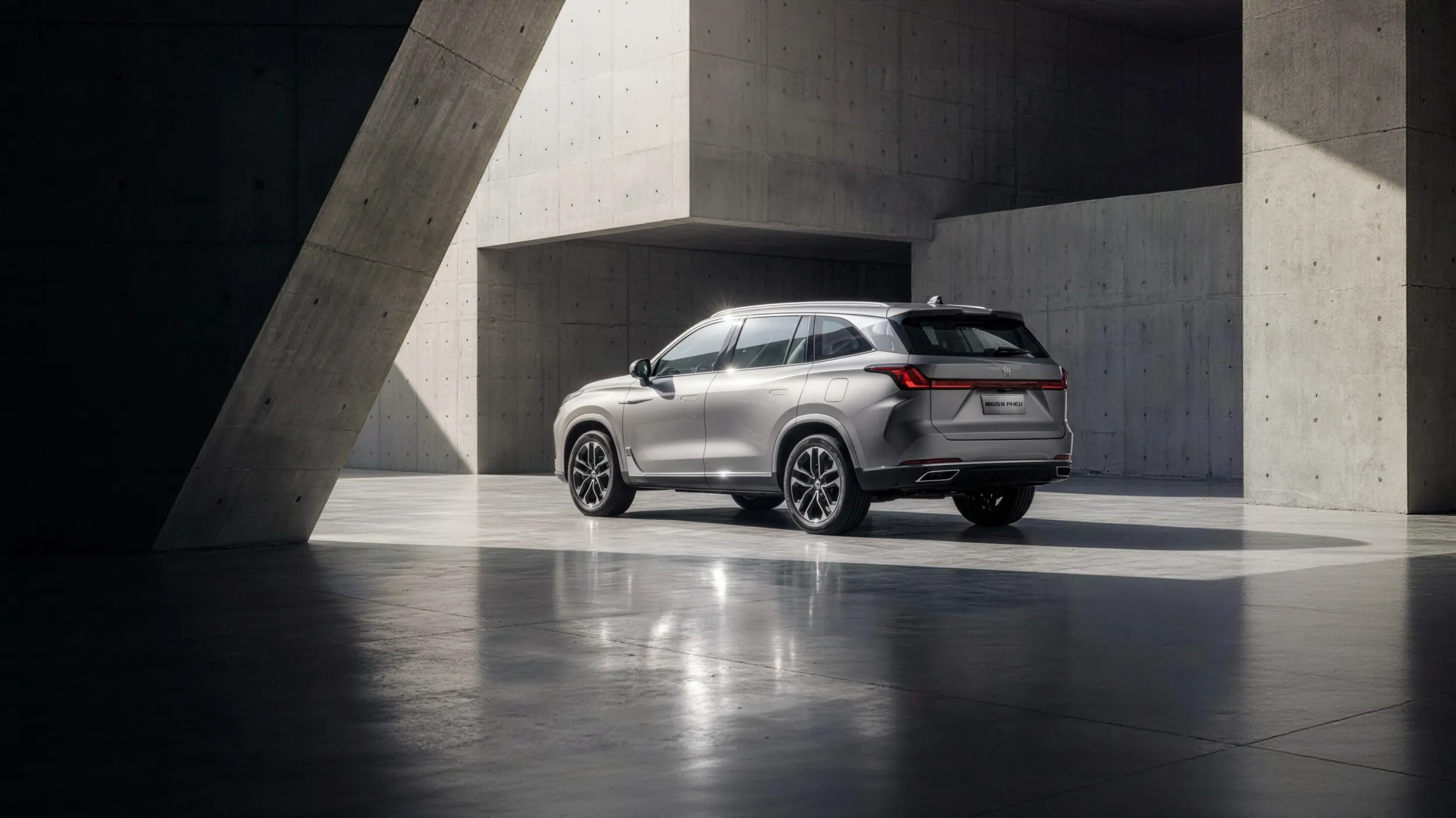
Behind the British badge sits China’s industrial giant SAIC, now preparing the next move in its European expansion, the MG S9 PHEV. MG once stuck largely to budget friendly compacts and lively electric cars. Now it wants a slice of the big family car market. The S9 does not promise technological enlightenment. It promises blunt practicality at a sharp price. MG talks up seven seat comfort and a generous boot, but to fit all that into one car the engineers have plainly made compromises, the sort slick marketing copy prefers to leave in the shadows.
Technical reality, battery capacity versus kerb weight
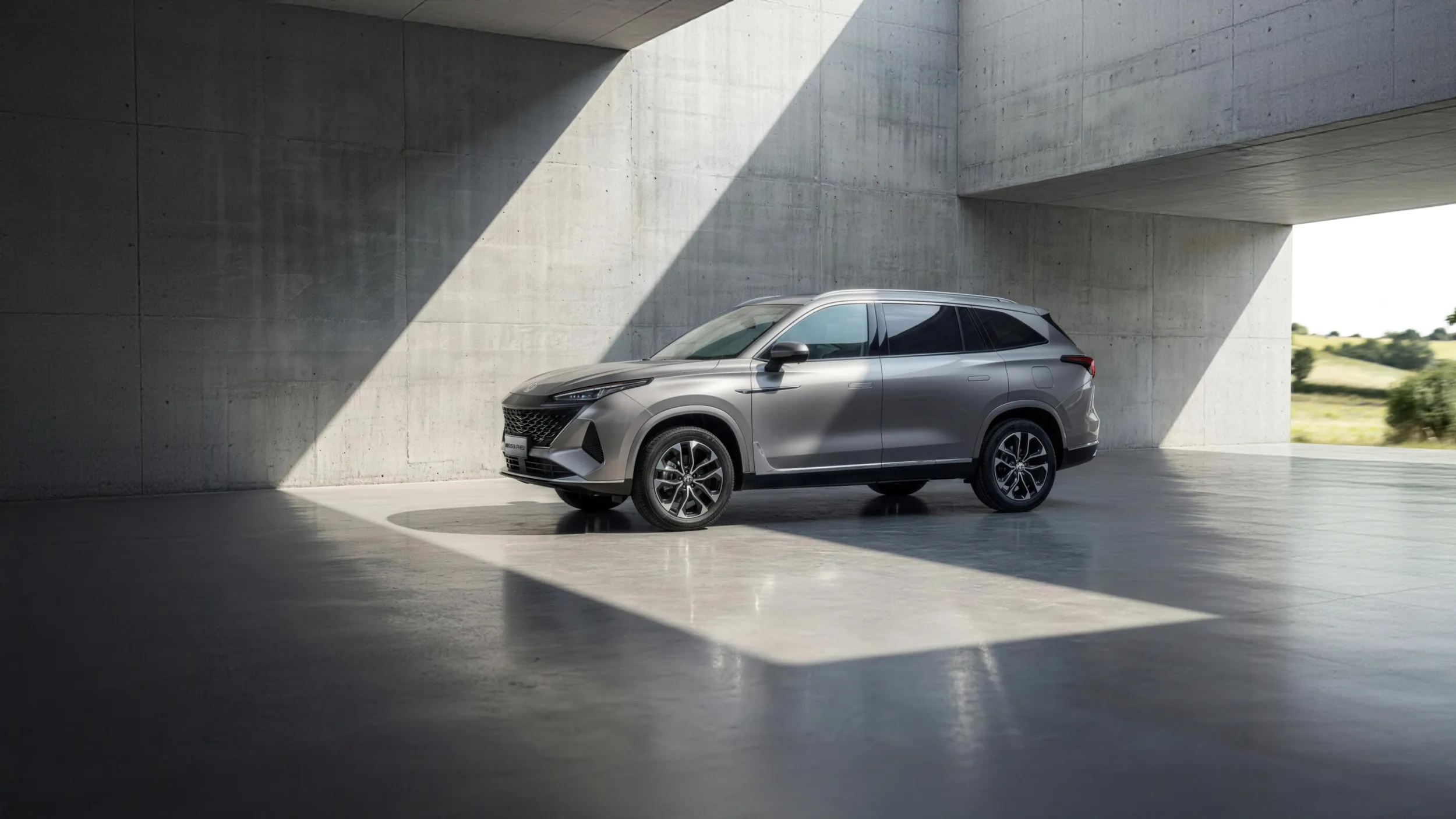
The MG S9 PHEV uses an extended version of the platform already familiar from the MG HS. Engineers stretched the wheelbase to squeeze in a third row of seats and raised the roofline to create more space. The result looks a bit like an estate car that was sent to SUV finishing school against its will.
The numbers paint a clear picture. Power comes from a 1.5 litre turbocharged petrol engine paired with an electric motor. Together they must haul a car that will probably weigh more than 2,000 kilograms even before anyone climbs aboard. On paper, the 24.7 kWh battery delivers up to 100 kilometres of emissions free driving. Out in the real world, where thermodynamics still applies and winter has no patience for brochure claims, that figure will almost certainly look far less impressive in northern Europe.
Fold the third row flat and the boot opens into a 1,000 litre cavern. Fill all seven seats and that shrinks to 332 litres, enough for seven pairs of smart shoes perhaps, but not for the holiday luggage of the people wearing them.
Still, Euro NCAP awarded the car five stars. SAIC used plenty of high strength steel in the body structure, which marks a welcome step away from the flimsy reputation Chinese cars carried in decades past.
A strategic game of pricing
With the S9, SAIC is not selling emotion or driver appeal to buyers who care about engineering finesse. It is selling cubic capacity and warranty cover. Where rivals such as the Kia Sorento and Hyundai Santa Fe ask considerably more for similar equipment, MG aims to keep the S9 below €45,000. That is a volume play, plain and simple.
MG’s strategy rests on a fairly sound assumption. The average buyer is more likely to be won over by ventilated massage seats and a panoramic roof than by delicate steering feel or a sophisticated four wheel drive system. The brand offers the kind of luxury that appeals to people counting gadgets rather than panel gaps. That, in truth, is the clever part of the plan, maximum visual impact with minimum technical complexity.
The large battery in the MG S9 PHEV looks tempting, but charging infrastructure and winter weather quickly impose their own limits. A plug in hybrid demands discipline. Without a home wallbox, that 24.7 kWh pack becomes little more than dead weight, hauled around by a petrol engine doing the hard work with a sigh. In the depths of January, that 100 kilometre electric range will probably fall by half. At least the three zone climate control offers some comfort for those condemned to the third row.
If lease payments on large SUVs are starting to bruise household budgets, the MG S9 PHEV could turn into an unexpected hit. It neatly fills the gap once occupied by affordable people carriers, a species the market has all but wiped out.
The MG S9 PHEV uses an extended version of the platform already familiar from the MG HS. Engineers stretched the wheelbase to squeeze in a third row of seats and raised the roofline to create more space. The result looks a bit like an estate car that was sent to SUV finishing school against its will.
The numbers paint a clear picture. Power comes from a 1.5 litre turbocharged petrol engine paired with an electric motor. Together they must haul a car that will probably weigh more than 2,000 kilograms even before anyone climbs aboard. On paper, the 24.7 kWh battery delivers up to 100 kilometres of emissions free driving. Out in the real world, where thermodynamics still applies and winter has no patience for brochure claims, that figure will almost certainly look far less impressive in northern Europe.
Fold the third row flat and the boot opens into a 1,000 litre cavern. Fill all seven seats and that shrinks to 332 litres, enough for seven pairs of smart shoes perhaps, but not for the holiday luggage of the people wearing them.
Still, Euro NCAP awarded the car five stars. SAIC used plenty of high strength steel in the body structure, which marks a welcome step away from the flimsy reputation Chinese cars carried in decades past.
A strategic game of pricing
With the S9, SAIC is not selling emotion or driver appeal to buyers who care about engineering finesse. It is selling cubic capacity and warranty cover. Where rivals such as the Kia Sorento and Hyundai Santa Fe ask considerably more for similar equipment, MG aims to keep the S9 below €45,000. That is a volume play, plain and simple.
MG’s strategy rests on a fairly sound assumption. The average buyer is more likely to be won over by ventilated massage seats and a panoramic roof than by delicate steering feel or a sophisticated four wheel drive system. The brand offers the kind of luxury that appeals to people counting gadgets rather than panel gaps. That, in truth, is the clever part of the plan, maximum visual impact with minimum technical complexity.
The large battery in the MG S9 PHEV looks tempting, but charging infrastructure and winter weather quickly impose their own limits. A plug in hybrid demands discipline. Without a home wallbox, that 24.7 kWh pack becomes little more than dead weight, hauled around by a petrol engine doing the hard work with a sigh. In the depths of January, that 100 kilometre electric range will probably fall by half. At least the three zone climate control offers some comfort for those condemned to the third row.
If lease payments on large SUVs are starting to bruise household budgets, the MG S9 PHEV could turn into an unexpected hit. It neatly fills the gap once occupied by affordable people carriers, a species the market has all but wiped out.


